
Brandon Sanderson's Unusual Sleep Schedule
45sSanderson's unique two-session writing schedule and night owl lifestyle is relatable and intriguing for creators.
▶ Play Clip"Title accurately reflects the interview content; Sanderson delivers deep insights on writing and productivity."
Brandon Sanderson discusses his writing process, career journey, and productivity strategies in this in-depth interview. He shares insights on finding passion, building a sustainable creative career, and the importance of enjoying the process.
Sanderson wakes around 1 PM, writes in two 4-hour sessions (morning and night), and finds night work peaceful with fewer distractions.
He discovered books at 14 through a teacher, started writing at 17, and finished his first novel at 22. He wrote 13 books before selling his first.
Elantris was his first published book at age 30. He insisted on a standalone novel to give readers a complete story, despite publisher pressure for a series.
His first contract was $10,000 per book split over 3-4 years. Advances for new authors typically range $5,000-$10,000.
Sanderson decided writing was fulfilling even if never published. He compared it to playing basketball for fun, not expecting to go pro.
Not everyone has an all-consuming passion. Fulfillment can come from serving others, creativity, or problem-solving. Trying different things is key.
Sanderson worked a hotel night shift to write. He advises finding jobs that allow creative work, but notes it's not for everyone.
Key influences: Barbara Hambly, Anne McCaffrey, Guy Gavriel Kay, Robert Jordan, and Melanie Rawn. His reading is now mostly targeted for blurbs, trends, and students.
Early in his career, reading became analytical. Now he appreciates craftsmanship and puts down books that don't engage him.
Sanderson emphasizes that creativity is remixing existing ideas. He advises becoming a 'chef' who understands why things work, not just a 'cook' following recipes.
He tracks daily word count to gamify writing. Carrots (rewards) stopped working after financial success, so he relies on habit and structure.
Sanderson describes himself as 'an artist with the work ethic of an accountant.' He advocates for sustainable productivity and not deferring happiness.
He gives key employees a percentage of company profits, believing in shared ownership and fair reward for creative contributions.
Sanderson achieved financial independence by age 37 through saving, paying off his house, and a lucky break finishing The Wheel of Time.
His current quests: finish the Cosmere series and create something with large-scale cultural significance (e.g., a film/TV adaptation).
Hitting the list is a reasonable goal for established authors. He explains the mechanics: momentum matters, and strategic release timing can help.
Sanderson uses Microsoft Word and a local wiki (Wicked Pad) for continuity. He keeps separate files for notes, outlines, and floating outlines.
He doesn't change stories based on fan theories. He aims for fractal worldbuilding: simple on the surface, complex underneath, so dedicated fans feel rewarded.
Key tips: outline backward, make every chapter someone's favorite, segregate non-writing tasks to one day (Thursdays), and learn to say no.
Sanderson's success stems from a combination of passion, disciplined work habits, and strategic career decisions. His advice emphasizes enjoying the process, building sustainable routines, and focusing on long-term fulfillment over short-term rewards.
Dragon's Bane by Barbara Hambly
book
Project Hail Mary by Andy Weir
book
Steal Like an Artist by Austin Kleon
book
The Martian by Andy Weir
book
Microsoft Word
tool
Wicked Pad (personal wiki)
tool
Brandon Sanderson
person
Andy Weir
person
Barbara Hambly
person
Anne McCaffrey
person
Guy Gavriel Kay
person
Robert Jordan
person
Melanie Rawn
person
Isaac Stewart
person
Peter Alstrom
person
Harriet (Robert Jordan's widow)
person
17th Shard (fan site)
link
How many novels did Brandon Sanderson write before selling his first?
13 novels.
03:00
What was Sanderson's first published book?
Elantris.
06:00
What was the advance for Sanderson's first contract?
$10,000 per book split over 3-4 years.
08:00
What is Sanderson's typical daily word count tracking method?
He tracks daily word count to gamify writing and maintain momentum.
32:00
How does Sanderson describe his work ethic?
An artist with the work ethic of an accountant.
37:00
At what age did Sanderson achieve financial independence?
Around age 37.
45:00
What are Sanderson's two main quests in life?
Finish the Cosmere sequence and create something with large-scale cultural significance.
50:00
What writing tools does Sanderson use?
Microsoft Word and a local wiki called Wicked Pad for continuity.
60:00
What is Sanderson's advice for handling non-writing tasks?
Segregate them into a single day (Thursdays) and limit hours to prevent overflow.
68:00
What is fractal worldbuilding?
Worldbuilding that is simple on the surface but complex and detailed when examined closely.
63:00
Perseverance Without Guarantee
Sanderson's decision to write for fulfillment regardless of publication is a powerful mindset for creatives.
03:00Creativity as Recombination
Explains that creativity is remixing existing ideas, reducing fear of being derivative.
27:00Work Ethic and Balance
Highlights the importance of sustainable productivity and not deferring happiness.
37:00Financial Independence
Demonstrates that financial freedom can be achieved through planning and lucky breaks.
45:00Productivity Tips
Actionable advice on segregating tasks and learning to say no, crucial for creative professionals.
68:00[00:00] hello everyone uh welcome to this very exciting episode of the deep dive livestream this is a lot earlier in my day than we usually do these things but today i am absolutely delighted to be joined by my favorite author of all time brandon sanderson brandon thank you so much for coming on welcome to the show thank you for having me sorry to make you uh change around how you work uh over here it's uh it's quite
[00:25] late so we found a time that is fine for both of us but perfect for neither i suspect it's actually it's actually been pretty good for me like this is this is a good reason to get me out of bed in the morning i always try and schedule calls at like eight or nine in the morning just to force me out of bed and this is like yeah the the perfect size i've been known to do
[00:50] the same thing honestly different times as we might talk about uh it's not eight or nine that i'm scheduling them but i do schedule them to give myself a deadline sometimes yeah so so on that note you're you're very much like you've got a very unusual sleep schedule like what is your what does your day usually look like so my day i will get up um a lot of times around one um i found that two
[01:14] sessions of work are better for me than one long one about a four hour session uh writing is really good for me it's this odd thing where i think this is similar actually to a lot of work but you got this like hour of spin up time and near the end you're starting to kind of spin down and run out of uh run out of steam and if i try to push that too long either one
[01:39] of those sides will kind of stretch out and what i'm really looking for is that time in the middle that's really effective and i found for me about four hours gives me a good two hours of really efficient writing time in the middle um and so i try to schedule my life around having two of those and i have always been a bit of a night owl i find it peaceful to work at night uh there
[02:04] are fewer distractions um i spent a lot of my early career before i broke in working a graveyard shift at a hotel and so i will stop my work at five uh shower for the day get ready this is five pm uh then hang out with my family uh and things until around ten go back to work at ten and right from about ten until two uh and then two until four tends to be just whatever
[02:29] i want to do um goof off time so to speak uh whatever whatever i feel like doing at the time um and that that works really well for me it gives me enough time just by myself um doing some sort of hobby or something but it doesn't overload on it and it makes sure that each of those writing sessions is pretty effective so i've been doing this uh pretty consistently um since i broke in and before
[02:53] that i was doing one writing session at night during the graveyard shift um and the day session was uh going to school or things like that nice so if we go if we go all the way back um when did you realize that you wanted to be a writer i got to it a little late um later than a lot of people you talk to novelists and they'll say oh i started uh my first concept was
[03:18] in the womb and by the time i was two i was working on my first piece of uh poetry or whatever um i discovered books when i was a teenager i was 14 i had a good teacher who got me into reading and i found something in books that i had been missing in my life without knowing it some sort of connection specifically to fantasy and science fiction there was something about the wonder the world building
[03:43] mixed with interesting concepts and philosophy and just the whole package really grabbed me um and even as young as like 14 i'm like man i wonder i wonder if i could do this i don't think i really started giving it a shot and considering it like professionally until i was 17 or so and i finished my first novel the first thing i i got done i was 22. and so i kind of count 22 that that
[04:08] age that's when it's like all right i have decided um i've moved my major from chemistry to english um and i am just going to throw my hat in the ring and do my best to become a writer nice and am i right in saying that you wrote 13 books before one of them one of them was sold yes i did i then for the next um eight years or so uh eight or nine years uh
[04:32] i wrote two books a year ish on average uh for yeah i guess so more around uh a little less than two books a year but you know what i mean um i eventually sold my first let's see i sold my first in 2003 um and so i would have been 28 so it's a little less than than eight years more like six years um so it was about two books a year uh i wrote 13
[04:57] novels i sold my sixth one right when i was uh just polishing up the 13th that was 2003 that came out in 2005. um so right around when i turned 30 uh is when my career kind of officially began okay and that was elantris was it that was launchers yep yeah it so it's it's kind of weird for me because like i so so i discovered mistborn in 2017 and i made the mistake when reading mistborn
[05:22] of reading it too quickly and then i was like okay uh i've i've got lots of friends who are also huge huge fans of yours we have a whatsapp group that we call the sander lads uh where we share like book recommendations and things and everyone was like okay now that you've done you've read mistborn you have to read stormlight next and so like 2017 2018 was like my final year of med school and that was
[05:47] like my mistborn era and then sorry i said you're insane med school plus a large epic fantasy series oh yeah it's got to be done um and then 2018 to 19 was my first year of being a doctor uh where i was kind of walking to work for 20 minutes half an hour each day and back and so that was the audiobook for stormlight one two and three for that whole year basically and then 2019 to
[06:12] 20 uh was my second year being a doctor where i was commuting an hour back and forth from work by car and that was wheel of time saga and so it's like each of these years of my life can be traced to michael kramer and kate reading in my in my airpods are throwing my car speakers um but i i discovered elantris i think it was it was only a few months ago like i'd been i'd
[06:36] obviously heard about it through your website and stuff i just didn't think to read it because it wasn't part of a series and i thought you know what let's try elantris and it kept me up until like six in the morning like for like three nights in a row so it was so good thank you uh it is a little bit odd in that i wanted to start with a standalone uh now that my renown so
[07:01] to speak has grown um it's a little less necessary but when i was breaking in one of the things i was really worried about perhaps unreasonably but i don't know worked out for me was that in the 90s is when epic fantasy really became a bankable genre for the publishers uh it kind of you know started back with tolkien right in the 70s is where it they really but in the 90s with robert jordan and uh
[07:26] robin hobb and george r martin this is when it became a blockbuster um uh genre and the hardcovers were selling a ton of copies and so every publisher wanted to have their big epic fantasy series and a lot of the market got flooded by these um and a lot of them flopped hardcore they were just not connecting very well and interestingly this is when the the y.a subgenre if you want to call it whatever you call
[07:51] y a really exploded that's the harry potter and twilight era when all the epic fantasy publishers the publishers doing epic fantasy are kind of floundering um and this is right after this whole thing is when i broke in uh in 2003 2005 and i said you know what i do not want book 1 of 10 on my first book i want people to be able to read a complete story by itself i want to stand alone
[08:15] and i know that i've tried several series that say book one of ten and i didn't like it and i'm frustrated that i didn't just get a full story from that author me um and so uh i was pretty adamant about my first book should be a standalone uh the publisher uh wanted me to do sequels to it and i said no let's let my calling card to the reading community be a book that they get
[08:40] a complete story in rather than a little sliver of something big and once i had that out i then did a trilogy and then moved on to doing what i really you know i really wanted to do one of these big series but i felt that holding off on it was a better choice hmm so so you're 30 and you've just sold elantris the and the way it works in fiction is that you you write the
[09:05] whole book and then you sell the book or is it is it based on like a proposal and like how does that work you really in fiction do not sell on proposal unless you are a celebrity that already has a built-in fan base um that sort of book can be sold on proposal or if you're an established novelist right when i go to my edit publisher right now i say here's the next thing i'm doing here's
[09:30] the synopsis and what the series will kind of be about so you can start to get marketing on board they really like to get a summer in synopsis from me rather than just waiting for the book but as a new author you gotta you gotta finish the whole thing uh almost uh without uh exclusion and so um it is this weird thing where you know you get in non-fiction you'll get paid in advance to write the
[09:54] book right that'll give you the time and fiction you gotta already have the book so the advance is kind of to pay for your next book but then we're not talking big money um elantris and mistborn was my first contract um and it was ten thousand per book split across around three to four years um it was really about five thousand per novel advance every year for four years um and that's uh that's not a lot
[10:19] of money to live on um and so i was uh at this time i had um i had that sweet sweet uh public uh school teacher money from my wife that i had uh just married my we got married 2006 so about a year after elantris came out um and i lived on her uh exhaustive salary for those uh early years of my uh of my career uh but that's pretty standard at least in sci-fi fantasy
[10:44] um advances tend to be between five and ten thousand dollars uh for a first book by an author whose book doesn't um doesn't draw what we call an auction once in a while a book will just take off uh even before it's published and a lot of publishers will want it it hits the whatever's going on in the market just hits it just right or everyone gets really excited and you do hear of these things happening
[11:09] uh books selling for 250 000 or things like this by a first-time author totally happens um it is uh so wildly unlikely to happen to you that um that it is not something to really bank upon if you're going to become a fiction writer uh you'll have to understand it's going to take a while for your career to spin up um money-wise and that's just something to build into it and to expect if you're even lucky
[11:34] enough to be able to make a living as a writer which is not guaranteed um so during this like sort of six to eight year period where you're writing on average two books a year and you haven't you haven't sold any books yet so you're not making any any money off of the writing itself how did you keep yourself going that this is what i want to do and i can i can see the light at
[11:58] the end of the tunnel like what what what was the thought process back then yeah i often talk about kind of one of the big moments in my career happened before i had a career and this is when i was writing those uh those those back novels the 10 through 13 where i was starting to think all right um everyone told me that this was a really hard job to do and that uh my chances were
[12:23] really slim which by the way they are less slim than people will tell you my experience has been that people who really dedicate themselves to the craft and things it's more like one out of 20 or 30 who end up going on to have a career uh as opposed to one out of a million like everyone told me um but i mean if you went to med school and they said yeah you're gonna go through all
[12:48] of med school and you're gonna have a one out of twenty chance of becoming a doctor i think maybe you would have rethought uh some of what you were doing it's still you it's still a difficult job to get to work because it's in entertainment but it's not it's not as crazy difficult as people pretend it is but that's different conversation um during those years i'm like okay maybe i'm you know one of the 19 uh
[13:13] who really enjoys this but is just not writing things that match the market really well and maybe i will not ever have a career and i kind of came to the decision that i had to be okay with that right that writing was something i did because first and foremost i really loved doing it and i thought think it makes me a better made me a better person i use the the metaphor of basketball actually to
[13:37] mix metaphors a little bit between writing and sports but i have friends who go play basketball i mean we're in our 40s uh none of us are going to the nba right um but i have friends that you know regularly they'll just go play basketball why they enjoy it it's good for them um it's really a great thing and you know um my publicist loves to go golfing he is not going to end up on the
[14:02] pga tour that's just you know not a thing that's going to happen in his life uh but nobody asks him when you're going to go pro but if you start writing a book people will ask you when you're going to publish it when will you monetize this thing and don't get me wrong i think monetizing the thing that you're working on is totally a great idea and maybe we'll talk more about that and things like that
[14:27] but um understand that if you want um if you want a stable career and you want to earn well writing is not the thing to do that's not the reason to do it um i i kind of made this decision i said you know what if i hit let's be aspirational if i hit you know age 99 and i have written a hundred novels that have not been published um that's okay you know what i'm a
[14:52] bigger success than if i give up now because i'm giving up on something that i truly love and maybe i have to scale back get her get a real job quote unquote um i was in grad school at the time get a real job have a real career find something that i enjoy and writing becomes my hobby um and i was okay with that uh i didn't want that to happen but i was okay with it
[15:16] i was willing to take that and go with it uh and that was a big important sort of moment for me um realizing that i legitimately just enjoyed doing this it was extremely fulfilling um and i was gonna keep going uh and for me i got lucky right i'm the one out of 20. um i'm the one that uh what i happen to write matches the market really well i have some natural talent i've been able
[15:41] to expand upon and i was in the right place at the right time uh for a number of publishing uh opportunities and my career has really worked out um i have friends though who they're also the one out of twenty um they aren't um you know best sellers but they've made a career out of writing and uh they enjoy it just as much um and so it's you don't have to become astronomically successful to have a
[16:06] career uh but you do have to be willing to take that risk that maybe you won't have a career and this will be your hobby and just a dedicated hobby that is a big part of your self-identity most likely for most writers yeah so it's as as part of this equation of you know help helping us figure out what what to do with our lives anyway it it seems like there's broadly like two strands of it
[16:31] there's one strand which is a find find something that you enjoy and do it and then there's another strand which is like find enjoyment in the things that you're doing and it sounds like for you writing writing was that thing of you found something you were passionate about and you found that you that that that that you enjoyed it as well do you have any any any thoughts or advice for people who are in that position
[16:56] where they're like i'm not really sure what i'm passionate about like what how how do you how do you how do you think about that yeah um it is kind of hard uh in some ways because um i've noticed this in some of my friends uh some of my roommates in college and things like this where i had this all-consuming passion and i was going for broke right if i didn't have to end up selling um
[17:20] my fallback jobs were um were not the same sort of caliber right it's i end up becoming an insurance salesman or something right um i i couldn't really have even become a professor because becoming at least in the states an english professor um requires certain hoops to jump through for phds and things that i just was not doing in grad school um i wasn't working on the papers in the journals and all the stuff um and
[17:45] so i was all in on this and i had a roommate who one at one point told me you know brandon not all of us are like that i i do not have an all-consuming passion i want to find a job i want to enjoy it and i want to come home and play video games um and that is still how he is he's in my writing group uh and you know i basically i was kind
[18:10] of myopic uh early before in my pre-published years because i kind of had this everyone must have this all-consuming passion sort of thing which i just don't think is true um i think there are a lot of very fulfilling jobs out there and in fact one of the things that i often say to people is if you are a writer if you really like writing um programming and writing feel very similar in fact i had to
[18:35] stop taking i took a programming class in college and after it i'm like i can never take another one of these because that semester was the hardest i ever had writing because i would do my homework and then i'd feel like i'd already written for the day when i'd been coding um and it would leave me kind of mentally exhausted and most of my other classes use a different part of my brain coding is basically writing
[18:59] it's the same sort of thing when you're writing a novel you are problem solving how to achieve these things you want to these results you want to get out and you know the output is reader investment and emotion rather than the outputs that you might have for the object you're uh you're you're coding or something like this but um i think that you can um humans are kind of uh they're things that drive us one is
[19:24] creativity being able to make something but another is serving people um i actually think the best uh i had a lot of fun working a graveyard shift to the hotel being able to be the person that at night when somebody needed something at the hotel i just got it for them i made i made them happy i i didn't have to sell a single thing because no one was coming in and buying rooms i was just
[19:49] there to make their experience better and i found that wildly fulfilling um shockingly fulfilling for me now of course i was writing at the same time i'm at the front desk typing away interrupted to go get somebody something they need um and so it was okay it was kind of a good match of the two things um but um i think that we just you know acknowledging what it is that that human beings generally find fulfilling
[20:14] finding out what it is you find fulfilling um is it finding a need and fulfilling it is it being able to be creative is it problem solving uh you can find these general groupings of things that you happen to find satisfying fulfilling and you can then find a whole bunch of different careers um and things that that targeted in that uh that that that grouping of yours and just like writing computer programming you're very similar there's
[20:38] a lot of things like that out there um and i often say you know try a bunch of different things i wish that our our college and profession um building uh how can i even phrase this the way that we prepare people for the workplace i wish it involved a lot more variety um i wish there were more opportunities for us to try different things out to try different jobs out try different majors out you know
[21:03] and and really find what people find fulfilling in them because if i hadn't had this teacher get me into reading who knows what would have happened with me right um and i everyone thought i was a reluctant reader that i didn't like reading uh when the truth was i just had not found the right books yet it was the world building and fantasy novels that made the difference and then i became a huge reader but before
[21:28] that my teachers were saying to my parents like he just doesn't like reading um he's just not a reader find a career for him that doesn't involve a lot of that yeah it's so interesting how just sort of the right person in the right at the right place at the right time can completely change the trajectory of your life and i've definitely had that happen a few times a few times with me yeah it's it's interesting
[21:53] this thing you say about about the graveyard shifts at at the hotel you were working at because because that was basically exactly what i was doing on my night shift at the hospital where i i used to really enjoy night shifts because generally it's quite quiet you don't usually have new patients coming in the door and it's normally just a case of a nurse rings you up or bleeps you and wants something prescribed for their patients
[22:18] and because the hospital i was working at had like electronic prescribing i could sit at the front desk in their plushy kind of chairs with like two computer screens in front of me one that had the electronic health record and the other one that had like a document open where i was planning my youtube videos and i'd get a call i'd prescribe the thing or occasionally go see a patient but i i got i got so
[22:42] much like non-doctor stuff done during this shift so i used to really really enjoy night shifts and all my friends used to be like oh my god found one on purpose um i actually had known someone who worked as a security guard and was like wow i get to read all kinds of books at night it's great and i thought you know i'm a night owl i should find a job like that and i went and
[23:07] tried actively to find one um and like i was very upfront with the people at hotel i said i'm doing this because i want to spend i want to have some free time at work to work on my riding they're like great the last guy we had fell asleep on the couch um this doesn't work for everyone by the way those are listening like ooh i'm gonna go become a graveyard shift uh clerk be aware that
[23:32] larger hotels generally have things they expect the night auditors to do they don't let you sit at the desk and not do stuff you're like folding towels or things like that i found a job luckily they didn't do that but also a lot of people just aren't productive during those hours um i've had a friend who wanted to become a writer who went and got a job at the same place that i had worked and it
[23:57] was a disaster um it was you know several months of him trying to adjust his schedule to do the brandon shift and it not working at all um and it just happened that that was how i'd worked since high school i had actually generally in high school i was staying up late going to sleep for four hours going to school coming home and sleeping for another four hours and then getting up um which was an odd
[24:21] schedule for a high school student and i don't recommend it uh but i was basically already doing this um yeah that makes a lot of sense uh this is something i'm i'm i'm starting to look into as well this idea of everyone has their own how everyone has a specific chrono type in terms of are you a night owl are you an early bird and and so on and so i've got some friends who are really
[24:46] into sports medicine where they analyze athletes to figure out their optimum performance so i'm going to try and get one of them on my youtube channel so i can have this analysis done for free i find that all really interesting um because i don't think we really know yet right like it seems all very speculative when i read about it um and i i don't know how all i know is that i generally keep falling into
[25:11] the same sleep schedule i tried to get off of it when i was first married and my wife was not thrilled by the idea of you know me going to bed at four or five um and her getting up at six for school um and so for for a few months i tried my best and it was just miserable uh i did not adjust and eventually she's like okay just go back to your schedule uh this
[25:36] this is miserable for both of us nice so we we've got a couple of questions from the chat um that we that we can take now so um one of them is uh from angus our producer who is who was your biggest inspiration in terms of authors and who inspired you to write um i usually answer this by there's the few authors that were really uh foundational to me uh the first book i read was dragon
[26:00] spain by barbara hemley and that was the book that worked for me to pull me into it it's a lesser known novel um and i still really love it um i would say i was more influenced as a writer though by um by anne mccaffrey who is a big fantasy writer at the time um and uh just a fantastic all-around uh writer a couple other writers um guy gavriel kaye's ability to write single volume epic fantasies
[26:25] um just astounded me when i was younger and he still continues to write fantastic things uh criminally under red uh guy gavriel kay for those who don't know uh was one of the people who helped christopher tolkien put the silmarillion together um and to this day uh he won't admit how much he had to do with it uh even even to authors like me but uh he was uh he maybe kind of did for the silmarillion
[26:50] what i did for the wheel of time um the wheel of time also another big inspiration for me it was the first really big epic fantasy series that i got into uh and i also usually mention an author called melanie ron she's again lesser known these days but she did some really interesting things with magic systems that i read early on in my career that made me say you know i really like this sort of thing
[27:15] maybe i can do something like this sweet um and we've got a question from seamus gregan who says what do you read these days and how much do you read among amongst your other amongst your writing right um so not as much reading time as i used to have uh this is very common for writers and a lot of my reading also very common for writers is new authors books to potentially give them blurbs books by
[27:40] my friends who are having books come out that i want to be able to chat with them about their uh their writing the kind of leaders in the industry that for some reason another i haven't picked up on and need to read just to know what everyone is reading and student works uh and that's it kind of um there's very little of me going to the uh the book store and being like oh what came in
[28:04] this month my reading is almost always targeted it's like this new book is being uh has been acquired and this this author could really use a boost let me see if i like the book uh so i can give them a good review um or this book everyone is talking about in the industry i'd better know what's going on in that book so that i i know what the trends are um or oh one of my
[28:29] students just published a book i had to read their book uh you know this sort of thing um and keeping just keeping up on my friends books is uh is a challenge right uh my good friends the and even kind of my writing partners at times keeping up on all the things they're doing uh is almost a full-time job unto itself so i did um i can give you a recommendation probably the best book i read
[28:54] last year it's not out yet um it was andy weir's new book he wrote the martian uh he's got a new book coming out in may uh called project hail mary and i just loved it uh i got an early copy of that and that was more of a um the rare sort of thing where i really like his work so i just got an early copy and read it because rather than he doesn't really need
[29:19] me boosting him he's got matt damon based on his books and stuff like that so uh but i just wanted to read it uh and so uh that's author privilege i got to i got to grab uh early books now and then of things that i like nice i've just pre-ordered it and i pre-ordered it on amazon so thank you for that recommendation yeah if you like the the martian you will like this um it's uh
[29:43] it's more science fiction it's more like a more hard science fiction which i really appreciated like i love the martian don't get me wrong but uh this is a little bit more more hard science fictiony um and it also has i think a more interesting character the character for the martian is really fun this character andy stretching a little bit uh working uh you know doing something a little bit harder and it pays off in the
[30:08] book um i really enjoyed what he did with the character um when you're reading a book so like when i'm reading a book uh like an epic fantasy of something i am not reading it with a very critical kind of eye i'm just sort of enjoying it and it's a it's a page turner i'm like oh this is really cool and like oh my god like this is such an epic moment do you how does how
[30:33] does your reading of these sorts of books change given that you're a writer yeah it changed quite a bit particularly early in my career um and i stopped really being able to enjoy books in the same fun way i had enjoyed them before and that was rough for a while you'll find this with a lot of writers right in their kind of journeyman stage as a writer they're having trouble getting through books um and then you
[30:58] kind of come out the other side changed um at least for me what happened is i gained kind of this this grand appreciation for the art form of storytelling uh that i didn't have before and now um the biggest change is i don't finish books that i'm i'm that i'm not getting anything out of uh and when i was younger i just i finished everything even if i didn't like the book now i put it down
[31:22] if i don't uh that's a big change but now i spend my time kind of impressed and in awe of the writer's skill and being like wow i can't believe they pulled that off oh that's a really interesting thing to try in this type of book um basically it's it's me hopefully learning from them but also just kind of appreciating the craftsmanship of storytelling they're just going into their books um and i really enjoy that i
[31:47] find it more satisfying in in many ways um and i appreciate books kind of differently but i have lost kind of just that that wonder that was to reading when i was younger and that happens to a lot of people as you become a professional same thing in like you know video games or movies you spend too much time working on movies and you instead of seeing the movie you'll see the shot that the cinematographer is
[32:12] setting up and be like wow that's a really interesting shot if you're thinking that the movie is not working at its core for the reason it's supposed to work on you but it can work on a uh on a different level and that hasn't really happened to me with movies like while i'm watching the movie i just love and appreciate the movie um afterward i do a lot of analysis in my brain kind of talking to
[32:37] myself about the story and stuff but during it i tend to still just get caught up in the storytelling so one book i have on my on my desk at all times is austin cleon's still like an artist uh i don't even come across it uh how do you how do you think about like other fantasy writers and like getting inspiration from them and and also vice versa like you're such a huge name and fantasy that
[33:02] lots of people are probably now massively inspired by you so how do you how do you think about that in terms of like ideas and collaboration and plagiarism and all that kind of stuff yeah um so i think in general um authors worry a little too much about um coming off as um derivative and things like this um now your early books are gonna feel really derivative that does happen like my my first unpublished book feels
[33:26] very derivative um but you know this is why we don't publish our first books and it's really okay like um i am never going to fear like i'm not one that's afraid of being plagiarized right like you authors develop their own voices and their own ways of doing anything and if you give two authors the same concept they will come up with wildly different books um and i think that really the way that human creativity works
[33:51] is recombination um we remix that's what we're really good at we don't uh we don't come up with a new wholesale creature we put a horn on a horse and like look at that that's cool um that's like how we create uh just kind of on a fundamental letter level we don't imagine a color that we've never seen our brains aren't equipped for that um what we can do is we can imagine you know something that
[34:16] is usually one color with a different color and kind of play with that um and theme and things like that so um i do think that you do have to be worried about um a little bit about being derivative but not terribly much in my class with my students i talk about the difference between what i call a chef and a cook i am a cook when it comes to actual food this means you give me
[34:41] a recipe and i can follow it and generally get the thing that i'm supposed to be making but if i do something wrong or if i haven't accounted for something i have no idea how to fix it right if the recipe just doesn't turn out i'll have just no clue uh a chef would be able to say oh you're at a different elevation that causes this effect that's why this bake turned out differently um you need
[35:05] to do this this thing and this and tweak this or your butter was melted and you know it was too melty and so you got this result um as a writer i encourage my students to try to think of themselves like chefs rather than cooks which is train yourself to look at something you love and break it down to why you love it on a fundamental level and then rebuild it into something that is your own
[35:30] um and i think that's just a very useful skill for creators to have um and this is where you know you start to make these connections where you're like wow a buddy cop movie and uh in a co and a uh romantic comedy often have the same plot structure why is that why what do we what are we loving about these things how can i use an element from that what is a heist i love heist
[35:55] movies can i create and you end up with something really cool like inception which is a heist but unlike any you've ever seen it follows the heist beats really well but it still feels wholly original because you know christopher nolan and his brother have broken this thing down and looked at what they really love about what makes a heist work and then they have created their own uh version of it that does something new and original
[36:20] and um that's you can learn to do that if you can learn to uh to boil it down to what you love and take that core element and build something new around it you will be a successful storyteller i am convinced yeah it's it's it's exactly the same with with for example youtube as well like i teach a lot of people how to how to do well on youtube and it really is this case of you
[36:44] know look at other people that you like the videos of figure it out figure out what it is about those things that you like and then think about incorporating those into your thing into your own videos and not worrying too much about like originality at the start because in your quest to be like you know someone else that you like you'll end up finding your own voice and kind of doing it doing it your own way
[37:09] yeah i actually kind of noticed this in youtube i i like um i like the kind of infotainment youtube quite a bit um and the video essays and things like that and years ago bill wurtz uh dropped a kind of history of japan video and then it was wildly successful it's this awesome piece of media it's really innovative and interesting and then you just basically didn't do anything more like that well like you know five seven
[37:34] years later wherever we are now there's like entire channels that are based around these kind of comedic retelling of factual events um that kind of owe their dna to bill where's doing this thing and being really successful and then just you know he wants to go off and make music um and so he does that instead and um they all feel different they all feel original um and they're all feeling this this hole that nobody knew
[37:59] that they wanted uh but they did and it's kind of been fun to really watch that and a few of them even acknowledge hey i watched this bill wurtz video no one was making these things so now i am i'm doing it um and you know a lot of these things have hundreds of thousands of subscribers that are making really interesting uh uh original content all because one person made this thing uh that had such an
[38:24] effect on the market so to speak the industry so changing changing gears a little bit uh we talked a bit earlier about um the idea of finding something that you're passionate about and going for that and and you were kind of lucky in a way because you found this thing writing that you were super passionate about i'd love to get your thoughts on the other side of the equation which is finding joy in the things that
[38:48] we're doing and there was a quote from one of your one of i think from one of your classes where where you said success is success involves making yourself do the things you want to have done i wonder if you can just kind of riff on that for a little bit yeah i totally can um this is kind of a a hobby horse of mine so to speak a personal philosophy if you will um like i
[39:13] truly enjoy writing but it is also still work right and there are parts of it i like less than other parts and the part i like the most is writing the end and then letting people read the book the experience of knowing people now get to read this thing that i've created that's like you know that's just that's the top that's what i want to do um but to get there i need to spend between 6
[39:38] and 18 months working on a story um in a dedicated very slow and steady way in order to have this thing that i can show to people and some of those days i'm really going to love working on it and on most of those days i'm going to be like once i get into it i'm really enjoying it but i have to force myself to start working right as much as i enjoy writing playing another game
[40:03] of civilization would probably be more pure dopamine hit joy than working on my books and um so i've kind of uh looked at my career and how i made myself do stuff uh early in my career before i got published uh it was uh a stick instead of a carrot um i saw i joked that i saw a phantom cubicle chasing me and if i didn't write my books i was going to have to let it
[40:27] capture me and spit me out as a salesman or something like that but very quickly that stopped being a good motivation for me and what started working was me realizing i love watching numbers count up on a spreadsheet and the simple fact of keeping track of my daily word count would make me more likely to write the next day because i liked seeing myself inch closer and closer to that goal of finishing something and finishing it
[40:52] was so satisfying that i was able to kind of defer that and be like each day i have finished something and the the percentage counts up and i'm that much closer to being finished um and that works really well for me we talk about gamification that's a that's a bit of a you know experience bar gamification um at times in my life um a carrot has worked also um it stopped working as soon as i got
[41:17] even a little bit of success um early before i you know when i was newer and younger it could be like my nerd hobby is managed at the gathering right and i could be like you know um i can open a pack of magic cards if i if i finish my work for whatever this this week or whatever i can open up one of these packs and look at my new cards once i achieved success to
[41:42] the point that a pack of magic cards was no longer like i could buy a hundred packs each day and it wouldn't uh noticeably affect my bank account uh the um the carrots stopped being effective for me um and fortunately i had this whole structure in place by then once it became a career uh because you know earlier in my career one of the things that uh was is interesting is that my writing time was in
[42:06] many ways more precious because i only had those few hours at night and during the day i wouldn't be able to write too much school going on homework all these things and so at when midnight rolled around at uh work at the hotel and i had that time to write um that was precious time to me and before i got that job i even it was even more precious because i couldn't write at work and so
[42:31] i'd have like an hour uh you know uh a week or things like this where it's just like this time is my golden time and i cherished it um it became harder to write when i got more time in some ways because suddenly writing time was not a precious commodity in the same way and so having basically um i talk about learning to hack your brain find out what motivates you on a day-to-day basis um and
[42:56] figure out how your brain works and the things you can do kind of to trick yourself into doing what you want to have done because if you do this the right way the days become very satisfying and you'll notice like for me if i get my word count and then i get to go play a video game for a couple of hours and i've also spent three hours with my kids playing their games or doing things
[43:21] with them and a couple hours of my wife doing what she wants to do when i retire for the day i just feel incredibly fulfilled right like i've got good family time i've gotten so much of my work done because i've made myself do it i even had a few hours just to goof off and you know recently it was playing bowser's fury on the switch right i'm like hey my kid bought this let's uh let's
[43:46] play an old school mario game uh and you know it's just it's a really light good balance for me um other people work in different ways there are people who that binging is better uh there are binge writers who are like i need three months to write a book and to do nothing else during that time and then i spent the other nine months of the of the year just kind of gearing up for the next
[44:10] book doing some revisions and things like this uh that's not me slow and steady make every day satisfying um don't put off to be like i'll be happy in the future be happy now um by by making a good work life balance uh and spending time with family and um and you know what it is just pretty wonderful um i i highly recommend getting to a place in your life where you are feeling like that when
[44:35] you when you go to bed each day um yeah this is uh it's it's kind of funny because often if i if i'm if i'm interviewed on a podcast or something and and i'm i'm talking about this topic the line that i just land on is journey before destination and i think that's just that's just such a good like mantra for life and it seems like you've really you're really kind of living that yourself yeah a
[45:00] lot of uh artists and writers i know um they do not have a good balance in life and people often come to me and they're like why are you so prolific and i'm really not um if you look back at the highly profit prolific writers during the pulp days when it was if they didn't turn in their pages you know they get paid by the word so they turned in their pages um and the pay was
[45:25] not good uh these people were doing um way more than me um but um i feel like we artists just don't tend to have good structures in life build around helping them get to uh product productive effective long-term productivity right um that other other businesses do they they kind of understand this and uh you know there's like this entire culture at places like google centered around let's make sure that you remain productive for a for a
[45:49] long time um and writers have to be self-motivated no one's there um telling you do your work like um you don't have a lot of external motivation my my roommate in college uh tom he he picked his major by looking at which majors earned the most with only a four-year degree if you didn't want to go to professional uh school or to uh get an advanced degree what would be the highest earning and at that time
[46:14] at the school he would we went to it was chemical engineering so we just picked that and they had a very rigid schedule for four years if you wanted to be a chemical engineer like every class was picked for you um and you were taking these classes i assume you maybe had some of this uh in your life where it's like you know you try really hard to get a 65 on the test um because that's
[46:39] you know that's going to be a b you're going to be fine where i'm over here in english where you know we're dancing through fields and flowers and talking about our feelings and reading jane austen um and nobody is saying you know here's what you do to actually turn into an author they're all just kind of talking about our feelings and you know if you if you get 65 on a test then you're just like mortified
[47:04] um like that's just not okay uh and these two different worlds couldn't be more opposite and i think a lot of artists are in this kind of thing particularly writers because even in the visual arts you end up with people who can kind of counsel more but so few people understand how to make a living as a writer you end up with all these people just kind of bumbling through it on their own and it's it's
[47:28] no wonder that they don't have you know good work-life balance and things like this because how do you build habits like this when no one talks about it uh when everyone says what you do is you feel your inner muse and then when your inner muse speaks to you you let it out and this color flows onto the page that's how you write a book um and you sit in these classes you're like okay uh but
[47:53] then what right um and so anyway i i feel like writing has a lot of dysfunctional people who are uh function they're good you know they're trying very hard but their lives through no follow their own have become very dysfunctional yeah there's a there's a quote that i think again from one of your one of your youtube videos uh which was which was probably from one of you one of your classes which is that you you
[48:18] think of yourself as an artist with the work ethic of an accountant is is that fair to say yeah yeah that my mom was an accountant uh before she retired and she uh she taught me good work ethic when i was young and she doesn't understand fantasy novels uh she kind of she reads my books because they're mine but she uh she trained me in a really solid work ethic like i had a job when i
[48:43] was 14 and uh it was paper out right like a little self-employed thing and there were she was setting up you know these kind of ways that i go about it how i accounted i had to account it myself kid of an accountant right um and i applied a lot of that to becoming a writer uh because i am more ahead in the clouds type person um than i am naturally an accountant but i had that
[49:08] really good training as a kid and it has served me very well um yeah i think for for a lot of people it's a bit and like for for all of us it's really this this balance of like how how can we make like how can how can we make the stuff that we're doing more fun so that where we actually do it and it in a way it does need us to talk ourselves into doing
[49:32] it like there's a lot of times where i can't be bothered to film a youtube video but i do it anyway and then once i get started i'm like oh i'm i'm you know this is kind of fun because i i like the sound of my own voice and then when i'm done with it i'm like oh this is great now i've just done another video and i'm so glad i forced myself to do it at
[49:57] that and that early stage and i think if you fall off at that early stage then then things don't necessarily work yeah yeah totally uh this is so important in doing any sort of self-motivated artistic uh or creative pursuit um like youtube though you know we could talk for hours i don't want to go down this path but i do think there are some dysfunctional things about the way that we treat work in society um and
[50:22] the way that we we like um i worry a lot about uh you know what we do to doctors uh to be relevant there's this this sense that um i don't know how it is uh where where you live but over here it's like your first 10 years are going to be miserable but then life will be good after that uh you're gonna work these in incredible shifts it's like we have to make the doctors feel
[50:47] pain to make sure that they deserve than having a higher than standard uh living wage later on i just think that's a terrible idea i think it's an awful thing to be training people um i think it's awful uh to be training people that they want to become attorneys that they're going to have to go through hell in order to end up being an attorney um and that's the way we gatekeep who gets to become our
[51:11] attorneys is the people that are willing to suffer through hell i think it's just terrible and i also kind of think that in general business practices making one of the things that makes us want to work is ownership and i don't know that people are proportionately rewarded for their work in a lot of businesses um and it's uh it's important to me for instance that um my kind of full-time employees and partners they have you know
[51:36] a percentage of what i make uh as a bonus every year and even though it's kind of smaller it's real and they are part of this when you know my art director is working on a book and uh you know he's pouring his creative uh energy into making this book it is his uh passion as much as it is mine even though i you know i've done the bulk of the words like he is lending his
[52:01] true genuine artistic talent to doing the maps and the symbols and the things uh this is isaac stewart he deserves a cut of that not just a you know a salary in my opinion um and i i think that we we we disproportionately reward uh in our society based on where someone falls in a certain ladder and things like that but that's a different conversation but it's so hard to feel investment for something you're working on
[52:26] um when they say you're part of our family or things like this which is very common in corporate speak over here but you don't get a cut of the profit you're just part of our family aren't isn't it great we're a family um and you know people need to be allowed ownership over the things that they create because that is how one of the reasons we feel fulfilled is this thing that we have created that we're
[52:50] part of um is making people's lives better in some way hmm yeah absolutely just on that note one thing i'm one thing i'm curious about because i've i've been thinking about this for my team uh sort of who's helping me with the kind of the youtube and the business and stuff do you do the sort of percentage of profits overall from the business or is it like on a per project basis or like how how do
[53:15] you work this out for you and your team uh so for my team it is um i basically have two baskets um the first basket is kind of what i call my officers um these are the people who've been with me for a long time they work for me full-time and they're involved basically in everything i'm doing to some extent or another um and these people get a percentage off of the net that the company makes
[53:40] basically it's what what the company's going to pay taxes on or what i'm going to pay taxes on uh since it it actually just kind of flows through to me the way the car company works so what i pay taxes on a percentage of that is a yearly bonus that it's not counting their salary i still pay them a salary um going at market rate and then there's this on top of it uh the other basket
[54:05] is the people who work on my store um and these are the people that are kind of doing the online orders are kickstarter um and things like that um and their bonuses are based on store revenue directly rather than the whole books revenue um and so we kind of have those two different baskets for people and you know when i hired my very first employee this is peter alstrom he's my editorial director and he had been
[54:30] for years um working with me and just for free as a friend reading my books and offering feedback and his feedback was just fantastic he eventually became a professional editor working at tokyo pop bringing manga over to the us and uh and things like that and i hired him and i said um you know i want to give you a percent um right now the business is not huge i hope that this sunday will be worth
[54:54] lots but it's important to me that you know that your creative energy because i feel that accountants are creative i feel that uh that editors are creative like it's a different kind of creativity my mom always says i'm not creative at all i'm like the way that you have set up your life is super creative um and right from the get-go i said i think this is important i feel like i wouldn't want to be involved
[55:19] in something unless i was seeing um part ownership to me and that percentage is uh is actually theirs to pass on to their descendants like it's it's not just um you know a wage working for me it is like they have built with me this business and a piece of it is theirs um and uh that's every time i've gone you know usually it takes a few years of someone working here before i invite them on
[55:44] as an officer um and things like that but it is the way that i approach my business and um you know what i think it is the moral way and i'm not saying that there aren't other businesses that do this they do this with stock in a lot of companies it's totally it totally happens i just feel like it doesn't happen on the extent um that uh perhaps it should it's like you have to fight for
[56:09] these things as an as a worker rather than it being offered directly to you i don't like this sort of community where people don't talk about their salaries and uh corporations try to get what uh whatever they can out of the people working for them um this is just this is just not a good way to have productive fulfilled uh people working in the company um and there's my diatribe diatribe out you know i basically barely
[56:33] know what i'm talking about i have like you know 20 employees what do i know about large-scale corporate uh sort of things but um but as a small business owner uh these are my philosophies on the note of money one thing i'm curious about so you sold elantris when when you were 30 uh for like a few a few thousand dollars and and now you're like phenomenally successful like at what point did you get to the
[56:58] point where you didn't really have to worry slash think about about money anymore um so my income basically doubled every year until it plateaued at my current state um and i would say that it was right around that you know the 20 000 mark um every like contract i did doubled it wasn't a yearly double uh if that makes sense um the 20 000 mark not enough right um right about when i was at that eighty
[57:23] thousand um i was starting to be like all right i feel good uh because what people don't know is uh is 80 000 probably sounds like a lot to a lot of people there but that's 80 000 minus 15 to the agent minus seven and a half percent self-employment tax minus because i'm in the states and we're weird and dumb over here minus health and healthcare right um by once you minus all that stuff um then
[57:48] suddenly you are at kind of an uh normal comfortable um that's where i felt comfortable where i'm like if i can make this for the rest of my life i can make this work i can have a modest house i can support a family um we're good um when it when it started at the to hit the like 300 000 mark that's when i'm like oh suddenly money is just irrelevant to me um to it starts
[58:12] there um and actually um early on right around the like 40 000 a year mark i went and got a financial planner and i said i'm in a volatile field um i want to get to where i am completely self-uh independent and i want to be there you know i want to be there if i can possibly make it i want to be there by like 60 right um a little earlier than most people um and
[58:37] things like that i made it at about 37 um uh maybe even a little younger than that where we had had saved enough and we had this plan and we put everything into it that if no more money came in i could live with a modest house and a kind of normal lifestyle for the rest of my life presuming i lasted into my 90s and never have to worry about money again and that was hugely freeing
[59:02] um that's you know a smaller amount than you might think because really um if you own your house because another thing we're doing is paying off our house which strictly monetarily does not make sense you can probably invest that money and do better against your interest rate but there's a certain peace of mind to being an artist who knows that you don't have a house payment you can live on this a budgeted amount um you know
[59:27] for um a sing a single car and this much food and saving you know for uh you've already you know one of the things i put in is like kids futures and stuff like that when that's all taken care of um that's basically when i quote unquote retired that's when i no longer ever had to take a contract i didn't want or things like that and i was working kind of solely for myself and for the
[59:52] joy of creating um something uh and that like i said that hit pretty early in my career um relatively um 30 you know it took me seven or eight years i would guess uh but i had a string of a very fortunate occurrences right being able to write on the wheel of time was just a huge um a huge boon uh to me in my life and i would have done that for free because number one
[1:00:16] i love the books growing up and number two i knew it was basically a chance to put my business card into the pockets of several million fans of epic fantasy uh people talk about exposure being worthless that is most people who will try to take get you to take exposure uh for work are indeed trying to scam you but there are certain opportunities that legitimately are worth it but because harriet who is robert jordan's widow is
[1:00:41] like a good person and things like this they paid me a very generous salary on top of that um you know like the exposure they they paid me like they were paying someone to finish the wheel of time um and that money um up front went into those bank accounts and was what made me financially independent um and um i'll always be thankful to harriet because she knew i would have done it for free and she
[1:01:06] wasn't willing to let me um do that um and um and it was wonderful um and so just some some good financial planning mixed with and legitimately super lucky windfall in my career and life turned me into someone who no longer has to worry about money nice um given that you're you're in this position of financial independence to what extent do you still care about about making money if at all so it's kind of weird right
[1:01:31] like um money really doesn't matter that much um but at the same time one of the things like my quest right now what you'd ask me what is my quest right now um i have two main quests in life one is to finish the cosmere sequence and you know bring this uh vision which is only about halfway done to my fans and um and make good on my promises to them starting it for those who don't
[1:01:55] know cosmere is like the interconnected universe of my books um and the second one is aspiring to create something that has um large-scale cultural significance um which is a a level beyond where i am right if you if you look at um the people that i aspire toward it's people like george martin who are like a step above me and have had like i um i'm very well known in the community people love my books i
[1:02:20] would be totally happy staying where i am for the rest of my career but there is a level up which is having uh cultural significance uh on the level that george managed to have um and some people like him have managed to have and that's not going to happen until i get a mass media project um film or television show um and the sales and the money are the things that let me do that and let
[1:02:45] me do it my way and so right now all of this uh basically exists for a couple of purposes and uh one of the main ones is to be able to say no to bad movie deals and have the resources and means to make good movie deals actually happen um and to be involved in them um and so at that point that's kind of where it's going right now um and um you know i'm still kind
[1:03:10] of relatively new to being this successful like um it's like the the wave teams came out in 2010 and it did it is my my like it was the the last book that i did that didn't chart really high on the bestsellers it did fine it was words of radiance where things just started to explode um and so it's been less than 10 years um that i have had um the level of means that i have
[1:03:34] now that i kind of have uh plateaued at this um this amount uh and i'm kind of putting that for toward that sort of project um and you know making the company better like you know we're we're installing a pool that's going to be a company pool um and things like that you know there are some things that i'm doing just to be like hey guys do you guys want a swimming pool let's put in a
[1:03:59] swimming pool um you guys want a movie theater let's put in a movie theater uh my class is actually broadcast from the movie theater uh right now or to my students it's not you can watch the on my youtube channel we're slicing up bits of it and put out so you want to get a glimpse of the theater that we're putting in um but you know that sort of thing there are definitely fun things i'm doing
[1:04:24] with it as well sick um i know we're on the hour but if you've got a few more more minutes i've i've got a few more questions from the chat and some stuff i'd love to ask you uh okay so with with the book that i'm writing i am annoyingly i'm annoyingly looking at the goal of hitting the new york times bestseller list and i i i feel dirty admitting it because a load of authors that
[1:04:49] that i've seen interviews would say there's a lot of baggage associated with having the goal of i want a new york times bestseller what was that like for you hitting the list and is it do you think it's a reasonable goal for someone like me to to have in my sights or should i because i feel like it kind of conflicts with the journey before destination which has become one of my one of my mantras for
[1:05:14] life well you know i don't think it is a bad goal for you to have um and i'll tell you why journey before destination doesn't mean don't think about the destination um goals of where we want to get like yes you need to enjoy the process of writing the book you know or you'll never get to that destination but the goal is to have a finished book right there is a goal there um and for a
[1:05:38] lot of new authors i would say don't have hitting the list as a goal on your first book because you can't control that but you can you have an audience you're already established you're doing a non-fiction book tied into what you actually you do on your youtube channel this is a very reasonable goal um in fact i think it is well within um the means and it is something that can help you to make the decisions
[1:06:03] during the journey toward what you want to accomplish um and understanding the list um and how it happens and things like that is handy in this regard um and so um yeah hitting the list the first time was very it was a very gratifying moment because once you hit the list once you are a best seller for life right you have been a best seller um and that's really cool um the kind of um companion to
[1:06:28] that though is that hitting the list is a different thing than a lot of people uh think it is um books don't generally sell as many copies um particularly during the during the what we call the mid list or the high the low best sellers or the high mid list that people think um so in fiction hardcover to get the very bottom of the list in the years where i was uh breaking in you needed about
[1:06:53] 2 000 copies in a week oh wow to get onto the list um that was that was kind of your threshold uh because um like a a very successful mid-lister would sell 20 000 copies total in its life uh in hardcover that was considered really successful elantra sold 10 000 right for for a break brand new author that was really good in fact uh that's kind of one of the at least during that era was one
[1:07:17] of the thresholds if you were selling 10 000 copies in hardcover you would never be dropped by your publisher you would always have a career um that was all considered a successful mid-list book um you would probably even start hitting the best seller list as as your name grows more people front load and the list is all about front loading right uh you you can have books that do very well but you know they're selling 1900
[1:07:42] copies a week and therefore never hitting the list but they do it for 50 weeks and i end up outselling the books that hit the list right list is a measure of momentum not a measure of total sales um and so um having momentum this is why it's totally valid that you would want to hit the list i don't know what it is in non-fiction by the way and i don't know it has changed over the
[1:08:07] years like the list is always undergoing these revolutions and things when i broke in uh there were 25 places on the new york times bestseller list in fiction i don't know if there are still 25 places right um and i hit like number 25 with like 2200 copies or something like that um and um so it can vary to get the top spot um in fiction during a competitive month on the new york times uh you
[1:08:32] need probably a hundred and twenty thousand copies in a week uh but uh this is this is kind of weirdly um changed by uh ebook plus hardcover you know it used to just be hardcovers now they have a separate list that's ebooks and hardcovers but it doesn't count audiobooks but this other list does count audiobooks and things like that the new york times list was really opaque for many years and no one kind of knew how
[1:08:56] they were picking their books uh and then the nielsen ratings for books started happening and um at least in fiction the the new york times list pretty much follows the actual sales numbers uh as recorded in the in the nielsen ratings these days um it may be different in non-fiction more shenanigans happen in non-fiction there are more people who um like have platforms and know how to use them and also have means behind them to perhaps
[1:09:21] game the list a little bit i don't think that happens as much as people talk about it happening i think the examples of it happening are notable enough that they catch people's attention and they talk about it but you'd have to ask some non-fiction people what it takes to hit the list um but um in a non-competitive month back before ebooks 22 000 could hit you number one in a week um this was in a january
[1:09:46] or february um and i know of one author in sci-fi fantasy who hit number one one time by strategically placing his book in the month that he already had a following um and so if you have a following your book the the month doesn't matter as much you still kind of generally want to release around the holidays but if you release in quote-unquote a bad month but you already have a following it's not really going to
[1:10:11] hurt you the way it will hurts a brand new author um and so they strategically placed their book there and they hit number one with a good campaign and they legitimately sold the copies they didn't do any shenanigans but it was very strategic what month they released the book in so that from then on that author could always put number one new york times bestseller on the cover of their book um and so just being kind
[1:10:36] of strategic about some things like that and having your audience saying to them look if you're going to buy the book i did this a lot in my career it doesn't matter anymore um to me but early in my career i said if you're thinking of buying the book buying it opening week will help the most because if everyone buys it the same week you chart higher on the list a lot of bookstores then put you
[1:11:00] in favorable placement in the bookstores um and you get on these like charts and things like that which generates its own attention and it helps sells quite a bit to have momentum at the beginning um but you know um that's kind of like something you really only have to have happen once well really twice once to get on the list wants to hit number one if you can um and then those two things just are there
[1:11:25] but the other thing that's a that's a part of this sorry i'm blabbing on this so long ago yeah yeah this is this is a good stuff being a bestseller means less than it used to uh because of amazon right um and uh amazon has their sales ranks which their actual best seller list they don't count that sales ranks is the best seller uh but bestseller is a generic term um and so uh there are a
[1:11:50] lot of people you can you can release like a book in you know the sub category uh mysteries um with involving cats happening in the 1800s right and you can just hit number one in your category um pretty easily if you if you work on it and be that for a couple of hours um and then you're a number one best seller um and so the new york times part is actually the important part um in
[1:12:15] a lot of ways and amazon's best sellers does not actually count that they kind of count like the nielsen's do they count it for a whole week and things like that but their best seller is is a term that has lost a lot of meaning um and even in the early days it didn't quite mean what people thought it mean because it means sales momentum um and in the year before the nielsen ratings it was sales
[1:12:39] momentum plus the books that the new york times thought should be bestsellers uh that maybe weren't so there were definitely shenanigans it's all k uh this is what your readers are your your viewers should keep in mind and never should keep in mind it is a marketing term bestseller is a marketing term um and uh it is used like a map marking term it is not a stamp of quality um but it is when it's working
[1:13:04] right a stamp of momentum that a book has hmm okay it's a reasonable goal to have but enjoy enjoy the journey along the way how much does charting high on the list matter to you these days if at all uh it doesn't matter that much i don't really stress it um and it just it depends on the list right like the sunday times i've never hit number one on i would like to hit number one that's
[1:13:29] the the uk's uh main list the uk is different from the us in that they have fewer lists and so it's harder to hit high on those lists like if lists are combining fiction and non-fiction the usa today list for instance does this it's much harder to hit the number one list because you're competing against a wide different you know you're competing against diet books which can be really hard to compete against in the holidays if
[1:13:54] you're releasing epic fantasy books instead um so it would be fun to hit the sunday times list like that's the one that i haven't gotten yet i i think i've gotten all the other ones um but that's historically one of the hardest lists to hit so sunday times actually means a little bit more than new york times does new york times says this thing where they kind of split into like there's a paperback list and there's
[1:14:18] a they they consolidated recently but they used to have a non-fiction and a separate business non-fiction list and you know it they they had all these lists so there could be like 20 number ones in a week uh which dilutes the value of number one uh a little bit and um but you know we enjoyed it because more people can hit number one which is yeah uh so you know i'd like to hit number one but
[1:14:43] i'm not gonna lose sleep about not hitting number one because the truth is that if i didn't hit number one it's because um it's not because i sold less it's because somebody else sold more which is totally fine right like hey good for them they're selling books um you know as long as my fans are happy and the books aren't you know crashing in sales numbers um i'm not going to worry about what number uh they
[1:15:08] happen to be but it would also be pretty hard for me to not hit number one at least in the times in fiction because when i'm releasing uh particularly a stormlight book people do not release that same week um you know if george we're gonna uh ever release is the next song of ice and fire publishers just aren't gonna put a book that they hope will hit number one in that week um and they kind of
[1:15:33] all dodge one another because there's enough lists and enough variety that they can be like ooh this book's coming out here let's put it out a different week um so that we we don't have to go up against you know a stormlight novel to get number one um and you know the days of me and john grisham fighting over number one just don't happen anymore because we're like we'll just have grisham have his week and sanderson
[1:15:58] have his week and that'll be fine sick um we've got a lot of questions from the chat and this is something i'm very curious about as well changing gears what is what's your like technology stuck when it comes to writing like what are the tools that you use for this so i am fairly low-tech um microsoft word um is my writing platform of choice the only tool that i use that a lot of people don't use
[1:16:22] is i do have a wiki um it's a personal wiki it's an open source software uh program called wicked pad and it's for me and my team to keep track of continuity in the cosmere books um and um that's only inward facing that's not outward facing fans can't go to that um but uh it is there uh it's not even on the internet right it's it's hosted locally just for us um and that is uh is
[1:16:47] really handy i find the wiki way of thinking just it's easy to look things up it's it's easier than encyclopedia entries for me um and whatnot so uh i do recommend that but i write the books in microsoft word um pretty old school um you know start on start with word one and write to the end of the chapter um uh sort of stuff and then i usually have a notes file that's a separate file and
[1:17:12] then a um an outline file that's a separate file and then a what i call a floating outline it's the short term outline of the stuff i'm doing immediately next as a separate file okay um and purely so again again shifting gears period of my own curiosity to what extent do you look at like 17th shard uh people cr sort of fan theories about what's going to happen in future books and to what extent does that
[1:17:37] like guide your decision making about what's going to happen in future books you know i don't spend a lot of time with that i understand it i was part of that for the wheel of time fandom um i went to those sites and things like that before i was in long before i was involved and i totally get it i am happy those people are there i like that they're making uh lots of interesting theories um
[1:18:01] but um you know i have learned from uh let's just say i've seen what other authors have done um and it's generally i recommend against changing what you're going to do because people are theorizing in the right or wrong direction yeah uh either way um and i kind of have this thing that if you do your job well as a writer that means that upcoming twists and turns are foreshadowed um and nothing's completely out of nowhere
[1:18:26] except for you know there's the occasional sort of thing that's supposed to be a surprise to the characters like you know an unexpected illness or death can happen in any book right you don't have to necessarily foreshadow that but plot twists and turns in general i am going to lay foundation for um and uh big world building surprises that might be surprises to the casual reader just will not be surprises to the uh to the entrenched
[1:18:51] reader this kind of plays into my philosophy on world building i i have this thing i i call fractal world building i like world building where big picture someone who is a casual fan who reads the book is is able to see the big picture and understand it and someone who wants to dig in deep um the closer they zoom you know fractal gets more detailed the more you look at it that's kind of one of
[1:19:16] the features the more detail you look at the world building the more interesting things you find to explore and to talk about um so it's kind of this two-prong thing don't make it so obtuse that the casual fan is lost but don't make it so simple and surface level that there's nowhere to dig and try to do both at once if you can very uh very easy to understand on the large scale very complex uh under
[1:19:40] the hood so to speak um and because of this i'm just not going to surprise those people because i want them to figure it out i want it to be there for them uh and i've learned that it's madness to try uh to to trick them just for the fact of haha you didn't expect that um just not how i work i don't think ultimately that's going to create a satisfying series it's like trading off the
[1:20:05] long term satisfaction of your series for the short term being able to punch someone in the face um and not have them see it coming um so uh i do read them on occasion i uh i'm amused when they're right i'm more amused when they're way off um but uh they there's basically no big twist in my books that somebody hasn't theorized on one of the websites and i don't spend a lot of time looking at
[1:20:30] them so i see them casually just you know on on my front page of reddit um which means that uh i'm doing my job to an extent and i just hope those hardcore fans are vindicated and feel satisfied rather than feeling uh i saw this coming years ago now i'm not interested anymore that's just what i have to hope yeah um absolutely and we've got it actually plays into there's there's different ways of uh of creating
[1:20:55] uh interest in your story and um an illustration of this is the book dune which is an omniscient and often will play its cards face up meaning if you have a uh if he has a twist coming he will not just foreshadow it you'll have the character that's going to betray them in their thoughts think about man it's going to suck when i betray these people um rather than depending on the twist uh frank herbert depends
[1:21:20] on the suspense of you knowing what's going to happen and feeling like you're like oh no how are the characters gonna respond to that um and there's there's a lot of depth to that kind of emotion um and that's one thing that i think writers could practice a little bit more how is your book gonna work if there were no twists uh don't make the twisted gimmick make it work because the reader is really really interested
[1:21:44] in this twist's effect on the characters and how they're going to respond uh you're gonna have a better story in that case um don't subvert expectations just to subvert expectations subvert expectations because it's going to have an interesting effect on the characters and the readers will be more engaged because of it um yeah like you kind you kind of did that with terevangen where you see his thoughts and feeling i i was very surprised when that
[1:22:09] was happening i was like oh wow he's he's telling us that terevangen's like you know is a bit of a snake and yeah and then you and then you hit them with the with with the end of book four and it's like bloody hell yeah no spoilers yeah here's a big thing it happened in the book but yeah in book one um i you know you get a few chapters but it's not a big spoiler because
[1:22:34] i don't consider it a spoiler it's not a big surprise reveal it's instead of oh this is scary sort of reveal um and that's uh that's that's what i was trying with that um so anyway i'm glad that that worked for you no absolutely and it's it's like within my uh whatsapp group of uh your your fans and sort of my friends at university anytime one of us gets to towards the end of one of your
[1:22:59] books there's always like omg omg omg what the what the like you just like in the thinking everyone's like yep that's the end of way of kings or yep that's the end of words of radiance and it's a incredibly satisfying experience um cool oh uh final thing i want to make a so europe some my channel is always sort of themed around productivity you're famous for being a very productive prolific writer so i want to take
[1:23:23] sound bites from this chat and make it into like a you know something suitably clickbaity like interviewing the world's most productive writer or something like that um i wonder if you can just sort of toss out a few other random productivity tips you have because it would be useful to chop into the video how are you so productive as a writer tips let's see what i got um i feel that writing wise knowing my destination is
[1:23:48] really important i outline backward and i write forward and i think this is very strong for me because i know where i'm going um i always have momentum because i'm pushing towards something that i think is going to be really exciting that said you have to make sure that each chapter can be somebody's favorite this is one of the mantras of um my uh my editorial director he says don't write a chapter that can't conceivably be
[1:24:13] someone's favorite doesn't have to be everyone's favorite but there should be something in every chapter that some readers can be like i love this um don't make any chapter the boring filler make sure that the boring filler is exciting and interesting in its own right maybe just a different type of exciting and i think that works in life as well right make every thing you're doing exciting and uh interesting to you in some way even if
[1:24:38] it's not your favorite part of the process i do not like revision very much revision is my least favorite part of the writing process but one of the things i've been able to do to make myself excited about it is i create an outline for my revision i really like the outlining process of books it's one of my favorite parts it's this this exploration this world building so the fun of creating an outline for this is
[1:25:02] what my revision is going to accomplish and this is what it's going to look like when i'm done gives me that same feel for the parts of it that i really love that makes the revisions more interesting to me because it's goal-based rather than just oh man i have this broken book i've got to fix instead i've got oh i get to implement this new thing that's going to make the book so much more interesting let's
[1:25:27] go and do this that's going to be more exciting so i really enjoy doing that um one productivity tip i have for creative professionals it's worked very well for me is i try to make sure that all of my non-writing things are segregated into a single day i have one day's work that i can spend on interviews that i can spend on meetings that i can spend on working on my class for instance all the things
[1:25:52] that are s beside my career uh doing uh youtube videos all of this those all lie fall on thursdays for me and i have a limited number of hours and a thursday and my whole team knows that those hours that's all they're gonna get we can't let that overflow because it's very easy to let the non-productive things that are still important overshadow actually creating new content as a creative professional you could spend forever on publicity you
[1:26:17] could spend forever creating all these things doing all these interviews and then stop writing books um and so for me my life got better when i said i'm just gonna like ripping off a band-aid i'm gonna do all these things on the same day and i'm gonna limit it to these hours um and now when something comes up that we need to do um that that you know we're like oh we totally need to do this
[1:26:42] well the thursday's full so we'll schedule that for next thursday and we just have to tell the people brandon's next hole in his schedule is that thursday and they deal with it right uh people are used to this in the business world um another important thing to practice and learn as a creative professional is learning to say no um very hard to say no you want to do every publicity opportunity that arises you want to say
[1:27:06] yes um when people write you emails that say hey can i take you out to dinner and pick your brain you just totally want to say yes because you know what you had opportunities like that when you were breaking in and you want to pay this back to the community and that's a good instinct but it's so easy to say yes to the point that you are unable to continue your career um you can't say yes
[1:27:31] to everyone and coming up with certain rules and criteria that allow you to say no is a just a really good plan um that when something falls outside of that you just say you know what i'm gonna say no they can't do it on a thursday um i maybe just have to pass on this opportunity as good as it would be because i have too many things already to do on the thursdays um i can't let
[1:27:56] it take my my my time on the other things um i have to say i have a blanket i just say no to going out to dinner with fans now i just can't do it anymore i used to do it and try to help out but i could be at a meal every hour of every day of the week um i could be signing books every hour of the day for years and not get through everyone's
[1:28:21] books and so coming up with these rules and saying this is what we do brandon like back before kovid we had a brandon can do one event a month that's it and if events is already scheduled that month and someone comes to us and says we really want branded can we do this and that that month of schedule we just say i'm sorry we can't do this brandon is booked that month and we just go ahead
[1:28:45] and um and let that be our rule because uh there are times in my career particularly the the words of radiance era that i've mentioned earlier when i was starting to explode in popularity this is where i first hit number one on the times list this is when i was starting to sell you know in the hundreds of thousands of copies instead of the tens of thousands of copies um the publisher was like we need to
[1:29:10] push this guy big he's not just the wheel of time thing like his own career is huge uh and the opportunities for promotion just started flying at me and they were high quality and it's like do you want to fly to paris for free and speak at the speaking engagement yes i want to go to paris i love paris yeah sign me up um and so we had a couple of years in there where like i
[1:29:35] was in i was in london like four times which is you know for me it's like an 11 12 hour flight um and i did like a 30 day uh 32 day tour uh for the words of radiance uh tour which is just insane and those were like eight hour well they weren't eight hour back then but they were like six hour signings and then the more recent ones like oathbringer the signings were eight or nine
[1:30:00] hours um and i really quickly overbooked to the point that it was terrible for my productivity some of those years because i was just always on the road um these rules have helped me quite a bit in keeping the focus on what i want to do most which is write the books fantastic there you go subscribe amazing stuff baby that's that's like really good writer focus um but uh that's how i the lens through which i
[1:30:24] see everything yeah no i i i've been finding that like basically all of your writing specific youtube videos are also very good just like general life advice creator advice it's you know it's a it's always interesting um ryan thank you so much this has been an absolute joy yeah any any final message you'd like to to say to the people watching no enjoy it find a way to enjoy it um i think the way your philosophy
[1:30:49] up let's figure out how to make the things that you need to do more enjoyable is a really good philosophy in life to have amazing and i will use that as the the the quote for the book all right thank you so much brandon uh thanks everyone for watching and uh we'll see you we'll see you next time all the best brandon bye bye


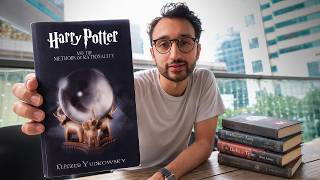
⚡ Saved you 1h 31m reading this? Transcribe any YouTube video for free — no signup needed.