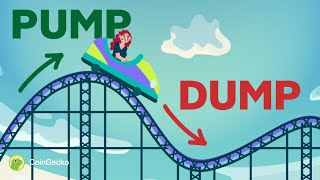

What is a Crypto Pump and Dump?
40sExplains the scam mechanics in simple terms, helping viewers recognize a common crypto trap.
▶ Play Clip"Title accurately promises explanation and avoidance tips; video delivers exactly that."
This video explains how pump-and-dump schemes operate in the cryptocurrency market, highlighting their telltale signs and providing guidance on how to avoid falling victim to them. It covers the typical phases of a pump-and-dump, recent examples, and red flags investors should watch for.
Pump-and-dump schemes involve coordinated buying to inflate a low-value crypto's price, then selling at a peak, leaving late investors with losses.
Large holders hype the asset on social media, causing a price surge (pump). Then they sell their holdings (dump), crashing the price.
Unlike traditional finance, crypto pump-and-dumps operate in a legal gray area due to lack of regulation, but they are morally dubious.
SONM token surged 7,000% to $13.9 on Nov 20, then crashed over 90% to $1.03 the next day, illustrating a classic pump-and-dump.
Sudden social media hype, celebrity shilling, low liquidity, obscure projects, and massive price spikes are key indicators.
Avoid shortcuts, do your own research (DYOR), and steer clear of anything that sounds too good to be true.
Pump-and-dump schemes are prevalent in crypto due to low regulation, but they can be spotted by sudden hype, massive price spikes, and obscure projects. The best defense is thorough research and skepticism of guaranteed riches.
What is a pump-and-dump scheme in crypto?
A coordinated effort to inflate a low-value crypto's price by buying en masse, then selling at a peak to profit, leaving late investors with losses.
00:25
Why are crypto pump-and-dumps often legal?
Because most cryptocurrencies are unregulated, operating in a legal gray area.
00:37
What was the price surge and crash of SONM token in November?
SONM surged almost 7,000% to $13.9 on Nov 20, then crashed over 90% to $1.03 the next day.
01:56
Name three red flags of a pump-and-dump.
Sudden social media hype, low liquidity, and massive price spikes of hundreds or thousands of percent.
02:13
What is the best way to protect yourself from pump-and-dumps?
Do your own research (DYOR), avoid shortcuts, and don't participate in anything that sounds too good to be true.
02:55
Pump-and-Dump Mechanics
Clearly explains the two-phase process of pump and dump, which is core to understanding the scam.
00:25SONM Token Example
Provides a concrete, recent example with specific numbers (7,000% surge, 90% crash) illustrating the scheme's impact.
01:44Red Flags List
Actionable checklist of warning signs that viewers can use to identify potential scams.
02:13Protection Advice
Emphasizes the importance of DYOR and skepticism, which are universal principles for avoiding scams.
02:55[00:00] The cryptocurrency world is a volatile one, but one rollercoaster you don’t want to get caught on is a pump-and-dump. Fortunately, pump-and-dump schemes have telltale signs that make them
[00:12] relatively easy to spot. In this video, we’ll show you how to identify a pump-and-dump in cryptocurrency, so you can avoid being blindsided. Pump-and-dump schemes are when people work
[00:25] together to inflate the price of a low-value cryptocurrency or token by buying en masse at the same time, waiting for other unsuspecting investors to FOMO into
[00:37] the asset, and then selling their positions when the price rises to a certain level. Pump-and-dump schemes in the tradfi world are illegal, but since most cryptos are unregulated, crypto pump-and-dump schemes operate in a legal gray area. They are morally dubious, to say the
[00:55] least, as they rely on deceiving unsuspecting buyers and using them as exit liquidity. This type of scam starts off with a “pump” phase when large holders of an asset, such as project developers or early investors, hype up the project, often with exaggerated
[01:12] claims and promises of riches on social media platforms like Twitter, Youtube, or Telegram. With time, more and more people buy the asset, causing its price to skyrocket. What follows is called the “dump” phase, where the original investors liquidate their holdings
[01:28] as soon as the asset reaches a certain price and run off with huge profits. The “dump” phase usually happens fast, with the asset’s price falling significantly, leaving those who got in late with no choice but to sell as well and wind up taking heavy losses or
[01:44] having their holdings go essentially to zero. A recent pump-and-dump example can be seen on the altcoin SONM, an old 2017 project that offers cloud services and other hardware.
[01:56] On November 20th, the SONM token surged by almost 7,000%, hitting a new record high of $13.9, after which a vicious market sell-off ensued the next day, collapsing the price by over 90% to $1.03.
[02:13] And while some were able to get off early, others weren’t so lucky, which is why you should always be on the lookout for obvious red flags. Like if a cryptocurrency is suddenly getting a lot
[02:25] of attention on social media especially via bots, or is being shilled endlessly by celebrities or influencers. The assets in question often have low liquidity or are from obscure or
[02:38] ‘zombie’ projects most people have never heard about. Sometimes these pump-and-dumps are not orchestrated by the project itself but simply targeted by pump-and-dump groups. Most of all, sudden and massive price hikes of up to hundreds or thousands of percent are almost
[02:55] always good indicators of a pump-and-dump so this is a good enough sign to stay away. At the end of the day, the best way to protect yourself from financial risk is to take no shortcuts, DYOR, and don’t participate in anything that sounds too good to be true.
⚡ Saved you 0h 03m reading this? Transcribe any YouTube video for free — no signup needed.