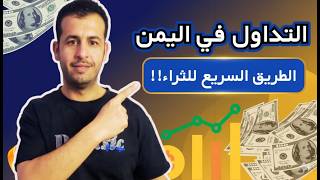

80% of traders lose money
32sThis shocking statistic and the contrast between rare success stories and common losses create a strong emotional hook that drives engagement and shares.
▶ Play Clip"Title accurately warns beginners; video delivers essential cautionary advice before trading."
This video warns beginners about the high failure rate in trading, noting that 80% lose money in their first few months. It identifies key mistakes like lack of knowledge, falling for scam platforms, and trading with money you need. The speaker offers practical advice: learn basics, use a demo account, trade only with disposable funds, choose reliable platforms, and be patient. He also suggests considering alternative online income methods like digital skills or products.
Stories of making $5,000 in a week are true but rare; most traders lose money.
80% of new traders lose money and regress in the first few months.
Beginners enter trading without understanding Forex, crypto, leverage, or analysis.
Fraudulent platforms lure victims via sponsored ads; deposits disappear overnight.
Using savings or borrowed money causes stress and magnifies losses.
Study basics like support/resistance, stop-loss, and leverage before investing.
Practice with virtual money for at least a month to test strategies risk-free.
Only trade money you can afford to lose, e.g., $2,000-$3,000 not needed for a year.
Avoid random links and sponsored ads; verify platform legitimacy.
Trading requires patience; treat it as a skill that takes time to develop.
Consider learning a digital skill or creating a digital product instead of trading.
Trading offers real profits but only for a disciplined few. Beginners should prioritize education, practice, and caution, and consider safer online income alternatives.
What percentage of new traders lose money in the first few months?
80%
00:35
What are the three main reasons beginners lose money in trading?
Lack of knowledge, falling for scam platforms, and trading with money they need.
00:53
What is the recommended minimum time to practice on a demo account?
At least one month.
03:03
What type of money should you use for trading?
Money you can afford to lose, e.g., $2,000-$3,000 not needed for a year.
03:28
What alternative to trading does the speaker suggest?
Learning a digital skill or creating a digital product to sell online.
04:52
80% Failure Rate
Reveals the high risk of loss for new traders, emphasizing the need for caution.
00:35Trading with Needed Money
Highlights a critical psychological mistake that amplifies losses.
01:51Learn Before You Invest
Core principle: education is essential before risking real money.
02:38Use a Demo Account
Practical step to gain experience without financial risk.
03:03Consider Digital Skills Instead
Offers a safer alternative to trading for online income.
04:52[00:03] heard at some point that someone works in trading and made trading and made $5,000 in just one week. You might think that's a lie, $5,000 in just one week. You might think that's a lie, but in reality, it's true. Yes, there are
[00:17] people who work in trading and their profits can reach huge figures, but do you know how few of them there are? Very, very few. reach huge figures, but do you know how few of them there are? Very, very few. And of course, these people have been in this field for years and have large capital in their accounts to trade with. The problem is that
[00:35] most of us hear about someone making a profit, but no one hears about someone losing all their money because of trading. hears about someone losing all their money because of trading. Today, 80% of those who enter this field lose and regress in the first few months. Of course, there are several reasons, and the first reason is entering the field of
[00:53] there are several reasons, and the first reason is entering the field of trading without knowledge. Most young Yemenis enter the world of trading without even knowing how the market works. They don't know the how the market works. They don't know the difference between Forex and cryptocurrencies, they don't
[01:06] know what leverage is, and they have no idea about technical or fundamental analysis. All they know is that they want to enter the field of trading and start making profits. The second reason, from the first week, is the prevalence of
[01:18] trading and start making profits. The second reason, from the first week, is the prevalence of fraudulent platforms. With all the hype and confusion surrounding trading profits, many young people get overly excited and enter this field incorrectly. They register on any trading platform,
[01:35] through random links, or sponsored ads, ultimately ending up in the sponsored ads, ultimately ending up in the clutches of scam and unofficial platforms. You deposit your money one day, and the next day, when you log in, it's gone. You lose your money
[01:51] lose your money due to a lack of awareness. The third reason is trading with money you actually need. This is the biggest mistake young people make today. They enter this field with money they genuinely need, like money they've saved for a rainy day, or even
[02:08] borrowed. Then they enter trading hoping to profit from these funds. In this case, you enter the trading world full of nerves and stress, which affects
[02:22] even experts in the field, let alone beginners. Furthermore, when you lose this beginners. Furthermore, when you lose this money, your pain and regret will be multiplied, and you'll feel incredibly frustrated. Very good, so what's the solution? How to approach trading: First, learn before you begin.
[02:38] approach trading: First, learn before you begin. Before you invest a single penny in trading, Before you invest a single penny in trading, read, watch courses, and understand the basics. Understand read, watch courses, and understand the basics. Understand what support and resistance, stop-loss, leverage,
[02:50] and many other terms mean. You don't need to be an expert at the beginning, but you must enter this field understanding must enter this field understanding at least the fundamentals. Second, use a demo account.
[03:03] Most trading platforms offer demo or virtual accounts, which allow you to trade with artificial money and learn how to open and close trades and
[03:16] test strategies without losing a single penny. Try these accounts for at least a month and see if you've grasped the concepts of trading or if you're still floundering. If you're still floundering, continue
[03:28] learning on these virtual accounts until you feel capable of trading with real money. Third, don't enter the trading field with money you need. If you have money you don't
[03:41] need and everything is available to you—for example, $ 2,000 or $3,000 that you don't want for the next year— you can trade freely. There's no stress, and you can create a trading plan without
[03:53] stress, and you can create a trading plan without any pressure. Fourth, look for reliable platforms. Don't open an account just anywhere or on any platform that shows you a sponsored ad. Many fraudulent companies use sponsored ads to reach their victims and scam them, so be wary of
[04:10] scam websites. In Yemen, the most famous trading platform is FBS, but I don't know if it's still working or not. Fifth, don't rush to profit. The biggest illusion for beginners is to
[04:22] profit in the first week. Of course, trading is a field that requires patience, just like any skill or profession. You can't expect to become a doctor in a week. Respect time, learn, be patient,
[04:36] and make your initial goal to continue learning. You'll see the results. In summary, You'll see the results. In summary, trading isn't an illusion, and there are real profits, but you need to be careful and trade on legitimate platforms. Of course, the number of people who lose in
[04:52] this field is very large compared to the small percentage who succeed. In my personal opinion, if I were you, the money and time I spend on this field would be...
[05:04] Through this, you can learn a digital skill or even create a digital product and start selling online. Additionally, there are religious rulings that prohibit trading and others that permit it. However, I advise you to be cautious about this matter and avoid falling
[05:22] into what is forbidden. I hope you benefited from this video. Subscribe to the channel and activate the bell so you receive Subscribe to the channel and activate the bell so you receive all the latest updates on making money online. This was all the latest updates on making money online. This was Mohammed Al-Akwa. May you remain in God's care.
⚡ Saved you 0h 05m reading this? Transcribe any YouTube video for free — no signup needed.