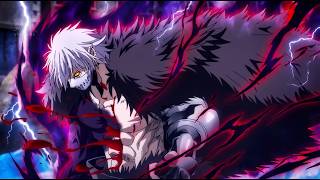

20 Long Anime Worth Your Time
51sImmediately hooks viewers with a bold listicle premise and teases controversial picks, driving curiosity and debate.
▶ Play Clip"The title promises a list of long anime worth watching, and the video delivers exactly that, though the sponsor segment and some filler reduce the density."
This video presents a curated list of 20 long-running anime series, each with 100 or more episodes, that the creator believes justify their runtime. The list covers a range of genres, from war epics and sports dramas to comedies and philosophical thrillers, with a focus on shows that reward viewer patience and offer unique storytelling.
The video promises a list of 20 long-running anime (100+ episodes) that justify their runtime, addressing the challenge of finding shows worth committing to.
Kingdom is a favorite manga, but early seasons have poor animation. From season 3, the animation improves, and Hiroyuki Sawano's soundtrack elevates battles. It's a war epic set in ancient China, following Shin's rise from slave to general, with a strong bond between Shin and King Ying Zheng.
Monogatari is a show of 22-minute conversations about word games, mythology, and emotional baggage, but Shaft's direction makes it distinctive. It features razor-sharp dialogue about identity, memory, and regret, and its visual language rewired anime direction. Recommended to watch in release order.
Hitman Reborn starts as a slapstick comedy but pivots into a battle shonen with the Kokuyo Arc, introducing a power system based on 'dying will flames.' The Varia and Future Arcs cement the transformation, and the show recontextualizes itself across 203 episodes, building a generation of character archetypes.
The video includes a sponsor segment for Marvel Contest of Champions, a fighting game with 350+ champions, easy controls, and satisfying signature attacks. It's been running for 11 years with 325 million players, and offers a free bundle for X-Men '97 season 2, including Magneto, Gambit, and Emma Frost, until July 6th.
Ace of Diamond treats high school baseball like a chess match, with Sawamura's journey from raw arm to thinking pitcher. Every pitching duel is psychological warfare, and the show builds real team dynamics and rivalries, making viewers invested in strategy.
Black Clover starts with screaming but grows into something genuinely great. Despite inconsistent animation, key arcs like the Eye of the Midnight Sun and Elf Reincarnation deliver, and Asta's rivalry is heartwarming. It earns its 170 episodes by the end.
Detective Conan has over 1,000 episodes, but you don't need to watch all of it. Follow the canon arcs (Black Organization, Vermouth, Bourbon, Rum) and major movies, roughly 200 episodes of sharp mystery writing. The serialized storytelling is some of the tightest in animation.
Hajime no Ippo excels at depicting boxing's physical specificity, which most anime can't sustain. Coach Gamo's training philosophy, Takamura's mentorship, and the rivalry with Miyata are highlights. Fights like Sendo vs. Ippo and the Hawk fight are among the greatest ever animated.
Baki is a martial arts series where men's muscles have muscles, and a character fights an imaginary opponent so hard he sweats. It commits to its absurdity with a straight face, applying relentless internal consistency to insane premises. Netflix's revival is a highlight.
Inuyasha is a feudal-era tale about a half-demon, a girl from the future, and a group hunting jewel shards. Its episodic structure is a feature, with each fight feeling like a chapter in a long story. Sesshomaru's redemption is a highlight, and the Final Act gave the saga a proper ending.
Fairy Tail is predictable and uses familiar plot beats, but it's the most pure-hearted show, like wearing a favorite hoodie. Arcs like Tenrou Island and Tartaros deliver, and Takanashi's soundtrack does heavy lifting. 100 Years Quest continues the same itch.
Dragon Ball is the blueprint for shonen, codifying training sequences, power escalation, rivalries, and multi-episode build-ups. The Tournament of Power in Super gave Goku and Vegeta a great showcase, and Daima was Toriyama's last work. The runtime is earned.
Yu Yu Hakusho is Togashi's first major work, with the Dark Tournament arc still being one of the best-structured tournament arcs. Yusuke's growth and the dynamics with Hiei and Kurama set templates. At 112 episodes, it's a perfectly contained classic.
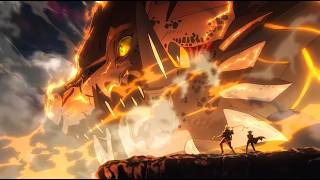
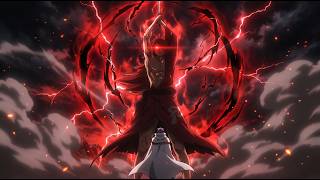
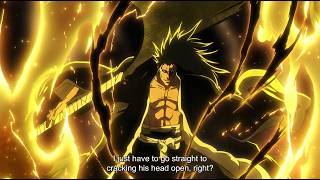
Bleach's original run ended mid-arc, but the Thousand-Year Blood War anime exceeded expectations. The Soul Society arc is a 10/10 introduction, and TYBW gave the franchise a proper ending with high animation budgets. Yhwach is a menacing final villain.
Legend of the Galactic Heroes is a 110-episode space opera focused on military strategy and political philosophy, with almost zero filler. It follows two protagonists, Reinhard and Yang Wen-li, leading rival civilizations, treating democracy vs. autocracy with intellectual seriousness. Fleet battles are chess matches.
MHA's final arc was genuinely amazing, with brutal fights and emotional callbacks. The Stain arc redefined mid-season antagonists, and the Overhaul arc had clean fight choreography. Deku and All Might's relationship is the emotional core.
One Piece is the answer to any question about long anime worth your time. Oda has built a story with payoffs earned over 30 years, with sagas like Marineford and Wano landing because of foundations laid 500 episodes earlier. It's the single greatest argument for serialized storytelling.
Gintama requires at least 100 shows under your belt to land, due to its dense references. It starts as a comedy but shifts into emotionally devastating storytelling around the Yoshiwara arc. The Shogun Assassination and Farewell of Shinsengumi arcs are highlights.
Naruto has pacing and filler issues, but it contains some of the most emotionally formative moments in the medium, like the Chunin Exams and the Pain arc. Naruto and Sasuke's relationship is the spine, and the payoff at the Valley of the End justifies the hours spent.
JoJo refuses to be the same show twice, with each part being a new anime with a new protagonist, setting, and tone. The Stand system gave shonen a flexible power framework, influencing many series. It proves shonen doesn't have to stagnate.
Hunter x Hunter treats its audience like adults, with arcs like Yorknew City and Chimera Ant setting tonal benchmarks. The Chimera Ant arc is 60 episodes of moral ambiguity and philosophical weight, with Meruem and Komugi's story making grown adults cry. The 148 episodes are a great achievement.
The video concludes by reiterating that all 20 long-running anime are worth watching, encouraging viewers to share their own picks in the comments and hoping the video helps someone start One Piece.
What is the power system in Hitman Reborn?
A power system about literal dying will flames burning out of people's foreheads.
02:46
How many episodes does Detective Conan have, and how many are needed for the main plot?
Over 1,000 episodes, but only about 200 are needed for the main plot.
06:48
What is the premise of Legend of the Galactic Heroes?
A space opera following two protagonists, Reinhard and Yang Wen-li, leading rival interstellar civilizations through a generational war, treating democracy vs. autocracy with intellectual seriousness.
14:52
What is the unique feature of JoJo's Bizarre Adventure's structure?
Each part is functionally a new anime with a new protagonist, setting, tone, and often a new power system.
19:43
What is the Chimera Ant arc in Hunter x Hunter known for?
60 episodes of moral ambiguity, philosophical weight, and character interiority, with an antagonist arc that made grown adults cry.
20:49
Kingdom's Animation Upgrade
Demonstrates that patience can be rewarded, as the show improves significantly from season 3.
00:23Hitman Reborn's Tonal Shift
Illustrates how a show can completely reinvent itself, a rare feat in shonen.
02:32Detective Conan's Canon Guide
Provides a practical strategy for tackling a 1,000+ episode series, making it accessible.
06:48One Piece's Serialized Payoff
Highlights the power of long-term storytelling and emotional payoff.
16:34Hunter x Hunter's Adult Treatment
Shows that respecting the audience's intelligence can lead to a masterpiece.
20:36[00:03] anime season has more shows than I have hours in a week, and somehow people are actually worth committing to. So, I've made a list. 20 long runners, all 100 episodes or more, that I genuinely think justify the runtime. Let's get into it.
[00:23] any of my previous lists before, but I do have a good reason, okay? Kingdom is hands-down one of my favorite manga of all time. I had some issues with the up to deserving that reputation, too. Early seasons look like a PS2 cutscene
[00:38] People bounce off it constantly because of that. However, season 3 onwards, the animation upgrade. Hiroyuki Sawano takes over the soundtrack and instantly elevates every battle to operatic scale. And what you're left with is one of the
[00:51] greatest war epics in the medium. This is the warring states period of ancient China rendered as shonen. Shin starts as a war orphan and a slave, dreams of becoming the greatest general under heaven, and across hundreds of episodes,
[01:03] battlefield by battlefield. The bond between Shin and the young king Ying Zheng carries more weight than half the romances I've watched this decade. Stick past [music] the rough start. Kingdom rewards patience.
[01:32] paper, it's a show where most episodes consist of two characters standing in a room having a 22-minute conversation about word games, mythology, and emotional baggage, cut with flashing typography and impossible camera angles.
[01:44] And yet, Shaft turned that exact premise into one of the most distinctive anime experiences ever. Araragi being haunted by a rotating cast of supernatural girls in the setup. The actual content is razor-sharp dialogue about identity,
[01:56] memory, regret, and the lies we tell ourselves to keep functioning. The visual language here rewired what anime direction could look like. Quick note on scares people off. Just go with the release order, okay? If you've been
[02:08] waiting for a complete entry point, this is the moment.
[02:32] tonal pivot in shonen history. And I'm not sure anyone has fully replicated it are a slapstick comedy about a useless tutored by a sentient baby hitman with a fedora. It's gag humor, school nonsense,
[02:46] an episode. Then the Kokuyo Arc shows up, swings the steering wheel, and battle shonen with stakes, deaths, and a power system about literal dying will flames burning out of people's foreheads. The Varia Arc cements the
[03:00] transformation, the Future Arc goes full-blown sci-fi mafia war, and across 203 episodes, the show just keeps recontextualizing what it is. Gokudera, Yamamoto, Hibari, [music] Mukuro, these guys built a generation of anime fans
[03:14] character archetypes. A genuinely strange, brilliant show that deserves more conversation than it gets. You know what's funny? We spend hours arguing in a fight. But I've actually been settling those debates with my own hands
[03:27] lately. Enter the sponsors of this video, Marvel Contest of Champions. It's a high-fidelity arcade-style fighting game available on both mobile and PC. the description or the QR code on screen. And look, this game has over 350
[03:41] champions. 350. You want Spider-Man versus Doctor Shang-Chi into the mix just because? Well, go ahead. The controls are stupid easy to pick up, but pulling off those signature attacks genuinely feel so
[03:55] satisfying. I've been casually running through the story quests, and honestly, pulling new champions and upgrading them is way more addictive than I expected. Plus, this game's been going strong for over 11 years now. 325
[04:07] million players don't lie. If you needed one more reason to jump in, they're celebrating X-Men '97 season 2 with the biggest free bundle they've ever done. 20 champions including Magneto, Gambit, and Emma Frost. I'm not going to lie,
[04:21] running Gambit alone is worth the download. Link in the description, QR code on screen. Grab it before July 6th cuz after that, it's gone.
[04:42] life. Yet, here I am telling you that Ace of Diamond made me lose sleep over his outside corner with a moving fastball. That's the magic of this show. It treats high school baseball like a chess match with adrenaline. Sawamura's
[04:56] journey from raw, undisciplined arm to a thinking pitcher is paced with the trusts its audience. Every pitching duel is psychological warfare. Every batter's feels like a real team with real internal politics and rivalries. By the
[05:11] time you hit act two and the senior team graduates, you'll have opinions about catcher hand signals you didn't know it was possible to hold. Few sports anime have me invested in the strategy of a single throw.
[05:44] The second time, it was still the screaming. And somehow I convinced and guess what? She hasn't stopped recommending the show since. Underneath constructed shonen that grows into something genuinely great. The animation
[05:59] is famously inconsistent across its run, but when the show wants a fight to look and some of these sequences absolutely rip. The Eye of the Midnight Sun arc finds its footing, the Elf Reincarnation arc pushes the show into a different
[06:12] [music] arc, the emotional stakes properly land. You know when Asta's rivalry is the most heartwarming dynamic of any modern shonen duo. Give it the runway, Black Clover earns every one of its 170 episodes BY THE END.
[06:48] has over 1,000 episodes, and a meaningful chunk of those are the overarching plot. So, here's the secret. You don't need to watch all of it. Follow the canon arcs, the Black Organization storyline, the Vermouth
[07:02] episode, the Bourbon arc, the Rum reveal stretch, [music] and the major movies. That's maybe 200 episodes of genuinely sharp mystery writing wrapped inside a franchise that's been running longer than I've been alive. of the week stuff
[07:15] canon material [music] is some of the tightest serialized mystery storytelling in animation, full stop. Conan's bond with Ran, Haibara's tragedy, and Akai's chess game with the Organization all build. Pick the right episodes, and
[07:28] Detective Conan stops being intimidating and starts being one of the most and starts being one of the most rewarding long anime you can dip into.
[07:54] where you realize you've been holding your breath for an entire round. That's struggled in the medium because the sport is built on small details, weight shifts, eye movements, breath patterns. Most anime can't sustain that level of
[08:09] physical specificity. Ippo can. Coach Gamo Gamo's training philosophy, Takamura's brutal mentorship, the rivalry with Miyata that simmers across hundreds of episodes. This is sports anime operating at the highest possible
[08:22] level of craft. Sendo versus Ippo is one of the greatest fights ever animated. The Hawk fight broke me. The Volg fight broke me again. And it's still going. close. And I'd argue there's no sports
[08:35] loneliness and obsession of an athlete the way this one does. [music]
[09:03] That's the entire identity of the show, okay? This is a martial arts series where men's muscles have muscles, where a death row convict eats concrete to get stronger, where a character fights an imaginary opponent so hard he sweats
[09:15] is canonically the protagonist's father who once stopped an earthquake by The genius of Baki is that it [music] commits to its own absurdity with a completely straight face. Itagaki writes
[09:28] martial arts the way some philosophers write logic with relentless internal consistency applied to premises that are objectively insane. The most evil death enjoyable [music] arcs of the modern era. Netflix's revival put the franchise
[09:42] honestly, if you want hundreds of episodes of grow men beating physics into submission, nothing else competes. >> [screaming]
[10:03] anime you put on at midnight when you can't sleep and let run for six episodes before you realize it's 4:00 a.m. Rumiko Takahashi at her most accessible telling a feudal era story about a half demon, a girl pulled through a well, a perverted
[10:17] monk, a demon slayer, and a fox kid all hunting jewel shards across ancient Japan. The episodic structure is a feature, not a flaw. Each fight, each new yokai, each Naraku appearance feels like a chapter in a long bedtime story
[10:30] that you just never want to end. Sesshomaru's slow redemption is one of 2000s. The final act, [music] when it finally came, gave the entire saga the proper ending it deserved years after the manga finished. It's slow, it is
[10:43] repetitive in places, and I wouldn't change a single episode of it. tells you otherwise is being generous. The power-ups are predictable, the
[10:59] friendship speeches come on schedule, and Mashima will use the same plot beat matters though realistically because Fairy Tail is the most pure-hearted show equivalent of putting on your favorite hoodie. The Tenrou Island arc, the Grand
[11:13] Magic Games, the Tartaros arc deliver bangers when you need them. Tak Anashi's soundtrack does so much heavy lifting that the moment the brass kicks in, you're invested whether the writing has earned it or not. And 100 Years Quest
[11:25] has been a satisfying continuation that scratches the exact same itch.
[11:40] Ball? It's the blueprint. Every shonen on this list, including the ones I rate higher than it, owes royalties to what Toriyama built across the original Cell Saga and thinking it was the coolest thing humans had ever produced,
[11:53] The training sequences, the power escalation, the rivalries, the multi-episode build-ups to single attacks, all of it became the language of shonen because Dragon Ball codified it first. Super was uneven, but the
[12:06] Tournament of Power gave Goku and Vegeta arguably their best collective showcase since Buu. Daima brought Toriyama back one last time before we lost him. For newcomers, it holds up shockingly well. For veterans, it's roots music. Either
[12:19] For veterans, it's roots music. Either way, the runtime is more than earned.
[12:37] Togashi's first major work, written before he became the manga industry's most famous serial hiatus enjoyer, and you can already see the patterns that would later define Hunter Hunter. The Dark Tournament arc is still, three
[12:50] structured tournament arcs in shonen. Every fight has a purpose. Every peaks during the Toguro [music] brothers final, and absolutely nothing has surpassed it for sheer impact. Yusuke's growth from delinquent ghost to spirit
[13:04] detective to actual demon royalty, it's all the beats that became standard, but it does them first and arguably better than most of the descendants. Hiei and Kurama set the template for the cold rival and the strategic support
[13:17] character. At 112 episodes, it's a perfectly contained classic. Watch it, perfectly contained classic. Watch it, okay? Trust me on this one.
[13:32] >> Bleach broke my heart twice. First when it ended its original run mid-arc back thinking we'd never see the Thousand-Year Blood War animated. Second, when TYBW actually started airing and somehow exceeded every
[13:47] expectation that I had of it. The Soul Society arc remains a 10 out of 10 introduction to one of the most distinctive shonen worlds ever built. shonen villains. The Arrancar saga had peaks no other arc on the show ever
[14:00] matched and TYBW has given the entire franchise the ending it always deserved with animation budgets that look like Studio Pierrot finally got the funding they should have had decades ago. Yhwach as a final villain is properly menacing.
[14:13] The Sternritter designer philosophy goes ridiculously hard. I came back to Bleach expecting nostalgia and got something genuinely vindicating. That patience genuinely vindicating. That patience paid off.
[14:36] everyone, okay? And I respect that. This is a 110 episode space opera with a slow obsessive focus on military strategy and political philosophy and almost zero made across the late '80s and [music] mid-'90s as an OVA project. What it
[14:52] gives you in return is unmatched though, okay? Two parallel protagonists, Reinhard and Yang Wen-li, leading rival interstellar civilizations through a generational war with every episode treating their respective ideologies,
[15:05] democracy versus enlightened autocracy, with genuine intellectual [music] seriousness. The fleet battles are slow, deliberate chess matches across assassinations and parliamentary scheming feel ripped from Shakespeare.
[15:18] There are full episodes that are nothing but two old men debating governance. I'll defend this show to anyone willing to listen, okay? If thoughtful, mature anime appeals to you, nothing else delivers on this scale.
[15:40] I'll go to bat for the final arc here because the discourse undersold it. Yes, some characters' resolutions felt rushed, and Horikoshi clearly had a vision the anime didn't always serve cleanly, but the last arc itself was
[15:52] genuinely amazing. The fights were brutal, the emotional callbacks paid finale gave the saga the climactic confrontation it had been building toward for nearly a decade. Across 150-plus episodes, MHA built something I
[16:06] genuinely admire. The early seasons remain some of the most well-paced era. The Stain arc redefined what a mid-season antagonist could do. The Overhaul and final arcs gave us some of the cleanest fight choreography Bones
[16:19] has ever animated. Deku's relationship with All Might is the emotional core of with All Might is the emotional core of the show, and it holds all the weight.
[16:34] a comment section or anywhere on the internet, which long anime is actually worth your time, the answer is always One Piece. I know the running time is intimidating. I know 1,000-plus episodes feels like a lifestyle commitment, not a
[16:49] hobby, but Oda has spent 30 years building a story with payoffs so emotionally earned that nothing else in the medium competes. Marineford, Whole Cake Island, Wano, the Elbaf arc happening right now, every major saga
[17:01] lands because the foundation underneath it was laid 500 episodes earlier. Crew slow reveal of the world's deepest mysteries. One Piece is the single greatest argument for serialized storytelling that the anime medium has
[17:15] produced. Start it, okay? Push through that early pacing. By the time you hit why people refuse to shut up about this show.
[17:49] actually. This isn't an anime for newcomers. You genuinely need at least 100 shows under your belt before Gintama lands properly, because half of what makes it special is the absurd density of references it pulls from across the
[18:02] medium. Once you have that vocabulary, though, nothing else hits like it. The pitch is a samurai parody set in an alternate Edo where aliens invaded, and the first 50 episodes will confirm that suspicion. Then, somewhere around the
[18:14] Yoshiwara arc, something just shifts. The comedy stays sharp, but underneath it, you start finding some of the most emotionally devastating storytelling in shonen. The Shogun Assassination arc, the Farewell of Shinsengumi arc, the
[18:26] the Farewell of Shinsengumi arc, the Silver Soul finale. Sorachi spent 367 deadbeat samurai and his found family, and ripped your heart out when you weren't paying attention. >> [screaming]
[18:47] actually. That's not an exaggeration. the first proper introduction to anime even with its filler, all its pacing problems, and inconsistent animations,
[19:00] some of the most emotionally formative moments in the medium. The Chunin Exams, Sasuke's Defection, the Pain arc, Itachi's Truth, Kakashi Gaiden. These aren't just good shonen moments. These are cultural touchstones. Shippuden goes
[19:16] War, sure, but the journey to get there is paved with characters that still [music] holds up today. Naruto and Sasuke's relationship is the spine of pays off at the Valley of the End, every hour you spent with this show suddenly
[19:30] hour you spent with this show suddenly feels justified.
[19:43] that refuses to be the same show twice. Each part is functionally a new anime with a new protagonist, a new setting, a new tone, and often a new power system entirely. Phantom Blood is gothic horror. Battle Tendency is pulp
[19:56] trip with vampires. Diamond is Unbreakable is a small town murder mystery. Golden Wind is an Italian gangster epic. Stone Ocean is a woman's prison thriller. Six completely different stories under the same family
[20:10] name, all written by Araki, who somehow keeps reinventing his own series every decade. The Stand system gave shonen the most flexible power framework ever everything from Hunter x Hunter to Jujutsu Kaisen. Jojo is the show that
[20:24] have to stagnate. They can shed their skin every part and come back stronger.
[20:36] ever written, and I'll die defending that claim. Togashi treats his audience like adults. The Hunter Exam introduces you to the world. The Heavens Arena arc patience of an actual textbook. The Yorknew City arc pivots into heist
[20:49] Troupe massacre setting a tonal benchmark no other shonen has matched since. And then, Chimera Ant happens. 60 episodes of moral ambiguity, philosophical weight, character interiority, and an antagonist arc with
[21:03] Meruem and Komugi that that made grown adults cry on camera. The election arc as a come down is a structural masterclass in its own right, too. Yes, the manga is on hiatus and may never finish. Yes, that's painful, but the 148
[21:17] episodes we already have constitute one of the greatest achievements in serialized animation, full stop. If you've never started Hunter x Hunter, look, fix that today. That's the list. 20 long anime, every single one worth
[21:29] comments are right there. And if this video helps even one person finally start One Piece, then you know what? My work is done. I'll see you in the next work is done. I'll see you in the next one.
⚡ Saved you 0h 21m reading this? Transcribe any YouTube video for free — no signup needed.