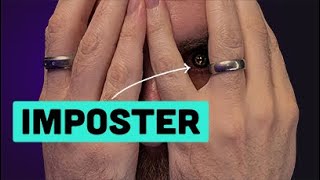

27 years and they'll find me out!
40sThe opening confession instantly hooks viewers who relate to the fear of being exposed as a fraud.
▶ Play Clip"Delivers practical advice on imposter syndrome, though some parts are generic and could be more concise."
The video addresses imposter syndrome, a common form of anxiety and self-doubt, particularly among programmers. The speaker shares personal experiences and practical advice for overcoming these feelings, emphasizing that no one can know everything and encouraging self-recognition and knowledge sharing.
The speaker introduces imposter syndrome as a form of anxiety and self-doubt about abilities, common in many industries, especially programming.
The opposite of imposter syndrome is the Dunning-Kruger Effect, where people with low abilities overestimate their competence, often causing problems by not seeking help.
Common thoughts include 'there is so much to learn' and 'I don't know what I'm doing.' The speaker notes that experts often feel they know less as they learn more.
The speaker shares being placed on client sites as a senior developer despite feeling unprepared, especially when setting up testing environments with diverse devices.
Advises to remember that everyone has different levels of knowledge, and it's okay not to know everything. Use it as an opportunity to ask questions and learn.
Encourages writing down accomplishments and giving yourself credit for what you know.
Sharing knowledge with others helps reinforce your own expertise and helps others. Examples include writing tweets or giving lunchtime talks.
No matter how good you are, there's always someone better. Listen to team members, especially juniors, as they may offer fresh perspectives.
Not everyone knows everything, and it's okay. Recognize what you do know and continue learning.
Imposter syndrome is common but manageable. By acknowledging that no one knows everything, recognizing your own accomplishments, and sharing knowledge, you can overcome self-doubt and grow as a professional.
What is imposter syndrome?
A form of anxiety and self-doubt about your abilities.
00:13
What is the Dunning-Kruger Effect?
People with low abilities overestimate what they can do.
00:26
What are two common thoughts that lead to imposter syndrome?
There is so much to learn, and I don't know what I'm doing.
00:53
What advice does the speaker give for overcoming imposter syndrome?
Remember everyone has different knowledge, recognize your accomplishments, and share your knowledge.
02:18
Why is sharing knowledge helpful for imposter syndrome?
It reinforces your own expertise and helps others, giving you a sense of accomplishment.
02:57
Dunning-Kruger Effect
Contrasts imposter syndrome with overconfidence, providing a useful framework.
00:26Personal Anecdote
Relatable story of being placed as a senior developer despite feeling unprepared.
01:50Share Knowledge
Actionable advice to combat imposter syndrome by teaching others.
02:57Stay Humble
Reminds that there's always someone better, encouraging continuous learning.
03:14[00:00] for 27 years and one of these days they're going to find me out. This is something I've struggled with throughout my career If you've ever felt like you're not good enough
[00:13] then the chances are you've suffered from imposter syndrome. Imposter syndrome is a form of anxiety and self-doubt about your abilities. many different industries, but I've seen it a lot among programmers.
[00:26] if you have no doubt of your abilities and you never suffer for imposter syndrome, The opposite of imposter syndrome is called the Dunning Kruger Effect, and it's where people with low abilities overestimate what they can do.
[00:40] They go full steam ahead in trying to figure out a solution without asking for any help and generally cause problems in the process. You know your limitations.
[00:53] You know what you don't know and you don't have a problem with asking for help. Now there are generally a few thoughts that lead to imposter syndrome. There is so much to learn in programming
[01:07] that it's important to remember that not everyone can know everything. It's that you learn more and more about less and less until you learn Now, this holds true for software development as well.
[01:21] and from outsiders looking in, they can see how much they know about their field For the experts themselves, when they're listening to people
[01:33] they're probably thinking the same thing. Now, the second thought that comes to mind is, I don't know what I'm doing. These are real sink or swim situations.
[01:50] I was often placed on client sites and sold as a senior developer. and I was helping companies set up their testing environments. devices, you'll know that no two devices are alike.
[02:05] as well as what sort of output you can get from them. about one device, because each device was different. I just didn't know what I was doing.
[02:18] Now, my advice for overcoming imposter syndrome is to remember that everyone Everyone has a different level of knowledge, And that's okay.
[02:32] Take it as an opportunity to ask questions and learn from other people You need to recognize what you know and give yourself a pat on the back.
[02:44] and write down what you accomplishments are. Another thing that's really helped me is to share your knowledge with other people. No matter how much you know, there's always going to be something that you know
[02:57] knowing that you've helped someone learn something that they didn't know before. or writing a tweet on Twitter or if you're on Mastodon. or even set up a lunchtime talk and do it in front of your company?
[03:14] No matter how good your programming, there's always someone. Don't let your knowledge or your expertize get your head. always listen to the other members on your team, especially the junior ones.
[03:31] that you didn't think of at the end of the day. Not everyone knows everything, and it's okay not to know everything. Recognize what you do know.
[03:45] If you like this video, don't forget to hit the like button. On the worst thing about being a software developer. Thank you for watching and I'll see you in the next video.



⚡ Saved you 0h 03m reading this? Transcribe any YouTube video for free — no signup needed.