
YouTube is NOT just for tutorials
52sChallenges common perception of YouTube, sparking curiosity and engagement.
▶ Play Clip"Title accurately reflects the content: a practical guide on using YouTube for restaurant business growth."
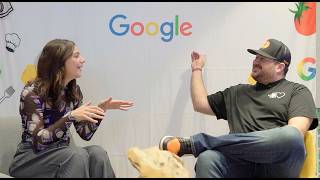
In this episode of Restaurant Influencers, host Sean Wolchow interviews Farah Shirzadi from Google about how restaurant owners and business operators can leverage YouTube for storytelling and growth. They discuss the platform's unique multi-format capabilities, the importance of SEO and metadata, and practical steps for starting a YouTube channel, including repurposing existing content and collaborating with local creators.
YouTube offers long-form videos, shorts, lives, and podcasts. Business owners can mix formats to tell stories and monetize their content.
People use YouTube for educational content, making it a powerful tool for businesses to share expertise and attract the right audience.
New users should cross-post existing social media content to YouTube, especially shorts (up to 3 minutes), to build an audience and understand analytics.
Accurate titles, descriptions, and tags help YouTube match videos with the right viewers. Good SEO equals good content that finds its audience.
Tagging the specific location in shorts helps YouTube surface videos to users searching for nearby places, especially for features like outdoor patios.
Working with YouTubers can bring fresh perspectives and access to engaged audiences, often with impact comparable to local news.
As AI tools like Gemini become popular, ensuring your Google Business Profile is complete and content is fresh helps your restaurant appear in AI-generated recommendations.
YouTube is a versatile platform for restaurant owners to build community and attract customers through educational and engaging content. Starting with repurposed shorts, focusing on SEO and metadata, and collaborating with creators can yield significant long-term benefits.
What are the different video formats available on YouTube?
Long-form videos, YouTube shorts, YouTube lives, and podcasts.
Why is YouTube considered the second largest search engine?
Because people use it to search for educational content, such as how-to videos.
02:00
What is the recommended first step for a restaurant owner starting a YouTube channel?
Repurpose existing social media content (especially shorts) and cross-post to YouTube to build an audience and understand analytics.
03:00
What is geolocation tagging and why is it important for shorts?
Geolocation tagging means tagging the specific location featured in the video. It helps YouTube surface the video to users searching for nearby places with specific features (e.g., outdoor patio).
06:00
What is GEO and how does it relate to YouTube?
GEO stands for Generative Engine Optimization. It involves optimizing content so that AI tools like Gemini can recommend your business in search results.
09:00
What is the benefit of collaborating with local creators?
It provides fresh perspectives, reduces content creation burden, and gives access to the creator's engaged audience, often with impact comparable to local news.
07:30
YouTube as a Multi-Format Platform
Highlights the versatility of YouTube for business storytelling through long-form, shorts, lives, and podcasts.
YouTube as Second Largest Search Engine
Emphasizes the educational potential of YouTube for businesses to attract targeted audiences.
02:00Metadata and SEO Are Critical
Stresses the importance of accurate metadata for YouTube's algorithm to match content with viewers.
04:30Geolocation Tagging for Shorts
Provides a specific, actionable tip for improving local search visibility on YouTube.
06:00Optimize for Generative Engine Optimization
Introduces the concept of GEO and its relevance for AI-driven search recommendations.
09:00[00:00] I feel like a lot of people think of YouTube as an educational platform, right? Of like, how do I change this light in my car? Or, you know, how do I build a step and repeat? How do I build a step and repeat at the Google offices? Exactly. Welcome to Restaurant Influencers presented by Entrepreneur. I'm your host, Sean Wolchow. This is a Cali BBQ Media production. coming to you from Google offices, the St. John Terminal in
[00:24] New York City. We are at the Google Restaurant Influencers Summit. This is our third event with Google and we are so excited to learn from Farah Shirzadi. She's part of the Google team and we are here to talk all about YouTube and how you, who's watching this, who's listening to this, can improve your business by telling stories on YouTube. Farah, welcome to the show. Thanks so much for having me. Thanks for coming to New York. Thank
[00:49] you for the hospitality. We learn through lessons and stories. Can you tell us some stories that business owners can learn from about the powers of YouTube? You know, I've shared, I actually got to present at our last time here in New York about what Cali BBQ has learned developing our channel, developing our Cali BBQ Media channel, developing my own channel. It's such a powerful platform. And now I have children. I have an eight year old boy,
[01:13] a six year old girl, like they will not watch even any cable TV. They will not watch. YouTube is what they watch. They actually have, Mila and Colleen have their own YouTube channel. So like they're aspiring storytellers and creators. But let's talk to the audience today. Give us high level what we should be thinking about YouTube. Yeah, everything you said is so true. I think the way to think about YouTube kind of differently than the other
[01:37] social channels, right, is that it's more of a multi-format. social channel in the sense that there's a lot of different ways that you can use YouTube. You can have your long form video. You can have YouTube shorts. You could do YouTube lives. You could record podcasts like we're doing right now. So there's a lot of different options for business owners, for creators to be able to use YouTube and monetize YouTube to tell their stories. And so
[02:02] what we see is people love to mix and match all those different formats. So maybe you have a long form video that you're really proud of, that you put a short behind in order to drive traffic to that long form. Or perhaps you aren't really ready yet to get started on long forms. And so you start just with shorts. That's also, I think, a great way to do it, is that you see who your audience is,
[02:26] and then you build for them. So yeah, it's a really great way to be able to tell stories in a lot of different mediums. I think the other interesting thing is people are watching YouTube a lot of the time on the go, of course, on their desktop, but a lot of people are watching also on their TV. So many hours are being consumed from people on the TV. And with that, the long form really is the
[02:50] perfect way to be. So if there's a long story that you want to tell, or maybe about your chef, or maybe the farms that you use, and you're going and picking produce, like something that you really want to immerse your viewer in, long form kind of thinking about maybe where they're watching it, watching a short on the go or something that they're going to sit down and enjoy. So one of the ways to think about YouTube
[03:15] and as you're creating. Yeah, I think for me, what's so interesting about YouTube and where we sit, you know, recording this at the end of 2025 is YouTube obviously has done such a phenomenal job in the B2C space, the entertainment space. When we think of YouTube creators and Mr. Beast of the world, we understand they're making entertaining content. Totally. b2b space the restaurant owner the business owner i think there's a lot more education that we all
[03:39] can do of how can we create content that is educational yeah that's actually valuable you know to your point of a small business owner like cali barbecue media like one of the reasons i'm actually sitting here at the google offices is because i made a toast unboxing video i made a technology video in our restaurant about why would a restaurant owner switch from a cloud-based, a legacy point-of-sale platform to a cloud-based system like Toast. And that
[04:03] video, it's not that it has, you know, hundreds of thousands of views, but it has the right views. Correct. It has the people, the community that we're building, like why we have this audience. It's like we want other restaurant owners that care about technology, they care about storytelling, they care about making an impact. And like YouTube's a great tool for helping me find those other people, helping me build our community. Definitely, yeah. It's actually funny you
[04:28] say that. I feel like a lot of people think of YouTube as an educational platform, right? Yes. Of like, how do I change this light in my car? How do I build a step and repeat? Yeah, how do I build a step and repeat? How do I build a step and repeat at the Google offices? Exactly. I think people really are searching. YouTube is the second largest search engine only. second to Google. And so people are
[04:52] really going to YouTube for a lot of educational content, in addition, of course, to the entertainment. But knowing that to be true, I think there's tons of people like your audience or others, maybe someone who's starting their first business or someone who just wants to amplify the business they already have, that are looking to learn from others like yourself who have expertise and want to share that story. And so being able to do so on YouTube,
[05:17] I think, is a great way to disseminate information quickly. And I really liked what you said about we do a really focused job on matching the right people with the right content. There's so many engineers and product managers here at Google whose sole focus is figuring out how are we matching the right user to the right video. We're doing all we can on our side to make sure that happens. And what we ask from you all
[05:41] is just to continue to continue to make good content that we can serve when someone's looking for it. The other only tip I can add there too, though, is making sure that within the videos, that you're like, metadata is really strong as well. Like, what is a description? Is the title actually accurate about what the video is about? So that metadata is super helpful as we are doing that matching game behind the scenes so that the
[06:05] right content gets in front of the right person. Did you know that Toast powers over 140,000 restaurants across the United States, Canada, and UK? It's an incredible company. I am on the Toast customer advisory board. They are proud sponsors of this show, Restaurant Influencers. We couldn't do it without their support. They power our barbecue restaurants in San Diego. If you have questions about toast, if you're thinking about bringing toast on to be your primary technology partner
[06:30] at your restaurants, please reach out to me. I'm happy to get a local toast representative to take care of you. You can reach me at Sean P. Welchef on Instagram. Once again, thank you to toast for believing in the power of technology, the power of storytelling, the power of hospitality. Back to the show. So let's start at the beginning for somebody that's running a restaurant or maybe multiple restaurants and they're watching this and they go, okay,
[06:54] Sean, I've heard enough. You tell everybody like, get your YouTube page started. Where do they start? So they're already on social. They already are comfortable making videos for other social platforms. But like, let's talk about building a YouTube page for their restaurant from scratch. Okay, let's talk about it from scratch. Knowing that you're already on other social platforms, get that content that you already have on Facebook. YouTube. I think this is the best place knowing that
[07:18] we have shorts now. Shorts can be up to three minutes. So a lot of the content that you have that's shot in that portrait orientation can easily be ported over and getting started right away. So kind of, what's that called? Repurpose yeah repurpose the content you have repurposed like cross post cross post is a great place to start Yes, that is like I'd say the basics get some content up there see who your audience then is
[07:43] so the analytics and YouTube I think is one of the best there is We are we love data over here and so we want you all to also have really strong data behind the videos so by getting a and repurposing your content onto YouTube, you get a good understanding baseline. Who's coming to my channel? How are they finding me? What are they searching for? Some of those kind of keywords will then help inform you as you
[08:07] start building content specifically for YouTube. So I would say, while you get that kind of going, some other things to think about. What kind of brand do you want to showcase on your YouTube channel? Is it something that you want to be known for? I don't know, maybe your restaurant, same vibe, just on YouTube. Or maybe you want it to be super educational. teach people about my cuisine because perhaps it's super different than others in your
[08:31] area. Or maybe you really want to use your channel to connect with other chefs of your same type. So kind of thinking about what your purpose is really will be the foundation. And then you can build upon that. There's so many different features that we have within YouTube that you could take advantage of. But shorts, obviously, then you can get into the long form. Perhaps you go live or you start doing podcasting. But you're engaging with
[08:56] your community. You're seeing who's following, who's subscribing and then you're engaging with them in the comments and I think these are really the first few steps this will take some time of course we understand creators you guys have a really tough job like creating content is not easy and we really appreciate all the beautiful pieces of art people are putting out and so it's gonna take some time so don't get frustrated but stick with it because
[09:20] I think the longevity and the like the dedication to the channel really will show through in the content that you're creating. So I'd love to talk about the size and scope of the power of YouTube. There is a restaurant, Fallow, that I have been recommended. I've watched their YouTube channel. I'm sending this out there. I will go to London specifically to this restaurant because of the, not because of the food, but obviously I've seen the food
[09:44] on YouTube. But more importantly, because of the craft that they take towards telling stories on YouTube. Can you share a little bit about Fallow and what they're doing right? Yes. And what we can all learn from them? I, too, am a fan of Fallow. Hey to the guys who are on the Fallow YouTube channel. We're really impressed by it. I think particularly because they do a really nice job organizing all of their different types of content.
[10:09] So they have this beautiful series where they talk about the chefs and kind of what they're doing with the food, but also some other fun playlists also. And I think they use a, and when I was talking about features on YouTube in particular, they do a great job of actually utilizing those different features. Like they have a full channel that when you show up to it on the page, you can see their branding, you see who
[10:33] the chefs are, you've got to get the sense immediately. So I would say, if those who are checking them out, kind of take note of that. See, when you first arrive in the channel, what do you think you're going to learn? And then is that actually the answer that they are giving you? Because in my perspective, it really is. So I think that's a really nice way of bringing your restaurant's brand to the digital world and
[10:57] then reaching new customers, perhaps across the country, that you never thought that you would. So I'm really impressed by them. Keep up the good work. And what are you going to be teaching the people that are here visiting today, the business owners, the influencers that are coming today? Today, we're going to talk a lot about making sure that your short form video is correctly optimized for SEO on Google Search, but also SEO within YouTube. Metadata within
[11:22] SEO. We're talking search engine optimization. Now, does this also blend into AI? It does. We call it GEO. GEO. Let's talk about GEO. Generative engine optimization. Generative engine optimization. Yes. They are pretty much. I've been using Gemini my whole trip to Google, to New York. And how have you liked it? tell you how impressed I am with where we've been, where we've been sent to the restaurants that showed up about, you know, having an eight year
[11:46] old son, a six year old dog, like all of that information I give them and it's given me just phenomenal recommendations. So if you're a restaurant owner, How do you get into those? How do you get Gemini direct to get into those lists for people searching? A lot of the content that we're pulling is across platforms. But I think particularly for restaurant owners, it's making sure that their Google business profile is up to date. I'm sure
[12:10] you noticed that when you're searching within Gemini, we really try to help the user actually be able to action on that. And so we showcase their Google business profile so they can get directions or showcase it on the map. So making sure you have a full and complete Google business profile is, of course, you know, bare minimum. But as we're thinking about video and perhaps where I can go in the future, it's continuing to make really
[12:35] strong content. And one thing I always say is, like, good SEO really just ends up making sure that you're making good content and it's finding the right people. And so we do our best job in making sure that happens, but your job there is making that great content. And so maybe it's about a breadth of content or really going deep into seasonal menu items or what's new on the menu this week so that we know what's
[12:59] new and fresh and that content is unique and interesting. We can point users towards the business themselves. So you were talking about shorts. Yeah. What's the best piece of advice that someone has for shorts? My like, oh, I just have one piece of advice kind of question is make sure that you're geolocation tagging. Geolocation tagging, that means like when you're prompted to get the location, make sure it's as specific as possible. If you have multiple restaurant
[13:24] locations, making sure that the one that you're tagging is the one that's being featured in the video so that your users and guests don't have a different expectation. If maybe you have an outdoor patio that you're showcasing in the short, but then you tag a different location that doesn't have an outdoor patio, you don't want to miss those expectations. So by telling us this location has an outdoor patio, if you're searching for a restaurant with an
[13:48] outdoor patio, we can triangulate and suggest that. So being as specific as possible in the location tagging is my number one piece of advice. Amazing. And what should I have asked you that I didn't ask you that you would love our audience to know about? The one thing we haven't touched upon is also just the power of working with local creators in your community. Ah, yes. So not only, yes, you guys know the story and what
[14:12] to tell and your brand is your baby, but additionally, all the guests and the creators have a perspective that they want to share with their captivated audience. And working with creators is a way to not only take some content creating off your plate so you can focus on the food, but also get those fresh perspectives and allow for the creators to kind of tell it from their point of view. Yeah, I mean, for any restaurant owner
[14:37] that's watching this, small business owner that's watching this, when a YouTuber reaches out to you, that is such a huge opportunity to get in front of their audience. And they have such an engaged audience. Vacation J in San Diego was one of the first YouTubers that reached out to our restaurant. And he started with 20,000 followers when he contacted us. And now I think he has over 100,000 followers. But when he posts a video about our
[15:01] barbecue, people came. Like a lot of people. It was like, I mean, we're fortunate to get on local news. But it was like, a YouTuber has the impact that local news does. So, you know, be sure to monitor your DMs, be sure to monitor your, let the host know. When a YouTuber contacts you, please make sure to do your best to collaborate. Check out their page. It's easy to find out if they are who they say
[15:25] they are. Exactly. And I think with that, as a business owner on your YouTube channel, it's important that it's easy to contact you. And so within YouTube, we have the ability for you to put in your email address or other social channels that you have so that people, if they come to your channel and they're like, I want to talk to them that they can. I think the biggest friction point is how do I actually get
[15:50] into contact with the person who runs this channel or who I get in contact with the manager. And so being able to tell people that, make it easy, is really important. Amazing. And everything that we're learning today, we will be sharing on our restaurant technology, Substack. So that's a free platform. Please go to Substack, subscribe to that. We're so grateful to Google, the Google team. You guys have been so hospitable to all of the people that
[16:14] are coming from all over the country to attend this restaurant influencers summit. Thank you to Toast for sponsoring this episode, for sponsoring the series, for allowing us to go and tell the stories that are making an impact on restaurants in the hospitality community. Thanks to you. Thank you so much for having me. We really appreciate it. I'm weirdly available. You can reach out to me at Sean P. Welcheff, all the platforms. Go subscribe to Kali Barbecue
[16:38] Media's YouTube page. We are trying to share as much information as possible how to improve your restaurant using the technology, storytelling tools, and more importantly, just building community. Thank you so much. We appreciate it. As always, stay curious, get involved, and don't be afraid to ask for help. We'll catch you next episode. for watching. Thank you for listening. If you've made it this long, you are part of the community. You're part of the tribe. We can't
[17:03] do this alone. We started. No one was listening. Now we have a community of digital hospitality leaders all over the globe. Please check out our new series called Restaurant Technology Substack. It's a Substack newsletter. It's free. It's some of our deep work on the best technology for restaurants. Also go to YouTube and subscribe to Kali BBQ Media. Kali BBQ Media on YouTube. We've been putting out a lot of new original content. Hopefully you guys like that
[17:27] content. If you want to work with us, go to BeTheShow.media. We show up all over the United States, some international countries. We would love to work with you and your growing brand on digital storytelling. You can reach out to me anytime at Sean P. Welchef on Instagram. I'm weirdly available available. Stay curious, get involved. Don't be afraid to ask for help. We'll catch you next episode.
⚡ Saved you 0h 17m reading this? Transcribe any YouTube video for free — no signup needed.