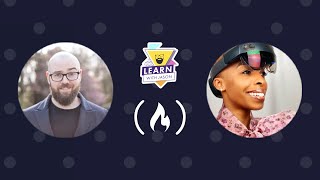

From Fashion to Microsoft: How I Did It
60sApril's non-traditional career path from luxury fashion to tech is inspiring and relatable, making it highly shareable.
▶ Play Clip"The title promises a career-building guide, but the video is a conversational interview with career advice woven in, not a structured how-to."
In this interview, April Speight, a Senior Cloud Advocate at Microsoft, discusses her journey from luxury fashion to tech, the importance of transferable skills, and how to build a career in emerging fields like mixed reality. She shares practical advice on networking, learning in public, and building a reputation in the tech community.
April works as a Senior Cloud Advocate at Microsoft, creating content to help people learn about mixed reality and engaging with the developer community.
Mixed reality is a spectrum from augmented reality (blending real world) to virtual reality (fully immersive), with spatial computing in the middle.
She recommends starting with C#, then Unity or Unreal, and then diving into mixed reality concepts.
April transitioned from luxury fashion to tech by highlighting transferable skills like project management and customer service during an internship interview.
Business acumen, creative tools (Adobe), and branding skills from her non-tech background proved surprisingly useful in her tech career.
She emphasizes the importance of being your whole self online and in the workplace, as it builds consistency and authenticity.
Networking, not cold applying, was the most effective method for her to find jobs, and it's a long-term relationship-building process.
For those less social, she suggests joining smaller communities on Discord or Slack, and using platforms like AltSpace VR and Twitch to connect.
A good reputation is built by helping others, using skills for social good, and uplifting others in the community.
What is mixed reality?
A spectrum with augmented reality on one end and virtual reality on the other; spatial computing sits in the middle.
03:34
What is the recommended learning path for mixed reality?
Start with learning C#, then Unity or Unreal, and then dive into mixed reality concepts.
07:14
How did April Speight transfer her fashion skills to tech?
She highlighted transferable skills from visual merchandising (project management) and customer service (communication).
16:13
What three non-tech skills proved most useful in her tech career?
Business acumen, creative tools (Adobe), and branding skills.
20:03
What did April find more effective than cold applying?
Networking, not cold applying, was the most beneficial method for her.
38:22
How does one build a good reputation in tech?
A good reputation is built by helping others, using skills for social good, and uplifting others in the community.
50:45
Transferable skills are key
Shows how non-tech experience can be framed as relevant for tech roles.
12:34Learning in public
Demonstrates the value of sharing your learning journey to build credibility and opportunities.
35:27Building a good reputation
Emphasizes that reputation is built through helping others, not just self-promotion.
50:45Keep going despite failure
Encourages persistence and reminds that everyone fails and learns at their own pace.
57:14[00:06] episode of connecting the dots today on the show we have april april thank you so much for joining us how are you i'm done all right yourself i'm doing great show i've been following your career for a long time i think you're doing some of
[00:21] the most interesting work in tech right now and i'm really really excited to now and i'm really really excited to talk about it um so for those of us who aren't familiar oh no i have echo so for those of us who are not familiar
[00:33] career what are you doing for work right now well give me one second i am picking up everything you're saying sorry plus like twice oh no yeah i have an echo
[00:48] echo one moment
[01:00] so it started playing again you hear it well i had it for a minute but it's it's off for me now okay how did you turn yours off because i can't even adjust my um i just i had to mute the the youtube
[01:13] channel like if you've got the youtube open in the background somewhere oh i'm still getting it um let me check if there's anything i um let me check if there's anything i can
[01:26] have on that would be going through to you see the chat's not getting an echo this is the only screen i have open
[01:41] uh nope this is interesting okay it's only me one second everyone i'm trying to get to my audio settings to see
[01:56] if there's anything weird happening in there there and
[02:08] speak for me yeah can you hear me i can i turn down there's two zooms on my computer that's weird one says zoom it says zoom meetings all right we're good to go so
[02:22] re-say what it was that you said yes okay sorry about that so yeah the the question i had is is for those of us who aren't familiar with bit about what you're doing right now in your job yeah so right now i'm a senior
[02:37] cloud advocate at microsoft with the spatial computing technology team and i work on a majority of my job is creating content to help new people learn about the mixed reality space as well as some of the
[02:51] microsoft and in addition to that engaging with the developer community seeing what people are building and just helping people in general with getting started yeah and mixed reality is is interesting
[03:07] because i feel like so mixed reality is is that kind of an umbrella term for like virtual reality augmented reality um kind of anything you would do with uh with a either a device like a headset like an oculus rift or even the stuff
[03:22] like um like tabletop games where you play with your camera and stuff is that right yeah and it's it's a spectrum that's how you can look at it so on one side you have augmented reality and then on the other end you have virtual
[03:34] reality so with augmented reality um you're able depends where you're on the spectrum but with augmented reality that's when you're able to do things with um as you mentioned your devices
[03:49] while also more or less blending in the real world far as virtual reality on the other end that's when like you're fully immersed in a um in a environment and you don't have that
[04:04] access to the real world around you so that's when you get more into your vr headsets right um somewhere in the middle is spatial computing and that's middle is spatial computing and that's the area that i work in and with spatial
[04:16] you start getting into an area where your holograms are going to be spatially really cool and something that i've been working on lately so i would say probably one of the most coolest uh examples i've seen of that
[04:31] is when i met the folks over at magically their devices there were these like little like knights that like appeared in the actual room
[04:45] yeah and they were just like fighting with each other and they actually knew what was actually real in the actual world so they would avoid actual objects and they could like hop on top of stuff and do things so it was pretty cool
[04:59] that's more so the area that i typically focus on but i do things within um vr as focus on but i do things within um vr as well and um ar2 but yeah yeah so
[05:11] feel like we've seen a couple things like this uh like isn't the new mario kart kind of the the spatially aware um where you you set up the the cart in your living room and then you can like crash
[05:25] yeah i believe i've seen that i'm not big on gaming like at all but i believe i've i've seen that um in videos but if that's the premise of
[05:37] it then yeah that's essentially what it is is um yeah making your hologram yeah it that feels so much like the future and and that so that's something that to me feels like
[05:50] gonna try to do that i don't even know where i would start and so is this a space that you would recommend for people to to get into and try yeah i honestly would say give it a try i've only been working in this space
[06:05] i've only been working in this space since the summer of 2019 so i myself am still pretty new to it and as time has gone by since then until now there are way more resources available on the internet for how to get started
[06:19] whether you're doing some of the um some of the learning paths on unity i'm a unity person so i can't speak to working within unreal or um with web but
[06:31] unity i know provides different tutorials that you can take a look into and then also with microsoft we do as well so aside from our mixed reality well so aside from our mixed reality documentation and our uh journey paths
[06:44] for folks who are getting started i have a police car going by so sorry about but um we have that to help you get started and then um i also authored to learn modules on microsoft learn that are also available for getting started
[06:58] and our mixed reality team has done the same thing as well so it depends on you know where you land for learning but i would highly highly suggest starting with learning c sharp if anything
[07:14] and then from there start learning uh unity if that's your chosen platform and or unreal and then from there start to get into the concept of what mixed reality is and dive a little deeper with what you can do with that very cool and
[07:27] and so do you see this as being like it seems like we're seeing more and more of growth area in tech where there's going to be a lot of hiring and opportunity yeah and it's actually an area that we classify within my organization at
[07:41] microsoft as emerging tech if you will so it's one of those things where within recent years we've started seeing more and more companies create products if you will and tools and software around
[07:54] it it's like that brand new it's in a sense it's like that brand new thing but it's also not brand new this technology has been around for years it's just that has been around for years it's just that more so in recent years more folks are
[08:07] starting to get involved with developing in that space or even creating in that space and so as more companies come out with um with even more advanced see more folks uh start to
[08:22] learn those skills and then you'll see more jobs uh open up and hopefully in a postcode world you'll see even more of that opportunity to find different companies to work with but it's definitely an emerging technology at the
[08:35] moment yeah and that's kind of exciting too because you know one of the things especially for someone new in the industry is it feels like there are a whole lot of people looking for that first shot and not a lot of jobs and so
[08:49] so it sounds like there's an opportunity here where companies are just starting to adopt mixed reality so there's not there aren't a lot of people who could say that they are senior spatial computing engineers right
[09:03] year or two so that's it what a great opportunity to come in and be one of the first to yeah you know to be an expert before experts are really commonplace
[09:16] yeah and there's a lot of opportunity there and for the folks who have been working in the space um you know since the dawn of time they're all they're also really good resources uh for for learning and getting started
[09:31] it's just that the number of folks who have been doing it for years is just started working in the space within the past like five years or so yeah yeah that is super exciting um yeah and so so i think like
[09:46] your your career is is fascinating to me because you've managed to get to this companies in the world you're working with this bleeding edge technology and incredible groundbreaking things and you you come from a non-traditional
[10:03] background right like your your master's degree is in in luxury fashion right yep about that story uh what kind of how did you end up going from
[10:16] working in luxury fashion to to just getting into tech at all yeah so like most folks in college um some of us have to work and so i took on a part-time job working
[10:31] in the luxury retail space because i figured i'm sorry that was my phone because i figured that if i am going to have to work now then i like so yeah i started working in retail but at that point i didn't have any
[10:44] aspirations to work in fashion it was a way for me to make money and get way for me to make money and get discounts on clothes but as um retail has this thing where it kind of like sucks you in and you next thing you know
[10:56] like five years and that's what happened to me because over time i started to fall in love with it and i was working in menswear as well as visual merchandising and as time went on and i finally
[11:11] graduated from undergrad i started to more so have a reality check with my potential financial prospects of working in that space and realistically take to get where i wanted to be
[11:25] and the fact of the matter is that either i wouldn't be making as much as i would prefer or it would take me just a very very long time to get to um to get to that level so i turned towards tech because i
[11:41] also had a certificate in business project management from undergrad and at the time i only thought of project management from a business perspective but when i was doing my job search everyone was asking for it
[11:53] experience and i'm like my professors never mentioned this at all i felt a little discouraged because i said technology illiterate but it's also not
[12:06] something that i have on paper that i can take to um you know a recruiter or an employer and say look i understand computer so
[12:19] an internship and when i interviewed for that internship i made sure to mention how everything i had did in fashion could be transferred over to the tech industry so having transferrable skills
[12:34] was definitely helpful and then during that very first interview for that internship with um the woman who became my manager had made it very clear that i was also
[12:48] looking for something permanent and that this wasn't just like a six-month internship and then i go back to like living life i made it clear that you know i want a career and literally in i don't know
[13:01] five months of being in that four or five months of being in an internship i got a full-time offer and from there that's really where things kicked off but i did have a stint where i went back to fashion for a bit
[13:15] and i was also in the midst of completing my master's degree in luxury fashion management because i said uh i just want to work in fashion now reality hit
[13:27] uh the same thing came back around for me whereas it was like oh that's his financial parts not going to be the best i took a massive pay cut when i left tech and went back to fashion
[13:39] and i got burnt out because i was working working two jobs just to equate to the um income i had from when i was working in tech and it was literally this sort of
[13:51] schedule i would wake up early in the morning go to um i worked at club monaco and did visuals there go to club monaco do visuals and then from there um i would go to equinox because i managed the
[14:04] retail store at equinox and i would spend all day there and then um sometimes from there depending on the schedule i would go back to club monaco and work um you know there until the evening but it was always some sort of
[14:19] like rotation and then plus i was doing school so as you could imagine that um is a lot became overwhelmed i'm not the type that asked for financial help so it took a lot of um a
[14:34] lot of me to ask my parents at that time to help out so they started helping out but then i said okay i can't rely on anyone to pay any of my bills so i came [Laughter] and uh you know time went by
[14:49] i had different roles in tech and you know now today i'm here with microsoft so you know taking chances is one thing i'm a big fan of i've taken way too many chances but i feel like that's really a
[15:05] way for you to learn that you know which what isn't isn't going to i mean it's so it's such a good point and i think that's like that willingness to to take risks and and be willing to to throw yourself all
[15:19] the way into something is it makes such a big difference yeah because you know if you only go halfway in then you're you're hedged and you can't like fully embrace something so i i i love to see
[15:32] this is going to work but i'm going to try yeah and i like to tell folks i'm like i know some folks they're um they're hoping to transition into tech like now and i'm like i've done it twice so
[15:47] yeah so if i can do it then i feel like other people can also do it because i didn't have a technical background so i feel like others could also can also do and you said something that i think is so so critical that i'd love to dig into
[16:01] when you were having that interview one of the things that you talked about was your transferable skills how all the things that you worked with in fashion were going to transfer into a job in tech yeah can you talk a little bit more
[16:13] about what some of those skills were and how they transferred yeah so the internship that i um received was in i.t project management ironically because i had no i.t experience but i had project management
[16:27] experience so during that interview i tied a lot of what i did as a visual merchandiser into managing a project because visual merchandising for those who don't know what that is it's um if you ever go into
[16:40] stores or look at the store windows and everything looks pretty and wonderful and all the in-store displays are cool and awesome that's what i did so you don't just go right into it there's a plan as well that's involved and so it
[16:55] execution and a lot of that relates to project management so i tied in a lot of that aspect and then i also tied in my customer service skills as well which is
[17:07] also a really big one because as a project manager you're essentially the lot with customers whether or stakeholders if you will whether they're internal or external so being able to work with
[17:22] various personalities being able to speak with folks who are higher than you in terms of the leadership skills if you will and just overall in general having communication skills was really big so
[17:37] um i feel like working in luxury fashion was probably like the best way to get that experience because everyone's privileged so working with the luxury audience is is um is it's very uh niche i would say
[17:51] and you you you really develop a way to uh communicate with folks so bringing i worked in was very very helpful with translating that to how i could relate that to working as a project manager
[18:06] even in the tech space yeah yeah and i think like it's so important to bring what you talked about like how do you talk to somebody who's in a position of authority like that ability to manage up is so important and it's so easy you
[18:21] worked in retail or they worked in restaurants you've developed that skill when you deal with an irate customer that's a valuable skill and if you just used to work in a restaurant you're selling yourself so short yeah
[18:37] think about it how many hopefully people do is too often but like even at restaurants how many times have you gone in and just disliked something and wanted to like tell your your server like oh this was bad
[18:52] that's that's what we deal with for restaurant industry but over time you are you find a way to overcome those battles and i think it really does build a tough skin but it
[19:06] um builds up your communication skills with people absolutely i think that's such a such a like incredible thing to just focus on like really really dig into what have you
[19:20] already prepared you for for what you're about to do yeah exactly um so on that on that like i feel like the dealing with with with with uh difficult people is is a is a pretty
[19:34] like headline banner kind of thing but one that i'd love to ask is like what's a skill that crossed over uh because i mean you've got you've got experience from like you you're you have one degree in public policy one degree in luxury
[19:47] fashion what do you what would you say is the the skill from a non-tech career kind of experience that was most surprising that's been really useful to surprising that's been really useful to you in tech
[20:03] first degree that i got from my bachelor's um it was uh international business well no no no global business and public policy which is international business so a lot of
[20:17] um a lot of the knowledge that i acquired as it relates to the business um space and how you run a business that is actually very very huge um especially in the area that i work in within cloud advocacy
[20:31] because it's not just us creating videos or writing tutorials you have to truly understand the business needs and how what everything that you're doing rolls up into what the business goals are so
[20:43] i know with some folks it's a little harder to grasp that when they are starting within their first corporate role even for something such as like social media for example um you have to adhere to a voice and branding and
[20:57] guidelines when it's coming from like a corporate account for example what you're doing your personal life that's that but when you're doing something um in my case if i were to do something like a microsoft channel i need to
[21:09] ensure that i'm also in alignment with how the company presents itself so there's the business side and then for the um luxury and fashion management side that i have we had a period of time in our program
[21:24] where we had to end up learning like the adobe creative suite and branding as well so even though i hated working in adobe
[21:36] especially illustrator at that time it was one of those things that was really helpful nowadays also with branding because i mean i can't tell you like how many times i use um any of the creative cloud
[21:50] programs today literally before you and i started chatting today i was in premiere pro editing videos so a lot of what i learned in that grad program i'm doing today and then also from that branding aspect it's helped me um
[22:05] develop a way that i present myself um to the world that also sort of familiarity whenever you see something that i create and it's like it it's like you look you can look at it and say oh
[22:20] yeah april did that um i think that's also very very helpful um as you're also in your job search as well because it does create a sense of cohesion in uh
[22:32] primarily if you're working in advocacy um i would say or like as like developer evangelism and things of that nature but yeah between having business acumen uh
[22:45] and knowing how to use creative tools and branding were like the like i said three things they're like the three things that um i would say i didn't expect to bring over into working in tech but they play a
[22:58] really big role in what i do today absolutely yeah i think that's the the idea of being able to bring a consistency to work i think is such a a kind of a signature spin on the way
[23:12] and we don't always notice it we just can we just kind of in our the back of our heads we go oh yeah i recognize this work yeah um and so being able to create consistency that's that's a superpower yeah it is it
[23:28] and and like kind of on that note you you're kind of a polymath like in in the sense that you so you've got this this career tech uh career in tech where you're you're working in mixed reality you're
[23:41] kind of on on one bleeding edge there um you are also like to look at your social media you're doing so many things you you make your own clothing you you do photography you are writing books on python like you've got so much material
[23:56] in so many different directions um how do like i have two questions about this but the first one is how how do you approach learning so many different things yeah
[24:09] so i have a stem from my childhood my let me try and do whatever i want i didn't have any constraints over any of the activities that i wanted to try out i
[24:22] think that's very very very impactful as you get older at least for me as i got older and that carried over into my adulthood because i had so much freedom when i was younger and so now that i'm an adult
[24:36] whenever anything seems cool that i want to try out i carry that mentality of okay how do i get started to try it and you know not everything that i do i end up falling in love with but i can at least say i tried it so uh yeah for that
[24:51] i often get asked that question i'm like you can thank my parents for that that i have is that you know i i think there's a lot of times a sense of
[25:04] pressure when you are on social media in tech to um you know you'll see people uh stick to tech and i so i'm personally very opposed to this but i i i love seeing that you bring your whole self into into
[25:20] curious how do you think that that has impacted your ability to grow in your career yeah so i will say to start off to not be your whole self is exhausting i don't know how people can have
[25:34] multiple uh internet versus real life personalities uh i think it's not worth doing that because it's tiring you know can you imagine if you had to be two people so um so for me i think it's very
[25:51] important that i do present all my interest in who i am because when it is time to uh move into a particular role for example assuming that you know the team you work with they've been familiar with your uh you
[26:06] presence but then if you start your first day at work and it's like who is this because they're not the same person right like that's a problem you know so for me to share um what i do online for me to interact
[26:21] i do online when people do meet me in real life it's like oh it's the same person and it's that consistency across the board because i i again i don't have the time to
[26:37] switch personalities uh depending on the situation but i will say it's also been very helpful because it's also what people who um i've worked with as managers you know they expect and
[26:51] anticipate and they like it uh which is also really great as well i'm not asked to you know tone this down a little bit or you know we thought that you know you would do it like this but we're not really seeing that it's like
[27:04] microsoft because working in mixed reality is my second role at microsoft i got hired in both roles with the expectancy to bring who i already was to the space that i was working in so yeah i would say it's definitely worked in my
[27:18] favor that is i i think that's such an important thing too because you know the the fact that you got brought in because of who you present online that's a differentiator you know if we're looking at five people with with an
[27:31] um the thing that we're going to make a like they're going to make a bigger impact and if you can see the whole then you can better assess that impact and so
[27:44] three people have edited themselves down to just their tech chops and you know one person is being an entire person i'm immediately more uh interested in talking to the person who who isn't just going to argue with
[27:56] me about whether or not we should use you know semicolons or not you're about [Laughter] um but yeah so i think i i like i i love this so we've got a couple questions
[28:10] ask uh somebody has asked what kind of schedule do you follow uh on like a day-to-day or do you follow a schedule um i am a highly organized scheduled person because if
[28:26] things are forgotten and i always say if it's not on my calendar i don't know about it um i will like preface this and say i did at one point in life try to not be so
[28:40] scheduled and everything fell into shambles so um i've definitely re-adopted um organizing everything and a typical day for me if we're talking about super typical um i wake up i sit on instagram and
[28:54] let's say i wake up around like usually six that's just my internal clock sit on instagram and twitter until about 8 30 i know that's bad and then from there i get up shower it's nine o'clock my day starts at nine i
[29:08] don't prefer like i don't prefer and i usually don't take meetings before nine and um depending on what the day is usually i'm working on content so some days i'm writing tutorials uh this week uh yesterday for example i even tweeted
[29:23] that i was recording like 14 videos over the span of the entire day so um you know one day might just be all recording videos another might be all focused on working on today and i
[29:37] like to just really focus on one thing um in one day of course sometimes i'll to do a little do multiple things in a day and of course there's meetings as well but i try to minimize when i'm working on for work uh each day so that
[29:52] way i'm not like switching gears every so often and just in like you know this so often and just in like you know this eight hour work day yeah after that um it also depends on the day it is since i'm writing a second book now sometimes
[30:05] i just focus on that but for the weekends i don't do anything work related i don't do anything tech related unless it's like for my book of course usually that's when i sew i do any sort of crafting um
[30:18] [Music] prior to these times i would go out and hang out around la but uh that's really how my life is run yeah yeah i can i mean i i love the honesty of that answer of like you know
[30:34] morning i feel like a lot of people just skip that part right and and i mean i'm the same way you know i i wake up early and then i the first thing i roll over at twitter i'm there between that and youtube
[30:48] videos because also i don't spend all day during like the day on social media comfort zone for them while they're working but for me once that nine
[31:00] o'clock hour hits in the morning i might hop on twitter for like a scrolling session of maybe three tweets or to respond to any like notifications and then i'm right off of it so that little period that i have in
[31:14] it so that little period that i have in the morning of instagram twitter and uh and youtube that's really the extent of my like social media um engagement for the day now that's that's probably i find that if i'm disciplined i do the
[31:29] same but when i'm not disciplined i'll i'll like have it open in another tab and it just tanks my productivity because i every time i get even a little scroll for a minute and then i get nothing don't do it
[31:47] arjeets is is a degree important for a job or is skill enough to get a job in a big company so i feel like we we this is actually a great question because did your degrees play a factor
[32:01] even though they weren't cs degrees not at all um but what i will say when people ask this question is it highly depends on the company that you're applying to because
[32:15] there's no one answer for every single company in tech that is something that i would highly suggest you do as much research um in as you possibly can when you're in that applying uh phase for a job now for my particular roles
[32:31] that i've had at microsoft i'm not sure 100 sure if either my degrees were evaluated however there was more so a heavy and a heavy emphasis on my project management background
[32:44] which was experience so i worked in the project management space for five six years before i came to microsoft so um you know i definitely had the experience in that and then coming into cloud
[32:58] advocacy um a lot of it was focused around my creating content um while creating content abilities and then realistically when i came into the um xr space by that point only had six months of
[33:13] working in anything mixed reality in my own free time so it wasn't as though i had you know massive big projects and you know i've deployed this to this people do it like no i didn't have any of that and i also didn't have a degree
[33:28] in it as well so a lot of it was learning once i got hired but you know when people are looking for um for for potential hires for for potential hires it comes down to what that role entails
[33:42] and what the job description is so for me working in uh advocacy um it's it's that engagement with the community can you build a community can you um engage a community but then there's also
[33:58] way i can talk to community is by understanding the tech right so uh you know coming into mr i mean i had a python background but i didn't have a c-sharp so um you know i had that drive
[34:13] on my own for six months to learn everything before coming into space and by that point my now manager we had already connected in real life um as well as my skip manager who was his manager so
[34:28] since i'm very open about my learning you know they always saw what i was working on in learning so when it came time to do this internal transition at there there was essentially you know there was no need
[34:42] to bring up this portfolio of projects because they now have seen six months of me actually doing stuff so they didn't have to go you know find any of it so so what you're bringing up i think is is
[34:57] such a like a fantastically important point whether you're doing it internally like you did or externally like um you know we see we see folks uh tweet about their learning journeys the 100 days of code people on
[35:11] free code cam sharing as they learn all these different processes to to not only try to learn something new but to share what you're learning as you learn it and such a big impact on your ability to get that opportunity yeah
[35:27] really important about your story of getting into mixed reality is that you you got there without a degree and without experience so what you got that job on
[35:41] was proving your willingness to do the work yeah and i feel like that is one of the most valuable things in as a junior but for all the people who are looking for their first role in
[35:53] tech sorry give me one second someone ring the doorbell oh um just because i don't have to get up one second let me check the ring sure uh but for you know for everybody watching here you know the the
[36:07] if you don't have the opportunity to to show a resume that has a bunch of work on it if you if you don't have years of experience to support your your lack of a resume then you have the ability instead to to demonstrate this work in
[36:21] public to show this drive you're doing the work you're showing up repeatedly you're willing to make that effort and that is a huge differentiator yeah it does make a difference and i would say a lot of what i've experienced
[36:35] lot of what i've experienced um definitely heavily ties to working in uh evangelism if you will because it is a very public role people so uh
[36:51] if that's the sort of area that you want to work in there needs to be that social aspect to it that ability to feel comfortable speaking with folks and it's not always speaking to like huge audiences it can be really as small as
[37:03] like a meet up or you know if you have a if you have any sort of like group that you know you present to maybe like 20 people every so often like it doesn't have to be some massive audience that you have but it is
[37:16] that comfort and ability to um to to put yourself in front of folks and to help share um knowledge with others because for me in the area that i work in like we don't sell products um within cloud advocacy
[37:30] sure but we do expose people to technology and uh that's why for me uh you know living out loud online and what i was doing what i'm doing in tech it
[37:42] really played a big role in uh me getting to where i am now in cloud advocacy mm-hmm yeah i think that's a that's like a just a great um so i think one one other question that i
[37:56] your experience and let's talk to the think a lot of them are in the free code camp program and and looking for that first opportunity so we talked about social media presence bring your whole
[38:09] self be a full person we talked about the learning in public show your work what other tips would you have for somebody who's looking for that first there are a lot of people applying for
[38:22] that same role networking i didn't cold apply and i know for some folks
[38:34] cold applying which cold applying is when you apply to a position without any in that company and i've done code for applying many
[38:47] times in my um in the years i've worked in tech but i've always found that networking to be the most beneficial and i've also found quicker ways for me to find employment
[39:02] but with networking it's a two-way relationship you do have to understand that and you also should not be in a position just to use someone because they work at xyz company i would highly suggest developing some
[39:15] sort of relationship with the person first yeah and um and then from there i if it feels right and if you're comfortable and if you're applying to let's say a role with their company at that point i think it's okay to to
[39:31] reach out from a hey i want to apply to this can you tell me more about working with the company so on and so forth usually mostly if you start the conversation like that it'll probably end in the person themselves asking do
[39:44] you want a referral um if the conversation doesn't quite go that way company feel free to ask i mean does it hurt to ask but i also feel like that should not be the very first thing you do upon
[39:57] meeting someone is asking like hey can't get me a job um at xyz company so networking is great um and it doesn't it isn't something that's also um instant gratification either i've known people that you know i've known for
[40:12] years and a um there there wasn't a need to potentially ask for help on anything career related until like years later so it's something where you really want to foster that relationship don't just
[40:27] forget about the person you know after 10 minutes of having a for example like continue there check in on them on them um chat without really anything but
[40:39] having that relationship first before having that crucial and networking also helps with you know getting that resume on top of the other
[40:52] resumes in the pile as well um but also recognize that it's not always a guarantee that you're going to be hired you know i've um when i was interviewed with a couple other companies and they were all
[41:07] from networking opportunities which you know i never applied to any company either in that time it was more so i connected with folks online and um you know they were kind enough to refer me for interview and i had
[41:20] interviews and this was like pre where i'm at now times like i didn't have like the 22 k followers that i had now i was still in like smaller numbers so it wasn't a matter of being some like big known
[41:33] person it was just connecting with the right people and um that's i think that's like a really great way to bump up your resume um i know that everyone's comfortable doing that completely understand
[41:46] so if that's the case i would say anytime companies hold any type of um have the chance to speak with people who work at the companies that's a great
[41:58] opportunity to learn more about what's available and then hopefully um you know get to know someone that way and uh if if communicating engaging with others just 100 not your thing because you're
[42:11] not comfortable doing that i will say you you will definitely need i will say you you will definitely need most likely a strong portfolio to help you um really get noticed and even with that
[42:23] your portfolio is something that you would feel comfort that you would feel would feel comfort that you would feel 100 proud of if you had to present it to like a ceo for example right it needs to be something
[42:35] that is uh it doesn't have to be 100 fully polished and deployed somewhere if it is but it needs to be something that's polished um and relatable uh even
[42:47] to what the company does as well because it then puts the hiring manager in that mindset of okay they already don't work in this particular area so that learning curve would be super low so yeah let's bring them in so hopefully that tackles
[43:01] for the people who are super social and then people who are not as and i think like you know you you bring up a lot of really really good points here so so one that i uh just to to repeat like networking is a long game
[43:15] going to say oh i want a job next week let me start networking today yes yeah friendships right like you're trying to make connections to people not because you want stuff from them right because it's good to have friends and then yeah
[43:31] a decent chance you know somebody who knows somebody who can get you that knows somebody who can get you that intro and so it's not a transactional thing it's it's making your life better you're you're finding people who have
[43:43] to um and uh so peanut butter in the chat has a great question [Applause] it's a great name uh but they ask how are you connecting
[43:58] with others online like especially now given that we're in covid times we're not getting the opportunities where we could show up at a conference or a meet-up and they're kind of the casual coffee chats so
[44:10] comfortable just like blasting into somebody's dms and being like hey i'm um where where would you recommend going like what are the strategies that you're using to to meet people yeah so um
[44:24] don't want to give like 100 that response but um i can give that after after i talk about for folks who aren't as social out first there are significantly smaller
[44:39] communities that you can take part in whether it's on discord for example um there's slack and i will say most likely regardless of the area in tech that you work in or um pursue to work in there's some small
[44:54] chatting platforms that isn't necessarily twitter that you can take part in and typically those are what i like to call safe spaces for um the area of tech where it's okay to ask questions it's
[45:08] to um to really bring that beginner mentality there and then you start to get more comfortable hopefully with people so if you're not into like the really big groups of um engagement folks there's that which i find to be um you
[45:22] know definitely helpful for for those who who don't want to be in that one-on-one conversation with someone it really becomes um you know like a group conversation at that point so it doesn't it doesn't feel as awkward sliding into
[45:36] someone dms and having this like one-to-one conversation yeah so there's that um for for those though who you know who do want to be everywhere i would say for me because i do work in the xr space
[45:50] alt space vr has been um a place where i've met folks i've i've gone to both large and small events in alt space and i would say usually when i've gone to set events
[46:04] it's probably because i did some talk of some sort so i end up chatting with questions so there's that but for the larger alt-space um you know presenting um you know people people literally they
[46:21] will come up and talk to you um as well and it's one of those things where you over there and see what's going on and you know say stuff so that's another way i've got to
[46:34] um twitch has been another way as well when i was streaming um because it's so public anybody hops into the chat and then you start getting used to seeing the same people there
[46:46] and then finally there's twitter um whether it's a conversation that people are having around tech or around something like silly or something you know that's a serious topic that's an opportunity to start speaking with folks
[46:59] and you can continue to start speaking with people um and even like uh like chloe for example i mean i met her definitely before covet but we met on twitter and like we're best friends now so
[47:12] it's it's there's opportunity in a lot of social areas to meet folks whether um with large online gatherings or even smaller and yeah i i think some of the ones that i've seen um are like discord there are
[47:29] a lot of small community discords popping up around different interest groups and so if you know i i personally i'm a big fan of of just being part of conversations like on twitter it's really low stakes to to
[47:43] spam replies but like if somebody says something and it's something that you're working on or that you're interested in respond like we that that's why you know broadcast only medium it's a discussion medium um but if you're worried about
[47:57] there are discords that are much much much smaller groups and a lot of them operate with really strict uh codes of conduct so that they are sense that everybody's talking about the same things but there's safe spaces in
[48:12] you're out of line yep you will definitely be put out and that's that is also really really important because then you can go in and nobody's going to come down on you nobody's going to go after you it's a
[48:25] place where people who are interested in things want to talk yeah even like um slacking on being as active on there just from life but even like dev2 for example with that platform um
[48:39] i'm a moderator on there and i've like seen different like moderator chats and like it's like a serious thing like you just can't come on there and harass people and you know be this big like bully like that's just not allowed
[48:54] so um i feel like it's it's definitely more comfortable for folks who are um you know that place where they can fit in and feel comfortable absolutely yeah i think that is that is absolutely fantastic and it kind of
[49:08] plays into you know there's a follow-up question from uh newcomb i hope i just said your name right i'm sorry if i didn't uh about um how to make a reputation for yourself and and so
[49:21] what we've talked about with networking there's a there seems to be a point in in my experience at least where somebody goes from being someone i've never heard of to being a name i've i've kind of heard
[49:33] recognize yeah you know and and i think that like there are some some really notable stories you mentioned chloe chloe is a great example of this where i feel like three years ago i i don't know that i'd ever met or
[49:45] heard of chloe and now yeah she's she's doing these amazing things she was just interviewing bill nye like i was there too oh my god what an amazing thing that was right like yeah and and it's um and and all of
[49:59] kind of builds this reputation so is and how do you move from from networking to to building a reputation so i will first start by saying be mindful that there's two type of
[50:15] reputations there's a good reputation and a bad reputation it is very easy i will say to build a bad reputation depending on um just the way things play out in um i'll say like the online space for example
[50:32] but there's also the good reputation side of it as well um but to build i won't talk about how to help anyone here but to build a good reputation
[50:45] um a lot of it comes down uh what are you doing in the community you know what are you doing in the tech space
[50:57] you know are you using your skills for for social good for example um are you are you able to or are you engaging in topics that impact us like when i say us
[51:11] i mean everyone who works in tech for example um are are you doing things with your skill sets that um are helping other people grow for example and then like once you make
[51:24] it in tech are you doing things to help you know uplift others and bring others along with you in that journey so it's not like you must do this only one thing and now you have reputation for yourself it's i think a really a
[51:37] combination of things but um if if you come to notice the people who have good reputations uh in this in this industry they're most likely folks who are doing things to help others
[51:51] i mean i could probably give you a laundry list of things that people are but it's really folks who are doing things to help others along either in as i hate to say this phrase but making the world a better place so
[52:07] i mean i i'm fully on board with you for that and i think like is that you know networking is an active activity you are participating in networking i'm reaching out to you i'm talking in a community reputation is
[52:21] do people say when your name comes up in conversation does your name come up in conversation um and and i think that that reputation gets built on how people feel when you are networking if i if i come
[52:35] into a conversation and and i can manage to do something that makes you feel better then later if my name comes up you're going to remember that our our interaction was good it was a positive
[52:49] outcome and then you're going to say oh i like them they they were helpful um and if our interaction wasn't good then the opposite happens yeah and we're never going to get all good or all bad like it's always going to be a blend
[53:01] but we can always try to make sure that we're trending toward better how can we we're about to have is going to make the people on the other end of that feel smart capable like they're going to get
[53:14] somewhere or are we trying to make ourselves feel smart and make them feel your reputation and you are present in a community people will talk about you when you're not
[53:26] there and you want to make sure that that's positive that yeah within the tech area because it's just so many things happen even folks who are um you know controversial and things
[53:42] that they share um you know being controversial honestly can have a negative or a positive connotation and um you know it could be statements expressed that are controversial to one audience um but
[53:56] they're things that they're statements that help people in the long run or it could be uh controversial things said that are super negative which i'm sure a lot of us see on twitter as well so um you know i i say that because it doesn't
[54:11] mean you have to be this bubbly um you know happy-go-lucky percy person 24 7 for example um i don't even think that's like a thing that is like realistic or authentic or human but uh you know you can you can speak up
[54:27] um as well uh on on on topics especially if you feel very strong about something but uh just also do keep in mind that how it's perceived by people it's going to vary um you'll have people who love
[54:41] that you said certain things and you'll have obsess a subset of people that's just like oh no i don't like that they said this blah blah blah blah so it really goes both ways um
[54:55] well yeah absolutely i think that's that's an excellent point um so we're we're kind of drawn to a close here so um got any questions you want to throw in in the meantime april is there anything
[55:11] that you want to direct people to uh any links any resources anywhere that you want people to check out yeah so earlier i mentioned microsoft learn really truly great especially for anyone that's interested in working
[55:25] either you know at microsoft or with microsoft um products and technology so microsoft um products and technology so check that out at docs.microsoft.com
[55:37] people who want to be able to contribute and write content of any sort and do so in a friendly space dev.2 so dev2 is a really great uh place founders and they're delightful people as well
[55:51] and then one other thing let me grab it from my bookcase my book bite size python for anyone that um is learning python or
[56:04] um anyone in their life that wants to learn learn python because even though it was written for children um really anyone has used it my book's a really great resource you can find information about
[56:18] that in two places either on twitter i have it penned as a tweet on my profile for voguing code and then also on my website either aprilspate.com or vegancode.com
[56:32] it redirects to that website to the same place so on there i have a page fully dedicated to my book and that's where you can find links and then also if you um are on twitter for example click the link that's in my bio it'll
[56:46] take you to a link tree that also takes you to how to get by size python so you got some options there yeah um well april thank you so much this has been such a pleasure of conversation i i learned a ton i hope
[56:59] lot as well um i i don't see any other questions coming um any parting words for everybody before we wrap this up yeah um
[57:14] when you feel like you're just over it and tired just keep going uh we all at some point have that feeling um i also don't think it's realistic for anyone to have never felt defeated or have failed at any point in their career and i can
[57:29] give you a laundry list of times where i've definitely failed just know that it's human just know that you're also not alone and also just remember no one was born knowing how to program like we all had to learn how to do it at some
[57:41] point one other thing i would say is to also remember that you are on your own timetable and no one else's i know it see you know some folks say one day i'm
[57:54] days later um big news i work at so-and-so company now doing this thing and it's just like how did they get there so fast but you that person we all learn differently we all learn at different speeds but don't
[58:08] all learn at different speeds but don't be discouraged by that um it's it really comes down to your own self and who you are so you keep going be happy for people definitely at least but don't let it discourage you just you know take
[58:22] i have nothing to add to that that is a beautiful ending so thank you all for hanging out with us today uh make sure you come back next friday we're going to be talking to jordan jackson who's a vet
[58:34] it's going to be a great conversation if you'd like to hang out and build some i learned something new in 90 minutes twice a week on learn with jason you can check that out on learnwithjason.dev we will see you next time
[58:49] we will see you next time take care

⚡ Saved you 0h 58m reading this? Transcribe any YouTube video for free — no signup needed.