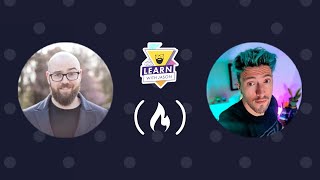

I Learned to Code in Prison
48sA shocking and inspiring story of learning to code while incarcerated, which is highly engaging and shareable.
▶ Play Clip"The title is broad but the content delivers a genuine, inspiring career story with actionable advice, though it's more of a conversation than a structured guide."
In this episode of 'Connecting the Dots,' host Jason Lengstorf interviews Kurt Kemple, a Developer Relations Manager at Apollo GraphQL, about his unconventional path into tech, which included incarceration, self-taught coding, and overcoming the stigma of a felony record. The conversation covers practical advice for breaking into tech, building a career, and the importance of soft skills like empathy and communication.
Kurt Kemple, a Developer Relations Manager at Apollo GraphQL, joins the show. He has a non-traditional background and previously worked at Major League Soccer.
Kurt got his first professional job in 2013, marking about eight years in the industry by the time of the recording.
Kurt learned to code while serving time in prison. He dropped out of high school at 16 and struggled with drug addiction from age 14 to 22. He took a variety of courses, including HVAC, carpentry, and eventually an intro to web development (HTML, CSS, JavaScript), which sparked his passion.
After release, Kurt faced significant challenges finding work due to his felony record. He spent three years applying for jobs, often being let go after background checks. He eventually landed a job at Golden Mobile, where he was hired despite his record.
Kurt highlights skills from construction and line cooking that are invaluable in tech: prioritizing tasks, breaking large projects into smaller pieces, and coordinating with other teams. He emphasizes that these are highly transferable to software development.
Kurt discusses the importance of empathy and understanding others, which he learned in prison. He explains how reading body language and understanding people's motivations is crucial for communication and collaboration in tech, such as knowing when to approach a manager about a raise.
Kurt identifies as a kinetic learner, learning best by doing. He describes how he applied lessons from books on empathy to his daily life, breaking them down into small, actionable habits until they became muscle memory.
For breaking into tech, Kurt suggests that certificates can help but are less important than a portfolio or projects. He recommends a two-column resume layout with key information at the top, keeping it to one page, and tailoring it for each job application.
Kurt prefers projects because they allow you to mix in your passions, which helps with motivation. He also notes that projects show personality and can be more effective than certificates for demonstrating skills.
Kurt emphasizes the importance of building a network and learning in public. Sharing your learning journey and asking questions helps you grow and can lead to job opportunities through community connections.
For those starting their first job remotely, Kurt advises over-communicating, asking questions early and often, and using draft pull requests to get feedback. He stresses that this is a key skill for junior developers.
Kurt suggests that being told you're 'too junior' is often about the company's expectations, not your ability. He recommends building projects that align with the job you want and focusing on understanding the 'why' behind technologies, not just the 'how'.
Kurt advises using a 70/30 rule: dedicate 70% of your time to the job and 30% to learning and growth. He warns against coming in at 110% productivity, as it becomes the baseline, and suggests seeking growth opportunities within the company or moving on if stagnant.
Kurt recommends first getting comfortable with basic computer skills, like typing, to reduce cognitive load. He explains the concept of 'unconscious competence'—being able to perform a task without thinking about it—which is essential for focusing on problem-solving rather than the mechanics of typing.
Kurt Kemple's story is a powerful testament to the fact that a career in tech is accessible to anyone, regardless of their background. The key takeaways are the importance of transferable skills, empathy, continuous learning, and building a community, all of which can help you break in and thrive.
What is the 70/30 rule mentioned by Kurt Kemple?
Dedicate 70% of your time at a job to the actual work and 30% to learning and growing as a developer.
47:24
What is 'unconscious competence'?
The ability to perform a task without thinking about it, like typing without looking at the keyboard, which frees up cognitive load for problem-solving.
55:17
Why does Kurt recommend a two-column resume layout?
Because the top left and top right areas are where recruiters' eyes are drawn first, so you should place your most important information there.
25:03
What is the 'why' over 'how' approach to learning new technologies?
Instead of immediately building with a new framework, understand the problems it solves and why you would choose it over alternatives, which is more valuable for interviews.
42:07
What is the first step Kurt recommends for someone with no computer background?
Get comfortable with basic computer skills, like typing, to reduce cognitive load and allow focus on programming concepts.
53:27
What is the 'drip learning' style?
Learning only what you need to know for the very next step, creating a shallow pool of knowledge across many topics rather than deep expertise in one.
41:42
Learning to Code in Prison
A powerful example of self-taught learning and resilience, showing that tech skills can be acquired in the most unlikely circumstances.
02:50Transferable Skills from Construction and Cooking
Highlights that non-tech jobs teach valuable skills like prioritization and orchestration that are directly applicable to software development.
10:56Empathy as a Core Tech Skill
Emphasizes that reading people and understanding their motivations is crucial for effective communication and collaboration, often overlooked in tech.
13:24Learning in Public
A practical strategy for building a network and demonstrating skills, which can lead to job opportunities.
31:42The 70/30 Rule for Career Growth
A concrete, actionable strategy to avoid burnout and ensure continuous learning, applicable to any job.
47:24[00:03] and welcome to another episode of connecting the dots today on the show one of my favorite people uh kirk kemple kurt thank you so much for joining us today yeah it is an honor and a pleasure
[00:17] a good day so thanks for having me yeah i'm super um you know you and i have a little bit of background we used to work together oh jeez oops did that thing where i forgot to mute in the other channel
[00:31] forgot to mute in the other channel um story of my life geez so yeah so here we are we got uh we we you and i used to work together um you've you've worked at uh major league soccer you're currently working
[00:43] at apollo um i am i'm just super excited because stories that i've heard uh in in terms of breaking into tech and and all of that but maybe we can start with just a little bit of background um
[00:56] so if you want to tell everybody kind of what you're doing now what where you are in your career right now yeah so right now yeah and i just i like to say yeah it's what the folks in the biz call it non-traditional
[01:08] background but uh yeah yeah uh yeah absolutely but right now currently i am a developer relations manager at apollo graphql uh so for folks who aren't familiar apollo graphql has a lot
[01:22] open source tooling and a platform uh that helps folks be successful with graphql surprise prize um yeah so that's kind of where i'm at now it's a very dev developer relations type focus role which i've slowly transitioned to over
[01:36] the last couple years um before that just uh you know doing a things of that nature but yeah that's where i'm at right now yeah for sure from a position to you know you you broke into tech a while back
[01:50] how long have you been in the industry now oh so i got my first like professional you know job um uh 2013. so about coming up on like eight years in january it'll be about eight years yeah
[02:05] um so you know over the course of that eight years you've been able to go from to where you're now a manager at a company that people have um you're you're in a position to kind of hire you're growing a team
[02:21] and i think maybe a little unexpected given uh your background right so so maybe i think what would be really fun to talk about to start is where did you come from like what
[02:36] happened before you broke into tech uh a whole laundry list of things happened before i broke into tech uh you know it's always tough to like figure out where to start um but i'll say this i
[02:50] i learned how to code i started learning how to code uh when i was incarcerated i was actually serving time doing hard time uh it actually was really hard but uh yeah so um before that i worked a lot of
[03:03] and end jobs i dropped out of high school when i was probably about 16 very fuzzy of anything before uh like my time in incarceration and the reason for that is drug addiction so i suffered
[03:18] from drug addiction i was real deep in the throes of it from about the time of 14 years old until about 22 years old when i was incarcerated and yeah so i worked odd in
[03:32] jobs like line cook i worked for a general contractor for a long time did a lot of construction uh stuff like that uh and then yeah yeah that's pretty much the gist of it before that yeah then i did about seven years
[03:46] actually introduced to programming yeah so um i'd actually love to hear how did you get introduced to programming while you were locked up uh so one of the things that happened is like you know i spent about a year in
[04:01] jail um and i had a lot of time for the fog in my brain to kind of clear uh and so when i when i was before the sentenced in there like five to seven years uh
[04:14] like getting hit with a hammer right in your chest and uh you know i i don't really remember what the trip like was getting back to the jail and all that i just remember
[04:26] myself i wasn't going to waste a minute of time i was going to take any programs going to do whatever i could to make sure that uh when i got out i would only be as far back um you know as set back as possible
[04:41] i'm out of here but maybe i can learn some useful skills and some things to apply when i get out um so i just took a blanket uh uh offering of courses you know i got certified in hvac
[04:54] carpentry electrical work plumbing landscape design uh dog training um what else like all kinds of things literally anything that was offered a cooking program
[05:07] had like no skill with computer so i actually started out taking like a course on how to use like microsoft office and i took a typing course and they offered something on networking so i started to like get into i.t
[05:21] to build them and stuff so it was very cool course intro to like either web design or web development i on the certificate like just some like weird course and it was
[05:36] yeah it was html css and just a splash of javascript and uh that was i was hooked as soon as i i got my first hello world h1 and i hit refresh in the browser
[05:49] and i saw that update like neurons just started firing i'm like i know how the internet works like uh like i said in the matrix like i know kung fu you know it's like it was pretty cool
[06:01] nah that's great um well so that actually is really fascinating because i you were inside but i didn't realize that you had also picked up all those other skills so when you so when you got out
[06:16] did you immediately go into web dev or kind of what was the path kind of what was the path between between then and your first job yeah it was a very very hard path it was probably the hardest three years
[06:29] of my life honestly even counting prison time counting uh my time the reason why is because i had accumulated a lot of valuable skills
[06:41] when you are a felon nobody really wants to hire you skills as well so whenever i have to check that little you know are you a felon box or have you been convicted of a felony within the
[06:54] last seven years never get the call back never so yeah i'm certified hvac you know i i you know i'm trying to get jobs i t anything like blanketing across i
[07:07] like you know and and i think people uh just kind of don't realize like recidivism is so high because folks don't have stability when they get out they get out they want
[07:20] prison it's not like i was in there with a bunch of folks who are like [ __ ] oh sorry shoot as soon as i get out of here yeah oh you know i'm gonna go because this place is fantastic you know that's just like not it you
[07:34] up uh uh going back to dealing drugs but instead i said you know what like screw these companies um they're not gonna give me a chance so i stopped checking the box
[07:48] and what i would do uh is i would work at a job for about three or four weeks and they'd be like you're one of our best workers but like we have to let you go because you you know you didn't check the box and i'm like well when i
[08:00] don't worry i've already applied to like seven other places so i'll go work there and that whole time i was just self uh self-guided learning right i was self-guided learning right i was you know building things uh in
[08:13] in my spare time when i could uh watching things on youtube stuff so yeah uh it was pretty rough uh but eventually i landed a job at a company called golden mobile and uh
[08:28] yeah yeah and that was like my first breakthrough yeah was them giving me a chance it was cool but it was a really weird situation too because what happened was they hired me
[08:41] was doing a fantastic job and like oh we totally forgot to have you fill out the totally forgot to have you fill out the background check again every time it's always like the background check
[08:55] and uh yeah so you know i i i was like okay so i'm left with this right so uh i was working on this product i just like finished it like i was just like i did i just worked on it like all night
[09:08] manager in the morning and i was like hey i completed the you can expect from me should you choose to let me stay on my background check you it's going to see that you're going to see i have a
[09:21] uh i was like but because of that like i have a lot to prove you know and i'm really willing to work extra and it sucks that you you get kind of put into that situation and uh yeah so you know it's just like
[09:34] i had no choice but to overwork myself uh and do that and then it was just weird like they let me stay on but for six months i just felt like everybody was just like looking at me differently um it felt like i had gotten over on
[09:46] i think a lot of that was internal i was internalizing a lot of things stigma about people with records um but it was hard but it was my break it was six months of experience uh and had a little something on my
[10:01] with but yeah it was took about three years from release to first job so so one of the things that i love to think is um is just so important to focus on
[10:15] is this idea that you know getting into is hard right and we're going to talk a little bit more about like how everybody can break into tech a little bit later in the show but for now i kind of want
[10:28] to focus on this idea that like you you had to break and detect not with your technical skills but with a whole range of other skills you know that you had to there was so much perseverance and there
[10:41] was a little bit of kind of ingenuity or craftiness in in because you had to check that box um where do you feel like you picked up those skills like what what skills did you use that aren't tech skills that
[10:56] helped you land this first job yeah you you pick up skills from bring that up because you know a lot of folks feel like if like we focus so much on technical ability
[11:09] that we forget that that's actually a very small part of the day-to-day job of code but there's a whole lot of other responsibilities and things that you need to be pretty good at in order to succeed right and so
[11:25] a lot of the things that really helped me was like working construction and as a line cook understanding how to prioritize that you're doing things in the correct order those are invaluable skills
[11:39] taking a large uh job and breaking that down into smaller pieces that like yeah every day if you're framing a house you don't say i'm gonna frame a house it's like first we gotta lay the yeah
[11:53] foundation right we got to set everything up to get stand up some walls right and then we're going to to start working on the second floor and it's like you work up and then it's like
[12:05] roof but you don't start like we build the house right you break it down into its tiny itty-bitty pieces and also working with other teams other
[12:18] with the plumbers we have to work with the electricians understand their needs making sure that our part of the job is done in time so they can come behind and do their part of the job so invaluable skills
[12:31] you learn the same things in the kitchen uh if if you want to see orchestration like at its finest watch line cooks because when you have like an of you know like a 10 people order come in and everything needs to finish
[12:46] at about the same time and they have different you know different needs as for how long it needs to be cooked three items on the menu might be the same thing but needed to be done at like different uh temperatures you
[12:59] and it's like you you have to orchestrate all this not just within rest of the team and if you're not uh it's never going to be right if you're going in there and you're like
[13:12] well i'm just going to worry about just my little piece and forget the rest like know you're not going to you're not going gonna succeed in that role uh so i think things like that are extremely transferable
[13:24] yeah and then that kind of br yeah yeah it brings me to my next point which is empathy and understanding uh and this was something that i really started to uh uh internalize
[13:38] and and realize in my time incarcerated uh just understanding like that your perspective of the world is not the center of everything it's not have lived experiences uh that are very different
[13:53] and thinking about others whenever you're doing something so that was a huge thing to learn and then lastly uh understanding uh folks like investments in things and then just kind of like
[14:07] being able to to kind of understand how people are feeling like in a in a given situation like in prison you have to know whatever what everyone around you is thinking 24 7. you never get to turn that off
[14:19] right like i need to know if the person next to me has malicious intent other side of me might like be suicidal like there's a lot of like interesting uh dynamics there that in order to just
[14:32] you have to literally know how everyone around you is feeling you have to start micro cues and micro aggressions understand uh when is a appropriate time to approach folks and when not to and i think like
[14:48] has been the most valuable like what i mean by that like a like actual situation that i can compare in the tech world is let's say uh it's coming up for review
[15:01] i think somebody on my team should be getting a raise right like i'm ready to like start talking to my manager about this now if i walk up to my manager and i can see that their heads down
[15:14] working on something or maybe even slightly frustrated or something like that like it's probably not the best time to be one i need to be able to get their full attention and
[15:27] two uh i want to catch them uh when they're probably in a much happier state i don't want to to you know you want to be able to like possible and so sometimes that's reading body
[15:42] language understanding what people's you know uh responsibilities are what their investments are like what you know what are they trying to get out of this help show them that by doing this they're going to achieve their goals as
[15:55] so just understanding people is like paramount that the the better you'll be yeah and and you know when you when you connected a couple dots in my head where
[16:08] that's actually one of the most to any team of a bigger group than you can have a you know once you cross about 12 suddenly you're not
[16:22] on the same page now you're having to have conversations of the larger picture and what i think is really interesting about that is that where empathy plays into that and where being able to read a
[16:36] motivations like if i want you know if i if i'm a product team that we should build something a certain way i shouldn't go why it's a great technical solution that's not their
[16:51] interest that's not their motivation instead i should be think about what their concerns are what's stressing them out and if i can frame my technical solution in a way that
[17:04] solves their problems i'm so much more likely to get that decision adopted um 100 100 know the stakeholders and know what their investments are if you're armed with that information
[17:18] it makes it so much easier to to bring up points and to uh raise uh the right questions statements or solutions because you know what everybody is involved in this for
[17:31] they care about it empathy right it always comes back to like communication empathy you know those are the to me the most valuable skills that you can absolutely especially in tech as well yeah if you're going to work with people
[17:44] being able to read people is going to be like number one no matter what the the underlying job is um yeah and it's yeah but we have to be folks who that doesn't come as naturally to
[17:57] something that i've been able to develop i also did read a lot of books on on these exact topics and stuff as well uh yeah same yeah so it is a a learnable skill
[18:09] it or you don't um uh but yeah there's a lot of folks who um you know might not be as like emotionally attuned preface that yeah it could definitely be a lot harder for
[18:22] definitely a valuable skill if you can get yourself there to dig into a little bit and i i know that we've got questions coming from the cueing those up and we will get to those but uh
[18:34] i want to talk a little bit about this um you said the things that i find most fascinating is the way that individual people go about learning so
[18:47] something that doesn't come naturally to you conversations with people how to be empathetic that was not natural to me it into um when you come up against something
[19:01] learn a new skill well that's really good and uh actually kind of situational but i would say most things uh i am more of what's called like a kinetic learner i learn best by doing
[19:16] um and so i'll take input from multiple different avenues whether that be like things but until i start into place um so depending on like what the skill
[19:29] these uh situations so for me when it was uh you know i was kind of like forced into learning this because i was incarcerated situations uh every single day uh which made it
[19:44] basically impossible to not be practicing it but you still have to be doing is applying this to my everyday life and what i mean by that is just necessary
[19:58] very um uh also very important inside your personal relationships right so i would start applying these okay am i listening more than i am speaking right like
[20:12] books like the things they want me to try uh and i would essentially just like break that down and just focus on little bits of it and try to apply that until it becomes muscle memory and
[20:24] so in the first case do i listen more than i talk when i'm interacting with folks that's something that i'd like to focus on once that thing would be okay am i understanding their investment
[20:39] upset about something like do i really know why like yes my friend is upset but why are they upset right and it's like trying to understand things like body language here's a really fun fact um when you
[20:53] enter into a room and you see somebody that you um and this doesn't mean like whether they like you or dislike you but you can like excited by your presence because in some
[21:05] form or fashion they will fight gravity that could be raising their eyebrows the shoulders coming up exactly a smile where they actually doesn't go back but it goes out a little they wave literally anything
[21:20] is always working against us so if i'm willing to work against gravity enough invested enough to show you that it's subconscious but like
[21:32] 99 of the time it's on point yeah it doesn't mean whether someone is happy manager and i walk into the room and i great time to ask you a question about something that i've been wanting to run
[21:45] sure right yeah whereas if i get the straight face and i can tell you're somewhere else and you're not focused it's probably not the best time there's like one you know a little bit of it but yeah it's like
[21:58] breaking things again breaking things into smaller pieces attacking them one until you build it up is what you would consider to be a base skill that you now and moving on to the next thing absolutely um
[22:12] so i so i guess maybe like a good a good thing to move into here is have been asking a lot of questions about how to get their first job and so first one is from mila and mila's asking about um what
[22:27] certificates should should she get to get into the world of software programming and coding um do you do you think that certificates certified in a handful of things when you were inside
[22:41] certificates play uh in i mean you're hiring now right so what are you looking for in that yeah yeah i'm hiring now i've been a hiring manager before so there's one thing that i want to uh
[22:55] state here real quick too which is like i have a privileged path into tech and so uh my path and what i've done you know um but for a lot of folks you know it's just it's
[23:08] for other people than uh myself to break into tech even uh you know we have a big problem with that in the tech industry and uh so i just want to preface that but yes there are still a lot of things
[23:22] that you can do that really do stand to help you stand a breaking into tech and uh i think certificates certificates can play a role i think it might be less
[23:35] about certificates and more about until you have work experience you need something to put on a resume people need something to take a first glance at right and now this could be certificates it could be a portfolio
[23:49] some freelance projects if you can do that but ideally you want top of your resume that's really going to help people get an idea of your current level of skill right and again
[24:05] well this is very hard i i what i would say on top of that is skill and it's also the job that you want like i what i've noticed is that um that they put out there so um a lot of times when someone has a
[24:22] broad variety of skills there's a then art of hired for and potentially not emphasizing so if you're currently working in it or like systems networking and you don't want to do that anymore
[24:35] highlight the certificates around like software engineering and and maybe to get hired as another in another id role absolutely so i'm so glad that you brought that up so i just want i'll finish this thought
[24:50] real quick and then i want to jump directly into that uh there's your resume they go top left just below that to the left and then over to the right and then everything else below that kind of falls
[25:03] off right and uh i've tested this against myself i do the exact same thing those are the spots that my eyes get drawn to first and that's where people are going to look so i always recommend a two column
[25:15] layout with your most important information your most important a particular project that you're proud of showcase and then to the right like the next
[25:28] ancillary to that that will help you get that done i have found this to be an invaluable uh tool to help and then actually yeah to not only will i bury things that are irrelevant to the role that i'm
[25:43] currently working at or working towards but i will also put together multiple versions of my resume this is something that i do a a role in dev advocacy and a
[25:57] management role you cannot create one resume that you'll be able to submit for all those jobs that are going to highlight the right another piece of advice is keep your resume to one page people
[26:11] that's on there might as well as not be on there uh and because you only have that one page like you said it's so important to you want so i'll have different cover letters and
[26:25] going to know that i'll apply for it's a little bit of extra work but i find that it really lets me focus in on the things good for that job yeah where this starts to differ is
[26:39] because if you're just breaking in uh to tech you're not going to have a huge background of work to pull from but you have an entire life of experience to pull from yeah and just how we were talking about
[26:51] the transferable skills you know working at mcdonald's you learn a lot of very valuable skills and it's if you you know when you're putting that like coordinating uh you know between uh
[27:04] multiple uh teammates to to deliver uh you know uh meals you know uh on time right and properly organizing and prioritizing you know uh balancing workloads between you know what i'm doing here or doing
[27:18] there maybe you took on some management responsibilities in these roles like very valuable so don't discount your your life experience it's it's absolutely i look at that yeah my my first job
[27:31] design work and and print printing press pre-production work and all of that helped me build enough like adjacent to be able to convince someone to give me a shot on the
[27:44] on the real job right um yeah i think good point like and the other thing too is you know a certificates to get you don't have to um you don't have to do that with
[27:58] to get hired you can take that certificate similarly with projects so there's a question from humza learning a skill by doing projects right away
[28:10] um and so i'm gonna i'm gonna pass this to you but what i'll say up front is if you are trying to get a job doing animation or if you were trying to get a job as a full stack engineer build projects
[28:22] that do that work because i know for me like if the service of the job you're applying for it's your first career right um and so yeah so what what uh what
[28:35] would you recommend for someone like certificates projects something else where where should people go that's that's a fantastic question i think it is going to boil down a little bit to preference
[28:48] so um i do i do love projects because that generally create something that like you can mix in your passion so learning is hard and in order to stay motivated it's
[29:01] little bit of things that you like and enjoy uh and build projects like uh for me there's like a like i like longboarding um you know i dabble in video games and
[29:16] interested interests like around collectibles and fun things and like i can take any of those and turn those into a project right or build something around my interests and by
[29:28] uh it's going to help me when i get frustrated you know hopefully that you through uh and see you through to the end it also shows through a bit of your personality which i think goes a long
[29:41] way and and people um i guess undervalue um it's okay to shine a little bit and and and have some individuality uh i like when i see resumes they don't have to be like you know this like big
[29:54] graphic design project but when it's a little bit different than with bullets listed out i love it because i get to like you know just get a peek at um uh you know someone like putting in a
[30:07] i think whenever you put a little bit of yourself into something you're gonna invest a little bit more in it and it's nice but i would also say it's like deciding on how you learn it you know some people like structure
[30:19] right like if you like school and you you learn well in a structured fantastic way to continue growing and to build up if you kind of like to do your own thing and just kind of build stuff and
[30:32] projects because you're going to be able burden because you also have to then understand the freelancing market nothing uh infuriates me more than folks who are
[30:46] branching out they get into freelancing and end up just with these like red flag terrible clients you know and they you know i have friends going through this the scope creep the project grows it turns from a learning experience into
[31:00] like a doom project you know right yeah i hate to freelancing but taking on small projects could be a good way and if you need money it's also not a bad option as well
[31:13] while you build a little bit of of uh revenue so and something that will happen whether you wanted to or not when you take on things about management about planning about you know
[31:28] being communicative how to like tell people about setbacks in a way that all those things those are very valuable skills um learn them if you're doing it for the first time
[31:42] with a with a freelance client but uh you will build a whole different set of skills along with that absolutely absolutely but if i'm being you know to me i think that still one of the best ways this day and age
[31:56] to break into tech is to focus on building a community building a network a lot of folks called i like to say community rings as something that is uh two-way right
[32:11] helping you and learning in public learning in public is another very valuable way to do a lot of those skills that you just communicate clearly you're showcasing that you are
[32:25] and share them what you've learned with others invaluable skills uh to have in in programming or in general uh and so uh while you're looking for jobs you should always be thinking about
[32:39] you know what does my community look like how can i grow that in a in a healthy way right and you know yeah and you know because most of the times the jobs that you really are going to love uh and the
[32:55] the opportunities shine rarely come from uh not it's not exceptions but rarely does it come from you dropping your form you know um a lot of times it comes fro from a
[33:09] they understand who you are in the community they've seen the stuff you're trying to do and then boom you know next thing you know you're interviewing at this this company so it's always something i i recommend
[33:21] that are really closely related to this where everyone's on lockdown due to coronavirus building a community getting a first job a lot of the advice that that we've seen
[33:35] in previous years is that people getting into their first role should not do it remotely um and i think that there are some you know there's good reasoning for that like when you are new to something it's
[33:47] somebody to have that support network to be surrounded by people doing the same work but that's not an option right now so let's see both uh daniel and hamza are asking
[34:00] what how should that be approach for people who are you know we have to build first jobs remotely what strategies would you recommend for folks to um to succeed there yeah that's wow what an amazing question
[34:15] yeah so i think the first thing that you want to check and it's it stinks because you know when it's your first time you're not really in like a position of power if you're already in a job and you're comfortable you can
[34:27] companies that you're going to interview with or jobs that you'll take as the i want to say you want to look out for like uh what folks will call like red condition or is this a company with a track record of
[34:42] be the first junior developer to come on that's one alone that if you get the answer to that can be a strong indicator they're a company who's already been
[34:56] they've built up those practices you're probably safe but if it's a company who's just got gone remote because of covid and they don't have a track record of onboarding juniors already
[35:09] difficult doesn't mean it won't work it just means that's something that you might want to consider and i think uh this circles back to if you get in a habit of learning in public uh one thing that's gonna come along
[35:22] with that is asking a lot of questions you know as you learn in public you're but you're gonna start to ask your community questions to to learn better and if you find yourself in a position
[35:34] a remote first company because it's your first junior development job over communicate and i you really can't over communicate but a lot of folks want to hold back for
[35:46] lack of feeling you know like they should know something or they should uh uh not you know save questions and ask them all at one time i say don't make find find the people in the company who always seem awesome
[36:01] about answering your questions there's going to be people in any company no matter how good or bad it is that like to help folks find them and ask them just constantly ask them questions you're not bothering
[36:13] they love it that's what they're there for they want to help you uh you know so i would say definitely communicate early and communicate often write up this whole pull request right and make a bunch of
[36:29] change right as soon as you create the branch push it up and open a pull request each commit push that up and ask for early and often that is like my number one piece of advice for folks
[36:43] request on github in draft mode which means this isn't ready yet i'm just i'm lets people see what you're doing uh which i i i love that advice personally one of the things that i really enjoy about people who i'm i'm working with in
[36:59] like a lead capacity where i'm kind of helping level them up is when there's that constant seeking of feedback if and they're like can you give me some feedback on this i'm like
[37:12] nearly as good as if you'd sent me 100 lines of code one of those things that you can optimize your environment right think about how it would feel to be on the other end of this like
[37:27] the other end of this like would you rather somebody has a problem doesn't tell you about it gets the company in trouble and then know that our team's on the hook for this thing but i didn't do it because i
[37:39] here's my problem i know it's due today or would you rather somebody said hey i need to work on this and i'm not quite sure can you help me unstick this there's that like i would much rather get asked early so
[37:53] on time right absolutely yeah without a doubt it's just the cognitive overhead uh it's a two-way street like if you build things up it becomes a large investment and that yes and
[38:06] it's very hard for people to have the resources or energy to respond to that large investment whereas if it's coming through bite size and like a constant flow it's a lot
[38:19] much smaller much tighter it's i can answer one or 15 times throughout a day much easier hour to two hours to like review like a very large pr
[38:33] makes sense yeah i mean and that's like that's how i think a lot of us function is as you know senior devs managers we we get ourselves in a position where we try to be quickly doing little bits of
[38:47] we have to drop everything to focus on one effort the rest of the team bottlenecks up um and so that's you know it's it's also things when i see somebody learning the skill when i see somebody getting
[38:59] really good at sending pull requests at you know instead of sending me everything all at once that's when i somewhere like
[39:12] let's get them on the fast track right so it's also a great way to advance in your career absolutely uh yeah because yeah it just that uh you're starting to understand you know feedback loops what it means to
[39:27] do um and it also just shows yeah your willingness to communicate and it's just it's just such a valuable skill you know absolutely i can't state it enough but yeah and so
[39:40] also think builds confidence it give it when you answer that's a that's a small confirmation that says lot exactly it builds that confidence it gets that
[39:56] ask a question to you uh from elliot uh because i think it's related elliott says i'm hitting a lot of walls where i get to the final round then i keep getting told that i'm too junior or need more experience
[40:08] what would you advise for someone to do in this position yeah uh that's really tough so honestly elliott i feel that that is more on the company that it is on you uh i feel a lot of times companies
[40:22] position roles as junior and then you look at the requirements for the role and what they want out of it and it's not quite there um but yeah it is it's difficult but if you want to
[40:34] improve that there are a couple things that you can do and so to me this comes back to like projects right um this is why i like job at major league soccer um
[40:46] i had started to understand uh uh that like i was pushing you know outside of front end rolls a lot of stuff i had done previously had been front end i got very curious about like the uh api gateway layer and like back end work and
[41:00] i set up like a microservices architecture i took some time i tried to you would architect having multiple different apis all talking to one and then turns out that was like exactly
[41:14] what major league soccer was looking for right they wanted a full stack developer who knew really how to work from the api gateway down but understood at least what was happening a little step further so i think it's
[41:26] uh it's also a matter of being able to talk about things and so um i always drip learning like you hear about different learning styles like shallow little bit about everything or t learning know a little bit about
[41:42] everything dive deep in one thing i'm a big fan of drip learning like only learn what you need to know to do like the very next step and sometimes you'll get down further but you have this shallow pool and some
[41:55] things just to kind of drip all over the place yeah and a way to a really good way to achieve that is to focus on hows or sorry on whys over house and what i mean by that
[42:07] is like when you hear about a new framework instead of stopping everything spin up a new project and start building something with it like savelle or like that step back and say well what is the problems felt is trying to solve why
[42:20] you know what is the difference between it and react and why would i pick it one over the other that information is way more valuable because anybody's going to be able to pick up spell and eventually learn how
[42:35] to use it right not everybody understands why you pick spell or why you would want this or why you pick a microservices architecture over a those two things right right and so i think i you know i spent
[42:48] thoughtworks has something called a technology radar uh which is a really good like quarterly newsletter where they cover emerging uh and what they were built for and the
[43:01] that and sometimes your lack of experience is really just like they want to hear like more uh you be able to speak more about given topics it doesn't necessarily mean that you don't
[43:15] that you know you don't know the things you to know what you would need to learn god that's a lot but that that's essentially what it is well and and you know i'll
[43:28] i'll add to that by saying one of the things that stands out to me when i'm interviewing somebody early career is whether or not they give a strong impression that like i don't expect juniors to know
[43:41] their first role like you're you're supposed to have like bare minimum we're going to teach you everything else so i'm not looking for them to know me that distinct impression that they know they don't know but
[43:54] they're very sure they can find out and and if i get that sense that that is really like the self-starter they are they're confident in their ability to learn they believe that any knowledge is accessible to them if
[44:09] it right those are the types of people that goes back to that confidence right like if if you come off as early in your career you don't have to be confident in your skills but be
[44:23] confident in yourself be confident in your capability to expand and grow that i can smell that a mile away and that absolutely i'm looking for that all the
[44:35] time as well because honestly when you're junior we don't have a lot to go off you know there's not a lot of work history for us to examine questions right like do you understand uh how you
[44:50] reset on certain situations and they don't have to be related to code is like do they understand uh ways do they understand uh ways to learn quickly right not necessarily
[45:05] but how to get the information quickly that's the difference um and you know behaviorally like are they comfortable with critiquing themselves retroing the things that they've done and able to understand how they would
[45:20] change things to do better next time and those are if you present me with those two things in an interview it's like yeah i somebody who's going to come in with a fresh set of eyes
[45:34] going to be offering us already insightful i can trust that as they learn and grow they're going to be reflective of that improve and they're going to go out and seek that information now i'm going to
[45:49] dump it on to you like just keep anything onto you that you want but it's still very cool to see uh people have the skill and ability to what there are some times when maybe you know you
[46:01] fast enough and they're eager to pick something up and boom off they go with and that's growth right like when what i love to see is when you get somebody who they're fresh they don't know anything but as you dump that information on them
[46:16] information twice you start to see them answer questions and the things that they're quick to step up and and pick up those issues and that to me is those are the signs that really show me that somebody's
[46:29] gonna grow well um and i you know i'd love to i'd love uh so i absolutely i have another question for you little bit because you made a mention about you know people who are looking
[46:43] they don't have the luxury and the privilege of being as choosy and and they might just have to take the job that's available not the job they want so uh so turth is asking if you interned
[46:56] at a company that doesn't pay well but you're getting exposure to to frameworks and tools and and practices um should you should you be looking to quit should you be looking to
[47:08] that situation and turn it to your advantage instead of getting stuck yeah and again this is really tough where you land right but absolutely one thing that i really appreciate with
[47:24] different companies is when uh you have a little bit of time to learn actually so here's something that i do um i have like a 70 30 rule i dedicate 70 of my time at a job towards the actual job and the goal
[47:38] at hand and i dedicate about 30 sometimes a little less in in crunch time towards growing and learning as a developer so even if you but kudos to all you companies out there that are giving folks the ability
[47:53] and time to learn uh we appreciate you uh but yeah if give it to yourself uh so when you join a company and you're starting in that role never come in there at 110 because what
[48:06] happens is that becomes your baseline and as soon as you set a baseline of 110 that becomes expected of you and then when it becomes crunch time now they but you've got nothing left to give right you're already at everything
[48:20] so i really come in at about 70 80 productivity and i'm to learning and to growing and then leaves me a 20 bandwidth to push in crunch times when we really need to get things
[48:34] burning out spectacularly uh and it's going to allow you that time doing your career now you might find yourself in a situation where it's kind of too late you've already been given 110
[48:48] uh and you don't really feel like you're growing and then this comes really down to like a work-life balance time uh management situation it's like you have to figure out a way to advance your skill set
[49:02] without you know again burning yourself out hurting yourself some things that maybe the team that you're on you feel kind of stagnating there are there other teams in the company that you could join
[49:15] maybe that's like moving from a front end to a back end role or like you know involved in open source like or uh could be a good
[49:27] experimenting with things on a small scale virtual so meetups and and talks are a good way to get exposure to different topics that thoughtworks
[49:41] abreast of everything that's going on and then just dabble but just be careful be very very careful of burnout the first like it really did
[49:54] mentally i was burnt out suffered deeply from depression i was going like 18 hours you know a day super unhealthy super i was just in a place i was in a digital agency
[50:08] after gold mobile i went to my first uh digital agency role in new york city i thought you know i'd made it i'm in the city ma and uh so yeah yeah uh i thought i'd made it but anyway it turned out to just be like a
[50:22] um you know they they impossible deadlines the technology stack never changed so just after you know six months it just felt very like repetitive i felt stagnated
[50:35] that so i just like you know i would spend a little bit of understand uh the housing wise and yeah so it's just like you know it's about optimizing and again
[50:49] focus on house or wise over house because your next role you'll probably learn those things like i i might not expect docker but i would expect you to understand what docker is
[51:02] and why we would use docker right and like i won't expect you to you know know the particular frameworks that we're using for an api but i would expect you to just be able to talk about apis in general and like you
[51:15] know some some basic questions and and uh problems that you might face when building an api so it's like really just like knowing um why someone picks a technology or would choose it is
[51:27] in my opinion way better than being uh very deep and funnels you into like uh you know a particular silo right that's all you're known for right like you know you become
[51:41] d3 person or something like that maybe you want to learn something else but you like you were saying if you have it on there right um yeah when you establish expertise
[51:55] like if you if you become the expert on a thing then people are gonna naturally send you that work because you know who's going to make our problems disappear so if i have an i.t problem
[52:07] expert that's what i'm going to give you that's what you're going to do so if you don't want that work you kind of have to keep that off the resume you got to keep that off the off the radar you know yeah i would say if you have the ability to
[52:21] let you know if you have a good relationship with the person who is your in turn or otherwise let them know like let them know the problem that you're facing hey i feel stagnated right now if they are
[52:33] then yeah you definitely want to be somewhere else anyway right but now nothing you you've done that right but if you're like you know if they try to help you out and
[52:46] yeah it's time time to look elsewhere so then circle resume for the job you want figure out the the you're armed to go into interviews and talk about them
[53:01] absolutely all right i'm going to ask you one last one because i think this is this is going to be a good point to end on um so blahya asks how do you learn to code and program if you don't know enough about
[53:13] it looks like while you didn't grow up with computers and i know that you also that question in the chat i was going to ask you if we could get to that in the end yeah so i never had a computer in my home uh growing up
[53:27] and i would say like i'm not normally one to say like before you go but having a basic understanding of how computers work being able to like use like a keyboard
[53:41] the proper you know typing like i used to two fingers like this and like if you can do then yes of course that's all you can do but if you're capable absolutely like learn how to type uh so that you don't
[53:56] looking at the keyboard every two seconds like once you understand the internalized that it opens up the ability to focus on now you're trying to learn two things at once right and that's
[54:10] always going to be a problem so let's break it down into smaller pieces in order and let's attack them one by get comfortable on a keyboard then get comfortable with how computers in the
[54:22] and you don't have to go deep again again just why how does this work like work and start from there and then get your it doesn't mean you can't be reading blog posts about programming and doing
[54:37] stuff like that and messing around but invest the time up front to really get comfortable with computers because job right and again you don't have to know you
[54:49] be a mechanic at all you really don't like you could to drive a car um but you can't be a mechanic and not know how to use your tools right and i think that that is a
[55:03] in this case a keyboard is a tool and you got to be proficient with it if you one way that i've that i've heard this described that i really like is described that i really like is um you know when you are writing code
[55:17] know you're thinking about the problem that you're trying to solve you're the code that you're writing you're thinking about what you're typing into the keyboard like you said so when you see somebody who is really
[55:29] they've moved to what is called unconscious competence about that and and we're all unconsciously competent at something can you know sing a song without thinking about the melody maybe we
[55:44] soccer ball maybe we can you know anything like you any sports that you can play without really thinking about where you're where your body is moving um any
[55:56] having to think about your fingers and typing like you speak each one of those things removes a doing and it lets you just play and that's where excellence can
[56:10] really be born if you have to think about every step in the way it's gonna you down greatly it's gonna frustrate you
[56:22] split your the the like the cognitive load you have amongst multiple things yeah it's like it's you know i'm not thing i love about types types allow me to take so much state and throw
[56:38] else to provide that information for me so i not remembering what if this is a freaking string or right like i don't have to worry about that i can just move forward
[56:53] things as you can turn into what did you call that sub unconscious unconscious competence i love that unconscious competence all the things folks yeah and this is a it's a it's a
[57:08] came up with it but it's uh like an educational theory when you first start learning something you go from unconscious incompetence which is where something then you go to conscious incompetence
[57:21] thing you don't know and if for somebody who's just starting programming that's probably where you feel you know that you could program but you're not sure how to make it happen then you study you train you get to
[57:33] where if you think about it if you focus you can do the job unconscious competence where you're able to do the thing without thinking piano by ear or somebody who you know you like anything
[57:48] that you can just do if you can walk and chew gum and you you are unconsciously competent at walking and chewing gum right walking and chewing gum right absolutely um
[58:01] well kurt so we are we are at the end of our time so thank you again so much for that uh your time is super valuable and and i know that on so thank you again for for taking the time to
[58:14] having me uh of anything more valuable than i'm available on uh twitter uh at kurt kemple just my
[58:28] questions follow up hit me up i'll try to get to them as soon as i can i hope you all do amazing things i can't wait to see what you do and yeah thanks yeah thanks again to free code camp for hosting this uh if you want to see more
[58:42] week called learn with jason we've got find that at learnwithjason.dev you can find me on twitter at j langsdorff uh kurt thank you again chat thank you
[58:56] hanging out in the chat and moderating we will see you next friday with another wonderful guest we'll see ya later everyone

⚡ Saved you 0h 59m reading this? Transcribe any YouTube video for free — no signup needed.