The Secret to Smooth Clutch Control
53sMastering the clutch bite point is the hardest part of learning manual, and this clip provides a clear, actionable technique.
▶ Play Clip
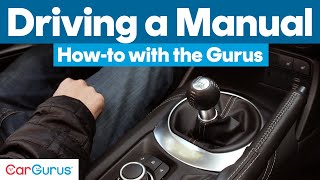
[00:00] This is a Mazda Miata. It is one of my favorite cars. No, it is my favorite car. And a big reason for that is the six-speed manual transmission sitting between the driver and passenger seats.
[00:15] It is so sweet. And learning how to drive a manual, it's all worth it, even if it just means you can drive a car like this. Driving a manual makes you a more connected, more engaged, and I'd say a better driver.
[00:30] So if you don't know how to drive a stick shift, but you've always wanted to learn, keep watching the video. I'll go through things step by step, and by the time we're done, you're going to be flying through the gears.
[00:46] Now that the car has magically moved to a more shady location, let's start at the top. How do you turn it on? Well first, you put your seatbelt on.
[00:59] So you've got the emergency brake engaged. Now a lot of drivers like to start their car in first gear, but there's actually a benefit to keeping it in neutral, especially if you're not going to drive off
[01:11] immediately. Now put your left foot on the clutch pedal and press it down. Your right foot should stay on the brake. With both feet on both pedals, you can press the button or turn the key and turn on the car.
[01:26] Now because you're in neutral, you can take that left foot off the clutch. If you're in first gear, you take your left foot off the clutch without stepping on the gas, you'll stall. Now this is a
[01:39] modern car. Most modern cars won't actually even let you start them unless that clutch is in. So here we are. I've got the car back on. Both feet are on the pedals. I'm in neutral and because
[01:53] I'm in neutral, I have the emergency brake engaged as well. With the brake on, car in neutral, I can finally take both feet off the pedals and relax. But that's enough relaxing. We've got
[02:07] the car on. Let's get moving. But your left foot back over the clutch and your right foot can press down that brake pedal. When you have the brake pressed, you can release the emergency brake. We're
[02:22] not going to go anywhere. The left foot now, take the clutch, put it all the way to the floor. You can move it into first in almost every car that's going to be towards you and forward.
[02:34] Now here's where the fun starts. Take your right foot and move it from the brake to the accelerator. Gently add pressure while taking your foot off the clutch and you're going. Let your
[02:48] engine RPMs climb slowly until you feel the clutch engaging, keeping it right at that bite point. While you apply more throttle, once you feel engaged, release the clutch fully.
[03:00] And just like that, you're driving. It takes some practice to get the feel of the clutch. So don't be too worried if it's a little bumpy at first. As you gain speed, you're going to need a shift to
[03:16] higher gears. Here's how to do it smoothly. Watch the tachometer or listen to the engine. When it gets loud or when the tachometer needle starts rising quickly, that means it's time to shift. From here,
[03:30] it's a lot like getting the car moving, but it's actually easier because you've already got some momentum. So take my foot off the gas, put in the clutch, second gear. As your speed increases,
[03:44] your RPMs will rise. As you get over three or four thousand RPMs on the tachometer, just repeat the process and shift smoothly into those higher gears.
[04:15] Now let's talk about down shifting, which is key to maintaining control as you decelerate. As the engine slows, the reps will drop and they get close to idle. Press the clutch and drop to a lower gear. Consider this the 200 level course that comes after how to drive
[04:33] a manual 101. To properly downshift, you need to have your clutch in, drop the gear, and then before you have the clutch all the way out, just blip the throttle or step on the throttle just a little bit
[04:45] to bring those RPMs up. Think about it, when you're upshifting, you're doing it when the RPMs are elevated. So when you're downshifting, smoothly, you need the RPMs to be where they would be
[04:59] at the top end of that lower gear. So just give it a little blip and there you go, and that's the key to a proper downshift. Downshifting takes a little more coordination than upshifting, but once you get
[05:11] the hang of it, it will make you a much smoother driver. Getting going when you're stopped on a hill can be tricky, but there's a simple technique that will help you master it. If you have an emergency
[05:29] brake like this one, you can press the button with your thumb so you can bring it up and down smoothly. Then with your foot on the clutch, left foot on the clutch, right foot take off the brake with the emergency brake up. Add a little bit of gas as you slowly remove the clutch and then you'll feel
[05:45] it bite and when you feel that the car might settle a little bit on its rear wheels, you drop the emergency brake and you're on your way to a clean takeoff. Get it right and the car will move smoothly
[06:00] uphill without rolling backwards. With practice, you will be doing hill starts with confidence in no time. Just like climbing in or getting out of a car like the Miata, driving a stick shift can seem a
[06:17] little daunting at first, but with practice, maybe a little stretching, it does get easier. Keep working on those smooth gear shifts and keep working on your clutch control and before you know it, driving
[06:31] a stick shift can feel like no big deal. Thanks for watching. Be sure to hop down into our comment section. We have all the automotive answers and we can't wait to hear from you.
⚡ Saved you 0h 06m reading this? Transcribe any YouTube video for free — no signup needed.