
iPhone Duo: Apple's First Foldable?
45sThe reveal of a potential iPhone foldable with a unique side dock and nano-texture display is highly anticipated and sparks immediate curiosity.
▶ Play Clip"Delivers exactly what the title promises — 'cooked' with honest trade-offs and polished demo, though it's pure hype over depth."
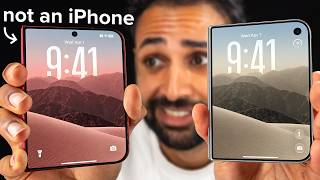
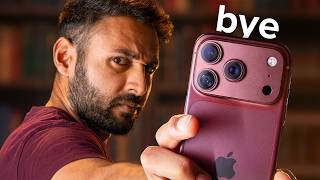
Apple's first foldable, the iPhone Duo, arrives with a 5.4-inch front screen, a nearly invisible crease thanks to nano-texture glass, and a redesigned side dock for easier one-handed use. It starts at $2,000 and sacrifices Face ID and a telephoto camera in favor of touch ID and a refined, software-focused experience.
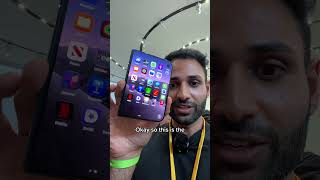
The iPhone Duo features a 5.4-inch front screen with tiny bezels, and Apple has redesigned the dock to sit on the side for easier access.
The inner display has nano-texture coating, virtually eliminating reflections, and is incredibly bright and readable even under spotlights.
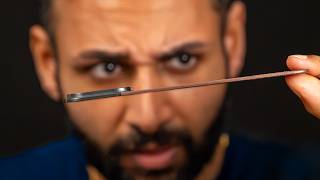
Apple's coating minimizes the crease so much that it's basically invisible, making the fold almost unnoticeable.
The starting price is $2,000, with no telephoto camera (only main and ultrawide lenses) and no Face ID, replaced by touch ID on the side button.
Touch ID authentication works in both folded and unfolded modes, offering consistency across form factors.
The phone doesn't introduce new foldable features, but the software implementation is exceptionally refined, showing the focus on animations and intentional design.
Nano-texture eliminates reflections
Demonstrates a key technical innovation in display readability under harsh lighting, directly impacting user experience.
[00:28]Crease is 'basically invisible'
The first credible claim that a foldable's crease can be fully neutralized, a major pain point for the category.
[00:42]Software focus over hardware novelty
Compares Apple's strategy to rivals, suggesting polishing existing features rather than adding gimmicks.
[01:20][00:00] Okay, so this is the iPhone Duo, and I think Apple cooked it. This is a 5.4-inch front screen, kind of tiny bezels. They've really taken full advantage of the space. And can you see how they've completely reformatted the dock?
[00:14] So it now sits at the side of your screen so that you can access it easier than versus being at the bottom. I will say I can't reach the whole screen with my thumb. It's kind of a little bit too much of a stretch for me, but you can get to like, I'd say, 80% of it.
[00:28] But then it opens into this display and it looks insanely good. So what they've done is added a nano texture on the inside. And can you see as I pan around here, there is almost zero reflection on this display. Like even though there's tons of bright spotlights shining down,
[00:42] it's incredibly bright and incredibly readable. This coating they've added minimizes the crease to the point where you almost can't see it. It's just about present, but it's basically invisible. It's absolutely expensive.
[00:54] They've got a $2,000 starting price. Plus, there's no telephoto camera here, just a main and an ultrawide. There's no face ID, so instead you're using touch ID on this side button. But the benefit of that is then you can use that touch ID to authenticate yourself
[01:07] no matter which form factor you're using the phone in, whether you've kind of got the screen unfolded or folded. Super impressed with the animations as well. You can tell, because I suppose they're not trying to reinvent the wheel in terms of the hardware,
[01:20] that they've really had the time to focus on the software and making sure that it feels intentional around this kind of form factor. It's definitely not introducing a lot of features that we haven't seen before on other foldables, but it's just every single thing I'm testing, the actual implementation of it is so, so nice.
⚡ Saved you 0h 01m reading this? Transcribe any YouTube video for free — no signup needed.