
Why Ghostbusters' Proton Packs Were Mind-Blowing
54sNostalgic appeal drives shares; sparks debate on practical effects vs CGI.
▶ Play Clip"Delivers on the title with genuine movie insights and personal connections, though a bit meandering."
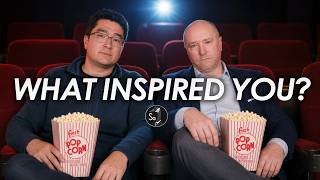
The video explores how classic 80s and 90s movies, with their practical effects and storytelling, inspired the creator's passion for cars and technology, shaping his worldview and approach to content creation.
Many people feel burned out in their careers and look for something that brings purpose and passion, similar to the creators' journey into car videos.
Ghostbusters used pseudo-science and practical props to create a believable, fun world, transcending its era with modern-day everyman superheroes.
Goonies showed that even in bad situations, you can look forward with hope and that worthwhile things are never easy, using physical sets and props.
The concept of using a car for time travel sparked wonder about what's possible and questioning if you can change the future.
Star Wars broke new ground by creating a massive sci-fi universe using models, paintings, and practical effects without modern CGI.
Alien built tension through environment and practical effects, while Aliens advanced action sci-fi with memorable characters and prop creation.
Terminator 2 used early CGI (T-1000) combined with practical props, representing the peak golden era of action movies.
This movie portrayed a perfect being with faults, teaching that anything worth doing is hard and requires sacrifice, shaping the speaker's philosophy.
The comedy shows growth in understanding that people are different and you need to open your heart, delivering hope and happiness.
Erasing memories from a bad relationship highlights that you must experience difficulties to learn and grow, a key lesson for the speaker.
Classic movies with practical effects and deep storytelling not only entertained but also taught life lessons about passion, sacrifice, and empathy, directly inspiring the creator's work in car culture and technology.
What movie introduced the speaker to horror?
Alien
06:06
What lesson did the speaker take from 'Eternal Sunshine of the Spotless Mind'?
You have to experience difficulties to learn and grow; erasing pain prevents growth.
22:45
Which movie used pseudo-science and practical props to create a fun, believable world?
Ghostbusters
01:56
What was the key takeaway from 'Planes, Trains and Automobiles'?
People are different; you need to open your heart and understand others.
13:13
How did 'Short Circuit' present technology?
It showed that technology can be used for both bad and good, and a robot becoming human questions its treatment.
17:25
Practical Effects Create Timelessness
Movies like Ghostbusters and Goonies used physical sets and props, making them still feel real and inspiring even today.
02:50Aliens Advanced Action and Sci-Fi
It combined world-building, character depth, and prop creation, influencing future movies and video games.
07:18Life Lessons from Unexpected Movies
Last Temptation of Christ taught that worthwile efforts require sacrifice, a principle applicable to career and passion projects.
11:41Experience Is Necessary for Growth
Eternal Sunshine shows that erasing pain prevents learning; embracing hardships is essential for personal development.
22:45[00:10] where I discuss how we got into making car videos and this spawned from a few recent cars and coffee or car meets that we did where people ask us how well how did you do this? Why did you do it? And we've talked a lot about our history in
[00:23] terms of tech and engineering and then our own hobbies like home theater, music. I mean these are obvious things but how do you get from point A to point B or in our case Z? And we've met a lot of people that are really kind of burned
[00:37] out with their careers, their lives and they're they're looking at trying to do something that brings them some passion that that gives them some purpose in their life other than just a daily grind. And I completely understand this.
[00:50] I think we're all or we've all been in a place or are in a place where either jobs or just makes you feel dead inside or and some people just love what they do. So for us, it's not something that
[01:02] just happened, right? All these different checkpoints in life kind of route you to where you're at today for good or bad. And for us, you know, Jack went to school for mechanical engineering. I started in health care
[01:15] and then I went into IT and more technical stuff and I loved the idea of cars and technology. But my big thing when I was a kid is I loved movies and I I talked about this before in a previous video where my dad
[01:27] kind of indoctrinated me early on to start watching things. And I wanted to talk about the list of movies and the list of things that I watched that got me really excited about using a camera to try to tell a story and it shaped my
[01:41] vision and Jack's vision of how to do that. We grew up watching the same movies, believe it or not, just in different place in life but we like the why our sense of humors and our philosophy is also very similar. So some
[01:56] of the earlier movies that I grew up watching, one of my favorites was look at that movie as a whole, it came out in around 1984, but what it did is it it transcended a time in period. It
[02:10] became so popular because they were modern-day everyman superheroes. And I remember thinking, you know, you kind of had Bill Murray who was supposed to be kind of funny and cocky, but then you had uh Harold Ramis's character who was
[02:22] Egon, who was the scientist. He came up with all this pseudo-science. And Dan and this these guys were all a team and trying to write this and creating something science fiction, but also somewhat comedic, but creating this
[02:36] pseudo-science in terms of like the proton packs and all this gear, this the art department and the props department had to create this vision of like, that is so cool, right? Bringing those
[02:50] ideas to life into something that was somewhat believable, and just fun, right? And I I felt that way about a lot of the movies of that era like Goonies. And Goonies was, you know, uh similar, right? It was grounded in a movie about
[03:06] houses, and these kids kind of set out an adventure, an improbable adventure of trying to find treasure on a pirate ship. I mean, it's ridiculous, right? off like this was stupid, but what it did as a kid is it it made you think
[03:21] like what is possible, what can you do even in bad situations, to look forward to the future with some type of hope, and that not everything was going to be easy that was worth doing. And I always thought about that with such a smile on
[03:36] my face. Even as an adult, I think about it like there's this sense of wonder of physically, right? No computer generation, no animation, just all sets and props. And you put these people in these environments, and they believe
[03:50] that they're there, and you believe it when you're there watching it. So, the these are the types of movies as a kid I really found great joy in. The Back to the Future movies, namely one and two, where you're just like, "Wow, this is
[04:02] unbelievable." That concept of going back in time and and using a car, right? Here's the car connection of can you really do that? Is it possible? Like, what would it be like to do it? And then going to the future. Like, the idea of
[04:15] what if you change something? What if you you actually were able to change the future for your own benefit? It was like so many movies kind of followed that formula. Then you had Indiana Jones, which was kind of like the combination
[04:27] of The Goonies, the Ghostbusters, the historic elements, and a guy like a superhero guy that just never seemed to die even though you'd his situations, but these adventures that you get taken on, these like faux
[04:42] historical events that take you through that time period. Again, all physical, right? Like, that idea of all of these sets and props were all created for these movies in large part, um and it made you feel like you were really
[04:55] there, namely when you were younger. It just it's crazy. And even going back now something very tangible about that, very visceral and and real feeling that they had to make these, right? It was it was that it was so hard to do, but they did
[05:09] it. And again, it it stands up. It it stands against the test of time. Then, really like most people my age and even current generation, you look at the Star Wars movies. Uh breaking new ground in what was possible
[05:23] the science fiction part of space. Really just taking this massive universe and then creating it with models and and and and art and paintings and all these
[05:36] and then make you believe that they were real. And that was something as a kid again in the science fiction element, the tech part, it was so cool that they figured out a way to do it without having modern technology and computers,
[05:50] effect in Star Wars and how all those movies have been in the modern age. And um and going back and watching some of them I have a greater appreciation for the just the creative and inventiveness. And then kind of scaled for me in terms
[06:06] of vision, right? These big like creating worlds was 2001, which was a very strange movie as a kid, but again the same idea of creating this space, creating this this world of like what if, the pseudo science.
[06:21] And uh for me the big ones were the Alien movies. It really was my gateway into horror. The first Alien movie was very campy, but you know, again the physicality. They had to create all of this and they created all of it without
[06:35] the action, without like this crazy pace. It just built tension through creating a an environment. Uh and then when Aliens came out, I remember seeing that in a theater as a kid and just it took all of that and then brought it
[06:49] world building, but the science fiction part and then the action, which is like when all the action movies of that generation started to really ramp up. They pushed so far forward with like prop creation, right?
[07:03] It it set That movie, Alien specifically, set forward what Star Wars did for movies, now Aliens did for future action movies and the science fiction movies and even influence video games to this day. Um I love that movie
[07:18] for the environment it created, but also the story part. Um they created characters that you liked. Even if you didn't like them, you very hard to do and that's something that most modern movies are struggling
[07:31] with. Seems like most modern movies now struggle with trying to find these likable characters um that aren't super disposable. You know, you walk away from don't care about anybody in it and you forget it instantly where those types of
[07:45] movies they all had some some memorable people that you would either quote or think about later, which gets me in into that same genre or the expanded genre of >> [music] >> which again
[07:58] low-budget horror and then Terminator 2 turned into one of the very first uses of technology in terms of CG, computer animation for the >> T-1000, right? And you know, like you look at that, so you had the best of
[08:13] little bit of tech to make it work and then all the props, all the physicality, the makeup and all that and it that was like the peak golden era of action. Of who was like in every action movie, the hero, like the John Wayne for that
[08:29] generation and my generation and it kind of led into other movies like Predator, which again, similar thing, ridiculousness, but now we're taking the action of, right? The the peak action of
[08:42] literally have a scene where a bunch of meatheads are shooting into the jungle just incessantly and then when you combine that with if you like home theater, it's just a bunch of guns and explosions, right? It's the total
[08:56] male machoism and just that that fun part of what those movies brought to the table with the one-liners, the gore, the the graph- the graphic nature of it and the creature effects, right? Like it was done practically. You It was all had to
[09:11] and all that and it was just amazing to see what they were able to do and even to this day people talk about it, right? It's It's something that transcended its >> [music] >> and you had other movies that were in a
[09:25] then you get into like the Verhoeven movies who he did he did movies like Total Recall and Robocop, which were two of my favorites as a kid and it embodied [music] a massive amount of sarcasm and dark
[09:39] humor about corporate culture, which is still literally valid today, even more still literally valid today, even more so. Robocop was the story of essentially a private company buying out the police and then privatizing them, you know, for
[09:54] their their own benefit of controlling the city of Detroit. Um and then they had a bunch of like post ads in in [music] that movie built in for products and they had a really good idea of what the future was
[10:06] conditions in that era and I think it's even gotten more extreme today. But that it could see into the future, but it was in a funny way, right? It was funny because it was super sarcastic, but also ultra-violent to a fault for many
[10:21] people. Um and that kind of pushed into the movies like Total Recall, which was in the same vein, but more science-fictiony. Of course, the the books way back in the day, they were kind of converted into movies and that
[10:35] was that was it. I mean, again, this this big vision from the past that that created this forward movement of action and science fiction. I just loved. Now, when I was a kid, I remember seeing a movie called Last Temptation of Christ
[10:49] and it was a Martin Scorsese movie that was a adapted from a book, which of brought to the movie and I know there were protests about it from people that just felt it was like blasphemous. I'm not going to get into the the political
[11:02] or religious argument about the movie, but as a kid seeing it, um I did go to a Christian school and I thought to myself I'm like, you know, when you hear the religious stories as a kid, you can't really put it into
[11:14] vision, right? You can't put into concept a perfect human being. Like God or perfect perfection, we just don't get it. It's not relatable as a human. And that movie, I remember thinking here they took that perfect guy and made him
[11:27] they took that perfect guy and made him imperfect. They they created a character on the Bible, but they created a character that showed you his faults and like his desires to be a person and what that would be like. And what I walked
[11:41] away with as a kid that struck me was it wasn't so much about the religious part, it was the story of how anything worth doing in life is going to be hard for
[11:53] most people. Nothing is going to be easy, you have to sacrifice whether it is for work, for family, to to raise a kid, or to do better for your your parents, or to do better for your spouse, or to help others. Like this is
[12:05] going to be a hard path if you so choose to do that. How many times do have a relationship where like it was great until it's not and then you're that and then you no longer want that and you jump to this and that movie was
[12:20] a lot of putting that in perspective for me even at a very young age, which I shouldn't have probably seen that movie, but it really set a lot of my philosophy in motion from that. On a lighter note, there were movies like Planes, Trains,
[12:33] there were movies like Planes, Trains, and Automobiles um and I think all those the John Hughes movies and you can see the similarity of like putting people in this ridiculous scenario almost uh like Curb Your
[12:46] Enthusiasm style stuff where you kind of just laugh at the circumstances, they're super relatable, but at the same time there's heart to it. And I think Planes, Trains, and Automobiles as much as, you know, you
[12:59] had some mean-spirited characters in there and people not being great to each other, it was the growth of understanding that people are different. That, you know, people may not be in the same situation as you um and that
[13:13] you still have to care. You have to open your heart to certain people or at least allow yourself to just let your guard down. And good things can happen. I think Planes, Trains, and Automobiles was a perfect movie of making it really
[13:27] fun and sad, but also like redeeming, right? Like it didn't have to have this horrible ending. It It It made you feel happy. It was a good like there there's hope for the future type thing. And I think some of these
[13:40] of doing that and delivering it. And as an adult, I still think about that, you know, when when you're feeling bad or you're thinking, "Oh, okay, now what can I learn from these movies?" Even though they're kind of not supposed
[13:53] to be that, but you can take away these these things however you want, but these movies have this really positive like good feeling to them. Now, on the flip side of that, I think about horror movies. And clearly, when you get into
[14:06] some of the older '80s and '90s horror movies with a lot of the practical effects, there was some ridiculous stuff. And I think the thing about the ridiculousness of the old movies was some were mean-spirited, but nothing
[14:19] like the mean-spirited stuff today in a lot of horror. I think horror today has, unfortunately, because everything's been done, the only thing you can do is just make it absolutely not even grotesque. The fake gore, the violence, the CG, all
[14:33] that stuff. But I think some of it is so horribly mean-spirited and traumatizing that a lot of these movies and creators know what they're doing, but they don't something. And I think that's something that a lot of the the '70s, '80s, and
[14:48] I'm not saying they're better or worse, but um like the original Dawn of the Dead from the '70s. And it's got this really like creepy vibe to it. Um you know, you look at like what's pop you know, the the
[15:02] the backrooms, which was essentially created by a child. This idea of like what the backrooms would feel like um and creating it digitally and now original Dawn of the Dead had a lot of that like campiness to it, that weird
[15:18] that like campiness to it, that weird feeling like dystopian end of the world feeling going on for it. Um and then, you know, like Dawn of the Dead's and of movies that spawned from that, but you had that, Return of the Living Dead,
[15:32] which was done by Dan O'Bannon, the guy who partially wrote the Aliens plot line. This was like his foray into directing and interesting one that I think could be remade and because there's a science
[15:46] government kind of up and lost these pods that had a chemical that could reanimate human tissue. Um and then, of course, they got lost and they had a backup plan, but the idea of this this toxin that they were using
[16:02] to almost weaponize or revitalize dead tissue um was an interesting storyline that also was just rooted in comedy. The movie was supposed to be funny a kid, I really didn't see the the the comedy to
[16:15] it. Even today it it hasn't aged well, but it it's it's a movie where it takes science fiction, horror, and just the the really the stupidity of human beings and merges it together and I think that one
[16:28] even today. Um and then you get into a movie like Re-Animator. And Re-Animator was again another one of those like campy horror another one of those like campy horror movies about science, about a doctor who
[16:41] has essentially figured out a way to reanimate heat tissue, like living tissue that was dead. And of course, it goes into the Frankenstein-esque like going to work, right? It does It works, but not in the intended way and I think
[16:54] it was a very interesting way to create horror and science and technology, which lot of these movies have that really great blend of of technology elements of it and their vision of the future. And kind of continuing that that concept in
[17:09] a not in the horror realm, I think a lot of people remember this movie, Short Circuit. And Short Circuit was about a robot, essentially, that was designed to be militarized or weaponized to fight, right? Nothing new particularly. That
[17:25] idea back then was interesting, but the robot itself wasn't like a cyborg like Terminator. It was really mechanized. And big shock, something happens to the robot. It gets struck by lightning and then the AI becomes self-aware and it
[17:38] becomes almost human. And as a kid watching this, I think what it did is it showcased in a very creative way how technology can be used for bad and it
[17:50] technology can be used for bad and it can also be used for good in a non um scary way. And they took the same robot that had bad purposes and then literally made the question in a comedic way, like what happens if this this robot actually
[18:05] became almost human. How would you treat it differently? Is it a bad thing? Could this help humanity? And I think that story was a a very different way of looking at how technology is. It doesn't always have to
[18:17] everything bad. It's just what we do. And when I talk about the best and worst like Braveheart. Um and I understand the movie, you know, remove yourself
[18:30] from that. But you take a movie that was the scope of all having all these people the scope of all having all these people and no CG and a way to make this huge world of all these actors and these massive battles and that was all spawned
[18:44] you know all over the bad guys killing this guy's wife, right? It's a kind of a trope, right? He goes on this revenge spree and that that goes on this revenge spree and that that anger and vengeance fuels this guy's
[18:59] willingness to to band people together on a common cause to fight against oppression, right? It's the the typical story in like every movie or or a a or book, like good versus evil, but the way that it
[19:13] progressed, you know, like the way that you can live through this guy's anger and vengeance to a fault, right? Like it it's the perfect example of when that drives you crazy. It's like this this story that, you
[19:27] know, you want the good guys to win because they make the bad guys so ridiculous. It has the bad guy tropes, but you love the bad guys because comical even though it's not supposed to
[19:39] be. Um but you also pull for the bad guys. You're invested in like all of these characters. And then, you know, you also realize that they're bad on both sides, right? Like there you you can really push it.
[19:53] longer the good guy when you don't know when to stop. And I think that movie was really interesting for me personally to see that um that there's not really a black and a white of good and bad in life. And
[20:07] of my favorite movies ever made was Casino. Casino is another uh Scorsese movie with De Niro and Pesci and all the the usual suspects in that movie
[20:19] um that take you through a time period of uh Las Vegas and kind of the mobsters trying to take control of the money there, right? And again, it's the same thing. It's these bigger than life
[20:32] characters, the these really horrible people um >> doing bad things in almost like an unbelievably inhuman way, but the movie makes it feel almost ridiculous um in
[20:45] bringing [music] things to life in a way that are are so unique and just the the joke about it today. Like some of the Pesci lines in this movie are just ridiculous [music] and um the Sharon Stone stuff, like the
[20:58] crazy wife that just absolutely goes nuts and she she, you know, like the red flags were there. And it's that tale that we we have in life where you have that they're not okay and you still like, "Oh, it's going to be fine. I'm
[21:11] the perfect example that movie's like nobody ain't nobody's changing in that movie. Everybody's just literally just what they are and it all blows up and I I just I love the saga of it and again, it's the good versus evil. Who who's
[21:25] really good or evil in the in the end of that and it it it kind of takes you about so many more movies, but one of throughout my entire life since seeing it was Eternal Sunshine of the Spotless
[21:37] Mind. And really the idea of the movie was, what if you could erase your significant other? Like, your relationship goes off place and then you could literally delete them out of your memory.
[21:51] And I think if you've ever been in a bad relationship, um I or any situation that you wish you wouldn't been in because it caused you so much pain, you would do anything to erase it. And I think this movie it
[22:03] takes you through what that's like. Um and it makes you relive the good don't again, the grass is always greener. You don't remember the good or then it's really bad, but this movie really showcases what happens
[22:18] um what what happens if you try to not deal with your issues. Regardless if it's a technology again, delete something from your brain so you don't remember it or feel that trauma,
[22:31] but what it really showcased was you have to go through things. You have to experience things to get to this next place in life. Otherwise, you will never learn your lesson. And some people never do, but some people if you're in tune
[22:45] sometimes and listen to others and that's why I love movies, you you get kind of this half-ass story from people that may not even be real, but it opens you would have never thought of. And Eternal Sunshine really
[23:00] I you know, even in being in some bad places, like you realize, okay, if I be here. You know, I would have never learned. And for me, that's where I'm at today with doing this. And while I'm not as
[23:12] totally happy doing this, because it's a lot of work, and then it's a pain in the um I'm not the best me, I I try to really appreciate the people with, and all the opportunities that we get to share some of these stories with
[23:27] everybody. So, I'll be curious to see kind of on your side, what were the movies or events that kind of reshaped your thinking in the comments. Thanks for watching. I'll see you next video.




⚡ Saved you 0h 23m reading this? Transcribe any YouTube video for free — no signup needed.