

Don't Publish Before Doing THIS!
54sHigh-value warning about rushing to publish without optimizing metadata, which is a common mistake that can kill new channels.
▶ Play Clip"Delivers a solid list of practical tips, though some points are common knowledge; still worth a watch for new creators."
In this video, Stas Maar, a YouTube promotion expert, shares ten critical mistakes to avoid after publishing a video on YouTube. Drawing from his experience of producing over 2,000 videos, he emphasizes the importance of proper metadata, patience with analytics, and organic growth strategies to protect and grow a channel.
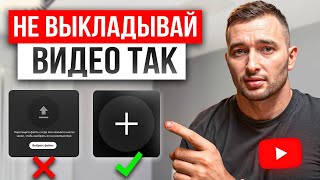
Avoid publishing immediately after upload; fill in description and tags to help YouTube's algorithm understand your target audience and improve search visibility.
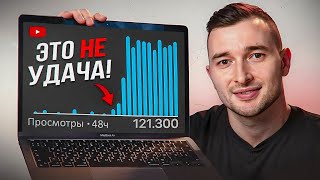
In the first months, statistics are unreliable due to test impressions; avoid checking them to prevent discouragement. Only act when you have at least 1,000 views on the first day.
New authors often take comments personally; delete or filter negative comments initially, but later engage tactfully to boost engagement and retention.
Sharing with non-target viewers confuses the algorithm, leading to poor audience targeting and slower channel growth.
Even official Google Ads can harm your video due to forced views causing high drop-off rates; trust organic growth instead.
Deleting removes digital footprint and may cause duplicate content issues; videos can gain traction months later, so edit and optimize instead.
Changing the cover or title drastically creates clickbait and inconsistency; only minor tweaks are acceptable.
Set up filters to block negative comments, especially for sensitive beginners, to maintain a positive environment.
Releasing a video a few days late is better than publishing unfinished; timing has minimal long-term impact.
Use end screens and cards to create view series and interest loops, boosting algorithm signals and channel growth.
Avoiding these ten common mistakes after publishing can significantly improve a YouTube channel's growth and health. Trust the algorithm, focus on organic growth, and prioritize quality over speed.
Why should you not rush to publish a video after uploading?
To allow time for processing and to fill in description and tags for better algorithm understanding.
00:14
When should you start paying attention to analytics?
When you have at least 1,000 views on the first day after release.
03:05
What is the effect of sharing your video with friends and family?
It confuses the algorithm because they are not your target audience, leading to poor audience targeting.
04:22
Why is buying views via Google Ads harmful?
Forced views lead to high drop-off rates (up to 90% in first 10 seconds), and YouTube will not promote such videos.
05:53
What should you do instead of deleting an unsuccessful video?
Edit it by trimming uninteresting parts and changing the cover with stronger triggers.
07:37
Why should you avoid drastic cover and title changes?
It creates clickbait and inconsistency with the video content, which viewers dislike.
08:42
What is the recommended approach to negative comments for beginners?
Delete or filter them initially, but later engage tactfully to boost engagement.
09:20
Does posting time matter in the long term?
No, over a month or more, there is no difference in views.
10:14
Metadata is crucial
Emphasizes that description and tags are essential for algorithm targeting, especially for new channels.
00:14Test impressions explained
Clarifies that early low stats are due to YouTube testing audiences, not a reflection of content quality.
02:39Buying views backfires
Highlights the severe drop-off rates from forced views, making it a critical warning.
05:53Videos can go viral later
Shows that videos may take up to six months to gain traction, encouraging patience.
07:13End screens create view series
Explains how end screens and cards can boost algorithm signals and channel growth.
10:28[00:02] google it or ask the GPT chat, they don't know. This is all because this can only be understood through personal experience. Today we're talking about things you shouldn't do after publishing a video to avoid losing precious views
[00:14] or, worse, your channel itself. I, Stas Maar, promote experts on YouTube, and with my team, have released more than 2,000 videos in the last three years alone. And first thing you shouldn't do is rush to publish the uploaded video.
[00:27] Especially if you don't have a description or tags filled out. This is important, especially for new channels, to help YouTube's algorithms understand who your target viewer is and to suggest other ways for YouTube to find your video in search results.
[00:40] I recommend leaving a description of your video, explaining what it's about, including time codes, and be sure to include tags so people can find you. These should be the most popular keywords that your video might be found for, or
[00:53] other erroneous queries that might accidentally find you if you make a mistake the channel is new, you still won’t appear in searches until you have built up a viewing history. This means that you will always get your first view not from
[01:06] a search, but from recommendations. And if you have high indicators, you will gradually begin to move up to the top position in this search results line. And if your video outperforms competing videos on a similar topic,
[01:18] results. But if you ignore filling out the description and tags, your video will still remain in search results. But it will move many positions lower, and it will be much more difficult to find you. It's especially important to optimize
[01:32] expert channels for search, because your future clients type target queries directly into YouTube search. And if they find your video, they will become clients. But only reason you shouldn't rush to publish a video. If you rush to
[01:45] hit the publish button immediately after uploading, your video won't have time to be processed and will be released to the public in poor quality, with poor risk losing your first viewers due to poor video quality. The
[01:59] after publishing a video is look at the analytics and track the results. Well, firstly, in the first days after publication, statistics have not yet been collected become available, you go into
[02:12] comatose shock. Why are my new channel's click-through rates (CR) and retention so low ? Isn't he interesting to anyone? Did I do something wrong? I instantly feel discouraged and don’t want to
[02:24] recommendation for you is not to pay attention to the statistics on your new or small channel in the first months after its creation, because matured; relevant viewers have not been selected . YouTube is just
[02:39] doing test impressions. It checks how different audiences from different clusters react to your video, and who finds it more interesting and who less so. And screenings. And these statistics in the early stages of new channels are always a complete
[02:53] disappointment. For peace of mind, I recommend not even looking there. In what cases can and should we respond to these statistics ? When you already have regular viewers and after the release of a new video,
[03:05] statistics are collected on views of at least 1,000 units on the first day. Then you will have a real database of who liked it and who didn’t. And you can now take action, change the cover, cut out uninteresting parts of the
[03:17] retention statistics. In any other cases, it is better to wait and watch her. The next thing that will slap you on the author's hands is comments from your fans or ill-wishers. The problem is that newbie authors
[03:30] hear in the comments to heart and lose motivation to continue creating content. They feel like they have impostor syndrome. And now even the viewer sees the situation better than they do. I recommend that at the first stages, if you really don’t like
[03:44] delete them. And gradually, as you gain experience and learn to give tactful responses to even the harshest comments, you will like it. as you put such ill-wishers in their place. But there is a different reason to respond to such
[03:57] comments. If this doesn't spoil your mood, then by comments. This greatly increases engagement rates. And don't forget that these comments are read not only by you and your interlocutor, but also by
[04:09] viewers on your channel. And some of the spectators will also support you. will support. All this will further involve the viewer in discussions, they are also watching your video and increasing your
[04:22] retention. Gold mine. The next thing that will definitely kill your channel is if you start sharing the link to your new video with family and friends. Not only do your friends and family not watch similar content on YouTube themselves, but
[04:34] only what you send them. And this will confuse the algorithm, because it will viewer is a little different. And in this case, finding the right audience for the channel can take a huge amount of time. Well, that's not all. Your
[04:47] watch your video to the end. They will open it, mark what they watched and close it, because it is not in their interests to watch everything from cover Not all relatives will put your videos in playlists and put them on to
[05:02] watch when they go somewhere to work. Therefore, remember not to send your link anywhere after the video is released. The next thing would seem obvious and clear. We never buy views or subscribers. Many will say: “Of
[05:15] , no one does it anymore.” But it was not to be . There are many official Google partners who run official advertising through Google Ads. And it would seem, what’s the catch here? You did n't wind it up? You bought ad
[05:28] views. And even if you do this directly through Google Ads, launching ad views yourself, be prepared that you can bury your video, and maybe even your entire channel. Google Ads won't reach your relevant audience, but
[05:41] only those you've forced to watch your video. This means that your video was shown to them forcibly, and it will be almost impossible to force them to watch it . But since they entered it, they will immediately exit. In
[05:53] bad statistics, where the dropout rate is up to 90% in the first 10 seconds. And YouTube will not promote such videos later . Too bad statistics. I'm covers. In my life, I have never seen a single video that was promoted and had any
[06:08] reasonable statistics. Everywhere she looks like this. The advice here is simple: trust YouTube's native algorithms. Let it gradually find your audience. And even if it's not from the first video, even if it's not from the tenth
[06:20] video, he'll do it correctly, which will force an audience to watch or watch your videos. The best way to grow is to grow organically. three years of experience working on YouTube and the conclusions I've drawn. And this channel, which
[06:35] views, I described in this very video. The next thing you shouldn't do after publishing a video, not even after a day, not after two, not even after three months, is to delete the unsuccessful video. There are several reasons for this. One
[06:48] reason is that your video has already left a digital footprint on YouTube. If you re- YouTube will consider it duplicate content, which is very bad for the channel's reputation. And if you remount it and upload it
[07:01] again as a new unit, then, okay, as an exception, you can do this. But why these crutches? Because the second reason why you shouldn't do this is that your video may grow after it's been up for a long time. Yes, 3 months
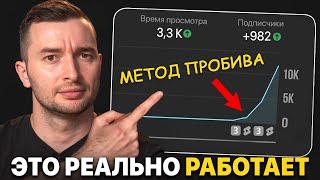
[07:13] without views is not an indicator. Videos on YouTube can stay up to six months. We have numerous examples where clients' videos lay dormant for one, three, or even six months before they went viral. This means that we never
[07:25] rush or make decisions for YouTube. All we can do with a video that didn't fly is see what happened to it. If it had few impressions, we leave everything unchanged. If there have been a significant
[07:37] number of impressions and the video's click-through rate or retention statistics are too low, we trim any uninteresting parts of the video in the online editor, and work with designers to change the cover and apply
[07:49] stronger triggers. Everything we could do, we did. You can't delete it, just bother, but for some reason watched up to this point, I recommend working with my team at Marme Meddiia. We will select, produce, and
[08:03] most importantly, effectively market your expertise. And all it will take from you is a few hours of filming per month. I'll leave my contact information in the description. This mistake is made not only by beginners, but also by experienced bloggers. They change their cover
[08:17] improve its performance. But this must absolutely not be done. This is especially true if the concept behind your cover changes and the title doesn't match the original, because every video is always based on the original idea, the
[08:30] byte of your title and cover. And when you start watching the first seconds of the video, there should always be a justification for your byte, that is, what you depicted on the cover and in the title. But if you changed the cover and
[08:42] changed the title radically, then this will be inconsistent with what is scrolled through after opening. And this will be called that very clickbait that people don’t like. Well, of course, you can edit the preview and title,
[08:55] as long as the essence has not been changed. If, for example, you are changing only one or two things on the cover that are not drastic, and you just swapped positions, minimal modifications are welcome, but drastic
[09:08] changes are not allowed. You shouldn't ignore comment moderation either, especially if you're new to YouTube and are sensitive to every negative comment. Don't let it get to you and don't even look at these
[09:20] comments. Just set up a filter for them. All negative comments will be banned, and your mood will be equally good. But once you interested in answering these objections, I recommend doing so tactfully and
[09:34] with these negative people. And then you'll not only increase the activity on your video, but many people might like your answers. The ninth thing you should never do is time-stamp your video. Understand, your
[09:48] video won't suffer if you release it outside of your schedule, like 2-3 days later, but it will be much more damaged if you release it unfinished because you're rushing to get it if you release it unfinished because you're rushing to get it
[10:01] post videos. If you want, publish it during the day, or in the middle of the night. In the short term, this will matter. There, views over the next 24 hours. But in the long term, over the course of a month, two or
[10:14] three, there will be no difference. And if you want to receive more useful tips join my community. And I'll also leave a link in the description. And the last, ignore the ending of the intro and the prompts in your videos. In this video I
[10:28] explained why the ending of the cutscene and the hints are so important. To summarize, they help create a series of views. Even the smallest percentage of clicks on them will give a powerful signal to the algorithms that your videos are very
[10:40] use these tips correctly, it’s not enough to cram them throughout your video and simply insert two pictures at the end. It is essential to create an open watch this video. Then the probability of
[10:53] transition will be much higher. And at the end of our video, we give reasons to watch other videos on the channel, also creating some interest loops. At one time I myself messed up on many of these points and thought that this was how it should be. But YouTube
[11:05] system. To learn how to properly upload videos to YouTube and not miss important nuances, watch these two videos. And I say bye.

⚡ Saved you 0h 11m reading this? Transcribe any YouTube video for free — no signup needed.