
Earn Passive Income Without Trading!
45sImmediately hooks viewers with the promise of effortless income, contrasting with typical trading struggles.
▶ Play Clip"Delivers the three promised passive income methods with live demos and real numbers, but the heavy Bybit sponsor integration and the fact that trading bots technically involve trading keep it from scoring higher."
This video presents three passive income methods on the Bybit crypto exchange: staking, liquidity mining, and trading bots. The creator demonstrates each method live with real numbers, from simple staking deposits to more aggressive futures grid bots, emphasizing that the exchange pays users for providing liquidity and holding coins.
The video covers a ladder of three methods, from simplest to most profitable, ranging from tens of dollars to larger sums. All are demonstrated live on the exchange without manual trading, charts, or stop losses.
Most people lose money gambling on the stock exchange. Instead of playing against the casino, the creator advises becoming its co-owner — the exchange makes money from commissions and turnover and pays users for providing liquidity.
Staking is described as a crypto deposit where idle coins are lent to the exchange for daily interest. It can be opened in two clicks in the Bybit Earn section, with flexible and fixed modes available.
Flexible mode allows withdrawal at any second, with interest calculated hourly and credited daily, at a floating rate (a few percent for stablecoins, up to 10%+ in hot markets). Fixed mode freezes coins for weeks to months but offers higher, firmly fixed rates (10-15% for stablecoins).
With daily capitalization, interest accrued today generates interest tomorrow — money starts printing money. This is contrasted with traditional bank dollar deposits at 2-3% per annum with many conditions.
Ether placed in staking earns wrapped ether tokens at ~2.5-3% per annum, which accumulate on the balance. The asset remains liquid and can be sold or put into operation at any time.
Bank interest is eaten by inflation, but crypto staking interest grows along with the market. The position body waits for growth while interest drips from above — both layers shoot up together.
Users put assets into pools that provide both sides of trading pairs (coin and dollars). For every transaction in that pair, the liquidity provider gets a piece of the commission.
Ether/dollar pair yields up to 17% per annum, Solana ~21%, Link up to 22%. This converts to up to $14-17 per month per $1,000 invested, with some pools reaching $30-62 per month.
1) 'Up to' percentages include leverage; without leverage there's no liquidation and money can be withdrawn anytime. 2) Coins in pools remain coins and can depreciate — called impermanent loss. 3) Pools at 50-60% are usually small volatile coins; adequate zones are 10-30% for large pairs like Ether, Solana, Link, Bitcoin.
A bot is an algorithm that trades 24/7 without emotions. Settings are set once, then the machine buys lower, sells higher, takes profit, and repeats — making money on market fluctuations.
A spot bot launched with $100 for a test run produced +4.5% profitability over 24 days without any intervention. At this pace, that's roughly 50% per annum — $500 extra per $1,000 invested.
Spot bots buy real coins with real money — no leverage, no liquidation. Even if the market drops, the bot sits in the coin and waits for recovery. It's almost like staking in peace of mind but with different profitability.
Futures bots are riskier with leverage and liquidation. A balanced approach uses stable coins like Ethereum with moderate leverage (3rd or 5th). Spot bots make 4-5% monthly; futures with moderate leverage can produce 15-20% in a good market — 150-200% annually.
The creator deposits $200 into a futures grid bot on Ether with 30 grids, leverage 5, ascending trailing at 2,500 and descending at 1,000. The bot is created and launched in the Bybit Tools section.
Bots can be found in the Assets section, then Bot section. Users can invest more, withdraw profits, delete the bot to lock in profits, and view full statistics and live trading charts.
The video presents a three-tier passive income strategy on Bybit: staking for steady base returns, liquidity mining for higher yields, and trading bots for the most aggressive growth. The creator emphasizes that all methods work without manual trading, with the caveat that futures bots carry real liquidation risk.
What is the core principle for earning passive income on crypto exchanges?
Don't gamble against the market — become the co-owner of the exchange. The exchange makes money from commissions and turnover and pays users for providing liquidity.
01:06
What are the two staking modes on Bybit and how do they differ?
Flexible mode: withdraw anytime, interest calculated hourly and credited daily, floating rate. Fixed mode: coins frozen for weeks to months, higher firmly fixed rate (10-15% for stablecoins).
03:38
What is impermanent loss in liquidity mining?
Coins in a pool remain coins and continue to appreciate or depreciate in value. If the asset declines, fewer dollars will be drawn from the pool than were initially allocated.
09:16
What are the three passive income methods presented in the video?
1) Staking (Earn section), 2) Liquidity mining (providing pool liquidity), 3) Trading bots (spot and futures grid bots).
00:02
What was the result of the spot bot test run?
A $100 spot bot produced +4.5% profitability over 24 days without any intervention, which projects to roughly 50% per annum.
11:19
What leverage levels does the creator consider reasonable for futures bots?
The third and fifth leverage are considered quite reasonable, with a separate part of the deposit allocated for futures trading.
13:12
What is the key difference between a crypto deposit and a bank deposit?
Bank interest is eaten by inflation, while crypto staking interest grows along with the market. The position body waits for growth while interest drips from above — both layers shoot up together.
06:20
What are the three nuances to consider in liquidity mining?
1) 'Up to' percentages include leverage; without leverage there's no liquidation. 2) Coins in pools can depreciate (impermanent loss). 3) Pools at 50-60% are usually small volatile coins; adequate zones are 10-30% for large pairs.
08:31
Become the casino co-owner
Reframes passive income as taking a cut of exchange turnover rather than beating the market — a fundamental mindset shift for retail investors.
01:06Daily capitalization compounds returns
Interest accrued today generates interest tomorrow, creating a compounding effect that traditional bank deposits rarely offer at comparable rates.
04:39Crypto interest grows with the market
Unlike bank interest eaten by inflation, staking interest accrues in the coin itself, which can appreciate — creating double-layer growth.
06:20Impermanent loss explained
A clear, practical warning that pool coins remain market-exposed and can eat up profits — essential risk knowledge for liquidity providers.
09:16Live bot results: +4.5% in 24 days
Concrete, verifiable performance data from a $100 test run demonstrates the bot's real-world profitability without manual intervention.
11:19[00:00] Один и тот же аккаунт на бирже, на одних инструментах там тихо капает несколько процентов годовых каждый день, вообще без усилий, на других цифры, которые слух произносить неловко.
[00:12] Покажу и те, и другие. И все это без единой сделки руками, без графиков, без сублоусов, без сидения у монитора по ночам. Сегодня лесенка из трех способов. От самого простого к самому срофитному. На какие-то хватит пару десятков долларов, какие-то раскрываются на суммах посерьезнее. Каждым пользуюсь сам и все покажу вживую. На реальных примерах прямо внутри биржи, а в конце инструмент, ради которого это видео и снималось.
[00:42] Я гонял его 3 недели на тесте и результат вышел таким, что прямо в кадре заведу в него еще денег. Запустим вместе за пару минут. Так что досматриваем, самое сочное припасено на финал.
[00:54] Это не финансовый совет, решение каждый принимает сам. Но сначала главное правило, на котором держатся все 3 способа. Постоянные зрители канала его уже слышали. И не зря, это фундамент.
[01:07] Большинство приходит на биржу играть, угадывать свечки, ловить движения, воевать с алгоритмами и проигрывать. Статистика беспощадна. А можно не играть против казино, можно стать его совладельцем.
[01:19] Биржа зарабатывает на комиссиях и обороте. И ей постоянно нужна ликвидность, монеты и деньги, чтобы вся махина крутилась без перебоев. За это она готова щедро платить.
[01:31] Поэтому сегодня не обыгрываем рынок, а забираем свою долю с оборота самой площадки. У счастья пара кликов. Поехали по ступеням. Ступень первая – стейкинг, он же раздел EARN.
[01:43] И даже если про стейкинг слышали уже сто раз, не переключаемся. В конце блока покажу связку, где одни и те же монеты работают дважды. Ей почти никто не пользуется, а зря. База, с которой стоит начинать вообще любому, кто держит крипту.
[01:58] Суть до безобразия простая. Свободные монеты не валяются мертвым грузом на балансе, а сдаются бирже в работу. и за это ежедневно капает процент. Открывается такой крипто депозит в два клика. Для стейкинга
[02:12] и других операций с криптой я использую криптобиржу Bybit. Это топовая криптобиржа во всем мире. Здесь удобный торговый терминал, спотовая фьючерсная торговля, множество инструментов для заработка, SpotX, премаркет торговля, copy trading, торговые боты. В разделе
[02:30] banking.earn можно открыть себе криптодепозит, также можно открыть себе платежную карту такую же как банковскую, только здесь можно расплачиваться за покупки криптовалютой. После регистрации
[02:42] проходим курс верификации в разделе купить криптовалюта, P2P торговля, доступно пополнение баланса с банковской картой либо какой-то платежной системы. Ссылку для регистрации с максимальными приветственными бонусами оставлю в описании под видео, не упускаем свой шанс.
[02:59] И если с чем-то не разберетесь, заходим на канал, плейлисты. Здесь есть целый плейлист обучения Bybit для новичков. В данном плейлисте вы найдете ответы практически на все вопросы касаемо криптобиржи Bybit.
[03:12] А также здесь разобрано множество способов для заработка на данную криптобиржу. Выбрал монету, указал сумму, подтвердил. Все, никаких заявлений, отделений.
[03:24] И приходите через 3 рабочих дня. Причем депозит открывается хоть в сейблкоине, цифровом долларе. Не в рублях, не в гривнах, которые тают, в долларе. Режима два. И разница важная.
[03:37] Гибкий, лично мой любимый. Деньги можно собрать в любую секунду. Проценты считаются каждый час и зачисляются каждый день. Ставка плавающая и зависит от активности рынка.
[03:50] Спокойные периоды на сейблкоине, то есть в криптодолларе, это несколько процентов годовых. в горячие подскакивает к десятке и выше и фиксированный монеты замораживаются на срок
[04:02] 10 10
[04:17] полтинника до 150 баксов в год, просто за то, что деньги не лежат без дела. А теперь вдумаемся. Долларовый вклад, проценты капают каждый день, забрать можно в любой момент, вход от пары
[04:30] долларов какой банк такое умеет правильно никакой классических банках долларовый депозит это два три процента годовых и куча условий на крипто бирже сейблкоин в разы больше с ежедневной капитализацией
[04:44] начисленная сегодня уже завтра само приносит процент деньги начинают печатать деньги и вот та самая связка сейчас пока рынок в просадке я набираю монеты на средний и долгий срок где
[04:57] есть еще набирать, как не нападение. Конкретно эфир и ММТ. Подробно разбирал, что беру и почему в видео «Закупаю крипту на дне» мой портфель на взрывной рост. Ссылку оставлю в описании.
[05:09] Часть позиций я храню на бирже на случай взрывного роста, чтобы зафиксировать свежую прибыль. И вместо того, чтобы эти позиции просто лежали и ждали роста, обе тут же поставлены под процент.
[05:21] Эфир в стейкинге. Взамен на баланс приходит обернутый эфир, специальный токен для стейкинга. И этих монет на балансе постепенно становится больше. Начисления идут прямо в самой монете.
[05:33] Порядка 2,5-3% годовых. При этом актив остается живым, в любой момент можно продать или пустить в дело. Цифра кажется скромной только на первый взгляд. И вот тут вся магия.
[05:45] С МНТ нагляднее всего. Монета лежит на фиксированном сроке и за пару месяцев сверху нарастает пара десятков монет. По сегодняшнему курсу смешные копейки сходить не будут, но проценты-то капают не в стающей бумажке, а в монете, которая сама куплена под кратный рост. Когда рынок оживет и МНТ двинет своим вершинам, эти же смешные монетки будут стоить в разы дороже. По сути, бесплатная инвестиция, которая наросла сама, пока основная позиция ждала своего часа.
[06:16] В этом и отличие криптодепозита от банковского. Банк платит процент, который съедает инфляция. А тут проценты сами растут вместе с рынком. Получается двойная работа одних и тех же денег.
[06:28] Тело позиции ждет роста, сверху капает процент и оба слоя выстрелят вместе. У меня даже мелкие остатки по бирже и те закинуты в гибкие накопления. Пусть крошки, но свои.
[06:40] Это фундамент, разгонная ступень, которая просто должна быть у каждого. Но по-настоящему интересные цифры начинаются выше и следующий инструмент уже заметно веселее. По традиции не забываем поддержать канал лайком, комментарием и также подписываемся, чтобы не потеряться.
[06:58] Отдельно есть телеграм-канал, там мы выкладываем самые свежие новости из мира криптовалюты, разные бонусы и акции. Ссылка в описании. Ступень вторая. Майнинг ликвидности. Название пугает, механика элементарная.
[07:11] Чтобы любой человек мог мгновенно купить или продать монету, у биржи в каждой паре должны лежать обе стороны, и сама монета, и доллары. Эти запасы складываются из денег обычных пользователей.
[07:23] Кладем свои активы в пул, и с каждой чужой сделки в этой паре нам отстегивается кусочек комиссии. Рейдеры торгуют, нервничают, ловят движения, а поставщик ликвидности спокойно забирает свой процент с их суеты.
[07:38] Красота. Теперь цифры. реальные с экрана пара эфир доллар доходность до 17 процентов годовых салона в районе 21 процента линк до 22 и биржа сама переводит это в деньги прямо на экране до 14 долларов в месяц каждой
[07:57] вложенной тысячи по эфиру по салоне до 17 в месяц с каждой тысячи есть прибыль и повышена каждую тысячу, может быть и 30 баксов и вплоть до
[08:09] 62 долларов в месяц на вложенную тысячу. Процент этот 400 600
[08:29] Но туда не спешим, через секунду объясню почему. Три нюанса, чтобы потом не было сюрпризов. Первый, присадка до в этих процентах это максимум с кредитным ключом. Без ключа цифры хромнее, но все равно ощутимо жирнее стейкинга.
[08:44] И вот что важно. Без плеча здесь нет никакой ликвидации в принципе. Деньги можно забрать в любой момент. За вход и выход комиссия не берется. Плечо умножает доходность, но добавляет цену ликвидации. Так что сперва комфортнее освоиться на обычном режиме, а плечо всегда успеется.
[09:02] Второй нюанс. Монеты в пуле остаются монетами и продолжают ходить в цене. Если актив просел, из пула достанется меньше долларов, чем закладывалось. Это называются непостоянные потери. Отсюда простое правило.
[09:17] В пулы отправляются только монеты, которые и так куплены в долгосрок и в которые есть вера. Покупать монеты специально ради красивого процента – затея так себе. Пул принесет 30-40-50% годовых, а монета за это время может ощутимо просесть и съесть весь профит.
[09:36] И третий, вытекающий в пулы под 50-60% – это почти всегда мелкие волатильные монеты. Гигантский процент, там не подарок судьбы, а плата за риск.
[09:48] Адекватная зона, крупные пары, эфир, салана, линк, биткоин. По ним реально смотреть в сторону 10-30 годовых. Это уже не банковские слезы, а это уже деньги.
[10:00] Итого, вторая ступень, доходнее стейкинга, без ликвидации и заморозок. Но обе они просто разогрев. Впереди финальная, та самая, с которой мой тестовый заход уже принес живой профит.
[10:12] Сейчас покажу его результаты с цифрами на экране, а сразу после выполню обещание из начала. Заведу деньги в еще более прибыльную версию этого инструмента.
[10:24] Прямо в кадре на глазах. Итак, ступень третья. Торговые боты. И тут не спешу махать рукой. Даже если про ботов уже слышали или пробовали, в этой истории два режима. Один, спокойный, почти как депозит, о нем знают многие.
[10:39] А второй, тот где цифры по прибыли становятся неприличными. И вот про него большинство даже не догадывается. Разберем оба по порядку. Бот это алгоритм, который торгует вместо человека.
[10:52] Круглосуточно, без сна, без выходных и главное без эмоций. Ему не страшно, не жадно, он не подождет еще свечку и не зайдет на всю котлету после трех бессонных ночей. Настройки задаются один раз, дальше машина методично делает свое.
[11:08] покупает ниже продает выше фиксирует прибыль повторяет рынок дергается туда-сюда без всякого направления а бот зарабатывает на самих этих колебаниях то что трейдера выматывает бота
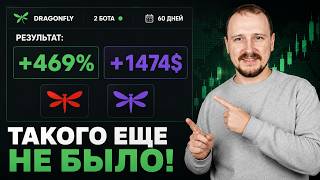
[11:21] кормит и вот живой пруф реальные цифры на экране три недели назад я запустил с фото бота тестового на скромную сотню долларов чисто присмотреться к инструменту результат 24 дня работы плюс 4,5%
[11:37] доходности на скоте без плеча без единого моего вмешательства я за это время ни разу не открыл график ради него если удерживать такой темп выходит в районе 50 процентов годовых и это я
[11:51] еще округляю вниз в деньгах 1000 долларов в таком режиме приносит сверху 45 баксов за три недели а А за год сверху набегает 500 с лишним долларов.
[12:03] Против 5-10 на стейкинге разница, мягко говоря, в разы. Почему спот? Это принципиально. Спотовый бот покупает реальные монеты за реальные деньги. Нет ключа, нет ликвидации как явление.
[12:17] Даже если рынок уехал вниз, бот просто сидит в монете и ждет восстановления.
[12:35] Но сход это, по сути, первая передача. Тихая, надежная, комфортная. А у той же машины есть передача повыше, где те же самые колебания рынка приносят в разы больше. И вот сюда я сейчас у всех на глазах и заведу деньги.
[12:49] Сначала 30 секунд о том, как эта передача устроена и в чем нюансы, чтобы запуск был осознанным, а не цирком. Фьючерсные боты. И тут сразу по-честному. В фьючерсе история более рисковая.
[13:02] Там есть кредитное плечо, есть ликвидация и относиться к этому нужно с уважением, а не как к игрушке. Но есть извешенный подход. Берется устойчивая монета, эфир, второй актив всей кредиты после биткоина, не какой-то ноунейм.
[13:16] Берется умеренное плечо, на мой личный взгляд, третье-пятое плечо вполне в рамках разумного. И выделяется под это отдельная часть депозита. Математика получается такая.
[13:28] Спотовый бот делает условные 4-5% в месяц. Фьючерсный с умеренным плечом на хорошем рынке способен выдавать 15-20. В годовом выражении уже 150-200%.
[13:42] В деньгах с той же 1000 долларов 150-200 долларов ежемесячно, а за удачный год 1000 способно превратиться в 2500, а то и в 3000 баксов. Подчеркну, при хорошем раскладе. Это прикидка, а не гарантия. Личо умножает и прибыль, и риски. Поэтому и ступень последняя. К ней просто стоит отнестись максимально серьезно.
[14:06] Все, теория закрыта, переходим к делу. Прямо сейчас в кадре заложу деньги от фьючерсного бота, 200 долларов, эфир, умеренное плечо, засекаем это реально пару минут. Итак, открываем, пересадив же байбет, разделе инструменты, торговый бот, здесь фьючерсный гритбот, создать, ручная настройка, лонг.
[14:25] Буквально на секунду загляну на график, нижняя граница будет 1380 долларов, здесь хороший уровень, верхняя 1950, здесь тоже есть несколько косаний.
[14:38] Все, убиваем наши значения, количество сеток поставлю 30, в принципе на такой диапазон вполне хорошо, можно даже увеличить до 40, по прибыли все равно увидим 6-9% с каждого.
[14:50] И кредитное плечо, как уже говорил, третье, пятое, ну поставлю пятерочку, тоже еще в разумных пределах. Дальше, депозит 200 баксов, восходящий трейлинг, то есть бот будет сам расширять свой торговый диапазон, поставлю 2500.
[15:06] И сходящие, в принципе, где-то 1000 тоже поставлю, вдруг цена провалится еще ниже. Опять же, запуск быстрый, кому надо, подробнее наводим, вот, каждая настроечка, тут все подписано.
[15:18] Дальше нажимаю создать. Подтвердить. Все, видим, бот запущен. Сразу идет небольшая просадочка. Это нормально, бот закупил позицию. Ему надо дождаться, чтобы цена немножко поднялась вверх, чтобы он сделал свой первый тейк профит.
[15:32] В главной странице, чтобы найти своего бота, если потеряли, наводим на раздел активы. Дальше вот раздел бот. И здесь фьючерсный грит бот. Видим, вот находится наш бот по эфиру. Для управления нажимаем детали.
[15:46] Тут мы можем инвестировать еще, вывести прибыль, удалить бота, то есть остановить его, он полностью остановится. Например, чтобы зафиксировать прибыль. И полная статистика ордера, которые сейчас открыты, история.
[15:59] Также вот можно посмотреть на графике, нажимаем, видим, грубо говоря, на графике вживую, как бот торгует, где у него раскинуты ордера. А чтобы разгонять депозит, у меня работает еще один уровень.
[16:13] Уже не биржевой бот, а отдельный алгоритм с мега-агрессивным разгоном депозитов. Там умножение депозита идет за считанные дни, но и риск менеджмент совсем другого порядка. Поэтому торговому боту есть отдельный свежий разбор с живыми цифрами.
[16:30] Ссылка в описании под видео. Не забываем про лайк, комментарий, подписку на YouTube и на Telegram канал. Всем добра и финансового благополучия.
⚡ Saved you 0h 16m reading this? Transcribe any YouTube video for free — no signup needed.