
Prisoner to Your Own Revenue
42sHigh relatability for creators and entrepreneurs who feel trapped by their own success, with a strong, counterintuitive hook.
▶ Play Clip"The title promises a dark side, and the video delivers: anxiety, loss of joy, and the hamster wheel of content creation are all discussed in depth."
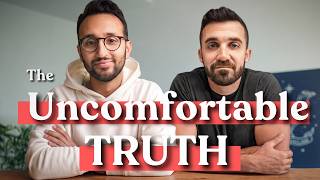
In this conversation, Ali Abdaal and Matt D'Avella discuss the psychological and practical challenges of building a YouTube creator business, including the pressure to scale, the anxiety of high overheads, and the struggle to find joy in content creation after achieving financial success. They explore the tension between growth and satisfaction, the impact of parenthood on work-life balance, and the importance of aligning one's creative output with personal fulfillment.
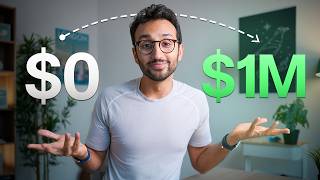
Matt started in 2017, experimented for 1.5 years with low views, then a video 'My Minimalist Apartment' got 20k views in a week, eventually 1M. Grew audience, team, then in 2022-2023 started disliking the business, scaled down, almost quit, now finding joy again.
Matt had more freedom before kids; life used to center on work, now family is first. He can only focus on two of three: work, family, health.
Building a large audience gives leverage but also constraints. Matt felt restricted by his minimalism niche; his 30-day experiments (e.g., cold showers) became his most successful series, allowing more freedom.
Matt started with $100k student debt, not for money. Around 2020-2021 he started doing it for money due to team payroll, leading to loss of joy. He had to reset to find joy again.
Ali's course revenue dropped 50% each launch cycle while expenses grew, causing anxiety. He was diagnosed with generalized anxiety in 2019. Panic attacks led to a realization that the situation was unsustainable.
Ali's business had ~$2M in costs per year, while Matt's monthly expenses are ~$2-4k. Matt's frugality gives him freedom; Ali feels pressure to maintain revenue to cover costs.
Parenting rocked Matt's worldview and identity. His life used to be centered on work, now on family. He struggled with losing the validation from producing, but eventually found that family took pressure off.
Ali questions if he needs more money; Matt feels he has enough due to frugality and low expenses. Matt can live off his wife's salary, alleviating pressure.
Both look back on early YouTube (2017) as less tactical, more wholesome. Now, tactics like hooks and thumbnails are widespread, and AI has increased competition. Matt feels the art of creation is lost.
Ali describes the balance between the soul of craft and commercial side. Every video has a sponsor and drives traffic to courses, adding commercial intent. The commercial incentives often outweigh creative freedom.
Matt scaled back to solo, finding joy. Ali enjoys the challenge of growth but feels the hamster wheel. He wonders when enough is enough and whether he's sacrificing important things for business growth.
Ali cares less about each individual video, producing more quantity (80 videos/year). Matt spends 20-50 hours per video, focusing on high production value (12-15 videos/year). Both recognize their unique skill sets.
Ali says he would still make videos because he loves teaching. Matt would also create, but cares about views even if not needed. Both have multiple reasons for creating.
Ali feels pressure to churn out content due to business overheads and sponsors. Matt has more freedom to post when he feels like it. Ali aims to decouple business revenue from video output.
Ali's business relies heavily on his partner Angus. He worries about Angus burning out or leaving. Matt tried scaling a team but it backfired; he now has self-doubt about hiring again.
Ali has had business coaches since 2019, meeting weekly. They provide perspective and help avoid mistakes. Matt used his wife as a sounding board but found her unqualified for nuanced business decisions.
Ali now uses goals and KPIs (e.g., 50-60% margins, 5M revenue) to guide the business. He distinguishes inputs (time), outputs (videos), and outcomes (subscribers). Matt focuses on reps, not rewards, but acknowledges targets are useful for teams.
Matt now makes videos only if he learns something new or pushes himself. He does 30-day experiments for fun, not for views. Ali approaches videos like a professor teaching a class, focusing on teaching rather than the craft of filmmaking.
Matt tried building a media company 'Slow Growth' to separate his brand from himself. It gained traction but wasn't profitable; he realized it's hard to build a brand without a face. Ali notes that software businesses can grow without a face.
Ali sees himself teaching in some capacity forever, but not necessarily on YouTube. Matt wants to continue but at a slower pace to avoid burnout. Both emphasize pacing themselves to sustain enjoyment.
Both discuss the difficulty of optimizing parenting time. Matt hired a night nanny for sleep. Ali struggles with guilt and finding the right balance between work and family. They agree that the struggle is part of the rewarding experience.
The conversation reveals that financial success on YouTube often comes with hidden costs: anxiety, loss of creative joy, and the pressure of high overheads. Both creators emphasize the importance of aligning work with personal fulfillment, setting boundaries, and recognizing that enough is a mindset, not a number.
Matt D'Avella
person
Ali Abdaal
person
Whisperflow
tool
James Clear
person
Tim Ferriss
person
Mr. Money Mustache
person
Graham Stephan
person
MrBeast
person
Tony Robbins
person
James Janney
person
Johnny Harris
person
Peter McKinnon
person
Marques Brownlee
person
Colin and Samir
person
Levi Hildebrandt
person
Joe Hudson
person
Voice Pal
tool
Frame.io
tool
What was Matt D'Avella's breakthrough video that gained significant views?
My Minimalist Apartment, an apartment tour under 3 minutes, which got 20,000 views in a week and eventually a million views.
02:19
What three main things does Matt D'Avella try to focus on in his life?
Work, family, and health. He says he can only pick two to do really well.
05:09
What was the revenue trend of Ali Abdaal's YouTube course across launch cycles?
The first launch did really well, the next made 50% of that, and the next made 50% of that, declining each cycle.
12:14
What was Ali Abdaal's approximate annual business cost at the time of the conversation?
About $2 million in costs per year.
14:17
What is Matt D'Avella's approximate monthly business expense?
About $2,000 to $4,000 per month, including freelancers and office space.
14:29
What did Matt D'Avella say about the trade-off between work, family, and health?
He can only pick two to do really well; health often gets patched in whenever possible.
05:22
What was the name of the media company Matt D'Avella tried to build to separate his brand from himself?
Slow Growth.
01:36:25
How many videos per year does Ali Abdaal produce approximately?
Around 80 videos per year.
01:23:40
How many hours does Matt D'Avella typically spend on editing a single video?
20 to sometimes 50 hours on each individual video.
43:42
What is Ali Abdaal's approach to video creation when he doesn't enjoy the process?
He approaches it like a tenured professor teaching a class; he enjoys the teaching and sharing, not necessarily the making of the video.
01:30:44
What did Matt D'Avella say about the number of videos he makes per year after calculating other creators?
He found that creators like Ali make around 80 videos per year, while he makes 12-15, and realized that producing less is okay.
01:23:28
What is the 'fourth F' that Ali Abdaal adds to 'fun, freedom, fulfillment'?
Family.
01:57:49
Freedom Before Kids vs. After
Highlights the trade-off between work freedom and family responsibilities, a common struggle for creator parents.
04:40Revenue Decline and Anxiety
Illustrates the financial pressure and mental health impact of scaling a creator business.
12:14Parenting and Identity Shift
Shows how parenthood can reshape identity and priorities, a relatable experience for many.
17:14Scaling Back vs. Growing
Contrasts two different approaches to business growth and personal fulfillment.
35:01Finding Joy in Creation
Emphasizes the importance of intrinsic motivation and learning in sustaining a creative career.
01:24:16[00:00] I think I've always had like a little bit of an insecurity around how much I put out like not sexually but like in terms of like [laughter] in terms of the channel. What you're about to hear is a conversation between me [music] and
[00:12] the wonderful inspirational Matt Davella. Matt Dave has been one of the >> A lot of people start on YouTube to try to get off the hamster wheel [music] to not have a 9 toive job, but then they become a prisoner to their own revenue,
[00:25] filmmakers on the platform as a whole, but also specifically in the personal thought I was just going to quit YouTube and not go back to it. time. So, back in like 2017. We've both built YouTube channels. We've both built
[00:42] creator businesses. We've both launched online courses, including online courses >> When I launched my YouTube course, it did really well. And the next time we made 50% of that. And the 50% of that >> both of us have hired a bunch of people.
[00:57] >> I would have these panic attacks. I thought I was having a heart attack. >> We both moved countries. Uh we both married half Chinese women and now we fatherhood while also running a sort of YouTube creator business type thing. Now
[01:12] Matt and I have been like Zoom and WhatsApp friends for the last like six so we decided to sit down and just shoot the breeze, as the kids say. I don't business, creator, YouTube, productivity, all of this sort of stuff.
[01:28] >> If you have a million subscribers, you need to create like you have zero. You need to be able to have the freedom to express yourself cuz if you don't enjoy it either. >> So, if that sort of thing is up your
[01:40] Dabella. [music] >> Okay, Matt. So, you and I have both been on YouTube since around 2017. Uh, I wonder if you could talk us through the
[01:52] arc of your YouTube career over the last like nine years. decade of of creating on YouTube. Um, I got started in 2017. That's when I
[02:07] published my first YouTube video and really started focusing on trying to make great videos and and build an audience on YouTube. It was a matter of um experimentation and just throwing a bunch of [ __ ] at the wall and seeing
[02:19] what worked. I spent a year and a half making videos on YouTube and getting maybe like a thousand views tops. That was like amazing. And then for me, I posted one video called My Minimalist Apartment. It was an apartment tour. It
[02:33] was less than 3 minutes. And within a week, it had 20,000 views. A month later, it had like a 100,000 views. And then eventually it got a million views. And then from there it was grow, grow, grow. It was growing my audience, my
[02:48] size, my team. 2019 to 2021 or so. And then from that point on, probably around like 2022, 2023, I started to seriously not like what I was doing in the
[03:01] business that I had created. And so I had scaled up this big team. I had eight probably five employees for a large part of it and then about 10 freelancers working for me. and I had to look around and do a lot of soulsearching. That was
[03:15] a period where I decided to start taking a step back. And so then kind of downsizing the team. And then uh now for me, I actually got to a place where I thought I was just going to quit YouTube and not go back to it. Um but now I'm
[03:31] starting to come back and kind of find the joy in it again. That's like the big arc. Uh, and there's obviously a lot that's gone down in between each of >> You've got this creative business. You've got, you know, broadly financial
[03:46] for a lot of people, is the dream that a lot of people are aspiring towards. I think people on my channel broadly have full-time jobs working in corporate or doctors or lawyers, you know, that kind of thing and look towards building a
[04:01] creator business as like, wo, you get to just make videos talking about whatever you want. And often when we do um stuff within our like courses, uh a lot of people cite you as like an inspiration, including me, uh in terms of like, wo,
[04:16] can talk about this. You can talk about water bottles if you really feel like yourself. You get to make videos about it and you do it in like a classy and
[04:28] nonclick bayy non- like icky kind of way. >> This seems like the dream. Um looking from the outside, how does it feel on the inside? >> I think that I had so much more freedom
[04:40] before I had kids. Like I just didn't I didn't realize how free I was and how much time I had in my day. There's there's trade-offs there, but I think for me it's like my life used to be centered around work where like work was
[04:53] the most important thing to me and everything else came secondary and kind of like fit in. And then once I became a parent, it was more about my family is first and then creating is like filling in the gaps of when I can make time for
[05:09] videos. Um, I feel like right now there are three main things in my life that I try to focus on. my work, my family, and my health. And I can only pick two.
[05:22] [laughter] Like I And like I I pick two to do really well. Like I can focus on my family. I can focus on my work. I can focus on um you know, making the best videos that I can with the time that I have. And then my health is like, okay,
[05:35] I can patch that in whenever I can. Um but I think I just have so much less question. >> No, it kind of does. So it it sounds >> you felt way more stretched. I mean obviously cuz you've got kids now
[05:52] >> do you feel like that was the freedom that like people in our audiences aspire >> I think when you build a large audience it does give you the leverage to be able
[06:04] to kind of like take them wherever you want to go. There's constraints to that too. Like I think I named my channel my name Matt Diolla because I wanted to be
[06:16] able to talk whatever I wanted to talk about. But then you find a niche and you start creating in that niche like minimalism and then you find that oh like this is what gets views. If I want to build my channel, if I want to grow
[06:30] my audience, I have to continue to talk about minimalism. I felt restricted in the very beginning like when I first started to take off and grow my channel. And so then it was about experimenting and kind of taking risks. And so for me
[06:45] that was like 30-day experiments which like surprisingly ended up being my most successful series that I'd ever done. But the first one I did was I took cold showers for 30 days. And like you know even like the framing the title like I
[06:57] way to like phrase a video you know cuz at the time like Mr. beast was starting to come out. Like the the extreification of YouTube and the like title maxing
[07:10] [laughter] on YouTube was just really starting to take off and and and take hold. Even like the Buzzfeed era of like very extreme ideas being pushed out boring in nature. But pushing myself to do these things that I that I thought
[07:27] maybe wouldn't work ended up being my my biggest successes and allowed me to have a little bit more freedom in terms of what I created. But still like how how far outside of self-development can I go and take my
[07:41] audience with me? Um I think it comes at the the you know down weird niches when you've developed an audience who come for
[07:53] creator. Like how much freedom do you really have um in terms of what you sword of having a niche. Like you could just make videos about anything and
[08:05] work. >> Or and then you find your way into a niche and then you're like, well, if I make videos outside of that niche, I get your lane, bro." you know, kind of vibe. And then there's always like a small
[08:20] like a minority rather than the majority. start to experiment outside of what people expect from you, um you're naturally going to get uh less views and less attention early on. But I think
[08:36] that's that's that thing where it's like if you have a million subscribers, uh to express yourself because if you don't enjoy what you're making, then your
[08:50] >> By the way, if you are enjoying this conversation, then I'd love it if you Whisperflow is a wonderful voicetoext tool that turns the way you talk into [music] polished typed text in any app on your computer. And the easiest way
[09:05] video about making your job optional. Frame the whole thing around the four someone who'd do the work anyway, even if he didn't need the [music] money. whole thing in perfect style. It knew to capitalize Brandon Sanderson. It's
[09:23] do it hands-free, which is awesome. Now, the question that people often ask is like, okay, but doesn't my computer or my phone already have built-in good. So, we're going to test this live. I'm going to say the same thing into my
[09:38] me three hook options. No, wait, make it five for a video about Brandon Sanderson same thing on Whisper Flow, hey, give me three hook options. No, wait, make it
[09:50] five for a video about Brandon Sanderson and the 4Fs. Boom. It literally says, so that it also figured out the three. No, wait, make it five." So, it sort of everywhere you type as well. So, if I go on Slack, I might say something like,
[10:07] "Hey, Ana, can you send over the five thumbnail options? Uh, let's AB test the Friday. There we go. It's not bad. It's got it's got Ana spelling correct. It
[10:19] autocorrected that. Man, what a time to be alive. So, if you would like to try month of Whisper Flow Pro completely for free. So, thank you Whisper Flow for sponsoring this video. And let's get back to it.
[10:34] being on YouTube? When I started on YouTube, I had $100,000 in student debt. It was a huge weight on my shoulders. Like, getting out of debt was the one
[10:46] started on YouTube, it definitely wasn't for the money. I didn't think it was going to be a way to to get rich and and, you know, make millions of dollars. Once I got out of debt um and started making money uh and like getting a
[11:02] positive net worth like I I think I got swept up in in YouTube and the growth and trying to figure out ways to scale my business and make more money for me. There was a part probably around like 2020
[11:17] 2021 when I started doing it for the money and it wasn't for me it wasn't so then I could make more money. It was because I had grown such a big team that I had to pay the payroll of like five, six, seven people and I had to pay for
[11:30] the joy of of creating videos and had to figure out how do I reset and recalibrate to to find the joy again and stop focusing on the money.
[11:42] >> Yeah. So I think you and I went through that journey around a similar time. We had a big like growth period in 2020 and did a big hiring spree in 2021. We we'd a loss in like March or April or whatever the thing is and then it's like
[11:58] okay well guys we got to make the next cohort of YouTuber academy really do well. Revenue is going down, expenses are going up like started to feel really >> When I launched my YouTube course it did really well. It's the most successful
[12:14] thing that I've ever done. Like the biggest revenue project I've ever had. We were doing like a launch cycle every 6 months to to 7 months. And the next launched it, we made 50% of that. And then 50% of that. Meanwhile, I'm like
[12:30] hiring employees. I'm growing my team. I'm like taking on way more uh expenses anxiety. And I got diagnosed with generalized anxiety in 2019 because of
[12:44] blame on YouTube. I think like I should take some responsibility in terms of what I did. I I did feel this pressure in the beginning cuz like you, me, and self-development YouTubers at the time. There was like five of us. But I did
[13:00] feel this pressure to to maintain and to continue to grow. I think it was like wrapped up in my identity. My identity was I'm a minimalist. I'm a YouTuber. I'm a big like self-development YouTuber. Like I've got a big audience.
[13:16] We all know that we shouldn't seek validation through subscribers and views and whatnot. But it also is very easy to get swept up in all of it. to be in that position where my revenue is going down, my expenses are going up and I'm my
[13:33] YouTube channel is not thriving in the way that it once was. I would have these panic attacks where my chest felt like it was like tightening. I remember just like nights of like just sitting up in our bedroom and my like chest would like
[13:48] constrict and like my the veins in my hands would like start like pulsing. a moment one one of these nights where I was like this is not sustainable. Like I
[14:02] can't keep maintaining this. And that's when I started to have some really trying to find the joy again like the reason why I started this to begin with. >> Yeah. Cuz I guess even though revenue seems high and like views seem high, the
[14:17] know, we have like these days like 2 million in costs every year. And so like >> 2 million in costs. >> Yeah. Um
[14:29] >> do you know do you know what my monthly expenses are now? >> Guess you could guess. >> Uh business or personal like everything. Um, I would say 2K a month in terms of like freelancers occasionally.
[14:44] >> Just about. Yeah. Well, actually maybe maybe closer to like 3 4K now cuz I do have an office space and that's like the b biggest expense. I actually just hired >> Yeah. So that's actually the biggest expense now that I have out of anything.
[14:58] >> bro. Yeah. Okay. Cool. Cool. Cool. Um, 2 million. That's [ __ ] crazy. you're just like you have like deep anxiety or are you are you not as
[15:12] anxiety. Um but my mind is always reeling with something about the business. Almost every thought process related to the business ultimately I if
[15:27] I trace it back ultimately goes to but what if we run out of money kind of thing. Cuz even now with our like online business school, we've just hired four new people for it because the thing is growing and it's scaling, but like in
[15:40] the back of my mind I've got like the uh low-key PTSD from back when we were speaking to one of my one of my mentors and he was like, "Oh yeah, everyone who money for it and usually they find that like yeah, you know, they hire a team
[15:57] >> right? and they have to get rid of the team and it becomes a whole thing. So feel a lot better. >> Yeah. No, apparently it's it's like a really common pattern cuz in in our case like cohort 5 was the one where we had
[16:10] the 50% revenue from cohort 4 and that was like a big kind of reset moment around 2021 around a similar time [laughter] for me. Like I know that this to go down the Matt Della route of like downsizing the team, going solo, that
[16:25] sort of thing. And I've had my >> Your team is watching. [laughter] >> You can't as well. Yeah. Yeah. I'm I'm fairly public with them about it. the thing. Like Hozi says that the grass is greener on the other side because
[16:40] it's fertilized with [ __ ] You know that kind of thing. It's like the choose your Saturday the 4th of July 2026, then I'm hosting a completely free workshop, the every 3 months. have been doing it for the last 3 years. Uh me, you and a
[16:58] and I guide you through various different reflection exercises to help you reflect on the first half of 2026 line to where your life and work are it's totally free. There'll be a link down below and I will hopefully see you
[17:14] How do you think of your identity these days and how has that evolved over time? Dude, like parenting just [ __ ] rocked me, dude. In terms of my worldview, my
[17:27] identity, how I schedule my life, my day-to-day. Like, I I thought it was going to change my life, but I just don't think I realized how significant of an impact having a child would be in the best ways. in the worst ways.
[17:41] [laughter] Like in the in the in the worst ways, like the level of of sleep deprivation that I experienced in that that first year of having a kid was just like brutal. Um, and in the best ways, like I had just so many moments like
[17:59] into his eyes and I'm just like crying cuz I'm like this is the most beautiful thing I've ever experienced. and then like an hour later he like throws up all the up and down. I think my life um used to be centered around work. Now my life
[18:20] is centered around family. Um I think I've struggled with that because my purpose and my identity was always around work and productivity and producing and making amazing videos. And when that was taken from me for a while
[18:38] where like I'm not producing, I'm not getting any validation from anybody there is like a level of of productivity that that is really healthy and it feels
[18:50] good to like produce um work that makes an impact on people's lives. And then having a family I realized it actually took some of the pressure off of that. But it took me like a year and a half to come to that place. I saw a quote from
[19:05] James Clear where he said he was when he became a parent. There were things that were easy to get rid of, bad habits that he could let go of effortlessly, which were watching movies and doom scrolling and,
[19:18] were much harder to give up. And he wasn't prepared to give up the things that were actually good for him. the the good habits, the habits that you know meditating 30 minutes a day, going to the cold plunge and sauna and you know
[19:32] spending weekends working on your business and those are the things that I found really hard to let go of because my identity had been wrapped up in being a creator and making videos and um and and and being productive. And so then
[19:45] when that was taken away and then I'm like I'm a dad. Can I just be a dad? Can And no, [laughter] for me it's not enough, but there's nothing there's nothing that matters as
[20:00] much to me as being a parent. Other things matter, but it's just it's so I stop grinding, then the business stops making this much money, and therefore this sort of life that I want to create for my family, it becomes under threat.
[20:17] we got to make more money. It seems like you don't have that to the same degree >> Don't you feel like you made it like like um
[20:30] were trans you're transparent about how much money you make. Like we know that you you you're smashing it. [laughter] >> Like you don't need more money, do you?
[20:42] >> It depends on like if you go with the 4% withdrawal rate and stuff then in in and I kind of want to maintain the lifestyle because it's like nice living in a nice place and having like household help and like being a, you
[20:57] don't know if this is just my like just like a dodgy way of justifying this habit that I have of just keep just keep working and now I've got a
[21:12] convenient excuse of like, oh, it's for the family when really it's just for my you said that I that I heard in a video that I actually I I didn't resonate with. For me, I felt the opposite. I felt like having kids gave me a reason
[21:27] not to hustle anymore where I'm like, why am I working so hard, you know, if it comes at the sacrifice of time with family, I get I get the other side of it. And I think that's actually a huge motivating factor. I mean, and and
[21:40] themselves up from a place where like they don't have enough money. they don't have enough money to, you know, pay for child support and uh or taking care of their children. But then once you've made it to a certain point, I guess at
[21:54] what point do you stop focusing on more? >> Those things are nice, right? >> I wish we could afford business class. My god, I I saw a video the other day of like people taking a business class flight and I'm like I was just because
[22:09] like traveling with kids and and flying 24 hours and needing to like toilet train our son like 30,000 ft up. Uh I'm like, "Oh, would be so nice to have like
[22:21] a private bathroom and like a separate room inside of there." But I'm like, do you look at that in terms of like hustle and work and
[22:33] >> I don't know this is the this has been the central question of like my life for the last 5 years around like expansion versus satisfaction growth
[22:45] versus enough uh more money versus more time on other things. Uh, and I always flip-flop between those different states. And a few years ago, I would
[22:59] realized that that flip-flopping can happen internally and with my coaches. enough layers of like separation, the business and the team doesn't feel the
[23:12] flip-flop around like do I want to strive for more versus do I That's the thing. Like I'm not quitting I'm not quitting work.
[23:24] do pat leave. Would you take like a month or two months off and just you know take care of both kids? >> And I'm like I don't know if I can. think one it just be intensely hard. And two like I get a lot of purpose and joy
[23:40] from my work. And so it's like when you become a parent, fam, family is the most important thing in your life, but other things still matter and you still want to have a life separate to that. And I think that it's very easy and often
[23:54] themselves. Um and and some of them they don't have a choice because they're just >> So you don't worry about running out of money? I feel like this is
[24:06] >> Bro, I got so much money. [laughter] No, I don't like actually like I I really um >> I think I've also been quite frugal. So, I've done a really good job at saving. I feel really good about like my investments and you know, the house that
[24:20] we own because our expenses are so low. Like we talked about it like my business expenses are a couple thousand every month. Um our personal expenses are really quite low. I mean, obviously kids are very expensive, but when it's all
[24:33] said and done, it's, you know, we could live off of Natalie's salary. That that alone being able to survive just off of one person's salary, I think, helps alleviate the pressure. And also like, yeah, I guess like the frugality comes
[24:47] in like we don't fly business class. Again, I wish I could fly business just no way like we don't have the money to spend $30,000 on a flight across the
[25:00] um across the Pacific back to the US. So we just like okay that's just not >> Yeah. Sort of like um in the around the 2016 era when Tim Ferrris had Mr. Money
[25:14] financial independence retire early movement >> this whole idea around frugality. Everyone who has like low overheads, it gives you the freedom to not have to make as much money. I think this is the
[25:31] half million a year just to break even. And so like you know [laughter] the first it's a it's it's it's a weird thing but like every time January rolls
[25:43] over it sort of feels like we're starting from zero again and have to claw our way up out of that. Which I was talking to again one of my coaches about Like no business thinks of it like that. Like if anything you can think about it
[25:56] like oh my god this year we got to make 3 million to break even you know all that kind of [ __ ] Um, so mate, it's inspiring. >> It's very strange, I think, like having like we've connected a ton and like have
[26:13] had a lot of calls over the years, but [music] uh and obviously have like seen >> Yeah. With the red eyes and the [laughter] toxic productivity, >> the rise and fall of Ali Abdal, you
[26:27] What was it like on YouTube back then and what was it like getting started with zero subscribers? >> So for me, I started off in a very very
[26:39] very narrow space of like helping kids get into med school. And so at the time 4,000 subscribers and I was like, "Wo man, she's been doing it for a year and
[26:52] she's got 4,000 subscribers. If I could one day get 4,000 subscribers, that would be incredible." Uh, and around that time, I wouldn't have considered later. And then it felt quite wholesome. It was like I'd be recording videos from
[27:08] I knew who were also doing the same thing, just sharing the notes and like where a handful of us were just sharing advice for students. I never thought it
[27:20] would become a business or anything like that. It was just it it was initially a fun way for me to um explore making videos, do teaching, which I enjoyed, and also drive leads to my physical courses business that I had at the time
[27:33] >> do I look back on YouTube like with rosecolored glasses and like this like there's this nostalgia, I think, and I see it a lot in the comments too of like, oh, this feels like old YouTube. if a video is like maybe more scripted
[27:48] and less polished. It feels like today there are just everybody knows about the tactics about the hook, how to like have a nice setup and pay off in a video. Do you look back on that time like as a nostalgic period or are we like maybe
[28:01] overromanticizing the past of like what it was like in YouTube in the beginning? >> The the tactics around how to do well on YouTube were a lot less established back then. these days, especially with AI, especially with everyone and their dog
[28:13] having like a team behind them, there's like as soon as one person in a given well. And so they'll do a repackaging of the same title and the same thumbnail
[28:25] and the meta has evolved so that like there's a lot of strategy behind it just to keep up. Give give me eight minutes of your time and I'll save you 30 years YouTube advice in 54 minutes or you know these chat GPT hacks will make you so
[28:41] and then everyone's been copying it including us. I watched the film initially you know the whole thing around like baseball being about the
[28:54] comes into it and now it's all about the numbers. I feel like back in the day on of like, oo, that title did well for Matthew, so let me do a my minimalist
[29:06] apartment tour as well. Like that wasn't the that wasn't the vibe. We are certainly partly to blame having YouTube courses and teaching people how to build YouTube channels and because it's like the tactics are helpful and important,
[29:20] but I do think that we're reaching a point now on YouTube where I like at from seeing the same formulas copycatted over and over again, the same intros,
[29:33] the same style that I'm kind of craving somebody to do something different. And creators doing like innovative stuff. I guess cuz I come from it more of like the artist filmmaker side. I feel like a lot of like the beauty and the art of
[29:48] like creation and expression is lost when we focus too much on the the also at the same time I like our approach to YouTube is very much leaning into the tactics and I really miss the artsy era of YouTube but then even back
[30:04] in 2017 there was still a lot of profit motive behind it. Whereas people in 2017 where literally the only reason people were making videos is because they around monetization and then I've spoken to so many YouTubers who watched a video
[30:22] I made in 2020 talking about how much money I earn on YouTube uh where I was copycatting Graeme Stefan and Pat Flynn who were being um sort of transparent about their income. And I think there was stuff like that that made sort of
[30:35] quite a lot of money here. And then especially during the pandemic, you had on YouTube. Once the thing becomes a way you can make money, people are doing it
[30:47] for the money rather than for the artsiness or the the vibes of it. monetize as such. >> Oh yeah. I didn't I didn't I don't think I had any expectation that I would be able to to monetize or or grow a large
[31:01] enough money to to to survive uh and to like continue to create videos. I don't think I realize the potential of how much you could actually generate. I
[31:13] you very much have to walk on a tight rope of you you have to like if just the way that you title a video and and the way you create a thumbnail, what gets
[31:27] somebody to click on it. There are small changes I've made on videos and I'm certain you've had the same experience. You change a word in a title and then it gets 2 million views when it was, you know, maybe stuck at 100,000 views. And
[31:40] so why wouldn't you take that extra effort to to try to figure out what is a good strategy to get this video seen at at least like if if what you care about is creative expression is like be true to yourself and not make the entire
[31:54] video be one big like retention strategy to hold somebody for every second of the I know I think you once said to me that sometimes your your team gets a little bit uh upset at you when you like just go on too long or you make a video
[32:08] that's too long because obviously you know often times an hour long video it's just not going to be as tight as like a a 15-minute video or a 20-minute video. How have you found that balance? Multiple competing goals when it comes
[32:20] to a YouTube channel, right? Like there are some people that do it purely as a or about like optimizing the title or optimizing the thumbnail. As soon as it starts to become a business, then as you say, like the the returns you get from
[32:36] little bit harder totally warrant doing putting all that effort. Then if I think about it for me, like I don't enjoy thinking about the thing on YouTube. [laughter] That would be so nice. It would be nice to just be
[32:53] able to make stuff and then not have to worry about the packaging behind it. But I mean, it's the attention economy, all this sort of stuff. If if no one clicks described it as a tightroppe between the soul of the craft of the and the
[33:08] creativity and like the commercial side of like creativity and commerce kind of and then like in our case as well, every video has a sponsor on it. But in our case as well, we also have lead magnets and we drive traffic to our courses. And
[33:20] so there's that commercializ commercial intent behind videos as well. And then But all the effort that goes into making a video, you're like, uh, well, why your vlog channel. And I was like, oh, I should do vlogs, but my vlogs never get
[33:36] anywhere near the number of views as the main channel videos. And the OG fans just not that many OG fans. And so it's like the the the commercial incentives >> There's this interview I saw with Graham Stefen and Mr. beasts and Creme Stefan
[33:53] was like he makes like so much money on YouTube but he was saying how he like just wasn't happy. He's like I just I'm just not finding the joy in it anymore and it's like at what point do you decide to shift up your strategy? Like
[34:08] millions of dollars a year, you don't have to keep feeding that funnel. You can start figuring out how do I enjoy this more? And so there could be a world where like you start a vlog channel even if it gets 10% of the views if you love
[34:24] that and it's really exciting and fun and different. Um but again I think that's that balance of trying to find the joy. A lot of people start on YouTube to try to get off the hamster wheel to not have a 9 toive job but then
[34:36] they become a prisoner to their own >> their own revenue their own like you know targets in terms of x amount of subscribers. And so I I think that's the hardest thing once you get to a certain level is like what if you were to step
[34:49] back, simplify, and make it incredibly um I guess uh just more about the joy of week pretty much like what's this balance between striving for more and
[35:01] playing that game uh versus stripping back. And so when you did the strip back thing when uh you downsized and went went solo that was really really shrunk. I I still think about it to this day. I think about it like would I
[35:16] rather strip back go solo kind of be feel like this thing around I've got at the same time I think for me like there there is also a joy in the growth
[35:32] it'll be cool just just to sort of like playing a video game on like a harder enjoyable about playing the video game on a harder difficulty setting and then
[35:44] at the same time because we're growing the business and the overheads as you know get like higher and higher. It does mean that there's even more of this hamster wheel where you know we've been in Sydney for the last week and every
[35:57] about various things. We had some HR issues. We had some issues with our like these things out. And Izzy and I were talking. They're like, "Hang on, we're
[36:09] in Sydney for a week supposedly to hang out with Izzy's family." And there's just calls happening on the calendar, which is, you know, [laughter] you know, quit the 9 to5. They said, "Get freedom. Freedom [laughter] was the
[36:22] It's like there's always going to be things in your business that you're not going to like to do. But it's trying to optimize for hey if 90% of what I do I love everybody has to do taxes you know and and fill out paperwork and do ad
[36:35] where I'm like we're in Sydney it would be cool to just hang out and chill but things that we're building and there like this so exciting I guess it's it's a good problem to have but this thing around when is enough enough? At what
[36:50] point am I sacrificing more important things for the sake of growing the business versus can I just am am I just deliluding myself into thinking that Like if I knew I was going to die a year from now, I certainly wouldn't be doing
[37:06] doing that. But if I knew I was going to die 10 years from now and like it's a probably would. And so I don't know how how do you think about this? funny that you say that you noticed when I scaled back and and simplified my team
[37:24] because I always looked at what you did on and have done on YouTube over the past 10 years and just like have been so impressed with the scale of things of how you've been able to expand and and grow a business that has created this
[37:40] amazing content and product engine that is just like, bro, like the amount of stuff that you make is just I think it's prolific. Like it's it's crazy cuz like I know how much work goes into making really high quality videos. Um and the
[37:58] has probably I'm sure allowed you to produce at that level. And so that's something that I always aspire to and wanted to do. I'm like, how can I take the quality and then just upscale it? How can I bring on a team to help make
[38:15] better things? But I just was so bad at [laughter] it. Like it was a mismatch of my skills and my interests um to where I was like managing people a little bit too much. And I think I'm actually caught now at a place where I have
[38:29] scaled back, but I'm trying to like take baby steps to see like what how can I great filmmakers here helping me out today. Like how can I start to bring people into the process a little bit more that I can produce a little bit
[38:44] higher level. But finding that balance of like how much is enough? Can I >> It's such a such an important balance. It's it's funny to hear you say that inspiration. I'm like, "Oh my god, that's so good." And like the humor in
[38:58] the videos and like the the shots, the editing, the color grading. Even like was like it was it was such a such a big inspiration around like when when my
[39:10] set cuz I was on your Patreon back in the day. I was like, "Oh, great. We're going to use this light and this light and this microphone and the Zoom H4 or whatever it is." Yeah, I think that's the thing with creative thing and I
[39:23] suppose any kind of entrepreneurial endeavor as well, which is like a horos saw his interview with Tony Robbins uh recently where do it in a way that's really enjoyable? And so, I guess this is what we're all
[39:38] fulfillment, and freedom. there's like three Fs like yes you get the freedom from like the financial part of it but then there's a certain point where I think it's like it's almost like one of those like uh those curves where more
[39:54] money leads to more freedom but only up to a point and then at a certain point kind of what I found and certainly what you seem to be doing where you are leaving money on the table by not having a team and doing the funnels and doing
[40:06] all the stuff but that gives you the freedom to be able to make like one video a month and spend more time with your kind of because I think I was so bad at running a creator business at scale. I made less money. [laughter]
[40:18] Like I wasn't making more revenue because my payroll was so high and I wasn't my attention was pulled away from YouTube which was my main source of of driving revenue. I actually found that hiring people kind of backfired on me a
[40:32] little bit. Um but I do have I do want to get advice from you. Like I feel like talking together in real life, I'm like, "All right, let me just get all the because I feel like I am at a point now where I'm taking a lot of lessons that
[40:49] I've learned over the years and I want to try to figure out how I can start to scale and and grow in a way that's going to help me, yeah, get more freedom, um, spend less time editing and, um, maybe feel like I've I have more control over
[41:04] make you just make so much content. It's like I guess what do you think are the of having that high of a level of of content output?
[41:19] >> Uh yeah, I think a big part of it is I care less about every individual video than you do. Your production value is like insane and the videos are really watch your videos, I'm like, "Oh my god, this is incredible." Um, and even seeing
[41:37] the amount of effort you went into to making this shot look great. And It's just so much effort goes into every individual video. And I dabbled with learned freestyle rapping for goodness sake for like 30 [laughter] days.
[41:54] tonight. And >> I was like cuz I've always been so inspired by your stuff. And so like, you know, you had the groundup show. My podcast, he started doing 30-day experiments. I was like, "Oh, let me
[42:06] effort. And I think the way that I do YouTube is that it's less about being a YouTuber and more about just being able to hit record on a camera and speak from
[42:18] the heart to teach something or document something that I I enjoy talking about. hour, filming the video takes about an hour, editing is fully has been for me to pump out quantity, which also has its downsides. Like, every single
[42:36] time I make a video, there are comments with dozens of uploads being like, "This those on your on your channel. Like, every time you upload a video, it feels something fresh. It's something new." Like the 30-day experiments, the Brista
[42:52] thing, the weightlifting minimalist thing. I bought your program. I'm like, it's just so well done. and you approach it with much more soul, I think, than I do. What What's the goal? Like, what do you want from this creative business?
[43:04] >> Honestly, even just hearing you you say this makes me realize that maybe I don't have a problem to solve. For me, it's always been about kind of pursuing the joy in creation and there were points when I lost sight of that. And I think
[43:17] even of late, I've been diving more into the documentary style explorative videos, which has been a lot of fun. But I've also started to not like the editing as much. Like parts of the editing process have become a drag, even
[43:30] though editing is one of my favorite things to to dive into. Um, and so I think right now it's trying to figure out, can I start to find some help to
[43:42] like alleviate some of that time? Like right now I probably spend 20 to sometimes 50 hours on each individual video. Sometimes that's just editing. Like sometimes it's just like a full week where I'm doing 40 hours of
[43:57] editing and bloody hell. That's why the videos are so good. [laughter] >> Yeah. No, but then like sometimes it's like but it but it it's such a huge investment of time and energy. Like it does seem like it's I probably overindex
[44:12] on that. Like I don't want to get rid of that completely, but I think when we look at both of us, I think what what's great is that like you and I both have different kind of formulas for what works for us. And I think it's largely
[44:24] based upon our skill sets. Like I could never do what you do. I could never turn on a camera, uh, have a couple bullet points and talk for an hour. Like I sometimes I see like Ali uploaded an hour video. I'm like, do you know how
[44:37] on camera because it just wouldn't be as interesting and kind of like tightly in my case either. It's just [laughter] it's just like rumbly. >> I don't I don't know if that's that's the case. I I think like uh I would
[44:53] seriously struggle to to try to do that. I also um I think I would get quite burnt out by it. Like even just doing like 1 hour like after we film here today, I'm going to go home and just sleep for for 3 [laughter] hours. But I
[45:05] do think like my unique skill sets are not like going off the cuff like talking at length on certain topics. It's about, you know, diving into the research, but edit and making it interesting and unique and original in a way that only I
[45:24] hard to do. >> But that's I think that's exactly it, what's your unfair advantage? And it's like I think if people look at both of
[45:36] us, they could try to replicate it and maybe that that suits them, but maybe they have another skill set that like gives them their own unique advantage. sort of reminds me of like you. It's like she's sort of doing the Matty Bella
[45:50] style cinematic. >> Way better, dude. She's way like her her cinematography is like so much better. like her and creators like her are just producing at such a high cinematic um level that I'm envious of that where I'm
[46:06] think I can do what she does. >> I would put your and her videos at a similar kind of level of cinematic. But maybe I'm just not Yeah. can taste the notes a little bit differently. But uh No, no, no. I I
[46:22] truly think that like cinematically she can she can I mean like I like this >> Sure. Yeah. Yeah. There's levels but [laughter] is >> I think just a big part of it is is as
[46:37] well is like which aspects of the craft do you find enjoyable and then what are come in. So in our case, basically the more time people see me yapping on
[46:50] camera just off the cuff giving educational tips about productivity or YouTube or business, if someone just listens to me for long enough, then then whatever the thing might be. And this has been my strategy from day one. I'd
[47:04] audience would think I'm legit and therefore they would rock up to a classroom course to watch me teach teach them how to ace one of the exams. And so YouTube, sell a course on the back end. And recently, like a year ago, we
[47:23] business model. I think partly also your master YouTube course isn't really about how to build a business. It's more about the art of the arts and craft of like there's the whole YouTube strategy thing.
[47:38] >> Yeah. And that strategy stuff was in there, right? Uh but now it's it's two separate courses. the strategy and then creating great videos. And there's some want to come at it from the perspective of teaching a beginner, somebody who's
[47:52] everything I wish I knew in the first 5 years of of starting on YouTube. >> So in a way like your unfair advantage is the cinematic nature of the thing. >> Yeah. And I think there would be kind of like your bonus devel
[48:07] you know some kind of montage of you dragging like furniture up the stairs. I effort that went into setting up the cameras and the thing with the coffee yeah, yeah. These are the things though where dude it's just like the sometimes
[48:25] much effort. Um, I think it's hard to find the balance, but again, I think I I've come to a place having gone the scale route that now I'm just going the joy route and I'm like I've I've been lucky enough to to make enough money
[48:40] from YouTube that I can make a lot less now uh by focusing on the joy of creating. I I imagine people listening to this might hear like what you said about kind of the business objectives of making videos and
[48:53] of the fact that it's like you're just making videos to serve a business like sharing things that you learn and you love learning and you So I guess
[49:08] videos, would you just stop now if it didn't actually serve a business? Good question. I I think about this a lot. So the the way I think about this is like YouTube videos? I'm like, yeah, I actually still would make YouTube
[49:24] Like I have a camera set up in my room. I hit record and I just sort of speak from the heart about whatever I want. I'd like to think that in that world I would care less about the views. But then I was chatting with a friend
[49:38] recently who actually did sell a company for $110 million and started a YouTube you care about the views?" And he was like, "Well, when you're doing something, you want to do it well, right?" And like, you know,
[49:52] YouTube channels, like celebrities, they all care about the views even though they don't need the money. And so I think for me I'm I'm not wedded at all to the craft of making a video. I just really like teaching. And so right now
[50:06] YouTube long form YouTube videos are the medium with which I can just like teach about stuff that I enjoy talking about. So I would still do it. And at the same time there is this business objective behind it and I still want to make more
[50:21] money for various reasons. And so there was something Mr. to be said in one in one of his interviews where it's very easy to look on someone like that and be more money." And he's like, "No, every everyone has multiple reasons for doing
[50:35] something." So, in my case, there's multiple reasons for doing YouTube. Part partly it's the flexibility. Like, it's all multiffactorial in like a weird
[50:47] messy kind of way. Sometimes a video has more of a commercial intent behind it. Um, the video, this video that we're doing, uh, that we're going to do on on fun and the fulfillment of like getting to talk to you and doing a long form
[51:01] podcast. It that's just for the vibes. Um, the way the way I think about it is like some videos are for vibes and some are for views. And then some some are work. I want like the three V's. Do you struggle with with the finding the
[51:16] meaning of it? Like I think I did an experiment last year where I was like, "Let me repurpose 30 of my biggest videos, all the 30-day experiments into short form content." Um Brian helped me edit them, who's right here, and we we
[51:32] we put together all these videos, started publishing them every day. It's a new short video. They started to get views, some of them did well, some of what's the point? Like why am I doing this? like it's yeah cool views. Yeah,
[51:49] more followers on Instagram. It didn't drive any like business, you know, revenue or anything like that. And I didn't enjoy it cuz it was just videos and I was like I can't keep doing this anymore. Like I don't there's no
[52:03] point to do it. Do you ever like I guess like do you ever run into that wall where you're like why why am I doing this short form content? Why am I you know posting more videos? Um or does everything feel like it has a a natural
[52:17] stuff has stopped feeling like it has a point and then I get that feeling like ah this is feels kind of pointless and then and then pull it back. Um one of vlogs. Let's do vlogs. I started for a while you know we we did a 30-day
[52:34] sick of I was like, "Okay, [laughter] I thought this would be fun, but also the team just on a laptop writing my books." It like there wasn't anything
[52:49] to say. The theory behind doing a 30-day vlog, it seemed more romanticized in my point, like there was no there was no business need for me to do a 30-day vlog
[53:04] other than I enjoy it. But then if I'm optimizing for my enjoyment, I'd rather than film a vlog. Like I don't enjoy filming vlogs that much that I would choose to do that over other things I could be doing. So then why am I doing
[53:18] down a podcast. I realized after 3 years that I should shut it down and you [laughter] cuz I was like what's the point? What's the point of doing this
[53:30] then doing remote interviews with them and not feeling like I'm able to have the conversation I want to have because like well the audience doesn't care cuz they have their own your podcast guest has their own incentives to promote
[53:45] an actor just teeing up softball questions that they knew the answers to point? I've I've had that too where I'm like interviewing people uh and that
[53:58] I'm like I I invite them on my podcast. This was back when I was doing the Groundup Show and then I would be shocked that I would hear the same answers verbatim like scripted answers and I'm like oh this is just kind of
[54:12] like a game. this is just like they're using media to like help sell their doesn't take away from the fact that this is like really valuable message and content that they put out, but I found it's like again it comes down to like
[54:26] everything that you want to say? Like I'd rather people oneonone rather than just trying to produce more content for the sake of
[54:39] there's enough content. I think that's why I've really pulled back where I'm like, let me just focus on like I'll do one maybe two videos per month, but I'm if I find myself overwhelmed by the amount of content that's out there,
[54:56] other people do as well. >> Yeah. And I think also there's something about the economic incentives behind this as well. Like I would be shocked if they do, but their entire business is based around continuing to turn out the
[55:10] is based around turning out the content. And because in my case, I suspect the I am more on a hamster wheel of having to churn out content than you are.
[55:24] to put out videos when you feel like you have something to say. And so this is a we're trying to go for is where the business revenue and profit is
[55:38] completely decorated from how many YouTube videos I make cuz then I can revenue and profit and also make videos whenever whenever I feel like it. Whereas right now we have a business doing millions in revenue and profit but
[55:52] content calendar. There are still sponsors with deadlines and the whole step back and a break from YouTube to like kind of reset or do you feel like
[56:06] um even if you wanted to take like 2 months off from posting on YouTube. >> Oh, so um right now we actually we're like
[56:21] of 10 videos. Yeah. >> 10 full like like long form videos. Do you know the last time I've had runway was 2019 2019? I've been just
[56:34] struggling to breathe and stay above water since 2019. I'd be in in Australia for most of March. And so, we were sort of like were like two videos a week, but then we dropped it down to one video a week so
[56:49] nice cuz it we get a video out of it, even though it doesn't feel like having podcasts are actually my favorite type of videos to make. do have a backlog and buffer. >> I would love to be able to
[57:07] know. It's like if I only went to the gym when I felt like it. >> Uh, I mean, I would look like me, whereas I imagine you go to the gym even >> So I mean Yeah. Like I I I Yeah. Like I mean these days I don't have as much
[57:24] days where you just don't want to go and you just you force yourself to do it or my teeth, but I brush my teeth anyway. And so it's sort of like I don't know if
[57:37] only doing stuff when I feel like it is really the north star cuz some cuz a lot of the time I have to push myself to hit record or to start working on the video maybe like 10 15 minutes into the process. Uh so I just
[57:52] >> but sometimes it's the space. Sometimes you just the space allows you to kind of realize what you were doing. Also sometimes the space uh have throws you into an existential crisis where you're like what am I like
[58:05] video after video after video the next one becomes so much easier when you take a step away for a few months >> that next video back is huge and it's
[58:17] about 6 months last year where I was like, is a content hamster wheel? Do I well, but it needed some re-shooting cuz like AI and do I really want to reshoot
[58:30] the fire back? Like the motivation that I had back in like 2019 when I was like I was excited to work on on content and on the business. And then I was saying
[58:42] with him. He's great. I'll I'll hook you guys up." Um, and I was chatting to Ollie, uh, and he, you know, I found myself saying to him, "Man, I just sounds like the thing." Like, "Why don't you just build your own business
[58:58] lifestyle business academy kind of came about. And that's been the thing that's fire, we also then came up with a better idea for like our software. So that
[59:10] school and the software, now making content has started to feel more business school that we're trying to build is driving traffic to the software that we're trying to build. And so it sort of feels like each video is now a
[59:25] brick in like a wider structure that we're building, which feels really exciting. Whereas for like the first half of 2025, it felt like each video views. Maybe it doesn't get that many views. whatever's next one onto the next
[59:41] one. And so I think the hamster wheel is not enjoyable unless it is building way. Like if you're just doing the same thing, you know, in you know, different
[59:53] uh style, then it's it's going to feel like it's a bit of a drag. >> Yeah. So in our case, Angus takes on a huge mental load and physical load of the team management, which seems to be if I think of like other creators in the
[1:00:07] space who have big teams that they they all land on that model where the creator is just is almost like the talent on camera who is being a diva and just sort of showing up and asking for yellow M&M's or whatever and then the team is
[1:00:19] doesn't have to think about it. I guess I have a hard time understanding how that even works because uh is Angus like does he like understand you would make because I feel like that would be the hardest thing is like how
[1:00:36] do you like how do you fit into the mix? Like are you you're not just like a pretty face. [laughter] I think you're also right behind the scenes like decisions that you want to make. >> Yeah. So I guess in our business there's
[1:00:52] business side. Um and as you know in the business side there's like HR, legal, operations for the courses, all of that kind of stuff. Um so Angus can basically
[1:01:06] at all. Um where I input is obviously on the content side and also in like the I'm the one designing the curriculum for our lifetime business academy or you
[1:01:22] helping deliver on it and building the operations with Alexa now who is our obscal and making sure that like the students who have bought for the latest cohort all have an onboarding call booked and that the payments are all
[1:01:37] working and you know that whole side of it which would otherwise take so much happen. I can just focus on really thinking about, okay, how do we make the AI tools for our students to use? I'm really just focused on the student
[1:01:55] person because Angus manages our YouTube producer and our social media gal. Um, but I work with them every day in person to sort of shape the direction of the of
[1:02:07] the content. So, you know, Becky, our YouTube producer, will come to me with like a bunch of ideas. It's almost like um we we think of it as like a a menu at a restaurant of options. Like, hey, these are all these are some of the
[1:02:19] one sounds good. Let's do that one." Or I'll think, "I don't like any of these, Matt's recommendation or [laughter] for example,
[1:02:32] >> Yeah. Yeah. Yeah. Have you done a video? >> No, [laughter] we haven't. >> Uh, it probably would. >> Yeah. Yeah. >> I'm so glad you did it. >> I touched on it in a video. Oh, did you
[1:02:46] >> Yeah. Honestly, dude, sometimes there's just certain videos that I I I don't going to see this. Like, this is I can't make a video about it.
[1:02:58] did. >> Yes. Yeah. Yeah. You got honestly I do what I can, you know? So, it sort of works nicely because Angus then deals with all of the business side while I can just focus on the content.
[1:03:11] >> Yeah. But, okay, let me ask you this. If Angus goes, are you just like >> that I I did think of that where I'm like, well, if I find my Angus, that's
[1:03:25] they decide to like leave or go on, which like um I mean, we've seen the videos. a lot of people have uh left your left your business and like because
[1:03:37] channels and stuff. Um yeah, like does that concern you at all? figure out a way forward from it? >> So Angus is now uh an official partner
[1:03:52] in the business where he gets a slice of the profits and stuff. So I I'm I yeah [laughter] um I'm hoping that that plus the fact that we're growing is enough of a incentive to
[1:04:05] uh keep Angus happy and keep Angus on board cuz it would be a total [ __ ] nightmare if Angus left. [laughter] >> The main thing I'm worried about is cuz has been for the last like six years. And so when we do um you know one of our
[1:04:20] coaches Eric he and I um we do like three ways with Angus and Eric each month we call it a monthly same page meeting where Angus and I sort of rate like what could be improved. Um and what I find myself often saying is that man
[1:04:37] Angus will burn himself out compared to Angus will leave. Whenever anyone any goes wrong, Angus takes up the load. Um, which still which allows me to focus on
[1:04:52] an amazing boon. >> And so a lot of creators that we've >> Honestly, honestly, like seeing seeing what you've been able to do, it's like
[1:05:04] [ __ ] man. Like I I really wish that like it had worked out as well with me. team. I feel like I just like the editing and the production too much to
[1:05:19] like give that up. >> I know what you're making >> because like I did it. I hired all these people. I thought it was going to work out and now I like seriously have like a
[1:05:34] lot of self-doubt around my perception of like what's possible and if I'm I like bring on full-time employees again, am I just going to make the same
[1:05:46] mistakes that I made last time and find myself hating the work that I do? You one, you probably won't make the same mistakes cuz you have now learned from them. And so it's like I think like the first time we hired a bunch of people
[1:06:00] and had to let various people go, you know, it's really scary. It really sucks like you know I was in tears about it for like days and stuff. Um but then you kind of sort of you learn the lesson in your body not to overhire.
[1:06:14] Um cuz we made a major mistake of like overhiring um in anticipation of revenue but in anticipation of revenue growing. Um, and then once you learn that lesson that like hire slow, fire fast and like only hire when it starts to hurt, you're
[1:06:32] like, "Oh, that's what they mean." Like only hire when it starts to hurt. Okay. Yeah. No, I I understand what that means now. Whereas before I was like, "Yeah, I learning. You're like, "Holy shit." I think the other big thing that you now
[1:06:46] have is you now have a business coach. um someone who's been through the worked with other creators who have different kind of and so I think a big
[1:06:58] part of why we've been able to make it work is because since like 2020, since actually 2019, um I've had some kind of business coach or another, sometimes two, sometimes three, all kind of all at once. And meeting with them every week
[1:07:10] them offer like WhatsApp support in in between. you shoot him a voice note situation where like, you know, we're hiring all these coaches for a lifestyle
[1:07:22] Like, and I know this is like sort of like overthinking and blah blah blah then hearing someone just like reply with a noise being like, "Hey, thanks
[1:07:35] Here is, you know, in the next session we're going to talk about blah blah blah blah." And just almost having an adult in the room that you can talk to who has been through the process and gets it is insanely valuable.
[1:07:52] years has been my wife. And I I'd hate to say it, but she's severely unqualified [laughter] for the job. Like she doesn't have any experience in it. asking her about these like really nuanced things that I'm dealing with and
[1:08:10] struggles and challenges and it's mostly just like a sounding board. But I found that I was outsourcing a lot of the decisions to people around me >> where I'm because I had grown this business. I like I you know I did it on
[1:08:27] my own intuition and my own vision. But then you get to a place where then I think maybe doubt starts to creep in and the pressure of of creating for a video audience waiting for you there. So this this pressure is huge. And so then I
[1:08:41] do you think I should make a business like this? Do you think I should, you know, what do you think about this title for a video? And I just found myself desperately asking other people for permission. And I'm like this is just
[1:08:56] what am I doing? Like I and I I I found like I found it annoying for myself. I'm make whatever I want to make? This is the most recent kind of chapter of my
[1:09:08] life as a creator now where I'm like, forget about everybody else's opinion. terrible or like experiment with different styles of cinematography that
[1:09:20] I haven't experimented with before, different formats of content. Um, you ask anybody about. I was I was coming off of eight months of not making a single YouTube video and I was like, I need to find the joy in it again. Let's
[1:09:36] vlogging like my behind-the-scenes creator business and what I was working on. And that allowed me to start to find the joy in creating again. For sure.
[1:09:48] was just like super inspired. >> Yeah. I mean, it's funny. We were talking about this where it's like this is the the push pull. It's like that was fun. I really enjoyed it, but then it's like, let's not make any money. And it's
[1:10:01] actually distracting me from making money in another way. Um, and I think sometimes you just need to experiment in small ways. I mean, doing the podcast again was another little experiment. And then I realized, okay, like it it's I
[1:10:15] limited 10 episode podcast series, but then I found that the long-term vision of that, creating podcasts every week for an entire year for the next 5 years,
[1:10:28] but I'm also glad I quit >> fast. >> Yeah, I totally relate with this thing around um seeding control to other
[1:10:40] people. Um, for me it was there was a period of like two plus years where I was looking to everyone around me for like guidance as to what we should do. I just I feel like I've sort of locked into this [ __ ] thing like and partly
[1:10:54] it was also like I don't want to be a micromanager and so I've heard that like people want autonomy and so of course I should you let them figure out what to do on the thing and it took loads of feedback from my team cuz we would do
[1:11:07] realize wait a minute like they actually want me to set the vision and to set the direction and give them some level of constraints within which they can then have the autonomy to operate rather than being like hey let's just go for it. Cuz
[1:11:22] I thought that if I were working for someone, I thought I would like that level of autonomy. But also that's why I guess I became an entrepreneur and people who work within a business actually like I've learned over time
[1:11:36] prefer to be given a clear direction that doesn't change its mind every now for for years I was anti-targets and anti- goals cuz I was like oh but like certainly don't want to aim for a million views because like what the hell
[1:11:52] I mean you know that that would that's paralyzing rather than inspiring. And then one of our other coaches, Eric, he was like, "Well, it's sort of like can't even see the target. What I'm saying is just take the [ __ ]
[1:12:05] blindfold off and just set a target and even if you don't hit it, you will at And so then that kind of made me realize like actually goals, goals and you know KPIs and OKRs and all these things that corporations do. Okay, there's a reason
[1:12:20] >> That's a That's a good point. I'm curious how you look at goals now, cuz I think I think the common advice for creators early on, and something that I would recommend is focus on the reps, not the rewards.
[1:12:34] So, it's like, >> yeah, getting your first 100,000 subscribers. I but I think that still carries through again like I've been trying to do where I I feel like I'm you know especially
[1:12:52] once I took my my break from YouTube I felt like I was starting over and so these targets that are external that are about validation or about you know even revenue they make a difference they're important I mean if you if you were
[1:13:08] making videos for one year straight two years straight and you didn't see any that signal and take that feedback. But I think just working towards let's get
[1:13:21] 100,000 subscribers. I think it's hollow and it also is going to make people hundred. >> Yeah, totally. The the way I think about this is that when when it comes to the achievement of any kind of goal or
[1:13:36] then the outcomes. I kind of need a sexier way of describing this, but like inputs would be I'm just going to spend four hours a week on my YouTube channel. Outputs is I'm going to publish one video a week. Outcomes is I'm going to
[1:13:50] get 100,000 subscribers. And I agree when someone is starting out for most you've graduated from you're like, okay, I can reliably put in the time, then video a week for the first like 5 years of my channel. And I I never had goals
[1:14:07] for that that kind of thing. But then at a certain point, sort of just doing the reps stops being the thing that gets you to where you want to make the videos. I also want the videos to uh you know, I I want to be
[1:14:26] making 100,000 in profit a year. Okay, cool. To reverse engineer 100,000 in of our course, blah blah blah blah blah blah. Okay, I now have a target to shoot for in terms of like monthly views, shall we say, or monthly website traffic
[1:14:41] or whatever the thing is based on what I want, based on the goal that I have. Um, to grow a business without setting those kind of goals, especially when you start
[1:14:54] hiring a team and stuff. So, in our case, we aim for like 50 to 60% margins. have have to the goal is like at least 5 million in revenue. And so knowing that
[1:15:06] sponsors fairly reliably. Okay, cool. That means we kind of need to do somewhere between 50 and 80 videos a year. Okay, sweet. Of that, the other 4 okay, number of sales needed, this sort of stuff. And that actually creates
[1:15:22] targets for everyone in the business. Be like sort of on YouTube, we have a sense for. In terms of like our website hits and of course marketing, we have a sense of what to aim for. And it's it it'll like all of these lessons now feel so
[1:15:36] your north star and start with your mission and your big hero audacious roll my eyes at that [ __ ] and now I'm like holy [ __ ] [laughter] It's so
[1:15:49] >> This is what they call about vision. >> It's hard to know what that is until you these big picture goals? Oh, I was at the start and now it's been fairly
[1:16:04] static for the last few years. But certainly when 2020 to 2023, 2024, I was flip-flopping so much between like whether I cared about revenue, whether I like Jason Freed and Base Camp guys, like no goals goals, you know, that kind
[1:16:19] of vibe. I was flip-flopping so much. And that was creating what they call in like because the business is sort of behind me. It's sort of like everyone in thing and like we saw Matt doing this like slow growth thing so we're going to
[1:16:36] and then we scrap it because I don't want it anymore and like then people's and then the whole thing starts to be a total [ __ ] [ __ ] show. I think what's we've spoken a bit off and on throughout the years but I don't think like I
[1:16:55] influence we've had on each other like we like liter like I see the stuff you're doing and I'm like [ __ ] man I got to hire employees I got to scale a team I need an Angus.
[1:17:10] from other people, but like while we've had similar trajectories with what we do, it's like the way that we go about each of our business is very different.
[1:17:23] And I think it is comes down to like our interests and our skills and like we we needed to find a match for ourselves. And it's okay to experiment and uh like kind of take inspiration from each other. Um but at the end of the day I
[1:17:36] you right which is um focusing on what is something that only you can do and no other creator or YouTuber can provide I was like it's the like documentary
[1:17:52] style explorative videos where I'm I'm learning about something and I'm discovering something for the first time or I'm pushing and challenging myself to do something and I'm just documenting that journey with like a touch of like
[1:18:05] lowfi camera stuff where it's just like grabbing a camera and going and then interviews >> humor the drugs. >> Yeah, that kind of stuff. I'm like that's like me. Like sometimes I'm like
[1:18:18] I sometimes I find myself like trying to be Ali Abdal where I'm like all right I'm going to block off three days. I'm gonna shoot a bunch of YouTube shorts bunch of content. And then I go about doing that and then three days later I
[1:18:35] have all this content. It's okay. It's not it's not your level. But I'm like that stuff. The content is kind of watered down and just blah. Um I would
[1:18:49] makes me unique. >> Same for me. I'm like, man, I should be experiment. I have all these notes around like, you know, I tried playing type video to do. And then I I watched some of your stuff. And I I started
[1:19:07] sitting on the floor. I was like, that's a great vibe. casual. Yeah. Um and then I try doing videos with like high production value
[1:19:19] and I'm like, holy [ __ ] a whole day of filming for that. Oh my god. And I'm now I've got to get involved in the edit and give all this feedback on Frame.io. back in like 2021 and we were talking about your script writing process. And I
[1:19:36] And you were like, yeah. And I was like, why? And you said at the time in this that like you don't have that superpower of just being able to riff on camera.
[1:19:51] unusual. I was like, "Oh [ __ ] >> Matt, even Matt Devela, this guy who's that's my thing. Maybe that's why I find riffing on camera so easy compared to
[1:20:06] maybe I should just lean into that." >> I'm actually like I'm an idiot. Like I I dude I have tried to do what you do and like I I have early footage that I like have have used and shared throughout the years of me trying to riff and you know
[1:20:23] just I'll set up a camera. I've got a couple bullet points and and I even working. This is I am so bad at this. Like there's a part of me that wishes
[1:20:35] that I could just sit down and kind of riff. And like to be fair, like what I try to do with my videos is like plan for the spontaneity. And so like there are elements of my scripts that are word for word. Um there are parts that are a
[1:20:53] little bit more rift and I kind of plan those sections out. Um, the more vloggy stuff, say if I'm doing I ran a mile every day for 30 days, I the vlog stuff scripted. But everything that ties the video together has to be written. And
[1:21:10] that just takes a really long time. And so my writing process is like it usually will take me two to three days to write a full video. But then when I go to start editing it, I'm also writing even more and I'm expanding on it. That's why
[1:21:23] through the writing, but also through in the edit. And that's where I'm like, how do I not lose my voice in the edit if I'm outsourcing that part of it?
[1:21:35] >> do you know James Janney? >> No. >> He's he's done like he he grew to like 2 million subscribers uh off the back of like 10 videos because they were all like insanely detailed docu documentary
[1:21:48] one on like um >> Was it your thumbnail? Were you in this? didn't use my face. >> But he it would take him like 6 months to put out a video. And in that context, >> it's so hard to outsource the editing of
[1:22:04] it because the voice is so intrinsically tied up in it. I'm super inspired by how Johnny Harris does it because holy [ __ ] the amount the amount of effort that pumping out quantity. >> It's just it's Yeah. Then you find out
[1:22:17] 30 years collectively and they have this whole team and I'm like wow that is thing that I did a few years ago was because I I think I've always had like a
[1:22:30] little bit of an insecurity around how much I put out like not sexually but how many Oh, I know you love humor. I love it. Um, so [laughter]
[1:22:42] in so in terms of the like the amount of videos that I put out, I um I mean I think for me for whatever reason in my head I'm like I like my goal, my north
[1:22:54] out. Uh and I only probably ever did it for like 3 months and then I just could produce at. And so then I was like, I wonder how many videos other creators
[1:23:11] video a week. And then I went and I just calculated the amount of videos my spectrum that gave me like a sense of like, oh, maybe this isn't a problem
[1:23:28] that I need to solve. Maybe I'm making the perfect amount of videos for me. But I when I did the calculation, they were making like 12 videos per year, maybe 15
[1:23:40] videos per year. And then on the upper end, it was you, uh, Peter McKinnon, Marquez Brownley, where you guys were making around 80 videos per year. And videos. And that's where I found myself. And so I think just seeing that there
[1:23:58] was so many different people making um different amounts of content, different quality, different styles just let me realize, oh, okay, I can actually produce less um and still grow and and make meaningful videos on YouTube.
[1:24:16] >> I'm curious to to what extent [music] do you feel excited to make YouTube videos these days? I was I was heavily influenced by I think it was a Colin and Samir interview that you did where you said, "What if I'm just making videos
[1:24:28] for the joy of it? What if I was just making videos for fun?" And I was like, like, I got to make a video. Like, I have to fill the feed. I have to generate revenue to pay my employees." And that was just not a fun place for me
[1:24:43] to create from. And so once I was able to like scale back and become a solo video I made I just love to make and I was just had it was just a joy to
[1:24:57] explore. And so where I've come to with it is if I'm going to make a video, I need to either learn something new or push myself in some way. And so learning something new might be from like the documentary type videos where I'm like,
[1:25:12] you know, how the 1% stole minimalism or why the water bottled trend is insane. Uh like diving into those kind of ideas. There's a like I I I have a hunch about what the video is going to be about and where I'm going to go with it, but I
[1:25:26] find myself just allowing myself to explore and learn in the process. I think this is something that you've done really well where you just like consume so much content and you're able to like distill it and and and kind of share it
[1:25:40] in a way that's really succinct. For the longest time, I was always concerned just completely ignore what everybody else was doing. And so, for instance,
[1:25:52] with the water bottle video where I was like, you know, water bottles become it." Levi Hildebrandt had done three or four videos on the topic. And so part of
[1:26:04] I'm gonna accidentally steal one of his ideas. And the shift that I've had recently is not to steal his ideas, but to watch his videos and get inspiration
[1:26:16] say, "Oh, I learned this from Levi." And so that's been a shift for me is like, "Okay, I need to learn something from every video that I'm making." If I'm
[1:26:28] learned or I already know about. I think I'm going to get bored with the video itself. And then the other side of it is like, can I push and challenge myself to have resisted doing 30-day experiments for a long time. I've done a couple
[1:26:46] world-class barista. And that's just because those were things that I really was like, great, cool. I'll do a video on it. and they weren't I wasn't
[1:26:58] thinking these videos are going to do really well. I was like I just wanted to do them. And so now this year I'm bringing the 30-day experiments back and I'm doing a different form of cardio every day for uh 30 days every month.
[1:27:12] And so starting out just doing zone 2 training for 30 days and then doing running a mile a day and then I'm going to get into biking and swimming and jump rope and rucks sacking and all that stuff. And so I'm really excited about
[1:27:25] don't I think it's like contrary to a lot of content now and how extreme a lot of content is. It's like if you want to do a video about running, you have to go not an interesting video. But I'm like, I just don't care. I have enough now. I
[1:27:43] going to get more than that. But even if it gets 100,000, I'm like, that's me less money for my videos, but it's going to be good for me. I'm going to be
[1:27:57] process of making a video. And for me, it's like that's the thing for years that I had been ignoring or hadn't been able to like accomplish because I had
[1:28:12] built this infrastructure that was unsustainable and and unenjoyable. approach videos, >> dude. It's literally your advice. I
[1:28:25] that in that interview, I think it was Colin and Samir. Like, did you like how do you approach that then? I feel like if if it's just your idea, just do it.
[1:28:37] [laughter] Like is there I mean is it like how much are you being held back do you think by the team where you might be able to be a little bit more experimental >> if you if you didn't have to make x
[1:28:53] amount of videos get x amount of views to sell x amount of courses. >> I don't know. This is something that is is definitely worth thinking about cuz views x amount of courses. It's it's it's not quite that linear. It's more
[1:29:08] like a generalized sense of like YouTube channel doing well, more videos generally translates somewhat generally into more stuff for our and so
[1:29:20] it's sort of like there's two parts of me. There's the creative within me that wants to go with that approach of like, oh, this sounds really fun. Uh, I feel like this thing is exciting. It would be a fun thing to explore. or let's go for
[1:29:35] it. But then there's the kind of um I guess the entrepreneur within me that's like okay but you know our goal is 10 million revenue with the business because for various reasons and so really like you know we've got this like
[1:29:50] video is going to take x amount of time compared to that video and we could just around trying to kind of do creative stuff when actually uh right now the
[1:30:06] academy rather than the YouTube channel. And so there's always this sort of like as you say walking the tightroppe between the creator and the commercial
[1:30:18] aspects. What uh I guess like cuz you said that making the style the experiment videos or any like the kind of style videos that I do, you didn't enjoy making them. So it doesn't make any sense to even focus on that. But I'm
[1:30:30] them, what would those videos look like? >> Okay, here's the problem. The problem is I don't intrinsically enjoy the making of a video, but I do enjoy the teaching
[1:30:44] and sharing of stuff. So, the way that I think about it is it's like I'm a tenure professor at a university and I'm teaching a course called How to Build a Life You Love and the University pays me a [ __ ] ton of
[1:30:59] money every year and all I have to do is teach two classes a week. I just rock up long as it's tangentially related to the goal of how to build a life you love, it's legit. And in my lecture theater, I've got like at least a hundred people
[1:31:13] class. Um, and they're just and they really want to hear my opinion on this thing. And so this is the sort of psychology with which I try and approach the content to be like, okay, what's today's lecture going to be on? You
[1:31:27] know, I have recently been reading a bunch of Harry Potter fanfiction. Could I weave that somehow into How to Build a Life You Love? mind? what's on this menu of video ideas that Becky's come up with. Like
[1:31:41] to quickly explore that. Let's draw it out on the page for figure out like what still enjoying that the the creation of that video,
[1:31:53] fun, I'd be reading another Harry Potter fanfiction. And so it's sort of like within the constraint of like the current way I classes each week and I know the theme is building a life you love. How do I
[1:32:10] >> Maybe that's like a myth of of being on YouTube is that you have to love making videos or you have to love every part of the process of making a video because it's like for me that that that that is true
[1:32:25] >> because I'm a filmmaker and creator You haven't edited a video since 2019. So, it's like you don't have to love the art of creating. >> Really? >> Yeah. I love
[1:32:38] >> I I hate speaking to a camera and in an object where I'm like like retention >> Yeah. >> No, that's I think that's a really good
[1:32:50] point though. Um is that like Yeah. Just you don't have to love making videos. If it does, I think like it so would does does making videos kind of fall into like the 10 percent of things that you kind of have to do?
[1:33:05] I guess like I always felt weird about Listen, I've actually never loved being on camera. Like being on camera is just very uncomfortable for me. Um I find it's the least enjoyable thing, but I've always felt weird saying that because
[1:33:17] just like in misery right now making this video." But it's like doing that part, being on camera, putting myself on camera, filming this B-roll, A-roll, do, which is like the storytelling, the editing, the puzzle piece fitting of
[1:33:35] each part of the story. Um, I think for me, the thing I really like is being in YouTube videos are trying to mirror that as much as possible to the point that I I just find it more energizing to just be and we've got the overhead with like
[1:33:53] >> Have you tried to do like the more horosy thing where it's like you actually have people in a class or is that like too high effort? to do some videos where it's sort of like um again kind of like homozy like
[1:34:08] that >> but again that just takes hours and >> at some point we might play play around with that. Um, >> I'd love to have our own like um physical event space in Hong Kong.
[1:34:24] >> Um, where we can do like, you know, once or twice a month I host a workshop for couple of times and some of the videos did really well. um where we hired like a freelance videographer to film it properly in slog or dlog whatever the
[1:34:39] hell he was using clog [laughter] however and it looked really good and so >> especially cuz I can then take video questions from the audience construct the talk on the fly based on those riff riff it which feels exciting and
[1:34:52] really fun um so I think that's the bit that I really enjoy and YouTube is trying to I'm trying to get capture as much of that joy through the creation of
[1:35:06] enjoy that, but you do enjoy like the craft of film making. >> And the aspects of YouTube that you kind of have to do are like the talking on >> Yeah. You know, it's funny cuz you said, we were talking before, you said that
[1:35:25] to like make videos. And I'm like, I actually don't know if I agree. And the only reason being is that I understand how it works. Like I understand the game
[1:35:37] frustrating. And you walk that tight rope of, you know, [ __ ] surprise. Am >> You know what I mean? It's like some of the [ __ ] you're like, I can't believe I'm an adult and I'm doing a surprise face to a camera.
[1:35:52] get people's attention and get them to click on it while also being true to yourself and the kind of stuff you want to make. Um, I just think that like that away from me, I'm like, I can still make good videos, but I don't know if I
[1:36:10] how would somebody else how would somebody know how to a reason to click on this video? I think that's part of the craft, too. Um, yeah. Final thing I want to talk about is that at one point you did this slow growth
[1:36:25] academy thing where you had like amazing branding. You had a website. You sort of sort of tangentially within that. And it seemed like you were going down this face and your brand. The your face and brand were supporting it but not like
[1:36:43] intrinsic to it. Um and that seemed to be like the direction that a lot of creators were going. We were trying to go that direction as well and then you kind of pulled it back. What was the >> Yeah. What was the rationale behind it
[1:36:56] head. It's like I wanted to build a business that didn't rely on me as a creator. Everybody was relying on me in the company to produce content for them
[1:37:08] to be able to edit to, you know, turn into a newsletter or a blog or whatever it was. And so creating Slow Growth, this media company, kind of like a Buzzfeed, um was my way of being like, "All right, I can step away. I can
[1:37:23] making videos. I can create this company um that that produces social content, blogs, podcasts that helps people grow on their self-development journey, but
[1:37:35] also is like kind of countercultural to the typical growth hacks that were very popular at the time. And so slow growth was that that push to try to hire these employees to to produce this company. It just didn't it worked in some ways.
[1:37:52] Like we got a 100,000 followers on Instagram. Our newsletter had about 65 70,000 and like with a really high open rate. All that stuff had worked out really well, but we weren't I just didn't figure out a way to monetize it.
[1:38:06] I mean, my YouTube course was wrapped underneath of it, so obviously like we because of me. Slow growth never became a brand that like separate from me, people like resonated and connected with. And so I think it it just it just
[1:38:21] wasn't as I think profitable for me. >> Um, and in the end just being kind of a because slow growth was a lot of fun. Like I love the building of the thing
[1:38:35] it's very exciting to build a brand and a product and the social content and even getting the slow growth Instagram handle was this like crazy thing where like we ended up finding somebody like Nat ended up messaging somebody that
[1:38:52] and exchanging a thousand bucks to buy the the hat handle and then they tried >> [laughter] >> And so then uh we're like uh no sorry we
[1:39:04] over. But um it it it just it just wasn't it was exciting to build. It was a lot of fun. I enjoyed that process. But the maintaining it, generating it,
[1:39:18] well is like monetizing and turning it into a business where I feel like that's something I could definitely improve in terms of I feel like if you were to make
[1:39:30] >> I don't know. We know so we tried it and what we found was that it's just really brand >> really. And we know a lot of other
[1:39:44] the brand away from the brand because everyone goes through this thing of like put my face out there and of the let's say somewhere between five and 10 people
[1:39:59] that we know who have gone through this journey no one has succeeded in building face back in. [laughter] about the other you have like the the other businesses that you're working on?
[1:40:16] >> The only business that is growing without a face behind it is we've got our software businesses um where one of the apps Voice Pal is sort of just growing on its own. I think software is special because software has virality
[1:40:29] People genuinely do recommend software to one another whereas you very rarely hear people recommending a course to. So like it's it's less of a oh my god this course is incredible and this platform is incredible. It's more like yeah. So I
[1:40:44] initial push using like mine and Izzy's name and brand and face and stuff and spontaneously recommend it to their friends. Fingers crossed. Um it's worked
[1:40:57] whether it'll work on a bigger scale with the other ones we're building. Do you think you're going to be 50, 60 years old making YouTube videos?
[1:41:09] whether it's YouTube videos or whatever other medium for teaching there is out there, I think I will be a teacher in some capacity for the rest of my life. I
[1:41:21] just have absolutely no um attachment to whether it's YouTube or whether it's something else as long as I get to basically mirror the being in a uh Peter Mcllin's dad for example, his like guitar channel. That's really cool.
[1:41:37] I'm like, man, when I'm like 75, >> I would love to be I don't know, if I >> and I were able to just talk about books that I'm reading. That would be so fun. And so that's why when I think, am I doing YouTube just for the money? It's
[1:41:53] >> Even if I didn't care about money and even if I was like super old. So, >> I couldn't imagine not creating, not making something. I Yeah, but if I'm
[1:42:06] I don't know. There are 60-year-old YouTubers, like you said, but I I just don't know. Like [sighs and gasps] I think the only way that I would be able to continue YouTube at 60 is if I just take it slow and steady, which is like
[1:42:23] one a week. You got to make more videos." I'm like, I think I just need to slow down and just pace myself. Uh rather than trying to like maximize for
[1:42:38] like growth in the present. Like there's this thing I like uh I don't know who the creator stopping enjoying it and so that's like the most important thing to
[1:42:50] >> And so even if that comes at the hit of making less money or making less videos >> Um but it it is a hard line to walk in
[1:43:03] could crank out another video. Oh, but I could just work on a Saturday or I could very firm rules like I'm not allowed to work on weekends. Uh, and work is
[1:43:17] kind of thing. Or like it's helpful um with Izzy being like, hey, you know, our baby and like spend the evening together? And I'm like, great, let's do
[1:43:32] that. But also, we have a global team, so like how about Mondays and Fridays? push back from my wife to be like don't work all the time is really helpful in creating those boundaries. >> Yeah, I found that too as well. Like
[1:43:47] it's just for me it's like I do daycare drop off and pick up every day and so it's like my that's where my day is structured. Um what I' I've started to I do on the channel years ago. Yeah. And it failed miserably. I hated it. But now
[1:44:03] I find that it's the only way to shift my schedule to allow for me to get to the gym and actually have enough time for work. So I'll wake up at 5:00 am and 7:00 to 9:00. I'm with him, drop him off at daycare, I do the gym for an hour and
[1:44:20] then I work until 5 and then >> time to pick up Frankie. [laughter] literally it except taking care of your kids for like 7 hours a day [gasps] >> Um, but yeah, I found that like for this
[1:44:37] season of your life like parenting. >> And I'm like, it's it's like a decade. It's like a decade of the most intensive time-consuming periods of your life. I'm like, it's you you actually have to just give in and accept and and accept the
[1:44:52] trade-offs. I'm curious, if you could wave a magic wand and hire whatever kind would you choose to outsource versus what would you choose to just continue doing yourself? We did hire a night nanny the second time around because
[1:45:07] after having Frankie, we had 10 months of of broken up sleep. We didn't have one day where each of us got 8 hours of sleep uh over a 10-month period. And so that just broke us and we were like, we like we're we were we regretted not
[1:45:21] hiring help. And so we brought on a night nanny to help us out for the first 3 months or so. Uh in the beginning it was like five nights a week and then eventually went down to three. Like that was huge. But now our second son is he's
[1:45:33] have to outsource that. I do struggle a lot with knowing like how much suffering should you accept as a parent like because there it's I think that the
[1:45:47] amount of parenting I want to do shouldn't just be correlated to how much I enjoy it. It should be correlated to how much my kids need me. >> And so there are really hard parts of parenting where like your kids are
[1:46:01] throwing tantrums and screaming and you have to be there to be that emotional support in their life. It's like I want to be there for him obviously, but it is these moments which happen every day, three times a day. And so I would have a
[1:46:18] really hard time outsourcing that and hiring for that in terms of my personal life. So it's almost like you you do get the daycare during the day 5 days a week get done. Um, but outside of that, um, date night, hire babysitter, I think
[1:46:36] that's like the most that I'd be willing to give up right now, just because my life is like literally all about family. It's it's it's it's less about my business. And I think I'm still in the throws of like adjusting to that.
[1:46:49] >> Love it. Yeah, that's the the balance that I'm trying to find as well. Like there is a certain amount of baby stuff that I enjoy and then there of like bonding and all that all that sort of stuff. I haven't I haven't yet
[1:47:05] they grow older and stuff. Um there are some people who have been of stuff cuz it's like well parents should be spending 24/7 with the kid
[1:47:19] that's true. Um but also the number is not zero hours out of the 24. So what's >> optimal minimal I can run flat out. Well, yeah. What's what is the Yeah,
[1:47:35] optimal amount of time, and then you get helicopter parenting of it trade-offs I think for me has been the biggest thing where I cannot optimize
[1:47:48] for the 1% anymore. Like I can't do what's like a day. All these things now are a struggle for me. And so
[1:48:02] it's a hard pill to swallow to accept like, okay, I'm gonna be giving up a I know benefit me. Um because my child needs me. And I think to your point,
[1:48:15] it's like it's just it's constantly changing. Like in 2 years time, I'm 2-year-old and a four-month-old. >> It's pretty great, though. Yeah. Being a parent, >> are you enjoying it?
[1:48:30] Uh yes. I'm thinking like am I enjoying it? I definitely enjoy it, but also I don't I mean there are there are lots
[1:48:42] like hanging out with the baby when she's like in a good mood, but if it comes to like she was she had like a urine infection like three days ago and
[1:48:54] so we had to spend 2 hours trying to get her to wee into a little cup from like >> just holding a cup. Yeah, just holding a cup and doing, you know, chatting to
[1:49:07] like putting a cold towel on like the underneath the tummy and like trying to Now, that's not a 2-hour use of my time that I found particularly enjoyable. It
[1:49:19] of stuff. It's kind of funny, but it's also when it's like 2:00 in the morning sure that the urine's and then finding that the and they're having to do the antibiotics while she's crying and like putting shoving a syringe into her
[1:49:34] mouth. Not particularly enjoyable and yet it was quite memorable. And so I I like that. It is enjoyable when she's like nice and happy and smiling and
[1:49:46] lot of part of parts of parenting that are not that. And I don't know. Yeah. I'm just trying trying to figure out like what how should I think about cuz I
[1:49:58] much as possible? Yeah, but that you you just can't with parenting because you you can't like there are ways to dial up like the joy and and having fun with
[1:50:10] going to the zoo, like that stuff. It's being able to see the joy in your kids's easier. But my god, just the the amount of slog I think but it is like when you
[1:50:24] go through it with your partner, >> that's like what I think I find a lot of joy in. It's like because we had that same experience where we were overnight in the emergency room in the doctor's office and we were trying to get Frankie
[1:50:37] to go for a wee >> and we knew we we had done it before and So we're like do you mind if we just like let him go like full stalkers like naked and then just if he we'll put the cup on it. We waited for about 2 three
[1:50:52] hours. He starts weeing everywhere all over me like [laughter] get the cup, GET falling. It's been pulled away." And I'm like, "It's fine." And [laughter] like I grab him and he's just pissing all over me. And I'm like, I just I could in that
[1:51:07] moment because of how like difficult that past like 3 4 hours were. And it was at that point now 2 3:00 a.m. I couldn't have been more happy to be home. Also, we now we know that our our son can urinate and there's not a
[1:51:22] problem with his bladder. It's like there's a relief from that. Um so I don't know. It's like you I don't think you can choose. right, how much support do I want to take on? But it's
[1:51:38] like it needs I think that the struggle is part of it with parenting. I don't thinking about a lot lately is I look back at videos that I made two three
[1:51:50] years ago. I don't care about them. I don't. But like when I look back two years ago, 3 years ago to when like we had our, you know, first kid and just our second son, Sunny, it's like, oh my god, those are like infinitely more
[1:52:07] kids. You know, people find purpose and meaning and joy in different ways. But for me in my life, I'm like, especially if you look at like 20, 30 years from best those are the best times of my life. Um, and so I don't know. I think
[1:52:26] more money and, you know, build a larger. I I don't care cuz this is the nightmare sometimes. [laughter] It's like so it's the hardest thing I've ever
[1:52:39] done, but it's also it's the most rewarding cuz I can look back on it and >> There's a guy who I follow called Joe Hudson. I don't know if you come across him. He's like um this executive coach guy who uh also does a lot of like
[1:52:54] emotions work and things like that. And he's got two kids and um they seem very the sense of they try the way he describes it is like he he feels no
[1:53:06] obligation like he to towards his kid he kids he does the things because he wants to not because he feels like he has to or that he should and I am trying to get to that level of enlightened perspective where even the
[1:53:20] >> you're just covered in piss you're like I get to do this I'm like surely [laughter] like one one way to approach that would be like okay I guess it's got to be done but like I'm just always like how how like what
[1:53:33] mindset tweak or whatever can I use to find the joy in this and like not feel as if parenting is suffering kind of vibe. I have a different YouTube journeys. Uh there's a lot of similarities but like
[1:53:50] in terms of what we brought to you know each of our channels is very different. raising kids. It's like you don't want the same things and that's okay. And it's like you look at anybody's family's situation and like everyone is going to
[1:54:06] be wildly different. I think it's like the biggest priority is that you're giving your kids what they need, but outside of that like you still have to be able to create a life that that you're fulfilled by. So if yeah in my
[1:54:18] like growth versus enough and now that question has morphed into the parenting thing to be like basically how much time do I want to be investing in family stuff versus in everything else. >> Do you suffer with any guilt around like
[1:54:34] maybe putting too much emphasis on work rather than family at this point or um >> I think we have found a good rhythm. I don't feel much guilt around it. What I
[1:54:47] do feel is like this uncertainty or of have I got the right balance and I don't stuff. I think it's on the it's sort of if anything
[1:54:59] more time with the kids. >> Yeah. >> That's like that to me is like a real failure mode. And I've I've spoken to so many entrepreneurs who years to decades into their kids' lives realized too late
[1:55:13] that they were overinvesting in work and underinvesting in the relationships. And theory. But in practice, I'm still trying to figure out like
[1:55:26] what's the what's the mental model? How do how do we figure out the balance? >> I'm so glad that I hustled when I did. you know, like I like I've talked a lot obviously, but I also like from my 20s and 30s, I like really worked my ass
[1:55:41] off. Like I I worked a lot of weekends. I worked a lot of nights and you know, it was doing something that I love to do, but I don't have that in me anymore. Like I c I can't physically do it anymore. I I also don't want to do it
[1:55:55] I've got a lot more empathy now for people who were who are in a situation now or been a in a situation where they've had to sacrifice and they've had can't start a side hustle or business right now because my family is my
[1:56:13] Uh, and I'm so lucky that I'm in a position now where I've hustled and I've worked hard and I've I've made enough money that I don't need to continue to
[1:56:25] hustle and grind to make a living. My big challenge is like how do I continue to find purpose and fulfillment when I'm not producing at the level that I wish I could and not feeling the resentment from my kids? Like that's a big one,
[1:56:39] right? where it's like I could I could look at it as my kids have stolen this time from me or I could feel resentful that I don't have the time to work on videos like I you used to or work on my business like I used to. Um
[1:56:55] but I made the decision to have kids and I love spending time with my kids. It's thing where you're like again it's like corny but it's like I get to do this.
[1:57:07] like I get to spend time with my kids. Um, and I think it did take me a couple unfair and misdirected. >> And like, you know, when you're 85 years
[1:57:19] old, you're not going to be looking back and be like, "Drat, I wish in 2026 I'd >> you're going to be still working on YouTube. [laughter] >> Before I die. >> Yeah. Ah,
[1:57:34] challenges never go away. It's just different problems and you know, it's figuring out how to, you know, do this whole creator business thing while also
[1:57:49] >> Hey, fun, freedom, fulfillment, and then there's a fourth F of family. [laughter] >> Maybe a fifth. [gasps] Matt, thank you so much. Thanks
[1:58:04] >> Likewise. Thank you so much. >> This has been fun. good, guys. >> Yep. Mechanics vomit.
⚡ Saved you 1h 58m reading this? Transcribe any YouTube video for free — no signup needed.