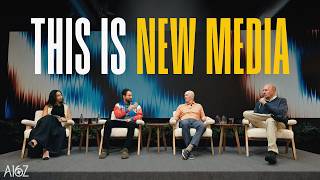

Old Media's Worst Rule: Don't Be Interesting
45sBold, contrarian take on media strategy that challenges conventional wisdom and sparks debate.
▶ Play Clip"The title accurately reflects the content, which discusses new media rules and strategies for founders."
This video features a discussion on the transition from old media to new media, emphasizing authenticity, direct communication, and the importance of being interesting. The speakers argue that legacy media is defensive and agenda-driven, while new media offers unlimited formats and channels where the brand is the person. They provide advice for founders on building a media presence, focusing on storytelling, and engaging with the world outside their company.
Old media had restricted channels and formats, with brands being the companies. New media has unlimited formats and channels, and the brand is the person. The rule of old media is 'don't be interesting,' while new media requires being interesting to avoid being drowned out.
Authenticity is key in new media. Founders should have the same conversations on camera as they would in person. Media training often makes people plastic and fake; instead, they should talk naturally as if with a friend.
Media training involves being recorded and critiqued, which can be painful but reveals personal quirks. The goal is to speak naturally and avoid being 'buttoned up.' The best advice is to say in public what you would say to a friend.
Legacy media defined itself as impartial journalism and speaking truth to power, but it devolved into power to truth, intimidating people. New media allows going direct and telling your own story through your channels and allies.
Founders must go direct and build a personal brand. The brand is now the person, as seen with Elon Musk, Alex Karp, and Palmer Luckey. Companies that win in marketing have a person as the brand.
Corporate brands arose with centralized media. Before the 1930s, companies were named after founders. Centralized media required distilled messages, leading to abstract brands. Now, with decentralized media, personal brands are returning.
Responding to attacks can boost brand if done right. It's important to pick fights that build your brand, not amplify others. Fights are good for brand building, but discipline is needed to avoid wasting time on low-value targets.
Hire people who have built an audience and are storytellers. Avoid those trained in old media, as it's a different skill set. Look for people obsessed with the discourse and able to tell compelling stories.
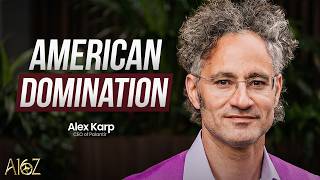
Instead of talking about your company, talk about interesting things happening in the world and how your company relates. Alex Karp never talks about Palantir directly; he discusses big topics like the future of the military or AI.
The ability to communicate effectively in new media can be developed. Examples include Donald Trump evolving from old media to new media. Founders should invest time in understanding the world to tell better stories.
The video concludes that new media requires authenticity, a personal brand, and a focus on interesting external stories rather than internal company narratives. Founders must develop these skills to succeed in the current media landscape.
Alex Karp
person
Palmer Luckey
person
Elon Musk
person
Jensen Huang
person
Ryan Peterson
person
Mark Halperin
person
Lee Les Elden
person
Lowell Bergman
person
Mike Wallace
person
Donald Trump
person
Substack
tool
Joe Rogan podcast
tool
Palantir
service
Flexport
service
SpaceX
service
Anduril
service
What is the one rule of old media according to the speakers?
Don't be interesting.
What is the key difference between old media and new media in terms of channels and formats?
Old media had restricted channels and formats; new media has unlimited formats and channels.
What is the brand in new media according to the discussion?
The brand is the person.
What advice did the media trainer Lee Les Elden give?
Say in public what you would say to a friend; talk naturally about topics you know intimately.
03:00
How did the speakers describe the evolution of legacy media's mission?
It started as impartial journalism and speaking truth to power, but devolved into 'power to truth' and intimidating people.
05:00
What historical shift led to the rise of corporate brands?
The centralization of media in the 1930s and 1940s, which required distilled messages to fit narrow channels.
09:00
What is the recommended approach for responding to attacks in new media?
Respond to attacks that can boost your brand, but avoid amplifying low-value critics. Fights can be good for brand building.
11:00
What should founders look for when building a new media team?
Hire people who have built an audience and are storytellers, not those trained in old media.
13:00
What is the 'outside-in' storytelling approach?
Talk about the most interesting things happening in the world and how your company relates to them, rather than focusing on your company directly.
15:00
Who is cited as the 'grand wizard' of outside-in storytelling?
Alex Karp, CEO of Palantir.
15:00
Old Media's Rule: Don't Be Interesting
This encapsulates the fundamental difference between old and new media strategies.
Authenticity Over Media Training
The advice to speak naturally as if to a friend is a core principle for new media success.
03:00Legacy Media's Shift to Power to Truth
Explains why traditional media is no longer a viable channel for founders to tell their story.
05:00Corporate Brands as a Product of Centralized Media
Provides historical context for the shift back to personal brands in the decentralized media era.
09:00Outside-In Storytelling with Alex Karp
Illustrates a powerful technique for founders to become thought leaders by discussing broader topics.
15:00[00:00] One rule of old media's don't be interested. Like that's the worst thing you can do. There is no way to get to anything resembling a story that you're going to like through the traditional media anymore. Like it's just basically not possible. Old media you had very restricted channels with very restricted formats. New media is unlimited formats on unlimited channels and the brand is now the person. The grand wizard of this is Alex Karp. If you watch
[00:21] his interviews, he never talks about volunteering. >> Everybody just naturally thinks inside out, me and my company and my product out into the world. Don't think that way. Think in terms of like what are the most interesting things happening in the world and then how do those things relate to us? >> Old media is defense oriented. New media is offense. >> Talk Talk more about why that is. >> There's still this anxiety that people have which
[00:42] is legacy media somehow is like where the respectability is, the prestige is. I don't believe that anymore and I think it's very important for people to kind of get that out of their system. >> So first I would just want to say it's Gabby's birthday today. You know, I'm so excited for the next one in five for many reasons, but one is that Ben had floor seats to the game six and wasn't going to make it
[01:02] today and so we're so lucky that we get to have Ben here. And uh you know, Mark not a huge basketball guy, but he he did tweet about how Jaylen Brunson he had a comment where that he operates purely on instincts not on introspection and Mark appreciates that. >> Richard Nixon obviously working. >> Exactly. Many people are saying you know, across across industries. And so I actually think that's a pretty interesting because one of the rules
[01:23] of of new media um Mark that we were talking about with the CEO last week in our growth portfolio is authenticity and sort of being able to have the same conversations on camera that you would have in person behind closed doors. Why don't you talk about that that a bit more and and why that's so important to to really nail in terms of nailing your voice and and how to build that presence. Because a lot of
[01:44] lot of mistakes that founders will make trying to be too buttoned up, trying to be too media trained, etc. As we uncover the new rules of new media, what what do you start there? >> Yeah, so I had this really formative experience when I was younger. So in the '90s when I was coming up Ben and I were coming up. And so you know, in in in those days it you know, it's pre pre blogs, pre
[02:05] YouTube, all all this stuff. Um and so in those days you know, the assumption was 100% of what you did if you were running a company or doing anything was you you're going to have to work through you know, established media, legacy media. Um and so and and then everybody would get you know, of course media you know, media trained in how to do it. And you >> Most painful experience in the world. >> Oh yeah,
[02:25] so for people who haven't been through media training it's actually >> Watch yourself on TV it's a >> Yeah, so okay, so here's how media training work. I I don't know if they still I don't know if they still do it but do they do they still do it? You guys still do it? Okay, okay, so for people who haven't been through it. Yeah, so it's like you get put in front of one of these camera
[02:46] >> [snorts] >> in your face and then and then somebody like you know, who's supposed to who you think is your friend. Um you know, they do like the full 60 minutes interview with you. And and and you know, whatever and then they you know, they do it for like an hour. And then and then they literally make you sit there and watch it. >> [snorts] >> Which is just like the meanest thing you can do
[03:07] to somebody. >> And and critique you and you're looking at yourself [ __ ] it up and they're going you see how you [ __ ] that up? [laughter] And you're like well, I'm really uncomfortable now. I'm never going on TV. >> Exactly. And you're like can we just fast No, you can't fast forward. We're going to watch the entire thing. Um and then and then maybe we'll watch it again. Um and so it is it is very revealing. And
[03:28] you discover all kinds of things about your personal effort by the way. Also you discover all the things you do, all the extra words. >> How much you hate your voice. >> Yes, exactly. How much you hate how you look. I mean it's incredible. It's incredible. And so if your ego just survives the beating, you go on to a successful career. Um and so you know, that's what you did. And and then and then but it
[03:48] was always so weird cuz it's like the result is just like I just always struck me as just like the result is like wow, you see like important people with important things to say on TV whatever they just seem like plastic people. They just seem like you know, it's all very you know, fake and staged. And then by the way, you know, this is like you know, in the old days it's like you know, cuz all
[04:09] all the all the anchor people or interviewers are all like you know, using you know, anchorman voice. And then you get a CEO up there who just says like the most innocuous things possible. Um and a lot of CEOs in those days and by the way, still they they they they rank their success in in in doing an interview or giving a speech based on minimum minimum controversy, right? So, they come off stage. I I've worked
[04:30] with lots of CEOs like they come off stage and they're very proud of themselves cuz they didn't make any news. Right? Um so it's sort of like that. And so >> [laughter] >> Yeah, that is a key. >> Right. So, I go through the meeting and so >> All news is bad news. >> So, I I get we we hire at the time a company we hired, you know, at the time was considered the best media
[04:51] trainer uh who was a guy um uh who uh had previously been a producer at at 60 Minutes. You know, >> Lee Les Elden. >> We Lee Les Elden who'd been a producer. He actually he was he was actually quite quite a well-known guy at the time. Um he had been uh Lowell Bergman's producer and Lowell Bergman became uh Lowell Bergman No, um well, there I mean, Mike Wallace it was that whole complex. But he's like
[05:11] he's like, "We're not doing any of the classic media training that we do." He said, "We're going to do the thing that everybody always under rates, which is we're going to get you to basically just say all the things in public that you would say if you were sitting having lunch with a friend." Right? And I remember like the back of my head like, you know, just like blew open cuz it's just like, "Okay." And then
[05:32] you know, and then and then immediately you're like, "Okay, why are we paying this guy that And it's like you know, cuz that's like very obvious advice and then it's like nobody else will give you that advice. What the what's going on?" He just said, "Look." He said He said He said the following. He said, "If if you are on stage or in an interview and you were talking about something and you don't know that topic
[05:53] inside out already, like what the hell are you doing there? So, the only thing that you should ever be talking about is something that you know you know intimately. If you know it intimately, you should be able to talk about it in a viscerally interesting uh way. Um you know, that really relate you know, relates your thoughts on the thing. And you ought to be able to come across as a very interesting person because you're talking
[06:14] you know, it's just like if you're sitting across the table talking to your friend. And so he's like, "My my training is a 100% to try to get you to not do all the other stuff and basically be able to do that." Um and then you know, the other part cuz this you assume the media is adversarial. The other part was then you know, the the forget what he called the pivot or whatever, which was basically
[06:34] just the you know, the thing of like you you answer their questions. You always answer your own questions, which is a bit that >> Which by the way makes it a little unnatural right? >> It does. It's [clears throat] the Jedi It's the Jedi but it's the Jedi knight thing that that made that whole approach work, which is it's just like, okay, you're talking naturally. Well, one of the ways you talk naturally is you just refuse
[06:55] to answer the the bad questions and you just substitute in your good question. Anyway, so he he went through the whole thing and so then then I you know, we've been watching the evolution of the whole you know, the whole the whole new media landscape for 30 years and it's just like, wow, if you watch what Palmer Lucky does or if you watch what you know, Alex Karp does or if you watch what Elon does or
[07:16] you watch what any of the great communicators do, like that's what they're doing. You know, I'd say put Jensen in the in the in the in that rank you know, lately. It's just like, wow, it's like and and by the way, you know, this is the rise of the long form podcast, you know, the three-hour conversation and and and then just you know, by the way, the sort of re-rise of the idea of just like interesting
[07:37] people having interesting conversations, which you know was very [snorts] radical at one point, which is now now a common thing. And so I I think that remains the the actual advice and of course Eric, your point what that gets across is is authenticity, which is like, okay, am I you know, in addition to what's being said, do I actually as the viewer audience, do I actually feel like I'm meeting a real person? >> Yeah. Yeah. Yeah.
[07:57] Yeah. Very good points. >> Related we've been talking about how old media is defense oriented, new media is offense. Talk more about why that is and what that playbook looks like. One of the things we were talking about more also in that meeting is the importance of of outside in and situating sort of your story within the context of what's what's happening externally. >> Yeah, so the the the the press in my view and and and
[08:18] reporters get furious with me when I say this, which is why I know that I'm correct. The traditional press legacy press defined itself as having two functions, right? Which one was you know, impartial journalism, objective journalism. Sometimes called the voice from nowhere, which meant you know, presenting both sides of something. By the way, under the assumption that everything has two sides. And and by the way, not more than two sides. And so that there's always something
[08:39] a little bit weird about that. But you know, at least the idea of like showing an issue, explaining it, articulating it, letting different spokespeople, you know, for the different different points of view actually say it. Um, and then they had this the second mission was to speak speak truth to power. >> Yeah, that that was the one that got in the way of the first one. >> the one that got in the way of the first
[09:00] one. So, speak truth to power and that became the way the way they ended up describing that was it was uh uh com- uh uh uh afflict the comfortable and comfort the afflicted. >> [snorts] >> Yeah. >> Right. Uh and of course, you know, at this point we we know what that means. >> Um >> Yeah. >> But it devolved into uh power to truth. So, it it's like the press's way of intimidating you into not
[09:20] saying what you thought. Um so. >> Yeah, the the the the the Yeah, they right cuz there's a line between like it's a line between actually objective and then and then and then activist, right? So, somebody with a uh somebody with an agenda. Um and so I I think I'm my view is what happened over time is that that second one just like swamped the first one and then it just became the thing and and then
[09:41] as a consequence, like just the the very nature of the interaction changed. Now, yeah, I mean, the short version is I I, you know, I I did tons of traditional media between 1994 and 2017. And you know, every once in a while there's the hit piece or bad, you know, bad faith thing or whatever, but like I don't know, 90% of the time I felt like it had been a good idea to do it and I
[10:02] felt like, you know, I'd been given a a chance to tell tell my thing. By the way, for for almost that entire run, most people in the country and in the press thought starters were kind of cool and tech was kind of cool and kind of fun and it was kind of good for America that there were these tech companies and the products were kind of fun to use. >> I I I kind of remember those
[10:23] days. >> Yeah, yes, in the in the in the ancient mists of the past, you know, they they just, you know, and it was exci- you know, it was everything was exciting. And then the you know, then a lot of reporters and editors and you know, they they genuinely viewed it as like, "Oh, we need to like explain this to our readers and our viewers and really really have this come across." And then as as we
[10:43] like to say, like in 2017, it things changed. Um and basically since then, my view is that that sort of second mode of of of being, um you know, which is the sort of agenda-driven, you know, kind of really took over which which I think and I think probably will never never actually unwind. Um and so it's just the practical reality is we always tell the founders like there there is no way um to get to
[11:04] anything resembling a story that you're going to like through the traditional media anymore. Like it's just it it it's it's basically not possible." Um you know, every once in a while >> And you can land a story, but you can't run a strategy, yeah. >> Yeah, like you there there are also some people people point to individuals individuals with success and I'll just feel like, "Okay, that's the you know, that's the exception that proves the rule."
[11:25] Like you know, there's 99 others um you know, that are not like that. And so there there just needs needs to be a new approach. Then I think the new approach is comes in comes in two parts. It it comes in you know, what as we all call now go direct, which is you have to tell your own story increasingly through your own channels and through the channels of allies. And then the other thing is you
[11:46] know, new voices and new media. Um and because because the legacy press has gone so bananas, you know, obviously there's this just massive opportunity that's opened up uh you know, for for for the creation of new media and it's just like the examples meant you know, many many of them are in this room are just spectacular. I think I think with what's happening. Well, it it used to be it's actually really funny. It used to be
[12:06] even in the golden age media like Charlie like if you wanted to watch a smart person talk about something for an hour, it was Charlie Rose. And when I was a kid in the '80s, it was Charlie Rose midnight. Um it was something called the CBS Overnight CBS News Overnight and he was literally on at midnight and I would and this was like, you know, pre-the-VCR you'd stay up until midnight to watch a smart conversation. And
[12:27] and to go from that to what we have today with in in the podcast world and the Substack world is just such an incredible advance. Um and going incredibly well. So I think the new media world is just supremely, you know, just incredibly high quality, doing incredibly well. Um you know, but but there's still this anxiety that people have, which is the legacy media somehow is like where the I don't know I mean it it sounds
[12:48] so silly to say anymore, but like the respectability is the prestige is. And I I always I don't believe that anymore and I think it's very important for people to kind of get that out of their system cuz the world has changed. >> To your point, so we so we were just in Washington and so we were with like all the kind of Washington people, senators and whatnot. And I was asking them, you know, what does
[13:09] everybody in Washington read? And it's the Mark Halperin newsletter, um which is new media. Uh so, it's uh I fully expect Axios, the Washington Post, and so forth. Cuz by the way, the one holdout from you know, kind of people in the firm on like old media is, well, except for Washington. They all read this old, you know, stuff. And not even that is true. So, so I think Mark's right. >> Yeah. >> Mark, you mentioned
[13:29] um going direct. We're certainly in the era now of going direct. It feels like it's table stakes for founders. Um but I've talked to a lot of founders who feel that now they have sort of a second job of being the spokesperson for their company on top of running the business day-to-day. And you can even think of a lot of great founders who spent their lives or careers in a lab or staring at a computer, and
[13:50] this is not what they've been trained in. So, I'm curious both of your advice for founders who maybe are uninterested in doing this, or they don't know where to start. Do they have to get good at it, or are there other paths for them to get their company the attention it deserves? >> Yeah. So, I think this is tricky. So, if you if you just go, okay, old media, and how did that work in new media?
[14:11] So, old media, um you had like very restricted channels with very restricted formats, um and the brands were the companies. So, like that that that's basically the setup. So, you yes, you could talk to the New York Times or CNN or whatever if you wanted to get the word out, um but then you were forced into like a quote or a very short interview or something like that. And then you were representing um a brand that
[14:32] wasn't you, and that's just kind of how it worked. And so, the whole media strategy, basically, was just get your name out there without tainting the company to the point where like it could never recover. Uh which is kind of how you got into this very defensive posture cuz you you can never take back anything. That was like a big rule in old media. Then you get to new media and new media is so the opposite
[14:52] in that it's unlimited formats, unlimited channels, and the brand is now the person. So, it's not like were people talking about like when every Democrat came out and was mad about SpaceX, they weren't they were mad about Elon cuz he's a brand. And the same thing like is is it Palantir or is it Alex? Um, and is it uh, Anduril or is it Palmer? And that's just over and over again. So, the companies that are winning
[15:13] in marketing, the brand is the person. And I guess like if you had another founder or somebody who is a really permanent fixture and not the CEO, you could imagine that person kind of getting that person off to the to be the brand, but it's going to be a person. Like I I don't think there's a way around that. And then the rule of new media is it has to be interesting because otherwise it's going to
[15:34] get drowned out. And so, you have to be it has to be a person and that person has to be interesting. Uh, which is why old media is so dangerous because the one rule of old media is don't be interested. Like that's the worst thing you can do. Um, you'll you'll F everything up. And so, I I don't think uh, company can get away without it. Now, like if you look at like us as a firm,
[15:55] like technically I'm really the CEO, but like Mark is more the brand, I would say in terms of he just does way more media than I do. Uh, and that works, but it works cuz it's Andreessen Horowitz and nobody knows the [ __ ] difference on the outside. It's fine. Um, and there are you can set up your company that way where they don't have to know how you're run. Like that's fine. But it's got to be somebody
[16:15] who's there kind of forever with uh, the organization. It can't be like the vice president of marketing who's here for a three-year run and then is gone. Like that will never work. >> Enron is another example. >> Yeah. Yeah. What one of my favorite favorite things that happens about once a week is when I get somebody congratulates me on writing Ben's book. >> [laughter] >> But he always takes full credit for it. >> I do. I
[16:36] do. I just like I said, I really poured a lot of you know, all my blood, sweat, and tears into that [laughter] book. I'm just so glad I'm so glad that somebody finally read it. Um So um You know, look, so so I think there's a I think there's actually a technological explanation for what Ben said that that is actually I think quite important. So, you know, up until basically what was it been like the 1930s
[16:57] or something like companies were not they didn't have corporate brands. You you you you had you was the Ford you had you had people. You know, it was the Ford Motor Company. It was the It was the Edison Electric Company, right? So, the the it was just like you know, name on the it was literally name on the door. It just it never even I mean, I'm positive it never occurred to Henry Ford to name his
[17:18] company anything other than the Ford Motor Company. >> Well, [snorts] he did have a company before the Ford Motor Company, right? Yeah, yeah, yeah. Which was like I think I can't remember. Somebody's got to look it up. I think it became like Cadillac or something or like it was like actually like a a car company that lasted. But he got he was CTO. He wasn't CEO. And he got in such a furious fight cuz he was
[17:38] a he was a hothead, Henry Ford. With the CEO that he quit his own company. >> Yeah. A lot of those are Chrysler like Chrysler was a with the other guys. You know, a lot of those a lot of the a lot of the car early car >> Oh, yeah, they're all named after themselves. And I I I think actually maybe it was like Ford and then he when he quit they renamed it. That that could
[17:59] be it. Yeah, yeah. >> Yeah, something else. Yeah. So so it was like it was like name on the door. >> Yeah. >> Um it was just kind of just taken as as as a given cuz like that's the guy running the company. That's that's that's what you do. And then I I think what happened is in the '30s, '40s you started getting these, you know, International Business Machines, General Electric, General Motors. General Motors. You started
[18:20] getting these these these abstract names. Then you and then you got the consumer brand thing, you know, with like Procter & Gamble. So you had like Tide and Colgate and you know, Crest toothpaste and all and a the and these things. The nifty 50 the conglomerate area. Which led you right, which led to the conglomerates which were basically just piling up as many many brands as you could. And I and I think what happened was in
[18:41] retrospect, I think that was because of the rise of centralized media specifically. Cuz before the 1930s like media was very decentralized. Like every town had like 15 newspapers. There were like tiny little radio stations everywhere. And then you know, starting in the 30s or 40s media centralized hard. You know, in a way that was very unprecedented historically. And and and probably what once once once once in a you know, it's probably [snorts] once in a thousand
[19:01] year thing that that happened. And then and then the thing with centralized media was just it's like it's like drinking everything through an incredibly narrow straw. Cuz there's just like by definition if there's three TV networks and there's 24 hours in the day, there's just only ever like how much time are you ever going to get? Or if there's the front page of you know, three big newspapers, how many column inches are you ever going to
[19:22] get? And so the the message from any company had to get distilled down to the absolute minimum to be able to get through those very narrow straws. And I and I think that that was the corporate brand phenomenon which is to get the thing down to like an atomic unit of a brand to be able to get it through to get it through that straw. But I and then everybody became convinced that like that was just
[19:43] universally the way the world worked. But I think that only actually made sense. Uh so company as abstract brand with like our corporate brand like I think that only made sense in the centralized media world. And I think what we're seeing as the centralized media world is now you know, unwinding and collapsing. I I I think mechanically that's why this new approach is is is working and it and is necessary because that's why. Because in the
[20:04] new world, I mean, you know, the many examples of this. But it's just like you know, do do do do people running for president have to go on Joe Rogan, right? And you know, up until 2024 the answer was absolutely not. After 2024 the answer is 100% they have to. Uh right? Like a big part, you know, for keeping politics out of it, a big part of all the democratic retrospectives of what happened in 24 was
[20:24] that was that Kamala didn't go on didn't go on Rogan. 100% of the people who work in that world now think that the next person is going to have to go on Rogan. And to go on Rogan means you're going to have to be on Rogan for three hours. And you're going to have to talk about anything. And so if you think about what that means, right, for the bar, for the person who's going to run,
[20:45] you know, for whatever party, or you know, for both parties, or any party, like that that's the new bar. Um you have to be able to do that. You have and right, you have to be interesting, and then it goes right back to your question. You you have to be the person who can do that. And if you're not the person who can do that, like >> Well, you got to it's a big marketing deficit. Let's
[21:06] just put it that way. Like like you you just put a ceiling on your whole opportunity, I think. >> The the line from Succession, of course, I I can't avoid that. I can't not use answering your question is is it Shiv said, "If you can't ride two elephants at the same time, what are you doing in the circus?" >> [laughter] >> Yeah. >> I I would love to hear how you apply this thinking to your own
[21:27] work. Then you mentioned earlier or you mentioned before that you and Mark spend a lot of time discussing how and when to respond to things publicly and also when to not say anything. And so, I'm curious what those discussions are like for you both. How do you decide when to fight back versus stay quiet? And maybe if there are times that you wish you did things differently. >> Yeah, so I I I mean it it's interesting
[21:47] with that because anytime somebody says something negative about us, we want to respond. It's just like it it but you you have to determine whether like that's going to improve your position or they're just feeding you bait to get you to basically highlight their stupid opinion. >> It'll always improve your situation to fight back. >> [laughter] >> Yeah, you always 100% You know, you have to have some discipline, otherwise you just will spend your whole life
[22:08] responding. Like the bigger you get, the more people can at you. So, you know, it's kind of like the degenerate version is like dealing with the people who comment on Twitter. Or X, sorry. Like So, the if you start answering the X replies of people who have 50 followers, by the way, my father always did that. >> [laughter] >> Then like there's just like a colossal waste of time and you're amplifying somebody who has no audience.
[22:29] So like what are you doing? And then those people shouldn't even be talking to you. Like they didn't do anything in life to have the right to talk to you. Um but there you are talking to them and wasting your time. So like that's that's the extreme degenerate case. Um However, like if somebody comes out with something and it hits uh and it's going after you, that's actually a real op- opportunity to boost the brand um
[22:50] to come across with your own point of view, your own position. And this could be something in the media or just, you know, something somebody does in new media. Uh That that actually turns into real opportunity. So a lot of you know, I would say a reasonable portion of the brand that we built was just responding to people attacking us. Uh so that I I always saw that every time that happened as great Let's go. Like
[23:10] I one of my favorite things I ever wrote was uh Instagram. We we got into like this kerfuffle over Instagram with The New York Times. We had a conflict, whatever. It was a thing. But then I responded um and it was like the biggest at that time the biggest post I ever wrote and everybody was like, "Yeah, [ __ ] The New York Times." And so it was it it kind of took us from here to here in
[23:31] one shot just cuz everybody loves a fight. So fights are good for brand building. Um but you just got to pick the right fight to not just build somebody else's brand. >> Well, to that end when I you know, picking the battles when I first joined, I would bring up these uh negative tweets we were getting and say, "Hey, you know, these Anons are saying bad things about us." And you guys would be like, "Who cares?"
[23:52] Uh like this is in fact part of our success means we're going to have more and more people who are saying negative things. So >> Well, specifically they were they were they were they were saying mean things based on the things that we were funding. And then they were like, you know, it's a it's whole, the whole model is flawed. >> So, you're putting slop. >> You're putting slop. >> And it's like, bro, like it's great
[24:13] that we're funding things. Like what even if you think that, what is better in this world than the transfer of wealth from people who have a lot of money to people who have ideas and want to build something. Like even if we're wrong about everything, like that's still a good for humanity. So, like shut up to you, hater. >> Yes. >> Idiots. >> Yes. >> Hater hater. So, yeah, and then and then you know, that that's
[24:33] a great thing to my response was no, like that's a great thing to great thing to get criticized for is we're funding startups and supporting those startups. Like that's fantastic. >> There's a kind of point within that that is also kind of a an important change in new media, which is you really want people to hate you and you want people to love you, but you don't want to be neutral. You don't want to be lukewarm.
[24:54] Um, because then you're uninteresting. So, you're only you can't be interesting and not have people both hate you and love you. Just cuz there's too much no matter what you do, there's too much jealousy and just hatred in the world to not have it be that, cuz as soon as you get big that's what happens. There there's nobody I used to when people used to get upset about like things that were written about us, I said
[25:15] like nobody's nobody writes a puff piece on like Rupert Murdoch or Elon Musk or like it's never going to happen again. Like it's over. When you get to a certain size, people hate you. Um, and that's good, cuz that means you did it. You did something important. You made a mark on the world. People care about what you're doing. And you have to take it that way. If you take it like oh, I got to stop
[25:36] doing that so people like me, you'll you'll ruin your marketing. Yeah. >> The Mark Mark you since I've said the term you know, they have all the right enemies. So, it's picking, you know, the right people to hate you that galvanizes the people who love you. The what about building the right marketing and media team in the age of new media? What what have you guys learned or what advice do you have for for CEOs in
[25:56] terms of making sure you get the right the right personality. What what's the principle you think about the building that team? >> Well, the first principle is if you're trained in old media, it's very very very hard to do new media. Um so, you have to be a very exceptional person to make that transition because it's like if you spent 10 years doing old media, there are laws of physics, there are rules of the game, there's
[26:17] things that you do every single time in terms of, you know, like you know, from vetting reporters to uh rude Q&As to this and that like everything about it is opposite world. And so, there are very few people who can go, "Okay, I'm getting out of opposite world and I'm going into a new media world." So, you just have to be careful about for the new media side of what you're doing to hire too much experience
[26:38] in not new media. Uh it looks like marketing, but it's not the same. Uh it's a completely new skill set, so I I I would say like that's that's probably the thing that I'd worry about the most. Um and then, you know, like with Eric, what we looked for when we brought you on, for example, is the best thing on new media is have you done it? Have you kind of built some brand on something and
[26:59] some audience. Do you know how to build an audience? Um because that's the core core thing. Uh and if you can't do that, then you know, it doesn't matter if you've got this skill and that skill and the other skill, you've got you you have to be able to deliver it end-to-end. >> Yep. And in terms of people we've brought on, you know, like uh Alex Danco or uh Henry or or Brent, you know, they um
[27:19] they're product managers or founders or investors, but they were obsessed with the discourse, the you know, they were listening to the podcast, they were writing themselves. You could tell in the proof of work even though they weren't doing the thing. >> Yeah, so story like storytelling >> on your new media team, that that's such a good point. So, the reason why Alex is so good is like he's a world-class storyteller. Like so, forget like just take
[27:40] marketing out of it for a second. Like can you put together a story that somebody wants to read or listen to or whatever? And that's that's a real skill. And like the elite level of that is way higher than the average level of that. And the people who can't do it, by the way, can never do it like that. And many people from kind of old marketing world don't have that skill because you know, you always
[28:01] would rely on uh whatever the principal, the CEO, the somebody for that story. Um but if you can build a team that's got multiple storytellers that are good, that's a huge power boost. >> By the way, there's a really big disconnect that goes back to the authenticity point. There's a really big disconnect in how people in the kind of media sphere think about this cuz every reporter listening to what we're saying would be like, "Oh, there's
[28:22] only two things. There's journalism and there's propaganda." Um and and the and the mainstream press, traditional press does journalism. Um and the and if you're doing any kind of like direct anything, it's it's propaganda. And you you know, it's it's go to go it's just marketing. It's just trying to, you know, kind of sell something. >> [snorts] >> Um and like I would say that's a division distinction that we 100% don't agree with. Um and you
[28:42] know, there's there's critique aspect of it, which is I don't think the press does much >> [snorts] >> um you know, what what even they would describe as objective journalism anymore. But the the but the positive side of it is I think it goes right back to one of the reasons you want to be authentic is because you want to actually have people understand who you are. Um you want to have people actually understand what you
[29:03] do. And you want people to actually understand the the the context within which you're you're doing what you're doing. So, you you you want to actually explain yourself and you want to explain the world. Um and like when you talk about storytelling, like it's it's it's very much not like storytelling like a made-up story. It's storytelling of like here's what's actually happening. Um in an interesting way >> with tension, with a beginning and an end, you
[29:24] know, that somebody is interested in following the whole way. >> Yeah, that's right. And so, as a consequence, and we we really look for this is like when you know, look when Ben when Ben and I get like stuff from the street like when we're just like we routinely get told like a wow, I you know, I I I I watched the podcast. I saw this interview. I read that post this or that from the firm.
[29:45] And 100% time they're like, "Wow, like that was great. I really understand what that topic is about." Right? And and that that and that and and that's that's a very honest and legitimate and you know, positive and worthwhile reaction to very honest positive legitimate you know, action action on our part. And I just think again I I maybe put the other the other way to put this is that this isn't just something people should do. This
[30:05] is like I think a responsibility that for people in our world and the people in tech now to do which is like the changes that are happening. I mean of all times the changes that are happening in tech right now are are profound. And they're really hard to understand from the outside and they're really complicated. And there's huge amounts of noise in the environment. And so actually explaining honestly, right? What what's actually going on. And I'll
[30:26] I'll just break break on our team. We we put a space SpaceX post up today. Which although it has my name on it, I had nothing to do with writing it. I I cannot take any credit for it. And it it I I I mean the feedback I'm already getting is it's the best thing anybody's ever written on SpaceX. And I and I think that's true. And it and it and it literally is it lays out
[30:47] like the actual truth. And I'm really proud of that. >> It's awesome. I want to close with some uh going deeper on some advice for for founders on the on on going direct. Uh Gabi, I'll start with you. What are some mistakes that you see CEOs making and things to avoid? >> I I would say there's there's two mistakes that I commonly saw working with and they're sort of related. The first one is it can be
[31:08] very easy to do this too. It's a trap to fall into because the timeline feels so addicting, but a lot of founders really over index on distribution and tactics before actually getting the message right. Distribution is really just a multiplier on the message. And so if the message is wrong, now you've amplified something that is either irrelevant for your business or not the thing that your audience needs to hear or like as we've talked about, maybe
[31:28] worst of all, it's uninteresting. And now you've told everybody that you care about that you're not very interesting. So in practice, a lot of founders would come to us and say, you know, how do we go viral or how do we get on Joe Rogan? And if you actually think about it, you could get on Joe Rogan and then not say the right thing. And this is maybe the worst thing ever. And this is important because
[31:49] it applies not just to old media, but to new media, right? Like you could go on Bloomberg or Fox and get the message wrong and you could also do the same thing with new media or going direct. And so uh that the first mistake is not actually spending the time to get the message right. And that's the highest leverage, most important thing to get right. And then from there, I guess the next mistake is actually just
[32:10] figuring out how to do that. Um and the way that I saw that is you can get the message wrong if you focus too much on the inputs as opposed to the outputs or the outcomes that you want to drive towards. And this is sort of paradoxical because the companies that are very successful struggle with this the most because there are a lot of interesting things that you could say about your company, right? There's like so
[32:31] many milestones, the mission is really compelling, there's like a lot of different things that you would want to say, but depending on what you're trying to achieve, the thing that you want to say should probably be different, right? Just because everything is true doesn't mean it's all relevant or strategic for your business. And so instead of starting with the inputs of here's this huge massive everything that we could say. Let's just say it all right now
[32:51] and hope people remember potentially the thing that we think is most interesting, but we haven't identified that thing. Start with the outcome, right? Do we want to sell to a certain type of enterprise customer? Do we want to hire a certain type of engineer who believes a certain thing about us and our role in the market? So now you can kind of work backwards from there. Like we know who these people are, we know what they
[33:12] believe, we know what what they probably believe or need to believe about us, and we know what feels in the discourse urgent and timely and personal to them. And then we can work backwards and get the message right. And so then going back to point one, you pair that with really powerful distribution, and then you have a really winning strategy. >> And by the way, so a really important point in what Gabby said is that really
[33:33] determines how you have to put the team together because if you put together a team that you can't have a conversation with where you're listening on your message and what you're saying, then that you've kind of done yourself a disservice. You need the team to help make the story great before they go cuz it's really easy to go, "Okay, market this, you know, empty box." Um there are a few marketers who could probably do that, but
[33:54] like it's it's hard. Uh so you you really want the team to be invested in the message, and then all the variations you need to distribute that message are going to be really good and on point. Um but if the team is kind of doesn't have an opinion on message, that's very difficult. >> Mark, one of the things we we said in that meeting with the growth portfolio company the other week was we you admire about
[34:14] people like, you know, Alex Karp or Palmer or Elon or others is the ability to also not just focus on what they're doing, but also go outside in and talk about what's happening in the world and how do they situate their worldview, their their company, their product, etc. Within that, would you talk a little bit about that principle and how do people get good at it? >> Yeah, so the most uh kind of uh common VC
[34:35] story, so marketing story is, "Oh, I met this great founder, and we went on a walk, and then I called him eight times, and like I thought he was great, and I eventually convinced him to take money." The most common, you know, startup story is, "Oh, we're brand new company. We're all fired up. We're ready to go. It's going to be great. We have a new product, you know, we hope you try it." And I mean,
[34:56] those stories just make you want to stab yourself in the neck, right? I mean, like as in the like it's just like, "Oh my god." Like that is just the lamest story in the world. Um and and I >> By the way, details, well, one of the keys on this is like good storytellers have great details. Details matter a lot. And so, the one thing about Mark's thing that makes it like so horrible is like no
[35:17] details, just like blah, blah, blah, I'm so great. Uh, you know, I talked to the founder, he really liked me. You'll probably really like me, too. Like, what who who cares? >> And and it's it's almost right, it's almost the thing where they they they come across as like it's like fake humble, right? Cuz it's just like, oh, I'm >> Or you they they say >> I uh I'm humbly I'm humbled by >> [laughter] >> That's
[35:37] the most fake humble thing in the world. I'm humbled by >> You're not even remotely humble. >> Um, and so, um, yeah, and so, that it's just it's just it's just the worst. And you know, there's there's a whole bunch of critiques. It's it's sort of yeah, it's fake bragging. It's it's boring. Um, it's you know, it's egocentric. It to to no purpose. Um, and you know, it's a passive-aggressive. Um, and then it's just it's indistinguishable.
[35:58] Like, there's just a thousand I mean, it's just it's every it's every single startup. It's every single >> Everybody can gaze at their navel, right? >> Everybody can do that. Like, there's nobody who can't do that. So, that's that's not a differentiated story. >> Yeah, and so, and and so, that's like the default kind of narrative that people fall into. And then and then it also like it feels I think it actually feels like doing anything
[36:19] bigger than that is like arrogant cuz it's just like, who are we to like go tell some bigger thing? And I don't even know what the bigger thing would be. And like, aren't the people who tell the bigger thing full of themselves and trying to make themselves look even bigger? And so, there's just this like really reluctance to kind of expand the you know, kind of expand the expand the expand the telescope out. Um And so,
[36:40] but what I would tell people is um like the exact opposite of the of of all of that is true, which is like the story of you and your startup is not inherently a an interesting story, but there is almost certainly an interesting story that involves your startup. And that story is and it's sort of the cheat code of it. The story is something else in the world that's happening that is incredibly interesting. Um, that your
[37:00] company relates to. >> And then yeah, by the way, the grand wizard of this is Alex Karp. If you watch his interviews, he never talks about Palantir. The only thing he ever says about Palantir, Mark pointed this out to me is ontology and orchestration, two words that nobody knows what they mean. >> [laughter] >> And and like nobody knows what Palantir does as a result, but it doesn't matter because it's like you know, like the future
[37:21] of the US military, Palantir. Like super intelligence, Palantir. Like whatever the story is that's like really good, like Alex will go tell that story. Neurodivergence. >> [laughter] >> He's he's just like whatever is interesting, he'll just start talking about and then because he's this founder of Palantir, the CEO of Palantir, like that just works and I I say it like kind of facetious, but like it's really a good strategy. Now, he takes it to the very
[37:42] extreme. Um but like that that's the right idea to find the most interesting story that you can that you can plug your company into and then tell that story. >> Yeah, because because what happens is then when something happens, right? When something happens in the world, something happens involving US military, AI in the military, this or that, geopolitics or China, like he's like the first phone call, right? Cuz he's like he's the guy who's like been
[38:03] out there talking about that. >> way, Ryan Peterson is in the audience who's done a phenomenal job of that. >> good at that. Exactly, yes. Yes. Yes. Right, the difference between talking about freight versus talking about the global supply chain is completely collapsing during COVID and we're all going to starve to death. Right? [laughter] And then and then and then therefore he's the guy who literally goes on 60 minutes to explain to the world that in
[38:23] fact yes, we are we all are about to starve to death. Um from the helicopter, right? Is that Is that Yes, from the from the helicopter, yes. Look at all those ships that are never landing. Uh your your children are about to starve. Um by Flexport. Um >> [laughter] >> So it works incredibly well and then the other >> And you don't even have to say by Flexport. It just happens. >> It's implicit. It's implicit. And
[38:44] then um and then the the other thing especially especially for enterprise anything involving enterprise sales which is certainly Flexport but also Palantir is just like a big part of it is are you important enough to like meet with the CEO of your customer? Like are are you important enough to get in the room with the decision maker? Are you are you important enough to meet with the Secretary of War? Are you important enough to like be
[39:05] in the White House? Are you important enough to be with Fortune 500 CEOs? And you know, I just I have a you know, I have a little startup that's doing interesting things that's not do that but I am attached to and you have seen me talk about like the big important things that are happening in the world and how they relate and that you have you know, potentially an answer to it. Like that's absolute catnip. Like
[39:26] every every every everybody wants that. And so yeah, so the way I describe this is just you know, the the the the the trick kind of is don't don't everybody just naturally thinks inside out me and my company and my product out into the world. Don't think that way. Think in terms of like what are the most interesting things happening in the world and then what and then how and then and then how do those things
[39:46] relate to us? >> And and by the way, this is where um CEOs go off the rails cuz they're so focused on what they're doing. Um that all they want to do is tell their story and they're not even paying attention to what's going on in the world which is understandable cuz you're trying to build something but to do the marketing exercise investing in understanding what's happening out there is just critically important. You can't do it
[40:07] without that. >> This by the way happens also in investor relations. So every company you know, this every public company by law does these you know, S1 K1 [snorts] Q whatever Q they they do all these things and they like fully have you you know, spend all this time and all this effort and these these documents is filing fully explain everything the company does and they have every possible you know, hedge and me a culpa and
[40:28] I'll just like these incredible descriptions of people but and then and then there are the the annual letters and the >> [snorts] >> and all this stuff. What percentage of the investors in you know, Palantir have read the S1 K1, right? Like you know, 0.0001% What percentage have seen Alex you know, on YouTube doing his thing? >> Yeah, exactly. >> You know, 100%. >> Yeah, yeah, yeah. And the amount of time that goes into that document.
[40:49] Right. And so you just take that time and just understand enough about the world to put together a good story. >> On on that note, we'll end with the this idea that um the skill set is is not only something you're you're born with you're not it can be developed and learned and cultivated. I mean Mark you were saying the other day that when you look back at Alex Karp's old interviews they're they're very different. And
[41:09] so when you look at you know Alex or Palmer or Elon or Ryan or Amjad who who came here earlier um you look back at their old tweets or their old interviews and they're they're nowhere close to you know where they were. >> Oh yeah, it's a skill set for sure. Um and look there there are people who are gifted and then people are less good. If you look at Donald Trump's interviews in the 80s they're
[41:30] very old media interviews. He's actually restrained. >> [laughter] >> And then you know like he did figure out new media and he's always like super entertaining and interesting which is kind of the the magic of his uh of his popularity. Um so even like at that level you can develop it. >> Yeah. On that note, it's a great place to wrap. Let's do a round of applause for Gabby, Ben, and Mark. >> Thank you. >> [applause]
⚡ Saved you 0h 41m reading this? Transcribe any YouTube video for free — no signup needed.