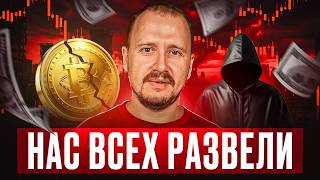

The Myth of Crypto: Why Most Investors Lose
43sChallenges the common belief that crypto always makes money, sparking curiosity and debate.
▶ Play Clip"Delivers on the promise of exposing crypto marketing tricks, but the sponsor segments and repetitive examples dilute the punch."
This video exposes how the crypto industry's real product is marketing, not blockchain. It breaks down the mechanisms—paid influencers, fake volume, stop hunting, and airdrops—that transfer wealth from retail investors to insiders, and offers three practical techniques to avoid becoming the exit liquidity.
The industry sells blockchain as a revolution, but billions are made in places average investors never see. The video promises to reveal how crypto marketing works and how to protect against shitcoins, fake volumes, and paid bloggers.
Bitcoin outperformed most assets long-term, but entering at the wrong time can leave investors below peaks for years. The game around the asset—when people are allowed in, at what price, and who is on the other side—decides profitability.
Every pump begins with a narrative in three stages: new technology that will change everything, institutional money coming in, and price flying. Retail buys out of fear of missing out, while insiders prepare to exit.
Influencers are often paid to promote tokens. Kim Kardashian received $250,000 for a post about EUM Max token, was fined $1.26 million by the SEC for not disclosing payment, and the token collapsed. Mayweather was also sued for pump-and-dump.
Market makers and bots trade with themselves to create illusion of demand. A NBER study found over 70% of volume on unregulated exchanges is fake. In October 2024, the SEC fined several market makers for inflating volumes.
Large players see where stop losses cluster and push prices into those zones to collect liquidations. On October 10, 2020, over $19 billion in positions were wiped out in a single day, mostly from leveraged traders.
Airdrops reward users with free tokens for actions like referrals and transactions. They are cheaper than advertising and turn participants into paid reach. Insiders hold tokens at much lower prices and often dump on newcomers.
Venture investors get tokens at 1 cent, public at 10 cents, and listing opens at $1. Funds make 100x before retail even knows the project. Many 2024 tokens had tiny circulating supply; $155 billion in locked tokens could unlock by 2030.
1) Catch FOMO—when you feel urgency to buy, slow down. 2) Check tokenomics—compare circulating vs total supply and look for upcoming unlocks. 3) Remove excess leverage—smaller positions reduce vulnerability to stop hunts.
Crypto has outperformed most assets long-term, but half the players don't know the rules and pay for those who do. The loser is not who came to crypto, but who came without learning the rules.
The video concludes that crypto is a powerful asset but is surrounded by a marketing machine that exploits retail. By understanding the narratives, fake volume, stop hunting, and tokenomics, investors can avoid being the exit liquidity and trade with discipline.
What is the main product of the crypto industry according to the video?
Marketing, not blockchain.
00:02
How much did Kim Kardashian get paid for her EUM Max token post?
$250,000
04:27
What percentage of volume on unregulated exchanges is estimated to be fake?
Over 70%
06:10
What is liquidity hunting?
Large players push prices into zones where stop losses and liquidations cluster to collect positions at better prices.
07:41
How much was wiped out in the crypto market on October 10, 2020?
Over $19 billion in positions, affecting more than 1.5 million traders.
08:08
Why do projects give away free tokens via airdrops?
Because it's cheaper than advertising and turns participants into paid reach.
09:06
What are the three techniques to protect yourself in crypto?
1) Catch FOMO, 2) Check tokenomics, 3) Remove excess leverage.
12:58
How much locked token value could enter the market between 2024 and 2030?
Approximately $155 billion.
12:44
Crypto's real product is marketing
Reframes the entire industry and sets up the video's core thesis.
00:02Paid influencer example with real numbers
Concrete case of Kim Kardashian's $250k post and SEC fine proves the mechanism.
03:43Over 70% of volume is fake
Shocking statistic from an academic study that quantifies the scale of wash trading.
06:10Three actionable techniques
Provides practical, non-technical steps any investor can apply immediately.
12:58Crypto is not a scam, but has strict rules
Balanced conclusion that avoids fear-mongering while emphasizing the need for education.
15:21[00:00] Нам рассказывали про технологии, про децентрализацию, про финансовую революцию и чудо блокчейна. Но что если главный продукт криптоиндустрии вовсе не блокчейн?
[00:13] Что если миллиарды долларов были заработаны там, куда обычного инвестора никогда не пустят? В этом видео разберем, как на самом деле работает маркетинг крипты и соберем защиту от шиткоинов, нарисованных объемов, платных блогеров, маркетмейкеров и прочих скамеров.
[00:32] Меня зовут Сергей, я автор канала Сэр Крипто, трейдер и инвестор с 20-летним стажем, дислеймер никаких финансовых рекомендаций в этом видео. Погнали! И сразу разберемся с главным мифом. Крипту продают как самый передовой инструмент для денег.
[00:47] И на длинной дистанции это во многом правда. За последние годы биткоин обогнал почти все классические активы и стал одним из самых мощных инструментов в десятилетия.
[00:59] Но, как всегда, не все так сладко. Давайте честно без розовых очков. Если взять не идеальную точку входа, где-то на дне, а конкретные периоды последних лет, картина уже не такая сказочная.
[01:12] Золото могло дать сильный рост, недвижимость в разных странах тоже могла серьезно подорожать, А биткоин, если заходить не вовремя, мог долго болтаться ниже своих пиков.
[01:25] И что в итоге? Парадокс? Нет. Вот тут и спрятана вся суть. Сам актив мощнейший. Скоро нет. Но сколько из этой доходности достается обычному инвестору, решает не только актив.
[01:38] Решает игра вокруг него. Когда людям дали зайти по такой цене и кто стоял на другой стороне сделки. Многие держали в руках тот самый лучший актив десятилетий и все равно остались в минусе.
[01:51] А до конца ролика будет три конкретных приема, которые помогают не дарить свою доходность чужим дядям. И начинается все, кстати, не с графика, а с истории, которую рынку рассказывают.
[02:04] Если такой разбор кредитов без розовых очков заходит, поддерживаем ролик лайком, оставляем комментарии, что вы об этом всем думаете. Подписываемся на YouTube канал, чтобы не потеряться и также подписываемся на Telegram канал, ссылочка будет в описании под видео. Там мы выкладываем самые свежие новости из мира криптовалюты, разные бонусы и акции. Ну а мы продолжаем.
[02:24] Любой рост, любой памп начинается не с графика, он начинается с истории, с нарратива. Людям никогда не продают просто монету, продают мечту. И работает это по нарастающей в три ступени.
[02:38] Ступень первая. Это новая технология, которая все изменит. Блокчейн перевернет мир. Токены на основе ИИ. Будущие реальные активы на блокчейне. Триллионы долларов. Звучит умно, звучит солидно. Большинство кивает.
[02:54] Ступень вторая посильнее. Сюда уже заходят серьезные деньги. Институционалы, крупные фонды, какой-то банк интегрирует, BlackRock что-то там купил. Логика простая. Раз умные люди заходят, значит и нам надо влетать. Верно?
[03:11] И ступень третья, самая мощная. Не успеешь. Цена уже летит, в чате орут, у кого-то иксы на скриншотах, и вот когда внутри щелкает, блин, все проходит мимо. Рука сама тянется к кнопке купить. Не потому что человек разобрался, а потому что испугался остаться в стороне.
[03:30] И самое обидное, к моменту, когда история докатилась до розницы, те, кто ее запустил, уже сидят в плюсе и готовятся выходить. Купили историю, а продавать будут реальность.
[03:43] Но у любой истории должен быть рассказчик. Кто-то, кому поверят. И тут на сцену выходят люди, которым доверяют даже больше, чем фондам. Вопрос. Почему вообще возникает вера, что какая-то монета взлетит?
[04:10] И платят ровно за то, чтобы люди купили в тот момент, когда сами организаторы уже готовятся выходить. Самый показательный пример. 21 год. Им Кардашьян, у нее тогда были сотни миллионов подписчиков.
[04:24] в посте про токен Ethereum Max. Дословно не финансовый совет, просто делюсь тем, что рассказали друзья. Мило, да? А сумма за этот совет от друзей 250 тысяч долларов за один пост.
[04:38] Чем кончилось? Американский регулятор SEC влепил ей в страс 1.260.000 долларов. Как раз за то, что оплату она не раскрыла. Сам токен после хайпа сложился почти в ноль.
[04:52] А те, кто поверил, остались с пустыми кошельками. Его, кстати, вместе с боксером Нивизером потом таскали по судам за классическую схему накачка и слив.
[05:04] Вот вся механика в одном кадре. Блогеру платят, люди покупают, организаторы выходят. Розница остается. Но один блогер, даже с миллионами подписчиков, в одиночку не нарисует кипящий объем торгов и ощущение, что монету скупают все вокруг.
[05:21] За этими цифрами стоят те, кто их буквально рисует. Картина знакомая многим. Заходим на биржу, смотрим на монету. Объем торгов огромный, миллионы долларов. В голове щелкает.
[05:33] О, спрос есть, монету берут, надо и мне. Вопрос простой, а объем-то настоящий. Короткий ответ часто нет. Теперь подробнее. Есть такая штука воштрейдинг.
[05:45] Отмывочная торговля. Это когда маркетмейкеры или боты гоняют монету туда-сюда сами с собой. Купили сами у себя, продали сами себе, на графике нарисовался объем, движуха, интерес, а реально покупателя нет.
[05:59] Зачем? Чтобы создать ровно ту самую иллюзию спроса. Чтобы монета залезла повыше в рейтинге, попалась людям на глаза и сработала мысль. Тут движ надо брать. И это не пара процентов.
[06:13] Большое академическое исследование, которое публиковало Национальное бюро экономических исследований США, показало, на нерегулируемых биржах в среднем больше 70% объема. Это вот такая фикция. То есть из 10 долларов оборота на экране значительная часть может быть просто нарисована.
[06:35] И за это уже наказывают. В октябре 24 года SEC прихватило сразу несколько фирм-маркетмейкеров. Они ботами накручивали токеном объемы за деньги. Поймали, доказали, оштрафовали. Все по-настоящему. Хорошо, спрос нарисован, но вопрос поинтереснее. Допустим, цена настоящая. Тогда почему она так часто идет ровно туда, где у трейдеров стоят соплосы, будто кто-то их видит?
[07:03] Ситуация знакомая очень многим. Трейдер ставит стоп-лосс, чтобы защититься. Цена падает ровно до этого стопа. Выбивает позицию и тут же разворачивается обратно вверх. Уже без него. Совпадение? Давайте разбираться.
[07:18] Первое, что приходит в голову, да, это просто рынок, паников все продают. Иногда да, но как-то слишком уж аккуратно. До копейки, до уровня, где висят стопы и толпы. Второй вариант, ну не повезло, тоже мимо.
[07:32] Невезения не бывает, столько и так регулярно. А вот настоящий ответ. Крупные игроки видят, где собрана ликвидность, то есть где стоит куша футболосов и заявок. Для них это просто бассейн, в который удобно нырнуть.
[07:47] Цены продавливают в эту зону, собирают все стопы и ликвидации, набирают позицию подешевле и отпускают обратно. 10 25 19
[08:15] был крупнейший ликвидационный удар по истории крипто рынка и важная деталь основная боль пришла на позиции с ключом. С ключом 100 к одному хватает движения в 1% чтобы вынесло. А крупные игроки
[08:28] прекрасно понимают где собралась толпа. Окей, это про тех кто уже торгует. А теперь про вход. Про то, что выглядит вообще как подарок и поэтому работает лучше любой рекламы. AirDrop. Схема такая. Выполни
[08:43] пару действий, подпишись, сделай транзакцию, приведи друга и лови бесплатные токены. Бесплатные деньги ну кто откажется вопрос чего вдруг проект раздает деньги незнакомым людям просто так короткий
[08:58] ответ потому что это дешевле рекламы посмотрим с двух сторон со стороны человека мне бесплатно раздали деньги повезло со стороны проекта мы получили сотни тысяч регистраций куча транзакций
[09:11] и шум в соцсетях практически даром один большой airdrop спокойно заменяет рекламную кампанию на миллион долларов то есть со стороны кажется что повезло урвал халяву а по факту участник раздачи
[09:25] это оплаченный охват бесплатные токены приманка чтобы люди завели кошельки сделали объем привели друзей и своими руками создали ту самую картинку живого бурлящего проекта иногда честный и реально
[09:40] щедрый airdrop бывает но куда чаще это обычная статья маркетингового бюджета и платят за нее вниманием и активностью сами же участники. И вот что важно, пока новички радуются бесплатным токеном
[09:54] на 100 долларов, те кто выпускал проект уже сидят в нем с другими суммами и под совсем другим ценам. Кстати, если работать с криптой не через мутные раздачи и щитки из чатов, а нормально, нужна
[10:08] адекватная площадка. Я для этого использую Bybit. Это топовая криптобиржа во всем мире, здесь удобный торговый терминал, спотовая фьючерсная торговля, множество инструментов для заработка,
[10:21] спот и премаркет торговля, копитрейдинг, торговые боты, в разделе Banking Earn можно открыть себе криптодепозит, также можно открыть себе платежную карту, такую же как банковскую, только здесь
[10:34] можно расплачиваться за покупки криптовалютой. После регистрации проходим куз верификацию, в разделе «Купить криптовалюту» и «Купить торговлю». Доступно пополнение баланса с банковской картой
[10:46] либо какой-то платежной системой. Ссылку для регистрации с максимальными приветственными бонусами оставлю в описании под видео. Не упускаем свой шанс. И если с чем-то не разберетесь, заходим на канал, плейлисты.
[10:59] Здесь есть целый плейлист обучения Bybit для новичков. В данном плейлисте вы найдете ответы практически на все вопросы касаемо криптобиржи Bybit. А также здесь разобрано множество способов для заработка на данной криптобирже.
[11:13] Вот, наверное, самый неприятный инсайт за весь ролик. Когда человек покупает новый модный токен на листинге и думает, отлично, захожу в самом начале, на самом деле он выходит последним.
[11:27] Смотрим на цепочку. Фонд, венчур, заходит в проект на самой ранней стадии. Условно по одному центу за токен. Потом чуть позже. токен продают публике подороже, например по 10 центов.
[11:41] А на бирже, на листинге, он открывается уже по доллару. Что видит розница? Ого, токен растет, надо брать. А что в этот момент думает фонд? Мы уже сделали 100 иксов, еще до того, как люди вообще узнали название проекта.
[11:56] А теперь добавим то, о чем уже говорили. Binance Research 2024
[12:14] и фондов. И когда приходит разблокировка , а ее график известен заранее, фонды получают свои токены, купленные по центу, и продают по текущей накачанной цене. Кому? Рознице. Вот почему
[12:29] многие новые токены после листинга уходят вниз. С 24 по 30 год на рынок может выйти залоченных токенов примерно на 155 млрд. долларов. И дело тут не в том, что проекту не повезло. Часто так
[12:46] устроена сама модель. Ранние заходят дешево, маркетинг разогревает интерес, а розничный инвестор становится ликвидностью для тех, кто зашел по центу. После всего этого кажется,
[12:58] будто тут вообще ловить нечего. Но нет, бежать не стоит, потому что когда видна вся кухня, начинается самое полезное. Что со всем этим делать? Проблема, как уже понятно, в том, что по умолчанию
[13:11] розница это корм. Те, на ком зарабатывают. Но это лечится. Три простых приема, без всякой магии. Прием первый. Поймать в себе FOMO. Когда на глаза попадается монета, которая летит вверх и внутри
[13:25] выгорается надо брать срочно прямо сейчас это сигнал притормозить это чувство включают специально сюда же относится халява раздают бесплатные токены или да ли удобно зайти самое время спросить а кто
[13:39] и зачем все это так удобно организовал прием 2 проверить токеномику до покупки хватает двух чисел сколько монет в обороте сейчас и сколько будет всего если в обороте маленький процент
[13:53] А впереди большие разлоки. Заход случается ровно перед тем, как фонды, купившие пациенту, начнут выходить. Специальные сайты показывают это бесплатно за пару минут. Прием третий. Убрать лишнее плечо. Большое плечо это способ самому подсветить крупным игрокам, где выносить. Те 19 миллиардов в октябре это в основном люди с плечом. Меньше плечо, меньше мишен. Вот и все. Никакого длиния блокчейна тут не надо.
[14:22] Достаточно перестать вести себя как идеальная жертва, и половина проблем отвалятся сами. А теперь одна мысль, которую стоит унести с ролика. Например, я все больше смотрю в сторону алгоритмической торговли.
[14:36] Когда рынок постоянно провоцирует на фома, лишние входы и эмоциональные решения, часть процесса лучше отдавать правилам. Драгонслай – это торговый бот, который работает по заданному алгоритму
[14:49] и помогает не превращать каждую сделку в ручную борьбу с самим собой. При автоматической торговле доходность здесь довольно приличная. От консервативных 6-8% в месяц к депозиту,
[15:03] до более агрессивных от 50% до 150% к депозиту ежемесячно. Ссылку на подробное видео оставил в описании под данным роликом. Но, как всегда, бот – это не волшебная кнопка, а инструмент, который надо понимать.
[15:17] Главное, хребта это не скан и бежать отсюда не нужно. Это инструмент, который на длинной дистанции обогнал почти все. Просто у него очень жесткие правила, где половина игроков их знает, а половина нет. И вторая половина платит за первую.
[15:33] Все, что разобрали. Почему лучший актив оказался в минусе у большинства? Истории, нарративы, платные блогеры, нарисованный спрос, охота за стопами, бесплатные аэродропы и фонды. Зашедшие по центу это просто карта местности. Видно, где вырытые ямы, значит можно по ним не ходить. Проигрывает тут не тот, кто пришел в крипту, проигрывает тот, кто пришел и не выучил правила.
[16:01] Не забываем про лайк, комментарий и подписку. Всем добра и финансового благополучия.
⚡ Saved you 0h 16m reading this? Transcribe any YouTube video for free — no signup needed.