
AI Summary
This video discusses a study published in Frontiers in Nutrition that investigates how specific dietary patterns influence the expression of mitochondrial microproteins, humanin and SHMOOSE, and their association with cardiovascular oxidative stress. The study, conducted on 49 older patients with nonvalvular atrial fibrillation, found that high adherence to a Mediterranean-style diet was linked to elevated levels of these microproteins and a significant reduction in oxidative stress markers, suggesting a potential mechanism for the cardioprotective effects of such diets.
Chapters
A study in Frontiers in Nutrition investigated how specific dietary patterns influence the expression of microproteins encoded within mitochondrial DNA, focusing on cardiovascular risk reduction.
Researchers analyzed 49 older patients with nonvalvular atrial fibrillation, average age 78.4 years, to evaluate the relationship between dietary choices, circulating mitochondrial microproteins, and markers of cardiovascular oxidative stress.
Mitochondrially derived peptides, such as humanin and SHMOOSE, are shorter than 100 amino acids and act as regulators of cellular stress response, metabolic homeostasis, and survival pathways.
Adherence was measured using a validated nine-point questionnaire. Scores 0-6 were low/medium adherence, 7-9 high adherence.
Concentrations of humanin, SHMOOSE, and oxidative stress markers NOX2-derived peptide and 8-isoprostane were measured.
Both SHMOOSE and humanin levels were significantly higher in the high adherence group compared to low/medium adherence.
Daily olive oil consumption (≥1 tbsp) was associated with higher levels of both microproteins. Low refined white bread intake (<1 serving/day) linked to higher SHMOOSE. Humanin was higher with ≥3 fish servings/week and ≥2 legume servings/week.
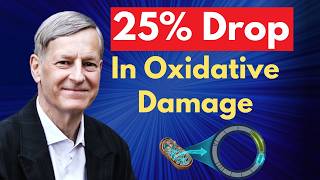
Humanin showed a significant inverse correlation with NOX2-derived peptide, remaining significant after controlling for sex and BMI. High adherence group had ~25% reduction in soluble NOX2 levels.
Changes in SHMOOSE levels did not show a statistically significant association with either oxidative stress marker.
Specific nutrients may act as signaling inputs that modulate mitochondrial biogenesis and microprotein production, operating through distinct pathways to influence health span.
Upregulation of humanin by olive oil, fish, and legumes is likely driven by omega-3 fatty acids and flavonoids activating AMPK and SIRT1.
Humanin acts as a signaling molecule and protein chaperone, binding to toxic elements like amyloid beta and pro-apoptotic molecules, and limits oxidative stress in endothelial function.
Preclinical evidence shows humanin treatment downregulates NOX2 expression, suggesting a dual mechanism: intrinsic antioxidant properties of foods and direct inhibition of NOX2 by humanin.
SHMOOSE mitigates amyloid beta-induced neurotoxicity, suggesting a role in neurological health, though not associated with oxidative stress markers in this study.
Cross-sectional design prevents causation, sample size small (49), cohort had moderate chronic disease burden, and dietary data self-reported with potential memory bias.
Consume at least 1 tbsp extra virgin olive oil daily, limit refined carbohydrates to <1 serving white bread/day, and aim for ≥3 fish servings and ≥2 legume servings per week.
The study suggests that specific dietary patterns, particularly those rich in olive oil, fish, and legumes, may enhance the production of mitochondrial microproteins like humanin, which could contribute to reduced cardiovascular oxidative stress. However, due to the observational design, further interventional research is needed to confirm causality.
Mentioned in this Video
Study Flashcards (8)
What are the two mitochondrial microproteins studied?
easy
Click to reveal answer
What are the two mitochondrial microproteins studied?
Humanin and SHMOOSE.
01:09
What was the average age of participants?
easy
Click to reveal answer
What was the average age of participants?
78.4 years.
01:23
What dietary adherence score defined the high adherence group?
medium
Click to reveal answer
What dietary adherence score defined the high adherence group?
Scores between 7 and 9.
01:50
Which food was associated with higher levels of both humanin and SHMOOSE?
medium
Click to reveal answer
Which food was associated with higher levels of both humanin and SHMOOSE?
Daily consumption of at least one tablespoon of olive oil.
03:18
What was the approximate reduction in soluble NOX2 levels in the high adherence group?
medium
Click to reveal answer
What was the approximate reduction in soluble NOX2 levels in the high adherence group?
Approximately 25%.
04:12
What is the gold standard marker for oxidative stress mentioned?
medium
Click to reveal answer
What is the gold standard marker for oxidative stress mentioned?
8-isoprostane (8-isoprostaglandin F2 alpha).
02:50
What are the proposed mechanisms for humanin upregulation by diet?
hard
Click to reveal answer
What are the proposed mechanisms for humanin upregulation by diet?
Omega-3 fatty acids and plant-derived flavonoids activating AMPK and SIRT1.
05:10
What is the primary limitation of the study?
easy
Click to reveal answer
What is the primary limitation of the study?
Cross-sectional design prevents causation.
07:00
💡 Key Takeaways
Humanin inversely correlates with oxidative stress
This is a key finding linking a specific microprotein to reduced cardiovascular damage.
03:57Nutrients as signaling inputs
Introduces the concept that diet can modulate mitochondrial function at a molecular level.
04:43Dual mechanism for cardioprotection
Proposes a combined effect of dietary antioxidants and humanin's inhibition of NOX2.
06:07Practical dietary targets
Provides actionable recommendations for the public based on the study's findings.
07:54Full Transcript
[00:07] diet is associated with a reduction in cardiovascular risk, but the precise mechanism driving this protection has not been characterized. Southern California, published in Frontiers in Nutrition, investigated how
[00:23] specific dietary patterns influence the expression of microproteins encoded within mitochondrial DNA. The researchers analyzed a cohort of 49 older patients with nonvalvular arterial fibrillation to evaluate the
[00:39] relationship between dietary choices, circulating mitochondrial microproteins, and markers of cardiovascular oxidative stress. Historically, small open reading frames within the mitochondrial DNA were
[00:53] overlooked during major genetic annotation projects. It's now known that these regions code for biologically active microproteins shorter than 100 amino acids. These molecules, known as mitochondrially derived peptides, enter
[01:09] the systemic circulation and act as critical regulators of cellular stress response, metabolic homeostasis, and survival pathways across various tissues. This paper looks at two of them, humanin
[01:23] and shmoo. The cross-sectional analysis evaluated 49 participants. The participants were of both sexes with The participants were of both sexes with an average age of 78.4 years.
[01:36] All participants possessed a baseline diagnosis of nonvalvular arterial fibrillation. Adherence to the dietary protocol was measured using a validated nine-point questionnaire tracking the daily and
[01:50] food groups. Participants scoring between zero and six were categorized into the low to medium adherence group, while those scoring between 7 and 9 formed the high adherence group.
[02:05] Exact concentrations of microproteins, humanin and schmooz, alongside two distinct markers of systemic oxidative stress were measured. NOX2 derived peptide and 8-isoprostaglandin F2 alpha.
[02:19] F2 alpha. NOX2, short for NADPH oxidase 2, is a membrane-bound enzyme complex that intentionally generates reactive oxygen Specifically, superoxide radicals to kill invading pathogens in immune cells,
[02:34] though its overactivation can cause oxidative stress and cellular damage in chronic inflammatory or aging states. While 8-isoprostaglandin F2 alpha, commonly called 8-isoprostane, is a chemically stable byproduct formed
[02:50] when oxygen free radicals attack and damage arachidonic acid in our cell membranes, making it the gold standard marker. Measured in urine and blood to accurately track the exact level of oxidative stress and lipid damage
[03:04] occurring in the body. Both schmooz and humanin levels were significantly raised in the high adherence group when compared to the low to medium adherence When evaluating individual dietary components, specific foods demonstrated
[03:18] strong correlation with microprotein expression. Daily consumption of at least one tablespoon of olive oil was associated with a significantly higher levels of both schmooz and humanin.
[03:31] A low intake of refined white bread, defined as less than one serving per day, was linked to a significant increase in schmooz levels. Furthermore, humanin concentrations were significantly higher in individuals who
[03:43] consumed at least three servings of fish per week and at least two servings of legumes per week. The study also demonstrates that elevated humanin levels correspond to lower markers of cardiovascular damage.
[03:57] Humanin displayed a significant inverse correlation with the oxidative stress marker Nox2 derived peptide. This association remains statistically significant after controlling for sex and body mass index.
[04:12] Individuals in the high adherence group showed an approximately 25% reduction in soluble Nox2 levels compared to the low adherence group. A significant inverse correlation was also noted between humanin and 8-isoprostane in levels
[04:28] with the high adherence cohort displaying a lower overall values. In contrast, changes in shMOOSE levels did not show a statistically significant association with either oxidative stress marker. The data suggests that specific
[04:43] nutrients act as signaling inputs that modulate mitochondrial biogenesis and microprotein production. These molecules operate through distinct pathways to influence long-term health span. A quick look at the two
[04:56] mitochondrial proteins and how they may have been promoted by the diet. Humanin have been promoted by the diet. Humanin is encoded within the 16S ribosomal RNA region of mitochondrial DNA and exerts systemic cytoprotective effects.
[05:10] The upregulation of humanin by olive oil, fish, and legumes is likely driven by the synergistic action of omega-3 polyunsaturated fatty acids and plant-derived flavonoids which activate key metabolic master regulators like
[05:25] AMPK and SIRT1. Humanin is a signaling molecule and a protein chaperone that stabilizes cellular structures. It travels through the systemic circulation binding directly to toxic
[05:38] elements like amyloid beta and pro-apoptotic molecules to block them from causing cellular damage. In the cardiovascular system, humanin limits oxidative stress in endothelial
[05:51] function. The inverse relationship between humanin and soluble NOX2 peptide indicate a critical molecular crosstalk. NOX2 is a primary enzymatic source of harmful reactive oxygen species in the
[06:07] vascular wall. Preclinical evidence shows that humanin treatment directly downregulates NOX2 expression, pointing to it possibly being causal. Therefore, the cardioprotective benefits of the dietary pattern may be driven by
[06:20] a dual mechanism, the intrinsic antioxidant properties of the nutrient defense foods combined with direct inhibitory effect of humanin on NOX2 activity. The microprotein Shmoo is encoded in a
[06:33] small open reading frame in the mitochondrial DNA. Although in this study, Shmoo was not associated with lower oxidative stress markers, background research indicates that Shmoo mitigates amyloid beta-induced
[06:45] neurotoxicity, suggesting a role in supporting neurological health during While these findings offer vital insights into nutrition and mitochondrial biology, there are some limitations to consider.
[07:00] cross-sectional study prevents the assignment of direct causation to the dietary choices. The sample size was limited to 49 individuals, and the entire cohort possessed a moderate baseline burden of
[07:14] chronic disease, specifically arterial fibrillation. So, this could be different for a healthy population. And the dietary data was self-reported through a brief questionnaire, which
[07:26] introduces memory bias and cannot fully account for the exact caloric and account for the exact caloric and macronutrient distributions. As always, more research, specifically interventional trials with larger
[07:39] cohorts, would be helpful as a follow-up. current data suggests that incorporating specific dietary targets may support the natural production of circulating mitochondrial microproteins.
[07:54] Consuming at least 1 Tbsp of extra virgin olive oil daily represents the most consistent trigger associated with elevated levels of humanin and shmoo. Limiting refined carbohydrates to less than one serving of white bread per day
[08:10] avoids intracellular glucotoxicity and supports optimal shmoo concentrations. Aiming for a weekly target of at least three servings of fish and at least two servings of legumes provides the necessary fatty acids and phytonutrients
[08:25] correlated with optimal humanin production. statement from the paper where the authors declare essentially that there were none. This discovery opens up a lot of
[08:38] questions about how your daily choices communicate with our mitochondria. What are your thoughts on these findings? Or how realistic do you find protocol?
[08:51] below. Thank Thank you for your attention and I Thank Thank you for your attention and I wish you all well.