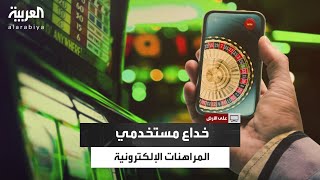

مراهنات إلكترونية: إعلانات خادعة
45sيكشف الخداع في إعلانات المراهنات التي تستخدم وعودًا كاذبة لجذب الشباب.
▶ Play Clip"The title accurately reflects the transcript's focus on fake promotions and addiction, but lacks the religious perspective which is a significant part of the content."
The transcript exposes how online betting platforms use fake promotions and agents to lure young people into gambling, often leading to addiction. It details deceptive tactics like demo accounts with fake winnings and the psychological manipulation through data collection. The discussion also covers religious perspectives from Islam and Christianity that prohibit gambling.
Influencers are paid to claim fake profits, like making a million pounds, to entice young people.
Agents earn 25% of a user's losses when they sign up using a promo code.
A demo account with 100,000 pounds was shown as fake winnings to lure users.
Both Islam and Christianity reject gambling as corrupting or sinful.
Apps collect personal data like photos and location to create profiles for manipulation.
Addiction is characterized by inability to stop and irrational thinking, like believing gambling will solve debts.
What percentage of a user's loss does an agent get when someone uses their promo code?
The agent gets 25% of the user's loss when someone deposits using their promo code.
01:33
What was the 100,000 pounds account that the agent showed?
It was a demo account with fake money to lure users.
02:02
What are the two characteristics of gambling addiction mentioned?
Inability to stop the behavior and irrational thinking.
04:59
What do Islamic and Christian teachings say about gambling?
Both Islamic and Christian teachings prohibit gambling.
02:58
How do gambling apps manipulate users according to the transcript?
They collect data like photos, location, and call patterns to create user profiles.
04:25
Agent Commission on Losses
Reveals the financial incentive for agents to promote gambling, as they earn 25% of user losses.
01:33Fake Demo Accounts
Demonstrates a common deceptive tactic where fake winnings are shown to lure users.
02:02Addiction Characteristics
Provides clear diagnostic criteria for gambling addiction, similar to substance abuse.
04:59Religious Prohibition
Highlights that both major religions condemn gambling, adding a moral dimension.
02:58[00:00] انتشرت ألعاب المراهنات الإلكترونية من خلال إعلانات بثتها منصات المراهنات على وسائل التواصل الاجتماعي إضافة إلى الترويج المقصود إذ قام كثيرون بنشر مقاطع مصورة يقومون من خلالها بالدعاية لتطبيقات المراهنات الإلكترونية بمقابل مادي
[00:19] حاب بقولك إنك لو عملت حساب جديد وسجلت بالبرمكود الزرق دامك على الشاشة هستفاد بأعرض دعف الإداء الأول وكمان دعف أي إداء هتعمله من جمعة ومعظم الحن بتبقى مش حقيقية بيبقى متفوله عشان يقول الكلمة دي
[00:32] ده يا جماعة الشهر ده حققت مليون جنيه أرباح طبعا ده رقم يسيل لعب أي حد شاب أنه هو بشوية فلوس قليلة وبلعب على الموبايل قدر أنه يحققها
[00:46] موسيقى محمد عشماوي أحد هؤلاء الذين تحولوا من لاعب إلى وكيل لشركة مراهنات عن طريق الإنترنت
[01:00] يحكي لنا كيف اتصل به مدير لعدد من الوكلاء وطلب منه الانضمام للفريق والترويج للعبة حسابه نكسبت لما تيجي تسجل منه بتربط بركم هاتف فأنا لما ربطت بركم هاتف هو توصل مني معي تليجرون
[01:15] 21 21
[01:27] فعلت له البروموكود قلت له طب أنا أكسب منه ازاي؟ قال لي تكسب منه لما شخص يعمل إداع بالبروموكود بتاعك لو خسر لك نسبة 25% من خسارتك كل الفلوس دي وهمية وكل اللي انت شايفه ده وهمي
[01:43] ليه؟ علشان يجوروك انك انت تخش ولما تخش عن طريقهم ياخدوا نسبة من خسائرك انت تيجي انت تخسر 100 ألف جنيه هم يجيلهم في حسابهم 30 ألف جنيه بقال ليتو بعدين راح بعيت لي حساب فتحته لقيت فيه 100 ألف
[01:55] فأنا تصدمت بقى استغربت ايه 100 ألف يا عم انت بترمي فلوسك بتاع جيت أسحبهم بتقولي لها ان ده حساب ديمو فيك أساسا حساب ديمو يعني ممكن يسحب معاك ينقص المبلغ في الحساب بس مش هيوصلك على المحفظة
[02:10] غير حقيقي غير حقيقي بيروك بي هو على اليوتيوب بقى بأنه هو بيكسب مليون واثنين وثلاثة وحط البروموكوت بتاعي أنه أنا بيكسب منه بس كل ده كلام فيك في فيك عشماوي ابتعد عن المراهنات عطفا على الوازع الديني
[02:24] الذي لا يبدو أنه قوي بما فيه الكفاية عند آخرين فكثير من من تحدثنا إليهم كان على دراية بأن المراهنات حرام لكن الإدمان كان أقوى منهم
[02:53] وإنما الترويح المقبول، الترويح المباح ليس الترويح الذي يؤدي إلى مفسدة المسيحية ترفض تماما القمار والمرهانات وكل الأفعال المشابهة
[03:14] هو كظاهرة موجودة في المجتمع لا شك أنها بدأنا نتلامس معها من خلال ممارسة أبناء الكنيسة لسر الاعتراف أو المشكلات الناتجة عن هذا السلوك
[03:35] وكما استشعرت الكنيسة من خلال طقس الاعتراف رصد مركز الفتوى مكالمات ترد إليه تسأل في الأمر أو تشكو من آثاره المدمرة أما المراهنون فعادة ما يصابون بحمى الرغبة المحمومة في التعويد
[03:51] عندما تتحول الأرباح إلى خسائر أنت عقلك مش موجود
[04:10] من خلال برنامج هو عمله لك بيلعب بيك مش انت اللي بتلعب بيك الاي اي ابلكيشن اللي بتنزل على الموبايل دي بياخو الصلاحيات من يتفرج على حاجات كتيرة عندك على الموبايل فيقدر يشوف الفوتو جالري بتاعتك
[04:24] بيقدر يشوف انت ساكن فين بيشوف طريقة مكالماتك والمكالمات دي بتعملها الجهات شكلها ايه ومنها بيقدر يكون بروفايل جيد جدا عن المستخدم بتاع الموبايل داوة
[04:37] ويقوم حطه بقى في تراك يتناسب مع امكانياته والسايكلوجية بتاعته وبسهولة شديدة يتحول الامر الى ادمان لا يختلف عن ادمان المخدرات او المسكرات
[04:49] المذكرات ومن مظاهره عدم قدرة الشخص على التوقف عن هذا السلوك. فلو كانت الإجابة لا مش قادر يوقف السلوك ده يبقى دي أول خاصية بنبص عليها إذا كان السلوك الإدماني إذا كان السلوك ده إدماني أو لا.
[05:04] الخاصية الثانية هو التفكير غير العقلاني. أكيد المنقمرة ديت أو الفعل دوت هو اللي هيحقق لي أن أنا أرجع يعني أن أنا أسد ديوني
[05:17] أو أن أرجع لحالة الاقتصادية التي كنت فيها فهذا تفكير غير عقلاني واضح جدا
⚡ Saved you 0h 05m reading this? Transcribe any YouTube video for free — no signup needed.