
The Cost of Preventing Communism
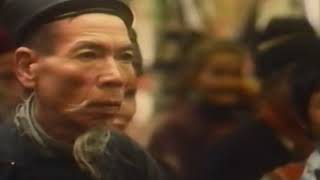
45sThis clip opens with a powerful justification for war spending, immediately engaging viewers with the high-stakes domino theory and Cold War tensions.
▶ Play ClipThis documentary examines the Vietnam War, exploring its origins in Vietnamese history, French colonialism, and the rise of Ho Chi Minh. It covers the war's impact on American soldiers and the unresolved questions left after the conflict ended.
The US viewed aid to Vietnam as a cheap way to prevent communist control spreading across Southeast Asia, threatening global peace.
The war was undeclared, without front lines, and blurred lines between friend and enemy, leaving soldiers questioning what was won.
Soldiers had easy access to drugs like marijuana, opium, and heroin, reflecting the war's chaotic environment.
The war's end left unresolved issues, with some calling it a noble cause and others a shameful venture.
Vietnam's 2,000-year history includes resistance against Chinese rule, with figures like the Trung sisters celebrated as heroines.
The French imposed 'mission civilisatrice,' exploiting Vietnam through plantations and mines, leading to brutal conditions and peasant suffering.
Ho Chi Minh, born about 1890, became a communist activist in France, later organizing for Vietnamese independence.
Japan occupied Vietnam during WWII, using its resources while allowing French administration, which undermined French prestige.
A terrible famine killed an estimated 2 million Vietnamese, blamed on French and Japanese hoarding, boosting Viet Minh support.
On September 2, 1945, Ho Chi Minh declared Vietnam's independence, echoing the US Declaration of Independence, but US support was not forthcoming.
The Vietnam War's legacy remains contentious, with deep roots in colonial history and nationalist struggle, leaving lasting questions about American involvement and the war's true cost.
[00:21] the humanities by public television stations and by the for over a hundred years providing worldwide business and personal insurance through independent agents and brokers
[00:35] george d smith fund the christopher reynolds foundation the corporation for public broadcasting and other contributors this program contains scenes of graphic violence viewer discretion is advised
[01:18] [Laughter] [Music] so when the united states votes 400 million dollars to help that war we're not voting for a giveaway program we're voting for the cheapest way that
[01:32] we can prevent the occurrence of something that would be of the most terrible significance the united states of america our security
[01:44] communists would control vietnam pretty soon thailand cambodia laos malaya would go if this little nation goes down independence ask yourself what's going to happen to
[01:59] ask yourself what's going to happen to all the other little nations and come home and the communists took over south vietnam
[02:11] then all over southeast asia all over the pacific in the mideast in europe in the world the united states would suffer a blow and peace because we are the great peacekeeping nation in the world today
[02:26] because of our power would suffer a blow from which it might i recover marines finally an army of half a million
[02:47] it was an undeclared war a war without front lines or clear objectives
[03:02] [Music] a war
[03:19] people but we always won so to me i think of it now i don't know what we won we won a a box on a map where the next day we left it
[03:33] day we left it and we never came back maybe [Applause] it was a war that blurred the line it was a war that blurred the line between friend and enemy
[03:52] and destroyed and killed i didn't see any gorillas being killed only
[04:06] kill you just as quick as a 25 or a 26 year old man playing cowboys and indians over there they've been playing it for real
[04:26] most americans knew ho chi minh and his followers fought for ho chi minh and his followers fought for decades
[04:38] then against the americans and their south vietnamese ally
[05:14] inside out [Music] a war that changed the gis who fought it gi you want vietnamese cigarette gi you want vietnamese cigarette for boxed tide you could get a carton of
[05:29] pre-packed pre-rolled marijuana cigarettes soaked in opium pure heroin you could get liquid opium speed acid you could get liquid opium speed acid anything you wanted
[05:48] he got small arms small arms uncensored battle reports flashed to the uncensored battle reports flashed to the folks at home
[06:01] where they are that's the worst you lost any friends quite a few we lost one the other day oh thank you
[06:20] in huge numbers openly and passionately
[06:38] the vietnam war ended when the communists took saigon
[07:00] the end of the war left questions and issues that are still unanswered issues that are still unanswered and unresolved
[07:15] well it's time that we recognized ours was in truth a noble cause let us tell those who fought in that war that we will never again ask young men to fight and possibly die in a war our government is afraid to let
[07:31] in a war our government is afraid to let them win vietnam a noble cause a shameful venture
[07:44] america the vietnam war is not over not for the hundreds of thousands who have fled the communist regime
[07:59] devastated country that is still at war in cambodia and that is still at war in cambodia and with china
[08:21] this television series looks back on a hard chapter in america's history and examines the questions now being asked by more and more americans by more and more americans how we got there and what we did there
[08:41] two and a half million americans fought in vietnam [Music] [Applause]
[09:18] [Music] america's war in vietnam lasted 15 years but the vietnamese have known war a long time time more than 2 000 years
[09:33] giant neighbor to the north for centuries vietnam was the southernmost part of china's empire
[09:46] and customs but they never accepted chinese rule today throughout vietnam they commemorate the trung sisters who led a rebellion against china in the first century after christ
[10:08] sisters are still heroines part of a long line of vietnamese who part of a long line of vietnamese who fought foreign domination fought foreign domination [Music]
[10:23] our history from the time of the hung kings and the trung sisters kings and the trung sisters to the era of president ho
[10:39] their best to defend the country and to build the national
[10:51] after the trungs to evict the chinese then they pushed south to their present borders conquering other peoples in their path
[11:11] fragmented in a series of civil wars despite their internal conflicts the vietnamese regarded themselves as the vietnamese regarded themselves as one country and one people
[11:25] fight off the conquering europeans in the 19th century they took over central and northern vietnam during the next two decades
[11:41] and by 1885 vietnam had once again lost its independence laos cambodia and vietnam
[11:56] regions coaching china anam and tan kin to the vietnamese the division was a deliberate attempt to destroy their
[12:08] deliberate attempt to destroy their national unity colonies were recorded in the early nineteen hundreds
[12:35] indo-chinese cultures and saw very little it considered civilization
[12:48] french version of the white man's burden the mission civilization the bringing of civilization and catholicism to the natives
[13:03] called all resistors pirates and they sent in the troops for the and they sent in the troops for the first pacification of vietnam
[13:19] printed on postcards which soldiers sent home to sweethearts in paris home to sweethearts in paris with kisses from hanoi
[13:31] resistance under control then the french could concentrate on the economics of colonialism trying to transform vietnam into a source of profit they opened factories and expanded the
[13:45] they opened factories and expanded the mines in the north in the south they developed tea rubber and rice plantations
[14:00] an export stayed high even if it meant the peasants starved
[14:13] of high taxes and hard forced labor they worked from dawn till dusk but they did not have enough to eat
[14:25] even though indochina was a financial sinkhole the french nation spent millions of francs each year to protect and support while french companies like michelin rubber made millions in profits from
[14:39] rubber made millions in profits from factories and plantations french newsreels showed only clean modern workplaces but in fact the vietnamese worked under the most brutal and degrading conditions
[14:58] in the rubber plantations the workers were treated so inhumanely that they died young and died in droves there was a saying rubber trees because their corpses were buried under
[15:12] because their corpses were buried under the trees these hard years vietnamese society was reeling under the
[15:26] vietnamese society was reeling under the impact of westernization french culture permeated the cities bringing western fashions and ideas
[15:40] some french scholars and artists admired vietnamese civilization vietnamese life but most french felt superior to the natives
[15:55] sons a western education almost all of those who would lead the next resistance to the french were french educated
[16:10] to trace he was always mysterious about himself and preferring in later life to present himself as the benevolent uncle ho
[16:23] himself as the benevolent uncle ho ho was born about 1890 as nguyen tatan the son of an official who resigned rather than serve under the french as a young man hole left his country working as a ship hand and cook
[16:36] working as a ship hand and cook in america britain and france and sent a request to the ministry of colonies i would like to be useful to france he wrote in its dealings with my people
[16:50] and he asked to be admitted to the colonial training school he was told to apply elsewhere in 1917 home moved to paris he took the pseudonym nuenai quoc nguyen the patriot
[17:05] and began to agitate for vietnam's independence versailles conference following world war one but was not admitted his effort made him famous among the vietnamese in france
[17:22] attention of the french police they ran an investigation on this young potential troublemaker and dismissed him with the description awkward looking mouth constantly open in a stupid smile
[17:42] member of the french communist party the first vietnamese communist he remained in france editing an anti-colonial paper called la paz the outcast and supporting himself as a photographer's assistant
[17:57] showed he was still concerned with vietnam vietnam which he had not seen for ten years
[18:12] the communists sent nguyen quark to moscow for training in 1923 then as a communist agent he went to china from there his exact movements become difficult to follow
[18:28] he traveled widely organizing expatriate vietnamese into a revolutionary party reports during the next 17 years placed him in germany him in germany china thailand france russia
[18:42] he was not in vietnam but his followers were part of new anti-colonial revolts competing for popular support with non-communist revolutionaries
[18:57] on february 6 1930 the animite rebels attacked a military post in yemen and the same day in hanoi some rebels attacked police headquarters
[19:10] they just had a few sardine cans filled with gunpowder and they broke a few i saw the cops in the street and they were all confused were all confused but i said this is not that serious
[19:25] who were members of a non-communist party the vnqdd most of them were executed in june but the unrest spread throughout several
[19:37] provinces as the peasants often led by the small indochinese communist party the small indochinese communist party demonstrated and seized land rebellions i know a year later
[19:53] there was a revolt in vinn drought had struck the province of vin anything to eat sent a delegation to the provincial they asked as this was a tradition that dated back to the time of the emperors
[20:09] for a waiver of taxes during the drought the government rejected this demand and got frightened by this large number of peasants on the roads
[20:59] arrested that year and nearly 100 party leaders executed the indochinese communist party was virtually destroyed
[21:11] the communist party had been founded in 1930 and in 1931 the french stepped up their depression of revolutionaries
[21:24] they thought that my brother had put up some red banners
[21:46] were cement bridges along which the french guards marched back and forth so that in case something happened they could always pour down bullets on us
[22:11] places where revolutionaries trained themselves pacified years earlier they had settled on a pliable member of the royal family kaiden as emperor to put the stamp of
[22:25] kaiden as emperor to put the stamp of legitimacy on their decisions his son baudai was sent to france for his education
[22:39] taste for french wine and a reputation as a playboy after kaiden's death the young emperor baodai performed as instructed baodai performed as instructed attending paris receptions
[22:58] during the years of the worst colonial repression
[23:36] is [Music]
[24:10] france [Music] japan pursuing its conquest of china wanted to block the transport of war materiel through vietnam
[24:30] fell to nazi germany japan demanded the right to land forces japan demanded the right to land forces in indochina the french governor made his own decision
[24:47] number of rights within very specific conditions of french sovereignty over indochina
[25:19] maintaining the essentials of french sovereignty over indochina while sacrificing only a few rights to the japanese under the agreement japanese troops would use french indochina's air bases
[25:33] and facilities japan let the french bureaucracy continue to manage civil administration freeing the japanese to prepare for freeing the japanese to prepare for further conquest
[25:49] railways became crucial to japan's war machine machine as did its rice rubber and coal
[26:01] they were the only europeans that the conquering japanese left free conquering japanese left free throughout the war
[26:27] vietnamese asians like themselves had overthrown the european colonials for it was clear who was in charge
[26:39] and to the united states japan's actions looked increasingly ominous president roosevelt pressured japan by cutting supplies of scrap metal and imposing an oil embargo in negotiations at the end of november
[26:52] 1941 the united states proposed that japan the united states proposed that japan withdraw from indochina entirely ten days later the japanese attacked pearl harbor
[27:12] conquering british and dutch and american territories french indochina was a small part of a world war indochina and even the other countries of southeast asia were really
[27:28] relatively small potatoes particularly in connection with the war i became chief of the division of southeast asian affairs in the state department on july 1st 1944 during the war
[27:41] there were no activities at the moment that we as a department had to do but we were concerned to find that i was concerned to learn that the president had already decided that indochina should be under uh on
[27:56] after the war he apparently told a great the french to go back that they've been there over 100 years off than now than they were then roosevelt
[28:11] allied leaders the allies met repeatedly during the war of oppressed peoples to choose their own governments but they never said how this would be done
[28:28] britain's prime minister winston churchill and the british were opposed to dismantling the french empire churchill saw it as the first step to the end of the british empire
[28:44] and general de gaulle head of the free french forces made it clear that to him french forces made it clear that to him indochina was still french
[29:04] at various times he talked about international trusteeship or chinese or even french trusteeship well of course that really meant that he'd abandoned his position but i think a great deal of that was
[29:18] because of one the pressure of the other countries who did not want to have they're willing to have trusteeship for any territories of the enemy any territories of the enemy but not their own in early 1945
[29:31] the collaboration between the japanese and the french and indochina ended the war was going badly for the japanese a small french resistance movement had begun in vietnam
[29:44] an allied bombing around saigon further alarmed the japanese
[30:27] with brilliant coordination they imprisoned all french troops except for a few that were out on maneuvers after months of hardship the survivors after months of hardship the survivors reached china
[30:50] french rule saved at the expense of french pride in 1940 french pride in 1940 was destroyed
[31:04] ambassador made an offer to emperor bao dai who had spent the war to emperor bao dai who had spent the war years in hui yeah it was on me he said to me yesterday
[31:41] independence for independence has been a forbidden for independence has been a forbidden word for a century vietnamese nationalist groups but other groups were both anti-french
[31:56] and anti-japanese the most important was the viet minh founded in 1941 by nuenae kwak he had returned to vietnam after 30 years with a new name ho chi
[32:09] minh meaning he who enlightens guitar
[32:43] trust in the movement was further established widely known in the country people knew that he was a great patriot
[32:57] like ho many viet men leaders were veterans of the old indo-chinese communist party but the viet minh during the war was nationalist not communist in program it organized guerrilla bases
[33:12] trained countries harassed the french and japanese and spread propaganda and japanese and spread propaganda urging the peasants to resist why did the vietnamese while other asian nationalists collaborated
[33:26] nationalists collaborated [Laughter] i apologize but this is a very funny question overthrown the french
[33:40] and begun to dominate our country so of course we had to fight the japanese
[33:53] terrible famine people blamed the french and japanese who were hoarding rice feeding into japanese troops and even exporting it to japan while an estimated 2 million vietnamese
[34:07] out of 8 million in the northern areas died how come we suffered in 1945 because of the arrival of the japanese the french were already exploiting us
[34:21] on top of the french the japanese were exploiting us because since march 9th our administration
[34:48] would come on huge chunks from saigon along the coast administration that set up this supply whereas the japanese could not care less
[35:08] so many people died of hunger here in this village
[35:58] 000 starving poor peasants arrived in hanoi
[36:16] the french did not organize any hunger relief to carry out any hunger relief effort of our own
[36:48] saw five to seven corpses of people who had died the night before seize rice stocks and gained tremendous prestige
[37:03] this peasant support gave them a political edge they never lost political edge they never lost it's a long tough road to tokyo it's a long tough road to tokyo it's longer to go to tokyo than it is to
[37:17] it's longer to go to tokyo than it is to berlin in every sense of the wood the defeat of germany will not mean the end of the war against japan as the war in europe drew to a close allied attention turned to asia and the
[37:30] allied attention turned to asia and the war against japan one of the pressing needs was intelligence peoples they had given the allies information
[37:45] they had given the allies information about japanese troop movements and its leader ho chi minh
[37:59] ran into occasionally as one of the nationalist nationalist leaders among the vietnamese leaders among the vietnamese leader of a communist group but
[38:11] we have no idea whether he carried any weight or anything about him until our oss was actively in the field and when uh ho chi minh began his very helpful operation of rescuing downed flyers
[38:28] who had come in fallen in the jungle i first met ho indochina in the last days of april of 1945.
[38:41] he was quite an interesting individual very sensitive very gentle a rather frail type we spoke quite at length about the general not only in indochina but the world at large
[38:55] large we knew he was a communist but we also felt as they did and the way everybody who has known met ho chi minh that i've ever talked with had the same feeling
[39:07] he was first nationalist and second a communist independence of his people and then he thought communist type of government but he was a
[39:22] nationalist first and foremost the viet minh agreed to help the allies major patty sent a training group the major patty sent a training group the deer mission into the northern mountains
[39:39] the deer team went in and they organized out of about 500 vietnamese we selected with the help of general [\h__\h] selected 200 we spent the next four weeks training these young men into the art of
[39:54] using automatic weapons demolition equipment and the infiltrating exfiltrating into various dangerous areas various dangerous areas there for the first time
[40:06] were nationalists really what we used to say gung-ho type
[40:21] their cause the cause of independence against the french before whose men could prove their willingness world war ii was over the
[40:38] sudden japanese collapse took many in french indochina by surprise but the viet minh were ready for what they called the august revolution declaring vietnam independent they marched in to take hanoi
[40:50] peacefully ho chi minh formed a government in hanoi carefully mixing in members of other nationalist groups
[41:02] moderating influence his followers started purging rival his followers started purging rival nationalists
[42:01] minh and perhaps reinforcing the idea of american support was the oss asked me to come in and stop in and see him at which time he wanted to show me something and what he wanted to show me was a draft
[42:14] he was going to declare several days later i of course it was in vietnamese and i couldn't read it and when it was interpreted to me i was quite taken aback to hear the
[42:29] words of the american declaration of independence words about liberty and life the pursuit of happiness etc of happiness etc i just couldn't believe my own ears
[42:45] i just couldn't believe my own ears on september 2nd 1945 on board the uss missouri and tokyo bay japan formally surrendered and on the same day throughout vietnam the vietnamese celebrated their
[42:59] self-proclaimed independence day and the formation of a new country the democratic republic of vietnam in hanoi ho chi min read a speech that all men are created equal they are endowed by their creator with certain
[43:14] endowed by their creator with certain inalienable rights i can say that the most moving moment was when president ho chi minh
[43:54] everyone there after a moment of silence they all shouted yes
[44:07] with our mouths but with all our hearts the hearts of over 400 000 people standing in the square then
[44:37] an airplane a small one circled over us [Music]
[44:50] enthusiastically ho chi minh was on a silver platter in 1945 we had him he was leaning not towards which at the time he told me that the ussr could
[45:04] not assist him because they just won a war only by war only by dint of real heroism anyone so really we had ho chi minh we had the
[45:17] viet minh we had the indochina question in our hand few american officials shared major patty's assessment oh appealed to president harry truman but he would probably have accepted anyone's support
[45:32] anyone's support truman did not respond to ho's letters in august 1945 and had not had time to formulate a policy on indochina
[45:45] there was quite a division in the state department over indochina both the far eastern office and the european office were in complete agreement that we wanted a strong france
[45:58] recovered in europe the from the trauma of uh of uh vici and the defeat in the war felt the to help get the french back on their
[46:11] we should go along with practically anything that the french wanted we in southeast asia division and the and the far eastern office on the other hand were very conscious of the tremendous
[46:25] surge of nationalism that had taken place what was taking place had already thrust forward at accelerated speed during the war and the result was the department had no official policy towards indochina
[46:42] the allies had worked out a compromise plan to disarm the japanese above the 16th parallel the chinese would take the surrender of japanese the british would do the same in the south they arrived in saigon in early
[46:55] south they arrived in saigon in early september slice of paris it was a wonderful experience after what
[47:09] through and i think that we had not been warned that there was a political situation on our hands and we were driven into saigon and there were banners out saying welcome to the allied commission in english
[47:24] the situation was apparently completely peaceful then the local people who we came to know as the animites started digging up the road at night you'd be driving along and suddenly a
[47:36] tree would drop in front of you and it moved on from there to a incendiarism at night point to another becoming a more difficult
[47:51] the british commander general douglas gracie was a seasoned colonial officer with limited political experience his orders were to disarm the japanese and maintain law and order his staff officers included brigadier
[48:06] d.e taunton it was a very difficult period for me at that time the japanese were in control and were armed the french were imprisoned
[48:21] by the japanese and my job was to release them and the animites appeared to be in control of government buildings and so on and so forth so
[48:33] of trying to rearm the french trying to trying to rearm the french trying to disarm the animites and not bothering very much about the japanese
[48:48] japanese who were well behaved and left them i left them with their small arms for a while our administration in order to reinstall a pro-french
[49:03] administration to do this he intentionally went against allied orders to disarm the 100 000 japanese troops
[49:17] instead of disarming them he disarmed us the revolutionary forces of vietnam the french legionnaire regiments to fight against the vietnamese revolution and everything got a bit out of hand and
[49:32] the only logical thing to do was to re-arm the japanese who were highly trained they had surrendered and they were at that time reliable it was a bit odd to do it i admit that
[49:48] but it worked thing to do because i had been dealing with the
[50:00] japanese quite a lot um answering their problems about terms of surrender and so on and so forth and i felt it was far better and i felt happier to have re-armed japanese in control
[50:15] of the key points rather than rather trigger-happy and untrained frenchmen as some of they were running about and offering themselves as targets to
[50:27] the anomites and the animites taking full advantage of it accommodate gracie he came here with only two battalions of indian troops it was not a formidable force but we
[50:42] still did our best to help him we turned over our headquarters to him and we enabled his troops to move about freely
[50:54] imposed a curfew but gracie's troops and the japanese soldiers could move around and he took advantage of this to mount a sneak attack on us on september 23rd
[51:10] the orders as i remember them where on the twenty third on the twenty third the french would take over certain key points quickly quietly
[51:26] assisted by my troops when necessary my troops would also take over the bank and the post office and all this would be achieved quietly in the night it went perfectly quietly and all right
[51:40] but it broke down as the day went on the following day that the french as i said earlier became over excited and all sorts of shooting over excited and all sorts of shooting and noise was going on
[51:57] released from months of japanese captivity went on a rampage captivity went on a rampage arresting and attacking vietnamese despite the violence general gracie and his men had no doubts that legitimate
[52:10] government had returned to saigon he had absolutely no mandate whatever to start talking about handing over french into china to anybody other than the french he had his
[52:23] straight strict instructions i never lost the impression that in due course
[52:41] control and responsibility when they were in a position and strong enough to do so i never entered my head that i was going to hand back control to animites
[52:55] it was an obvious move that they were going to restore the french going to restore the french to power in indochina silently applauded we silently gnashed our teeth and
[53:13] about it this was a theater which we really only had nominal participation in and so we just had to watch america's watching was being done by oss men
[53:25] one of them lieutenant colonel peter dewey especially annoyed the french representative colonel cedillo and general gracie
[53:38] representative found out that we were meeting with dewey meeting with dewey they were extremely angry publicly they showed that they were clearly
[53:52] they showed that they were clearly against the activities of dewey colonel against the activities of dewey colonel joy of the oss joy of the oss was a law to himself he had arrived
[54:05] and attached himself to the control commission i think a little too commission i think a little too uh sedille's surprise as well as gracious supplies and he was a man who acted always on his
[54:19] own relations between the uss men and general gracie deteriorated after a dispute over who had the rank to fly a flag on his car gracie suggested or ordered it's not
[54:32] clear which that peter dewey leaves saigon on september 26th colonel dewey set out with his friend clearly marked jeep as we're driving along we had we came to
[54:45] a corner we had to turn to the right and oh about 10 yards further down as we turned we found we encountered a roadblock consisting of roadblock consisting of logs and little brush nothing formidable
[54:59] but it necessitated for us to make a reverse s to get through this was alongside the golf course saigon golf course so as we going through the s part of the roadblock
[55:13] we saw three atomies in the ditch to our left left so peter shook his fist at him wedding said i don't know because i don't speak french or understand it
[55:27] at that point a machine gun opened fire and the burst hit peter dewey right in the back of the head it looked like part of the lower jaw was had been shot away and the jeep continued towards the ditch and
[55:43] rolled over on its side firing continued but the chassis of the chief protected me i didn't the machine gun burst didn't touch me just lucky i don't know i didn't we
[55:56] tried our best to find out what happened but there was no do uh and it was a question as to what
[56:08] whether there was anything we should try to do because i say uh it was that was a case of really of just a murder just a murder rather than a military action
[56:23] turns out the peter dewey was the first american to be killed in vietnam american to be killed in vietnam [Music]
[56:45] so [Music] do [Music]
[57:24] do [Music]
[57:38] generals expected to win in eight days [Music] after eight years two and a half billion dollars in american aid and a devastating defeat at tien bien fu the war was finally over and france had
[57:52] lost the first vietnam war next on vietnam the first vietnam war next on vietnam [Music]
[58:08] content major funding for this series was provided by the national endowment for the humanities
⚡ Saved you 0h 58m reading this? Transcribe any YouTube video for free — no signup needed.