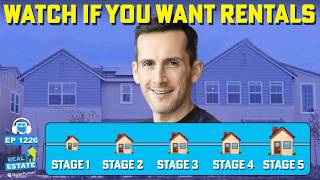

From 0 to 100 Rentals in 7 Years
48sInspirational rags-to-riches story with a clear blueprint captures attention of aspiring investors.
▶ Play Clip"The title promises a guide for buying a rental property in 2026, and the video delivers a detailed seven-step framework, making it highly relevant and actionable."
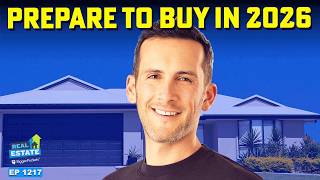
This Bigger Pockets podcast episode provides a seven-step framework for first-time rental property investors to buy their first deal in 2026. Hosts Henry Washington and Dave Meyer share their personal experiences and strategies for setting goals, choosing a market, analyzing deals, and executing a purchase. The core message is that with dedication and the right approach, financial independence through real estate is achievable in under a decade.
Real estate is one of the best ways to build wealth, and rental properties are a great vehicle for new investors. The hosts aim to provide seven steps to find a first property in 2026.
The traditional American dream of one job affording a comfortable life is no longer viable. Real estate offers a way to generate additional income and take control of one's financial future.
By buying regular on-market deals, financial independence can be achieved in 8 to 12 years. With a more aggressive approach, it can be done in 5 to 7 years.
Goals must be specific, including the amount of money you want to make and the time frame. Goals dictate the strategy, as different goals (e.g., making $200k in 90 days vs. long-term cash flow) require different approaches.
After setting goals, decide on a strategy (e.g., buy and hold, flipping) and then pick a market that aligns with that strategy. Do not pick a market first; work backwards from your goals.
Finding a deal is key, but new investors should also talk to multiple lenders to understand financing options (e.g., FHA, VA, 5% down loans). A specific 'buy box' (e.g., price, square footage, year built) helps narrow the search.
Deal analysis is about math and assumptions. Key data points are After Repair Value (ARV) and renovation budgets. New investors should partner with a real estate agent and ask other investors for bids to build accurate assumptions.
For flips, aim to net what you spend on renovation. For rentals, a 7-10% cash-on-cash return is good. A 15% total annualized return (cash flow + appreciation + amortization + tax benefits) is a strong target.
Many investors fail because they don't make enough offers due to fear of rejection. Make 'disrespectful offers respectfully' by using a kind, low-pressure approach (e.g., a text message offer with a quick close and as-is condition).
After closing, focus on executing the business plan (e.g., renovation, tenant screening). Document every step to create processes for future deals. The first 90 days are critical for getting your bearings and building a team.
After stabilizing the property, take stock of what worked and what didn't. Re-evaluate your goals and strategy. It's okay to change direction based on experience.
The seven-step framework—goals, strategy/market, deal finding/lenders, analysis, offers, execution, and evaluation—provides a repeatable process for any investor. By following these steps and learning from experience, anyone can build a successful rental property portfolio.
What is the first step in the seven-step framework for buying a rental property?
Set tangible goals: define how much money you want to make and in what time frame.
04:38
According to the hosts, what is the typical timeline to achieve financial independence through on-market rental deals?
8 to 12 years, or 5 to 7 years with a more aggressive approach.
03:44
What should you do before picking a market for real estate investing?
Set your goals and choose a strategy. Work backwards from your goals to find a market that aligns with them.
09:32
What are the two most important data points for deal analysis that are hard for new investors?
After Repair Value (ARV) and renovation budgets.
22:52
What is a good cash-on-cash return benchmark for a rental property in today's market?
Between 7 and 10%.
26:56
What is the 'disrespectful offers respectfully' strategy?
Making a low offer in a kind, low-pressure way, such as via a text message that highlights benefits like a quick close and as-is condition.
31:33
What should you focus on during the first 90 days after closing on a rental property?
Execution and stabilization: get your bearings, execute the business plan (e.g., renovation, tenant screening), and document every step.
36:05
What is the final step in the seven-step framework?
Evaluation: take stock of what worked and what didn't, and re-evaluate your goals and strategy.
40:25
Financial Independence in 8-12 Years
Provides a concrete, achievable timeline for financial independence through on-market real estate deals, making the goal feel attainable.
03:44Work Backwards from Goals to Market
Challenges the common mistake of picking a market first, emphasizing that strategy and goals should drive market selection.
09:32Benchmark Returns for Flips and Rentals
Offers specific, actionable return benchmarks (e.g., net renovation cost for flips, 7-10% cash-on-cash for rentals) that investors can use to evaluate deals.
26:04Make Disrespectful Offers Respectfully
Provides a practical, psychological strategy to overcome the fear of rejection and make low offers that can lead to deals.
31:33Evaluate and Iterate After Each Deal
Emphasizes the importance of reflection and adaptation, allowing investors to refine their approach based on real-world experience.
40:25[00:00] If you want to buy a rental property in
[00:01] 2026, watch this video. Real estate is
[00:04] arguably one of the best ways to build
[00:06] wealth and financial freedom. And one of
[00:08] the best investment vehicles for new
[00:10] investors is rental properties. And you
[00:12] don't have to be some huge investor
[00:13] buying large multifamilies or big
[00:15] apartment complexes. Rental property
[00:17] investing is the average person's way to
[00:19] build wealth. Whether you want to make
[00:21] $50,000 a year or $500,000 a year, you
[00:24] can do this. How do I know this? Because
[00:27] I did it just 7 years ago. I owned no
[00:30] assets. And now I own a portfolio of
[00:31] over 100 rental properties. But here's
[00:34] the problem. Most people have no idea
[00:36] where to start. So that's why we've come
[00:38] up with seven steps that you can use to
[00:40] help you find your first property in
[00:43] 2026. Let's do this. This is exactly how
[00:45] you go step by step from owning no
[00:48] rentals to your first one.
[00:54] What's going on everybody? Welcome to
[00:56] the Bigger Pockets podcast. I am Henry
[00:58] Washington and I used to have a
[01:00] corporate W2, but now I own over a 100
[01:03] cash flowing rental properties and that
[01:05] allows me to invest in real estate
[01:06] full-time.
[01:07] >> And I'm Dave Meyer and I still work
[01:09] full-time.
[01:12] >> Well, I have a good job. I am the head
[01:14] of real estate investing at Bigger
[01:16] Pockets and I've been investing in
[01:17] rental properties for more than 15
[01:19] years. We obviously have different
[01:20] approaches to real estate investing, but
[01:22] maybe we should just take a minute and
[01:24] talk about why we are doing this and why
[01:26] our audience is probably sitting at home
[01:28] thinking, "Yeah, maybe I should do this.
[01:30] Maybe real estate." But like why what
[01:32] are the two or three reasons you think
[01:34] honestly I think most Americans should
[01:36] be considering investing in real estate?
[01:38] What are the reason top reasons for you?
[01:39] >> I think what most Americans are facing
[01:41] now is that the typical American dream
[01:45] doesn't necessarily work anymore. It's
[01:47] very very hard to have one job that pays
[01:50] you enough to be able to afford a
[01:53] comfortable life. I think you can afford
[01:56] a life of some kind, but most people
[01:59] typically want more. They want to be
[02:01] able to take more vacations. They want
[02:02] to be able to spend more time with their
[02:04] family. And with how much life costs,
[02:06] groceries cost, gas cost, mortgages
[02:09] cost, I think Americans find themselves
[02:11] in a position where they need a way to
[02:13] generate some more income on top of
[02:15] their day job. And that's the position I
[02:18] found myself in. And that was seven
[02:20] years ago.
[02:21] >> Yeah, it's gotten a lot of it's gotten
[02:23] harder.
[02:23] >> I mean, I call me a skeptic, but I just
[02:26] don't trust anyone else to take my
[02:29] retirement or my financial future
[02:31] seriously. Like, I don't think the
[02:32] government's coming to help me. I don't
[02:34] necessarily think any employer is going
[02:36] to be around for me for the entirety of
[02:38] my career. I have a great job, but I
[02:39] don't not going to work for one company
[02:41] for 45 years. You know, like you have to
[02:44] I in my opinion since I graduated
[02:46] college, I've always thought like how do
[02:48] I do something entrepreneurial? Yeah.
[02:49] >> So that I can take some control over my
[02:53] own financial future. And to me, real
[02:55] estate's the best thing to do. Like
[02:57] there are plenty of other ways you can
[02:58] use entrepreneurship, but like I'm not
[03:00] that creative. I'm not gonna go like
[03:02] start some business that's going to
[03:04] change the world. I don't know how to
[03:05] make an AI company, but I could run a
[03:07] real estate business. Like, I could do
[03:08] it. So could pretty much anyone.
[03:11] >> Absolutely. And it's it's there's there
[03:12] for me there's just safety in real
[03:14] estate. And so being able to own
[03:17] something that's a physical asset that
[03:19] literally everyone needs. There's
[03:21] comfort in that.
[03:22] >> Yeah, absolutely. And this is possible.
[03:25] I, you know, I always cite this stat.
[03:27] It's a stat I made up, but it is why
[03:29] it's why that's why I cite it so often
[03:32] because the creator is just so smart.
[03:34] No, I did the math because I think that
[03:38] a lot of people love the idea of
[03:39] financial freedom, but it feels so far
[03:42] away. And I did the math and basically
[03:44] no matter where you're starting from, if
[03:46] you just buy regular onmarket deals, you
[03:49] have to buy good deals, but if you buy
[03:50] regular onmarket deals, you can get what
[03:53] we're talking about financial
[03:54] independence in 8 to 12 years. And if
[03:56] you hustle like Henry hustles, you could
[03:58] probably do it in 5 to seven. And so
[04:00] that's what's so cool and inspiring
[04:02] about real estate investing is even
[04:03] though
[04:04] >> things have gotten more expensive. Even
[04:06] though mortgage rates are higher than
[04:07] they were eight years ago, buying
[04:09] onmarket average deals, if you just
[04:11] dedicate yourself to learning this crap,
[04:14] you can do it in under a decade, right?
[04:16] >> Compare that to 45 years the average
[04:18] career that someone works in a corporate
[04:20] job. Like they're not even comparable.
[04:22] So that's why I'm in real estate. It
[04:23] sounds like we're the same reason. So
[04:24] let's move on. Let's talk about how to
[04:26] actually do it. We're going to walk you
[04:28] through our seven steps to going from
[04:30] where you are today, maybe not knowing
[04:31] that much about real estate, never
[04:32] having bought something before, to how
[04:34] do you actually go out and buy that
[04:36] first deal. What's step number one?
[04:38] >> Step number one is to have some goals.
[04:42] >> Yeah.
[04:42] >> Look, people say it all the time. You
[04:43] got to know where you're going to
[04:44] understand what you want to do. But I
[04:45] think in real estate, you get this
[04:47] excitement when you learn about it
[04:49] because you feel and see how powerful it
[04:51] is and you start to see other people
[04:52] doing it. And a lot of us who are action
[04:55] takers just kind of go right and then we
[04:58] figure it out later.
[05:00] >> But in this business, understanding
[05:02] exactly how much money are you trying to
[05:04] make and at what time frame are you
[05:06] trying to make it in will really help
[05:08] set some guard rails for you so that you
[05:11] don't spend a lot of time wasting time
[05:15] doing things that aren't valuable to
[05:16] you.
[05:17] >> There's so many different tools you can
[05:18] use, right? like there's there's
[05:20] long-term rentals, there's flipping,
[05:21] there's all these different things. If
[05:23] you don't take a moment to figure out
[05:26] where you want to go, you can very
[05:28] easily choose the wrong tool. And that's
[05:30] not necessarily, you know, a mistake
[05:32] that you can't come back from, but it
[05:34] does waste a lot of time.
[05:36] >> There's an analogy I used in my book
[05:38] where, you know, if someone walked up to
[05:40] you and said like, "What's the best
[05:42] car?"
[05:43] >> What would you answer?
[05:44] >> I don't know. What do you want to do
[05:45] with it?
[05:46] >> Exactly. Like, right. Are you trying to
[05:47] race? cuz maybe you go buy a a supercar.
[05:51] >> Are you trying to build something? Maybe
[05:52] you want a truck. Do you have a family?
[05:54] Maybe it's a minivan.
[05:56] >> But unless you know what you're trying
[05:57] to accomplish, what you're trying to do,
[05:59] you might pick the wrong tool. And I
[06:01] know it is fun to go out there and start
[06:03] daydreaming. I got
[06:06] I do it too. But I really recommend
[06:09] everyone take a minute and set a goal.
[06:11] That can mean a lot of different things.
[06:13] And so for for you, what's
[06:15] >> what does a good goal look like? What
[06:17] are the kind of things you should be
[06:18] thinking through?
[06:18] >> Yeah, I think there needs to be some
[06:20] level of tangibility, right? And that's
[06:22] why I said it the way I said it earlier.
[06:24] How much money are you trying to make
[06:26] and in what time frame? Because your
[06:28] goals are going to dictate the strategy
[06:31] that you use because you could have an
[06:33] aggressive goal of making $200,000 in
[06:37] the next 90 days.
[06:39] >> Yep.
[06:39] >> Well, that's not going to be with rental
[06:41] properties, right? Like your goals will
[06:43] help to dictate your strategy. So, put
[06:44] some tangible goals behind it. We're all
[06:46] doing this for money of some kind. Some
[06:48] of us need money now. Some of us need
[06:50] money later. Some of us need money now
[06:52] and later. Right. Right. But but but
[06:56] everybody's in a different financial
[06:57] place, right? And everybody has a
[06:58] different financial problem to solve.
[07:01] And so be tangible with it. What's the
[07:03] amount of money that you're looking to
[07:04] make in what time frame are you needing
[07:06] to make it in? That's the easiest way to
[07:08] start planning your goals.
[07:10] >> So what's yours?
[07:10] >> Yeah. So, my goals for uh money each
[07:14] year is I want to generate somewhere
[07:16] between $600,000 and a million dollars
[07:18] in net profits from flips that I want to
[07:21] use to help pay off current assets.
[07:22] >> That's a lot.
[07:23] >> Y
[07:23] >> that's pretty good. And that's just you
[07:25] or with a partner? That's just straight
[07:26] up. Wow, that's incredible.
[07:28] >> And but do you have a goal with your
[07:30] your rental properties? Like you you use
[07:32] that money to put back into your rental
[07:34] properties. Do you have like a a number
[07:36] of unit goal or cash flow goal long
[07:38] term? The number of unit goal is more
[07:42] measuring stick. The cash flow goal also
[07:45] is. So right now I think we generate
[07:48] somewhere around 30 or $40,000 a month
[07:50] in cash flow, but I don't live off of it
[07:53] and I don't plan to live off of it. What
[07:56] the goal is is to pay off onethird of my
[08:00] portfolio over the next 10 years. And if
[08:02] I can pay off onethird of my portfolio
[08:04] over the next 10 years, I'm going to
[08:06] take a look at how much net cash flow
[08:08] that gets me. And then I'll decide if I
[08:11] need to pay off more or if I'm
[08:12] comfortable. Like, can I live off of
[08:14] this amount of money for the rest of my
[08:16] life? Because one of the things people
[08:19] don't talk about with real estate is
[08:21] it's all an active business. Some
[08:23] strategies more active than others. If
[08:25] you want it to be more passive, you got
[08:26] to get some unleveraged properties cuz
[08:28] unleveraged properties are going to pay
[08:29] you better than leveraged properties.
[08:31] And if I have more unlevered properties,
[08:33] then I don't have to flip as many
[08:35] houses. And because flipping houses is
[08:37] all of the active
[08:38] >> Yeah. Exactly. And this is a perfect
[08:39] goal. Like your real goal is to own
[08:42] unlevered properties. You're using
[08:44] flipping as a strategy to get there
[08:46] quickly. And this is exactly why you
[08:49] need to set your goals first. Because if
[08:51] you just said, "Hey, I want to flip that
[08:54] you might make a ton of money." It
[08:55] sounds like you do make a ton of money,
[08:56] but like it's not, you know, you're
[08:58] doing that with a different goal in
[09:00] mind. And so you have to cater and
[09:02] adjust your flipping strategy to pursue
[09:05] that bigger goal. And I think that's a
[09:07] really important thing that's sort of
[09:08] like keeping you on track.
[09:09] >> And also let you know how much of it you
[09:12] have to do.
[09:12] >> Right. Exactly. Like you can scale it
[09:14] down in the future.
[09:15] >> Like do I need to do five flips or do I
[09:16] need to do 25 flips? That's going to
[09:18] depend on the amount of money you want
[09:19] to make and what market you're in
[09:21] >> because as we saw recently, somebody in
[09:25] a market is flipping one house and
[09:27] making what I make dang near in a year
[09:29] doing 10 to 15 It's crazy. Yeah,
[09:31] absolutely.
[09:32] >> So, yes, those are my goals. Everybody's
[09:34] goals are going to be a little
[09:35] different, but after goals, in my
[09:38] opinion, comes strategy. So, I know you
[09:42] literally wrote a book about strategy.
[09:44] So, how do you feel about that?
[09:45] >> Well, I I think that's right. And I I
[09:47] think that honestly this is all
[09:48] strategy. I think goals are important
[09:50] part of your strategy, but I think when
[09:52] we in real estate when we call talk
[09:53] about quote unquote strategy, we're
[09:55] talking about like the types of deals
[09:56] that you want to do.
[09:57] >> And I do think that's the appropriate
[09:59] next step. My goal is pretty similar.
[10:00] Like I want unlevered rental properties
[10:03] to pay for my entire lifestyle and then
[10:05] some within 15 years. And I, you know, I
[10:08] can pay for my lifestyle with real
[10:10] estate now, but I don't. And I have I'm
[10:12] sort of more in a growth mode. So over
[10:14] the next 15 years, I want to transition
[10:16] to more passive. I've been doing that
[10:19] for already for 5 years now. And how do
[10:21] I do that with less and less debt, which
[10:23] to me means less and less risk. So then
[10:25] I work backwards from there. Like what
[10:26] kind of deals do I need to do? Do I need
[10:29] to flip houses? No. You know, like for
[10:31] me, that's not like it's something I
[10:33] might do opportunistically because it's
[10:34] fun and I'm in this industry, but like I
[10:36] don't need to do that. Do I need to do
[10:39] mid-term rentals? No. Do I need to do
[10:41] short-term rentals? No. I could, but to
[10:44] me, given my goal, my strategy first and
[10:47] foremost is how do I buy a great asset
[10:49] at a great location that I'm going to be
[10:51] proud to own for the next 30 years.
[10:53] That's like the number one thing I look
[10:55] at. And then from there, I'm like, "All
[10:57] right, is that a short-term rental? Is
[10:59] that a mid-term rental? Is that a burr?
[11:00] Is that a long term?" You know, like
[11:02] that to me is more of like a management
[11:04] choice. That's like a business plan
[11:07] choice.
[11:08] >> To me, it's like I want something that I
[11:10] can own for a really long time, which is
[11:12] a very different strategy than buying
[11:14] stuff, renovating it, and flipping it.
[11:17] And so, like, that's why we probably
[11:19] have different short-term strategies.
[11:21] But for me, it all starts with that
[11:22] goal. And I sort of like work backwards.
[11:24] And that's why my strategies right now
[11:27] are buying long-term properties.
[11:30] >> Maybe I switch up how I manage those
[11:32] rentals over the next 30 years, but I
[11:34] want the great asset and the great
[11:35] location that I'm going to hold on to
[11:37] for a long time.
[11:38] >> Yeah. And I think that that's a
[11:40] brilliant way to look at it because if
[11:42] you're looking at it from assets you
[11:44] want to hold forever, you may actually
[11:45] do more than one strategy with a
[11:47] particular asset. Sure. Like for
[11:48] example, I have a rental property that
[11:50] was a long-term rental, but in this
[11:53] particular city, in this particular
[11:55] area, midterm rentals do really well.
[11:58] So, I converted it and it's doing
[11:59] excellent right now. Will it do
[12:01] excellent forever as a mid-term rental?
[12:02] Probably not. Totally. We may have to
[12:04] put it back.
[12:05] >> That's what I People sometimes say, "Oh,
[12:07] are you a short-term rental investor?
[12:08] Are you a midterm rental investor?" I'm
[12:09] like, "I'm a buy and hold. I'm buying."
[12:11] >> Yeah. That's what I do. I want to buy
[12:12] stuff for the long term and hold on to
[12:14] it. whatever helps me hold on to it, I
[12:16] will do. Like, you know, whatever is a
[12:19] good business decision at that time, I
[12:21] will do that. That's to me
[12:23] >> the number one thing. And once you have
[12:25] that, once you say like, okay, I'm a buy
[12:27] and hold investor, then you can go out
[12:29] and start picking your markets cuz like
[12:32] I'm in an interesting position, right? I
[12:34] live in Seattle. Yeah.
[12:35] >> Very expensive market. It's not a good
[12:37] buy and hold market. It's not. That's
[12:39] why I invest out of state. I didn't pick
[12:41] the market first. I said, "Here's my
[12:43] goal. Here's my strategy. Now, I got to
[12:46] go find a market that I can successfully
[12:48] do that in, cuz Seattle ain't it."
[12:50] >> Preach.
[12:52] >> Preach. I don't know how many times
[12:53] people ask me, "What's the best market
[12:55] to buy property in?" I'm like, "I have
[12:57] no idea for you."
[12:58] >> Exactly.
[12:58] >> No idea what you want to do, what your
[13:00] goals are. Like, that's truly the way
[13:02] you should be looking at picking
[13:03] markets. And I feel like people pick
[13:05] markets because they think a either
[13:07] it'll be easier to find a deal or more
[13:09] affordable to pay for a deal. But you
[13:12] should really pick your market based on
[13:14] your goals and your strategy in that
[13:15] order.
[13:16] >> In that order I really hands down how
[13:18] >> some people live like you live in a good
[13:20] market where you can kind of do a little
[13:21] bit of everything which is nice but
[13:22] that's not true everywhere especially in
[13:24] expensive markets. So it's very
[13:26] difficult to do it. So if you want to be
[13:28] a buy and hold investor
[13:29] >> you could e you can be creative more
[13:32] creative than I care to be because it
[13:33] takes a lot of work and I have a
[13:35] full-time job. So I'm not going to go
[13:36] out and do student housing for example
[13:38] or like rent by the room. They're just
[13:40] not going to do that. Yeah. It's more
[13:42] work to go find a market. I travel
[13:43] there. I go look at deals. Like I would
[13:45] rather do that because it's just more
[13:47] aligned with my goal. It's more aligned
[13:48] with my strategy of buying great assets
[13:51] and holding on to them. And and that's
[13:52] how I pick that market.
[13:53] >> Perfect. So those are our first two
[13:55] steps. Number one, pick your goal.
[13:57] Number two is strategy and market, which
[13:59] we're kind of combining because I do
[14:00] think it makes sense to do those. Next,
[14:03] we have step three, which I think we
[14:04] might disagree about this one. I think
[14:06] we're going to disagree about which one
[14:08] should go third. Running your real
[14:10] estate business doesn't have to feel
[14:11] like juggling five different tools. With
[14:14] Re Simply, you can pull motivated seller
[14:17] lists. You can skip trace them instantly
[14:19] for free and reach out with calls or
[14:21] texts all from one streamlined platform.
[14:24] And the real magic, AI agents that
[14:27] answer inbound calls. They follow up
[14:29] with prospects and even grade your
[14:31] conversations so you know where you
[14:33] stand. That means less time on busy work
[14:35] and more time closing deals. Start your
[14:38] free trial and lock in 50% off your
[14:40] first month at
[14:41] reimply.com/biggerpockets.
[14:44] That's reim.com/biggerpockets.
[14:50] We both agree that goals come first,
[14:52] then come strategy/market. What do you
[14:54] do as third?
[14:55] >> Find a deal.
[14:56] >> Find a deal. So, you would just go out I
[14:58] I don't necessarily disagree about that,
[15:00] but I'll offer a counter opinion, but
[15:02] you go first and just share finding a
[15:04] deal. Yeah, I I think finding a deal is
[15:07] the key to being able to make money. I
[15:10] also think finding a deal makes all the
[15:12] other subsequent steps easier to you.
[15:15] Like if you're going to find a
[15:17] contractor, it's hard to talk to
[15:19] contractors about hypothetical deals,
[15:21] right? They don't want to talk to you
[15:22] about it.
[15:22] >> So pointless,
[15:23] >> right? Right. And then also, it's easier
[15:26] to find money for deals the better your
[15:28] deal is.
[15:29] >> And so being able to go out and find a
[15:31] deal. So I guess within making a deal is
[15:34] your third step. Do you like you create
[15:36] a buy box?
[15:37] >> Yes.
[15:37] >> Okay. So yeah, you take that market, you
[15:40] take the strategy and you get how
[15:42] specific on your buy box.
[15:43] >> For me, it's square footage wise. If
[15:45] it's a single family home, I don't want
[15:46] anything over like 2,800 ft². So I want
[15:49] less than 2,800 ft². I want it built
[15:51] after. I think we just changed the buy
[15:52] box filter. Anything built before 1960,
[15:55] we don't want. Now, you could live in a
[15:57] place that's a big city and you only
[15:58] want to buy in little pockets of the
[16:00] area and so you have to know what zip
[16:01] code you want to buy in. You could live
[16:03] in a place where there's tons of old
[16:04] properties and so you don't have a
[16:06] choice. You have to buy something older.
[16:07] So, you have you've got to get real
[16:09] specific depending on your market. I
[16:11] just happen to live in a market where I
[16:12] can have a broad buy box.
[16:13] >> Yeah. I recommend for new people to be
[16:16] as specific as you can.
[16:17] >> Yeah,
[16:17] >> it's can be overwhelming all the options
[16:20] that are out there. And so if you're
[16:22] new, figure out a price point that you
[16:24] can afford that is reasonable.
[16:26] >> Figure out what kind of asset. For me
[16:29] personally, single family, small, multi,
[16:32] I'm like, whatever, whatever the numbers
[16:33] work on. Yeah.
[16:34] >> Trying to figure out what type of
[16:36] condition that you want. Class A, class
[16:38] B, class C, kind of neighborhood. The
[16:40] more specific you can be, the better the
[16:41] decision-m process is going to be.
[16:43] Because if you're new, you can do it.
[16:45] But if you're analyzing a hundred deals,
[16:47] 200 deals, looking at every deal because
[16:49] your buy box is so wide, it can be
[16:50] really overwhelming. And so trying to
[16:53] just be like, "This is what I'm going to
[16:54] do first. I want to, you know, something
[16:56] that's manageable." A 31 that's under
[16:59] this price point. It's got an attached
[17:00] garage. That's my buy box. That's great
[17:03] because you can really hone in and
[17:05] practice your skill set. So I don't
[17:07] disagree that going out and finding a
[17:08] deal makes things better. I do think
[17:12] just for new people, one step you can
[17:14] consider putting before the the deal and
[17:17] the buy box is talking to a lender
[17:19] >> because I see so many new people get
[17:22] stuck at this. They're being like, I
[17:23] can't afford it. I'm like, do you know
[17:25] that? Do you actually know that? because
[17:28] there are 5% down loans, there are VA
[17:30] loans, there are owner occupied loans,
[17:32] there are FHA loans, there are all sorts
[17:35] of things. There are there are
[17:36] government programs, state and city
[17:39] sponsored programs that help you with
[17:40] your down payment or your closing cost.
[17:42] And if you're feeling stuck, please just
[17:45] go talk to a lender. Like, if you feel
[17:47] good about your buy box, go do what
[17:48] Henry said. But if you're feeling stuck,
[17:50] just talk to a lender. They're it's
[17:52] their job to help you understand what
[17:54] you can afford and they will give you a
[17:56] number that you could go put into your
[17:58] buy box that that you could say I can
[18:00] actually afford this. So it's just one
[18:02] thing we don't really disagree but
[18:03] that's something I think you can
[18:04] consider doing first.
[18:05] >> It's interesting because I think we're
[18:06] trying to solve the same problem for
[18:07] people a different way. Like both of us
[18:10] want you to go take the action. Yeah.
[18:12] >> Right. And you're saying going and
[18:13] talking to a lender will like truly let
[18:16] you know what you can go by and stop
[18:18] guessing at it. Yeah. Or making
[18:20] assumptions for people. And what I'm
[18:22] saying is finding a deal will motivate
[18:24] you to go find the money. And so what
[18:26] I'd say to your plan is talk to multiple
[18:29] lenders
[18:30] >> for sure
[18:30] >> because sometimes a lender will tell you
[18:33] no or tell you they can't do something
[18:35] and it's based on their limited
[18:36] information about the products that they
[18:38] offer
[18:39] >> or their bank or their bank. And there's
[18:41] a million other banks out there that
[18:43] have a million other products to offer
[18:45] you. And so talk to multiple banks and
[18:47] get a consensus from them. Uh and that
[18:50] will truly help you understand what you
[18:52] can and can't go do. I
[18:53] >> I am so guilty of this. I have been
[18:56] interested for the last like 6 months or
[18:57] so of buying like a multif family. Not
[18:59] huge, but like 12, 15, 20, something
[19:02] like that.
[19:04] >> But if you listen to my like other buy
[19:06] box shows where I get into detail about
[19:08] what I'm looking to buy, like I really
[19:09] liked fixed rate debt. I don't like
[19:11] commercial loans.
[19:12] >> So, for a little while, I was like, "Oh,
[19:14] I'm not going to buy multif family cuz I
[19:16] need a commercial. Like, I don't want I
[19:18] want an adjustable rate mortgage." And
[19:20] like a couple weeks ago, I was like, I
[19:21] haven't even talked to a lender. There
[19:23] are fixed rate commercials. I know there
[19:25] are. But I just like in my own head was
[19:27] just like, "Oh, I don't want to get a
[19:29] commercial loan." And I was just being
[19:30] lazy. And I was like, "Now, just go call
[19:32] them." I'm like, "Of course there are
[19:34] fix commercial debt. Not that hard to
[19:36] find." I was just being lazy about it.
[19:38] Now, by doing that, I'm like, "Okay, now
[19:40] I can make a buy box because I know
[19:42] what's possible. I know what the rates
[19:43] are going to be. I like I know what the
[19:45] rate premium is going to be because a
[19:46] fixed a fixed rate commercial loan is
[19:48] going to be higher than an adjustable
[19:50] rate. So, I can bake that into my
[19:51] underwriting. And now I feel better
[19:53] about my buy box."
[19:54] >> And if you follow these steps in the
[19:56] order we're giving them to you,
[19:58] >> you will learn so much by talking to
[20:01] lenders because you'll be able to sit
[20:02] down and say, "These are my goals. This
[20:04] is the strategy I'm looking to employ,
[20:07] right? And here's the buy box that I'm
[20:09] looking for for deals. And they may have
[20:12] options for you for loan products that
[20:14] are new or we don't even know exist yet
[20:16] or like you had no clue exist yet. But
[20:18] but these especially like community
[20:20] banks like their job is to help
[20:22] investors in their market figure out how
[20:24] to get deals done with them. And so they
[20:26] may be able to piece together a strategy
[20:28] for you that you didn't know as an
[20:29] option.
[20:30] >> Absolutely.
[20:30] >> If you've got all these things lined out
[20:31] for them.
[20:32] >> All right. So we agree to disagree, but
[20:34] it sounds like we agree essentially.
[20:38] do this in the same week. You can do it
[20:39] all.
[20:40] >> You can get to this.
[20:41] >> Yeah, you need to talk to lenders. You
[20:43] need to find a deal. It's all of this
[20:44] will be of benefit to you, especially if
[20:46] you've done the first two steps like we
[20:48] outlined. And so, moving on to the
[20:50] fourth step, which is to analyze some
[20:53] deals. And uh I don't know if you know
[20:56] this about this guy, but he loves
[20:58] analyzing deals.
[20:59] >> I do it for fun.
[21:00] >> I do, too. I'm I'm deal.
[21:04] It's funny though because like you offer
[21:06] on way more than I do, but like I'll
[21:08] know I'm not going to offer on them and
[21:09] I'll just say
[21:10] >> throw in the numbers anyway.
[21:12] >> But yeah, I think this is this is where
[21:14] you go from research to action, right?
[21:17] Like this is where you're filtering,
[21:18] you're doing your buy box. You come up
[21:20] with these great ideas, but ultimately
[21:22] real estate is really it's just math and
[21:26] execution. And this is the math part
[21:28] where you just say, is this a good deal
[21:29] or not? And I know that sounds
[21:32] intimidating, but it really isn't that
[21:34] hard. It's really doing a little bit of
[21:36] research. The hard part is your
[21:40] assumptions, right? Like that like
[21:42] >> the math, the formulas are super easy,
[21:44] right? It's, you know, you figure out
[21:45] your cash flow and you divide it by how
[21:47] much money you invested. That's a cash
[21:48] on cash return. Like that's easy. But
[21:51] >> your assumptions like how much rent you
[21:53] can collect, the ARV of a property, what
[21:55] your expenses are going to be, that is
[21:57] hard. I I think that's a skill that
[21:59] takes a little bit of time to get good
[22:01] at. I think I've gotten good at it, but
[22:04] how do you how do you get good at that?
[22:06] >> Well, I'd say for people starting out,
[22:08] you you've kind of hit the nail on the
[22:09] head. The two things you need to have a
[22:10] handle on are after repair value,
[22:12] >> which is just what you can sell it for
[22:14] once you've renovated it.
[22:15] >> Once it's fixed up, what will that
[22:16] property trade for? You have to
[22:19] understand what that number is for your
[22:20] assets. But for a new person, that can
[22:22] be very intimidating because the access
[22:25] to the data that you need to accurately
[22:27] get this information is behind the door
[22:30] that only real estate agents have the
[22:32] key for.
[22:33] >> And comping is kind of an
[22:34] >> comp Yeah. And comping without access to
[22:36] that information can be extremely
[22:38] challenging and overwhelming. So, it is
[22:40] a skill that you have to learn. And we
[22:42] don't have time to tell you exactly how
[22:43] to go do all that here, but so typically
[22:46] when you're new, the best way to get
[22:47] that information is to partner up with a
[22:49] real estate agent who can help you run
[22:51] that analysis.
[22:52] >> Uh, so understanding ARVs, that's the
[22:55] most important data point you need to
[22:56] get a grasp on when you're going to be
[22:58] investing. The second data point that's
[23:00] important and hard for new investors is
[23:02] renovation budgets.
[23:04] >> Yes,
[23:04] >> not everybody who is investing in real
[23:06] estate has a construction background. I
[23:08] know I do. I still struggle with
[23:10] >> and this was extremely overwhelming for
[23:12] me when learning to run the numbers.
[23:14] There are several things that you can do
[23:16] to get familiar with it, but it's just
[23:19] something that's going to take time and
[23:20] experience.
[23:21] >> I I think that I'm not good at
[23:23] construction. I've done plenty of it,
[23:25] but some people have a feel for it.
[23:27] They're like, "Oh, you know, like I know
[23:28] how much this is going to cost like
[23:30] Yeah, exactly. It's like, oh, this, you
[23:32] know, like James Standard, our friend,
[23:34] you probably you have a good feel for
[23:36] it. I do not. But I think the best thing
[23:39] I've learned is just to ask other
[23:41] investors. That is the number one
[23:42] easiest thing because yeah, you can go
[23:44] ask a contractor, but they're building
[23:46] in profit and they're going to try and
[23:48] not all of them, but many of them are
[23:49] just trying to maximize their own
[23:50] profit.
[23:51] >> I think talking to another investor like
[23:53] if I go to another market, I'm like,
[23:54] "What does a bathroom cost you?" You
[23:56] know, like what does a kitchen cost you?
[23:57] That is the most valuable thing that you
[23:59] can do to get those assumptions right
[24:01] because
[24:02] >> like Henry said, ARV expenses, those are
[24:05] tough. rent you can usually figure I
[24:07] don't think rent estimates are that hard
[24:09] but if you can nail those two things
[24:11] it's really going to help you a lot in
[24:13] your deal analysis and that's just like
[24:15] why you have a community right like
[24:16] that's why you have wigger pockets
[24:17] that's why you go on and talk to people
[24:19] and BPCON whatever it is like these are
[24:22] the relationships that really help you
[24:24] get around these assumptions because
[24:26] they'll know they've done it
[24:28] >> and I think one pro tip to doing just
[24:30] that is talking to other investors and
[24:32] learning about renovation budgets is ask
[24:34] other seasoned investors if they'll send
[24:37] you bids from contractors that they
[24:39] didn't hire.
[24:40] >> Y
[24:40] >> because you'll learn a ton by reading a
[24:42] bid for a project renovation. You'll
[24:45] learn about what it costs to paint a
[24:46] house of a certain square footage.
[24:48] You'll learn about what it costs to lay
[24:49] flooring in certain rooms of certain
[24:51] types. You'll learn about
[24:52] >> scope of work reading your scope of
[24:54] works. Like just having access to those
[24:56] as data and you can start to build your
[24:58] own spreadsheet based on a cost per
[25:00] square foot model just by looking at
[25:02] other people's bids.
[25:03] >> Yeah. I mean, yesterday Henry and I were
[25:05] tooling around Seattle. We went and
[25:06] someone we were talking to this guy. He
[25:08] was like, "You want me to send you my
[25:09] spec sheet?" We were like, "Yeah,
[25:10] great." So now we can see what he's
[25:12] paying for cabinets, for tile, and for
[25:14] all these different things. And that
[25:16] just helps you orient yourself. And and
[25:18] I think that's really the hard part of
[25:19] deal analysis is people
[25:21] >> hear this word analysis and they think
[25:23] it's like math and you're like, you
[25:24] know, Goodwill hunting up on the board.
[25:26] It's like you just go to Bigger Pockets,
[25:28] just put in the calculator. That part is
[25:29] easy. Like just go use the calculator.
[25:31] But you got to know what to plug in.
[25:32] >> Yeah. He needs to know to plug in.
[25:34] That's the hard part.
[25:35] >> The other hard part, I think, is knowing
[25:37] what's a good deal. Cuz once it spits
[25:38] out a number, is that good or not? Like
[25:40] I think that's another sticking point
[25:42] for a lot of people is like you see
[25:44] like, let me just throw out a number for
[25:45] you. You see 5% cash on cash return.
[25:47] What do you think for a rental property?
[25:49] >> Not a good deal.
[25:50] >> Not a good deal.
[25:51] >> I'd probably take 5%. In the right in
[25:53] the right market,
[25:53] >> in the right market, in the right
[25:54] situation,
[25:55] >> I would take it. Yeah. Exactly. So, I
[25:56] think that's what people struggle with
[25:58] when they're new is like, is this a good
[25:59] deal? So, what do you have like some
[26:01] benchmark returns that you use either
[26:03] for flips or rental properties?
[26:04] >> Yeah, so for flips, I try to keep it
[26:07] super simple. I've talked about this
[26:08] before. I want to net make what I spend
[26:11] on a renovation. That lets me know that
[26:13] my risk and reward is in line,
[26:15] >> right? So, I don't want to do a $200,000
[26:18] renovation and make a $30,000 profit.
[26:21] That's way too much risk and not enough
[26:23] reward. That's a quick and dirty way for
[26:25] me to know if what I'm paying for the
[26:27] property is worth the effort that I'm
[26:28] putting into it. uh from a flip
[26:30] perspective, on the rental property
[26:32] perspective, I still use to this day the
[26:34] Bigger Pockets calculator. And what what
[26:36] I'm trying to get to on my rental
[26:38] properties is I want them to cash flow
[26:43] positive or break even depending on the
[26:46] neighborhood that they're in. So, I'm
[26:48] okay buying a break even property. If
[26:49] it's in an up and cominging area, I'm
[26:51] going to get the appreciation debt
[26:52] payown, tax benefits, but I'm in a
[26:54] different place, I think. But for for
[26:56] most people, like if you can get
[26:58] somewhere between 7 and 10% cash on cash
[27:01] return for a rental property, you're
[27:03] probably doing very well.
[27:05] >> Yeah, that's that's good in in today's
[27:06] market. I agree with you. I
[27:09] >> will take anything down to even like a
[27:11] 3% cash on cash return if it's in a
[27:13] great neighborhood that I know it's
[27:14] going to be growing. Again, my strategy
[27:17] long term. I'm not thinking like this is
[27:19] why your goals are so important because
[27:21] if your money later Yeah, exactly. If my
[27:24] goal was I want to retire in 5 years, I
[27:26] would be only doing 10 12% cash on cash
[27:28] returns deals, no problem.
[27:30] >> I'm like, hey, if I'm buying a property
[27:32] that's in great shape in a great
[27:34] location, the cash flow's probably not
[27:35] going to be amazing this year, but it's
[27:38] still going to be great shape from 10
[27:39] years. Like, it's going to be in a good
[27:41] property, location's still good, the
[27:43] condition of the home is still good, and
[27:46] rents have gone up and my debt is fixed,
[27:48] then I'm getting my cash flow. So, I'm
[27:50] willing to do that. My the way the
[27:52] number I use is I want my total return.
[27:55] So I add up my cash on cash return,
[27:57] >> my appreciation, my amortization, my tax
[28:00] benefits, and any value ad I do. And I
[28:03] want that to be a 15% annualized return.
[28:05] Yeah,
[28:05] >> that's a little less than double what
[28:07] the stock market averagees. And to me,
[28:09] that's worth my time because I don't put
[28:11] as much time into real estate investing
[28:13] as you do, but you know, I still spend
[28:15] 20 hours a month on my real estate
[28:17] portfolio. You know, that's more than
[28:18] stock investing. I want to get paid for
[28:20] that. That's an incredible return at
[28:22] 15%. Just so everyone knows, there's a
[28:24] little rule of thumb here. Your money
[28:25] will double every 5 years.
[28:27] >> For those of you who are still around in
[28:29] this episode, that was your reward for
[28:31] it. That's a phenomenal calculation to
[28:34] be able to run that most anybody can use
[28:37] and do immediately. So, congratulations
[28:40] for sticking around. Thanks. That's why
[28:43] he is the co-host of the Bigger Puckets
[28:45] podcast.
[28:47] >> Yes, it's true. But if you think about
[28:49] this for a minute, my goal is 15 years.
[28:51] >> 15% your money doubles in five years.
[28:54] Then it doubles again. So you're at 4x
[28:56] and then it doubles again. So you're at
[28:58] 8x. So by doing 15% which is very
[29:01] achievable. This is not crazy numbers.
[29:03] This is these are deals that I can do
[29:05] without
[29:06] >> worry, you know, like I can do this
[29:08] >> things that you can find on the market.
[29:10] >> Things on the market.
[29:12] >> I can 8x my money in the next 15 years.
[29:15] Think about that. And it's an
[29:16] unbelievable value proposition. And so
[29:19] that's how I think about it. And the 3%
[29:21] cash on cash return, honestly, it's not
[29:23] because the cash, it's like that just
[29:24] gives me the cushion. I'm very
[29:26] conservative of my expenses, but it
[29:27] gives me even a little more cushion to
[29:29] make sure that like
[29:31] >> I have a bad year, you know, I can pay
[29:32] for these kinds of things without coming
[29:34] out of pocket.
[29:34] >> Yeah. I think that's the thing people
[29:36] need to understand when we're talking
[29:37] about net returns is both you and I
[29:40] underwrite extremely conservatively.
[29:44] extremely like the scenario in which
[29:47] that my properties perform like I
[29:49] underwrite them is probably pretty low.
[29:51] They probably all perform better than I
[29:52] underwrite them.
[29:53] >> Oh, all of mine do. That's my goal.
[29:54] That's why I do that. That's 100%. Yeah.
[29:57] I I someone sent me a deal. I was
[29:58] showing you this the other day in
[29:59] Detroit.
[30:00] >> They did this the the agent sent me
[30:02] really good rent comps, all these
[30:03] things. I was like, "It's going to be
[30:04] 24,400. I'm underwriting." I'm like,
[30:06] "2100?" You know, like I just
[30:08] immediately discount all of it. Yes. Not
[30:10] because they're wrong, but because I
[30:11] want to see the worst case scenario. I
[30:14] want to see the worst case scenario and
[30:16] then it works. I'm like, great. All
[30:18] upside
[30:18] >> 100%.
[30:19] >> Yeah. All right. So, now we've given you
[30:20] some benchmarks and some rules of thumb
[30:22] at how to identify what's a good deal,
[30:24] but then you got to go you got to go get
[30:26] it. I feel like this is an underrated
[30:29] part of real estate investing
[30:31] >> and in the market today is more
[30:33] important than ever. So,
[30:34] >> absolutely
[30:35] >> take us to school. I feel like this is
[30:36] where people are falling short right now
[30:39] because it's not that people don't have
[30:42] enough leads for deals, it's that people
[30:43] aren't making enough offers on the leads
[30:45] that they have. And I think this all
[30:48] like I think this all boils down to
[30:50] psychology. I think people are just
[30:51] scared of rejection and so they don't
[30:53] make enough offers%
[30:55] >> and because we know as investors that
[30:57] our offer especially if you're making
[30:59] offers on onmarket deals that the offer
[31:01] that we need to make for the deal to
[31:03] pencil based on the analysis that we
[31:05] just talked about how you need to run.
[31:07] We know that that offer is going to be
[31:08] substantially less than what people are
[31:10] asking for. They're going to be
[31:11] disappointed. And so we make again we
[31:14] make decisions for other people. We go
[31:15] ah I'm not going to offer on this deal.
[31:17] They want 300,000. I can only offer them
[31:20] 125. So, we go, there's no way they're
[31:22] going to take that. And we don't offer.
[31:24] And what we have to do is get our
[31:26] personal feelings out of the equation.
[31:28] And we have to learn how to make
[31:30] uncomfortable offers. Or, as I like to
[31:32] put it, we have to learn how to make
[31:33] disrespectful offers respectfully.
[31:35] There's a way to make your offer on your
[31:37] property in a way that shouldn't put
[31:40] somebody else off. Now, we can't control
[31:42] how somebody else reacts to our offer,
[31:44] but we can do it in a way where it makes
[31:47] sense. So, like I made 12 offers on
[31:49] onmarket deals last week. Here's how we
[31:51] did it. We did verbal offers. And the
[31:53] verbal was just a text message. And we
[31:55] created a text message script that was
[31:58] kind. And my agent sent this to the
[32:01] agents listing the properties. And it
[32:03] said, "Hey, I have an investor client.
[32:04] He would like to make an offer on 123
[32:06] Main Street. It is going to be lower
[32:09] than what you're expecting, but what we
[32:11] can offer you is we can close it in 7 to
[32:13] 14 days. He won't ask your client to fix
[32:16] a single thing. We'll take it in asis
[32:19] condition and we will make this a very
[32:21] seamless and easy process for you
[32:24] >> and then we say what the number is going
[32:26] to be.
[32:27] >> Out of those 12 people, two of them
[32:29] replied with counter offers and one of
[32:31] them said, "Hey, my client actually owes
[32:33] XYZ on this property, so we couldn't
[32:34] take that offer. Could they come up to
[32:36] this?" I couldn't. So, we said, "No,
[32:37] thank you." The other one was listed for
[32:39] 200. We offered 125. They came back at
[32:42] 150. I said, "Let me go see it." I ended
[32:44] up offering 135 and they took it. Right.
[32:46] Like all from just sending
[32:48] >> Yeah.
[32:48] >> a text message or a verbal offer.
[32:50] >> And most people would have said they're
[32:53] listed at 200. They're not going to take
[32:54] your $125,000 offer. That's not for me
[32:56] to decide.
[32:57] >> We just figured out a way to do it
[32:59] respectfully. I think we just have to
[33:01] get comfortable being a little
[33:03] uncomfortable.
[33:04] >> Absolutely.
[33:04] >> And so if you're new,
[33:06] >> it's a conversation between you and your
[33:08] agent about what's a way that we can do
[33:10] this that makes sense. Right. That
[33:12] worked for my agent. My agent said,
[33:13] "Look, I don't want to write up all
[33:15] those offers to them just get rejected.
[33:16] That's a lot of my time." I said,
[33:18] "That's fair. So, what's a way that we
[33:20] could do it that would take less time?"
[33:21] And that's how we ended up with the text
[33:23] message rule offer.
[33:24] >> Yeah. I think it just goes back to what
[33:25] we always talk about, just having real
[33:27] estate being mutually beneficial. I
[33:29] think some people might say, "Hey,
[33:30] you're you're offering them less, like
[33:33] you're trying to screw them over." But I
[33:35] I don't see it at all that way. When
[33:37] someone lists something on the market,
[33:39] they say, "Here's what works for me."
[33:41] >> Yeah. And by you reacting to that,
[33:42] you're saying, "That doesn't work for
[33:43] me. Here's what would work for me.
[33:46] >> Does that still work for you?" And they
[33:47] have an option to say yes or no. That's
[33:49] the whole point of a market is for
[33:50] people to have these conversations. And
[33:53] so, not on every deal, but on some
[33:55] deals, there's going to be a number that
[33:57] works for both of you, and that's what
[33:58] you're searching for, right? There are
[34:00] sometimes they're going to say no.
[34:02] That's fine. That's okay.
[34:03] >> There's sometimes they're gonna say yes,
[34:05] and that's even better because
[34:06] apparently you've solved you have met
[34:08] their conditions. I I think I told you
[34:10] the other day I was working on one of my
[34:12] first flips. I took an under offer under
[34:14] asking offer still hit my target, you
[34:17] know, like still buy for me. So, it's
[34:19] just up to you to have that conversation
[34:21] and to initiate it.
[34:22] >> It's the seller's decision whether
[34:23] they're willing to take that offer or
[34:24] not. And when you're making offers on
[34:26] the market, the only way to figure out
[34:28] if a seller is willing to take less is
[34:31] to offer less. Like that's you because
[34:33] there's intermediaries in between you
[34:34] and the seller. It's not like where
[34:36] you're making offers offmarket where you
[34:38] have more information and you can you
[34:40] can do that. And if you're making offers
[34:42] offmarket, you still have to be able to
[34:44] do the same thing. You have to be able
[34:46] to make an offer to people at what may
[34:50] be lower than they're expecting. I do
[34:52] this all the time, but I do it very
[34:53] respectfully in offmarket deals. And I
[34:56] have a whole framework for doing that,
[34:57] which we can go into in another episode.
[35:00] But the point I'm trying to make with
[35:02] this step of making offers is you've got
[35:04] to get comfortable with a little
[35:05] uncomfortability and figure out a way to
[35:08] make the offer that makes sense to you
[35:10] and not be so concerned
[35:12] >> with how it might be interpreted by the
[35:15] person receiving the offer because at
[35:16] the end of the day, they don't have to
[35:17] sell you anything. It's a business
[35:19] decision. It's up to them. You're not
[35:21] taking advantage of them. And the same
[35:23] people mad about you making lower offers
[35:26] than what people are asking on the
[35:27] market are the same people that are like
[35:29] lowballing people on Facebook
[35:30] Marketplace for stuff. So like it
[35:32] doesn't matter. No one's saying the
[35:33] same. Like you're you're willing to do
[35:36] it in other areas. You can do it here.
[35:38] >> Yes, you can.
[35:39] >> All right. So we've got the goals, we've
[35:41] got the strategy, we've got the market,
[35:43] we've got the money, we've looked for
[35:46] the deal, we've analyzed it, and now
[35:48] we've made an offer.
[35:50] >> What the heck do you do next? Sign the
[35:51] piece of paper, Chris. Close. Sign the
[35:54] piece of paper, right? I mean, no, you
[35:56] got to close. I'm not gonna get into
[35:58] that here. It's pretty easy. They're
[36:00] gonna sign someone, an escro agent who's
[36:02] going to figure this out for you. You're
[36:03] going to figure out how to close. That's
[36:04] not bad.
[36:05] >> But then, I think your first like 90
[36:07] days are pretty important as a real
[36:09] estate investor. Like, how are you going
[36:11] to maximize and execute your business
[36:13] plan? I think that's really what you
[36:16] need to focus on next. Because when you
[36:17] go out and buy your deal, when you
[36:19] create your buy box, you should have a
[36:20] plan. Like, you don't just buy and then
[36:22] you're like, "What now?" Right? If
[36:24] you're going to do a short-term rental,
[36:25] you got to jump into furnishing that
[36:27] thing right away. You need to figure out
[36:28] your management strategy. You need to
[36:29] put your your property in place. You're
[36:31] going to do a burr. Hopefully, during
[36:33] the closing period, you were already
[36:34] getting bids. You were figuring out your
[36:36] scope of work. Now, it's time for you to
[36:38] go execute. I think this is a time where
[36:40] you don't think about your next deal at
[36:42] all. Yes. At least in the beginning,
[36:43] right? Yeah,
[36:44] >> you do not think about your next deal.
[36:47] Don't think about your taxes. Don't
[36:49] think about I mean honestly I this is
[36:51] bad advice, but like I wouldn't even
[36:53] think about like doing, you know,
[36:54] setting up the perfect systems. I would
[36:56] just say like go and do the most
[36:58] important thing you could possibly do.
[37:00] If you're doing a renovation, nail the
[37:02] renovation if you need to. If you have a
[37:04] stabilized property, screen your tenants
[37:07] well and find a great tenant who's going
[37:08] to be happy in your home. Go do that. to
[37:11] figure out the number one most important
[37:13] thing and do it the second you sign that
[37:14] piece of paper.
[37:15] >> Absolutely. I I I couldn't agree more.
[37:17] Execution and timing is everything when
[37:20] you are operating a real estate business
[37:22] cuz literal time is money because if
[37:25] it's a rental property, the longer it's
[37:26] not rented, the more it's costing you.
[37:28] If it's a flip, the longer you're
[37:29] holding it, the more it's costing you.
[37:31] So, you do you have to figure out what
[37:33] is the immediate next step that I need
[37:35] to do? And you've got to go execute
[37:36] against that step. I would say the thing
[37:38] that I would encourage you to do is to
[37:41] document as much as possible about what
[37:44] you are executing when you're getting
[37:47] started.
[37:48] >> I wish I had
[37:48] >> I wish I had done the same thing because
[37:50] >> because then I just made it up again the
[37:52] next idea
[37:54] >> because you end up repeating things that
[37:56] are that are not beneficial to you.
[37:58] We're all going to end up wasting a lot
[37:59] of time doing things that aren't that
[38:01] important in your first deal. You're
[38:02] going to do things that you hate doing
[38:04] that you're going to wish you had
[38:05] documented so you have a process for
[38:07] bringing in somebody else to do it next
[38:09] time. Just you know how many times I
[38:11] waited until closing day to get
[38:12] insurance on a property and like because
[38:15] I just
[38:15] >> I always forget to transfer the
[38:17] utilities. That's I always forget.
[38:19] >> So if you write these things down the
[38:21] next time you're doing a deal, you'll be
[38:23] able to be a little more proactive and
[38:25] save yourself a lot of time and effort.
[38:27] Like just learn from our mistakes. Just
[38:29] literally every step you do, write it
[38:31] down. And then that way you at least
[38:32] have an order of all the things that you
[38:34] did and you can start to eliminate some
[38:35] of those steps or pre-plan some of those
[38:37] steps.
[38:38] >> Totally. Yeah.
[38:38] >> Yeah. I I think you know executees the
[38:41] right word. I think the other way this
[38:42] word gets used in different contexts in
[38:44] real estate, but the it's just like
[38:45] stabilize. Get in there and like own it,
[38:48] right? Like you you have your bills set
[38:51] up, you have your tenants in place. Like
[38:54] that's what you need to focus on. I feel
[38:55] like when you arrive in a new place on
[38:57] vacation, you like go get your bearings,
[39:00] figure out where you're going to sleep,
[39:01] you put your bag down, you kind of like
[39:03] own the whole, you know, like you feel
[39:04] comfortable, then you can start making
[39:06] decisions. I feel like that's kind of
[39:07] what you need to do in those first 90
[39:09] days is just like get your bearings,
[39:11] check everything out, make sure you feel
[39:13] comfortable, then you can go into the
[39:15] optimization, then you can start doing
[39:16] sort of like the asset management piece
[39:19] of it. But you got to just get in there
[39:21] and take control essentially. Uh, and
[39:24] also I would be figuring out who's going
[39:27] to be on your team for the long term
[39:29] because you're going to start executing
[39:30] and that's not all going to be you.
[39:32] You're going to have contractors, you're
[39:34] going to have uh subcontractors, you're
[39:36] going to have property managers. There's
[39:38] all these people you're going to have to
[39:40] engage with. Like, keep track of who you
[39:43] like working with and who you don't like
[39:44] working with because honing that team in
[39:46] is going to help you be more efficient
[39:48] as you're going forward as well. These
[39:50] are all things that I probably should
[39:52] have did a better job of when I first
[39:53] got started
[39:54] >> because all we're trying to do when you
[39:56] get that first deal done is exactly what
[39:57] we're saying, like keep your head above
[39:58] water. Yeah.
[39:59] >> So, just take some time and document
[40:01] this process and document who you're
[40:03] working with and whether you enjoyed
[40:05] working with them or not cuz it's going
[40:07] to like your team
[40:08] >> is everything as you continue to execute
[40:11] going forward. And the best operators I
[40:13] know have great contractor and business
[40:17] relationships who now basically do all
[40:20] these steps for them without them having
[40:22] to spend a lot of time operating these
[40:24] deals.
[40:24] >> Sure.
[40:25] >> All right, let's move on to step number
[40:27] seven, which is after you've executed,
[40:29] stabilized, gotten that property, you
[40:32] figure out what's next, right? I feel
[40:34] like that's kind of like you take stock
[40:35] of what you did, right? This is where
[40:38] all those notes we just told you to take
[40:40] come in handy because you're going to
[40:42] want to go do more deals, right? That's
[40:44] probably going to be in your goals that
[40:46] you've set up in the beginning, but
[40:48] >> now you've got some experience
[40:50] >> and now you've learned something.
[40:52] >> And what you may have learned could be
[40:54] that you need to relook at your goals.
[40:56] You may hated what you just did. Yes.
[40:59] >> Right. Uh like my goals for when I first
[41:01] got started were far and away different
[41:03] than what they ended up being after I
[41:05] got a few deals under my belt. You're
[41:07] just going to learn a lot about what you
[41:10] planned on executing and what you
[41:11] actually executed against. And you're
[41:13] either going to get better and more
[41:14] efficient at the thing you currently
[41:16] executed against. Or it is okay to go
[41:19] back to your goals and say, "Nope, it's
[41:21] not this. It's that I have to try
[41:23] something different. This is not it
[41:25] didn't turn out like I wanted it to turn
[41:27] out. I didn't enjoy it at all." Right?
[41:29] That is okay. re-evaluate your goals and
[41:32] then decide, do I continue to execute on
[41:35] what I just did and do it better or do I
[41:38] need to start start fresh? And that's
[41:40] okay.
[41:41] >> Yeah. I think whether it's your goals,
[41:42] your strategy, your market that changes,
[41:44] it's okay.
[41:45] >> But figure that at the end. I don't
[41:47] think you should be tinkering in it.
[41:49] Like for me, I did a short-term rental.
[41:51] I didn't really like it to be honest.
[41:52] I'm okay. I would do it again, but it's
[41:54] not like, oh, I'm going to go out and do
[41:55] a lot of those. I do strategies right
[41:57] now. I literally never heard of when I
[42:00] started investing. I I didn't even know
[42:01] it was a thing. You add that in once you
[42:04] sort of take stock, you know, I lend. I
[42:07] never thought I would do something like
[42:08] that. I never thought I had the capacity
[42:10] to do something like that. So, I think
[42:12] it's just really important to say like
[42:13] here's what you're good at. Here's what
[42:15] you like. For me, I like rental
[42:16] properties. I don't mind property
[42:18] management. I like interacting with
[42:20] people. I'm totally fine with that. But
[42:22] I don't like doing offmarket deal
[42:23] finding. It's not something I like
[42:25] doing. So, I'm not going to do it,
[42:26] right? And so, I'll build my portfolio,
[42:28] go into my next one. Think about that.
[42:30] You're probably the opposite. You love
[42:32] dealing, but there's probably
[42:35] that's what you got to do.
[42:36] >> Well, I'm doing this entire process
[42:38] right now, but with new construction,
[42:40] I'm building my first ground up new
[42:41] construction. And right and so, I am
[42:43] literally documenting the entire process
[42:45] >> because if I decide this is something I
[42:48] want to grow and scale and do, I want to
[42:49] get better at it, especially this
[42:51] pre-construction phase, which has been a
[42:52] nightmare for me.
[42:55] at
[42:57] the end
[43:02] of these. Was it fun? Was it profitable?
[43:05] Was it worth all the time and the and
[43:07] the and the effort? These are question.
[43:09] These questions I don't have answers to
[43:10] yet,
[43:11] >> but as part of this exercise, that's
[43:12] exactly what I'm going to do when I'm
[43:13] done.
[43:14] >> All right. Seven steps.
[43:15] >> Seven steps.
[43:16] >> Let's see if I can remember them.
[43:18] >> What do we got? We got goals. Then we
[43:20] had strategy slmarket. Then we had deals
[43:24] slash talking to a lender,
[43:26] >> analysis, offers, execution, and then
[43:30] >> evaluation.
[43:31] >> Evaluation. Y
[43:32] >> that's all it is. I mean, it is a lot of
[43:34] work. It's work. You got to go out and
[43:35] do something. You're not going to No
[43:37] one's going to hand this to you. You got
[43:38] to go absolutely and do it. But these
[43:40] are steps that everyone can follow.
[43:42] That's what I follow in every single
[43:43] deal. It's not like it really even
[43:44] changes. You still just do the same
[43:46] thing even if you've done one of these
[43:47] or you've done a hundred of these.
[43:48] >> Yeah. And it starts to just work on
[43:50] autopilot as you build more systems and
[43:52] a team and have more processes. It gets
[43:55] easier. I know that sounds overwhelming
[43:57] when you first get started, but a lot of
[43:58] this stuff we do in our SL. I mean, I I
[44:01] analyze deals for fun. Like I said, I
[44:03] made 12 offers last week. Yeah. Yeah. Is
[44:05] all of this gets better the more
[44:08] experience that you have. But I think
[44:10] this framework is absolutely a framework
[44:12] that you can follow and land a deal.
[44:15] Well, thank you so much for joining us
[44:16] on the Bigger Pockets podcast. I hope
[44:18] that these steps and this framework is
[44:20] valuable to you. This is truly the
[44:22] things that Dave and I are doing every
[44:24] day in our portfolio. As always, leave
[44:26] us your questions down below or let us
[44:28] know what framework you follow when you
[44:31] are doing deals in your market. We would
[44:33] love to learn more about that. Thank you
[44:35] so much for watching. We'll see you on
[44:36] the next episode.
[44:37] >> Go set your goals.
[44:42] Heat
[44:49] up
⚡ Saved you 0h 44m reading this? Transcribe any YouTube video for free — no signup needed.