

Profitable Strategy with More Losses Than Wins
43sChallenges common trading beliefs by revealing a strategy that wins less than half the time yet remains consistently profitable.
▶ Play Clip"Title accurately reflects the strategy's consistent profitability over thousands of trades, as demonstrated by both traders' results."
This video features a conversation between two traders discussing the Zero DTE (Days to Expiry) Break Even Iron Condor strategy on SPX. They share their personal experiences, rules, and risk management techniques, highlighting that despite a win rate of only 30-40%, the strategy has delivered consistent profits over years due to a high average win relative to losses.
The Zero DTE Break Even Iron Condor is a neutral strategy on SPX 500, selling iron condors and multiple iron condors to collect premium on both sides, with stop losses set equal to total premium received.
David has traded the strategy since June last year, with almost all account growth from this strategy, except for one rule-breaking stock trade. The consistency has been very good.
The host has traded the strategy for three years, with steady profit growth month-to-month and only four losing months in that period.
David initially entered in the morning, skipped lunch, and entered every 30 minutes until 3:00 PM ET. Backtesting showed afternoon entries were more profitable, so he now mainly enters afternoons.
David currently enters two times per day, around 1:47 PM and 3:00 PM ET. He targets credits of at least 1.8 per side in early afternoon and 1.5-1.7 per side after 2 PM, totaling $3-4 per iron condor.
David sets stop loss on the spread, about 0.2 below the credit collected (e.g., for $3.50 credit, stop at $3.20). When longs become almost worthless, he switches to stop on the short only.
David's win rate is around 30-40%, but the average win is much higher than the average loss, resulting in positive expectancy. Double stop losses (both sides) occur about 5-6% of trades.
The host trades throughout the day, at least once per hour, aiming for lower premiums ($1.5-3 total per iron condor). He risks no more than 2% of account value per trade and uses no more than 50% of buying power.
The host sets stop losses on the shorts only, incorporating the value of the longs. For example, if an iron condor was sold for $2 and the long has $0.56 value, the stop on the short might be $2.70.
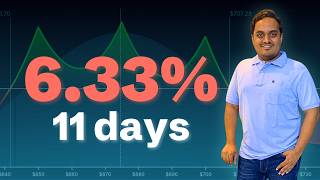
The host's average profit per trade is 3.4% of risk capital. Premium capture rate shows similar results. Thursdays are break-even, while Mondays and Fridays are most profitable.
Long-term data shows afternoon hours are most profitable, but this can change quarter-to-quarter. The host notes that sometimes mornings become more profitable, so he trades throughout the day.
Both traders sometimes let longs run if the market moves favorably, occasionally resulting in significant gains. The host had a $3-4k profit from not closing longs when distracted.
The worst case is a flash crash where stop losses aren't hit, potentially wiping out 50% of buying power. However, with widths of 25-30 points between shorts and longs, this is considered low probability.
David uses Trade Automation Toolbox since February. Automation helps with discipline, especially for stop losses, and prevents emotional early exits. He recommends it even for manual traders.
David rates the strategy risk at 3/10, the host at 4/10. Both consider it low risk but emphasize the need for discipline and automatic stop losses due to fast market moves.
The host always buys back shorts at 5 cents to reduce risk and free up buying power for more trades, avoiding sudden moves in the last minutes.
The strategy is best for low-risk traders who can automate their trades. It requires discipline with stop losses and understanding that zero DTE trading involves fast moves.
David uses VIX levels to adjust credit targets: lower credits when VIX is in the teens, higher when VIX is over 20, to stay further from the money.
The Zero DTE Break Even Iron Condor strategy can be consistently profitable despite a low win rate, provided traders maintain strict discipline with automatic stop losses and risk management. Both traders emphasize that the key is sticking to the rules and not trying to predict market direction.
What is the win rate of the Zero DTE Break Even Iron Condor strategy according to David?
Around 30-40%.
08:51
How does the strategy achieve profitability despite a low win rate?
The average win is much higher than the average loss, resulting in positive expectancy.
09:33
What percentage of trades result in a double stop loss (both sides hit)?
About 5-6%.
19:16
What is the host's average profit per trade as a percentage of risk capital?
3.4%.
12:51
Which weekdays are most and least profitable for the strategy?
Mondays and Fridays are most profitable; Thursdays are break-even.
13:50
What is the host's rule for maximum risk per trade?
Never risk more than 2% of account value.
11:39
What tool does David use for automation?
Trade Automation Toolbox.
19:44
How does the host adjust stop losses to account for long value?
He calculates the stop on the short by adding the long's current value to the credit received, e.g., for a $2 credit with $0.56 long value, stop at $2.70.
12:06
At what price does the host buy back shorts to reduce risk?
5 cents.
25:37
How does David use VIX to adjust credit targets?
He goes lower when VIX is in the teens and higher when VIX is over 20.
28:07
What is the typical width between shorts and longs in the iron condor?
25 to 30 points.
18:29
What is the worst-case scenario for this strategy according to the traders?
A flash crash where stop losses are not hit, potentially wiping out 50% of buying power.
17:41
Consistent Account Growth
David's account growth since June last year is almost entirely from this strategy, demonstrating its reliability.
03:29Positive Expectancy Despite Low Win Rate
The strategy's profitability hinges on wins being much larger than losses, a key principle for traders.
09:33Day-of-Week Profitability Pattern
Thursdays are break-even while Mondays and Fridays are most profitable, based on 10,000 trades over 3.5 years.
13:50Automation for Discipline
David recommends automation to enforce stop losses and prevent emotional decisions, improving consistency.
19:44Low Risk Rating (3-4/10)
Both traders rate the strategy as low risk, countering common perceptions of zero DTE trading as high risk.
24:04[00:02] really consistent for me if something is going good why change it a lot you know you know what I mean today we will talk about the zero mean today we will talk about the zero DTE options strategy with some unique
[00:15] characteristics it comes with more losses than wins yet many Traders losses than wins yet many Traders including myself and my guest today have reported consistent profits over long periods it is a strategy with small all
[00:30] trading option strategies we are talking about zero DTE Break Even iron Condor let me bring in my guest from
[00:42] Condor let me bring in my guest from Iceland here is David banson hello David hello how are you how is in Iceland today uh it's uh quite cold but uh we're
[00:54] doing okay I'm curious is option trading something many people do in I uh definitely not like you kind of feel crazy doing them CU yeah it's
[01:08] like yeah there's there's probably not many people doing it here so tell me a do for a living and how long have you been trading uh I've been trading for a couple of years uh options
[01:24] trading probably three or four years uh uh my day job is in construction so uh yeah and some retail stores online
[01:37] so uh yeah and some retail stores online but yeah and you and I are both in both in European time zone so we have the advantage of being able to spend some of the evening doing our trading on the US markets definitely but usually my kids
[01:52] are you know crying at that time waiting for for uh for something to eat and going to sleep so it's kind of it's convenient but not that convenient sometimes okay so let's get to to the zero DTE Break Even iron Condor uh if we
[02:10] just summarize very shortly what this strategy is uh what should we strategy is uh what should we say uh like a neutral strategy on SPX
[02:22] 500 uh selling iron conders and multiple uh selling iron conders and multiple iron cond
[02:35] premium on both sides yes and we set the stop loss on each side separately equal to the total premium we received from the iron Condor yeah yeah actually I I
[02:48] the iron Condor yeah yeah actually I I go a little bit lower but yeah all right but more or less and then there is there is the break even and we will get back to that so essentially this is a strategy that makes money on seta
[03:01] strategy that makes money on seta Decay and Market neutral strategy and I'm we will get into the details we'll talk about the mechanics how you trade it how I trade it uh but I I thought we will just have a look at the results
[03:15] first people are always curious about that so let's you have traded this that so let's you have traded this strategy since June last year right uh yeah I traded it a little bit before but this is like something yeah yeah and
[03:29] this is this is your account since June last year yes this is since the yeah the last year yes this is since the yeah the end of June I think or 15th yeah and uh almost all of this is uh from the zero DTE Break Even iron Condor uh yes except
[03:46] uh one time when I uh broke my rule and bought stocks and uh and it didn't go as well as planned but yeah the consistency in the iron counter on uh multiple
[04:01] in the iron counter on uh multiple entries on SPX has been like really good and we can take a very quick look at mine too I don't measure my uh results I have several strategies on the same account so I don't look at only the
[04:14] same account so I don't look at only the account size uh but this is a graph showing the three years that I've been trading this strategy how the profit has trading this strategy how the profit has grown uh from from month to month so
[04:28] it's been pretty steady I think I've had four months losing months in this period four months losing months in this period which is I'm very happy with uh we can look go back we can look at a different way of measuring it later on uh but but
[04:43] way of measuring it later on uh but but this uh at least uh you and I have so far been able to have fairly consistent uh uh returns with this strategy yes let's uh dig a bit deeper into how
[04:59] yes let's uh dig a bit deeper into how you trade it uh could you explain your you trade it uh could you explain your mechanics your rules uh your risk mechanics your rules uh your risk management so to speak okay so uh when I
[05:12] started doing the multiple entries uh I used to enter only or in the morning and skipping noons and going afternoon at like 1 1:30
[05:26] noons and going afternoon at like 1 1:30 and entering every 30 minutes about till and entering every 30 minutes about till uh 300 p.m. Eastern Standard Time so uh 300 p.m. Eastern Standard Time so before lunch and after lunch and the
[05:39] before lunch and after lunch and the reason I skipped lunch was because of uh numerous uh back testing results from from myself and others using uh build from myself and others using uh build your own back test and option
[05:54] your own back test and option Omega and actually the it was quite Omega and actually the it was quite consistent like your results and Tammy's results and others were consistently more profitable entering
[06:10] afternoon but uh it was always the feeling like we talked about of missing out you know it's kind of uh like you're missing out if you're not entering in missing out if you're not entering in the morning because uh yeah so so so
[06:26] that that's how I started and today I'm mainly entering afternoon how many iron conders do you sell in a typical day how many entries uh for now now I've
[06:41] only been entering two times uh times uh at at 16 no 1747 which is yeah: 147 Eastern yeah around around
[06:59] 2 and around three all right and how much credit do you typically collect on these iron CRS do you target specific amount yeah so when I if I'm entering in
[07:12] the mornings which I'm not doing right now I'm going for at least two 2.5 each now I'm going for at least two 2.5 each side uh now I'm entering afternoon only
[07:24] side uh now I'm entering afternoon only and those times uh like at 1 to two I I and those times uh like at 1 to two I I try try to catch at least 1.8 each s so around four for the whole iron conter and after two I go for 3 to
[07:43] and after two I go for 3 to 3.5 so 1.5 to 3.5 so 1.5 to 1.7 so all in all three to four dollar for full iron cond and how do you set your uh your stop loss let's say you
[07:58] have collected $3 50 for one iron condre how would you set your your stop loss the stop loss if it's uh for example 350 I would go for
[08:10] I would go for 3.2 all right on each side yeah it 3.2 all right on each side yeah it depends so it's like 3.3 or 3.2 so I try depends so it's like 3.3 or 3.2 so I try to go down uh
[08:23] 0.2 or and you set the stop loss on the spread or on the short only on the spread and on once the uh the Longs become and on once the uh the Longs become almost worthless uh when I was doing it
[08:37] almost worthless uh when I was doing it manually and automatically I I do it on the short only and how often will this uh will the stop loss hit what is your kind of win loss
[08:51] loss rate uh I lose most of the time rate uh I lose most of the time so but uh it's around uh 30 I think it's around 30 40% win rate yeah and I haven't gone
[09:06] 40% win rate yeah and I haven't gone into really much detail on the results into really much detail on the results it's kind of yeah I'm I'm not as thorough as you have been right no no I measure my trades
[09:19] pretty carefully and I trade in a bit different style than uh than than you but but I think the beauty with this strategy is that yes there are more losses than wins but the wins average wins is so much higher than
[09:33] the average loss so it's still a positive expense expectancy and you really have those very bad days yeah but I've had some uh losses I try
[09:47] yeah but I've had some uh losses I try to keep my uh Max risk uh definitely not above 5% so that is if I'm stopped out on all positions later in the day you know because
[10:00] uh when I was entering in the morning it it was also more risky I thought having all these positions and like some kind of Crash flash crash or something it's of Crash flash crash or something it's it's this is something I I haven't uh I
[10:15] haven't experienced the the full full of it but you know I have experienced getting stopped on all sides like a couple of times couple of times and this year there was some months uh
[10:27] know in that regard right and slippage as well has regard right and slippage as well has been like uh I don't know if are you been like uh I don't know if are you using uh thinker swim or are you I'm
[10:41] using thinker swim yes and I'm actually putting the stop only on the shorts and slipage become less of a problem after I changed to that actually yes I can agree to that so I I'll I'll
[10:57] just take a be a brief walk throughs of how I trade it because I traded this how I trade it because I traded this strategy in a different way than you uh one is that I have many more trades I actually trade throughout the whole day
[11:10] actually trade throughout the whole day uh so at least once uh uh once per hour uh so at least once uh uh once per hour I aim for lower lower premium than you typically I might uh uh typically I will go for it will be between 1.5 and and
[11:26] three for the total uh for the total Ling Condor uh so so and I'm not fixed on the on the times but I try to spread them out my rule is not never to risk
[11:39] them out my rule is not never to risk more than 2% of my uh my account value more than 2% of my uh my account value and I don't usually use more than 50% of my uh buying power but I'm very concerned about a total risk at any time
[11:52] so so I always try to ask myself you know what is the worst that can happen uh with the positions I have now I set my with the positions I have now I set my stop losses on the shorts
[12:06] stop losses on the shorts only so that I kind of calculate uh I calculate in the value value of the long so to so to speak so uh if I have sold an iron cor for let's say $2 the the stop on the short put might
[12:22] be actually 2.7 or something because I see that the long already has a value of 0.56 so I try to measure it in and adjust it as the as the day passes on so
[12:34] that's how I'm uh trading and and I thought I will just show a little bit other way of looking at the at the results because uh I I measure one thing that I measure in my trading log is the average profit uh and loss per trade you
[12:51] know as a percentage RIS capital and my average is around. 3.4 uh uh % per per trade and this is the average for different months and as I said there are
[13:05] four losing months uh what you see is it's been generally a bit lower this it's been generally a bit lower this year uh on average than it was last year year uh on average than it was last year and actually 2021 was the first was uh
[13:19] the best year and another way of measuring measuring this uh profitability is by using the premium capture rate and this gives a very capture rate and this gives a very similar uh very similar graph uh I would
[13:35] say and and and one other interesting because we mentioned about I I trade every day I trade throughout the day and and you said that you know back Test shows that it's not necessarily how to do it so I do have the graphs you know
[13:50] this is the weekday and you actually see that Thursdays is basically Break Even day you don't make much money on average you don't make much money on average this Monday and Fridays are the are the
[14:03] two most profitable days and my my statistics are about 10,000 trades over over this three and a half year period uh so so this has been pretty consistent
[14:15] all the time that uh Thursday seems to be the more volatile day uh then you also can look at the opening hours and here is what you were saying right that the afternoon uh afternoon hours are definitely the most profitable but what
[14:31] I have noticed that that this picture can change a lot from one quarter to another so this is the longterm average and yes I shouldn't trade in the morning really but then suddenly you have a quarter where is actually very
[14:44] quarter where is actually very profitable in the mornings yeah and so so so this does change but this is at least a different way of uh of uh least a different way of uh of uh looking at the looking at the results
[14:58] and how it uh how it works yeah there's one thing I'm afraid of is like I i' I've been consistently using afternoons now that suddenly this quarter doesn't
[15:10] uh will be before noon you know that is always thinking oh oh my God this is going to be the time that all morning going to be the time that all morning trades are going to be the best because
[15:23] so but but I I wanted to ask you uh I think we talked about it earlier but if you had any uh Longs uh that you had any uh Longs uh that have gone uh quite significantly up you
[15:37] know I I have had that experience you know normally I My Philosophy is to if the stoploss hits my short uh I try to close my long as soon as possible
[15:49] basically uh although I might try to follow it if I see the market is moving in the right direction I might you know to try to wait and see if I can catch some extra and sometimes I'm able to do but I had one one Friday evening I was I
[16:06] had some trades on and I put the stop losses and everything was fine and my girlfriend was visiting me so we decided to have a nice chat in the sofa so I said said to myself let let let uh let's
[16:19] not worry about the tra now I have my and then after the market had closed I checked and the market had jumped so much that day so so I my Longs were just much that day so so I my Longs were just like incredibly valuable and I made3 to
[16:34] like incredibly valuable and I made3 to $4,000 on this on not not paying attention to the Lo so that was kind of paying attention to your girlfriend yeah so you got paid for paying attention to your girlfriend that day yes so that was
[16:50] nice experience I would say I actually had that experience as well I was uh in tenar during Christmas or right before Christmas and and I I thought to myself
[17:03] I'll just I was trading manually then and and I thought let's just put put it on the short and think about something else because the Longs were quite valuable they weren't like 5 cents but I thought I got to be in the present and
[17:15] I'm I'm on holiday and I was trading on my phone and looked at my phone and yeah it was something similar $2,000 or something so that was quite that was
[17:27] quite nice but is nice when that happen when it happens but of course it might as well easily go the other way but but what what do you think you know if that was uh positive experiences but uh what is your thinking about what is the worst
[17:41] that can happen with this strategy what is the really terrible outcome the terrible outcome would be uh I would have all my trades on with using 50% of
[17:54] have all my trades on with using 50% of my buying power and some kind of what's called like a flash crash or something and my stop losses wouldn't be hit and just the the the white the width of my uh short and my long it be
[18:10] just a total loss you know wipe out 50% I don't know I mean it it could theoretically happen you know but how much WID between your shorts and Longs uh they're from 10 to 40 right
[18:29] Longs uh they're from 10 to 40 right I typically use 25 or 30 yeah so so it I typically use 25 or 30 yeah so so it it would add up if we had a situation uh if we had a situation like that yeah but normally I try to keep it at from
[18:45] two to 5% not risking anymore and using 50% of my buying 50% of my buying power but since I'm using uh a little bit higher credit than you I I I tend to have bigger draw Downs yeah yeah you
[19:02] were mentioned that you thought you had a win rate of around 30% I have had win a win rate of around 30% I have had win rate of 39 40% pretty consistent uh yeah uh the whole time uh but of course sometimes you have double stop losses uh
[19:16] where you have the stop losses hit on both sides and that's the days you will both sides and that's the days you will have losses to speak of in this strategy and uh in my statistics that happens typically five to six 6% of the trades
[19:30] ding conders will end with a double stop loss yeah but they feel like they're loss yeah but they feel like they're more often but they aren't so they they aren't but I I I'm curious you said that you were doing automated trading H can
[19:44] you tell me a littleit about that because I had never tried that uh yeah I because I had never tried that uh yeah I tried it uh I started around February this year to use trade uh automation toolbox uh and it's just work
[19:59] really well cuz like you I'm just always with my cuz like you I'm just always with my head in the game you know it's quite uh frustrating when when you try to work and you know entering you know and
[20:14] thinking about it and having to manage it changing the stop loss so even though you aren't using uh the automation I think it's even good to enter and just
[20:28] for the stop losses I I would definitely recommend it like just for even though you don't uh trade automatically just to use it manually as use it manually as well because uh I think I trust the
[20:42] system better than myself you know it sometimes it takes time to take off the stop loss change the stop loss and I have multiple times which that hasn't worked in my favor you know
[20:57] know so yeah and and the results have uh been probably the same and usually my mind doesn't go like
[21:09] I should just close it right now because I used to do that a lot close early but I used to do that a lot close early but now I just let it run you know and uh I think that is better for me mentally and better for the overall strategy
[21:24] better for the overall strategy so uh yeah I would I would recommend to least well I think this this is a strategy that requires discipline whether you do automa trading or you do it manually you know you need to have
[21:40] your stop losses you need to stick to them you need to be very disciplined uh people trade in different ways some have more mechanical style where they have more mechanical style where they have the very set times they enter like 11 12
[21:54] one or whatever others do like me with the more discretionary uh but one basis Bel that I have with this strategy is that I I am convinced that I have no clue about uh predicting the market I don't think I
[22:10] have the ability to actually think that the market will go up or down so for me this is a good strategy for that reason that it is uh uh I don't try to time my
[22:23] that it is uh uh I don't try to time my interest I it's all all about on that the market will stay within a certain certain range and that the probabilities will play out in the in the longer term which they have proven to do so far yeah
[22:38] which they have proven to do so far yeah for sure I have also looked into trading for sure I have also looked into trading you know the EM EMA you know I've tried that a bit but uh you know it's also my opinion like there's
[22:53] know it's also my opinion like there's so the if something is going good why change it a lot you know you know what I mean so you will continue with this uh strategy yeah because this is the only thing that's been like really consistent
[23:07] thing that's been like really consistent for me and uh trading stocks and options on on stocks and just I actually like maybe it's a strange opinion but I I think like
[23:21] nobody knows anything about like the stock costs what it costs and nobody what it's going to cost in half an hour like and but but one thing is like
[23:34] obvious about options is like these contracts are going to run out and that is there is a high probability that they're going to run probability that they're going to run out uh where you sold them not like far
[23:49] further from where you sold them so uh that is just a fact like a probability probability probability fact you know so but but if I ask you to
[24:04] assess the risk of this strategy you know if it let's take a scale from one very low risk and up to 10 very high risk where would you put this uh
[24:16] strategy in your opinion and your experience uh for my experience I would experience uh for my experience I would put it like really low probably three but maybe some other people have but but
[24:31] this is my experience you know I've had like good results and uh no hardcore draw Downs like with uh stocks and you know going to happen you
[24:46] know there could be like uh things I'm worried about is probably the wars and uh you know some some politician saying something and some like really fast
[24:59] crash or really you know that's something I'm worried about so I would until that happens I'm going to say three yep I will probably say four but
[25:11] more or less on the same uh more or less on the same level I think it's in general it's a low risk strategy but you have to be careful in managing your risk you have to be disciplined with your uh
[25:24] video stop losses uh uh for it to work I think one thing that I actually do also to reduce risk is that I always exit the shorts when
[25:37] they reach five cents so I don't let them expire I I uh them expire I I uh I I buy them back at five cents and and this is basically for two reasons uh one is well mainly because I want to take
[25:52] off risk yeah and it actually then allows me to do more trades because I've taken off risk from previous uh from previous trades and then I avoid being caught up in this very sudden moves that can happen sometimes the last five
[26:06] minutes of yeah that those yeah if we are to time is running out but if we are to sum up uh you know what but if we are to sum up uh you know what would you say who is this strategy for
[26:21] best suited for uh some somebody who's like uh low risk uh who especially with the automation somebody who who likes to just automate
[26:38] somebody who who likes to just automate their trades and know some people I know think it's like crazy risky and but usually folks just
[26:51] don't understand what I'm talking about like right you know you know what I mean like right you know you know what I mean like it's it's it's kind of a long only trade you know but maybe it's like that in Iceland but like online it's
[27:05] everybody's talking about it but you know I don't think you know zero DTE trading is by itself risky or all trading is uh by itself risky or all trading is uh by itself is risky but the zero DT is is of
[27:20] course the very fast moves that can have very sure very massive impact on your trade so that's why at least I think that you know uh to trade this strategy you need to be very disciplined with stop losses uh and and put them on
[27:35] immediately and stick to them I think manual stop losses uh where you kind of will not work here you need to have them automatic uh to trigger when you hit hit that price because the market can exchange so fast in a matter of seconds
[27:51] and you're not able to manually or mentally uh Grose out at the prices that you should close out so I think this discipline is is key for this strategy yes definitely and there's maybe one thing I
[28:07] didn't mention that uh like my targeting for the credit is for the credit is probably I use vix a lot you know just looking at the Wix if the Wix is in the teens I usually go lower if it's over 20
[28:21] teens I usually go lower if it's over 20 or around 20 I go a bit higher if that's anything so so so so I'm not as close to the money you know I I I kind of use vix for my decision making in the credit uh
[28:39] my decision making in the credit uh picking all right well thank you very picking all right well thank you very much uh David uh for uh for joining me in this uh this talk and to sharing the experiences of trading the Ser DTE Break
[28:53] experiences of trading the Ser DTE Break Even uh iron Condor thank you for everything thank you



⚡ Saved you 0h 29m reading this? Transcribe any YouTube video for free — no signup needed.