
Azure vs AWS: Which Cloud Should You Learn?
60sThe instructor's candid comparison of Azure and AWS based on regional job markets and Microsoft ecosystem integration sparks debate and helps viewers decide which cloud to learn.
▶ Play Clip"The title promises a full course, and the video delivers a comprehensive overview of Azure, but it's a recording of a live class with significant repetition and tangents, making it less polished than a dedicated course."
This video is a comprehensive Azure training course covering a wide range of topics, from cloud computing fundamentals and Azure services to advanced concepts like identity management, governance, compute, networking, and machine learning. It is structured as a multi-day bootcamp, with each module focusing on a specific Azure domain, including hands-on demonstrations and case studies.
The video begins with an introduction to cloud computing and Microsoft Azure, outlining a 15-module agenda that covers everything from basics to advanced services like containers, Kubernetes, and AI.
The instructor explains cloud computing as the delivery of compute services over the internet, using everyday examples like email and streaming services to illustrate the concept. The benefits of cloud computing, such as cost optimization, performance, accessibility, and reliability, are also discussed.
Microsoft Azure is introduced as a leading cloud provider offering around 200 products and services. The instructor compares Azure with AWS and GCP, noting that the choice often depends on existing Microsoft partnerships and developer familiarity.
The concepts of scalability (scale up/down and scale out/in) and data recovery are explained. The instructor uses the example of Amazon's sale events to illustrate how scaling is crucial for handling traffic spikes.
The instructor provides a detailed overview of the AZ-305 exam, including the study guide, learning path, exam structure (60-70 questions, 2 hours), passing score (700/1000), and how to book the exam.
The differences between Infrastructure as a Service (IaaS), Platform as a Service (PaaS), and Software as a Service (SaaS) are explained using a shared responsibility model. The instructor clarifies that in IaaS, the user has more responsibility, while in SaaS, the provider manages everything.
The concepts of authentication (verifying identity) and authorization (determining access) are introduced. The instructor uses real-world examples like Netflix login and office smart cards to explain these concepts.
The Zero Trust Model is explained as a security framework based on the principle of 'never trust, always verify'. Key principles include verifying requests, least privilege access, micro-segmentation, and assuming breach.
Microsoft Entra ID (formerly Azure Active Directory) is introduced as a cloud-based identity and access management service. The instructor demonstrates how to create users, invite external users (B2B), and explains the different user types (member, guest, AD sync).
The instructor explains the difference between Business-to-Business (B2B) and Business-to-Consumer (B2C) identity scenarios. B2B is for inviting external partners, while B2C is for customer-facing applications.
Conditional Access is introduced as a premium feature that allows policies to grant or block access based on conditions like user, location, or device. The instructor demonstrates creating a policy to block access from a specific country.
Identity Protection is explained as a premium service that detects risky sign-ins and users. It uses machine learning to analyze patterns and can trigger actions like requiring MFA or blocking access.
The instructor explains how applications can authenticate to Azure resources using Managed Identities (for Azure-hosted apps) and Service Principals (for apps hosted outside Azure). The difference between system-assigned and user-assigned managed identities is also covered.
Azure Key Vault is introduced as a service for securely storing secrets, keys, and certificates. The instructor demonstrates why it's important to avoid storing connection strings in code and instead use Key Vault.
A case study is presented where a company (Tailwind Traders) needs to design an authentication and authorization solution. The instructor walks through the requirements and suggests using Entra ID Connect for syncing on-prem users and B2B for external partners.
The concept of governance is introduced, and the Azure hierarchy (Management Groups, Subscriptions, Resource Groups, Resources) is explained. The instructor emphasizes the importance of this hierarchy for managing access and policies.
Azure Policy is explained as a way to enforce standards and compliance. The instructor demonstrates creating a policy to restrict resource deployment to specific regions.
RBAC is introduced as a way to assign permissions to users. The instructor explains the four key roles: Owner, Contributor, Reader, and User Access Administrator, and demonstrates how to assign them.
Landing zones are explained as a concept for preparing an Azure environment before deploying workloads. The instructor shows how to use Azure Blueprints to create a landing zone with predefined policies and resource groups.
The instructor introduces Azure compute services, including Virtual Machines, App Service, Azure Kubernetes Service (AKS), Azure Functions, and Azure Batch. A flowchart is presented to help decide which service to use based on requirements.
Azure Virtual Machines are explained as IaaS offering full control over the operating system. The instructor demonstrates creating a VM, installing IIS, and hosting a website.
Azure Batch is introduced as a service for large-scale batch processing and high-performance computing (HPC). Examples like video rendering and scientific research are provided.
Azure App Service is explained as a PaaS offering for hosting web apps and APIs. The instructor demonstrates creating an App Service and deploying a website, highlighting the benefits of managed infrastructure and built-in SSL.
The concept of containers is introduced, and Azure Container Instances (ACI) is explained as a simple way to run containers. The instructor demonstrates deploying a container from Docker Hub.
AKS is introduced as a managed Kubernetes service. The instructor explains the Kubernetes architecture (control plane and data plane) and demonstrates deploying a pod, scaling it, and exposing it via a load balancer.
Azure Functions (serverless) and Logic Apps (low-code) are introduced as event-driven compute services. The instructor explains the difference between them: Functions require code, while Logic Apps use connectors.
Azure Virtual Network (VNet) is introduced as a private network in the cloud. The instructor explains design patterns (single VNet, multiple VNets, hub-and-spoke) and demonstrates creating a VNet and subnet.
The instructor explains routing in Azure, including system routes and user-defined routes (UDR). A demonstration shows how to create a UDR to block internet access from a VM.
The video shifts to Azure Machine Learning, explaining its capabilities, workflow, and MLOps. A demo shows how to build a machine learning model using the drag-and-drop interface in Azure ML Studio.
A practical project is demonstrated: building a .NET to-do list application in Azure Web App and connecting it to an Azure SQL Database. The process includes creating resources, configuring connection strings, and publishing the app.
A broad overview of Azure services is provided, covering compute, networking, storage, databases, security, and management tools. The instructor highlights the wide range of services available.
Azure DevOps is introduced as a set of services for planning, developing, testing, and deploying applications. The instructor explains Azure Boards, Repos, Pipelines, Test Plans, and Artifacts.
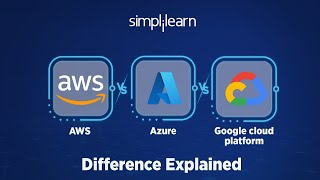
A comparison is made between GCP, AWS, and Azure. The instructor discusses GCP's strengths in pricing, live migration, and big data/AI solutions.
A detailed look at Azure services is provided, including compute (VMs, scale sets, containers), databases (SQL, Cosmos DB, PostgreSQL), security (Security Center, Key Vault, Active Directory), networking (VNet, VPN, ExpressRoute), and storage (Blob, Table, Queue, File).
A brief overview of AWS services is given, including EC2, S3, DynamoDB, and VPC, with a comparison to Azure offerings.
The Azure Machine Learning content is repeated, including the demo of building a model in Azure ML Studio.
A deeper explanation of Azure Active Directory is provided, including its layers, differences from Windows AD, and how to create and manage users.
Azure Data Factory is introduced as a data integration service. A demo shows how to copy data from an SQL database to Blob storage using a pipeline.
A step-by-step demo is provided on creating an Azure VM, connecting to it via RDP, installing IIS, and hosting a website.
A demo is provided on creating a VNet, subnets, and a VM within the VNet. The instructor explains how to validate the VM's private IP address.
A demo is provided on creating an Azure DevOps organization, project, and using Azure Boards to create work items.
The video covers the Microsoft Azure certification paths, including Fundamentals, Role-based, and Additional certifications. Details on exam codes, fees, and skills are provided.
A detailed overview of the AZ-104 exam is provided, including syllabus, exam details, preparation tips, and practice questions.
The deployment models (public, private, hybrid) and service models (IaaS, PaaS, SaaS) are explained with analogies.
A comprehensive overview of Azure is provided, including its history, benefits, and a comparison with other cloud providers.
A detailed explanation of Azure services is provided, including compute, containers, databases, security, networking, and storage.
A series of common Azure interview questions are presented and answered, covering topics like IaaS/PaaS/SaaS, VM types, deployment environments, scaling, Active Directory, queues, and more.
The video continues with more Azure interview questions, including scenario-based questions about VNet, single sign-on, migration, and CDN.
This video serves as a comprehensive Azure training resource, covering a wide range of topics from fundamentals to advanced concepts. It is particularly useful for individuals preparing for Azure certifications like AZ-305 and AZ-104, as well as for those seeking a broad understanding of Azure services and best practices.
Azure Portal
link
Azure Free Tier
link
Azure Machine Learning Studio
link
Azure DevOps
link
Docker Hub
link
Draw.io
link
Microsoft Learn - AZ-305
link
Microsoft Learn - AZ-104
link
Azure Regions
link
Azure Pricing Calculator
link
Azure Speed Test
link
Google Cloud Platform
link
AWS
link
Nagios
link
Jenkins
link
Maven
link
Selenium
link
Git
link
Ansible
link
Docker
link
Simplilearn
link
Microsoft Azure Certification
link
What is cloud computing?
Cloud computing is the delivery of compute services (like servers, storage, databases, networking) over the internet on a pay-as-you-go basis.
03:38
What are the three main cloud service models?
IaaS (Infrastructure as a Service), PaaS (Platform as a Service), and SaaS (Software as a Service).
50:33
What is the difference between authentication and authorization?
Authentication is the process of verifying a user's identity (e.g., username/password). Authorization is the process of determining what an authenticated user is allowed to do.
01:02:08
What is the Zero Trust Model?
A security framework based on the principle of 'never trust, always verify'. It emphasizes verifying every request, least privilege access, micro-segmentation, and assuming breach.
01:13:44
What is Microsoft Entra ID?
Microsoft Entra ID (formerly Azure Active Directory) is a cloud-based identity and access management service that provides authentication and authorization for Azure and other Microsoft services.
01:27:03
What is the difference between B2B and B2C in Microsoft Entra ID?
B2B (Business-to-Business) is used to invite external partners to your tenant, while B2C (Business-to-Consumer) is used for customer-facing applications to manage their identities.
01:58:17
What is Conditional Access?
A premium feature in Microsoft Entra ID that allows you to create policies to grant or block access based on conditions like user, location, device, or application.
02:35:52
What is the difference between a Managed Identity and a Service Principal?
Managed Identities are used for applications hosted in Azure, while Service Principals are used for applications hosted outside Azure. Both provide an identity for the application to authenticate to Azure resources.
03:12:43
What is Azure Key Vault used for?
Azure Key Vault is a service for securely storing and accessing secrets, keys, and certificates, such as passwords, connection strings, and encryption keys.
03:45:24
What is the Azure hierarchy for managing resources?
The hierarchy is: Management Groups > Subscriptions > Resource Groups > Resources. Access and policies can be applied at any level and are inherited downwards.
04:14:08
What is Azure Policy used for?
Azure Policy is used to enforce standards and compliance by creating rules that can allow or deny resource deployments based on conditions like location, size, or tags.
05:02:00
What are the four key RBAC roles in Azure?
Owner, Contributor, Reader, and User Access Administrator. Owner has full access, Contributor can manage resources but not assign roles, Reader can only view, and User Access Administrator can assign roles.
05:36:50
What is a Landing Zone in Azure?
A landing zone is a concept for preparing an Azure environment before deploying workloads. It involves defining policies, RBAC rules, and resource groups to ensure compliance and governance.
05:54:42
What is the difference between IaaS and PaaS?
In IaaS, you have full control over the operating system and are responsible for patching and maintenance. In PaaS, the provider manages the underlying infrastructure, and you only focus on your application code.
07:38:43
What is the difference between Azure Container Instances (ACI) and Azure Kubernetes Service (AKS)?
ACI is a simple way to run a single container, but it lacks scaling and orchestration. AKS is a managed Kubernetes service that provides self-healing, dynamic scaling, and rolling updates for containerized applications.
08:42:58
What is the difference between Azure Functions and Logic Apps?
Azure Functions is a serverless compute service where you write code to respond to events. Logic Apps is a low-code/no-code service that uses connectors to build workflows.
09:22:07
What is a Virtual Network (VNet) in Azure?
A VNet is a private network in the Azure cloud that allows you to isolate and securely connect your Azure resources. It is your own private cloud within Azure.
09:48:08
What is the difference between a system-assigned and user-assigned managed identity?
A system-assigned managed identity is created for a single resource and has a one-to-one relationship. A user-assigned managed identity is a standalone resource that can be shared across multiple Azure resources.
03:21:59
What is the purpose of Azure Blueprints?
Azure Blueprints are used to create landing zones by defining a set of policies, RBAC roles, and resource groups that can be deployed together to ensure compliance.
05:57:40
What is the difference between scale up/down and scale out/in?
Scale up/down refers to changing the size of a single VM (e.g., increasing RAM). Scale out/in refers to adding or removing VM instances.
31:10
Cloud Computing Definition
Provides a clear, simple definition of cloud computing that is foundational to understanding all other Azure concepts.
03:38Zero Trust Model Principles
Explains a critical security framework that is essential for designing secure Azure solutions.
01:13:44Microsoft Entra ID Overview
Introduces the core identity service in Azure, which is fundamental for managing access to all resources.
01:27:03Conditional Access Demonstration
Shows a practical example of how to implement security policies based on conditions, a key skill for Azure administrators.
02:35:52Managed Identities vs Service Principals
Clarifies a common point of confusion for developers and architects when securing application access.
03:12:43Azure Hierarchy Explained
Understanding the hierarchy is crucial for effective governance and access control in Azure.
04:14:08Azure Policy in Action
Demonstrates how to enforce compliance and prevent costly mistakes, a key responsibility for cloud administrators.
05:02:00Virtual Machine Deployment
Provides a step-by-step guide to creating and configuring a VM, a fundamental task for any Azure professional.
06:35:10AKS Self-Healing and Scaling
Highlights the key benefits of using Kubernetes for container orchestration, which is essential for modern application deployment.
08:42:58Virtual Network Design Patterns
Explains the different ways to design network architecture, which is critical for security and performance.
09:48:08Azure Machine Learning Workflow
Provides an overview of how to build and deploy ML models in Azure, a key skill for data scientists.
10:22:47Building a Web App with SQL Database
Shows a practical end-to-end project that integrates multiple Azure services, demonstrating real-world application development.
10:44:42Azure DevOps Services
Introduces the tools for implementing DevOps practices, which are essential for modern software delivery.
12:12:54GCP vs AWS vs Azure Comparison
Provides a high-level comparison of the major cloud providers, helping professionals choose the right platform.
13:18:45AZ-104 Exam Details
Provides specific, actionable information about the Azure Administrator certification, including syllabus and exam format.
18:23:16Azure Interview Questions
Offers a comprehensive set of common interview questions and answers, helping candidates prepare for job interviews.
20:01:21[00:07] YouTube channel. Cloud computing has become the foundation of modern digital transformation, enabling organization to build scalable applications, store vast amounts of data, automate operations, and even innovate faster than ever
[00:20] before. Among the leading cloud platforms driving this transformation is Microsoft Azure. One of Azour's biggest advantage is its seamless integration with Microsoft ecosystem including Windows Server, Active Directory,
[00:33] Microsoft 365, Power Platform and enterprise business applications. In this complete Azure course, you will learn everything from cloud computing fundamentals to advanced Azure services and cloud architecture concepts. We will
[00:46] start with the basics of Azure and gradually move into compute services, storage, networking, security, databases, monitoring, automation, and cloudnative development. You'll also explore modern technologies such as
[00:58] containers, Kubernetes, serverless, computing, infrastructure as code, DevOps, integration, and AI services available within Azure. By the end of understanding of Microsoft Azure and practical skills required to design,
[01:11] deploy, manage, and optimize cloud solutions. Having said that, let's take will start off with module one which is introduction to cloud computing and Microsoft Azure. Module two is Azure global infrastructure and core services.
[01:24] Module three is Azure identity access management and Microsoft Entra ID. Module four is Azure virtual machines and compute services. Module five is Azure storage services and data management. Module six is Azure
[01:37] networking fundamentals. Module 7 is Azure databases and data services. Module 9 is Azure app services and cloudnative applications. Module 9 is monitoring and management with Azure monitor. Module 10 is serverless
[01:51] computing with Azure functions. Module 11 is containers, Dockers and Azure Kubernetes services. Module 12 is infrastructure as code and Azure automation. Module 13 is Azure security governance and cost optimization. Module
[02:04] 14 is real world Azure projects and solution architecture. Module 15 is Hope I made myself clear with that agenda. That said, if these are the type that subscribe button with the bell icon to get notified whenever we host. Also,
[02:18] upskill yourself, master cloud computing and DevOps skills and land your dream job or even grow in your career, then you must explore Simply Learn's cohort of various cloud computing and DevOps programs. Simply learn offers a variety
[02:31] post-graduate programs in collaboration with some of the world's leading will gain knowledge and work ready expertise in skills like application migration, autoscaling, continuous integrations, BI, microservices,
[02:45] database management, and over a couple of dozen others. And that's not all. on multiple projects led by industry experts working in top tier data and these courses, thousands of learners have transitioned into cloud computing
[02:59] and DevOps role as a fresher or moved on to a higher paying job and profile. So career in this field then make sure to check out the link in the pin comments and in the description box below to find DevOps and cloud computing program that
[03:11] fits your experience and areas of interest. So let's get started with our Azure full course with a small quiz. Which Azure services commonly used to host virtual machines? Is it Azure blob storage, Azure virtual machines, Azure
[03:24] monitors or is it Azure functions? Let us know your answers in the comment section below. Now over to our training experts. All right. So let's start with the basics of cloud computing. Now before I
[03:38] start explaining the cloud computing, I want to understand from you are you do you guys know what cloud computing is? Any general uh definition that you know Any general uh definition that you know or any
[03:51] do you know what cloud computing is and are you right now using cloud? Uh I just want to correct few people who have said we are not using cloud computing. Right now everyone of us are using cloud computing. Okay. How it started? Started
[04:06] with basic services like email services. So if you say you're not using cloud, do you have email accounts or are you using the email services like Hotmail, Gmail,
[04:20] uh back in the days, I don't know how old are you guys? We used to have Yahoo, right? So what are these services? These are nothing but the SAS services. These are the services using which you send your email. Are you saving those email
[04:34] your email. Are you saving those email in your laptop? How do you access Gmail? How do you access Hotmail or how do you access Google Drive, One Drive, Dropbox? So, we are using cloud in our day-to-day
[04:49] life. Even you're not using the cloud for your own infrastructure, but you're using cloud in a sense like uh email services, storage services, right? Movie on demand services. Are you using Netflix? Are you using Prime? Hot Star.
[05:05] So these are the movie on demand services, right? This is also pay as you go. So depends on different plans you subscribe to. You you'll have to pay. If just cancel that subscription. You won't be paying for that particular month.
[05:18] Right? So all these services are accessible over internet. So what do you connection. Whether to use from laptop or to use from your phone. You just need an internet connection. If you have an
[05:30] internet connection, you can use cloud, right? On demand movies, on demand food, put band panda or swiggy, right? So these are nothing but cloud services, right? So what is cloud computing? In
[05:44] right? So what is cloud computing? In simple terms, cloud computing is simple terms, cloud computing is is a delivery of services uh over internet. Now what services are being delivered? When we specifically
[05:58] discuss cloud computing, it's nothing but delivery of services over the internet. Now, which services is being delivered? Services like compute, delivered? Services like compute, storage, databases, network. So, if you
[06:10] are accessing those services via the internet internet that means you are using cloud. So cloud computing is nothing but delivery of services. Now the first
[06:22] question that most of my student ask is why do we need these services? Compute, storage. Do you guys know why do we need these services? Let's say there's no cloud. If there's no cloud and you want to host your website or an application,
[06:36] where do you host it? You want to host a website or a web application, where do you host it? So if there's no cloud, we need to create a data center. Okay, we need to first have a data
[06:49] center before I or Windows server, we need to have our data center. Now, what do you think? How much charge or how much cost will I have to bear as a company or as an organization if I want to have my own data center?
[07:06] First of all, I have to pay for the infra. I need to find a place and infra. I need to find a place and imagine a uh imagine having a big big space in a city like Mumbai or Bangalore how much you have to pay
[07:20] right before even starting your business you'll have to pay for that infra you need to buy that that place first you need to put your racks your servers
[07:32] there then you need to think about the the power power supply you need to think about the redundant power supply since I don't want to rely on single power don't want to rely on single power supply right so this is the is the uh
[07:48] cost that you have to bear if you do not go for cloud but as har is mentioned that we har is mention mentioning that we can go for colo yes you can go for collocation as well but for that as well someone has to has a data center you can
[08:03] go for colo but someone has to has a data center right someone should build the data center for you. Yeah. So that colo is like you're just renting spaces. So you're just renting the data uh you're just renting one or
[08:17] two uh servers or you're just renting entire rack in that particular data servers there. So that's that is the meaning of collocation right. So that was also possible before cloud but after that not everyone can
[08:32] afford of creating a or or developing or uh building a data center. So what happens the big companies like Amazon, Google and Microsoft and there are a lot of
[08:47] others or all right so these big companies what they did they created data centers and they started providing the computation services like compute storage database networking on rent. All
[09:04] right. So today when someone says that we need to move to cloud or we need to migrate to cloud or we want to use cloud computing they're mostly mentioning that we want to use the AWS infra GCP infra Google
[09:17] infra or Microsoft Azure's infra or Oracle's infra depending on uh which part of world you are we need to use their infra and deploy our computation resources all right so what is why do we need this
[09:30] computation resources compute resources like for example let's Say you have an like for example let's Say you have an idea and you need to use information technology to bring that idea to life. That means you have a business. A simple
[09:42] That means you have a business. A simple example I can take is let's say Swiggy. So what is the idea behind this business? Deliver deliver food delivery service. So when you use Swiggy, are you making
[09:54] the food? Obviously no. Someone else is making for you. So you're ordering it this? This is like a food as a service. So it's again a uh cloud service right? kitchen from where you're ordering. So let's say you have an idea and you want
[10:10] to build something like this or whatever your idea is and you want to use uh internet to deliver services. So in order to use internet in order to
[10:22] develop or in order to bring my idea to life first of all what I need I need to hire a developer. Why do we need a developer? Developer will write the application for me. So what is an application? Application is
[10:36] nothing but some files. So if you have ever developed a very simple HTML uh uh ever developed a very simple HTML uh uh page or HTML website, static website, if application is nothing but list of files. There there will be lot of files.
[10:52] If you're writing application inn net or Java or whatever you're just coding. If you're a developer, you might know better, but you're just coding. So that code is saved in nothing but a file with some extension,
[11:06] right? So in order to make sure that my website is is is reachable to to my customers or to my users who wants to deliver food or anything, whatever your
[11:19] idea is, I need need to keep this file somewhere and that somewhere is nothing somewhere and that somewhere is nothing but a server.
[11:32] you place that server? You need to place that server in a data center. So as as Har mentioned, you can collo col uh you can get a collocation place in one of the data center. You'll be paying some rent or you can simply
[11:47] launch the server on a cloud company. Now tell me what what what do you think what will be the cost of buying a server from IBM or from HP? What will be the from IBM or from HP? What will be the cost of buying one server?
[12:02] Around $1,000, right? Around one lakh or two lakh or three lakh rupees depends on which company you go for and what configuration you want. Right? If you have never heard of server, what server is? Server is
[12:14] nothing but a computer. So if you go today to buy a new laptop, what do you today to buy a new laptop, what do you what do you see or uh which laptop you So what do you see in that laptop? You'll see the config, right? You'll see
[12:30] the storage, what is the SSD given, you'll see the processor, what processor you'll see the processor, what processor is being used or being uh installed in this laptop, right? You'll see memory, the RAM. So these are the three most
[12:44] important thing that we see. Similarly, server is like you can say a powerful computer which provides services. So you know the laptop is like for commercial use. That means for us just to uh do a
[12:58] meeting or do or or for entertainment purposes like I want to watch a movie, I can watch it on a on my laptop. I can do some of my business business things. But you cannot host your website on laptop. Technically you can but your laptop is
[13:13] not as powerful as server to provide the services. Okay. So similarly similar to laptop you'll have a server and then on top of that system. In laptop you have an operating system right? You have Windows right? So
[13:29] system right? You have Windows right? So you you you go for Windows 11 nowadays you you you go for Windows 11 nowadays or if you're uh fond of Mac you'll go for Mac. So Mac has their own Macintosh. Apple has their own Macintosh operating
[13:41] Apple has their own Macintosh operating system like or there's another uh variant in market which is Linux right so on top of that server you'll be having an operating system what is an operating system operating
[13:54] system is the mediator between human beings and the uh hardware if I give you a hard disk can you just see that hard disk and try to figure out what do we have in that hard disk just like physically seeing that hard disk like
[14:09] Can you do that? No. Right. We need to connect that hard disk to the laptop. How does the the laptop reads hard disk? Laptop has the operating system installed and that operating system can detect and read the hard disk and then
[14:24] we can identify what kind of files we have in that hard disk. Right? So have in that hard disk. Right? So similarly here we deploy OS on top of similarly here we deploy OS on top of our server and then we keep our files.
[14:42] like Swiggy and I also want to come up with a food delivery service, first of all I need to hire a developer or if you are a developer you can write your own code. But in order to host that application you need to have the server.
[14:59] So using that server only you can host right now. In order to buy that server you have to spend a certain amount. Let's say $1,000 and that amount is upfront cost. That is an upfront cost. When you say
[15:12] upfront cost, that means I have to pay it now. Even before starting my for one server. Now, tell me, you're buying one server and if that server goes down, what happens? See, you're buying one server and you're
[15:26] hosting your application on top of that server. If that server goes down, will you be able to reach your application or will your user will be able to reach the application? Obviously not. Right? If Swiggy is down, you won't be able to you
[15:39] Swiggy. So I cannot rely on one server. So I need to buy another server as well. Why do I need to buy another server? goes down, my application is reachable from the second server.
[15:55] So instead of $1,000, I need to spend $2,000 for two servers. So that's an upfront cost. And this upfront cost is nothing but capital expenditure for your
[16:07] business capex. Okay. Now for for an individual user who or for an startup for a startup investing this amount could be huge. So what they can
[16:22] do they can simply launch portal.azio.com cloud create a server deploy their website and that's all their their website is live.
[16:37] laptop and if you have an internet connection you can get the server the storage the networking through that internet through the internet. That's
[16:50] computing refers to the delivery of inter delivery of compute services over the internet. What is compute service? Compute services are nothing but you want in order to host a website you would need
[17:04] uh storage, you would need RAM, you would need CPU. So all these services are given to you over the internet. You don't spend spend this much of amount up front. So you're saving already you're saving $2,000
[17:19] right now. Here you deploy two servers, five servers, doesn't matter. On cloud you deploy two servers, five servers, 10 server. You're not paying $2,000 upfront. That means right now I'm not paying $2,000. So when I'll be paying,
[17:32] I'll be paying as per my use. Pay as you go. So this month, if I'm using five servers, I'll have to pay for the five servers. Next month, if I don't require five servers, I'll remove two servers and I'll pay for
[17:46] three servers only. Pay as you go model. What is pay as you go? It's like your electricity, right? So, every month do you get the right? So, every month do you get the similar bill for your electricity?
[17:59] Depends on your usage, right? In summer, we use air condition, uh, coolers and all those stuff. So, we pay more in summer, but in winter, do we pay more?
[18:11] Totally depends on your consumption, right? So, that's nothing but the pay as right? So, that's nothing but the pay as you go approach. Pay as you go. As much as you use, you pay for that. If you use 10 servers, 20 servers, for that much,
[18:24] you'll pay more. If you use only one server, you'll pay for only one server. Okay. I hope you have understood what cloud computing is and why do why you will be using cloud computing.
[18:37] using cloud computing. Okay. All right. computing? Cost optimization. As I mentioned that uh if you want to use two servers, three servers, you use that. So depends totally depends on your
[18:52] requirement. You'll be using two servers, three servers, right? So it helps you to achieve the cloud uh uh achieve the cost optimization, right? upfront everything. I'll be paying according to my use. performance
[19:06] according to my use. performance efficiency very quickly you can uh get the performance increase the performance of your app right I want two servers I want more CPU I can I can do that I want more RAMs I can change my
[19:21] change u the amount of RAM assigned to my compute service right so all those thing you can do very quickly apart from that accessibility if there was there's no cloud and you want to come up with your with your IT
[19:36] want to come up with your with your IT business or business using it. Where you'll be creating or deploying your server you will be creating or deploying your server depends on wherever you you are. You let's say I
[19:49] stay in Mumbai and I want to I have an idea and I want to come up with a service. So I'll be searching a place in Mumbai itself and if my user base in is is in US I need to go to US and there I have to
[20:03] deploy my server in one of the data center right. So with cloud it has become very easy I can deploy wherever I want depending on uh let's say I want to
[20:16] deploy a server. So in cloud it's it's quite is known as virtual machine. So I'll click on create create virtual machine. And here you see if you want to deploy it in US, you can select US,
[20:30] east, US, west. If you want to deploy it in Australia, you can select Australia. you need? You just need an internet connection and you can deploy wherever you want. Wherever Azure has his presence, right? I want to deploy in
[20:43] Europe. I can go for Europe. I want to deploy in uh UK, I can go for UK. Right? So these are the different these are the benefits of using cloud computing. These
[20:55] benefits you cannot get when you are deploying everything on prem. Okay. deploying everything on prem. Okay. Reliability So cloud is reliable. Why it's reliable? Because they by default monitor it.
[21:12] Okay. Uh by default monitoring as in it's not like that they will take actions on your behalf. only if you configure they can take actions on your behalf but if you don't configure uh they'll not they'll not take that action
[21:27] they'll not they'll not take that action right so cloud is reliable flexible you accessibility you can deploy wherever you want whatever size of uh server you want you want more CPU more RAM depends totally on your requirement and security
[21:43] whatever data you you are keeping on cloud uh by default is it is secured you don't need to worry about security. Why? Because what I'm putting in my uh
[21:56] storage account in my storage Microsoft is automatically encrypting that. What is like uh a security algorithm
[22:08] which is making your data unreadable. Okay. Sorry. a security algorithm which is making your data whatever data you're putting
[22:22] on cloud unreadable that means when I'm putting a data in in data where do you put or save your data hard disk right solid state drive or hard disk in that
[22:38] hard disk we keep our data so if you remove that hard disk from your laptop and attach it to another laptop. Can you read the hard disk or no? If I remove the hard disk that I have over here, remove it from laptop number
[22:53] over here, remove it from laptop number one and connect it to laptop number two, will I be able to read my data? Yes. Right? I'll be able to read my data. So, cloud, what cloud is doing? Cloud is nothing new. Cloud is also using
[23:06] hardress drive or solid state drive to keep your data. So, what happens when you keep your data in cloud? it goes to the cloud data center within that data center they'll be having servers or sand storage and in that storage your data is
[23:19] stored. So if someone goes there who has the physical access to the data center if someone goes to that hard disk take out the hard disk connect it to our laptop where's the security then he or she will
[23:33] be able to read the data right similar to this scenario if someone goes to the cloud take out the hard disk where your data is stored connect that hard drive to it to his own laptop he'll also be be able to read that data right so to avoid
[23:49] this situation what every cloud provider is doing is encrypting your data. What is the meaning of encryption? Whatever you're writing, you're writing ABC. So you're writing, you're writing ABC. So that is stored in an encryption format.
[24:03] hard disk and connecting that hard disk to its own laptop, he or she won't be able to read the data unless and until that data is decrypt.
[24:18] decryption we require the encryption and decryption keys. So Microsoft stores keys. The uh you have the option to use your own keys as well. Right? So this is one of the benefit that we have in the cloud. Even if the data is even if the
[24:34] device where your data is stored is stolen, the data is secure. No one will be able to read it unless and until they decrypt it. Okay. encrypted. Doesn't matter what cloud provider you're using.
[24:51] Okay. Now what is Microsoft Azio? Microsoft Azio as you know is the leading cloud provider from Microsoft. So Microsoft is the owner and Microsoft So Microsoft is the owner and Microsoft has created lot of data centers and
[25:03] has created lot of data centers and those services are given to you as uh as a service. Whenever we talk about cloud you will be hearing something a term you will be hearing something a term known as as a service.
[25:15] So Microsoft Azure is a cloud provider. It's a leading cloud provider which offers 200 products and cloud services to you to the users so that they can to you to the users so that they can bring their own idea to life. Okay.
[25:42] well. So you you might uh see me going uh mute a lot of time. Okay. So just bear with me. Maybe tomorrow I I'll I'll feel better. All right. So what is Microsoft Azure? Microsoft Azure is a leading cloud
[25:56] provider available in the market which offers around 200 products. So this is offers around 200 products. So this is the second I mean if you go 5 years back Microsoft Azure was the second leading cloud provider. But now if you see we
[26:09] cloud provider. But now if you see we have like 55 45 uh ratio in the market. The competitor to Microsoft Azure is AWS. Depends on which area or which part of world you are. You would see that AWS is
[26:25] used more or Microsoft Azure is used more depend on which part of land. I I lot of opportunities for Microsoft Azure. Whereas if you stay in Bangalore side in India in Bangalore side you would see AWS requirement more. So
[26:40] totally depends on which part of area you are. If if you're staying in Middle you are. If if you're staying in Middle East Saudi or Dubai you would see Oracle being used for. Okay. So totally depends on which part of area
[26:54] you are but it doesn't matter that uh which cloud you are learning. If you learn one cloud, you'll automatically understand the second cloud because services are are are same. The only difference is Microsoft might be having
[27:07] few different services. AWS might be having few different services. The names for those services are changed. Like in Microsoft Azure we say virtual machine Microsoft Azure we say virtual machine whereas in AWS they say uh elastic cloud
[27:21] compute. In Google they say compute engine. So totally depends uh which cloud you're using. Services uh which cloud you're using. Services are same the names are different. Okay.
[27:42] whatever benefits we have we have discussed for cloud computing same benefits applies here as you can see security cost effective scalability data recovery flexibility. So all the benefits you'll get on every cloud
[27:57] doesn't matter what cloud you're using you're using Microsoft Azure same benefits you have security cost effective data recovery scalability flexibility but then the question arise if all clouds have the same benefits
[28:12] uh why should I use Azure over AWS or why should I use AWS over Azure or why should I use GCP why should I learn Azure or why should I why should I learn Azure or why should I learn uh AWS Yes. So that question only
[28:26] I have only one answer to that question that if you are already familiar with Microsoft product or let's say as a company if I'm already using Microsoft products which most company are if I'm
[28:41] already using Microsoft product I can crack a good deal with Microsoft if I want to use Azure. If you're using Microsoft products, it's possible that your company is already Microsoft partner. So they can crack a
[28:57] good deal and they can get get a good discount uh with Microsoft uh they if if they want to use Azure, right? right? AWS benefits you like uh if you are
[29:12] already I mean Microsoft Azure started late as compared to AWS. AWS was the first cloud in the market. So that's why AWS has had lot of shares if you go 5 years back. So if you are already with Amazon and if
[29:27] your sales team can crack a good deal with AWS, your company might be using AWS. If your Microsoft partner in your company can crack a good deal with Microsoft Azure, they will be using Microsoft Azio. Another way is if let's
[29:41] say your company is getting a new project and in that project they will be hiring few people so they will be hiring people and those people are familiar familiar with Azure so for that particular project your company will go
[29:56] with Azure if your company is launching another project and they're hiring people and they see that yeah we have lot of professionals who who understand AWS so for that project they'll go for AWS I've seen this in lot of companies
[30:12] for my own company. We have few services on Azure, we have few services on AWS. When I raised this question to my manager, why do we why do I why are we said that whatever developer we have in this project, they are familiar with
[30:26] Azure, they're familiar with net. So they are familiar or more aligned to white m towards Microsoft project. So that totally depends on your comp on company by company scenario which cloud you'll see more. Okay. But AWS and Azure
[30:41] you'll see more. Okay. But AWS and Azure are the top contender. GCP is also coming up. All right. So these are three these three are the top contenders in the market. So if you're choosing Azure uh you'll definitely land a job and
[30:53] you'll get a good good pay as well. Okay. So the two things that we didn't discuss in the benefit is scalability and data recovery. So what is scalability? Scalability is a way to add or remove
[31:10] the instances from your solution. So let's say I have from your solution. So let's say I have a website. host this website. How do I decide how many servers I should be uh launching on
[31:27] many servers I should be uh launching on Azure and on how many servers I should Azure and on how many servers I should be launching my website or installing my website? How do I decide that? I can't decide when when the website is new. You
[31:41] cannot predict the amount of traffic your product is going to receive. Can you predict that? Obviously no. So what you'll do you'll start with less number of servers. Let's say I'll start with two two servers
[31:56] and suddenly my marketing team has done a quite fantastic job and promoted my a quite fantastic job and promoted my website on on so on some popular show. So as soon as my as my website was promoted I saw the spike in the traffic.
[32:14] promoted I saw the spike in the traffic. So in that case if the traffic is more can you u can your two servers handle all all all that all that traffic obviously no depends on what what
[32:28] configuration you have right so as soon as the traffic increases I need to add extra servers so increases I need to add extra servers so that adding or removing of extra servers
[32:41] is known as scalability Either adding the services or removing Either adding the services or removing the services is known as scalability. All right. So there are two types of scalability horizontal and vertical. So
[32:58] scalability horizontal and vertical. So you can increase the configuration that means you can scale up. Right now let's say you have 2 GB of RAM Right now let's say you have 2 GB of RAM and uh four virtual CPUs. So you want to
[33:13] increase the config that means I want now 16 GB of RAM and eight virtual CPUs. So this kind of scaling is known as scale up or scale down from 16 to 4 GB and two virtual CPUs. Right? So you are either increasing or
[33:29] decreasing. So that is known as scale up. If you're increasing that is known as scale up. If you're decreasing that is known as scale Similarly, if you're adding the number of instances, that means you're adding
[33:42] extra servers. So, you're scaling out. You're decreasing the number of servers. You're scaling in. Okay? When someone says scale up, that means you're increasing the size, the
[33:57] configuration, amount of RAM. If someone says scale in sorry scale down then you are decreasing the amount you're decreasing the configuration.
[34:10] When someone says scale out you are adding number of instances. Someone says adding number of instances. Someone says scale in that means you're removing the extra instances. Okay? Doesn't matter if you remember scale up scale out. You
[34:23] Scalability means adding extra instances or increasing the configuration or decreasing the configuration. That's all. Okay. Data recovery.
[34:35] all. Okay. Data recovery. Uh by default there's no data recovery. You need to configure it. But when it comes to cloud, it's very easy to configure the data recovery. So as we progress in our Azure journey, we will
[34:48] have one chapter where you'll understand how you can recover your data in case uh there's a failure or in there in case there's a loss of data, how can you recover it? Okay. So data recovery is very simple when it comes to cloud.
[35:03] Cost effective and security we have already discussed right. Salman is asking difference between scalability and flexibility. You are flexible to and flexibility. You are flexible to deploy in any region.
[35:15] deploy in any region. So any cloud gives you option to deploy your ser services in different regions like I can deploy in India, I can deploy in US, I can deploy in Australia. So depends on my requirement I can deploy
[35:29] it anywhere wherever Azure has its presence. So that is flexibility. You're flexible enough to deploy in any region plus you are flexible enough to deploy plus you are flexible enough to deploy in any size of of the server any
[35:42] configuration which is provided right. Scalability is something where you're adding or removing the extra instances. Now a very good example of scalability is
[36:01] for uh the Amazon e-commerce website for uh shopping? uh shopping? So every year Amazon comes up with a sale right. What what that sale is known as great Indian
[36:16] what that sale is known as great Indian something we have the sale right Indian festival or something right so during that sale
[36:31] what do you think the traffic will be more towards Amazon or the traffic will more towards Amazon or the traffic will be less
[36:43] platform. Do you think the internet traffic will be high or will be low traffic will be high or will be low during the sale period? It will be high, right? So when the sale when when sale is announced, you know
[36:55] when when sale is announced, you know that for 4 days we need extra servers. Since that 4 days we have sales, so we might have lot of traffic. So we know we can predict. So if we have lot of traffic we can add the extra
[37:10] instances instances and then when sale is done after 4 days obviously the traffic will reduce to it normal will have normal traffic so we normal will have normal traffic so we can reduce the number of servers
[37:23] I don't know uh how old are you but the first sale that flipkart announced big billion something the first sale was a flop why because flipkart didn't scaled its servers was and it was it it failed
[37:39] for the first day. So they had to increase or add one more day there. So they will be adding the scaling uh they they have to add the servers when when they have to add the servers when when they are receiving lot of traffic. Okay.
[38:02] screen. Okay. So these are the Microsoft Azure benefits to the business when they are opting out for the Microsoft Azure. Sisha is asking horizontal vertical scaling wins. I just explained scale up
[38:18] scale out right. So when you're scaling like this what is this horizontal or vertical? This is horizontal right or sorry this is vertical right? So you're adding or you're increasing the configuration of your your server. So
[38:32] configuration of your your server. So earlier you were using let's say 2 GB now you're using 4 GB that means you you have added 2GB RAM extra. So that is known as vertical scaling. Whereas horizontal scaling is you're adding
[38:47] extra instances. You had one instance you added two instance. So now you have total three instance. So now you have total three instance. This is known as uh horizontal scaling.
[38:59] This is known as uh horizontal scaling. Clear?
[39:27] So, what skills are we going to cover in A305? Now, a 305 has a study guide. So, A305? Now, a 305 has a study guide. So, let me just launch.
[39:46] If I go to a305 here, not GitHub. exam I would ask you or I would encourage you to please uh go to this
[40:00] website. Okay, this is the official page from Microsoft. So whenever you are sitting before sitting for the exam just go to this.
[40:15] sitting for the exam just go to this. Okay just go to this page. So what this page is having this page if you go to this is having this page if you go to this page you will see the learn path.
[40:33] learning path is the modules the flow or the topics that Microsoft expects you to know before sitting for the exam. So what skills are we going to
[40:46] cover? Now I'm not covering the skills from from the PPT. What skills I'm going to cover? I will be following this Microsoft learn path since this is up to Microsoft learn path since this is up to date as per the current exam. Okay. So
[40:59] what are we going to cover? We are going to cover all this uh topics whatever is mentioned. Like if I go for the first module which is design, identity, governance and monitor solution. If I click on it, uh
[41:13] this is what we are going to cover. So everything is mentioned here topic by topic what you should be knowing before sitting for the exam. sitting for the exam. Okay. Now if I go one page back and if
[41:27] you see here somewhere you should see the study guide. So what is the study the study guide. So what is the study guide? The study guide is uh is again a guide? The study guide is uh is again a web page where Microsoft has defined
[41:40] web page where Microsoft has defined uh what skills will be measured. Compute, network, storage, monitoring, security. If I scroll down, every skills is given certain percentage like every module is given a certain percentage. So
[41:55] from identity governance and monitoring solutions you can expect around 30% of questions from storage you can expect around 20 25 from business continuity you can expect expect around 15 to 20 right similarly
[42:10] from infrastructure solution you can expect around 35%. So what you should be knowing you should be knowing some logging solution like routing logs where you can keep the logs where you what monitoring solutions Azure has to offer
[42:25] what is an authentication solution right so all this topic by topic is is is provided in this study guide now same thing is for any certificate that Microsoft has to offer. So if you see every certificate is mentioned over
[42:38] here. So whatever certificate you are preparing for before sitting for an exam, make sure you uh glance here to see if you know this, if you know this, if you know this, right? If you do not know this, please try to see what this
[42:52] topic is, where you can see, you can see it in the learn path, right? it in the learn path, right? All right.
[43:06] that we are going to cover. Okay. Everything whatever mention is here we we are going to cover. Now why I I ask you to visit here because if you see Microsoft keeps on adding or removing something from their exam
[43:21] something from their exam every 6 month or 1 year right so if you read this this note if you read this note says the exam will be updated on note says the exam will be updated on April 17 2026. When was the April 17th?
[43:36] April 17 2026. When was the April 17th? Yesterday. So something is changed. guide. Okay. So if let's say next time, next
[43:51] year or after 6 month, if they don't want this particular topic uh in a 305, study guide. So you don't need to need that uh need to know that. So whatever Microsoft is making changes they will put that in the study guide.
[44:08] put that in the study guide. Okay. So I went through the old study guide and the new study guide but I don't see lot of things have been The only thing that Microsoft changed was audience profile.
[44:22] Okay. So it's a minor change from the syllabus wise. Nothing changed. Only audience profile change. So if you see the audience profile here, you should have all the audience profile somewhere.
[44:44] here. So this part is only changed. Now what Microsoft added as as far as I know Microsoft only added this. This wasn't part of the old study guide. Okay. But that's that thing which is added. Course wise nothing is changed. So topic wise I
[44:59] have went through the old and new study guide. Nothing is changed. Everything is same from the course point of view. Okay. Uh there the link is shared if you see the chat box. Okay. I already shared the
[45:13] the chat box. Okay. I already shared the link.
[45:25] Now if you see the simply learn syllabus we have like uh we have divided this into 15 different topics but I'm not going to cover it topic by topic as defined here 15 everything I'll be covering or
[45:39] summarizing in 10 or 11 topics okay whatever is mentioned over here everything is summarized in 11 topics since we have 10 days so I' I've summarized everything whatever we have here from identity until uh infra
[45:56] everything I have summarized into 11 topics. Okay, since we have to do the the the uh projects as well. So we need to complete everything in 10 days. Whatever Microsoft is asking me to
[46:12] cover, we will be covering everything which is defined in the study guide. which is defined in the study guide. Clear?
[46:26] brings to you? The course uh is bringing you the u some projects, some co-igned projects, some assisted practices. So what these assisted practices are? Assisted practices is is the word documents that I'll be adding to the
[46:40] LMS. So you will be having access to that. You can download it. It's like a stepbystep guide on how to do the demonstration on how to do the hands-on. So those assisted practice I'll be adding we will be having case studies we
[46:55] will be having course and projects ebooks Microsoft has stopped providing ebooks Microsoft has stopped providing ebooks. So your ebook is the learn path. So this is your ebook. Okay the first link that I shared please follow that
[47:09] link that I shared please follow that link uh or simply search for easy 305 in your search engine and you'll be landed to that page. Okay. So here you can find your learn path. Now why I'm stressing on this learn path? Because in exam you
[47:23] have access to the learn path. So when you sit for the exam uh you can access the learn path learn path from there. So if you are stuck or if you don't know the answer to any question you can go to the learn path and you can try to read
[47:37] it there within the exam itself can try to find out the answer. So access is there. That's why I want you to go through the learn path so you know in which page what service can get me the answer. All right.
[47:57] getting with this course. Now when it comes to the exam AZ305 The name is design Microsoft as your infrastructure solution. you will be
[48:12] having around 60 to 70 multiple choice question. Totally depends on your set of paper that you're getting. So when I set for the exam I had like So when I set for the exam I had like for 53 questions multiple choice
[48:26] question and rest of the questions were under case studies. Okay. The total 60 to 70 questions you'll be having including case studies. Then the um the time that you'll be getting is 2 hours. So you'll be getting
[48:41] 120 minutes to complete the exam and then in order to complete the exam and then in order to pass the exam uh you'll have to get to pass the exam uh you'll have to get 700 that means 70% of passing mark
[48:54] out of 100 you'll have to have you'll have to get 700 and uh there and once you click on submit there only you'll come to know the result you
[49:06] don't have to wait for the result okay everything is proctored Everything is everything is proctored Everything is computer basis. So once you submit uh it will calculate the software will calculate your percentage and you'll
[49:20] have your result there. So in order to pass you need to have 700 you need to get 700. Clear? The exam is available in different different languages English, Japanese, Chinese. So whichever language you
[49:33] prefer you can uh book exam in that language. Now where to book the exam from? So if you go to the 305 page from there itself you have the option to book the exam. Okay. So if you are in India you
[49:50] select your region wherever you are. Then click on uh then click on schedule exam and from there it will take you to the Pearson Ve page and from there you
[50:03] can schedule you can select the date when you want to sit for the exam all those stuff you can do in a Pearson VOE site. All right from Microsoft page itself you can book
[50:18] the exam. So that's all about the introduction about cloud computing about simply learn and about easy 305. Any questions on the basics yet?
[50:33] platform as a service and software as a service? Now this is uh important to understand. Uh it's a it's a basic cloud computing service model. Okay. um
[50:48] when you are dealing with different compute services you'll have to compute services you'll have to understand the different between is pass and SAS all right so what is before going on
[51:02] break let me answer this quickly uh and then uh if I'm not able to complete this in in in the next 7 minutes we'll continue this since this is important to understand is pass and SAS now How do I
[51:16] understand is pass and SAS now How do I see this is ps and s from for me see this is ps and s from for me or for you to understand is paz and s from a305 point of view. Okay, I'm not going at the a900 level since this is
[51:34] something which we cover in a 900 uh and a 104 as well. I'm not going into that level. So I'm I'm explaining it to you from a 305 point of view. Okay. The full
[51:46] form is quite simple. Infrastructure as a service, platform as a service and a service, platform as a service and software as a service. All right. Now, what is infrastructure as a service? So, in infrastructure as a service, your
[51:59] responsibility is more. Your as in you are the customer of Azure or any cloud provider. So, your responsibility here is more. In Paz, your responsibility is less as compared to infrastructure as a service.
[52:14] uh we are not saying that there's no responsibility there is responsibility responsibility there is responsibility okay so how does this is pants as are are defined is defined in a shared responsibility model
[52:28] people people think that since we are using cloud everything is cloud provider's responsibility that's not correct we are sharing responsibility with the cloud provider okay so what is our
[52:41] responsibility what is cloud provider 's responsibility that will be defined depending on the model depending on the service model you are selecting infrastructure service pass platform as service software as service now just to
[52:55] explain this in a simple term I just gave you an example of of suiki let's say you have an you have a similar idea and you want to use uh internet for need to come up with an application first what is an application in simple
[53:11] term application is nothing collection of files where your developer or if you are a developer you will be developing the application. So how do you write how do you code an app code an application? You simply open a file if
[53:26] you are using visual studio code or whatever you are using. You simply start writing your code and that code is written in a in a file. So you'll be having multiple files or you single file depending on how big your application
[53:38] is. Now in order to store this or save these files I need a server. Okay. So when I'm when I'm selecting cloud within the cloud I have two options to select from infrastructure as
[53:53] a service or platform as a service. In infrastructure as a service the hardware server is cloud provider's responsibility. Okay. Uh if you remember the data center model where you have to spend $1,000 or
[54:11] whatever the server cost is, you have to spend that up front. We are not using to spend this up front. So what we are doing we are using cloud. So even in cloud there is a hardware server.
[54:24] Someone has bought the hardware server. Who has bought? In our case it will be So if I'm using infrastructure as service this hardware server is cloud provider's responsibility. Now within that
[54:40] hardware server the cloud provider will be deploying be deploying their own operating system. So in case of Microsoft Azure they they are deploying HyperV. HyperV is nothing but
[54:53] an operating system. It's a hypervisor which allows them to create multiple uh machines on or multiple virtual machines on top of this hardware server. Okay. So this hyperV is also their responsibility.
[55:08] All right. Now on top of this HyperV, I will be creating my virtual server. This is a physical server which is cloud provider's responsibility. The operating system which is again cloud provider's responsibility. On top of this HyperV, I
[55:23] will be creating my server, my virtual server, let's call it virtual machine server, let's call it virtual machine 01. responsibility. Now within this virtual machine 01 I will be deciding whether to
[55:38] go for Windows operating system or Linux operating system that's I'll have to decide as as a customer I have to decide this okay so here what uh what Microsoft
[55:50] what we will do we will select let's say we select Windows operating system and on top of that Windows operating system you have to use the runtime or
[56:02] the framework work. So when you are writing an application your developer will write that application ill in certain code in some code right he might be using Java he might be using python might be using net whatever he's using
[56:18] you need to ask your developer or if you're a developer you should know that that there is framework I need to I need to use that language so in order to host the application I need to have this runtime installed on the server where I
[56:31] want to host my application where I want to add my files. So on top of Windows operating system, you will be deploying then framework. Okay. And on top of that net framework, you
[56:46] will then host your application. That means you will add your files. So what is my responsibility as a user here? My responsibility is the operating system that I'm choosing, Windows operating system. My responsibility is
[57:00] the framework that I'm choosing net. My responsibility is to take care of my hire a developer or if I'm a developer I'll have to develop the code.
[57:12] I'll have to develop the code. Now tell me every month Microsoft launches the update right? you know the update update patching
[57:26] that you have installed right every month or every week whatever so since this is hosted on cloud the Windows operating system on my virtual
[57:38] machine who will be responsible to patch that So if you're using virtual machine, it's your responsibility.
[57:53] You as a user, Azure will not patch it for you. Okay. Yes, there are way to ask Azure to patch. Uh but Azure by default will not patch you to patch your operating system. So you have to patch it. Then if there is a new version
[58:07] available for net, who will be installing that new version? Again you. So whatever above HyperV is our responsibility. So infrastructure as a service model requires more responsibility uh from
[58:23] from the user. Whereas PA model is same there will be physical hardware server on top of it there will be any hypervisor like HyperV or ESXi whatever cloud providers is using. There will be
[58:38] cloud providers is using. There will be virtual machine there will be a framework like net java whatever when I'm using p all this stuff becomes the cloud provider's responsibility what is my
[58:52] responsibility when when I'm using p the the application code is my responsibility so if I'm a developer p is something that I'll be choosing why because I'll get more time to focus on the development
[59:08] the virtual machine whether it's Linux or operate or Windows it's Microsoft responsibility to patch your responsibility your responsibility uh reduces when you use the PA model the
[59:21] pass service model clear entire software is given to you as a service like M365 Microsoft 365 you're
[59:36] using Google Drive. So Google Drive is a software as a storage service given to you. What are your responsibility when you are using Google Drive? What is your responsibility when you're using Google Drive? Just adding data and
[59:50] sharing that data with whoever you want. That's all. That's your responsibility. So you're using that software entirely. Do you know where Google is hosting? Where Google is saving? whether it's saving in India, Australia, US, wherever
[1:00:04] how Google is storing that is is that something we need to bother about as a user obviously not so software as a service what is your so software as a service what is your responsibility reduced entirely zero
[1:00:17] yeah you have limitation like if you're using free version you can store up to subscribe for a plan that's all software as a service Netflix software as a service are we paying for each movie separately?
[1:00:31] No, we are buying a plan. Do we need to keep a CD of all the movies? No, we just subscribe to a plan. We watch our our content, right? Software as a
[1:00:43] service. What is the infrastructure as a and a platform part of Netflix? Do you know CDVD for CDVD? What what what was required? We need the CD player or the DVD player, right? So, we need to buy it. So I am
[1:00:59] responsible for the hardware. I am responsible for bringing the CD or DVD. I'm responsible for placing that CD DVD within the DVD driver uh DVD reader and then I can enjoy my movie. If I don't have a CD of one particular movie, I
[1:01:14] won't be able to enjoy that because I don't have the CD, right? The CD DVD player becomes the infrastructure as a service part in case of movies and all. What could be the platform as a service part? Uh I cannot
[1:01:27] think of any here. Okay, clear the responsibility increases when you go for infrastructure and service model. who will do the service of CD DVD obviously I have to do as a as a as as a owner of that right in Netflix however
[1:01:41] they are hosting it I don't care I just pay them I enjoy their service that's all clear any questions on this we will clear any questions on this we will revisit this when we are on the compute
[1:01:54] section okay so let's move on to our first topic which is uh authentication and authorization so from The study guide we will we are covering uh this topic
[1:02:08] this module design identity and governance and monitoring solutions and there we are covering authentication and authorization. This is the uh these are the topics that we are going to cover. Okay.
[1:02:22] Okay. And from the learn path covering this one design, identity, governance and monitor solution. So
[1:02:38] governance. Monitoring we'll cover once we have done uh covering all the services. So at the end of the uh I mean at the last day we will be covering monitor solutions. Right now we are starting with identity and governance.
[1:02:53] Okay. Now before I start I need an answer from you. How many of you have worked with uh adds active directory domain services or if you're from the Linux back background uh how many of you know what
[1:03:07] LDAP server is what are these two services and those who are who are freshers please uh wait I'll explain what I'm uh
[1:03:19] please uh wait I'll explain what I'm uh what this topic is about okay okay so what is adds those who have worked with active directory What is this?
[1:03:35] So what are these services? Adds an LDAP. Okay, never mind. Those who don't know, please pay attention. Okay,
[1:03:50] those who haven't worked with any of these services, you might have uh these services, you might have uh account right in OTT platforms like Netflix or Amazon Prime. Do you hold the account?
[1:04:07] Amazon Prime. Do you hold the account? How many of you have account in Netflix?
[1:04:20] access or watch any any web series or a movie, what do you do? First you go to dubdubdubnet.com, right? If you're using a laptop, you go to this website. What happens first thing? What it ask? Does it allow
[1:04:35] directly to watch the movie or there is something to watch the movie or there is something which we need to do? Login, right? So we need to provide our credentials. login we need to provide our username
[1:04:47] and password. So what happens when we provide username and password? Netflix service checks your username and password. It checks whether you are providing correct username and password.
[1:05:01] If you're providing correct username and password, you are allowed. If you provide wrong username and password, it may deny deny you the entry and you won't be able to access those services. Right? So this process of
[1:05:16] providing username and password and identifying that username and password is known as authentication. That means That means I am not I am Netflix is authenticating
[1:05:31] me checking me whether the credential that checking me whether the credential that I have provided is correct or not. Okay. So what is authentication? Authentication is a way to to check
[1:05:45] Authentication is a way to to check someone with a certain credential. Apart from credential, how you can check someone? You can check them with with their card, smart card. If let's say you work, you
[1:05:57] go to your office. When you go to your office, there is a door. In that door, you have to there's a reader where you have to place your your smart card.
[1:06:09] Those who are working might know Right? You have to place your smart card. Without smart card, there's no entry. You cannot go in. Right? Unless your company has no security. Most of the company do have security and
[1:06:23] they do provide the smart card to their uh employees. And in order to enter the building, you need to place that smart card. So when you place that smart card, the identity service that is deployed within that building checks whether your
[1:06:37] smart card is valid or not. If it's valid, you can go in. If it's not valid, valid, you can go in. If it's not valid, you cannot go in. Okay. So, what runs you cannot go in. Okay. So, what runs behind uh behind that authentication is
[1:06:51] behind uh behind that authentication is this kind of services adds or LDAP. They runs behind the services and they checks whether your username or password is correct or not. You use your laptop, you use your company laptop or your
[1:07:05] your username and password correct or not. We need to provide nowadays Microsoft has made this made it compulsory to enter your Hotmail account right your email address. So once you provide your email address
[1:07:20] and password then only you can enter your laptop and do whatever changes you want. So this part of verifying the user, the application or whatever
[1:07:34] you have, whoever needs access is known as authentication. is known as authentication. Authentication is a is a is a process of verifying a person. Person is nothing but a user or application to see whether
[1:07:50] the credentials provided are correct or not. Okay. So that authentication is done by the services. Then once you are in once you're inside the building
[1:08:06] which flow you can access which flow you cannot access that path that part is cannot access that path that part is known as authorization.
[1:08:19] when you log into Netflix you have different plans right? you subscribe for different different plans. We have mobile plans, we have standard plan and then we have HD plan, right? I don't know the current plans but this was the
[1:08:33] know the current plans but this was the plans we we had right so you have uh mobile plan where when you log into Netflix you can only watch Netflix within I mean within your mobile app then you have standard plan where you
[1:08:47] then you have standard plan where you can uh watch in two different screens uh at at the same time and then you have some plan where you can watch in four different screen so once you log in once
[1:09:00] Netflix authenticates you once you're inside the application that means you have got the access now it totally depends on the plan that you have subscribed to depends on that you're authorized to watch either on mobile or
[1:09:14] on two screens at a time or on four screens at a time. So that part of entering into something, entering into application and then checking what you are authorized to do,
[1:09:30] right? So like in cloud world, cloud world you are logging into Azure portal. So that login thing is nothing but authentication. And then once you are logged into that application, what you can do? Can you create another user? Are
[1:09:44] you authorized to create another user? Can you delete the existing users? Are you authorized to do that? So to check what you can do, what can what you cannot do is known as the process of checking what you can do, what you
[1:09:58] cannot do is authorization. Okay. Clear? What is authentication? What is authorization? Is that clear? authorization? Is that clear? Now this is basic of any identity
[1:10:12] uh any identity and access management system. All right. So, authentication and authorization. If you want to implement in your organization, you need some kind of
[1:10:27] identity and access management system. If I want to implement authentication and authorization in my organization, I need some kind of AM service. IM stands
[1:10:39] for identity and access management. Okay. So if I want to uh implement that let's say I I'm not using cloud I'm using on-prem network. So in my on-prem
[1:10:52] data center I can either use active directory domain services or if I'm good with Linux I'll be using LDAP services. How do you use these services? You need to have a server first
[1:11:08] hardware server or or virtual server whatever. If you're using on-prem server. On top of that hardware server depends on whether you are using virtualization
[1:11:20] or directly physical server. You'll have to have Windows OS if you want to use ADDS or Linux OS if you if you want to use LDAP. Okay. On top of that, on top of Windows operating system, you'll be deploying the active directory domain
[1:11:34] deploying the active directory domain services role. And there on top of it, you will be promoting this server to domain controller where you'll be creating your domain. And once it's promoted and your domain is ready, then
[1:11:48] you can go ahead and create your users, users, groups, whatever you want. You can add computers and all. All right. So this is al all all all the stuff you need to do when you're doing onrem that means your own data center
[1:12:04] everything you need to do you need to bring a server you need to install the or uh install the operating system then you need to install the adds role on top need to promote it to domain controller once everything is done then only you'll
[1:12:19] once everything is done then only you'll be able to create users and uh groups and add computers. groups and add computers. Okay. Now, if you want to use Azure for
[1:12:33] IM, Azure has Microsoft Entra ID, which is nothing but a cloud-based AM service. When we say cloud-based uh AM service,
[1:12:48] we don't need to bother about all this stuff. We don't need our own server. We system. We don't need to install ADDS on top of it and then promote it to domain. top of it and then promote it to domain. Everything will be handled by Microsoft.
[1:13:02] What we can do if you're using Microsoft enter ID as I mentioned Microsoft Enra enter ID as I mentioned Microsoft Enra ID is a cloudbased AM tool. You sign up and start using it. Just sign up for Azure service for Azure portal and start
[1:13:16] creating your users. Don't need to bother about all this stuff. only if you want to do on-prem from scratch then you you are responsible for everything from scratch if you want to go for cloud we have we
[1:13:30] can sign up and we have access to Microsoft enter ID we can start creating users uh directly okay is IM clear
[1:13:44] it was just basic just giving you an overview of IM so what is ZTM ZTM stands for zero trust model. Yeah. Now, zero trust model is not a service. It's not a trust model is not a service. It's not a policy. It's just a framework
[1:13:59] uh based on the principle of never trust always verified. Now, if you go back few years like before cloud, if you go back 10 years,
[1:14:11] how do we used to consider the security? If you go back 10 years, if you go 10 years back, uh at that point in time, we had the parimeter network where you used had the parimeter network where you used to keep the firewall, uh IDs, IPS, all
[1:14:26] these devices we used to keep in our parimeter network. Before anyone can get into our network, uh the traffic was verified by these devices. And once the traffic considered as safe, then it can go inside our network. then it can
[1:14:41] access our servers whatever servers we had right so this is how we used to keep our network I'm not saying that we are not using firewall now we still using firewall but back in the days uh the security related decisions were were
[1:14:56] were kept in the demilitarized zone in the parimeter zone here but now we need to protect our identities Since if everything is
[1:15:13] cloud now uh 90% of the workload is in cloud only the banking the airport the airline those mostly are still using onrem but 85 to 90% traffic is already
[1:15:26] onrem but 85 to 90% traffic is already uh in the cloud. Now if someone logs in and if he is authorized to do something and if let's say the login credentials and if let's say the login credentials are compromised then we are gone right.
[1:15:39] So with the changing pattern a new model came in which is known as zero trust model. So what zero trust model does it's just a framework which based on this
[1:15:52] principle never trust always verify. You have to always verify whatever request is coming in. Okay. So what are the key principles? We need to implement this zero trust model. And in order to implement this zerorust
[1:16:07] model, you need to have certain IM service in place in your organization. So zero trust model based on this principles like verify the request principles like verify the request first. So every access request whatever
[1:16:22] request is coming in. So if someone is entering your building, you need to verify that you need to verify uh him or her. How do we verify? We use smart her. How do we verify? We use smart card, we use biometrics, whatever.
[1:16:35] Right? We need to verify that. Then second principle we have is least privilege. What what is least privilege? Now in in an organization or in an office building, we have different different
[1:16:49] areas like we have common areas like cafeterias, like gaming zone, right? And then we have some sensitive areas. So in it we have data center, right?
[1:17:01] In airport, if you go to airport, we have immigration. Then before immigration, we have the check-in area. So check-in area is not sensitive area. Anyone can go there and and and do the check-in. So it's like a
[1:17:14] and and do the check-in. So it's like a common area. So we need to provide the least privilege to the users like common areas everyone can go but sensitive areas everyone can go but sensitive areas only authorized person should go.
[1:17:28] So when we are using smart card based authentication we will divide the smart card into different types like everyone will have in uh whoever has the smart card they will have access to the common areas whereas only authorized people
[1:17:43] will have access to the sensitive areas like data center building itself like data center building itself right like knock room what is knock room right like knock room what is knock room is network operation center
[1:17:55] where from where you can monitor your your client's network, your own network. So those areas are sensitive. Why? Why? Because no rooms have access to the servers, remote access to the servers. So I cannot allow everyone to go to the
[1:18:09] knock room. So we need to uh give the lease privilege. That means only people belonging to the knock team, they can belonging to the knock team, they can enter the knock rooms. Lease privilege,
[1:18:22] right? Micro segmentation. Micro segmentation is like dividing the uh area or the network into smaller smaller uh VLANs
[1:18:35] or smaller smaller segments so that we can keep our monitoring uh continuous. We need to divide our area into smaller segment. Like here we can have certain
[1:18:50] CCTVs. Here we can have certain CCTVs. Here we can have certain CCTV. So this is my one area. This is another area. This is another area sensitive area where I can have multiple CCTVs. Uh this is knock room. So within that room we
[1:19:04] can have uh three or four different uh CCTVs from different different angles. CCTVs from different different angles. Right? So I need to divide my Right? So I need to divide my uh let's say network or areas into micro
[1:19:17] segments. All right. So that I can have a continuous monitoring. So these are few principles that we have uh in zero trust model. Now again I'm saying zero trust model is not a
[1:19:33] saying zero trust model is not a security uh policy or is not a a tool it's just a framework which defines some principles and you need to make sure when you're implementing IM or you're designing IM you need to keep these
[1:19:47] things in mind. All right. Verifica verify. Make sure you're providing lease privilege. Uh divide your areas into different segments. Have a team who can continuously
[1:20:00] Have a team who can continuously monitor. And always assume breach. What do you mean by assume breach? We have to do continuous monitoring and we have to assume assume breach and continuous monitoring works hand in
[1:20:14] hand. Assume breach as in let's say we have applied all the zero trust models. That doesn't means you are secure. Why it doesn't means we are secure? It's possible that someone who has the access has lost the credential
[1:20:28] has uh the credentials he was he or she was having uh was compromised and some person who should not be having his or her credential has got the credential and now roaming freely everywhere. Right? So every time we need to assume
[1:20:45] What what is the meaning of this assume assume breach? How many of you uses uh assume breach? How many of you uses uh Gmail?
[1:20:58] you uses? I'm sure 90% of people are using Gmail, right? So, have you ever tried logging into Gmail from a different device from a from a totally new device? Back in the days, we used to have cyber cafe, but I don't know if we
[1:21:13] we still have the cyber cafes. But let's say you change your mobile and you log in from from from a new mobile. So what happens when you log into your Gmail account from a new mobile? You get a message, right? You tried uh
[1:21:28] from a different mobile, please uh please uh approve your notification in already existing mobile or your YouTube application or or wherever. Right? So we get that kind of message. So what is that? Gmail is assuming
[1:21:43] that it's not you who's trying to login. So that's why Gmail is uh sending you that popup please notify uh please uh approve please approve. So that's that is the meaning of assume breach. Okay.
[1:22:01] So even though you have applied all the principles of zero trust model, you need to make sure or you need to assume breach so that
[1:22:14] breach so that wrong person or a hacker cannot get into your account. It's possible that my username is compromised since Gmail we have used or we have given our email id to lot of people. So email ID is already
[1:22:28] compromised. Now what hackers can do they can launch different kind of different kind of attack against the username since username is already uh public right everyone knows my email id obviously not everyone knows but who I
[1:22:42] have shared my email id with banks with e-commerce application with Netflix with providers who knows who's selling my data right so if someone is has sold my
[1:22:54] data right so if someone is has sold my data my uh uh email id is already in public so hackers can get that get my email id and try to launch different different kind of attack. So that's why we have to assume breach. If you log
[1:23:07] into your Gmail from a new location from a new device, you would see that pop up. a new device, you would see that pop up. All right. So in order to make sure that your data is secured, your access is secured, you need to
[1:23:22] follow the zero trust model framework. So what does zero trust model says in So what does zero trust model says in short? Never trust always verify right even though when you're logging into logging in from new mobile you're
[1:23:35] providing correct username you're providing correct password still providing correct password still Gmail is popping uh popping up to you to Gmail is popping uh popping up to you to approve that that login right even
[1:23:49] though you have provided correct username password Gmail is thinking that it's might be a breach clear so That's what zero trust model is. Now how to implement zero trust model? You need to have some kind of IM
[1:24:03] service. So in Azure we have Microsoft Entra ID. management? Identity and access management is just a service which helps you to implement authentication and authorization. It also gives you a way
[1:24:20] to manage accounts. Uh some IM also gives you the way to do the reporting. Right? Right? I want to fetch a report of my users who log in when from where. So all those stuff identity and access management gives
[1:24:34] you. In simple what is identity and access management? You have an identity that identity is is some object which requires the access to your resources.
[1:24:49] Okay. Again, simple ter Identity is a is an object which requires access to the In basics of cloud computing, we understand we understood what cloud
[1:25:01] computing is. What is cloud computing? I'm again going back to the basics. I'm again going back to the basics. Cloud computing is a way to deliver cloud uh to deliver the compute services over internet. Why you will be using
[1:25:17] over internet. Why you will be using cloud? To deploy the resources. What those resources are? You need to deploy server. You need to deploy database. You need to deploy storage. So these are your resources.
[1:25:30] Now how are you going to deploy these resources? You are deploying these resources. So you are the object who is deploying these resources. So you are the identity. whether or whether you can deploy or cannot deploy we need to first
[1:25:45] identify this guy who wants to deploy so he needs to go to portal.azio.com azio.com and our AM service will identify that user will identify that identity will
[1:26:00] identify that object who's trying to coming into our uh system right after identifying we will authenticate I mean not we the identity and access management service will authenticate that user whether the username and
[1:26:15] password provides provided are correct or not okay Then the authorization kicks or not okay Then the authorization kicks in. Once you are inside the cloud, what you can do? Can you deploy server? Can you deploy database? Can you deploy
[1:26:31] storage? Can you do that? Authorization account management. You want to create few new users. You can do that using any IM service. Whatever IM services you have developed, access control. what a
[1:26:46] user can do, cannot do, you can define that using access control. Okay. And then auditing and reporting any IM service uh most of the IM service gives you the auditing and reporting thing. So what is IM? Is that clear? Now in
[1:27:03] Azure we have Microsoft Enra ID. So Microsoft Enra ID is the service uh which is a cloud-based identity service. So as I mentioned earlier, you don't need to deploy a server or
[1:27:18] anything. You just sign up for uh Azure and you have your Microsoft Entra ID. We don't need to do anything. We just need to sign up for Azure. That means you once you have created your account, you already have Microsoft Entra. So it's a
[1:27:34] cloud sorry it's a cloud-based identity and access management solution. All right. So it gives you centralized centralized identity management. If you have a single Microsoft enter tenant, you can
[1:27:47] simply use that tenant and start creating your users. Right? If someone is already using active directory domain services, they have an option to enter. So Microsoft enter ID previously known
[1:28:03] as Azure Active Directory. it it was launched in launched in 2013 or 15 I'm not sure on the exact year but during that time it was launched before that Microsoft had this
[1:28:17] service active directory domain services which uh the short form for that is adds which uh the short form for that is adds which people were using on prem cloud started gaining pro uh popularity after 2010 or 2011 I think 200 6 or7 AWS got
[1:28:36] 2010 or 2011 I think 200 6 or7 AWS got launched and 101 Microsoft came in and launched and 101 Microsoft came in and by 15 it was all popular 1516. Okay. So before that when cloud was not there people were already using ADDS for their
[1:28:49] on-prem identity and access management services. So those those organization who are already having adds and they want to use Microsoft enter ID then which identity and access
[1:29:02] management service will do the authentication will do the authorization will do the verification. So you have adds you have Microsoft enter ID both are IM service which will do the authentication which will uh
[1:29:20] if you are resetting password which will be considered as as the uh having the highest control. So all those question were arises arised if you use two different identity and access management services. So what Microsoft did
[1:29:35] Microsoft created Microsoft Entra connect. So it's a tool which you can connect. So it's a tool which you can install on your on-prem server and using that you can synchronize your on-prem users to Microsoft Entra ID.
[1:29:51] users to Microsoft Entra ID. Okay. So if I have hundreds of users on prem and if I use Microsoft Entra connect all hundreds of user will be connect all hundreds of user will be synchronized to Microsoft Entra ID.
[1:30:03] Okay. So whatever user you have over here, all users will be synchronized. Instead of recreating user in Microsoft Android ID, you use this tool and
[1:30:16] synchronize your users. That's all. All right. So that option Microsoft uh gave to the people who are already using Microsoft uh active directory domain services. Microsoft created a tool. You deploy
[1:30:31] that tool on a server and you start synchronizing your user. If you create a new user, that new user will also get synchronized. All right. So, Microsoft Enter ID in short is a
[1:30:44] cloud-based identity and access management solution that you can use once you sign up to the Azure. It's free of cost. Obviously, there are different plans and pricing, but uh when you start, it's free of cost. Okay. So how
[1:30:59] start, it's free of cost. Okay. So how to see Microsoft enter ID in action to see Microsoft enter ID in action if I go to uh Azure portal. All right. Now in Azure portal before I show you the Microsoft Endra ID let me just
[1:31:14] the Microsoft Endra ID let me just explain or give you the tour of Azure portal. Okay. So I'll do it from scratch. Let me Okay. So I'll do it from scratch. Let me sign out.
[1:31:36] thing that you need to do whenever you want to interact with Azure platform, want to interact with Azure platform, you need to go to portal.azure.com. So, this is the uh link where you should be going when you want to log into Azure
[1:31:50] or when you want to interact with Azure portal. when I click on uh when I press portal. when I click on uh when I press enter first thing that Microsoft Azure enter first thing that Microsoft Azure portal or Microsoft is doing is what
[1:32:03] it's asking what is this process I went to portal.azzio.com azio.com and it directed me to this what it is doing right now authentication. doing right now authentication. Okay, it is asking me to prove my
[1:32:19] identity. So this step that we are going that we So this step that we are going that we are doing right now is authentication. All right. So authentication is the process of
[1:32:33] verifying and identifying the identities. This is my username. How do we usually authenticate? We ask for the username. So my username is already selected here. Already mentioned here. If it's not
[1:32:45] mentioned, I can simply provide my email ID. Whatever my email ID is, right? This is my email ID. For example, I'm providing that. I click on next. It will ask me for the password. I provide the password. I click on sign in. Okay. Once
[1:32:59] I click on sign in, I'm inside. If my username and password are correct, I'll username and password are correct, I'll be inside. So I'll I'm in my application. All right. Now this is Azure portal. Now
[1:33:12] those who do not have access to Azure portal, what you can do is either if you portal, what you can do is either if you want to use your own account uh unrestricted account, you can sign up for free tier.
[1:33:30] You search for Azure feed free tier and you will see uh the Microsoft Azure page in Google or Bing. You just search for Azure free tier.
[1:33:48] providing and there you'll be having a button which says get started with Azure. Click on it. Once you go, once you click on it, you can click on try Azure for free. Once
[1:34:01] you click on try Azure for free, it will ask your email id and your password. Right? So, you need to provide your uh Microsoft email ID. If you do not have one, you can create one from here. So, whatever email ID you have, you provide
[1:34:15] that. Now, in my case, I have already utilized. So, if I enter my email address, uh it will trigger it will say that I'm not eligible. Why? because I've already used it. Okay.
[1:34:34] So, I've already used it. So, it will say I'm not eligible. So, uh in order to say I'm not eligible. So, uh in order to utilize Microsoft Entra ID, sorry, utilize Microsoft Entra ID, sorry, in order to use Azure free tier, you
[1:34:47] need to have a unique email address that you have not used before, right?
[1:35:08] email address that you have not used before. Right. So here it says I'm not eligible. Why? Because I've already utilized it. So I can sign up
[1:35:20] for a pay as you go go pricing. I cannot sign up for a free tier. What I'll do, I'll see if I have any other email address. But I'm not signing up since apart from email address, you also need a unique credit card, right? So I don't
[1:35:36] have a credit card. I've already utilized all my credit card. So if I have any other email address, I can use that. So let me see.
[1:36:54] able to demonstrate how you can come up with the but it it's very basic you just provide your email address once you provide the email address you can then uh provide your details like your mobile number that should also be unique. Your
[1:37:06] email address that should also be the one that you have never used before and the credit card which you have never used before. So Microsoft Azure has this restriction where you cannot use the same email twice to avail the free
[1:37:21] services. So you need to use new email every time. But with new email, you need to have a new credit card as well as you need to have a u a different mobile number that you have never used before. All right, AWS I think doesn't have that
[1:37:37] issue. With AWS, you just need a new email address. You can use the same credit card again. Okay, so that's how you can sign up for a free tier from here. Once you have the free tier um
[1:37:52] you can then sign in to portal.azio.com. So once you get your free tier you can So once you get your free tier you can then sign in by going to portal.azio.com providing your email address that you use to sign up and your password. That's
[1:38:05] all. All right. Now let me introduce you or give you a tour to Azure portal. So the first thing that you see on left hand side here uh where where you see nine dots. So this nine dots is a cloud menu. Okay.
[1:38:19] What what what do what what is the cloud menu? This is a newly uh uh new feature or or a new option that Microsoft has added where you can launch different Microsoft portal directly from here. So let's say I want to work with GitHub. So
[1:38:34] I click on GitHub, it will take me to the GitHub. I want to work with Intune. the Intune. Right? So different different portals. shortcut to that different portals. shortcut to that portal Microsoft has just added here
[1:38:47] portal Microsoft has just added here doesn't u it is helpful when you want to doesn't u it is helpful when you want to switch between different u different portals if you want to uh go to GitHub from here
[1:39:00] or in tune from here you can simply click on this shortcut and go to that right after the cloud menu the second thing that you that you see with the thing that you that you see with the three lines uh is known as
[1:39:14] uh portal menu. So if I click on it, you'll see the menu over here from where you can go to you create any resource. Uh some shortcuts are given, right? Go to homepage, go to dashboard page, uh go to Microsoft Enra ID, go to monitor
[1:39:28] services, right? So shortcuts are given. So you can launch whichever service you want. I want to work with virtual machine. I click on this portal menu. I launch the virtual machine and I go to the virtual machine page. Right?
[1:39:41] Similarly, any service that that we want to use, we we go there and we can use it. Okay. Next, after that, you have this Microsoft Azure mentioned there. It's it's the brand name. So, if you click on
[1:39:53] Whatever page you have selected, you'll be landed to there. All right? It's just uh a shortcut to go to the to the homepage or to the dashboard whichever you have selected. Then, if you go right hand side, you have the search bar.
[1:40:09] So if I want to we will be using this search bar every time we want to work with any service. So this search bar will help me to search for different resources. Like if I just type virtual, it will list out all the services which
[1:40:23] has uh virtual in it. Like I want to work with virtual machine. I search for virtual. Virtual machine is there. I click on virtual machine. It will be landed to the virtual machine page. From here I can create virtual machine. I can
[1:40:35] stop existing virtual machine if I want. start, restart, whatever. Right? Similarly, if I search for database, so anything related with with this particular keyword will be uh placed over here, right? Database
[1:40:50] watcher, SAP solution, whatever I search for SQL, all the SQL related services will be provided. Right? So, this is just the search bar, a shortcut you can say to search and go to any service that you want. Then if
[1:41:04] you go on again on right hand side you have copilot. What is copilot guys? So copilot is a gen AI tool from Microsoft right. So if I click on co c
[1:41:17] co c co c-pilot within the browser itself I will get a way to chat with the itself I will get a way to chat with the co-pilot. So if I have any issue like I co-pilot. So if I have any issue like I want uh copilot to answer any of this
[1:41:31] any of the question like I just uh added hi it it gave me the response right I hi it it gave me the response right I want copilot to create an ARM template want copilot to create an ARM template for me
[1:41:51] give me a give me a response depending on my prop. So the better the prompt is the better the response will be. Right? So it is now generating the template. I can use that template then right apart from that it also has few
[1:42:05] bots kind of question already created. So if you click on it that will be the prompt for for your copilot. So So copilot option is is given there. If you
[1:42:17] want to utilize it for anything you can utilize. So uh nowadays Gen AI is quite smart. Okay. So if you see this, it have already created a template for me. I can
[1:42:30] how to deploy the template, I can again ask the copilot how do I deploy this template? It can help me. Right? So template? It can help me. Right? So anything I I need
[1:42:49] on your prompt, how good your prompt is, it will give you the answer. Now obviously I'm not saying that it's it's perfect. It can make uh mistakes, right? perfect. It can make uh mistakes, right? So whatever you're using uh use it
[1:43:05] uh try it and then if it's wrong ask it ask the and then if it's wrong ask it ask the copilot or the chat GPT again right so you see how how to deploy this it has given you the the the steps right so
[1:43:19] nowadays it has become very easy to do the hands-on by use by using chat GPT or copilot or whichever genai tool you prefer right so it's just a simple way
[1:43:31] instead of launching copilot in a different tab Microsoft has given you different tab Microsoft has given you that uh option within the portal itself then after copilot the next option or the next icon that we have is the cloud
[1:43:45] the next icon that we have is the cloud shell so what is cloud shell so if I click on the cloud shell it will launch the command line interface within the portal itself so within the graphical portal azio.com I have the
[1:44:01] option to launch the cloud shell directly. So what is this cloudshell? It will allow me to interact with the Azure platform using the commands. So if I machine I need to use certain command. What that command is uh you need to uh
[1:44:20] rely on Microsoft documentation to get the command or you can take help as well. Right? So type help to learn more type to use Azure CLI right AZ VM stop and then the VM name and all if I give it will simply stop that VM. So these
[1:44:36] are the required field if I want to stop any a VM it's just a way to interact with the Azure portal or Azure platform we can say using command line. So you can use
[1:44:50] say using command line. So you can use either the bash shell, the Linux shell or if you are familiar with PowerShell or if you're more comfortable with power p PowerShell, you can switch to PowerShell as well. Okay. So now if you
[1:45:02] see I have clicked on switch to PowerShell this button. Right now it's are in bash it will show switch to PowerShell. So I clicked on that and now I am in PowerShell. So I can run the PowerShell commands now to interact with
[1:45:17] your portal. All right. Now, if you want to restart the terminal, I mean the cloud terminal, you can click on restart and it will give you a new uh terminal. Right. As as soon as I clicked on restart, it is now
[1:45:32] requesting a new cloud shell. All right. Then the next option that you have is manage files. So you can upload or download files
[1:45:44] uh to cloud shell. So if I want to work with file I can simply click on manage file upload and if I want to upload any local file I can upload it like for example template.json I want to upload
[1:45:57] it it's uploaded right where it is uploaded to this path. So if I do ls now uploaded to this path. So if I do ls now here which is list you see template.z
[1:46:12] to upload or download. Now new session will simply give you a new PowerShell a new portal and then within that portal you'll get new cloud shell session. you'll get new cloud shell session. Okay. So that's the option as well. Now
[1:46:25] after that we have a very basic visual studio editor. So if I click on editor a visual studio will open. It's a very basic visual studio editor. Okay. It's a
[1:46:37] file editor. So if I want to edit my files from here I can do that. I don't need to switch between the desktop and the and the portal. I can simply if I if I have obviously it's not featurerich. It's a very basic cloud
[1:46:52] shell that uh sorry file editor that you have. If you want to make any changes you can do from here right. So if you want to close you go over here and you can close it. You have the web preview as well. So for
[1:47:07] web preview uh if you let's say have deployed any basic application here and you want to see how it will look like when someone launch it from from from browser how it will look like you can simply use the web preview from here.
[1:47:24] Okay. Then the settings like you just want to change text size font or uh theme you you want dark theme light theme. So all those things you can change from setting. Then there's help like I want to see all the PowerShell
[1:47:40] command, all the all the CLI command. So I click on that. It will take me to the Microsoft documentation and here I see all the CLI related command. Okay, I want to work with uh virtual machine. So I search for VM and it
[1:47:55] machine. So I search for VM and it should give me the the VM related command. So this is these are the VM related command. So if you scroll down you'll see all the command that that are that you can use for for VM.
[1:48:10] that you can use for for VM. Okay. cloud shell we have a very simple notification uh tab. So what this notification tab does um let's say I'm I'm working with or I'm deploying
[1:48:26] anything. So I'm deploying uh I'm I'm creating a resource group is. I'll I'll cover that in detail when we are on that topic. But I'm just explaining the notification tab right now. Okay. So if I search for
[1:48:41] resource group and I create a new resource group or a delete an existing one. So a notification will trigger like for example RG02 central India. Click on review create
[1:48:55] and click on create. So once the creation is completed you see resource triggered. So if I delete the same resource group another notification should trigger which says resource group deleted.
[1:49:26] come in like right now it's deleting resource group once the deletion is completed it will trigger delete. So whatever you are doing uh and if you want to monitor that you can come over here and you can see that all the events
[1:49:38] that whatever you have you have the option to dismiss as well also no notification you cannot see the history there's no way to see the history okay then you have uh settings uh for the
[1:49:54] then you have uh settings uh for the portal itself if you want to if you if ID You will see all the Microsoft Enra ID over here. If you want to switch between any of the Microsoft Enter ID, you can
[1:50:07] switch from here. Right now I'm only part of one. If you're part of multiple, multiple directories. I can show you that in my another account. So if I go to another account and click on settings, you see I'm part of two
[1:50:21] different uh tenants, two different Microsoft Enter IDs. So if I want to switch between any of the Microsoft Enter ID, I can do that. How I can do that? I click on settings. Settings will land me to this page and I
[1:50:35] can click on switch. It will be switched to a new um the other directory. Right? So that you can do from settings. Apart from that you can you can uh change the
[1:50:48] appearance like I want a dark theme. So a dark theme will be applied over here. I want a light theme. Light theme will be applied. It is just a normal language and region like you want English or any other language. Uh your information like
[1:51:01] other language. Uh your information like your email id and all if you want to uh get a notification right uh sign out and notification uh if you're not doing anything and if it's idle do you want to sign out when when inactive after 15
[1:51:14] 15 minutes it will automatically sign out. All right. So all those stuff you can do from the settings tab from the Then you have support and troubleshooting. So if you have any
[1:51:28] issue with Microsoft Azure portal, you can search for it. If they have the documentation, you'll see the documentation over here. Or from here also you can raise the ticket as well. So let's say my subscription is not
[1:51:43] allowing me to deploy any resource. I can raise a ticket and I can ask Microsoft as your team why it's not allowing me to deploy the resource. So they will come up with an answer like maybe your subscription is not eligible
[1:51:56] maybe your subscription is not eligible or you don't have the kota kota whatever right. So you just uh can raise a ticket from here. Now remember this thing where to raise a ticket from you can either raise from support and troubleshooting
[1:52:09] option or you can raise it from uh your subscription itself. All right. Now why I'm asking you to remember this because in interview if you're a fresher uh the interviewer might ask how to raise a support ticket
[1:52:24] might ask how to raise a support ticket to Microsoft Azure team. Okay then if Azure team you can provide like I'm liking it what is what do you what you're liking you're not liking it what you're not liking. So this feedback will
[1:52:37] you're not liking. So this feedback will will go to Microsoft team. Okay. Then the last option that you have within the portal itself is your username. So this is your username. Uh you can switch directory or switch Microsoft enter ID
[1:52:51] from here as well. You can view your Microsoft account from here as well. All right. So just to summarize, you have the shortcut to go to uh uh uh go to any the shortcut to go to uh uh uh go to any other portal outside Azure. You have the
[1:53:06] option within Azure. If you want to launch any service, there's a shortcut. If you want to go to homepage from any other uh page, like for example, I'm here in the network page. I want to go back to my homepage. So, I click on
[1:53:18] Microsoft Azure here. It will take me to the homepage. Then you have the search bar shortcut to reach any service. For example, I want to go to health page. I want to see the health. If I have access, I will be able to see it. Right?
[1:53:30] So, whatever shortcut uh to the services, you search for it and you go to that service. Then you have copilot. You have cloud shell which is like a You have cloud shell which is like a like a uh an option to interact with
[1:53:42] azure platform using command line. You have notifications. You have settings your appearance your language and all you can select in the settings or you you can select in the settings or you can change in the setting. You have uh
[1:53:57] you can raise tickets related to Azure portal itself. Then you have feedback and then you have your user ting right the user that you have logged in from right it's just a short tour to Azure portal how which will help you to
[1:54:14] navigate from u uh within the Azure portal itself right all right so now where do I see the Microsoft entra ID question for you guys I want to go to Microsoft entra ID page
[1:54:28] I want to go to Microsoft entra ID page how to Right, we have the search option. We can search for Microsoft enter ID from here
[1:54:41] and go to Microsoft enter ID or you have the portal menu here. From here you can simply uh click on Microsoft enter ID and you can go once you sign up for Azure you have to do nothing. You'll get Microsoft Entra
[1:54:57] ID for free. You don't have to pay anything. Okay. identity and access management system which is free of cost. If you see here
[1:55:13] license, I have got the free license. So you have I have got the free license. So you have the Microsoft Entra ID free of cost. uh obviously with free of cost you'll have less features. There are different
[1:55:27] licenses available for Microsoft Entra ID. If you're going for free there is certain limitation like I think you can create uh half a million records only that that means half a million objects only. If you want more if you want to go
[1:55:41] above that you need to go for Microsoft Entra ID premium. Entra ID premium. So if I search for Microsoft Entra ID
[1:56:01] this is the page where Microsoft has mentioned uh different features available in different plans. So there are like three or four plans. So if you see we have premium P1, we have P2 and then Microsoft Entra Suite. So these are
[1:56:15] it's free. You don't have to pay anything. But if you want to use certain premium plans then you need to go for P1 or P2 or suite depending on what features you want. Now if I scroll down here you see if you want Microsoft Enra
[1:56:33] here you see if you want Microsoft Enra ID protection it's available here in P2 ID protection it's available here in P2 or Microsoft Enra ID suite. It's not available in free tier. All right. So whatever is checked over here is
[1:56:45] available on the on on that particular plan. not on free. Okay. So here are the plan. not on free. Okay. So here are the limitation that you see with free tier.
[1:57:01] it supports multiffactor authentication. It supports the single sign on. It supports the basic reporting. You can manage users and groups. Uh it also reset. It can also allow you to sync your
[1:57:17] on-prem directory users with Microsoft enter ID. So this can be done. But if I want let's say verified ID, it's not mentioned here. I won't be able to use that. If I want to use identity protection, it's not mentioned there. I
[1:57:33] cannot use it with the free TM. Okay. So all these are premium uh plans. All these are premium features. So if you want to use those features. So if you want to use those features, you need to sign up for a
[1:57:46] features, you need to sign up for a premium claim. All right. So in order to interact with Microsoft enter ID, I can search for Microsoft Enra ID and it landed to that page here. What what license I have whether
[1:58:00] it's a it's a free license or a uh premium license will be mentioned under under your overview page uh within the license section. Okay. So that's what Microsoft Endra ID is. Now Microsoft Endra ID comes with
[1:58:17] is. Now Microsoft Endra ID comes with two different flavors. B2B and B2C. Now since it's 10:40 already, I have only 20 minutes. So I'll cover B2B. I'll explain B2B and then we will stop for the question and answers.
[1:58:33] question and answers. Okay. So what is Microsoft Entra ID B2B? Okay. So what is Microsoft Entra ID B2B? B2B stands for business to business.
[1:58:45] what does it mean business to business? Uh you have your Microsoft Entra ID. So once you sign up for Azure, you'll get Microsoft Enra ID and you have a partner Microsoft Enra ID and you have a partner company who will be developing certain
[1:58:59] company who will be developing certain products or certain softwares for you. So you have your own enter ID. So this is your enter ID. and you have your partner company who will be developing certain products for
[1:59:12] you. Now when you're developing certain when they are developing certain products, you want them to host those products. websites. So when they're developing that website for you, you want to host
[1:59:28] you want them to host that website on your resources. So they will have their their developer here. here. Now tell me this developer
[1:59:42] who belongs to the partner company the user account for their developer the user account for their developer will reside where in our entra ID or their entra ID when you join a company let's say you
[1:59:55] join XYZ company so that XYZ company has its own IM service and there's another company ABC company they have their own IM service so when you are joining XYZ company your account will be created in XYZ or ABC
[2:00:16] so my account should be created in XYZ when I'm signing up for Netflix my account will be created in Netflix it it's not going to be created in prime video right so similarly these three developers who are uh employees of
[2:00:32] partner company their account their user account will be created account will be created in the partner company's entra and this is my entra our entra ID now if
[2:00:47] and this is my entra our entra ID now if these guys wants access to my resources I have a virtual machine here I have storage here I have a database here they want to develop an application for me a product for me a website for me and they
[2:01:02] product for me a website for me and they need access to my resources So with zero trust model how are you going to provide the access how can you access or let's say you want to log into your enter ID and you want
[2:01:17] to access what happens first what is the first thing that is going to trigger first thing if I want to provide them the access what I need let me explain it from the portal okay so if I go to the portal this is my entra ID ID with the
[2:01:34] name as your training. So this is my entra ID. Okay. If I go to the manage section here in the manage section you see users. So if I click on users here I'll see all the users which are part of my tenant which are part of my entra ID.
[2:01:50] These are all the users who are part of my entra ID. Okay. So this is Azure training which is my entra ID and these are the users who are part of it.
[2:02:03] I have another entra ID of my friend let's say my partner and they're good in development so I want them to develop a re or develop a software for me but I want them to host that software in my resources in my
[2:02:19] virtual machines the virtual machine that we have now in order to provide them the access they have their account in partner entra ID they don't have account here so what I need to do first
[2:02:35] what I need to ask what I can do one way is to create their account. So what I'll do let's say this is user one this is user two this is user 3. So I'll come over here you see new user I click on new user I create
[2:02:49] new user I click on new user I create account user 01 user 02 user 03. So I can create an account for them. That's the one way. But now think from user point of view. Think from the user point of view. If I create additional account
[2:03:03] for them, what is going to happen? The user needs to remember two different set of credentials. They need to remember these credentials which they they are going to use to
[2:03:19] which they they are going to use to access my resources plus the they need to uh remember the credentials for their own enter ID as well. Now tell me as a security team member or
[2:03:34] Now tell me as a security team member or as an IM solution or IM team member is it good to ask your employees or your users to remember more than one set of credential? Is it a good idea?
[2:03:54] forget password. They can forget password. they can forget user ID since I might be using a different kind of user ID like if you see here I have different kind of user ID some company uses first name last
[2:04:09] name add the rate their company domain some uses first name and then surname and then at the rate their company name so different different companies have different different ways of coming up with the user ID right so I don't want
[2:04:22] them to to remember two set of credentials what I can do I can use B2B this is my business. This is their business. So I'll use B2B here. What is B2B? Business to business. Microsoft Enra ID business to business. I can
[2:04:37] invite their user to join my tenant. I can invite their user. If you click on new user here, we have two options. Create new user and invite external user. So this invitation
[2:04:56] or inviting an external user will create an account here in my tenant. They don't need to remember two set of credentials. They can use the same email ID that they are using same user ID that they are using in their own tenant. They can use
[2:05:12] that and once they use that they can log into my tenant. how I uh well why when into my tenant. how I uh well why when I'm I'm I was giving you the the I'm I'm I was giving you the the tour I demonstrated this
[2:05:27] directories directories are nothing but the entra ID you have your one directory here apart from that you can have another directory as well so once I invite them they will have the option to switch between the directories
[2:05:47] okay so what is B2B B2B is a way B2B is a way to invite external tenant or sorry external identities external
[2:06:00] object external users to your own tenant to your own directory. to your own directory. Okay. So why we have B2B here to make things easier for the external employees.
[2:06:14] I don't want them to remember different set of password. They can use the same password and they can login uh to multiple tenants. Now it's possible that the partner company is developing software for different different clients
[2:06:29] like TCS. TCS develop what is TCS? TCS is a consultancy consultancy firm, right? So they develop software for multiple partners. Now imagine you're asking your developer to remember password for all the tenants
[2:06:46] is going to first of all forget all forget most of the passwords right so to make it easier Microsoft came up with this B2B business to business now
[2:06:58] what is business to business how does it work we don't have to bother about it why because we are using this as a service what what Microsoft is doing behind the scenes is not something we need to bother. Okay. But yeah, if you
[2:07:12] want to come up with your own B2B, you don't want to use Microsoft Endra ID, you you're using onprem services, you have active directory domain services, you need to create something known as
[2:07:25] federation server. So it works in the same way but uh lot of work is involved. Microsoft has made it quite simple. Uh when it come to Microsoft Entra ID B2B,
[2:07:41] we just need to click on new user, invite external user, uh provide proper email address, whatever the email address is and once the user accepts, he
[2:07:53] or she will become part of my tenant. All right. Now there are a lot of topics that we need to cover. Obviously we cannot cover today so we will cover it tomorrow. Now what these topics are just to give you
[2:08:08] what these topics are just to give you an overview. Uh apart from B2B we have another type of uh tenant in Microsoft Enra ID which is B2C. I'll explain what B2C is tomorrow. Then we have few premium features like conditional
[2:08:21] access, identity protection, access reviews. So these are the these are the premium features. If I go to the Microsoft Entra plans and and pricing uh if you see conditional access is a premium feature. It's not available with
[2:08:35] free tier. So in order to use conditional access you need to have conditional access you need to have premium at least premium P1. Okay. Then there is identity protection. So identity protection is also part of
[2:08:49] uh premium tier. Then access whatever we are discussing tomorrow uh is is falls under the premium features. In order to use that you need to have premium in place. Then then we will discuss identities for
[2:09:03] applications. So manage identities and service principles and then we will discuss as your keyboard. So for the first half tomorrow we will able to complete our Microsoft uh entra ID and then we will discuss the
[2:09:16] case study. Okay. So make sure you're re-watching second half of today uh before you're coming for the tomorrow's class so that you know the basics of
[2:09:28] identity and access management uh what is entra ID what is B2B right all right is entra ID what is B2B right all right all right so what we have covered so far all right so what we have covered so far uh basics of cloud computing we have
[2:09:41] covered yesterday where we understood what cloud computing is why do we need it in simple cloud computing is just the delivery of compute services. What are those compute services? Those compute services are servers like you can get
[2:09:54] CPU, RAM, storage, all those stuff. Apart from that, you can get network, you can get databases, you can get uh different managed services. So all of the services you get as a service from cloud from cloud provider. So we see we
[2:10:09] saw that in the first half. In second half we jump to Microsoft Entra ID where we understood what AM is. Why do we need AM? IM stands for identity and access management. Where if you want to manage your
[2:10:25] Where if you want to manage your objects, your your ids, your identities. Identities are nothing but the users or the groups who requires access to your resources. So if you want to manage them, you have AM which stands for
[2:10:38] seeing identity and access management, we covered the uh uh module the framework which defines how your identity and access management should be. ZTM stands for zero trust model. So
[2:10:52] it's just a framework which defines how you can secure your AM solutions. Then we saw if we want to do uh if we want to implement identity and access management on cloud on Azure specifically what service we have? We
[2:11:07] have Microsoft Entra ID. So what is Microsoft enter ID? It's just a cloud-based identity and access management service. You can call it as deploy your server. You don't need to deploy the uh adds on top of your
[2:11:22] server. You don't need to deploy promote it to the domain controller. Everything is done for you. Everything is managed for you. Okay? So everything is managed and you're getting that as a service. Then Microsoft Enra ID comes with two
[2:11:35] different uh flavors B2B and B2C. We have covered what B2B is. B2B stands for businessto business. So if if I have a company, this is my Microsoft Endra ID company, this is my Microsoft Endra ID tenant and I want to invite or or
[2:11:49] provide access to a partner company or let's say I have company A, B, C and XYZ. So these are the two companies I have. XYZ is my company whereas I uh
[2:12:01] have. XYZ is my company whereas I uh bought or uh I I bought ABC's business. So ABC is also my company. Now I want to provide all the users access to my tenant. So I can use B2B here as well. This is another scenario where I can use
[2:12:16] B2B. All right. The next thing that we are going to discuss today is B2C. So let's go to the next topic which is Azure ADB B2C. B2C stands for business to consumer. All right. Before doing B2C, let's just uh
[2:12:32] see the invitation one that we covered yesterday. Like if I want to invite any uh user who's not from my tenant and I want to invite a user who belongs to another company. Doesn't matter if that company is using uh Microsoft Tendra ID
[2:12:48] or any other identity platform. The required thing is they should have their users should have a valid email address. That's all. If they have the valid email That's all. If they have the valid email address, we can invite them. All right.
[2:13:01] So how to invite? If I go to Microsoft Endra ID from the start menu from the portal menu if I click on Microsoft Enra ID I'll be landed to this page. This is the homepage of Microsoft Enra ID. From here under manage section I can see
[2:13:15] users group. So if I want to manage users, create users, delete users, modify users, I have to go under the manage section. So within that manage manage section we have users and groups. All right. So if I click on users here,
[2:13:29] I'll see I'll I'll get a list of all the users that are already part of my tenant. Okay. Now this is the user Okay. Now this is the user who is an external user. This one if you
[2:13:43] see this user root cloud easy, this is an external user. Now you consider the same scenario which I dis which we discussed yesterday that we can invite any user who belongs to any company doesn't matter whether they
[2:13:59] are using entra ID or they are using Google workspace or they are using AWS Google workspace or they are using AWS uh AM services we can invite anyone as long as they have a valid email. Okay. So to see that in action, what I'll do,
[2:14:13] So to see that in action, what I'll do, I'll simply delete this user, whenever you delete a user from Microsoft Enra ID, the user is there for
[2:14:25] for 30 days. It's not getting deleted uh permanently. So you have to delete that permanently if uh if you know that you don't need that user account. Okay. In don't need that user account. Okay. In our case right now, this is just uh a a
[2:14:39] tenant, a test tenant. It's not a production tenant. So, I deleted that user. Right? Now, I go back to all users. And in order to invite any user, I click on new user. Here under the users section, we have all users. There
[2:14:53] we have new user. So, I click on new user. I click on create new user. If I want to create a user uh within my tenant within my Microsoft Enra ID, if I want to any external user from any other organization, I select this
[2:15:09] option. All right. So I click on invite external users. I just provide the email external users. I just provide the email address.
[2:15:22] providing that email address. It doesn't matter whether it's your company uh whether they are using Microsoft Enter ID, Google Workspace or it's a normal email id. We can invite them. All right. Once that is done, you click on review
[2:15:36] create. That's all. Your user will be invited. So you see here notification user invitation in progress. So a mail will be sent to user from your Microsoft will be sent to user from your Microsoft Enra ID. Now if you see here uh in some
[2:15:49] time if you refresh you should see that user. is here. Now how to verify whether this user is part of your tenant or uh
[2:16:07] external tenant? How to verify that? So if you see this user type here you have different types of users. This is important to understand. Member user that means your own your tenants user. This fabric admin is a member user. This
[2:16:22] is my tenants user. You see this one this is a guest user that means uh this this is a guest user that means uh this is an outside user whom you have invited to your tenant. All right. Similarly root cloud easy. This is a guest user
[2:16:37] outside user who you have invited to your tenant. All right. So remember there are three types of users. These questions often lands in the uh exam.
[2:16:49] You have member user, you have guest user and you have uh ad sync user. users you can see when you are dealing with Microsoft enter ID. Member user,
[2:17:04] your own user, your company's user, your tenants user, guest user, outside user, uh ads sync user, if you have an active directory domain services and you are synchronizing that with Microsoft Enra ID, the users who have been synchronized
[2:17:19] ID, the users who have been synchronized will be the type of that user will be ad user. All right, clear then uh inviting a user is one step.
[2:17:33] The user who have you have whom you have invited should accept the invitation. If invitation, he or she won't be able to use the tenant. Right? So what I do
[2:17:45] right now, I go to Gmail, I log into my account.
[2:17:58] Microsoft invitation. So similarly that user will also receive the invitation and he or she needs to accept that. So if I click on it I need to accept it. So in order to accept what I'll do I'll go to the in private window. I'll copy the
[2:18:13] to the in private window. I'll copy the uh link and I'll open it in in private window. Now why I'm doing this in in private so Now why I'm doing this in in private so that uh in in the in this session I've
[2:18:25] already logged in with the simply learn user. Okay. So I don't want to use the same session. So that's why I have triggered or open the in private window. All right. So it it's saying it will send me a a code to my email in order to
[2:18:41] confirm that this is my email ID. So I can click on send code and I'll receive can click on send code and I'll receive the code in my Gmail account.
[2:18:53] multiffactor authentication. It's like a confirmation that the person who's trying to log in is the same person. So 583 439. So I just go there and enter 583 439. So I just go there and enter it. 583
[2:19:17] Okay, that's all. Now I will be logged in to uh
[2:19:37] from here and just to confirm I have logged into the same tenant uh from from where I was invited to confirm that how how you can ID. Now one more thing you need to
[2:19:52] remember whenever um a new user account that's been created or new user who has been invited to your tenant has to complete the multiffactor authentication. So before I I give some information let's understand
[2:20:07] what multiffactor authentication is. How many of you already know what many of you already know what multiffactor authentication is?
[2:20:20] Multiffactor authentication is like an additional form of authentication. Okay, I hope you know u what authentication is, right? You know what authentication is? Authentication is a
[2:20:33] process of verifying the identities, right? So, how do you uh verify the and password. So, that's what we provided here. Username and password already provided. But it's possible that username and password are compromised.
[2:20:47] So in order to avoid uh allowing access to an unauthorized user what do we do? We add an additional form of authentication two form authentication one extra form of authentication.
[2:21:04] username and password you have to provide. Apart from that, prove your identity by entering the OTP or approving the entering the OTP or approving the authentication in the authenticator app
[2:21:18] authentication in the authenticator app or if you have a gate or something where you have the fingerprint reader, you can ask them to provide the biometric All right. So multiffactor authentication MFA stands for
[2:21:32] multiffactor authentication. From October 2024 Microsoft has made this nothing. I mean you don't have to enable multiffactor authentication. It's by default enabled for all the users within your tenant.
[2:21:47] Before October 2024, we had to enable multiffactor authentication from each and for each and every user. after October 2024, it has been made mandatory for all the users. Okay. So,
[2:22:00] whenever user logs in, Microsoft's collects some extra information from that user. Most probably it would be uh adding an account in Microsoft authenticator or any other authenticator app that you that you want to use. All
[2:22:14] right. So, whenever I create a new user, I need to do this setup every time user. So I click on next.
[2:22:29] I let me log in again.
[2:22:50] information that I need to install Microsoft authenticator. It's not mandatory that you need to use Microsoft authenticator. You can use another authenticator app as well. There are lot of authenticator apps available in the
[2:23:02] of authenticator apps available in the market like Google authenticator um octa last pass. There are a lot of lot of there but this is the simplest one since we are using Microsoft product. Let's go with Microsoft authenticator. Then I
[2:23:15] click on next here. After clicking on next, I need to go on my phone. Now I am not I cannot share the phone screen here. But within in my phone, I should have the authenticator app and I should be adding the work or
[2:23:31] you read it's quite simple. It's saying if prompted allow notification then add an account work or school and then scan the QR. When I click on next it should give me a QR. So I'm scanning that QR in my authenticator app and once that is
[2:23:47] done I can click on next. It should send me a approval notification or a number that I have to enter within my phone. I don't know if you can see. Okay. So I need to enter that name here. Uh sorry number here.
[2:24:15] entered, it should uh refresh and it should allow me to login. Okay. Now, I'm inside portal. So, this MFA setup is something that uh every new
[2:24:30] user needs to do once when when they are logging in. All right. Now, if you see I'm logged into Azure portal. If I go to Microsoft Endra ID as root cloud
[2:24:42] to just confirm that this is the same tenant where uh now obviously I don't have access because I I am authenticated but I don't have the access to do anything with Microsoft enter ID as a root cloud a user. If you remember we
[2:24:57] only just we only invited this user. We did not provide any permissions to this user. All right. So now this user can login but in order to confirm obviously we cannot confirm over here. It doesn't uh give any detail which tenant this
[2:25:11] user belongs to. Okay. But if I go back to the browser where I've logged in with a user who has the access like simply learn user who has the access and if I say root cloud easy from here he uh is part of this email ID is part of my
[2:25:26] tenant. All right. What is the type of user? It's a guest user. Clear? So that's MFA and that's how you you work with the external users who are you work with the external users who are not part of your tenant. Okay,
[2:25:41] not part of your tenant. Okay, clear guys B2B mentioned yesterday do not do the de uh the lend hands on uh alongside me. Okay,
[2:25:55] you you you can do it in your free time. All right, so B2B clear or no? Uh quick answers guys we have to cover a lot of topics.
[2:26:13] Har is asking in organization I assume you use org MFA software it's not or MF software what is IM whatever IM service you are using that IM service now MFA is very basic topic which is included in all IM services. So if if you're using
[2:26:27] any other IM service, you're using active directory domain services or you're using AWS IM service, they already have MFA. Okay, that totally depends on you which uh AM service you're using, your organization is
[2:26:41] using. All right, next topic that we have is B2C, business to consumer, active directory, Azure Active Directory or Microsoft Enra ID business to consumer. Now B2B
[2:26:55] works when you want to invite users to your tenant like you have two different tenants and you want to invite your invite external users to your tenant. B2C works in a totally different uh manner. Okay. Uh what is that totally
[2:27:10] different manner? B2C is also an active directory tenant also a Microsoft enter directory tenant also a Microsoft enter ID tenant where you have an application
[2:27:23] you have that application and you want users to log that application so when you are authenticating a user within that application you need to have an
[2:27:35] identity module you need to create or you need to develop it yourself you need to ask your developer to come up with an identity module and before providing an login they need to prove their authentication they need to prove their
[2:27:48] so in that case what you can do let me just give you the real world example here if I go to lmsimplearn.com
[2:28:04] asking users to do we asking users to authenticate here I need to provide my email address and password right I have to enter my email address and password then only I can login now this simply learn this is an application
[2:28:17] lms.simplearn.com simply.com this is an application where we are asking the end users to login now tell me that end user are I mean the end users are they our employee the end users like you guys who are
[2:28:34] accessing our LMS learning platform you are not not simply learns employee right are not not simply learns employee right so does it make sense for the nonmp employees to create an account within our tenant.
[2:28:47] Does it make sense? Let's say we have like in one batch we have uh hundreds of uh students, hundreds of candidate. It doesn't make sense for me or my my AM administrator to go here and create users for each and every uh account. Uh
[2:29:04] we cannot do that, right? I mean we can do that but it it doesn't make sense to do that since in one batch we have hundreds of user. Imagine we deliver like parallelly we deliver like 10 batch a weekend. So 100 into 10 is thousand
[2:29:18] users. I cannot create thousand users every month. Right? So it doesn't make sense. So we should not be creating their user should not be creating their user account our end users user account
[2:29:31] within our B2B tenant within our Microsoft enter ID tenant. So what what's Microsoft is doing? Microsoft is providing another set of another tenant which is B2C business to consumer. So if you have an application and you want to
[2:29:45] handle identity that means authentication for that application then you can rely on Microsoft Andra IDB2C where you can come up with signup flows what information you want to collect from users like if you see here we have
[2:29:59] given the option to sign up right we have the option to sign up so when you click on sign up you need to provide your email what options we have what collecting first name last name email address so this is known as Signup flow.
[2:30:13] So you can create signup flows and all what information you want to collect. This information will be kept in Azure Active Directory B2C tenant. All right. So for your end users, for your customers, you can use B2C. For your own
[2:30:28] customers, you can use B2C. For your own employees, you can use B2B. Clear where you'll be doing B2C and where you'll be doing B2B. Now how to create a B2C tenant? I'm not going to create B2C tenant. B2C talent
[2:30:42] are not free. Uh you'll have to pay right but if you want to create in any point in time you can click you can see within your Microsoft entra ID page you have this manage tenant. So I click on manage tenant and I can click on create
[2:30:57] a new tenant and from here I can select Azure AD B2C. Okay. So this is something that we can use to create a B2C tenant.
[2:31:09] use to create a B2C tenant. All right. Now you have to remember one thing uh as uh as mentioned here from May 1, 2025. So already one year a uh B2C tenants are no longer available for sales. That
[2:31:25] means if I go ahead and create a new B2C tenant, it won't let me uh create the B2C tenant. Why? Because it's it's not there. Okay. So what is the uh what is another method? If I want to use something similar to B2C, you can uh
[2:31:42] click uh you can rely on this uh app registration thing where it is this one. So this also works in the similar way as B2C. Okay. There you have the option to create uh signup flows and all. Okay.
[2:31:57] Kalashnat is asking who typically uses B2C? I just gave an example. If you have an application, you will be using B2C. Okay. So if I have this application like we have this application, we are not using B2C but we can use B2C since we
[2:32:13] have the application and we want authentication module for that Microsoft didn't disclose their customer who are using B2C. uh if you have an application and you want to you don't want to bother about
[2:32:27] creating another authentication module just for your end user to login. How does it work in real world? You have an application Obviously you want your user to authenticate, right? We do not have a a
[2:32:45] very simple website here. We have the LMS portal where we have our content. This recording goes to the LMS portal. So we don't want to provide access to anyone who can login. We want users who have enrolled for our courses. Only they
[2:32:59] should be able to uh watch the recordings. So what do we want? We want to authenticate them. Now in order to authenticate what I need to do, I can ask my developer to create an identity module and then add the username and
[2:33:12] password of all users in one of the databases. So I can come up with a database. I can uh ask user to sign up from here. Whenever user is signing up all the information is uh collected in a database. Now when user is trying to
[2:33:26] database. Now when user is trying to loging in uh login this application will checks the username and password in the database. If username and passwords are correct we are allowing them to login. If username and password is not correct
[2:33:38] we are not allowing them to log. But why should I be using B2C? Let's say my company don't want to manage this database. Managing database, you need database administrator, right? You need an extra
[2:33:52] personnel who knows how to uh create a database and how to integrate that database with the application. You need a backend uh developer as well. All right. If I don't want to manage all this stuff, I can go with simply with
[2:34:06] B2C. So if you if your organization don't want to manage, you can go for the B2C. Who uses is Netflix can use it. Netflix also has the identity and access management. Right? If I try to go to
[2:34:18] netflix.com, I need to log in first. So Netflix is nothing but an application. Netflix is nothing but an application. So in order to watch any movie or any show, you need to sign in. So when I'm clicking on sign is possible, then
[2:34:31] clicking on sign is possible, then Netflix might be using uh B2C. There are a lot of applications who uses IM and if they don't want to manage their own database separate database only for identity and access management
[2:34:44] only for identity and access management they can simply use B2C. Okay.
[2:34:58] Clear. Next topic we have any questions before I move for the next topic.
[2:35:12] need database for maintain paid subs. Obviously you need database. Okay. Uh you can rely on the authorization modules as well. Different application have different kind of authorization modules. Authorization authorization is
[2:35:24] not something that you can uh use Microsoft enter ID for for your obviously you can use Microsoft enter ID for authorization use Microsoft enter ID. For that you need to come up with your own uh within
[2:35:40] your uh application module you need to come up with the authorization. Okay. All right. Next thing is conditional access. So conditional access is
[2:35:52] a premium feature. You cannot use it with the free tier. Uh yesterday uh we discussed the different plans and pricing of Microsoft Android ID. So this conditional access is a premium feature. So if I want to use conditional access,
[2:36:06] I need to have the premium P2 premium P2 license. If I have premium P2 license, then only I'll be able to use the conditional access. So what is conditional access? As the name specifies depends on certain conditions
[2:36:21] specifies depends on certain conditions the access will be defined depends on certain conditions uh the policy will define whether to uh the policy will define whether to grant the access or to block the access
[2:36:33] or to enable the multiffactor authent or to ask for the multiffactor authentication. All right. So on depends on certain conditions whatever you define in your policy you
[2:36:45] whatever you define in your policy you either grant the access ask the user to prove the authentication using multiffactor or you block the access. Now what that condition can be that conditions can be anything like you just
[2:36:58] want to block a a particular user or a part a group of users or you want to uh block users from non-compliant device. Okay. Uh what is non-compliant device?
[2:37:11] Non-compliant device is a device which is let's say not joined to your domain or the device which is which does not belong to your company. then on on on depends on certain locations as well like uh my company let's say is based in
[2:37:27] like uh my company let's say is based in India and if someone is trying to connect uh my application or Microsoft Azure portal from any other location let's let's say Singapore I don't want them to
[2:37:41] uh log in right so all all these are conditions so depends on you what you are defining what is your compliance requirement You can take certain actions like allow the access or ask user to prove the
[2:37:56] authentication using multiffactor or simply block the access. All right. Now um if you're a working professional you might have noticed if you're using uh iPhone you might have noticed even in Android uh and if you use if you have
[2:38:12] downloaded Outlook your your company's outlook outlook uh email within your phone uh teams within your phone you are not allowed to access it unless and until you are on
[2:38:25] the secured iOS platform I think this is the latest one so you might see that if you have encountered so how do they come up with this they use conditional access for that okay so conditional access is a way depending on certain conditions you
[2:38:40] will be defining whether to provide them the access or not now you're not going to monitor this uh manually every now and then what you'll be doing in order to use conditional access you'll be coming up with policies
[2:38:52] you will create conditional access policies and that conditional access policies you will define If so and so user so and so group logging in from so and so device uh from certain locations allow them or deny
[2:39:09] them. So that's what you'll be defining. All right. But remember one thing, premium feature uh is a premium feature and if in order to use that you need to and if in order to use that you need to have Microsoft Enra ID premium uh
[2:39:22] have Microsoft Enra ID premium uh license.
[2:39:41] pricing and if I want to see uh with which tier or which premium license Microsoft conditional access comes with you can conditional access comes with you can come over here and you can see that
[2:39:55] conditional access comes with P1. So in order to use conditional access you need to have at least uh Microsoft enter ID P1. If I go back to the portal where I have logged in what license do I have? I have a free license so I won't be able
[2:40:10] to use the conditional access. Now I have another tenant which is uh P2. So I can go to that tenant and in that tenant
[2:40:39] Okay. So now I've logged into this tenant where we have the P2 license. So for conditional access I can make use of this.
[2:41:11] have the P2 license. Now Har is asking why different tenants to be used. You don't have to use different tenant as I mentioned. If uh one company should only mentioned. If uh one company should only have one tenant in any case uh if you
[2:41:23] have multiple tenants then you need to switch between the tenants. Okay. Here you need to switch between the tenants if you are part of multiple tenants. All right. You don't need to have multiple tenant but most of the uh
[2:41:37] companies who did not follow the best practices initially when Azio was new tenant. All right. But you should not be having more than one tenant unless and until you are uh
[2:41:53] company. So in that case obviously you'll be having more than one tenant. you'll be having more than one tenant. So I can switch from here.
[2:42:10] So in order to use any premium uh topic I can make use of uh this tenant and premium P2 is not a free license. You have to pay. So that totally depends on your company whether they approve or not. But obviously since this is these
[2:42:24] are the security features uh your company should approve the budget and you should be able to use uh the premium uh gear. Okay. All right. So in order to use conditional access I need to go to Microsoft enter ID and
[2:42:39] need to go to Microsoft enter ID and there if I go under manage section there if I go under manage section somewhere I should have the uh security option. Uh within security if I go to protect you should see the conditional
[2:42:51] access. How does it work? Conditional access is just a policy. You need to define your own policy. What are what are the conditions that you want to evaluate and what actions you want to take. The conditions are
[2:43:06] users, groups, devices and locations. The actions are allow throw multiffactor authentication challenge or block the access. Okay. So if I go back to the
[2:43:18] browser where I have logged in with uh P2 uh tenant you see here conditional P2 uh tenant you see here conditional access. from from last patches. So if you see here I have a policy which
[2:43:33] says block access to Azure portal from Malaysia. In order to create a new policy you can click on new policy here and you can click on new policy here and you can create a policy. All right. Now uh I
[2:43:46] already have policy. I'm going to use this but let me just walk you through this but let me just walk you through the uh creation uh steps. So once I access policy I click on new policy. Here are few few things that I need to
[2:43:59] provide like what is the name of policy. So you want to block access allow access whatever the name should be descriptive enough so that uh anyone visiting the conditional access policy should be able to understand what this policy is doing.
[2:44:12] Then users whom which user you want to target. Do you want to target a specific user, all users or selected users. All right, you want you you can target all users. But remember if you are targeting your all users, this policy
[2:44:28] will impact you as well. Even if you are the administrator and you are targeting all users, this policy will lock you. If you're locking if you're defining a policy which is locking the access to a particular resource or a particular
[2:44:42] application you are locking yourself out as well if you target all users. All right. So how to avoid that thing? If you click on all all user make sure you excluding one or two users like who who are admin. So in case if you want to
[2:44:57] change the policy at least you can login. Okay. So you can add your username whatever your username is you can provide your username I don't know if I have my same account here right so I can select my account I can select so
[2:45:11] this user won't be impacted with the policy all other users will be impacted policy all other users will be impacted all right so I click on include uh and all right so I click on include uh and I'll just select a particular user I
[2:45:25] might have user 01 here okay so this user will be impacted whatever I'll be defining next. So what we are defining here block access this is the user user 01. So this policy will only impact user 01. Then target
[2:45:41] resource. Target resource is something which is Target resource is something which is the application that you want to uh select. Okay. So what we are defining this is my policy. There is a user. This
[2:45:54] is the target user. So whenever this user is trying to log in or whenever this user is trying to do anything as of now we have only created policy and we have selected that user we have not defined what what condition what this
[2:46:07] doing that's that's something that we are defining here in target resource. So in target resource you are defining the condition this user is trying to login is trying to log into portal.azio.com azio.com this user is trying to log into
[2:46:24] portal.zo.com that's my condition so this is portal.azio.com osio.com is my target resource. So that's what we are defining over here. Target resource. Okay. So what we can select in the target resource, we can select
[2:46:37] target resource, we can select the specific resources like I want to uh select all the admin portals in Microsoft all the Microsoft admin portal. So these are the these are all the Microsoft admin portals. So if you
[2:46:50] want to evaluate for this portal that means user 01 is trying to loging into this portal. So these are the target portals right? Uh you just want to portals right? Uh you just want to target uh Microsoft 365, you want to
[2:47:04] target Azure Active Directory reporting, you want to target uh Azure perview or whatever you want to target. So you can select uh that from here. All right. Now
[2:47:17] in order to target the Azure portal we have something known as Windows API something uh Windows Azure service management. So this is the application which is
[2:47:30] equivalent to portal.azure.com. So if I select that it says this policy impacts Azure portal. So they have changed the name into Windows Azure service management which is nothing but portal.azure.com.
[2:47:43] So what we have defined so far we have defined user 01 target resource is portal.aszo.com then you can define network as well. If this if this user is coming from so and so network so you can define that as
[2:47:56] so network so you can define that as well. Okay. So how to define the network? In order to define the network u you need to select any network or any u you need to select any network or any location all trusted networks. So if you
[2:48:10] have added certain IP address as trusted IP address that will fall under all trusted network. Okay. You can also select uh networks and locations like I just want to uh block from a certain location only from one country or uh two
[2:48:27] countries or three countries. So I can select that as well. But in order to define the networks and all we need to do that beforehand before defining the do that beforehand before defining the policy. So where we can do that within
[2:48:40] the conditional access policy you have one uh option where you can define the trusted or untrusted location. So if I go over here uh go to the security
[2:48:53] go to the conditional access and here under manage you have named location. So here you can define the named locations like I define country's location depending on on exact country like I don't want to allow people or I want to
[2:49:07] don't want to allow people or I want to allow people uh to log in from uh so and so location. So I can create country's location over here. I need to switch since I logged into uh different tenant. So I need to switch
[2:49:37] you see named location. So here you see the option is available in in last the option is available in in last tenant uh in my default tenant is not this option was not available because I had the free tier right. So here you can
[2:49:49] define your uh name location. Here I can create on the basis of countries or on the basis of IP IP ranges. So if I let's say I have a VPN I can define click on IP ranges and provide certain IPs like if I click on IP ranges I can provide IP
[2:50:04] addresses here like only uh this IP address should be allowed only one IP address should be allowed. So I I can mark that as a trusted location. So if traffic is coming from this and this IP that's what we are defining in the
[2:50:17] conditional access policy. Okay, I already have the name location over here. So I'm not creating a new but in in case you want to create, you can create on the basis of IP ranges or in the basis of countries. Let's say you
[2:50:30] want to block traffic or allow traffic only from Afghanistan, uh Alan Island, Albania, Algeria. So you select all of your location which you feel trusted or untrusted. Okay. So I can select Barbados, Belarus.
[2:50:45] So I can select all this which I want to define as as a white list networks or or countries from where I want to block the traffic. I can select that. So with this
[2:50:57] named location you're you're only selecting location that's all. Okay. Once I select I can click on create. Obviously I need to provide a name. So once I provide the name I I'll get that option uh to create that particular
[2:51:09] location. So that location will be created here. Similarly, I created uh a new a location in my last patch uh with the name Malaysia. Okay. So, this is named location Malaysia. And here I have only selected Malaysia. So, if you see
[2:51:25] all other countries are not selected, only Malaysia is selected. Right? So, that is selected. So, I can use that. So, if I go back to the to the page where we were defining the policy here, I can select Malaysia. Okay. Click
[2:51:39] on save. So what we have defined we have only defined the conditions as of now. We have defined the user who is our target user. The resource the target target user. The resource the target resource where user is uh user
[2:51:51] will be trying to login. Then we have defined the network. All right. Then you can define the conditions. So here I can go to the conditions and here I can go to the conditions and here I can define whether I want to uh allow or or
[2:52:04] deny or whatever. Right? So I've selected the network here and then if you scroll down here you have the access control whether you want to grant the access. So you click on grant. So here you can define block access. That means
[2:52:18] you can define block access. That means if user one which we selected here is trying to log into Azure portal from Malaysia then you defining block access or grant access but ask for the multiffactor authentication right or
[2:52:34] multiffactor authentication right or grant access and ask user to change the password or grant access and ask the user to login from from so and so network. You can you can select login from a
[2:52:49] compliant device. That means a device which is connected to your or a device which is provided which your company has provided to the user. So that device Right? So whatever you want to select you can select. Just to keep it simple
[2:53:02] I'll do a block access. Okay. Before applying the policy I want to show you that if we do not apply the policy the user 01 should be able to login. So before doing anything with the policy, let's go back to the
[2:53:17] user section and let's confirm that we have user 01. If you see here, we have user 01. Uh hopefully I know the password. So I copy the user 01's credential. I mean I copy the user 01's user ID. I open a in
[2:53:34] the user 01's user ID. I open a in private window. Go to portal.azio.com. just want to show you uh what is the location from where this traffic is
[2:53:46] going. So if I type what is my IP address, I should know what is my location, right? So if I if I click on what is my IP address?
[2:53:58] what is my IP address? Oh, it's this.
[2:54:10] address, you should see the location from where this traffic is generating. If you see this Kalur where is Kola Lampur Kalur Kalur is in Malaysia, right? You know you you guys know or know if you see this is the Malaysia. So
[2:54:24] if I if I just minimize uh or maximize you see the name Malaysia, right? So when I'm trying to going to portal.io.com, my traffic is going from Malaysia.
[2:54:37] All right. So, I copied the username. I pasted it here. Uh, I need to provide pasted it here. Uh, I need to provide the password. Hopefully, I remember it.
[2:54:51] okay, this doesn't have the MFA. It seems it has. So, I need to provide the seems it has. So, I need to provide the code as well.
[2:55:08] policy if you see I am able to login. You see I was able to login and this is the same tenant where uh if you see the tenant name is the same tenant Azure training premium P2. If I switch to the
[2:55:22] training premium P2. If I switch to the uh if I switch you see the same tenant Azure premium P2. So without applying the policy user can login. Right now let's go back to the page where we are defining the policy. So we have defined
[2:55:35] user 01 target resource is Microsoft Azure portal network is Malaysia Azure portal network is Malaysia condition is uh same uh same network selected right and the uh grant the access control is block I
[2:55:50] select block and then I enforce the policy and I click on create. policy and I click on create. So a new policy is being created and I'm enabling that policy. Report only will only report when there is such traffic.
[2:56:03] only report when there is such traffic. it won't uh directly block of your turning of the policy. That means policy is not in effect. All right. There are three uh there are three options when you go to
[2:56:17] enable policy. Report only will only report when such traps such uh requests report when such traps such uh requests are coming in. On you are turning on the policy. Off is your policy is completely off. It's not doing anything. All right.
[2:56:32] So if I go here I should see my policy. If you remember we only provided the name as block access. So this is the policy that we just created. All right. That policy is on. The other policy which I created in last batch is is is
[2:56:47] off. All right. So this policy is on. Now when that user is trying to log in this policy because of the condition access policy. on the basis of certain conditions user will be allowed or blocked depending on whatever you have
[2:57:02] selected. Now obviously one thing you need to keep in mind the existing session will not be impacted only the next session when user is trying to log in that will be impacted. All right so in order to see that in action I'll sign
[2:57:16] out after signing out I'll try to sign in again and conditional access should take effect and block this traffic.
[2:57:33] MFA. It's saying your sign-in was successful but does not meet the criteria to access this resource. What we applied in our conditional access policy, we applied if user 01 is trying
[2:57:46] to logging into portal.io.com block the access from Malaysia. If trying to logging in from portal.asure.com from Malaysia, block the access. That's what is defined in my policy.
[2:58:00] loging in from any other location, it should be allowed. Now I don't have uh any other location over here. Uh if I have that location, uh it should allow. All right. So now it's blocked. Now where you can implement this in real
[2:58:15] where you can implement this in real world. Um tell me how many of you uses Hot Star and Indian Hot Star. Okay. In India we have Jio Hot Star, right? It was Disney Hot Star but then Jio took over. So now
[2:58:28] it's Jio Hot Star. Have you ever traveled and tried to access the hot star from outside India? Have you ever tried that? Yeah. So I I stay in Malaysia and uh if you know IPL is going on, right? And IPL is broadcasted in Hot
[2:58:43] Star. I cannot watch it. Why? Because Indian content on Jiohostra can only be accessible from within India. So if you are in India, then only you can consume the Indian content. If you're outside India, you cannot uh consume that
[2:59:00] content. So this is like a conditional access. Now I'm not saying that hot star is using Microsoft enter conditional access but they might be using similar kind of policies. All right. So that's one. Same goes with any any OTT content.
[2:59:14] Even prime video I cannot watch Indian content from here. Even uh Netflix I I I cannot consume the Indian content. Obviously Netflix is available here. Hot star is available here but the only thing is I cannot consume the Indian
[2:59:29] content. All right. Now people are asking work with VPN and all. Obviously it will work with VPN. What VPN does? VPN changes your location. Right. So if I use NodeVPN or ExpressVPN and connect to any Indian server
[2:59:43] technically I'm in India right from Malaysia. If I use NodeVPN or ExpressVPN and if I change my location connect to Indian server what will be the traffic the source traffic from where it will be
[2:59:57] generated computer only understand the source IP address destination IP address all those stuff right so if I launch NVPN or ExpressVPN and connect to India and then try to access hot star or prime video
[3:00:13] try to access hot star or prime video what willar uh what will the application uh sees the source as the traffic the traffic source obviously the hot star traffic source obviously the hot star will see my source is India so India if
[3:00:25] your source is India you are allowed to watch right so that should be allowed VPN is a technology or a network which changes your location which hides your original location so if you're connecting any uh using notp to any part
[3:00:41] of the world your source traffic will change to that part so if use NodeVPN and connect to Australia. My source will be Australia. So my whatever I'm trying to access the target will will will identify my source as
[3:00:56] Australia not as Malaysia. Okay. So obviously you can bypass this kind of thing using VPN and all but this is something that you can apply in your corporate corporate network. Now I just gave an example of hotstar but that's
[3:01:11] gave an example of hotstar but that's not uh like a confidential resource and all right but for your corporate network let's say you work for a finance company so for corporate network keeping uh uh keeping in compliance
[3:01:27] keeping uh uh keeping in compliance makes matter it it matters right like I don't want my people to access my data from so and so location for this kind of scenario. I can use
[3:01:42] conditional access. I don't want them to access from Australia. Why? Because my business in Australia and I don't want my people to travel to Australia and and my people to travel to Australia and and uh during the work time and access my uh
[3:01:55] my my resources. I don't want them to do. So what I can do I can simply block from Australia. What I can do? I can create another policy and only allow Malaysia you are allowed. Outside Malaysia you're not allowed. So those
[3:02:10] kind of thing you can you can uh you can do using uh conditional access. All right. Hopefully conditional access is is is cleared. Let's move on to the next topic now. Identity protection. Uh there's no demo
[3:02:25] another premium feature that we have with Microsoft. Next topic that we have is identity protection. So what is premium feature. If I go to the plans and pricing, uh identity protection
[3:02:40] and pricing, uh identity protection again falls under to use identity protection, you need premium P2. If you do not have premium P2, you won't be able to use identity protection. So,
[3:02:55] what is identity protection? Let's try to understand. As the name specifies, it has something to do with with your uh identity. It's something to do protecting your your identities. Okay. Identity protection is
[3:03:10] again a cloud-based uh premium service in Microsoft Entra ID uh which helps in Microsoft Entra ID uh which helps your identities to log in uh within your your identities to log in uh within your system uh securely. So what it does it
[3:03:25] system uh securely. So what it does it detects the risk risk detection it detects whether or it analyzes when when your user is trying to sign in uh that your user is trying to sign in uh that sign in is risky or not. All right. You
[3:03:40] can do the risk based conditional access. If the user or the sign in is we can apply the conditional access policy over there. Right? You can see the risk reports and insight. You can do the automated remediations. You can
[3:03:56] integrate identity protection with different security solutions. Now what different security solutions. Now what it does in real world, it only analyzes it does in real world, it only analyzes your users for their risk.
[3:04:09] What do I mean by risk? If you have used the banking application, you might know banking application from any other location apart from your usual location, location apart from your usual location, u either they will send or or block your
[3:04:23] u either they will send or or block your uh access, right? Either they will uh allow you the access by only approving or approving uh MFA, that means they will send a notification to your mobile app and they'll ask you to approve,
[3:04:36] right? uh if they detects that your traffic is coming from anonymous IP that means a IP which is already blacklisted and if your
[3:04:49] traffic is coming from that IP uh that is considered as a user at risk or the sign in that user is trying to do is risky. So identity protection is a tool is a security feature in Microsoft Enra ID which detects this uh risky behaviors
[3:05:06] involving with your identity and depending depending upon the risk uh criteria whether that risk is a low, medium or high depending on that whatever you have defined block or a law it will take that action. All right. But
[3:05:23] now unfortunately we do not have any demonstration for this since this this works automatically. Okay. So what you can do you can simply uh set up the identity protection policies like if I go back to security over here you have
[3:05:38] another tab or another blade here which says identity protection right. So when I click on it you'll see you have three different policies. If I go under protect, you have
[3:05:52] three two different policies. User risk policy, signin risk policy. All right. You have you can integrate identity protection with with conditional access. You can also register MFA from here. Now obviously MFA Microsoft has met made
[3:06:07] mandatory. So this MFA registration policy uh is by default require for every user. Okay. We we don't have to do anything for this. The user risk policy.
[3:06:21] If your user is at risk, let's say the the the password that user is using is compromised. The user become a risky user. If user is trying to logging in from anonymous IP, that means the sign in that user is trying is risky sign in.
[3:06:36] Right? So all those stuff you can define over here. Now you don't have to do here and define what users are the users, you can select. If you want to apply it to all users, you can select
[3:06:48] apply it to all users, you can select all users. And then the risk. And then the risk. What risk? High risk, uh medium and above risk or low risk. Even if there is a low risk like uh user logs in the the the regular
[3:07:05] login of user is from 9 to 5. user never logs in after 5:00 p.m. But sometimes logs in after 5:00 p.m. But sometimes let's say um so what this identity protection does it learns the pattern that user whatever the usual pattern of
[3:07:20] that user whatever the usual pattern of user is is recorded by Microsoft enter ID so every time user only logs in 9 to5 from this particular browser now let's say user changes the device when user is changing the device again logging into
[3:07:35] the same time 9:00 a.m. But device is see the browser is seeing. So that is see the browser is seeing. So that is detected detected as risky. Okay. Why it is risky? Because Microsoft enter ID never saw this user
[3:07:51] coming in from this browser from a new browser. So that can be an unusual browser. So that can be an unusual location that can be an unusual uh login location that can be an unusual uh login that can be detected as as a low risk or
[3:08:04] that can be detected as as a low risk or medium risk or high risk. Sorry. Okay. So you just have to come over here and define if you want to block or allow access
[3:08:17] even for low risk. Sorry for high risk or for medium and above risk. That's all you want to define. Okay,
[3:08:31] here since this totally works uh alongside with Microsoft threat intelligence. All right, so what they do? They regularly see the threat do? They regularly see the threat um coming in from thread detection and
[3:08:46] depending on that they they consider whether the sign in is risky or whether the user is at risk and depends on that whatever access you have defined block access allow access. So that that thing will be considered and uh if you have
[3:08:59] blocked the access user will be blocked from logging in. If you have allowed the access user will be allowed. All right. So that's what be allowed. All right. So that's what identity protection is. Clear? Now
[3:09:13] remember one thing uh as as the information is mentioned over here uh in order to work with identity protections from October 1, 2026, you need to align So if I go back to the conditional access policy
[3:09:28] here, you have the conditions within that conditions you have the identity protection as well. User risk, sign in risk, right? So all this stuff are already here.
[3:09:43] All right. Clear.
[3:10:02] real world we use identity protection. Every application is using identity protection. I log into Gmail from a new browser. Their identity protection is working and they're asking me to uh confirm. That means they're using
[3:10:15] multiffactor authentication. Right? So when when they are when they are uh when they're doing or they are configuring their identity protection, they're not completely blocking you. So if I go to the security and identity
[3:10:30] protection here they're not completely blocking me. So here you have the control you have the option to allow the access or the block the access. But when asking user to change the password or you are asking user to uh to to prove
[3:10:48] authentication. So when we work when we log into Gmail from a new location they are doing this thing. when I'm logging from a new location Gmail obviously tracking my login activity if I'm using my regular mobile
[3:11:03] application they I'm sorry they will not trigger for MFA but when I'm using a browser within the same mobile but browser is a new session
[3:11:15] they will detect that as a unusual login unusual IP address or unusual login and then they will trigger they will ask me to confirm my identity using the multiffactor authentication that's what they're using. Okay. All
[3:11:30] right. Similar your banking applications even your uh if you're working professional you might know that you need to use the company provided laptop need to use the company provided laptop for all of your uh outlook your teams if
[3:11:46] you're using SharePoint you need to use that right if you're using your own laptop try try using your own laptop you'll get an get a call from your cyber security team right cuz they're tracking
[3:12:01] everything automated, so you can use user risk policy or sign-in risk policy and define here what you require. You want to entirely block access, just block the access. You want to allow the access and ask user to provide
[3:12:14] that. All right. Now, just for want any of my user to get impacted with this. So, I'm I'm disabling it. But if you enable it, it should uh work behind the scenes.
[3:12:28] the scenes. All right. All right. Next topic that we have is access review. What is access reviews?
[3:12:43] So next topic that we have is managed identities. So what is managed identities? So far whatever we have discussed what were
[3:12:55] mostly related to the user or group based identities. So you have user and he wants he or she wants access to the resources. So you create their user account and provide them the access. Okay. Now in case an application
[3:13:11] Okay. Now in case an application requires an access tell me how an application is going to access the resources.
[3:13:25] user how how do you authenticate yourself? You provide your username and yourself? You provide your username and password. Right? So your identities is created within any IM solution. Your identities get created
[3:13:39] and that IM solution authenticates you on the basis of your username and password or whatever identity uh mechanism you're using MFA and all. But access how you going how that application is going to be authenticated
[3:13:54] that means whatever IM service you are using that IM service should be authenticating the application and then providing the access we are not going to provide access to our backend services like SQL or storage direct access to any
[3:14:08] of the application right we need to authenticate that application so what could be the way SSO is not the way MFA is not the way uh The way is one of the way that we have in Azure is managed identities.
[3:14:24] So what does manage identities do? It creates an object ID for your application and then you can use that object ID to provide access to the backend services like storage or or SQL or what you want. All right. Now if I go
[3:14:40] to the portal whatever user we have created if I go to Microsoft enter ID created if I go to Microsoft enter ID and if I go to the users if you see here let's say I I I I pick up any random user fabric admin if you
[3:14:56] see this this user is having an object ID what is this object ID this object ID is the reference or the identification for this particular user within my
[3:15:08] for this particular user within my tenant within entra id. Okay. tenant within entra id. Okay. So this object ID is the identification identifier for this particular user. So when this user is trying to logging in
[3:15:22] as a user what it will be providing this user will be providing the username. But user will be providing the username. But the IM service will identify this user the IM service will identify this user with this object ID. Okay. So similarly
[3:15:34] when an application requires an access we need to register an object ID for that application. So where application is hosted if you remember from yesterday's class yesterday's discussion uh application is nothing but some files
[3:15:49] right people will develop the code will write the code that code is written in one of the file or or uh multiple files and that that files is stored somewhere in one of the server. So this is my server
[3:16:02] in in on top of this server I am hosting my application. Now this application requires access to the backend services like database like storage. But before
[3:16:14] providing the access I need to authenticate this application. So how to authenticate this application? So if this application is hosted on Azure this application is hosted on Azure virtual machine or Azure app service or
[3:16:26] Azure or any uh service any compute service of Azure any compute service of Azure then you can create manage identity for that service and that
[3:16:38] identity for that service and that manage identity registers an object ID for your application. That means in simple term a user gets a user ID gets created for your application
[3:16:52] and when you create the user ID then it becomes quite easy to provide access to the resources to the required resources. Okay guys is the screen visible? I see that Babata is saying screen is most visible.
[3:17:07] Babata is saying screen is most visible. What do you mean by most visible What do you mean by most visible guys? Am I audible? Uh screen visible.
[3:17:19] Okay. Deabra, you have to check your connection. Please rejoin. It's visible for everyone. Not visible to you only.
[3:17:34] an access for real world scenario you have this application. This lms.simplearn.com simplylearn.com is an application right when I go to continue application right when I go to continue learning
[3:17:52] when I go to the past classes so it's not this one let me show you with a 104 not this one let me show you with a 104 if I go to a 104 when I go to the live
[3:18:10] recording thing? Now this is my application. LMS.simplearn.com is my application. Now tell me, do we keep the assets like videos and images within
[3:18:24] the same server where our application is hosted? separate our front end with our back end. Front end is something that user
[3:18:37] see you lms.implearn.com you can login and you can see you can interact with our application but if you want to access any backend service like the storage like we have files whenever I upload file that file
[3:18:51] will be visible here right if I click here I should I should be able to see the files that have been uploaded right so this application lms.simplearn.com simply.com is hosted on a compute service like virtual machine. So
[3:19:05] lms.simplearn.com will be hosted here. But the actual video, the recording of the live class is not stored on the same virtual machine. We don't store it here. virtual machine. We don't store it here. Imagine we have running 10 classes
[3:19:19] parallelly every weekend. If we keep on saving all the videos in the same storage we would require. So we can't keep it in the same virtual machine. So what do we do? We separate this with our back end. So we might be
[3:19:33] using storage service, storage account. So here we will have our videos. This recording that you see over here that will be stored in the storage service.
[3:19:46] needs to access that video. When someone application will run that video, will play that video. So when any user is clicking on this video the application will play that
[3:20:01] video. But in order to play application itself needs an access to the storage account. Storage is a separate service. The compute is a separate service. So when application is trying to access the storage. Now tell me whether storage
[3:20:14] will do the authentication and authorization or not. Storage is the service in Azure. So Microsoft enter ID will first authenticate this lms. com whether the object ID is present or not the username
[3:20:32] password provided by this application is correct or not so all those thing will be checked and if it's correct then it will see whether this application is authorized to see or run or play this video or not.
[3:20:47] So for user it's quite easy we create the user user gets username and password but what about application? So application you can create credentials for your application in Azure by using manage identities.
[3:21:01] All right. So manage identity is the way to create an identity for your application. Okay. Does I just give you an example of uh I I just give you an example of
[3:21:16] You can take any example. Every application works in the same way. most popular video streaming service YouTube. So YouTube what you see is the front end youtube.com you see all the videos and all everything when you click on any
[3:21:32] communicating with their backend service wherever they are storing the video and that backend service is responsible for storing the video. It could be a storage service any storage service that Google is using, YouTube is using. All
[3:21:46] right. So in order to provide the identity to your application within Azure, you can use manage identities. Now there are two types of manage identity. System assigned and user assigned. In order to understand system
[3:21:59] assign manage identity and user assign manage identity, you need to answer me a question where uh the difference between user and group. What is the difference between user and group?
[3:22:21] connection please. You need to uh turn off and and rejoin. You should be able off and and rejoin. You should be able to see the screen. Okay?
[3:22:41] users. So if you have multiple users, you create a group and you put all the users within the group. So system assign and user assign is is the is is based on the similar concept. System assigned is an individual identity for one
[3:22:55] application. So when you use system assign, one object ID will be created and that object ID will be assigned to only one uh application. Whereas when you create user assigned
[3:23:09] manage identity that user assigned manage identity is shared across multiple applications. So if you have let's say 10 applications and all these 10 applications require similar kind of access. So instead of creating 10
[3:23:24] different system assign identity, you create one user assigned manage identity and then you assign that user assigned manage identity to all other VMs or app service or whatever. Okay. So it's similar to group and
[3:23:39] individual user. System assign consider it as an individual user. So you create when you create system assign manage identity a single object ID is created and is associated with only one application.
[3:23:52] Whereas user assigned manage identity is like a shared manage identity which can like a shared manage identity which can be shared with multiple applications. So if I have five applications which require similar kind of access, I'll
[3:24:05] create one user assigned manage identity. I'll associate that one user assigned manage identity with five different applications and then all that five different application will have similar access.
[3:24:17] Okay, that's the difference. Now where this manage identity we can see now we don't have any VMs or all but I have existing VMs. So if I search for the VMs, it's not only for VMs, it's can be for any compute service. So if I have
[3:24:30] app service, we will have a separate topic uh module on compute service where you'll get an introduction to all compute services. So whichever compute service you are using, every compute service has a manage identity feature.
[3:24:45] Okay. So let's say uh this is my uh Linux VM OpenVPN 2 and this Linux VM needs access to the backend service. So what I can do, I can create a manage identity for this. If I go to the security there I should see identity and
[3:25:02] within that identity we have system assigned or user assigned. So if I select system assigned then that would be an individual identity for this VM only. Okay. So I click on on and then I click on save. So it will create a
[3:25:16] manage identity for this particular virtual machine. That manage identity is not shared across multiple virtual machines. Okay. So as soon as I click on
[3:25:28] on it should once it is done it should create the manage identity. So you see an object ID is created right now you can use this object ID to assign virtual machine needs an access to storage. So you can use this object ID
[3:25:43] and assigned access to the storage. Okay. I don't need it. So I click I I turn it off. off. Okay. Let's wait.
[3:26:11] identity. Once this is done, I'll go to that tab. it on it creates an object ID for that particular uh instance for this virtual
[3:26:27] machine. When you turn it off it dregister the same object ID from dregister the same object ID from enterra ID. Okay that's what's happening behind the scenes. Now, if you want to use user assign, uh I need to wait until
[3:26:41] use user assign, uh I need to wait until uh it won't it won't disable.
[3:27:09] It's taking a lot of time for re-registering. object ID? Okay, where do you use this object ID? If I go to uh portal.azo.com,
[3:27:24] object ID? If I go to uh portal.azo.com, com user every group all of them are having the user ID
[3:27:57] So if I go to Microsoft Enra ID, if I if I select any user, we use this object ID? As I mentioned when before starting the manage identity
[3:28:10] that every identity within your Microsoft entra IM solution has this object ID. When this object ID is used when this user is trying to log into any Microsoft service like portal.asure.com the IM service is identifying this user
[3:28:28] the IM service is identifying this user as this object ID. We as a user we are not directly using this object ID. If I ask you to remember this object ID, will you be able to remember the object ID? Let's say you
[3:28:42] are this user fabric admin. Obviously, you won't be able to remember this, right? For you, for us as a human being, it's easy to remember the the names. Fabric admin at whatever my domain name is. So, I can remember that. So, for for
[3:28:57] me, I will be providing fabric admin at whatever my domain name is. I'll be providing that and then I'll be logging in. But for IM service, how that im in. But for IM service, how that im service will identify this user? IM
[3:29:11] behind the scenes when we are when the data is being sent or or received by the IM service, they will be using this object object ids. Okay. So when I registered when I created an system assign object system assign manage
[3:29:27] identity, an object ID got created. got registered in the Microsoft Entra ID as mentioned here. Okay. So, Microsoft Entra ID will identify the OpenVPN 2 virtual machine as that whatever object ID was created.
[3:29:42] So, when you use system assign manage identity, it's an individual identity for that particular virtual machine. When you use user assign you will have uh you can use that user assign manage identity
[3:29:56] to share across multiple resources across multiple uh virtual machines. across multiple uh virtual machines. Okay.
[3:30:08] assigned manage identity. So I need to first create it. So if I search for manage identity on top I should see manage identities and there I can create manage identities and there I can create the user assigned manage identity. Okay.
[3:30:49] Once this identity is created, multiple VMs can share it.
[3:31:08] identity. I can associate this identity to the resources. So I go back to the virtual machine. I go back to the identity. Hopefully I can use it since I created it in central India and my VM is in
[3:31:21] it in central India and my VM is in different region.
[3:31:34] Since my VM is in different region, it's somewhere in US, South Central US and identity was created in central India. I am not able to see that identity. assigned manage identity, I need to make
[3:31:48] sure that user assigned manage identity is created in the same region. All right. I cannot see it because it's in different region. If I go back to user uh if I go back to manage identities, I see this shared user
[3:32:02] manage identity created in central India. That's why I cannot use it. Okay. If I create it in another manage identity somewhere in
[3:32:29] So both the identities and the resource who wants to use the identity should be who wants to use the identity should be in the same region.
[3:32:48] back to identity. Click on user assign. Give it some time. I should be able to see. Just wait for some time. You should be able to see. Okay. If you're not able to see, just give it some time.
[3:33:13] see that we should be able to see it. Okay, it's it's not showing it takes some time. If we did not receive any error while creating the manage identity and and we are not seeing it, just give it some time.
[3:33:26] it some time. Okay. Or better we go to the uh identity Okay. Or better we go to the uh identity and check the type of identity this is.
[3:33:47] see. We should be able to see that user assign manage identity and we will be assign manage identity and we will be able to assign it to the uh OVM South central US. Identity is also in South Central US.
[3:34:23] the identities now, right? So I can select this shared user 02 which we created in the same region. I click on add. And once I click on add, this OpenVPN will have that identity with that object ID. Similarly, I can go to
[3:34:37] that object ID. Similarly, I can go to another VM in the same region and I can add that as a user identity for that VM. Okay.
[3:34:59] this, let's me go back to very basic. Tell me what is authentication? Have you understood what authentication is? There are users who wants to log in. Why? Why do you want users to login? I want user to login to make sure that the
[3:35:14] user who he is claiming to be is the same user. So I need to verify. So in order to verify I have an IM solution. I need some kind of IM solution in place. Right? Have you understood that basic?
[3:35:30] So in order to assign access to the users I need IM solution in place. Before assigning access I need to create an user ID for access I need to create an user ID for that user. Is that clear?
[3:35:50] explaining manage identity I went to the lms.simplearn.com. lms.simplearn.com. I showed you the uh where it is. Okay, I showed you this. Okay, so what is lms.simplearn.com?
[3:36:04] application. Okay, it's a web application since you're accessing it via web. It's a web application, not a desktop application, not a mobile application. It's an application.
[3:36:17] Now when it comes to application, you design application in different tiers. You have front end. Front end is something that your user, your end user something that your user, your end user sees. You have back end. Back end is
[3:36:29] something which is separated from the front end because we don't want our back end otherwise you'll be able to download the video and you'll be able to spread the video right imagine Netflix is giving you access to the back end
[3:36:43] movie and then we can share it on torrent and all that is known as piracy torrent and all that is known as piracy similarly we want to protect our assets right so what do we do we separate front end everyone every application has this
[3:36:56] concept back end and front front end. So front end is something uh which is accessible to the user and user end user and user sees application in that form. Now when you are separating these layers front end and back end
[3:37:11] lms.simplearn.com directly access the back end without authentication or authorization is that safe? Obviously not safe. Why it's not safe? Front end is also ours. Back end is also
[3:37:25] ours. So when front end wants to access back end why can't we give the direct access without doing the authentication authorization. authorization. Why we are not doing this? Because when
[3:37:37] as a end user you click on this this video link a new uh a new uh browser will be open and your video will be played there. So if someone some hacker
[3:37:49] is listening to your traffic and if you do not have any authentication or or or anything that hacker can uh track or can can hack the session and can get into
[3:38:01] our back end can download all the videos that we have. So for that reason we want authentication and authorization between front end and back end as well. But this this application? Application is not a
[3:38:14] user. So when it's not a user, it doesn't have the username and password. So how do I authenticate this guy? This application, this application is hosted somewhere, right? Might be hosted on virtual machine,
[3:38:27] might be hosted on app service or container wherever it is hosted somewhere. So if it is hosted somewhere that virtual machine I can provide access uh I can provide identity to that virtual machine.
[3:38:41] So in Azure we have this managed identity concept. You can create a manage identity for your virtual machine where your application is hosted. Once I create the manage identity that object ID gets registered to the
[3:38:58] entra id. Why it's registered to the entra ID? How entra ID is going to identify a particular object? So in Microsoft Entra id we uh they create the they create something known as object ID like in Windows you have uh SID in Linux
[3:39:15] you have some different identifier. So in every platform you have an identifier object ID is nothing but an identifier how enter ID is going to recognize or verify or identify that particular identity identity is nothing but a an
[3:39:29] identity identity is nothing but a an object which requires an an access. So in Azure we have something known as managed identity. So when I create the manage identity an object gets registered. So as soon as I created the
[3:39:42] registered. So as soon as I created the manage identity shared user 02 an object gets registered within my uh entra ID. but when you are trying to assign the access since it's not an since it's not
[3:39:55] a user I won't be able to see it under users. You won't be able to see it here since we are under user section. Okay, there's where you can see the object ID. But object ID is a way how entra ID is
[3:40:11] recognizing or verifying or identifying that particular ID. When you create manage identity, there are two ways. So let's consider this open VP VPN2 is a virtual machine where my lms.simplearn.com
[3:40:25] my lms.simplearn.com is hosted. my back end because application is hosted on this virtual machine and that application requires access to the back end. So how
[3:40:39] do I provide the access? So in order to provide the access one way that we have within Azure is manage identity. So when I create the manage identity an object id gets created for that particular man for for that particular virtual machine.
[3:40:53] when it's created. Let's say now I want to assign an access to the storage. This application requires an access to the storage account. So I go here,
[3:41:08] assignment and I provide whatever role is required like reading. So if if it role and then I select manage identity. I select that object ID that that got created. So this is the user assigned manage identity that we have. This is
[3:41:23] the one that we assigned to OpenVPN 2. Click on select. Now OpenVPN2 once I click on review and assign, OpenVPN 2 will have access to the storage. And when application request the access, this object ID, this manage identity
[3:41:36] will be used for authentication and authorization. authorization. Hopefully it's cleared now. Clear for you. You just need to remember if you want the manage if you want the access
[3:41:50] for if your application wants the access to the back end and if your application is hosted on Azure you can use manage identity okay is it clear hurry yeah it's similar to service account but it's not service
[3:42:03] account service account is a windowsbased uh solution okay to the similar thing right that's a similar similar concept
[3:42:23] Now, manage identity the limitation is you can only use when it's if if when your application is hosted on Azure. If your application is hosted outside Azure, then you cannot use manage identity. If my application is hosted on
[3:42:37] identity. If my application is hosted on AWS or onprem AWS or onprem or uh GCP not in Azure any anywhere outside Azure then manage identity is not the solution for you. Why? Because
[3:42:49] managed identity as the name specifies it's managed within Azure for you. Okay. hosted outside Azure you cannot use manage identity. Then what we can use?
[3:43:01] So we can use something known as service principle. service principle similar principle. service principle similar concept the only difference is your application is hosted outside Azure. So
[3:43:14] if your application is hosted outside Azure, you cannot use manage identity. You need to use service principle. Okay. Concept is similar. Application requires an access to backend services like storage account and SQL. Your back end
[3:43:29] is still within Azure. You are using Azure storage service. You are using DB SQL DB in Azure. But your application itself, the front end is hosted itself, the front end is hosted somewhere else for any reason. So if
[3:43:42] that's the case then I'll be using service principle. Okay. In this case I'll be using service principle. Service principle will also create an object ID principle will also create an object ID within that entra uh ID and then you can
[3:43:55] use that object ID to assign whatever access is required. The only difference between manage identity and service principle is outside Azure you'll be using service
[3:44:08] principle. Where do you see service principle? Same. If you go to enterra ID there you have app registration. Okay. So you register your application Okay. So you register your application here. Uh this name can be anything
[3:44:26] random name. All right. And then once I click on register an object will be created. So you see object ID. See an object got created for this as well. Now I can use the same object to assign whatever access I want. Okay. So I can
[3:44:42] go again go back to the storage. I can click on uh access control IM. I can click on add add role assignment. Now instead of manage identity I'll select instead of manage identity I'll select here service principle. Okay you see the
[3:44:56] first option it says user group or service principle. So I I use the first option and then I search for the name that I use dubdubdub.simplearn.com. So now this object ID will have access the reader access to whatever service
[3:45:11] the reader access to whatever service I'm I'm providing to. Okay. All right. I don't need it. So I'll I'll delete it or maybe later I'll delete it. Let's let's proceed. Okay. All right. The next thing then
[3:45:24] last topic that we have for today not for today I mean this topic is this module is Azure key wault. So, Azure Key WA is a is a service is a storage
[3:45:36] WA is a is a service is a storage service for storing your secrets, keys and certificates. Okay, what are the secrets, keys and certificate?
[3:45:48] Secrets are like password. So if you want to store password or configure uh want to store password or configure uh connection strings or keys uh within as your key uh somewhere then you can make use of as your key vault. So it helps
[3:46:03] you to store password secretly. It helps you to store keys secretly. It helps you to store certificates secretly. Now why do we need to keep secret keys and certificate within Azure keyword? Why why can't we keep it within the
[3:46:19] application itself? What could be the reason? Now, in order to explain that, I reason? Now, in order to explain that, I need to go to my uh GitHub. Okay.
[3:46:40] So, if I go over here, first of all, answer me. Do you guys know what GitHub is? Still since we have like 40 50% of people who are freshers. Do you know people who are freshers. Do you know what GitHub is?
[3:46:58] GitHub as a central place where your developers will be pushing code. Code is nothing but your application code. code. Okay, it's a repository or a place where
[3:47:13] your developers will be pushing the code. So when you push the code, that code is your application code. All right. So if you see here, this is my uh right. So if you see here, this is my uh GitHub and if I go to uh the application
[3:47:29] and if I go to the application app. py you see here in my code itself I have placed the connection string storage connection string now we are going to use this application uh letter when we are on on this particular topic okay but
[3:47:46] for for simplicity just to help you understand what keywalt is and where you understand what keywalt is and where you use keywalt storage uh uh uh GitHub is a so this is one of my application written in Python now this application needs to
[3:48:01] interact with Azure storage account. How do I uh gain access to the Azure storage account? So, one way is to keep the storage connection string here. Connection string is a way uh is an is a
[3:48:15] is like a password for your application to access whatever you have within the storage. So, if I provide the connection string over here, then my application app. py can access storage account directly.
[3:48:31] Okay, you don't need manage identity. You don't need service principle. If you keep connection string directly here, you can access directly. Doesn't matter where your application is hosted. So, connection string is like a password for
[3:48:43] the storage account. Okay. Similarly, there are a lot of services like service bus, event hub. Now, tell me is it safe to keep the connection string within the code and push it to the GitHub?
[3:48:57] Is it is it safe? If I just give you this link, try accessing this link. Can this link, try accessing this link. Can you see? Can you uh see the link? Let me just provide you the link. You don't need to login. Nothing. Just just
[3:49:12] don't need to login. Nothing. Just just launch that link. this link, I'm not logging with any any credential or anything. But I can see
[3:49:24] whatever whatever we have here. So if I put connection string over here and if this link uh since this is public anyone can access like you guys are accessing. here you know my connection string then so if you know my connection string what
[3:49:41] you can do you can add anything to my storage account remove anything from my storage account delete my storage account. So is this safe? Keeping storage connection string here. Is this safe?
[3:49:57] Are you going to ask your developer to push the secrets directly within the push the secrets directly within the GitHub? Obviously, it's not safe, right? So, what we do, we store or save this connection string in Azure key as a
[3:50:11] this connection string in Azure key as a secret. So, Azure key volt is a way to to keep your connection string your password as a secret within Azure key. So now instead of accessing the storage account directly,
[3:50:28] account directly, I have another application over here. Who is the application? Oh, I didn't push the application I think.
[3:50:46] Okay. Uh uh okay, it's here. So I have another application here. Program.json here. If you see this application is not written in Python it's written in C car C car C car C car C car C sharp okay now here if you see we are not
[3:51:00] adding the connection string if you know how uh how C# works or hown net works it's very simple okay what it is doing it is connecting to the key wault it is connecting to the storage account within
[3:51:14] storage account you might be having some container so it's connecting to that container and then it is getting the secret from the Azure key vault. Okay, we are not adding the the key directly here
[3:51:30] in the code itself. Do you see connection string here or or Do you see connection string here or or uh uh secret here or or or a key here? What we are doing? We are declaring a variable. That variable is reading the
[3:51:44] variable. That variable is reading the secret value from the Azure key world. Okay. So instead of keeping everything within the uh code itself, we separate it. We secure it by putting all of our keys,
[3:52:00] secrets, and certificates within Azure keyword. keyword. All right. Any questions on keyword
[3:52:17] tomorrow during your free time just go to this uh repository go to day one authentication and authorization authorization and within day one I have readme.md file
[3:52:32] inside the day one folder I have readme file just follow whatever is mentioned here everything is given to you step by step even application is created okay step even application is created okay just follow this step by step and you'll
[3:52:47] understand where your your key how how key wault key wault works. Okay. So it's very simple demonstration that you can do on your own. You don't need me. Okay. But I I have created this uh I have developed this application. It's a very
[3:53:03] simple application which is demonstrating you how uh you can interact how your application can interact with Azure keyword. Okay. can interact with Azure keyword. Okay. Uh if you see we have the templates here
[3:53:18] parameter.json template.json. So how to deploy that is mentioned in the readme file. If you have done easy 104 you should know you should already know that. If you don't know the command is given over here deploy infrastructure.
[3:53:31] Okay. Then assign permission. So you you you can assign permission by going to this. All right. And then uh you can also see the keys by by this command a
[3:53:44] storage account keys list. Now where to run this command? That's why it was important to give the tour of Microsoft as your portal. You can run all this command here. You don't need to install anything on your machine. Okay. You
[3:53:58] choose bash or powershell whatever you want. Select that bash or powershell and run your command. Now this here I don't have the subscript uh here I don't have the subscription that why it gave me that error. Okay. Select whatever you
[3:54:11] want powershell or bash and run that command. Do not run it on your local machine since it's possible you might not have uh things installed in your local machine. So it's better to run
[3:54:24] directly within the cloud shell. All right. And you might uh get some issues. You might uh get some issues like something is not installed. Right? If you if you go to the readme file, you should see none not this one.
[3:54:39] A lot of tabs are open. Let me close Let me close it up. If you go to this readme file, uh I have mentioned net run. So net run is something which helps to run the
[3:54:55] application locally. But you don't need to do this since net run might not run to do this since net run might not run directly on your cloud shell. So you can skip step number six. You can follow step number seven. Okay. This is for
[3:55:08] locally in your machine then only this this particular command will run. All right. So that's all about authentication and authorization. correct. You have to change keys every now and then. That's why you need to
[3:55:24] keep that in the keyword. So once the keys are changing, you need to go to the keyword and change the key manually. Okay? Or you can use PowerShell or Python scripts to change the key as soon as you're changing it in your storage
[3:55:37] as you're changing it in your storage account or database or wherever. Okay. All right. So there are no questions. All right. So there are no questions. Let's see the case study.
[3:55:56] authentication and authorization solutions. So just go to this link read solutions. So just go to this link read the case study. Kyash is asking how do we manage certificate expiry? What what do you
[3:56:11] mean by manage? If certificate is expired you replace the certificate in expired you replace the certificate in the key world. That's all. What what what's there to manage? I need to buy the certificate first. Right? If
[3:56:23] uh if my HTTPS SSL certificate is expiring, I need to get a new one from the provider and I need to add it to the keyword. That's need to add it to the keyword. That's all the new one.
[3:56:40] to expire on June. So what are they going to do? They're going to buy a new one and then they install on their web server the new one. That's all. certificates in key wa if certificates are expiring, you need to remove the old
[3:56:55] are expiring, you need to remove the old certificate, add new certificates. where you can keep your certificates. Key volt is not giving you some kind of
[3:57:08] automation where you can automatically rotate the keys or automatically change need to rely on your your scripts or your PowerShell scripts or Python scripts or whatever scripting language you're using or scripting method you're
[3:57:21] It's just a place it's just a storage service to keep your things secretly. service to keep your things secretly. So instead of keeping everything on on the code itself you're keeping it in in in keyword. That's all. Okay. All right
[3:57:38] in keyword. That's all. Okay. All right guys. So uh the data. It does not have any additional way to remind you or send you
[3:57:53] an email about the expiry. No, it won't do that. For that you still need to rely on monitoring system or your scripts. Okay. So if you have a PowerShell knowledge you can create a PowerShell script which will which will check the
[3:58:07] expiry date of all the assets of all the secrets or all all the keys that you have here. You can run that PowerShell script and that PowerShell script will send an email or however you want to notify
[3:58:22] uh will notify the stakeholders that this certificate is going to expire or or or things like that. For that you still need to rely on something. Okay, it's just the storage service that's all.
[3:58:40] All right guys, case study. Let's come back to the case study. So I have shared the link of case study. So let's uh get through it. Design authentication and authorization solution. So this is the requirement. So we have a fictitious uh
[3:58:55] company Tailwind traders who wants to expand their workforce. They have successfully acquired an online retailer in sports apparel space. The company has also located a partner to outsource marketing literature. Telwin traders is
[3:59:10] using entra ID for user and groups accounts. Here are two specific initiatives the IT department would like to would like your help uh with. So you to would like your help uh with. So you they are having new user accounts.
[3:59:24] The online retailer acquisition will add 75 employees to the Tailwind traders. All the new users have on-prem account in the retailer's existing domain. Okay. So, what do you understand by this? What service are you going to use? The online
[3:59:39] retailer acquisition. That means Tailwind Traders uh is acquiring online retailer and they already have active directory domain services. The online retailer already have active directory domain services
[3:59:52] and 75 user accounts there. So how are you going to bring that 75 users to Microsoft enter ID? What service you can use? Entra ID connect. That's correct. So here I'll be using entry id connect and I'll be bringing
[4:00:07] those or synchronizing those 75 users with my entra ID. All right. The new marketing partners. So they're all or they're also uh
[4:00:20] acquiring the marketing partner. So the new marketing partner will initially have 15 employees who will need corporate access. So these employees already have Microsoft Entra identities in the partner Microsoft Entra tenant.
[4:00:35] in the partner Microsoft Entra tenant. So what service or feature we can use? So it's like you have two tenants marketing partner and your own tenant marketing partner and your own tenant Tailwind traders. So here we can use B2B
[4:00:48] since these are our partner and we want to uh collaborate with them right so we just use B2B here then the new employees are located at various geographic location and we'll need account privileges for their new
[4:01:02] job roles some changes to the existing employees roles are expected geographic locations what what do you think over here what
[4:01:14] services you can use conditional access and identity protection. Right? These two services we can use here to make sure that whatever identities are are logging in uh are protected. Right? So conditional access
[4:01:30] we can define only those geographic locations from where the access is required. Okay. The IT department wants to take this opportunity to include new identity security features. So whatever features
[4:01:42] we have learned conditional access, identity protection, access reviews, you can implement all those stuff. They haven't mentioned which one to use or haven't defined which one to use. They have mentioned all the new features. So
[4:01:57] have mentioned all the new features. So you can implement all. Okay. Then the next thing is new application access. So application also requires some kind of has an application running on Azure
[4:02:10] virtual machine and data stored in Azure SQL database. They need to securely allow the VM to query the Azure SQL database. How how you can achieve that?
[4:02:27] hosted on Azure VM database is stored in Azure SQL database. Now this VM should be securely able to query the SQL database. So what we can use we can assign manage identity to this Azure VM and provide access to the Azure SQL
[4:02:42] database. Then whenever query is running the Azure SQL database will identify the you using the manage identity and if access is granted or not. Okay. So here we can use manage identity. They also need an on-prem server to be able to
[4:02:58] securely access SQL database without storing credentials in the application code or configuration file. It's an on-prem server. Here you can use service on-prem server. Here you can use service principle and you can use Azure keyword
[4:03:14] to store the SQL database uh connection string within Azure keyword and then on-prem server can access SQL database by reading the credentials from Azure keyword. So here we need to use service principle plus Azure keyword. All right.
[4:03:30] Why service principle? Because the server where application is hosted is on prem. It's not on Azure. If the server would have been on would have been on in Azure, it would have been easy. Just simply use
[4:03:43] Azure. All right. Then these are the tasks. So we have already covered whatever uh we need to discuss. But these are the tasks for you guys. So you need to diagram the process. Okay. Like what you need to
[4:03:57] diagram? Use the same tool that I'm using draw io. If you just search for draw io, it should uh take you to the draw io
[4:04:09] website. So this is the tool that I'm using. All right. Now here uh we have using. All right. Now here uh we have the shapes. So if you add more shapes, we have azure here somewhere. We should see azure.
[4:04:25] All right. Now you need to diagram the diagram whatever you want to diagram the process of bringing in the acquired user accounts. 75 user accounts were accounts. 75 user accounts were acquired. Okay. So what I do here then I
[4:04:38] go to Azure identity. So this is Azure identity. Here you should see active directory. Now uh Microsoft enter ID icon is still not there. So you can use
[4:04:50] active directory. This one this is like a Microsoft enter ID 10. The previous name was as your active directory, right? We can add a text here. If I want to add a text, I can add text like this is the Tailwind traders
[4:05:10] font and all from here. So just so that uh you can read it
[4:05:22] Telvin traders tenant. They're acquiring 75 uh users. So they are running on ADDS. So you can search for ADDS here or So you can search for ADDS here or domain services. So it would give you uh
[4:05:38] domain services. So it would give you uh some server image this is the on-prem active directory domain services for the online retailer.
[4:05:51] domain services for the online retailer. Right. So you can just label it.
[4:06:07] what you what you can do here? You can simply use arrows and all. So I just use uh arrows here. I uh
[4:06:19] pull the arrow and then I search for entra connect. So somewhere you should see the entra id connect again within the identity you should see the entra id connect. Okay. So this is entra ID connect. So I keep it over here and then
[4:06:34] again I label it 75 users by keeping text a little low. are synchronized something like that. Okay. So you need to come up with this
[4:06:49] this kind of uh uh design and this is what Microsoft expects you guys to to do to design things. Okay. We can't do that uh within class. Okay. Since I need to
[4:07:01] cover the theory and then uh certain demos. So case study is something I leave. We will discuss the case study but this design thing is on you. All right. So you can use this app.dagramgrams.net
[4:07:16] add Azure as a shape and you'll get all the Azure shapes. Okay. Then you have marketing retailer. So you can uh what is mentioned about that marketing retail marketing partner. So they're
[4:07:31] also using Azure active directory or Microsoft enter ID. So you can copy the same and you can label is at marketing partner and between the partner and partner and between the partner and Tailwind traders. What you can do is
[4:07:48] Tailwind traders you can create like an arrow and you can use as your active directory B2B. If you search for B2B if we have any B2B uh icon you can directly use that but I
[4:08:02] don't think so we have B2B icon. Here B2C is there, B2B is not there. So you cannot use any uh item. But you can simply add a label there. B2B 15 members. Okay. So I want something like this. Once you are done, you can share
[4:08:18] it with me over my email. So I'm sharing my email over my email. So I'm sharing my email ID here. the reply over the email. Clear guys? Is it uh are you clear how
[4:08:34] to do the case study? We have only covered authentication and authorization. I was planning to complete the governance as well but uh doesn't matter since
[4:08:47] since this is the first weekend. uh we need to buckle up and and speed up the the things here. So this is the link
[4:09:01] the the things here. So this is the link surach.
[4:09:14] In related to manage identity >> and you go to the VM option. Okay. where >> and you go to the VM option. Okay. where you created the object ID first first of thing and after that you go to the manage identity where you created the
[4:09:31] another object ID. >> Okay. >> Yeah. I'm unable to correlate that because in the when you open VM uh open VM uh BPN02 you created object ID and after that you
[4:09:48] go to the MAR identity also you created the an object ID and go to you go to the storage and you manage the uh attach the object ID from the manage I'm unable to
[4:10:02] >> have you understood the concept of manage identity >> Okay. Can can you answer what manage identity is? >> Manage identity is the ID which is generated to authenticate between the
[4:10:18] two resources to talk and exchange the data. identity we have? >> We have two types of manage entities. System assigned and user assigned. >> Correct. Okay. What is the difference?
[4:10:32] >> Correct. Okay. What is the difference? System assign is is based on the single single type user and user assign is based on the multiple type users. Correct. Suppose that we have >> Okay. Uh system assign is like for
[4:10:46] >> Yes. Yes. >> It's an individual identity. So if I >> It's an individual identity. So if I create system assign uh this VM will get an object ID and that object ID will belong to this VM only single
[4:11:02] individual. Okay. When I create user assignide manage identity I can share that manage identity across multiple VMs. So I have 10 VMs. All those 10 VMs requires the same access. So what I can do instead of creating individual
[4:11:17] identity I create one user assigned manage identity and assign them to all. >> Okay. For individual system assigned manage identity. You can create it from
[4:11:29] the we uh from the resource itself. That mean I can go to virtual machine. I can go to identity and then I can create the system assign manage identity. If I click on on here and see if system assign manage identity
[4:11:42] will be created which is which will be associated with openVPN02 only. >> Okay. If I want to create the user assigned manage identity I cannot create
[4:11:55] it from within the resource itself. >> I cannot create user assigned from here. >> So what I need to do I need to search for manage identities. I need to go there. I need to create a new one here. Here I'm creating user
[4:12:10] assigned manage identity and then I can use that user assigned manage identity use that user assigned manage identity to associate to as many VMs as I want. >> So when I when I switched when I >> yeah that's the difference. So you in
[4:12:25] identity you need to create it like this. In order to create system assign manage identity you can create from resource itself. >> Okay. Now it's clear sir. >> Okay. All right.
[4:12:38] >> Okay. All right. Thank you. are no uh questions, let's proceed with the next uh topic. We'll just cover the
[4:12:53] basics since it's already 10:34. All right. Those who are leaving, I see participants only 50. Before leaving, please make sure you're providing the feedback. All right. Now we are moving on to the second part of authentication
[4:13:10] and authorization. Moving to the second part of AM. All right. Identity and access management. So far whatever we have discussed was related to identity. That means we were creating users, we were managing users, we were modifying
[4:13:25] users, we were creating identity for applications like manage identity or service principle. So we were just creating identity. we were not assigning any role or we don't know which role to assign right we don't know how to manage
[4:13:40] or how to assign access to the users or resources so that's something which we resources so that's something which we will cover in the governance topic what res what role we can assign which role is powerful which role is not
[4:13:54] powerful what is reader role what is owner role so all those stuff we will be covering in this topic okay so far whatever we have discussed is related to related with the identities creation or management only.
[4:14:08] We haven't assigned any access to any user yet. We created one user, right? We invited one user in our identity in our Microsoft Endra ID. We ass we we invited
[4:14:21] this root cloud a user. Remember at the start of the uh session today, we invited this user. But we haven't assigned any role to this user. So when cannot do anything. So in order for this user to do
[4:14:35] something we need to assign a role. So which role we can assign that's what we will be discussing in this topic of governance. Okay. So what is governance? Governance is a way to
[4:14:52] come up with with certain control over your your system or over over your uh uh uh infra you can say or platform you can say in general term what is governance you we live in India let's say and in India we have certain policies certain
[4:15:08] rules right certain laws that we have to abide so every country uh will have their own governance policies, their own own laws, right? So
[4:15:21] similarly, every companies or organization will have their own governance mechanism or own own policies. So governance is just a way which provides a mechanism and process to maintain the access control over your
[4:15:38] resources, over your applications, over your users in Azure. So how to maintain the control that's what this topic is about. Okay.
[4:15:51] All right. So you have a user that user requires an access. So for authentication we are using IM. Now after authentication what this user can do can this user access the virtual machines? Can this user access the SQL
[4:16:06] database? Can this user delete the uh delete the SQL database? So what he or she can do that's what we are defining using governance. All right.
[4:16:18] So what is governance in general? Is that clear?
[4:16:38] correct like is manage identity just to secure authentication of resources or to provide connectivity manage identity does not provide the connectivity that is something network you uh network should be doing okay manage identity
[4:16:52] does not provide the connectivity it does not connect your virtual machine to the storage account the connectivity is a network part so have fourth chapter where we'll be discussing network
[4:17:06] Okay. So, manage identity is just for authentication. Whatever we have authentication. All right. What is governance? Governance is just uh uh a mechanism where you can define certain policies.
[4:17:21] You can define access control which user or which application can access what right now. How to achieve that in Azure? That's what we are we are going to discuss in this chapter. Now this thing hierarchy is important to understand
[4:17:35] when it comes to Azure. Okay. So Azure has this hierarchy. Now what is this hierarchy? This hierarchy is nothing but a scope where you can define the access control.
[4:17:52] All right. Hierarchy is nothing but the scope the level where you can define the access control or you can define the policy or you can define the uh tagging.
[4:18:04] hierarchy. What is this hierarchy? At the top of the hierarchy you have a management group. Tenant root management group. Then within that tenant root management group you have you can keep different
[4:18:18] management group within the tenant root management group. Then management group is like a container logical container where you container logical container where you can keep your subscriptions.
[4:18:30] Subscription again is a is a billing boundary. Okay. So using the subscription Azure will will charge you. Subscription within subscription after the subscription the scope that we have the level that we have is resource
[4:18:44] groups. So resource group is again a logical container where you can keep your actual resources. Okay. So this is the hierarchy. Now I'm not explaining each in detail because if you see we have a separate slide for
[4:18:58] that. All right. For now for this slide you need to remember the hierarchy. What is the hierarchy? At top of the hierarchy we have the first group which is the default group. So even if you're not creating
[4:19:11] the management group, Azure will create one for you by default and that group is known as tenant root group. Now what is a management group? Management group is a management group? Management group is a way to manage your subscriptions. So
[4:19:24] keep your as many subscriptions as you want. What is a subscription? It's a billing boundary. For now, you just remember it's a billing boundary. Then within the subscription, you will be creating resource groups. So resource
[4:19:39] group is a way to keep uh in Azure it's mandatory to create resource group. Without creating resource group, you cannot keep your resources. So resource group is a way to organize your resources. Now tell me when you buy a
[4:19:52] laptop within the laptop we have certain within the laptop we have certain components right we have uh LAN card you know what LAN card is the network interface card where you connect your
[4:20:04] interface card where you connect your LAN cable right then we have hard disk LAN cable right then we have hard disk nowadays we have solid state drive we have processor right so a lot of things you when you
[4:20:16] buy a laptop lot of components you get obviously you you don't see it but uh those components are there within the laptop. Similarly when I create a virtual machine so it's not a physical machine it's a virtual machine you can't
[4:20:30] touch it so in Azure when you want to create a server you create a virtual machine with the virtual machine you get the virtual disk a disk get created a virtual nick gets created network
[4:20:44] a virtual nick gets created network interface card the LAN card okay if you have assigned IP address so public IP gets created so all this stuff get created with the virtual machine itself. So where if if you scattered this in
[4:20:57] different different groups, it will be very hard for you to come up with an inventory and all those stuff. So what do we do? Whenever Azure is creating machine, Azure keeps all these resources in one resource group.
[4:21:11] So that within that resource group, you can see all of your resources. If I show you the resource group in action, if I go to the resource group, any resource go to the resource group, any resource group where I have my VM,
[4:21:23] this is one of the resource group that I have. And if you see my Windows 11 VM has the disk, has the public IP, has the virtual link. So whenever I create a VM,
[4:21:35] all this gets created with the VM itself. So if you see the resource type over here on on on second row if you see the resource type it's a virtual machine it's a disk it's a public IP it's a
[4:21:49] network interface. So when we create a virtual machine everything gets created. So you can keep them in same resource group. So we'll keep them in the same them in the same resource group? Because these resource are related resources. So
[4:22:04] these resource are related resources. So what I can do I can create multiple resource groups like prod resource group, dev resource group, UAT resource group and keep all the resources belonging to that particular environment
[4:22:17] belonging to that particular environment in each resource group. So it will be easier for me to manage. Okay. So resource group is one of the uh uh level in the hierarchy in Azure. The act the main way is it's it's it's a
[4:22:32] logical container where you contain which contains your resources. That's all. Subscription is a billing boundary. Without subscription, you cannot create or or deploy resources in Azure. Okay. And then the root the management
[4:22:49] group is a way to organize your subscriptions. So it's it's bound to happen that you will be having more than one subscription within your tenant. Why? because every subscription comes up with certain limits.
[4:23:04] So within a subscription there there might be limit that I can deploy only 25,000 VMs. So if I need more than 25,000 VMs, what do I do? So I I buy another subscription then. Okay. So what is a subscription? It's a billing
[4:23:18] boundary in Netflix. When you sign up their plan, right? without subscribing to their plan will you be able to watch any movie or any any web series? No. Right? We need to subscribe. So
[4:23:33] similarly in Azure we have subscriptions. We need to buy subscription, you cannot deploy the resource. Okay. Let me give you the demonstration very quickly here. So if I go here and I
[4:23:48] have logged in with this user. If you see the uh name simply learn at whatever the domain name is. If I search for virtual machine I am landed to this page and I have the option to create and I can click on
[4:24:02] create virtual machine and I'm landed to the create virtual machine page. Once I provide all this detail virtual machine will be created. will be created. Okay. But if I log in with another user
[4:24:20] I the user that we invited, if I log in with that user,
[4:24:42] I log in with this user which we invited at the start of the uh
[4:25:10] Okay. So, I've logged in with root cloud a guest user that we invited.
[4:25:34] in if I search for virtual machine
[4:25:50] a virtual machine when I when I search virtual machine from another user from this user I'm landed to this page where I have the option to create. I can
[4:26:02] virtual machine and then I'm I'm I'm going to the create virtual machine page. But when I log in with root cloud a I don't even have that create option here. Why I don't have because this user root cloud a doesn't have any
[4:26:16] subscription. So in Azure when you want to deploy resources you need subscription. Without subscription you cannot deploy resources. So this user doesn't have any subscription that's why he cannot deploy
[4:26:30] the resources. The other user has the subscriptions. If I switch back to the browser to a different browser and search for subscription here I have the subscription.
[4:26:46] the access to the subscription I can deploy resources. If I don't have the subscription I cannot deploy the resources. Okay. So in Azure subscription is a way for Azure to bill you. It's like a billing boundary.
[4:27:00] Clear? Any question guys? Resources are the actual resources where your where your workload will be running. Resource group is like a container where your resources will be.
[4:27:15] Subscription is like a billing boundary. So if you do not have subscription, you cannot create or deploy resources in Azure. Management group is a way to manage your subscription. That means you can keep the subscriptions within the
[4:27:27] management group. All right. So, let me show you the management group here from another account since that account doesn't have access. Let me switch to doesn't have access. Let me switch to the
[4:27:44] management group, I should be seeing all the management group that I have within the management group that I have within my tenant. management group that I have. So if you see the first management group that we
[4:28:00] have is tenant root group. This is by default. This is created by Azure. Microsoft Microsoft Azure. As soon as you sign up for Microsoft Azure, you'll see tenant root.
[4:28:14] see tenant root. Okay. You can create as many management group as you want. Like I have created MG01, MG00003 and within this management group you can
[4:28:29] keep your subscription. Right now both of my subscriptions are within tenant root group. If you see the hierarchy, hierarchy is like this. You have top management group. Then you can create
[4:28:42] management group. Then you can create MG00003, MG00002, MG00001 whatever. Right. And between the management group, you can uh uh move your subscription. Like if I want to move pay as you go to another management group, I can move it.
[4:28:58] I can select which management group I want to move. MG00001, MG00002, MG003. Okay. I can select that and click on save. Once I click on save, pay as you go dev test will go to whichever management group I selected.
[4:29:14] Okay. So if you see now if you refresh everything is okay. You don't receive any error. You should see your subscription within MG00003. All right. So if I expand MG00003 now pay as you go
[4:29:29] is within MG00003. Okay. So you have tenant root group then group as you want and then you'll be having your subscriptions.
[4:29:41] Okay. A question may arise like I see one question by prain that why do we need so many management group? What is a management group? Management group is as the name specified is used to manage something. Right? As when I started the
[4:29:56] governance topic why do we need governance to put certain policies to governance to put certain policies to put certain control right now in Azure we have this hierarchy. So in the at the top of the hierarchy you have tenant
[4:30:08] root group. So if I assign any access here to any user, let's say this is the here to any user, let's say this is the user, I assign a full access to this user at tenant root group. This user will have full access over the entire
[4:30:22] will have full access over the entire hierarchy. subscription number one, then this user will have full access
[4:30:35] only at the resources which is within subscription one. He won't be able to access the resources at subscription two. But if I assign full access at the tenant root group, he will have full access over whatever subscription you
[4:30:49] have within the tenant root group. Let me explain it from here from the portal me explain it from here from the portal itself. tenant root group that access will be inherited downwards. So if I have let's
[4:31:05] inherited downwards. So if I have let's say this user Imran [email protected] has complete access over tenant root group then that user will have complete access over azure training subscription complete access over mg00003 complete
[4:31:19] access over pay as you go complete access over mg01 but if I change my access from tenant root group to only MG01 root group to only MG01 so whatever I have inside MG01 I can I
[4:31:33] will only be able to manage those resources which I have within MG01. So in this particular scenario, there's no subscription within MG01. So if there's no subscription, I won't be able to deploy resources. Why? Because I
[4:31:47] don't have access here on on the top hierarchy. I only have access here at MG01. So why do we need so many management group is to control the access. You have dev, you have test, you have UAT
[4:32:00] environment, you have QA, you have staging environment. You'll be having multiple environments. So to divide the access, you can create as many management group as you want and you keep your resources there.
[4:32:14] management group, that is also fine. Totally up to you. How do you want to come up with your own hierarchy? It's not mandatory to have multiple not mandatory to have multiple management group. only if you have uh
[4:32:27] number of subscription then management group makes sense. If you have only one subscription then having multiple management group does not make sense. All right. So and if you are working from enterprise a large scale
[4:32:42] organization you are going to have lots of subscription. In my previous company client. So imagine we had thousand clients. So we had thousand subscriptions. So how to divide how to manage the access control within the
[4:32:56] thousand subscriptions? Are you going to provide access to all of your users at each subscription? If I create a new subscription uh and my subscription. And if I create a new subscription, I need to go to this
[4:33:12] subscription assign the access. Then if I create another subscription, I need to subscription, I need to assign an access. Imagine how much time you'll be wasting just for assigning the access. So what's the better way? Create a
[4:33:25] management group, put your subscriptions there and assign access at the access you have at the management group subscriptions within that management group level, that access will be
[4:33:38] inherited. Okay, clear. Let's proceed with our topic governance. Before that I'll just give do a 5 minutes or 10 minutes of
[4:33:50] quick recap what we have covered so far. Okay. Uh so what we have covered so far we started with basics of cloud computing where we understood what cloud computing is. Why do we need cloud computing in
[4:34:03] today's world and then we moved on to our first topic of 305 which was AM. IM stands for identity and access management where we discussed about if we need a service if we want to implement AM in our organization or our
[4:34:19] projects then if do we have any service in Azure. So we have Microsoft Enra ID as the service in Azure which helps you to manage or implement AM in your own organization. Now Microsoft Enra ID comes with two
[4:34:34] different flavors B2B and B2C. B2B stands for businessto business. So if you have a partner company or any other collaborators who want to collaborate with your company and they want to build
[4:34:48] something for your company or you have hired someone to build but it's it's a it's generally a contractor let's say not a permanent employee of your company and you don't want to create account for them. So B2B is something that you can
[4:35:00] make use of as long as the collaborator has a valid email address. You can invite them directly to your tenant to your directory to your Microsoft Enter ID and then you can give them whatever
[4:35:12] access is required to accomplish their role or their job. Then another flavor role or their job. Then another flavor of Microsoft enter ID is B2C. B2C stands for business to consumer. So when you have an application let's say this is
[4:35:27] your company's application and this application is open for your let's say application is open for your let's say end users or maybe your employees and authentication module for this application. So in this scenario you can
[4:35:42] make use of B2C business to customers business to client. Okay. Then we saw a few premium features in Microsoft Entra ID like uh uh conditional access on the
[4:35:54] provide access or you'll throw a multiffactor authentication challenge. Uh conditions can be anything like uh uh traffic is coming from a certain IP deny that traffic you'll define everything in that conditional access
[4:36:09] policy. If you allow the access will be granted if you deny the access will be denied. If you ask for multiffactor authentication, a pop-up will be sent to their authenticator. After conditional access policies, we
[4:36:23] went to identity protection. So in identity protection, you have like three different policies that you can set up. Uh you have user risk policy, you have multiffactor authentication, registration policy. User risk policy if
[4:36:38] user is at risk. Sign in risk policy. If the if the sign in method that that have been opted is detected as anonymous or risky. So all those things Microsoft
[4:36:50] threat intelligence works behind the scenes and uh learns the pattern of user behavior like when what that what what time user logs in which device user uses. If any of this pattern changes then uh it could be
[4:37:06] uh assumed by by identity protection that it's a risk and whenever that risk whether you have blocked it whether you have throw whether you have asked for
[4:37:18] have throw whether you have asked for user to uh to prove the identity prove the authentication using multiffactor. So that will be triggered. So depend on how you have what you have configured in your policy that action will be taken by
[4:37:32] identity protection. When it comes to identity protection you don't do much as a user as a administrator I don't do much I just define whether I want to allow I want to throw a multiffactor authentication or I want to deny the
[4:37:46] access that's all. So those are the three uh radio buttons that one of the radio buttons I have to select. After IDP we went on to access reviews before IDP we went on to access reviews before starting of this uh demo. U pankage
[4:38:00] asked for that and and I have explained it right. So what is access review? In simple access review is just a way to review as the name specifies to review the accesses that you have given to your your users. Right? So whenever user
[4:38:15] joins a company you add them to group and then that group will be having access to certain resources and then after every 3 months 6 month depending on whatever policy you have with your uh security team you will be running that
[4:38:29] access reviews and then the manager of that group or whoever is the reviewer of that group will decide whether the user will have a continued access or uh the access will be revoked for that user for those particular resources.
[4:38:43] Then after access review review we moved on to two types of identities that is required for that we can use for application like manage identity and service principle. When an application requires an access to the backend
[4:38:58] resources like storage, SQL whatever. So you create a manage identity for that application. Manage identity is something that you can use and assign it. It creates an object ID. Object ID is nothing but the way how Microsoft
[4:39:12] Endra ID recognizes or verifies a particular object or particular particular object or particular identity. So that object ID is it uh gets assigned to that resource where your application is hosted and then you
[4:39:25] can use that object ID to assign access to whatever resources you want. But manage identity the limitation of manage identity is if your application is hosted on Azure then only you'll be able to use manage identity. If application
[4:39:39] is hosted outside Azure then obviously manage identity is not the option for you. So what you can do then you can make use of service principle concept is same the only difference is in service principle the application is hosted
[4:39:51] outside Azure. It might be hosted onrem might be hosted in some other cloud provider but they need access to Azure resources. So in that case we can make use of service principle. Then
[4:40:04] we saw one uh resource in Azure which is Azure keyword. So Azure keyword is a storage service uh which we use to store our secrets. Secrets can be passwords or can
[4:40:17] be connection strings. We can generate or or import the keys the cryptographic keys in Azure keyword and we can also make use of certificates. So we can keep key certificates and secret in Azure keyword so that our application can
[4:40:32] securely access the secrets or the passwords or the connection strings directly from Azure keyword. It's not a good idea to store the password secrets good idea to store the password secrets uh connection strings or uh access keys
[4:40:47] directly on the application code. It's not a good idea. That's why you can move that to a separate uh vault and from there your application can read it. All right. So that's what we have seen so far. After that we moved on to the next
[4:41:01] topic which is governance. So what is the governance? Governance is nothing but a set of processes, policies, access control that you can apply on within your organization. Right? And within that governance topic
[4:41:15] we saw the hierarchy. So this is important to understand from Azure point Microsoft Azure has created this hierarchy. Why this hierarchy is created? So that you can manage access policies, access control policies at any
[4:41:32] of the scope that is visible for your company, for your organization depending on the requirement of your organization. Now what is this hierarchy? In this hierarchy, you have five different scopes, five different levels. Okay?
[4:41:46] Now, if you see, I've only mentioned four. 1 2 3 four. But in actual, you have five, right? So what is that fifth level? The first uh the first scope in the hierarchy is the tenant root group which is present by default. When you
[4:42:00] sign up for Azure, you should be having tenant root group even when you don't create it. So tenant root group is the top is the stop in the hierarchy. create as many management group as you want.
[4:42:15] Okay. So tenant root group is also management group. Then within the tenant management group as you want. So what is this management group? Let's see that. this management group? Let's see that. So management group is is is a scope is
[4:42:28] a level in hierarchy where you can organize your subscriptions. So here I to happen. You'll be working with multiple subscriptions within your organization. Why? So if you have done easy 104 you might know that every
[4:42:43] subscription has its own limit. I cannot use Azure subscription limitless. That means I cannot go and use one subscription and deploy like the like millions of virtual machines. There will be limit. Okay. So Azure has limit to
[4:42:59] two uh subscriptions. Every subscription doesn't matter what subscription you are limit. So it's bound to happen if subscription So it's bound to happen if subscription is having limit and if I'm uh if I have
[4:43:11] utilized all of that limit obviously I need to buy another subscription. So when I'm buying another subscription, the access control and the organization is very important when I'm when I'm having multiple subscription. Why? Let's
[4:43:25] say I have this subscription where few of my users are having access and they can deploy resources. So this user is having access and this user can deploy resources whatever resources required. Similar to this user, you have thousands
[4:43:38] of group you have thousands of users. They have some kind of access to this. some some of them are having read access, some of them are having write access. Right? So all the access control have been managed over here. Now let's
[4:43:52] say once I have utilized my limit, I'm buying another subscription. So what I'll have to do now again I need to see who is having what access here and I need to replicate the same thing in another subscription so that I'm not
[4:44:06] blocking my user from deploying resources. Right now after few years for this subscription as well and now I'm going for another subscription. So I have to replicate all the access control all the policies everything on this
[4:44:20] subscription as well. So to avoid that situation what Microsoft has done group. So instead of assigning access directly do you can organize all of your subscription within the management group
[4:44:35] and you can control the access at the management group level. So once you control the access at the management group level in future it doesn't matter how many subscriptions you add within that management group all the
[4:44:47] subscription will inherit the same access control that you have u you have provided or you have added or you have assigned to your users at the management
[4:44:59] group level. So those access those policies will be inherit downwards. All right. So management group is the top level obviously tenant root group is the top level within the tenant root group you have your
[4:45:13] management group you can create a management group like uh here it's it's created as tailwinds that is nothing but the company name and within the tailwind you have like sales corporate IT within the IT you might be having production
[4:45:27] dev QA u right so all you can create as per your requirement whatever you want to create it it Just um Azure doesn't want you to follow this. If you want to follow this, you can. Different company
[4:45:43] have different use cases. So they follow according to their requirement. Like I'll give you a real world example of my own company. So my own company we have like we create a subscription for our client. So if we have thousands of
[4:45:56] clients, all thousands of uh client all thousands of customer will have their own subscription. so that it's easier for us for us to invoice them at the end done we have obviously we have this tenant root group so I'll write it as
[4:46:11] TRG then we have uh two management group one for our company okay one for the customers every customer subscription will goes
[4:46:24] under this customer in our management group we have rod we have uh UAT we have uh UAT and then we have U staging
[4:46:37] Okay. Test. So these are I mean non-pro not staging non-pro. So we have this not staging non-pro. So we have this very simple and uh effective way so that whenever new customer we want to onboard a new customer we just add our a new
[4:46:51] customer subscription under this customer management group. So that's quite simple management group layers we have created. Okay. So what management group is in order to organize your subscription you can keep
[4:47:05] your uh subscriptions under this management group you can manage for access control as well. So whatever access I'll be applying at this level that access will be inherited. Okay. So doesn't matter how many management group
[4:47:19] I have in my hierarchy whatever access I'm assigning here that will be inherited. You can also enforce policies at different levels of management group. So if I have any policy here at tenant root group that will be inherited. If I
[4:47:34] have any policy at IT since it will be having different kind of policy. So if I have any policy assigned at IT that will only be inherited by the management group and the subscriptions within the IT management group. Okay. Any policy at
[4:47:49] IT will not impact the root group, Telwinds, corporate and sales. Okay. So management group is very important when it comes to deal with multiple subscription, you don't need to bother about management groups and all. All
[4:48:04] right? You'll be having one tenant root group. Create one management group with management group, you keep your subscriptions. All right? And obviously if you have management group, it is easier to uh
[4:48:16] attain the compliance compliance requirement for your company since I can assign the all company level policy at tenant root group. which should be uh which should be equivalent for every subscription, every management group,
[4:48:30] subscription, every management group, every resource. All right. So I think I group. But in order to work with management, I just need to search for management group. So in in the search bar if I types type management, I should
[4:48:44] get this option management groups. I click on it and I'll I can see how many management group I have. Right? So this is the tenant root group. So within tenant root group you'll be having everything all of your management group
[4:48:56] will be inside your tenant root group. All of your subscriptions will be within tenant root group right. So whatever I'll be assigning here at tenant root I'll be assigning here at tenant root group will be inherited by by by all the
[4:49:08] management group within that tenant root group. So what do we have? What is our hierarchy here? We have Azure training. This is my subscription. Right? You can management group. The first one, the second one is subscription. Rest two are
[4:49:22] the management group. So anything assigned here, any policy or any arbback role assigned here at tenant root group will be inherited by Azure training subscription will be inherited by MG00003 will be inherited by MG001.
[4:49:38] All right. If I expand MG003, now we have tenant root group at top. We have subscription that is within tenant root group. We have MG00003 which is within tenant root group and then we
[4:49:52] have another subscription pay as you go within MG00003. Now if I assign someone any access at MG00003 if I assign someone let's say this is a user user 01 and I assign access to this
[4:50:07] Whatever the access is let's say read access. Now tell me can this user user 001 read anything we have at Azure training? Azure training is nothing but
[4:50:19] the subscription name. So if I assign a user 01 access read access at management user 01 access read access at management group 003 can this user read or or deploy any resource at subscription which is named as Azure training.
[4:50:36] So I'm getting the answer as no. That's correct. Why? Because MG00003's is at different scope is at the within the tenant root group and this subscription Azure training is within tenant root group. So anyone in my company wants to
[4:50:52] work with Azure training I need to assign access at the subscription level Azure training level or at the tenant root group level. But let's say another question to you. If I move this subscription
[4:51:08] If I move this subscription from tenant root group to MG00003. Now what is going to happen? That user who was having the reader role at MG00003 should have access the read access to Azure training or no. If I move Azure
[4:51:24] training to MG00003 then obviously yes. So whatever access you have at MG00003 will be inherited to all the subscription that you have all the subscription that you have within that MG00003.
[4:51:37] All right. So this is very easy uh to manage. In order to move, in order to create, you just click on create and create another management group. So let's say MC00004 uh management group display name and ID
[4:51:52] whatever display name you want. Display name is for you, ID is for Azure. So that when you work with management group using commands like CLI or PowerShell, you can call this ID. You can keep whatever ID you want. Okay. So I click
[4:52:08] on submit here. It will create another group MG00003.
[4:52:22] you need to keep MG under subscriptions or subscriptions under NG? Okay, so you need to focus on hierarchy here. Hurry, you never put management group under subscription. That is not possible. Okay, management group is a logical
[4:52:38] Okay, management group is a logical container which is created to manage your subscriptions. So always subscriptions will go under management subscriptions will go under management group not vice versa. I cannot put man I
[4:52:51] group not vice versa. I cannot put man I I cannot put subscriptions under subscriptions that's not possible okay so always your subscriptions will go under management group so if you see the uh the portal here
[4:53:09] the uh the portal here this subscription Azure training MG00003 MG00004 MG01 are all in the same line are all in the same hierarchy That means are all in the same hierarchy That means they are within tenant root group. Okay.
[4:53:23] Now we just created MG00004. Now if I want to move this pay as you go, I can simply click on these three dots move and I can move it under wherever I want. Do I want to move it under MG00004, MG00001, MG002? Wherever
[4:53:39] you want to move, you select that management group and move it. That's will be moved. But whenever you are moving something at this level, you need to understand that the permissions, the policies all will be affected. Okay. So,
[4:53:56] whatever policies and permissions you have under MG004, have under MG004, those policies will be applied to now uh the subscriptions that we have just moved. So, before moving this
[4:54:09] subscription was under MG00003. So whatever role policies were assigned to will be would would have been inherited by pay as you go. But now since we have by pay as you go. But now since we have moved whatever policy and roles access
[4:54:23] whatever you have at MG00004 will be inherited by pay as you go. All right. So that's how you manage these things and that's how you create management
[4:54:35] group and move subscriptions within the management group. You can also move management group to management group. So as you can see here MG01
[4:54:47] consist or contains M02 now. All right. So hierarchy within the hierarchy you can put management group within management group. So that is also management group. So that is also possible. All right.
[4:55:07] subscription. I'll answer punk. Just wait. Okay. So, I'll have read your question. I'll answer. So, what is a subscription? Subscription gives you access to Azure services. What do I mean by what does that mean? If I want to
[4:55:22] deploy anything in Azure, I need to have subscription. Without subscription, I cannot deploy resources. I want to deploy virtual machine or or uh disk or storage account. Whatever I want to deploy, I need to have access. I need to
[4:55:37] have subscription in place. Without subscription, I I cannot deploy resources. Consider it like something uh Netflix. Okay. So, in Netflix, I can
[4:55:50] create the account without providing uh nowadays you need to provide the payment details and all. But I can keep my account. I can sign up. I can provide the payment details and then remove my credit card. I'll still have my account
[4:56:03] there. my account will still be there but I won't be able to enjoy the the movies or the web series or or whatever Netflix has to provide right so in order to watch movies web series what I need to do I need to subscribe to a certain
[4:56:16] plan uh in Netflix whatever plan they have to provide I have to subscribe to that plan similarly you can create Azure account without subscription you can have account without subscription but it does not make sense that means you won't
[4:56:31] have the option to deploy the services that means deploy the resources I won't be able to deploy the resources in Azure if I don't have the subscription I won't be able to deploy the resources so what is subscription again subscription is a
[4:56:46] logical container for management and billing so Azure will charge you by looking at your subscription by looking at your usage so if I want to deploy resources I need to have subscription in place I need to buy a subscription I
[4:57:00] somewhere all Right. So subscription is a billing boundary. It's your isolation resources you're deploying will be build or charged to your subscription. All right. Again this is this is a level at
[4:57:16] hierarchy. So you can manage your resources and your access control at this level as well at subscription level as well. So if you if we go back to the hierarchy here subscription is at the third level. First you have tenant root
[4:57:30] having management groups and then you'll be having subscription. So most list will be sitting at the third level. So this at this level as well you can manage the access control or the policies that you want to implement.
[4:57:45] In simple subscription is a billing boundary. If I want to deploy resources I need to have subscription in place. If there's no subscription I won't be able there's no subscription I won't be able to deploy resources. All right.
[4:58:00] So, I think we created one user, right, last time. User 01. So, let me just go to the user section. I'll I'm just demonstrating you uh what what I explained just now that subscription is a billing boundary. So,
[4:58:14] subscription is a billing boundary. So, if you see this user user 02, okay, user 02. Let's log in with that user. So I'll just copy the username and hopefully I remember the password. I'll
[4:58:26] open the in private window. I go to portal.azio.com portal.azio.com and login with this user
[4:58:57] This user doesn't have the LFA. Okay, let me quickly
[4:59:42] 02. What do you see at the at the homepage? So this is the homepage. Can I deploy resource from using user 02? So I'm logged in using the user account user 02 and if I search for virtual machine here we at the homepage we have
[4:59:57] virtual machine you see where I'm landed. It's it's complaining that I might not have access or I I might not have the subscription. Okay. If you see have the subscription. Okay. If you see the first page it says welcome to Azure.
[5:00:12] What is it? What it is complaining? Don't have subscription. That means this user doesn't have access to any subscription or doesn't have uh any subscription within its with within its account. Okay. So you see none of the
[5:00:27] subscription no access to the subscriptions for user 02. So in order to deploy resource I need to have subscription. Now if I do with another simply learn something something right? Simply learn at the rate domain name. So
[5:00:43] this user if I search for virtual machine see where I'm landed on which page I'm landed at least I can see the virtual machine here I have the create option that means I have some access to the subscription obviously a right
[5:00:58] access with this user account so that this user simply learn at the rate whatever it is can create the virtual machines apart from virtual machines can create other resources as well. So in order to deploy resources you need to
[5:01:10] have subscription. Azure will bill you according to your usage whatever whatever you have deployed within your subscription. All right once again if I go to the in private window where I have logged in with user 02 just focus on the
[5:01:25] screen user 02 and you see when I search for virtual machine I'm landed to this page where I cannot see any virtual machine and I I'm getting this screen which says welcome to Azure. Why this screen I'm seeing because I don't have
[5:01:39] access to the subscription. So next topic that we have is policy. Now we have done the hierarchy and uh while explaining the hierarchy sorry.
[5:02:00] explaining the hierarchy u I have been mentioning about policies and arbback and all. Now we are coming to that policies and our back. Okay. So what is a policy? Policy in Azure is a way to enforce something. Enforce as in to
[5:02:16] mandate something to do something mandatory. For example, um there is a user like for example I'll take you you guys. Okay. You're now learning a 305 and you might have done a
[5:02:31] 104 as well. Some of you might have done a 104. Some of you are directly here for easy 305. So doesn't matter which certificate you're doing, you're learning Azure. When you're learning Azure, you are
[5:02:43] When you're learning Azure, you are getting uh introduced to lot of services which you can use for your own use, for your own uh own work. Okay, not for company work, let's say for your own work. So you're learning Azure. Now you
[5:02:56] have learned how to deploy virtual machine let's say or how to deploy certain resources. So when you have learned that you have you're working professional let's say and you have access to your company's
[5:03:12] and you have access to your company's Azure subscription. access to your company's Azure subscription. So in order to just to understand Azure what you will be doing you have the access to your company's
[5:03:27] Azure subscription you can use it to deploy resources right what you'll be doing let's say just for just for understanding or just for learning you deploy a virtual machine which is having 64 GB of RAM
[5:03:42] machine which is having 64 GB of RAM uh eight virtual CPUs and so and so so you deployed this virtual machine now tell me this virtual machine the configuration is hefty or not? Is it a minimal configuration or it's a hefty
[5:03:56] minimal configuration or it's a hefty configuration? 64GB of RAM. configuration. So, I'm learning Azure. I have access to
[5:04:09] my company subscription and I deploy this virtual machine. Who is going to bear the cost? Is it me as a individual user? Is it my company since I'm using my company subscription? So obviously the cost will be for my company uh my
[5:04:23] company will have to bear the cost since I'm using their subscription right. So as a company or as an Azure administrator
[5:04:35] I know while I'm I'm coming up with governance I know that I will never require 64 GB of virtual machine for my projects or for my products. I I never require that since I don't deal in that those kind of project. So I never need
[5:04:49] the hefty machines. So if I simply ask my user, my employees that please do not deploy this kind of heavy virtual machines. I'll have to pay for that.
[5:05:01] Now tell me just telling them just asking them not to do uh is it 100% sure asking them not to do uh is it 100% sure that they are not going to do it?
[5:05:13] I'm just asking them as a company owner or as a aszure architect that please do not deploy hefty virtual machines. Are they going to uh I mean are they going to listen and and they I'm I'm I'll I'll be 100% sure that they're not
[5:05:26] going to do this. Just asking them obviously some of them will agree some of them will not touch some of them just for sake of of deploying and and learning things they'll go ahead and
[5:05:41] deploy. And deploying is not not a problem. The problem is they deploy and then let's say they forget to delete it. So they deploy this and they forget to as a company I'll have to pay that charge. So how to restrict our employees
[5:06:00] from doing such things. So what Azure or Microsoft uh did they came up with Azure Microsoft uh did they came up with Azure policies. So what Azure policy does they enforces certain things. Okay. what they what you can do with Azure policy one
[5:06:15] one example I have given you like this you can restrict deployment of certain uh sizes of virtual machines like mentioned here so I can limit to certain mentioned here so I can limit to certain SKUs I can restrict users from deploying
[5:06:30] machines heavy virtual machines why because I don't need it if I need it obviously I'll make amendments to the policies but if I don't need it I can limit that kind of uh things using policies
[5:06:43] Okay. Now we just understood the tag. So we can enforce that as well. By default it's not mandatory to have tag to each on each and every resource. But with policies you can enforce that. You can ask user to uh when they are deploying
[5:06:58] the resources. You can ask them using policies to to provide the tag. Without tag they won't be able to deploy the resources. You can also restrict deployment in certain locations like uh Azure has its
[5:07:13] presence all over the world. Okay, we have presence in India, Australia, US, UK. Uh but let's say for my organization, for my product, we are not dealing in US. So we can restrict deployment of certain resources in
[5:07:28] certain locations. So that is also possible. Okay. You can enable auditing. possible. Okay. You can enable auditing. You can using policy you can uh deploy You can using policy you can uh deploy the the AAS antimmalware on on all of
[5:07:41] machines you can deploy. There's a lot of thing that you can do with policies. So policy is a way to enforce uh certain standards that you want to achieve. All right. Now where you can apply the policy at any level in the hierarchy. At
[5:07:57] any level in the hierarchy you can apply the policies. Now where which policy should be applied? Let's say the 64GB one that I that I told that I that I mentioned is a policy that can go at the root group level tenant root group
[5:08:11] level. Why? Because I want it to be applied for each and every subscription. So I can keep that policy at the tenant root group level. Certain policies like do not deploy in a certain location, I can keep the keep
[5:08:24] them at the management group level. MG01 or MG02. Now let's say MG01 deals with every project that we have in India. So I'll keep the location deployment uh
[5:08:37] policy at MG01 so that it won't impact other resource uh other management other resource uh other management group. Right? Enforce tag again I can keep it at the tenant root group level since I want tags to be enforced at each
[5:08:50] and every level each and every resource. All right. So policy is is that that a policy is something that you can uh use to enforce whatever standards you want to enforce whatever standards you want to want to have. All right. Now when you
[5:09:05] to want to have. All right. Now when you work with policy I'll show you two demonstration in in this hands-on this hands-on is uh applying tags and and policy. So
[5:09:17] is uh applying tags and and policy. So what I'll do I'll first go and create a resource group. Okay. So you see in order to create a resource group you should you can search for resource group over here and you can see a resource
[5:09:30] group right. So in order to create a resource group I click on resource groups here and then I click on create. Okay when I click on create I have like two things that I need to provide subscriptions doesn't matter whether
[5:09:44] you're creating a resource group um a virtual machine a disk whatever a re provided. So you have to provide the subscription and the resource group name. Okay. So what would be the resource group name for this? So I'll go
[5:09:59] resource group name for this? So I'll go for a Z 305 RG02. All right. And then the region. So what is the region? Region is the physical location where your resource will be deployed. So if you see the drop-down,
[5:10:12] Azure has its presence uh in all of these uh uh regions like uh in all of these uh uh regions like South Africa, Australia, India, uh East Asia, Indonesia, Japan, East, West, Korea, Malaysia. So we have all these
[5:10:29] location, all these Azure has its presence in all of these uh regions, the center is present in all of these locations. So you can select whatever
[5:10:41] you want. Okay? Unless you have a policy which is restricting you to deploy resources from so and so location. Now I select central India over here. Mostly I'll be using central India to deploy uh resources. Okay. So I select
[5:10:56] central India over here. Now what we have provided? We have provided subscription. We have provided resource group. We have provided region. Remember the region is central India. Okay. Then the next tab that you see is tags. So
[5:11:10] here you can provide the tags. So what is tag? Tag is just an extra metadata. Okay. You can provide anything like Okay. You can provide anything like uh environment
[5:11:26] Okay. Owner whoever is deploying Iran, right? So you can provide whatever you want. It's totally up to you. one resource can have totally up to you. one resource can have like uh 50 tags. So this one resource
[5:11:40] can have like 50 tags. So you can provide around 50 tags to one resource. Okay. But for now let's not provide the tag. So even if I don't provide the tag, I can click on review create and I can click on create.
[5:11:53] Remember I created resource group with the name A305 RG01. So you should see the name A305 RG01. So you should see the resource group in some time here.
[5:12:07] without tag. Remember we created it in central India. All right. Now let's create a policy. Let's create a policy. Right now there's no policy. So let's create a policy. This policy will restrict deploying
[5:12:21] This policy will restrict deploying resource group in central India. So if now people try to deploy resource in central India, the policy should in central India, the policy should restrict it. And this policy will uh
[5:12:34] will be applied at at at subscription level. Okay. So let's see how we can use policy. Now I I just demonstrated that I was able to create the resource group and that resource group was created in central India. Okay. Now using policy
[5:12:49] will restrict that. So let's quickly do that. So in order to work with policy I can search for policy and I can go and select policy here.
[5:13:01] Okay. Now if I have any policy or if I don't have any policy, I can see over here. If you see on left hand side, you have all the required options. All right. So you see here under assignments, you can see all the policy
[5:13:15] which are currently assigned to your uh to at any any at any scope if you have any policy which is assigned. So right now it's zero that means no policy is assigned. Okay. Now in order to assign you can click on assign policy. So if
[5:13:30] you see here you have two different options assign policy and assign initiative. So what is the difference between policy and initiative? Quite important from uh interview point of view. Policy is like a single policy.
[5:13:44] Okay. If I want to create a group of policy and assign those policy at once then I have to click on assign then I have to click on assign initiative. I can create like multiple
[5:13:56] policies as a group at once. and uh at one polic as one policy and I can assign that as an initiative. So if I click on assign initiative you'll see all the initiatives sorry if I go back over here and if I go to the definitions uh and if
[5:14:11] I click on uh if you see here these are all the policies that we have available as of now. Okay, these are all the inbuilt policy that that Microsoft has created and kept that. But if you see here the type the type mentioned here
[5:14:28] definition type if you see the type which is mentioned here will will will uh confirm whether it's a single policy or whether it's an initiative. Right now whatever you see is a single policy. But if you scroll down you see there are uh
[5:14:43] if you scroll down you see there are uh multiple pages that you can go and if if we go to the last page if you go through each page one of one of the types should be initiative. You can see that initiative as well. Okay. There are a
[5:14:57] inbuilt policy or initiative that Microsoft has already created for you. You can come up with your own policy as well. Sometimes it happens that even though we have so many policies inbuilt policy that Microsoft has created we do
[5:15:11] not find a specific policy for our use case. So what you can do you can come up with your own policy you can create your own policy. All right. So in order to create your own policy uh somewhere you should have policy definition initiative
[5:15:26] policy you click on policy definition. If you want to create a initiative you initiatives like multiple policies at once. Okay. In order to assign policy, you need to go to assignments. In order to define policy or create policy, you
[5:15:42] need to go into the definitions. All right. obviously you need to be well versed with JSON and you need to understand the different uh services that Azure has to provide, Azure provides, right? For
[5:15:56] example, this is the virtual machine related thing. So this policy can audit all the virtual machines which does not have the disaster recovery configured. So you can use that policy and you can see how this policy is defined. So this
[5:16:10] mentioned that in order to work with policy or anything in cloud specifically any cloud you need to be well versed with JSON. Okay. So whatever Azure or
[5:16:22] mentioning is mentioning is will be mentioned as a JSON format. Okay. So what we are going to do let's go back to our topic where we have to deploy a
[5:16:35] policy which will restrict the deployment is of resource group in central India. That means uh nobody will should be able to deploy a resource or a
[5:16:47] should be able to deploy a resource or a resource group in central India. Okay. So let's go to the assignment. Let's click on assign policy. And here the first thing that you need to define is scope. The scope is the
[5:16:59] to define is scope. The scope is the hierarchy that we we discussed. So any scope at any scope you can apply the policy provided you have the access. Okay. So if you see here at the scope on this three dots if I click on this three
[5:17:12] dots I can select the subscription. I can select the resource group. Now you might ask the question why I can't see the management group here. So remember I've logged in as simply user. It's possible that this simply learn user
[5:17:27] group. So I don't see the management group here. You can assign policy at the management group. If you have access to the management group okay so if I switch the browser and go to the user which has
[5:17:42] access to management group uh like my personal user Iran Ketani. So if I search for policies here, if I click on assign assignments and if
[5:17:55] I click on assign policy just to see the scope, if I click on scope here, you see I can see the management group. So if you have access, you'll be seeing the scope as management group. If you do not have access, you
[5:18:08] won't be seeing it. All right. Now how to assign the access and how to see this is something we will discuss in in the next topic which is arbback. So right now we are on on policy. So let's complete the policy first. Now I'm
[5:18:22] switching back to the browser where I've logged in with simply learn user who logged in with simply learn user who does not have access to uh management group. Okay. So here we'll keep the scope as subscription and I'm not
[5:18:37] selecting any resource group. I'm just selecting subscription that's all. All right. And I click on select. So whatever now we are going to define whatever now we are going to define within this policy will be uh will be
[5:18:51] impacting this subscription only and within this subscription whatever resource group you'll be creating whatever resources you'll be deploying only those uh resource or resource group will be impacted.
[5:19:05] So let me just explain this again. So if you see this hierarchy this is let's consider this is the subscription Azure training and we are subscription Azure training and we are applying policy at this level now okay
[5:19:19] so if you go ahead and create a resource group within this policy then only the policy that within this subscription then only that policy which you are applying will be evaluated. If
[5:19:32] you're creating resource group within another subscription then that policy will have no impact. Okay, that's why understanding hierarchy is important in Azure. Okay,
[5:19:44] let's go back to the browser. Uh within this subscription, if you want to exclude anything, you can exclude that. But let's say I just want to exclude two or more resource group which is for R&D purposes. So if I want to exclude, I can
[5:19:57] purposes. So if I want to exclude, I can exclude. Okay, that option is given. definition. So I click on this three dots and there are a lot of policies. So dots and there are a lot of policies. So if you see
[5:20:11] that Microsoft has already created. You need to select your own your policies according to your categories like I only want to work with virtual machines. So I select let's say compute. So I select compute and all the compute
[5:20:27] related policies will be filtered out. So I'll see only the compute related So I'll see only the compute related policies. Okay. You see the VM VMs all the VM related policies will be will be uh shown. Okay.
[5:20:43] Now what we are interested is restriction of location. So I search I I randomly search for location or maybe allowed location. Okay.
[5:21:01] this term allowed location. So you see there are three policies with that name. The first policy is specific to Cosmos DB. So Cosmos DB is a resource in Azure or database in in in Azure. So if you
[5:21:15] or database in in in Azure. So if you want to impact or or restrict deployment of Cosmos DB from certain location, you can select that. Okay. What we are interested here is in resource group. So before deploying the policy I deployed a
[5:21:28] resource group right in central India and that was allowed but right now let's restrict that using uh using this policy. Okay allowed location for resource group. So I select that policy and after selecting that policy we need
[5:21:43] to go to the next uh tab which is parameter. So in parameters you have to parameter. So in parameters you have to define which location you want to allow. Okay. So there are all the locations that is mentioned. What I don't want to
[5:21:56] that is mentioned. What I don't want to allow is deployment in central India uh west India and south India. So I untick south India, west India and central India from here. Apart from that every other location is allowed. So
[5:22:10] let's say that's my scenario that's my that's my uh requirement. So only central India, West India and South India is unticked. Apart from that all other locations are allowed. Now next remediation is something which
[5:22:25] doesn't require we don't require for this policy. But let let me explain what this policy. But let let me explain what remediation is. What is a remediation? remediation is. What is a remediation? Remediation is a way to uh to make sure
[5:22:37] Remediation is a way to uh to make sure or to make that that resource compliant. Okay. For example, your policy is evaluating um and evaluating whether the antimalware
[5:22:51] and evaluating whether the antimalware is installed or not in Windows virtual machine. So you have let's say thousands of virtual machine and your VAPT team vulnerability assessment team wants to make sure that antimmalware is installed
[5:23:06] on all of the Windows virtual machine. So what we can do we can use a policy. So that policy will evaluate whether the antimalware is present or not. If antimmalware is not present, install it,
[5:23:20] download it and install it. So that download and install it is nothing but remediation. Something is not present, you're asking policy to deploy it. So when your policy is deploying it, that process of
[5:23:34] remediation. we are remediating which is which is not present there. All right. So obviously this policy doesn't require remediation but there are some policies which might which might have this option of remediation. So you can enable it.
[5:23:48] Okay. Then when you are remediating things you need now I have a question what is the meaning of remediation? The remediation is something which will
[5:24:04] make sure deploy if not exist. You see this word deploy if not exist. So if example antimalware or any other software that you are evaluating if that
[5:24:16] is not deployed deploy it. If it's not exist deploy it now tell me we are asking a policy to deploy things on a virtual machine.
[5:24:28] So this is a virtual machine Windows virtual machine and policy is going to deploy that thing in the virt on the uh I mean within the virtual machine. So what process is required here? Uh is the virtual machine automatically will
[5:24:43] the virtual machine automatically will allow the policy to deploy the things? the thing. Policy is a separate application. Virtual machine is a
[5:24:55] separate resource. Both of these are separate resource. Now policy is trying to make some changes within the virtual machine install a software. Tell me is the virtual machine going to
[5:25:08] Tell me is the virtual machine going to allow the policy to install the software or what as a engineer or administrator what we need to do?
[5:25:20] the next step. What is manage identity? make some changes to the virtual machine. It's an application which is trying to make some changes to the application.
[5:25:33] Think from the security point of view. Is the virtual machine going to allow the application as is without asking anything without doing anything? anything without doing anything? Is it going to allowed or not?
[5:25:50] firewall not on then not deployed the VM. Firewall has has nothing to do with VM. Firewall has has nothing to do with it. Okay. Or the app the request is not coming from outside your network. We are within the same tenant.
[5:26:04] Okay. Policy that we are applying is in the same subscription whereas the virtual machine that will be evaluated will also be in the same subscription. So firewall u doesn't come in this picture at least for this example.
[5:26:20] Okay. So Chetan is saying we need to register the app. Hurry is saying the policy is imposed. Yes. Okay. You you guys are forgetting one simple
[5:26:32] uh mechanism you can say is authentication. mechanism you can say is authentication. I uh is this policy. how the VM is going to authenticate this policy and how the VM is going to
[5:26:45] policy and how the VM is going to authorize that policy. have to define the location where to download and install.
[5:26:57] download and install. Uh that's secondary. Yes. Okay guys, go back to IM. Go back to identity and access management? It allows you to authenticate your user and authorize
[5:27:11] your user. It's not only for user, it's also for application. If you remember, we understood two different terms. Manage identity and service principle. Manage identity and service principle. Now, tell me what is manage identity.
[5:27:27] Suresh is saying user account should own admin right. Okay. U policy is deploying things on a virtual machine. User account where where is the user coming in here? Policy is kind of an application.
[5:27:42] Virtual machine is kind of a resource. This application needs access to the resource to make some changes. User account is not required here. Consider it like this. You have an application which requires access to the database.
[5:27:56] account when application is accessing the database. What what is manage identity? Come back. I'm I'm giving you the answer as well.
[5:28:13] statement or words. What is manage identity?
[5:28:32] you to please rewatch the AM section. All right. Now let's come back to the policy here. Now just answer yes or no. Is the basic step clear? In basic step you're just defining your your scope where you want to apply the policy and
[5:28:46] then you are selecting the policy definition which you want to apply apply. In our example we selected allowed location for resource group and selected which location to allow which
[5:28:58] location not to allow. So we allowed free location we allowed we we unticked few location where uh which will be denied. All right. Now for our policy we don't require remediation but I explain what remediation is now answer. Do you
[5:29:13] what remediation is now answer. Do you understand what remediation is? Okay. So remediation is something where if uh if something is not present it will deploy. So in our policy it doesn't make sense to uh to enable remediation.
[5:29:29] All right. Now my question is if we are using any policy where remediation is required. One policy that I provided is uh example I provided is antimmalware uh example I provided is antimmalware which is not installed in a policy will
[5:29:42] evaluate all the virtual machines. You have thousands of virtual machines. Okay. You have thousands of virtual machines. policy will evaluate all the Windows virtual machine and see whether the
[5:29:54] anti-malware is installed or not. If it is not installed then using the remediation option we will install it. We'll ask policy to install it. We as a user are not going to install it. That's why this policy is in place. Policy will
[5:30:07] automate things for you. Okay? So it will install on your behalf. So you will not ask me for the user account or or anything. So with remediation what I can do? I can install this software.
[5:30:21] software. Right? So I can install this software. I can ask my policy to install the software if it is not present. Right? Now policy is behaving as as a
[5:30:33] Right? Now policy is behaving as as a authoritative application which will deploy something which will install a software inside a virtual machine. So in order to install that software virtual machine
[5:30:46] should be authenticating the policy, right? It's possible that someone outside of my network triggered a script targeting this virtual machine, triggered a script installing a a software. So this virtual
[5:31:02] machine will allow that that person that script to to install the software. Obviously that virtual machine will have to authenticate this traffic where it is to authenticate this traffic where it is coming from. whether this traffic is
[5:31:15] authenticate to install whether this traffic is authorized to install certain software or not. Obviously this virtual machine will authenticate and authorized right. So same goes for policy as well. Although this is coming from the same
[5:31:29] cloud same account but virtual machine have to authenticate and authorize to check whether this policy is authorized to deploy antimalware or not. Understood or not? So in order to authorize what we are going to do in the
[5:31:44] next step is create a manage identity for the policy. were discussing about manage identity? Manage identity is an object ID is an
[5:31:59] identity for your application. When that application requires an access, we application. And then when that application requires access to the database or the storage the database or storage will authenticate that
[5:32:13] application using that manage identity if it's authenticated yes if it's authorized yes allowed if it's not authenticated do not provide the access similarly for this policy the policy that requires the remediation you needs
[5:32:26] to create the manage identity as well for our policy we don't need it for a certain policy where you need to remediate certain things in that case you need to create the manage identity as well.
[5:32:39] All right, I hope what I was trying to explain is clear. in basics tab you just selected the policy and the scope. So this is the
[5:32:53] policy and the scope. So this is the scope I selected uh my subscription and then the policy definition that I selected allowed location for resource group that's all in parameters tab we selected what
[5:33:06] location should be allowed which location should not be allowed in remediation for our policy doesn't require but for certain policy if required you can enable this okay when you're working with remediation you can
[5:33:20] create manage identity as well without manage identity ity remediation will not work. Okay, your remediation will fail. So once the manage identity is created, So once the manage identity is created, you can also provide the uh def uh sorry
[5:33:34] permissions to the policy as well. All right. And then next non-compliance right. And then next non-compliance message. So in our policy uh we need to add a non-compliance message like please deploy in any other region
[5:33:52] apart from India. So what this non-compliance message will do it will help user whenever user is trying to deploy the resource group and if that resource group is failing it will help user to understand why the deployment is
[5:34:06] failing. All right, please deploy in any other region apart from India. And then click on review create and then you can click on create. So now your policy is in place. Now remember before applying the policy, I deployed the resource
[5:34:22] the policy, I deployed the resource group in India. Remember right now let's try again. Now before trying obviously it's better to sign out and sign in it's better to sign out and sign in again to take the token or the the new
[5:34:34] token or the new policy. By default, it's uh it should be uh in in effect as soon as you apply, but sometimes it doesn't work. So, it's better to relog in. Okay. So, I logged out and then log in
[5:34:49] Okay. So, I logged out and then log in again. resource group in central India. So, I search for resource group. I click on
[5:35:03] create. I give it a name a 305 RG03 and then central India is by default selected but if you see there is the non-compliance message that you added in the policy is is popped up please deploy
[5:35:19] in any other region apart from India so this is affected by the policy policy will not allow the deployment of this resource group in central India but if you select any other region apart from central India like Canada east or
[5:35:33] something it through a lot the pop-up is gone. Okay. So now uh it's confirmed that using policy we can enforce certain requirement that that is required uh by our company. So we can implement or enforce those kind of requirement.
[5:35:50] Next topic that we have is arbback. Now this is important topic to understand. Okay. So far we were discussing about the hierarchy and I mentioned that we have different scopes in the hierarchy. uh within that scope you can apply the
[5:36:05] policies policy. We have already seen how to apply and we selected subscription as one of the scope. Similarly, arbback is something which will allow your user to give them certain rights. Rights like reader right
[5:36:22] so they can read something uh contributor right so they can contribute something to your subscription or uh owner rights. owner is like a full owner rights. owner is like a full right. Okay. U then you have uh there
[5:36:37] are different roles available built-in roles available in Azure that you can use to provide certain access. In simple terms arbback stands for role based terms arbback stands for role based access control. So
[5:36:51] access control. So as from the ZTM you need to make sure that least privilege access should be should be assigned to whoever wants the access. All right. So for that you need to
[5:37:04] understand arbback. Arbback is role based access control. Okay. I see Ram is asking for break. Break will take in half an hour. Okay. 9 at exactly at 9. Okay. We'll go for half an hour of break that
[5:37:19] time. All right. Or you guys tell me do you do you all do you all agree for break right now or later
[5:37:37] so arbback arbback stands for role based access control. So far what we have what we have seen we have seen the hierarchy here also it's mentioned right you have management group subscription resource group resource so this is the hierarchy
[5:37:51] now who can do what you will be having thousands of users you'll be having um uh thousands of applications what that application could can do how how as an application could can do how how as an administrator I assign them the access
[5:38:05] so in order to assign them the access you need to assign them the arbback role arbback stands for role based access control. So you'll be having roles different different roles depending on what they want to do. Assignments
[5:38:17] assignments can be at any scope. So you need to assign those roles at any scope whatever scope is preferred for you. Okay, you want some some companies like subscription level. Some companies like to manage at the management group level.
[5:38:32] If you want low management overhead, you go with management group. If you want more management overhead that means uh every time there's a new subscription you assign the same role to same set of groups and and and things then you go at
[5:38:45] groups and and and things then you go at the subscription level. Okay. So different scopes at different scopes you'll be assigning different roles and you can come up similar to policies you can come up with different custom roles
[5:38:58] as well. There are lot of built-in roles by Microsoft Azio. They have already created lot of built-in roles. But at certain point in time you feel that built-in roles are not enough. So you can create your own custom roles as
[5:39:11] well. In easy 104 we have one practical as well where we where we show how to create a custom role. Okay. So what is arbback? Arback stands for rolebased access control. So in order to see arbback you can go to any
[5:39:25] scope management group uh subscription at the resource group level. So I'm at the resource group level. If you see uh at any point in time if you want to see at at which level I am so you can see
[5:39:41] at at which level I am so you can see that here. Okay. It says resource group. that here. Okay. It says resource group. If I go to the subscription,
[5:39:54] subscription, you can see at what level you are. So you are at subscription level. So at any level arbback can be assigned that's why we have the hierarchy. Okay. So in order to see where I can assign the arbback or who is
[5:40:10] currently having what role. You see this blade access control I am this blade is present at almost all resources all resource groups all subscriptions all management group. So whichever resource
[5:40:26] management group you you are at you can see this blade access control IM from see this blade access control IM from here you can manage the access control. All right. Now if I go back to any resource group as well you should see
[5:40:38] the same access control I am. If you go to management group you will you will to management group you will you will see the same. So doesn't matter uh from where you want to control. I would prefer for my company we prefer
[5:40:51] management group. Why? Because we have lot of subscription. We don't want to keep doing the same thing over and over again. Assign once at management group again. Assign once at management group level and you're free. Okay. Then
[5:41:03] add there. all subscription will inherit those particular role. So best way and the best practice that Microsoft also recommends is to manage the access control at the management group level. Okay, that would be easiest. But doesn't
[5:41:18] matter at what level you are, you should see this account uh sorry access control and there you should see all the access. Now let's come back to access control IM and here you can see the role assignments. So this role assignment
[5:41:32] assignments. So this role assignment tabs provides you the current uh access that users are having. All right. All the users who has access to what access what level at this
[5:41:45] particular uh resource group level. So if you see I'm at role assignment here. if you see I'm at role assignment here. My Hotmail account is having the owner My Hotmail account is having the owner role. And if you see the scope here,
[5:42:00] role. And if you see the scope here, sorry, if you see the scope here, What does it mean? What is the meaning of inherited? What level I am? At what
[5:42:15] of inherited? What level I am? At what level I am? explain the role. Please hold on. I'm what I'm trying to explain. Plus see that. Okay. I'll explain the role as well. Don't worry.
[5:42:30] Resource group level. What level I am at? I am at resource group level. I am access control blade. And here if you see this is one of the user account. This user account is having this particular role owner. Scope is what?
[5:42:46] particular role owner. Scope is what? What is the meaning of inherited? the resource group level. It is being inherited from subscription. That means
[5:43:00] Hotmail account has got this role at the subscription level. That's why it's inherited. Hotmail account is having role at this Hotmail account is having role at this level. We haven't I mean administrator
[5:43:13] haven't gone directly at the resource group level and assigned the role. it was inherited from the subscription. So that's why it's important to define the scope first where you want to control the access you want to control at the
[5:43:26] resource group level. Go uh management group level go there and assign role at group level go there and assign role at that particular level. Okay, clear. Uh Pankage is asking me to explain all the role. Obviously it's not possible to
[5:43:39] explain all the role but what are what are the important role? I'll be explaining that. Okay. Now on the right hand side the next tab is the roles. So here you see all the role. Now tell me is it possible to explain all the roles.
[5:43:53] You see the number of roles you have and you have like 890 roles total. Okay. So it's not possible for me to explain all the role but I'll be explaining the important roles that you now what what what all these roles are. If you know we
[5:44:10] future topic we will be explaining storage account as well. So if you just search for that particular uh service like storage. So some roles are storage related roles. Some roles are we have seen keyword
[5:44:25] right? Some roles are key volt related roles. So if I just type keyword and search for it I should see the keyword related roles somewhere. So similarly for database you'll be having certain roles. For virtual machines you'll be
[5:44:39] having different different rules depending on that particular service. understand from the exam point of view and from the
[5:44:51] interview point of view are these roles owner reader and there's one more role with the name user administrator or user
[5:45:06] access administrator. Okay. So, let me access administrator. Okay. So, let me just search for that.
[5:45:23] just explain these roles and then we can go on break. I'll take 5 minutes to explain these roles. Quite simple. Owner as the name specifies, you can do whatever you want. So if someone is having owner role that means he can do
[5:45:37] he or she can do whatever uh he or she want to do with that particular subscription or that particular management group. So understand if I give someone the manage owner role at the management group level he can do
[5:45:49] whatever he wants at all the subscription within that management group. So if you have thousands of subscriptions within this particular management group and you give someone owner role, he gets the owner role of on
[5:46:02] all that thousand subscription at the end on all the resource group at the end on all the resources. So owner is like administrator in Windows. So he or she can do whatever they want. Okay. If any point in time
[5:46:16] particular role is doing, you can read the description here. So what this description says grants full access to manage all resources. So he or she can do whatever they want. Right?
[5:46:30] Next contributor. So what is contributor? It is also similar to owner. If you see grants full access to manage all resources but does not allow you to assign roles in Azure Arbback. What does it mean? So let's take an
[5:46:45] example here. You have user 01. You have user 02. User 01 is owner user 02. User 01 is owner and user 02 is contributor.
[5:46:57] Okay. Now there is another user coming in joining in today. Now this user needs an access to virtual machine or resource group whatever. So owner can assign access to this user zero tree to any resources he wants.
[5:47:13] Whereas contributor cannot do that. So that's the only difference. Owner full access can can assign or invite any other user as well. Not invite but can
[5:47:25] assign access to other users as well to any of the resources. Whereas contributor can do everything. Can delete resource, can manage resource, can create resource. The only u only thing that contributor cannot do
[5:47:40] is assign access to other resource other users. That's the only difference. All right. Next reader. Quite simple as the name Next reader. Quite simple as the name specifies. If user 03 is a reader, he
[5:47:54] can read everything but cannot modify, cannot delete, cannot do any anything else. Okay. The last role that I mentioned was user access administrator.
[5:48:13] administrator he or she can assign access to any other he or she can assign access to any other user. So if I am UAA user access administrator I can assign any role to third user any role whatever role they
[5:48:29] they need. So if tell me now if someone is having contributor and user access administrator both what is going to happen?
[5:48:43] contributor he can do anything whatever he wants to do plus he's getting another role user access administrator that means user access administrator g uh gives the ability to this user to assign any role to any other user
[5:48:58] okay so these are the four role that you should be aware of and quite important from the exam point of view from the interview point of view and any conf confusion on this roles you just need to remember four roles as of now. Owner,
[5:49:13] contributor, reader, and user access administrator. Owner like administrator can do whatever he wants. Contributor like similar to
[5:49:25] owner but doesn't have the ability to assign access to other users. Reader as the name specifies can read whatever he or she wants to read. User access administrator has the ability to assign access to other users. So if I am user
[5:49:41] access administrator, I can assign any role to any other user whatever use whatever role he or she wants. Like he wants to manage virtual machine. So I administrator role to this user if I am a user access administrator.
[5:49:56] a user access administrator. All right. Clear. user access administrator that's like equivalent to owner. Okay.
[5:50:12] All right. Now tell me I have a question. I get an owner role. Can I create a new user in in Microsoft enter? enter? I I I got an owner role. See if I go
[5:50:27] back to the role assignments here. My account my account Hotmail account got the owner role. Can I create a user account when I
[5:50:39] have the Hotmail account? I mean if I have the owner role can I create the user account? People are saying yes. Okay. Now here it comes uh here you need to understand in
[5:50:53] uh here you need to understand in Microsoft Azure the there are two types Microsoft Azure the there are two types of roles. Okay, arback roles. So whatever we have discussed so far, owner, contributor,
[5:51:07] user access administrator, reader, these are related to arbback. Okay, arbback is mostly for managing the resources. So I can only manage the resource if I have the arbback role. I cannot manage
[5:51:23] the Microsoft entra ID. Remember these things. Okay. Microsoft Enra ID user creation user deletion is part of which is is is part of governance or is it is is is part of governance or is it part of uh IM enter ID as part of enter
[5:51:39] ID. Okay. So there are two types of roles in Azure arbback role and the uh Microsoft entra ID role. So in order to work with Microsoft enter ID I need to go to Microsoft Enra ID and here also if you see there are roles and
[5:51:54] administrators tab. If I want to work with Microsoft Entra ID, there are separate roles. If I want to work with resources, there are separate roles. Okay. So, which role is important in Microsoft Enra ID? Similar
[5:52:09] to ourback role, there are lot of roles again available here. Okay. Uh it's not possible to go through each and every role. But which roles are important for you to understand is global administrator.
[5:52:24] So global administrator is like full access at your m at your Microsoft enter ID. So if you have global administrator role that means you can do whatever you role that means you can do whatever you want to do. Okay. If you have the global
[5:52:37] reader role you can read whatever you want but you cannot modify anything. want but you cannot modify anything. So if you get global administrator plus owner then you have full access at the tenant
[5:52:51] plus at the governance level. Okay. At the arbback level. So you can manage resources. You can do whatever you want. Similarly if you're global administrator you can do whatever you want at the tenant level at the Microsoft enter ID
[5:53:05] Okay. Apart from that there are few roles that you should know is password reset administrator. So if you see somewhere you have password administrator which gives you access to reset
[5:53:20] password. So if there is a helpex team who just need to reset the password then you can provide this role to them helpex team right. Then there are uh
[5:53:33] there is user administrator role similar to user access administrator. So if you want someone to manage the assignment of uh user roles in Microsoft entry ID then
[5:53:45] this role is is something that you can assign. Okay just remember there are two roles in Azure Arbback role and Microsoft entra ID roles. Four roles, four important role
[5:54:00] that you should know from arbback side. Owner, contributor, user access Owner, contributor, user access administrator and reader. Main roles in in Microsoft entra ID is global administrator. like full role, full
[5:54:14] administrator. like full role, full access at enter ID level, uh global access at enter ID level, uh global reader, full read reading capabilities, user user administrator similar to user access administrator but at the at the
[5:54:28] entra side level at the entra tenant level that means if I have user administrator role I can assign whatever role I want at the tenant level. Okay, I administrator role, someone global administrator, someone whatever as per
[5:54:42] their requirement. Clear? The last topic that we have about governance is landing zones. Now whatever we have discussed so far, management group, subscription, resource group, tagging, policy, arbback. So out
[5:54:56] of this tagging, policy, arbback are the three important uh features that helps you to achieve the governance. The rest is just the hierarchy. Okay. Rest like resource is nothing but the hierarchy. This actually won't help you to uh
[5:55:13] implement the governance. To implement the governance you have tag, policy and arbback, right? So using using policy we can restrict certain things and we can make sure that we are meeting our compliance requirement. Using tag we can
[5:55:26] organize our cost or automation and using arbback we can organize or maintain our access control. So what is this? This last topic, this landing zone is a is a is a concept where you can create
[5:55:42] your Azure platform. You can uh maintain or configure your Azure platform before landing your workload. That's the only meaning of landing zone. Okay? Like for meaning of landing zone. Okay? Like for example, I want to uh land a
[5:55:57] example, I want to uh land a airplane in my city. So I need to build a air airport first. that airport within that airport we have runway. So runway is nothing but the landing zone for that airplane. Right? Similarly, if I want to
[5:56:11] let's say uh have a shop in my mall. So I need to first build entire mall and then within that mall we will have different uh area square of of shops and according to the requirement of the c of the users or of
[5:56:28] requirement of the c of the users or of the uh uh the shop owner they will buy their own shop. So in order to make sure that shop uh is is available we need to first build entire mall first. Similarly uh in the airplane uh in the airport
[5:56:42] terminology we need to make sure the runway is there so that my plane can land. Similarly in Azure we have landing zone concept where you can define all of
[5:56:54] your policies, define all of your arbback rules, define your ARM template, define everything and then deploy your application, then bring your application. Okay. So landing zone is just a concept in Azure where you can
[5:57:09] prepare Azure platform before landing your workload. So how to prepare? Obviously you need to define the policies that you want to come up with. You need to define who will have what rules. You need to
[5:57:23] define if you want to use tags and all. Right? So in Azure a simple everything is blended into this and you can create your own landing zone. So in Azure we call this as blueprints. So if I go to blueprints and there you can see um uh
[5:57:40] you can create a blueprint and there you can see all the landing zones. Okay. You can start scratch and you can define your own policies or Azure has given you some some uh samples like foundational
[5:57:56] landing zone, migration landing zone. Okay, common policies that it's like a best practice policies that you should be using. If your company wants to be ISO 2000 27,01 compliance, then you can use this landing zone. If your company
[5:58:12] wants to be have a shared services right if you want to create resource group with certain arbback so you can create this kind of landing zone. So if I this kind of landing zone. So if I select the foundation one I'm just
[5:58:25] showing you uh this is nothing but the best practice landing zone that Azure has created. So you just have to give it a name like for example foundation landing zone. Okay. And then where you want this uh location to be. So you can
[5:58:40] subscription. So I'll select subscription here. Okay. I I don't see management group since this user simply learn user doesn't have access to that. Next in the artifact tab you can define
[5:58:53] all of the policies. So within subscription if you expand you see this policies append cost center tag. So tag will be mandatory uh tag will be mandatory for resource group. You will you are
[5:59:05] enabling monitoring. You will define allowed locations for your resources. resource groups. So these are nothing but all the policies. So what landing zone is come up with different come up with whatever policy you want. If you
[5:59:19] want to add any policy later, you can add that as well. Like click on add artifact, select artifact type, policy, then select what policy you want to you want to add whatever you want to do. Okay. So that policy is added.
[5:59:34] So what we are doing with lending zone we are making sure that we are compliant So whenever people are creating resources they'll make sure that tag is assigned since this policy will make it mandatory. Then we are enabling
[5:59:49] monitoring for all of our resources. We are defining which location to deploy the resources in. So these are all the policies. You can add as many policies policies. You can add as many policies as you want. Apart from that you're
[6:00:01] creating a resource group for shared services. So a resource group will be created where keyword will be deployed, log analytics will be deployed, right? Another resource group will be created where all of your virtual networks will
[6:00:14] where you will be having identity service. So if you have uh domain controller or any other identity service, you can deploy it there. And then when you when everything is deployed there is an additional resource
[6:00:29] first application. All right. So landing zone is just a way All right. So landing zone is just a way or or or a way where you are you are or or or a way where you are you are um blending or adding all of the stuff
[6:00:43] that we have learned today like we are creating resource groups. We are making making the tag mandatory. we are applying certain policies that require for our uh our compliance then we are providing the
[6:00:58] arbback rule. So landing zone is just a logical logical you can say a logical way of making sure that your infrastructure is ready your platform is ready before you start
[6:01:12] adding the application. All right. If I want to provide any All right. If I want to provide any arbback role at at any point at let's say this resource group. So I can select the artifact type role assignment and I
[6:01:25] the artifact type role assignment and I can provide owner role to any uh user or or any group or I can add it later as well once the resource group is created. All right. So that's something that you can define beforehand before bringing
[6:01:39] your application. Now initially when people started using Azure this was this people started using Azure this was this concept was not there but uh Microsoft concept was not there but uh Microsoft introduced is introduced it very u in in
[6:01:53] in a year or so when Azure Azure was there. So initially people were people were not aware of this landing zone thing. So they started deploying resources without considering the compliance and all. So blueprint is a
[6:02:07] zone first and once you have defined your landing zone you can bring your application. Remember landing zone landing zone is to be done uh before bringing your
[6:02:22] Once you have deployed your workload after that if you are bringing the landing zone you can still bring it but uh that that's not how it should be be created first. It's like just consider it's like your plane in order
[6:02:37] to land the the airplane you first need to have runway. If you do not have runway, you cannot land your plane. Right? So similarly, landing zone is something that you should be uh creating first or deploying or making sure it's
[6:02:50] ready first before you bring your resources. All right. So that's about a landing zone. Yeah, you can create custom landings on whatever you want to, whatever you want.
[6:03:03] So, you just need to go to blueprint and there you need to click on create. Okay, selected the foundation one. It you have the option to start with the blank. the option to start with the blank. Okay, just name it uh provide the uh
[6:03:19] location, the definition location and start adding your artifacts. So, I'll add what I want. I want policy. I want role. I want ARM template or I want resource group. Whatever I want. So if I want policy, I select policy from here.
[6:03:32] Add. Then again add artifact policy. Then I add again another policy whatever Then I add again another policy whatever I want. Okay. So you can select your own I want. Okay. So you can select your own uh blueprint your own uh landing zone as
[6:03:45] uh blueprint your own uh landing zone as well. landing zone in real scenario. Okay. Have you understood what landing zone now.
[6:04:00] landing zone is? All right. So what we are doing in landing zone? We are just defining the arbback. Have you understood what is the uh requirement or understood what is the uh requirement or use case of policy arbback in in real
[6:04:15] world? To meet compliance, you need to meet Landing zone what we are doing in landing zone we are just comprising or blending all this thing in into one thing. Instead of doing this separately
[6:04:30] every now and then what we are doing we are creating a landing zone and we are adding all this stuff at once. So if you're adding all this stuff at once what when and after adding all this stuff and creating landing zone once you
[6:04:44] when once you're deploying your resources you're deploying VM storage account or whatever now tell me these resources will be compliant to your resources will be compliant to your requirement or no
[6:05:00] this resource will be compliant to your requirement or no that whatever we are deploying is compliant. So next year when there is compliant. So next year when there is auditing uh audit auditor will will come
[6:05:14] to know that whatever we are doing is compliant to whatever certificate we want to meet. So landing zone is just a comprising all of your policies that you want into one landing zone. So at future
[6:05:28] policy you can see all at in central place what is assigned what is not assigned. Okay.
[6:05:41] landing zone is. So when I deploy any resource that resource will be compliant to whatever I'm defining over here. Now every company will have their own requirement. Every company will have their own compliance requirement.
[6:05:54] requirement, you'll be adding policies over here. Whenever people are deploying resources, that resource should already be compliant. Why it's compliant? Because if that resource is not meeting certain policy, the landing zone will
[6:06:08] not allow that user to deploy that particular resource without meeting the compliance whatever you have defined here. Okay.
[6:06:27] zone. Foundation landing zone is just just for you to understand what landing zone is. I'm not saying that you need to apply the foundation lending zone at your organization. Okay? You need to understand first what landing zone is.
[6:06:39] Lending zone is a blueprint of your Azure platform of your cloud platform. Within that blueprint, you're defining what I should be deploying, what I should not be deploying. So if I go here, I can define the location. This is
[6:06:53] my subscription where landing zone is being applied. I click on next artifact. And here I'm defining what policies I want to deploy. So I select all the policies. For example, I don't want to deploy high configuration virtual
[6:07:09] machine. So I restrict that using a policy. I want to make sure that tagging is in place. So I select any policy related to tag. I select that and I add tag over there. So what I'm doing here? I'm preparing my platform. This is my
[6:07:25] Azure platform. I'm adding certain restriction. So and so VM is not allowed. So and so location is not allowed. So and so uh skew is not allowed. Making sure monitoring is enabled. Making sure we
[6:07:38] have shared services. So everything is defined here as a landing zone. Landing zone is not a physical thing which I can touch and see. Okay. Now once I have defined all this thing then my team whoever is responsible for deploying
[6:07:51] resources when they start deploying the resources that resource will be all these requirement which is defined over here. If it's meeting that policies and that requirement then only the
[6:08:04] resource deployment will be allowed. If it's not meeting it will throw some error and ask the user to fix and then user will deploy. Okay. So why why we sure that whatever resources is being deployed is compliant
[6:08:22] compliant to the requirement. Okay, that's what the the meaning of landing that's what the the meaning of landing zone.
[6:08:35] a project. It's just an example how you can use landing zones in real world. All can use landing zones in real world. All right.
[6:08:52] traffic enters. See traffic is is a network part right? Landing zone is just def definition of policies and all where you're defining everything. Now where traffic will enter that will define at your network level. These are not the
[6:09:06] network related policy. These are the governance related policies. governance related policies. Okay. if I select 27,0001 the compliance will meet according to 27,01
[6:09:21] or else it won't allow us to create as we like in 27,0001 what is defined what is required to meet that particular certificate that particular ISO certificate. So if I select that there will be certain policy which Microsoft
[6:09:35] has already defined. Okay. So uh first I select the resource name and the subscription and when I go to the artifacts
[6:09:50] added certain policy which will make sure you're meeting ISO 27,01. So whatever is defined in that policy if you're when when you're deploying your you're allowed to deploy. If it's not meeting that criteria it won't be
[6:10:04] deployed obviously the auditing is is not in the question here. Okay. If resource is deployed and it's not meeting certain criteria then you're not compliant. Your your whatever you're doing is non-compliant. And when ISO
[6:10:18] team comes to audit your organization or your platform they'll see that you're not compliant. So if you're using this then it will make sure this landing zone will make sure that whatever resource you are using is compliant to this
[6:10:31] in that policy. Okay. subscription or the management group level. So it's it's nothing but policies
[6:10:49] something fancy or something new or something a physical resource that you are deploying. It's not a physical resource. It's a logical thing. Okay. So if you see the definition location here, this is nothing but the scope. You can
[6:11:02] keep it at management group, at subscription, at resource group. Okay, management group and subscription, not at the resource group. Okay,
[6:11:14] With policy, what you're doing where you can apply your policy at management group or at subscription? Same thing with the blueprint. Same Same thing with the blueprint. Same thing with the landing zone. Okay,
[6:11:34] rules or res uh predefined uh rules or conditions that this is defined over resources, those conditions will be If your resources are meeting those conditions, resources will be allowed to
[6:11:49] deploy. If not, uh resources won't be deployed. there would be some error like right now and it's not allowing me right why it's not allowing me if I click on
[6:12:01] create resource group and I I put it in central India it's not allowing me to deploy why what is the reason why it's not allowing me because what I'm trying organization what I'm trying to do I'm trying to
[6:12:14] deploy something at central India which is non-compliant to my organization similarly landing zone will do the same thing it's not something new. It's not something different. Okay, it's just that you're blending your policies
[6:12:29] with your arbback and uh with the if you want to deploy anything in in in in uh freehand you can use ARM template and all to deploy blended together and it's called as landing zone. That's all.
[6:12:46] Okay. Clear? the location. That's all. And now I'm compliant.
[6:13:23] this. So if you can open this uh and go to governance. So here we have the case to governance. So here we have the case study.
[6:13:55] uh I know this case study is asking you to design uh a governance solution for your company. So let's read through it. So, Tailwind Traders again this is the fictitious fictitious company that we
[6:14:09] will be using and Microsoft uses this name for defining anything right. So, Tailwind traders is planning on making some significant changes to their your assistance with recommendations and questions. Here are the specific
[6:14:23] requirement. Cost and accounting. Tel traders has two Cost and accounting. Tel traders has two main business units that handles apparel and sporting goods. Each of the business unit consists of three departments.
[6:14:35] Product development, marketing and sales. Each business unit and subunit will be responsible for tracking their Azure spend. At the same time, the enterprise IT team will be responsible for providing companywide Azure cost
[6:14:49] reporting. Another project, new development development project for customer feedback. The CFO wants to ensure all cost associated with the project are captured. For the testing phase,
[6:15:04] workload should be hosted on lower cost virtual machine. The virtual machine should be named to indicate they are part of the project. Any instance of the non-compliance with resource consistency rules should be automatically
[6:15:18] identified. So these are the task. So for cost and accounting what are the different ways Telvin traders could organize their would be the best to meet their requirement design two alternative
[6:15:32] hierarchy and explain your decision make decision- making process. So what you need to do here is you just need to come up with the management group hierarchy for cost and accounting for this Telvin traders. Okay. So what they have
[6:15:47] mentioned is you need to come up with two alternative hierarchy and explain your decision-m process. Then for the new development project, traders could track cost for the new development project? How are you
[6:16:01] ensuring compliance with the requirements of virtual machine sizing? Uh propose at least two ways of meeting the requirements. Explain the explain your final decision. So in simple you just need to come up with with a
[6:16:16] management group strategy. Okay. How you'll be defining the management group. you'll be defining the management group. So what I'll be doing is the main tenant root group. Obviously you'll be having it behind within that tenant root group.
[6:16:29] I'll be creating a management group with TWIN traders. Then it's totally up to TWIN traders. Then it's totally up to you. You can divide it as per the the uh unit business unit apparel and sporting goods or you can keep
[6:16:44] everything in same business unit and divide it on on the uh subscription level. Okay. So what I'll be doing here apparel this is one management group and
[6:16:56] then sporting unit this is another management group. Then within this business unit you have three department product development, marketing and product development, marketing and sales. Each business unit has this uh
[6:17:08] this department. Okay. So what you can do you can again create three management do you can again create three management group if you want having uh product development here you'll be having marketing here you
[6:17:23] you'll be having sales. Sim similar here product development marketing and sales. subscription depending on what subscription they need since subscription is not mentioned over here. Okay, since they are saying that each
[6:17:37] responsible for tracking the Azure spend. So it's better to have a separate subscription for each or else you can have a single subscription and uh if you are having single subscription you don't need to have
[6:17:50] here. So another strategy could be like this tenant root group Del Tin Traders this tenant root group Del Tin Traders and then two business unit apparel and uh sporting apparel and sporting and then you can have one subscription each
[6:18:05] okay within each subscription in order to track the cost. You can use tags and all okay in order to separate the top if you're going with single subscription. you're going with single subscription. But here they they mention that uh each
[6:18:19] subunit will be responsible for tracking their Azure spend. So it's better to divide them into three different subscription which will be easier for you. Why it will be easier? Because one subscription will have cost and you can
[6:18:32] right. So I can have three subscription like this is for product development, this is for marketing, this is for uh for sales. Similarly in uh sporting unit I'll have three different subscriptions.
[6:18:46] different management group. Then I have one each one subscription each or you can simply put subscription within the main management group. All right. So main management group. All right. So these are the two different uh hierarchy
[6:18:59] you can come up with. That's totally up to you which you want to go. Okay. Now in new development project what are different ways Telvin traders could track the cost. So again you can have a new management group here for uh new
[6:19:16] development project I I'll mention that as NDP okay how are we going to ensure the compliance obviously we need to use policy so you can just mention here as your policy okay and if you have any other way you can come up with that way
[6:19:30] as well like you can put management group and then subscription or directly subscription totally up to you all right just go through this uh subscription uh case study and come up with a solution and uh I I did not get
[6:19:46] any solution from you guys for the last case study. So you need to go to draw io and come up with a solution and send me that solution over the email over my that solution over the email over my personal email. All right
[6:20:00] like this. So you did not came up with any solution. management group. Same thing what what what I explained.
[6:20:14] Same thing what what what I explained. Okay.
[6:20:29] Where somewhere you should have management group.
[6:20:57] tagging or something. So you can add a text over here. So this is let's say my tenant root group.
[6:21:09] Obviously I can increase the font and all that I leave to you. Okay, this is my tenant root group. Then I can copy paste to have the same thing here. This is my Telwind traders just rename. Then I can
[6:21:23] have additional management group. So just similar to what what you're seeing over here what what I what we discussed right now. You need to come up with that right now. You need to come up with that solution. Okay.
[6:21:36] Must is asking how to get Azure icon. So in order to get Azure icon you first go to draw io appd diagrams.net net and then from there you can simply click on more shapes here and here once you click on more shapes you should get Azure just
[6:21:51] tick check this box Azure and click on apply so you should get the Azure icon okay all right any questions on case study or whatever we have covered so far if no questions we can move on to the next
[6:22:05] topic so next topic that we have is design compute service okay so if you go design compute service okay so if you go to a305 5 study guide or a 305 uh learn path. This is this is the topic that we are
[6:22:21] covering right now. So we have completed this except monitoring. So monitoring we'll be doing later uh once we have covered governance, we have covered authentication and authorization.
[6:22:34] Monitoring is pending which we will cover at the end once we have done with all the solutions. Now we are moving on to the infrastructure solution. Design infrastructure solution and within design infrastructure solution we are
[6:22:48] going with the compute solution design and Azure comput solution. This is the this is the chapter topic which uh topic we we are covering right now. Okay. All right. So before we start I just need to answer from you what is a
[6:23:04] compute service? Now we have seen uh in basics of cloud computing that cloud computing is nothing but the delivery of compute services over the internet. So what that compute service mean? What is compute service?
[6:23:30] what only VM is comput service. What what is that compute service? someone says compute, compute is nothing but the computation
[6:23:44] uh services like like memory which is nothing but RAM. Okay. Uh CPU nothing but RAM. Okay. Uh CPU right and then uh storage. So these are the three thing which comprises of compute service. In simple if someone
[6:24:00] asks you what compute service is. So compute is just the home to your application. Okay. Compute service is nothing but home to your application. Compute is actually where application lives. What
[6:24:16] quite simple. Application is nothing but list of files. So when developer codes having file like if developer is writing in Python they'll be having certain py.
[6:24:28] If they're writing inn net, they'll be having some C related files, right? So application. And in order to make sure your application run using a runtime,
[6:24:40] you need a home for that. So that home is nothing but the compute. Now that can be anything that can be a virtual machine, can be a physical machine, can be app service, can be a container. So there are different different compute
[6:24:54] services available in Azure. That's what we are going to see uh in this topic in this chapter. All right. So in simple compute is home to your application. Now remember one thing whatever we will be learning and what for whatever reason
[6:25:09] the information technology is out there for whatever reason the infrastructure background is out there is because of the application. If there are no applications in the world if there are no web app there are no desktop app then
[6:25:21] it is not required. Okay. Business can can happen physically by by making a physical uh building a physical shop and asking customer to come physically there. Right? If there's no app, we are not required. Cloud is not required.
[6:25:37] On-prem infra is not required. So whatever we are doing is for the app. All right? So application in order to make sure your application can leave you need to have a compute service in place. And in Azure what
[6:25:50] comput services we have that's what this topic is about. We have lot of compute topic is about. We have lot of compute services. So just to describe or or make you uh make you intro introduced to the compute
[6:26:03] services. These are all the compute services we have in Azure. Virtual machine app service Kubernetes service Azure function Azure batch logic app. One is missing which is Azure container instance right ACI. So if you
[6:26:18] container instance right ACI. So if you see every compute has its own dedicated section. So I'm not explaining each and every service here. I'll keep it to it every service here. I'll keep it to it own uh dedicated slide. All right. for
[6:26:32] own uh dedicated slide. All right. for this slide. Is it clear what compute service is? For me to keep an application, for me to make sure that my application uh can be accessed by the people or my application actually can
[6:26:46] run, I need to have compute service in place. All right. So in that compute service which is nothing but home to my application, I'll keep my application and application nothing but files. Is
[6:26:59] and application nothing but files. Is that clear guys? what compute is. service. Now out of this out of all this compute service, not all comput service are meant to keep the application. Okay. Uh not all comput service are meant to
[6:27:15] Uh not all comput service are meant to host the application. Like out of this six services, the first three services Azure virtual machine, Azure app service and Kubernetes service are the services where you you'll actually deploy your
[6:27:28] application. Okay, rest are are different. They're not they're not mean to host the application. Okay, so we'll see what is the difference and what what each comput service is used for.
[6:27:43] So which compute service to choose from? There's a there's a long or or a big uh you can see a flowchart that Azure has created. Now which one to choose at at what point in time? uh this flowchart will help you to decide but apart from
[6:28:00] that if you sit until the end of this computer obviously today uh I don't think so we'll be able to complete or or cover all the services but tomorrow we we will be done with this compute section so tomorrow once once we are
[6:28:14] done with the compute section you'll be able to identify or define or uh take a decision on which compute service to use for your for your work or for your use case right but let's go through this flowchart and see which
[6:28:29] compute service to choose at what point in time so from here you are starting all right the first question is are you migrating from on-prem or I mean from anywhere not only onrem or you are building new okay
[6:28:44] so if you are migrating go this way if you're building new go this way all right so let's say we are migrating since when I started my Azure career most of the customers were migrating and I helped my second or third company to
[6:29:00] I helped my second or third company to migrate. We had the uh everything in in data center in Australia. So we migrated it to Azure since we were going global. So if you're migrating these are your
[6:29:12] options. Okay. So let's come over here and see. Now once you say yes we want to migrate. So th this way you need to go left side and here are you doing a lift and shift or you are doing cloud optics. Lift and shift is like whatever your
[6:29:28] application's condition today is you're just using asis and you are just shifting it to Azure. That's all you're not changing anything. Okay. You're just lifting your application from onrem AWS wherever it is. However it is it's
[6:29:41] wherever it is. However it is it's written in old u old format or old framework. You're just using that framework and shifting it to Azure. framework and shifting it to Azure. That's all. Okay. So, if your answer to
[6:29:53] lift and shift is yes, you'll go this way. If your answer to cloud optimize is yes, you'll you'll go this way. Okay. So, let's consider lift and shift. So, I'll I'll go I'll go this way. Now, once you're lifting you're using lift and
[6:30:08] shift, is your container using uh I mean is your application containerized? That means are you using container platform? So if you're using container platform you go this way. If you're not using container platform you go this way. So
[6:30:21] platform. So if you're not using container platform we have two options container platform we have two options to choose from Azure app service or Azure virtual machine. Okay. Now when this yes and no
[6:30:35] is happened is whether your application is is web app or API. So if your application is just a API or web based, you can go to app service. If it's not, you can go to virtual machine. If your application is containerized, you again
[6:30:49] have two or three options. You can go for Kubernetes services. You can go for Azure app service again with container option or you can go for Azure container
[6:31:01] Okay, it's mentioned here somewhere here. All right. So these are the three options you have when your application is containerized. you're migrating, you have this these options. When you're migrating your
[6:31:15] application to Azure, you have these options. You can make use of virtual machine. You can make use of Azure app service. You can make use of Kubernetes service or you can make use of Azure app service with container. These two
[6:31:27] options are only valid when you are doing containerized application. That means you're using Docker or any other container platform and you have containerized your application and you're deploying it as a container. So
[6:31:39] either you can use EKS as your Kubernetes service or Azure app service. If it's not containerized then you have left with virtual machine or Azure app left with virtual machine or Azure app service. Okay.
[6:31:52] you're building new. So if you're building new obviously you have all the options. Now which option to choose when do you need full control? Do you need a full control on operating system? Do you want to make u uh control
[6:32:08] system? Do you want to make u uh control your operating system like every using Windows operating system you have to patch it. Even Linux you have to patch it. So do you want those kind of full control? If yes virtual machine is
[6:32:22] the option for you. Okay. As I mentioned, your application is not hosted on Azure batch service. But do you require the HPC workload? HPC stands for high performance compute. So do you need that kind of workload? Uh do you
[6:32:35] require high performance? Mostly you'll be using it for for when you are processing big huge amount of data. So for your big data pipeline and all you'll require HPC. Do you require that kind of workload? Then you go for Azure
[6:32:49] batch service. Are you using microser architecture? same are you using containerized application okay micros service architecture if yes you have azure container instance service fabric or
[6:33:02] container instance service fabric or kubernetes services okay uh if no if if you want to go with eventdriven architecture you have azure functions or logic app okay logicap is not mentioned here but that is also used for for
[6:33:17] eventdriven okay and the last one which is azure app service it's like a is azure app service it's like a platform platform as a service uh platform as a service that that that you can use like you don't want to have you
[6:33:31] operating system that means you you want to uh outsource the patching and all to Microsoft. So in this case you can make use of your app service. Now I see it's it's overwhelming. Obviously you can't get entire workflow or entire flowchart
[6:33:47] in in just 5 minutes but as soon as we go to go through each service uh we'll revisit this this flowchart again at the end and at that point in time obviously
[6:33:59] it will make sense for you. Okay. So before I move on to the first compute service for now? You just need to understand that compute service is the home to your application. That's all. Any questions on this before I move to
[6:34:15] Any questions on this before I move to the first service that we have?
[6:34:27] you mean by storage also? See we are not uh understanding so storage as of now we're just understanding the compute that means where my application will be running or hosting okay
[6:34:41] we're not migrating if your question is related to migrate we we are not migrating storage as of now okay for storage we have a dedicated chapter you your questions will be cleared there uh how storage is handled when it comes to
[6:34:57] how storage is handled when it comes to hosting an application ation. Okay. So under lift hand we are not migrating storage as of now. It's just application related things. All right. So let's go on to the first
[6:35:10] topic which is Azure virtual machine. This is the simplest uh you can say simplest compute service available in Azure that you can use to host your application. Now I'm I'm damn
[6:35:23] sure that everyone here might have worked with Azure virtual machine or if worked with Azure virtual machine or if not you might have worked with uh EC2 not you might have worked with uh EC2 uh MS Amazon web services EC2 right or
[6:35:36] virtual machine or VMware virtual machine if you haven't worked with any just consider this virtual machine as your own laptop but running on Azure
[6:35:48] virtual laptop running somewhere on Azure your data center. Okay. So what is virtual machine? Virtual machine is software computer running on Azure as
[6:36:00] the name specifies virtual it's not a physical thing. It's a virtual machine. All right. So it's a virtual software virt sorry software computer. So what this virtual machine gives you this virtual machine gives you the storage
[6:36:15] like in our laptop what do we have? We have hard disk right? So what that hard something. Similarly this virtual machine gives me storage where I can keep certain files like operating system. Obviously my operating system
[6:36:30] will be there. Apart from operating system I can add additional disks and I can keep my application related file if I want to. That's not mandatory. You can I want to. That's not mandatory. You can keep your I mean OS will be the uh the
[6:36:45] default disk that you'll be getting. Apart from the default disk, if you want to add additional disk, you can add to keep your application data. Right? So, what is a virtual machine? It's a cloud-based
[6:36:57] ondemand scalable computing instance that uh you can deploy whenever you want. You can decommission or delete it whenever you want. So, it's an ondemand compute. You need it, deploy it. You don't need it,
[6:37:12] just delete it. Okay. So what are the features? Virtualized computing. You at your home and then create a virtual machine. You simply go ahead and create
[6:37:24] the virtualized. Just deploy it using Azure portal, PowerShell or CLI whichever is whichever you prefer prefer. The usage is to host an application. So you'll be having OS. So it supports Linux as well as Windows.
[6:37:39] Whichever is your preference. you when you are creating or deploying a virtual machine you just mention Azure that I need Windows or I need Linux and once top of it you can deploy your applications okay scalability for it's
[6:37:56] scalable as this is one of the feature or benefit of cloud computing so any point in time if I feel that 2GB RAM is not enough for me I can scale it to 4 GB
[6:38:09] GB or 8GB whatever according to my requirement. So scalability is the feature that you get when it comes to compute virtual machine networking. I have the option to uh define who can connect, who cannot connect. Okay, who
[6:38:25] as in which IP can connect, which IP cannot connect. So that's something that we can define. So networking is attached with it. management you can manage like login you can take a remote access of this virtual machine and manage it or
[6:38:39] certain management like changing the size and all you can do it directly from Azure portal or CL PowerShell okay billing is a pay as you go so
[6:38:51] you will be build hourly so if I keep my virtual machine deployed uh for let's say 24 hours so I'll be uh for let's say 24 hours so I'll be paying for 24 hours. Okay. Next day I
[6:39:06] it. So I won't pay for the virtual machine for the compute. For storage obviously you'll be paying. Okay. With storage the the disk that that is that is deployed. So for disk I'll be paying but if I keep it stop I won't be paying
[6:39:21] for the compute. All right. So it's pay as you go. Apart from pay as you go you as you go. Apart from pay as you go you can reserve virtual machine for like 3 years. So there are reserve plant. So if I if I want to reserve, I can reserve
[6:39:35] the virtual machine. So I can go to reservation and reserve. support it. But if your subscription supports it, you can reserve virtual machine for 3 years. Okay. Right now my
[6:39:48] subscription won't support. So it won't it won't show. But you can reserve it for 3 years. So if you can see this subscription is not eligible. So my I reserve it, I'll be saying saving around 40% of the pay as you go cost.
[6:40:03] Can see this uh here.
[6:40:21] and if you see here if you go for reserve plan so everything is mentioned here depending on the size which size you are choosing you go for 1 GB RAM this is the normal cost this is
[6:40:36] the saving plan this is again threeear saving plan so if you go with threeear saving plan so if you go with threeear saving plan you'll be having around 54% of savings okay This question from Mustach. When should
[6:40:50] we reserve and when to pay as you go? Okay. Do you want to save money for your company? Do you want to save money? So if you want to save money, go for reserve plan. You'll save around 54%. Now when to decide whether we
[6:41:06] should go for reserved or not? You ask your project manager is this project going to be running for at least 3 years? If he says yes then go for threeear saving plan. So you'll save
[6:41:19] you'll save 54%. If they're not certain that we might close this project in one one year or so. So don't go for saving plan. Pay as you go. Okay. Totally
[6:41:32] depends on project by project basis. Are you going doing are you deploying a virtual machine for just quick test? If yes, don't go for reservation plan. Go for pay as you go. Since I'm I'm I'm doing it for testing and I'll be de
[6:41:46] decommission decommissioning or deleting it in in after 3 months 4 months whatever right so at that point in time just go for pay as you go okay
[6:42:03] why it's reserved if you want if you are sure if you know that it it you you are not going to use it for 3 years reservation is not for you okay just go for pay as you go since reservation uh you can't cancel it if you can there
[6:42:18] will be certain cost okay uh so it will charge you more as pay as you go if you cancel it before the contract all right
[6:42:35] okay so coming back to the topic I'll I'll take the questions later VM sizes so there are different types or family of VMs is available in Azure. All right. First one is general purpose. So general purpose is mostly like for not for
[6:42:50] production use. Okay. You can use it but it's not recommended for production use. it's not recommended for production use. It's used for uh dev test uh demonstration like the trainers are are are
[6:43:04] encouraged to use general purpose VMs for demonstration purpose. You will be deploying virtual machines. So you should use general purpose or or your hands on right. So this general purpose are for dev test or demonstration or
[6:43:18] those kind of things. Compute optimize will get a powerful CPU will get a powerful CPU uh to memory ratio. Okay. So you'll get more processing power as compared to memory. So you'll be getting a good CPU
[6:43:33] as compared to memory when you go for compute optimize. Okay. In memory optimize you'll be getting powerful memory. So your memory processing would be more as compared to CPU. So where you'll be using memory optimized. So
[6:43:47] memory optimized can be used when you want to host a database. So you need to create a database server. So we know that we need a powerful memory for database. So SQL DB, MySQL, whatever database engine you want to install on a
[6:44:01] VM at that uh for for that scenario. If you're using a virtual machine then you machines. Compute optimize when you need more processing power like you want to
[6:44:13] host an application. So we know that uh in order to host an application we need more compute we need more CPU. the CPU can process those requests quickly, right? Or else if you're using a virtual machine for a solution where you are
[6:44:28] encrypting or decryting or you're working with SSL quite often, then you go for compute optimize since encryption removing encryption working with those removing encryption working with those algorithms requires a more CPU. So we go
[6:44:42] for CPU for that. CPU compute optimize for that storage optimize where your IOPS input output operations per second uh will be optimized. So if you go for storage optimize so where you can use storage
[6:44:56] optimize for example my company is coming up with something some service like Google Drive where I'll be storing people's data. So when I'm storing people's data when they are trying to access I need to make sure that data is
[6:45:10] readily available. So in that point in time I I would be using storage optimize or let's say my company is creating a SAN kind of solution for my internal software or for my internal environment or organization. So sand kind of
[6:45:28] uh solution requires good throughput and good input output operations per second. So at that point in time you can go for So at that point in time you can go for storage optimized. Okay. Then you can go
[6:45:41] for GPU. GPU stands for graphic processing unit. So when you are when you want to work with graphical images or videos where you want to make sure that whenever people are rendering
[6:45:54] something it should be fast. So at that point in time you can you can go for GPU point in time you can you can go for GPU like for example gaming servers or um nowadays uh uh artificial intelligence right llama or something you want to
[6:46:07] right llama or something you want to host so you can go for GPU. Uh then the last one we have is HPC which stands for high performance compute. So if I need high performance compute like I'm coming up with my own
[6:46:21] big data pipeline and I want to use virtual machine for that. So I can go for HPC kind of size of virtual machines. Apart from that there are lot of lot of other sizes available in the in in the Azure portal or in the Azure
[6:46:37] platform. But these are some sizes that you should you should know. Okay. Once again you have general purpose which is for dev test kind of environment not meant for production compute optimize where you need high CPU right I need
[6:46:51] more CPU power. For example I'm hosting my application and that application is encryption decryption and application want to process that very quickly. So I need high CPU there. Memory optimize when you need more memory. Okay, I mean
[6:47:07] powerful memory, not more memory. Powerful memory. Uh so if you're hosting Powerful memory. Uh so if you're hosting a database kind of thing um where you require more memory then you can go for uh memory optimized storage optimized
[6:47:21] where you need good storage like for example you're coming up with sand of thing or Google drive kind of thing where people are storing and you need a quick read access to that to to to that data which is written over there. So you
[6:47:35] can go for storage optimize GPU graphic processing unit where you need more more graphics like gaming servers, AI rendering, marketing materials, HPC high
[6:47:47] come up with your big data pipeline and all kind of things and you want compute for that you can go for HPC uh type type of Azure virtual machine. Okay. Then if you want to create clusters of virtual machine then in
[6:48:01] Azure we have something known as virtual machine scale sets. So virtual machine scale sets are like deploying virtual machines as a group of a virtual machine like a cluster. So you'll be deploying more than one instance. Why we have
[6:48:15] scale sets over here? If let's say I'm hosting my application in one virtual machine and if that application goes down what is going to happen? My application will be impacted. Right? So if I don't want to do that what I can do
[6:48:27] I can deploy that virtual machine scale set instead of single virtual machine in deploy more than one virtual machine as a scale set and in that case Azure will make sure that if one virtual machine goes down another one will be created by
[6:48:42] Azure. So that will give me high availability which means if one of my virtual machine going down it's not impacting my still serve the requests coming in from user uh using additional instances. All
[6:48:58] dedicated slide for virtual machine scale sets as well when we go to the scale sets as well when we go to the high availability uh concepts. Okay. But like a group of virtual machines that you're deploying together. And if one
[6:49:12] virtual machine goes down, you still have uh other virtual machines which have uh other virtual machines which will serve your requests. Okay. Now main thing when to select as your virtual machine quick test you want to
[6:49:26] whether it will be running or not. What issue can what issue you can have right HPC kind of workload. So if you want high performance compute then obviously you cannot go for other compute instances. Obviously batch solution
[6:49:41] supports it. Apart from batch solution other will not be able to support it. So you can go for a virtual machine. Legacy app. Legacy app is old applications app. Legacy app is old applications which are not supported in
[6:49:55] which are not cloud native or cloud optimized. So you can go for virtual machine in that case and you need a full control over operating system. So with when you deploy a virtual machine you can log into the virtual machine and you
[6:50:09] can install whatever software you want. So you have full control over the So you have full control over the operating system. Okay. Now this is the excerpt from from that flowchart. So when you will be using virtual
[6:50:22] machine when you are building a new application or you're migrating uh and building a new application if you require full control go for virtual When you're migrating and using lift and shift can you containerize it? If no can
[6:50:39] you use web app or API app? If no then you go for virtual machines. Okay. This is the same ex excerpt from this flowchart. flowchart. All right. So before I go to the portal,
[6:50:53] All right. So before I go to the portal, any questions on this? for dev and uh dev environment. So dev environment you go for virtual machine
[6:51:13] will cost you less and make sure you're shutting it down during non-b businessiness hours. So which will save money for you. Okay. If you keep virtual machine doesn't matter whether it's general purpose or any other family size
[6:51:25] uh any other VM family if you keep it running for 24/7 you'll have you'll pay extra even when you're not using it. So it's better for dev test environment you it's better for dev test environment you use virtual machine and then uh use
[6:51:39] make sure it's shut down when it's not in use. Okay, Mustach is saying VPS are cheaper. Okay,
[6:51:51] which probably
[6:52:07] installed in VM after OS in real. That's up to you what applications you wants to install. By default, there won't be any. By default, when you create a VM, when I'm creating a VM, only OS will be installed. That's all. Apart from OS,
[6:52:22] nothing else will be installed. So, what application you need, you can deploy. That is the meaning of full control. Okay? So, when you go for virtual machine, you have full control. You can deploy whatever you want.
[6:52:36] All right? So, by default, there won't be anything. So if I select Windows OS only Windows operating system will be installed. Softwares will not be softwares I can install it afterwards
[6:52:48] softwares I can install it afterwards once I have access to the V. Okay. Any questions before I move on to the portal.
[6:53:05] policy and I remove the policy of that central India. central India. Same things since I want to uh Okay, before I delete, if you see the overview page here, you should this you
[6:53:17] should see the compliance. What is the compliance? The meaning of compliance is what our policy is saying. Our policy is saying that you should not have resources in central India, West India and South India. But if you see the
[6:53:29] policy compliance, I have three resources out of which two are compliant, one is non-compliant. That means one is still in central India. So that's the kind of audit or compliance report you get when you use uh policy.
[6:53:44] Now since we only have one policy, I see this kind of compliance. You'll be having multiple policies. So you'll be seeing percentage kind of thing like for example here 14%. All right? So this is where the uh
[6:53:59] policy comes in place to define or to see your compliance level before the audit obviously. So you can make sure that you are uh 100% compliance to whatever requirement your your company or your
[6:54:15] clients are giving to you. All right. So let me remove this policy All right. So let me remove this policy now. I don't need it.
[6:54:30] have any compliance in in some time this compliance will go away since you don't compliance will go away since you don't have policy. Okay. All right. Now let's So here what I'll be doing I'll be deploying a virtual machine and within
[6:54:43] that virtual machine we'll deploy a very simple application. It's not an application it's a simple uh static website. So I'll be deploying that. So let's see that and I'll be using using same static website to deploy it in all
[6:54:57] compute services whatever we are going to cover whatever demo demo we are going to cover whatever demo demo we are going to see. Okay. So let's see that quickly. So what I'll be doing in order to create a virtual machine you need to
[6:55:10] uh search for virtual machine and then click on virtual machine and then click on create. Okay. So as usual uh with any resource the first two things will be will be common and mandatory. So you need to provide
[6:55:26] subscription and then you need to provide resource groups. Right? So which subscription Azure Azure should charge you and which resource group you want this virtual machine to be part of. Okay. So I'll be selecting Azure
[6:55:40] training subscription and that's the subscription I have access to. and resource group I can create new if I don't have one but if you remember we created a resource group with the name a305 RG02 so I'll be selecting that
[6:55:52] resource group okay you can select whatever resource group you want but remember one thing when you deploy a virtual machine everything will be deployed under this resource group now with laptop when you
[6:56:05] buy a laptop what do you get when I buy a laptop with this laptop within this laptop we have a keyboard here we we have a CPU you installed on the motherboard, right? We have the storage. So, we have some SSD or HDD and then we
[6:56:20] have virtual uh sorry, physical nick as well, the network card. So, network interface card is also added to to the keyboard. So similar to sim similar to laptop here also you will see the disk
[6:56:34] is getting uh created with disk you will be having virtual nick since this is a virtual machine you'll be having virtual network interface card right and then uh CPU will also be allocated the virtual CPU will also be allocated to this
[6:56:49] virtual machine so all those stuff will be in the same resource group then next thing you need to provide is the virtual machine name so So I'll go with a simple name. So let's consider this is my web server. So I'll give it a web server 01.
[6:57:04] This is the name I'm going with. In real world, what name you'll be giving? convention. Your company's naming convention. Whatever what I have seen in the real world is people use
[6:57:18] uh the environment prod what this server is. This server is web server. So they use web srv. And then what is the number of this web server 1 zero some some people add the region as well like for example this is
[6:57:32] deployed in central India so CI gets added and then the number 01 so that's how uh the naming convention would be totally depends on company to company basis so someone can have like this proderver
[6:57:53] some some have this some have just Broad web server totally depends. So we will keep it simple and we'll go with web server 01 or web server. All right. Then region. What is a region? Region is a physical location
[6:58:08] where you are deploying the virtual machine. Now you're using Azure portal. So this is the cloud portal which we are using to deploy our virtual machine. But
[6:58:20] this virtual machine is not sitting in my home. Sitting at my home. What we are doing? We're deploying it somewhere on Azure data center. Okay, it's cloud. What is cloud computing? Your data on someone else's data center. Your data on
[6:58:33] someone else's computer. So, we are deploying this virtual machine in Azour's data center. So, Azure has data center all over the all over the world. So, central India is one of the region in Azure. So, that's what we are see we
[6:58:47] are selecting here. Okay. Then availability option. uh I'm not selecting one and I'm not explaining right now since we have the high availability uh topic later when we do the network
[6:59:01] thing. Okay. So we have that topic so we'll cover it there. But uh you can understand that availability is like high availability. If I want to deploy more than one virtual machine of the same thing then I can make use of these
[6:59:13] availability options. All right. Security type. If you want to make uh you want to have basic security, you want to have like uh TPM, TPM is used
[6:59:25] for Bit Locker, you want to have secure boot, right? You want to have more security against uh the type of attack that is being launched against the cloud virtual machines. So if you want to have if you want Azure to protect it against
[6:59:37] those kind of attack, you can go for trusted or you want to have totally confidential uh virtual machine, you can go with with this as well. Okay. Now for our use case we can go for trusted launch and in real world as well you can
[6:59:52] go for trusted launch since that's quite secure and trusted launch gives you the secure and trusted launch gives you the option to encrypt the the discs the virtual disck that you're going to get. Okay. Then image. So this image will
[7:00:06] help you define whether you want the uh Windows operating system virtual machine or Linux operating system. Now there are a lot of images like if you see we have Windows server, we have Ubuntu, we have SQL server, we have again 2022 Windows
[7:00:22] server. Okay, apart from this you can also click on see all images and you'll see all the images available in the marketplace. You can come up with your own image as well. You can create your own image, push it to the gallery and
[7:00:35] you can select your own image as well. Okay, so these are all the images we have. These are all the marketplace images. Some images uh might have extra cost. So cost will be mentioned over here. Okay. Like for Red Hat the license
[7:00:50] is included or not. Once you select it, it will tell you whether the uh cost is included or not. So right now this is not compatible with the security type that I have selected. So I need to change the security type. Okay. And at
[7:01:03] the cost page once I go to the review create it will tell me whether uh the cost is separate or uh the license cost is separate or or it will be included in the images itself. Okay. So I'll go for Windows Server 2025 data center since we
[7:01:18] want the Windows machine. So I I'll select the Windows Server 2025 data center which is the latest server operating system from Microsoft. All right. And then you have size here. Okay. What is size? Size will
[7:01:34] decide how many CPUs you are going to get and what amount of RAM you're going to get. 8 GB. Okay. 8 G. And then there's a estimated cost. So if you keep your virtual machine running for 24/7, how
[7:01:49] much you'll be paying? All right. So I'll go for B2MS or or D2 SV3. These are the options I have selected. Then once I create the virtual machine,
[7:02:01] you have your laptop. Uh in order to go into the laptop and do any changes, you need to provide uh um username and password. Right? So that's the same username and password you need to keep here. So I'll go for simple Azure user
[7:02:15] and my default password so I don't forget it. Okay. And then the network rule. So which port you want to allow or deny.
[7:02:31] which port you want to allow or deny. All right. What these ports are? These All right. What these ports are? These are the TCP ports. So if you keep 3389 are the TCP ports. So if you keep 3389 open, what happened with 3389?
[7:02:43] Now this is the basic thing. Uh not part of 305 but I'll explain. Okay. Anyone knows what is this 3389 remote desktop, right? So those who are experienced in taking remote connections of Windows they would know. So this is
[7:02:57] of Windows they would know. So this is the port number where we send request to this virtual machine. So I'm sitting here somewhere in in Malaysia. Okay. And my virtual machine is sitting somewhere in Azure data center central India. So
[7:03:10] we are not connected physically. We are not connected directly. So what I'm doing I'm sending connection over internet. I'm sending request over internet to this virtual machine that I want to take your control.
[7:03:25] allowed or not because I'm I'm sending the request on port number 3389. is allowed or not. So if you don't allow the port number here, if I just go ahead and untick this, I won't be able to take the control. So I just want to take the
[7:03:41] control, that's why you need to keep 3389 open. Okay. So this will allow your virtual machine to to to accept your request. And then next you have disks. So here you can define the disks. So if you're using simply learn subscription,
[7:03:56] make sure you're changing this disk to uh standard HDD. subscription, make sure you change it otherwise your VM deployment will fail.
[7:04:08] So if you're not changing this to standard HDD your deployment will fail because of our policy the simply learn policy which is in place. Clear? Now since I'm not using simply learn policy I'll go with preview SSD doesn't
[7:04:22] uh it it should not restrict me from deploying next uh quite understandable. So if you see the networking topic do you want to have a public IP? Do you want to create another virtual network?
[7:04:37] Do you want to have subnet? We have a network topic but obviously we're not going to discuss everything in in in deep. Uh we will be discussing it from a doing when you're creating a virtual
[7:04:50] machine a new network is also getting created. Okay. So if you see the new uh word here in the bracket that means a new virtual network will be created. within that virtual network a new subnet
[7:05:04] will be created and a new public IP will be created. Similarly, new network security group will be created and ports will be allowed. The port that we have defined there 3389 will be allowed. Okay. So, we have a network topic where
[7:05:19] most of the things will get clear. For now, just know that whenever you are creating a virtual machine, a network is also getting created. All right, that's all. Once that is done then you have the management section where you can define
[7:05:33] uh whether you want to assign manage identity to this virtual machine or no whether you want to login using Microsoft enter ID or no whether you want to auto shutdown your virtual machine so if you're using dev for dev
[7:05:46] and test if you're using it for dev and test it's better to keep auto shutdown on so automatically VM will be shut down at so and so point in time whenever you want 700 p.m. UTC or 700 p.m. T whatever. Okay.
[7:06:01] enable monitoring, you can have we have a dedicated chapter for monitoring. So we not doing any changes here. Then in advance if you want to run any script after the VM is getting deployed. So you can give that script here and Azure will
[7:06:15] execute your script once the VM is deployed. Okay. Then tags and review creates. If you want to have tags for your virtual machine like uh environment fraud, you can add the tag and then review create. Okay.
[7:06:31] Now, Kailash is asking what happens if we select enter ID login. It doesn't join domain. You don't have a domain yet. When you create enter ID, you're not creating domain. Okay. So, if you select Microsoft Enra ID, this will give
[7:06:44] you the option. When you select this, it will allow you to use your entra id credentials to log to this virtual machine. So this enter ID credentials. So anyone having the so-called uh role like virtual machine administrator login
[7:06:59] like virtual machine administrator login role or virtual machine user login role uh from the arbback to this virtual machine they'll be able to login using their enter ID credentials. It's not joining domain. It's not creating
[7:07:11] joining domain. It's not creating domain. Okay. create uh and then create so it will start deploying the virtual machine.
[7:07:26] So just in short what did we do? We provided the subscription resource group the virtual machine name region uh image image will help you decide whether you want to deploy a Windows or a Linux machine. Then you need to provide the
[7:07:38] size of your virtual machine 8 gig or two or 4 G whatever you want. and then username, password, uh inbound role that's all rest even if you're not making any change and you click on review create it should it should work
[7:07:53] okay so rest are just non-mandatory things which Azure is automatically selecting for you and then I click on create so it will start deploying the virtual machine now it will take around 2 minutes to 3
[7:08:07] minutes for the virtual machine to be deployed deployed Yeah.
[7:08:50] machine is deployed. Now in order to connect definition of cloud computing we just put the definition of cloud computing.
[7:09:04] computing? Delivery of compute services over internet. Now my question is where is this virtual machine sitting?
[7:09:18] you. Where is this virtual machine deployed or sitting central India and where I am? I am in Malaysia or even if I'm in India, I'm not sitting or I'm not I'm in India, I'm not sitting or I'm not inside the Azure data center. Okay. So
[7:09:33] this is sitting in central India. Central India is not Nagpurhari. Central India is uh Pune for Azure. Okay, for us it's it's Nagpur but it's it's the data center is actually in Pune. Okay, so I'm sitting in Malaysia. Now delivery
[7:09:49] I want to connect to this web server machine, what I need? I just need an address and the credential of this virtual machine. Okay. So let's connect. In order to take
[7:10:04] a remote access of this virtual machine, what I'll be doing, I'll be right click. I'll do a right click on my start button of my laptop. So, if you see, I'll do right click and then I go to run. And after run, I'll do MSTSC.
[7:10:27] a shortcut to open the remote desktop connection wizard. And here you need to provide the IP address the public IP address which is mentioned here in the uh on on the screen. You see the public IP address here. So I just copy this
[7:10:41] public IP and I paste the public IP here and then I click on connect. So once I click on connect, it asks me the credentials. So I provide the credentials.
[7:10:55] the credentials that we provided at the first page when we were creating the virtual machine. Okay. Then click on yes and it will give me access. Now I'm inside my virtual machine. So whatever software or install
[7:11:11] installation I'll be do doing that will be impacting my virtual machine not my laptop. Okay. I'm connected to the virtual machine. You can see the public IP of the virtual machine. Similar to what you see here 20.2
[7:11:24] 219.24.129. Okay, Okay, you can see that.
[7:11:59] 2025. So let's start with our uh let's continue our compute journey where if you remember uh when we were when we completed the yesterday's session uh we deployed a virtual machine and on that
[7:12:15] virtual machine we hosted one single a very basic website. Okay. So uh since the deployment of website was very quick. So what I have done I've already
[7:12:27] created the same virtual machine uh web server01 which we had yesterday. So I'll be connecting to that web server 01 and then I'll be deploying the web server role and after that I'll be hosting the website. Okay. So I'll copy the public
[7:12:43] IP. This is something we covered at the last uh yesterday uh at the last half an hour. So I'll copy the public IP of my virtual machine. This is my virtual machine web server 01. So I'll copy the public IP and I'll connect to this
[7:12:56] virtual machine. Now since this is a Windows virtual machine, what I have to do, I have to connect it using RDP and I need to make sure that port number 3389 is open which we discussed yesterday. All right. So if I scroll down here, you
[7:13:09] see port number 3389 is open. So I can copy the public IP and then connect to this virtual machine. So I copy the public IP. I I press Windows R on my public IP. I I press Windows R on my laptop and I type MSTSC which is the
[7:13:24] shortcut to Microsoft uh sorry to RDP to RDC connection to remote desktop connections. Once I type MSTSC and press enter it will open this run uh this dialogue box this wizard where I can paste the public IP of my machine and
[7:13:38] then I can click on connect. So once I click on connect it ask me for which we provided when we created the virtual machine. All right. So I'll go virtual machine. All right. So I'll go with the credential that I used
[7:13:56] credentials are okay then I can uh click on yes and it should uh connect me to the virtual machine that is deployed on uh in central India
[7:14:08] that is deployed on uh in central India on Azure platform. any service? This is nothing but a server, right? So we deployed a Windows server operating system. If you see this, if you see the operating system
[7:14:23] here, this is nothing but the Windows Server 2025 data center. So it's a server operating system. The operating system that you have in your laptop which is for commercial use is is a client operating system. You might be
[7:14:35] having Windows 10 or Windows 11. So that is a client operating system. What is the difference between server and client? Server provides some kind of service and client accesses those those service. So if you want to host your
[7:14:48] application or you want to host your website then you need a server operating system. You can't do that with client operating system. All right. So that's why here we have selected Windows Server 2025 which would give us the capability
[7:15:01] to deploy whatever service we want. As of now we are focusing on deploying a website. Okay. So in order to deploy a website, I need to deploy web server role. In Microsoft Windows, you have web server role known as IIS. If you're
[7:15:16] working with Linux, Linux has different flavors like you can install Ninix. Nix is another web server. So you can use that. So let's say instead of Windows operating system, you deploy uh Ubuntu. Ubuntu is a distribution in Linux. So
[7:15:32] for that I need to deploy NX on top of Linux operating system or you can make use of HTTPD also known as Apache. We can use Apache as well. So Apache is another web server that you can deploy on top of Linux operating system. But as
[7:15:47] of now we have deployed Windows server operating system. So we will touch the operating system. So we will touch the uh we will install the IIS role. All I have to connect to my virtual machine which I have connected remotely. Right.
[7:16:01] So once I connect to that virtual machine there in every Windows uh virtual machine in every Windows machine not virtual in every Windows machine you have something known as server manager. Now there are different ways to deploy
[7:16:14] Now there are different ways to deploy the role or service on Windows uh machine like you have graphical way you have powershell way you have cmd way so there are different different ways available. Now since we have uh 40 50%
[7:16:28] of freshers here so I'll be sticking to GUI way since that would be easy to understand okay instead of doing it via PowerShell and all PowerShell and all by default in Windows machine or Windows
[7:16:42] server operating system you should see this server manager which should open automatically even if you don't uh open it it should uh open its wizard automatically if it's if if you see
[7:16:54] manager is not popping up what you can do you can you can go to the start button in the in virtual machine and here also you can see server manager. So if the server manager windows or or dialog box is not opening you can click
[7:17:10] here and it should open right this is the first page that I should see whenever I connect to my virtual Windows virtual machine. Now I have to wait you see this blue line which is uh collecting some inventory. So I need to
[7:17:24] wait. It won't let me do anything until this is gone. Okay. So what it does, it's preparing your server, collecting inventory data like what is the IP address, what is the name of the server, all those stuff it's collecting. So this
[7:17:36] until this is gone. So if I click on add rules and which it won't let me do. Okay. So it's letting me do that means it has already collect collected the data. You see now that blue line which was which was traveling is gone. Okay.
[7:17:50] with my server. Okay. So what I did on the homepage on the dashboard itself I clicked on add rules and features and from here you can select whatever service you you want to provide you want your server to provide
[7:18:05] provide you want your server to provide like if I click on next next here you have the tab known as server rule okay what this server role is if you let's say we discuss about active directed domain service right so if you want to
[7:18:18] uh have this server behaved as an identity server you can Install active directory domain service. If you want this server to behave as a DNS server, you can install the DNS server. Right? Now what we are interested here, we are
[7:18:32] interested in the web server role. So if you see here W under W, you have web server IIS. So this is the role which you use uh to host the websites or web applications. Okay. So I selected web server and then I do nothing. I just
[7:18:48] click next, next, next, install. That's all. So now it will start installing the server role for me. All right. Which installing web server. Once the role is installed, I'll simply copy paste my
[7:19:02] application files and this uh this machine, this web server or this uh Windows machine should host my website and I should be able to access that website. That's where we stopped yesterday. Okay. So I'm continuing from
[7:19:17] there since this was very quick yesterday. That's why I'm repeating. So I'll have to wait until the installation is done. Okay. I see Ram is asking today's topic. Uh I think I already covered today's topic is is the
[7:19:32] sale. We are continuing our compute journey. So we only saw one compute as of now virtual machine we still have other compute services to to see. Okay.
[7:19:44] Once that is done we will start with our networking topic. So these are the two networking topic. So these are the two planned topic in the agenda for today. All right. So I'll have to wait until this is done.
[7:19:57] Once the installation is complete, I just have to copy the files. That's all where I'll be copying the file. Since this is Windows machine, I have a file system here. Uh where I can navigate to C
[7:20:10] C uh inet and here you have dubdubdub. So this is the folder where your application lives. All right. So I the default files. So if I don't change anything, a default website would be
[7:20:23] anything, a default website would be loaded to wait until the installation is done and then only copy.
[7:20:46] done. The steps are important to understand what we did. We first deploy the uh the virtual machine and while deploying the virtual machine we selected that we want Windows OS. You can select Linux if your pref if your
[7:20:59] preference is Linux. After installing the Windows OS what we did we added the the Windows OS what we did we added the role the web server role known as IIS. And after the IIS is installed we are copying our files. So this is the the
[7:21:14] the steps these are the steps that we are taking. All right. Virtual machine created virtual machine. Uh while creating virtual machine we selected Windows operating system. Windows server operating system. On top of it we
[7:21:27] operating system. On top of it we deployed IIS. On top of it we will be copying our files. Once the iOS installation is done,
[7:21:39] already installed. So instead of waiting, let's just Okay, it's done. If you see installation succeeded, see, it says installation succeeded on web server 01. So once that is done, you can close it, right? without changing
[7:21:51] anything. If I hit the IP address, the public IP address of the server, uh it should load the default website. Okay, I just hit the public IP address. This is the default website. So, if I
[7:22:06] navigate or go back to the server, you should see this is what is being loaded. So, if you open this with paint or something, what is being loaded. So if I replace this with my own website, I should be
[7:22:22] able to uh see my own website. Okay. So I made some changes. Click on save and then minimize the virtual machine and refresh the the page. So you see the changes are reflected instantly. Right? So now if I copy my simple uh app. So if
[7:22:39] So now if I copy my simple uh app. So if I go to downloads and copy website. So I copy all this file go to the same location where the default
[7:22:53] website is located. Remember the location the path is cetpdw. Okay. So I delete this thing the default one and I copy I paste all the files
[7:23:05] that I have for my website. Okay. Now, if I minimize the virtual machine and uh refresh the browser now, it should load my website. All right. So, it's it's it's that simple. But, uh if you want to learn
[7:23:21] more on how it's it's it's not this much on on web server. There's a lot that you can do with web server. Okay. Now, since we just want to understand how compute works, so we are doing this. All right. Now you can just go to the public IP of
[7:23:37] this machine and you should be able to see the same website. Okay. The Baba is asking to repeat uh from which step you want me to repeat what what what we did is we installed or we created a virtual machine. We deployed a
[7:23:51] virtual machine. We selected Windows OS and then we installed IIS. This is clear. Okay. So the address where you make
[7:24:03] Okay. So the address where you make changes is within the virtual machine C network. This is C drive. C drive in network dubdubdub. So this is the folder network dubdubdub. So this is the folder where you have your website. Okay.
[7:24:28] we install in this server. uh this is not something at easy 305 level. You can install as many as you want. Uh depends on the configuration that you have selected. Okay. So I have selected uh four uh 8 GB virtual 8 GB memory. Okay.
[7:24:45] So if my web app is is is lightweight web app lightweight traffic light traffic is coming in I can install as many as my server can support. Okay. There's no proper limit. You can install whatever you want. If you want more, you
[7:24:59] just change the size here and you install hundreds of web app. It should install hundreds of web app. It should work. Okay. work. Okay. All right.
[7:25:13] Okay. So, pankage this is not uh something uh we should cover in uh uh a something uh we should cover in uh uh a 305. Okay. It's I related. So if you want to learn more on server thing then I would recommend you to go for a 800 or
[7:25:27] a 8001. Okay. So these are the courses where you cover where we cover the uh server related thing. But if you want to do that that you need to do from the IIS uh management console. So if I search for IIS here
[7:25:46] from here I can manage I can create another website. All right. So here if you see I have one site this is the default website which is running I can nothing to do with a305 so I'm not
[7:25:58] you can give physical path where your application is wherever you want to store mostly you'll be storing it in net pub you add additional site here with the name whatever name you want to give my site or something you select that you
[7:26:14] add your files there and and it and you should run it okay So this is how you do it. But this is has this has nothing to do with a305. If you want to learn more on this uh I would encourage you to go for IIS
[7:26:29] course or server level course. Okay. But remember one thing uh on port 80 my default website is running. So I cannot use the same port for second website. So
[7:26:41] that's the catch there. So you need to do some routing here and instead of uh reaching out to server over port 80 you need to use the naming the host name uh
[7:26:54] base host name routing here instead of port numbers. All right so here whatever host name I'll be giving that host name this server will be listening for port number 80. All right so let's not complicate it.
[7:27:14] demonstration how you can uh host a web app or a website on on Windows server. app or a website on on Windows server. All right.
[7:27:29] Azure batch solution or Azure batch service. Now Azure batch service is not something uh similar to what we just saw. It's not a virtual machine where you can host your application. It's a totally different compute service where
[7:27:44] you can run large scale batch processing. What is the meaning of batch processing? When you want to process multiple files parallelly, okay, many files parallelly at once. So if you have that kind of requirement then Azure
[7:27:59] batch uh Azure batch solution is the service for you which you can use to run multiple processes or multiple files you want to process lot of files at once
[7:28:11] parallelly. So if you want to process that kind of thing you need large compute heavy compute so Azure batch solution is for you. Okay. Now what is the uh advantage of using Azure batch service? As I just mentioned batch
[7:28:25] processing, if you have anything where you require HPC, HPC stands for high performance compute. You want to do distributed computing. Okay, I want to uh process certain files for uh in two virtual machines and certain files in
[7:28:39] three virtual machines. So I can do that kind of uh thing. It also helps you to do the orchestration. uh you can optimize cost by by uh combining different sizes of virtual machine in one pool and then obviously
[7:28:55] service. Now where where in real world it's it it's being used. Okay. So I give it's it it's being used. Okay. So I give a very simple example of uh YouTube. a very simple example of uh YouTube. Okay. So what is YouTube?
[7:29:16] please share the today and all past topic. Sorry. Sorry. What you mean me? I don't understand what you're trying to ask. Okay. So I'm trying to explain batch solution.
[7:29:28] So please focus here. All right. So I'm explaining batch solution here. What is service in Azio. It's again a compute service in Azio which helps you to uh do example of YouTube. What is a YouTube service guys? YouTube is a service where
[7:29:43] service guys? YouTube is a service where you can stream videos right you can stream videos so what what I can do I can stream video it's a video service a video streaming service apart from video streaming service what you can do with
[7:29:55] streaming service what you can do with YouTube you can create your own channel right you can create your YouTube channel and you can upload videos anyone here who is a YouTuber or I'm I'm I'm damn sure that 50% of people might have
[7:30:09] tried YouTube and they might have their own channel there and they might be uploading videos as well. So anyone here who knows how YouTube works. So what you do you create a channel and then you upload your videos. Now tell me are you
[7:30:22] the only person in the world who has the channel and who is uploading the video think? How many videos are being uploaded on on YouTube at this point in
[7:30:36] time? 7:26 p.m. today. What do you think? How many videos are being uploaded? Come on, quick. Just take a guess. How many videos in 1 second? How many videos are getting
[7:30:50] in 1 second? How many videos are getting uploaded to YouTube? Million billions of videos, right? There's no count. Millions of videos are Now, when you upload a video to YouTube, what YouTube does? YouTube processes
[7:31:05] what YouTube does? YouTube processes your video. Right? If I go to YouTube, I your video. Right? If I go to YouTube, I upload my video. If I have a channel,
[7:31:18] video, you have different options to play like you you can play that in 1K, play like you you can play that in 1K, 2K, 3 uh 4K, right? So 1080 pixel. So 2K, 3 uh 4K, right? So 1080 pixel. So there are different different uh once
[7:31:31] is processing that video and making sure it's available in different different resolutions. Right? It's not loading. I don't know why but let's come come back to the topic. So when someone is uploading at at any point in time
[7:31:45] thousands or millions of people are uploading videos. So millions of videos are getting uploaded to YouTube. Now tell me when YouTube is processing YouTube has certain kind of application which is processing this video.
[7:32:03] being uploaded and YouTube needs some service which can process this millions of videos parallelly at the same time. Now imagine you are uploading the video and your video is in queue. After the million views only your video will be
[7:32:18] will be uh processed. So how much time it will take for that video to be available on your channel right? So I need some kind of service as a YouTube I need some kind of service which can process this this millions of
[7:32:31] videos parallelly and quickly. So Azure batch solution is the service which can helps you to achieve this kind of thing. So if you have any application where you require batch processing then Azure batch solution is the service for you.
[7:32:46] Another example, you have your marketing team in in your uh company. What does marketing team do? They come up with videos. Has anyone here work with editing or anything? So when you edit a video, what do we do? When we are
[7:33:01] editing a video, what do we do? We cut our uh I mean we we record a raw footage first. Once you record a raw footage, you then take that footage, put it in you then take that footage, put it in any of the editing tool and then you cut
[7:33:15] the unwanted footage. So when you when you cut unwanted footage, that means you you cut unwanted footage, that means you are uh you just changing the way your video will look like final
[7:33:27] after the final cut. Right? So when we are finally there I mean we have cut all the unwanted footage and now we have uh added all the all the clips of footage that we need. So that means this is my final cut. After the final cut what do
[7:33:42] we do? We export our video. Export is nothing but this is my final video export it in in a full video kind of thing. So when you are exporting your video what that what does that editing tool do?
[7:33:55] Have you heard the term render? So the what this editing to tool is doing it's rendering your video that means it's making your full video whatever final cut you have come up with it's making that into a single video
[7:34:08] you have change entire changed your entire video and when you click on export it it starts rendering your video that means it's exporting that video to a full video like maybe you have used MP4 or whatever format you have used now
[7:34:23] imagine your company is your company is creating or editing thousands of video uh in one day. So at that point in time I'll I I'll require the HPC the high
[7:34:37] performance compute to render my video since this rendering takes a lot of time. So if that's my requirement I can rely So if that's my requirement I can rely on Azure Bath solution service. Okay. U
[7:34:50] so these are the two examples from the real world that I can came up with. All for Azure batch solution since I don't have any application which can do this kind of stuff. Okay. But Azure batch solution how it works behind the scenes.
[7:35:04] You create Azure batch pool and whenever there is a there is a task which is coming in the compute will be will be processing that task. That task can be stuff where you are processing videos. You're doing this kind of stuff where
[7:35:18] you are rendering videos or you're working with 3D modeling. So in 3D modeling also we require high performance compute kind of thing. performance compute kind of thing. That's why you might see that any editor
[7:35:31] That's why you might see that any editor mostly uh any editor who who is working on editing and all they they use the Apple uh Mac Mac studio or or Mac Pro right why because th those PCs those Mac PCs are built for this kind of work. So
[7:35:47] similarly if I want to process now now Mac is like built for one single kind of thing like I'm I'm an editor and I'm processing or rendering or creating or developing a video and I want to edit that. So I'm working on one video at a
[7:36:01] time or mostly two video in in a day. So I'm doing that. So for that kind of work Mac is okay. But if you want to do in batches that means multiple or many videos at at at uh in a single day or in a single minute and that point in time
[7:36:15] you'll require something which can handle the batch processing. So Azure batch solution is that solution is that service where you can uh which you can use to do this kind of work. All right,
[7:36:29] clear. Any questions on batch processing or or sorry Azio batch solution? uh scientific research where you need like like for example weather weather
[7:36:45] prediction models where you need to work on large amount of data from previous days and then you need to come up with a uh with with a prediction what what can be today's weather tomorrow's weather. So that's where Azure batch solution uh
[7:37:02] So that's where Azure batch solution uh perfectly fits. Okay, I don't have any demonstration mir okay I'm sorry I don't have any demonstration which can do the batch processing and
[7:37:14] you need to send data in batches so that you can see that in live I don't have that what I can show is just creation of batch solution which will not make any sense okay I don't have any any demonstration for that all right
[7:37:34] Azure app service, Azure app solution. This is another compute service. Okay, it's not like ETL run. Okay, batch processing. Yeah, you can use it for ETL as well. So if you're doing any uh extract, transform, load kind of thing,
[7:37:49] you can use batch solution for that. So it's similar to that. All right. But main job of this is is to mostly where I have seen bat solution is implemented is uh in in in in the in in the marketing
[7:38:05] uh team. So I've seen my friend working in a company uh and they have implemented this as your batch solution for their marketing team. Okay. Okay, but it's similar to ETL, right? Where you will be taking
[7:38:19] data, that data will be triggered and that data will uh triggered your compute. Your compute will process that data and then that you can integrate it with any other service to load that data somewhere.
[7:38:31] somewhere. All right. next compute service that we have in Azure is Azure app service. Now, Azure
[7:38:43] app service is also a service where you can host your application. web app, uh you can make use of app service. Uh the infrastructure for this
[7:38:55] is managed totally. So, fully managed infrastructure. Uh you have the option to scale it out or scale it in depending on your requirement. Uh it's highly available. You can integrate it with DevOps. uh it gives you the option to
[7:39:10] make sure that your data is secured and compliance. By default your data will be secured. Okay. Then you can integrate Azure app service with with other Azure So you obviously you would be able to integrate it with Azure other Azure
[7:39:25] containers as well. So main main thing that you need to understand for Azure app services this is mainly used for hosting web apps or website. Okay. Or
[7:39:38] APIs if you're creating if you're working with APIs. So you can host these three things. Now question may arise for freshers that here also I can host web app in virtual machine also I can host web app. So what is the difference
[7:39:53] between these two? The difference between these two is virtual machine is infrastructure as a service. Okay. Where you have the full control over operating system. So I can as as you saw that I logged into the
[7:40:09] virtual machine and then I can make any change instead of web server. If I want to make this as a DNS server I can do that. I have that flexibility or that option or that capability to make this as a DNS server. Okay, I can make it as
[7:40:21] a DHC DHCP server as well. So I have full control over operating system. Whatever I want to install, I can do that. So that uh instead of just keeping this as a web server, I can install all these roles as well. So that uh benefit
[7:40:36] we get when we in when we use Azure virtual machine whereas when you're using Azure app service you do not have control over the operating system. If you remember from from the uh basics from the first uh session we discussed
[7:40:53] infrastructure as a service and platform as a service. What is the difference between infrastructure as a service and platform as a service? In infrastructure as a service, you have full control over the operating system. So when I use
[7:41:06] infrastructure as a service model, I am deploying a virtual machine. I'm selecting an operating system and I have full control over that operating system. When I'm selecting platform as a service, I can select which operating
[7:41:19] system I want whether Windows or Linux. But I don't have control over those operating system. That means when I say I don't have control I'm I cannot log to that virtual machine when I'm using platform as a service
[7:41:33] model. So what uh what pass can help you to do is host uh what pass can help you to do is host your web app website or uh web app website or API but you won't be able to log into the v operating system that you
[7:41:48] have selected whether it's a windows or linux. Okay. Now when you don't have control over the operating system, what advantage you have? system, I am not responsible for the patching of the Windows OS. So if I'm
[7:42:03] using infrastructure as a solution and I'm deploying everything in VM, I am responsible for the patching. So if I go to the settings and Windows update, I is available, I need to make sure that I have installed it. like these two
[7:42:18] updates are already there in my virtual machine. So I should be the one it's not Microsoft's responsibility is my responsibility since I had deployed the virtual machine. So this should be installed by me as a as a user as a
[7:42:31] installed by me as a as a user as a consumer. Okay. Whereas in path service responsibility. So underlying virtual machine will be So underlying virtual machine will be patched by Microsoft. All right. So
[7:42:43] that's the advantage that that you get. Now the question may arise which one to use? If you are a developer the best option If you are a developer the best option for you is app service.
[7:42:55] infrastructure and you are infrastructure admin and you want more control then infrastructure as a service is the option for you. That's the best uh bet for you. All right. like you just don't want to install web server but
[7:43:09] within the same virtual machine you need to install some other softwares and some to install some other softwares and some other uh uh roles like DNS, DHCP infrastructure. So you can install that that option you will not get in app
[7:43:23] service. All right. Now whenever you want if let's say uh in interview you get a question explains the difference between p and IS. So you just remember this table. So with IS infrastructure as a
[7:43:39] service you have more responsibility. you as the as the uh consumer you have more responsibility when you're using IAS model
[7:43:51] when you're using pass model you have less responsibility less responsibility okay so just remember this box what this let's say you want to deploy an application what option you have uh
[7:44:07] I'll I'll draw one more box for onrem okay on premises That means your own data center. So what options you have when you want to host an application when there is there was no cloud the only option that we had was on-prem
[7:44:22] right. So what you used to do when when you were when when we were using on-prem you had to had your own server physical server right on top of that server system. Let's say you're using Windows operating system or Linux operating
[7:44:36] system whichever. On top of that you need to deploy a runtime. What is a runtime? Runtime is a is a is a framework which is used to uh run your application in simple terms. Okay. So your developer might be writing
[7:44:51] Okay. So your developer might be writing application inn net or java or python whatever or or node. So there are different different runtimes available right. So if my developer is writing uh the application in net I need to have
[7:45:05] net framework installed net runtime installed. Okay, if my developer is writing application in Java, I need to have Java installed. Similarly, Python or Node whatever. So, this also I have to install.net if my application is
[7:45:19] written in net. And on top of that, I'll be having actual files of my on-prem you're responsible for everything from bringing physical server installing operating system on top of it installing net framework on top of it
[7:45:35] and then bringing your files that means copying or adding your files right so everything is your responsibility when you go for on-prem now when cloud introduced cloud was introduced in different uh models like
[7:45:48] so behind the scenes we still have the physical server and infrastructure as service we still have the physical server. What is this physical whose responsibility? Uh when you're using cloud physical server is the
[7:46:02] responsibility of the cloud provider. If you're using cloud the physical server is the responsibility of cloud provider. All right. Now you have the option you have the flexibility to choose whether you want to use Windows OS or Linux OS.
[7:46:17] So you let's say you're using Windows OS. So if you're using infrastructure as a service, Windows OS is my responsibility. That means the license which which is required for Windows operating system is my responsibility.
[7:46:29] The monthly patching that I'll be doing is my responsibility. The runtime that I'll be installing is my responsibility. Let's say I go for net or java whatever. Okay. So net installation of net is also my responsibility. Then again files
[7:46:42] responsibility. So when you go for infrastructure as service out of the four boxes the three boxes are your responsibility the operating system the responsibility the operating system the framework and the files. Okay. Then if
[7:46:55] you move to p platform as a service, the physical server the the state setup will be same. The physical server is still there. Now it's it depends whether right? And then operating system is still there. You just have to tell the
[7:47:10] provider that I want to use Windows or Linux. The framework is still there. What your responsibility as a when you're using p model is only the files.
[7:47:22] So you just focus on development that's all the last box the I mean from the top the first box only the files is your responsibility rest three are the responsibilities of the provider so when you use on-prem
[7:47:38] everything is your responsibility from scratch when you're using cloud uh or within the cloud if you're using infrastructure as a service the physical responsibility the operating system is your respons
[7:47:51] want to choose is your responsibility. The files that you want to install on top of uh uh files are nothing but the application. The application that you want to install or deploy on top of that Windows operating system or Linux
[7:48:04] operating system is your responsibility. In p you are only responsible for development. The infrastructure, the entire infrastructure, the platform is the provider's responsibility. Okay. So that's the difference between
[7:48:19] virtual machine and app service. App service is a path service. So what we service is a path service. So what we are responsible for is the the files that we need that we need to uh deploy. That's all. You create a path service.
[7:48:31] You create an Azure app service and then just push your files into that app service. All right. runtime. Runtime is the framework punkage. Okay. So runtime is the
[7:48:45] framework as I mentioned here. NET, Java, Python, Node. So in order to install or host any application, your developer will be writing an application term, it's a language which your developer is using uh to to write your
[7:49:01] application. He can be use he might be using Python, you might be using .NET C, might be using Java, might be using Python. So in order to host that framework installed, that runtime installed on my machine. And if I
[7:49:17] install that runtime, runtime is like a runtime which helps your application to run. All right. Clear. Okay. So what we did when we installed the virtual machine we provided we we
[7:49:34] informed the server the service provider the cloud that we need windows operating system and then on top of it whatever we had to do we did like we installed IIS then we copied our files right now next month when there's patching I will be
[7:49:48] responsible for the patching the physical infra is still uh cloud providers responsibilities and now now let's see uh demon let let me service to host the same application that we are hosting on a machine on on a
[7:50:03] virtual machine. The same application which is hosted here. Now I'll host the same application on an app service. All right. So in order to create an app service in the s search bar. So I'll search for app service here. All right.
[7:50:21] first one app service. So I'll click on the app service and then I click on the app service and then I click on create. I click on create web app. All right. Now, as usual, whichever resource you are deploying on Azure
[7:50:34] cloud, you need to provide subscription where Azure will be charging and a resource group where this where the resources for this service will be resources for this service will be deployed. So, I select a 305 RG01 where
[7:50:46] my resources will be deployed. Then the instance name. Instance name is the web app name. Okay. So, what web app name you want? Let's go with simply learn. should be globally unique. Okay. So if I go for simply learn, you see uh
[7:50:59] this name is not available. That means someone has already deployed a web app with this name. All right. So what I do, I just add some random number uh on on front of it. All right. And this is the runtime stack that I was saying whether
[7:51:14] you want to use net, you want to use Java, you want to use Python. All right. need to install when you want to host an app. But when you're using a pass service, you just need to tell the provider that I want this runtime python
[7:51:31] this runtime node and they will install node. So they are making sure that your platform is ready. You just need to bring your code that's all. So if I select net 10, net 10 will be installed on top of Windows operating system. So
[7:51:47] what I'm telling the provider is install Windows operating system. on top of that install.net. All right. And then the region where your uh where you want to deploy the app service. So I I'll be mostly I'll be
[7:52:00] using central India for all of my servers. Sorry all of my services. So servers. Sorry all of my services. So I'm using central India here. Okay. And then there is a plan. Plan is the skew on
[7:52:13] on um on the basis of which Azure will decide uh how much to charge. So there are different different plans available. You can select whatever you want. So if I
[7:52:26] click on explore pricing plan, these are the different plans available. So it decides how much RAM you'll be getting, how much CPUs you'll be getting, right? You can go for premium plan which will give you one virtual CPU and four uh GB
[7:52:42] requirement, you can choose whatever you want. All right. uh for some plans the the prices are also the estimated prices are also mentioned. All right. Now since this is just for demo
[7:52:59] purpose so I'll go for standard or uh basic since that that that will cost me less. So we have standard plan as well. Standard as well. Now consider this plan as just the amount of RAM you'll be getting, amount of uh CPUs you'll be
[7:53:15] getting. All right. and how much it will charge you how much Azure will charge you for that particular uh RAM it's not like that once you choose and it will it you want to change the plan you can change it that's that you can do so in
[7:53:32] future let's say I'm not satisfied with standard the performance of standard S1 so if I want to go for premium I can go okay I can switch any point in time that's the that is the the benefit that you get in cloud so you see The benefit
[7:53:47] number three, the feature number three, scalability. So right now when I'm deploying the service, I'm selecting a different plan and in future if I need a different plan and in future if I need a different plan, I can do that. Okay.
[7:53:59] All right. So I I'm selecting standard S1 for low cost as of now. All right. And this is the name of plan. So this is the name. You can uh give whatever name you want. So this is the default name or uh a random name that name that Azure is
[7:54:13] giving. If you want to give your own name, you can you can give. So this is my simply learn uh app service plan01. So I can give it something like this. Okay. You can give whatever name you want. All right. Now once that is
[7:54:26] defined that's all. If you don't want to touch any other uh uh tab that's fine. You just click on review create and your app service will be created. But you can associate or create database here if you want. You can uh so you can have your uh
[7:54:44] CI/CD pipeline as I mentioned here key features DevOps integration. So if you features DevOps integration. So if you have a CI/CD pipeline you can integrate uh with C CI/CD pipeline as well. If you want to integrate it with network you
[7:54:58] can do that. All right. If you want to have uh a different service which will have uh a different service which will be monitoring uh this web app you can uh enable that. I'm not enabling it. We have a dedicated chapter for monitoring.
[7:55:11] that's all. You can associate it with database, you can associate it with CI/CD pipeline here, right? If you have a network and you want to integrate your that from here. If you want to enable monitoring, you can enable it from here.
[7:55:28] All right, that's all. I'm not doing anything. Just I'm going with the default setting. I just uh in the monitoring section I just u change the radio button to no that's all and then I can click on review create
[7:55:42] and I click on create all right so it will start deploying my all right so it will start deploying my app service
[7:56:03] selected premium P1 I want to select standard I want to select standard or maybe basic.
[7:56:17] standard now and uh it's it's now going to the deployment page. In 5 minutes your app service will be up and ready. All right. So I can browse my app service from here. As a end user if you want to go to YouTube how do you go? you
[7:56:31] type dubdubdub.youtube.com on your browser right so this is where this is the address where YouTube lives similarly for your app you have an address uh where your application is is living here you can see the domain so
[7:56:45] this is the address where your application is living simply learn 5689.zureites.net net. So here we have our app running. Okay. In sometime you should see your app. Now what we have done, we have just
[7:56:58] made sure that platform is ready. We still haven't pushed our code. We have not added our code. What did we do when we when we uh worked with virtual machine? We deployed the virtual machine right on top of it. We deployed the in
[7:57:14] uh IIS role and then we copied our file. So, so far in app service what we have done we have done this part. We still have not copied our files. So, we need to copy that. All right. We need to copy that.
[7:57:30] So, you see when I browse that that end point that URL it says my web app is running but waiting for the content. So, I still haven't published my content different different ways to publish the content. One one way is to use the
[7:57:47] DevOps way of of publishing the content. Another way is to use the CLI to publish different ways to publish the content. But for our use case uh it's a simple
[7:58:00] website which which we are using. So what we can do we can use the graphical way app service editor. I can open the editor. So it gives me the access uh
[7:58:12] access to the file system where I can simply upload my files. Remember what we did with virtual machine, we deployed the IIS and then we copied our files. So we have to do the same thing with with the app service as well. So I need to
[7:58:25] copy that file. So in order to copy what what Azure has done, Azure has given you what Azure has done, Azure has given you the access to the file system. So under the development tools you have app service editor and from here you can
[7:58:37] service editor and from here you can open the editor and uh you can copy and open the editor and uh you can copy and paste your files here. Okay. So let we have to wait until this is fully loaded. It takes cert some time
[7:58:51] and in any point in time if you want to change the plan the app service plan you have the option here under app service plan you have scale up scale out. Okay. So when you want to scale up you can change from basic to share to basic 2 to
[7:59:05] basic 3 to premium. So if you feel that the traffic which is coming to my the traffic which is coming to my application uh is not served properly or served very slow. So that could be because you only have 1.75
[7:59:19] GB of RAM. So it might take lot of time for processing a particular request. So if you feel that at any point in time you can change your your plan. Now remember if you go for premium plan the cost will increase okay depending on
[7:59:34] which plan you're choosing and the amount of memory you're getting your amount of memory you're getting your your cost may increase all right so now as you can see it's loaded and this is where did we copied our file
[7:59:48] under dubdubdub root right in virtual machine if I go to the virtual machine we copied all of our file to dubdubdub root right similarly here also you have the dub dubdubdub root folder from where you can to where you can copy your file.
[8:00:03] So what I can do I can delete this one the the default one and then I can right click and I can upload my simp my simple app files. So if I go to download and app files. So if I go to download and search for simple app
[8:00:22] it. So this copy will be uploaded or the files will be uploaded here right the index.html this is the file which will be loaded. Now if I refresh my my endpoint I should see the similar uh application here.
[8:00:38] Okay. Same website which is being loaded from virtual machine. Now it's being loaded from the uh app service as well. Clear. You can also try to browse this and you should see the same website being
[8:00:52] loaded. What is the advantage of using app service? If you see here, I'm getting the SSL certificate free of cost. I mean the cost it's included in the in the app service plan. You see HTTPS
[8:01:04] uh which I need to buy separately if I'm using virtual machine. So I need to buy my virtual machine traffic is not secured. In order to secure that I need to buy a SSL certificate and obviously I need to buy a domain name as well since
[8:01:17] I'm directly hitting that at the IP address right that thing is that is is benefit when you're using pass service you already have HTTPS plus you have a domain name you don't you're not hitting the website on on a particular IP
[8:01:31] address you're getting a domain name separately free of cost okay all right so for deploying the code It's very simple. You can go and you can place your since my website is quite basic. So I can do that from the app
[8:01:46] service editor. But if you want to deploy an entire code uh in that case you can make use of a web app command from from from where you can deploy the code. So a easy web app deploy or a web app uh
[8:02:02] deploy is the is the command that you can use. So this is the command that can be used in order to deploy entire source code. Okay. So your source code can be code. Okay. So your source code can be in in jar file or in in zip file and you
[8:02:15] can deploy your source code. The example is also given over here. Right. If you want to deploy a war file uh this is the this is the command. If you want to Right? So there are different different
[8:02:28] uh ways to deploy the code. If you want to use uh the command line way, then this is these are this this is the command that you have. Okay. Apart from command line, you can also deploy using uh something
[8:02:41] known as visual studio code. So from here also you can deploy the the the the source code. Apart from visual studio code, there is another software from
[8:02:53] another IDE from Microsoft which is Visual Studio. From there also you can deploy. So there are different different ways to deploy the source code. Since our application is quite simple uh it's just a website. So I deployed using the
[8:03:05] graphical way which will be easier for freshers to understand. All right. Um in future we have advanced topic as well. So once we are done with database
[8:03:17] well. So once we are done with database once we are done with uh the app service architecture in the app service architecture we are going to deploy a a architecture we are going to deploy a a fully looking app uh application. Okay.
[8:03:29] Uh so that's that's where you will understand how to deploy an entire directly. Okay. All right.
[8:03:43] Next topic that we have is container instance as your container instance. How many of you know what Docker is?
[8:03:56] Now in order to understand container uh I need to give you some uh some information some basic information but since this is a 305 I'll keep it very minimal okay I'm not going to explain you how you can build a docker
[8:04:13] image how you can run a container that's not the scope of a305 okay same goes for kubernetes as well so next topic we have is azure kubernetes service. We are not
[8:04:25] going to cover Kubernetes in depth since easy 305 is not doesn't cover that scope is not meant for for you guys to to explain Kubernetes. Okay, we have AKS.
[8:04:37] What we will what we will do we'll keep it minimal. I'm not going to dive deep into AKS or Docker. Now, why why I'm not going to dive deep into that. So, there going to dive deep into that. So, there is an there is a reason for it. Okay. So
[8:04:50] if I go to our website simplylearn.com I don't know if we still offer a course in in docker but if you just search for docker in in our website you should see
[8:05:03] docker certified associate. So there is a dedicated certificate for docker and a dedicated certificate for docker and it's not uh the scope for a305 is not to
[8:05:15] cover entire docker you just need to understand what docker is right so if you see this is the entire course for docker where where it it help you to I mean in this course you will get to understand what docker is how to create
[8:05:30] a docker image how to manage it how to post it to a registry or repository how Docker networking works. So it's it's a very big topic. Same goes for Kubernetes but if you go to the Kubernetes official
[8:05:44] documentation you would see that uh this is a course in itself. If I go to the documentation you see the concepts the getting started document how to create a cluster and all it's a very big topic. Okay. From easy
[8:06:00] 305 point of view what you need to understand is let's say someone comes to understand is let's say someone comes to you and ask you that my application is you and ask you that my application is written in a containerized form. Do you
[8:06:12] have any service in Azure which helps you or helps us to to host our containerized application? In that case you will answer that yes we have these services in Azure which helps you to host your containerized application. One
[8:06:26] of them is Azure container instance. Other one is Azure Kubernetes service. Other one is Azure Kubernetes service. So our focus on this services not on the on the technology name as container. Okay. But uh I'll explain you the basics
[8:06:41] Okay. But uh I'll explain you the basics of container. What is container and how it is different from a virtual machine or app service. All right. So what is a container? Container. Now I let's go back to uh I need a whiteboard.
[8:06:57] So let's go back to the virtual machine or batch solution. Okay. So the here I have this page. So I'll use this page. Now what happens initially as as I mentioned uh in the last session in yesterday's session that we are here we
[8:07:10] as an infrastructure administrators are here because of the application. If required. The infrastructure admins are not required. And if there are no application developers are also not required. Right? Since businesses are
[8:07:22] required. Right? Since businesses are using it uh to drive their business right to to grow to grow their business that's why they are they are asking the developers to develop application and that's why we are there to host the
[8:07:36] application right that's that's our uh main like you are a system admin or a deops admin your main work is to make sure that application is up and running right so if you go back 20 years if you go 20
[8:07:51] years ago how we used to host the application. So in order to host the application what we used to do we used to get a server a physical hardware to get a server a physical hardware server IBM or uh Cisco or HP or Dell
[8:08:06] whatever then on top of that server we used to deploy an operating system Windows or Linux operating system and then we used to deploy the framework the library right so we used to deploy net python whatever is required and then we
[8:08:20] python whatever is required and then we had the actual application so in order to host one application I was I mean we were utilizing the entire server now if server is costing me $1,000 $1,000 is dedicated only for one
[8:08:36] Windows operating system and if I'm using net framework I can only host the net related applications if I want to host another application which is written in python I cannot host that on the same uh uh server wheren net is
[8:08:54] Sometimes it used to work, sometimes it used to uh interfere with with the net library. Since these are two different libraries, these are two different frameworks. We
[8:09:06] were not I mean server was not supporting to host multiple application. So what engineer engineers did they came up with the virtualization concept. So after the phys after hosting an application in physical server the
[8:09:20] concept of virtualization kicked in and virtualization is the backbone of cloud computing. Okay. So what virtualization is with virtualization people started using hypervisor. Hypervisor is a tool or a software which allows you to create
[8:09:35] virtual machines. So how the infrastructure change or how the setup changed? You still have a physical server on top of it. you use to install the HyperV or VMware, ESXi or Citrix uh Zen
[8:09:50] server right so there are different different hypervisors available in the market now depending on which you are using you will be installing that particular hypervisor so I'll write it as HyperV now what HyperV or Hypervisor
[8:10:04] helps me to do is to create extra machines using the same server so what I can do I can create more than one virtual machines here VM1 1, VM2, VM3.
[8:10:16] By creating VMs, what advantage we get? I can have one virtual machine running Windows operating system. I can have another virtual machine running Linux virtual machine again running Windows operating system. So this virtualization
[8:10:30] what advantage you got with the virtualization is you can have more than one application like for the first virtual machine I can have a net application running for the second virtual machine I can have python
[8:10:43] running or java running for the third operating system again I can have net or any other node or something that I want to run right so this virtualization gives me the advantage of utilizing my server fully here if I buy uh if I'm
[8:10:57] spending $1,000 that $1,000 was dedicated for one application. Here I'm spending same amount $1,000 but now I can host more than one application right so that's that's the advantage on on hyper on on hypervisor
[8:11:12] on virtualization after virtualization it's it's a good concept people are creating virtual machine and hosting our applications and all but the the
[8:11:24] limitation the drawback is in order to host one application I need to create create the virtual machine from scratch. I need to install the Windows operating system from scratch and then I need to install the framework. Everything I need
[8:11:39] to install and then only I can host the application. So what engineers did they came up with with one step they went one step ahead and they in introduce the form uh introduced the the the technology known
[8:11:53] as containerization. So with containerization what happens So with containerization what happens you can create a a very lightweight uh operating I'm not create an operating system but you can host an application
[8:12:07] in in a lightweight form. Okay. Now I'll just clear out this screen and I'll just clear out this screen and I'll explain what containerization means. Is the physical layer I mean physical infra or the and the virtualization
[8:12:19] clear? Uh is is the two terms clear physical and and virtualization? understand how the application is hosted. That's all. Initially we were hosting like this then we moved on to the virtualization thing. Okay. And then
[8:12:35] containerization thing. Okay. We are still using the virtualization thing and using the container. Today's in today's world you will never see uh anyone hosting application like this. It's it's just a waste of resources, waste of
[8:12:50] money. Okay, you you will still see people are using virtualization or you'll still see containerization from 20145 people have moved on to the 20145 people have moved on to the container containerization way. Okay. So
[8:13:03] now let me understand let me explain what containerization is. So we already what what operating system we have installed? We created a virtual machine system. I mean when we created the virtual machine we asked the cloud
[8:13:17] what operating system is installed in this virtual machine this virtual machine if you see it's written it's written there what what is this the operating system name is is written
[8:13:33] there Windows Server 2022 okay so we installed an operating system and then we installed IIS and we are hosting one one simple website if I want to host an application I'll be inst installing net or something and then I'll be hosting my
[8:13:47] uh net application. But if you see this operating system and if I go to the file system you see there are lot of files. If I go to windows uh C you see there are a lot of files. If I go to program files you you should see you have
[8:14:01] internet explorer you have some common files where you'll be having some files. files where you'll be having some files. Uh you have mailing windows mail you have a photo viewer. Then if I go back to pro to to to windows folder here also
[8:14:15] if you see you have app readiness azure arc uh boot obviously we we need you have system 32 where you should be having non-required files some files which are not required so what I'm trying to explain over here is when
[8:14:29] you're installing an operating system for a windows operating system how much for a windows operating system how much is the recommended storage if you go to if you if you find for windows server 2020 25
[8:14:42] windows server 2020 25 installation guide or 4GB something something around that okay system requirements so what is the system requirement if I click on this this not an official page but whatever
[8:14:57] it is they might have got it from the official page so minimum required RAM is 2GB okay that's a minimum requirement it does not mean that your server will does not mean that your server will behave or or work uh uh uh function
[8:15:11] quite properly when you install 2GP. So this is the minimum requirement just to install the operating system. Now imagine on top of that operating system will be having an application. So what would be the minimum RAM required for
[8:15:26] installing Windows Server 2025 I mean for running it properly. Okay. on top of it if I see we have lot of unwanted files like we have uh some program files which are not required like like uh SDKs like SQL server these are not required
[8:15:42] I'm hosting an application I don't need the mail now tell me you're hosting an the mail now tell me you're hosting an application on a server do you need mail do you need windows mail installed on on on the the server where you want to host
[8:15:54] on the the server where you want to host an application do you need calculator and all a clock and all. Do do we need that calculator clock and all
[8:16:06] these are all the all the things which are for commercial laptops or commercial operating system. These are not these are not the uh services or or or files I need in my server. So what what engineers did they came up with this
[8:16:19] containerization uh uh technology and using containerization what you do you just install the the required files which are enough to run an operating system. All the
[8:16:36] unwanted files are removed. Only files which are required to run or boot an operating system those files are installed. all the other files are are removed with with removing those unwanted files what advantage you'll be
[8:16:50] getting you'll be saving some storage space right so let's say for Ubuntu server operating system if I require 4 GB of space with removing all the unwanted file I might require only 1 GB so I'm I'm saving space over there and
[8:17:05] by saving space the amount of memory the RAM that is required to run the operating system will also reduce drastically so if The minimum requirement is 1 GB of RAM. By removing all the unwanted space and on unwanted
[8:17:18] all the unwanted space and on unwanted file, it might go to 512 or maybe 216. Okay, 256. All right. So with this, you'll get speed, you'll get you'll get space. And now on top of it, if you install net or net core or python and
[8:17:32] then you can install your application files. So only the library only the Only the required files in operating system will be installed. You convert this entire thing into a image. We we
[8:17:49] call that as a container image and then you can use this image wherever you have you can use this image wherever you have the containerization platform. So it's that portable. All right. Now once I create an image a container image
[8:18:03] once I create an image a container image I can run the same image on AWS on Azure I can run the same image on AWS on Azure on uh Google on digital ocean on Oracle wherever I want to run I can even run it run that in in my cubernetes platform on
[8:18:17] on prem. Okay. So what is an image? Image is nothing but the collection of your operating system, your framework, the runtime that you want to use, .NET, Java, Python, whatever and your application files. So you ship them, you
[8:18:32] create an image and you ship it somewhere. That somewhere is nothing but the registry or repository mostly a registry. So that registry from there there you can pull your image to any platform which supports the uh
[8:18:49] containerization. All right. So what is containerization? It's the lightweight u application you can say lightweight way of running an application. So in Azure if you want to host a container
[8:19:02] then Azure gives you this service Azure container instance which offers you a fast and simple way to run container in Azure. Okay. So what what is what are the key features u of this container instance? You can deploy container.
[8:19:18] your container where in which registry you have your container. means I don't need to deploy an entire virtual machine. Now see the cost of virtual machine. Okay. If I go here and if I deploy a virtual machine,
[8:19:40] I click on create create virtual machine and if I scroll down and go to the much it is costing me a month. This is the monthly estimated cost 6,376
[8:19:54] Indian rupees. Okay. If I install the cont uh if I install my application using a container
[8:20:07] create and if I see the size somewhere if you see the size here the price is not mentioned here but if you see the pricing it it's more less I mean way less as compared to the virtual machine maybe we need to go to the pricing uh
[8:20:22] maybe we need to go to the pricing uh calculator.
[8:20:38] for Linux OS container, this is the price, okay? Per GB. All right? Memory per GB. If you save uh I mean if you reserve that will also give you 52 or 72
[8:20:51] some percentage right so this is the cost that you're getting when it comes different types of containers and when you go for Windows there will be Linux there will be different charges okay but you can refer this pricing
[8:21:05] table or pricing calculator for and there are some examples also given if you're using one virtual CPU and 1 GB of of configuration which runs daily uh for 30 is uh what cost you'll be paying. So this is the cost that you'll be paying
[8:21:19] okay for for memory and for virtual CPU. So you see for 30 days how much cost they are they are charging the total billing is like only 11 rupees. So where where you are paying 6,000 when you're using virtual machine for single
[8:21:32] application you will be paying around estimated cost 11 rupees. Okay. So how many containers you can host in in the same price. Okay. uh same region central India display monthly pricing all right so that's one of the benefit that you
[8:21:47] get when it comes to Azure container instance all right so it gives you the need to install the virtual machine uh fast startup since it's a lightweight thing obviously the startup will be fast
[8:22:00] you can isolate uh different you can isolate your application that means one application will have its one uh instance right one application will will get it own instance it's a full isolation instance you can integrate it
[8:22:13] with other Azure services as I mentioned containers are portable right so uh your image where you are pushing your image you can host it at any platform
[8:22:26] tomorrow if you feel Azure is not good for you any and you want to go for uh AWS you can use the same image and pull it to the AWS that's all ephemeral storage that means containers are having like volatile storage okay So it is
[8:22:42] recommended uh that you should not store anything uh within your container that means your application data you should only have the application files the application runtime and the operating system that's all apart from that you
[8:22:55] can keep your data in persistent storage like Azure disk or Azure files you can you can keep your data in the persistent storage all right there is a small table which helps you to understand the difference between virtual machine and
[8:23:10] containers So containers are like lightweight isolation. So it's a very lightweight isolation. So it's a very lightweight uh operating system you can say with bundled with your application and the source code. Okay. Uh
[8:23:26] operating system. As I mentioned the unwanted files are not there. Whereas the virtual machine runs the complete operating system. So whatever Windows or Linux are introducing in their operating system, those features will be added
[8:23:41] with every update. Containers are deployed obviously using Docker. So you need to have the container engine. Mostly you'll be using Docker engine. So you need to have Docker engine in place in order to deploy the container.
[8:23:53] With Azure container instance, Docker is taken care by Microsoft. All right. Whereas virtual machine can be deployed using cloud. So if you're using Azure, Azure has their own virtual machine. If you're using on-prem, you
[8:24:07] need to use a hypervisor like ESXi or HyperV or Citrix gen server, right? So there are different different options to deploy. Uh in order to get the persistent storage, you can use Azure file share or Azure disk when it comes
[8:24:22] to container. Whereas in virtual machine we already have virtual hard disk attached to it or you can attach a file share as well which we'll see in the storage uh uh thing. Now for fault tolerance that's the
[8:24:36] disadvantage when it comes to Azure container instance we don't have any the fall tolerance that means high availability you need to have more than one container instances running. Right?
[8:24:49] available here but you can achieve that using some orchestrator which is our next topic Azure Kubernetes services. All right for VM you might know that we can have a cluster we can create a cluster and that cluster u will help you
[8:25:05] cluster and that cluster u will help you to achieve the high availability. Okay. instance. Now what I'll be doing I'll need to have a container in place. So I already have a container. Now how to create a container? how to create an
[8:25:19] image all those stuff if you want to learn I would ask you to go for docker certified associate course okay that's not something I'm covering here but I have already created an image and I have my image in docker hub so if I if I
[8:25:34] search for docker hub I should see my image there okay what is docker hub dockerhub is like a github so in github you the developers push or or keep their source code whereas in docker hub uh people keep their container instances,
[8:25:50] container images. So if I search for my repository Immran Ketani, I should see Imran Ketani/simply learn. So this is the container image that I have already created and pushed it to
[8:26:05] uh Docker Hub and I can pull this anywhere. I can host it on my local machine. I can host it on my on Azure. I can host it uh on on AWS anywhere. Okay. Once once you have the image created, you have it somewhere publicly
[8:26:21] available. You can also use private registries as well. U and you can pull it from there. Okay. So I already have it. I have different tags over here. nothing but different versions of my application. Now once your developer
[8:26:37] develops an application, they don't sit. They find bugs and they fix those bugs. Right? So once they fix those bugs, let's say they deploy one application. So that application is version one, version one of your
[8:26:51] version one, version one of your application. Then they uh after that that deployment, they still keep on finding bugs, keep on fixing those those bugs. Sometimes they come up with a new feature. So once they they fix the bugs,
[8:27:04] they release a new version of the of of their application version two. Then again after releasing version two, they will still work on fixing the bugs and version three. So similarly that scenario I have I have I've done here so
[8:27:20] I have three versions of my application version one version two version three. All right it's nothing but the same application but instead of hosting it on a virtual machine uh we will be hosting this on a container instance. Okay. So
[8:27:34] doing I'll be quickly searching container instance on the search bar and here I'll click on create. Okay as subscription and the resource group. So I'll keep it in the same resource group.
[8:27:49] delete everything from this resource group. Right. You can give it a name. So I'll go with simply learn uh 5 6 8 9 whatever just to make sure that it's it's it's random name. All right. region where you
[8:28:04] want to post. Okay. If you want to high have high availability, you can deploy it in multiple data centers within Azure. You can have different SKs like standard or confidential. Right now, confidential is not supported. Okay. So,
[8:28:18] image. You just need to provide the image of your container where your image is hosted. So, similar to Docker Hub, we have a private
[8:28:30] to Docker Hub, we have a private registry in Azure. Azure known as ACR or Azure container registry. Why do we need a private registry? Now let's say my a private registry? Now let's say my company is is developing a SAS product
[8:28:45] software as a service product and that product is they are using containerized uh form to develop that product. Now does it make sense for them to put their
[8:28:57] SAS product in a public registry? The difference between public registry The difference between public registry and private private registry is that the public uh when you push your container your container image to a public
[8:29:09] registry anyone can pull that that container. container. So my simply learn container can be pulled by anyone. Anyone can use it. So if my company is developing a propriety
[8:29:25] product, does it make sense for them to keep it in the public registry? Obviously not. Why? Because anyone will be able to pull it and they can uh work on it and bring or or or they can sell it or use it on
[8:29:40] their own name. So it doesn't make sense for my company to put that that that software or that product in a public registry. So what my company will be doing they will be creating a private registry ACR Azure container registry or
[8:29:55] AWS registry or even in dockerhub you have the option to create a private registry. So they will create their own private registry and pull all their container images there. So that public public will not not have access to the
[8:30:08] container. Okay. So if you are creating if you want a private registry for your company you can create as your container registry and push all of your container images there but in our case we need to use other registry. So in other registry
[8:30:23] I need to provide the image over here. So what is my image name? If I go to the docker hub and uh if you see here this is your image name. So I can copy this paste it somewhere in the notepad. So you'll able to see what what is the name
[8:30:37] of my image. So if you see here this is the name of my image. So what is this name? This name specifies this is uh Iran ketani which is the registry name uh repository name. Simply learn is the image name and
[8:30:54] is2 v3 is the version that I want to pull. I have different versions like version one version two version 3. So this is the one which I want to pull. If I want to pull version two I just need to change v3 to v2. Right? So I'll just
[8:31:08] copy this name. We'll go back to the browser. Paste it here. So it will know that from this registry it has to pull. All right.
[8:31:20] And the OS type whether it's a Linux or Windows uh that's something you should Windows uh that's something you should be getting it from the uh registry itself. So the the the OS architecture that's being used while creating this
[8:31:34] image was Linux. So it's mentioned here Linux AMD 64. Okay. So that's what I'm selecting Linux. Then size what you want? You want one virtual CPU 1.5 GB
[8:31:47] memory or if you want more you can change the size. Right. Next in networking if you want to have a lab a DNS name you can add that DNS name but unique otherwise your deployment will
[8:32:00] unique otherwise your deployment will fail. All right. Uh which port your your that's something you can add over here. My port my application is listening to port number 80. So port 80 I can use
[8:32:12] here. Right? If you want to have monitoring, you can use it. I don't want monitoring right now. We will understand what monitoring is later in the monitoring chapter. On on failure, what do you want to do?
[8:32:24] Uh I mean do you want to restart the container when when it fails for any reason? So you can select that always it should restart only on failure it should restart or it should never restart. you should be you would be restarting it
[8:32:37] manually. So that's something you can select. All right. And then if you have any environment variable like for example your container will be interacting with the database. So that database is added as a connection
[8:32:50] string. So you can add the connection string over here. If your container is interacting with storage and you have a storage key so you can add the storage key over here. So those as an environment variable will be added. uh I
[8:33:04] don't have any so I'm not adding it and then once everything is provided I can click on review create and then click on create so my container will be deployed
[8:33:17] deployed in 5 minutes and once the container is deployed I'll be getting a similar to a virtual machine I can access my container directly using I mean I can browse my my website from that container
[8:33:44] containers over VM. So we have this entire table which I gone through right. The main question that you should ask whether I should use container or the virtual machine is you should be
[8:33:59] reaching out to your developer. It's not it's it's if you're a developer you can decide whether to use container or virtual machine. If you are an be deciding where to go whether to go for container or virtual machine. If
[8:34:13] containerized form then obviously you have to go for container. You you should not be going for virtual machines. All right. Now, what what are the advantage? I already shown cost is the is the one advant one advantage that you
[8:34:27] get. Apart from that, it's a managed service. It's a pass service platform as a service. So, I don't need to bother about the virtual machine where this is hosted. It's Azure's responsibility to make sure that my container is up and
[8:34:39] running. You get a very fast startup. Even if you're using virtual machine nowadays, the boot is quite fast. uh with Windows 8, Windows 8, Windows 10, Windows 11, the booting is quite fast. So, Windows Server 2025 is also boots
[8:34:54] quite fast. But obviously after booting it takes time to bring up all the services and all where where container doesn't have that problem. Your application is entirely isolated. You don't have to worry about your
[8:35:07] net or or any runtime that you're using, any framework that you're using. The main advantage that you get when you use container is portability. Okay, once you create a virtual machine, you need to rely you need to u uh make sure that
[8:35:22] properly and all those stuff. With container, the backup is not a problem. Why? Because we are relying on images. So once you have your image pushed somewhere, then you can pull it anywhere in any platform which supports
[8:35:36] container. If I want to let's say I'm using virtual machines and now suddenly I want to change my platform from Azure to AWS. What I need to do? I need to make sure that everything is backed up properly.
[8:35:48] All virtual machines, all applications, whatever I have uh in Azure platform is backed up properly so that I can restore it in AWS. Right? So that's another uh limitation you can say. Uh it's not a disadvantage
[8:36:02] may arise that if container is so virtual machine why don't they go for container see using virtual machine I can host multiple containers if I don't want to use azure container
[8:36:17] instance I can create my I mean I can deploy my own virtual machine deploy docker on on that virtual machine and run multiple containers there so that's one way I can use with virtual machine I can host multiple website if I deploy
[8:36:31] IIS I can host multiple web If I deploy Apache or EngineX, I can host multiple web app. With container, I can host a single web app. Okay. So that's the web app, I need to create another container.
[8:36:44] All right. So that totally depends on how your your company is is deploying web apps and all depends on that you can decide whether to use virtual machine or whether to use container. All right. So this is the public IP of
[8:37:00] my container. Once I go to that public IP, if my image is correct, I should see my application up and running. All right. So, I pasted my IP address uh All right. So, I pasted my IP address uh IP address of the container.
[8:37:21] or RW allowed in containers. I can change whatever I want, but that's not the mean meaning of of container. I can connect to my container. I can access the the the shell and I can make the changes. So I have the read write
[8:37:34] credential but that's not the meaning or that's completely beat the beat the concept of using container. You have read write access. You can make changes. I can I can delete any file from here. I can uh add extra file here if I want. If
[8:37:49] can uh add extra file here if I want. If I can connect right. So if you have the readr access but that's not the way you use container when you create an image that image should be like uh pushed somewhere in
[8:38:04] some repository or some registry and you would be pulling that image from there. Any changes that you would want to make is to that image not to the running container. All right you have the readr access. You
[8:38:17] see I'm logged into the shell and I can do whatever I want. I can delete some files if I want. I can restart some services if those services are running. Right. So it's it's the bash shell that I have got. Okay.
[8:38:42] containers you're not keeping data in the container. As I mentioned that the containers have ephemeral storage. I will not be keeping my data. The container will only be used to running
[8:38:54] the database engine. That's all. The data will not be stored in that data uh in in the container itself. All right? Data won't be stored in the container. Container will only host the database engine.
[8:39:07] database engine. Clear? you mean by that? I I didn't get your
[8:39:20] you mean by that? I I didn't get your question. which firm uh which framework you want to use. Can you tell me can I run the Java application on Windows?
[8:39:39] I mean I want to host a application written on Java written in Java on a written on Java written in Java on a Windows platform. I I I I can't okay I can't run Java application on Windows. Can I use net uh 3 not three two
[8:39:58] Can I use net uh 3 not three two before three? I can't use net ASP.NET on Linux. So after that Microsoft came up with net core which is which is uh platform independent. That means I can use net
[8:40:11] core on Linux or Windows. Okay. So operating system is just a platform application. Now which one to select totally totally depends on your If you're working with Windows and you're comfortable with Windows, you'll
[8:40:25] be selecting Windows. But you'll have to pay the license. Okay? If I want to use Windows, I need to pay the license cost. Whereas in Linux, I have certain anything. Okay? So here you you're saving the cost, license cost. Okay?
[8:40:49] container, which operating system to select that depends on which operating system your developer used to develop or or to come up with the container. So when I created this container image, I used Linux. Similarly, if someone is
[8:41:04] using Windows, uh you should see Windows here. Okay. So you need to reach out to your developer which platform they will they are they they used when they they are they they used when they created the uh the image.
[8:41:17] Okay. So that's that's something that your developer can answer. You are not the one who can decide whether I should simply go with Linux. Uh you cannot decide that. you need to rely or you need to uh lies with your developer and
[8:41:32] ask them which which language or which not language which OS architecture they used. All right. See anything that I'm deploying a me is cost. If I'm deploying container I have
[8:41:47] to pay something to Azure. It's not free of cost. I'm running the container instance on top of Azure. I have to pay. All right. So cost will be there. Obviously whatever service you are deploying you'll have to pay. So Azure
[8:42:01] will charge me on on my subscription when I'm running this if I keep keep this container instance running for 24/7 I'll have to pay certain charge. Okay. I'll have to pay certain charge. Okay. What how much I'll be paying you need to
[8:42:15] go for go to the pricing calculator page and you see how much the estimated billing is. So for this container which I selected is having one virtual CPU and 1.5 GB of RAM. So I might be paying around 20 25 rupees if I keep it all
[8:42:30] around 20 25 rupees if I keep it all running for like 24/7 for 30 days. Okay. So if you want to use Azure container instance obviously you'll have to pay charge. I'm storing this image from last four years. I'm not paying anything to
[8:42:44] four years. I'm not paying anything to to Docker. Okay. So for storing this image is it's free of cost. All right, the next topic that we have is Kubernetes service. Azure Kubernetes service. Azure has this service Azure
[8:42:58] service. Azure has this service Azure Azure container instance. Okay. Uh the containerized application is Azure Kubernetes service. Now why should we go for Azure Kubernetes service when we have Azure container instances. Now if
[8:43:11] you see in the container instance I don't have a way to scale up. Right now I have given this container like 1 GB something and and one virtual like 1 GB something and and one virtual CPU something. If I scroll entire all
[8:43:26] the options if I see all the options over here I don't have a way to scale up or scale out that means I cannot add additional instances. So in any case if this instance goes down for any reason let's say the region
[8:43:39] where I've deployed it that region has has lost the network connectivity or because of war this region is blown uh is is is not available so my container is gone I cannot scale it up I cannot scale it out there's no way okay so
[8:43:55] that's the limitation of Azure container instance and mostly u for for me I have not seen container instance Azure container instance in in Because there's no way to scale it out. If some if something happens, it goes
[8:44:10] down, I need to manually come over here and and start it or restart it. By the time I notice or or I realize that this container instance is down, uh it might be a might be like half an hour or 15 minutes or 1 hour. So for that amount of
[8:44:25] time, my application will be down. So Azure contain instance is not meant for production. You can use it for dev test environment. Okay, just to check whether your container is working perfectly fine or not. So if I want to host a container
[8:44:40] on Azure, then what is my option? So the second option that you have is Kubernetes service. Now what is this Kubernetes service?
[8:44:55] Azure Kubernetes service. Now Azure Kubernetes service is nothing uh it's just a managed Kubernetes cluster. Okay. Now, what is a Kubernetes cluster? So, if I go to the Kubernetes documentation and if you see the
[8:45:10] Kubernetes cluster somewhere, uh if you see the installation of Kubernetes cluster, if I scroll down, there are lot of uh
[8:45:25] install if I want to create my own cluster. So that cluster is like you have the master node, you have the worker node, uh if it's if it's worker node, uh if it's if it's mentioned somewhere,
[8:45:46] the cluster architecture. So if I go to the cluster architecture nodes, you might see that here somewhere you have like master node and the worker nodes.
[8:45:58] I don't know if they have moved it somewhere but uh let me just explain it in a whiteboard since I don't see that in the documentation but obviously if you want to learn Kubernetes this is the the this is the official documentation
[8:46:10] that you can learn that you can go through. Okay. So yeah here it is. So if through. Okay. So yeah here it is. So if you see you have different uh you see you have different uh components you can say or u uh the
[8:46:25] objects you can say in in Kubernetes cluster you have control plane and then cluster you have control plane and then you have data plane. Okay. Uh another term for control plane and data plane is uh master node
[8:46:41] and worker nodes. Okay. What is this? What is the difference between master explaining you a 305. I'm not explaining you Azure Kubernetes service. I'm explaining you basic Kubernetes. Okay. So what is a Kubernetes cluster?
[8:46:54] Kubernetes is a is an orchestration tool. Now I just uh demonstrate you the deployment of uh ACI Azure container instance and and then I explain you the
[8:47:06] What is the limitation? I cannot scale it out. I cannot scale it up. Say if my container instance is down for any reason my application will be impacted right. So we need some kind of
[8:47:20] orchestrator which can make sure that my container never goes down. So that orchestration orchestrator is nothing but Kubernetes. So Kubernetes make sure that your application is up and running in any point in time. Okay
[8:47:36] that application is deployed uh in Kubernetes we call that as a pod. So that application is deployed in a pod. Pod you can you can say that pod is nothing but a container. Okay. Just to understand.
[8:47:49] All right. So what is the Kubernetes cluster architecture? Kubernetes cluster architecture is divided into two parts. Master node and worker node. Uh control plane and the data plane. So in control plane you have some components like
[8:48:06] database HCD you have API server cube API you have scheduuler you have uh API you have scheduuler you have uh controller manager you have uh cloud controller manager so these are all the components that you have within a within
[8:48:21] a kubernetes cluster now with what each components does is something I'll I'll uh I'll leave for you guys to to figure out if you are interested in learning learning Kubernetes. I'll leave that for you guys to to go for a Kubernetes
[8:48:36] engine and understand all these concept. But in simple HCD is the database scheduleuler is the is the component which is responsible for scheduuling your application. Like in the worker node you might have one node or two
[8:48:51] nodes. Nodes are nothing but virtual machines. Okay. So in those virtual machines you'll be having like your application running. So I'm running my application let's say as a two container instance. So if one container instance
[8:49:03] goes instance goes down my application is still up and running. So my actual workload my actual application will be running in the in the worker node. Okay. Now in which worker node my application will be running will be decided by the
[8:49:18] scheduleuler. All right. The API is responsible for communication between the control plane and the data plane and the worker node. All right. Controller manager is obviously as the name specifies is is is
[8:49:33] responsible for managing things. The cloud controller manager is responsible if you're using Azure or you're using AWS then this component is useful. So if
[8:49:45] you're coming up with your own Kubernetes services, your own Kubernetes cluster, if you have your own cloud, you can develop this CCM according to your your uh your cloud platform. Okay, that's not something for the normal
[8:49:59] user. It's it's something for the for the cloud provider. All right, so these are all the components you have from E305 point of view. If you don't know all these component, that's perfectly fine. Now for a 305 point of view, what
[8:50:14] you need to know is that we have two comp uh two planes in a Kubernetes cluster. Control plane and the data plane. Is that clear? Control plane as the name specifies it's responsible for
[8:50:29] controlling things. Controlling things like where to place the application. Uh how the scheduleuler will define where to place the application. It's possible that this node is full. there's no resources uh left in this node. So
[8:50:43] scheduleuler will place the application in this node. Right? If uh this node is going down, so scheduleuler will transfer all the all the application in in the node which is healthy. So that's the scheduleuler's work. All
[8:50:58] right. So what you need to understand is data plane and control plane. Is that clear? If you want to clear your own cluster, own Kubernetes cluster, you need to deploy the control plane as well as the data plane.
[8:51:14] This is clear. Is this clear that what is a Kubernetes cluster? Uh it's it's it's of two different planes. Control plane and data plane. Control plane is data plane is responsible for hosting things. Clear or any question?
[8:51:31] No need to understand what CM is, what API is, what scheduleuler is, what HCD is, what CCM is. No need to understand as of now. Okay. I just gave you the overview. Any question on the Kubernetes cluster?
[8:51:45] There are two components. There are two planes. Control plane, data plane, planes. Control plane, data plane, master node, worker node. Clear guys? Answer. Master node, worker node. Okay. Now what
[8:52:00] Master node, worker node. Okay. Now what is AKS? you for customers. Managed Kubernetes cluster. That means whatever you are
[8:52:15] seeing over here you you can see that it's very complicated. Okay. So as a company, as an organization, if I want to use Kubernetes, I need to hire people who understand Kubernetes. I need to hire the uh the personal the people who
[8:52:30] have experience with Kubernetes who have deployed the cluster from scratch. I need to hire those kind of people. So what cloud providers did they came up with their own managed service AKS. Okay you don't know
[8:52:45] Kubernetes fine you use our managed service Azure Kubernetes service everything will be managed for you. We just have to deploy the Azure Kubernetes server. That means this cluster will be deployed for you by Azour.
[8:53:01] All right. Now, what is the advantage is? What is the advantage of using AKS over ACI? ACI is Azure container instance. What is the advantage? As you can see, as I say, the limitation in ACI is uh
[8:53:17] you cannot scale it up. With Kubernetes, you get this advantage. Self-filling. What is the meaning of self-filling? For any reason, if your clust if your cubernet uh if your pod that means your container is going down, Kubernetes will
[8:53:34] container is going down, Kubernetes will bring another container. going down, Kubernetes will bring another container so that your application is not impacted. That is the meaning of self-filling.
[8:53:47] Automatically a new container will be created for you. Dynamic scaling you can created for you. Dynamic scaling you can scale uh you can scale your container dynamically that means automatically in case there is a there is a high usage.
[8:54:02] Okay. So we can we can configure Kubernetes in such a way that it will automatically add extra instances depending on the number depend depending depending on the number depend depending on the traffic dynamic scaling. Okay. If
[8:54:16] traffic is is moved it will remove the extra instances. Rolling updates. With Kubernetes, we get the option to update uh we to do the rolling update. What is the meaning of rolling update? You have version one of
[8:54:30] your application running in three instances, three pods, three containers. Okay. Now version two is ready. So what Kubernetes gives you? Kubernetes gives you an option to deploy version two in container one
[8:54:45] first. Okay. So new container will be up with version two. The once the new container is up with version two, the first container will be removed. Then second container will be created with version two and the old second
[8:55:01] container will be removed. Then third container will be created with version removed. So this is known as rolling update. With rolling update, what advantage you have? The advantage you have is
[8:55:15] I'm not bringing my application down when a new version is available. I'm doing a rolling update. That means I'm only bringing one container. Two containers still with old version still up and a new container with version two
[8:55:29] is up. Then new container with version two will will come up. The old container with version two will go down. Then the third container with version two will come up. And the third container with version one will go down. So by doing
[8:55:42] this my user my end user services are still being served the request still being served. They're not we are not bringing a entire application down. So by this way we can achieve zero downtime with rolling updates.
[8:55:57] All right. So that's something you can achieve with Kubernetes which is instance. Okay. You can dynamically adjust the number of container instance. If I say uh Kubernetes that I want three
[8:56:10] instance. So at any point in time Kubernetes will make sure that you have three instances of your application running. For any reason if one instance goes down, Kubernetes will automatically bring back the third instance. So it
[8:56:24] will make sure that any point in time you have three instances up and running. All right. So it gives you the container orchestration. The orchestration is like managing containers on on scale. You can bring like thousands of containers. You
[8:56:39] can have host thousands of applications on a single Kubernetes cluster. Uh it's a managed service. So the control plane and the uh uh data plane is managed for
[8:56:51] you. Right? Ease of deployment. So you you saw the the complexity involved in installation of Kubernetes cluster with AKS. It becomes very easy to deploy
[8:57:03] Kubernetes. Since this is an Azure service, we can integrate it with any other Azure service. We can add extra number of instances whenever required. Okay. Uh your data is secured since whatever
[8:57:17] your you're you're pulling or pushing in Kubernetes cluster behind the scenes in the data center everything is encrypted automatically. Okay. And you can optimize cost by bringing down the nodes which are not
[8:57:30] required. So if I need only two nodes, I keep two nodes. If I need third nodes in next month, I can add third nodes. So those kind of thing you can do which helps you to optimize the cost for Kubernetes cluster. Okay.
[8:57:46] All right. So that's about Kubernetes cluster. So during the break I created I go to the resource group you should see the Kubernetes cluster already here. So I deployed it with the name my AKS cluster. Now how how did I deploy it? I
[8:58:02] cluster. Now how how did I deploy it? I use the command line. Okay. Um it's very easy to deploy the cluster using command. But if you go via the graphical way, it's very I mean there are a lot of options that you need to select. So I'll
[8:58:14] just paste the command here. So if you want to work later uh in in your time whenever you are whenever you are doing the hands-on so whenever you want to work you can use this command. Okay. Uh where will you be running this command?
[8:58:31] You can use cloud shell. Okay, remember from the uh guided tour on the first day I we we I I I shell, right? So using cloud shell you can run this command using bash or
[8:58:47] powershell whichever you prefer, right? I prefer bash mostly when I'm working with azure but if you prefer powershell you can run the same command in the doing as the name as the command specifies quite simple. It says a is
[8:59:04] nothing but the Azure CLI AKS AKS is Azure Kubernetes service create. So what we are we are saying we are saying create an AKS cluster. The name of cluster should be my AKS cluster. The resource group where it should belong
[8:59:19] to. The location where you want to deploy and the node count how many nodes you want. Okay, you can go n number of nodes since this is a cloud. Okay, so I went with one node uh which will obviously uh incur less charges, right?
[8:59:36] So I'll copy this command and paste it in the chat. So you can use this command whenever you want. Okay, whenever you are working, just make sure you're matching the resource group name. If you do not have this resource group, please
[8:59:49] or just change the resource group name according to your resource group. Whatever name you want, you can keep. So I kept a very simple name, my AKS cluster and the location where you want to deploy. Right? So if you see my
[9:00:04] resource group, I mean my cluster is already created. So if I log to portal and another tab, I should see my cluster.
[9:00:24] yourself that means not on cloud you create yourself on prem uh you need to do all this stuff uh that I that I mentioned earlier using kubernetes do that just run this command and cluster is is ready so this is my
[9:00:38] cluster now using this cluster I can host uh my application on this cluster a zero kubernetes uh service all right now how to host the name uh sorry how to host the application now in order to host the application in Kubernetes we
[9:00:54] have like different workloads. Okay. Now again from AZ305 point of view you don't need to know all the workload you just need to know that there is a service in need to know that there is a service in Azure which helps you to host the cub uh
[9:01:07] host the workload in Kubernetes using Azure Kubernetes service. Azure Kubernetes service. So if I go to Kubernetes documentation
[9:01:20] go to the concept there you should have workload. So there are the different workload that we have like pods uh you have uh deployment you have services like load balancers and all. So in order to host an application you need to host
[9:01:35] that in a pod. Pod is the smallest unit in Kubernetes. Doesn't matter where your running on prem whether it's running on AWS on GCE concept is same once you
[9:01:47] understand Kubernetes anywhere you can work with Kubernetes doesn't matter where where it is hosted okay so the important thing to understand is Kubernetes first in order to work with AKS EKS or GKE
[9:02:02] so what is pod pod is the smallest uh unit in Kubernetes where your application is actually hosted If I want to host an application, I need to host that in a pod. Okay. So, how do I run a pod? So, if you see here in in
[9:02:17] workloads here under Kubernetes resources, you have the workload. So, if I see the workload uh the existing workload will be uh will be visible. Now, what these existing workloads are? These existing workloads are the uh
[9:02:33] components of Kubernetes cluster. Now this is where Azure uh is managing your Kubernetes cluster. So it is already it has already deployed some components uh
[9:02:45] application that you're going to host. So if you see on top you have different types of workload which is mentioned there. Okay you in in order to host an application you can host that as a pod or as a deployment. So what is the
[9:02:59] difference between pod and deployment? Pod is like a single instance like a it doesn't give you benefit over as your container instance. When you want to run your your application in multiple instances, then you need to run that as
[9:03:12] a deployment. Okay, I'll show you both. Now, in order to run or deploy anything Now, in order to run or deploy anything with Kubernetes, there are two ways. with Kubernetes, there are two ways. So if you go to the workload,
[9:03:25] they should mention somewhere how to deploy a work, how to deploy a pod. So if I scroll down somewhere, we should have a YAML file. So in order to work with Kubernetes you have two ways either work like this I mean define everything
[9:03:39] work like this I mean define everything in a YAML. YAML is a way uh it's like a JSON but it's not JSON. It's another markup language where you can deploy uh your application I mean your you can define your configuration not
[9:03:52] application. So what we are deploying it's mentioned here kind pod. If I want to deploy a deployment set I will change that as a deployment set. Okay. Uh the name of the pod will be web server. If you see there is a image. So here you
[9:04:06] need to put your image. All right. What image you want to uh you want to use. So image you want to uh you want to use. So this is one way of deploying the the the workload on Kubernetes. But since this is quite complicated for freshes and all
[9:04:21] I'll give you single command. So you can use a single command as well. But in order to work with command we need to use the cloud shell. Okay. cluster, the first thing that will be
[9:04:36] that you will be that we need to do is authentication. So, I need to authenticate even though I am logged in using the same cloud shell using the same user and I'm I'm I'm this user using this user I have deployed the
[9:04:50] Kubernetes cluster. I need to connect to the cluster and while connecting to the cluster it will authenticate me. So in order to get the credentials of the cluster you can go to the overview page and here you have the connect option.
[9:05:05] You can click on the connect option and this is the command that you need to run aks get credential the resource group name where where your cluster is deployed and the cluster name. That's all. Once you copy that you paste it in
[9:05:19] a command line and whatever command you'll be running that will be run you'll be running that will be run against this cluster.
[9:05:36] Okay. It's not giving me the the access.
[9:05:52] missed, I missed the first command. So I copied this command as well. I thought this command is not required, but this is also required since uh it's possible to set the subscription first and then I need to download the cluster
[9:06:05] credentials. When I once I download the cluster credential I should be able to communicate with the cluster. Now in Kubernetes if you want to interact with the cube cluster you need to
[9:06:19] cluster you need to use this this command cubectl. So if you go for cubectl cheat sheet, Kubernetes team has
[9:06:32] done has created a document where you can get a cheat sheet of of uh cubectl, how to interact and all those stuff. Okay, how to interact with with uh with with uh with with cluster, how to create a
[9:06:47] pod and all those stuff. So you see here everything is mentioned over here. So just every time visit here it's possible that with every version they might change right. So what command I'm going to use I'm going to use this cubectl run
[9:07:02] command. So what this run command is is will do will run a pod or will run a pod uh consisting your container image. Okay. So what command I'll be using Okay. So what command I'll be using cubectl run then there is a name. So
[9:07:16] name is your pod name what you want as a name and then you need to provide an image. So this is the command I need to use in order to make sure that my cluster is running not cluster my application is running. cubectl run then
[9:07:32] name of pod. Okay. And then the image. So this is our image where our application is running. So we just copy that image and paste it over here. That's all. So I copy this command. I go back to the uh to the command line and I
[9:07:47] paste this. Okay. Before running that, if you see cubectl if you see cubectl get There is no pod running. But after running that command, I should be uh and
[9:08:03] after running that running this cubectl run command, if I run cubectl get pods, I should be seeing this pod. Okay. So you see pod simply learn created. Now if I do the get pod again, you see simply learn pod is running.
[9:08:18] All right. It's it's that simple. You can also also see that uh within graphically within the workload itself. So if you see the pods here, you should see somewhere simply learn. So that is also that is another way to see whether
[9:08:32] our service or whether our pod is running or not. Now this pod is running within the cluster. How do I access it? That means when we hosted a website in a virtual machine, we had the public IP to access that. Uh here I don't see a
[9:08:45] public IP assigned to the Kubernetes pod. you see anywhere it's not assigned. So in order to ex in order to get the public IP you need to deploy a load balancer within Kubernetes. Okay. So that should be under services. So we
[9:08:58] need to expose the part. So if I go back to the documentation here somewhere I should see services or expose. So you see the expose over here. So if I click on the expose this is the command that I need
[9:09:11] to run. Okay. cubectl expose and then the service name and then your uh uh your your pod name on what port you want to expose and what what is your target port but what we will be using we will be using load balancer over here so I
[9:09:25] need to search a command uh which helps me to expose my uh pod using a load balancer okay so I have the command here.
[9:09:44] to expose. Now what I'm exposing? I'm exposing a pod. So instead of deployment, I need to write your pod. Cubectl expose pod. What is the name of Cubectl expose pod. What is the name of your pod? Okay. Then on what port number
[9:09:59] your pod is listening and which service you want to expose to. So load balancer is a service which will sit in front of your application and when someone hits this public IP that will be routed to the pod. So let's just run this command
[9:10:13] the pod. So let's just run this command directly on the command line. Enter. Okay. So services is is created. Now if I do cubectl
[9:10:27] get services I should see the load balancer service. Right now I should get an external IP and sometime I I can watch this uh and I have the external IP
[9:10:39] which is the public IP. So now if I copy this public IP and I paste it here I should see the same application. You see so now my application is running
[9:10:53] in Kubernetes cluster. Okay. Now I know this is quite overwhelming but uh in order to understand uh this AKS thing you first need to understand the you first need to understand the Kubernetes. Okay AKS is just a managed
[9:11:07] service deployed on top of Azure and it it will do the same thing what you can do with your on-prem Kubernetes. The only complexity that is being removed is you're not managing the underlying infrastructure. Azure is managing that
[9:11:23] for you. All right. Now the main advantage that I that I said about the cubernetes is this self-healing dynamic scaling rolling updates right so we need to see that in action so how to see that in action obviously I I don't need to
[9:11:38] deploy my service or my application as a pod I need to deploy that as a deployment so what is a deployment deployment is uh is is a way where you
[9:11:50] deployment is uh is is a way where you can uh deploy your web app uh APIs or uh mostly when it is in a stateless form. So when it's a it's when it's in a stateless form you need to deploy that as a deployment not as a single pod.
[9:12:05] What we did we deploy that as a single pod. Okay that's not the actual way. So when you'll be using pod only for testing or dev test purposes. Okay. After that you can simply delete it. Now we
[9:12:20] uh we deployed that as a pod and a service. So we need to delete the service first. cubectl delete service and then the service delete service and then the service name.
[9:12:36] service. I need to do the do the same thing with with uh pod as well. There's there's a very this is a very huge topic. Okay. Uh it takes around 40 hours to understand Kubernetes. There are a lot of features and if your
[9:12:51] company is dealing with microservices, chances are good that they are using chances are good that they are using cube cubernetes. Okay, then I need to delete the pod as well. Cubectl delete pod
[9:13:04] delete pod and then the name of pod. cubectl. All right, so pod and services both are
[9:13:17] are going to deploy that as a deployment. Okay, hopefully you can see. It's already large. Okay, so in order to deploy a deployment, what command I
[9:13:29] deploy a deployment, what command I need? Cubectl uh deploy or cubectl create deployment then the deployment name and then your image. Okay. So my image
[9:13:44] and then your image. Okay. So my image is this - image same image. So it should create a deployment for me. Okay the deployment is created.
[9:13:59] Now same thing I need to expose this deployment but before exposing let me go to the workload and if you go to the deployments you should see simply learn deployment. And same thing you should see under pods as well. The pod name
[9:14:12] should be something like simply learn and then random number. So your your pod is still running. Okay, your pod is still running. I mean not the old pod, the new pod which you deployed using cubernetes. But how many pods do we
[9:14:24] have? We only have a single pod. Okay, we can scale it. We can scale it to we can scale it. We can scale it to let's say 10 pods or 20 pods. So if I do uh cubectl get pods, you should see the pods as from a command line as well. If
[9:14:37] I do cubectl get pods, you should see the pods here as well. How many ports are running? As of now, only one pod is running. Okay. Now, first expose this. So, let's expose this cubectl expose. Expose. Expose means assigning a public
[9:14:50] Expose. Expose means assigning a public IP to your service so that uh you can you can access this from from web. Okay. cubectl expose deployment then the deployment name
[9:15:05] uh port on what port your service is listening and the type of service that types of services available in cubernetes but mostly I'm using load balancer since that's the easiest one to show and I press enter so now if I do
[9:15:21] show and I press enter so now if I do cubectl get service and in some time I should get the IP address. Okay, 20.207.105.60.
[9:15:38] I go and access that I browse that IP using browser uh I I'll get the similar using browser uh I I'll get the similar uh application. Okay. application? So if I clear the screen and and do cubectl get ports, how many
[9:15:53] parts are running? Single part is running. Right now let's say let's scale running. Right now let's say let's scale it out to 10 ports 10 pods. Okay. So how to scale it out? Cubectl uh uh scale. I think scale is the
[9:16:06] command. So if I just search it somewhere
[9:16:18] have autoscale as well. Now this is something new. I'm not aware. Okay. I'm not never wor the autoscale but yeah it's autoscaler. So it's like a ha proxy or something. Yeah. So here we have scale. Okay. So
[9:16:31] how do you use scale and then the replicas? So whatever replicas you have is the actual command that we that we need to use. So if I just go here and and do it like this current replicas is
[9:16:46] and do it like this current replicas is uh uh is is is one right? Right. So you want. So we don't want the current replicas as of now. So I want let's say 10 replicas. So I can go here and keep and do 10. So it
[9:17:01] will create 10 pods for my service for my application. And here I need to provide the deployment name. So deployment name is simply learn. So I copy this command. I go back to the uh command line and I paste it.
[9:17:21] replica. Now if I do cubectl get ports, you see now you have 10 replicas. How many replicas did we tell uh the cubernetes to keep? We tell 10 replicas. Right. Now if you see the parts here, you can also change it via a name space.
[9:17:38] Okay. So if you see the replicas here, how many replicas do you have? If you how many replicas do you have? If you count 1 2 3 4 5 uh 6 7 8 9 10 right so if I delete let's say five manually 1 2 3 4 5 if I delete it
[9:17:59] deleted five replicas so by default it should have pi but if you see it's creating additional five replicas you see all the 10 are again came back so it it proves that it's self failing Now we deliberately delete it but
[9:18:14] imagine that if anything happens to your cuban uh to your service and they are deleted for any reason Kubernetes will make sure make sure that you have 10 replicas at any point in time. That's what I I mentioned when I was explaining
[9:18:28] the the theory. If I delete all the 10 again Kubernetes will make sure that 10 replicas are there. So if I refresh you see containers are creating creating creating. It doesn't delete uh directly. It is terminating and it's creating
[9:18:42] other container. One container is already running and then it started terminating the rest of the containers. So it does not impact your application. Okay. So that's powerful and that's if you want to scale your container and you
[9:18:56] need to make sure that you have self-filling auto replicas and all in place then Kubernetes is something that you can make use of. Okay, that's all about Kubernetes. But yeah, uh behind the scenes what do we
[9:19:10] have? We have node pools. So in any point in time you feel you feel now we Okay, what is node poolool? Node poolool is the actual uh node or virtual machine where your cluster is running. So the components that we saw uh initially. So
[9:19:26] if I go to the getting started document and sorry the cluster overview document and here if you see the kubernetes components. So the components that I mentioned earlier is running here in the node pool. Okay. This node poolool is
[9:19:40] your worker node. Okay. So if I click here, you can add additional nodes if you want. You can scale, you can uh scale the node pool. So right now I'm running with one node in any point in time. If I want two node, three nodes,
[9:19:52] so I can just come over here, add additional node, apply. Now my cubernetes cluster is running on two nodes. Okay, you don't need to that. See nodes. Okay, you don't need to that. See in in in uh onrem if you are managing
[9:20:05] the Kubernetes cluster and in any point in time you want to add additional node adding node I mean just adding a virtual machine I mean just adding a virtual machine will not do your uh your your work right
[9:20:18] we need to install all those component that is mentioned here so if I'm adding a node a control plane I need to make sure all these components are added if I'm adding a node pool that means a worker node I need to make sure these
[9:20:30] components are added. So those complexity is reduced when it comes to complexity is reduced when it comes to the managed Kubernetes cluster. Okay. So we saw two things how to manage uh how to just run the the pods and all
[9:20:45] uh how to just run the the pods and all and how to uh scale your node pool itself. All right. Okay. Now if you see I have two nodes, right? So in this two nodes the pods
[9:20:59] will be deployed. So if one node goes out of um out of resources right now how much how many resources I have. If you see the nodes here it should show you uh
[9:21:11] 3% of CPU is being utilized 12% of memory is being utilized right 16% of disk. So if you if it goes uh out of storage that means no storage is spent uh remaining. So if there's no storage, I cannot deploy pods or anything on on
[9:21:25] I cannot deploy pods or anything on on this Kubernetes node, right? So once I have more than one nodes, my control plane can use this node as well to schedule resources, to schedule pods, to deploy pods and all. All right. So once
[9:21:39] you create the node, obviously it will take some time. It's not available as since uh Azure is doing its behindthe-scenes thing and installing nodes. It will take some time but your node will be ready. All right. So that's
[9:21:54] all about Kubernetes. Let's move on to the next two two topics that we still the next two two topics that we still have for uh for compute services. Now for these two topic I don't have demonstration. I have
[9:22:07] demonstration but this is not uh eligible or or we don't need to do demonstration for these two services as of now since these are eventdriven services and we have a chapter like app service architecture where I will be
[9:22:20] involving these two services. So we'll just understand theoretically what this service what this compute services are. Now this compute services are not for hosting an application. These are the eventdriven
[9:22:33] uh compute service. Now what do I mean by event driven? So event driven means by event driven? So event driven means you will be having some kind of trigger and on the basis of that trigger some action you'll have to take. Okay. Now
[9:22:50] this is a very small I mean let's say there is a some trigger and I need to take some action that's the only uh only uh purpose of of of particular application. So it doesn't make sense uh to host that that particular application
[9:23:06] in a app service or in a virtual machine. Why it doesn't make sense? example let's say e-commerce application. So in e-commerce application what what what happens when you use Amazon or when
[9:23:20] what happens when you use Amazon or when you use Flipkart you place an order as SMS or you receive an email confirmation. Right? So just I just want to trigger an SMS or I just want to
[9:23:32] trigger an email. What do you think how much lines of code I need for this this activity for this trigger? Trigger an action 10 lines 20 lines 100 lines right maximum 100 lines of code will be
[9:23:45] required. So I need a PowerShell or a Python or a net or whatever whatever language I want to use. whatever scripting language or whatever uh development language I want to use, I will maximum I will need 100 lines of
[9:24:01] code uh just to trigger an SMS or just to trigger an email. Now for this 100 lines of code, if I dedicate a dedicate a virtual machine and host this application and this application is running 24/7, does it
[9:24:14] make sense to pay like whatever the cost is 500 5,000 something for a month? Does it make sense just to execute and when this will be executed? This is not like like your web app which which is which needs to be online 24/7. It will
[9:24:31] only be used when someone places an order. So we need to send an email. That's all. So the purpose of this code is to send an email or SMS. That's the
[9:24:43] only purpose. And this does not leave to uh this this this particular application does not have to be live 24/7. Only when some trigger happens someone places an order an action will be taken. Action is sending an essence.
[9:24:59] So for this kind of workload what you can do you can host this 100 lines of code in something known as Azure functions. So Azure functions is a serverless application where you don't need a virtual machine. uh Microsoft
[9:25:13] Azure will take care of that and whenever there will be a trigger uh your code will be executed and you will be paying only for the number of executions you're doing. If thousands thousand calls have been
[9:25:29] made to that function, you'll be paying for this number of execution that you're executing. You're not paying for the compute the underlying compute which is hosting that function. That means I'm not paying for
[9:25:41] the virtual machine. What I'm paying for is the number of calls which is being made to the function. All right. And I think first million All right. And I think first million call uh is free for for Azure function.
[9:25:56] So if I go to the Azure functions official documentation not overview uh I think they won't mention this here.
[9:26:09] I think they won't mention this here. If I search for Azure function pricing first,000 first million calls are free somewhere
[9:26:25] they should mention us mention this. Okay. So they have reduced this from 1 Okay. So they have reduced this from 1 million to 2 250,000. So initially we were having like 1 million calls free but uh if they still
[9:26:40] pricing table and you can see how many calls are free per month. Okay. So the use use of Azure function is
[9:26:53] whenever you have an eventdriven requirement you can go ahead and use requirement you can go ahead and use Azure function. All right. So the key features whenever there is some trigger happening you want to do some uh some
[9:27:06] make use of azio function with serverless you don't need to host a virtual machine in order to host the code which you want to execute for a short amount of time there are different language support like you can write
[9:27:19] functions in python in powershell innet php okay scalability let's say you don't want to host uh this in a serverless manner you can scale it out on Azure app
[9:27:31] service as well. I mean app service plan as well. So that is also a possibility. Azure services. Since this is an Azure service, integration is quite possible service, integration is quite possible and we can use the DeOps uh CI/CD
[9:27:46] pipeline as well. uh with the function you can use triggers and bindings like you can bind it to Azure storage account and let's say as soon as some calls are being made to Azure function and you want to have a record on Azure blob
[9:27:59] storage you can do that by binding it okay you have different hosting plans so flexible hosting plans are available like you don't want to go for serverless you want to have a uh dedicated plan so
[9:28:12] deploy this Azure function on that app service All right. The main thing that you need to take away from this slide is if you are developing or if you want an eventdriven architecture then Azure
[9:28:26] function is the choice for you. You don't need to go for app service you don't need to go for virtual machine. If you want to just have a piece a piece of code which will be executed on certain trigger uh and then
[9:28:40] upon a trigger an action should be taken. So you can go for a zero function taken. So you can go for a zero function in that in that case. All right.
[9:28:54] Same whatever we discuss in Azure function same thing is applicable for Azure logic appap as well. So logicap is also an eventdriven compute solution. There is some trigger you need to take some action on the basis of that
[9:29:07] trigger. Okay. Trigger can be anything. Action can be anything like someone uploaded a video on YouTube. Someone as in in your channel you uploaded a video and you want to email your subscribers. So trigger is the video upload. Action
[9:29:22] is sending an email to the subscribers. All right. Same thing. The only difference between functions and logic app is in functions you need to code I need to come up with a code. That means I need to develop a code. I need
[9:29:35] to write a code. In logic app it's a workflow basis. workflow as in there will be some uh connectors. So using that connectors I can define my workflow. What would be my trigger uh depends on connectors. What
[9:29:50] will be my action? I'll be defining using the connectors. So it's like a visual designer. You don't need to write a code. It's like a low code no code platform. I don't I don't need to code anything uh when it comes to logic app.
[9:30:03] Whereas in function I need to code everything. What is my trigger? I need code here. I will be doing that using the workflow using the connectors. All right. Now you can monitor this within the same logic app. We have a
[9:30:18] demo for logic app but not today not on this chapter. Uh when we will be doing app architecture at that point in time I'll show you the demo of logic app. Since I need to combine logic app with Azure
[9:30:31] Q service where you'll be getting understanding of what Azure Q is. Uh at that point in time we'll be using logic app. All right. So you can integrate it with other Azure services as every Azure services can be integrated with other
[9:30:46] enterprise integration like I want to that I'm receiving. You might have heard the name of power platform. So this is the backbone of power platforms. Okay. Microsoft is having a power platform
[9:31:00] Microsoft is having a power platform where you can design things uh is the same concept. This is the backbone of power platform Azure logic apps. All right. So here we have completed compute solutions available in
[9:31:17] Azure. What we have seen in the compute the first compute that we had what was Azure virtual machine. We have Azure batch solution. Virtual machine is like full control. IAS you have full control over operating system. Batch solution
[9:31:30] you'll be using when you want to process uh certain number of files in in batch. So whenever you have a batch processing requirement, you can make use of Azure batch solution. Azure app service to host the web app API or mobile backend
[9:31:47] services. uh it's a pass service where you need to focus on your code instead of focusing on the uh infrastructure Azure container instance if you want a containerized if you want to host a containerized
[9:32:01] application on Azure Azure container instance is one of the solution for you but limitation is you cannot scale it there's no option to scale so in order to orchestrate the containerization you have Azure Kubernetes service and then
[9:32:15] two compute service that we just saw after The break is eventdriven services. So in case of some some trigger if you want to do some if you want to if you want your code to take some action then these are the two service. The
[9:32:29] difference between the two services Azure function is is is a code based service that means you need to write a code as your logic app is low code no code service where you need to rely on the available connectors. If no
[9:32:43] connectors is is if there's no connector for your solution then you need to go for your solution then you need to go with function since with coding you have lot of capabilities with code you can accomplish whatever you want whereas in
[9:32:56] connector you need to rely on on the provider connectors whatever connectors example the example that I have provided over here when you are uploading a video on a YouTube you need to send let's say that's your scenario you need to send an
[9:33:12] email to all of your subscribers. So the trigger is the video upload whereas the trigger is the video upload whereas the action is sending an email. Now the available in order to achieve this using logic app. If connector for YouTube is
[9:33:26] not available, I cannot achieve this using logic. What I can do? I I need to rely on Azure function then. Okay. Since with code you can you can do whatever you want with logicap you are relying on connectors. So if provider doesn't have
[9:33:41] any connector uh in logic appap then you won't be able to do it. All right. So that's all about compute services. Before we move on to the case study, let's go on to the case study. So case study is mentioned here.
[9:34:09] What do you want to see on Azio portal? This is Azio portal.
[9:34:45] section is here. Okay. The same case study I've added uh in the slides as well. Hopefully you can read it. If you cannot please go to this link.
[9:35:11] Telvin traders would like to migrate their product catalog application to the cloud. This application has a traditional three tier configuration using SQL server as the data store. The IT team hopes you can help modernize the
[9:35:24] application. They have provided this diagram in several areas that could be improved. So they have IAS web servers uh which is performance limits during the day. Server sits idle during off hours. Then
[9:35:39] they have some business logic written in net framework. So it's a rest API call from their front end tier. Uh request demand changes from day to day. So depends on the daytime uh the demand can change. Then they have SQL server uh
[9:35:53] running on enterprise sand storage. Okay, which is running on always on availability group. So that the same thing is mentioned over here what what thing is mentioned over here what what they have. So what task we have is
[9:36:07] let's say they want to migrate to Azure. So which Azure compute service would you as a solution architect recommend for the front end tier? Explain why you the front end tier? Explain why you decided on on that solution. Okay. uh
[9:36:21] middle tier which Azure compute service which would you recommend for the middle tier explain why you decided on that solution okay so there are two tasks so you need to give a solution for front end tier and middle middle tier so front
[9:36:35] end tier is this IIS web server whereas middle tier is this net framework uh business logic and remember both is having the uh request demand that is that is coming in to both of the tiers is changing from day to day. So it's not
[9:36:52] is changing from day to day. So it's not a constant request where you can have um a constant service like we need to scale we need to think of of scaling. Okay. So which service do you think which Azure compute service you think
[9:37:07] for front end? What service you think for front end? What service you think for front end? Please use the chat box to answer.
[9:37:28] Ram is saying container. Bhmad is saying uh AKS. servers. Okay. If you go with AKS or Kubernetes, what do you think? What will
[9:37:42] Kubernetes, what do you think? What will be the cost? no problem but if I go with AKS only for is web servers what do you think what will be the cost and the important thing which is mentioned over here server sits
[9:37:57] idle during off hours so if I go ahead with Kubernetes just see the cost for Kubernetes what is going to cost me if I keep this service running for 24/7 okay if I keep this service running for 24/7 I'll have to pay a lot kubernetes
[9:38:12] is not not not deep. So if you have like thousands of application or not thousands even if you have hundreds of application then Kubernetes makes sense. here in the requirement we only I you only have like one application with
[9:38:28] application Kubernetes doesn't make sense or you can always use it but uh consider from cost point of view as well since you are the solution architect whatever solution you'll be providing your your team your company is going to
[9:38:43] use that solution so after one year if they shout at you that it's costing a lot you need to change your design again okay so you need to consider the cost as well. So I have the solution here. If you see I have two solutions. One is for
[9:38:59] infrastructure as a service and one is for platform as a service. So this one is infrastructure as a service. If you see this,
[9:39:11] scale sets. What is VM scale set? VM scale set is virtual machine group. Remember it's a virtual machine group where you can decide how many virtual machines you want and depending on that it will uh depending on the demand it
[9:39:26] will add additional instance or it will remove additional instance remember the things from Azure VM we have mentioned it over here Azure virtual machine scale it over here Azure virtual machine scale sets okay so that's what we have over
[9:39:39] here and then for middle tier again you can use virtual machine scale set since demand is flexible We don't have a constant demand on on nighttime on off hours when there is no traffic. We can I mean automatically VM
[9:39:55] number of instances. Okay. So that's something you can use. You can always place AKS over here but that doesn't make sense for single application. If you have hundreds of application then AKS is is is a good uh
[9:40:11] application then AKS is is is a good uh choice. Okay. Then another solution is passbased solution. So instead of app service you can use uh sorry instead of virtual machine scale set you can use app
[9:40:26] service as well. Okay. So for front end you can use app service. Remember in app service also we have autoscaling. So app service also supports autoscaling. If I go to app service over here it is also scalable. So depending on your
[9:40:39] scalability requirement, you can uh add additional instances or remove service is highly available. So that will make sure that your whatever your demand is depending on your demand uh it will take action. Okay, for middle tier
[9:40:56] the second option that you have is function app. Why? What is middle? What does middle tier is doing? If you read the middle tier requirement rest API call from the front end tier. So whenever there is a call it will take
[9:41:10] certain actions. So the business logic is not mentioned properly. But if you read the business logic it might be like customer uh it might be mentioned that uh it will take certain it will run certain logic on the basis of trigger.
[9:41:25] whenever it's take getting a request from IAS web servers from front end tier it will execute that request and send it to back end okay that's something which is mentioned so here instead of using virtual machine skill sets you can also
[9:41:39] use function app so you'll only pay for the amount of calls that is being made over here okay so either you can go for pass services pass service architecture or you can go for infrastructural service architecture both are valid AKS
[9:41:54] service architecture both are valid AKS is not right choice here. Okay. All right guys. And uh back end tier will remain same. So either you can go with if you're
[9:42:06] going with AAS you can have SQL virtual machine or if you're going with pass you have SQL database. So we haven't come covered the database yet but we have a dedicated chapter for database where you'll understand this uh uh tier three
[9:42:20] you'll understand this uh uh tier three as well. compute services. Okay. So this chart will help you service you should be selecting. Since we have gone this gone through this
[9:42:36] yesterday, let's go through this again. So you are starting here what is what you are doing. Are you migrating to cloud or are you building new? If you're you're migrating to the cloud, you go this side. So let's cover the migrate
[9:42:51] option first. So let's consider that we are migrating. So are you migrating? using cloud optimize. Lift and shift is like lift your application as is and shift it to cloud. We are not optimizing it. It's it's for cloud. So if you're
[9:43:06] lifting lifting and shifting go this way. So if you're lifting it lift sorry if you are lifting and shifting your application is your uh application containerized? If yes you go this way. If no, you go this way. So if your
[9:43:21] have two options. Virtual machine or Azure app service. If your uh if your application is containerized, you have two options. Azure Kubernetes service or Azure app service with the container option. All
[9:43:35] right. If you're building new, you have all the options. If you're building new, you can select whatever you want. So at that point in time, you need to answer few thing. Do you require full control? If you
[9:43:49] require full control over the operating system, go with virtual machine. Does your application requires HPC workload, high performance compute like you want to do parallel things and all then you go for Azure batch service.
[9:44:03] Are you running for um I mean is your application created using microservices architecture? If yes, go this way. If no, you can make use of Azure app service. uh are you developing an eventdriven
[9:44:16] workload or a workload which which runs when when there is a trigger shortlive processes if yes you can use Azure functions if no do you want a
[9:44:28] full-fledged orchestration if you don't want a full-fledged orchestration you can go with Azure container instance if you want the orchestration you can go with Azure service fabric or Azure Kubernetes
[9:44:41] service fabric or Azure Kubernetes service Okay. Clear. flowchart is is choose the compute solution. It just help you to decide
[9:44:56] which compute service you want to you should be selecting for your work workload. Okay.
[9:45:11] understanding. So if I go to the case study solution you just read the requirement for middle tier. The middle tier holds the business logic that processes customer request. This request are often for help support. Support
[9:45:23] are often for help support. Support requests are cued and lately uh the wait customers are offered email rather than wait for the representative. But many disconnecting rather than wait.
[9:45:36] Customers requests are 75 to 125 per hour. So what do you understand by middle tier requirement? There is this is a business logic where customer is sending request and that requests are often often processed by help tech
[9:45:50] often often processed by help tech support. But since helpex support are u taking a lot of time to respond to the customer uh queries. A customer does not wait and uh they are frustrated and they are disconnecting. Okay. So simply this
[9:46:05] is like a support thing which which this uh uh the the middle tier is doing. So you can either use virtual machines to host that business logic whatever that business logic is doing or if you are going for the uh pass service you can
[9:46:22] even use function app. Now you're asking why function app doesn't make sense. Did you understand what is function app? On the basis of certain trigger an action will be taken. Whatever that trigger is, we are hosting a business logic app that
[9:46:35] we are hosting a business logic app that says when customer is placing an order, that order goes into the queue and that order is processed by the help support. So there might be some application which help support is having
[9:46:48] access front- end access and they are processing the orders one by one one by one one by one which is taking time for the customers. So instead of waiting for helpex to process that if we host our business logic in function app what
[9:47:02] function app will help to do as soon as the uh as soon as the order is received the function will trigger and that order will be added to SQL database. So there
[9:47:15] receiving order the function will trigger that uh the function will execute that. there is a trigger order place trigger trigger trigger function database okay
[9:47:29] you can achieve same thing with VM scale sets as well right now this is after migration right now it's being processed by the help desk support as mentioned in the requirement all right
[9:47:55] All right. So, let's any question before I move on.
[9:48:08] have is uh design for Azure virtual network. So uh design for Azure virtual network. So this is this topic from a305.
[9:48:23] design Azure infrastruct design infrastructure solution and within design infrastructure solution we have done with compute services. Now we are moving on to the network solution. So this is the topic that we will be
[9:48:36] covering now. Design network solutions. Okay. Before I start this topic, uh do you guys know what network is? Just give me a basic definition of what network is and why do we need network in today's world?
[9:48:56] to define a network, how do you define a network?
[9:49:12] between two nodes or devices. Okay, that's correct. So when I want to make that's correct. So when I want to make sure that my resources that resource can be anything it's computer smartphone smart devices they want to send or
[9:49:27] receive data with with they should be able to send or receive data. So I need to make sure that they are in the same network okay or they are somehow connected in a network then only they'll be able to send or receive data. So in
[9:49:43] Azure also we have something known as virtual network. Okay. So in Azure we can create virtual network and then put our devices like virtual machines in that virtual network so that they can share the data they can share the
[9:49:57] resources they can send or receive the data. So what is a virtual network and as the name specifies it's a network within Azure. Your private network within Azure. Now what is Azure? Azure is a public cloud
[9:50:11] what is Azure? Azure is a public cloud or a private cloud. cloud. Debra is saying private cloud. How how it's a private cloud? It's a
[9:50:24] public cloud. It's not a private cloud. Private cloud means the cloud which is for your own company. You are creating a cloud for your company. So only your company devices will be there.
[9:50:39] So my company name is let's say xyz.com. So this is my organization. So if I create a private cloud only my virtual machines will be there. Only my storage will be there. Only my networks will be there. So all the devices will belong to
[9:50:52] ABC.com won't be able to deploy anything in in won't be able to deploy anything in in in within that private cloud. Azure is a public cloud. How it's a public cloud? XYZ can deploy resources there. XYZ.com
[9:51:06] can deploy resources. abc.com can also deploy their resources. I as an individual Imran can also deploy resources in Azio cloud. Anyone sitting anywhere has having an access to internet can go ahead buy a subscription
[9:51:19] and start deploying resources in Azio cloud. That means anyone in the public internet can come to Azure and start deploying the resources. That's the meaning of public cloud. So remember this thing Azure is not a private cloud.
[9:51:36] this thing Azure is not a private cloud. Azure is a public cloud. Okay. Now the question arises here if Azure is a public cloud how my data is secured? I am deploying resources on Azure. I as a XYZ.com I'm deploying my resources on
[9:51:49] Azure. ABC also deploying their resources on Azure. Uh JK also deploying the resources on Azure. 123 also deploying their resources on everyone is coming and deploying their resources. So how my
[9:52:03] resources are secured? What they did Azure they came up with this concept of virtual network. What virtual network is on top of public cloud. Virtual network is your own
[9:52:20] private cloud on top of a Azure public cloud. So when you create a virtual cloud. So when you create a virtual network this is your cloud. Okay. So unless and until you assign or allow someone to access your network by
[9:52:36] someone to access your network by default all the connections are blocked. So VNET is your own private cloud on top of Azure public cloud. So when I create of Azure public cloud. So when I create a VNET only I can or only the devices I
[9:52:51] have installed or deployed in that virtual network can communicate with each other. other people or other uh uh users won't be able to interact or deploy or come and communicate with my devices. Only
[9:53:08] the devices within this virtual network will be allowed. So think of virtual network as like your own private network within Azure public cloud. Unless and until you allow someone to come and uh communicate or interact, they won't be
[9:53:23] by default they are they are not allowed. Okay. So it's like your own allowed. Okay. So it's like your own private cloud within uh public cloud. So when you are creating or deploying a virtual network, you need to consider
[9:53:36] some things like what name naming convention, what name you want to assign to your virtual network. Like here in this example, I'm using virtual network 01. Where do you want to deploy your virtual
[9:53:49] network? So here I'm selected I have selected central India. Okay. Now which region you should be selecting Now which region you should be selecting that totally depends on uh
[9:54:07] is in central India so I'll be deploying my resources in central India. If my user base is in US I'll be deploying my resources in US. Okay. Subscriptions. how many subscriptions you should be having and which
[9:54:22] having the virtual network deployed. So need to consider this these things which I mentioned over here. Segmentation is like dividing this virtual network into smaller subn network subnet. Okay. So I
[9:54:37] can deploy this in multiple subnets like public subnet where I'll be having my web servers all the public facing uh devices private subnet where I'll be having my backend servers like uh storage server
[9:54:52] backend servers like uh storage server or database server. Right? So all those all those backend things I can deploy it in the private subnet. Okay. Security by default my virtual network is secure. Uh but in case I want to have extra
[9:55:09] security I can deploy security uh features like firewall like NSGS and all those stuff connectivity how many networks I'm going to I will be having
[9:55:21] and which network will be connected to which network. So that's something you need to define when you're designing a network infrastructure. All right. Permissions who will be able to manage this network.
[9:55:33] So permissions you can you can consider as uh arbback permissions. So who will be the network manager? Who will be the network owner? Who will be the network contributor? You can decide all those things permissions and then you can
[9:55:49] define policies like service endpoint or private endpoint. Right? So all those stuff we will see in the protection services. So when you're creating or when you are thinking or you're sitting on the planning uh table or planning
[9:56:01] phase you need to define there what would be the name what will the naming convention we will be following. What is the region where we will be deploying our virtual network. Uh how many subscriptions we have and in which
[9:56:15] subscriptions we will be deploying virtual networks. network addresses, IP addresses, segmentations, security, all those stuff you need to uh consider
[9:56:27] when you are deploying the virtual network. All right. So, what is Azure virtual network? It's your own private network or private cloud on top of Azure public cloud. Similar to something known as VPC in AWS side. On AWS side we have
[9:56:45] virtual private cloud which is equivalent to virtual network in Azure side. Okay. Now design pattern. So when you're designing the network there are three different design patterns to think from.
[9:57:00] So let's take one by let's take all one by one. So this is the uh link from where I copied this. So this is the same link of Microsoft link of Microsoft learn from where I got this. Okay.
[9:57:20] have three different design. I cannot zoom it from here. single region and single virtual network. So you have a single region
[9:57:36] over here and you have single virtual network. So you only creating one virtual network and you're dividing that virtual network into into different subnets like subnet one where you have database servers. Subnet two where you
[9:57:50] have public facing servers like web servers. All right. So a single region this is one way of of of design pattern. Another pattern is a multiple virtual Another pattern is a multiple virtual network.
[9:58:09] network uh in different regions as well. Right? This is region one. Okay. Maybe this is central India. This is region two. Maybe let's say east US or and any other region. All right. So in central India you have
[9:58:24] two virtual networks. Virtual network one, virtual network two. In East US you have one virtual network, virtual network three. Okay. How as I mentioned earlier that virtual network is your own private network on a public cloud right.
[9:58:41] So this virtual network virtual network one by default it cannot send or receive data from other virtual network even though virtual network 2 is also your virtual
[9:58:55] virtual network 2 is also your virtual network for security reasons. By default, none of the networks can communicate with each other by default. Okay. So, if you're designing multiple virtual network, you need to think of
[9:59:07] the connectivity as well. How I'm going to connect this multiple virtual to connect this multiple virtual networks. So, by default, the data or the services within one virtual network can communicate with each other. But
[9:59:21] outside virtual network like virtual network one and virtual network two by default there will be no connectivity. Similarly, virtual network one and connectivity. Same goes for virtual network 2 and virtual network 3. So, by
[9:59:36] default, there will be no connectivity even though those virtual networks are within your subscriptions. So, how to resolve this? Then you might have heard about network peering. Okay? So, you need to do the peering. If you do the
[9:59:49] peering, you then the connectivity will be enabled. By default, as I mentioned, connectivity. But you can enable that using the network peering. Okay. So if you create two networks, three networks, five network, 10
[10:00:04] networks, as long as all the virtual networks are in the Azure, you can enable peering and the connectivity will be enabled. So if I enable peering between all virtual network, all devices like this
[10:00:18] database can communicate with this virtual machines. Similarly, same machines in other virtual network. If connectivity. As I mentioned, private virtual network
[10:00:31] is a private network. Even though the networks are deployed in your own subscription, you cannot they cannot communicate with each other by default. All right, clear. The third design pattern is hub
[10:00:45] clear. The third design pattern is hub and spoke. is a way where you have a central network hub network here. Okay. And then
[10:00:59] all the spokes networks which are connected with the hub network. So if you see all the networks, all the spoke networks are connected with the hub network. They are connected with the hub network.
[10:01:12] If you see there is no connectivity between uh let's say let's label this network one and network two. There's no direct connectivity. So if any device from network one wants to communicate with network two, they need to go via
[10:01:27] the hub network. So this is hub and spoke. Hub means the your main network. Spoke means your branch network. In earlier days before cloud, we used to have the headquarter office, right? And then we used to had
[10:01:42] the branch offices. So headquarter is the main office and then the branch offices are like let's say I want to expand my business. So my headquarter let's say I started with Pune and then I want to expand my business. So I created
[10:01:55] want to expand my business. So I created a branch office in Mumbai uh in in in Bangalore. So these are my branch offices in Mumbai and Bangalore. But what I want to do I want to monitor all the traffic that are going from Mumbai
[10:02:07] and Bangalore. So what I do I connect all this traffic all these branch offices to headquarter. So whatever traffic or whatever service that we wants to that we wants to route the service will be routed via the
[10:02:20] headquarter network. So headquarter network will become my hub network and the bank Mumbai and Bangalore the branch offices will become my spoke network. So similar concept we can implement in Azure. So in Azure region one we have
[10:02:33] Azure. So in Azure region one we have like 1 2 3 4 5 6 7 networks and the one main network which is the eighth network hub network. So hub VNET will be like my
[10:02:45] main VNET and here I can implement like my services like firewall uh monitoring services logging services all services will be installed over here. So if any
[10:02:57] network wants to go outside of Azure they can route the traffic via the hub internet they don't have direct connection. If they want to go via the internet they need to route their traffic through the hub VNET.
[10:03:14] Okay. Similar in Azure region 2 I can create the same thing and hub VNET from create the same thing and hub VNET from one region is connected using peering uh to hub VNET in the secondary region. All right is asking through VPN can be other
[10:03:30] why would you use VPN when you are on the Azure in Azure in Azure you have a simple way to connect using peering right so why
[10:03:42] why complicate thing when we have a simple way to connect different services all the net all the virtual networks are in Azure so why I should be using VPN VPN will have extra cost extra configuration which will complic licate
[10:03:56] configuration which will complic licate things if if my vinets are in Azure if I'm dealing within Azure peering is the best option for you don't go for VNET or best option for you don't go for VNET or don't go for VPN okay
[10:04:09] all right so you'll be using peering over here is asking does spokes will have different that's what we are discussing there are three different patterns that you can do okay so first pattern is
[10:04:24] having a single vnet So in single vnet you deploy all the all of your web servers whatever you have you deploy if single u uh single
[10:04:36] vnet will be applicable when your organization is a small you don't have much resources okay when you don't have much resources you don't need many networks why complicate thing when you don't have much resources go with single
[10:04:52] virtual network second way is to deploy by multiple virtual network when you have presence let's say I have an application like Myntra so where is the application like Myntra so where is the Myntra uh what is the presence of Myntra
[10:05:05] can you shop can you do the shopping on Myntra if you are sitting in United States does Myntra serve there
[10:05:20] serve there so let's say Myntra is using Azure So what Myntra will be doing, Myntra will be only deploying every service in single VNET. Okay. Now let's change the application
[10:05:33] to Amazon. Does Amazon serve different parts of world? Does Amazon serve different parts of world? Yes, Amazon is available in India, Singapore, US, Australia.
[10:05:48] So in that in Amazon's case, what I'll be doing? I'll be creating multiple virtual networks since Amazon is a big big uh company and if you have that kind of requirement you obviously you'll have
[10:06:02] here they have only mentioned as your region one and region two but you'll be having region three region four region five Australia one region US one region wherever Amazon is serving you will have those regions. So in that kind of uh
[10:06:16] scenario you'll be using hub and spoke kind of architecture where you'll be keeping databases over here storage over here web servers over here web app over here right different different things and all this are
[10:06:31] nothing but a vnet when you when I say spoke spoke is one spoke is a one virtual network so all these are virtual network you see the icon icon is saying so this is a virtual network so all these virtual networks are connected
[10:06:45] with the hub virtual network. So if this virtual any traffic needs to go out of virtual network 8, it should go via the hub virtual network. There's no direct connectivity between network to network. Okay.
[10:07:13] By default within virtual network you don't need to do anything. Okay. So within virtual network by default the communication is established. You see this link this line. Okay. This line means there is connectivity by default.
[10:07:26] communicate with the web server. Similarly web server can communicate with the database unless and until I disable this connectivity. Within default established. You don't need to do anything. Yeah. If you're changing
[10:07:40] virtual network then by default communication is not there. So if I add virtual machines over here. Let's say I don't have virtual machines over here and I deploy virtual machines in another VNET and I want virtual network I mean
[10:07:54] virtual machines to communicate with the SQL in that point in time I need to establish the connectivity. I need to do peering. Okay. If I keep database in one subnet and virtual uh machines hosting web
[10:08:08] servers in another subnet and both the subnets are in the same virtual network by default there is connectivity. No need to do anything. Okay. Even though they are in different subnets they have the connectivity. You
[10:08:23] they can send or receive data with with with and from each other. All right. So there are three different patterns that you can choose from depends on the uh
[10:08:35] the the scale of your company whether you are large scale, medium scale or or small scale depends on that you'll be having different uh ways to select. You can go for hub and spoke you can go for multi- networks in multi-reion or you
[10:08:50] can go for single virtual network in single region. If you create single uh network within single region then also you need to establish connectivity using
[10:09:02] you need to establish connectivity using peering. Okay.
[10:09:16] and routing? Outbound connectivity and routing. So uh I just mentioned that when you have an hub and spoke kind of topology
[10:09:30] like this when you have this kind of topology uh virtual network one if they want to go out of their network they need to go go out of their network they need to go via the hub VNET. how they know how a
[10:09:44] virtual network will know that I need to send traffic to hub VNET if I want to go out of my virtual network or if I want to go to this region or if I want to go to go to this region or if I want to go to out of the um I mean out of the Azure
[10:09:59] network to to the internet how do they know so every network every device every computing device has maintained something known as routing table. Okay. So, how as how network engineers
[10:10:16] control the routes? They use something known as routing. All right. What is routing? Routing is a way to control the uh to control the routes to control the traffic. Like for example, if I want to go to google.com
[10:10:31] from my PC, now I'm opening a command prompt or PowerShell from my PC. I need to go to google.com. So, how I'm going? So I'll use tracer to check my route. So if I do tracer google.com, it will show
[10:10:46] the route that I'm using. Okay, what route I'm using, it will show that. So what is this route? This route is nothing but a routing uh you can say is nothing but a routing uh you can say a path to to reach google.com. So I'll
[10:11:00] go to tracer.google.com. It will show me from from where I'm going. Obviously I'll I'll go out of my uh gateway. from gateway I'll I'll reach out to another router from another router I'll reach out to the destination okay now it's not
[10:11:13] happening here in my computer that might be because Google might have blocked tracer that's why I'm getting request time out
[10:11:27] but this is the way for you to check what route uh your computer is using to reach out to so and so address in my case I have selected google.com Okay. But I can also check for let's say
[10:11:39] Okay. But I can also check for let's say fb.com or something some some other uh uh route provided that the the destination that provided that the the destination that I'm going for is uh is is accepting my
[10:11:54] request. So probably Google and Facebook might have blocked this particular IP might have blocked this particular IP from where this request is going.
[10:12:14] Never mind. So what I'm trying to uh trying to uh explain here is I mentioned this that you can create hub and spoke kind of
[10:12:26] topology where you can create one hub virtual network and all the virtual network within the same region is connected to that hub virtual network. So that hub virtual network will send traffic sorry the spoke virtual network
[10:12:40] will send traffic to the hub virtual network and then hub virtual network network and then hub virtual network will take it out of of their own region. How do I control this? In order to control this I need to make
[10:12:55] adjustment to the routing. So routing is a way where you can control the path how your data will flow, how your request will flow from source to destination. So
[10:13:08] in Azure when you're dealing with network, Azure has given you the option network, Azure has given you the option to control your path using routes. Okay, you can create routes and you can associate those routes with the
[10:13:21] subnetss. So two types of routes are available. System route. System route is something which Azure creates as the name
[10:13:33] specifies system routes. So it's created by Azure. Another route that that you by Azure. Another route that that you you if you as a user you are creating that route is known as userdefined route since we are defining that route. Okay.
[10:13:49] So you can create your own routes. you can associate that route with any subnet and when you are creating the route those routes will be uh will be termed
[10:14:02] those routes will be uh will be termed as userdefined routes. Okay. Now let me show you we already have a virtual machine right. So this is my virtual machine that is deployed in one of the virtual network. So if I open uh
[10:14:14] terminal from here and if I do trace maybe from here not and if I do trace maybe from here not from my laptop
[10:14:32] they are not they are not able to communicate uh with google.com I mean they can communicate but uh google is not responding to the tracard
[10:14:49] this way. Okay, so this is Windows virtual machine. In Windows virtual machine, you can uh you can see the routes using this
[10:15:01] command route print. So my machine is having this route. So every network connected to the network maintains something known as routing table. So that routing table is a is a list of networks that is known to your machine.
[10:15:18] Okay. So this is my virtual machine which knows all all these network. Now this is from within the operating system. Now within Azure if I go to the portal and in that portal if I go to my virtual
[10:15:32] machine web server 01 within that virtual machine if I go to the network settings and I go to the network interface remember network interface is the LAN card of your virtual machine. So if I go
[10:15:47] to that network interface uh within that network interface we have something known as effective routes. So this effective routes is the routing table of your virtual machine. So what is this effective
[10:16:02] routes? Effective routes is the way uh which shows what network is known to your virtual machine. Okay. So we have 10.0.0.0/16
[10:16:14] which is my virtual network. So I can communicate with my virtual network. 0.0.0.0 which is internet. So I can go out of out of my network to the internet. Okay. You can see this is my virtual machine.
[10:16:29] You can see this is my virtual machine. If I open the browser, google.com, I am able to go to google.com. Why?
[10:16:44] Because that is added in my routing table. I can go to facebook.com because that is added in my routing table. Okay. Why? I mean facebook is not added. Why? I mean facebook is not added. Google's IP is not added. But this IP is
[10:16:58] added which demo which uh represents all the IPs in the world. So if I'm typing google.com or facebook.com my computer knows how to go to that that particular address. Okay.
[10:17:12] to that that particular address. Okay. How to go? you just send uh the packet to the internet. Once you send the packet to the internet, you will be reached. So I can control this. I can restrict access to the internet using
[10:17:25] routing table. So that's what the routing table means. Okay. How do I restrict that? I need to create a routing table. So Azure has given me the option to create the route tables.
[10:17:38] So I can create route tables over here. I can name it block internet access I can name it block internet access whatever I keep it in a305.
[10:17:55] is created. Once the route table is created I'll Once the route table is created I'll have to add routes over there.
[10:18:09] the uh network interface card to show you the the route table. So this is the current route table without without adding our own route userdefined route it can go to the
[10:18:24] internet. I'm connected to the virtual machine via internet right I if you remember I I I connected using the RDP MSTSC and then public IP and then I connected that means I have connected to that to that machine using internet
[10:18:37] right now using route table what I'll be doing I'll be restricting access to the internet so I'll go to the route table I'll create routes I'll add a route I'll create routes I'll add a route route name
[10:18:54] destination address IP addresses is 0.0.0.0/z. none, the packet will be dropped and click on add. What I'm doing with this
[10:19:06] route table? I'm adding a route. I'm saying if the traffic is traffic wants to go to 0.0.0.0 that means all IP address in the in the world. Uh just drop the packet. Once I have defined the route, what I
[10:19:20] can do? I can associate it with the subnet. So I'll go to the associate. subnet. So I'll go to the associate. I'll select the uh the vnet and the I'll select the uh the vnet and the subnet and I click on okay.
[10:19:34] As soon as I associate just see what is going to happen to my I'm connected to the virtual machine right. As soon as I associate associate this was the default uh this was the uh
[10:19:46] sorry this was the routing table before associating userdefined route. Now if I associating userdefined route. Now if I see that if I go back uh to I mean I opened the network interface using another tab just to see the route the
[10:20:00] present route. This was the old routes. Okay. Now I I'm seeing the present route. So if you see the present route you have associated route table block internet access. So this was the old route where the associate route table is
[10:20:14] not mentioned. Why? Because there was no route table was associated. Now after route table was associated. Now after associating a route table you see the associating a route table you see the 000000 became invalid. Okay in the old
[10:20:27] route table the 000000 was active. Now if I refresh obviously you'll see the latest but I'm not refreshing. I'm doing a comparison using a different tab. If I a comparison using a different tab. If I scroll down you should see a userdefined
[10:20:41] route. What route is this? This route is userdefined route. You have system routes which is mentioned as default and you have userdefined routes. So if you as a user are defining any routes and associating that routes you should see
[10:20:56] that here as as as mentioned as user defined route. Okay. Now this should block an access. If if if you see the virtual machine I've already lost an access. You see it's trying to connect. Why? Because now this virtual machine
[10:21:10] doesn't have an access to the internet. we have blocked that using uh routing table. So routes are are important to control the traffic
[10:21:22] uh within Azure not only in Azure even in general network routing is the important uh thing or important feature which helps you to control the routing of your network. So if I want hub if I want
[10:21:37] virtual network one to send data via the hub virtual network I need to create the route userdefined route and associate that route with all the subnets that I have in this virtual network. Okay. So what are what are the two types of
[10:21:51] routings we have? We have what are the two types of routes we have? We have system routes which is added by default by Azure and we have userdefined routes which are added by users. So if you're a user and you want to control the
[10:22:06] routing, you want to control the traffic, you can make use of userdefined routes. Okay. As soon as I remove that routes. Okay. As soon as I remove that route, I should be again able to u able
[10:22:18] to connect. If I go to the subnets and if I disassociate this, I should be able to connect to that VM again. Right now, I might have lost the access. Okay. So, it's trying to connect again. Connection attempt 5x5. As soon as I drop the
[10:22:34] access, I mean as as soon as I drop the routing table, you see I'm connected again. Okay. So, that's how you can control the >> video. We'll go through Azure machine learning in detail including its
[10:22:47] capabilities, the Azure ecosystem that supports machine learning and the various ways we train and build models. Starting with
[10:22:59] what is Azure machine learning followed by who is machine learning for? Then we will look into its infrastructure readiness and security. Then we will dive into machine learning project workflow. Following that we will
[10:23:13] workflow. Following that we will understand MLOps DevOps for machine learning and at last we will explore the Azure machine learning studio. After Azure machine learning studio. After that we will have a demo too.
[10:23:26] So without doing any further delay let's start with the video. So what is Azure machine learning? Azure machine learning is a cloud solution that helps you speed up and manage your machine learning projects. It can be
[10:23:41] used by machine learning specialists, data scientists and engineers in their daily workflows. Models are trained and deployed and MLOps are managed. You can
[10:23:53] use an open-source platform like PyTorch, TensorFlow or Scikitlearn to build a model or use one created in Azure Machine Learning. Model monitoring, retraining, and redeployment are all made easier using these tools.
[10:24:10] But this brings us to a question that who exactly machine learning is for. who exactly machine learning is for. So individuals and teams deploying MLOps inside their company can use Azure machine learning to move machine
[10:24:25] learning models into production in a safe and auditable environment. Data scientists and machine learning experts will find tools to help them speed up and automate their daily task. Tools for embedding models into
[10:24:39] applications or services will be available to application developers. Platform developers will find a strong set of tools for constructing advanced set of tools for constructing advanced ML technology underpinned by resilient
[10:24:52] ML technology underpinned by resilient as resource manager APIs. Now that we know the basics of Azure ML, let's have a look at its infrastructure readiness and security. So Azure machine learning is an Azure
[10:25:07] cloud platform that adds security to machine learning projects. So integrations for security include the following network security groups in Azure virtual networks. Azure key volt
[10:25:20] is a vault where you may store security secrets like storage account access details and set up an Azure container registry behind a VNET. So now let's dive down deep and explore
[10:25:33] So now let's dive down deep and explore its project workflow. project with a specific goal and objective. Multiple people are usually involved in these projects. Iterative development is used while experimenting
[10:25:49] development is used while experimenting with data algorithms and models. Now coming to the project life cycle. While the project lifespan will differ depending on the project, it will typically look like this.
[10:26:03] A work space organizes a project and facilitate collaboration among multiple users who are all working toward the same goal. Users in a workspace may easily share the result of the experiments through
[10:26:17] the studio user interface or they can use versioned assets for jobs like use versioned assets for jobs like environments and storage references. So users work can be automated in a machine learning pipeline and activated
[10:26:31] on a timetable or HTTPS request when a project is ready for operation. Therefore models can be deployed to the manage interferencing
[10:26:43] solution in real time or batch abstracting away the infrastructure management that is traditionally necessary for model deployment. Now let's proceed further and understand the concept of MLOps that is DevOps for
[10:26:59] the concept of MLOps that is DevOps for machine learning. a process for generating models for production use. If not reproducible, the
[10:27:11] lifetime of a model from training to deployment must be auditable. MLOps or machine learning operations is based on DevOps principles and methods
[10:27:23] to improve workflow efficiency. Continuous integration, delivery and deployment for example. These ideas are applied to the machine learning process by MLOps with the purpose of experimentation and model. deployment
[10:27:39] can be done more quickly and quality assurance and end to end line edge tracking are more efficient ways to put models into production. models into production. Now let's explore what is Azure ML
[10:27:55] Studio. So, Azure Machine Learning Studio is an online service that includes low code and no code alternatives for project development and asset management in Azure machine learning. Basically, it is a workspace
[10:28:11] where you can create, build, train the machine learning models for an inclusive data science platform. The studio integrates no code and no code first experience. So now that we have covered all the
[10:28:26] important concepts of Azure machine learning, let's have a demo for a better understanding of how machine learning is used in Azure. need to browse the linkstudio.asureml.net
[10:28:44] Azure account. So once you have logged in, you will be led to a new window. This is the new window. Here you can see a few options. a few options. So let's start uh and see one by one
[10:28:58] what these options are. So the first one is projects. Basically this gives you a have already worked on. So here you can see we haven't worked on any experiment yet. Then comes uh experiment.
[10:29:14] Experiments are all the programs and codes that you have worked on to create it or deploy a model that you've just created for an experiment. So as I said we haven't created any experiment yet. So the list is null over
[10:29:28] here. When you click on samples you can see a few sample experiments provided to you by ashure ashure portal by default
[10:29:41] and uh following that we have web services. So we all know since Azure is a cloud computing platform. So all the data gathered from our experiments needs to be uploaded to the cloud. So web
[10:29:54] services gives you a list of all the experiments that you have in the cloud. So you can access them from anywhere. So uh when you create an experiment and work on it when you add it to the cloud that data is stored here.
[10:30:10] So then comes data sets. It gives you all the data sets you have in your Azure portal. When you click on the samples option again you can see all the data sets provided to you by default in your Azure
[10:30:26] portal. Then comes train models. So while working on a experiment you will come across a point where you need to train your model. So basically this gives you a list of
[10:30:39] all the models that you have trained in your experiments or Azure programs. workspace is done under settings. Here you can see uh this is your workspace
[10:30:55] name, workspace description which is by default and all the details is provided here only. So whatever changes you want to make to your workspace, you'll be doing this over here. So now let's start with a demo. So down
[10:31:11] below you can see the add or new option here. So click on it and then you can see there are the few way uh templates provided by you provided to you by Azure
[10:31:24] itself. So we'll click on blank experiment. uh you'll be guided to a new experiment window. So this is the new window and
[10:31:39] window. So this is the new window and this window is divided into three parts. These are the components where you will plan your model. This is where you will plan your model. This is the canvas to design your model and then
[10:31:51] the properties of the model. In the component section, you can see samples already present there. So you can select any one of them according to your requirement. So here when I'm
[10:32:04] typing samples uh I'll work on airport codes data sets. So I just need to drag this option over here. But before starting uh with our experiment let's change the name. So
[10:32:20] experiment let's change the name. So here I'm changing it to airport
[10:32:37] So now you can see the name of the experiment is changed. Now when you click on it and uh select visualize
[10:32:53] you can see the number of rows and columns provided to it the datas which is required for its data set to be created and for its model to be created. So the four rows four columns are airport ID, city, state and name.
[10:33:11] Now uh we will move towards the part where we define field we need to make a prediction score. So type columns in the search search bar
[10:33:34] you can see there are multiple options provided to you. So here we will select select columns and data sets as we are working on data sets.
[10:33:55] Now connect your data set with this option. So you can see a red alert over here. So when you click on it,
[10:34:13] your data set. So to add values, click on the launch column selector under on the launch column selector under properties section.
[10:34:28] select all the options needed per required values. So for my experiment model, I need all these data sets. So I'll add all of these and then click on
[10:34:40] the save option. So let me just add these.
[10:34:55] Now I have saved all the values I need in our in my data all the values I need in our in my data set. So now uh you can see the alert is gone. So now we have the data sets that we want to work on. So let's look for an
[10:35:09] appropriate algorithm for it. So while looking into the classification algorithm we know that our uh
[10:35:27] classification model we have these options. So we know that a target value is divided into two classifications. So the divided into two classifications. So the algorithm we will be using is a two
[10:35:40] class So we will be using two class booster decision tree because it calculates the accuracy for every mode and once the calculated accuracy is more than our required accuracy then only it moves to
[10:35:56] the next mode. So basically this gives you a prediction value close to the accurate value of the model. So we will just drag this option over here.
[10:36:14] So now the next step we have is to train our model. So we just need to type train our model. So we just need to type train over here
[10:36:35] just drag it to the canvas. Now connect the two booster decision tree to the the two booster decision tree to the train model.
[10:36:49] a required data as it doesn't have any data to work on. So our next step is to split the data. So we'll type split
[10:37:09] and drag display data option on our canvas. it needs an input port data set. So we'll connect a data set with it so
[10:37:24] we'll connect a data set with it so that it it is provided with the data. So when you click on it, you can see it it is asking for a split percentage.
[10:37:36] So you split the data into training and testing where 80% goes to training and 20% to testing. So we will mention 0.08 over here. over here. And uh
[10:37:55] so now we will just connect the 80% data to the train module. As we said the 80% to the train module. As we said the 80% goes for training but you can still see the alert in the train model because it is not aware of
[10:38:08] train model because it is not aware of the column it needs to train on. So we the column it needs to train on. So we will click on
[10:38:26] you need to work on. So I'm selecting the airport ID number.
[10:38:39] the alert is gone. Now our next step is to find the score of our model. So let's type score in our search bar.
[10:38:57] Let me just reduce the size of the canvas. Yeah.
[10:39:10] to the score model. So doesn't know the data it needs to test on. So for that we will connect the remaining testing data in the split data option to the
[10:39:25] score model. Now you can see the alert option is gone. Now coming to the final step that is evaluation of the model. So let's type evaluation.
[10:39:44] canvas. Yeah. So let's
[10:40:06] set is complete. So this is the whole model. Now you need to save the model model. Now you need to save the model and then click on run option. and then click on run option. So here I've saved it and uh you can see
[10:40:20] So here I've saved it and uh you can see it's running. through every node. As you can see the green mark
[10:40:54] model and uh then click on visualize.
[10:41:10] 98. Here you can see the accuracy is 98 Now you can see the positive and negative labels as well.
[10:41:26] matrix. Now for the values close to the pos positive label it gives me the number of true predictions that uh the number of data I'll provide uh uh it will it shows that 72
[10:41:40] predictions will be right and one will be wrong. be wrong. Now let's go back and uh run this model Now let's go back and uh run this model over the web.
[10:41:56] So by clicking on uh setup web service we will click on predictive web service.
[10:42:10] Now we will just uh connect web service input to the score model
[10:42:22] the cloud it is directly connected to the score model and gives us the output. the score model and gives us the output. So now you need to save this
[10:42:38] and run. This will execute the entire model. Now This will execute the entire model. Now all uh we are left with is deploying the all uh we are left with is deploying the model.
[10:42:54] you just need to click on deploy web service. So then you will see you will be taken to a new window.
[10:43:15] where it's showing test option. You need to click on it. popped up. So you just need to mention the details like for city I am
[10:43:28] the details like for city I am mentioning Bangalore
[10:43:46] and name of the airport is Kagoda airport and I just need to save this data.
[10:44:13] So now down below you can see it gives me predictive values for my mentioned details. So the accuracy of this ID will be 0.98 which
[10:44:27] accuracy of this ID will be 0.98 which is 98%. So this was our experiment and this is how we can use ML in Azure
[10:44:42] >> and they are definitely using Azure for a reason like Pixar, Boeing, Samsung, a reason like Pixar, Boeing, Samsung, EasyJet, Xerox, BMW, 3M they are major multinational, multi-billion companies they rely, run operate their IT in Azure
[10:44:59] and this CEO has a thought that his IT person is still not very convinced unless and He shows him a visual of how easy things are in Azure. So he goes on and explains about a practical application of Azure
[10:45:14] which is what exactly I'm going to show you as well. All right, a quick project you as well. All right, a quick project on building an Azure app using or building a net application in Azure web app and making it connect to an SQL
[10:45:28] database will solidify all the knowledge that we have gained so far. So this is what we're going to do. I have an Azure account open as you see logged in and everything is fresh here. Let me go to resource group. There's nothing in
[10:45:42] there. It's it's kind of fresh, right? I'm logged in and this is what we're going to do. So we're going to create an application like this which is nothing but an todo application, a to-do list application which is going to run from
[10:45:57] the web app, get information from us and save it in the database that's connected to it. So you can already see it's a two-tier application web and DB. All right. So let me go back to my Azure account. The first thing is to create an
[10:46:13] resource group. Let's give it an a meaningful name. Let's call it Azure Simply Learn. All right. And it's going to be a free trial. And the location,
[10:46:25] pick one that's nearest to you or you know wherever you want to launch your application. Now for this use case I'm going to pick central US and create. It's going to take a while to get created. There you go. It's created.
[10:46:40] It's called Azure Simply Learn. Now what do we need? We need an web app and an a separate SQL database. Let's first get our web app running. So go to app
[10:46:52] services and then click on add. It's not the web app plus SQL that we want. We the web app plus SQL that we want. We want web app alone for this example. So let's create an web app. Uh give it a quick name. Let's call it u Azure simply
[10:47:07] learn. The subscription is free trial and I'm going to use my existing resource group. A resource group that we created some time back. It's going to run out of windows and we're going to publish uh the code. All set. We can
[10:47:20] create it. All right. While this is running uh let me create my uh database.
[10:47:34] Give it a name. Let's call it Azure SimplyLearn DB. Put it in our existing resource group that we created. It's going to be a blank database. All right. And it's going to require some uh settings like
[10:47:49] the name of the server and the admin login. The password that goes along and in which location this is going to be created. The server name is going to be created. The server name is going to be Azure simply learn DB. That's the server
[10:48:03] name. And the admin login can be what can be the admin login name. Let's see. So let's call it simply learn. That's my admin login name. And let me pick a admin login name. And let me pick a password.
[10:48:22] far? We have created an web app and we have created an uh a database in the resource group that we have created. So if I go to resource group, it's going to take some time before things show up. So if I go to my resource group, I only
[10:48:37] have one resource group as of now. Azure simply learn. And there I have a bunch simply learn. And there I have a bunch of resources being created and it's still being created. Right? In the meantime, I have my application right
[10:48:52] here that's running out of uh or that's in Visual Studio as of now. Right. So once the infrastructure is set and ready in the Azure console, uh we're going to go back to Visual Studio, feed these inputs in the Visual Studio. So the code
[10:49:10] knows what the database is, the the credentials to log to the database, stuff like that. So we're going to feed those information in Visual Studio. By application and then we're going to run it from there. Deploying this
[10:49:24] it from there. Deploying this application takes uh quite a while. We really got to be patient. All right. Now we have all the resources that we need we have all the resources that we need for the application to run. Here is my
[10:49:36] uh database and here is my app service. There's one more thing we need to do that is um create an firewall exception rule. So one more thing needed is to create an firewall exception uh rule.
[10:49:50] Right? So the application is going to run from my local desktop and it's going to connect to the uh uh database. Right? So let's add an exception rule by simply adding the client IP. It's going to pick my IP, the IP of laptop I'm using as of
[10:50:05] now, and it's going to create an exception to access the database. So, that's done. Now, we can go back to our Visual Studio. I already have a couple of um apps running or a couple of uh
[10:50:20] configurations pushed from uh Visual Studio. I'm going to clean that up. If you're doing it for the first time, you you may not uh need to do this.
[10:50:33] All right. So let's start from the scratch. This is very similar to uh how you would be doing in your environment. All right. So we're going to uh select an existing Azure app service. Now before that I have logged in as you can
[10:50:47] before that I have logged in as you can see I have logged in with my credential. So it's going to pull few things automatically from my Azure account. So in this case I'm going to use an existing Azure app. So select existing
[10:51:01] existing Azure app. So select existing and then click on publish. very same resources that we created a while back.
[10:51:41] it's uh running kind of validating the code and it's going to come up with an code and it's going to come up with an URL. Now, initially the URL is uh not going to work because we haven't mapped the application to the database. So,
[10:51:56] that would be the next thing. All
[10:52:16] right. So, the app has been published and it's running from my uh web app. As and it's running from my uh web app. As of now, it's going to throw an error. Like you see, it's throwing an error. That's because we haven't mapped the app
[10:52:30] That's because we haven't mapped the app and the DB together. So, let's do that. to server explorer. Uh, this is where uh we're going to see our uh uh databases
[10:52:43] that we have created. Now, let's quickly verify that. Go back to uh the resource group, right? appropriate service group which is right here. And uh here I have
[10:52:58] which is right here. And uh here I have my uh database Azure SimplyLearn my uh database Azure SimplyLearn database.
[10:53:27] uh to my uh database. Give me a quick moment. Let's fix it.
[10:54:12] database into this application. All right. So let's go to the solution right. So let's go to the solution explorer. Click on publish and a page like this get shown. And from here uh we can go to configure.
[10:54:27] Here is our web app. All right. With all its uh credentials. Let's validate the connection number one. All right. And then click on next. All right. And then click on next. This is my DB connection string, right?
[10:54:42] Which the app is going to use to connect to my DB. Now, if you recall, RDB was uh Azure uh simply learn DB and that's not being shown here. So, let's fix that.
[10:54:56] Right? So, let's fix that. Click on configure and here uh let's put our uh DB servers uh URL. Now before that let's change this to SQL server.
[10:55:11] All right. And then in here uh put the DB's URL. So go back to Azure. Here is DB's URL. So go back to Azure. Here is my DB or server's name. Put that here.
[10:55:24] my DB or server's name. Put that here. Right. The username to connect to the Right. The username to connect to the server. That's right here. Put that in. And the password
[10:55:36] to connect to the server. Let's put that in. All right. It's trying to connect to our Azure portal or the Azure infrastructure. And here is my database. If you recall, it's Azure
[10:55:51] SLDB. That's the name of the database. Let's test the connection. Connection is Let's test the connection. Connection is good. Click on okay.
[10:56:04] simply learn DB. That's the name of uh the database that we created. Now it's the database that we created. Now it's configured.
[10:56:31] All right, let's modify the data connections.
[10:56:44] database again. All right. So, our name database again. All right. So, our name of the database is Azure SimplyLarn DB
[10:56:59] and then uh it's going to be SQL server that's the data source. The uh username is simply learn and the password is what we have given in the
[10:57:11] password is what we have given in the beginning. All right, let's validate the connection. It's good. Click okay.
[10:57:24] Now we're all set and ready to publish our application again. Now the application knows how to connect uh to the database. we have educated it with the u the correct connection strings the DNS name the username and the password
[10:57:42] for the application to connect to the database. So, Visual Studio is building this project and once it is up and running, project and once it is up and running, we'll be prompted with an URL uh to
[10:57:55] we'll be prompted with an URL uh to connect and anytime we put or we give inputs to the URL that's going to receive the input and save it in the receive the input and save it in the database.
[10:58:21] All right. So, here is my uh to-do list app and uh I can start uh creating to-do list for myself. All right. So, I have the items already listed. U I can create the items already listed. U I can create an entry and these entries get stored in
[10:58:35] the u in the database. I can create another entry and I'll take the dog for a walk that's going to get stored. I can create another entry uh book tickets for
[10:58:47] create another entry uh book tickets for scientific uh exhibition and that's going to receive and put that in the database. And that concludes our session. So through this session we saw how I can use Azure services to create
[10:59:02] web app and connect that to the DB instance and how those two services which are decoupled by default which are separate by default how I can you know use the connection strings to make connection between the app server and
[10:59:18] the database and be able to create an working app. Now let's talk about Azure services. Now, Azure services have 18 categories and more than 200 services. So, we clearly can't go through all of them. It has services that cover
[10:59:33] compute, AI, machine learning, integration, management tools, identity, DevOps, web, and so much more. You're going to have a hard time trying to find a domain that Azure doesn't cover. And if it doesn't cover it now, you can be
[10:59:46] certain they're working on it as we speak. So, first, let's start with the compute services. First, virtual machine. With this service, what you're getting to do is to create a virtual machine of Linux or Windows operating
[10:59:59] system. It's easily configurable. You can add RAM, you can decrease RAM, you can add storage, remove it. All of it is possible in a matter of seconds. Now, let's talk about the second service cloud service. Now, with this you can
[11:00:12] create a application within the cloud and all of the work after you deploy it. deploying the application that is is taken care of by Azure which includes you know provisioning the application, load balancing, ensuring that the
[11:00:25] application is in good health and all of the other things are handled by Azure. Next up, let's talk about service fabric. Now with service fabric, the process of developing a micros service is greatly simplified. So you might be
[11:00:38] wondering what exactly is a micros service? Now a micros service is basically an application that consists of smaller applications coupled together. Next up, functions. Now, with functions, you can create applications
[11:00:51] in any programming language that you want. Another very important part is that you don't have to worry about any hardware components. You don't have to worry what RAM you require or how much storage you require. All of that is
[11:01:03] taken care of by Azure. All you need is to provide the code to Azure and it'll about anything else. Now, let's talk about some networking services. First up we have Azure CDN or the content delivery network. Now the Azure CDN
[11:01:18] service is basically for delivering web content to users. Now this content is of high bandwidth and can be transferred or can be delivered to any person across the world. Now these are actually a network of servers that are placed in
[11:01:33] strategic positions across the world so that the customers can obtain this data as fast as possible. Next up we have express route. Now with this you can actually connect your on-premise network onto the Microsoft cloud or any of the
[11:01:47] connection. So the only communication that happens is between your on-premise network and the service that you want. Then you have virtual network. Now with virtual network you can have any of the Azure services communicate with each
[11:02:01] other in a secure manner in a private manner. Next we have Azure DNS. So Azure DNS is a hosting service which allows you to host their DNS or domain name system domains in Azure. So you can host your application using Azure DNS. Now
[11:02:16] for the storage services. First up we have disk storage. With this storage you're given a cost-effective option of choosing HDD or solidstate drives to go along with your virtual machines based on your requirements. Then you have blob
[11:02:29] storage. Now this is actually optimized to ensure that they can store massive amounts of unstructured data which can include text data or even binary data. Next you have file storage which is a managed file storage and can be
[11:02:43] accessible via the SMB protocol or the server message block protocol. And finally you have Q storage. Now with Q storage you can provide durable message queuing for an extremely large workload. And the most important part is that this
[11:02:57] can be accessed from anywhere in the world. Now let's talk about how Azour can be used. Firstly for application development. It could be any application mostly web applications. Then you can test the application see how well it
[11:03:09] the internet. You can create virtual machines. Like I mentioned before with the service you can create these virtual machines of any size or RAM that you want. You can integrate and sync features. You can collect and store
[11:03:23] metrices. For example, how the data works, how the current data is, how you possible with these services and you have virtual hard drives which is an extension of the virtual machines where these services are able to provide you a
[11:03:37] large amount of storage where data can be stored. So the wide variety of services available in Azure includes artificial intelligence plus machine learning plus analytic services to get an or to give us a good visual of how
[11:03:52] the data or how the application is performing or the type of the category performing or the type of the category of data stored and to read from the logs and variety of compute services different VMs with different size and
[11:04:05] different operating systems different containers available different type of databases available, a lot of developer tools that are available for us and tools that are available for us and identity service to uh manage our users
[11:04:19] identity service to uh manage our users in the Azure cloud and those users can be integrated or federated with let's say Google, Facebook, you know, LinkedIn. So there are some external federation services they can be used to
[11:04:32] federation services they can be used to integrate with our identity system IOT's IoT services IoT tools and technologies available and management tools to manage the users you know creating identity is one and then managing them on top of it
[11:04:47] is a totally different thing and we have tools technologies to manage the uh tools technologies to manage the uh users cool services for data migration data migration is now made simple tools and technologies available for mobile
[11:05:02] application uh development and I can plan my own network in the cloud with the networking services I can implement my own security both Azure provided and third party security services on Azure cloud that's now possible and lot of
[11:05:18] storage options available in the cloud so these are just a glimpse of the big so these are just a glimpse of the big list of services available in Azure cloud So that was a glimpse of what's available in the cloud. Let's talk about
[11:05:32] the services in a specific. Let's take compute for example. You know whenever we're building a new application or deploying existing ones. The Azure compute service provides the infrastructure we need to run and
[11:05:49] infrastructure we need to run and maintain our application. We can easily tap in the capacity that Azure cloud service has and we can scale our compute requirement on demand. We can also containerize our application. We have
[11:06:05] the option of choosing Windows or Linux v machine and take the advantage of the v machine and take the advantage of the flexible options Azure provides for us to migrate our VMs to Azure and lot more. And these comput services also
[11:06:19] more. And these comput services also include a full-fledged identity solution meaning integration with active directory in the cloud or in on premises and lot more. Let's look at some of the services that this compute domain
[11:06:34] provides. Some of the services the compute domain provides are virtual machines. And this Azure virtual machines gives us the ability to develop machines gives us the ability to develop and manage a virtual computer
[11:06:49] environment or a virtualized environment inside Azure's cloud environment that do in a virtual private network. Now we will talk about virtual private network at a later point but as of now just uh know that there are a lot of services
[11:07:04] available in Azure compute service that we can get benefited from. We can always choose from a very wide range of uh compute options. For example, you know,
[11:07:16] operating system. We have the option to choose whether the system should be in on premises or in the cloud or do we want to maintain the environment both in on premises and in the cloud. We have
[11:07:29] the option of choosing the operating system whether we want to use our own operating system with some software attached uh to it or do we want to go and buy the operating system from the cloud from Azure marketplace. And these
[11:07:44] are just a few of the options available for us when we want to buy the compute environment. And these compute environments are easily scalable. Meaning we can easily scale our VM instances from one instance to thousands
[11:07:59] of virtual machines in a matter of minutes or simply put in a couple of button clicks. And all these services are available on a pay for what we use model. Meaning there is no upfront cost. We use the service and then pay for the
[11:08:16] services that we have used. There's no literal long-term commitment when it literal long-term commitment when it comes to using virtual machines in the cloud. And these most of the services are built on a pay-perminut
[11:08:30] billing basis. All right. And at no point because of the pay-per billing point because of the pay-per billing model at no point we will be overpaying for any of the services. That's that's attractive, isn't it? Now, let's talk
[11:08:44] about batch service. Now, batch service is always uh independent. Regardless of whether you choose Windows or Linux, it's going to run fairly well. And with batch service, we can take advantage of the uh environment's unique features.
[11:08:58] And not only that, in short, the batch service helps us to manage the whole batch environment and also it helps to schedule the jobs. Now this Azure batch service is actually runs on a large scale parallel and high performance
[11:09:14] computing. Because of that batch jobs are highly efficient in Azure. And when we run batch services, this Azure batch creates a pool of computer nodes and uh installs the needed applications that we want to run and then it schedules jobs
[11:09:30] to those individual nodes in those pools. As a customer, there is no need for us to install a cluster or there is no need for us to install a software that actually schedules the jobs or even to manage or even to scale those
[11:09:44] infrastructure or the uh software because everything is managed by Azure. And this batch service is a platform as a service. There is no additional charge for using this batch service except for I mean the only charges that we'll be
[11:09:59] paying is for the virtual machines that this service uses and uh the storage that we will be using of course and uh the networking services that we will be using for this batch service. Let's summarize this batch service. We have a
[11:10:13] choice of operating system that we can pick and use and it scales by itself. Now the alternative for the batch would be cues but in cues we'll have to pre-provision and pay for the infrastructure even if we're not using
[11:10:27] infrastructure even if we're not using it but with a batch we only pay for what we use and this batch service helps us to manage uh the application manage the scheduling as a whole as if they are just one thing as next thing in compute
[11:10:41] domain let's talk about this fabric service now this fabric service is actually a distributed system platform that helps us to package, deploy and
[11:10:54] manage a scalable and a very reliable micros service and containers. And what does it help? This Azure fabric service helps us or it helps the developers and administrators so they can avoid the complex infrastructure problems and they
[11:11:10] can focus only on implementing workloads or taking care of their development taking care of their application instead of spending time on infrastructure. So what's service fabric? service fabric. It provides runtime capabilities and uh
[11:11:25] life cycle management to applications that are composed of microservices. No infrastructure management at all. And with service fabric, we can easily scale the application to tens or hundreds or even to thousands of machines. Here
[11:11:41] machines represent containers. As next thing in compute domain, let's talk about virtual machine scale set. Now this virtual machine scale set it lets us to create a group of identical load balanced VMs. I just want to mention it
[11:11:56] again. It helps us to manage a group identical and load balanced VMs. The number of instances or the number of VM instances in an in a scale set can instances in an in a scale set can increase or decrease in response to uh
[11:12:11] the demand or in response to a schedule that we define. You know the resources needed on a Monday morning is not the same as that would be required on a Saturday or a Sunday morning. All right. And even within the day the resources
[11:12:24] that would be needed in the beginning of the business hour is not the resources that would be needed at noon or you know after 8 or 9 in the evening. So the demands could actually vary in the environment and the skill set helps us
[11:12:37] to take care of the varying demand or take care of the uh different infrastructure requirement at a different schedule throughout the day or could be throughout the year as well. The scale set also allows us to provide
[11:12:51] high availability to our applications and it helps us to uh centrally manage configure and update a large number of VMs as if they they are just one thing. Now you might ask well virtual machines are enough. Why would we need a virtual
[11:13:07] machine scale set? Just like I said this virtual machine scale set helps us uh with a greater redundancy and improved performance for our applications and those applications can be accessed through a load balancer that actually
[11:13:20] distributes uh the requests to the application instances. So in a nutshell this virtual machine scale set it helps us to create a large number of identical virtual machines. number one and with scale set we can increase or decrease
[11:13:34] the virtual machines with virtual machine scale set we can centrally manage and configure and update a big group of VMs and it's a great use case when it comes to big data or container workloads as next thing in compute
[11:13:48] domain uh let's talk about cloud services now this Azure cloud service is actually a platform as a service and it's very friendly in fact it is designed for applications that support scalability or an application that
[11:14:02] requires scalability or reliability and and on top of it you want them to be and on top of it you want them to be very inexpensive to operate. So Azure where would this cloud service run? Well, it runs on a VM but it's a
[11:14:16] platform as a service. VMs are infrastructure as a service and when we run applications on VM through cloud service, it becomes platform as a service. So here is how you got to be thinking with infrastructure as a
[11:14:28] service like VMs. We first create and configure the environment and then we look at the responsibility. The responsibility for us in VM is that we manage everything end to end like uh you know deploying new patches, picking the
[11:14:45] making sure they are uh intact and all that stuff. It's all managed by us. But on the contrary with platform as a service it's I mean it's as if the environment is already ready. All that you have to do is deploy your
[11:15:00] platform. I mean manage the platform not as an administrator because all the administration is taken care by Azure like uh you know deploying new versions of the operating system. It's all handled by the Azure. So we deploy the
[11:15:13] application and we manage the application. That's it. infrastructure management is handled by Azure. So what does cloud service provide? This cloud service provides a platform uh where we can uh write the uh application code and
[11:15:29] we don't have to worry about hardware. Simply hand over the code and cloud service takes care of it. So no worry on the hardware at all. So responsibilities like patching, what do we do if something uh crashes, how do I update
[11:15:43] the infrastructure, how do I uh manage uh the maintenance or the downtime in the underlying infrastructure. All that is handled by Azure. It also provides an good testing environment for us. You know, we can simply run the code, test
[11:15:58] it before it's actually released to the production. I want to expand a bit on these testing applications. So this Azure cloud service it actually gives us an staging environment for testing a new release without it affecting the
[11:16:13] existing release which actually reduces the customer downtime. So we can run the application, test it, and anytime that's ready for production. All that's needed for us to do to move it to production is simply to swap the staging environment
[11:16:29] into the production environment and the old production environment will now become the new staging environment where we can uh add more to it and then swap it back at a later point. So it it kind of gives us an swappable environment for
[11:16:43] testing our applications. And not only that, it gives us health monitoring alerts. It helps us to monitor the health and availability of our application. There is a dashboard we can benefit from uh when we use Azure cloud
[11:16:57] services and that shows the key statistics all in one place. And we can also set up realtime alerts to warn when a service availability or a certain metrics that we are concerned about degrades. As next thing in compute
[11:17:11] domain, let's talk about functions. Now functions are serverless computing. Now many time if you heard about Azure being serverless a lot of time they are referencing or the person who's talking to you is referencing to serverless uh
[11:17:26] computing or Azure functions which is a serverless computing service hosted on Microsoft Azure. The main motive of u a function is to accelerate and simplify application development. functions helps us to run code on demand without we need
[11:17:43] to pre-provision or manage any Azure infrastructure. So Azure functions are script or a piece of code that gets run in response to an event that you want to
[11:17:55] handle. So in short, we can just write a code that you need for a problem at hand without actually worrying about the whole application or the infrastructure that will be running uh that code. And the best of all the best is when we use
[11:18:09] functions, we only pay for the time that our code runs. So what does functions provide or what does Azure functions provide? Azure functions allow users to build applications using serverless uh simple functions with a programming
[11:18:23] language of our choice. So the current programming languages that are supported programming languages that are supported is C, F, NodeJS, Java and PHP. So here we really don't have to worry about provisioning or uh maintaining servers.
[11:18:36] If a code requires more resource, yes, Azure functions handles or it provides the additional resources needed by the code. And the best part is we only pay code. And the best part is we only pay for the amount of time the functions are
[11:18:50] running. Not the resources but the amount of time the function is running. As next thing and moving to the new domain, let's talk about the container domain in Azure. Now the container domain or the container service it
[11:19:03] domain or the container service it allows us to quickly deploy a production ready Kubernetes or a docker swarm cluster. Now what's a container? A container is a standard unit of software that packages of code and all its
[11:19:16] dependencies. So the applications run quickly and reliably from one computing environment to another. It could be testing uh to staging to developing development environment to staging to production or from one production to
[11:19:31] another production or on premises uh to cloud or one cloud to another cloud vice versa. Now imagine we had an option not to worry about the VM and just focus on the application. Well, that's exactly what containers helps us achieve. So
[11:19:46] these container instances enable us to focus on applications and not worrying about managing VMs or not worrying about the learning the new tools required to the learning the new tools required to manage the VMs or even the deployment
[11:20:01] and our applications that we create they run in a container and running in a container is what helps us to achieve all these not being able to manage or not needing to manage the virtual machines. So these containers uh they
[11:20:14] can be deployed into the cloud using a single command if you're using a command line interface and a couple of button clicks if we are using the Azure portal and these containers are kept uh lightweight but they are equally secure
[11:20:29] as virtual machines. Let's talk about container services. Next thing uh the container service or sometimes called as Azure Kubernetes service. It helps us to manage the containers. container is one thing and a service that's used to
[11:20:44] manage the container is another thing. Now this Kubernetes service or ACS it helps us to manage the containers. So let's expand on this a bit. So this Azure container service or ACS it it actually provides a way uh to simplify
[11:20:59] the creation, configuration and management of a cluster of virtual machines that are preconfigured to run containerized applications on top of them. Now deploying them, deploying these containers might take like 15 to
[11:21:14] 20 minutes or deploying the virtual machines that run containers in it might take 15 to 20 minutes. And once they are provisioned, we can actually manage them by using simple SSH tunnel into them. And this ACS when it runs application,
[11:21:28] it runs applications from docker images. What does that mean? A docker images makes sure that the applications the container runs are fully portable. Images are portable and ACS also helps us to orchestrate the container
[11:21:44] environment. Not only that, it also helps us to ensure that uh these applications that we run in containers can be scaled to thousands or even tens of thousands of containers. So in a nutshell, managing an existing
[11:21:58] application into a container and running it using AKS or ACS is really easy or that's what it is all about to make the application management or migration easy. Now managing the containerbased architecture and we discussed that
[11:22:14] containers could be tens or even tens of thousands of containers. So managing them is made simple using this container services and even training of model using a large data set in a complex and resource inensive uh environment. This
[11:22:29] AKS helps us to simplify that uh environment. All right as next thing in container domain let's talk about container registry. We spoke about registry a little bit when we spoke about docker images. So container
[11:22:43] registry is a single place where we can store our images which are docker images. When we use when we use containers it's it's docker images that we use for our image purposes. So these container images are a central registry
[11:22:58] that can be used to ease container development by easing the storage and development by easing the storage and management of container images. So there we can store all kind of images like u docker swarm or the images used in
[11:23:12] docker swarm are in kubernetes everything can be stored in container registry in azure. Now anytime we store a container image it provides us an option for geo replication. What that
[11:23:26] means is that we can efficiently manage a single registry replicated across multiple regions. Now this georrelication it actually enables us to manage global deployments assuming we are having an environment that requires
[11:23:42] a global deployment. So it helps us to manage global deployments as one entity because we are georrelicating. We would be updating we would be editing one image and that image gets replicated throughout the global uh replication
[11:23:57] centers we would have set up and so just one editing would have actually edited the global images and those global images would have provisioned the global application. So one edit replication and then provisioning of the applications
[11:24:12] globalwide. And this replication also helps us to helps us network latency because you know anytime an application needs to deploy it does not have to rely on a single source which which can be reached only through high latency
[11:24:27] network because we have global replications around the world. Anytime the application wants to check back, it would check back uh the application which is in a very nearby location for the application itself. Global
[11:24:41] replication means that we are managing it as a single entity that's being it as a single entity that's being replicated across the multiple regions in the globe. As next thing in a learning, let's talk about um Azure
[11:24:53] learning, let's talk about um Azure databases. Now this Azure databases are rational. In fact, they have many flavors in them. Uh we're going to look flavors in them. Uh we're going to look at uh different flavors. No SQL NoSQL
[11:25:06] cache type of database that Azure offers. So, we're going to learn one at a time or we're going to learn one by one. So, this Azure SQL database is a relational database. In fact, it's a relational database as a service. It's
[11:25:19] managed by Azure. We don't get to do a lot of management in it. So it's a relational database as a service uh based on Microsoft uh SQL server database engine and this database is a a high performance database. It is very
[11:25:34] high performance database. It is very reliable and uh it's very secure as well and this high reliability high performance and for this high security really don't have to do anything. it comes along with it and uh it's managed
[11:25:46] by Azure and there are two things that I definitely need to mention about Azure SQL database that is it's an intelligent service number one it's fully managed by Azure and it also has this one good thing which is it has built-in
[11:26:01] intelligence that learns app patterns and adapts to maximize performance and reliability and data protection of the application that's something that's not
[11:26:13] found in uh many of the other cloud providers that I'm aware of. So I thought I'll mention it. So it uses built-in intelligence to learn about um the users database patterns and helps improve performance and protection and
[11:26:26] migration or importing data is very easy when it comes to Azure SQL database. So it can be readily or immediately used for analytic reporting and uh
[11:26:38] intelligent applications in Azure. As next thing let's talk about Azure Cosmodb. Now Azure Cosmodb is a database service that is for NoSQL type and uh it's it's created to provide low latency and uh an application that scales
[11:26:55] dynamically or that scales rapidly. Now this Azure Cosmodb is an a globally distributed service and it's a multimodel database. This can be
[11:27:07] provisioned in a click of a button. That's all we got to do if we need to provision an Azure Cosmod in the Azure. It helps with scaling the database. Now we can elastically and independently scale throughput and storage across this
[11:27:23] database and in any of the Azure geographic regions. It provides a good throughput. It provides good latency. provides good availability and um it provides or uh Azure promises a a comprehensive SLA that uh no other
[11:27:38] database can offer. That's the best part about Cosmod. So this Cosmod was built with global distribution in mind and it's built uh with the horizontal scale it's built uh with the horizontal scale in mind and all this we can use by only
[11:27:53] paying for what we have used and remember the difference between Azure Cosmodb and SQL database is that Azure Cosmod supports NoSQL whereas SQL
[11:28:05] doesn't all right few other things about Azure Cosmod is it allows users to use key value graph have a column family and document data. It also gives users a number of API options like SQL, JavaScript, MongoDB and and few others
[11:28:21] document at at the time of reading. And the best part here is that all that we mentioned we get to use only by paying for the amount of storage and throughput that are required and the storage and the throughput can be elastically scaled
[11:28:34] based on the requirement of that R. All right, let's talk about um Reddis cache. Discussion about Azure database won't be complete without we talking about Reddis cache. Now, Reddis cache is a a secure data cache. It's also called it's also
[11:28:49] sometimes called as messaging broker that provides high throughput and low latency access to data for the applications. Now, Reddis cache is based on an a popular open-source caching product which is Reddis sometimes called
[11:29:03] as Reddis cache. Now, what's the use case? is it's typically used to cache uh to improve the performance and scalability of a system that rely heavily on back-end data stores. Now performance when we use ziscache is
[11:29:16] improved by temporarily copying the frequently accessed data to a fast storage located very close to the application. Now with reddis cache this fast storage is located in memory with reddis cache instead of being loaded
[11:29:31] from the actual disk in the database itself. Now this radius cache can also be used as an in-memory data structure store. Not only that, it can be used as an distributed non- relational database and a message broker. So there are
[11:29:45] variety of uh use cases for this radius cache. And by using radius cache, the application performance is improved by taking advantage of the low latency and the high throughput performance that this radius cache engine provides. So to
[11:30:00] summarize this Reddis cache when we use radius cache data is stored in the memory instead of the disk to ensure that there is high throughput and low latency when the application needs to read the data. It provides various
[11:30:15] levels of scaling without any downtime or interference. Now this radius cache is actually backed by Reddus server and it supports u a string hashes linked list and various other data structures. Now let's talk about security and
[11:30:30] identity services. Now identity management in specific is a process of authenticating first and then authorizing using security principles. And not only that, identity management involves controlling information about
[11:30:46] those principal identities. You might ask now what's an principal identity? Now identity or principal identity are services, applications, users, groups
[11:30:58] and a lot more. The specialtity about uh this identity management is that it not only helps authenticate and authorize principles in cloud, it also helps authenticate and authorize principles or resources on premises especially when
[11:31:15] you run an hybrid cloud environment. So all these services and features that this identity management helps us to get additional level of validation like
[11:31:27] identity management can provide multiffactor authentication. It can provide access policies based on condition permit or deny based on condition. It can also monitor suspicious activity and not only that it
[11:31:41] can also report it. It can also help generate alerts for potential security issues and in a way to mitigate it can send us an alert so we can get involved send us an alert so we can get involved and prevent and a security accident from
[11:31:56] happening. So let's talk more about identity management. So some of the services under security and identity management are Azure security center. Now this Azure security center provides uh security management and threat
[11:32:11] protection across the workloads in both cloud and in the hybrid environment. It helps control user access and application control to stop any malicious activity if present. It helps us to find and fix vulnerabilities
[11:32:27] before they can be even exploited. It integrates very well with analytic methods that helps us to identify or it gives us the intelligent to identify or detect attacks and prevent them before
[11:32:41] it can actually happen. And it also works seamlessly with hybrid environments. So you don't have to have one policy for on premises and one policy for the cloud. It's now a unified service both for on premises and the
[11:32:55] cloud. The next service in security and identity would be keywalt. Now a key wault is a service or a feature that helps safeguard the cryptographic keys and any other secrets used by the cloud applications and the services. In other
[11:33:12] words, this Azure key walt is a tool for securely storing and accessing the secrets of the environment. I mean the secret keys. Now a secret is anything that you really want to have a very tight control access like the
[11:33:27] certificates like the passwords stuff like that. Now if I tell you what keywalt actually solves that would actually explain what keywalt is now keywalt is used in secrets management. It's helped in securely storing the
[11:33:43] tokens the passwords the certificates. It helps in key management. You know it really helps in creating and controlling the encryption keys that we would use to encrypt data. It helps in certificate management. Talking about certification
[11:33:58] management, it helps us to easily provision, manage and deploy public and provision, manage and deploy public and private SSL TLS certificates in Azure and a lot more. So in a nutshell, this key wall, it provides users the ability
[11:34:12] key wall, it provides users the ability to provision new walls and keys in just a matter of minutes. All that in a single command or all that in a couple of button clicks. It also helps users to centrally manage their keys, secrets and
[11:34:27] policies. Next in the list, let's talk about Azure Active Directory. Now, Azure Active Directory, it helps us to create intelligent driven access policies to
[11:34:39] limit resource usage and manage user identities. What what does that mean? Now, this Azure Active Directory is a cloudbased active directory and identity management service. Now, Azure Active Directory
[11:34:53] combines, you know, it's actually a combination of the core directory services plus application access management plus identity protection. And fact, there are a lot of good things, but especially when you're running
[11:35:08] hybrid environments, you might wonder well how this Azure Active Directory is going to behave. Now this Azure Active Directory is built to work on on premises and cloud environment as well. Not only that, it also works seamlessly
[11:35:23] with mobile applications as well. So in a nutshell, this Azure Active Directory, it acts as an central point of identity and access management for our cloud environment. It also provides good security solutions that protect against
[11:35:39] security solutions that protect against unauthorized access of our app and the data. Now that we have discussed about security and identity, let's talk about the management tools that Azure has to offer. Azure provides built-in
[11:35:53] management and account governance tools that helps administrators and developers that helps them to keep their resources secure and very compliant and again it
[11:36:05] helps both in on premises and in the cloud environment. And these management tools help us to monitor the infrastructure, monitor the applications. It also helps in provisioning and configuring resources.
[11:36:19] It also helps in updating apps. It helps in analyzing threats, taking backup of the resources, build uh disaster recoveries. It also helps in applying
[11:36:31] policies and conditions to automate our environment. We use u Azure management environment. We use u Azure management tools and it's also used in cost control methods. So this Azure management plays a wide role across the Azure services
[11:36:46] and in the management tools first comes the Azure advisor. Now this Azure the Azure advisor. Now this Azure advisor it acts as a guide to educate us about Azure best practices. It throws recommendations that we can select on
[11:37:01] the basis of the category of service and it also provides the impact it can have or the impact that would happen in our environment if we follow the recommendations given and recommendations are uh first one is the
[11:37:16] recommendations are kind of templatized and it throws the templatized recommendations. Not only that, it also provides customized uh recommendations on the basis of the configuration, on the basis of our usage patterns. And
[11:37:31] these recommendations are not hard. It's not like something that it recommends and then just leaves us hanging there. These recommendations provided are very easy to follow, very easy to implement and see results. You can think of Azure
[11:37:46] advisor as an a very personalized cloud consultant that helps you to follow best practices to optimize our deployments. It kind of analyzes our resources, our
[11:37:58] configurations, our usage and then it recommends a solution for us that really helps in improving the cost effectiveness, improving the performance, improving high availability and improving security in our Azure
[11:38:14] environment. So with this Azure advisor, we can get a proactive, actionable and personalized best practice recommendations. Now you don't have to be an expert. Just follow the Azure advisor and your environment is going to
[11:38:29] be good. It also helps in improve the performance, security, high availability of our environment. And also it helps in bringing down the overall Azure spend. And the best part is it's a free service that analyzes our Azure usage and
[11:38:44] provides recommendations how we can optimize our Azure resource to reduce cost and reduce cost at the same time boost the performance helps in strengthening the security and improve the overall reliability of our
[11:38:58] environment. Next in the list would be network watcher. Now this network network watcher. Now this network watcher helps users identify and gain insights in the overall network performance and the health of the
[11:39:12] overall environment. Now these Azure watchers provides enough tools to monitor to diagnose to view the metrics and to enable or disable logs which
[11:39:24] means you know generate and collect the logs for resources in the Azure virtual network. So with network watcher can monitor and diagnose issues in networking without even logging into the virtual machines with just the logs
[11:39:40] which are real time we can actually come to a conclusion what could be wrong in a certain resource in a VM or in a database you know but just looking at the logs and not only that it's used for analytic or to gain some intelligence of
[11:39:53] what's happening in our network we can gain a lot of insight to the current network traffic pattern using the security group flow logs that this network watcher offers. It also helps in investigating VPN connectivity issues
[11:40:09] using detailed logs. Now you might or might not know that you know VPN troubleshooting requires both parties or it involves two parties. you know the person the network administrator on this side and the network administrator on
[11:40:23] the other side and they will have to check logs in their end and we'll have to check logs and our end stuff like that but with the network watcher it kind of takes it to the next level the logs itself we could easily identify
[11:40:38] which side is having the issue and suggest an appropriate fix and the next in the list would be Microsoft Azure portal now this Microsoft Azure portal it prov provides a single unified console to perform various number of
[11:40:53] activities like building not only building managing and monitoring the web applications that we build. Now this portal can be used to organize our environment or the appearance of the environment or the visual of the
[11:41:09] environment based on our work style. And using Azure portal, users can control who gets to manage or access the resources all from the Azure portal. And this Azure portal gives a very good visibility on the spends that happen on
[11:41:25] each resource, right? And if we can customize it, we can also identify spends based on team, spends based on days, spends based on department, stuff like that. So it kind of gives us a good visual of where the money is spending or
[11:41:41] where is the bill consumed within the Azure environment. Next in the list would be Azure resource manager. Now Azure resource manager enables us to manage the usage of the application resources. Now we use resource manager
[11:41:58] to deploy, monitor and manage solution resources as a group as if it's one single entity. Now the infrastructure of our application is typically made of
[11:42:10] various components which includes virtual machine storage virtual network web app database servers some other third party services that we might use in our environment and they are by nature separate services but with Azure
[11:42:26] resource manager we don't see them as different components or different entities instead we see them as related services in a group that supports an
[11:42:38] relation between them instead of you know letting them spread. Azure resource manager identifies the relation between them and helps us to visually see them all as one or single entity. Not only
[11:42:52] that, Azure resource manager helps or it ensures that the resources that we provision or deploy at a constant rate along with the other application. It along with the other application. It also helps users to visually see their
[11:43:06] resources and how they are connected and that helps in managing the resources a lot better. Resource group also is used to control who can access the resources
[11:43:18] within the users's organization. Kind of gives you the fine grained control over who gets to access and who does not get access. And the last one in the management tools would be automation. And this automation gives us the ability
[11:43:34] to automate, configure and install upgrades across hybrid environments. It provides a cloud-based automation and configuration service. Not only that, this can be applied for non-asure environments as well which is on
[11:43:50] premises. So some of the automation we could do is process automation, update management automation, configuration features automation, stuff like that. And this Azure automation provides complete control during the deployment
[11:44:04] operation and also during the decommissioning of the workloads and resources. With automation we can actually automate uh time consuming or actually automate uh time consuming or mundane or any task that's errorprone
[11:44:19] because of uh human errors those things can be automated. So irrespective of how many times you run it, it's going to run the same way and that really helps in reducing the overall time and also the overhead cost because a lot of the
[11:44:33] things are automated which means it's human error-free which means the application is not going to break and keep running for a longer time. With automation we can actually build a good inventory of operating system resources
[11:44:47] and configuration items all in one place with ease. And this really helps in tracking the changes and investigating the issue. Let's say something happened because we have automation because it's logging the configuration changes. It's
[11:45:01] easy to track, easy to identify, easy to identify what has changed lately that has broken the environment, go back and fix it or kind of roll it back. That solves the problem. And that actually summarizes the Azure management tools or
[11:45:17] management services. Now let's talk about the networking tools or the networking services available in Azure. There are variety of services especially networking services that Azure offers and I'm sure it's going to be an
[11:45:32] interesting one. Let's begin our discussion with content delivery network. Now the content delivery network in short CDN it allows us to perform secure and a very reliable content delivery. Not only that, it also
[11:45:48] helps in accelerating the delivery time or in other words reducing the delivery time also called as load times. It also helps in saving bandwidth and increases helps in saving bandwidth and increases in responsiveness to the application.
[11:46:03] Let's expand on this. The content delivery network is actually a distributed network of servers that can efficiently deliver web content to users. Now, CDN's we're going to use the word CDN here. CDNs store cacheed
[11:46:19] content on global edge servers also called as uh pops point of presence locations that are very close to the end users. So, the latency is minimized.
[11:46:31] It's like taking a copy of the data or taking a multiple copy of the data and storing it in different parts of the world and whoever is requesting it, the data gets delivered to them from a server which is very locally to them. So
[11:46:44] this CDN offers developers a global solution for rapidly delivering high bandwidth content to users by caching the content in a strategically placed location which is very near to them. So these content delivery networks it
[11:47:00] really helps in handling that's one advantage you get for content delivery network that's we can handle spikes and heavy loads very efficiently and we can also run analytic against the logs that gets generated in content delivery
[11:47:16] network which helps in gaining good insight on the workflow and what would be the future business need for that application and this just like a lot of other services. This is on a pay as you go type. So you use the resource first
[11:47:32] and then you only pay for what you have used. The next one in networking would be express route. Now express route is actually a circute or a link that provides an a direct private connection to Azure and because it's direct it
[11:47:49] gives low latency link to Azure. It gives good speed and reliability for the Azure data transfer. It could be on premises to Azure. So it gives very good
[11:48:01] speed. It gives increased reliability and low latency for that connection. Let's expand on this a bit. And now this express route is an service that actually provides an private connection between Microsoft data center and
[11:48:16] infrastructure in our premises or in a different collocation facility that we might have. Now these express routes uh do not go over the public internet and because they don't go over the public internet they offer a high security
[11:48:31] reliability and speed and low latency compared to the connections um which are in the internet because it's fast because it's reliable because it it has low latency it can be used as an extension of our existing data center.
[11:48:48] the difference whether they are accessing services from an on- premises or in the cloud environment because latency is minimized as much as
[11:49:00] possible. Users are really not going to see the difference. And because it's a private line and not an public internet line, it can be used to build hybrid applications without compromising a privacy or the performance. Now these
[11:49:14] virtual private cloud these express routes can be used for taking backups. If assume a backup going through the internet that would be a nightmare. If you use express route for backups that's going to be fast and imagine recovering
[11:49:30] a data through the internet from the cloud through the internet to the on- premises in a time of disaster. That would be the worst nightmare. So these express routes can be used not only to backup but also to recover the data
[11:49:43] because it provides good speed low latency. Recovering the data is going to be lot sooner. The next product or service we're going to discuss in service we're going to discuss in networking is Azure DNS. Now Azure DNS
[11:49:56] networking is Azure DNS. Now Azure DNS allows us to host domain name in Azure and these domain names come with an exceptional performance and availability. Now, Azure DNS is used to set up and manage DNS zones and records
[11:50:12] for our domain name in the cloud. Now, this Azure DNS is a service for DNS just like the name says and it provides name resolution by using Azure's infrastructure and uh by using this domain, we can actually manage the DNS
[11:50:29] ourselves through the Azure portal with the same credential. Imagine having a DNS provider which does not even belong in our IT. Imagine that environment. You know, we would have a separate portal to manage the DNS environment. Now those
[11:50:43] manage the DNS environment. Now those are gone and now we can actually manage the DNS in the very same Azure portal where we use the rest of the other services. And this Azure DNS very much integrates with other DNS service
[11:50:57] providers. It uses a global network of name servers to provide fast response to DNS queries. And these domains are having additional availability compared to the other uh domain service providers availability promises. These are going
[11:51:13] to have more availability than the rest because most of the servers are maintained by Microsoft and it helps resolve sooner. It helps reyncing let's
[11:51:25] say a server fails. It kind of helps reyncing with the rest of the servers. So all the Microsoft's environment, all the Microsoft's global network of name servers kind of ensures that our domain names are resolved properly. Not only
[11:51:40] properly but also are available most of the time. Right. Next in the list in networking services is virtual network. I'm sure this is going to be very interesting and I'm sure you're going to like it. So this networking or virtual
[11:51:54] like it. So this networking or virtual networking in Azure, it actually allows networking in Azure, it actually allows us to set up our own private cloud in the public cloud. It gives us an isolated and highly secure environment
[11:52:07] for our application. Let's expand on this. Now this Azure virtual network helps us to provision Azure virtual machines and uh it helps us to securely communicate with other onremises and internet networks. It also helps in
[11:52:24] controlling the traffic that flows through or flows in and out of this virtual network to other virtual networks and to the internet. Now this Azure virtual network sometimes called as VNET is actually a representation of
[11:52:39] our own network in the cloud. It's actually a logical isolation of the Azure cloud dedicated to our subscription. All our environments are provisioned in a VNET that is separate from another customer's VNET. That way
[11:52:54] we have that logical separation there. So this virtual network can also be used to provision VPNs in the cloud. So we can connect the uh cloud and the on premises uh infrastructure and lot more especially in a environment where we
[11:53:11] have hybrid environment surely we will be using virtual network because that's going to require a VPN for secure data transfer in and out of the cloud and in and out of the on premises environment. All right. So it kind of gives us an
[11:53:27] boundary for all the resources. So all the traffic between the Azure resources they kind of logically stay in between or logically stay within the Azure
[11:53:39] or logically stay within the Azure virtual network. And here we can design know you can pick the IP, you can pick the routing, you can pick the subnet. You know, lot of freedom is given or I would say a lot of control on how the
[11:53:54] network is designed. It's not like something that's already cooked and we only get to use it. No, we can actually build the network from the scratch. We can pick, you know, which subnet needs to communicate with the other subnet,
[11:54:09] stuff like that. And like I said, if you are using hybrid environment, you definitely would be requiring a virtual network because it helps connect the on premises and the cloud in a secure fashion using VPN. The last product
[11:54:23] we're going to discuss in networking is a load balancer. This load balancer actually provides application a good availability and a good network performance. So how does it work? It actually works by load balancing the
[11:54:38] traffic to and from uh the virtual machine and the cloud resources. Not only that, it also load balances between uh cloud and cross premises virtual networks. With Azure load balancer, we can actually scale our application and
[11:54:53] create high availability for our services, which means our application will be available most of the time. If any of the server goes dead, the server the server gets traffic? User is going to experience downtime. What happens if
[11:55:08] the server does not get traffic? User won't experience any downtime. The connection is shifted to an healthy service. So the user experiences uptime all the time. So this load balancer supports inbound and outbound scenarios
[11:55:22] and it provides low latency. It gives high throughput of the data transfer and we can actually scale up the flow of the TCP and UDP connections from hundreds to thousands to even millions because we have a load balancer now in between the
[11:55:38] user and the application. So how does it operate? This load balancer actually receives the traffic and it load balances the traffic to the backend pool of instances connected to it according to the rule and the help probe that we
[11:55:53] set. That's how it maintains high availability. So what does load balancer help? It helps in creation of high available scalable application in the cloud in minutes. It can be used to automatically scale the environment with
[11:56:07] the increasing application traffic. And one feature of load balancer is to check the health of the user's application instance and it removes or it stops sending the request to the unhealthy instance and kind of shifts that
[11:56:22] connection to the healthy instance. That way a user or a connection does not get stuck with an instance that's not healthy. That's all that you need to know about the networking services. Now let's talk about the storage services or
[11:56:36] the storage domain in Azure. Now Azure storage in general is a a Microsoft manage service providing cloud storage which basically is highly available, secure, durable, scalable and redundant because it's all managed by Azure. We
[11:56:53] don't get to manage a lot of it. And these Azure stoages are a group of storage services. They cater different needs and the storage products include Azure blobs which is actually an object storage. It includes um Azure data lake.
[11:57:08] It includes Azure files as you see it it includes Azure cues. It includes Azure tables and lot more. But let's start our discussion with Azure store simple. Azure Store simple is an hybrid cloud storage solution that actually lowers
[11:57:23] storage solution that actually lowers the cost of storage to nearly 60% of how much you would be actually spending without using it. So Azure simple storage or store simple is an integrated storage solution that manages the
[11:57:36] storage solution that manages the storage task between on premises and the cloud storage. What I really like about Azure is that it's built around a hybrid environment in mind. There are a lot of other cloud providers that are there
[11:57:50] where running an hybrid environment is a big challenge. You know, it has some compatibility. You won't be able to find an hybrid or a on premises and cloud solution for your need stuff like that. But with the Azure, especially when it
[11:58:03] comes to storage, a lot of the things that we're going to see, it clearly is designed with hybrid environment in mind. All right. So, let's come back and simple is an very efficient, cost-effective and a very easily
[11:58:17] cost-effective and a very easily manageable SAN storage area networking throw in this information. The reason why it got store simple is really because it uses store simple 8000 series devices which are used in Azure data
[11:58:32] center and this uh store simple or simple storage it comes along with storage tearing to manage uh the stored data across the various storage media. So the current the very current data is actually stored in on premises on solid
[11:58:47] state drives and data that is used less frequently is stored in uh HDDs or hard disk drives and the data that requires archived or that needs to be archived
[11:58:59] very old data let's say less frequently used data candidate for archived they are actually pushed uh to the cloud. So you see how this storage sharing automatically happens in store simple. And one another cool feature of store
[11:59:12] simple is that it enables us to create an ondemand and scheduled backups of data and and then store the data locally or in the cloud. And these backups are actually taken in the form of incremental snapshot which means that
[11:59:27] quickly. It's not a complete backup. It's an incremental backup. And these cloud snapshots they can be critically important when there is a disaster and
[11:59:39] when there is a disaster recovery scenario because these snapshots can be called in and they can be put on storage systems and then they become the actual data. So recovering is faster if you have proper scheduled backups or if you
[11:59:54] have frequent backups. And this storage simple it really helps in easing our backup mechanism which means it kind of eases our disaster recovery steps or procedures as well. So the store simple it can be used to automate data
[12:00:09] management, data migration, data movement, data taring across the enterprise both in cloud and on premises. It actually improves the compliance and accelerates the disaster recovery for our environment. And if
[12:00:22] every new day in our environment, that would be storage. And this store simple addresses that need. And we really don't have to pre-plan or or think in deep or
[12:00:34] having a proper storage because now we have a simple storage available in the cloud. And moreover, it's on a pay as you go type. So not much pre-planning on storage is needed. Yes, there would be a need but not as much as I would without
[12:00:49] the cloud or without the simple storage. And the next service under storage that we would like to discuss is the data lake store. This data lake store or storage it's a cost effective solution for big data analytics in specific. So
[12:01:05] let's expand this. So this data lake storage is an enterprisewide repository storage is an enterprisewide repository for big data analytic workload. Now that's the major service that's dependent on this data lake store. And
[12:01:18] this data lake enables us to capture data of any size of any type and of any injection speed and it kind of collects them in one single space or in one them in one single space or in one single place for operational efficiency.
[12:01:33] I mean operational efficiency and for analytic purpose. Hadoop in Azure is analytic purpose. Hadoop in Azure is very dependent on this data lake storage and this uh data lake store is designed with performance for analytics in mind.
[12:01:48] So anytime you think of or anytime you're using analytic in the cloud or anytime you're using Hadoop in the cloud in Azure we are definitely using or we will be to the most part or or the normal procedure or the right storage to
[12:02:01] normal procedure or the right storage to pick would be data lake store in Azure. It's designed with security in mind. So anytime we use Azure storage we can be rest assured that we are using storage from within a data center which has or
[12:02:16] which was built with security in mind. So this data store also uses Azure blob storage behind the scenes for global scale durability and for performance. Let's talk about blob storage. Now blob storage provides large amount of storage
[12:02:32] and scalability. Now this blob storage is the object storage solution for Azure cloud. Let's expand a bit on blob storage. Azure blob storage is Microsoft offering for object storage. Now this blob storage is optimized for storing
[12:02:49] massive amount of unstructured data which could be text or binary data. It's designed and it's optimized for rapid reads. If I explain to you on what scenarios we would be using blob storage that might help you get a good
[12:03:04] understanding of what blob storage is. So it's help or its design as of now it's being used in many IT environments to serve images or documents directly to the browser. It helps in storing files for distributed access. A lot of
[12:03:19] fetchers can fetch data from Azure blob storage and it currently helping users stream video and audio. It's currently being used for writing log files. It's currently being used to store data as backup and restore at a later point in
[12:03:35] times of disaster recovery. It also is used as an archiving storage in lot of cloud IT environments. It's widely used in storing analytic data. Not only
[12:03:47] storing but also running analytic query against the data stored in it. So that's a wide use case for blob storage. Not only that, in addition to all that we mentioned, uh it also supports versioning. So anytime somebody updates
[12:04:01] an data, a new version gets created, which means at any point I can roll back as and when needed. And it provides a lot of flexibility on optimizing the users's storage need. It also supports uh taring of the data. So based on need
[12:04:19] when I actually explore I would find a lot of options I can pick from that uh you know suits to my unique storage environment or unique storage need and like I said it stores unstructured data and this unstructured data is available
[12:04:34] for customers through restbased object storage environment. The next product in storage service would be Q storage. Now Q storage provides durable cues for large volume cloud services. It's a very
[12:04:49] simple and a cost-effective durable messaging queue for large workloads. Let's expand this Q storage for a moment. Now this Q storage is a service for storing large amount of messages that can be accessed from anywhere in
[12:05:03] the world through HTTP and HTTPS calls. A single queue or a single cube message A single queue or a single cube message can be up to like 24 KB in size. And a single queue can contain millions of such 24 KB in size messages. And how
[12:05:19] much can it hold? It can hold up to the total capacity of the storage account itself. So that's kind of easy to translate how much would it hold. And this Azure Q storage, it provides an messaging solution between applications
[12:05:34] and components in the cloud. What does it help? It helps in designing an application for scale. It helps in decoupling the application. So you know it's not very dependent or sometimes it's not at all dependent on the other
[12:05:50] application because now we have a queue in between which kind of translates or which kind of connects or which kind of decouples both the environment. Now we have a queue in between both the environment can scale up or scale down
[12:06:04] independently. The next in the storage service would be file storage. Let's talk about file storage. Now these Azure files provide secure, simple and managed cloud file shares. Now with fileshare in the cloud, it actually extends the user
[12:06:20] servers on premises performance and capacity and lot of familiar tools for the cloud fileshare management can be used along with the file storage that we're talking about. So let's expand a bit on file storage. Now this Azure
[12:06:36] files or Azure file storage offers a fully managed file shares in the cloud that can be accessed via the uh SMB protocol server message block protocol. Now this Azure file shares can be
[12:06:51] mounted concurrently by cloud or in on premises deployments. Lot of operating systems are compatible with it. Windows are compatible, Linux is compatible, Mac are compatible, Linux is compatible, Mac OS is compatible. In in addition to all
[12:07:05] these being able to run on on premises and on the cloud or being able to access from on premises and on the cloud, it can also offer cache for caching uh the data and keeping it locally. So it's immediately available when needed. So
[12:07:20] that's some additional feature I would say that's some advanced feature that it offers compared to the other file shares available in the market. Let's talk about table storage. Let's talk about table storage. Now table storage is a
[12:07:33] table storage. Now table storage is a nosql key value pair storage for quick deployments with large semi-structured data sets. The difference between one important thing to note with table storage is that it has a flexible data
[12:07:47] schema and also it's highly available. Let's expand a bit on table storage. So anytime you want to pick a schemalless a NoSQL type table storage is the one
[12:07:59] we'll end up picking. It provides an key pair attribute storage with a schemalless design. This table storage is very fast and very cost effective for many of the applications and for the same amount of uh data. It's a lot
[12:08:15] cheaper when you compare it with the traditional SQL data or data storage. So some of the things that we can store in the table storage are of course they're going to be flexible data sheets uh such as uh user data for web application
[12:08:30] address books device information and other types of metadata for our service requirements and it can have any number of tables up to the capacity limit of the storage account. Now this is not possible with SQL. This is only possible
[12:08:46] with NoSQL especially with table storage in Azure. explanation of storage really concluded the length and breadth of the explanation this CEO was giving his uh
[12:08:58] IT personal but this IT personal is not done with it yet. He still has a question even after this lengthy discussion and his question was well there are a lot of other cloud providers
[12:09:10] available. What made you specifically choose Azure? I mean from the kind of question that he asked we can say that he is very curious and uh he definitely had asked an thoughtful question. So his CEO went on and started to explain about
[12:09:26] CEO went on and started to explain about the uh other capabilities of Azure or how it kind of outruns the rest of the cloud providers. So he started or uh he again started his discussion but from a different angle now. So he started to
[12:09:41] explain what are the capabilities or how Azure is better than uh the competitors. So he started with explaining the platform as a service capabilities and I'm going to tell you what the CEO told his ID person. So this platform as a
[12:09:55] service or in platform as a service the infrastructure management is completely taken care by uh Microsoft allowing users to focus completely on the innovation. No more infrastructure management responsibilities. Go and
[12:10:11] focus on innovation. That's that's a fancy way of saying it. When we buy platform as a service, that's what we get. We can contribute our time on innovation and not just maintaining the infrastructure. And u Azure especially
[12:10:24] is u net friendly. Azure supports net programming language and um it has or it is built or designed or it is optimized to work with old and new applications deployed using net programming
[12:10:40] framework. So if your application isnet most of the time you would end up picking Azure I mean if you try to compare most of the time you would end up picking Azure as your cloud service provider and the security offerings that
[12:10:54] Azure offers is it's designed based on the security development uh life cycle which is an industry-leading assurance process. When we buy services from Azure, it assures that uh the environment is designed based on
[12:11:10] security development life cycle. And like I mentioned many times in the past and I would like to mention it again, Azure has well thought about the hybrid environments which a lot of other cloud providers have failed. So it's very easy
[12:11:27] to set up an hybrid environment to migrate the data or not to migrate the data and still run a hybrid environment. They work seamlessly with the Azure connection across on premises data centers and the public cloud. It also
[12:11:42] has a very gentle learning curve. If you look at the uh documentation, it's picture and the documentations are neat and clear. Would really it would encourage you to learn more. It would encourage you to think and imagine and
[12:11:57] try easily get a grasp of how services work. So it has a very gentle learning curve. Azure allows the utilization of technologies that several business have used for years. So there is a big history behind it. It has a very gentle
[12:12:12] learning curve. the the certifications, the documentations, the stage bystage certification levels. It's all very gentle learning curve which is generally missing in other cloud service providers. Now this would really impress
[12:12:26] the CTOs or or people working in finance and budgeting. If an organization is already using Microsoft software, they can definitely go and avail or be bold and ask for a discount that can reduce the overall Azure spending. In other
[12:12:42] words, overall pricing of the Azure. So that's what helped or they are the information that helped the CEO pick Azure as his cloud service provider. And
[12:12:54] different companies that are currently using Azure. >> So now the next thing which I'm going to discuss is regarding uh the Microsoft Azure platform as such. You know we have seen that one slide where uh it was
[12:13:07] depicted all the services prominently categorized by the role which they will play but I I I just skipped that slide in you know without even getting much into the details of what they are and what each of them are supposed to do. So
[12:13:22] here we are now going to discuss uh you know most of the things from maybe you know 200 ft to 300 ft to understand what exactly uh each of them stand for and what role uh they're going to see. So with this particular module we'll see
[12:13:37] the Azure services along with Azure portal. Uh we'll see you know there are two different sort of ways in which Microsoft works or operates. We'll try what are what is the reasoning behind Microsoft putting so much money and
[12:13:52] Microsoft putting so much money and effort to to go for this particular model instead of just you know the one which they had already which was working model instead of making use of that they invested so heavily on a new way of
[12:14:04] working we'll try to understand that with the with the with this you know of two portals that is something you know which which is for the later stages of today but before that we we'll see uh the overview of services. So we'll see
[12:14:19] the definition of services based on based on the role which they play. So in terms of roles when I say uh I we'll discuss about from you know compute point of view. So compute is is kind of think of it as a platform on which you
[12:14:31] can host your web application your platforms your database or your storage environment and and and provision that to to facilitate or to do certain jobs. Now that is what the compute can do. So in terms of compute
[12:14:46] we'll see the multiple offerings which Microsoft Azure has how they can offer you compute in terms of virtual machine or even you know a websites or cloud understand a little bit on storage little bit on SQL as a database service
[12:15:01] virtual network as well. So how we can isolate our or design our networking architecture in a way where we can protect our services which is which is network. We also see a little bit on app services uh you know what are the
[12:15:15] options we have when we are prominently building our application or you know for somebody who's coming from development background what are the options he has pertaining to his expertise and where where in Azure can can pitch in along
[12:15:28] with that we'll also see certain other things you know from from grid computing to IoT to data services we'll see certain things from overview point of goal of our our probably you know the goal of this particular session is all
[12:15:43] about where we are trying to prepare the groundwork to so that we know a little bit of most of the services and then uh maybe from tomorrow onwards we start digging deep into each and every one of them to understand the details of the
[12:15:55] nitty-gritty of them while making which can help us making decisions efficiently all right so as I said Microsoft Azure is a collection of services and services are actually kind of a product of Microsoft Azure when we talk about
[12:16:11] services in Azure as such you know we will talk about communication with infrastructure and how we can we can make use of storage and stream that data so in terms of what I'm trying to tell you here is that
[12:16:26] I'm trying to tell you here is that because it's over you know kind of deck we'll understand how Microsoft Azure can be used to comp to to make that communication happen between that infrastructure or even outside that
[12:16:39] also see how we can make use of those data platforms on which we can host our data and if at all you know the application requires we can stream that data into as a as a you know input for some other data source which can be
[12:16:52] feeded with that data and and do something else. We'll also see how we can boost our web application along with mobility connectivity because often effort on on mobile development and how you can have mobile not only mobile
[12:17:06] development as a back end but also how you can have a hybrid connectivity as such you know with with different different uh platforms. Now here are few URLs which is which is worth you know looking at.
[12:17:19] So there's something called Azure speed test.asureebsite.net net that gives you a kind of you know performance experience of how a particular site is performing from Azure point of view. Sometimes people use it when they design
[12:17:32] the solution to see the performance of one particular geographical location or to decide on where they have to host their application because we will see like Microsoft has their presence across the globe. So now Azure is not
[12:17:46] restricted to their particular location. So if I'm if my understanding is correct on 30 different locations geographically. Okay. And to understand where our services should be hosted that is the
[12:18:00] and see the performance of that location. It's not because performance counter sometimes performance are going to be measured from the location or the distance because they believe that the
[12:18:13] latency will be high if you coming from a larger distance. But sometimes the location as such hasn't been provisioned for those services. So we have to be very clear while choosing which location is good for us by making use of those
[12:18:27] services. Now as I said Azure has their presence on 31 locations. they have probably hundreds of services but that doesn't mean all regions will have all the services. So we have to understand which region is having which services
[12:18:41] and the URL to go to for that is azure.microsoft.com/ regions. So if you go there it will give you all the regions which is available you all the regions which is available on Azure where they have their presence
[12:18:53] and if you click SL services that means it will give you mapping of each region service is available in that region because sometimes you decide okay I want to use India data center but maybe a service which I'm trying to use which is
[12:19:06] that doesn't make much sense. So you have to choose a location which has your services. All right. Okay. And I I'll take you to those URLs by once I'm done with the deck. So I
[12:19:22] I'll walk you through the portal. I'll I'll show you the the model in which they they both works. I'll also take you to these URLs to see how you know where there are seven certain URLs which is very important. So in during this
[12:19:35] terms of you know in terms of restrictions like okay with this service there is this restriction which is being imposed by Microsoft. But one thing which we have to keep in our mind always is is that Azure is a moving target.
[12:19:48] When I say moving target that means nothing is stagnant here. Everything is moving. So tomorrow morning we get up we might not see that service or we see that service it might have been changed the way it's been perceived before. So
[12:20:00] the numbers or the data which I'm throwing that might not be accurate in in in the next few days. So for that you have to keep looking at Microsoft Azure they have been changed because that is the only source on which we should be
[12:20:14] trusting because they keep updating it every hour or so. Okay. Now coming back to the discussion on hand as I said it's it's kind of an overview uh deck. So we'll so during the course or probably you know in the next session or so we'll
[12:20:28] understand Azure website which is I I I have named it as dual website because website but of late Microsoft has changed this name and they have named it as a web apps which is the catering to
[12:20:40] application uh requirement if you ask me where it sits it's it's being written it's a platform as a service but I would say it depends on who's looking at it. administration background it could be platform as a service but somebody who's
[12:20:54] could rather sit in somewhere in software as a service model. So it it sits in both of these uh whether you know there's a larger debate happening whether it's SAS or pass but there is a different discussion but Azure website
[12:21:07] as such it gives me a placeholder wherein I can go and deploy my application code and start working with my website. just one or two clicks from visual studio and you have your website running in production in Azure and that
[12:21:21] is what we'll see it will also give me the option in which I can plan different different environments in my Azure websites. So I can firstly deploy to the test and then I can promote that test to staging and do the production seamlessly
[12:21:33] you know you have a staging environment and you want to promote that staging to production. In case of Azure website, it's it won't take more than 2 three seconds. And that is what the beauty of cloud is all about. And along with that,
[12:21:46] the benefit of this is whatever you're going to expect in production, you can you can have the same thing and staging environment. So it's not uh what we do environment. So it's not uh what we do mostly where we provision a duplicated
[12:22:00] production as a staging and then certain times in that our application code do works in uh in staging environment. But the moment it goes to production, it fails. So we don't we won't have that kind of glitch or that problems while
[12:22:14] while working with a website because it gives me that that different slotting or different environment which are replic replica of each other. So in that sense I will see that benefit going forward. It's a Microsoft managed services. So
[12:22:27] whenever we talk about pass or SAS offerings, they are all Microsoft managed services. So most of the stuff will be taken care by Microsoft. we'll see how seamlessly it can scale based on the demand. So if if at all you know we
[12:22:40] feel like okay we need not to provision the way if you remember the initial talks or initial slides when we were discussing regarding you know that have to plan for worst case scenario and there was no way we can we can get rid
[12:22:54] of it and here we have Azure web apps where we can plan for optimum and it gives it has because it's managed by Microsoft it has this beautiful feature through which it can scale itself up if demand needed and it can scale itself
[12:23:08] down if if there's no not much traffic which is coming all these seamlessly without any human interaction. So you can you can just write certain conditions and the moment that conditions will met it will trigger that
[12:23:22] scaling up or scaling down event and in that sense you know it's being taken care by Microsoft not only that the backup features uh the availability of these services we can plan okay whether I want this applications to be
[12:23:35] up and running for 24 to7 you just click a check box probably Microsoft will will facilitate that it's just that everything comes with a cost just that everything comes with a cost because along with being a moving target
[12:23:48] it's also a pay as you go model and that is what predominantly people come to cloud for. So you you have to be very clear on what in which way you are trying to design your application because sometimes you
[12:24:02] if you don't need a high availability you should not provision something maybe you know that people are not going to be accessing from my website from US why to invest that much you know to have just because Azure offers us doesn't mean we
[12:24:17] should have it we should know our our requirement and based on that we can we can map the services and we can map the map the offerings of Azure uh regarding those services. All right. So we'll also see how many
[12:24:31] Microsoft offers they have some predefined templates all their galleries
[12:24:45] Okay I think some problem with the muting. Okay. So you can see uh that as well. We can see how we can interlink resources
[12:25:00] because it's managed by Microsoft and it falls somewhere in that in that SAS and pass offering. We will see how it integrates really well with other Azure integrates really well with other Azure services be you know SQL storage or be
[12:25:12] it any storage where we want to put our images or JavaScript or CSS file. You know it it comes in varieties variety of of tiers or or layers. So based on what we are expecting out of our web application, we can we can go and buy
[12:25:27] that particular model. So it it gives me all these things by default because it's managed by Microsoft. It integrates really well with with Azure in in the continuous integration and continuous deployment tool whether you're using a
[12:25:41] version control system or you're using you know a binary place for placeholder you can just in treat this this piece as one tool in that whole continuous cycle you can just plug in there and then that's it so the moment you have
[12:25:56] maybe you you're using TFS official online for your version control and the m so what will happen is that the moment You just build your application code on your visual studio. It goes to visual history online or TFS. From there it
[12:26:09] website. So within a few seconds whatever you're building on your visual production environment or maybe staging environment and and it happens because Microsoft offers you just few clicks to provision these things where it can be
[12:26:24] you know treated as as a linked resource or as part of it. Now that is somewhere which something which sits on top of you know platform as a service or software as a service offering. Now on the compute itself there is another offering
[12:26:37] which is called virtual machine. So that is where I said you know we have something in infrastructure as a service model which is quite near to what we have in on-prem environment. Now virtual machine is infrastructure as a service
[12:26:49] offering that allows you to deploy compute instances in minutes. Okay. So what does it mean is you specify what hardware you're looking at just like we buy our laptop we specify we are looking for this RAM this operating system or
[12:27:04] this much um maybe you know compute so in the form of software requirement we should specify and then we can pre we can provision our virtual machine as I said virtual machine or infrastructure
[12:27:18] as a service model in cloud or in Azure in general doesn't let me choose the hypervisor So by default Microsoft uses hyperv as hypervisor. So you have this this this beautiful feature like okay you can specify I want Linux machine or
[12:27:33] any which favor maybe I want to or red hack or I want windows 2012 R2 windows hack or I want windows 2012 R2 windows 2008 or or R2 or any other operating you can go just provide your informations and then Microsoft will
[12:27:46] give you in few minutes. Okay. Uh no there are other ways it's not only on Azure if you want to do so if you have your your applications already working on promise and you want to move to Azure what you can do there
[12:28:01] are tools which has which you can run on your on your on your on on that machine and with that tool what you can do you will create a VHD out of it so when I say VHD that means think of it as ISO file of your disks because end of the
[12:28:15] day when we create virtual machine it's our disk C drive which is coming with operating system disc or D drive or E drive those are data discs. So like you know they all those disk has to be plugged in while creating the virtual
[12:28:28] machine. Now when you run that tool on your onrem machine it will create VHS file. You can port that VSD from onremise to Azure and then while provisioning that VM you can specify no don't give me default machine
[12:28:44] is something which is already been pre-provisioned with all the necessary software or maybe I want E drive but my SQL data inside I don't just choose this as as a E drive. So as long as you can convert your machines with the PHP
[12:28:58] format and and if you and there are tools which helps you in there. So if you're using Windows environment, you can use something called CISA which creates that BHP file just like ISO and you can import it or you know just push
[12:29:11] you can import it or you know just push it to Azure storage and and it will go. There are a lot of inbuilt images as I said just like what we had in Azure web apps which you can make use of it because most of the times Microsoft has
[12:29:24] figured it out that you know 95 to 97% of the times people don't actually have a unique requirement. If you come with a requirement there is somebody who has cases or they have used something like that. So why to reinvent the wheel uh
[12:29:39] once I mean even if somebody has done that so in that sense Microsoft offers the marketplace on which you can go and choose your offering. So if you say I want SQL server so why you have to go and have a fresh virtual machine and
[12:29:52] then install all the bits by yourself instead of what you can do you can tweak that machine based on your requirements. That doesn't mean you change the configuration. You can change the users. You can change the passwords
[12:30:05] and everything. But you don't have to do that ground work while provisioning that somebody else has sent. Somebody else can has already done that. Now SQL server is a small example. What if you have sharepoint form or those you know
[12:30:19] SAP environments or those bigger environments to talk about where a lot of configuration has to get in. So it it helps you when you have predefined image or pre-built image in Microsoft marketplace to choose from.
[12:30:32] All right and uh just to retrait the point which I was discussing you can attach the discs in the form of drives and those discs can be from your on-prem or even if you want to know I want 1 TB of disk in as as my E drive you can
[12:30:46] create that in in probably few seconds in Azure and attach it to your machine. So it's all plug uh you know can be is all pluggable uh you have a separate bit for storage separate bit for you know operating system. So all these things
[12:30:59] come together and form that virtual machine. Okay. Now along with Microsoft virtual or Windows operating systems you have Linux support as well. So almost have Linux support as well. So almost all the well-known Linux flavors has
[12:31:14] been supported by Azure. They had some problem with the red hat but they have have Red Hat machines as well available there. All right. So you can provision Linux or open source environment on Azure just like you can do anywhere else
[12:31:28] offering. They give you that support or that SLA for those machines as well. Now when talking about Windows as I said it's it offers you variety of platforms.
[12:31:40] It's not restricting you from which operating system and nowadays they have machine. So when I say client machine that means I'm talking about Windows 10. They don't offer Windows 7 at the moment but you can have Windows 10 machine on
[12:31:54] cloud and then make use of that. There are variety of sizes as well based on the hardware requirement which you specify. So the way they offers in the form of classification so they have a series machines, B series machines, G
[12:32:06] you know F series I mean there are quite a few more which we'll see when we'll but they offer just based on those sizes. So it's not that we can we can specify okay can I plug in 1 GB of extra RAM or one extra core that's not
[12:32:21] possible because end of the day we have to specify this is what we need and see what is the best fit in those classifications and that is what we have to choose okay and on the tier point of view they
[12:32:34] machine and they have separate uh you know things uh to do so that is overview point of view this is comes as infrastructure as a is offering on which you can host your solution you can have host your you can create
[12:32:47] that as web applic web server by installing HTTP web servers or you can create it as SQL server or or or maybe you know plain storage. So it depends on platform on which you can do anything. Now on the other hand when we are
[12:33:00] talking about web apps that was predominantly for web application or it was used to deploy your web application because you'll get preconfigured is web and then you have to interact on an endpoint on which you will deploy your
[12:33:13] Okay. But both of them have separate roles to play. They one belongs to maybe SAS compar offering and this one is pure play infrastru. Now that is where we have something called cloud services. Okay. Cloud
[12:33:28] services is something which sits in between Azure you know VMs and Azure web apps. Why it sits in between? because it gives me that uh as I said you know it's
[12:33:40] a pass offering pure play pass offering and because it's pass offering it gives me that freedom along with that control so it lets me select which operating system I want which tier I want but it still from management point of view most
[12:33:55] you're not responsible for anything so you cannot go and and and select or make use of all the tiers which is available in Azure virtual machine but you do have choices to select which operating system you're looking for.
[12:34:10] Okay. So in that sense what will happen? You say okay I want my I want five you know machines for my web web services or web server. So you specify there's something called Azure web rows. So that in that sense in cloud services Azure
[12:34:24] Microsoft will go and we will provision five web five machines five windows machines for you with is web server installed on that. Now you can also go and say you know I want two processing servers or background servers which will
[12:34:37] it like you know image processing system where on the web role you will you will interact with let user interact that and upload their images but in the is just processing that image and maybe converting a thumbnail out of it or
[12:34:53] formats and for that you need two more servers. So you go to cloud service and say I want two worker role as well. So that is when we'll see the concept of web ro and worker role and worker role and are nothing you know but just just
[12:35:05] those windows machines without I so we'll see how it sits in between there uh where it gives me all the benefit of whatever most of the things which we are seeing on Azure infrastructure as a service but also it because it's managed
[12:35:19] by Microsoft it it gives me those those scaling options or availability by default which Microsoft offers. Now I'm not responsible for managing my security because that is something which is managed by Microsoft but still I have
[12:35:33] control over IDP into or logging into that machine which is not there with with Azure web app. So we will see in greater length on these three offerings what they do where they fits in uh when we will go into the details of it. So
[12:35:46] I'm just giving you a brief of all these services what they do and you know what roles they will play in the larger schema of Azure ecosystem. Now the the the four things which I'm going to talk about now we've come out
[12:35:59] going to discuss about storage what are the options we have in terms of storage. Now Microsoft has a kind of a reliable and scal scalable storage services because end of the day I would say you know this is storage is one of the
[12:36:15] fundamental things when you're working in Asia because whatever you upload whether it's virtual machine or whether it's any SAS or service it will learn in the future the backbone of that is storage
[12:36:29] because it needs a platform on which it can get which which on which it can be stored And that is what Azure storage will provide. So we'll see Microsoft has built variety of abstractions by making use of those stoages. But there will be
[12:36:42] certain abstraction which is optimized for maybe you know just for VM disk say E drive or D drive kind of scenarios but there will be another set of storage which is optimized for uh those those images those PDFs do files
[12:36:59] images those PDFs do files or or MP4 videos or MP3 BP audios those those work processes there will be another set of storage which is just optimized for files here. So we will see variety of that and because Microsoft
[12:37:12] has as I said end of the day it all translate to onrem uh stuff. So storage is onrem but Microsoft on the other hand has gone ahead of that storage and created those abstractions based on the requirement which we have. So if we are
[12:37:26] looking for maybe you know say something like kind of IO inensive applications or or random IO optimized things where just like VM discs where you don't know which portion will be hit you you can you can
[12:37:41] choose for that offerings or if you know a linear way whether you know okay it's a video where every screen will be watched by another one or you know you page two will come only after page one that is there is another optimization
[12:37:54] things which you'll see in terms of storage on availability point of view it is we will see how many offerings Microsoft Azure has where it tries to immune that storage from failure. So failure could be a plant one or
[12:38:09] unplanned one or even on those segments you know how much immunity you are you know what if whole continent goes down I should not I mean I should not are also possible there and that is what
[12:38:22] we'll see when we'll get into the details or in depth on Azure storage on what what are the things which they can do
[12:38:35] where we'll also discuss is or SQL databases. Okay. Now, SQL database is such by Microsoft again is is being offered in two different flavors. The one is just like we have seen in the virtual machine. We can provision a
[12:38:49] SQL database which is like you know a normal SQL server in there. On the other hand, Microsoft has also one pass offering of SQL which is called Azure SQL where we specify the requirement based on how much performance we are
[12:39:03] looking at and the way we monitor the performance is in terms of uh you know we'll specify how many IOPS we are looking at from that disk or or that SQL second and then we'll choose that tier and Microsoft will provision those SQL
[12:39:18] uh for us where they will be managing everything all we have to interact with is it is an endpoint on a particular code and then I can go and store my database there. So it's seamlessly in a sense everything is being uh abstracted
[12:39:31] sense everything is being uh abstracted from me you know we will also see how we we can we can we can bring the security on top of it so that even in because constraint especially on database they go if I go for offering how am I you
[12:39:47] know how am I going to be secure because it's it's open on internet so we will Microsoft allows me to protect my environment especially SQL whether it's SQL Azure or Azure on you know SQL on the virtual machine and we'll also see
[12:40:02] how we can we can access those databases by making use of SQL management studio integrate that SQL data to maybe something like PowerBI or or those sort something like PowerBI or or those sort of uh you know high data lake solutions.
[12:40:20] we'll also try to understand or or get into the details of how we can protect provision the environments but the people comes and asks no I you have provisioned that environment that's fine because everything is being managed by
[12:40:34] Microsoft it's available it's it's elastic everything is there but how about security because maybe you know somebody with a banking solution or BFSI segment company which which has some compliance issues they cannot put their
[12:40:47] data in public for everybody and that is where this virtual network will come in so in Azure this virtual network is named as VNET and we'll see how it has evolved over the times and now it gives me that fine grain control access where
[12:41:00] I can go and protect my workloads at each layer. So when I say layer that means there will be certain portion where we can we can we can make use of you know restriction in subnet or or vnet itself or even at at the end points
[12:41:13] or or the portion open. So you'll see all that how Microsoft has made you know their their own SDN that is softwaredefined network because these networks are physically available somewhere but end of the day Microsoft
[12:41:26] has digital a beautiful software on top of that where they can make available make these these virtual networks available and then the restriction in groups or ACL and access control list
[12:41:38] can put the restriction because by default for me as an architect I have to design the solution where everybody should be blocked where I should by default everybody should be blocked I should decide at each layer
[12:41:53] who's allowed it should not be everybody everything is open and then I should put around where everything should be restricted I should allow who will get in because that is how I can protect my infrastructure and by doing so Azure
[12:42:07] a massive role because this is the service which will help me design that service which will help me design that uh that security architecture for you. Okay, with that we will also see how we can we we can we can integrate uh that
[12:42:22] this this infrastructure with hybrid scenarios wherein we'll see what are the scenarios wherein we'll see what are the ways in which we can interconnect this this virtual this this environment. So I can have maybe my you know I'm open to
[12:42:35] having my web server on Azure but I want my database to run there on prem because interact with the customer or when you yourself decide to move to the cloud it it's not immediate it's not you know just like tomorrow you sit and then
[12:42:50] move all your work upload to cloud it has to be in the phases. So you decide on certain portion of okay this is what I'm going to up make use of cloud for at comfortable with that you go for the another portion. So people will come I
[12:43:04] want my you know maybe staging web servers to move to Azure but I want my database to be there under and now you have to build that hybrid connectivity and that connectivity cannot happen over internet in the sense cannot happen over
[12:43:18] private public IPs. So that is why you have to have a connectivity between on-print to Azure to facilitate that offerings and and we will see what are the ways in which Microsoft allows me to do that. Not only
[12:43:30] that, I can even have two different Azure environments maybe in two how they both can talk to each other. We will see those sort of you know connectivity and and and and interfrastructure
[12:43:43] and see that how you can design and and implement that. Okay. From there we'll we'll get into the app services of Azure. When I say app services, what I mean by that the services which is predominantly going to
[12:43:57] be used by application developers or the services which can help application developers or application architect to improve the performance of his his infrastructure or his solution. Now there will have a number of services to
[12:44:13] to offer the support. Now here I have listed few but it doesn't mean these are the only thing which is available. There will be a services for maybe you know mobile services or media services. So instead of you provisioning everything
[12:44:25] for your media solution say somebody's who's coming and trying to build a solution like YouTube. Now for that if you if you start doing that in infrastructure as a service model you end up provisioning maybe 12 or 13
[12:44:37] different jobs. So there will be one server which will just be used to upload the files master file. There will be another one which will just be you know uh getting that file from that master server and then processing that maybe
[12:44:51] different different transporting you know those sort of things and uh so in know those sort of things and uh so in in general you'll have a different large Microsoft has understood that requirement and they have this something
[12:45:04] called as a media services where you just specify the source of that file and then configure that what are the options you're looking at and then you just it Microsoft will by default will go and will will will do that for you. Not only
[12:45:18] that, it can also get extended to a to a portion where they have some services called Azure senior content delivery network. So the performance of the delivery of your content can also be optimized. So instead of you know you
[12:45:30] somebody who's accessing it from US and your source is in India the data data is you should have to come all the way to India to do that video. So you can make use of CDN and you can create a cache copy of the data in US where people
[12:45:45] who's exting it from us will be viewing it from US. People who exting it from UK have to come all the way to the source because in that way the charm of of viewing the video will be not will not be there because the latency will kill
[12:45:58] that mode. You'll it will require probably you know a lot of time to to view each frame. So these services will help me in that sense. absolutely as such will help us immensely when when we'll we'll go
[12:46:10] there. Now these are the normal services. Now we we there are scenarios where we will look to you know build solutions for advanced applications then we'll make use of other services which will help me to design that. Okay,
[12:46:24] virtual machine what if I have microservices so we'll also see you know microservices in the sense if I'm if I can just give you a brief of that you know so the kind of solutions which we have been
[12:46:38] designing of late it's tier solution they say I want to build three tier solution now this is what this is monolithic solution that means lot of things has to go in one particular tier so if I'm you know talking about
[12:46:51] so if I'm you know talking about frontier or you web web server there. Now even if if that web server has to scale it will scale all the things. Now with microservices if you can if you can disintegrate your web application or web
[12:47:05] server into multiple chunks. So there will be maybe some endpoint server which endpoints and then you have something which is processing only or one is which is rendering the HTML. If you can divide those into multiple things then you can
[12:47:19] scale them individually. If you feel okay, I need scaling at not all the the the web server layer but I just need scaling on rendering and you can go and servers which is just doing the processing of rendering that is called
[12:47:34] microservices which is not monolithic in nature which are not integrated you know or glued together and once you need that that Azure microservices you can't just strategically provision a VM and and you know say I have one
[12:47:50] application which is coming with maybe 20 microservices you can't run that in that way so you need that platform and that is where we will see you know Azure containers so Azure container services is one place
[12:48:03] where we will see how you know instead of deprovisioning 20 servers to do that job I will make use of one server where I will share that that operating system and then I'll create different different containers on top of that operating
[12:48:18] system so I'll have say one virtual machine with Windows 2008 uh to install and I'll create 20 containers and all those containers will not be interfering in each other's job and they all be responsible for one particular
[12:48:30] microservices that sort of things uh you know which is happening in the Microsoft Azure when you talk about advanced reason that is what we'll see not only that Microsoft has an inbuilt offering called Azure service fabric Azure
[12:48:43] service fabric is predominantly an extension to Azure extension to Azure you know app service which we saw So what you the app service fabric will do it will give me instead of just web
[12:48:55] do it will give me instead of just web ro and worker role it will allow me to to plug my microservices into that service fabric and then it it has this automatic scaling with the help of their own kind of a abstract or or maybe a
[12:49:10] monitor. So when I say monitor that means a service which is running on top of all these Azure service fabrics which is keeping eye on all the data or all So they can see okay if this server is down now it it should understand that
[12:49:24] new one to replace this or all the services did not go there. So that sort of things which is happening and we'll see the roles of microservices the roles of Azure service fabric the roles of Azure containers are to to go a layer
[12:49:38] deeper we'll also see Azure batch how we can make use of grid computing all right now on the other hand there's one service is Azure files so on it's an
[12:49:50] extension to Azure which is same off and what it does it it allows me to create an assembly file uh you know assembly share of my machines. So what will
[12:50:02] happen you can create a storage on Azure and that storage can be mapped to multiple machines in the form of network drives and they are not only sync but they are synced as well. So when I say are sync means it's not only syncing but
[12:50:17] reverse syncing as well. So if you put some make some changes on reflect on your storage or if you interact with that storage with the help of API and make some changes there that will reflect on your virtual machine. So
[12:50:32] it's it's it's it's really good service because it has it has it has defied the Azure storage that means you know we will see when we'll discuss a storage that means you know a particular storage cannot exceed beyond 1 TB but on the
[12:50:47] other hand aure files can go up to 5 terabyte. So it helps me in that sense as well. So that's one you know very good service which has came off it. Okay. So that is where I said you know if you try to to design certain things
[12:51:00] there you will see you can design it for application or or app developers or app platform you can design it for data and analytics you can do for IoT you can even go for cloud infrastructure that is the normal way of of doing things. So if
[12:51:13] you see only from uh you know app platform point of view you have services like Azure app service which we have talked about we have notification hub wherein we will see how we can notify end users based on certain events. So
[12:51:27] that means if my service goes down, I should be able to notify somebody that okay this service is not working or if certain things has been performed by one service I should be able to pass on that output to some other service that is
[12:51:40] where the notifications are well played and it's it's it plays really good role when we talking about you know mobile application because if you if you if you mobile application works say if you have you know any app installed on your
[12:51:53] that application is propagating all these messages to whoever has installed the device. Now they are making use of something or or somewhat near to what notification app does. So it will just have the data at one place and then it
[12:52:07] have the data at one place and then it will just just bombard the data to all how they will do that they will do it with the help of notification hub. Now notification hub will see what are the other offerings which it has wherein we
[12:52:19] can put the restrictions restrictions in the sense now somebody should be have this luxury to subscribe that I don't want to watch or I don't want to get notified for maybe you know what entertainment news or sports news so
[12:52:32] that sort of things where it it knows it the concept of tagging where it goes and filter things out you'll see that you know on notification there is API management which is predominantly for web APIs or those services they talk
[12:52:45] about no service fabric on the other hand is just what we discuss on Azure placeholder on which uh I can run my microservices cloud service is just like web app web and worker role which we talked about so there are quite a few
[12:53:00] platform itself microservices and all which is which which can also be you know put under these app platform services or maybe advanced services architecture
[12:53:14] Okay. Now not only that once you have that app development needs as an integration. Now integration could be in the form of of architecture. So for three- tier architecture to work from one tier to
[12:53:27] another tier you need a platform where that message can be kept you can't just pass it on internet because after some time it will just die or you can't keep idle message for 20 minutes or if you have say you know take example of or
[12:53:41] application of scale of Amazon or Flipkart no if a lot of people are are trying to process the check out you can't just sending it over internet what you can store each user's data and then on the background you can keep
[12:53:53] processing that This is where we need those massive platforms you know where we will see how Azure service bus helps us with their cues or you know maybe not in which you have birectional communication and channels as well we'll
[12:54:10] see hybrid connectivity from you know on-prem to Azure we'll see bistop service so you know quite a few things we'll see you know how cues as such can work so with the v4 offering first and first out how you can make use of
[12:54:24] storage cube to just push my message from one tier to another tier for integration. No. And then once you have the integration, we also have quite a few offerings from development tools point of view. So it integrates as I
[12:54:37] said you go and download the Azure SDK and the moment you have your Azure SDK in place. It integrates really well with Visual predefined templates that you don't have to do the the housekeeping things. It
[12:54:51] will by default does it for you wherein it gives you the platform on which you can just go and express your knowledge from coding point of view not to be being not being worried on what is going to happen with this DL and how the
[12:55:05] integration will work. Now they have pretty well integration with resolution online. So even if you're using TFS or you're using it as a version control portal itself that it when you create that it by default integrates with
[12:55:19] visual common not only that if you want to see a 360° holistic view of your application performance they have one service called application insight that will give me all the data or all the metrics of my
[12:55:34] the form of a different portal all together and we can integrate that and performing with the help of application insight and as I talked about you have integration with media services CDMs and
[12:55:48] all that so in general if you see the developer or our platforms they it's Azure where it offers quite a few services for developers to go and and and make use platform rather than thinking of anything else and and
[12:56:03] integrate these bits and pieces based on the requirement which they have. It's available you should go and make use of all of them. You should decide on on what is needed for your application and split those services based on that
[12:56:16] because as I said it is going to be pay as you model. So you will be paying for as you model. So you will be paying for what you're using. also see so we have seen how you know we can make use of SQL databases. We have
[12:56:32] seen on SQL we have two different offerings. one is we can go and install SQL server on virtual machine or we can go and make use of Azure SQL. Now it's not only about SQL databases because SQL is a kind of a
[12:56:47] schema based database wherein we know this schema of my data structure that means every column has a particular data type associated with that. So if I know that okay this column is uh for first name.
[12:57:00] So in all the rows for this column you have to put the first name that is vari. Now what if I need a kind of a database which is no SQL wherein I don't want to have any any schema attached to that. So that is where you'll see the NoSQL
[12:57:14] databases like documenting which is kind of if you have heard about MongoDB the so it's it's exact or replica of MongoDB in Azure. Not only that, if you're looking for a cache dealer, so instead of you, you know, giving your
[12:57:29] application, so if you if you're trying to build a hybrid solution or you know or or a highly available solution where you you say say okay, I want five web servers having the same code running. So that means now the caching layer and and
[12:57:43] all the session data has to come out of that machine because what if you know server one and the second time goes to server two. Now server two doesn't know the state of that request because the state is stored in server one. Now in
[12:57:57] that sense you have to take all these stateless stateful data out of that machine and Microsoft has you know sort of collaborated with the reddish which is one of the well wellknown and probably one of the best available cash
[12:58:10] solution in the market at the moment and they have integrated themselves with with reddish guys and and the solutions they have provided is is quite scalable and they are quite fast as well you know and why they are fast you'll see on the
[12:58:25] reddish guys how it's not only rendering the piece but it also has the capability of computation at the service itself. So what most of the times with cash what happens because there are other providers as well but what happens you
[12:58:37] go committed with the cash data and it gives me all the records. Now on the application front I will write the logic of filtering I need only 10 records or 15 records and why I'm doing that because that cash server doesn't have
[12:58:49] computation power. This is what reddish cash does. So that computation in the there itself. If I'm looking for 10 records, I'll be importing only 10 records and then filtering it at my application. You know if no not only for
[12:59:04] caching even if I want to have an inbuilt search option on my web application. I don't have to go and build that capability I can make use of Azure search and then I I can make use of source as Azure data source and then
[12:59:17] make use of Azure you know and have the such capabilities in my application. Okay. Now these are the places on which we can to build something on top of that data?
[12:59:30] So that is why we can make use of you know data lake SQL data warehousing which can be used to to do certain analytics job on top of that you know or maybe any source of data whether it's SQL NoSQL reddish or or anything can be
[12:59:46] just turned into SQL data warehouse and uh you can build certain analytics or certain meaning out of that unstructured data that is what we'll see in in in that as well. Now once we have that for analytics we'll see how we can make use
[12:59:59] of machine learning. So how we can we can write the logics of of regression and all that and see the results um by querying the SQL data warehouse. Not only that we'll also see uh HD inside which is you know Microsoft
[13:00:13] offering of of doing uh analytics. So there are quite a few uh services we'll see over the next few days to to see you know where we stand in terms of Azure as a platform and and how we can make use of Azure from designing or in
[13:00:30] or architecting point of view by making use of these services. Okay. So this is a kind of an example where you can push the data from different different sources and then the moment you push it you can push it to
[13:00:42] powerbi or machine learning or warehouse or data lake stream analytics data factory event I mean any number of services are available which can do something on top of the data. So you have source some data which could be
[13:00:54] have source some data which could be NoSQL, SQL, Azure table and then put it in the storage which is big data storage and then allow the machine learning platforms to work on that and then you can build analytics on top of that. So
[13:01:06] that's a common workflow which can which which can work on that data. On the other hand, when we talk about normal app service and and SQL platform,
[13:01:19] that is what you have in in that case where you have an application and then that application has integrated with SQL database normal you know two-tier or work. Now the moment that data is there on the SQL server, you can't just let
[13:01:33] that data be idle especially in the current days day and age where you want certain meaning to come out of the data maybe for predictive analysis. So what you will do? You will store that data in the SQL data warehouse
[13:01:48] data in the SQL data warehouse and then once you have all the data in the SQL data warehouse you want to build something on top of that or some solution that is where the Hadoop thing comes in. So Microsoft has their own
[13:02:01] inside. You'll see how it works with with SQL data warehouse and build analytics on top of that. Now SQL is one form of source which can be ported to Azure. Now here you see you have Micros onromise SAP Oracle Dynamics all these
[13:02:15] things can be used to push the data to SQL data warehouse. Now to make meaning out of all these data you need those machine learning those Hadoop clustering machine learning those Hadoop clustering to to to facilitate that
[13:02:30] solution you can visualize the data in the form of matrix or maybe you can way like okay by making some sense out of this unstructured data right you can you can import it you can
[13:02:43] do machine learning on on that and then you can based on the machine learning that means the predictive analysis wherein you have analys you've done analysis you can put that intelligent action into app service
[13:02:56] again so if you see these days a lot of places this is happening so because if you see the flip cards or or amazon.com they know your your your preferences what you're selling and based on that they have this logic because they have a
[13:03:11] click which you're making and then they are making use of Azure these machine learning solutions to build that analysis and they have this particular user is looking for this option. So maybe next time when you
[13:03:25] logged in they will they will by default show you those options. So this is what the nextG systems are all about or the advanced applications which will see how we can make use of this. Now not only that we will also see the connected
[13:03:38] device kind of concept how we can make use of those IoT hubs. You know when I say connected device means you see think of the connected cars where you don't need drivers and all these you know commands will be stored in the form of
[13:03:51] messages and then all these devices will be somehow interacting with each other. You'll see how IoT is is making a buzz in Azure ecospace where you know all the all the devices which is for daily use has been become a source of information
[13:04:06] for us and we can write predictive uh we can write analysis or or take action based on that maybe from AC to the bulb to refrigerator everything is being brought into that IT segment where everything every click of or every gate
[13:04:20] everything every click of or every gate opening of your door is is is some event and then you're making certain you know uh decisions on top of that. So we will see how we can make use of those things by making by Azure services when we will
[13:04:33] get into uh those those services whether it's IoT hub which is team analytics we'll also see logic apps like you know how we can make workflows out of it so maybe you know say take an example okay somebody who's tweeting based on has tag
[13:04:46] aure I want to see who's tweeting that and what content he's tweeting I can write a workflow when I can keep monitoring that hashtag and then if somebody's tweeting I should receive an alert like this these guys are putting
[13:04:59] to that. So total of logics you can write with the help of logic apps you know and then last but not the least we'll also see that your infrastructure which we talked about how virtual machine uh can be fitted in how Azure
[13:05:15] before you know getting into the cloud infrastructure is there any question you have just I've just thrown you because I'm throwing so many things at the you know just listening to this because they will make a bit of sense when we'll
[13:05:30] get into the detail of it. So is there any question or anything which which you feel uh you know you want to ask right away
[13:05:54] think you know so I'm getting no so I'm taking it in positive way that people taking it in positive way that people are understanding it all right so as I that don't get you know that feeling that okay there are too much which we
[13:06:06] have to learn because we'll think I'm just giving you the ideas in which or what we can do there but we will also see these services in action when we'll go through each of them and and then you know this these
[13:06:19] we will know the definition okay this is something which you have learned or that is what we are trying to achieve with that so it will help us moving forward when we will uh we will design our solution Right now the last bit
[13:06:33] which which which was which we will see on Azure is Azure cloud infrastructure as such when we'll talk about cloud infrastructure that means now we are not which is offered by Azure for solutioning now we'll talk about what
[13:06:47] we'll talk about virtual machines that means the platforms on which these things either can be integrated or can even be provisioned if we are not are not looking for maybe say Azure service fabric then what I can used to
[13:07:01] run by microservices. So you will see okay you can use containers infrastructure point we'll see virtual machine we'll see containers we'll also see something called batch so when we'll see batch we'll see about grid computing
[13:07:17] how we can have maybe you know a workload which is CPU intensive right where you require lot of CPU to process that and how we can have hundreds and thousands of machine working on that that particular problem
[13:07:33] and then doing it in the grid computing format. So that means one portion of it portion of that solution will be handled by another machine and they all will be connected to each other that end of the day they all has to finish it their job
[13:07:46] and then seamlessly give you the output and that is where we'll see the Azure and that is where we'll see the Azure batch service how it it performs that storage which is optimized for those storage abstractions which we talked
[13:07:59] about Azure files the premium storage that means the storage which is where we can specify our own IO tops input output operation per second. So we can have a predictive input output operation per second. Instead of just going by
[13:08:12] Microsoft offerings, we can choose our own offering when from this storage from this disk I'm expecting this much performance and I can just go and performance and I can just go and provision it in that way.
[13:08:24] once we have that infrastructure in the form of comput there are security management security and management services as well which can be used. Now we'll see there is there are services
[13:08:36] like Azure Active Directory. Now Azure Active Directory will give me a capability through which I can offload my my authentication and authorization bit. So I can have this not most of the times
[13:08:51] we do it from onremise active directory solution or my active directory domain controller. Now active directory domain controller ID should not be handling the the authentication authorization part. It just should it should be doing what
[13:09:06] patch management the domain joining and all that. So that is why we'll see how it can integrate with Azure AD and you know your application can be can be and not only that we can also have something called MFA multiffactor
[13:09:19] authentication. Now when I say multiffactor authentication that means I'm talking about two-way authentications. So it's not only you are authorized. So if you seen these days you they ask you to provide the OTP
[13:09:33] you know based on the messaging or maybe authenticate based on the calls or if not based on the calls they might want you to install an application and will come and that is what you have to put. So that kind of a two-way
[13:09:47] know if you got to know the username and password you can you can penetrate into that application. So it's to provide that additional additional protection for those services. Microsoft has something called
[13:10:01] multiffactor authentication algorithm MFA. Now they have another set of services which does this management things which is called Azure automation. We will also see how we can we can build a a beautiful automation solution based
[13:10:14] on the services available. So we'll see how we can hook you know certain powershell script and see okay if this is happening do this. Okay. So we'll see how we can make use of that with the help of Azure you know Azure web hooks
[13:10:31] with the help of event hubs and all that how we can we can do or achieve those things. Now a lot of times when we we work with Azure or any cloud platform as username and password or the maybe you know SSH keys and everything. Now you
[13:10:47] don't want to let anybody get access to that keys not only to Microsoft. Now how they will protect that for that they have some thing called Azure keyword. So Azure keyword will actually be used to protect my keys or my passwords. Now you
[13:11:05] Microsoft services how it's protected for Microsoft. So Microsoft data centers which is used for Azure is not the same which is used for keyword. So what happens when you try to
[13:11:20] authenticate you will first go and query the keyword you will get an you know encrypted keys in the form of some keys. So even you don't know what is that encrypted keys coming there and then you go and authenticate with your
[13:11:33] application and then that's it. So that means in between nobody knows what is nobody's is is trying to give uh trying to decipher that. does there and it's one of the best services available because I've worked
[13:11:47] with the FSI segment companies and it offers me that you know HSM compliance things that means you know hardware security modules compliance things where where Microsoft has done beautiful white papers with key how it protects that. So
[13:12:00] it you know if you're working with banking solution and all it helps you keep convincing them like okay key is one feature where you can sort of store your your information which is which has to be protected okay now once we know
[13:12:14] security and management related things there are other things which is related to networking so I've just given you a brief on what we can do with aure virtual network now in that virtual network you'll see how we can have a
[13:12:26] hybrid connectivity based on the wiring so instead of having the connections so instead of having the connections based on the internet which is nothing but VPN gateways which you see there you know where though it's protected with
[13:12:39] the help of IP sec tunnel but still the communication is happening over internet so if you don't want that and you want to have a speedy way of accessing the express route now express route will is a solution which is kind of draws and
[13:12:54] optic fiber cables across your environments along with Azure fibers rather than over internet. So it will be fast, it will be secure, you virtual networks with different different subnets. So being used for
[13:13:10] how what are the options through which we can distribute traffic. So how we can load balance traffic. Microsoft has its own default load balancer. Not only that, Microsoft has one of the best you know load balancer available in the
[13:13:25] market which is called traffic manager which is not only a load balancer plus you know kind of it does the job of a DNS as well where it you know it gives me a load balancing not only based on the server
[13:13:38] so in the sense not only round robing it allows me to choose my my load balancing based on maybe say performance you know or I don't want performance based routing what I want maybe I want a active passive solution. So that means
[13:13:52] to the active and but the moment the active is down send all the traffic to not which is not available in load load balancer because Azure load balancer by default it has only round robbing arbitrarily just sends the traffic to
[13:14:08] you know each node random or models whereas traffic manager has certain logics on top of it which can be used. another way through which you can integrate your on-prem setup to Azure.
[13:14:22] Okay. Now, not only from networking, even from hybrid operation point of view, we will see how we can make use of Azure AD connect that means the seamless linking of your Azure Windows AD to Azure AD. Okay. Now there are offline
[13:14:38] Microsoft has put so much efforts wherein they have brought two two my favorite services which is Azure backup and one is Azure site recovery. Now when I say Azure backup that means you know we have always been talking
[13:14:53] use of you know take the image of it and back it in Azure. We will see with the help of Azure backup how you can even take the application backup. When I say application that means SQL as an application or SharePoint as an
[13:15:07] application. So if you integrate that it just takes the backup from that file and move it to Azure storage and how it does that it will run an agent which will just encrypt it at the base itself. So even when it it it goes to the Azure
[13:15:22] storage that means the data in transit is being encrypted and the way it's stored in Azure is also encrypted. So that means there's no way people can decipher what is being written on that data. So Azure data Azure backup service
[13:15:35] is one of the the very good services which can be integrated with our application when we are talking about backing up the solution you know not so that is one bit of backing up. Now what we are looking for at disaster recovery
[13:15:48] now if in normal cases we are looking for disaster recovery we have to go or choose certain offerings. Now we have to decide whether we are looking for hot DR that means you know active active solution where my DR should be a replica
[13:16:02] of what I'm running in production that means you know double of the investment or we are looking for warm that means a smaller or duplicated version of what we are running in production should go to my DR side again some investment or we
[13:16:15] know it's just being backed up and then if something goes wrong to my primary with the help of backup I should be able to recover my data Now that is not what the key is one company which was actually being uh you
[13:16:30] know which were doing for on setup for for decades. Microsoft integrated with them and what they do they have come up with a solution where you will be only paying for storage. So they will be periodically taking the
[13:16:45] backup of your machines in the form of those encryption technologies which I talked about which they use for backup solution and they will have certain you know broader configurations and multiple servers to to facilitate that
[13:16:57] communication and then use that m you know that that data or back that data to you know some service or mobility services to which monitor that primary and if something goes wrong with the primary automatically they will trigger
[13:17:11] they will just start provisioning the servers by itself from the backup which is available on Azure. So it just seamlessly gives me that DR. So it it becomes like a you know a DR solution wherein I'm just paying for my storage
[13:17:26] and mind you storage is one of the cheapest services available on Azure. So in the sense we will see how we can make use of Azure you know ASR and and
[13:17:39] You'll also see the services called import export. That means if you don't want to port your data over internet, you can ask Microsoft to you know that I want to send my data or my want to provision my 10 teraby of store my 10
[13:17:52] teraby of data on Azure. They will send you uh an encrypted hard disk you can put your data in there and then send it to Microsoft Azure. And it's not only that if you tomorrow if you want to come out of Azure and you you are asking
[13:18:05] Microsoft sir can you give me my data back they will again send you back the disk in encrypted format and you can get it and you can you can download that not moving over internet and if you have larger data sometimes the bandwidth you
[13:18:19] know is problem when you move that or download it from there. So they have solutions for everything. It's just that as an architect we have to understand what we are looking at and how we can solve the problems and that is what you
[13:18:31] know we going to learn and we're going to see in this particular course of Azure architect exam of Azure architect exam >> about Google cloud platform and here we
[13:18:45] will learn about cloud computing what is cloud computing what is GCP that is your Google cloud platform what are the benefits s of Google cloud platform and what are its different services a little bit about Google's
[13:19:01] infrastructure a comparison of different cloud providers such as Google offering GCP that is Google's cloud platform Amazon offering Amazon web services and
[13:19:13] Microsoft which offers Azure we will also learn about Dominoes PIZA use case and then have a quick demo on using some of the services on GCP.
[13:19:26] Before we begin, let's understand why cloud computing. And it would be always good to learn about cloud computing based on a use case. There are varied use cases where organizations are adopting or moving their solutions or
[13:19:44] their infrastructure into cloud or I can simply say integrating with cloud. Now, here is one use case. Nenina started a company that relates to website development. The challenges which Nenina was facing
[13:20:01] were low memory space whenever required for processing or for any other kind of for processing or for any other kind of application related work high traffic to website that crashed it and also less number of servers.
[13:20:16] Now with these challenges she was then referred to concept of cloud computing and how that could benefit and help her in solving her issues. Most of her
[13:20:28] issues were solved when she started using cloud computing. And with cloud computing, she could increase her memory space as required. That is on demand. space as required. That is on demand. Control the load to the website. That is
[13:20:43] basically load balancing and handling more requests on the website or requests more requests on the website or requests per minute. Buying servers at a lower per minute. Buying servers at a lower price. That is scaling up or down based
[13:20:55] on the requirement. When we talk about cloud computing, When we talk about cloud computing, cloud computing is use of hardware and software components which a cloud provider offers as a service which can
[13:21:09] be accessed over network. Cloud computing is use of these resources which could be either dedicated resources or coming from a pool of resources which cloud provider offers to deliver a service to clients. Users can
[13:21:26] access these different services, applications, files from any device applications, files from any device which can basically access internet. Cloud computing allows automatic software integration.
[13:21:41] It allows backing up and restoring of data. It basically offers unlimited storage, memory or computation capacity. It gives access to reliable sources which usually the cloud provider
[13:21:57] which usually the cloud provider themselves are using for their use case themselves are using for their use case and it is a costefficient model which and it is a costefficient model which helps organizations to quickly integrate
[13:22:10] or basically modernize their infrastructure. infrastructure. Cloud computing is usually used with IT Cloud computing is usually used with IT or within IT space wherein there are
[13:22:24] five traits. If there is a requirement of resources as the business dynamically changes or grows. So for this cloud computing offers on demand self-service. So users could be using on demand
[13:22:40] computing resources or memory resources, storage, network and so on provided by cloud provider and also do a self-service.
[13:22:52] All this is possible using a simple interface and users can be using processing power, storage, network as they need and pay as they go. So there is least or no human intervention required when it comes to projects which
[13:23:09] might need scalable network access. Cloud computing offers broad network access that is accessing resources over network across geographical regions or
[13:23:21] what we call as availability zones which might be multiple sites within a particular geographical region. Cloud providers also have what we call as resource pooling. So this basically provides a huge pool of resources which
[13:23:38] are shared and can be accessed by customers at a lower cost. Now there might be customers which are interested in not sharing the resources and would be interested in dedicated resources and in this case cloud provider also have
[13:23:53] sole tenant offerings which help such customers. If an IT business or any customers. If an IT business or any other business needs rapid elasticity then cloud providers also have resources which are offered which are elastic. You
[13:24:09] can get more resources rapidly as needed and thus you can scale up and down. Think of a gaming company which would be interested in launching a new game and they would have predicted a certain number of users which would get onto the
[13:24:25] portal playing the game and what happens if the request per minute or if the number of users who are joining in might increase. Now in this case organization would want an underlying solution which handles this dynamism scales as needed
[13:24:43] on demand and once the demand is done scales down. This is possible using a cloud computing solution. Cloud computing solutions also include measured services that is pay as you go model for the usage or for the
[13:24:58] reservations which a user or organization would have made for resources offered by cloud computing. So when we talk about cloud computing one of the question which always arises is why is this model so compelling? Why is
[13:25:14] this so interesting for organizations or users who would want to use one or many services from cloud computing? So first wave of trend which brought storage cloud computing was what we call as colo that is collocation. IT shops that have
[13:25:31] that is collocation. IT shops that have been using or managing huge amount of data from decades basically wanted to build their infrastructures to handle their business needs. Now instead of building costlier data centers they
[13:25:48] would rent space or share facilities and this was being done by organizations even in past. Thus they would free up the capital for other use cases. Now
[13:26:00] this was more of user configured, managed and maintained by them. Later organizations started thinking of virtualization. So that was again user configured but provider managed and maintained. So components of a
[13:26:17] virtualized data center matched that of a physical data center and organizations would have virtual devices separately managed from underlying devices. Then
[13:26:30] later came containerbased architectures or basically automated services. So within Google services are automatically provisioned and configured letting your
[13:26:43] infrastructure scale on demand. There are various reasons why an organization are various reasons why an organization would think of integrating with cloud or would think of integrating with cloud or benefiting by using cloud and thus
[13:26:57] instantaneously reaping the benefits of modernizing their infrastructure. Now few famous cloud providers are here. So you have Amazon which offers Amazon web services and a huge list of services
[13:27:13] which come in with this. You have Microsoft's Azure. You have Oracle's cloud. You have SAP's cloud solutions, GCP which is offered by Google, Salesforce and so on. There are many other small players which are also
[13:27:28] providing different services which are cloud-based or organizations which are partnering with these main cloud providers thus offering cloud services providers thus offering cloud services to their customers.
[13:27:43] Platform, there are various reasons why someone would choose Google Cloud Platform. GCP has better pricing compared to its competitors. When it comes to speed and performance, it is very fast and increases the
[13:27:58] performance of the project. live migration of apps and there are huge number of solutions which I will show you further in further screens which help an organization to adopt to a cloud platform and integrate with cloud
[13:28:14] platform or even completely migrate into a cloud platform. None of Google's competitors provide live migration of apps. When we talk about big data, AI,
[13:28:26] machine learning kind of solutions, GCP provides lot of innovative solutions in comparison to other cloud providers such as AWS, Azure and so on.
[13:28:43] a set of cloud computing services provided by Google that runs on the same provided by Google that runs on the same infrastructure that Google uses to and for its end user products like YouTube, Gmail and so on.
[13:29:00] Let's learn about benefits of Google Cloud Platform such as high productivity, working from anywhere, quick collaboration, high security, fewer data stored on vulnerable devices, reliable resources
[13:29:16] which can be used across organization, across geographical regions, across countries. very flexible which allows organizations very flexible which allows organizations to scale up and down as the demand rises
[13:29:29] or as the demand declines and cost-effective solutions for various use cases. These are some of the benefits and if we look into different services which Google cloud platform offers. We could look into detailed benefits which
[13:29:45] each service offers in a different use case which basically helps organizations working in different domains handling different kind of small mid or larger
[13:29:57] businesses and with different business goals. When we talk about Google Cloud Platform services, here is a list of services or
[13:30:09] I could say highlevel domains or categories of services. So you have compute related services, you have storage and database, you have storage and database, you have networking, big data, developer tools,
[13:30:22] identity and security management, internet of things, cloud AI management internet of things, cloud AI management tools and also data transfer solutions. When we talk about Google's infrastructure, Google has one of the
[13:30:37] most powerful infrastructure in the world. The infrastructure is available in two levels. The physical and the abstract layers. You have physical infrastructure and then you have the abstract infrastructure.
[13:30:51] Physical infrastructure consists of data centers. Extensive development of high efficiency back-end data centers. You have a very strong backbone network
[13:31:03] You have a very strong backbone network which is used by Google itself and also offered as services to customers via GCP platform services. So you have global meshed redundant backbone network points of presence when we talk about Google it
[13:31:21] has 110 plus edge points of presence in more than 200 countries. And when we talk about edge caching, edge caching platform at periphery of their network. platform at periphery of their network. So this is what defines the physical
[13:31:36] infrastructure of Google. Now there is much more to it rather than just these four points. When we talk about abstract infrastructure that is divided in global infrastructure that is divided in global regions and zones. When we talk about
[13:31:49] zone, a zone is roughly equivalent to a data center and a single point of failure. So you could have your compute engine which is within a zone or you
[13:32:01] could say computer engine is a zonal resource. You have regions which are geographical areas which contain multiple zones. So you could have a multiple zones. So you could have a region for US central or uh Europe
[13:32:14] central, Europe West and so on. And within a region you would have one or multiple zones. And zones basically would allow high availability of
[13:32:26] resources. So you have cloud load balancer as an example which is regional resource. Then you have global resources and they are available and shared across the planet. So you have various global resources
[13:32:41] such as network which could be even your IP addresses and so on. IP addresses and so on. Now let's do a quick comparison of AWS Now let's do a quick comparison of AWS Azure West GCP and let's look at what
[13:32:56] each cloud provider offers. Later we will also look into different services in detail when it comes to Google Cloud Platform. what each service does, what
[13:33:08] you can benefit from, which service should you use in what case. We will learn about those in later slides. If I compare your different cloud If I compare your different cloud providers when we talk about Amazon and
[13:33:23] its cloud offerings that is Amazon web services or AWS as we well know it services or AWS as we well know it Amazon web services has 69 availability zones within 22 geographical locations and soon it will have 12 more in future.
[13:33:37] So this number keeps growing based on the spread of the services which a particular cloud provider offers. Here we are talking about availability zone specific information. When we talk about Microsoft's Azure, it has 54 regions
[13:33:53] worldwide and is available in 140 countries across the globe. When we talk about Google Cloud, Google Cloud Platform is available in 200 plus countries across the globe. When we talk about virtual servers, Amazon's EC2 that
[13:34:10] is elastic compute cloud. It is a web service which basically helps to resize your compute capacity where you can run your application programs on a virtual your application programs on a virtual machine. So using EC2 service you could
[13:34:24] launch virtual instances that could have any distribution of Linux, Windows, you could have different specifications when it comes to RAM or CPU cores or disk.
[13:34:36] it comes to RAM or CPU cores or disk. You could also decide on what kind of storage a particular instance should use, whether the storage should be local to the instance or whe whether that should be elastic file system or even an
[13:34:50] object storage. When it comes to Azure or Microsoft's offering, Azure virtual machine that is infrastructure as a service gives a user the ability to
[13:35:02] deploy and manage a virtual environment inside a virtual network on the cloud and this virtual network on the cloud would be managed by cloud provider.
[13:35:14] Google Cloud or the offerings from Google Cloud Platform that is GCP VM Google Cloud Platform that is GCP VM instances enables users to build, deploy and manage virtual machines in order to run different kind of workloads on the
[13:35:28] cloud. Now when we talk about compute engine here, it would be good to discuss a little bit more about compute engine and what are the different options which Google cloud offers. So when you talk about your compute engine, you have
[13:35:45] scalable high-performance virtual machines. Compute engine delivers configurable virtual machines which run in Google's data center with access to higherformance networking infrastructure and block storage. And you could select
[13:36:00] VMs for your needs. That could be general purpose or workload optimized. And when we talk about workload optimized, you have predefined machines or you have custom machine sizes. You can integrate compute with other Google
[13:36:15] can integrate compute with other Google cloud services such as AI or ML and go for your data analytics. You have when we talk about your GCP VM instances just to expand on that you have generalpurpose instances which we call
[13:36:30] as N2 which provide a balance between price and performance and they are well suited for most workloads including line of business applications, web servers and databases.
[13:36:43] Google Cloud also offers compute optimized instances which we call as C2 instances which offer consistent high-end virtual CPU performance which
[13:36:55] high-end virtual CPU performance which are good for AAA gaming EDA HPC and other applications. Now when we talk about compute optimized or general purpose how would we leave memory optimized instances those are M2
[13:37:10] machines which Google offers. So these offer highest amount of memory. These VMs are well suited for in-memory databases such as SAP HANA, realtime analytics and in-memory caches. So if I would summarize this when we talk about
[13:37:27] different instances, AWS also offers different kind of instances also offers different kind of instances which are memory or compute or disk optimized. You have general purpose and each category of machines has a
[13:37:43] go to an AWS website, look for the pricing models and that will give you an idea of ondemand instances or dedicated instances, reserved instances and so on.
[13:37:55] Similarly, if you talk about Google Cloud, Google Cloud also has instances Cloud, Google Cloud also has instances with various options which become the key features of why customers would choose Google Cloud Platform such as
[13:38:09] live migration for VMs. So, compute engine within your GCP can live migrate between host systems. And when I say live migrate, it basically means without
[13:38:21] rebooting, which keeps your application running even when the underlying host systems require maintenance. You also have preemptable virtual machines wherein you can run batch jobs and fault tolerant workloads on preemptable VMs to
[13:38:37] reduce your virtual CPU and memory cost by up to 80% while getting the same performance. So these are your preemptive or preemptable virtual machines. The only demon is these can give you a really cost efficient
[13:38:52] give you a really cost efficient resource usage. however can be taken off the shelf anytime and that's why we call them preemptable virtual machines. You also have sole tenant nodes which are physical compute engine servers
[13:39:06] physical compute engine servers dedicated explicitly or exclusively for dedicated explicitly or exclusively for users use case. And when we talk about soul tenant nodes, these are usually good when you are dealing with or when
[13:39:19] you're working with your applications which we call as bring your own license which we call as bring your own license applications. So soul tenant nodes give you access to same machine types and virtual machine config options as
[13:39:32] regular compute instances. So there are different options which Google cloud different options which Google cloud offers when it comes to these instances which we are talking about and it takes care of different use cases in
[13:39:45] comparison to other cloud providers which are also offering these services such as you can have predefined machine types you can have custom machine types preemptable VMs as I said live migration of VMs you can use persistent disks
[13:40:03] which could give you durable high performance block storage. You have local SSDs. You also have GPU accelerators which can be added to accelerate computational intensive workloads such as machine learning,
[13:40:17] simulation, medical analysis and so on. And you have features such as global load balancing which makes Google Cloud a unique choice. When we talk about platform as a service, Amazon has platform as a
[13:40:33] service offering which we call as elastic beantock among one of its services. It's an orchestration service for deploying applications and helping in maintaining these applications. Azure cloud service provides a platform to
[13:40:48] write the user application code without worrying about the hardware resources. worrying about the hardware resources. Google App Engine is a service used by developers for building and hosting applications on Google's data centers.
[13:41:02] When we talk about serverless computing, so Amazon's AWS Lambda is a serverless compute service. It is used to execute back-end code and scales automatically
[13:41:15] when required. When we talk about Azure, you have something called as functions which allow users to build applications using serverless simple functions with a programming language of their choice. When we talk about Google cloud, GCP has
[13:41:32] cloud functions which is easiest way to run your code in the cloud and it is highly available and fault tolerant. So in these days when we are talking about microservices architecture which organizations are preferring when we are
[13:41:46] talking about organizations which can scale which can dynamically change their underlying architecture. Organizations would be interested in serverless computing where they do not have to have
[13:42:00] a infrastructure setup planned in advance before going for their use case. And this is where monolithic applications are really not a preferred applications are really not a preferred choice. Lot of organizations are
[13:42:15] decomposing their applications into microservices based on business capability or decomposing based on subdomains. We can learn about microservices architecture later. But just to know that serverless computing
[13:42:30] just to know that serverless computing which basically helps any organization if for example if you have a web application that receives nonlinear traffic and you cannot keep an eye on your server always it would be good to
[13:42:44] have someone to autoscale your application. Serverless is basically a computing model where cloud service provider is responsible for managing the piece of code without the developer having to bother about infrastructure
[13:43:00] having to bother about infrastructure setup management maintenance and so on. Now when we talk about applications being serverless or benefiting from serverless computing one of the key things would be zero administration. So
[13:43:14] deploying application without any provisioning and management autoscaling capability that is let the service provider worry about scaling the application up and down. You have pay-per-use model which any customer
[13:43:28] would want to benefit from that is pay only for the resources that you have only for the resources that you have used or that you are continuing to use. Right? Shorten the time between idea implementation and employment. And this
[13:43:42] is something which any organization would want that you would want a faster bring to the market solution timeline in comparison to getting entangled with
[13:43:54] deployment, management and maintenance of your underlying infrastructure when your applications are facing a high demand. So when we talk about serverless, it is a function as a service because each part of your
[13:44:09] application is divided as functions and can be hosted over multiple service providers. You have serverless apps which are usually divided as separate units or functions based on functionalities or domains and so on. So
[13:44:25] serverless computing is gaining quite popularity these days in comparison to the traditional three- tier architecture where you had a presentation layer, you had an application layer, you had a database layer. Now that kind of
[13:44:39] infrastructure is not really preferred in today's modern times when organizations are working on different kind of newer applications.
[13:44:51] When we talk about object storage, Amazon has simple storage service that is S3. It provides object storage which is built for storing and recovering information or data from anywhere over the internet. Azure comes up with blob
[13:45:07] storage that is binary large objects. Storage offers large amount of storage and scalability. It stores the object in the tiers and depending on how often the data is being accessed. Now same thing applies to even S3 which is from Amazon.
[13:45:23] So S3 also has different kind of storage classes which can be selected when a classes which can be selected when a user or a organization intends to use a storage service. And when I speak about storage classes it basically means
[13:45:37] having a frequent access storage or a infrequent access storage or what we infrequent access storage or what we call as just an archival solution. Google cloud has cloud storage and it provides unified object storage for live
[13:45:53] or archive data. This service is used to store and access data on GCP infrastructure. When it comes to advantages, Amazon Web Services has enterprise friendly services, easy access to resources,
[13:46:10] increase in speed and agility and that too on demand and takes care of your security and reliability of resources which are offered. When it comes to Azure, it has better development operations, strong security profile,
[13:46:25] provides lot of cost-ffective solutions and operation execution friendly. When we talk about Google cloud, one of the key features here is better pricing than competitors. Live migration of virtual machines which really interests lot of
[13:46:42] organizations would want to modernize their infrastructure without having any kind of disruption in their existing services, improved performance, redundant backups and so on. When it comes to disadvantages in AWS, you have
[13:46:59] limitations when it comes to EC2 service. Well, there are different options in the kind of machines which you can choose which you can work on. You have a technical support fee which is incurred network connectivity and
[13:47:14] is incurred network connectivity and then also downtime which might be in case when you're migrating Azure it has different code base for cloud and premise platform as a service ecosystem is not really as efficient as
[13:47:27] infrastructure as a service poor management of GUI and tools integrated backup when we talk about Google cloud support fee is quite hefty. It depends
[13:47:39] on what kind of solution or support you would or organization would be interested in. It has a complex pricing schema although it has different use cases for which any user or any organization can benefit from.
[13:47:55] Downloading data from Google cloud services is an expensive option. Storage might not be. However, uploading data or downloading data would be an expensive downloading data would be an expensive option.
[13:48:12] case. Now while we were discussing over these features I would really want to spend more time in discussing each of these features or services in detail these features or services in detail such as you have compute engine you have
[13:48:27] such as you have compute engine you have storage you have big table you have data proc and so on. So there are huge list of services. Now before we get into your Domino's PA use case, let me show you this page on Google cloud where you can
[13:48:41] look at different services. So if you go to cloud.google.com and if you look at get started option under doc. So here you can find build solutions look at different use cases learn from basics of what is your Google
[13:48:58] cloud what are cloud basics then you can look at different cloud products so here categories such as AI and machine learning API management compute
[13:49:10] containers data analytics databases developer tools and so on and you can always click on any one of these to look into different solutions which are being offered. What are the different use cases, what are the best practices when
[13:49:25] it comes to migrating VMs to compute engine or operating containers or building containers and so on. You can always look at featured products and that gives you a quick snapshot of what are the different products such as you
[13:49:39] have compute engine, you have cloud run, big query which is a data warehouse, you have cloud SQL which is a managed MySQL or Postgress, you have cloud storage to there. You have security key enforcement, AI and machine learning and
[13:49:56] so on. So you have different feature products. Now if you scroll down to the products. Now if you scroll down to the lower end of this page you can again look at different solutions and that would be really interesting to read and
[13:50:10] learn from. So you have infrastructure modernization you have application modernization you have data management and so on. So if I have data management and so on. So if I look at infrastructure modernization,
[13:50:22] you could basically look at the solutions which Google cloud offers and what it does when it comes to having your infrastructure modernized or your infrastructure modernized or benefiting by integrating with cloud and
[13:50:36] having immediate benefits of infrastructure modernization. You can look at different use cases, what they are doing, how Google cloud really helps are doing, how Google cloud really helps when it comes to migrating the workloads
[13:50:49] when it comes to migrating the workloads to a cloud and how your different cloud solutions such as VM migration, you have SAP on Google cloud, VMware as a service and so on and you could learn from these
[13:51:02] You can also look at application modernization. So not only infrastructure modernization but organizations would also be interested in relooking at their applications reooking at how these applications could
[13:51:16] be moved from monolithic to microservices architecture or how applications can benefit from modernization and cloud computing offerings. So you have again different use cases here h which talks about
[13:51:30] different ways in which Google cloud can help how you can modernize your applications how you can use different solutions which Google cloud is offering. Now when you talk about cloud computing services you can always go
[13:51:44] computing services you can always go into cloud.google.com google.com. If you have created a free account, then you can just log in and every user by default gets a $300 free credit. So wherein they can try out different
[13:51:59] products where they can use different services. So here if I click on console where I'm already logged in with my Gmail account or my Google cloud account
[13:52:11] Gmail account or my Google cloud account wherein I have $300 free credit out of which some is being used. You have a Google cloud console and here from the hamburger menu you can click and you can look at different services within
[13:52:25] different domains. So you have compute domain which has different services such as app. You have compute engine and that basically allows you to use your VM previous slides, different instance groups, create your templates, use sole
[13:52:41] groups, create your templates, use sole tenant nodes, create snapshots or backup of your data, use different zones. You can go for Kubernetes which is containerized based engine. You have cloud functions, you have cloud run and
[13:52:55] then you have storage related different options such as big table, you have data store, fire store, file store, storage and so on. And for each of these services you can read about from the Google's documentation or anyways I will
[13:53:10] be explaining that later. You can also look at networking related, operation related and other tools which are offered by Google cloud. So these are huge list of services which Google cloud platform offers in different ways for
[13:53:25] different use cases. Now let's look at this Domino's pizza use case and see what it helps us learn about. So you can always access this page by going to this
[13:53:38] link which talks about customers and then which shows you different use cases. So Domino's increasing monthly revenue by 6% with Google Analytics premium, Google Tag Manager and Google BigQuery.
[13:53:54] Google Tag Manager and Google BigQuery. So this is basically when Domino's started using GCP and what was the result of that. Now let's look further into this. So we all know that Domino is most
[13:54:10] popular pizza delivery chain operating possible? Let's take a look. So the challenges were they wanted to integrate marketing measurement across various
[13:54:22] devices connecting CRM and digital data to connecting CRM and digital data to create a clear view of customer behavior to make cross channel marketing performance analysis easy and efficient.
[13:54:36] Now for these challenges which Domino's was facing the solution was using Google Analytics premium, Google Tag Manager and BigQuery which were used to
[13:54:48] integrate digital data sources and CRM data. Reporting was made easier and more efficient by implementing Google Analytics Premium because it had the ability to access a single Google Analytics account to evaluate web and
[13:55:04] app performance. By using the new Google Tag Manager implementation, Domino's were able to act fast. They were able to connect CRM data with digital analytics, which basically provided Domino with greater
[13:55:20] visibility on customer behavior. What was the result? There was an immediate 6% increase in monthly revenue. 80% of costs in ad serving and operations were costs in ad serving and operations were saved. increases agility with
[13:55:35] streamlined tag management. They obtained easy access to powerful reporting and customized dashboards. Now that was just one simple use case. Before we go on to hands-on, we can also talk a little bit back about the
[13:55:50] talk a little bit back about the services which Google Cloud offers as we discussed and some of these services which can really make you think why not Google Cloud Platform. So when we talk about your different cloud platform
[13:56:06] services, let's learn about some of these services in brief in what each service is, what it does and how it can help us in handling our use cases or
[13:56:18] working with different products. So let's learn briefly about different services which Google Cloud Platform offers. Now one of the domains is compute and then let's look at the compute services which GCP offers. Now
[13:56:35] here I can log into the console and this hamburger menu on the top left corner. I can click on this one and go into the compute engine section. So this is the compute domain which has app engine, kubernetes engine, cloud functions and
[13:56:50] cloud run. So these are your different services which are offered within the compute domain. And here we can get into compute engine by clicking on this one and then basically going to VM instances. So before we see how we can
[13:57:04] use this compute engine, let's understand about some of the features of compute engine which basically offers scalable higherformance virtual machines which are configurable and which runs in Google's data center
[13:57:18] with access to higherformance networking infrastructure and block storage. So from here you can select VM for your needs for your general purpose or workload optimized predefined or custom machines. Now here you can integrate
[13:57:35] compute with other Google cloud services such as AI, ML and other data analytics services. You have different machines which are offered here such as general purpose which provide a balance between price and performance which are well
[13:57:50] suited for most workloads including line of business applications, web services and databases. You also have compute optimized machines which offer consistent high-end virtual CPU core performance and which are mainly good
[13:58:06] performance and which are mainly good for gaming EDA high process computing and other such applications. Apart from generalpurpose compute optimized, you also have memory optimized machines which offer highest amount of memory and
[13:58:20] these VMs are basically well suited for in-memory databases such as SAP HANA, realtime analytics and in-memory cache. Now we can see these options here. You can click on VM instances while you're
[13:58:35] logged in into your Google Cloud console. Here you can even create an instance template which can be used to spin up instances. For example, if I template, there are some templates which I have already created for my usage. Now
[13:58:51] I have already created for my usage. Now here I can basically use one of these templates or what I can do is I can go back. I can go into instance templates and this basically allows me to create a template. So you can click on create
[13:59:05] instance template which basically allows you to create templates which can be used to spin up different instances. We can give a name to the template. For example, we can say template instance.
[13:59:18] Now here I can choose machine configurations and this is where you have different options. So you have general purpose as I mentioned which provide a balance between price and performance. You have memory optimized
[13:59:30] which are large memory machine types for memory intensive workloads. You also have compute optimized which basically give you high performance machine types for compute intensive workloads. So you can choose any machine configuration
[13:59:45] which is available here based on your requirements. Now if you click on general purpose that has different options here. So you look into the series where you have N1 series, you have E2 which are CPU platform selection
[13:59:59] based on availability. You have N2 and N2D. So let's just have N1 selected. Now you also have here which talks about machine types and here we can choose the
[14:00:12] configuration which we are interested in. Depending on the applications which will run within the machines, we can choose a machine. So by default it shows one virtual CPU core and 3.5 GB of memory or RAM. You could choose a
[14:00:26] higherend machine. So as of now I'll just say N1 standard. Now that basically allows me to choose these machines. So there are different features which your compute offers such as you have live migration for VMs, you have preemptable
[14:00:41] virtual machines, you have sole tenant nodes and all those options can be seen here. Now in this machine for my boot disk I can select a distribution which I would be interested in. For example I could be going for public images and I
[14:00:56] can choose for example Ubuntu and then I can choose a version. So it shows me 16.04 and you also have latest version such as Ubuntu 20. You can choose one of these and here it asks you to choose the boot
[14:01:10] disk type. So that could be standard persistent disk which is HDDs which are persistent disk which is HDDs which are low in performance and u you can say low low in performance and u you can say low in cost in comparison to SSDs. So SSDs
[14:01:25] they are little expensive than using standard persistent disk. We can choose this and we can give a disk size for example 20 GB and I can click on select. Before clicking on select, I can click on custom images and that shows me if
[14:01:40] you have any other images created in your project, you could use those. You could also learn about images by clicking on this link. So we'll click on public images. We have chosen this distribution. Let's do a select. And now
[14:01:53] distribution. Let's do a select. And now here you have identity and API access management. So let this be default. You can say allow default access. And what you need is depending on the services we can choose it allows HTTP and HTTPS
[14:02:08] traffic. Now we would also need some way to connect to these machines. So when you set up an instance by default you can do SSH into it using the Google cloud console or from cloud shell. You can also give a private and a public
[14:02:24] key. So here you have the option where you can give all these details. So when it comes to management, it tells you would would you want to go for reservations and you can say automatically use created reservation.
[14:02:37] You could also say no, you would not want to use a reservation. You can also set up or provide a startup script which you would want to give whenever your machines come up. And here you have the options of preemptability. So compute
[14:02:52] offers preemptable virtual machines. So that is mainly when you would want to run bad jobs and fault tolerant workloads on these machines and you can workloads on these machines and you can benefit with a reduced cost for your
[14:03:05] benefit with a reduced cost for your virtual CPU and memory by 80%. So these are virtual machines which would be lasting less than 24 hours. Now by default this is off and it purely depends on your workload what you would
[14:03:17] want to run on these instances. I could just go ahead and select preemptable being on that and use this feature of compute. You also have onhost maintenance which talks about what would be happening with this compute engine
[14:03:31] instance. So when compute engine performs periodic infrastructure maintenance, it can migrate your VM instances to other hardware. And this is one of the features which compute engine offers which we call as live migration
[14:03:46] for VMs. Here your compute engine can live migrate between host systems that is the underlying systems on which these VM instances are based on without rebooting which will keep your application running even when host
[14:03:59] system require maintenance and here it says migrate VM instance recommended and let that be as it is. You can also say that if there is a maintenance happening you can terminate the VM instance. Now it also talks about automatic restart
[14:04:14] which is on which basically means compute engine can automatically restart VM instances if they are terminated from nonuser initiated reasons. So these are all the settings which are available in management and it also tells us the
[14:04:28] different features which we have. There is also a feature called soul tenency which basically means sold tenant sold tenant nodes which can be chosen. So you can have physical compute engine servers dedicated exclusively for your use and
[14:04:43] this is usually good when you're talking about bring your own license applications. So soul tenant nodes give you access to same machine types and VM configuration options as regular compute instances. However, these might be a
[14:04:58] little expensive. We can choose this one. We can also look into networking which basically shows the default setup which goes for auto subnet. You can also choose a particular IP if that is required but that would cost more. You
[14:05:13] can click on disks which talk about what do you want to do with the boot disk the encryption mechanism you would want to use and here finally you have security. So basically as I said you can SSH into instance using the cloud
[14:05:30] console option and you can also provide a public SSH key. So one way of doing that if you intend to use an external SSH client such as putty to connect you SSH client such as putty to connect you can create a key. So for example I can
[14:05:45] go into putty genen and here I can say generate just move my cursor over here and that will create a key. I can give a name to this one. So I'll say sdu will be username. I'll give a simple password which I will use to log to this machine
[14:06:01] and then I can save this private key which will get saved. So let's say hdu which will get saved. So let's say hdu new key and this gets saved in a ppk file which is usually used when you use an external SSH client to connect. So
[14:06:16] save this one and that saves a ppk file on your desktop. What you can also do is you can copy this public key content from here and this is what we would want
[14:06:29] to give in our instance here. So, so that the public key gets stored on the instance and private key is what we will use to connect. So, once I paste it use to connect. So, once I paste it here, it resolves the name to HDU and we
[14:06:43] have given the public key. Now in certain cases you may want to use a software which uses SSH to connect to the machine and that software might not be such as your puty. So in that case you may want a PM file or a private key
[14:06:59] which is saved as a PM file. So you can also do that by going to conversions and do a export open SSH key and then save it. So I'll say hdu new key but then this one will be saved as a pm file on my machine. So you have ppk file which
[14:07:16] allows you to use putty to connect to the instance. You have a pm in case a software needs directly ssh to these machines. You also have the public key which we have already provided in the machine. Now once this is done I can
[14:07:30] close puty genen. I can go back to this page where I'm creating an instance template and then I can just click on create. So this has created a instance template which I can use to spin up my instances any number of instances using
[14:07:45] the same template. Only thing which I would have to do is change the region where I would want the instance to run. So now that we have created instance and that's my this one the third option I can go back to VM instances. Now I can
[14:08:00] click on create and here I can either create an instance from scratch by giving all the details again or I can just use my template. So I can click on new VM instance from a template. Choose
[14:08:12] my template. Click on continue and once this is done I can give my instance name. So let's say C1. I can choose the region. So I will choose Frankfurt and then rest everything is autopop populated based on the template what you
[14:08:27] have given. and you click on create. Now this basically allows you to spin up an instance and you can create any number of instances using your template. You could have already created a new instance right from scratch. Now once
[14:08:40] the instance is created, this has a public IP and a private IP. Private IP public IP and a private IP. Private IP will not change unless you would want to set up a new machine. But public IP will change every time you stop and start the
[14:08:54] machine. Now this is what we need to connect to this machine. I can also do a SSH from here by doing this in open in a browser window. Let's click on this. So this is an internal way of connecting to your instance using SSH. Let's wait
[14:09:10] because it would be transferring the SSH keys to the VM. It establishes a connection and I'm connected to my machine. What we can easily do is to confirm if we are in the right machine. We can just do a ls to look at the file
[14:09:24] system. What we can also do is we can basically log in as root by doing a pseudo su and that allows you to get into the machine as root and from here I into the machine as root and from here I can switch to hdu user which will have a
[14:09:38] ssh directory in home and that basically has authorized keys and if we would want to see if this one contains my public key I can just do a cat do ssh and then look into authorized keys and this shows
[14:09:53] me the public key which we had initially added to our instance. So this confirms that we are logged into the machine which we created. Now I can close this and what I can also do is I can copy this public IP. So let's do a copy to
[14:10:08] this public IP. So let's do a copy to clickboard. Now go to putty and here I will say host name where I'll say hu give my public key. I'll click on SSH and in SSH I'll go to authentication. Now here we need to give our PPK file.
[14:10:24] So the PPK file was SDU new key. Select this one. Come back here. Come to the session. Give it a name. For example, C1. Save it. And then you can just say open and say yes. And you are logged in to your machine. Now once you're logged
[14:10:40] to your machine. Now once you're logged in, you can always do a minus SSH. And that shows you the file. So this is how you have just used the compute engine to spin up an instance. But we used a template which basically allowed me to
[14:10:54] create this instance and then I can connect to this instance and then I can start working on this. So when we talk about features of compute engine, it has predefined machine types as we saw. So, Compute Engine offers different
[14:11:09] predefined virtual machines and they they have configurations for every need from small generalpurpose instances to large memory optimized instances with up to 11.5 TB of RAM. You can have fast
[14:11:24] compute instances optimized up to 60 virtual CPU cores. You also have custom machine types, so you can create a VM that best fits your workload. And by tailoring a custom machine type to your specific need, you can realize
[14:11:38] significant savings. There are preemptable VMs which we saw. There is also a facility which allows you to take the benefit of live migration for VMs. You have durable higherformance block storage for virtual machine instances in
[14:11:53] the form of persistent disks where data is stored redundantly for integrity, flexibility and to resize storage without interruption. And you could be choosing SDDDs or SDDDs for your instances. Now you also have option such
[14:12:10] as GPU accelerators. So for example, if I just click on create instance and I can look into that. So here let the instance name be instance one. And what I would be interested in looking at this one which says CPU platform and GPU. So
[14:12:26] CPU platform configuration is permanent. You can also do add GPU. So GPUs can be added to exhilarate computationally intensive workloads like machine learning, simulation, medical analysis and virtual workstation applications. So
[14:12:41] you can add and remove GPUs to a VM when your workload changes and pay for GPU only while using. So these are some of the features which basically compute engine offers. And we already know that
[14:12:56] Google bills in second level increments. So we only pay for the compute time. Now there are different savings which are possible. So you have commitment savings which basically means you can save up to 57% with up upfront cost per instance
[14:13:13] type lockin. You have container support. So you can basically run manage and orchestrate docker containers or compute engine instances. So here when we are setting up our instances there is an option which basically allows you to use
[14:13:29] option which basically allows you to use or deploy docker images. Now that can be done. You can also benefit from sustained use savings that is sustained use discounts which are automatic discounts for running compute engine
[14:13:41] resources for significant portion of the billing month. You can create a reservation for VM instance in a specific zone which is basically seen under your management section here and you can ensure your project has
[14:13:55] resources for future increases in demand and if no longer needed delete the reservation. So these are some of the features of compute engine. What we have done is we have created compute engine using the console. Now you can go back.
[14:14:10] You can also do that using cloud shell and you can click on this one which activates cloud shell. You could also have the cloud SDK support on set up on your machine which can be used. Now I can just open this in a new window and
[14:14:26] from here I can start giving commands if I would be interested in setting up an I would be interested in setting up an instance from my command line. So here you have different options. Now to begin with you can just do a G-Cloud and just
[14:14:40] hit enter and that will show you different options which are available which can be used. So you have G-Cloud compute here which shows an option to create and manipulate compute engine resources. Now I can just do a Q to
[14:14:54] resources. Now I can just do a Q to quit. I can do g-cloud compute and that basically will again show me different options which are available if you would be interested in setting up instances from the command line. So here I can say
[14:15:10] from the command line. So here I can say gcloud compute and then go for instances and if you do not know the commands you can just hit enter that will show you all the different options which we have. So here we have different options such
[14:15:24] as list or create or start or update. For example, I can just do a list here to see what instances I have. And the instance which we just created shows up here. It says that status is running. I can just stop this instance. I can
[14:15:39] delete this instance. I can even create an instance by using a create command here. And you can just do a create help which will show you what are the different options you can give. So it says instance name is what you need. You
[14:15:53] can choose an accelerator. You can choose the boot disk and various other choose the boot disk and various other options. So I can just say create and then I can give a name for example C2. And once I click on this one it says did
[14:16:09] you mean Europe West 4 zone? So it is asking me for the region and the zone and I can say yes. And these settings are coming from my default profile. I can always change those by changing the metadata. So now we have created an
[14:16:24] instance. It says running. If we do a list again to see, we see two instances created. One was in Europe West 3. One was on Europe West 4. Both of them have was on Europe West 4. Both of them have internal and external IPs. Now you can
[14:16:39] internal and external IPs. Now you can do a describe to look at the different options here. So, G-Cloud basically allows you different commands which you can use to work with your instance, to create instances, to change the
[14:16:52] metadata, if you would want to change the region, if you would want to add a startup script, all those options are possible from the command line which we can learn in detail in later sessions. So, this is your compute engine as a
[14:17:06] service. Now that we have learned about the compute domain and G compute services which is offered by GCP, let's also learn about storage and databases.
[14:17:20] That's again within the storage domain and the services which are offered by Google Cloud Platform. Now you can go back to console and here you can click on this one and here you can just scroll down to see what are the different
[14:17:34] options in storage. So you have options such as big table, you have data store, fire store, file store, you have SQL based services, you have storage which is object storage and then you have other options which are available. So
[14:17:50] Google cloud platform offers different storage based services out of which storage which is your object storage is quite popular one. Click on storage and that basically shows you an option which talks about storage browser. So this is
[14:18:06] talks about storage browser. So this is your Google cloud's object storage. So when we talk about object storage, it is basically a storage where you could store any kind of data. And when we talk about object storage, it is a bunch of
[14:18:19] about object storage, it is a bunch of bytes which we address wherein every object will have a unique key. These unique keys are in the form of URL which allows you to access the object. So cloud storage is comprised of what we
[14:18:32] call as buckets which are used to store and hold your storage objects. These storage objects are immutable and every change creates a new version. Now you change creates a new version. Now you can also have control access via AM that
[14:18:47] is identity access management or via access control list. So there is also an option called object versioning which basically says if it is on every time you try to store the same object a new version of the object would be created
[14:19:03] otherwise newer option will override old one as we cannot archive the old version. So let's see how we work with this object storage. So here you can
[14:19:15] click on create bucket. Now once you click on create bucket it needs a name. click on create bucket it needs a name. So let's say test bucket and here I can just give say number one. So that says this is the name of my bucket. Now I can
[14:19:29] directly click on continue or it would be good to look at different options which are available here. So when you click on choose where to store your data. So it already gives me an option. It says the bucket name is already
[14:19:43] taken. So let me give it a unique name. So let's say test buck and let's call it So let's say test buck and let's call it aua. So that should be unique. Now here it says choose where to store your data. So this one gives you location type. So
[14:19:59] you can have region specific buckets which give you lowest latency that is fastest response time within a single region. However, it does not make your storage highly available. You can make it dual region which is basically
[14:20:13] allowing your bucket or storage to be accessible across regions. You can also make it multi-reion which is highest availability offered. As of now we can choose region specific. And now it asks you to choose a location. Now as always
[14:20:30] you to choose a location. Now as always I will choose Frankfurt. Now I can click on continue and rest all the rest let all the storage options be default or you can click on a default storage class. Now that tells you based on your
[14:20:43] storage class there are variant costs when it comes to storing retrieving or doing any kind of operations. So you have a standard option which says best for short-term storage and frequently access data. You can also go for cold
[14:20:59] storage such as near line which is best for backups and data access less than once a month. You can go for freezing storage such as cold line, best for disaster recovery and data accessed less than once a quarter. Or you can go for
[14:21:12] archiving where the data is accessed less than once a year. Let's go for standard as of now. And now you can choose how to control access to objects. So you have fine grained or uniform. Let it be fine grained wherein you can give
[14:21:27] additional permissions at bucket level using AM or object level permissions using access control list. In advanced settings, you can choose the encryption
[14:21:39] and you can also choose a retention policy. So a retention policy to specify the minimum duration that this bucket's objects must be protected from deletion or modification after they are uploaded. You can always learn about this more by
[14:21:54] clicking here. Now once I've chosen all the relevant options, I can click on create and that basically will create a bucket by the name I have given. I can click on overview to basically see brief details about my bucket such as region,
[14:22:11] what is the default storage class and it also shows you the link URL which can be used to access your bucket. It also gives you the link for gsutil. Now
[14:22:23] gsutil is a command which can be used in your cloud shell to basically work with your buckets. You can click on permissions to basically see what kind of permissions are already in place and you can then make changes. You can
[14:22:37] basically add members. You can view by different roles. So for example here by default it shows other services such as data proc or your bucket owner or bucket
[14:22:49] reader related permissions which have been already granted. Now once I have looked at my bucket I can start using it. I can drag and drop and push in files here. So as of now there are no live objects in my object storage that
[14:23:06] is in my bucket. What I can do is I can click on upload files and then I can choose a location from my machine. For example, I'll go into data sets and what I can do is I can choose some of the files here in any format. Let's choose
[14:23:24] files here in any format. Let's choose CSV or text and just do open. So this one will basically upload my data sets here. Now once I've uploaded the files, I can basically close this one. I can look into options here where it says
[14:23:39] edit permissions, edit metadata. If you would want to download it, if you would want to copy, move or rename it, if you would want to export to a different service called cloud pub sub which is publish subscribing messaging system.
[14:23:54] You can scan the data. Now you can click on a particular file and that basically shows you the URL which basically allows you to access this file. You can try copying this. You can click on download and download this file. You can even try
[14:24:10] accessing this from public and that basically shows you the content of this file based on the permissions. So this is basically your object storage which is one of the service which is offered. What you can also do is you can create
[14:24:25] folders and within folders you can then upload your data. So this is your Google upload your data. So this is your Google cloud storage option which is for your object storage that is you can add different items you can give different
[14:24:40] permissions and you can use this Google cloud platforms storage service offering. Now you also have other options such as big table and we can go into that by clicking here and click on big table. So big table is one of the
[14:24:57] service which kickstarted NoSQL databases. Today in market we see different NoSQL databases such as Cassandra, HBase, MongoDB, Couch DB,
[14:25:09] Neo4j and many others. So you can basically use Big Table which was the pioneer when it comes to your NoSQL databases or not only SQL databases. So
[14:25:21] the problem initially faced by Google was that uh the web indexes behind search engine were taking too long to build. So company wanted to build database that would provide realtime access to pabytes of data and that's
[14:25:35] access to pabytes of data and that's where bigtable began. So Bigtable powers different other Google services such as Gmail, Google maps and other services Gmail, Google maps and other services and in 2015 it was launched as a service
[14:25:48] for customers. So when it comes to scalability with use of big table you can increase your machine count without any downtime and you can handle admin tasks like upgrades, restarts and so on which are basically taken care by the
[14:26:05] cloud provider. Data present in cloud bigtable is encrypted and you can use IM bigtable is encrypted and you can use IM roles to specify access. So data written to or from Bigtable is through data service layers such as managed virtual
[14:26:19] service layers such as managed virtual machines, HBS rest servers, Java machines, HBS rest servers, Java services, HBS client and so on. Here if I would want to use bigtable I can click on create instance and that basically
[14:26:32] tells me cloud bigtable instance is a container for your clusters. Now here you can give a instance name. So for example I will say a UA and then say for
[14:26:45] example I will say a UA and then say for example test and let's say big table. So will be permanent. You can choose the storage type. Again you can go for lower latency more rows read per second typically used for realtime serving use
[14:27:00] cases or you can go for SDDDs which have higher latency for random reads. Good performance on scans and typically used for batch analytics. So let's go for SSDs as of now. Here you have cluster ID which is autopop populated. You can
[14:27:15] choose a region. So let's go for our favorite one here where I can say Europe West 3. I can choose a zone here and I can then choose how many nodes would I
[14:27:27] want to use for my big table. So when you talk about big table service, it will have a cluster underlying which will have various nodes which will control your data throughput, storage and rows read per second. So as of now
[14:27:41] let it be just one node and that's enough for our demo. When we talk about performance, it basically tells you based on the current node and storage type. It tells you how many reads can happen at millisecond. So it says 10,000
[14:27:57] rows per second. at 6 millisecond. You have rights which are 10,000 rows per second or you have scans which are 220 megabytes per second. Storage which is taken care here would be 2.5 terabytes and I can then basically click on
[14:28:12] create. Now there is also some option called replication guidance which basically says replication for cloud table big table copies your data across multiple regions enabling you to isolate workload and increase the availability
[14:28:24] and durability of your data. Depending on your use case, you can have big table which can be used to have your data across regions. Now you can click on create with all your specifications chosen and that's going to set up a
[14:28:40] cluster or you can say a fully managed NoSQL database which will give you low latency and replication for high availability. Now once we have a new instance you can connect to it with the CBT command line tool and for
[14:28:55] instructions you can click on learn more here. You can just click on this instance ID to see the details again if you would want to look into your big table setup. So it tells me here that we have one instance. What is the CPU
[14:29:11] utilization time? How many rows were read or written? What is the throughput? And this is autopop populated based on your usage. You can click on monitoring and that basically will give you different widgets which will display
[14:29:25] information for your CPU utilization, what is your hottest node depending on how many nodes you have, system errors, automatic failovers, storage utilization visualizer which will allow you to look into your table if you have already
[14:29:41] created some data here and you can click on tables to see how many tables you have added here. So that's in brief about your big tables which is one thing which we need to remember is it's not good for all use cases. So should be
[14:29:58] used for low latency access that is fast access and good if at least data is greater than 1 TBTE. For smaller amount of data the overhead is too high. So Bigtable's performance will suffer if you store individual elements larger
[14:30:14] than 10 megabytes. If you want to store bigger objects such as images, video bigger objects such as images, video files, then go for object storage and that would be a better option. So always remember big table is not a relational
[14:30:28] remember big table is not a relational database. It's a NoSQL database and when you talk about multiro transactions or online transaction processing, big table is not the right choice. So it can be used for wide range of applications
[14:30:45] used for wide range of applications especially when you talk about your OLAP that is online analytical processing. So it is designed to store key value pairs and there can be different use cases. So for example, if you're using something
[14:30:57] like cloud data flow or cloud data proc where you would want map reduce kind of operations, big table can act as a good storage because it has very high throughput and scalability. And the best thing is that it supports edgebase API
[14:31:13] thus allowing easy integration with Apache, Hadoop and Spark clusters which you can bring up using one more service which Google cloud platform offers which is called cloud data proc. So big table is good for realtime analytics. It's
[14:31:28] commonly seen in financial services, IoT and others. And if you are thinking of and others. And if you are thinking of running interactive SQL, then Bigtable would not be the right choice. But the other choice would be BigQuery. You
[14:31:43] should also remember that this has a cluster running and you would be charged if this cluster kept on running. So you have to be very careful in your free account when you're using such services. Now we have clicked on this one. So I
[14:31:58] can select this one and basically I can look at the permissions. I can look at the labels. I can look at inherited permissions here. I can also click on my
[14:32:10] instance which we created and either you can edit or you can just do a delete. So as of now we will just delete this which needs you to give in the name. So we'll needs you to give in the name. So we'll say a ua test b and then click on
[14:32:25] delete. So whenever you are trying out different services the first approach should be setting up these different services seeing how they work basically trying connecting to them and once you are satisfied with the initial test then
[14:32:38] you can plan your actions and come back and use the service for a longer duration. Now that's your big table which is one of the offerings. We can go back into storage and here you have other options which are available. So
[14:32:53] for example, we were in big table. You also have an options such as cloud data store. Now that's one more service which is offered by Google cloud platform when it comes to storage domain. So Google
[14:33:06] it comes to storage domain. So Google added software on top of big table which supports more than simple key value pairs. when you talk about secondary indexes instead of just having one primary index when you talk about asset
[14:33:19] properties for reliable transactions such as SQL query like language. So these features or these services were added to or on top of your big table
[14:33:32] which gave birth to a new service which was released as cloud data store. So this is where you have cloud data store and you can select a cloud fire store mode. So you can go for a native mode enable all cloud fire stores features
[14:33:47] with offline support or you can go for cloud's data store system on top of cloud's fire store. So these are different options here and here we look different options here and here we look at the API or scalability engine support
[14:34:00] how many writes it supports and so on. You can choose one of these and then you can choose where to store your data. So for example if I click on this one then it choose asks me to choose a location. So it says the location of your database
[14:34:13] affect its cost, availability and durability. Choose a regional location, lower right latency, lower cost or multi-reion location. Here I can basically choose for example Europe and then I can go ahead and create a
[14:34:28] database. So it says initializing cloud fire store in data store mode services minutes. You'll be redirect to your database once it is ready. So if we
[14:34:40] compare the pricing structure between cloud data store and cloud bigtable always remember cloud data store you pay for monthly storage which is also in the
[14:34:52] case of big table. However here you are paying for monthly storage for reads and writes but in case of big table you are paying for cluster when it is running. So cloud data store is a good option for small data, infrequent access and it
[14:35:09] acts cheaper. When you talk about large amount of data or big data and frequent access then you are talking about cloud bigtable. So big table is cheaper when you talk about larger amount of data. So here it says since your database is
[14:35:24] empty you can still switch to cloud fire store in native mode to get more features. You could do that. You could learn. You could say query by GQL. As of now, we don't have any data here. Let's look at the dashboard which says since
[14:35:38] your database is empty, you can still switch to cloud fire store in native mode to get more features. So this is your cloud data store and it has many features which help you to work with your data. However, some features or
[14:35:54] important features of RDBMSS were still missing and that's where Google created yet another big tablebased service called cloud spanner. Now we can
[14:36:06] continue working on cloud data store which basically gives you one option to work with your data. You can create an entity here by clicking on create entity
[14:36:19] and that basically gives you options such as default name space. You can give such as default name space. You can give a kind, you can give numeric ID and you can start adding properties. But to learn more about data store, we will
[14:36:31] learn about this in further sessions. So as of now I'm going to click on cancel. I'm going to go back to my data store and this basically let's go to data and this basically let's go to data store option or I can go into admin here
[14:36:45] which basically says if you have entities you can import or export them. So let's go back and let's again look into storage options. So as of now we were in data store. Let's click on this one. So as I mentioned your cloud data
[14:37:01] store which basically gives you some additional features on top of your big table but what Google also did was it realized that there was a need for RDBMS
[14:37:13] feature support that is there were lot of features. Now here we have created a data store and it says your data base is ready to go. Just add data you can create entities start putting in data and then you can go ahead and query
[14:37:27] this. So if you would want to learn more about your data store, you can just click on this one and that takes you to the complete documentation of native mode and data store mode. What is fire store in native mode? What is in data
[14:37:40] store mode? What are pricing and locations? How you choose a database mode? What are the feature comparisons? What you can do? What you are allowed to do here? What programming languages can be used? Different regions, pricing, and
[14:37:54] so on. As of now, we'll click on this one. And let's look at one advanced one. And let's look at one advanced service which Google cloud came up with when it comes to your additional features of RDBMS. So Google created yet
[14:38:08] another big tablebased service called cloud spanner. Now that you might not see here but if you scroll down you should be able to see your cloud spanner should be able to see your cloud spanner in the options here or did we miss it on
[14:38:22] the top? So let's again look here. Yeah. So it is here and you can click on spanner. So cloud spanner was released in 2017. It basically supports relational schema. So it offers strong consistency for all queries which can be
[14:38:36] SQL based. You can have multi-reion deployment. Now when it comes to massive scalability requirement and strong consistency, cloud spanner is a good option. So it says cloud spanner is a managed, missionritical, globally
[14:38:51] consistent and scalable relational database. So if you would want to use this then you will have to enable this API which shows you an option here. It says try this API. So it's a managed service. So it is one of the Google's
[14:39:07] most expensive database services. There is also one more database service which is CloudSQL which can be used. So when we talk about your cloud spanner, it is fully managed relational database service. It is massively distributed.
[14:39:23] You can have millions of machines across hundreds of data centers with support automatic sharding and synchronous replication. It gives you low latency and schema updates without downtime making data high availability and
[14:39:37] reliability. So we'll learn about cloud spanner with more details later in other sessions. Now we can also go back to storage and we can look at the different
[14:39:50] options which we have here. So you have object storage, you have spanner, you object storage, you have spanner, you also have your SQL based service which is yet another managed service offered by cloud or Google cloud I would say. So
[14:40:05] that's called cloudsql. So this is basically a service which allows you to have fully managed relational MySQL, Postgress and SQL server databases. Google handles replication, patch management, database management and
[14:40:19] other things which are related to this managed or fully managed database managed or fully managed database service. It can allow you to handle terabytes of storage capacity with 40,000 IOPS with huge amount of RAM per
[14:40:34] instance. So you can click on create instance here and then you can choose one of the database which you would want to use. So cloudSQL is a managed service. You can choose one of your MySQL or Postgress and SQL server. Say
[14:40:50] for example I choose MySQL. Now that basically tells me what is the instance ID. It sets up a password. You can always change the password. You can change the region. You can choose your database version. And then you can also
[14:41:04] look at other configuration options which talk about machine type which will be used. What is about your backup and recovery maintenance and all that. And if you click on create this will basically create a fully managed SQL
[14:41:19] service which can allow you to straight away start using MySQL on cloud thus allowing you to store your relational data. When we talk about storage options, how can we not talk about a data warehouse solution or basically an
[14:41:35] option which allows you to run your queries by directly updating data? So you can use a data warehouse service which Google cloud platform offers and that's called bigquery. So basically you can be looking into the big data section
[14:41:53] here and here you have an option called bigquery. So this basically brings ease of implementation and speed. So building your own data warehouse can be expensive, time-conuming and difficult to scale. So with BigQuery, you just
[14:42:07] load data and pay only for what you use. So it when it comes to features, you have features such as capability to process billions of rows in seconds. And if you would want to do realtime analysis of streaming data, that is also
[14:42:23] possible here. So here we have clicked on big query which basically shows you the option where you can start typing your query and test your data access. For example, if I have uploaded some data. So it shows me there are some
[14:42:38] queries which are saved here. Now I can schedule a query. I can basically choose the format of a particular query by clicking on this more. Here I have an clicking on this more. Here I have an option which says add data. So I can pin
[14:42:52] it to a particular project. I can explore public data sets. I can create a connection. So if I click on explore public data sets, then it takes me to a page from where you can get different kind of data sets which are already
[14:43:04] available which you can put into your BigQuery and start querying your data. By default, it shows that it is aligned to my project and I don't need to worry about it. I can look at saved queries if I have already saved a particular query.
[14:43:19] I can look at job history. I can look at transfers, scheduled queries and reservations. So, BigQuery basically initially had its own version of SQL
[14:43:31] which was slightly different from standard SQL but in 2016 BigQuery 2 was released that supports SQL 2011 standard. You can always select standard SQL. Now BigQuery when it comes to pricing we need to remember that the
[14:43:47] storage is the storage cost is very less here approximately 02 cents per GB per month. It is almost similar to nearline where you can also have low cost that is 01 cents per gigabyte per month. There
[14:44:04] is no charge for reading data from storage when it comes to querying and that's where the cost is incurred. So 1 TBTE per month is free and after that it
[14:44:16] TBTE per month is free and after that it costs few cents per gigabyte. So this is mainly for high volume customers. There is a flat rate by pricing which can be used. So when you talk about querying you can save your query results. You can
[14:44:31] create data set to store the results. Now results are put in a temp table in cache and after you are done with that you can delete data set and delete all the data. So when you talk about loading data into BigQuery, you can get the data
[14:44:46] from cloud storage, Google drive, cloud data store, stack driver, stack u driver, other options you have cloud big table or other web interfaces. So you
[14:44:59] table or other web interfaces. So you can download from URL such as CSV, JSON, AVO. You can create data set, create table and create from source by doing a table and create from source by doing a file upload. So 10 mgabyte or less files
[14:45:14] can be uploaded using web interface as an option. You can also use command line an option. You can also use command line and then you can start working with your and then you can start working with your bigquery. So here you can also work with
[14:45:27] streaming data by basically pushing in streaming data into your bigquery which allows you to add one record at a time. Now you could use something like cloud data flow which allows you to use a particular pipeline. About cloud data
[14:45:43] flow we will learn later. So you can benefit from different features of benefit from different features of BigQuery and thus use Google's offering to work on your structured data or I would say data which suits well in data
[14:45:59] warehouses. Now these are some of the storage related services which Google cloud offers. Although we will learn about using BigQuery and running or
[14:46:11] uploading some data by creating add data set here by say creating connection or using a public data set. So as of now I have this. You can also access the
[14:46:25] command line to work with this. But we will learn in detail about BigQuery in later sessions. Now here you can scroll down and you also have an option within big data space and that is your data proc. So when you talk about data proc
[14:46:42] proc. So when you talk about data proc this is again a manage service which this is again a manage service which allows you to run spark or Hadoop jobs. So especially if you are interested in big data workload. So for big data
[14:46:54] processing for machine learning you can always use cloud data proc this uses compute engine instances under the hood but takes care of management of these instances. So it's a it's a layer on top to spin up clusters. It's a managed
[14:47:10] service. It's cheaper pay when the jobs are running only. It's fast because it it is integrated with other Google cloud services. You have open-source components pre-installed and data proc is integrated with yan to make cluster
[14:47:25] management easier. When you talk about data proc, you can click on create cluster and that basically allows you to set up your cluster by choosing a
[14:47:37] to use. For example, I'll choose Europe West 4. Here it tells what kind of machines you would want to use. And by default it has populated as the machine default it has populated as the machine here which is 4 CPU and 15 GB. Now since
[14:47:52] you might be using a free account. Let's not go for the high-end machine. Let's go for N1 standard 2. And then you can scroll down. It says what is the primary disk? What is the disk type? And this one was for your master machine. That is
[14:48:07] machine which will have the master processes running. Then you have your processes running. Then you have your worker node configuration which tells this will be let's choose a lower end machine and we can choose how many
[14:48:20] worker nodes you would have. So it says minimum two. You can choose the SSDs and their capacity. It talks about yan cores and yan memory which will be allocated. and yan memory which will be allocated. And here we have then option of clicking
[14:48:33] on create. So once you click on create this will basically spin up a cluster wherein you can straight away start submitting jobs to this. You can basically go ahead once your cluster is ready you can go into the cluster you
[14:48:49] can submit a job you can choose a type which is spark or any other application which you would want to run and then basically you can use this fully managed
[14:49:01] service which allows you to run your big data clusters. You can obviously control access via roles or access control list and you can have access as it is at
[14:49:13] project level or based on your data proc cluster or even at your worker nodes. So we'll learn about data proc in later sessions. So as of now you see here the
[14:49:26] cluster is getting created. It says the cloud storage bucket which it is using is this one. Now I can click on this and open link in a new tab. It still takes me into console but now it is showing me the bucket which is being used by your
[14:49:42] the bucket which is being used by your data proc cluster. This is the bucket which is being used and it is being used for underlying metadata which gets stored here. So you look at the cluster related folders you can click in these
[14:49:57] folders and then it can see what is the script output, what it is doing and so on. Now I can come back here to my bucket which will basically show me what kind of buckets have been created. So you see data proc service automatically
[14:50:12] created some buckets which will be holding some data. You also have some other buckets which were created based on other services which we used. The access control is fine grained in all cases plus it also shows our bucket. So
[14:50:27] underlying it is using compute instances. It is basically using let's go here and let's go to compute engine and let's look into VM instances. So data proc which has spun up a cluster is also using the VM instances which we see
[14:50:43] here are running. It is using the buckets and it has made a cluster ready to use. So you can click on this cluster and that shows me my cluster related details. If there are any jobs running, what are VM instances? what kind of
[14:50:58] configurations it has used and you can look at different details here. You can look at the logs. You can click on jobs and that will show you if you have and that will show you if you have basically run a job on this readyto use
[14:51:12] cluster. So it says there is this particular job which was run which was a spark job. You can click on submit and this one tells you what is the job ID, what is the region you would choose. For example, we will again choose for
[14:51:26] example Europe West 4. It tells what is the job type. So you can run all these type of jobs in this cluster such as Hadoop, Spark, Pispark, Hive, PIG, Presto. You can give your jar file. So if you have packaged your application as
[14:51:41] a jar, you can mention that here. You can pass in some arguments. You can also say some other jar files, add some properties and then click on submit which will run your job on this readyto use cluster. Now since we have tested
[14:51:56] it, I can basically go ahead and do a delete. I don't want to incur any cost on these manage services which are running. So there are lot more information about using these services which Google cloud platform offers and
[14:52:10] we can continue learning about these services as we explore your Google cloud console or even your command line option. Now we can come out of this one by clicking on this menu. And then we have other options such as Kubernetes,
[14:52:26] have other options such as Kubernetes, you have cloud functions, you have your networking related services, monitoring related services, different kind of tools what you have. You have other big data specific services which you can
[14:52:39] learn about and for each of these service Google has a very good documentation available. For example, when you talk about publish subscribed messaging system, it is a realtime managed service which basically is a
[14:52:54] managed service which basically is a pioneer which was used and now you have a famous service such as Kafka which is being used for your publish subscribing or messaging system kind of requirements.
[14:53:08] So to conclude about Google Cloud Platform services, you can always go to cloud.google.com google.com and look into the document section. Now here you have list of different featured products. You also have list of your
[14:53:24] different domains and services which Google cloud offers and you can learn about all the different services which are offered by Google cloud. Here you can click on featured products and that basically shows you compute engine cloud
[14:53:38] run cloud storage. You have cloud SQL, BigQuery, vision AI. You can scroll down and look at your artificial intelligence and machine learning related services, platform and accelerators, API management.
[14:53:58] different services in mainly in your compute storage and databases. You have networking related services, big data specifics, developer tools, cloud AI,
[14:54:11] specifics, developer tools, cloud AI, identity and security, IoT management tools, API platform and so on. So basically learn about the GCP services which Google Cloud Platform offers and in detail you can play around with
[14:54:27] different services which are offered by creating a free account and as I demonstrated you can use any one of these services quickart them basically these services quickart them basically connect to them put in your data or use
[14:54:41] a manage service to manage your data and benefit from Google Cloud Platform. thus benefit from Google Cloud Platform. thus having modernized infrastructure for >> Azure. First, let's understand what is
[14:54:56] Microsoft Azure. Microsoft Azure is a growing set of cloud-based computing services offered to corporation, developers, government, and anybody else who wants to build an
[14:55:10] app or run a business on the internet without having to install and manage hardware or server software. In recent years, it has eclipsed both Windows and Office in terms of sales, making it Microsoft fastest growing
[14:55:24] business sector. The Azure platform is designed to assist organizations in overcoming obstacles and achieving their objectives. It supports a wide range of industries including e-commerce, finance and a
[14:55:40] number of organization and it is open-source compatible. This gives consumers the freedom to use whatever tools and technologies they want. Now coming to how Azure works. Customers
[14:55:54] Now coming to how Azure works. Customers who subscribe to Azure get access to all of the services available through the Azure interface. These services allow subscribers to create cloud-based resources
[14:56:08] create cloud-based resources such as virtual machines and databases. customer support solutions from Microsoft. Basic, developer, standard, professional, direct, and premier. The scope and cost of these customer
[14:56:24] assistance programs vary. All Azure accounts get basic assistance for free. However, Microsoft charges a premium for the other support options. Developer the other support options. Developer support is $29 per month, $100 per month
[14:56:39] for standard assistance, and $1,000 per month for professional direct support. Microsoft does not provide pricing information for premier support. Now that we have covered the basics of Microsoft Azure, let's dive down and
[14:56:55] Microsoft Azure, let's dive down and explore the services offered by Azure. Well, there are multiple services offered by Azure like machine learning, analytics, containers, compute, databases, developer tools,
[14:57:10] databases, developer tools, DevOps, hybrid and multicloud, identity, integration, internet of things, management, media, internet of things, management, media, migration, mobile, networking, security,
[14:57:25] migration, mobile, networking, security, storage, web and virtual desktop. only a few which are widely used by organizations and individuals
[14:57:38] around the world and we will be vividly discussing these features in depth and these services are compute containers databases identity security networking
[14:57:51] and storage. Now let's start with the first one that is compute.
[14:58:04] you to run cloud-based applications on demand. demand. This CPUs, memory, networking, and operating systems are among the computing resources it supplies and the
[14:58:17] resources are on demand and can be accessed in minutes or even seconds. You only pay for what you use and for how long you use it. Azure offers a variety
[14:58:29] of computing solutions for development and testing, application deployment and data center expansion. Linux Windows Server, SQL Server, Oracle, IBM and SAP are all supported by
[14:58:44] the service. The following are some of the most well-known services. Azure virtual machines, virtual machine scale sets, Azure container instances, Azure app service and Azure functions or also serverless computing.
[14:59:01] Now let's discuss each of this one by one. one. First is Azure virtual machines. Virtual machines are software based computer simulations. a virtual
[14:59:14] processor, memory, storage and networking resources are among the resources available. Virtual machines or VMs run on operating system and allow you to install and run software much like a regular computer.
[14:59:29] You can use and operate the virtual machine as if you were sitting in front of it by utilizing a remote desktop client. Azure for virtual machines allow you to construct and operate virtual machines
[14:59:43] in the cloud. Infrastructure as a service is provided through virtual machines and they can be used in a variety of ways. Virtual machines are an excellent solution when you need complete control
[14:59:57] over an operating system and its surroundings. All of the software running on the VM can be customized just as on a real machine. Also, when you're running custom software or hosting arrangements, this
[15:00:12] software or hosting arrangements, this capability comes in handy. Now, coming on to the next one, that is virtual machine scale sets. Scale sets are an Azure compute resource that may be used to deploy and manage a group of
[15:00:27] identical virtual machines. Virtual machine scale sets are meant to provide real autoscale when all VMs are set up the same. Virtual machines do not need to be pre-provisioned. As a result, developing
[15:00:44] large scale services for big computing, big data, and containerized workloads is easy. More VM instances can be added as demand grows. VM instances can be withdrawn when demand decreases. The procedure
[15:01:00] might be human, automated, or a hybrid of the two. Now moving on to the next one that is Azure container instances. Container instances are Azure compute resources for managing and deploying
[15:01:14] containers. Containers are virtualized application environments that are lightweight. They're built to be dynamically formed, scaled and stop. On
[15:01:26] a single host machine, you can run many instances of a containerized instances of a containerized application. You can create, deploy and scale enterprisegrade web, mobile and API apps
[15:01:41] enterprisegrade web, mobile and API apps on any platform. With Azure app services while employing a fully managed platform to handle infrastructure maintenance, you can meet stringent performance, scalability, security, and compliance
[15:01:55] requirements. A platform as a service solution is app service. When you simply care about the code that runs your service and not the underlying
[15:02:10] platform or infrastructure, functions are great. They're frequently used when you need to respond to an event, typically via request, a timer, or a message from another Azure service. and the job can be accomplished rapidly in
[15:02:26] seconds or less. Now that we have completed all the services offered by compute, let's proceed to the next one that is containers.
[15:02:38] Containers are a type of virtualization system. You can run several containers on a single physical or virtual host in the same way that you can run numerous virtual machines on a single physical host.
[15:02:52] Unlike virtual machines, you don't have control over a container's operating system. Containers are lightweight and designed to be built, scaled out, and stopped dynamically. Whereas virtual machines appear to be instance of an
[15:03:06] operating system that you can connect to and administer. Containers are built to help you to react to changes on the go. Containers allow you to swiftly resume in the event of a crash of hardware failure. Docker
[15:03:23] is one of the most popular container engines and Azure supports it. servers. Container instances, Azure container Container instances, Azure container services and container registry.
[15:03:42] easiest method to operate a container in the Azure without needing to manage virtual machines or use any extra services. It's a power service that lets you upload your containers and have them run for you.
[15:03:59] Moving on to the next one are Azure container services. Azure container services or Azure Kubernetes services allows users to manage, deploy and control operations of Kubernetes container.
[15:04:15] Orchestration is a term used to describe the process of automating, managing and containers. Azure Kubernetes service is a comprehensive container orchestration service for distributed architectures
[15:04:31] service for distributed architectures and high volumes of containers. A container registry is used to ease container development by easing storage
[15:04:45] container development by easing storage and management of container images. Now that we have covered containers and the services offered, let's move on to the next Azure service that is databases.
[15:04:59] Ashure database is a fully managed platform as a service database engine that automates the majority of database management task such as updating, management task such as updating, patching, backups and monitoring.
[15:05:14] Microsoft has released a manage instance aimed at onremises clients. So if we have any SQL databases on promises that we want to migrate to Azure without any complex configuration or ambiguity, we can use manage instances. The most
[15:05:31] prominent services under database service are Azure Cosmos DB, Azure SQL service are Azure Cosmos DB, Azure SQL database and Azure PostrySQL.
[15:05:44] Now coming to the Ashure Cosmos DB. Azure Cosmos DB is a multimodel globally distributed database service. You may increase throughput and storage across any number of Azure locations
[15:05:58] around the world in an elastic and independent manner. You can use any way of several common APIs to get singledigit millisecond data access. Throughput, latency, availability and consistency asurances are all covered by
[15:06:13] Ashure Cosmos DB service level agreements. Now, Azure Cosmos DB enables schemalless data, allowing you to create extremely responsive and always on apps that can handle constantly changing data. This
[15:06:29] functionality can be used to store data that has been updated and maintained by users all around the world. So, next comes Azure SQL database.
[15:06:42] Azure SQL database is a relational database based on the Microsoft SQL Server database engines most recent stable version. SQL database is a fast, dependable, well-managed and secure database.
[15:06:59] You may use it to create datadriven applications and websites in your preferred programming language without having to worry about infrastructure. So SQL databases pass capabilities allows you to concentrate on the domain
[15:07:12] specific database administration and optimization task that are vital to your business. SQL database is a fully managed service with high availability backups and other typical maintenance features built in.
[15:07:29] Microsoft is in charge of SQL and operating system code changes. You don't operating system code changes. You don't have to worry about the infrastructure. Coming to the next one, the Azure PostSQL.
[15:07:47] is a cloud-based relational database solution. The server software is based solution. The server software is based on the open-source PostrySQL database engines community. When you use Azure database for a
[15:08:00] postcql, your experience with tools and knowledge comes in handy. Moreever, it has various benefits like in comparison to onremises resources. There's built-in
[15:08:12] high availability to ensure that your apps are always online. No additional configuration, replication or cost is necessary. Pricing is straightforward and adaptable. You can expect consistent
[15:08:26] performance thanks to a pricing track tire that includes software patching, automatic backups, monitoring, and security within seconds. Scale up or down as needed to ensure that your service
[15:08:41] adapts to usage. You can grow computation and storage independently as needed. Automatic backups can be customized and restored to a specific point in time for up to 35 days and enterprise level
[15:08:56] security to safeguard sensitive data in transit and at rest. This protection includes data encryption on disk as well as SSL encryption for client server
[15:09:08] communication. Now we have covered one more crucial service offered by Azure. Now let's move ahead and explore another service that is security and identity. These two services are integrated. So we
[15:09:23] These two services are integrated. So we will be discussing them together. process of authenticating first and then authorizing using security principles
[15:09:37] and it involves controlling information about those principal identities. It provides these important services Azure security center key volt and very
[15:09:49] important aspect of Azure service that is Azure active directory. security center is a collection of tools for monitoring and managing the security
[15:10:03] of virtual machines and other cloud computing resources in Microsoft's public cloud. The Azure security center is accessed through the Ashure management interface by administrators.
[15:10:18] They may find a number of security tools in the security center to help them prevent, identify, and respond to possible security risk to the Azure To use the security center, organizations must have an Azure
[15:10:34] organizations must have an Azure subscription. Ashure Key Volt is a cloud service for storing and accessing secrets in a
[15:10:46] secure manner. Anything you want to restrict access to such as API keys, passwords, certificates or cryptographic keys is a secret. Volts are managed and
[15:10:58] hardware security module pools are two types of containers supported by the key volt service. software as well as HSM backed keys, secrets and certificates
[15:11:10] can be stored in WS. Only HSM backed keys are supported by manage HSM pools. Coming to the next one is Azure Active Directory.
[15:11:23] Azure Active Directory or Azure AD is a cloud-based identity and access management service from Microsoft that allows your employees to sign in and access resources such as Microsoft 365, the Azure portal, and thousands of other
[15:11:39] SAS apps, internal resources such as apps on your company's internet and network, as well as any cloud apps built by your company. Ashure AD is required for sign in and identity protection in Microsoft online
[15:11:54] identity protection in Microsoft online business such as Microsoft 365 and Azure. If you sign up for any Microsoft online businesses, you'll be given access to Azure AD which includes all of the free
[15:12:07] services. Now we covered one more Azure service. Let's move on to the next service which is networking. Now, Azure provides the scalability, performance, high availability, and
[15:12:23] enterprisegrade security. You need to satisfy your most extreme workloads requirements with more than 1 lakh 65,000 miles of private fibers across 60 plus regions and 170 plus network pops around the world.
[15:12:39] Customers will have a consistent low latency experience thanks to service and integrate smoothly across on premises, multicloud and edge locations. So when
[15:12:51] you use Azure networking network as a service, you can concentrate on service, you can concentrate on delivering your application logic. Network watcher, express route monitor, ashure monitor or vnet
[15:13:06] terminal access point are all ashure network services that can be used to monitor your network resources. So the first one we will talk about are So the first one we will talk about are virtual network.
[15:13:27] services such as virtual machines, web apps, and databases to connect with one another with internet users and with onremises client computers. An Azure network is a collection of resources that connects other Azure resources,
[15:13:42] isolation and segmentation. Internet communications, communicate among Azure resources, communicating with onremises resources,
[15:13:54] route network traffic, filter network traffic and connect virtual networks are some of the core networking features provided by Azure virtual networks.
[15:14:06] provided by Azure virtual networks. Next we will talk about VPN gateway. is a form of the virtual network gateway. Azure
[15:14:20] instances are installed in Azure virtual network instances and provide connectivity for services such as a siteto-sight connection connects on premises data centers to virtual networks. A pointto-side link connects
[15:14:35] individual devices to virtual networks and a network to network connection connects virtual networks to other virtual networks. virtual networks. So now moving on in express route
[15:14:49] with the support of a connectivity provider. Express route allows you to expand your onremises networks into the Microsoft cloud over a private connection. You can connect to Microsoft cloud
[15:15:03] services such as Microsoft Azure and Microsoft 365 using Express Routt and any to any IPVPN network, a pointto-point Ethernet network or a
[15:15:15] virtual cross connection through a connectivity provider at a collocation facility can all be used for connectivity. So express route connections are not made through a public network. As a
[15:15:30] result, express route connections provide more reliability, quicker speeds, constant latencies, and higher security than traditional internet security than traditional internet connections.
[15:15:45] Now we have reached the last service offered by Azure that we will discuss storage. Microsoft Azure storage platform is a cloud storage technology designed for current data storage scenarios.
[15:16:00] A massive scalable object stored for data object desk storage for Azure virtual machines. A file system service for the cloud, a messaging store for reliable communications and a NoSQL store are all available through core
[15:16:15] storage services. The services offered by are Azure blob storage, Azure table storage, Azure Q storage and Azure file storage.
[15:16:29] storage and Azure file storage. So the first one is Azure blob storage. Blob storage is a Microsoft Azure service for storing binary big objects made up of unstructured material like text, photos, and videos as well as
[15:16:43] associated metadata. Blob storage objects can be accessed Blob storage objects can be accessed through HTTP or HTTPS from anywhere in the globe by users or clients applications.
[15:16:56] Blob storage objects can be accessed using the Azure storage rest API, Azure PowerShell and Azure CLI or a client library for Azure storage.
[15:17:08] Coming to the next one is Azure Dable storage. Large volumes of structured data are stored in Azure table storage. The service is a NoSQL data store that takes requests from both inside and outside
[15:17:24] the Azure cloud. Now, Azure tables are great for storing non-reational structured data. Table storage can be used to store and query large amount of structured non- relational data and it will scale as
[15:17:37] demand grows. Moving on to the next one that is Azure Q storage. Azure Q storage is a service that allows you to store massive amounts of data. Authenticated HTTP or HTTPS called allow
[15:17:55] you access the messages from anywhere in the world. A Q message can have a the world. A Q message can have a maximum size of 64 KB. A queue can hold millions of messages up to the storage of accounts overall capacity limit. Q's
[15:18:11] are widely used to build the backlog of work for asynchronous processing. Now coming to the last one is Azure file storage. Azure files provides fully managed cloud
[15:18:26] files that can be accessed by the industry standard server, message block or network file system protocols. Cloud and onremises deployments can both mount Azure files file shares at the same time. Windows, Linux and Mac OS
[15:18:44] clients can access SMB Azure fileshares. Clients running Linux or Mac OS can access NFS Azure fileshares. Additionally, using aure file synchronization, SMB Azure fileshares can be cached on
[15:19:00] Windows servers for rapid access near where the data is used. So now that we have covered all of the important services offered by Azure and their functionality, let's dive deeper into into the concept
[15:19:15] and look into how Azure is better than other cloud platforms. developers the environment tools and building blocks they need to create and
[15:19:30] building blocks they need to create and deploy new cloud services quickly. It also provides the critical DevOps linkages required for monitoring, linkages required for monitoring, maintaining and fine-tuning such apps.
[15:19:43] infrastructure management behind the scenes with Azure Pass. As a result, Azure deployment allows for a singular emphasis on innovations.
[15:19:57] Second is the compatibility of Azure with the one of the most beneficial feature of Azure and that is the .NET programming language which gives Microsoft a significant advantage over AWS and the
[15:20:12] rest of the competition. Azure was designed and tuned to work seamlessly with both old and new apps built on the platform framework for .NET programming.
[15:20:28] development cycle which is a leading assurance process in the industry. It has security at its core ensuring that private data and services are kept secure and protected while on Azure cloud.
[15:20:43] cloud. Fourth is on Azure hybrid apps like can be created that take advantage of resources in data centers at the service resources in data centers at the service providers end or within Azure itself to
[15:20:57] increase usability and speed. Azure now offers a greater selection of hybrid connections such as virtual private networks, caches, content delivery networks, caches, content delivery networks and express route connections.
[15:21:16] Microsoft software, it is likely to be covered by Microsoft enterprise agreement. It is eligible to discounts on Microsoft software because Microsoft frequently modifies the agreements to reduce Azure
[15:21:31] pricing. As a result of the enterprise agreement, businesses can often get agreement, businesses can often get large discounts for adopting Azure. Let's have a quick demo for Azure services for the better understanding.
[15:21:46] So in this demo we will first create a resource group and an SQL database for resource group and an SQL database for it and a server also. So first you need to login in your Microsoft Azure account and then click
[15:22:01] Microsoft Azure account and then click here and go to resource groups. Click on create button. So for subscription we will have our So for subscription we will have our free trial option
[15:22:14] and uh give it a name according to our requirement like for now I'm giving it requirement like for now I'm giving it uh ashure demo simply
[15:22:29] simply and a region according to your uh area like where you want to deploy your apps where you that you will be publishing where you that you will be publishing here and click on review plus create.
[15:22:43] Here you will get all the information that you need to review that all the information here are correct or not and then click on create button.
[15:23:00] your resource group is created. And here you can see that uh your the name of your resource group, the subscription and the location. and the location. So now what we need to do is we will
[15:23:15] So now what we need to do is we will create a SQL database for it. Here you create a SQL database for it. Here you can see all the details.
[15:23:29] So to create our SQL database uh we will first need to create a web app. So where first need to create a web app. So where we need to go is
[15:23:43] we will go to app services and here we will click on create button need to select our resource group. So we will click on the resource group we just
[15:23:58] created and we will uh give it a name.
[15:24:11] demo simply web app and click on code so that uh while publishing we can upload our code
[15:24:23] and runtime stack we can uh select the language we have created our application in again the region and click on view plus create. So here
[15:24:39] you can just review all the details you just uh mentioned. It's taking a while. Yeah. So here you can see subscription resource group which you just created
[15:24:55] resource group which you just created name you gave and uh the publishing create. You can see it's initializing
[15:25:08] You can see it's initializing deployment. region because sometimes it may create problem while deploying.
[15:25:45] So you just need to go to resources.
[15:26:07] the name of your application you just created. Now as we are done with our web app, uh now we need to create our uh SQL database. So coming to the SQL database page we
[15:26:22] So coming to the SQL database page we will click on create button free trial and the resource group we just created because that's what where
[15:26:36] we are publishing our web application and that's where we need to create uh and that's where we need to create uh attach our database with. So now we need to give a name to our database. So here I'm giving
[15:27:11] and uh here you can see that we don't have any items to select as a server. So have any items to select as a server. So we will click on create new. Here we will create a server for our SQL database and uh give it a name.
[15:27:34] This is sorry.
[15:27:51] Server. As you can see, it's already taken. So, I need to change it. So, let's take Azure demo server. Yeah. So, now we are done
[15:28:04] with the name. Again, for location, we need to mention the region. So, here you need to mention the region. So, here you can see I've selected
[15:28:18] admin login. So here I'm giving my organization's name.
[15:29:07] that database name has already been attached to it. The database we just attached to it. The database we just created for elastic pool. We will go for no option only. And uh then again we will
[15:29:21] click on review plus create. So here you can see all of the So here you can see all of the information whatever privileges you will have with your SQL database and click on create.
[15:29:47] You can see uh deployment has been initialized. You can see the status constantly and track them.
[15:30:00] Here you can see deployment is in progress. I don't know why you will see progress. I don't know why you will see the name being flashed over here.
[15:30:15] completed. And in deployment details, you can see your database being created you can see your database being created and the demo server you just created. and the demo server you just created. Now going back to your resource group,
[15:30:29] the one we created at first, clicking on the name, we can see all the tasks we just did like creating a web app, create creating a database for it, and also a server for your database.
[15:30:49] uh application that you created for yourself and deploy it over here.
[15:31:02] broadly adapted cloud platform which offers several ondemand operations like compute power, database storage, content delivery, etc. and that helps corporate scale and grow. AWS services can be used to create and deploy any application in
[15:31:19] the cloud. For example, it provides services over the internet just like worldwide web. And AWS is the largest cloud platform available that you can use for either creating the application, creating the databases, likewise the
[15:31:35] other features also you can use simultaneously. Now what are the benefits of AWS? The first is it is easy to use. For using the AWS you require the good internet connectivity and then you can
[15:31:49] actually browse it using the web console and also you can use the command line interfaces as well. Second flexibility. AWS offers you a flexibility so that you
[15:32:01] can actually change or tweak your solutions whenever you require reliability. So with the help of the redundant infrastructure across the globe the AWS gives you the reliability that any application or any databases if
[15:32:19] you are running on the AWS that would be basically up all the time and there will basically up all the time and there will be no or very less downtime. Then comes the scalability. So scalability is one of the important features of AWS and in
[15:32:34] that case you can actually scale up your resources at any time you require. So for example if any of your application is overutilized and you require more resources to run your application you
[15:32:47] can do that on the fly. Then comes cost effectiveness. So AWS is a very cost- effective platform because here whatever the service that you use that is charged on a per hour usage only. So you don't have to pay the complete cost like you
[15:33:04] do when you procure the infrastructure in the data centers. You don't have to uh basically pay for the complete package or usage of the service. You just have to pay for whatever time duration that you have actually used
[15:33:19] that service and the associated charges with it and that makes the AWS a very cost- effective solution. Then comes the security. So AWS is a secure platform and lot of measures have been taken so that the security can be enhanced and
[15:33:35] upgraded in the AWS. So from the infrastructure level the AWS have a very high level of security that is implemented and from the application and the solution perspective it gives you lot of features where you can actually
[15:33:50] apply the security as per your requirement onto your applications. Coming to the AWS services. So essentially AWS services are compute, essentially AWS services are compute, storage, database, migration, networking
[15:34:04] and content delivery, developer tools, management tools, media services, machine learning, analytics, security, identity and compliance, mobile services, application integration, AR and VR which
[15:34:18] is augmented reality and virtual reality, customer engagement, business productivity, desktop and app streaming, Internet of Things which is IoT. Now let's look into the compute service which is one of the widely used service
[15:34:33] on the AWS. And what does the compute service do? These services help service do? These services help developers build, deploy and scale an application in the cloud platform that is EC2, Lambda, Elastic Container
[15:34:48] Service, Elastic Load Balancer, Light Sale and Elastic Beantock. These are the services which lie in the compute service section only. One of the most widely used service within the compute section is EC2 which stands for elastic
[15:35:03] cloud compute. It is a web service that allows developer to rent virtual machines and help to resize the compute capacity. So here what you can do is you can run the virtual machines and you have the privileges to select the type
[15:35:18] of operating system that you want uh should be running on your instances or on your virtual machines and likewise later you can customize as per your requirement. Lambda is a serverless
[15:35:32] compute service. It is also responsible to execute code for a specific application. So those who are from the development background they can focus more on creation of a code they don't have to create a server manage it
[15:35:47] instead they can use a lambda where you they can deploy their code directly onto the lambda server then comes this storage service now couple of storage storage service now couple of storage services are S3 glacia EBS which is
[15:36:01] services are S3 glacia EBS which is elastic block storage gateway now AWS provides web data storage service for archiving data. Also, its main advantage archiving data. Also, its main advantage is disaster data recovery with high
[15:36:14] durability. Let's look into some of the essential storage services. And one of the most widely used storage services S3, which stands for simple storage what you need to do is you have to create a bucket and in that bucket, you
[15:36:29] create a bucket and in that bucket, you have to put the files in it. So S3 gives open cloud-based storage service which is utilized for online data backup. Then comes the EBS which is an elastic block storage. Now you can understand EBS as a
[15:36:46] virtual hard drive also which attaches with the EC2 and it provides high availability storage volume for persistent data. It is mainly used by Amazon EC2 instances. Then you have the database services. AWS database domain
[15:37:03] service offers costefficient, highly secure and scalable database instances in the cloud. And some of the database services are RDS which is a relational database service, DynamoB, the non-reational or NoSQL or NoSQL database
[15:37:21] service, elastic cache and Amazon red shift. Now one of the essential database service is the Dynamo DB. It is a flexible NoSQL database service which
[15:37:33] offers fast and reliable performance with no scalability issues. It is fast, reliable, highly scalable and suitable for small scale applications like mobile
[15:37:46] applications, gaming applications or anything with respect to the internet of things devices. there the Dynamob is uh most widely used or suitable. Then comes the relational database service that is the RDS which is a structured database
[15:38:01] service. It is a managed distributed relational database cloud service that helps developers to operate and scale database in a simple manner. So, RDS has
[15:38:14] different vendors platform with respect to the database um usage and that includes the postgradsql, MySQL, then you have Oracle, Microsoft or MSSQL and
[15:38:27] you have Oracle, Microsoft or MSSQL and uh they have their own customized database u as well that is called as the Amazon Aurora. Along with that they have Amazon Aurora. Along with that they have a Maria database or Maria DB as well. So
[15:38:40] these are couple of vendors that give their database engines uh that you can use on the RDS. Now coming to the networking services, it offers a highly secure cloud platform and helps in connecting your physical network to your
[15:38:54] private virtual network with high transfer speed. Now some of the services in the networking and content delivery are VPC which is a virtual private cloud a very important service in order to make your applications or uh services
[15:39:10] make your applications or uh services more secure. Route 53 which is a DNS mapping service direct connect which directly connects with the AWS services and with your data centers and the cloudfront that is basically a content
[15:39:26] delivery service. Now coming to the VPC or a virtual private cloud. It helps a developer to deploy AWS resources such as Amazon EC2 instances in a private
[15:39:38] virtual cloud so that you can actually make your EC2 isolated or make it more secure and even you can make it for a public access also depends on the
[15:39:50] administrator that how they want to customize it. So the complete control of customize it. So the complete control of a VPC and its networking is with the a VPC and its networking is with the admins. Then comes the root 53 service.
[15:40:04] It is a web service with highly available domain name system or the DNS that helps user to route software by translating text into IP address and that is why it is called as a DNS mapping service and that helps you to
[15:40:19] use your domains or the external domains pointed to the AWS services in case if you use AWS for hosting your websites or the applications. Note DNS translates
[15:40:32] text into the IP address. Now coming to the developer tool services. It helps a user build deploy and run an application source code automatically. It also updates a server and instance on the workload. So first is the codear code
[15:40:46] build code deploy code pipeline. So codear it is a service designed to manage application development at a single place. Here developers can quickly develop build and deploy applications on AWS. So all the manage
[15:41:00] app uh development can be done with the codear. Code build removes the hassle of managing physical servers and helps developer build and test code with continuous scaling. So security identity and compliance services helps in
[15:41:15] monitoring a safe environment for your AWS resources by providing limited access to specific users. So in case let's assume that you have to give an access to someone but with limited privileges you can primarily use IM in
[15:41:30] privileges you can primarily use IM in that case and if you want to make u your applications or um deployments more secure then you can use uh these secure then you can use uh these services like uh KMS, IM, cognto uh WF
[15:41:45] which acts as a firewall. Now the IM service which is the identity access management is a framework that helps in maintaining access to AWS services in a
[15:41:57] secure way. So what happens is that the admin who has the complete access of the admin who has the complete access of the AWS console provide access to users and there can be different users and they would have the privilege accesses uh
[15:42:12] would have the privilege accesses uh defined by the admin. So what type of permissions the admin gives them uh they would have those limited access on the would have those limited access on the AWS console. KMS enables users to create
[15:42:24] and manage the encryption keys that are used for encrypting data. Coming to management tool services with the help of management tools using the service an individual can optimize costs minimize risk and automate all the resources
[15:42:38] running on the AWS infrastructure efficiently. So with the management efficiently. So with the management tools you can monitor the resources tools you can monitor the resources application its uh its tools and the
[15:42:50] utilizations and along with that you can scale up scale down the resources likewise with the help of the management tools you can also do the auditing task.
[15:43:02] So one of the essential service in the management tool services the cloudatch it is a monitoring tool for AWS resources and customer applications resources and customer applications running on AWS platform. So let's assume
[15:43:16] running on AWS platform. So let's assume that you have used EC2 Dynamob S3 RDS and you want to monitor those resources you can use the cloudatch that can give you the results. Coming to the cloud formation, this service helps you in
[15:43:31] monitoring all your AWS resources at one place so that you can spend minimum time in managing those resources and maximum time on developing the application. So
[15:43:43] with the help of the cloud form you can deploy the entire solution with the help of creation of a template. You just need to create one template and you have to deploy it. The rest of the things will be done by the AWS and hence it is a
[15:43:59] kind of an automation task only. Now let's look into the demo of some of the essential services. So we'll start with the EC2 and I have already logged in into my AWS account. So where exactly you can find the EC2?
[15:44:14] Just click on the services under the compute section you can find the EC2. EC2 stands for elastic cloud comput service primarily used for creating the virtual machines. So I'll click on the service and quickly I'll
[15:44:29] show you how the virtual machine is created and how we can basically access it. So I would be creating one virtual machine or an instance with the Windows there are three instances which are
[15:44:44] already running. Let me create another one. one. So you have to click on launch instances and here you have to select some configuration details. So most of the
[15:44:57] configuration details I'll be taking as default and wherever it is necessary default and wherever it is necessary I'll be making the changes. So first of all you have to select the operating system in the form of AMI and I would be
[15:45:09] system in the form of AMI and I would be looking for Windows uh 2016 and then you have to select the type of instance with respect to the CPUs number of CPUs and
[15:45:22] the memory capacity. So I'll go with T2.micro which is a free tier eligible instance. In the configure instance details, the rest of the things we'll keep it as default as of now. Click on add storage.
[15:45:39] This is a basically the virtual hard drive or the EBS the elastic block drive or the EBS the elastic block storage that is attached with the EC2 instance. So primarily it is giving us 30GB of space without any additional
[15:45:55] cost. We can leave the tags as blank. Click on We can leave the tags as blank. Click on configure security groups. And here you can see that the RDP port is by default open which will actually allow us to RDP
[15:46:13] or to have a remote connectivity of our instance. instance. Click on review and launch. Now to give an authentication or to provide an authentication we should have a key pair
[15:46:27] authentication we should have a key pair with us so that the AWS can understand with us so that the AWS can understand or can can tally the key pair and give us the access. So I already have a key pair created. What I'll do is I'll
[15:46:41] create a new key pair for this instance and put a random name. Let's say I put it something like demo. Download the key pair and make sure that you keep your key pair in a safe and secure place. Click
[15:46:55] on launch instances. Now you will see that there is an instance ID that has been created which is a number alpha numeric number that is is a number alpha numeric number that is randomly given by the AWS.
[15:47:09] You can name your instances. So let's assume let's say we name our So let's assume let's say we name our instance as Windows 2016.
[15:47:28] Click on save and the AWS deploys our instance on a respective infrastructure. It gives us the IP addresses the public IP and the private IP which is an internal IP and we have to access the instance from the
[15:47:44] public IP only. So now to access that instance we have to open up the RDP
[15:48:02] and when it asks you for the authentication you put a username as administrator and the password you have to generate by and the password you have to generate by providing the keep. So click on connect
[15:48:15] and then uh you have to click on RDP client. Here you have to get a password. So click on get password browse and when you click on browse you have to provide demo p file. So it should be in the download section here
[15:48:30] itself. Just provide that key pair and it is going to give you the password in the encrypted format. Decrypt your password. encrypted format. Decrypt your password. Copy that and then provide those details
[15:48:45] Copy that and then provide those details to the RDP client. Click on okay. And to the RDP client. Click on okay. And now it should allow you to log into the instance. Let's wait for the windows to appear. So here you can see that we have
[15:48:59] uh logged in into the Windows instance. The Windows 2016 screen is available in front of us. If getting your learning started is half the battle, what if you could do that for free? Visit skill up by simply learn. Click on the link in
[15:49:14] the description to know more. In this particular demonstration, I would be explaining you about how to use a service, which is most widely used service under the storage section. Now,
[15:49:27] the S3 stands for simple storage service primarily used for storing the objects and the files. And uh what we need to do is we just have to click on the S3 is we just have to click on the S3 service under the storage section.
[15:49:39] So when you click on S3 service um you have to create the buckets inside the S3 and the buckets are the places where you keep your folders or you upload the files that are available on your systems.
[15:49:54] systems. So here if you'll notice that the S3 service is a global service that means it is irrespective of the region and u the buckets when you create they are created in a specific region. Now what
[15:50:08] is the benefit? The benefit is that if you create a bucket in different regions, all those buckets in different regions can be viewed from a single dashboard and uh you don't have to change the
[15:50:21] region again and again to view the S3 buckets. So what you need to do is you have to click on create bucket and here you have to specify the name of the bucket. So let's say I put something like demo AWS
[15:50:39] select. Now make sure that the bucket name starts with a lower case and it should be always unique. Now why it should be unique? Because since S3 is a global service so it may be that somebody else could be using your
[15:50:54] the name that you have provided. So it should be always unique otherwise it will not be allocated. Now you have to select a region and that Now you have to select a region and that would be let's say I go with
[15:51:07] the Ohio region and uh in the bucket settings you can basically change and configure these settings according to your requirement. settings according to your requirement. By default uh when you create a bucket
[15:51:22] it blocks all the public access from the bucket. So when you have all public access blocked, no object can be viewed from the S3 bucket from a public network or from or by anyone else.
[15:51:35] or from or by anyone else. And hence uh in order to view the objects or the or the files in the bucket, you have to unblock or uncheck this option so that first of all you make the bucket accessible from the
[15:51:49] public network. Likewise, you can customize as per the requirement and then click on acknowledgement. The rest of the things we'll keep it as default and click on create bucket. Now, it says that the bucket with the same name
[15:52:02] a unique name. Somebody else might have been using this name. So, I'll try to keep it more unique and I'll try to assign some number. So, let's say I put something like 987 and it says it has already existed. Let's say 9876.
[15:52:19] and then click on create bucket. Now if it creates a bucket that means we have been allocated with that bucket name. So let's wait for wait for a minute to get that bucket created. So that happens quickly and you can see
[15:52:34] there are a couple of buckets already created here and these buckets can be viewed in a single dashboard. So some of the buckets are in Mumbai region, some of the buckets are in Ohio region but they are available in the same or a
[15:52:48] single dashboard. So I'll open up the bucket that I have recently created and I'll try to upload some documents. Now what you can do is you can create a folder also inside the S3 and when you create a folder you can upload the
[15:53:02] objects accordingly otherwise you can directly also upload the objects. So click on upload and we will upload any random file from my system onto the
[15:53:14] sket. So I'll uh basically file
[15:53:27] Now it is uploading my object from my system onto uh the S3 bucket. And now it has successfully done. So it says the message is successful. Now in order to validate I will click on the bucket from the S3 service and view this
[15:53:42] Now you can see here is my bucket. So I'll just open up this bucket and uh these DNS records dot CSV file is available with us. Now the S3 is not
[15:53:55] only limited till storing the objects or the files. It has many other functionalities and the features also like you can enable versioning. you can host a static website on the S3. Along with that uh you can have a cross
[15:54:10] region replication enabled so that you can have uh high availability of your objects or you can have a redundancy of uh your critical objects uh in different regions. So likewise there are more features um that would be covered up in
[15:54:25] features um that would be covered up in the detail section of an S3 service. Now coming to another section of uh the essential services that is the database. Now here you can see I have a database section in the AWS and it has multiple
[15:54:39] section in the AWS and it has multiple service within it. Uh the RDS is there, Dynamob is there, elastic and the other database services are there. Uh so I would be showing a demo on the Dynamob which is a NoSQL database.
[15:54:55] Now when we say it is a NoSQL database that means it is a non- relational database service where we can create a database table directly from the web console. We don't require a separate database engine
[15:55:09] don't require a separate database engine uh like uh in the case of RDS and uh in the tables you can insert the values and view those values directly from the AWS dashboard itself. So it says Amazon Dynamob is a fast and
[15:55:23] flexible NoSQL database service primarily suitable for IoT and web gaming and other mobile applications. So what you need to do is it is a straightforward uh database service which is which can be accessed while
[15:55:37] creating a table itself and it's a compute-based database service that is the reason that it is more fast. So click on create table
[15:55:51] to put a table name. So I'll just put something like test partition keys are unique entities. So what you need to do is you have to
[15:56:05] specify a partition key. So I'll put something like ID and the string instead of string I'll use a number. Likewise I can add short
[15:56:18] keys also. Let's say I put a name and the name should be in the string format. Now these are the unique entries. These are the fixed entries in the table. And after that we are going to put the attributes and in the attributes the
[15:56:32] to do is rest of the things we'll keep it as default as of now. Click on create
[15:56:44] created. The test table has been created. Now if I click on the items so you would see that it has the sort keys available the ID and the sort key
[15:56:56] associated with that that is the name but it does not have any entry because we have not added any value or the attributes. So how we can add or insert the values in this table that can be done many ways. You can enter manually.
[15:57:10] You can use the help of CLI to enter the large chunk of data directly. Uh upload it onto the Dynamob table and also you can use the APIs also in order to insert the data inside the table. So what you will do is we will click on create item
[15:57:29] and in the ID we will put some value let's say number one string. uh let's let's say number one string. uh let's say we put something like uh uh we will go with a random name. So uh instead of putting any name we'll put a
[15:57:42] value like abc d that should be fine and then then we will insert some attributes. So let's we will insert some attributes. So let's say I put string as a rank and I'll put
[15:57:55] say I put string as a rank and I'll put something like rank two something like rank two and then click on save. So here you will and then click on save. So here you will see I just refresh the database table
[15:58:09] see I just refresh the database table close it and open it up again. close it and open it up again. Click on the items. ABCD got the rank two. Likewise you can click on create items. Let's say the
[15:58:23] serial number or the ID 2 name. Let's say we put something like uh we can go say we put something like uh we can go with XY Z. any random thing put it up as with XY Z. any random thing put it up as number rank and let's say this
[15:58:37] number rank and let's say this particular value got a rank three likewise you can add some more items string let's say you put something like hk and you put a rank let's say it's a rank
[15:58:55] and you put a rank let's say it's a rank number one holder rank one holder Right. So likewise uh this is just an example. Likewise you can add the attributes as per your need and the table can be filtered out based on the
[15:59:08] attributes also. So if you have to search some values in the Dynamob table. So you can always use filters uh to basically search the values uh
[15:59:21] inside the table. Apart from that the Dynamo DB table has lot of other Dynamo DB table has lot of other functionalities. Um uh it can be basically uh you can have a backup of a table created in the Dynamo DB table in
[15:59:35] the Dynamo database and then you can retrieve or recover the data by retrieve or recover the data by restoring the backups from the Dynamob. This database can be created in the cluster format also. So these are couple
[15:59:50] of features uh that you can use with a Dynamob. Now let's move into the next section. Now coming to the networking services. So there are some of the networking services which are very useful and uh
[16:00:05] that includes a VPC which is a virtual private cloud, CloudFront, root 53, API private cloud, CloudFront, root 53, API gateway etc. Now I will uh basically demonstrate about the root 53 service uh in this demo. So in the root 53 is
[16:00:18] basically a DNS mapping service. So what you can do is uh let's assume that you are hosting any web application on the server and you want to route the domain traffic onto those servers. You need to have the help of root 53 to do that. So
[16:00:35] what you need to do is you just have to click on root 53 service and from this service you can register your domains also otherwise if you have domains purchased from any external site you can point them to the root 53 name servers
[16:00:48] also. So first of all hosted zone. So there is already one hosted zone all created. Now when you create a hosted zone you have to specify the domain name. So let me show you. I
[16:01:02] have one domain domain. This is the domain uh that has been defined. So what you have to do is when you click on create hosted zone you have example.com. Likewise, you have to put your own domain and uh click on the
[16:01:18] public hosted zone. Click on create hosted zone and it is going to give you four name server. Now those fourname servers have to be updated on the platform from where you have purchased the domain. So that is
[16:01:33] mandatory in order to route the traffic to the root 53 service. Right. So here you can see I already have a hosted zone created for a domain and it has given me
[16:01:48] four name servers. These are the name servers and these name servers have been updated in a record set from where the domain in a record set from where the domain has been purchased. Right? Once it is
[16:02:02] done then you have to route the domain traffic to a server. So what you have to traffic to a server. So what you have to do is you have to click on create record and in the create record you have to specify the IP address or you can use
[16:02:17] specify the IP address or you can use the alias also where the traffic should be routed to where your application is hosted at. So ideally it is a server details and it exists with certain policies
[16:02:31] also. So you can see some view existing records. So here you can see this particular domain is routed to a DNS value which is hosted in the elastic
[16:02:43] beantock. Instead of that you can put an IP address of the EC2 instance also you can use the S3 URL also you can use the cloudfront URL also. So likewise what would happen is that the domain traffic will be routed to the server where
[16:02:56] actually the application or a web application is hosted at. Now I'm using a routing policy as simple routing policy that means all the traffic should be routed to that particular domain. Whereas there are other routing policies
[16:03:10] also in the route 53 that includes the weighted routing policy which acts as a kind of a load balancing geoloccation routing policy multialue answer routing policy and then you have a redundancy based routing policy which is a failover
[16:03:25] one. So likewise you can select as per your requirement. So what you need to do is you just have to click on create records. Uh you have to specify you have the domain. So you have to specify any uh particular info
[16:03:39] you want to put before the domain otherwise you can leave it as blank. And in the record type let's assume that you are using an IP address of a server where uh your web application is hosted at. So you can basically use a routes
[16:03:52] traffic to an IPv4 address and put an IP address. Make sure that you put a public IP address or the elastic IP address attached to your instance. In case if you are not using any particular IP address or the URL, you can use the
[16:04:05] address or the URL, you can use the alias also. So likewise u the records can be created along with that. Um the route 53 service is uh used for domain verifications also like uh if you want uh the email services on onto your web
[16:04:20] verify your domain directly from the root 53 service. You can uh get the verification done for the SSL certificate creation for that also the records will be directly created from the root 53 service because it is
[16:04:34] actually managing or hosting your uh domain. Now with respect to the security services u the most widely used service is the IM which is identity access management that lies under security
[16:04:48] identity and compliance. So in from the IM you can create the users uh whom you want to give an access to your AWS console. You can create groups and you Give them the permissions. You can create the roles also so that uh
[16:05:03] multiple services can inter interact or integrate it together. So how the IM is integrate it together. So how the IM is used uh we click on the IM service and I'll show you how a particular user can be created and u how the user is
[16:05:18] basically uses the credentials to access the AWS console. Now the IM dashboard is open and uh when you open up the IM dashboard it gives you the URL. So this is the URL through which uh the user has to actually access the AWS console by
[16:05:33] providing the user credentials. Now how the users are created just click on the the users are created just click on the users and um here you just have to click on add user. So I'll create one sample user let's say I put something like
[16:05:46] sample user and what type of an access you want to to give a programmatic access which is a primarily the CLI access or you want to right now we'll go with the AWS management console access. Now do you
[16:06:03] or do you want to customize the password? So let's assume that we password? So let's assume that we customize the password. So put any value make sure the password meets all the criterias and u then click on next
[16:06:18] permissions you want to give to that user? Let's assume that you want to give an access of a particular service only to that user. So you have to actually search you have to actually search a policy for that particular service. um
[16:06:32] that can be given an access to a user. policy or the admin access to that user, you can search an admin policy there. So, the permissions are important otherwise uh the user would not have
[16:06:45] otherwise uh the user would not have privileges to access um the AWS console. privileges to access um the AWS console. So, we'll attach the existing policies directly. So, click on it. And here, let's assume that I want to give an
[16:06:57] admin access to that user. So I'll just click on the admin access. Now to a particular user you can give multiple policies also. It is not necessary that you have to give only a single policy. So you can provide a multiple policies
[16:07:11] to the users also. Now click on next tags. Let let's make the tags blank. tags. Let let's make the tags blank. Click on review and create a user. Now you'll see that our sample user would be created. And to access the
[16:07:25] console we'll just copy this URL which has the account information as well that has the account information as well that is the account number.
[16:07:37] complete URL. log out from the root account
[16:07:49] and then paste the URL that was copied from the console and then we have to give the user and then we have to give the user credentials.
[16:08:08] and the password that we provided while creating the user. Click on sign in and if it is correct then it should allow us to login into then it should allow us to login into the AWS console while asking the
[16:08:21] password change. So, we'll change the password.
[16:08:38] And now it should allow us to login into the root accounts AWS console with the the root accounts AWS console with the admin privileges. services and under the monitoring services uh primary the cloudatch uh the
[16:08:53] cloud trail the cloud formation these are some of the services that are most widely used. Now the cloudatch is a service which is primarily used for monitoring the metrics primarily of the servers. Like for example, if you create
[16:09:06] an EC2 instance and you want to uh basically watch out for the metrics associated with the CPU utilization or uh the storage utilization, the network in network out all those information you
[16:09:20] can get it from the cloudatch. Now cloudatch is not only related to monitoring the metrics. It can generate the alarms also and u here you can get the events also generated which uh or the events that can be
[16:09:36] created which can trigger the lambda function as well. So what you have to do is you just have to click on dashboard. So monitoring metrics are viewed uh with the help of the cloudatch. So first of all you have
[16:09:50] to create a dashboard. Now you have to put a dashboard name. Let's say I put something like monitoring
[16:10:02] Click on create dashboard. Now how do you want the reports to be published? You have to actually select a widget. I want that. Okay. The report should be visible in the numeric form. So I'll select the number.
[16:10:23] created and uh let's again add the widget and here uh we'll select the metrics primary for the EC2 per instance metric.
[16:10:35] So we have one single instance running. Now there are 14 metrics available for that particular instance. Now I would be looking for the CPU utilization for that particular instance. So I'll just select for the CPU utilization and it is going
[16:10:49] to give me some information about what is the current CPU utilization of that particular instance. So that is somewhere around 29.3% uh the CPU utilization has been done for the single instance that is running in
[16:11:02] my EC2 dashboard. So likewise you can add some more metrics and view them in this particular dashboard and the cloudatch will keep on publishing the data uh at a refresh interval of 5 minutes that is uh the default value. In
[16:11:17] this video, we'll go through Azure machine learning in detail, including its capabilities, the Azure ecosystem that supports machine learning and the various ways we train and build models. Starting with
[16:11:33] what is Azure machine learning followed by who is machine learning for then we will look into its infrastructure readiness and security. Then we will dive into machine learning project workflow. Following that we will
[16:11:48] understand MLOps DevOps for machine learning and at last we will explore the Azure machine learning studio. After Azure machine learning studio. After that we will have a demo two.
[16:12:01] So without doing any further delay let's start with the video. start with the video. So what is Azure machine learning? Azure machine learning is a cloud solution that helps you speed up and manage your
[16:12:14] machine learning projects. It can be used by machine learning specialists, data scientists and engineers in their daily workflows. Models are trained and daily workflows. Models are trained and deployed and MLOps are managed. You can
[16:12:27] use an open-source platform like PyTorch, TensorFlow or Scikitlearn to build a model or use one created in Azure machine learning. Model monitoring, retraining and redeployment are all made easier using these tools.
[16:12:45] But this brings us to a question that who exactly machine learning is for. So individuals and teams deploying MLOps inside their company can use Azure
[16:12:57] machine learning to move machine learning models into production in a learning models into production in a safe and auditable environment. Data scientists and machine learning experts will find tools to help them
[16:13:09] speed up and automate their daily task. Tools for embedding models into applications or services will be available to application developers. Platform developers will find a strong set of tools for constructing advanced
[16:13:23] ML technology underpinned by resilient as your resource manager APIs. Now that we know the basics of Azure ML, let's have a look at its infrastructure
[16:13:36] readiness and security. So Azure Machine Learning is an Azure cloud platform that adds security to machine learning projects. So integrations for security include the following network security groups in
[16:13:51] Azure virtual networks. Azure key volt is a vault where you may store security secrets like storage account access details and set up an Azure container registry behind a VNET.
[16:14:05] So now let's dive down deep and explore its project workflow. project with a specific goal and objective. Multiple people are usually
[16:14:18] involved in these projects. Iterative development is used while experimenting development is used while experimenting with data algorithms and models. Now with data algorithms and models. Now coming to the project life cycle.
[16:14:31] While the project lifespan will differ depending on the project, it will typically look like this. A work space organizes a project and facilitate collaboration among multiple users who are all working toward the
[16:14:46] same goal. Users in a workspace may easily share the result of the experiments through the studio user interface or they can use versioned assets for jobs like environments and storage references.
[16:15:00] So users work can be automated in a machine learning pipeline and activated machine learning pipeline and activated on a timetable or HTTPS request when a project is ready for operation. Therefore models can be deployed to the
[16:15:14] manage interferencing solution in real time or batch management that is traditionally necessary for model deployment.
[16:15:26] Now let's proceed further and understand the concept of MLOps that is DevOps for the concept of MLOps that is DevOps for machine learning.
[16:15:39] a process for generating models for production use. If not reproducible, the lifetime of a model from training to deployment must be auditable.
[16:15:52] MLOps or machine learning operations is based on DevOps principles and methods to improve workflow efficiency. Continuous integration, delivery and deployment for example. These ideas are applied to the machine learning process
[16:16:08] by MLOps with the purpose of experimentation and model. deployment can be done more quickly and quality assurance and end to end lineage tracking are more efficient ways to put models into production.
[16:16:25] Now let's explore what is Azure ML Studio. So, Azure Machine Learning Studio is an online service that includes low code
[16:16:37] and no code alternatives for project development and asset management in Azure machine learning. Basically, it is a workspace where you can create, build, train the machine learning models for an inclusive data science platform. The
[16:16:53] studio integrates no code and no code first experience. important concepts of Azure machine learning, let's have a demo for a better
[16:17:05] understanding of how machine learning is used in Azure. need to browse the linkstudio.asureml.net.
[16:17:18] Azure account. So once you have logged in, you will be led to a new window. This is new window. Here you can see a few options. So let's start uh and see one by one what these options are. So the first one
[16:17:35] is projects. Basically this gives you a list of all the experiments that you see we haven't worked on any experiment yet. Then comes uh experiment.
[16:17:49] Experiments are all the programs and codes that you have worked on to create it or deploy a model that you've just created for an experiment. So as I said we haven't created any experiment yet. So the list is null over
[16:18:03] here. When you click on samples you can see a few sample experiments provided to you by ashure portal by default
[16:18:16] and uh following that we have web services. So we all know since Azure is a cloud computing platform. So all the data gathered from our experiments needs to be uploaded to the cloud. So web
[16:18:29] services gives you a list of all the experiments that you have in the cloud. experiments that you have in the cloud. So you can access them from anywhere. So uh when you create an experiment and work on it when you add it to the cloud
[16:18:41] that data is stored here. So then comes data sets. It gives you all the data sets you have in your Azure portal. When you click on the samples option again you can see all the data sets
[16:18:57] provided to you by default in your Azure portal. Then comes train models. So while working on a experiment you will come across a point where you need to train your model.
[16:19:11] So basically this gives you a list of all the models that you have trained in all the models that you have trained in your experiments or Azure programs.
[16:19:23] changes that you want to make to your workspace is done under settings. Here you can see uh this is your workspace name, workspace description which is by name, workspace description which is by default and all the details is provided
[16:19:36] here only. So whatever changes you want to make to your workspace, you'll be doing this over here. So now let's start with a demo. So down below you can see the add or new option here. So click on it and then you can
[16:19:53] see there are a few way uh templates provided by you provided to you by ashure itself. So we'll click on blank experiment.
[16:20:08] uh you'll be guided to a new experiment window. So this is the new window and window. So this is the new window and this window is divided into three parts. These are the components where you will plan your model. This is
[16:20:22] the canvas to design your model and then the properties of the model. In the component section, you can see samples already present there. So you can select any one of them according to your requirement. So here when I'm
[16:20:38] typing samples uh I'll work on airport codes data sets. here. But before starting uh with our
[16:20:52] experiment let's change the name. So here I'm changing it to airport
[16:21:11] So now you can see the name of the experiment is changed. Now when you click on it and uh select visualize
[16:21:28] columns provided to it the datas which is required for its data set to be is required for its data set to be created and for its model to be created. So the four rows four columns are airport ID, city, state and name.
[16:21:46] Now uh we will move towards the part where we define field we need to make a prediction score. So type columns in the search search bar
[16:22:09] you can see there are multiple options provided to you. So here we will select provided to you. So here we will select select columns and data sets select columns and data sets as we are working on data sets.
[16:22:29] Now connect your data set with this option.
[16:22:41] So you can see a red alert over here. So when you click on it, your data set. So to add values, click on the launch column selector under
[16:22:53] on the launch column selector under properties section. select all the options needed per required values. So for my experiment
[16:23:08] model, I need all these data sets. So I'll add all of these and then click on the save option. So let me just add these.
[16:23:30] all the values I need in our in my data set. So now uh you can see the alert is gone. So now we have the data sets that we want to work on. So let's look for an
[16:23:44] appropriate algorithm for it. So while looking into the classification algorithm we know that our uh
[16:24:01] classification model we have these options. So we know that a target value is divided into two classifications. So the divided into two classifications. So the algorithm we will be using is a two
[16:24:15] class So we will be using two class booster So we will be using two class booster decision tree because it calculates the accuracy for every node and once the calculated accuracy is more than our
[16:24:28] required accuracy then only it moves to the next mode. So basically this gives you a prediction value close to the accurate value of the model. So we will accurate value of the model. So we will just drag this option over here.
[16:24:48] So now the next step we have is to train our model. So we just need to type train our model. So we just need to type train over here
[16:25:09] So just drag it to the canvas. Now connect the two booster decision tree to the train model.
[16:25:23] Now you can again see the red alert for a required data as it doesn't have any data to work on. So our next step is to split the data. split the data. So we'll type split
[16:25:43] and drag the play data option on our canvas. it needs an input port data set. So we'll connect our data set with it. So
[16:25:59] we'll connect our data set with it. So that it it is provided with the data. it is asking for a split percentage. So you split the data into training and
[16:26:14] testing where 80% goes to training and 20% to testing. So we will mention 0.08 over here. And uh
[16:26:29] so now we will just connect the 80% data to the train module. As we said the 80% goes for training but you can still see the alert in the train model because it is not aware of the column it needs to train on. So we
[16:26:46] the column it needs to train on. So we will click on
[16:27:00] columns you need to work on. So I'm selecting you need to work on. So I'm selecting the airport ID number.
[16:27:14] the alert is gone. Now our next step is to find the score of our model. So let's type score in our search bar.
[16:27:32] Just reduce the size of the canvas. Yeah.
[16:27:45] to score model. So again you will see the red alert as it doesn't know the data it needs to test on. So for that we will connect the remaining testing data in the split data
[16:27:57] option to the score model. Now you can see the alert option is gone. Now coming to the final step that is evaluation of the model. So let's type
[16:28:11] evaluation of the model. So let's type evaluation. option. We just need to drag it to the canvas. canvas. Yeah.
[16:28:27] So let's
[16:28:40] set is complete. So this is the whole model. Now you need to save the model model. Now you need to save the model and then click on run option. So here I've saved it and uh you can see it's running.
[16:29:02] through every node. As you can see the green mark
[16:29:28] model and uh then click on visualize.
[16:29:45] 98. Here you can see the accuracy is 98 which is almost the prediction value. Now you can see the positive and Now you can see the positive and negative labels as well.
[16:30:00] matrix. Now for the values close to the pos positive label it gives me the number of true predictions that uh the number of data I'll provide uh uh it will it shows that 72
[16:30:14] predictions will be right and one will be wrong. be wrong. Now let's go back and uh run this model Now let's go back and uh run this model over the web.
[16:30:31] So by clicking on uh setup web service we will click on predictive web service.
[16:30:45] Now we will just uh connect web service input to the score model the cloud it is directly connected to the score model and gives us the output.
[16:31:03] the score model and gives us the output. So now you need to save this and run. This will execute the entire model. Now
[16:31:18] This will execute the entire model. Now all uh we are left with is deploying the all uh we are left with is deploying the model. we just need to click on deploy web service.
[16:31:35] So then you will see you will be taken to a new window.
[16:31:49] where it's showing test option. You need to click on it. popped up. So you just need to mention the details like for city I am
[16:32:02] the details like for city I am mentioning Bangalore
[16:32:20] and name of the airport is Kagoda airport and I just need to save this data.
[16:32:48] So now down below you can see it gives me predictive values for my mentioned details. So the accuracy of this ID will be 0.98 which
[16:33:01] accuracy of this ID will be 0.98 which is 98%. So this was our experiment and this is how we can use ML in Azure.
[16:33:16] >> What is Azure Active Directory? Now here we're in a situation where we have two colleagues having a conversation with each other. So one of them complains that he's finding a hard time managing multiple user login at the same time.
[16:33:28] His friend suggests that he has a solution that the company start using Azure Active Directory. He says that with Azure AD they'll be able to handle multiple user login without any issue. So just like the question in all our
[16:33:40] minds, the friend asks, "How is Azure Active Directory going to help us?" So to help you understand, let's think about a scenario. You're an employee to use a particular service, in this case, SQL database. So you're assigned a
[16:33:54] set of username and password. Then you want to use another service, a machine learning service. Again, you're assigned a different username and password. And likewise for any number of services that you want to use. So for every service
[16:34:07] that you're going to choose, you need to be assigned a new username and password. But this becomes a huge issue for the administrator as they have to handle a large number of username and passwords. Now if you think about a large
[16:34:19] thousand people working, you can understand how much of a hassle it's the same time, it's also a really difficult thing for you to remember that many numbers of username and passwords. It's difficult on the user as well. And
[16:34:33] helps. Now here's a scenario where we're applying Azure Active Directory. Now you're an employee. You want to use a particular service and you're assigned a single username and password and with this username and password you can
[16:34:46] access all the services that you want. So there's only one set of username and passwords that you need to remember. You can use any of the services that you want as long as the administrator has given you access to it. So what is Azure
[16:34:59] Directory is a service that falls under the identity domain. It allows multiple users and is a cloud-based directory and identity management service. Now, here's
[16:35:11] an ideal scenario. You're joining an office newly. The admin helps you sign up to whatever services you want and you can access these services anywhere over the cloud. So, now let's talk about something different. Windows AD and
[16:35:24] Azure AD. Now, Windows AD was the previous version of Azure AD. So now we'll talk about why we needed to change from Windows Active Directory to Azure Active Directory. So what is Windows Active Directory? Now it's a OS
[16:35:38] directory service which allows you to work with multiple systems, multiple network resources in a unified manner. Now the biggest draw when it came to Windows AD was that it had many layers. Now different layers that did different
[16:35:52] bits of work. So now let's talk about each of these layers. The first layer is adds or the Windows active directory domain services. Now each layer as I said before has a different role to perform. ADDS allows admin to manage
[16:36:06] information relating to user login and other details like when they signed up, how much they're using and things like that. The next layer is ADLS or the Azure data leak storage services. This layer is for allowing you to store any
[16:36:19] amounts of data of any type or size. Then you have the ADFS or the active directory federation services where you're given a single option for sign up and applications. Then we have the fourth layer the ADCS or the active
[16:36:35] directory and certification services. This enables administrators to customize services and then be able to manage and issue public certificates. And the final layer is ADRMS or the active directory rights management service and this is
[16:36:49] used for data protection. Now, here's where Azure Active Directory changed the large number of layers that administrators need to take care of. Now, how about there was a solution for this? And Azure AD is that solution.
[16:37:03] Azure Active Directory integrates all these five layers into two and these are the Windows Azure Active Directory or the W AAD where it combines all the problems when it comes to identification management, which is almost all file
[16:37:17] layers taken into one. and the Windows Azure access control service enables the federation or the division of all these services of an organization and by division I mean assigning each of these services to these users. So that is
[16:37:31] taken care of by the Windows Azure access control service. Hence Azure Active Directory is able to simplify a lot of the problems that Windows Azure Active Directory had. For example, the application Office 365 uses Azure Active
[16:37:44] Directory to manage user identities. Here's how. Now you're an employee who wants to access one of the Office 365 services which could be Excel, PowerPoint, Microsoft Word or something like that. So you go talk to the
[16:37:56] administrator and he gives you access to these services with the help of a single username and password. Now as long as you have this username and password and the administrator has given you access to it, you can use any of these
[16:38:11] services. So who's the service audience? Who is using the active directory service? Now there are three types of audience when it comes to Azure active administrator. The second one application developers and online
[16:38:24] customers. So the IT administrators their main emphasis is to ensure that the signin takes place. They take care of all the sign-in procedures. They also solve issues when it comes to authentication. For example, to
[16:38:37] problem is solved by the IT administrators. Then you have application developers who use these services to develop applications and with this they have a easier time developing applications as all these
[16:38:51] resources are easily available. You have online customers who make use of services like Office 365 and other CRM services and have all their demands catered immediately. So now let's have a look at how we can use Azure Active
[16:39:04] Directory to provide access to a particular individual. So if you log into the Azure account, this is what you see or you go into active directory a list of all the people who are using or have been given permission to use
[16:39:17] going to create a profile. We need to set up his name which is John and second name Jacob. Now for properties we need to determine the source of authority which is already active directory. So that's fine. We can
[16:39:32] select a group or add them to a particular group if we feel like it. Now if we add them to a particular group it means that they have access to all the resources that everyone in the group has access to earlier. So we'll do that
[16:39:45] later. We'll select their directory role or we can select it here if you need to. Could be user administrator or a limited administrator. And now we'll set up a password. We already got one and we'll create.
[16:40:03] Now we'll go to their profile. So what we can see here is that you have access to every bit of detail related to this account. So you have the name, your this account. So you have the name, your first name, the username, the object ID,
[16:40:18] job info, everything. You can even have other details like how often they've signed in, when did they sign up, you can check their password, you can reset the password, delete their account, and so much more. Now we can even add a
[16:40:31] directory role which we saw earlier. And now let's add this person to the admin group. So you know he gets access to all the services that those people have access to and select. That's it. We've added them. Now the other things that
[16:40:44] you can see here there are applications, licenses, devices. These are all restrictions you can add or remove like which device he can use the system through or with and stuff like that. So that's it and with that we have created
[16:40:56] a user and given him access to certain services. Why should you be interested in data factory? Now let's consider a scenario. So here we have two colleagues and they say that the data that they're generating from their applications or
[16:41:09] products is increasing exponentially. Now considering that this data is coming from a number of different products, it'll be a bit of a task to analyze and store all of this data. So he wonders how they're going to manage that. His
[16:41:21] friend suggests that they use Azure's data factory. Now what does Azure's data factory actually do? First, it stores data with the help of the data link storage. Now any kind of data can be stored in the data lake storage. Then
[16:41:33] you can analyze the data. You can transform the data with the help of pipelines and you can publish the organized data. You can visualize the data with third party applications like Apache, Spark or Hadoop as well. Now
[16:41:45] what exactly is data factory. So now let's have a look at what exactly is data factory. Now data factory falls under the identity domain of services in the Azure catalog and is a cloud-based integration service. Basically what it
[16:41:59] does is it works on your data. It stores your data. It orchestrates and automates the movement or transformation of data. It works heavily on the data that you store. Now let's see how it actually works or how the flow of its processes
[16:42:13] are. Firstly we have the input data set which is nothing but the data that you have within your data store the one that you need processed. Then you pass this data through a pipeline. Now what does a pipeline do? A pipeline basically
[16:42:25] performs an operation on the data that transforms it which could be anything from just data movement or some data transformation. Now data transformation is possible with the help of USSQL some stored procedures or hype. Now after
[16:42:39] this is done you get an output data set. Now this output data set will contain data that is in a structured form because it's already been transformed stage. then it is given into link services like Azure data lake blog
[16:42:53] storage or SQL. Now what it does is these store information that is very important when it comes to connecting to an external source. Now this is you know if you wanted an example you know how in an SQL server you need to mention the
[16:43:07] source and destination of your data. Now for example consider an SQL server. So you need a connection string so that you can connect to an external device. You destination of your data. This is how the link services work. And finally, you
[16:43:21] need a gateway. Now, a gateway basically connects your on-remises data to the cloud. So, you do need a client installed on your on-remises system so that you can connect to the Azure cloud. And finally, you have the cloud. Here,
[16:43:35] what happens is your data can be analyzed or visualized with a number of different analytical softwares like Apache, Spark, R, Hadoop, and so on. So all this time I've been mentioning that data lake is a very important part when
[16:43:48] it comes to Azure data facto's proper functioning. So now let's talk about what exactly is data lake. Now data lake is a data storage or a file system which is highly scalable and distributed. It is located in the cloud and works with
[16:44:03] multiple analytics frameworks which is external frameworks like Hadoop, Apache and so on. So now let's have a look at it. So first you have your output data set which is data from the mobile, video, web, social media so much more.
[16:44:16] It is sent into the Azure data lake store and then it is provided to external frameworks like R, Apache and Spark so that they can be worked on. Now there are two main concepts when it comes to data lake storage. So one of
[16:44:30] them is storage and the other one is analytics. Now storage is of unlimited size. It can be pabytes, terabytes, gigabytes and so much more. It stores a wide variety of data. It could be unstructured or structured data and it
[16:44:44] can store really large files. And another concept when it comes to data lake is analytics. Now how it works? Now here are two examples of how analytics works when it comes to data lake. Now when it comes to analytics, you can
[16:44:58] monitor and diagnose real-time data. For example, data that you're getting from vehicles or buildings. These can be used to optimize how they work, respond to certain events or generate alerts in case something goes wrong. Then you can
[16:45:10] also identify fraudulent transactions on your credit card or you can identify the current the geographical position of your card. Perhaps monitor how many transactions have been taking place on that card and so on. So now we're going
[16:45:24] to have a look at how we can use the Azure data factory to move data from an SQL database to a blob storage on the cloud. So here's what we're going to do. you're going to need is software known as SS SMS. So you can find it on Google
[16:45:39] it's called you just need to Google its SMS. The first link you can take here to click here and download the file. So we I've already downloaded the file. So basically this is used to create a database which we'll be transferring to
[16:45:53] the blob storage. So this will take about depending on your computer speed pretty long or little to no time. I've already downloaded it. The process is yes. Yes. And finally, once the installation is done, here's what we're
[16:46:07] going to do. We should go into the dashboard of Microsoft Azure. We need to create a data warehouse. So, we'll go into all sources, create a source, go to database, and select SQL data warehouse. There we
[16:46:22] have it. Now, it's very important that you remember the names of the service of here because each of these become very important later on. So I've already set important later on. So I've already set up a possible set of names.
[16:46:35] YouTube it's free trial. The resource is already created a blank database. The server we'll need to create a new one. So to create a new one. So it we'll name it as YouTube server.
[16:46:53] admin as the server admin login. the password as
[16:47:07] okay that's done now here the server is done and here we need to change how much you want the lowest I mean how much computation you want how much the so we'll put it at the lowest since we don't require much we'll apply the rest
[16:47:22] is normal and create so now we creating an SQL data warehouse. So we'll wait. So now the deployment is done. So we'll go to the notification and and go to the resource here. Now this is done. So we'll go to
[16:47:36] the SS SMS which I've already opened here and then go here and copy this. here and then go here and copy this. Paste it here. SL authentication login which details we have already stored here which is admin YouTube admin and
[16:47:51] here which is admin YouTube admin and the password which is also given there. Right. Go to options. We go to the database name which is YouTube. Everything else is there. You need to change it to TCP IP and connect.
[16:48:07] change it to TCP IP and connect. We sign in. We'll add the password. Can we're going to sign in now.
[16:48:26] see that this is what will pop up. So this is the name of the server we've given as you saw earlier. We go to databases and here you have the YouTube database that we just created. Right click this and add a new query. I
[16:48:39] already have a code for this program. It's a very simple program. So copying Now if you need the code for this program, let us know in the comments below. It's very simple. What we're doing is creating a table called demo
[16:48:51] tab with first name Clark Kent and last name is Bruce Wayne. And the table that's created will have these two rows. So now we're going to execute this. affected. So now let's have a look at our table.
[16:49:11] table's here. So now that this is done, we going back into Azure back and we need to create a storage account. So that's where the storage happen. So we're going to storage accounts and click on add. So here it's
[16:49:24] a free trial. Resource group is YouTube storage account name is
[16:49:36] store and that's all. Okay. Here performance is standard general purpose can do locally since we don't need it to be very reliable at least for this one. be very reliable at least for this one. Advanced is fine. view and create.
[16:49:49] That's done. And we create. Now we'll wait for the deployment to finish. So we'll go to the resource and go to blobs. So this is where the
[16:50:05] a blob. Simply blob Simply blob does not exist. And okay, it has been created. Now for the next bit, we need to create the data factory
[16:50:20] bit, we need to create the data factory now. So we go to all services, search now. So we go to all services, search for data factory.
[16:50:33] We press add. So here we'll YouTube and create. So now we've created a new data factory. Now we'll wait while
[16:50:47] it's being deployed. So now it's created. So we'll go here and here we created. So we'll go here and here we click on copy data and this opens up.
[16:51:13] Right. So we press next. So we need to connect to a data source. So so what you need to do is select a secure Azure SQL data warehouse. So one second go to
[16:51:25] previous. Here we select Azure SQL data warehouse. Go here. Search for source is your subscription free trial here
[16:51:37] YouTube server and the database is YouTube. You also need to provide your username and password. I've saved it here. here. YouTube admin
[16:51:59] Okay. Now we can select the table which is demo tab. Next. Next. And now for our destination. So where are we going to connect this to? We're going to Azure blob storage. Next. Destination.
[16:52:15] JavaScript subscription free trial and simply store. Now we need to name our simply store. Now we need to name our name our storage path. Next. All of this
[16:52:27] name our storage path. Next. All of this can be passed on. So here's what we're doing. We're copying whatever is inside this to the Azure blob storage. That's what's happening right now. All of that is set and
[16:52:45] now. It's registering connections, creating database and in the end it's creating a pipeline.
[16:53:01] So you can monitor the pipeline from here if you feel like it. here's the here's a visual representation of what's happening. It's being copied into the blob storage. Now let's have a look if it's actually
[16:53:16] worked out. Go to our database. We'll go into storage accounts. Simply store. into storage accounts. Simply store. Go to blobs.
[16:53:32] And there you have it. So based on the container that you've named there, it's created a new one here. So actually I earlier created the name called simply blob. But as you can see here, as long as you name a container, it'll create a
[16:53:44] folder inside which you will find your particular thing that you copied. And that's it. You've copied data. Similarly, you can do a number of multiple operations on this container on the on the pipeline you just created
[16:53:57] with the data factory. And that's that. >> Now we know what Azure is and its key benefits. Let's now move on to Azure virtual machine. Before that, let's consider a scenario. Rachel had to host 10 virtual machines at once per project.
[16:54:11] There was an issue when her computer RAM was not compatible with the instances. The computer RAM was only 8 GB and the instances that required were 10GB. Then she says, I wish there is a service that's cost effective and also provides
[16:54:24] extra RAM memory. One of a colleague heard this and he comes up with an idea. He says, can we use Azure virtual machine? It has a pay as you go pricing and has disk for storage. You can pay for what you use and create any number
[16:54:37] of instances with high storage capacity. Also, if any technical difficulty arises, you can easily retrieve the files through the backup server. So, now she's happy and she wants to know more about Azure virtual machine. Azure
[16:54:51] virtual machine is one of the wide range of services that Azure offers to create your instance. A virtual machine is a computer file typically called an image which behaves like an actual computer. It runs in a window giving the user the
[16:55:03] same experience on a virtual machine as they have on the host operating system itself. Multiple virtual machines can run simultaneously on the same physical computer. Each virtual machine provides its own hardware like CPUs, memories and
[16:55:17] other devices. Azure virtual machine offers a high range of flexibility and it maintains the physical hardware that runs on it. Let me explain some of the benefits of Azure virtual machine. First, we have easy development and
[16:55:30] test. Azure virtual machine has a quick and easy way to configure the computer that is required to code and test an application. Next, agility and scale. Azure virtual machine is agile and the ability to clone and spin up multiple
[16:55:43] instances of the same virtual machine allows us to scale services and applications rapidly, efficiently and very cost effectively. Azure virtual machine provides enhanced performance. Demands for applications can fluctuate
[16:55:56] so you pay for the virtual machines you need and shut down the unnecessary ones to save the cost. Azure virtual machines provide extended data center and can be easily connected to an organization's network. It is easy to set up your
[16:56:09] redundant infrastructure on Azure and Azure provides a full disaster recovery site at a fraction of the cost. Furthermore, let me explain Azure Virtual machine comes under the compute domain of Azure. It also offers various
[16:56:23] services like availability sets, snapshots, disks, images and many other services like hosts. Virtual machine can be clubed with other services like disks, images, availability sets, hosts and many more. So the first component
[16:56:39] and the most important component is the operating system. The operating system creates connections to the remote desktop session host. There are many operating systems available like Ubuntu, Red Hat, Linux, Windows Server, CentOS.
[16:56:54] You can also set the operating disc size so that the memory is not wasted. The next component is disks. Azure virtual machines use attached virtual hard disks virtual hard disks. First is an image. It is a template for creation of new
[16:57:09] Azure virtual machine. Then we have disks. It is a bootable virtual hard disk. All durable discs are backed up by page blobs in Azure storage. Therefore, the disks inherit the benefits of blob storage, high availability, durability
[16:57:23] and many more. The discs are mounted as drives on the VM. The next component is virtual network. Many components operate the virtual machines in a scalable and include equipment such as separate network spaces for internetf facing and
[16:57:39] backend servers, load balancers, firewalls, and more. Many of these components are deployed into an Azure virtual network. Azure virtual network provides many features such as subnet, IP address, load balancer and network
[16:57:51] security group. Another important component of Azure virtual machine is slight chance there could be a failure in physical servers, then these come into picture. So in case of such failure, the Azure platform will migrate
[16:58:06] the failed virtual machine to a healthy host to reconstitute the VM. It is highly recommended to deploy at least two instances of the virtual machine and virtual machines placed on an availability set perform identical set
[16:58:19] Now that we know what Azure virtual machine is, let's look into the demo. In this demo, first we are going to create a virtual machine, connect it and then create a web server and modify the web server and finally launch the web
[16:58:34] application. So let's go ahead into the demo now. So the first step is to log into Microsoft Azure with your credentials. Now let's click on virtual credentials. Now let's click on virtual machines and create a new one.
[16:58:46] machines and create a new one. So I can put add want either pay as you go pricing or retire. Resource group will create a new
[16:58:58] one that is 0 1. Okay. Virtual machine we can create. I'm going to use VM web 001
[16:59:11] and then region I'll be using okay east US then image I'll be using Windows server R2 data center R2 data center size I'll be using B1MS
[16:59:28] username admin admin and then password of your choice Please
[16:59:52] ports and choose RDB 3389 and next. So OS step I'll be using standard HD and then yeah next.
[17:00:07] So I can see a default virtual network and a default submit and public IP as well as default. Then next
[17:00:24] again it's entirely your choice. I'm going to select an extension to install and I'm going to install Microsoft anti-malware. Create. Okay. I'm going to create a few tags now.
[17:00:38] I'm going to create a few tags now. Let's go ahead with it.
[17:00:57] So I've created five tags. Now review plus create. create now. So the deployment is going to take a few So the deployment is going to take a few minutes. Let's wait for it.
[17:01:23] virtual machine and see our virtual machine. Now let's get into the virtual machine and copy the IP address.
[17:01:36] and copy the IP address. Then hit Windows plus R and open MSTSC. and paste the IP address and connect.
[17:01:53] to use the administrator account that we created before with the same password.
[17:02:14] opens. The next step is to click on server The next step is to click on server manager Click on next. Select role based or feature based
[17:02:29] installation and click on next. Then select the virtual machine you've created and next. And then we are going to select
[17:02:45] web server IIS. Next sorry computer but you have to install this. Then let's close this
[17:02:57] Then let's close this and open Internet Explorer.
[17:03:14] Yeah. So now we can see the default browser opening. Let's minimize this browser opening. Let's minimize this and let's try it here.
[17:03:44] Networking. Select networking and add inborn port. Let's move port 80 and add
[17:04:09] Okay, so it's added. Now let's go and refresh it. opening. So the next step is to modify the web browser. Let's go ahead with that. Go back to your remote session host.
[17:04:32] So certain folders are created in the C drive. Let's open that. It would be under pub.
[17:04:46] from. Now let's make a new text document.
[17:05:08] Welcome to this demo to this demo by simply learn.
[17:05:23] Save it. Close it. Let's rename this as
[17:05:42] So this is a text document. So we need to change that.
[17:05:59] Now, let's go back to our Internet Explorer and hit FI. Explorer and hit FI. Let's refresh this.
[17:06:13] Let's try. So, let's to the previous browser and try. Let's refresh.
[17:06:27] Yeah, that's done. If you're craving a more hands-on and detailed approach to Azure, simply learn Scaltt Post-graduate program in cloud computing is the the description to explore more about this course.
[17:06:41] >> First of all, let's look into why is Azure virtual network important. required. So somewhere far away at an office a company was struggling with few challenges. The company got a bigger projects which
[17:06:55] lead to the following challenges that includes poor network connectivity. Time-consuming process in building network topologies. Could not divert network traffic to its destination on time. So these were a couple of
[17:07:08] challenges the company was facing. So the employees thought that what could be challenges. And then we require the Azure virtual network in that case. So first of all let's understand what is Azure virtual
[17:07:22] let's understand what is Azure virtual network is an Azure VNET or a virtual network represents your network or environment to run VMS and applications in the cloud. When it is created the services and
[17:07:35] interact securely with each over the internet. So virtual network you can consider it as a virtual cloud which is basically kind of a cloud space
[17:07:47] virtually assigned to the users or or to the organization which they can dedicatedly use for their purpose. So for example, if you have to create some uh instances or virtual machines onto the Azure cloud and you want to connect
[17:08:03] the Azure cloud and you want to connect it with the on-pre servers for example uh then you might require the virtual network in that case. Let's assume that those instances that are created in the virtual network require the range of IP
[17:08:17] them and that is something you can customize using the Azure virtual network. How do you want that the traffic should be routed to your instances in the virtual network? How the firewall securities should be
[17:08:31] the firewall securities should be applied? Everything the end user can control in the virtual network. So it seems like that you are working in your own data center. Ideally you would be working onto the Azure cloud using the
[17:08:44] virtual network. Now what are the advantages of using the Azure virtual network? So a couple of them are it provides an isolated environment for your application. So as I said that it feels like it seems like that you are
[17:08:57] working in your on-pre environment that means within your data center but ideally it is a virtual space that is allocated to you which is a kind of an isolated environment uh that is specifically designed for your task and
[17:09:11] the activities. A generally a subnet in a vinet can access the public internet by default. So we create a subnet inside the virtual network which can access the public internet. So there is a public network connectivity that is enabled in
[17:09:26] the virtual net so that a subnet which will be created in the VNET can be accessed. Traffic can be easily filtered from different resources. So you can have some uh control lists defined. You can
[17:09:41] have some security groups created and how do you want to allow the traffic onto the servers or the application that is something which you can control. It is a highly secure network and the security groups and the policies are
[17:09:54] basically implemented by the end user. So you can design how the security should be implemented. High network connectivity. So you have a higher internet connection you might be having in the data center. Compared to that you
[17:10:09] use the Azure network only which gives you the higher network connectivity. It builds sophisticated network topologies in a simple manner and which is easily manageable as well as uh there are less troubleshooting issues that we would
[17:10:25] encounter. Now what are the components of Azure virtual network? One of them is the subnets. Then you have routing. Then you have network security groups.
[17:10:40] Now what do we mean by subnets? The subnet is one of the major or a prime important component in the virtual network. So what you have to do is first virtual network. Inside that you can create the subnets. Subnets you can
[17:10:55] consider it a logical partitioning a virtual partitioning inside the virtual virtual partitioning inside the virtual network. Subnet lets user segment the virtual network into one or more subn networks. For example, let's assume that
[17:11:10] you're working in an organization and in the organization there are different departments. For every department, there should be some set of IP addresses that you want to allocate to the machines that the employees are using or all the
[17:11:23] department should be isolated. That means so they should have their own network ids and the network addresses allocated to their machines and in that create the subnets and the subnet ids that would be allocated to those
[17:11:38] departments. These sub networks can be separated logically and each subnet consists of a server. So what you do is when you create a subnet you can uh you can create a server or an instance inside that subnet and how do you want
[17:11:51] to give an access to that instance depends on criteria or the requirement. Hence a subnet can further be divided into two parts. One as the public subnet and the other one as the private subnet. These are the naming conventions of the
[17:12:04] subnet. Then how do you want to give the internet connectivity depends on how the public subnet should be interacting with the internet. And for the private subnet is blocked. So that means it is completely isolated in the virtual
[17:12:19] network. The private instances though if you want that any instance created in the private subnet should have the internet connectivity or an access you that case which is a network address translation or kind of a translator
[17:12:35] which converts the private to public and vice versa and that would actually enable the internet connectivity to your subnets. Then in the public instances the name suggests public instances that public subnets that means they have the
[17:12:51] direct internet connectivity. Next component is routing and uh the routing is primarily a routing rules you can say that are applied and those are actually
[17:13:03] that are applied and those are actually applied to the routers only. So since on the cloud we cannot have a direct router access and hence using the routing as a component we can define some routing rules which are directly applied to the
[17:13:15] router in the infrastructure. It delivers the data by choosing a suitable path from source to destination for each subnet. Azure virtual network automatically routes traffic and creates a route table. When you create a virtual
[17:13:30] network, automatically a route table is created and that basically is required to route the traffic and that can be used by every subnet. That doesn't mean
[17:13:42] that you only have to create a single route table in the virtual network. You can have multiple route tables also created which can be associated with different subnets as well. Then you have the network security groups. uh it is
[17:13:55] kind of a firewall that protects the virtual machine by limiting the network traffic. It restricts inbound and outbound network traffic depending upon the destination IP address port and the
[17:14:09] protocol. So it is basically um the network security group sits on the network security group sits on the instances and u or virtual machines and they basically define that how the traffic should be reaching to the ports
[17:14:24] onto the virtual machines. So how do you want to open up the ports and for which IP addresses you want to open up the ports that is something the end user or the administrator has to specify or a design. So they act as a kind of a
[17:14:39] firewall rules only that protects the virtual machines. So how to launch an instance using Azure VNET? So first of all uh you have to create a virtual network. So virtual network act as a container for subnets.
[17:14:53] So first thing is that you would be creating a virtual network. Then you would be creating subnets which are considered as a subset within the virtual network. So cloud instance is included in the subnet. So first vinets
[17:15:07] are created then the subnets are created and then you configure the properties in the security group. Have a look at this in detail. Now with respect to the you have to create a virtual network in the Azure cloud. Then you have to create
[17:15:24] subnets into each virtual network which is kind of a subset of a virtual public subnet, the other one as a private subnet for example. Now you have to assign instances. So when you create an instance you have to
[17:15:37] specify that what is the virtual network for which virtual network you're creating an instance within that virtual network you have to select that on which particular subnet the instance should be created and then connect instance to a
[17:15:51] attach your network security group to the instances and based on the properties or the rules that are defined in the network security group that will be applied to the instances within the subnets. Finally, configure the
[17:16:04] properties in the network security and set the policies. As a result, you'll be able to launch your instance on Azure within the virtual network. Now we will be seeing one demo that how we can create Azure virtual network subnets and
[17:16:18] the network security group. So just be there uh to watch uh our demo on the Azure virtual network. In today's session, I would be showing how you can create the virtual networks onto the Azure and for that you require the
[17:16:34] credentials on Microsoft Azure. And here you can see on my screen that I have already logged in into the Azure console. Now what you need to do is uh in order to search virtual network you can type and search in the dashboard uh
[17:16:49] in the search bar uh with respect to the virtual networks and here you can find uh the virtual network and the gateways. So what you need to do is you just have to click on the virtual networks and then it will give you the options to add
[17:17:05] the components inside the virtual networks. So let me first uh open up uh the virtual network right now in theory we discussed that the virtual network comprises of multiple components and subcomponents.
[17:17:21] So primarily is that first you have to create a virtual network then you have to assign the IPv4 C block to the virtual network and then you create the subnets inside the network which is a subset of the
[17:17:35] virtual network. Along with that you define the routing rules and uh likewise you create the instances inside the subnets that will be part of the virtual networks. So that's what we are going to do uh in this demo. So I would be adding
[17:17:50] up a new virtual network. So you can see here there are already two virtual networks that have been added. One is the demo vinet which is by default. So when you created the Azure credentials the demo virtual network was already
[17:18:04] created by the Azure. so that it can provide you the default settings and then the test one has been created by me and uh that's the customized one or you can say a non-default virtual network. So I'll I'm going to add another wet and
[17:18:21] um would define the name to it. So let's wait for the details to appear. So here you have to define the virtual network to create. Uh obviously we will be going with the free trial only and then you have to create a
[17:18:37] resource group. So what is a resource group? It is primarily a collection of resources that share the same life cycle permissions and the policies. So if you have a resource group uh created, you can use it. Otherwise you can create a
[17:18:50] new resource group. So I already have one that is the demo one. I would be using that. In the instance details, you have to specify the name of uh the have to specify the name of uh the virtual network. So these are certain
[17:19:03] uh parameters that you have to go with uh while defining the name. So let's say uh while defining the name. So let's say I put something like test vnet as uh the virtual network that I want to create and that is you have to select a region
[17:19:16] where you want to get that uh created. So these are the available regions that you can select. I would go with um US east uh east US only and then we have to define the IP addresses also. So in the IP addresses uh the C blocks
[17:19:32] are allocated to the virtual networks and that becomes a fixed IP address uh for that vinet. So what you can do is you can specify a range of IP addresses. Now whenever we talk about a virtual network and the IP addresses, we
[17:19:46] primarily focus on the private IPs only. So this is the private IP that we are actually uh talking about. So I can reserve some IP address C for our VNET
[17:19:59] reserve some IP address C for our VNET and that is the range of 40.0.0.0/16. create one subnet and uh we'll name that subnet. So as we discussed that subnets subnet. So as we discussed that subnets are the subcomponents of uh the VNET. So
[17:20:13] here you can see we have already created one u subnet with the name public subnet. So likewise we can add another subnet also and uh let's name it to subnet also and uh let's name it to something like uh demo subnet right and
[17:20:27] the subnet should have the IP address range and that IP address range should be part of the VNET only in V8. Uh so same subnet address range you would be defining in the subnet as well. So that will be 40.0.1
[17:20:41] will be 40.0.1 or we can select 2.0 0/24. default. We are not attaching any route table as of now. So just click on okay.
[17:20:53] And here you can see that the subnet is created. Now once the subnet is created now we are going to create a virtual machine inside that subnet. And for that we'll go to the search bar and here we'll type virtual machines.
[17:21:11] Now we'll create a virtual machine in the same vinet that is the test vinet the same vinet that is the test vinet and inside the demo subnet so that our virtual machine gets the private IP address from uh the subnet that has been
[17:21:25] created in the VNET itself. So what you need to do is you have to open up the virtual machines click on add and here you should add a new virtual machine. So you should uh select the name of the virtual machine and uh the network
[17:21:41] virtual machine and uh the network details where we would be defining the VNET as well as the subnet where the virtual machine should be created. So in the subscription we'll go with the free trail and in the resource group
[17:21:54] we'll go with the demo that has already been created. We'll put a virtual machine name uh something like uh test uh VM and the rest of the things will be default.
[17:22:07] So we'll quickly skip the disk check also. Now in the networking we would be selecting the test VNET as a virtual network and
[17:22:19] in the subnet we would be selecting the demo subnet. So that is the recently one added in the test vet and we want that our virtual machine should be part of that subnet only. Now obviously since we are creating a virtual machine so it
[17:22:34] should be part of it should have the public IP also assigned since uh from the public network we need to access those virtual machines. So we'll keep it enabled right and the next uh would be the default settings that we are going
[17:22:47] the default settings that we are going to proceed with. So let's uh review all the configurations and then configurations and then create your virtual machine.
[17:23:00] machine has been created. Validation has been passed and it takes couple of minutes to get that updated. So let's wait for a few more minutes so that our virtual machine is ready. And primarily
[17:23:12] what we want to look into is that our virtual machine is created in a correct vinet and it gets uh the private IP address from the subnet that has been part of the uh vinet uh which has been
[17:23:24] defined in the creation of a virtual machine. So let's wait for a couple of more minutes and uh we'll look into the status of the vet. machine has been created. Now what we wanted to look into is that a virtual
[17:23:38] machine is created in a correct subnet or not and that is something which we can validate by checking the private IP address. So it got the private IP from the range of uh the IP address that we have specified in the subnet. Now in
[17:23:55] order to access uh this particular virtual machine you have to use the public IP since uh since uh we have to access it from the internet. So from the private IP this virtual machine will not be accessible. So that's the reason that
[17:24:09] when we created a virtual machine we allocated the public IP address also for this instance. So that is uh with respect to uh the virtual network and the demonstration on it and how we can create a VNET and the
[17:24:25] subcomponents of the VNET how they are associated or interlin with each other and that actually creates a kind of an isolated environment on the public cloud which gives you the understanding that you can work into u just like an on-prim
[17:24:42] environment. >> So what is Azure DevOps? Azure DevOps enables teams to organize, work, collaborate on code development and build and deploy applications using developer services. Azure DevOps is a
[17:24:56] culture and set of protocols that brings together developers, project managers and contributors to collaborate on software development. It enables businesses to create and enhance products more quickly than they could
[17:25:10] with traditional software development methods. You can use Azure DevOps services in the cloud or Azure DevOps server on premises. Azure DevOps has built-in functionality that you may access via a web browser or
[17:25:25] an ID client. Depending on your business needs, you can use one or more of the following standalone services. Azure repos. Azure DevOps are built-in functionality. So for source management of your code, Azure repos offer git
[17:25:41] repositories or team foundation version control. Azure pipelines build and release services provided by Azure pipelines to assist continuous integration and delivery of your applications.
[17:25:55] Azure boards using carbon and scrum methodologies. Azure boards provides a set of agile tools for planning and tracking for code bugs and issues. Azure test plans, manual and exploratory testing and continuous testing are among
[17:26:12] the options available in Azure test plans for testing your applications. And at last, Azure Artifacts. This allows teams to share packages from public and teams to share packages from public and private sources including Maven, npm,
[17:26:26] nugget, and more and incorporate package sharing into their pipelines. So this brings us to the features of DevOp. First we have is dashboard control. You can rapidly navigate to different regions of the project. Build and manage
[17:26:41] dashboards and set dashboard widgets using the DevOps dashboard functionality. Then we have improved source control. Git and team foundation version control a centralized client server system which are two prominent
[17:26:55] methods of source control supported by Azure DevOps solution. to observe change history. You can add and manage Azure Git tags, reviews, downloads and modify file. Following that, we have plan and track your work. You can utilize Azure
[17:27:10] DevOps systems to track features, requirements, user stories, tasks, issues, and more using a variety of work items. Then we have integrated collaboration service tool that allows teams to collaborate throughout the
[17:27:25] whole Azure DevOps feature set including team dashboards, project wiki, discussion within work item forms and many others. Then we have support for exploratory testing. Manual exploratory and continuous testing are made easier
[17:27:40] with Ashure DevOps which include workflow customization, end to-end traceability, criteria based selection and real-time visualization that show the test activities. And at last comes continuous integration and deployment.
[17:27:53] Many developers use CI/CD and Ashure DevOps makes it so easy to do so. Developers may automate various design activities with Ashure pipelines including defining and building association step writing test
[17:28:08] instructions and managing simultaneous releases. Well, this brings us to Asha Devop services. You get an integrated set of services and tools with Azure DevOps to manage your software project from planning to
[17:28:23] development to testing and deployment. A client or server model is used to deliver these services. Many of them are offered via a user-friendly web interface that works with all major browsers. So source control, build
[17:28:36] pipelines, and work tracking are just a few of the services that may be managed through a client. You can see the left pane is where you access Azure DevOps services as demonstrated in the figure below. So now that we have covered Azure
[17:28:49] DevOps services, let's move on to Azure DevOps server. Version control, reporting, requirements, management, project management, automated builds, testing, and release management are all
[17:29:04] capabilities of Azure DevOps Server, a Microsoft product. It provides DevOps features and spans the complete application cycle. So now that we know what Azure DevOps services and Azure DevOps server are. So let's have a crisp
[17:29:17] comparison between them to know how exactly they differ from each other. Despite the fact that Azure DevOps service is a hosted version of Azure DevOps server, there are several features that differ. Some functions of
[17:29:29] Azure DevOps Server aren't available in Azure DevOps services. So when deciding which platform to use or considering a transition from onremises to the cloud, keep the following points in mind. scope and scale data, authentication, users in
[17:29:44] groups and manage user access. So first is scope and scale data. Azure DevOps services and Azure DevOps server is slightly different. Organizations and projects are currently the only alternatives for scoping and scaling
[17:29:58] alternatives for scoping and scaling data. Azure DevOps services organization get their own URLs and always have exactly one project collection. Whereas deployment, project collection and projects are the three methods for
[17:30:11] scoping and scaling data in Azure DevOps server. Then we have authentication. To connect to Azure DevOps services using the public internet depending on your organization's arrangement, you can use Microsoft account credentials or Ashure
[17:30:25] AD credentials to login. You can also configure Azure AD to require multiffactor authentication, IP address restrictions and other security features. But you connect to an intranet serving using Azure DevOps server,
[17:30:40] Windows authentication and your active directory domain credentials are used to login. So this method is completely open and you will never be asked to sign in. Next we have users and groups. You may use a similar technique to grant access
[17:30:54] to groups of users in Azure DevOps services. Azure AD groups can be added to Azure DevOps services group. So you must add users one at a time if you utilize Microsoft account instead of Azure AD. On the other hand, by adding
[17:31:08] active directory groups to multiple Azure DevOps groups, you may grant user access to deployment in Azure DevOps server. The membership of AD groups are kept in sync. So users gain and lose access to Azure DevOps server as they're
[17:31:21] added and withdrawn in ED. And at last there is manage user access. You manage access to features in Azure DevOps and Azure DevOps server by assigning users to an access level. Each user in your Azure DevOps services organization must
[17:31:38] be assigned an access level. As usual as Visual Studio subscriber signin, Azure DevOps services verifies them. So without a Visual Studio subscription, you can give basic access to five users of for free. Whereas all use of ashet
[17:31:54] devop server is on the honor system. Specify the access levels on the administr administration page to set access level for users based on their license and assign unlicensed user stakeholder access only. So now that we
[17:32:08] have covered all the important features and concepts of Azure DevOps, now let's move on to the next very important aspect of Azure DevOps which is Azure DevOps lab. The Azure DevOp lab is a place where you can learn about software
[17:32:23] development and operations with Azure DevOps services. You can simplify and speed up the DevOps process. It explains how to use Azure DevOps services to automate software delivery and satisfy business requirements. So to understand
[17:32:37] it in a better way, let's have a demo of Azure DevOps lab. So let's start with our Azure DevOps demo. So first what we need to do is navigate to this uh website ashure.microsoft.in or we can directly uh log through
[17:32:53] dev.asure.com also. So first what we need need to do also. So first what we need need to do is sign into a Microsoft Azure account.
[17:33:08] signing in you'll be led to this page that you just need to click on continue and here what you need to do is create an organization under which you're going to create your projects multiple projects and you're
[17:33:25] going to attach your team members to it or group members to it and you want to get the access to your projects. So what is the difference between organization and project is if you have given anybody access to your
[17:33:41] organization or somebody is a part of your organization then uh then that particular individual will have access to all of your projects. But if you have given somebody only access to your project then he'll be only restricted to
[17:33:55] that particular project. you won't be able to access any other project that is present under that particular organization that you both are part of. So basically organization is something that is used to connect to groups of a
[17:34:09] related project or somebody who is already a part of a particular organization. So here we will give it a name. So I'm giving uh simply demo as
[17:34:21] name. So I'm giving uh simply demo as the organization name. And uh here you can see that uh the project under this organization will be hosted under the organization will be hosted under the South India region
[17:34:33] South India region and you need to enter the capture
[17:34:52] So now you can see it is saying that it is taking you to an organization. Okay. So we already have an organization of the same name. So let's just change it to something else. Let's give it simply demo.
[17:35:20] that it's taken to your Azure DevOps organization where you'll be creating your projects. So now you can see your organization name here and here you just need to
[17:35:34] create the project name. So I'm giving it uh simply demo project. Now below you can see visibility we can
[17:35:49] Now below you can see visibility we can opt either public or private. So what is public or private? So basically if uh you keep it keep the project of keep the visibility of the project public then once
[17:36:04] once you copy this URL. URL into some other browser or in cognito mode you will be able to have
[17:36:19] cognito mode you will be able to have the access to the project. But if you keep its visibility private then only the people who have real access to your organization or to your project will be able to access that project or will be
[17:36:34] able to access that project or will be able to see that project or work on it. As you can see uh public projects are disabled for our organization. So we
[17:36:49] can't uh select public. So we'll go for private and click on create project.
[17:37:07] your organization where you have this project and here you can access the statistics of project how it is performing how much time you have contributed to it or what all services you have added to your
[17:37:21] and down below you'll be able to see that there's just one member which is that there's just one member which is the uh root user of this project and uh more members to your project it will
[17:37:36] their details will be added to this particular particular block. So now here you can see these are the services boards report pipelines test run and artifacts services that is
[17:37:53] provided to you to add to your project. So now let's have a look at them one by So now let's have a look at them one by one. So first one is boards. As we click
[17:38:05] on boards, you can see multiple options here. Work items, board, backlogs, here. Work items, board, backlogs, sprints, queries, delivery plan. Here added any service or we haven't worked on a project yet.
[17:38:20] on a project yet. So let's just click on new work item. So here you can see one is epic issue So here you can see one is epic issue and task. So epic is an option that is
[17:38:33] and task. So epic is an option that is uh you can see a pro option for uh work items. So basically epic represents business initiative to be accomplished and it is basically available for basic agile
[17:38:49] basically available for basic agile scrum and CMMI process templates. So what it exactly does it increases customer engagement that whoever whatever your project is if it's uh the engagement of your project that how it's
[17:39:04] performing and how it is performing towards the people whom you have given access to the project also helps to create new architecture to improve the performance of your project and uh it also support mobile applications. So
[17:39:21] basically when you're deploying any mobile application in your project or creating a mobile application as your project it will be able to support that project it will be able to support that as well. Let's click on epic.
[17:39:40] So here you can see you need to uh enter a title for your uh epic option. So here you need to add the title of your epic like uh for say
[17:39:52] we are creating a healthcare or an e-commerce application. So obviously it will be segmented into different parts like you'll be having search options or support options or homepage. So we just need to give it a name.
[17:40:13] to-do. For now we just have to do because we haven't actually created anything in our project and we haven't given any input. So it's in to-do list and uh once we start working on it, it gets we can
[17:40:28] change the state. It it can be in progress or completing. So there are progress or completing. So there are multiple states for your uh epic and here you can see the area is simply demo project that means that we want to
[17:40:40] demo project that means that we want to assign this search new epic into this project and we can also click description over here that what exactly our new epic is about like for search options we need to specify or give a
[17:40:54] description that you know this is for searching options related to our application like for healthcare one can type uh medicines or uh doctors
[17:41:10] type uh medicines or uh doctors or slots. So that is that that is thing that we can add in our description that it will help the user to understand
[17:41:22] that it will help the user to understand what this feature is about. So this was epic and once done we can click on save. So here you can see other
[17:41:36] stuffs also like priority. So we can select priority according to our will. So here by default it is priority 2. So priority basically is which function will come first and here you
[17:41:52] function will come first and here you can mention start date, target date. can mention start date, target date. So once it's done you can click on save. Now let's move
[17:42:04] Now let's move to the next one.
[17:42:20] So basically issues are uh for you to track your work and uh epics are used to track the group work and the large scenarios but uh this is track like like
[17:42:32] we saw the project statistics. So it will help you to understand the individual progress. So basically issues are raised when uh So basically issues are raised when uh you find any obstacle in your progress
[17:42:47] or in your work. So it can be compared to impediments also. So when you're to impediments also. So when you're working with agile uh you need to deal working with agile uh you need to deal with issues. So by default we have agile
[17:43:00] with issues. So by default we have agile to our project assign. So like for example we can see that uh we have a meeting. So during the meeting members report if they have encountered any bug or any any impairments.
[17:43:15] So what next we have to do is we have to track them and resolve it. So these are track them and resolve it. So these are the issues that can uh one can find like possibilities. So you can assign here and give it a description again and just
[17:43:32] save it. So once a user faces these issues we can keep a track of it and issues we can keep a track of it and once it is raised we can resolve it.
[17:43:52] Coming to the next one. understand what task is. So a task is a smaller item or
[17:44:11] So a task is a smaller item or smaller segment to track activity that contains all the information needed to accomplish a part of a of an issue or accomplish a part of a of an issue or you can say user story requirements. So
[17:44:25] this option is available for basic agile scrum and CMMI process templates. we want to assign and uh give it a description and
[17:44:42] according to that we can select the priority to your project. We are not uh assigning any task right
[17:44:57] now because as I said we haven't added any uh particular project or particular details or application or we haven't deployed any application yet in our project. So that is why we are not adding anything over here again because
[17:45:13] services are and what these services are used for.
[17:45:27] you to understand the flow of your project. to understand the flow of your project. Like today you have contributed 10% Like today you have contributed 10% of u your time and uh you have completed
[17:45:39] the 10% of the work or you have worked on certain segments of the project like for say you have worked on the support area. So it helps you to understand and
[17:45:52] keep a track of the flow of your project. How it is performing and how it is developing and how it is built every day.
[17:46:13] intervals that supports the team's ability to work using the agile processes and tools. So what you can do is whether you're having let's say you're having a healthcare application. So you just need to
[17:46:28] have a segment of it and drop it over here. here. So what what it will do is uh it will get the attention of all the team members. So basically what it does it it
[17:46:41] makes your project more manageable. It uh increases the quality of your project and also makes it work even more faster and more frequently once you add the segment to the sprint. So you can say in one way that's the priority and
[17:46:57] people need to work on it and it gives your project more flexibility to adapt your project more flexibility to adapt to change. associate scrum sprints with agile software development. So sometimes
[17:47:15] agile are often thought to be the same thing.
[17:47:32] the view you have last navigated and when you log again or when you come back again to the same portal, it returns you to that very particular view only. So it can you can say that it runs with
[17:47:48] So it can you can say that it runs with ashure devops command line interface and uh all the open uh like all the pages like you have gone to you can keep pages like you have gone to you can keep a track of it over here.
[17:48:05] you can just see all the queries you have uh defined in all this while and also you can share the queries with the team members. So they can also know that where you have been working lately
[17:48:21] or which segment you have been working on or what was the last navigation which you have been going through in this whole project. So it can help you manage your project in a more efficient way and keep a track
[17:48:37] of how and what all segments you have been working on and what all segments you need to work on in your project. Coming to the next one, we have delivery plans. So here you can see uh we haven't
[17:48:53] created any plan yet. So basically delivery plans are a calendar view of multiple teams or team backlogs or individual backlogs from different projects. So basically it replaces the delivery plans marketplace extension and
[17:49:10] it is only available for Azure DevOps services. So here you can act you can uh you can say it's a summary or uh time summary of
[17:49:22] all the projects you have been working on in a particular organization. on in a particular organization. So now that we have covered both uh let's move to the next one which is repose.
[17:49:38] So with the name itself we can uh well understand that repose stands for repositories. So basically there's a set of repositories that allows you to control and manage your project code like for say you're deploying a
[17:49:53] like for say you're deploying a healthcare application. So these repos healthcare application. So these repos options help you create repositories and uh manage your code of that particular application in more efficient way. So
[17:50:07] project solutions by using the repos link. uh as you can see here it is link. uh as you can see here it is shown. So let's uh look into its option shown. So let's uh look into its option one by one. First we have files. So in
[17:50:21] files your project solution will be available in this section. So repositories can create manage and import those solutions. Okay. So you just need to upload your solutions of uh your code or your
[17:50:39] solutions of uh your code or your project here and uh it will just create repositories for it and it will help you create manage those solutions in a create manage those solutions in a better way. And you can see these uh
[17:50:55] clone to your computer, push an existing repository from command line and import a repositories that you want to import any uh solution. Like here you can just click on import and add the solution to a repository.
[17:51:10] a repository. So this is what files do. Basically you can see it is say uh it is a it's like a physical folder itself where you have all your uh many files or
[17:51:24] repositories or solutions you can say of data. data. So basically it's it functions like a physical folder itself. So it helps you keep a track of your
[17:51:38] codes and everything. codes and everything. Next comes is commits.
[17:51:51] So uh in commit section you can manage comet history for your repositories that you have created in files. So it just commits those uh repositories with author details from branches like for say we have a team one from uh spot
[17:52:08] branch and uh one from management branch. So whoever creates that repositories and the solution it commits that repositories under that under that particular member of the team with the
[17:52:22] particular member of the team with the branch name. So push histories are available in this section from each pull request done by
[17:52:37] the developers. Developers for say the team members we who have been working on this particular project and creating repositories and solutions. repositories and solutions. So what is pull request?
[17:52:49] So pull request or PRs are a way to change or review or merge code in a repositories. So basically team uses these PRs to review code and get feedbacks or changes whether like uh for say you are
[17:53:06] deploying a code or a solution. So one can review them what all changes needs to be made or what allation needs to be made or whether the code is already fine or not. So basically teams use these PRs to
[17:53:23] review the solutions and codes stored in these repositories these repositories or you can merge multiple solutions or multiple codes into the main branch. So basically reviewers can step through
[17:53:36] the proposed changes and leave those comments and vote to approve or reject comments and vote to approve or reject that particular code or you can say to upgrade or what all changes you want to make it they vote for it that whether
[17:53:50] that needs to be made to that particular solution or not. So these are the PRs.
[17:54:04] manage multiple branching information in this particular section. You can create this particular section. You can create create or release branches from master to dev. Okay. So all users can actually
[17:54:27] branches from branching information available in this particular section.
[17:54:49] Tags are uh used to point out specific comments like uh giving message tags and data information to branches. You can create your naming conventions to create your naming conventions to branches by using commit tags.
[17:55:01] And uh the second the next one is pull request which we have already discussed the PRs that are basically in pushes.
[17:55:17] repose also. So let's move on to the next one which is pipelines. So here you can see see that we don't have any pi pipeline created for us yet.
[17:55:31] So let's have a look at the provided options one by one. The first one is options one by one. The first one is environments.
[17:55:44] resources where you actually deploy your application that you're working on. So it contain you can say it contains one or more virtual machines, containers, web apps etc. whatever uh resources you have actually used for deploying your
[17:55:59] application or what are services you have used for creating the environment for the deployment of your application. for say deployment of your application. for say we need to uh deploy our uh application
[17:56:13] we need to uh deploy our uh application and it needs an uh windows Java environment. So whatever uh resources you need to create that
[17:56:25] environment that will be added to this environment list it will be listed over environment list it will be listed over this section.
[17:56:38] basically this uh pipeline stores the data of your pipelines or stages or data of your pipelines or stages or tasks and deployments in Azure pipelines that deployments you have done so far in your
[17:56:55] applications for your applications actually. actually. So you can say that uh it helps your team continuously deliver software to your customers at a faster pace uh with
[17:57:10] your customers at a faster pace uh with a very minimum you can say lower risk. a very minimum you can say lower risk. So it you can fully automate and automate the testing and the delivery of your software or applications
[17:57:24] your software or applications on uh multiple stages. process with approvals and on demand deployments.
[17:57:51] From the name itself you can scrutinize that it will be a collection that it will be a collection of assets from Azure DevOps projects. So basically it is a collection of build and release assets of a particular
[17:58:04] project. So assets defined in a library can be used in multiple builds and multiple releases pipelines of the project. project. Okay. So all assets that are defined in
[17:58:17] a library share a common security model. So you can control who can define new items in a library and who can use an existing item that you have already existing item that you have already added in this library.
[17:58:33] say you have added a particular asset a particular item to this library segment and you can assign a particular member who will be working on this item.
[17:58:51] these and these governs the operation you can perform on those items. whatever changes have been made or whatever upgradation has been made to the particular item that has been added to this segment library segment.
[17:59:09] to this segment library segment. So then comes uh task groups. and centrally manage deployment steps for all applications in your projects.
[17:59:25] So when you include a task group in your definition and then make a change centrally to the task group, the change is automatically reflected in all the definitions. So we can conclude with this that a task
[17:59:39] group allows you to encapsulate a sequence of task already defined in you can say build or a release pipelines or into a single task group. So it just
[17:59:53] encapsulate all those sequence of task. So you can choose to extract the So you can choose to extract the parameters from those encapsulated task parameters from those encapsulated task as configured variables and abstract the
[18:00:07] rest of the task information. So what happens is the new task group is automatically added to the task catalog and uh it is ready to be added to other release and build pipelines. So task groups are stored at the project
[18:00:21] level and are not accessible outside the projects group. groups. The task groups uh will be only limited to the members who you have assigned in this project and it won't be accessible to the other people or other team members from
[18:00:36] different projects even though they are the member of the same organization. So you can see it's more of a private segment.
[18:00:48] Now that we have covered task groups, next we have deployment groups. with classic release pipelines and it is totally different from the
[18:01:03] deployment jobs. It is basically a collection of It is basically a collection of deployment related steps defined in a YL deployment related steps defined in a YL file to accomplish a specific task. So
[18:01:16] in nutshell it is a logical set of deployment target machine that have agents installed on each one. The deployment groups represent the physical environment for example uh testing or development or production environment.
[18:01:32] So a development group is just another grouping of agents much like an agent grouping of agents much like an agent pool you can say. So what you can do with this is you can specify the security context and runtime
[18:01:46] targets for the agents or you can let yourself view live logs for each server as a deployment take place or you can also enable you to use or you can also enable you to use machine tags to limit deployment to a
[18:02:01] machine tags to limit deployment to a specific set of uh servers. So this was about deployment groups. Now that we have covered one more service, let's move on to the next one that is test plans.
[18:02:21] is progress report. So you can analyze with this only the progress report will be the progress of the project you have been working on or the deployments you have been do or the task you have been performing. So
[18:02:45] data for more than one or an individual test more than one or an individual test plans in a particular project. So data for test plans can migrated can be migrated from an onremise Azure
[18:03:01] be migrated from an onremise Azure DevOps server that won't show up in this Okay. So, basically this section lets you drill down by each test plans and give you summary of each test plan in it.
[18:03:17] This section also lets you to navigate to a test plan or shoot of choice by double clicking on it. Okay. So, this was the progress report. Next, we have runs.
[18:03:36] of pipelines. So during a run the pipeline is processed and agents process one or more jobs. So when you run a pipeline many things happen under the cover. While you often won't need to know about them
[18:03:50] won't need to know about them occasionally it's useful to have the bigger picture right. So, So, Azure pipelines will get processed under
[18:04:02] this test runs segment. So, you'll be able to see what performance is happening over here. Like while you're running a pipeline, you can see uh the running state
[18:04:17] uh the running state the uh the date you have started that or what all that running pipeline includes like jobs, steps and task. So
[18:04:30] runs power both continuous integration and continuous delivery pipelines.
[18:04:46] fully managed as Azure service that enables developers and testers to generate high scale load with custom generate high scale load with custom Apache Jeter scripts and gain actionable
[18:05:00] Apache Jeter scripts and gain actionable insights to catch and fix performance bottlenecks at scale. So basically application performance and resilency are more important than ever before. So how you can run an Azure DevOps test.
[18:05:18] So first you need to click on it and select a test suit that contains all the automated test and uh you can just choose the run test and uh you can just choose the run test option.
[18:05:39] service this service basically simulates traffic for your application you can say regardless of uh on which platform or where it is actually hosted.
[18:05:53] as well, let's move on to the next one that is artifacts. So this is the last service that is provided to your project by Azure DevOps.
[18:06:11] during the software development process. So it mainly consists of the project source code dependency or binaries or resources that could be represented in different layout depending on the particular technology.
[18:06:25] So it's like an extension that makes it easier to discover, install or publish easier to discover, install or publish and maven packages in Azure DevOps.
[18:06:37] It's basically deeply integrated with other hubs like build so that package management can become a seamless path for your existing workflows. for your existing workflows. So what is exactly it is used for? So it
[18:06:52] So what is exactly it is used for? So it basically it can be used for both public and private organization with teams of any size. It it basically manages your npm or new get packages via feeds and it
[18:07:10] allows you to create and share your maven. It's a package management solution indicated with your Azure device.
[18:07:22] So this was all about the services that are provided to your projects. So now that you know what all services do for your project and what are their benefits and how they function. Now you can actually plan your project and start
[18:07:38] creating and working on it and start deploying with the users and how what all services you want for your particular project. So what you can do particular project. So what you can do is uh click here on project setting.
[18:07:52] is uh click here on project setting. Just a second. Yeah, you can just click on project setting.
[18:08:05] description that uh what your actual project is about because I like I said if you're creating in a healthcare application so you can just give it a description that it is for healthcare related issues queries and helps needed
[18:08:20] and like you're tying that particular application with different hospitals or healthcare organizations. So you can actually add those information in this description and the process basically it is basic or
[18:08:34] private one. Uh but you do get a range of uh process for your project when it depending on the visibility of it like for agile or scrum you can say.
[18:08:47] So now here you can see that only my uh ID is attached to it as I'm the only member here and I'm the administrator. So you can add members here and
[18:08:59] So you can add members here and scrolling down you can now that you know what all services uh provide you or what they provide to your project depending they provide to your project depending on the need of your project you can just
[18:09:13] uh select the services you want to assign to your particular project like for say if I don't want both assigned to it or you can say if I don't want the services provided by the board. I can just click on it and select remove both.
[18:09:29] just click on it and select remove both. And I just need to refresh it. So yeah, here you can see I have overview, repos, pipelines, artifacts,
[18:09:42] but I don't have uh test plans and boots. As you can see, test plan is basically all the collection of whatever you're managing which is initially assigned to both. So as you remove the both the test plan
[18:09:58] So as you remove the both the test plan also get removed. Okay. And once like this you can just uh select what all services you want specifically and
[18:10:10] if you want to delete your project you can just go ahead and delete it. So this was all about the Azure DevOps services and uh Azure
[18:10:22] DevOp studio we can say and how the demonstration of how a project actually functions in this virtual studio. >> If you're craving a more hands-on and
[18:10:34] detailed approach to Azure Simply Learn Scaltech Postgraduate program in cloud computing is the perfect fit for you. Click the link in the description to explore more about this course. Azure certification path. We'll go over the
[18:10:47] Microsoft Azure certification test in this video and present useful information to assist you to decide on a career path. Microsoft offers three certification paths for a variety of technical jobs. To gain certification,
[18:11:02] you must complete a series of exams and the first one is fundamentals certification. These certifications are suitable for those who are just getting started in technology or considering a career shift. Second is role-based
[18:11:17] certification to begin acquiring valuable job role abilities. Choose a role-based certification. Third is additional certification. Examine Microsoft Office technical qualifications as well as specialist and
[18:11:32] Microsoft certified educator certifications. Now in each category we have sorted the certifications for your better understanding. In the first category fundamental certification are Microsoft certified Azure fundaments,
[18:11:47] Microsoft certified Azure fundaments, Microsoft 365 certified fundamentals and Microsoft certified power platform fundamentals. In the second category, rolebased certifications are Microsoft 365 certified security administrator
[18:12:00] associate, Microsoft certified Azure developer associate and Microsoft developer associate and Microsoft certified Dynamics 365 sales functional consultant associate. And in the third category, additional certifications are
[18:12:14] Microsoft certified Azure for SAP workload specialty, Microsoft certified educator and Microsoft Office Specialist, Microsoft Word Exert. So let's start with the first one, Microsoft Certified Azure fundamentals.
[18:12:29] The Azure fundamental certification allows you to demonstrate that you understand cloud concepts, Azure services, Azure workloads, Azure security and privacy, and Azure pricing and support. Candidates should have
[18:12:43] basic understanding of technical fundamentals such as networking, storage, computation, application support, and application development. Candidates for the Ashure fundamental certification should have a solid
[18:12:56] understanding of cloud services and how Microsoft Ashure deliver them. This certification is for applicants who are new to Azure or who are just starting to work with cloud based solutions and services. Moving ahead, let's look into
[18:13:11] its skills requirement. Describe cloud concepts. Describe core Azure services. Describe core solutions and management tools on Azure. Describe general security and network security features. Describe identity governance, privacy
[18:13:26] and compliance features and describe Azure cost management and service level agreements. This certification is suitable for job roles like administrator, business user, developer, student, technology manager and its exam
[18:13:42] code is AZ900. Price of this examination is 99 USD and the renewable time is 2 years. Coming to the next one is the Microsoft 365 certified fundamental certification. It verifies that you are familiar with
[18:13:58] verifies that you are familiar with Microsoft 365 feature and benefits as well as the advantages of using cloud services. The software as a service, cloud model and the Microsoft 365 cloud service. These are the skills required
[18:14:13] to earn this certification. Describe cloud concepts. Describe core Microsoft 365 services and concepts. Explain security, compliance, privacy, and trust in Microsoft 365. And describe Microsoft 365 pricing and support. This
[18:14:28] 365 pricing and support. This certification is apt for job roles like business user and administrator. And the exam code for this examination is MS900. The examination fee is 99 USD and the renewable time is 2 years. Next is
[18:14:44] Microsoft certified power platform fundamentals. If you're a student, a business user or a new technical professional using your Microsoft Power Platform skills to better your team's efficiency, this certification can help
[18:14:58] you advance your career. To prepare for it, you only need a basic understanding of computer technology, data analytics, cloud computing and the internet. Consider a fundamental certification, the initial step towards expanding your
[18:15:13] skill set and moving on to more advanced certifications like Microsoft Power Platform functional consultant. And the skill set required for this certification are describe the business value of power platform. Identify the
[18:15:27] core components of power platform. Demonstrate the capabilities of power platform. Describe the capabilities of power apps. Demonstrate the capabilities of power automate. Demonstrate the business value of power virtual agents.
[18:15:41] This certification is perfect for job roles like business user, functional consultant, student and its exam code is PL900. The examination fee for this exam PL900. The examination fee for this exam is 99 USD and its renewal time is 2
[18:15:55] years. Now let's dive into the second category which was rolebased certification. The first certification exam in this category is Microsoft 365 certified security administrator associate. Microsoft 365 security
[18:16:11] administrators protect Microsoft 365 enterprise and hybrid environments by proactively securing them and implementing and managing security and compliance solutions, responding to threats, and enforcing data governance
[18:16:27] policy. This exam accesses your ability to use Microsoft 365 to implement and manage identity and access thread protection, information security and
[18:16:39] governance and compliance features. The skills required for this certification are implement and manage identity and access, implement and manage thread protection, implement and manage information protection, manage
[18:16:53] governance and compliance features in Microsoft 365. Now this certification is perfect for the administrator role and its exam code is MS500. Its examination its exam code is MS500. Its examination fee is 165 USD and its renewal time is
[18:17:07] again 2 years. Then comes Microsoft certified as your developer associate. Candidates for the usual developer associate certification should have experience designing, developing, testing and supporting Microsoft Azure
[18:17:23] cloud applications and services. participating in all aspects of cloud development from requirements definition and design to develop deployment and maintenance as well as performance tuning and monitoring is part of its
[18:17:38] role responsibilities. Now the skill set essential for this certification are develop Azure compute solutions, develop for Azure storage, implement Azure security, monitor, troubleshoot and optimize Azure solutions, connect to and
[18:17:54] consume Azure services and third party services. Now this certification is for a job role like developer and its exam code is AZ204. Its examination fee is
[18:18:06] 165 USD with a renewal time of 2 years. Moving on, next is Microsoft Certified Dynamics 365 sales functional consultant associate. This certification could help you advance in your career if you're
[18:18:21] functional consultant, a Microsoft Dynamics 365 sales professional or a developer wishing to improve your consulting skills. It enables you to better pitch yourself for projects and demonstrates to your company how
[18:18:36] Dynamics 365 sales can be used to empower salespeople. You have expertise with Microsoft Power Platform and are familiar with Dynamics 365 modeldriven apps and data modeling techniques as a candidate for this certification. For
[18:18:51] this certification, skills required are perform configuration, manage core sales tables, configure additional tools and services, configure Microsoft data vers, create apps by using Microsoft Power Apps, create and manage Microsoft Power
[18:19:07] Automate, implement Microsoft Power virtual agent chatbots, integrate Microsoft Power Apps with other apps and services, and manage solutions. Now this certification is suitable for the functional consultant profile and the
[18:19:22] exam code for this exam are PL 200 and MB 210. The examination fee for this exam is 165 USD and the renewal time is 2 years. Now comes the third category
[18:19:34] additional certification and the first certification exam in this category is Microsoft certified Azure for SAP workloads specialty architects or engineers with substantial experience and knowledge of the SAP system
[18:19:49] landscape and industry standards that are particular to the initial migration or integration as well as the long-term operation of an SAP solution on Microsoft Azure should apply for this certification.
[18:20:02] making recommendations on services and modifying resources as needed for optimal resilency, performance, scale, provision, size and monitoring are among the responsibilities of an architect or engineer for Azure for SAP workloads.
[18:20:19] Skills required for this certification are migrate SAP workloads to Azure. Design and implement an infrastructure to support SAP workloads. Design and implement high availability and disaster recovery. Maintain SAP workloads on
[18:20:35] Azure. Now this certification is perfect for job roles like administrator, solution architect and its exam code is AZ20. Its exam fee is 165 USD with the renewal time of 2 years. Then comes Microsoft
[18:20:52] Certified Educator. The Microsoft Certified Educator MCE credential verifies that teachers possesses the global educator technology literacy
[18:21:04] competencies required to provide students with a rich personalized learning experience. Educators in training, instructors at teachers, education colleges and inservice educators all benefit from MC
[18:21:19] certification. So these are the skills required. Facilitate student collaboration, skilled communication, self-regulation, real world problem solving and innovation. Facilitate student use of information and
[18:21:33] communication tools and use ICT to be an effective educator. Now this certification is suitable for developer and educator profiles and its exam code and educator profiles and its exam code is 62193. Its examination fee is 127 USD
[18:21:48] and its renewal time is 2 years. Now comes the last but not the least one in this category and it is Microsoft Office Specialist Microsoft Word Expert. Earn the Microsoft Office Specialist Word Expert certification to show that you
[18:22:04] have the skills needed to get the most out of Word. This credential demonstrate proficiency in the creation and management of professional papers for a variety of purposes and scenarios. The skills essential to gain this
[18:22:17] certification are manage document options and settings, use of advanced editing and formatting features, creating a custom document elements and use advanced word features. Now this certification is suitable for job
[18:22:31] profiles like business users and its exam code is MO 101. The exam fee for exam code is MO 101. The exam fee for this certification is 100 USD and its renewal time is 2 years. So this was all about Azure certification path. Apart
[18:22:46] from this, not only will you need to learn how to design, manage and protect Azure cloud systems in order to become certified and land a job, but you'll also need real hands-on experience. I will take you through its various
[18:23:00] before proceeding with the certification. So without further ado, let's get started. But before moving any further, channel and do hit the bell icon to never miss an update from Simply Learn.
[18:23:16] So let us first see what all topics that we are going to cover in this video. First we will explore the basics and understand what Ashure certifications are. Then we will explore what Ashure administrator certificate is about.
[18:23:31] After which we will look into who can take this certification. Then we will see what all syllabus we need to cover on to appear for this need to cover on to appear for this examination.
[18:23:47] for this certification. Later on we will discuss some tips and tricks required for this examination preparation practice questions for your better understanding.
[18:24:01] And in the end we will see what will do companies hire Azure administrators. certification is. Aspirants who wants to manage, upgrade and establish
[18:24:15] applications and networking routes over the global channel can get a specialization in cloud computing with the Microsoft Azure certification. Microsoft Azure is wellknown and respected around the world as the most
[18:24:28] trustworthy cloud provider. As a result, folks who have earned a Microsoft certification have a plethora of options to choose from. Now that we know what Azure certification is, let's move on to the explanation of what Azure
[18:24:43] administrator associate certification is about. Azure administrators are in charge of cloud storage, security, networking, and compute services. The Microsoft Azure Administrator Associate Certification is
[18:24:58] a role-based certification that verifies a professional's competence to implement, manage and maintain Microsoft Azure systems, including major compute services, storage, network and security services. Now, let's have a look at who
[18:25:14] services. Now, let's have a look at who all can apply for this examination. hands-on experience administering Ashure and a solid understanding of key Azure
[18:25:27] services in order to take this certification. Along with that, one should also have experience in PowerShell, Azure CLI, Azure portal and Azure resource management templates.
[18:25:41] Now let's dive deeper into this and explore what syllabus are required to explore what syllabus are required to appear for this examination.
[18:25:53] governance. Now this topic covers 15 to 20% of the examination. Then comes implement and manage storage. This topic also covers 15 to 20% of the examination.
[18:26:09] After that we have deploy and manage Azure company resources. This covers 20 Azure company resources. This covers 20 to 25% of the examination.
[18:26:22] virtual networking. This covers 25 to 30% of the examination. And then we have monitor and backup Azure resources which covers 10 to 15%
[18:26:34] Azure resources which covers 10 to 15% of the examination. for this examination. Now the details you need to focus on are
[18:26:46] Now the details you need to focus on are the cost of the examination is 165 USD the cost of the examination is 165 USD and its annual salary is $107,683.
[18:27:01] minutes and the number of question varies between 40 to 60. The types of question can be either multiple choice or multiple response. And the passing score to ace this examination is 70% with the renewal time
[18:27:16] Now that we have covered all the technical details needed to appear for this examination, let's have a look at some of the important tips for the preparation of this examination.
[18:27:29] preparation of this examination. First is check Microsoft official AZ 104 exam page. You should review the official AZ 104 exam detail page on the Microsoft website before beginning your preparation. This is Microsoft most
[18:27:44] reliable page for sharing the most upto-date and accurate exam upto-date and accurate exam informations.
[18:27:56] Each exam has its own set of modules and weights. As a result, it's critical to thoroughly comprehend the revised AZ 104 exam objectives. If you have a good
[18:28:08] understanding of each domain and module, you can prepare successfully for the exam. This act will assist you in maintaining a higher level of concentration on the modules that have a high weightage in the exam.
[18:28:22] Third is online training resources and reference books. Online training is one of the simple and convenient training techniques that can help you prepare for the exam. You will study the topics of the exam modules from industry experts
[18:28:37] through online training classes. You can also pay for customized instructorled instruction from any other training provider to prepare for exam goals. But this can be costly. Also you can seek help from books like Microsoft Azure
[18:28:52] administrator exam reference AZ 103 book that is a part of exam reference series. Fourth we have study groups and online discussion forums. Joining study groups
[18:29:04] and discussion forums for exam preparation should be the first step in your preparation. Joining study groups and discussion forums gives you the opportunity to network with other as your administrators and exam candidates.
[18:29:18] On forums, you may get answers to your concerns and have your issues fixed. As a result, it's critical to participate in some Ashure discussion groups.
[18:29:31] And at last but not the least, the fifth one is practice with simulators and mock exams. You can improve your confidence and have everything set for your ASE 104 exam. In this final phase, when you feel you have
[18:29:46] covered all of your bases in terms of resources and preparation steps, you should focus on getting some good simulators. These AZ 104 test simulators are meant to simulate a real exam setting. You can use the simulator to
[18:30:01] identify your skills and weaknesses so that you can work on them. practice questions for your better understanding of this examination.
[18:30:14] So the first question is you have an Azure subscription named subscription Azure subscription named subscription one that contains an Azure log analytics workspace named workspace one. You need to view the error events from a table
[18:30:28] named event. Which query should you run in the workspace one? And the options are get event where event type equal equal error. Option B search in event error.
[18:30:45] Option C select from event where event type equal equal error type equal equal error and D search an event where event type is equal error. And the correct answer is option B. Now
[18:31:02] moving on to the next question. You have an Azure subscription named subscription one. Subscription one contains the resource groups in the following table. RG1 has a web app named web app 1. Web app 1 is located in West Europe. You
[18:31:19] move web app to RG2. What is the effect of the move? And the options are the app service plan for web app 1
[18:31:31] remains in the west Europe. Policy 2 applies to web app 1. Option B, the app service plan for web app 1 moves to North Europe. Policy 2 applies to web app 1. Option C, the app service plan for web
[18:31:47] app 1 remains in the West Europe and policy 1 applies to web app 1. policy 1 applies to web app 1. And option D, the web app service plan for web app 1 moves to North Europe. Policy one applies to web app 1.
[18:32:03] And the correct answer is option A. If the source and target plans are in the same resource group and geographical region, you can migrate an app to another app service plan. Now, the app service plan in which your app runs
[18:32:18] determines the region in which it runs. You cannot however change the location You cannot however change the location of an app service plan. of an app service plan. So now coming on to the next question.
[18:32:30] You have an Azure subscription linked to an Azure Active Directory tenant. The tenant includes a user account named user one. You need to ensure that user one can assign a policy to the tenant root management group. What should you
[18:32:46] do? And the options are assign the owner role for the Azure subscription to user one and then modify the default conditional access policies.
[18:32:58] Option B assign the owner role for the Azure subscription to user one and then instruct user one to configure access management for Azure resources.
[18:33:10] Option C, assign the global administrator role to user one and then instruct user one to configure access management for Azure resources and option D create a new management group and delegate user one as the owner
[18:33:27] of the new management. And the correct answer is B. And the correct answer is B. Now let's move on to the next question.
[18:33:41] directory username admin one is assigned the required role to enable traffic analytics for an Ashure subscription. Now the solution is you assign the owner role at the subscription level to admin one. Does this meet the goal? And the
[18:33:57] option is either yes or no. And the correct answer is yes. Your account must meet one of the following to enable traffic analytics.
[18:34:09] So your account must have any one of the following Azure roles at the subscription scope. Owner, contributor, reader or network contributor.
[18:34:21] Now the next question is you have an Azure subscription. Users access the resources in the subscription from either home or from customer sites. from home. Users must establish a pointto-sightVPN to access
[18:34:36] the Azure resources. The users on the customer sites access the Azure customer sites access the Azure resources by using siteto-sightVPNs. So you have a line of business app named app 1 that runs on several Ashure
[18:34:48] virtual machines. The virtual machines run Windows Server 2016. So you need to ensure that the connections to app one are spread across all the virtual machines. So what are the two possible Azure services that you can use and the
[18:35:05] Azure services that you can use and the options are A an internal load balancer options are A an internal load balancer B a public load balancer C an Azure B a public load balancer C an Azure content delivery network or CDN
[18:35:19] option D traffic manager and option E an Azure application gateway and the correct answer is A and E
[18:35:31] network traffic from the VPN gateway is rooted to the cloud application through an internal load balancer. The load balancer is located in the front end balancer is located in the front end subnet of the application.
[18:35:43] Now let's have a look at the companies that hire Azure administrator associate. Excellent, NCR Corporation, Cognizant, Bosch, Microsoft and Yahoo are some of
[18:35:56] the great companies that hire Azure administrator with great amount of administrator with great amount of packages and good amount of salary. >> Imagine you're the owner of a small software development firm and you want
[18:36:09] to scale your business up. However, a small team size, the unpredictability of demand, and limited resources are roadblocks for this expansion. That's when you hear about cloud computing. But before investing money into it, you
[18:36:24] between on-remise and cloud-based computing to make a better decision. When it comes to scalability, you pay more for an on-remise setup and get lesser options, too. Once you've scaled up, it is difficult to scale down and
[18:36:40] often leads to heavy losses in terms of infrastructure and maintenance costs. Cloud computing on the other hand allows you to pay only for how much you use with much easier and faster provisions for scaling up or down. Next, let's talk
[18:36:55] about server storage. On premise systems need a lot of space for their servers, maintenance hassles that come with them. On the other hand, cloud computing solutions are offered by cloud service providers who manage and maintain the
[18:37:09] servers, saving you both money and space. Then we have data security. On-remise systems offer less data security thanks to a complicated combination of physical and traditional IT security measures. Whereas cloud
[18:37:23] computing systems offer much better security and lets you avoid having to constantly monitor and manage security protocols. In the event that a data loss does occur, the chance for data recovery with on-remise setups are very small. In
[18:37:38] contrast, cloud computing systems have robust disaster recovery measures in place to ensure faster and easier data recovery. Finally, we have maintenance. additional teams for hardware and software maintenance, loading up the
[18:37:54] costs by a considerable degree. Cloud computing systems, on the other hand, providers, reducing your costs and resource allocation substantially. So now thinking that cloud computing is a better option, you decide to take a
[18:38:09] closer look at what exactly cloud computing is. Cloud computing refers to the delivery of ondemand computing services over the internet on a pay as you go basis. In simpler words, rather than managing files and services on a
[18:38:22] local storage device, you'll be doing the same over the internet in a costefficient manner. Cloud computing has two types of models, deployment has two types of models, deployment model and service model. There are three
[18:38:34] types of deployment models: public, private, and hybrid cloud. Imagine you're traveling to work. You've got three options to choose from. One, you have buses, which represent public clouds. In this case, the cloud
[18:38:48] infrastructure is available to the public over the internet. These are owned by cloud service providers. Two, then you have the option of using your own car. This represents the private cloud. With the private cloud, the cloud
[18:39:02] infrastructure is exclusively operated by a single organization. This can be managed by the organization or a third party. And finally, you have the option to hell a cab. This represents the hybrid cloud. A hybrid cloud is a
[18:39:16] combination of the functionalities of both public and private clouds. Next, let's have a look at the service models. There are three major service models There are three major service models available. EAS, pass, and SAS. Compared
[18:39:29] to on-remise models where you'll need to manage and maintain every component including applications, data, virtualization, and middleware, cloud hassle-free. Is refers to infrastructure as a
[18:39:42] service. It is a cloud service model where users get access to basic computing infrastructure. They are commonly used by IT administrators. If your organization requires resources like storage or virtual machines, is the
[18:39:56] model for you. You only have to manage the data, runtime, middleware, applications, and the OS while the rest is handled by the cloud providers. Next, we have pass. Pass or platform as a service provides cloud platforms and
[18:40:10] runtime environments for developing, testing, and managing applications. This service model enables users to deploy applications without the need to acquire, manage, and maintain the related architecture. If your
[18:40:23] organization is in need of a platform for creating software applications, pass is the model for you. Pass only requires you to handle the applications and the data. The rest of the components like runtime, middleware, operating systems,
[18:40:36] servers, storage, and others are handled by the cloud service providers. And finally, we have SAS. SAS or software as a service involves cloud services for hosting and managing your software applications. software and hardware
[18:40:50] requirements are satisfied by the vendors, so you don't have to manage any of those aspects of the solution. If you'd rather not worry about the hassles of owning any IT equipment, the SAS model would be the one to go with. With
[18:41:03] SAS, the cloud service provider handles all components of the solution required by the organization. Time for a quiz now. In which of the following business responsible for the
[18:41:16] application, data, and operating system? One is, two pass, three SAS, four is and pass. Let us know your answer in the comment section below.
[18:41:39] get started with a story. In a city not so far away, a CEO had plans to expand his company globally and called one of his IT personnel for an IT opinion. And this guy has been in the company for a long time and is very seasoned with the
[18:41:55] company's infra and he nicely answered the questions with what he foresaw and he said, "I have a good news and a bad news for us to go global." And he starts with the good news. He said, "Sir, we're well on our way to become one of the
[18:42:11] world's largest shipping company." And the bad news is, however, our data the bad news is, however, our data centers have almost run out of space and setting up new ones around the world would be too expensive and very
[18:42:24] timeconuming. Now, the IT personnel, let's call him Mike, now he explains the situation from how he saw it. But the CEO had done some homework about how he
[18:42:36] was going to do it and he answered Mike saying, "Don't worry about that, Mike. I've come up with a solution for a problem and it's called Microsoft problem and it's called Microsoft Azure." Well, Mike is an hardworking and
[18:42:49] honest IT professional working for that company, but he did not spend time on learning the latest technologies. And he asked this question very honestly. Oh, how does it solve a problem? And the CEO begins to explain Azure to Mike and he
[18:43:04] starts with what is cloud computing and then he goes on and talks about Azure and the services offered by Azure and why Azure is better than the other cloud providers and what are the great companies that uses Azure and how they
[18:43:20] got benefited out of it and then he winds it all up with the use cases of Azure. So he begins his explanation saying Microsoft Azure is known as the saying Microsoft Azure is known as the cloud service provider and it works on
[18:43:34] the basis of cloud computing. Now Microsoft Azure is formerly known as Windows Azure and it's uh Microsoft's public cloud computing platform. It also public cloud computing platform. It also provides a range of cloud services
[18:43:49] including some of them are compute analytics storage and networking. We can always pick and choose from these services to develop and scale our applications or even plan on running existing applications in the public
[18:44:04] cloud. Microsoft Azure is both a platform as a service and infrastructure as a service. Let's now fit their conversation out and let's talk about what is cloud computing Azure services offered by Azure. How is Azure leading
[18:44:22] when compared to other cloud service providers and what are the companies that are using Azure? Let's talk about that. In simple terms, cloud computing that. In simple terms, cloud computing is being able to access compute services
[18:44:35] like servers, storage, database, networking, software analytics, intelligence and lot more over the internet which is the cloud. with the uh
[18:44:47] flexibility of the resources that we use like anytime I want a resource I can use one and it becomes available immediately and anytime if I want to retire an resource I can simply retire a resource and not pay for it and we also typically
[18:45:02] pay only for the services that we use and this helps greatly with our operating cost to run our infrastructure more efficiently and scale our environment up or down depending on the business needs and changes. And all the
[18:45:19] business needs and changes. And all the servers and stoages and databases and networking all that are accessed through the network of remote systems or remote computers hosted in the internet typically in the provider's data center
[18:45:35] typically in the provider's data center which is Azure in this case. Now we don't use any physical server or an onremises server here. Well, we still use physical servers and VMs, you know, hosted on a hardware or a physical
[18:45:50] hosted on a hardware or a physical server, but they're all in the provider environment and none of them sit on premises or in our data center. We only access them remotely. It looks and feels the same except for the fact that they
[18:46:05] are in a remote location. we access them remotely, do all the work remotely and when we're done we can shut it down and not pay for them. So some of the use cases some of the use cases of cloud computing are creating applications and
[18:46:21] services. The other use cases are storing or using cloud for storage alone. If there is one thing that ever grows in an organization is the storage. Every new day there is a new storage requirement and it's very dynamic. It's
[18:46:37] very hard to predict and if we go out and buy a big storage capacity up front until we use the storage capacity fully the empty stoages you know we're wasting
[18:46:50] money on them. So instead I can go for a storage which scales dynamically that's in the cloud. Put storage or put data in the cloud and pay only for what you're storing. And for the next month if you have deleted or flushed out some files
[18:47:06] or data pay less for it. So it's a very dynamic storage in the cloud and a lot of companies are getting benefited from storing data in the cloud because of its u dynamic in nature and the cost that
[18:47:20] comes along with it the cheap cost that comes along with it and also they give a lot of the providers like Azure they give a data replication for free they promise an SLA along with the data we store in the cloud so there's an SLA
[18:47:36] attached to it and they also O provide data recoveries as well. If in case something goes wrong with the physical disk where our data is stored, Azure automatically makes our data available from the redundant or other places where
[18:47:52] it had stored our data because of the SLA they wanted to keep. The other use SLA they wanted to keep. The other use case for Azure is hosting websites and case for Azure is hosting websites and running blogs using the compute service.
[18:48:05] Be it storing music and letting your users stream the music, Azure is a good place to store music and stream the music with the benefit of u CDN content
[18:48:19] delivery network which allows us to stream video or audio files with great speed. You know with that with Azure our audio or video application works
[18:48:32] seamlessly because they are provided to the client with very low latency and that improves the customer experience for our application. Azure comput service is a good place for delivering software on demand. There are a lot of
[18:48:46] softwares embedded softwares that we can buy using Azure and everything on a pay as you go service model. So anytime we need a software, we can go out and immediately buy the software for the next 1 hour or 2 hour let's say and use
[18:49:03] them and then return it back. We're not bound to any yearly licensing cost by that. Azure computing services has analytic available for us with which we
[18:49:16] analytic available for us with which we can analyze get a good visualization of what's going on in a network. Be it logs be the performance be the metrics you know instead of looking at logs and searching logs and trying to do manual
[18:49:31] things over the heaps and heaps of logs that we have saved. Azure analytics services helps us to get a good visual of what's going on in the network. Where
[18:49:43] have we dropped? Where have we increased or what's causing what's the major driver? What is the top 10 errors that we get in the server in the application? Stuff like that. Those can be easily gathered from the Azure analytic
[18:49:58] services. Now cloud is really a very cool term for the internet. A good cool term for the internet. A good analogy would be looking back. Anytime we look at a diagram when we do not know how things are transferred, we simply
[18:50:13] draw a cloud. Right? For example, a mail gets sent from a person in one country to a person in the other country. A lot of things happening in between from the time the other person hits the read button. Right? And we the simple and the
[18:50:29] easiest way of putting it in a picture is simply draw a cloud and on the one end one person will be sending the email and on the other end the other person will be reading the email. So a cloud is a really cool term for the internet. Now
[18:50:44] that's some basics about cloud computing. Now that we've understood about cloud computing in general, let's talk about Microsoft Azure as a cloud talk about Microsoft Azure as a cloud service. Now, Microsoft Azure is a set
[18:50:58] of cloud services to build, manage, and deploy applications on a network with the help of Microsoft Azure's frameworks. Now, Microsoft Azure is a
[18:51:10] computing service created by Microsoft basically for building, testing, deploying, and managing applications and services through a global network of services through a global network of Microsoft managed data centers. Now,
[18:51:24] Microsoft Azure provides SAS which is software as a service and PAS which is software as a service and PAS which is platform as a service and IAS infrastructure as a service and they support many different programming
[18:51:38] languages tools and framework and those tools and framework include both Microsoft specific and third party software. Now let me pick and talk about a specific service for example management. Azure automation provides a
[18:51:54] way for us to automate the manual long running and frequently repeated task that are commonly performed tasks both in cloud and enterprise environment. It saves us a lot of time and increases the reliability and it kind of gives a good
[18:52:10] administrative control and even schedules the task automatically to be schedules the task automatically to be performed on a regular basis. To give you a quick history of Microsoft Azure, it was launched on 1st February 2010 and
[18:52:25] it was awarded or it was called an industry leader for infrastructure and platform as a service by Gartner. Now Gartner is the world's leading research
[18:52:37] and advisory company. This Microsoft Azure supports a number of programming Azure supports a number of programming languages like C, Java and Python. All these cool services we get to use and pay only for how much we use. For
[18:52:51] example, if we use for an hour, we only get to pay for an hour. Even the costliest system available. And if we use them for an hour, we only pay for that particular hour. And then we're done. No more billing on the resource
[18:53:05] that we have used. Microsoft Azure has spread itself more than 50 regions spread itself more than 50 regions around the world. So it's quite easy for us to pick a region and you know start provisioning and running our
[18:53:20] applications probably from day one because the infrastructure and the tools and technologies needed to run our application are already available. All that we have to do is commit the code in that particular region or build an
[18:53:33] application or launch it in that particular region and they become live starting day one. Now because we have 50 regions around the world, we can very carefully design our environment to provide low latency services to our
[18:53:49] customers. All right? Instead of in traditional data center let's say you know customers will have to or their request will have to travel all the way around the globe to reach a data center which lives in the other side of the
[18:54:04] planet and this adds more latency to it and it is really not feasible to build a and it is really not feasible to build a data center uh near each customer location because of the cost involved but with Azure it's possible. Azure
[18:54:18] already has data centers around the world and all that we have to do is just pick a data center, build an environment there. They're available starting day one. Number one, and also the cost is considerably saved because we are using
[18:54:32] a public cloud instead of an physical infrastructure to serve those customers from a very local location. And the services that Azure is offering is ever increasing. As of now, as we speak, we have like 200 plus services offered and
[18:54:49] uh they span through different domain or different platform or different technologies available within the Azure console portal. Now, we're going to talk about that later in this section. So, hold your breath till we talk about it.
[18:55:03] But for now, just know that we have like 200 plus services offered by Azure. Let's now talk about different services in Azure. Starting with artificial in Azure. Starting with artificial intelligence plus machine learning where
[18:55:18] we have a lot of tools and technologies. So the wide variety of services available on Azure includes artificial intelligence plus machine learning plus intelligence plus machine learning plus analytic services to get an or to give
[18:55:32] us a good visual of how the data or how the application is performing or the type of the category of data stored and to read from the logs. and variety of
[18:55:44] compute services, different VMs with different size and different operating systems, different containers available, different type of databases available, a lot of developer tools that are available for us and identity service to
[18:55:59] available for us and identity service to manage our users in the Azure cloud and those users can be integrated or federated with let's say Google, Facebook, you know, LinkedIn. So there are some external federation services
[18:56:13] they can be used to integrate with our identity system IOT's IoT services IoT tools and technologies available and management tools to manage the users you
[18:56:25] know creating identity is one and then managing them on top of it is a totally different thing and we have tools technologies to manage the uh users cool
[18:56:37] services for data migration data migration is now made simple tools and technologies available for mobile application uh development and I can plan my own network in the cloud with the networking services I can implement
[18:56:51] the networking services I can implement my own security both Azure provided and third party security services on Azure cloud that's now possible and lot of storage options available in the cloud so these are just a glimpse of the big
[18:57:06] list of services available in Azure cloud So that was a glimpse of what's available in the cloud. Let's talk about the services in a specific. Let's take compute for example. You know whenever
[18:57:20] we're building a new application or deploying existing ones. The Azure compute service provides the infrastructure we need to run and infrastructure we need to run and maintain our application. We can easily
[18:57:35] maintain our application. We can easily tap in the capacity that Azure cloud service has and we can scale our compute requirement on demand. We can also containerize our application. We have the option of choosing Windows or Linux
[18:57:50] v machine and take the advantage of the flexible options Azure provides for us to migrate our VMs to Azure and lot more. And these compute services also more. And these compute services also include a full-fledged identity solution
[18:58:05] meaning integration with active directory in the cloud or an on premises and lot more. Let's look at some of the services that this compute domain provides. Some of the services the compute domain provides are virtual
[18:58:21] machines. And this Azure virtual machines gives us the ability to develop machines gives us the ability to develop and manage a virtual computer environment or a virtualized environment inside Azure's cloud environment that do
[18:58:37] in a virtual private network. Now we will talk about virtual private network at a later point but as of now just uh know that there are a lot of services available in Azure compute service that we can get benefited from. We can always
[18:58:52] choose from a very wide range of uh compute options. For example, you know we have an option to choose the operating system. We have the option to choose whether the system should be in on premises or in the cloud or do we
[18:59:07] want to maintain the environment both in on premises and in the cloud. we have the option of choosing the operating system whether we want to use our own operating system with some software attached uh to it or do we want to go
[18:59:21] and buy the operating system from the cloud from Azure marketplace and these are just a few of the options available for us when we want to buy the compute environment and these compute environments are easily scalable meaning
[18:59:36] we can easily scale our VM instances from one instance to thousands thousands of virtual machines in a matter of minutes or simply put in a couple of button clicks and all these services are available on a pay for what we use
[18:59:53] model. Meaning there is no upfront cost. We use the service and then pay for the services that we have used. There is no literal or long-term commitment when it literal or long-term commitment when it comes to using virtual machines in the
[19:00:07] cloud. And these most of the services are built on a pay-per-inut billing basis. All right. And at no point because of the pay-per- minute billing model. At no point we will be overpaying for any of the services.
[19:00:23] That's that's attractive, isn't it? Now let's talk about batch service. Now batch service is always independent. Regardless of whether you choose Windows or Linux, it's going to run fairly well. And with batch service we can take
[19:00:37] advantage of the uh environment's unique features and not only that in short the batch service helps us to manage the whole batch environment and also it helps to schedule the jobs. Now this Azure batch service is actually runs on
[19:00:53] a large scale parallel and high performance computing. Because of that batch jobs are highly efficient in Azure. And when we run batch services, this Azure batch creates a pool of computer nodes and uh installs the
[19:01:07] needed applications that we want to run and then it schedules jobs to those individual nodes in those pools. As a customer, there is no need for us to install a cluster or there is no need for us to install a software that
[19:01:21] actually schedules the jobs or even to manage or even to scale those infrastructure or the uh software because everything is managed by Azure. And this batch service is a platform as a service. There is no additional charge
[19:01:36] for using this batch service except for I mean the only charges that we'll be paying is for the virtual machines that this service uses and uh the storage that we will be using of course and uh the networking services that we will be
[19:01:51] using for this batch service. Let's summarize this batch service. We have a choice of operating system that we can pick and use and it scales by itself. Now the alternative for the batch would be cues but in cues we'll have to
[19:02:05] pre-provision and pay for the infrastructure even if we're not using infrastructure even if we're not using it but with a batch we only pay for what we use and this batch service helps us to manage uh the application manage the
[19:02:18] scheduleuling as a whole as if they are just one thing as next thing in compute domain let's talk about this fabric service now this fabric service is actually a distributed system platform that helps us to package, deploy and
[19:02:36] manage a scalable and a very reliable micros service and containers. And what does it help? This Azure fabric service helps us or it helps the developers and administrators so they can avoid the complex infrastructure problems and they
[19:02:52] can focus only on implementing workloads or taking care of their development taking care of their application instead of spending time on infrastructure. So what's service fabric? service fabric. It provides runtime capabilities and uh
[19:03:07] life cycle management to applications that are composed of microservices. No infrastructure management at all. And with service fabric we can easily scale the application to tens or hundreds or even to thousands of machines. Here
[19:03:23] machines represent containers. As next thing in compute domain, let's talk about virtual machine scale set. Now this virtual machine scale set it lets us to create a group of identical load balanced VMs. I just want to mention it
[19:03:38] again. It helps us to manage a group identical and load balanced VMs. The number of instances or the number of VM instances in an in a scale set can
[19:03:50] increase or decrease in response to uh the demand or in response to a schedule that we define. you know the resources needed on a Monday morning is not the same as that would be required on a Saturday or a Sunday morning. All right.
[19:04:04] And even within the day the resources that would be needed in the beginning of the business hour is not the resources that would be needed at noon or you know after 8 or 9 in the evening. So the demands could actually vary in the
[19:04:17] environment and the scale set helps us to take care of the varying demand or take care of the uh different infrastructure requirement at a throughout the week throughout the month
[19:04:30] or could be throughout the year as well. The scale set also allows us to provide high availability to our applications and it helps us to uh centrally manage configure and update a large number of VMs as if they they are just one thing.
[19:04:43] Now you might ask well virtual machines are enough why would we need a virtual machine scale set? Just like I said this virtual machine scale set helps us uh improved performance for our applications and those applications can
[19:05:00] be accessed through a load balancer that actually distributes uh the requests to the application instances. So in a nutshell this virtual machine scale set it helps us to create a large number of identical virtual machines. number one.
[19:05:13] And with scale set, we can increase or decrease the virtual machines. With virtual machine scale set, we can centrally manage and configure and update a big group of VMs. And it's a great use case when it comes to big data
[19:05:27] or container workloads. As next thing in compute domain, uh let's talk about cloud services. Now, this Azure cloud service is actually a platform as a service and it's very friendly. In fact, it is designed for applications that
[19:05:41] support scalability or an application that requires scalability or reliability and and on top of it, you want them to be very inexpensive to operate. So, Azure cloud service provides all these. So, where would this cloud service run?
[19:05:56] Well, it runs on a VM, but it's a platform as a service. VMs are infrastructure as a service. And when we run applications on VM through cloud service, it becomes platform as a service. So here is how you got to be
[19:06:09] thinking with infrastructure as a service like VMs. We first create and configure the environment and then we run applications on top of it. Let's look at the responsibility. The responsibility for us in VM is that we
[19:06:21] manage everything end to end like uh you know deploying new patches, picking the versions of the operating system and making sure they are uh intact and all that stuff. It's all managed by us. But on the contrary with platform as a
[19:06:35] service it's I mean it's as if the environment is already ready. All that application in it and manage the as an administrator because all the administration is taken care by Azure
[19:06:50] of the operating system. It's all handled by the Azure. So we deploy the application and we manage the application. That's it. infrastructure management is handled by Azure. So what does cloud service provide? This cloud
[19:07:05] service provides a platform where we can uh write the uh application code and we Simply hand over the code and cloud service takes care of it. So no worry on
[19:07:17] the hardware at all. So responsibilities like patching, what do we do if something uh crashes, how do I update the infrastructure, how do I uh manage uh the maintenance or the downtime in the underlying infrastructure. All that
[19:07:32] is handled by Azure. It also provides an testing environment for us. You know, we can simply run the code, test it before it's actually released to the production. I want to expand a bit on
[19:07:45] these testing applications. So this Azure cloud service it actually gives us an staging environment for testing a new release without it affecting the existing release which actually reduces the customer downtime. So we can run the
[19:08:01] application, test it, and anytime that's ready for production, all that's needed for us to do to move it to production is simply to swap the staging environment into the production environment and the old production environment will now
[19:08:15] become the new staging environment where we can uh add more to it and then swap it back at a later point. So it it kind of gives us in swappable environment for testing our applications and not only that it gives us health monitoring
[19:08:29] alerts. It helps us to monitor the health and availability of our application. uh that is a dashboard we can benefit from uh when we use Azure cloud services and that shows the key statistics all in one place and we can
[19:08:43] also set up realtime alerts to warn when a service availability or a certain metrics that we are concerned about degrades as next thing in compute domain let's talk about functions now functions are serverless computing many time if
[19:08:59] you heard about Azure being serverless lot of time they are referenced refing or the person who's talking to you is referencing to serverless uh computing or Azure functions which is a serverless computing service hosted on Microsoft
[19:09:14] Azure. The main motive of u a function is to accelerate and simplify application development. Functions helps us to run code on demand without we need to pre-provision or manage any Azure infrastructure. So, Azure functions are
[19:09:31] script or a piece of code that gets run in response to an event that you want to handle. So, in short, we can just write a code that you need for a problem at hand without actually worrying about the whole application or the infrastructure
[19:09:46] that will be running uh that code. And the best of all the best is when we use functions, we only pay for the time that our code runs. So what does functions provide or what does Azure functions provide? Azure functions allow users to
[19:10:01] build applications using serverless uh simple functions with a programming language of our choice. So the current programming languages that are supported programming languages that are supported is C, F, NodeJS, Java and PHP. So here
[19:10:14] we really don't have to worry about provisioning or uh maintaining servers. If a code requires more resource, yes, Azure functions handles or it provides the additional resources needed by the code. And the best part is we only pay
[19:10:28] code. And the best part is we only pay for the amount of time the functions are running. Not the resources but the amount of time the function is running. As next thing and moving to the new domain, let's talk about the container
[19:10:41] domain in Azure. Now the container domain or the container service, it domain or the container service, it allows us to quickly deploy a production ready Kubernetes or a Docker swarm cluster. Now what's a container? A
[19:10:53] container is a standard unit of software that packages of code and all its dependencies. So the applications run quickly and reliably from one computing environment to another. It could be testing uh to staging to developing
[19:11:10] production or from one production to another production or on premises uh to cloud or one cloud to another cloud vice versa. Now imagine we had an option not to worry about the VM and just focus on the application. Well, that's exactly
[19:11:26] what containers helps us achieve. So these container instances enable us to focus on applications and not worrying about managing VMs or not worrying about the learning the new tools required to manage the VMs or even the deployment
[19:11:43] and our applications that we create they run in a container and running in a container is what helps us to achieve all these not being able to manage or not needing to manage the virtual machines. So these containers uh they
[19:11:56] can be deployed into the cloud using a single command if you're using a command line interface and a couple of button clicks if we are using the Azure portal and these containers are kept uh lightweight but they are equally secure
[19:12:11] as virtual machines. Let's talk about container services. Next thing uh the container service or sometimes called as Azure Kubernetes service it helps us to manage the containers. container is one thing and a service that's used to
[19:12:26] manage the container is another thing. Now this Kubernetes service or ACS it helps us to manage the containers. So let's expand on this a bit. So this Azure container service or ACS it it actually provides a way uh to simplify
[19:12:41] the creation, configuration and management of a cluster of virtual machines that are preconfigured to run containerized applications on top of them. uh deploying them, deploying these containers might take like 15 to 20
[19:12:56] minutes or deploying the virtual machines that run containers in it might take 15 to 20 minutes. And once they are provisioned, we can actually manage them by using simple SSH tunnel into them. And this ACS when it runs application,
[19:13:10] it runs applications from Docker images. What does that mean? Docker images makes sure that the applications the container runs are fully portable. Images are runs are fully portable. Images are portable and ACS also helps us to
[19:13:25] orchestrate the container environment. Not only that, it also helps us to ensure that these applications that we run in containers can be scaled to thousands or even tens of thousands of containers. So in a nutshell, managing
[19:13:40] an existing application into a container and running it using AKS or ACS is really easy or that's what it is all about to make the application management or migration easy. Now managing the containerbased architecture and we
[19:13:54] discussed that containers could be tens or even tens of thousands of containers. So managing them is made simple using this container services and even training of model using a large data set in a complex and resource intensive uh
[19:14:10] environment. This AKS helps us to simplify that uh environment. All right. As next thing in container domain, let's talk about container registry. We spoke about registry a little bit when we spoke about Docker images. So container
[19:14:25] registry is a single place where we can store our images which are docker images when we use when we use uh containers it's it's docker images that we use for our image purposes. So these container images are a central registry that can
[19:14:40] images are a central registry that can be used to ease container development by easing the storage and management of container images. So there we can store all kind of images like u docker swarm or the images used in docker swarm are
[19:14:55] in kubernetes everything can be stored in container registry in azure. Now anytime we store a container image it provides us an option for geo replication. What that means is that we can efficiently manage a single registry
[19:15:12] replicated across multiple regions. Now this georrelication it actually enables us to manage global deployments assuming we are having an environment that requires a global deployment. So it helps us to manage global deployments as
[19:15:28] one entity because we are georrelicating. We would be updating we would be editing one image and that image gets replicated throughout the global uh replication centers we would have set up and so just one editing
[19:15:42] would have actually edited the global images and those global images would have provisioned the global application. So one edit replication and then provisioning of the applications globalwide. And this replication also
[19:15:57] helps us to helps us network latency because you know anytime an application needs to deploy it does not have to rely on a single source which which can be reached only through high latency network. Because we have global
[19:16:11] replications around the world. Anytime the application wants to check back, it would check back uh the application which is in a very nearby location for the application itself. Global replication means that we are managing
[19:16:25] it as a single entity that's being replicated across the multiple regions in the globe. As next thing in a learning, let's talk about um Azure learning, let's talk about um Azure databases. Now this Azure databases are
[19:16:39] uh rational in fact they have many flavors in them. Uh we're going to look flavors in them. Uh we're going to look at uh different flavors. No SQL NoSQL cache type of database that Azure offers. So we're going to learn one at a
[19:16:52] time or we're going to learn one by one. So this Azure SQL database is a relational database. In fact, it's a relational database as a service. It's lot of management in it. So it's a
[19:17:06] relational database as a service uh based on Microsoft uh SQL server database engine and this database is a high performance database it is very reliable and uh it's very secure as well and this high reliability high
[19:17:22] performance and for this high security really don't have to do anything it comes along with it and uh it's managed by Azure and there are two things that I definitely need to mention about Azure SQL database that is it's an intelligent
[19:17:36] service. Number one, it's fully managed by Azure and it also has this one good thing which is it has built-in intelligence that learns app patterns and adapts to maximize performance and reliability and data protection of the
[19:17:52] application. That's something that's not found in uh many of the other cloud providers that I'm aware of. So, I thought I'll mention it. So it uses built-in intelligence to learn about um the user's database patterns and helps
[19:18:06] improve performance and protection and migration or importing data is very easy when it comes to Azure SQL database. So it can be readily or immediately used
[19:18:18] for analytic reporting and uh intelligent applications in Azure. As next thing let's talk about Azure Cosmod. Now, Azure Cosmodb is a database Cosmod. Now, Azure Cosmodb is a database service that is for NoSQL type and uh
[19:18:31] it's it's created to provide low latency and uh an application that scales dynamically or that scales rapidly. Now, this Azure Cosmodb is an a globally
[19:18:43] distributed service and it's a multimodel database. This can be provisioned in a click of a button. That's all we got to do if we need to provision an Azure Cosmod in the Azure. It helps with scaling the database. Now
[19:18:59] we can elastically and independently scale throughput and storage across this database and in any of the Azure geographic regions. It provides a good throughput. It provides good latency. It provides good availability and um it
[19:19:14] provides or uh Azure promises a a comprehensive SLA that uh no other database can offer. That's the best part about Cosmo DB. So this Cosmod was built with a global distribution in mind and it's built uh with the horizontal scale
[19:19:31] it's built uh with the horizontal scale in mind and all this we can use by only paying for what we have used and remember the difference between Azure Cosmod and SQL database is that Azure Cosmod supports NoSQL whereas SQL
[19:19:47] doesn't all right few other things about Azure Cosmod is it allows users to use key value graph column family and document data. It also gives users a number of API options like SQL, JavaScript, MongoDB and and few
[19:20:02] others that you might want to check in the document at at the time of reading. And the best part here is that all that we mentioned we get to use only by paying for the amount of storage and throughput that are required and the
[19:20:14] elastically scaled based on the requirement of that R. All right, let's talk about um Reddis cache. Discussion about Azure database won't be complete without we talking about Reddis cache. Now Reddis cache is a a secure data
[19:20:29] cache. It's also called it's also sometimes called as messaging broker that provides high throughput and low latency access to data for the applications. Now Reddis cache is based on an a popular open-source caching
[19:20:43] product which is Reddis sometimes called as Reddis cache. Now what's the use case? It's typically used to cache to improve the performance and scalability of a system that rely heavily on back-end data stores. Now performance
[19:20:57] when we use ZIS cache is improved by temporarily copying the frequently accessed data to a fast storage located very close to the application. Now with Reddis cache this fast storage is located in memory with Reddis cache
[19:21:11] instead of being loaded from the actual disk in the database itself. Now this radius cache can also be used as an in-memory data structure store. Not only that, it can be used as an distributed non- relational database and a message
[19:21:26] broker. So there are variety of uh use cases for this radius cache. And by using radius cache, the application performance is improved by taking advantage of the low latency and the high throughput performance that this
[19:21:40] radius cache engine provides. So to summarize this radius cache when we use summarize this radius cache when we use radis cache data is stored in the memory instead of the disk to ensure that there is high throughput and low latency when
[19:21:53] the application needs to read the data. It provides various levels of scaling without any downtime or interference. Now this radius cache is actually backed Now this radius cache is actually backed by radish server and it supports u a
[19:22:06] string hashes linked list and various other data structures. Now let's talk about security and identity services. Now identity management in specific is a process of authenticating first and then authorizing using security principles
[19:22:22] and not only that identity management involves controlling information about those principal identities. You might ask now what's an principal identity?
[19:22:34] Now identity or principal identity are services, applications, users, groups and a lot more. The specialtity about uh this identity management is that it not
[19:22:46] only helps authenticate and authorize principles in cloud, it also helps authenticate and authorize principles or resources on premises especially when you run an hybrid cloud environment. So all these services and features that
[19:23:03] this identity management helps us to get additional level of validation like identity management can provide multiffactor authentication. It can provide access policies based on condition permit or deny based on
[19:23:18] condition. It can also monitor suspicious activity and not only that it can also report it. It can also help generate alerts for potential security issues and in a way to mitigate it can send us an alert so we can get involved
[19:23:34] send us an alert so we can get involved and prevent and a security accident from happening. So let's talk more about identity management. So some of the services under security and identity management are Azure security center.
[19:23:48] Now this Azure security center provides security management and threat protection across the workloads in both cloud and in the hybrid environment. It helps control user access and application control to stop any
[19:24:04] malicious activity if present. It helps us to find and fix vulnerabilities us to find and fix vulnerabilities before they can be even exploited. It integrates very well with analytic methods that helps us to identify or it
[19:24:18] gives us the intelligent to identify or detect attacks and prevent them before it can actually happen. And it also works seamlessly with hybrid environment. So you don't have to have one policy for on premises and one
[19:24:31] policy for the cloud. It's now a unified service both for on premises and the cloud. The next service in security and identity would be key. Now a key wault is a service or a feature that help safeguard the cryptographic keys and any
[19:24:49] other secrets used by the cloud applications and the services. In other words, this Azure key wault is a tool for securely storing and accessing the secrets of the environment. I mean the secret keys. Now a secret is anything
[19:25:05] that you really want to have a very tight control access like the certificates like the passwords stuff like that. Now if I tell you what keywalt actually solves that would actually explain what keywalt is. Now
[19:25:20] keywalt is used in secrets management. It helped in securely storing the tokens, the passwords, the certificates. It helps in key management. You know it really helps in creating and controlling the encryption keys that we would use to
[19:25:35] encrypt data. It helps in certificate management. Talking about certification management, it helps us to easily provision, manage and deploy public and provision, manage and deploy public and private SSL TLS certificates in Azure
[19:25:49] and lot more. So in a nutshell, this key wall, it provides users the ability to wall, it provides users the ability to provision new walls and keys in just a matter of minutes. All that in a single command or all that in a couple of
[19:26:03] button clicks. It also helps users to centrally manage their keys, secrets and policies. Next in the list, let's talk about Azure Active Directory. Now, Azure
[19:26:15] Active Directory, it helps us to create intelligent driven access policies to limit resource usage and manage user identities. What what does that mean? Now, this Azure Active Directory is a cloudbased
[19:26:30] active directory and identity management service. Now, Azure Active Directory combines, you know, it's actually a combination of the core directory services plus application access management plus identity protection. And
[19:26:45] fact, there are a lot of good things, but especially when you're running hybrid environments, you might wonder well how this Azure Active Directory is going to behave. Now, this Azure Active Directory is built to work on on
[19:27:00] premises and cloud environment as well. Not only that, it also works seamlessly with mobile applications as well. So in a nutshell, this Azure Active Directory, it acts as an central point of identity and access management for our cloud
[19:27:16] environment. It also provides good security solutions that protect against security solutions that protect against unauthorized access of our app and the data. Now that we have discussed about security and identity, let's talk about
[19:27:30] the management tools that Azure has to offer. Azure provides built-in management and account governance tools that helps administrators and developers
[19:27:42] that helps them to keep their resources secure and very compliant and again it helps both in on premises and in the cloud environment. And these management tools help us to monitor the infrastructure, monitor the
[19:27:56] applications. It also helps in provisioning and configuring resources. It also helps in updating apps. It helps in analyzing threats, taking backup of the resources, build uh disaster recoveries. It also helps in applying
[19:28:13] policies and conditions to automate our environment. we use u Azure management environment. we use u Azure management tools and it's also used in cost control methods. So this Azure management plays a wide role across the Azure services
[19:28:29] and in the management tools first comes the Azure advisor. Now this Azure the Azure advisor. Now this Azure advisor it acts as a guide to educate us about Azure best practices. It throws recommendations that we can select on
[19:28:43] the basis of the category of service and it also provides the impact it can have or the impact that would happen in our environment if we follow the recommendations given and recommendations are uh first one is the
[19:28:58] recommendations are kind of templatized and it throws um the templatized recommendations. Not only that, it also provides customized recommendations on the basis of the configuration, on the basis of our usage patterns. And these
[19:29:13] recommendations are not hard. It's not like something that it recommends and then just leaves us hanging there. These recommendations provided are very easy to follow, very easy to implement and see results. You can think of Azure
[19:29:28] advisor as an a very personalized cloud consultant that helps you to follow best practices to optimize our deployments. It kind of analyzes our resources, our configurations, our usage and then it
[19:29:43] recommends a solution for us that really helps in improving the cost effectiveness, improving the performance, improving high availability performance, improving high availability and improving security in our Azure
[19:29:56] environment. So with this Azure advisor, we can get a proactive, actionable and personalized best practice recommendations. Now you don't have to be an expert. Just follow the Azure advisor and your environment is going to
[19:30:11] be good. It also helps in improve the performance, security, high availability of our environment. And also it helps in bringing down the overall Azure spend. And the best part is it's a free service that analyzes our Azure usage and
[19:30:26] provides recommendations how we can optimize our Azure resource to reduce cost and reduce cost at the same time boost the performance helps in strengthening the security and improve the overall reliability of our
[19:30:40] environment. And next in the list would be network watcher. Now this network be network watcher. Now this network watcher helps users identify and gain insights in the overall network performance and the health of the
[19:30:54] overall environment. Now these Azure watchers provides enough tools to monitor to diagnose to view the metrics and to enable or disable logs which
[19:31:06] means you know generate and collect the logs for resources in the Azure virtual network. So with network watcher can monitor and diagnose issues in networking without even logging into the virtual machines with just the logs
[19:31:22] which are real time we can actually come to a conclusion what could be wrong in a certain resource in a VM or in a database you know by just looking at the logs and not only that it's used for analytic or to gain some intelligence of
[19:31:35] what's happening in our network we can gain a lot of insight to the current network traffic pattern using the security group flow logs that this network watcher offers. It also helps in investigating VPN connectivity issues
[19:31:51] using detailed logs. Now you might or might not know that you know VPN troubleshooting requires both parties or it involves two parties. you know the person the network administrator on this side and the network administrator on
[19:32:05] the other side and they will have to check logs in their end and we'll have to check logs and our end stuff like that but with the network watcher it kind of takes it to the next level the logs itself we could easily identify
[19:32:20] which side is having the issue and suggest an appropriate fix and the next in the list would be Microsoft Azure portal now this Microsoft Azure portal it provides ides a single unified console to perform various number of
[19:32:35] activities like building not only building managing and monitoring the web applications that we build. Now this portal can be used to organize our environment or the appearance of the environment or the visual of the
[19:32:51] environment based on our work style. And using Azure portal, users can control who gets to manage or access the resources all from the Azure portal. And this Azure portal gives a very good visibility on the spends that happen on
[19:33:07] each resource, right? And if we can customize it, we can also identify spends based on team, spends based on days, spends based on department, stuff like that. So it kind of gives us a good visual of where the money is spending or
[19:33:23] where is the bill consumed within the Azure environment. Next in the list would be Azure resource manager. Now Azure resource manager enables us to manage the usage of the application resources. Now we use resource manager
[19:33:40] to deploy, monitor and manage solution resources as a group as if it's one single entity. Now the infrastructure of our application is typically made of
[19:33:52] various components which includes virtual machine storage virtual network web app database servers some other third party services that we might use in our environment and they are by nature separate services but with Azure
[19:34:08] resource manager we don't see them as different components or different different components or different entities instead we see them as related services in a group that supports an application. Now we kind of get the
[19:34:22] relation between them instead of you know letting them spread. Azure resource manager identifies the relation between them and helps us to visually see them them and helps us to visually see them all as one or single entity. Not only
[19:34:34] that, Azure resource manager helps or it ensures that the resources that we provision or deploy at a constant rate along with the other application. It also helps users to visually see their resources and how they are connected and
[19:34:51] that helps in managing the resources a lot better. Resource group also is used to control who can access the resources within the users's organization. Kind of
[19:35:04] gives you the fine grained control over who gets to access and who does not get access. And the last one in the management tools would be automation. And this automation gives us the ability to automate, configure and install
[19:35:19] to automate, configure and install upgrades across hybrid environments. It provides a cloud-based automation and configuration service. Not only that, this can be applied for non-asure environments as well which is on
[19:35:32] premises. So some of the automation we could do is process automation, update management automation, configuration features automation, stuff like that. And this Azure automation provides complete control during the deployment
[19:35:46] operation and also during the decommissioning of the workloads and resources. With automation we can actually automate uh time consuming or
[19:35:58] mundane or any task that's errorprone because of uh human errors those things can be automated. So irrespective of how many times you run it, it's going to run the same way and that really helps in reducing the overall time and also the
[19:36:14] overhead cost because a lot of the things are automated which means it's human error-free which means the application is not going to break and keep running for a longer time. With automation, we can actually build a good
[19:36:27] inventory of operating system resources and configuration items all in one place with ease. And this really helps in tracking the changes and investigating the issue. Let's say something happened because we have automation because it's
[19:36:41] logging the configuration changes. It's easy to track, easy to identify, easy to identify what has changed lately that has broken the environment, go back and fix it or kind of roll it back. That solves the problem. And that actually
[19:36:56] summarizes the Azure management tools or management services. Now let's talk about the networking tools or the networking services available in Azure. There are variety of services especially networking services that Azure offers
[19:37:12] and I'm sure it's going to be an interesting one. Let's begin our network. Now the content delivery network in short CDN it allows us to
[19:37:24] perform secure and a very reliable content delivery. Not only that, it also helps in accelerating the delivery time or in other words reducing the delivery
[19:37:36] time also called as load times. It also helps in saving bandwidth and increases in responsiveness to the application. Let's expand on this. The content delivery network is actually a distributed network of servers that can
[19:37:52] efficiently deliver web content to users. Now, CDN's we're going to use the word CDN here. CDNs store cacheed content on global edge servers also
[19:38:04] called as uh POPs, point of presence locations that are very close to the end users. So, the latency is minimized. It's like taking a copy of the data or taking a multiple copy of the data and storing it in different parts of the
[19:38:19] world and whoever is requesting it the data gets delivered to them from a server which is very locally to them. So this CDN offers developers a global solution for rapidly delivering high bandwidth content to users by caching
[19:38:34] the content in a strategically placed location which is very near to them. So these content delivery networks it really helps in handling that's one advantage you get for content delivery network that's we can handle spikes and
[19:38:49] network that's we can handle spikes and heavy loads very efficiently and we can also run analytic against the logs that gets generated in content delivery network which helps in gaining good insight on the workflow and what would
[19:39:04] be the future business need for that application and this just like a lot of other services. This is on a pay as you go type. So you use the resource first and then you only pay for what you have used. The next one in networking would
[19:39:20] be express route. Now express route is actually a circuit or a link that provides an a direct private connection to Azure and because it's direct it gives low latency link to Azure. It gives good speed and reliability for the
[19:39:37] Azure data transfer. It could be on premises to Azure. So it gives very good speed. It gives increased reliability and low latency for that connection. Let's expand on this a bit. And now this express route is an service that
[19:39:53] actually provides an private connection between Microsoft data center and infrastructure in our premises or in a different collocation facility that we might have. Now these express routes uh do not go over the public internet and
[19:40:09] because they don't go over the public internet they offer a high security reliability and speed and low latency compared to the connections um which are in the internet because it's fast because it's reliable because it it has
[19:40:23] low latency it can be used as an extension of our existing data center. You know users are not going to feel the difference whether they are accessing services from an on- premises or in the cloud environment because latency is
[19:40:40] minimized as much as possible. Users are really not going to see the difference. And because it's a private line and not an public internet line, it can be used to build hybrid applications without compromising a privacy or the
[19:40:55] performance. Now these virtual private cloud these express routes can be used for taking backups. If assume a backup going through the internet that would be a nightmare. If you use express route for backups that's going to be fast and
[19:41:11] imagine recovering a data through the internet from the cloud through the internet to the on- premises in a time of disaster. That would be the worst nightmare. So these express routes can be used not only to backup but also to
[19:41:24] recover the data because it provides good speed low latency. Recovering the data is going to be lot sooner. The next product or service we're going to discuss in networking is Azure DNS. Now Azure DNS allows us to host domain name
[19:41:41] in Azure and these domain names come with an exceptional performance and with an exceptional performance and availability. Now, Azure DNS is used to set up and manage DNS zones and records for our domain name in the cloud. Now,
[19:41:56] this Azure DNS is a service for DNS just like the name says and it provides name resolution by using Azure's infrastructure and uh by using this infrastructure and uh by using this domain we can actually manage the DNS
[19:42:11] ourselves through the Azure portal with the same credential. Imagine having a DNS provider which does not even belong in our IT. Imagine that environment. You know, we would have a separate portal to manage the DNS environment. Now those
[19:42:25] manage the DNS environment. Now those are gone and now we can actually manage the DNS in the very same Azure portal where we use the rest of the other services. And this Azure DNS very much integrates with other DNS service
[19:42:39] providers. It uses a global network of name servers to provide fast response to DNS queries. And these domains are having additional availability compared to the other uh domain service providers availability promises. These are going
[19:42:55] to have more availability than the rest because most of the servers are maintained by Microsoft and it helps resolve sooner. It helps reyncing let's
[19:43:07] say a server fails. It kind of helps reyncing with the rest of the servers. So all the Microsoft's environment, all the Microsoft's global network of name servers kind of ensures that our domain names are resolved properly. Not only
[19:43:22] properly but also are available most of the time. Right. Next in the list in networking services is virtual network. I'm sure this is going to be very interesting and I'm sure you're going to like it. So this networking or virtual
[19:43:37] networking in Azure, it actually allows us to set up our own private cloud in the public cloud. It gives us an isolated and highly secure environment
[19:43:49] for our application. Let's expand on this. Now this Azure virtual network helps us to provision Azure virtual machines and uh it helps us to securely communicate with other onremises and internet networks. It also helps in
[19:44:06] controlling the traffic that flows through or flows in and out of this virtual network to other virtual networks and to the internet. Now this Azure virtual network sometimes called as VNET is actually a representation of
[19:44:21] our own network in the cloud. It's actually a logical isolation of the Azure cloud dedicated to our subscription. All our environments are provisioned in a VNET that is separate from another customer's VNET. That way
[19:44:36] we have that logical separation there. So this virtual network can also be used to provision VPNs in the cloud. So we can connect the uh cloud and the on can connect the uh cloud and the on premises uh infrastructure and lot more
[19:44:51] especially in a environment where we have hybrid environment surely we will be using virtual network because that's going to require a VPN for secure data transfer in and out of the cloud and in and out of the on premises environment.
[19:45:06] All right so it kind of gives us an boundary for all the resources. So all boundary for all the resources. So all the traffic between the Azure resources they kind of logically stay in between or logically stay within the Azure
[19:45:21] or logically stay within the Azure virtual network. And here we can design know you can pick the IP, you can pick the routing, you can pick the subnet. You know, lot of freedom is given or I would say a lot of control on how the
[19:45:36] network is designed. It's not like something that's already cooked and we only get to use it. No, we can actually build the network from the scratch. We can pick, you know, which subnet needs
[19:45:50] to communicate with the other subnet, stuff like that. And like I said, if you are using hybrid environment, you definitely would be requiring a virtual network because it helps connect the on premises and the cloud in a secure
[19:46:03] fashion using VPN. The last product we're going to discuss in networking is a load balancer. This load balancer actually provides application a good availability and a good network performance. So how does it work? It
[19:46:17] actually works by load balancing the traffic to and from uh the virtual machine and the cloud resources. Not only that, it also load balances between uh cloud and cross premises virtual networks. With Azure load balancer, we
[19:46:33] can actually scale our application and create high availability for our services, which means our application will be available most of the time. If any of the server goes dead, the server does not get traffic. What happens if
[19:46:47] to experience downtime. What happens if the server does not get traffic? User won't experience any downtime. The connection is shifted to an healthy service. So the user experiences uptime all the time. So this load balancer
[19:47:01] supports inbound and outbound scenarios and it provides low latency. It gives high throughput of the data transfer and we can actually scale up the flow of the TCP and UDP connections from hundreds to
[19:47:16] thousands to even millions because we have a load balancer now in between the user and the application. So how does it operate? This load balancer actually receives the traffic and it uh load balances the traffic to the backend pool
[19:47:30] of instances connected to it according to the rule and the help probe that we set. That's how it maintains high availability. So what does load balancer help? It helps in creation of high available scalable application in the
[19:47:44] cloud in minutes. It can be used to automatically scale the environment with the increasing application traffic. And one feature of load balancer is to check the health of the user's application instance and it removes or it stops
[19:48:00] sending the request to the unhealthy instance and kind of shifts that connection to the healthy instance. That way a user or a connection does not get stuck with an instance that's not healthy. That's all that you need to
[19:48:13] know about the networking services. Now let's talk about the storage services or the storage domain in Azure. Now Azure storage in general is a a Microsoft manage service providing cloud storage
[19:48:28] which basically is highly available, secure, durable, scalable and redundant because it's all managed by Azure. We don't get to manage a lot of it. And these Azure stoages are a group of storage services. They cater different
[19:48:42] needs. And the storage products include Azure blobs which is actually an object storage. It includes um Azure data lake. It includes Azure files as you see it. It includes Azure cures. It includes Azure tables and lot more. But let's
[19:48:58] start our discussion with Azure store simple. Azure store simple is an hybrid cloud storage solution that actually lowers the cost of storage to nearly 60% of how much you would be actually spending without using it. So, Azure
[19:49:13] Simple Storage or Store simple is an integrated storage solution that manages integrated storage solution that manages the storage task between on premises and the cloud storage. What I really like about Azure is that it's built around a
[19:49:27] hybrid environment in mind. There are a lot of other cloud providers that are there where running an hybrid environment is a big challenge. You know, it has some compatibility. you won't be able to find an hybrid or a on
[19:49:40] premises and cloud solution for your need stuff like that but with the Azure lot of the things that we're going to see it clearly is designed with hybrid environment in mind all right so let's come back and talk about store simple so
[19:49:56] store simple is an very efficient cost effective and a very easily manageable effective and a very easily manageable sand storage area networking solution in information the reason why it about store simple is really because it uses
[19:50:10] store simple 8000 series devices which are used in Azure data center and this uh store simple or simple storage it comes along with storage tearing to manage uh the stored data across the various storage media. So the current
[19:50:25] the very current data is actually stored in on premises on solid state drives and data that is used less frequently is stored in uh HDDs or hard disk drives
[19:50:37] and the data that requires archived or that needs to be archived very old data let's say less frequently used data candidate for archived they are actually pushed uh to the cloud. So you see how this storage sharing automatically
[19:50:50] happens in store simple and one another cool feature of store simple is that it enables us to create an ondemand and scheduled backups of data and and then store the data locally or in the cloud and these backups are actually taken in
[19:51:06] the form of incremental snapshot which means that they can be created and restored quickly. It's not a complete backup. It's an incremental backup. And these cloud snapshots, they can be
[19:51:18] critically important when there is a disaster and when there is a disaster recovery scenario because these snapshots can be called in and they can be put on storage systems and then they become the actual data. So recovering is
[19:51:32] faster if you have proper scheduled backups or if you have frequent backups. And this storage simple it really helps in easing our backup mechanism which means it kind of eases our disaster recovery steps or procedures as well. So
[19:51:48] the store simple it can be used to automate data management, data migration, data movement, data taring across the enterprise both in cloud and on premises. It actually improves the compliance and accelerates the disaster
[19:52:01] recovery for our environment. And if there is one thing that's increasing every new day in our environment, that would be storage. And this store simple addresses that need. And we really don't have to pre-plan or or think in deep for
[19:52:16] having a proper storage because now we have a simple storage available in the cloud. And moreover, it's on a pay as you go type. So not much pre-planning on storage is needed. Yes, there would be a need but not as much as I would without
[19:52:31] the cloud or without the simple storage. And the next service under storage that we would like to discuss is the data lake store. This data lake store or storage it's a cost effective solution for big data analytics in specific. So
[19:52:47] let's expand this. So this data lake storage is an enterprisewide repository for big data analytic workload. Now that's the major service that's dependent on this data lake store. And this data lake enables us to capture
[19:53:03] data of any size of any type and of any injection speed. And it kind of collects them in one single space or in one single place for operational efficiency.
[19:53:15] I mean operational efficiency and for analytic purpose. Hadoop in Azure is analytic purpose. Hadoop in Azure is very dependent on this data lake storage and this uh data lake store is designed with performance for analytics in mind.
[19:53:30] So anytime you think of or anytime you're using analytic in the cloud or anytime you're using Hadoop in the cloud in Azure we are definitely using or we will be to the most part or or the normal procedure or the right storage to
[19:53:43] normal procedure or the right storage to pick would be data lake store in Azure. It's designed with security in mind. So anytime we use Azure storage, we can be rest assured that we are using storage from within a data center which has or
[19:53:58] which was built with security in mind. So this data store also uses Azure blob storage behind the scenes for global scale, durability and for performance. Let's talk about blob storage. Now blob storage provides large amount of storage
[19:54:14] and scalability. Now this blob storage is the object storage solution for Azure cloud. Let's expand a bit on blob storage. Azure blob storage is Microsoft offering for object storage. Now this blob storage is optimized for storing
[19:54:31] massive amount of unstructured data which could be text or binary data. It's designed and it's optimized for rapid reads. If I explain to you on what scenarios we would be using blob storage that might help you get a good
[19:54:46] understanding of what blob storage is. So it's help or its design as of now it's being used in many IT environments to serve images or documents directly to the browser. It helps in storing files for distributed access. A lot of
[19:55:01] fetchers can fetch data from Azure blob storage and it currently helping users stream video and audio. It's currently being used for writing log files. It's currently being used to store data as backup and restore at a later point in
[19:55:17] times of disaster recovery. It also is used as an archiving storage in lot of cloud IT environments. It's widely used in storing analytic data. Not only
[19:55:29] storing but also running analytic query against the data stored in it. So that's a wide use case for blob storage. Not only that, in addition to all that we mentioned, uh it also supports versioning. So anytime somebody updates
[19:55:43] an data, a new version gets created, which means at any point I can roll back as and when needed. And it provides a lot of flexibility on optimizing the lot of flexibility on optimizing the user's storage need. It also supports uh
[19:55:58] taring of the data. So based on need when I actually explore I would find a lot of options I can pick from that uh you know suits to my unique storage environment or unique storage need and like I said it stores unstructured data
[19:56:14] and this unstructured data is available for customers through restbased object storage environment. The next product in storage service would be Q storage. Now Q storage provides durable cues for large volume cloud services. It's a very
[19:56:31] simple and a cost-effective durable messaging queue for large workloads. Let's expand this Q storage for a moment. Now this Q storage is a service for storing large amount of messages that can be accessed from anywhere in
[19:56:45] the world through HTTP and HTTPS calls. A single Q or a single cube message can be up to like 24 KB in size. And a single Q can contain millions of such 24
[19:56:59] KB in size messages. And how much can it hold? It can hold up to the total capacity of the storage account itself. So that's kind of easy to translate how much will it hold. And this Azure Q storage, it provides an messaging
[19:57:14] solution between applications and components in the cloud. What does it help? It helps in designing an application for scale. It helps in decoupling the application. So you know it's not very dependent or sometimes
[19:57:30] it's not at all dependent on the other application because now we have a queue in between which kind of translates or which kind of connects or which kind of decouples both the environment. Now we have a queue in between both the
[19:57:43] environment can scale up or scale down independently. The next in the storage service would be file storage. Let's talk about file storage. Now these Azure talk about file storage. Now these Azure files provide secure, simple and managed
[19:57:57] cloud file shares. Now with fileshare in the cloud, it actually extends the user servers on premises performance and capacity and lot of familiar tools for the cloud fileshare management can be used along with the file storage that
[19:58:13] we're talking about. So let's expand a bit on file storage. Now this Azure files or Azure file storage offers a fully managed file shares in the cloud that can be accessed via the uh SMB
[19:58:28] protocol server message block protocol. Now this Azure file shares can be Now this Azure file shares can be mounted concurrently by cloud or in on premises deployments. Lot of operating systems are compatible with it. Windows
[19:58:41] are compatible, Linux is compatible, Mac OS is compatible. In in addition to all this being able to run on on premises and on the cloud or being able to access from on premises and on the cloud, it can also offer cache for caching uh the
[19:58:57] data and keeping it locally. So it's immediately available when needed. So that's some additional feature I would say that's some advanced feature that it offers compared to the other file shares available in the market. Let's talk
[19:59:11] about table storage. Let's talk about table storage. Now table storage is a table storage. Now table storage is a NoSQL key value pair storage for quick deployments with large semistructured data sets. The difference between one
[19:59:24] important thing to note with table storage is that it has a flexible data schema and also it's highly available. Let's expand a bit on table storage. So anytime you want to pick a schemaless a NoSQL type table storage is the one
[19:59:41] we'll end up picking. It provides an key pair attribute storage with a schemalless design. This table storage is very fast and very cost effective for many of the applications and for the same amount of uh data. It's a lot
[19:59:57] cheaper when you compare it with the traditional SQL data or data storage. So some of the things that we can store in the table storage are of course they're going to be flexible data sheets uh such as uh user data for web application
[20:00:12] address books device information and other types of metadata for our service requirements and it can have any number of tables up to the capacity limit of the storage account. Now this is not possible with SQL. This is only possible
[20:00:28] with NoSQL especially with table storage in Azure. explanation of storage really in Azure. explanation of storage really concluded the length and breadth of the explanation this CEO was giving his uh IT personal but this IT personal is not
[20:00:44] done with it yet. He still has a question even after this lengthy discussion and his question was well there are a lot of other cloud providers available. What made you specifically choose Azure? I mean from the kind of
[20:00:57] question that he asked we can say that he is very curious and uh he definitely had asked an very thoughtful question. So his CEO went on and started to explain about the uh other capabilities of Azure or how it kind of outruns the
[20:01:15] rest of the cloud providers. So he started or uh he again started his discussion but from a different angle now. So he started to explain what are the capabilities or how Azure is better than uh the competitors. So he started
[20:01:28] with explaining the platform as a service capabilities and I'm going to tell you what the CEO told his ID person. So this platform as a service or in platform as a service the infrastructure management is completely
[20:01:42] taken care by uh Microsoft allowing users to focus completely on the innovation. No more infrastructure management responsibilities. Go and focus on innovation. That's that's a fancy way of saying it. When we buy
[20:01:57] platform as a service, that's what we get. We can contribute our time on innovation and not just maintaining the infrastructure. And u Azure especially is u net friendly. Azure supports the .NET programming language and um it has
[20:02:12] or it is built or designed or it is optimized to work with old and new applications deployed using net programming framework. So if your application isnet most of the time you would end up
[20:02:27] picking Azure I mean if you try to compare most of the time you would end up picking Azure as your cloud service provider. And the security offerings that Azure offers is it's designed based on the security development uh life
[20:02:41] cycle which is an industry-leading assurance process. When we buy services from Azure, it assures that uh the environment is designed based on security development life cycle. And like I mentioned many times in the past
[20:02:58] and I would like to mention it again, Azure has well thought about the hybrid environments which a lot of other cloud providers have failed. So it's very easy to set up an hybrid environment to migrate the data or not to migrate the
[20:03:13] data and still run a hybrid environment. They work seamlessly with the Azure connection across on premises data centers and the public cloud. It also
[20:03:25] has a very gentle learning curve. If you look at the uh documentation, it's picture and the documentations are neat and clear would really it would encourage you to learn more. It would encourage you to think and imagine and
[20:03:39] encourage you to think and imagine and try easily get a grasp of how services work. So it has a very gentle learning curve. Azure allows the utilization of technologies that several business have used for years. So there is a big
[20:03:52] history behind it. It has a very gentle learning curve. The the certifications, the documentations, the stage bystage certification levels, it's all very gentle learning curve which is generally missing in other cloud service
[20:04:06] providers. Now, this would really impress the CTOs or or people working in finance and budgeting. If an organization is already using Microsoft software, they can definitely go and avail or be bold and ask for a discount
[20:04:21] that can reduce the overall Azure spending. In other words, overall pricing of the Azure. So that's what helped or they are the information that helped or they are the information that helped the CEO pick Azure as his cloud
[20:04:35] on and talks about the different companies that are currently using Azure. And they are definitely using Azure for a reason. Like Pixar, Boeing, Azure for a reason. Like Pixar, Boeing, Samsung, EasyJet, Xerox, BMW, 3M, they
[20:04:49] are major multinational, multi-billion companies. They rely, run, operate their companies. They rely, run, operate their IT in Azure. And this CEO has a thought that his IT person is still not very convinced unless and until he shows him
[20:05:05] a visual of how easy things are in Azure. So he goes on and explains about Azure. So he goes on and explains about a practical application of Azure which is what exactly I'm going to show you as well. All right, a quick project on
[20:05:17] well. All right, a quick project on building an Azure app using or building building an Azure app using or building a net application in Azure web app and making it connect to an SQL database will solidify all the knowledge that we
[20:05:30] have gained so far. So this is what we're going to do. I have an Azure account open as you see logged in and everything is fresh here. Let me go to resource group. There's nothing in there. It's it's kind of fresh, right?
[20:05:43] I'm logged in and this is what we're going to do. So, we're going to create an application like this which is nothing but an todo application a to-do list application which is going to run from the web app get information from us
[20:05:58] and save it in the database that's connected to it. So you can already see connected to it. So you can already see it's a two-tier application web and DB. All right. So let me go back to my Azure account. The first thing is to create an
[20:06:12] resource group. Let's give it an a meaningful name. Let's call it Azure Simply Learn. All right. And it's going to be a free trial. And the location,
[20:06:24] pick one that's nearest to you or you know wherever you want to launch your application. Now for this use case I'm going to pick central US and create. It's going to take a while to get created. There you go. It's created.
[20:06:39] It's called Azure Simply Learn. Now what do we need? We need an web app and an a separate SQL database. Let's first get our web app running. So go to app
[20:06:51] services and then click on add. It's not the web app plus SQL that we want. We want web app alone for this example. So let's create an web app. Uh give it a let's create an web app. Uh give it a quick name. Let's call it u Azure Simply
[20:07:06] Learn. The subscription is free trial and I'm going to use my existing created some time back. It's going to run out of windows and we're going to publish uh the code. All set. We can create it. All right. While this is
[20:07:21] running, uh let me create my uh database. database. Give it a name. Let's call it Azure
[20:07:35] SimplyLearn DB. Put it in our existing resource group that we created. It's going to be a blank database. All right. And it's going to require some uh settings like the name of the server and the admin
[20:07:51] login. The password that goes along and in which location this is going to be created. The server name is going to be Azure simply learn DB. That's the server Azure simply learn DB. That's the server name. And the admin login can be what
[20:08:05] can be the admin login name. Let's see. So let's call it simply learn. That's my admin login name. And let me pick a password.
[20:08:21] far? We have created an web app and we have created an uh a database in the resource group that we have created. So if I go to resource group, it's going to take some time before things show up. So if I go to my resource group, I only
[20:08:36] have one resource group as of now. Azure simply learn. And there I have a bunch of resources being created and it's still being created. Right. In the still being created. Right. In the meantime, I have my application right
[20:08:51] here that's running out of uh or that's in Visual Studio as of now. Right. So in Visual Studio as of now. Right. So once the infrastructure is set and ready in the Azure console, uh we're going to go back to Visual Studio feed these
[20:09:05] inputs in the Visual Studio. So the code knows what the database is, the the stuff like that. So we're going to feed those information in Visual Studio. By
[20:09:17] that we're actually feeding it into the application and then we're going to run it from there. Deploying this application takes uh quite a while. We really got to be patient. All right. Now we have all the resources that we need
[20:09:31] for the application to run. Here is my uh database and here is my app service. There's one more thing we need to do that is um create an firewall exception
[20:09:43] rule. So one more thing needed is to create an firewall exception uh rule. Right? So the application is going to run from my local desktop and it's going to connect to the uh uh database. Right? So let's add an exception rule by simply
[20:09:59] adding the client IP. It's going to pick my IP, the IP of laptop I'm using as of now, and it's going to create an exception to access the database. So, that's done. Now, we can go back to our Visual Studio. I already have a couple
[20:10:15] of um apps running or couple of uh configurations pushed from uh Visual Studio. I'm going to clean that up. If you're doing it for the first time, you you're doing it for the first time, you you may not uh need to do this.
[20:10:32] All right. So let's start from the scratch. This is very similar to uh how you would be doing in your environment. All right. So we're going to uh select an existing Azure app service. Now before that I have logged in as you can
[20:10:46] before that I have logged in as you can see I have logged in with my credential. So it's going to pull few things automatically from my Azure account. So in this case I'm going to use an existing Azure app. So select existing
[20:10:59] existing Azure app. So select existing and then click on publish. very same resources that we created a while back.
[20:11:40] right, we have clicked on save and it's uh running kind of validating the code and it's going to come up with an URL. Now initially the URL is uh not going to work because we haven't map the application to the database. So that
[20:11:55] application to the database. So that would be the next thing.
[20:12:15] All right. So the app has been published and it's running from my uh web app. As and it's running from my uh web app. As of now it's going to throw an error like you see it's throwing an error. That's because we haven't mapped the app and
[20:12:29] because we haven't mapped the app and the DB together. So let's do that. server explorer. uh this is where uh we're going to see our uh uh databases
[20:12:42] that uh we have created. Now let's quickly verify that. Go back to uh the resource group, right? Appropriate resource group which is right here. And
[20:12:55] resource group which is right here. And uh here I have my uh database Azure uh here I have my uh database Azure SimplyLearn database.
[20:13:26] to my uh database. Give me a quick moment. Let's fix it. moment. Let's fix it. >> Okay.
[20:14:10] database into this application. All right. So, let's go to the solution right. So, let's go to the solution explorer. Click on publish. And a page like this gets shown. And from here uh we can go to configure.
[20:14:26] Here is our web app. All right. With all its uh credentials. Let's validate the connection. Number one. All right. And then click on next. All right. And then click on next. This is my DB connection string, right?
[20:14:41] Which the app is going to use to connect to my DB. Now if you recall RDB was uh Azure uh simply learn DB and that's not being shown here. So let's fix that
[20:14:55] right. So let's fix that. Click on configure and here uh let's put our uh DB servers uh URL. Now before that let's change this to SQL server.
[20:15:09] that let's change this to SQL server. All right. And then in here uh put the All right. And then in here uh put the DB's URL. So go back to Azure. Here is DB's URL. So go back to Azure. Here is my DB or server's name. Put that here.
[20:15:23] Right. The username to connect to the server. That's right here. Put that in. And the password to connect to the server. Let's put that
[20:15:37] in. All right, it's trying to connect to our Azure portal or the Azure infrastructure. And here is my database. If you recall, it's Azure SLDB. That's the name of the database. Let's test the
[20:15:54] connection. Connection is good. Click on okay. SimplyLearn DB. That's the name of uh the database that we created. Now it's
[20:16:09] the database that we created. Now it's configured.
[20:16:30] All right, let's modify the data connections.
[20:16:43] database again. All right. So, our name of the database is Azure simply learn DB
[20:16:58] and then uh it's going to be SQL server. That's the data source. The uh username is simply learn and the password is password is what we have given in the beginning.
[20:17:17] All right, let's validate the connection. It's good. Click okay. connection. It's good. Click okay. Now we're all set and ready to publish our application again. Now the application knows how to connect uh to
[20:17:31] the database. We have educated it with the u the correct connection strings the the u the correct connection strings the DNS name the username and the password for the application to connect to the database.
[20:17:45] So, Visual Studio is building this project and once it is up and running, project and once it is up and running, we'll be prompted with an URL uh to we'll be prompted with an URL uh to connect and anytime we put or we give
[20:17:58] inputs to the URL that's going to receive the input and save it in the receive the input and save it in the database.
[20:18:19] All right. So, here is my uh to-do list app and uh I can start uh creating to-do list for myself. All right. So, I have the items already listed. Um, I can the items already listed. Um, I can create an entry and these entries get
[20:18:33] stored in the u in the database. I can create another entry and I'll take the dog for a walk. That's going to get stored. I can create another entry uh stored. I can create another entry uh book tickets for uh scientific uh
[20:18:48] exhibition and that's going to receive and put that in the database. And that concludes our session. So through this session we saw how I can use Azure services to create web app and connect that to the DB
[20:19:04] instance and how those two services which are decoupled by default which are separate by default how I can you know use the connection strings to make connection between the app server and the database and be able to create an
[20:19:20] working app. I strongly believe you enjoyed me walking you through this >> Right from the start, software development comprise two different departments. The development team that develops the plan, designs, and builds
[20:19:33] operation team for testing and implementation of whatever is developed. team feedback on any bugs that needed fixing and any rework required.
[20:19:45] Invariably, the development team would be idle awaiting feedback from the operations team. This undoubtedly extended timelines and delayed the entire software development cycle. There would be instances where the development
[20:19:57] team moves on to the next project while the operations team continues to provide feedback for the previous code. This meant weeks or even months for the project to be closed and final code to be developed. Now what if the two
[20:20:11] departments came together and worked in collaboration with each other? What if collaboration with each other? What if the wall of confusion was broken? And this is called the DevOps approach. The DevOps symbol resembles an infinity sign
[20:20:24] suggesting that it is a continuous process of improving efficiency and constant activity. The DevOps approach makes companies adapt faster to updates and development changes. The teams can now deliver quickly and the deployments
[20:20:37] are more consistent and smooth. Though there may be communication challenges, DevOps manages a streamlined flow between the teams and makes the software development process successful. The DevOps culture is implemented in several
[20:20:50] phases with the help of several tools. Let's have a look at these phases. The first phase is the planning phase where the development team puts down a plan keeping in mind the application objectives that are to be delivered to
[20:21:03] the customer. Once the plan is made, the coding begins. The development team versions of the code are stored into a repository with the help of tools like git and merged when required. This process is called version control. The
[20:21:18] code is then made executable with tools like Maven and Gradel in the build stage. After the code is successfully built, it is then tested for any bugs or errors. The most popular tool for automation testing is Selenium. Once the
[20:21:32] code has pass several manual and automated tests, we can say that it is ready for deployment and is sent to the operations team. The operations team now deploys the code to the working environment. The most prominent tools
[20:21:45] used to automate these phases are anible, Docker, and Kubernetes. After the deployment, the product is continuously monitored and Nagios is one of the top tools used to automate this phase. The feedback received after this
[20:21:59] phase is sent back to the planning phase and this is what forms the core of the DevOps life cycle. That is the integration phase. Jenkins is the tool that sends the code for building and testing. If the code passes the test, it
[20:22:12] is sent for deployment and this is referred to as continuous integration. organizations that have opted for the DevOps approach. For example, Amazon, Netflix, Walmart, Facebook, and Adobe. Netflix introduced its online streaming
[20:22:28] Netflix introduced its online streaming service in 2007. In 2014, it was estimated that a downtime for about an hour would cost Netflix $200,000. However, now Netflix can cope with such issues. They opted for DevOps in the
[20:22:42] most fantastic way. Netflix developed a tool called the Simeon army that continuously created bugs in the environment without affecting the users. This chaos motivated the developers to build a system that does not fall apart
[20:22:56] when any such thing happens. So on this note, here is a quiz for you. Match the DevOps tool with the phase it is used in. A,
[20:23:21] more companies lean towards automation with the aim of reducing its delivery time and the gap between its development and operations teams. To attain all of and operations teams. To attain all of these, there's just one gateway, DevOps.
[20:23:35] And if you also looking forward to doing the same and excel in DevOps, check out SimplyLearn's post-graduate program in DevOps design and collaboration with Caltech CTME. The program can help you master several in- demand DevOps skills
[20:23:48] and tools like continuous integration and delivery, DevOps on cloud, and delivery, DevOps on cloud, Kubernetes, Docker, and much more. Today we're going to go through a complete end to end journey on what it
[20:24:02] takes to set up a DevOps team. Uh we're going to go through what um we need to be able to do to go to DevOps, what the arguments are, and why you need to do through all the individual tools you need to be able to successfully
[20:24:16] organization. In addition to that, we're also going to take time and go through each of those tools so you get a good understanding of a step-by-step instructions on how to do basic setup of each of those tools. So, let's get
[20:24:29] started. So, what was DevOps before? So, what was the process that we took for doing delivery before DevOps? Well, it was a model called waterfall. And waterfall was a very traditional approach to actually building out
[20:24:42] solutions. And the reason why it's called waterfall is that you break out all the individual requirements and individual sections of a project and they cascade off each other. So if we look at the breakdown, we have
[20:24:55] requirements design uh we have implementation, we have verification, we have maintenance, you'll have user acceptance testing and this is all based on the software development life cycle model or SDLC. And it's been around for
[20:25:08] quite some time and is still used by a lot of companies today. The challenge you had with the waterfall model is that it really is a very long drawn out model for actually building and delivering solutions. So it took a very long time
[20:25:23] to actually um write code and then deploy the code. It was very difficult to actually identify problems within the code and provide feedback to the development team on what to fix. Um and this really was a very time consuming.
[20:25:35] We're talking about months, sometimes years for projects to be actually go years for projects to be actually go through a warful model process. So along came a new method of being able to do delivery and it's called agile. And the
[20:25:49] agile approach is a way of being able to take the actual work that's done in a waterfall model and compress it down into small iterations. And what we would do is a fundamental change is that you would actually take uh teams that were
[20:26:04] disparate and as part of the individual cascades within a waterfall project and have your requirements team and person design developer and release management team all together in one group working
[20:26:18] on an iteration. The great thing about agile is that you took a process that was weeks or months or even years in length as it was with waterfall and you length as it was with waterfall and you reduce it down to two or 4 week sprint
[20:26:33] uh depending on the cadence for your team. Uh typically you have a twoe sprint and then the goal is is that at the end of uh each sprint or sometimes every other sprint you would do a software release and so that customers
[20:26:48] were getting the software much faster. The problem that we still ran into though with um agile is fundamentally similar to what we were having with waterfall. uh you have your DevOps person working on code on their system
[20:27:01] computer and then you have the operations person who's migrating the code from the developers environment, the test environment to the production issues where the code simply wasn't work and there's a lot of reasons why that
[20:27:16] would happen. Uh the actual developer environment would often be very different or would have different dependencies in it. So the uh the hardware, the the software, there may be additional uh applications that were
[20:27:28] installed on the operating system that simply hadn't been transferred over to the operations environment. And so what you would have is a disconnect between operations environment, making it difficult um to actually roll out code.
[20:27:44] So you'd run into a program where that when you rolled out code, you'd have to have a roll back plan in case the code wouldn't work in production. And so each release became an event where everybody got very stressed about the actual event
[20:27:59] know whether it was going to work. So Dev Ops really looks to address and Dev Ops really looks to address and solve a lot of these problems. So the key word that you'll often hear with uh DevOps is continuous integration. And
[20:28:15] what that means is essentially that as a developer is working on their code, their code is constantly being tested against not just the actual code itself with unit testing, but the environment with which it's going to be released in.
[20:28:29] And the goal from a dev ops model is that the breakdown of communication that happens with waterfall and agile where dev developers and operations teams aren't working in the same environment is being removed and you're able to
[20:28:44] is being removed and you're able to provide a continuous and contiguous um environment uh between the developer and the actual operating model. So the on their code, they're actually working in an environment that is identical to
[20:28:58] the production environment. And so when the actual operations person comes to actually do releases for the code and you can see some teams are doing as many you can see some teams are doing as many as 20 to even up to 50 releases to
[20:29:11] production environments every single day. you're able to guarantee that the actual code itself will work and releases go from being a stressful event releases go from being a stressful event to a byproduct of good testing and good
[20:29:25] setup and structure for how you actually build out your solutions. So what we're seeing here so the goal is that as a developer and as an operations person that the code is working continuously in both environments. You have continuous
[20:29:41] integration and continuous delivery. So simply put, what we're able to do is we're able to eliminate the problem of the operation environment not being in sync with the development environment. And this is a an improvement on agile.
[20:29:55] This is not to say that waterfall or agile are wrong as delivery models. What agile are wrong as delivery models. What it is is just a maturity of the ability to deliver solutions and DevOps is just another rung in that maturity curve
[20:30:10] using tools that are available to us now that 5 10 years ago simply weren't available. So the goal is for you as a team to move to a dev ops model where you can implement continuous releases on your software as long as you're using
[20:30:24] the tools that are available. And the good news is those tools are open-source tools. So let's go through some of the benefits of why you'd want to go um and use DevOps. So you know essentially what's in it for you. So let's over the
[20:30:38] through what is DevOps. We're going to go through the benefits of DevOps. So in the last few slides you've actually seen you know uh what is DevOps and the cycle. But we're also going to start digging into the tools that you have
[20:30:52] that are useful for DevOps. And we're going to focus in on seven tools that can provide an end-to-end infrastructure for delivering DevOps solutions with there are significantly more tools available on the market. Uh but these
[20:31:06] are seven of the most popular uh for each of their categories. So DevOps between the development team and the operations team. These are teams that have in past been somewhat at conflict with each other. And what you have now
[20:31:22] is an opportunity where those teams can can now work continuously with each other. The expectation with DevOps is that it will continue to mature. Indeed, you're actually even seeing some groups which are now called dev sec ops where
[20:31:36] they're integrating security as part of the delivery between the development team and the operations team. The bottom line is a DevOps engineer is highly in demand. The demand for DevOps engineer is literally going through the roof with
[20:31:52] salaries going up exponentially around that. So let's dig into some of the benefits of DevOps. It's not just a new catchphrase. It's actually got significant value and how you can speed up delivery of your software. So the
[20:32:06] benefits of DevOps can really broken up into a number of key areas. First of all, we have continuous delivery of software which allows you to continuously release new features with the security and understanding that the
[20:32:19] software going out is of high quality. It allows the teams that are working on the software delivery within your organization to more effectively collaborate with each other so that you're all talking from the same page
[20:32:33] and understanding of what needs to be delivered. The deployment process itself moves from being an event where there's a lot of stress and there's a lot of contingency plans to being a much easier deployment. The efficiency within the
[20:32:48] actual code that you're writing and the ability to scale up using the different tools are available allows you to be able to bring in and scale up and reduce the teams you have running the software as needed. errors can be fixed much
[20:33:02] earlier and more quickly and can be caught before anything gets pushed out to the production environment. And fundamentally what we're looking for is improving the security of the actual releases. So the actual concept of
[20:33:17] security is center to all the work you're doing. And then finally what really allows you to uh reduce the number of errors is that there is much less manual intervention. there is a greater reliance on scripted
[20:33:33] environments that you can actually test and validate for their security, reliability and uptime efficiency. So let's talk a little bit about the life cycle of a DevOps. So the very first step that you'll take is to actually
[20:33:46] build out a build and test environment and this is a continuous build and test environment. And this is managed with the first step of your source code. Once at continuous integration, which means
[20:33:58] code, they're validating that the code actually can run in the production environment. Once you've actually then passed the in continuous integration and the testing that you have with your code, you're looking at continuous
[20:34:11] deployment. If the code works and is available to be released into the production environment, let's go ahead and release it. And once you actually have release code, then you want to be able to validate that your environment
[20:34:23] is working efficiently. You may release code that is a new feature within your application and customers may then gravitate immediately to that new feature. If they do, you want to be able to ensure that the code is working and
[20:34:38] more importantly that the infrastructure is there to support. And then finally, you're looking at software released um as a continuous event. And then you go back to the beginning. You start working on more code. You uh run it through your
[20:34:51] build environment and continuous integration, deployment, continuous monitoring and keep that cycle moving. So let's dig into the tools that you as a DevOps engineer would need to learn. If we break down the environment that we
[20:35:04] have all the way from source code management to software release, there are a number of key tools that you want to be able to use. So for instance, source code management git is an open-source tool that you would want to
[20:35:16] continuous build and test environment would be managed with Maven and Selenium. Integration with the environments that you're working on is managed through Jenkins. The actual deployment to your production
[20:35:29] environment would be managed with products such as Antsible and Docker. And then the monitoring of your network would be used with tools like Negios. all these tools is that they're open-source tools. There is no licensing
[20:35:43] that you have to purchase. Uh some of the tools will have prolevel licensing that you can choose um to select. But to get started, all of these are open- source tools you can actually start using for free right now. So let's dig
[20:35:56] into Git. So let's look at the the challenge that Git is able to address. So before git and you if you had a team of developers that were working on different pieces of code, one of the key problems you have is that there was no
[20:36:12] collaboration between the team. And the the challenge you have is that with version control it was difficult and often required um having to check in to a large environment or you had very you know quasi version control environments.
[20:36:28] problems that what would happen if this theuh version control server would crash have to kind of essentially go back to square zero uh to see whether or not you
[20:36:40] actually had to do the work again. So let's look at what git does to actually solve this. So first of all, one of the things that um git does is it makes team collaboration much easier. The software itself is more effectively documented
[20:36:53] and more and more effectively maintained. the actual code that actually gets worked on by each developer in a git environment is the complete code. So it makes it much easier for backups and for sharing uh
[20:37:07] content amongst each um developer. So the way in which git is able to accomplish this is that it is essentially a distributed version control um solution. Um, and what that means is that when you have multiple
[20:37:21] developers, yes, you do have a git remote hub that you connect and uh are able to upload and download uh different branches of the code that you're working on. But essentially as a developer when you um actually have the code you
[20:37:37] actually have all of the code and uh you're able to uh manage it directly from your local PC or your local development machine um without having to uh worry too much about the network or the server actually going down. So some
[20:37:52] of the key things in which um git is really good at it is you know a software management tool. It's designed from the ground up to manage code development. It does track the changes on that code easily and effectively. It makes it easy
[20:38:05] for you as a developer to track your code. The ability for multiple developers to work together is much easier in comparison to um other solutions. And and this is really the the key success point with Git is that
[20:38:19] it allows for nonlinear code development. So you can actually have people working on different areas of the code that may be released at different times because of what they're working on. So if we actually break down the
[20:38:31] architecture of git, it really falls into four key areas of a working directory, a local staging area, a local repository and a remote repository. So the process you would go through is you would add files to the um staging area
[20:38:45] from your working directory and this would be use the get add command. And then from your staging area when you're ready to actually then commit those files to a local repository, you would use the git commit command. And then
[20:38:58] from there you would actually then push your local repository out to the remote repository uh for a final commit uh to the remote repository. Um and this allows then the rest of the team to pull down your latest final changes. So you
[20:39:14] can be working on your code locally and you can be using your local local staging area, local repository and and when you're ready to commit your work, it's committed, the rest of the team can then pull down the latest changes that
[20:39:27] you have worked on. And this allows for a complete and holistic checkout and checkin process. And then sometimes you want to be able to go through and then take the checked out code that you um that you're pulling out and merge it
[20:39:40] with your local code. And the merge process always ensures that uh you are working on the latest and best version of the code and everybody on the team is being consistent with the uh communication of the actual code that's
[20:39:55] being delivered. Okay. So what we're going to do is we're going to validate that we have git running on our computer. We're going to then create a directory, add a file to that directory, make some changes to that file, and then
[20:40:08] use the commit commands to be able to check in the files and validate changes that have been made. So, first thing we do is we're going to see if we have git um installed. And to do that, you just use the command git version and what
[20:40:20] that'll actually then give you the version number. And now we're going to create a new folder. So, mk dur green. And that'll create a new folder. and we'll move our cursor into the green folder by changing the directory. And we
[20:40:33] can go back into Windows and we can validate that that directory is actually We should see it. There's the green folder. If I double click into that, you'll see there's nothing in the folder right now. So what we have to do is we
[20:40:46] actually have to add the folder as part of a git project. And so we're going to use our git initiate in it. And that will actually initialize the folder and make it a git repository. And so let's go ahead and create a file that will
[20:41:01] actually go inside of um that uh new initialized folder. And you'll see that So the new text file we're going to create is going to be called class. And it'll actually be class.txt. Uh the
[20:41:14] extension is hidden by default. In the uh text file, we're just going to type in the text welcome to simply learn and save that. Now let's go ahead and check save that. Now let's go ahead and check the status um of that file in git. So do
[20:41:28] get status and you'll see that it says yes, there's a file there, but it hasn't been committed to the repository. That's why it's in red. So what we have to do now is commit the file to the repository and it won't be able to track any
[20:41:40] changes that we do to that file. So let's go ahead and commit the file. So we do commit add class.txt and they'll add that to the repository. And there we are, it's added. And the final step is we want to do is commit it. Let's do
[20:41:54] get. So let's do get commit-m put in this will be our first commit and this is the description and so it actually shows us committing the file. It's the only item in the folder. So now we can go over to the file that we just
[20:42:10] created and we can make some changes to it. So let's open up the file. So it says welcome to Simply Learn. Uh let's put in some text afterwards that says this is my demo and we'll save that. Close that. And now if we go back to
[20:42:24] git, we can do a compare and contrast between the original file that we committed and the new um updates that we've just done. And we can check the difference by using git diff. And what you'll see is the uh red text was the
[20:42:39] original text and the green text is now the new text that's been added. And so that shows you how you can actually go and create a um a new git repository, go through adding files, committing the files into the repository, and being
[20:42:54] able to see the different version controls. Let's move on to Maven. So why use Maven? So, so why use Maven? Well, let's look at some of the things that you would have done in the past if you actually building out the tasks. So
[20:43:07] let's break down what you would have done before using Maven. If you were to create a game of football using Java, you'd actually have to go out and for your actual um game, you'd have to collect all the different components
[20:43:20] needed within the Java environment uh to make sure that everything would work correctly. And if you made the slightest mistake, uh you wouldn't get the right output that you needed. The actual process of building and deploying a
[20:43:32] project really would take quite a lot of time. After Maven, Maven allows you to be able to take templates that are stored locally and be able to use those to be able to improve the efficiency of being able to build out your environment
[20:43:45] by removing dependencies within the application. It makes it a lot easier for you to be able to focus on just writing the code for your game or your solution rather than having to manage the environment within which that
[20:43:58] solution would be deployed. Now the focus within Maven is that it is an automation tool and it's used for projects that have a short period of time. So as you're starting on your environment for building out um
[20:44:11] solutions, Maven is great to get started with and then if you need to have longerterm projects then you can look at other alternative tools on the market. So four key areas that you want to focus on and why Maven can help you is that it
[20:44:25] does allow for efficient um parallel builds to be run concurrently. It's really easy to use. You can get up and started with Maven very quickly. Uh you do have fast access to new features and new configurations quickly within your
[20:44:39] environment and the build process that allow you to be able to visualize your code happens very quickly. The actual architecture of Maven is that the execution and commands are managed through what's known as a pom file. The
[20:44:52] pom file itself is a project object model and it's an XML file that actually has the details for the project and the configuration for the build environment. Pom file itself will then fetch dependencies from the local repository
[20:45:05] and will apply any plugins that you may have also included within your Maven environment. The goal is that your software is built much more controlled manner. So what we're going to do now is we're going to show you how to go
[20:45:19] through and run your very first project using Maven. The first steps you're going to have to do is make sure that you have the latest JDK installed on ahead and open up our web browser and get this installed on your computer. So,
[20:45:33] get this installed on your computer. So, we're going to type in JDK download into our Chrome web browser and go to the Oracle website, which allows us to download the JDK. And because we're running this on Windows, we're going to
[20:45:47] running this on Windows, we're going to download the Windows version of the JDK. And once you have that installed, so the next step is to actually then go ahead and download the Maven files. So, it's going to take us to the mavenapache.org
[20:46:02] org website where you can actually go ahead and download the version of Maven that you need for your operating system. We're going to go ahead and download the zip file instead of just an executable file. Now, this will give you more
[20:46:14] control over how you install it onto your Windows PC. After the file has been downloaded, we want to go ahead and extract the entire um file so you have uh the unzipped folder running on your computer.
[20:46:28] to have to do is go through and set a number of system variables for the JDK and for the path to your Maven files. And to do that, you want to go into your control panel and select the system security and then system settings and
[20:46:43] then go into advanced system settings. This will give you access to the uh edit system variable setting that you're looking for. So, we're going to go down to the path variable, and you'll see already that we
[20:46:57] have pasted in the link to the JDK uh right there underneath the variable value. If you've installed the JDK, it's likely that it's already installed this likely that it's already installed this path for you correctly.
[20:47:10] The good news is it's actually fairly easy to uh install the path to Maven and to the JDK because all you have to do is copy the path for where the folder is located on your system and just paste it into a variable value under the edit
[20:47:25] into a variable value under the edit systems variable fold um file system. files. And you can see that we have our extracted folder already on our desktop
[20:47:37] there. And the system path is now um set to where the Maven folder is located. So we also have to go into system protection and set the system path to your Maven
[20:47:51] folder. Now we have to go ahead and do a user variable that also part links to the path of the Maven files. just validating that all the files have been extracted correctly. They have
[20:48:05] which is good. We can now go ahead and link to these moment folder. prompt. This is where we're going to do most of our work from here on out. First
[20:48:17] most of our work from here on out. First command we're going to do is uh mv. So we're going to go ahead and create a new user variable. And uh we're going to type in we're going to call this one m2 dash. And then we'll put in the path uh
[20:48:30] to the Apache Maven folder. You should be able to use m2-home you can always use the variable name maven-home and that will do exactly the
[20:48:42] same as uh m2. We're going to do both here uh just so we have a backup.
[20:48:56] prompt and we're going to see if Maven is installed. We do that by writing mvn- version. And here we are. Yes. So now we're going to go ahead and create our first Maven project. And the first part of creating
[20:49:09] directory in which we will store the files that will be used to create for our project. So we're just going to go ahead into the directory and we're going to call this one and we're going to call it simply
[20:49:24] learn. And we can just copy the path for that. So I'm going to write this the uh correct path for us. So we're going to change directory cd and copy the file location over. All right, we are now
[20:49:37] moved ourselves over to the simply learn folder and we'll be able to install the pom file which is what all the instructions for Maven are stored in uh into this area. So to do that, we're actually going to use a template that's
[20:49:50] already been created by Maven. And this is going to be the MVN archetype template. And so you just do MVM archetype colon generate and this will go ahead and create all the files for us.
[20:50:03] they're all being downloaded from the Maven website. Uh so it can take some time but as you see we've gone ahead and all the files have downloaded and we have everything up and running correctly inside of our environment on command
[20:50:19] line and command prompt. So we'll have some values that we do have to set. The first one is group ID and we're going to call this one com.mav. And then the next one is going to be artifact ID and this is going to be mav mav- project. Hit
[20:50:34] return. And then version is going to be 1.0- snapshot. We'll just put in the 1.0- snapshot. We'll just put in the same value for this version be 1.0- snapshot. And the package we're going to type call this one com.mmav.demo.
[20:50:57] the environment and it will build the environment for us. And what we have now is we have this screen which shows everything is up and running for us. And we have a successful build. And so let's go into the maven
[20:51:10] folder and just see there we have our simply folder. Let's open up and see what's in there. So we double click into that directory. Yep. And there we are starting to see some of our files. So, it's um the same
[20:51:23] project names there as mav- project. And then we have our pom file that's in there, which is fantastic. Under the source folder, we'll actually see the uh the demo and we have our app under the demo app.
[20:51:39] We have our test file as well. So, in the main folder, we have a file that's called the pom file. And that really is the most important file that in, you'll be able to set all your settings inside of that pong file. But
[20:51:55] is we've gone through and we've gone through all the setup that allows you to uh make sure you have the right files running on your computer, the right files to download from the Maven website, how to install all the files,
[20:52:09] the settings you need to make on your Windows computer, and then all the settings that need to be done in the command line to be able to run the application. And then from here you can actually start running Maven. Now let's
[20:52:21] look at Selenium as we get start looking at testing. So before selenium if you wanted to run testing and particularly if you wanted to do sequential testing have to run one test then the second test and then all the other tests and
[20:52:37] the actual time elapse would be quite significant. With selenium you're actually able to do parallel testing. So instead of looking at the amount of time it would take to actually run a test and run the test sequentially, the length of
[20:52:53] time to actually run your test is based on the length of the longest running test of which in this example uh the longest running test is 2 minutes. Now one of the things that you'll notice with Selenium is that its focus is on
[20:53:07] web applications. Um, and it is an open-source tool and it's really good at regression and functional testing of web applications. If you're doing a mobile application or if you're doing an IoT application, there are other uh tools
[20:53:21] you can use on the market as well. But if you are new to DevOps and you're environment, Selenium is a great place to start and web applications are mature and allow you to be able to test out and validate the concept of continuous
[20:53:35] testing in your environment. So, four key takeaways uh for Selenium. Um, it really is fast. I mean, for fast execution, it's highly accurate. Um, so you can always validate that what you're doing uh will work correctly and
[20:53:50] feedback can be sent straight back to the developer if their uh code doesn't pass the test. Um, it allows you to script in multiple languages. Um, again, this is a great way for you to test. The focus is on web applications, but you
[20:54:03] can um test in multiple um languages used for web applications and most importantly allows for parallel test execution which speeds up the whole test process significantly. Actually to break down the architecture
[20:54:16] of Selenium and what you'll find is the actual libraries that you can use for actual libraries that you can use for Selenium run in uh C, Java, Python, JavaScript, PHP. Uh these are the common languages used to build out web
[20:54:29] applications. The actual web driver itself is an API driver um which is fantastic because it makes it easier for you to integrate Selenium with applications through API and you can run the solution through different web
[20:54:43] browsers. The most popular being Firefox, Chrome and Edge. So to focus the selenium web driver codes are being used to build out the client libraries that make it um to allow you to be able to build solutions across multiple web
[20:54:58] um application environments. The web driver application interface is used to integrate with the application to make it easy for testing. The web driver service provides an immutable stateless environment that makes it very easy for
[20:55:10] you to be able to use protocols such as JSON to wire up your test environment. The driver manages communication between the browsers and the wire protocol that's used for JSON within the web browser itself. And then the actual
[20:55:24] commands are then run through the web browser for you to be able to get your results. Okay. So before we actually get into the setup of Selenium, the first things we want to do is we want to make sure that we have the right version of
[20:55:37] the command window here. I'm going to type in Java. And actually what I can see now is I do have Java installed, which is fantastic. Otherwise, you'd have to go and download Java from Oracle's website. The next step is to
[20:55:51] validate that I have Eclipse installed. And I'm just typing Eclipse. And there installed. Uh you can actually download um Eclipse from the Eclipse website. The third step I want to check is to validate that I have a browser driver
[20:56:06] installed. So I'm using uh Google's Chrome um for my main browser, but you can actually go out and download the Chromium driver. Um and that's the actual core engine that powers Chrome. Uh interesting enough being used in the
[20:56:21] new Microsoft Edge web browser. So you can actually go and download the latest uh Chromium driver and install that. And then the final stage is to go to the Selenium website and download the JAR files themselves. So just uh do a Google
[20:56:36] files themselves. So just uh do a Google search on Selenium download. And here we website and it takes straight to the download page. And we want to download the latest version. And we've gone ahead and done that already. So we have
[20:56:49] everything running. And now the next step is for us to install all of this great content. Okay, so before we actually get into the setup of Selenium, want to make sure that we have the right version of Java installed. And so I'm
[20:57:03] just using command window here and I'm going to type in Java. And actually what I can see now is I do have Java installed, which is fantastic. Otherwise, you'd have to go and download Java from Oracle's website. The next
[20:57:15] step is to validate that I have Eclipse installed. And I'm just typing Eclipse. installed. You can actually download um Eclipse um from the Eclipse website. The
[20:57:27] third step I want to check is to validate that I have a browser driver installed. So I'm using uh Google's Chrome for my main browser, but you can actually go out and download the Chromium driver. Um and that's the
[20:57:42] actual core engine that powers Chrome. uh interesting enough being used in the new Microsoft Edge web browser. So you can actually go and download the latest can actually go and download the latest uh Chromium driver and install that. And
[20:57:54] then the final stage is to go to the Selenium website and download the JAR files themselves. So just uh do a Google search on Selenium download and here we have the seleniumhq.org or website and it takes us straight to the
[20:58:09] download page and we want to download the latest version and we've gone ahead everything running and now the next step is for us to install all of this great content. So, we're just going to go ahead and open up the Eclipse
[20:58:24] environment. And it always takes a moment to launch Eclipse. And we're going to go ahead and create a new project. And we're going to call our project XYZ. I think that should be fine. And this is
[20:58:38] to go ahead and create a new class file to go ahead and create a new class file by right clicking and select new class. And we're going to go in here and we're going to give the class file a name of
[20:58:50] SimplyLearn. And I don't see the finish button being selected. So maybe we need to select some other options here. Oh, you know, I think it could be the package name. Yeah, let me go ahead and change the package name. And I'm going
[20:59:03] change the package name. And I'm going to change that to QWE. QWE. Yep. And the finish button has now been highlighted. I can select that. I can go select that I can select that. I can go select that and click finish. And uh we now have a
[20:59:16] test page that's up and running. But what we have to do is to validate that project. So to do that, we're going to go to the source to the actual source XYZ file and right click on it. And we want to validate that all the files are
[20:59:32] there correctly. And so we're going to see that we have the libraries are there. Yep, there's selenium. Uh if it's not there, you can select add external files and find the selenium jar file. Select open and that would load that in
[20:59:46] there. And then you hit apply and close and that would apply it to your project. the code part. So, we're going to put this uh code in So, we're going to put this uh code in the public static void section. And the
[21:00:00] first uh command is going to be a system set property. And we want to make sure that we're configuring the web driver for chromium correctly. So, we're going for chromium correctly. So, we're going to do web driver um chrome driver. And
[21:00:15] then the argument is actually going to be the full path, full network path to the Chromium driver that you have on your PC. So let's see, we have Chromium
[21:00:27] here. We want to copy that path. And so that paste that in. And then after we've pasted in the path, we have to make sure that we also put a link to the actual file that we want to execute, which in this case is chromedriver.exe.
[21:00:47] work driver is pointing to the new Chrome driver. of red colors on here, which means that we don't have all of the public classes
[21:01:01] click on that and say import the web driver and just select that real quick. And that adds the import correctly at the top of the page. And same for Chrome driver. And that's just a very quick way um when you're working in Eclipse to
[21:01:17] um when you're working in Eclipse to import additional uh files. So before we actually start our test, we want to make sure that we've actually cleared out any potential browser cookies that would be within the Chromium driver. So for that,
[21:01:29] we're actually going to go ahead and we're going to write a script that we're going to write a script that allows us to remove the cookies. So, we want to do driver do manage and then delete all cookies.
[21:01:47] to actually have the web page that we're going to connect to open up in full screen mode. And for that to happen, we're going to go and uh actually use the window property uh which is what I was writing before by mistake. And so
[21:02:02] this will allow us to go full screen. And now we need to pull in a web page. So we're going to get the get command. And what we're going to do is we're actually just going to pull in a web page from Amazon, which I just happen to
[21:02:15] Amazon web page. And so I'm just going to copy the URL. Uh, you know, just need to copy the URL. Uh, you know, just need to copy https uh www.amazon.in
[21:02:30] you can see that I've pulled in the Amazon web page. And then line 18 actually allows me to go and connect. So here we are. We have uh the Amazon web page that I'm pulling in. And then what I also want to do is I want to look for
[21:02:43] I also want to do is I want to look for a specific ID in one of the elements. And so I have the uh driver which is called find an element. And that allows me to look for any element that would be on the actual page. So here we have the
[21:02:57] uh HTML in the console screen. And I can actually then paste out an ID from the actually then paste out an ID from the element that I want to use.
[21:03:14] each element and most of them have them because they need it for JavaScript and CSS. So let's see there's quite a few ids. So and we can select any of those. So what we have here is we have two tab search
[21:03:28] text box and then what that actually does is that finds the ID for the text box used for searching and then we're going to use the send key command which allows us to actually prefill in the search box and we're going to use the
[21:03:41] test of Puma shoes. This is a fixed string but you could actually put a variable in here if you want to pull strings from a database or an XML file. strings from a database or an XML file. And then the next uh line on line 19
[21:03:55] which shows how long we're actually going to run the actual script for the uh search which is only 10 seconds. And then once the uh 10 seconds has elapsed, we'll actually quit the script which actually closes the web browser and
[21:04:08] actually closes the web browser and takes us back into our screen here. And let's test that. Make sure it's working and everything's looking good. The web browser opens, which is what we expect. It goes to Amazon. Fantastic. Um, it now
[21:04:21] actually goes to the search screen and should fill in the Puma shoes. There we go. Puma shoes and waits 10 seconds and it closes. And that's exactly what we
[21:04:34] were expecting. Now, you can actually change the unit of time that you would have for the actual test. So, if you wanted to see what was happening, so longer than 10 seconds, you can actually change the actual time or the actual
[21:04:48] metric. So in in this instance we got it says seconds and it's unit of time but microsconds and you can change the keyword as well. So it could be jigsaws or anything you wanted to check. But if you're actually
[21:05:03] building your own application, you want to be able to test your own data against your own application, that's where you put in that specific data.
[21:05:16] um your DevOps environment and that center is with Jenkins. So before Jenkins people would uh developers would uh work on their code and the code would then be checked into a source repository. You would then check for any
[21:05:30] issues and then you would then send that uh code over to the operations team and there would be a delay for actually delivering software. So the actual um uh
[21:05:42] challenges developers had is that if they wanted to run any tests, they had to wait until their software was built and there was a lot of problems in providing feedback particular if you had large teams working on software who
[21:05:55] actually had the error. The actual delivery of software was often uh delayed uh because of these key problems. So after Jenkins, what we actually have is the ability to be able to streamline this whole process. The
[21:06:10] build, test, and deploy happens continuously and are able to then notify developers and the actual specific developer of any errors that are detected. Being able to speed up the delivery process much more efficiently.
[21:06:24] The focus of Jenkins is that it automates a continuous development, testing, and deployment environment. And it's opensource. Jenkins is easy to install and configure. It's been around for many years now and it is very
[21:06:39] mature. There are many plugins that you can use within Jenkins to be able to have the Jenkins product work with your environment. If there isn't a plug-in, you can actually extend via you can actually write your own plugins if a
[21:06:53] plug-in doesn't exist. So, you can actually continue and extend and invest in the Jenkins ecosystem and it can be easily distributed across multiple machines. So let's break out the architecture of Jenkins. So Jenkins
[21:07:07] starts as a remote source code repository and it then pulls out the code every time there is a commit from into the server master. The server master will then have a slave that will run on either Windows, Linux or Mac OS
[21:07:21] to be able to distribute it load across those environments. And after it's actually gone through and run its test, it'll then send out a report. The goal of the report is to communicate back to the team what has passed and what has
[21:07:34] failed the actual check-in process. Okay, so we're going to go ahead and show you how to install Jenkins on your local PC. Uh so the first thing you want installed. So we're just going to go into our system and see whether or not
[21:07:49] we have the Java JDK installed. You can do that by going into system properties, setting advanced and environment settings. And there we are. We have Java double check on the system variables to make sure that you have the Java_Home
[21:08:05] that installed. And under path also make sure you have a link to the uh Java JDK as well. So we have everything installed. And what we're going to do is and just do a double check right there. So open up command window and we're just
[21:08:21] going to check that we have Java installed. So we do java dash version and we have a version number that comes back. If we didn't have Java installed, we wouldn't get a Java version number come back. We'd actually have an error.
[21:08:33] the next thing we want to do is to go to the Jenkins website and download the jenkins.io. And that's the official Jenkins website. And if you want to download, you just go to jenkins.io/d io/d download or you can
[21:08:50] justh type into your search bar uh download Jenkins and that will give you a link straight to the download page. And one of the things that you'll see is that there's lots of different versions uh for Jenkins because Jenkins runs on
[21:09:03] pretty much uh most operating systems uh including Windows uh Linux and Mac OS. Um but we want to select the Windows version. So we've already gone ahead and downloaded a zip file which contains all of the files that we need for Jenkins.
[21:09:19] expanded it. And what we want to do now is h double click the installer file and we'll go ahead and install that. So we've already installed this. So um one of the things that we'll get is a message asking if we want to repair. You
[21:09:33] would actually get a install message because it' be a fresh install for you. all of the files and all the settings correctly installed onto your Windows computer. And we do all of our commands for Jenkins through um, a web page
[21:09:48] that's run locally on your PC. And so you're going to type in localhost col80. And when you do that, they'll actually take you to Jenkins running locally on your PC. And here we have our Jenkins dashboard. And we've already gone in and
[21:10:02] created some sample jobs. And you can see those listed on the uh sorry on the right hand side of the screen. So let's go through some of the things you would want to set up here. So first of all let's go into the manage Jenkins screen
[21:10:15] and that will actually so we'll go to the manage Jenkins tab on the left hand side uh to do some standard configuration settings. So, we're going to the configuration systems and if you want to, if you're like remotely
[21:10:28] connecting to a remote Jenkins environment, you can actually install a JDK remotely for on that machine if you want to. And we already have the JDK know, that's good here. So, we don't need to do that. But you'll also see as
[21:10:42] you go through the uh the list of applications that you have, Gradal, AD, Maven, Docker, uh Git and other tools that you would use in a DevOps environment. Uh there are many other tools you can install through plugins as
[21:10:55] well. Let's have a look at one more setting here with the security. The default security is Jenkins own user database. Uh that probably is not allowed within your company due to security restrictions. Um so you can
[21:11:09] choose LDAP which allows you to connect with your active directory configuration. again because there are so many plugins uh for Jenkins uh there so many plugins uh for Jenkins uh there are plugins for SAML authentication as
[21:11:22] well as OOTH. So let's go ahead and start a new build new build job and so start a new build new build job and so we select new item and we're going to select demo one from that create a new item and we're going to use just a
[21:11:36] freestyle project because I just want to demo how you can actually create a build. Okay, description. Um gosh, what could we write here? Um we can put in Slimpy demo. And we're not going to use source code for this one. We can do that
[21:11:50] in the next demo. But uh what we want to go down to is the job type. And we're going to so build and we can just do um add for execute Windows batch command. command. And so we're going to type in echo open quotes hello world. And then
[21:12:07] we'll put in the time stamp. So we'll put in date first and then time as part of our output close quotes and we're going to save that alo sit save and that's our simple project. So what we want to do now is we want to actually go
[21:12:22] and select the build now command to actually run this project. Build now and it'll take a couple of minutes for it to run. And here we are. This is our project and we can actually now see the different builds that have happened. And
[21:12:35] if you look on the build history, you'll see the latest history shows uh when the build was executed. And if you click on that uh you can actually start getting information such as the console output actually provide information that we
[21:12:48] were asking for. So for instance uh we have it's first of all we can see that the build was successful and we see the output includes uh the hello all and ahead and create one more project where we can actually connect to a GitHub and
[21:13:05] use the git command tool to be able to build a real project. So, we're going to go ahead and create a new item and we're going to call this one Jenkins. It's going to call this one Jenkins. It's freestyle project and our description is
[21:13:20] demo using Git. Um, so we're actually going to connect to GitHub. Um, so to do management tab and we're going to select Git. And so we select that we can Git. And so we select that we can actually now connect to uh GitHub. Um so
[21:13:34] to do that you go to your GitHub account and you want to go in and select the clone or download and you get the URL link from there. So copy that and go back to Jenkins and add that in the repository URL. So you paste that in.
[21:13:51] And then for credentials we want to add in our Jenkins credentials. And so just make sure you have those selected correctly. and we've se and then we just pull those from the drop down. And let's not change any of the other settings.
[21:14:05] And then for the build, we're actually going to be building a Java application. So it's a slightly different set of build commands. So we want to type in Java C for compile and then space and the file name is simply Java and you
[21:14:21] want to put Java and space simply on a new line. Save that. It's again this is you the understanding of what you need to do here. And so we saved it and let's now go ahead and see if everything's
[21:14:34] working. We'll do the build now and see what's happens. And here is our first build. We select that. Uh we can go to the console output for details. And what we can actually see if we scroll down is that the finished at the finished output
[21:14:50] at the very end says success which means everything was built correctly. And so that's how you're able to connect Jenkins with a Git repository. And the thing that's great with working with Jenkins is that it connects to so many
[21:15:04] different systems and really does become the central point of your Dev Ops tool set. So let's start looking at the operations side of the DevOps environment and let's focus in on Docker. So before Docker, the problem
[21:15:19] that you had as a developer, if you're working on a virtual machine, the actual working on a virtual machine, the actual virtual machine uh was a your VM was a very complex piece of software. First of all, VMs have not been around for very
[21:15:31] long. Um we're talking about less than 10 years. And the typical way of having 10 years. And the typical way of having a VM is that it's very heavy of usage on your um computer. you essentially are running everything of the VM plus the
[21:15:44] the tools to run the VM on your computer. With Docker, what you're able to control is the actual development environment you're working in. You don't have to be encumbered by all of the additional extraneous processing that a
[21:15:57] VM environment has. You're really stripped down to just the bare minimum that you need to have to run the environment using a containerized solution known as Docker. So Docker is essentially an OS level virtualization
[21:16:10] essentially an OS level virtualization software. It is a maturity of the solutions that were started with virtual environments and there are other solutions out there. Doc has become the de facto container solution that you can
[21:16:23] use for building out and guaranteeing that what you the developer is building is going to be the same as what the operations team will use. So docker itself is highly scalable and efficient. You can have many Docker environments
[21:16:36] running on a single piece of hardware. The boot up time is incredibly short. You can reuse the data volumes very very easily. It's not complicated and the actual applications are completely isolated. This is a like a perfect
[21:16:51] sandbox environment. So let's dig through the architecture of Docker. So There's the Docker engine and there's the Docker client. Uh the Docker engine the Docker client. Uh the Docker engine is comprised of the Docker CLI which
[21:17:06] connects with the server demon. The Docker client will then issue the commands to the Docker demon and then the Docker demon will then interact with your system to be able to provide the tasks and tools needed for you to be
[21:17:19] able to build out your solution. The actual images that Docker uses are instructions for creating Docker containers. And the actual docker package that contains all the dependencies needed to run an
[21:17:32] application. Now once you have created a container that is of value to your team, you want to be able to store that container so that other team members can use it. And this is where you would use a Docker registry to be able to host and
[21:17:45] distribute multiple Docker images. So in this video, we're going to go ahead and see how we can get Docker installed and running. So, we're going to go ahead and open up our terminal window, and we want to validate whether or not Docker is
[21:17:58] Docker, you can actually go ahead and use the following command, and that is use the following command, and that is to enter in pseudo apt install Docker. And that will go ahead and run the command to install Docker. Um, I already
[21:18:13] I'm not going to do that right now, so I'm just going to delete that out. But um what I am going to do is check to see what Docker images I have installed on my system. And to do that, I'm going to type in pseudo docker images. And when I
[21:18:31] run this, this will actually show how many images I have. And as right now, I don't have any images at all. So why don't we go ahead and install an image. There are two ways you can create an image for your Docker environment. One
[21:18:43] is to get one from Docker Hub and the other is to create your own image. Um, let's go ahead and get one from Docker Hub. And so the command line that we'd Hub. And so the command line that we'd want to write is pseudo docker pull
[21:18:56] radius colon. And after the colon, we're going to actually write the name of the actual file that we're going to be connecting to from Docker. So I'm going to go ahead and go to Docker Hub. And I have already logged in with my user ID
[21:19:11] and account. So I'm going to go to DockerHub. And hub.docker.com docker.com is the website address and I'm already logged in with my simply learn account and what you can actually see is different repositories that I have
[21:19:25] already created below but I'm going to click the explore button and I can see the the radius image and these are all the different commands that I can variations that I can create. So I can I can do 5.0 O, I can do a 32bit version.
[21:19:43] can do 5.0 O, I can do a 32bit version. I can do um a 4.0 version or a 3.8 version. Or if I select latest, that will allow me to just pull the latest going to go back to my command line and do latest. And what's going to happen
[21:19:55] now is that we're actually going to pull the files live over the internet and going to take just a few minutes. Of course, if your internet speed is faster, then this will happen a lot faster.
[21:20:08] And here we are. We have everything downloaded which is great. And so let's just go and check and see if the image has been added to docker. So we do uh pseudo docker images. And now you can actually see that we have the latest
[21:20:21] reddest um image and it's given the default image ID. And there's the size of the docker image. And the tag is latest. So it's the latest version of radius. And I'm just checking to see if there's any other images running. And
[21:20:35] no, there isn't. So let's go ahead and now create a container. And so the command for that is pseudo docker run-d.0.0
[21:20:53] I think it's 80 col 80 space reddis colon latest and let's run that. Got an error message. Okay, now you know that it's a real demo. This is really live. So I'm just going to clear the screen and um let's write that in again. And so
[21:21:05] pseudo docker run-d and it's 0.0.0.0 and it's 0.0.0.0 col80 radius col. And there we are. Everything's up and running. Awesome. So let's just go ahead and check that we
[21:21:20] Docker. So pseudo docker ps. And there you see that we actually have the latest Reddit version and it was created 16 seconds ago. We have a new container ID for it. And there's our port that we've
[21:21:33] created. And let's see if we can view all the running containers. And pseudo docker ps- a. There we are. And we created that container 42 seconds ago. One of the things you'll notice is um the name uh
[21:21:47] for the docker is created automatically by docker. And here we have stupified anglebars is the name. Let's change that name to something that's more meaningful for the work that we're doing. So that's actually fairly easy to do and it's
[21:22:00] we're going to type pseudo docker and the command is rename and we want to copy over the old name and then we put in the old name and then you do a space and then you put in what you want the
[21:22:12] to make it simply learn. We run that command. That's good. Now, let's validate that everything has been changed. So, we're going to do pseudo changed. So, we're going to do pseudo docker ps- a just ps. And there we are.
[21:22:25] Everything has been renamed. And that gets you started working with docker. Now, let's move on to Anible. So, before Antible, the ability to be able to deploy software across a network was pretty hard. Um, you know, you couldn't
[21:22:39] guarantee that your web servers were all consistent and that the database environments were consistent. This was okay if you had a small environment, but more complex environments, it became very difficult to manage. Antible is
[21:22:54] code that allows you to be able to consistently and reliably create and stand up the environments that you need to be able to store your code for production. So whether or not you require one server environment or you
[21:23:09] need a thousand server environments, using tools like Anible will allow you to be able to consistently deploy out environments that all look the same. So essentially Antsile is a configuration management tool and it allows you to be
[21:23:23] able to deploy automatically to a large variety of environments. The actual tool itself is a pushbased configuration tool. Uh it is an agentless tool. So there is no communication coming back about the health of the environment. We
[21:23:38] actually have tools that we'll cover later on in the video that cover that. Ansport does have a consistency of its product performance. So you know that if you're using Ansible that it's going to work. It's just a very consistent
[21:23:51] product. And it uses SSH for very secure connections. So it doesn't matter whether or not you have one or a thousand pieces of hardware you're looking to configure. You can actually be rest assured that there will be no
[21:24:06] security infringement because of the use of SSH. Now we look into the simple architecture. There is the animal management node that has playbooks which contain the instructions that you would have for your environment and that
[21:24:19] playbook is then pushed out to all the different nodes that contain the actual module collection is the configuration code itself. Um the playbooks are the the instructions of that configuration and then the
[21:24:33] inventory is the document of the different groups and hardware within those groups that you would be pushing out to. So we're going to go ahead and install Ansible onto system here and we're actually running our environment
[21:24:46] in a Linux environment right now. U so we have a master environment and and a standard node but we're actually going to go into our terminal window and we're node. So the first steps we want to do is actually go ahead and install anible
[21:25:00] and we're going to do that by installing pseudo yum install anible-y. And this goes ahead and downloads all the files that we need and starts to run
[21:25:12] the files that we need and starts to run the installation. And let's go ahead and see if it's installed correctly. So we type in vi- installed correctly. So we type in vi- etc/ansible/hosts.
[21:25:26] default ansible hosts already up and running which is fantastic. And we want running which is fantastic. And we want to grab this IP address which is Ansible servers. and then the IP address with the password and root access and the IP
[21:25:41] will be specific to your local client. So this is my client system. So if I type in my config, I'll actually see that the IP address matches up and then address is correct for your environment. And so this is essentially a node in the
[21:25:57] anal environment and this is the IP address and the password for that node we're going to hit colon at the bottom of the screen and take ourselves actually into anal. And what we're going to do now is create a playbook to be
[21:26:13] able to run a sample script. So we're going to call it vi sample.yiml. And here we have a sample playbook. We have the name, we have the host, we have the user, and we have the task. And in the task, you actually see that we're
[21:26:27] looking to create a virtual web page with the content of welcome. So that we loading. And all of this is written with a very basic XML format called YML, which stands for yet another markup language. But it's very flexible and
[21:26:42] it's very easy to learn. So let's see if we can go ahead and actually run this playbook so you can actually see it in action. And so we're going to type in anible-ash playbook sample.imml.
[21:26:55] This will run the sample yml script d- syntax dash check. syntax dash check. Now we type anible-ash playbook sample yiml. So I had some issues there. So I'm going to try that again. And let's uh uh
[21:27:11] go in and write the uh command again. So ansible-playbook sample. Mml- syntax-check. and then run the actual playbook itself. And let's see if it works. Yes, everything's working. And it'll take a
[21:27:25] moment for everything to initialize. And now what we want to be able to do is go back to our web browser and see whether or not we were able to create that default web page with the word welcome in it. Uh cuz that was the command that
[21:27:37] we created in our playbook. And there we are. There's the word welcome exactly as we planned. And we can go back and we can review the playbook that we created just to validate that. So let's go back into screen here. And let's uh go in and
[21:27:53] look at the uh YAML page. And there we are. We see that the word welcome is there exactly as we expected. Now step into our final area which is network monitoring using a tool called Nagios. So before you had Nagios, sometimes you
[21:28:09] didn't know whether or not your network was working. In fact, the worst case scenario was when your customers called up and said, "Hey, your website's not working." You know, the challenges you had is that you didn't know um how the
[21:28:22] usage of the server was being managed. You didn't know whether you were up to 80% usage um utilization on that server or if you were at 50%, it was difficult to get that information easily. With Nagios, you're able to set up email
[21:28:37] notifications and other notifications that allow you to stay ahead of issues that you would have within your environment. So with this example, if you're looking for memory utilization, you can receive a notification telling
[21:28:51] you that your memory is almost full on a particular server and that you should be setting up a new server. In this instance, use Ansible to set up another other tools that we've been covering,
[21:29:04] Nagios is an open- source tool and it's specifically for monitoring systems, servers, and networks within your infrastructure. Very easy to use. It has comprehensive monitoring tools that you can set and control. It is highly
[21:29:17] available and it is designed specifically at problem remediation. You want to set it up so it is the eyes and ears of your network without you having to constantly monitor your network. So the way that Nagio works is that it's
[21:29:31] environment. So the Nagio server is constantly checking the status of your systems and then is able to create visualization tools of that data. So you can actually then make quick responses or you can even send out alerts such as
[21:29:46] alert. In this video, we're going to take you through the steps that you need to follow if you want to set up Nagios and the dashboard Nagios provides to be a help to help monitor your network. So, the first thing you want to do is go to
[21:30:01] nagios.com and you can either download the application or you can actually do what we're going to do here is actually just log into the actual application that you want to go to nagiosna.demos.nagios.com
[21:30:14] nagios.com and you can use the administration or uh normal user access um IDs that Nagios provides and we've gone ahead and we've actually pre-filled gone ahead and we've actually pre-filled in our ID with Nagios admin and Nagios
[21:30:29] course, you wouldn't do that in normal real life. Um so that brings us into the Nagios uh dashboard and what you're going to notice is that there are three distinct areas that you should want to focus on. Um, you have the fixed
[21:30:43] physical hardware that you're monitoring. You have alert summary and abnormal behavior. So, let's go check out the fixed sources. And so, we have two default fixed sources here. And, uh, one in Chicago, one in Tulsa. Um, and
[21:30:58] you can go ahead and set up additional sources. Um, but what you'll see is that this provides a quick dashboard of the activity in the last 30 minutes, the amount of usage on the the disc. uh you can go ahead and under the behavior tab
[21:31:12] and you can modify how you're monitoring and updating the actual source itself and then the data from these reports will be from these sources will actually be then used in reports queries and alerts that you will use. So we're going
[21:31:25] to go back to the board and here you are the two fixed sources. So let's look at alert summary. We're going to expand that out and the alert summary provides just a overview of the alerts that are being managed. The alerts that you see
[21:31:39] been created as part of the test environment. Um, it's very easy to create alerts. And in this instance, you can see that the Chicago source is being used to manage the alert. What you can do is when you're actually setting up
[21:31:53] your own sources, you'll see that the alert will then point specifically to the source that it's um pulling the data from. So in the PowerPoint in the presentation that we just went through, you actually see how Nagios actually is
[21:32:06] information, but it's actually pulling the information from the different networks and environments that you have. And then it stores that data locally to be able to create the visualizations and the alerts. And we have here just a
[21:32:20] the alerts. And we have here just a quick overview of an alert here inside of the summary, which actually shows green, which shows that the alert is different types of colors. There's green, yellow, and red. But as you can
[21:32:33] now. And you'll see the same thing happening at abnormal behavior as well, you the different colors that are available. The thing that's great is about as soon as a warning status is created, then it allows you to trigger
[21:32:47] an email notification that gets sent out to you and has information in the email which you can then action. So the alerts are very important and the alerts again are pulling the information from the fixed sources. So the abnormal behavior
[21:32:59] is just going to zero in and show any specific abnormal behavior that would be happening with your fixed sources. And so in this instance, it's around everything's looking good. So we're going to the source tab and we're going
[21:33:12] to look at the bandwidth graph. And this is a more detailed visualization of the bandwidth that's happening through the Chicago fixed source. Again, you can create your own fixed sources, and you'll be able to see the actual usage
[21:33:25] um such as the bandwidth grant for that fixed source um on this screen. And at kind of the the most popular information that um most network engineers are looking to assess on how a network is being used. So, we can go ahead and we
[21:33:40] can select reports and we can actually come in and we can either create our own custom report or you can use one of the many saved reports that are already there. Uh, if you're new to Nagios, use the saved reports because you'll be able
[21:33:53] to get in and get the great visualization tools that Nagios provides very quickly and be able to then action the information visually from what you're looking at. These reports are absolutely fantastic and they're also
[21:34:07] really good to send to other team members that would um have an interest in understanding the network usage um and the different areas that you're managing. Uh now if you want to get really specific on the type of data that
[21:34:19] you want in the report, you can actually go in and create a query and the query um can be customized to really however you want it to to work. The points of view are very specific insights into different data points that interact and
[21:34:33] they're very easy to create. Um, a lot of them have been created as you can see on the screen already. Um, and as you can see on the left hand side, there's an edit button that allows you to edit and modify those points of view very
[21:34:45] and create one right now. And we're just going to put one in. Going to put the limiter for an IP address. We're going to change the data lifetime. We can 24 hours. That's fine. So, we'll just go ahead and we'll see what we have on the
[21:34:59] screen. And as as you can see, there are just a lot already created. Select one. the data time for that is. And it all looks good. So, a query will show all the saved queries you've created. But
[21:35:12] you can actually go in and modify a query very easily. um you can go in and create a query and really essentially ask it to pull any kind of information that you would be looking at analyzing that has been captured by Nagios. And
[21:35:27] Nagios has on their website that allows you to get better access and understanding the querying constructs you can put together. The alerts in my opinion are the most important part because these are the actual actions
[21:35:41] that interact with the data sources and will trigger alerts that get sent to presentation again, you can see that we're analyzing a lot of data, but it's the data that gets sent to you as an alert that allows you to immediately
[21:35:56] understand why you need to be able to go in and check out your network. And this is why you're really using Nagio because you need to have those alerts. And so going through the steps you'd use to create an alert. And we're just going to
[21:36:11] do an an alert here that uh is going to be on um analyzing bytes of traffic. And the final step is to actually go ahead and save the alert and really put in
[21:36:23] what the alert notification model method is going to be. Um, the default is to use an email, which is great, but you can use a Nagios alert or, you know, SMP, a simple network um, protocol alert. Um, or just use a an a command.
[21:36:38] use. And so, getting started, I would recommend you use email. So, we're going to go ahead and we're going to create one. We're going to do one on workflow. which we're going to manage this. So, the threshold is going to be 34 bytes
[21:36:52] with a critical threshold of 50 bytes, which is very small. I expect an alert to be triggered because of this. And we're just going to use the default emails to send out. And you'll see by default that um the new alert is now
[21:37:06] impending. Um and the reason why we have impending is that it's just there to re be reviewed by the system to make sure it meets all the standards. I don't looking at some of the other different
[21:37:20] and we can get alerts from other negative networks. to connect to different networks uh right from this configuration screen. And the same thing with the SMP receiver. Uh we can use simple network management protocol uh to
[21:37:34] connect to other receivers. And the command tab allows us to create scripts that can be triggered from uh alerts that get created. So you may want to have something that triggers a rebuild of a network environment which would
[21:37:48] allow you to authenticate through um other systems. Now, of course, there are Nagio dashboard. So, you know, things like information on your profile, you know, defaults here, such as language and your username. You have the same
[21:38:01] thing for system administrator where you can actually go in and set defaults for the CIS admin. There's LDAP AD integration for simple um for SL dashboard. If we scroll down, you'll actually see that we have an alert has
[21:38:17] created before and it's now saying critical and because more than 50 bytes of information have been sent over our test network in the uh fixed source of Chicago. Surprise surprise 50 bytes is very easy uh to do. So it's good to see
[21:38:32] that uh the uh system is working correctly and this is how our Nagios environment works and uh from here the next step is for you to be able to set up and configure Nagios to run with your infrastructure. Machine learning's major
[21:38:47] purpose is to train models and anticipate outcomes that may be used by Scripts are used in Azure machine learning to train models using machine learning frameworks that enable us to
[21:39:00] quickly operationalize diverse machine learning jobs and iterative processes while leveraging Microsoft Azure's massive computational power. But knowing
[21:39:12] this much is not enough and therefore here we are. So hello everyone. Welcome to this new video of simply learn on Azure machine learning. In this video we'll go through Azure machine learning in detail including its capabilities,
[21:39:28] the Azure ecosystem that supports machine learning and the various ways we machine learning and the various ways we train and build models. Starting with what is Azure machine learning followed by who is machine learning for? Then we
[21:39:43] will look into its infrastructure readiness and security. Then we will dive into machine learning project workflow. Following that we will understand MLOps DevOps for machine learning and at last we will explore the
[21:39:59] Azure machine learning studio. After that we will have a demo too. So without doing any further delay, let's start with the video. So what is Azure machine learning? Azure machine learning is a cloud solution
[21:40:16] that helps you speed up and manage your machine learning projects. It can be used by machine learning specialists, data scientists and engineers in their daily workflows. Models are trained and deployed and MLOps are managed. You can
[21:40:32] use an open-source platform like PyTorch, TensorFlow or Scikitlearn to build a model or use one created in Azure Machine Learning. Model monitoring, retraining and redeployment are all made easier using these tools.
[21:40:49] But this brings us to a question that who exactly machine learning is for. who exactly machine learning is for. So individuals and teams deploying MLOps inside their company can use Azure machine learning to move machine
[21:41:04] learning models into production in a safe and auditable environment. Data scientists and machine learning experts will find tools to help them speed up and automate their daily task. Tools for embedding models into
[21:41:17] applications or services will be available to application developers. Platform developers will find a strong set of tools for constructing advanced set of tools for constructing advanced ML technology underpinned by resilient
[21:41:31] ML technology underpinned by resilient as your resource manager APIs. Now that we know the basics of Azure ML, let's have a look at its infrastructure readiness and security. So Azure machine learning is an Azure
[21:41:46] cloud platform that adds security to machine learning projects. So integrations for security include the following network security groups in following network security groups in Azure virtual networks. Azure key volt
[21:41:59] is a vault where you may store security secrets like storage account access details and set up an Azure container registry behind a VNET. So now let's dive down deep and explore
[21:42:12] So now let's dive down deep and explore its project workflow. project with a specific goal and objective. Multiple people are usually involved in these projects. Iterative development is used while experimenting
[21:42:28] development is used while experimenting with data algorithms and models. Now coming to the project life cycle. While the project lifespan will differ depending on the project, it will typically look like this.
[21:42:42] A work space organizes a project and facilitate collaboration among multiple users who are all working toward the same goal. Users in a workspace may easily share the result of the experiments through
[21:42:56] the studio user interface or they can use versioned assets for jobs like use versioned assets for jobs like environments and storage references. So users work can be automated in a machine learning pipeline and activated
[21:43:10] on a timetable or HTTPS request when a project is ready for operation. Therefore models can be deployed to the manage interferencing solution in real time or batch abstracting away the infrastructure
[21:43:26] management that is traditionally necessary for model deployment. Now let's proceed further and understand the concept of MLOps that is DevOps for
[21:43:38] the concept of MLOps that is DevOps for machine learning. a process for generating models for production use. If not reproducible, the
[21:43:50] lifetime of a model from training to deployment must be auditable. MLOps or machine learning operations is based on DevOps principles and methods
[21:44:02] to improve workflow efficiency. Continuous integration, delivery and deployment for example. These ideas are applied to the machine learning process by MLOps with the purpose of experimentation and model. deployment
[21:44:18] can be done more quickly and quality assurance and end to end line edge tracking are more efficient ways to put models into production. Now let's explore what is Azure ML Studio.
[21:44:35] So, Azure Machine Learning Studio is an online service that includes low code and no code alternatives for project development and asset management in Azure machine learning. Basically, it is a workspace where you can create, build,
[21:44:51] a workspace where you can create, build, train the machine learning models for an inclusive data science platform. The studio integrates no code and no code first experience. So now that we have covered all the
[21:45:05] important concepts of Azure machine learning, let's have a demo for a better understanding of how machine learning is used in Azure. need to browse the linkstudio.asureml.net
[21:45:23] Azure account. So once you have logged in, you will be led to a new window. This is the new window. Here you can see a few options. a few options. So let's start uh and see one by one
[21:45:37] what these options are. So the first one is projects. Basically this gives you a have already worked on. So here you can see we haven't worked on any experiment yet. Then comes uh experiment.
[21:45:53] Experiments are all the programs and codes that you have worked on to create it or deploy a model that you've just created for an experiment. So as I said we haven't created any experiment yet. So the list is null over
[21:46:07] here. When you click on samples you can see a few sample experiments provided to you by ashure ashure portal by default
[21:46:20] and uh following that we have web services. So we all know since Azure is a cloud computing platform. So all the data gathered from our experiments needs to be uploaded to the cloud. So web
[21:46:33] services gives you a list of all the experiments that you have in the cloud. So you can access them from anywhere. So uh when you create an experiment and work on it when you add it to the cloud that data is stored here.
[21:46:49] So then comes data sets. It gives you all the data sets you have in your Azure portal. When you click on the samples option again you can see all the data sets provided to you by default in your Azure
[21:47:05] portal. Then comes train models. So while working on a experiment you will come across a point where you need to train your model. So basically this gives you a list of
[21:47:18] all the models that you have trained in your experiments or Azure programs. changes that you want to make to your workspace is done under settings. Here
[21:47:31] you can see uh this is your workspace name, workspace description which is by name, workspace description which is by default and all the details is provided here only. So whatever changes you want to make to your workspace, you'll be
[21:47:45] doing this over here. So now let's start with a demo. So down below you can see the add or new option here. So click on it and then you can
[21:47:57] see there are the few way uh templates provided by you provided to you by ashure itself. So we'll click on blank experiment.
[21:48:13] uh you'll be guided to a new experiment window. So this is the new window and this window is divided into three parts. These are the components where you will plan your model. This is
[21:48:26] where you will plan your model. This is the canvas to design your model and then the properties of the model. In the component section, you can see samples already present there. So you can select any one of them according to
[21:48:39] your requirement. So here when I'm typing samples uh I'll work on airport quotes data sets. So I just need to drag this option over here.
[21:48:54] But before starting uh with our experiment let's change the name. So experiment let's change the name. So here I'm changing it to airport
[21:49:16] So now you can see the name of the experiment is changed. Now when you click on it and uh select visualize
[21:49:32] you can see the number of rows and columns provided to it the datas which is required for its data set to be created and for its model to be created. So the four rows four columns are airport ID, city, state and name.
[21:49:50] Now uh we will move towards the part where we define field we need to make a predictions for. So type columns in the search search bar
[21:50:13] you can see there are multiple options provided to you. So here we will select select columns and data sets as we are working on data sets.
[21:50:33] Now connect your data set with this option.
[21:50:45] So you can see a red alert over here. So when you click on it, your data set. So to add values, click on the launch column selector under
[21:50:57] on the launch column selector under properties section. select all the options needed per required values. So for my experiment
[21:51:13] model, I need all these data sets. So I'll add all of these and then click on the save option. So let me just add these.
[21:51:34] Now I have saved all the values I need in our in my data all the values I need in our in my data set. So now uh you can see the alert is gone. So now we have the data sets that we want to work on. So let's look for an
[21:51:48] appropriate algorithm for it. So while looking into the classification algorithm we know that our uh
[21:52:06] classification model we have these options. So we know that a target value is divided into two classifications. So the divided into two classifications. So the algorithm we will be using is uh two
[21:52:19] class. So we will be using two class booster decision tree because it calculates the accuracy for every node and once the calculated accuracy is more than our required accuracy then only it moves to
[21:52:35] the next node. So basically this gives you a prediction value close to the accurate value of the model. So we will just drag this option over here.
[21:52:53] So now the next step we have is to train our model. So we just need to type train our model. So we just need to type train over here
[21:53:14] just drag it to the canvas. Now connect the two booster decision tree to the the two booster decision tree to the train model.
[21:53:28] a required data as it doesn't have any data to work on. So our next step is to split the data. split the data. So we'll type split
[21:53:48] and drag the split data option on our canvas. needs an input port data set. So we'll connect a data set with it so
[21:54:03] connect a data set with it so that it it is provided with the data. So when you click on it you can see it it is asking for a split percentage.
[21:54:15] So you split the data into training and testing where 80% goes to training and 20% to testing. So we will mention 0.08 window aid over here. window aid over here. And uh
[21:54:34] so now we will just connect the 80% data to the train model. As we said, the 80% to the train model. As we said, the 80% goes for training. But you can still see the alert in the train model because it is not aware of
[21:54:47] train model because it is not aware of the column it needs to train on. So we the column it needs to train on. So we will click on
[21:55:05] you need to work on. So I'm selecting the airport ID number.
[21:55:18] the alert is gone. Now our next step is to find the score of our model. So let's type score in our search bar
[21:55:36] Let me just reduce the size of the canvas. Yeah.
[21:55:49] to the score model. So again you will see the red alert as it doesn't know the data it needs to test on. So for that we will connect the remaining testing data in the split data
[21:56:02] option to the score model. Now you can see the alert option is gone. Now coming to the final step that is evaluation of the model. So let's type evaluation
[21:56:23] canvas. Yeah. So let's
[21:56:45] set is complete. So this is the whole model. Now you need to save the model model. Now you need to save the model and then click on run option. and then click on run option. So here I've saved it and uh you can see
[21:56:59] So here I've saved it and uh you can see it's running. through every node. As you can see the green mark
[21:57:33] model and uh then click on visualize.
[21:57:49] 98. Here you can see the accuracy is 98 Now you can see the positive and negative labels as well.
[21:58:05] matrix. Now for the values close to the pos positive label, it gives me the number of true predictions that uh the number of data I'll provide uh uh it will it shows that 72
[21:58:19] predictions will be right and one will be wrong. be wrong. Now let's go back and uh run this model Now let's go back and uh run this model over the web.
[21:58:35] So by clicking on uh setup web service we will click on predictive web service.
[21:58:49] Now we will just uh connect web service input to the score model. the cloud, it is directly connected to the score model and gives us the output.
[21:59:08] the score model and gives us the output. So now you need to save this and run. This will execute the entire model. Now
[21:59:22] This will execute the entire model. Now all uh we are left with is deploying the all uh we are left with is deploying the model. we just need to click on deploy web service.
[21:59:41] So then you will see you will be taken to a new window.
[21:59:54] it's showing test option. You need to click on it. popped up. So you just need to mention the details like for city I am
[22:00:07] the details like for city I am mentioning Bangalore.
[22:00:25] and name of the airport is Kagoda Airport and I just need to save this data.
[22:00:52] So now down below you can see it gives me predictive values for my mentioned details. So the accuracy of this ID will be 0.98 which
[22:01:05] accuracy of this ID will be 0.98 which is 98%. So this was our experiment and uh this is how we can use ML in Azure. Thank
[22:01:21] you. >> Moving ahead. Uh yeah. So I told you >> Moving ahead. Uh yeah. So I told you that uh we can deploy uh Linux uh workload or Windows workload uh depending on what kind of VMs we are
[22:01:35] depending on what kind of VMs we are targeting and uh what are uh infrastructure as a service v2 virtual machines. I told you that uh the machines that we create from manage.windows.com Windowsasure.com.
[22:01:52] manage.windows.com Windowsasure.com. These are what machines that you create from this uh classic portal. This is all v1 virtual machines and uh you can check from here also. So
[22:02:08] in this uh virtual machine classic you will see all the old VMs that are coming from classic uh portal you have created it previously and this is the new VM. So
[22:02:21] what I mean to say over here is that u this is your this particular icon is this is your this particular icon is giving you v_sub_1 and this is actually showing you v_sub_2. So this is your V1 that is your classic uh machines that
[22:02:39] are created and these are like your new ARM based uh VMs that have been created. Okay. So now here uh
[22:03:05] that like what is the difference between v_sub_1 and v_sub_2 that means your classic uh vm and this one now I I'm going to uh refer it as v_sub_1 and going to uh refer it as v_sub_1 and v_sub2 you should not get confused
[22:03:21] The first and foremost restriction with uh the classic uh VM the VM which we created previously the v1 VM was that it could have only resided inside a cloud service. So what I mean to say is that uh
[22:03:39] the previous VMs the VM v V1 VMs need to be included inside a cloud service. There was no way that uh V1 classic VM could have existed
[22:03:55] without a cloud service. It was not possible. So possible. So we could have created VMs under this but we could have created VMs under this but yes this uh V1 VMs uh need to be uh
[22:04:09] under the cloud service. Now in this case uh right now when we are doing it case uh right now when we are doing it through the uh this new portal u there's no dependency on cloud service actually there's no cloud service itself in in uh
[22:04:23] there's no cloud service itself in in uh new portal there's no cloud service. So now cloud service was something which used to control the traffic to your VM. If at all there was any load balancing
[22:04:38] which would we would actually required to do with our virtual machines, it was always through the cloud service. If you need to create any uh like endpoints so that like uh other services can connect to the VM in that case everything used
[22:04:53] to happen at cloud service level. it was not at the virtual machine level. So not at the virtual machine level. So now when we are creating v2 uh that is the new VMs when we are creating uh we have much more flexibility. When I say
[22:05:09] much more flexibility it means that uh there's no clear dependency on cloud service we can define the endpoints uh connection endpoints directly on the virtual machine. So a virtual machine becomes entirely independent. So here
[22:05:33] I'm like creating in the new portal.
[22:05:52] the V2 the new virtual machine can have
[22:06:05] can directly be associated with this v2. That means uh this virtual machine can That means uh this virtual machine can directly uh attach or we can attach uh directly uh attach or we can attach uh storage.
[22:06:36] We can even like uh so uh other things like uh if there's any uh VM extensions uh that uh we are planning to deploy these all things can directly be done even like uh the role uh based access control at RBAC we can directly define
[22:06:52] at virtual machine level this was not possible in uh your uh old virtual machines. Okay. So in this slide it is uh mentioned that
[22:07:04] uh the virtual machine can the virtual machine can be directly associated with uh network interface. So you can have an IC uh network interface card uh associated
[22:07:20] network interface card uh associated with a VM. You can directly attach it uh to the VM and we can define endpoints. That means we can have public IP and private IPs uh defined directly for the machine. There's no need for us to go
[22:07:33] machine. There's no need for us to go via uh cloud services. Okay.
[22:07:46] Thereafter we have uh several other differences. Uh the list is long but just to like uh give you few of the uh like uh main points as compared to uh like uh main points as compared to your virtual machine IAS v1 with v2
[22:08:02] the management model is different. I told you that uh the version one VMs were created with the help of Azure service management. So here
[22:08:14] service management. So here this is entirely dependent on Azure this is entirely dependent on Azure service management
[22:08:38] your Azure resource manager.
[22:08:55] a mandatory container for the virtual machines but that is not the case with machines but that is not the case with the new uh generation VMs the v2 VMs we
[22:09:08] the new uh generation VMs the v2 VMs we for like Availability availability set from high availability point of view. Uh again uh the fall
[22:09:20] point of view. Uh again uh the fall domains uh the number of fall domains uh which we could have associated here was only two which has increased to three over here and also the update domain has also changed. uh and again I told you
[22:09:34] that the static mode public IP address uh uh can be assigned to the VMs directly which was not possible in the uh v1 uh VMs and uh again the endpoints
[22:09:47] uh endpoints previously we used to define at cloud service level but now uh define at cloud service level but now uh this uh inbound uh uh NAT rules we can directly define at uh uh on machine level when we are doing it through the
[22:10:00] level when we are doing it through the ARM. Okay.
[22:10:15] Now what are the suitable workloads uh for Azure virtual machines? Here you can see that uh there are some recommendation
[22:10:29] can plan to put it inside Azure virtual machine. Now what is highly available? Let's say commercial online store. We are using so many e-commerce portal those can be put on the Azure virtual machine we can uh again thereafter
[22:10:42] configure availability set over there and scalability uh algorithm we can put over there just based on like the spike that we get on our application that is running on a standalone virtual machines we can actually control the scaling up
[22:10:57] and scaling down of the number of instances which is which we are going to instances which is which we are going to actually use. Okay.
[22:11:13] Regulated environment uh like uh if there's like uh not huge workload that you're expecting then you can like even like uh plan to use uh platform as a service options which are available. I gave you
[22:11:29] an example that uh if there's any machine level configuration that you want to change for let's say SQL server on the database uh front we have some machine level uh changes that we want to make then in that case I would like to
[22:11:44] purchase a new virtual machine and thereafter uh install SQL server on that machine so that I have end to-end control of the uh overall customizations control of the uh overall customizations and configuration but yes If uh we are
[22:11:59] fine with manage services, if if you're happy with the database level uh controlling, then in that case uh we can go and use Azure SQL. Okay.
[22:12:19] showed you that uh we have uh overall chart available. You can go into MSDN. go to MSDN and uh see what are the various uh series which are available
[22:12:31] and uh Microsoft gives a cost estimator tool. You can Google it. You'll get the link this uh this uh Microsoft Azure cost estimator tool.
[22:12:44] What it does is that uh it will scan your hardware and resources and your hardware and resources and thereafter
[22:13:03] it will provide you with the overall costing and the server profiles with Azure IAS instance. it will do a calculation and it will provide you with a 30-day cost for whatever workload uh that you are planning to actually uh
[22:13:15] migrate to uh infrastructure as a service. Now there's one question here asking that uh Azure SQL will be part of uh platform as a services or infrastructure as a services.
[22:13:31] Now I would like to ask this question from all of you. What do you think? Azure SQL is a pass offering or it's the IAS offering. Azure SQL.
[22:13:51] offering. Okay. So because the managed environment uh yesterday uh I discussed about this that uh if you uh come to your portal uh you
[22:14:03] can see that these are the SQL databases you can come here and uh create your you can come here and uh create your database directly from here but you do not have access to the machine right there's no physical server that you'll
[22:14:18] be getting over here it's just a logical server a kind of like multi-enant uh uh instance that Microsoft is providing uh on like uh on top of your physical instance of the machine and uh you will
[22:14:33] never have access to the VM wherein like your SQL workload is running. So so it is obviously platform as a service.
[22:14:46] Now the next question is that uh how to access the Azure SQL logical server. access the Azure SQL logical server. I'll uh discuss about this. Okay. Um I mean it's it's very straight uh forward. Uh it's just that you create a new
[22:15:00] database and uh while creating a new database uh the logical server name that you'll be giving just a moment.
[22:16:29] Yeah. So here uh for accessing your database uh I give this name uh 20 uh database uh I give this name uh 20 uh 0532 DB or yes I need to give DB 0532 DB or yes I need to give DB transition. Okay and I'll just put this
[22:16:43] transition. Okay and I'll just put this information over here in the notepad. information over here in the notepad. Okay. Uh let it be I'll give it uh Azure Okay. Uh let it be I'll give it uh Azure SQL 20532
[22:16:56] blank database. So this is the server. Yesterday itself I was I told you that uh you can create a logical server here. So I can give uh the same name. Uh so in
[22:17:09] So I can give uh the same name. Uh so in place of this I would just like to give server. Okay. DB server. Okay. Okay.
[22:17:31] And uh this is my admin login. I give uh same name instructor. I give a password over here. This is your password.
[22:17:49] Select this one. So now this is my logical server. You want a elastic pool? No. Again private tier. I'll just like from demo point of view I'm going to leave it as is.
[22:18:52] Meanwhile, uh I can use uh my SQL management studio or I can even connect uh via I mean I can do it from here also. Okay.
[22:19:30] previously I was just like trying to connect this is the logical server name connect this is the logical server name right the way I gave right now I'll be using this 20532 DB server run And after database windows.net this will
[22:19:45] be your logical server. Uh there's no windows authentication supported at this point in time for Azure SQL. We can we need to do SQL server authentication. This is just because uh there's no identity federation uh option available
[22:19:58] as of now like we do not have Windows authentication. So you'll have to rely authentication. So you'll have to rely on SQL server authentication. Okay. So just a moment if it got provisioned then I can Yeah. So here we go. Uh this is my
[22:20:15] I can Yeah. So here we go. Uh this is my server. I'll use this uh just a moment.
[22:20:33] This is my server name, right? You can see over here.
[22:20:45] This is your logical server name. This is your logical server and this is your connection string. The connection string for connecting to your database.
[22:21:00] So I'll take this. I'll copy my server and I'll put it over here. And uh I gave a different account. So I
[22:21:15] gave instructor, right? And I gave password.
[22:21:30] Yeah. Now see what is the message it is giving. it is giving a message uh that uh you cannot connect uh to this particular SQL server. The reason being particular SQL server. The reason being that uh it is not included in uh your
[22:21:43] like exception or this uh list this IP address is not included to access this service from here. So what you need to do is that uh you need to come over here
[22:21:55] do is that uh you need to come over here and uh in this your Azure SQL uh this is your firewall firewall firewall in firewalls add client IP now either
[22:22:08] you define a range of your IP address obviously we'll not be having any static IP uh if at all like we are doing from development point of view in uh production environment obviously we'll be having a static IP uh so you just um
[22:22:22] include the current IP. So what it will do is that uh this is this has taken uh read the IP of my machine and I'll save this. So it is updating uh the firewall
[22:22:35] this. So it is updating uh the firewall rule for my SQL this thing and now I rule for my SQL this thing and now I should give it another try.
[22:22:54] how we are going to connect to the logical server. like uh follow the steps uh to connect to your server. Now you're
[22:23:10] free to go and uh create. Now this is the DB that I actually created, right?
[22:23:31] virtual machine uh we can actually use uh either as your portal or we can use uh either as your portal or we can use powershell or we also have azure u your uh command line interface uh which we can use. Okay,
[22:23:51] this is all like uh you have already seen. Now this is a sample seen. Now this is a sample your uh PowerShell code which uh is your uh PowerShell code which uh is actually
[22:24:05] create a new virtual machine. For the people who are pretty new to people who are pretty new to PowerShell, it may not be very clear to you. So the only thing which you should uh
[22:24:20] understand at this point of time is that uh I'll just like uh show you how to connect to the VM environment with the help of PowerShell. So the people who are like uh completely
[22:24:35] new to PowerShell u you you need to install PowerShell on your machine and install PowerShell on your machine and for that you need framework 4.5. though exercise today in which you'll be provisioning a machine from scratch and
[22:24:48] all of the uh I mean configurations you'll be doing on that machine for for machine which we are going to use across uh uh uh to in this entire course. Okay. So this is your PowerShell. Now PowerShell
[22:25:04] uh does not gives you the option to do scripting like uh we cannot do the coding over here. So for doing the coding uh we need to rely on on integrated scripting environment. If you have PowerShell installed then in that
[22:25:19] PowerShell. The way you have uh uh visor studio is called as IDE integrated development environment. Uh very much similar to that here uh this is called as ISC integrated scripting
[22:25:35] environment. So whenever you want to create any script uh um you will have to create any script uh um you will have to code over here. Okay. Now code over here. Okay. Now to show you a very uh basic uh operation
[22:25:48] to show you a very uh basic uh operation at like uh how exactly uh we can connect at like uh how exactly uh we can connect to the environment. Okay. So I'll increase the font. I'm not sure it's visible to you
[22:26:02] clearly. Okay. So this is uh Windows PowerShell. You will have to install Azure uh uh this package. Okay. Um if you Google it uh package. Okay. Um if you Google it uh how to install Azure this um
[22:26:17] package for Windows PowerShell, you will get the setup file. Just need to run through it and uh you also need to have framework 4.5. framework 4.5. Now here in this case uh I'm interested
[22:26:29] Now here in this case uh I'm interested in connecting to my Azure account. Okay. in connecting to my Azure account. Okay. So I'll do login and uh So I'll do login and uh Azure
[22:26:47] the command has been modified depending on resource manager that is new portal or you working with the old portal. In classic portal we used use login as your account. RM you will see everywhere in
[22:27:02] all of the commands that you want to use with the new portal you will have to use with the new portal you will have to use the RM this thing. Okay. So I give uh my account details over here. Okay.
[22:27:39] and load the context. Now here um load the context. Now here um it is uh saying that uh okay uh we have
[22:27:52] it is uh saying that uh okay uh we have got connected. So if you have got connected uh then in that case uh I would like to see uh few things like uh
[22:28:04] would like to see uh few things like uh what are the subscriptions uh that are actually available over here right so what I can do is that uh I can do get what I can do is that uh I can do get asure rm
[22:28:36] So whichever subscription that uh I'll be having uh I'm having under this particular Azure account it is being particular Azure account it is being displayed over here
[22:28:53] after this uh we can go further uh it's like uh out of uh these uh various uh like uh out of uh these uh various uh subscription that I'm having uh I would
[22:29:05] actually like to choose a specific subscription okay or anything which you want to run okay you can go and check for all the uh documentation uh most of
[22:29:17] us are like developer with good experience. So you can search for uh experience. So you can search for uh this uh Azure uh resource manager this uh Azure uh resource manager PowerShell
[22:29:45] here you can see that or can get the Azure IR subscription. If you want to set use a specific subscription want to set use a specific subscription in my case, I have uh various uh
[22:30:00] subscription. I have multiple subscription associated with my account. So this is the URL just you can look at the commands. The people who are new to PowerShell,
[22:30:14] PowerShell is the future and it is going to stay. If you are staying in the to stay. If you are staying in the Microsoft uh uh technologies ecosystem, u I'm telling you that you need to improve your skill on PowerShell because
[22:30:28] PowerShell is something which is being used very extensively with cloud whether you are working on Office 365 for carrying out admin operations or you
[22:30:40] are working on Microsoft Azure. Not only that even like the on-romises workloads whether you're working on exchange Skype for business uh you're using for with with shareepoint or any other uh technology that Microsoft is offering
[22:30:55] which is happening from automation point of view so you will have to at least be at level 200 at an intermediate level you need to stand in PowerShell so that
[22:31:07] you can look at the script copy it from somewhere modify it as per your need and make it run so that whatever provisioning that you need to do you can provisioning that you need to do you can do it from there. Okay. So
[22:31:22] here obviously we are doing line by line. The same thing can be uh written over here. That is what I'm saying that uh you can quote uh this uh uh you can quote uh this uh thing over here and uh thereafter
[22:31:58] discuss again uh about like pipes and all those things how exactly you can choose a specific properties but the only thing uh which I want you to get acquainted with is that uh this is uh the extension file uh which you're
[22:32:12] seeing over here this is the PS1 file which is get which will get created you can do whole set of programming over here we can create functions we can call functions and everything the way we do in C and we can store this PS1 file and
[22:32:26] you just need to call it from the PowerShell. This PS1 file can also be used for automation uh requirement in Microsoft automation uh requirement in Microsoft Azure. In the coming modules we are
[22:32:39] actually going to again unearth more uh about PowerShell uh most of things finally you can try to do it through PowerShell.
[22:33:04] whatever we are giving through the portal. It is uh taking everything uh in like uh from the script it is creating a new uh VM configuration. It is passing
[22:33:16] on the VM size. Uh what would be the VM size? Standard A1 is standard A2. Every single template uh that we have in the portal there's a corresponding VM name virtual machine uh this name which is available. You need to pass on that
[22:33:31] available. You need to pass on that string uh as is over here. Thereafter uh you can see that uh which is the operating system that uh you're planning operating system that uh you're planning to use the software keeping unit as key
[22:33:43] use you can define and the virtual hard disk everything uh whatever like uh virtual network that you want to create and with whichever subnet you would like to associate your virtual machine all of these uh can be actually defined here in
[22:33:58] these uh can be actually defined here in the PowerShell. Okay, if uh you have a template,
[22:34:11] if you have created a JSON template for deployment or the deployment template, then again uh we have command available through which uh you can actually call that uh deployment template and the provisioning of all the
[22:34:27] resources that are defined under the template will be done.
[22:35:22] I see uh it's like uh maybe uh a few of the people are hungry and they want to break out for dinner but like I'm so sorry. Um I we we cannot break out at this point in time. Uh I'll need another like uh 20
[22:35:37] 25 minutes uh before I can give you a a break of 10 minutes. Okay. So please uh break of 10 minutes. Okay. So please uh bear with me.
[22:35:54] Okay. So as I already mentioned uh that uh we can have like uh uh workloads uh various workloads uh uh which we can put on the virtual machine. uh here you can on the virtual machine. uh here you can see that uh uh whatever custom
[22:36:07] application workloads uh that are available. I hope uh just
[22:36:21] IAS uh right like uh you want to put your web applications over here then in that case you can create an array of uh VMs uh in web application tier and
[22:36:34] similarly you can have your services tier and database tier. Okay.
[22:36:49] uh Azure u is giving equal uh priority to Azure u is giving equal uh priority to Linux uh workloads also and uh the organizations or the business u applications which are necessarily uh
[22:37:04] need to be run on Linux workload u can be provisioned on Azure and u whatever like uh standard uh this uh
[22:37:16] Linux OSS are available and whatever workload that has been uh that is available as a standard workload in the market we can actually uh create it in Azure. There's no restriction that no we can only
[22:37:29] no restriction that no we can only create uh Windows uh workload over here. Okay. I would like to welcome you to this Azure interview preparation session. Knowing Azure is one thing. Having
[22:37:42] worked on Azure is another thing. And being able to answer interview questions in Azure is a totally different thing. Although one helps the other, it's still different skills. And our aim through this video is to prepare you with common
[22:37:59] product and scenario-based interview questions. So why wait? Let's get started. A common cloud interview question is what's the difference between SAS paz and I is we all know that a software as a service is thin
[22:38:14] client model of software provisioning where client in this case usually is simply a web browser providing the point of access to softwares running on the servers. Now SAS is the most familiar form of cloud service for customers. SAS
[22:38:31] moves the task of managing software and its deployment to third-party services meaning the vendor actually gets to manage all that. So uh SAS is software as a service involving applications being consumed and used by organization.
[22:38:48] So it's generally using an application and usually organizations pay for their use of this particular application. Now some examples of SAS would include Office 365. Salesforce is another very good example of SAS and a lot of uh
[22:39:04] Google apps and storage solutions like Box and Dropbox are a very good example of software as a service. Talking about platform as a service or PA, it actually functions at the lower level than SAS. Now typically it provides a platform on
[22:39:20] which software can be developed and deployed. Now here we develop the software, we deploy the software. Now paz actually provides an abstract of much of the work dealing with servers
[22:39:34] and giving client and environment in which the operating system and the server software and the hardwares and the network are managed and taken care. In other words, with a platform as a service, all the things that I've
[22:39:48] mentioned like the servers, the server software, the hardware, everything is managed by the provider and we can focus on business side of the scalability and we can focus on application development of our product or the service. So in
[22:40:05] short, platform as a service is a service that enables developers to build and work with applications without even having to worry about the infrastructure or management of the underlying hosting environments. And some examples of uh
[22:40:20] pass in Azure is uh SQL and Azure storage. Talking about infrastructure as storage. Talking about infrastructure as a service, IAS. Now this is moving down the stack even further. Now we get to the fundamental building block of the
[22:40:34] cloud service which is infrastructure as a service IAS. Now IAS is fully of highly automated scalable computer resources. ISA is full of storage. IAS
[22:40:46] is full of the network capability. That's what I is. Now is clients have direct access to the servers and storage just as they would to do traditional servers. But in this case it's going to be in the cloud. In this case, it's
[22:41:01] going to be more scalable. So, IAS is very similar to what you would do in your on premises physical data center. But when we talk about ISA, we get to do cloud. So, if we need to build a definition around, IAS or infrastructure
[22:41:17] as a service provides users with components. It provides components. It does not give us an built environment. It simply provides a component such as operating system uh networking capabilities and a lot more. Now this is
[22:41:31] a paid for based on the usage and can be used to host applications. In other words, this is pay as you go type. The more you use, the more you pay, the less you use, the less you pay. And some of the examples of IAS in Azure is virtual
[22:41:45] machine. That's a great example for IAS and V-Nets for networking. That's another good example for IAS in Azure. Another common question in Azure interview is what are the instant types offered by Azure. The main intention of
[22:42:01] understood the different offerings in Azure and how well are you trained to pick the right offering for the right service. Now one size does not fit all
[22:42:13] and there of there are a lot of services in Azure that under the carpet it does the same thing but depending on how different your requirement is we'll have to pick the appropriate service. So this actually this question what are the
[22:42:26] different instant types offered by Azure it's to test how well have you used the product and services available in Azure and how well have you applied them for provisioning more, you shouldn't be provisioning less at the same time. So
[22:42:41] it's kind of matching the right service to the right requirement. So what are the instant types offered by Azure? As you see in the list, we have general purpose, computer optimized, memory optimized, storage optimized, GPU
[22:42:54] virtual machines, and high performance compute virtual machines. Now answering interview. You'll have to go further and explain why and in what scenario you would use general purpose and what are the use cases, what type of servers is a
[22:43:10] good fit for a general purpose and what type is a good fit for computer optimized so on and so forth. And that's exactly what we're going to do now. So the general purpose VMs you know they provide a balanced CPU to memory ratio
[22:43:23] and it's very good for testing very good for development environment very good for small and medium databases and also for low to medium traffic web servers and some of the use cases are like we
[22:43:37] said test servers low traffic web servers small to medium databases some enterprisegrade applications it's also good for relational database it's also good for uh servers used for in-memory caching. It's also good for some small
[22:43:53] analytic uh database, very good for microservices. And if you're trying to build a proof of concept for an idea that you just have or just parked uh this is another good server for doing proof of concepts because you're not
[22:44:07] going to send actual traffic to it. I just want to show that you know your idea works. So general purpose server is a very good use case for those scenarios. And the largest instance size uh we can get in general purpose is
[22:44:20] uh we can get in general purpose is standard D64 V3 uh which comes with 256 standard D64 V3 uh which comes with 256 GB of memory and uh 1 1600 GB of SSD temporary storage. On the other hand, compute optimized VMs have an a high CPU
[22:44:33] to memory ratio and are very good for medium traffic web servers, very good for batch processing servers, very good for application servers. Now, because it's computer optimized, and compute means CPU, it's an excellent choice for
[22:44:48] means CPU, it's an excellent choice for workloads that demand faster CPU, but does not need as much memory or temporary storage virtual CPU. Some of the workloads that run very well on computer optimized are analytic
[22:45:02] workloads. Uh gaming servers require more CPU. They run really well. Uh batch processing are some of the applications that can be placed in computer optimized. And by doing that we get the actual benefit of the computer optimized
[22:45:16] instance. And the largest instance size or the largest instance size type is or the largest instance size type is standard F72's V2. And here we get uh standard F72's V2. And here we get uh 144 GB of memory and uh 576 GB of SSD
[22:45:31] temporary storage in compute optimized VMs. In the same lines, memory optimized VMs. In the same lines, memory optimized to VM. They offer high memory to CPU ratio and that are great for databases. Databases require more memory. So it's a
[22:45:45] great fit for database and uh it's a great fit for medium to uh large scale caches applications that require in-memory analytics. So this memory optimized memory is more so it's very good for in-memory analytics
[22:46:01] applications and the largest instance size we get here is standard M1 128M and look at the um gigabit of memory. It's uh 3892 GB of memory and uh look at the uh temporary storage. It's uh 1,400
[22:46:18] temporary storage. It's uh 1,400 uh 336 a GB of temporary storage. On the guess I don't have to explain to you what storage optimized is used for. You might have easily guessed looking at the flow. Yes, storage optimized VM offer
[22:46:35] high disk throughput and IO and are very ideal for big data uh SQL NoSQL databases, data warehousing servers, large transactional databases and lot
[22:46:47] more. And some of the examples of the applications that can be launched on storage optimized are Cassandra, MongoDB, Cloudera, Reddis. These are some familiar applications that can get benefited when we run them on storage
[22:47:02] optimized. And one difference between storage optimized and the other servers are they are generally optimized to use the local disk on the node attached directly to the VM rather than using an durable disk which is actually an remote
[22:47:18] uh disk space. Now what does this allow? This allows for greater input outputs per second or uh throughput for the workload. So that's what we get a greater throughput a greater input outputs per second is what we get uh
[22:47:33] when we use storage optimized and the largest instance size available in largest instance size available in storage optimized is uh standard uh L32S and uh the memory is 256 GB and look at the temporary storage it's uh 5630
[22:47:49] the temporary storage it's uh 5630 GB of temporary storage GPU type WMS easy to guess uh GPU optimized WM specialized vual machines available with uh multiple GPUs attached to them. Now these sizes are designed for or these
[22:48:04] these sizes are designed for or these VMs are designed for computer inensive graphic intensive visualization workloads that require a lot of u graphical processing unit attached to it. So in short these are virtual
[22:48:17] machines that specialize in heavy graphic rendering and video editing. It also helps with the model training and interferencing with the uh standard ND24 interferencing with the uh standard ND24 RS which has u 448 GB of memory and 2948
[22:48:33] GB of temporary storage. And the last but not the least but the best last but the best is higherformance uh compute or Azure H series virtual machines. Now
[22:48:45] they are the latest in high performance computing WMs and are aimed to handle workloads like batch processing analytic molecular modeling and fluid dynamics
[22:48:57] lot of complicated applications in this uh WM and this is the fastest and powerful CPU virtual machine with optional high throughput interfaces and the largest instance size that's available is the standard L32S which
[22:49:13] available is the standard L32S which comes with 224 GB of memory and 2000 GB of SSD temporary storage. And a third common question is what are the deployment environments offered by Azure. There are two main deployment
[22:49:26] environments. One is the staging environment and the other one is the production environment. Now in staging environment, let's talk about staging first. So when you're deploying your web app or web app on Linux, you can deploy
[22:49:39] app or web app on Linux, you can deploy them to a separate slot instead of the default production slot when running them in standard premium or isolated app service plan tiers. Now the deployment slots are actually live app with their
[22:49:54] own host name and at a later point the staging environment can be swapped with the production environment. So why do we need an staging environment? What are the benefit of it? So the benefit of uh deploying our application to a
[22:50:07] nonproduction or staging environment, it provides a platform to validate changes to our application before it can be made live in the production environment. And in the staging environment, the app can be identified using the Azure's global
[22:50:22] unique identifier also called as the GUID URL. And it's very very similar to the production URL except that it has an custom name in front of it that
[22:50:34] identifies it as the staging environment. And for production environment uh this is the live uh production environment that's serving customers request that's serving the customer content. Now it can be slightly
[22:50:48] different from the staging environment in a way that the URL that's used to identify the production environment that's more of an DNSfriendly name like the name of the actual servicecloudapp.net
[22:51:06] environment you have an custom name right before it. So the custom name and then the cloudapp.net net but in this case you get the uh direct service name as the name of the URL. So this is live production environment which receives
[22:51:22] and handles and serves customer traffic. Another commonly asked question in Azure is what are the advantages of scaling in Azure. The actual thought behind the question is to see how much have you understood scaling? How much have you
[22:51:37] scaling effect in the production environment and have received benefits in return. So let's talk about it advantages of scaling in Azure. Some of the advantages are we get uh the maximum application performance. Now autoscaling
[22:51:53] is a built-in feature for the cloud services be it um AWS, Azure, uh Google and couple of other cloud service providers. It's a built-in feature for a cloud service. as a cloud service should be autoscalable and that includes mobile
[22:52:08] services, virtual machines and um when we run our applications uh on mobile services or virtual machines the website actually gets the best performance uh during the change in the demand. Again different applications uh might require
[22:52:24] different uh performance needs. For example, for some apps the performance measured based on memory and another good example is the fluctuating demand. For example, you could have a web app that handles millions of requests during
[22:52:37] the day and literally nothing at the night. And autoscaling this environment autoscaling uh any of these environment will automatically scale or fatten your environment so to receive the all the incoming traffic and during lean period
[22:52:51] it actually gets slimmer and slimmer uh so to help you with the cost. So it actually maximizes uh the performance. That's what autoscaling does. And like we said, autoscaling scales up and scales down based on demand. It not only
[22:53:05] scales up but also scales down. So to help you with the cost and if you know the particular pattern in which the application is going to receive uh traffic then we can very well go ahead and schedule scaling to our application
[22:53:21] or schedule scaling that infrastructure based on time. If we already know that Monday to Friday that's the traffic uh that I would get and it's a constant know it's an internal application so I know all the 500 users or the thousand
[22:53:35] or the 5,000 users who will be using it. So at any given point it's just 5,000 and during Saturday and Sunday literally nobody's going to be in office. So no load at all. So uh in that case I pretty
[22:53:48] much know how the pattern is going to be. I can go for scheduled scaling if I know the pattern and autoscaling like I said not only helps with keeping the application highly available it also helps with the cost effectiveness of our
[22:54:02] infrastructure. So anytime there's a VM or a group of VMs running on less CPU autoscaling is going to actually get the environment slimmer and slimmer. So we're not unnecessarily running any resources and paying for it. If you're
[22:54:17] being interviewed for the infra site in Azure, this is another common question that gets asked. How are Windows active directory and Azure active uh directory different? Let's talk about the Windows Active Directory first. The non-cloud
[22:54:30] Windows Active Directory was the service was released along with Windows 2000 server edition. And this active directory is essentially a database that helps organizations to organize the users, organize the computers and a lot
[22:54:45] more. It provides authentication and authorization to the applications. Not only to the applications but also to file servers, to printers and lot of other onremises uh resources. That's what the basic non-cloud active
[22:54:59] directory does. On the other hand, the Azure Active Directory is not designed to manage web- based services. The Azure Active Directory on the other hand was designed to support web-based services that use REST API interfaces for Office
[22:55:17] uh 365, Salesforce.com, etc. Unlike the plain active directory, this uses an completely different protocol. So, protocol-wise, it's different and the services that it support is quite different. Now, besides that, it also
[22:55:32] has couple of other differences as well. And let's look at them. So the actual active directory or the Windows actual directory is a directory service that facilitates working with interconnected complex and different network resources
[22:55:45] in a very unified manner. On the other hand, Azure Active Directory is Microsoft's multi-tenant cloud-based directory and identity management service. And the Windows Active Directory has five layers to store data
[22:55:58] to store user details and to issue the management certifications. On the other hand, Azure Active Directory integrates or compresses the five layers into just two layers. Here, Windows Active Directory works with on premises servers
[22:56:14] like applications, file servers, and printers, etc. On the other hand, Azure Active Directory, it uh works on web- based services that use restful interfaces. If you're being hired for the development environment or for the
[22:56:30] cloud devops support environment or even for the production support environment, you might find yourself being asked this question. What are the types of cues offered by Azure? Now, Azure supports two types of Q mechanisms. The storage Q
[22:56:45] and the service bus Q. Let's talk about storage Q first. Now, the storage Q which are part of Azure storage infrastructure. It provides a simple restbased uh interface. Simple restbased get put and peak interface. It provides
[22:57:01] reliable persistent messaging within and between the services. It follows the pub sub model or a pub sub messaging infrastructure and it's best suited for users that need to store more than 80 GB of messages in the queue. It can provide
[22:57:17] logs for all the transactions executed against the user's queue. So that's what we get with storage Q and on the other hand service bus Q. The service bus cues are built on top of broader messaging infrastructure and they are designed to
[22:57:32] integrate applications and applications component that can span multiple communication protocols. So that way it differs. So this is good for applications and components that may span multiple communication protocols
[22:57:46] and even different totally different network environments. So in short, these service buses or the service bus cues in Azure are part of Azure's messaging infrastructure and they uh integrate applications or application components
[22:58:02] different protocols and multiple different network environments. It also provides an first in first out style for delivery and the user's Q size has to remain under 80 GB. Another familiar question is what are the advantages of
[22:58:17] Azure resource manager? Now the resource manager helps us to manage uh the usage of the application resources. This question is actually to test how well have you tested, how well have you used resource manager and have gotten the
[22:58:30] benefit of it. This question actually test how easy it has become after the introduction of resource manager compared to uh when doing deployments or when provisioning resources without uh the resource manager. So let's get into
[22:58:44] the answers for the question. What are the advantages of Azure resource manager? The in short resource manager is called ARM. So the ARM helps deploy, manage and monitor all the resources for an application, a solution or a group.
[22:58:58] So all the interconnected application, all the interconnected services can be monitored as group using resource manager and uh a users can be granted to access to resources that they require within a resource manager. So in an
[22:59:12] account I can have like 10 different resources created by a resource manager or a resource group created by resource managers and I can allow deny connection to those services or only to those services based on whether the user
[22:59:25] should be accessing one and not accessing the other. So that way it becomes easy to give access to a group of application. It helps in getting billing details for the group of resources. Now which group is using
[22:59:38] more, which group is using less and which group has contributed more to this month's build stuff like that. So those details can be obtained using Azure ZOS manager and provisioning resources is made much easier uh with the help of
[22:59:52] this resource manager. Another question is how has integrating hybrid cloud been useful for Azure? Well, with the use of hybrid cloud, we get the best of both the worlds. So what's hybrid cloud? It's nothing but combining the public cloud
[23:00:07] and the private cloud and allowing data and applications to be shared uh between them. So whenever the compute or the processing demand fluctuates, hybrid cloud computing gives businesses the ability to seamlessly scale their on-
[23:00:21] premises infrastructure in the public cloud and handle any kind of u uh overflow in the requirement or overflow in handling the application. So it really helps it helps it boost the productivity of our on premises
[23:00:37] application. So with the hybrid uh cloud we get a greater efficiency with combination of Azure services devops processes and tools for the application running in on premises and by having an hybrid cloud environment users can take
[23:00:52] advantage of a constantly updated Azure service and other AWS marketplace um applications for their on premises environment and the other benefit is uh
[23:01:04] with hybrid cloud environment we can simply deploy applications regardless of its locations. In case of on premises, we'll have to worry about the location. But when we expand our on premises environment in the cloud and they can or
[23:01:16] we can pick any of the locations and simply deploy it in them and this enables the applications to be created at a greater speed. What's federating in Azure SQL? Now this question is very specific about SQL. How can we scale the
[23:01:31] SQL database? Now this is a very good question or a valid question or an important question in the interview because many customers or companies have uh not been able to meet the user demand because they could not scale out uh the
[23:01:46] databases. Uh the theory of scaling out or adding servers to accommodate the increased workloads and traffic is not hard to understand but uh the implications can be very complicated. The implications can be very expensive.
[23:02:00] We're well aware of scaling the web service that's very common. But how do we scale the database? So Microsoft provides the tools and technologies so we can scale out the database in the cloud and that's what is called SQL or
[23:02:15] federation in Azure SQL. So the way we scale out the SQL database is by sharding sharding the database. So sharding actually enables users to take advantages of the resources in the cloud. Not only that, it allows users to
[23:02:30] have their own database or a shad database amongst each other. Because we're creating an highly available database because we're having shards in a database, it actually reduces the possibility of a single point of failure
[23:02:44] for our database. And more importantly because we're shing uh because we're using federation and Azure SQL it provides an cost effective scaling of our databases by using cloud resources or by using billing only for the cloud
[23:03:00] resources that we have used. So no pre-provisioning no overprovisioning it provisions the right amount and we pay the right amount. Let's talk about this one. What are the different types of storage offered by Azure? Now the
[23:03:13] different types of storage offered by Azure are as you already know and as you can see they are Azure blob stoages, table stoages, file storage and Q storage. So let's expand one after the other. Now blob storage are nothing but
[23:03:27] a massive scalable object storage and that's very good for storing text and that's very good for storing text and binary data. And Azure blob storage is u Microsoft's object storage solution for the cloud. Now blob storage is optimized
[23:03:40] for storing massive massive amount of unstructured data that can be in form of text or uh or in form of binary data. So in short blob storage enables users to
[23:03:52] store unstructured data and those data can be in the format of pictures, music, video files and lot more and it stores them along with their metadata. And another advantage or another feature benefit that we get from blob storage is
[23:04:06] when object is changed it is verified to ensure it is of the latest version number one and number two it provides maximum flexibility to optimize the users storage needs and this unstructured data is available to
[23:04:20] customers through an URL or an RESTbased object storage. So they are the benefits that come along with the blob storage. Table storage on the other hand is an a NoSQL store for schemalessless storage of secured data. Now this Azure table
[23:04:36] storage is a service that stores u structured nosql data in the cloud. And because this table is a schemalless, it's very easy to save your data. It's it's very easy to save your data. It's very easy to adapt your uh data as the
[23:04:50] need for your application grows. And this table storage is very fast and cost effective for many type of applications. So some of the some of the type of data that we can store is u table storage is good for flexible databases like user
[23:05:05] data for web applications. Address book storage, device information storage and if you want to store metadata, this is a very good use case to store them in Azure table storage. Azure files is another storage. Uh here it's an file
[23:05:21] share for cloud or on premises uh deployment. So file storage provides a file sharing capabilities accessible by the server messaging block protocol and this can be accessed from the cloud and
[23:05:34] this can be accessed from on premises as well. Uh here in file storage the data well. Uh here in file storage the data is protected by SMB uh 3.0 and HTTPS uh protocols and the more important thing is Azure takes care of managing hardware
[23:05:48] and the operating system deployments for Azure file storage. So this additional file storage can be used uh when we want to burst the storage capacity in on premises. So on premises the primary and cloud is the secondary or the extended
[23:06:02] on premises storage. So it actually improves the on- premises performance and capabilities for our on premises data center. And then we have Q's Azure data center. And then we have Q's Azure Q's. It's a messaging store for reliable
[23:06:16] messaging between the application components. So we spoke a little about this uh in the previous question. So the Azure Q storage is a service for storing a large amount of messages that can be accessed from anywhere in the world via
[23:06:30] accessed from anywhere in the world via HTTP or HTTPS uh protocol. In here the uh a single message can be up to 64 kilobits in size. And in a queue we can kilobits in size. And in a queue we can have millions of messages and the limit
[23:06:44] can actually go up if we have not uh reached the limit of the storage account. So it's millions and millions of requests that can be stored in the storage queue or the Q storage. So the Q storage in short uh provides message
[23:06:59] queuing for large workloads and it enables users to build flexible applications and separate the functions one from another. So one failing doesn't affect the other application which is running healthy. And this cure storage
[23:07:14] it ensures the application is scalable and less prone to individual component uh failures because they are decoupled separate. Now it also helps in monitoring the queue which ensures the customer's demands are met. So Q is a
[23:07:27] great place to monitor or a great component to monitor so we understand how much peak have we reached for a particular application service or a container. What is text analysis API in Azure machine learning? Now a text
[23:07:42] analysis is actually an cloudbased analytics API and it provides an advanced natural language processing over the raw text and it has got uh four
[23:07:54] main functions like the sentiment analysis or and the keyphrase analysis, language uh deduction and and few other things. Now what do you mean by sentiment analysis? Now sentiment analysis is from the logs from the
[23:08:08] comments from the text commence that we receive do an analysis and find out whether that positive or an negative statement. Now if it is the API the API
[23:08:20] returns an sentiment score between 0 and one and one is positive and zero is negative and then in text analysis we have a key phrase extraction which is it
[23:08:33] will automatically extract the key phrase to uh quickly identify the main points in that uh keyphrase. For example, if you're analyzing an text which says the food was delicious and there were wonderful stuff, then uh the
[23:08:49] API returns the main talking points of that phrase like food. Food food is the main talking point and wonderful stuffs that was a main talking point. So that's another feature that this uh text analysis has. And then we have language
[23:09:04] deduction in text analysis, right? irrespective of what you paste, it can irrespective of what you paste, it can try to gauge and try to align it to the 120 or up to 120 languages that it supports. So I can simply take text from
[23:09:18] the internet and I can paste it and text analysis software is going to identify the language and then can run phrase and sentiment analysis on those text. Right? sentiment analysis on those text. Right? So in short, text analysis is an API, a
[23:09:33] set of web services that can be used for text analysis. It can be used to analyze unstructured statement, sentiment analysis, keyphrase extraction and lot more. And the results are generally between zero and one and one being
[23:09:46] positive and zero being the negative sentiment. There is no much training or in other words, this is not as complicated as couple of other text analysis softwares are available in the market. We can simply paste. We can
[23:09:58] simply upload the text and we can call the service and it runs a sentiment at this question. What are the advantages of Azure Q storage? If you're environment, if you're going to work in an environment that embraces DevOps,
[23:10:15] this could be a question. What are the advantages of Azure Q storage? Now, advantages of Azure Q storage? Now, Azure Q storage is built to flexibly operate the applications and separate the functions between the applications
[23:10:30] that run large workloads. So when we design applications for scale, these applications can be decoupled so that they can scale independently. you know a thing happening on an application is not dependent on another application and
[23:10:44] anything happens to an section of the application will not affect the other application because they are now decoupled and connected through the Q storage. So the Q storage gives us asynchronous message queuing for
[23:10:57] communication between the applications irrespective of whether they are running in the cloud or whether they are running in desktop or whether they are running on premises or on mobile devices. So in short this Q storage enables message
[23:11:11] queuing for large workloads in a simple and cost effective and a durable manner. Talking about the advantages advantages is it provides rich client libraries for
[23:11:23] is it provides rich client libraries for Java, Android, C++, PHP, Ruby and lot other services getting added during every new release from Azure. And the main advantage again is it enables users to build flexible apps and uh separate
[23:11:39] the functions for bigger or greater durability. Again, introduction of cues into our application. It ensures our users applications are scalable and less prone to individual component failures. Meaning one component failing is not
[23:11:54] going to take the whole application down. Right? If one component fails, it's just that component that stays fails. the rest are healthy and the rest are going to function. It also helps us to monitor the cues and ensure the
[23:12:07] servers aren't overhelmed by sudden traffic burst. So how much do I have in the queue kind of determines uh the traffic for my application and if the queue is more I can always go and autoscale my environment and the queue
[23:12:22] is less I can always go and shrink or make my environment thinner so it can save cost and anytime there is more data in the queue I can autoscale monitor the metric and do autoscaling based on that metric. So the environment knows that
[23:12:36] there are more datas coming in. I need to expand myself to handle that much amount of data. This is a very common question. What are the two kinds of Azure web service roles? Now a service role is a set of managed and load
[23:12:50] balanced virtual machines that work to perform some task and based on what it's going to run on top of it. Is it going to run a web service or is it going to run a worker service? defines what kind of roles that gets attached or that goes
[23:13:06] on this virtual machines. So we have two types web ro and worker roles. The web role is a cloud service role that's configured to run web applications developed on programming languages technologies and majorly they support
[23:13:20] IAS internet information service and they support ASP.NET PHP uh Windows communication foundation and so on. So that's web roles and these web roles it automatically deploys and hosts application through the users's IIS
[23:13:36] internet uh information service. On the other hand worker roles are roles that u runs applications and service level tasks which generally do not require IAS. So is actually the differentiating factor. So in worker roles is not
[23:13:53] installed by default. The worker roles are mainly used to perform supporting background process along with web roles and do tasks automatically compressing and do tasks automatically compressing or uploading the images running scripts
[23:14:07] database getting new messages from the queue and processing and lot more you know the work the applications are the work that does not require IAS that's what this worker role does again the main difference between the web role and
[23:14:23] the worker role is that the web role automatically deploys and hosts your application through I is whereas the worker role does not use IAS and runs our application as standalone. This is another classic question. What is Azure
[23:14:36] service fabric? So Azure service fabric is actually a distributed system platform that makes it easy to pack, deploy and manage a scalable and reliable microservices and containers. Now, service fabric also addresses some
[23:14:51] of the significant challenges in developing and managing cloud native applications. And the problem that it addresses and fixes is now developers and administrators can avoid complex infrastructure problems and focus on
[23:15:04] implementing mission critical and demanding workloads that can be scaled and that can be managed through the console or from the single place. In short, service fabric provides a platform that makes the process of
[23:15:17] developing microservices and managing application life cycle lot easier. And the advantages of service fabric is that now we can produce application with faster time to market because all the worry about the infrastructure is taken
[23:15:31] away from us. We don't have to design an infrastructure. All that we need to worry about is simply the application and the application life cycle. Again the advantage is it supports Windows, it supports Linux. Not only that, it
[23:15:45] supports servers on premises and in the cloud. With service fabric, we can uh scale up our environment to even thousand machines in just a single command or if there is a immediate need for thousand machines, I can immediately
[23:15:59] scale them up to thousand machines. That's possible with service fabric. Now let's look at this question. You can expect this question if the customer is running hybrid environment meaning having some of the applications in on
[23:16:12] premises and running some of the applications from the cloud and for some reason when classifying the application that goes to the cloud and that stays on premises they have decided to keep the database inhouse. So in that environment
[23:16:25] environment this is a classic and a scenario based question. A client wants the front end of their application to be hosted on Azure in the cloud and wants the database to be hosted in on premises for security reasons or to have full
[23:16:40] control on that databases. How do we go about suggesting a solution for this customer? The ideal solution in this scenario is to use um the VNET based scenario is to use um the VNET based pointto-sight VPN solution. So all the
[23:16:54] front-end applications will be in the cloud and they'll be hosted in a VNET to the database through an pointto-sightVPN. So the traffic and the writings and the
[23:17:06] reads are not coming through the internet but through a pointto-sightVPN link that's connecting the Azure VNET and the on premises environment. And this uh model or this approach or this solution is best suited for scenarios
[23:17:20] where there are only a limited number of resource that needs to be connected between on premises and the cloud. This is a very common question. What's Azure traffic manager? Of course, we're no more running applications on a single
[23:17:34] server. We're no more running applications on or or from a single environment, right? the same application is being run from multiple environments within Azure and it can be running from Azure and on premise as well. So
[23:17:47] multiple environments between Azure and on premises and a lot of customers have such environment and if you're facing an interview with such customer this could be an ideal question. What is Azure Traffic Manager? Now, the Azure Traffic
[23:18:00] Manager is a DNS-based uh traffic load balancer that actually enables us to distribute traffic between services across Azure global regions. And by
[23:18:12] doing this, it provides a good availability and a good responsiveness to the application. And this traffic manager, it uses DNS to direct client requests to the most appropriate service endpoint based on the traffic routing
[23:18:27] logic and the health of the endpoints that it maintains. So in short, this traffic manager is a load balancer that enables users to provide high availability and responsiveness by distributing traffic in an optimal
[23:18:40] manner across the Azure when we run the same application in different regions. So some of the advantages or some of the use cases of using Azure traffic manager use cases of using Azure traffic manager is it provides multiple automatic
[23:18:53] failover options. It also helps with reduced downtime. It also helps with the distribution of user traffic across multiple locations so one location is not overloaded. And then it helps with users knowing from where our customers
[23:19:08] are getting connected from. That's another big use case with Azure Traffic Right? This is an ideal question. Now there are group of servers connected together within an virtual uh network and now we need to move them or create a
[23:19:24] separation between them. How do you go about achieving it? So the question goes like this. You need to isolate network traffic among VMs in a subnet which is part of a virtual network with little downtime and impact on the user. So
[23:19:37] that's the given scenario and the best way we can uh do it is create a new virtual network and move all the VMs in that subnet to the new virtual network. Now this feature is not possible with lot of other cloud service providers
[23:19:53] like AWS and lot of other providers. Now in those environments we might need to shut down, we might need to stop the VM, create a new VM based on the image and it's an hefty process. But here in Azure, I can simply move the VMs from
[23:20:09] one subnet to another virtual network without needing for any additional security like the network security group. I can simply isolate them if I need to by creating a simple new virtual network and moving the servers to the
[23:20:24] new virtual network. Look at this one. This is another common question with respect to Azure. What is public, private and hybrid cloud? So this is understood the different cloud offerings in the market public, private and hybrid
[23:20:38] or at least the three basic offerings in the market public, private and hybrid cloud. Now the public cloud is the most common way of deploying cloud uh computing applications and uh it has resources like uh servers, storage and
[23:20:53] are owned and operated by thirdparty cloud service providers like Microsoft Azure. Microsoft Azure is a very good example of uh public cloud. So here every component that the user is using is running only on Azure. That's public
[23:21:08] cloud right. Let me talk to you about some of the advantages of public cloud. Some of the advantages is low cost because there's no need to purchase hardware or software and we pay only for the services that we use in public cloud
[23:21:20] and there is literally no maintenance because uh the service provider maintains the environment for us and uh with public cloud we have nearly unlimited scalability meaning we can get resources on demand and can meet our
[23:21:35] business requirements on demand and the public clouds are very highly uh reliable because uh they have a vast network of servers and they ensure that uh our application does not fail. So there are some advantages of public
[23:21:49] cloud. Let's talk about private cloud. Now private cloud uh consists of compute resources used extensively by one business or one organization. Now this private cloud can be physically located at our organizations on-site data center
[23:22:05] or it can be hosted by a third-party service provider. Whichever the case, the private cloud services and infrastructure are always maintained on a private network and they're maintained on hardware and software that are
[23:22:18] dedicated solely for one organization or solely for your organization. So in short, private cloud in Azure is Azure services being run within an onremises
[23:22:30] data center or on premises data center used by the user to host systems or applications. And some of the advantages some of the advantages is it gives more
[23:22:42] security. Resources are not shared with others. So a higher level of control and application is possible. And then we have hybrid cloud. Now hybrid cloud is the best of both worlds. So it combines the features of both public and private
[23:22:57] cloud and some of the user components are being run on Azure and others within on premises data center. So they kind of share the resources. In other words, of the application would be running in on premises and half of them would be uh
[23:23:13] in the cloud and they would be working in harmony to support the application and the business need. So that's hybrid cloud. This is one another good example question that wants to test how well you pick services or how well have you
[23:23:27] services and are picking the right service for the need. So the question would go like this. What kind of storage is best suited to handle unstructured data? There are a lot of storage options available and the requirement here is
[23:23:40] what or which one would you choose for unstructured data? The answer for that question is blob storage because blob storage is designed to support unstructured data. It works in this way. It places the data into different tiers
[23:23:53] based on how often they are accessed. Different tier means different performance. Different performance means different cost associated with it. So a different cost associated with it. So a lot of add-on advantages will we get
[23:24:06] when we use blob storage for unstructured data. In addition to it, any type of unstructured data can be stored in blob storage. This is not true that we have in Azure. Only with blob storage, we can uh store any type of
[23:24:20] unstructured data. And the data integrity is maintained every time an object is changed in the blob storage. And the best part is the blob storage helps increase applications performance and reduces the bandwidth consumption
[23:24:35] and reduces the bandwidth consumption for that application. So they are the benefits that we get for blob storage and blob storage are the ones that are well suited for unstructured data and that's what your answer should be. It's
[23:24:47] really an five-step process and if you have worked and if we have done some labs some basic labs with Azure you can easily answer this question. So it's a five-step process. First step is to log into the Azure. The second one is to
[23:25:00] create an uh resource resource or a resource manager. And within the resource manager, you would be selecting the resource and then pick the u operating system. Do you want Windows or Linux? And within Windows, what's the
[23:25:13] the flavor you want? So, decide on it. And then entering the relevant information. Relevant information like the uh name of the uh instance or the VM that we're going to launch and the password uh the URL that goes with it.
[23:25:28] information that goes gets itself attached with the uh VM and then select the size of the virtual machine different size different uh uh types available for the kind of application
[23:25:41] that will be running on top of it. So select the virtual select the size of the virtual machine review everything whether they're good or not. If there are any changes required, go back and edit them and then come back and launch
[23:25:55] and your VM is there for you to start working within like three or four minutes, not even 5 minutes, within 3 or 4 minutes, it gets ready and you can start working on it. So it's a quick and it's a fivestep process and you should
[23:26:08] be able to answer it easily if you have done a few labs in Azure. Let's now look at some scenario-based question. You've been posed with a scenario. So we thought through it and we picked some common scenario- based question that are
[23:26:22] being asked in interview and I thought we'll present it for you with the answers with explanation so you can get benefited through it. So let's look at this question. You're asked to make sure your virtual machines are able to
[23:26:35] communicate securely with each other to ensure security or to have good amount of security. What would you do? And the correct and the best answer for this would be using virtual network in Azure which enables us to communicate with the
[23:26:49] internet securely which enables us to communicate with the on- premises data center in a secure fashion. So the advantage of using virtual uh network is users can create their own private network. Users can pick their own
[23:27:05] private IP ranges. Users can create their own subnet. Users can create their their own subnet. Users can create their own routing between those two subnets. Lot more goes into that virtual network. So it it's very customizable and uh the
[23:27:18] users are provided with an isolated and highly secure environment for applications. It's completely isolated from other customers. It's completely isolated from other applications that are running in other virtual network
[23:27:31] that we own. So within our account we can have multiple virtual networks and one application running on a virtual machine is completely isolated from other applications running on other virtual machines and uh of course all
[23:27:44] traffic stays within the Azure network. Azure virtual machine or within the Azure network depending on how you set up the routing. If you have set up routing to go or reach the internet it's going to go otherwise it's going to stay
[23:27:57] within Azure. If you have set up routing to reach on premises then it's going to go and reach on premises otherwise it's not going to go and reach on premises it's going to stay within the Azure and it also allows users to design their own
[23:28:10] network like we already discussed picking up IPs picking routing you know picking subnets you know how many servers should be present in that uh particular subnet or how many servers should that subnet accommodate the size
[23:28:22] of the subnet the IP ranges the natting the masking of IPs creating of VPN PN all that's possible with the virtual network. So it really allows users to design their own network and using virtual machine is how we secure
[23:28:38] applications in the cloud. Let's look at this other scenario. How do you ensure that every time a user logs in they are not asked to re-enter the password as part of authentication. So you really don't want your users to re-enter the
[23:28:53] password every time they log in to a different application. Well, all the applications have their authentication mechanism in place. All of them wants to authenticate the user before they log in. Ensuring the user does not log in
[23:29:08] away all the authentication and authorization that's present in that application. You still need that in place. But how do you make the user hassle-free so they're not asked to re-enter the password or the same
[23:29:22] the options available. The first one is to enable Microsoft account authentication. Well, it's not going to fix because with that the user will still need to re-enter the username and password. Deploy express route. Uh it's
[23:29:35] not going to fix either because express route is a network level service that connects on premises to the cloud. So that has got nothing to do with prompting or not prompting for password. And then we have uh setup VPN between on
[23:29:50] premises data center and Azure. set up 80 domain controller in VM and implement integrated Windows authentication. Well, uh you can use the same username and uh you can use the same username and password for on premises and the cloud,
[23:30:05] but this setup the the VPN and the AD controller setup, it's not going to stop you asking for repeative passwords. So, this is all about u using the same password in on premises and in the cloud. And this has got nothing to do
[23:30:20] with u uh not prompting the user to uh re-enter the password. All right. So that's same password is different from not prompting the user to reenter the password. They are two different scenarios. So uh that is also out of the
[23:30:33] equation. And the last one is configure ad sync to use single sign on. That's the right one. So when we configure the AD to use uh single sign on then uh it's
[23:30:45] username and password every time we access an application because we have logged in and that login is going to stay active for like 24 hours or so depending on how you configure it and within that time you can access a lot of
[23:30:58] other applications and it's not going to ask for the username and password because you already have a single signed on and you have signed in using the one. You need to ensure that virtual machines remain available while
[23:31:12] migrating to Azure. What would be the appropriate service to use? Right? Let's look at the options. Traffic manager. Traffic manager is um is literally an DNS service. And then let's look at the other one. Update domains. It again has
[23:31:27] to do with traffic manager. Updating the URL. So the traffic manager gets updated and then starts sending request to that particular uh URL. It's going to take some downtime because when we update the URL they will have to be populated to
[23:31:42] all different places and it takes time. So within that time any user trying to access it's going to fail. And then we have express route and cloud services. Express route could be the in fact it's the right answer because express route
[23:31:55] it's an extension of our on premises and cloud environment. And in this question it really comes out from a customer who's having an hybrid environment. So premises. They have applications running in the cloud and they want to have a way
[23:32:11] to migrate applications from on premises to the cloud. In other words, kind of do a cut over between on premises and the cloud. And this express route is a service that connects between on premises and the cloud. Uh so when you
[23:32:24] do the cut over the traffic is now sent to the cloud instead of being handled in on premises. In fact the services and the application is getting down or getting shut down in on premises. So the request will come in the same pattern.
[23:32:36] Instead of they being handled in on premises, they are now routed to the cloud using express route and the API calls get addressed or the the queries gets answered uh in the cloud through the express route service. Look at this
[23:32:51] question. You are an administrator for a website called web game and you are required to validate and deploy changes made to your website by your development team with minimum downtime. So the real question is how do you validate the
[23:33:05] deployment changes that's made by the development team. Let's look at the options. Create a new linked resource. Create a staging environment for the Create a staging environment for the site. Enable remote debugging on the
[23:33:18] website. And then create a new website. Well, why would you want to create a new website? Just to validate the changes. And doing a remote debugging is not going to help because debugging only captures logs of the changes happening.
[23:33:32] the changes. Create a staging environment could be or is the right answer because when we have staging environments, anything that we run on production can be run on staging environment and uh any failures that
[23:33:46] would happen in production if we simply run it in production can be captured when we run the application in the staging environment. So that way staging environment is a very helpful and useful service and that way I can catch any
[23:34:00] errors. In other words, I can validate the changes that were done by my development team uh before I move it to production and that reduces the downtime this one last question that we have for
[23:34:14] you. It's um a standard tier application is used across the world and uses Azure website standard tier. It uses large amount of image files. So you can get it. This could be an e-commerce website which has lot of pictures in it and this
[23:34:28] is causing the application to load slow. How can we handle this situation? Let's look at the options given. Configure blob storage with custom domain. Well, this application has pictures but the pictures only the pictures is not all
[23:34:42] that the application has. All right. So, configuring blob storage might not help. This could be an very interactive website and that can't be run from blob options. Configure Azure website autoscaling to increase instances at
[23:34:57] high loads. Now, it's the picture that's causing issues for the website. It's not the CPU or it's not the memory unavailable memory not enough that's we need to identify what's causing the application to be slow. So, it's not the
[23:35:12] CPU, it's not the memory. So, configure Azure for autoscaling is not going to help. And then what are the other options? Let's see. Configure Azure CDN to cache all responses from the applications web endpoint. A CDN could
[23:35:25] be the right answer. But look at that. It says uh CDN to cach all responses from the application's web endpoint. CDN is not designed for that. Though it can do it, that's not the best way to use CDN to capture all responses from the
[23:35:40] application's web endpoint. The proper design for CDN would be to cache the frequently used ones. In other words, cache the static content which are photos, videos, logos and pictures and lot more static content that never
[23:35:54] changes. Let's look at the last option. Configure Azure CDN to cache site images and content stored in Azure blob storage. Absolutely correct. So here we will have to redesign the application uh to store the pictures highquality lazy
[23:36:11] loading or slow loading pictures because of the high quality and the bigger size. So store them in CDN and then the content let it be stored in Azure blob storage. That's the right way of designing the application and if we do
[23:36:25] it this application is going to run faster or the application is going to respond faster. And with that we have reached the end of this session on Azure any doubts or queries please let us know in the comment section below and our
[23:36:38] you as soon as possible. Until next time thank you and keep learning. Stay tuned thank you and keep learning. Stay tuned for more from Simply Learn.
⚡ Saved you 23h 36m reading this? Transcribe any YouTube video for free — no signup needed.