Stop Losing Jobs: Use a Persistent Job Store
45sHigh practical value for developers, emphasizing a common pitfall and immediate solution.
▶ Play Clip"Delivers a clear, actionable tip without fluff, though the title likely overpromises for such a short clip."
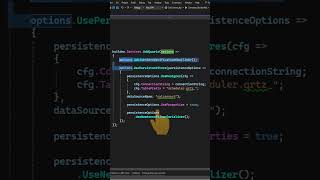
This video provides a concise tip for developers using Quartz for background job processing: use a persistent job store backed by a SQL database to define and store jobs durably, then trigger them by name from your code.
When using Quartz for background jobs, ensure you use a persistent job store, which can be any SQL database, to define and store jobs in the database.
Call 'store durably' and provide a unique identifier for each background job, then trigger it in code based on the job name.
The key takeaway is to leverage Quartz's persistent job store with a SQL database for reliable, durable background job management, enabling job definition and triggering by name.
What type of job store should be used with Quartz for background jobs?
A persistent job store backed by any SQL database.
What must be provided when calling 'store durably'?
A unique identifier for the background job.
00:12
How can a stored job be triggered in code?
By referencing the job name.
00:12
Persistent job store is essential
Highlights a best practice for reliable background job processing in Quartz.
Durable storage with unique IDs
Emphasizes the need for unique identifiers to manage jobs effectively.
00:12[00:00] If you're using Quartz for running background jobs, make sure to use a persistent job store. You can use any SQL database, and this allows you to define and store your background jobs in the database.
[00:12] You have to call store durably and give a unique identifier to your background job, and then you can trigger it in your code based on the job name.




⚡ Saved you time reading this? Transcribe any YouTube video for free — no signup needed.