AI Summary
In this episode of Building the Brand, content creator Layton Video shares his journey from electrician to full-time creator, emphasizing the importance of consistency, trusting oneself, and embracing uncertainty. He discusses his 400-day daily posting streak, the value of documenting rather than planning excessively, and practical advice on building a personal brand through content.
Chapters
Layton argues that people over-plan their content and focus too much on views. Instead, they should trust themselves and learn as they go, posting daily to build a foundation.
Making videos daily helps you learn and improve. Batching content can lead to wasted effort if early videos flop, whereas daily posting builds a consistent habit and foundation.
After about 40 days of daily posting, Layton felt a natural drive to continue. This consistency made more ambitious videos easier and freed up his brain to focus on creativity.
Success should be defined by the niche and audience size. A video with 5,000 views for a local bakery might be more successful than a viral video that doesn't convert to customers.
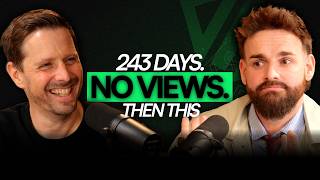
Success requires enduring uncertainty. Layton didn't get over 1,000 views on TikTok for 243 days, but he kept posting, which built trust and eventually led to a breakthrough.
When starting, no one is watching, so it's a low-risk opportunity to experiment and learn. This is a 'free roll of the dice' to improve without pressure.
Layton transitioned from being a videographer to creating his own content, seeing a gap in the market as more brands wanted in-house content creation. He now teaches others through workshops and courses.
Layton gave away content for free for a year before launching his course, which built trust and led to a successful launch. He emphasizes being patient with making money.
He advises against 'burning the boats' and going all-in immediately. Instead, gradually shift resources from your current job to content creation as you build stability.
When negotiating, always start higher, ask about usage rights, and consider exclusivity. Say no to free product offers that don't make sense or are too lowball.
Talking head videos are valuable if they educate through experience. People are getting bored of generic advice, so share what you've learned from your own journey.
Layton avoids consuming content in his niche to prevent diluting his own perspective. He watches football and stand-up comedy instead, which relaxes him and sparks original ideas.
For self-shot videos, plan your day, list activities, and limit yourself to 2-3 shots per scene. Use a mix of wide, medium, and close-up shots to keep it engaging.
Use a funnel: entertaining content for awareness, educational content to build trust, and promotional content for conversion. A rough ratio is 40% entertaining, 40% educational, 20% promotional.
Layton prefers Instagram over TikTok because it offers better connection and learning opportunities. He finds TikTok more about entertainment without deep value.
Mentioned in this Video
Tutorial Checklist
💡 Key Takeaways
Enduring Uncertainty
Highlights the importance of persistence and patience in content creation, a key principle for success.
20:30Niche-Specific Success
Challenges the common obsession with views, emphasizing that success is relative to your audience and goals.
05:44Avoiding Niche Content
A counterintuitive strategy to maintain originality and avoid imitation, which is crucial for personal branding.
01:01:26Content Funnel Strategy
Provides a clear, actionable framework for balancing entertaining, educational, and promotional content.
01:18:02Patience with Monetization
Demonstrates the value of building trust before selling, a lesson applicable to any business.
30:18Full Transcript
[00:01] stupid. >> The confidence around content I find is And there'd be some days where I was really close to finishing. To be successful in anything, it really is just a case of like how long can you
[00:15] sit [music] in that uncertainty? When people found out about me, they saw I like, "Oh my god, this guy posted 242 videos before [music] this. Oh, this people are getting most wrong with their content is they want too much of a plan.
[00:29] people need to trust themselves and trust the fact that you will make a It's about looking at anything [music] in life being like that's a story. I classes and then somebody asked me what university are you going to and I said
[00:44] why are you here then? I'm like yeah true. It can get really dark. Nothing's creator just post anything and it pops. Yeah. Yeah. >> But they built up that trust over time. Where I am now this was not the plan at
[00:57] with you right now. The opportunities have just presented themselves. I don't excite you or I love it. I have real faith in myself to make it work. And if it doesn't work out, I will find other way to do it.
[01:16] into the main content, please, please, please do me a favor. I know I'm begging YouTubers have to do it. Please subscribe if you're watching on YouTube. Spotify, click the follow button at the top right hand corner of your app and it
[01:30] episode of Building the Brand and you'll be massively helping us out as well. Let's get into it. Leon, what are people getting most wrong about their video what people are getting most wrong with their content is they're trying
[01:47] they want too much of a plan. >> They want too much of a plan and they're focusing way too much on the views. So, a lot of people want to go into their content with 30 videos ready to go. >> But the thing is, you probably don't
[02:00] say you make those 30 videos and you post three of them and they all flop and >> Yeah. >> You need to learn as you go. I think people need to trust themselves. I made a video every single day and some days I
[02:14] find a way, right? >> Cuz sometimes the most spontaneous ideas, let's say, like sometimes I would make a video about my dog's birthday. today." I heard a I heard a lyric on a song and I'm like, "That's it." I was
[02:28] pancakes." Like, you're just you're working that muscle. making on the day editing on the day, publishing it on the day. edit something and I need to post it. >> What have I got? And some days I'm just
[02:41] boring. What else am I doing? >> It's my dog's birthday. Cool. Let's do day and let me talk about the relationship between a man and his dog." >> What do you do for a dog's birthday? Um, basically what you would normally do,
[02:54] special, might get him a special treat. You might take him instead of like your beach. [laughter] >> He doesn't know it's his birthday. It's >> Yeah. I think a lot of people get that mixed up. They're like, "Oh, but he
[03:07] like, no, you enjoy a little bit of a burger. He doesn't need that. He's a >> You know, I think like, yeah, people try and like humanize their cuz I haven't got kids, so he's the closest I have to. So, I'm like, cool. This is your
[03:19] for you. Um, but I think it's really important what you're saying there. So, you're you're not even though you're a video expert, you are not even content and the psychology of content that you've already got. You're not
[03:31] month. You are still >> batching maybe a bit further out now, but to start with, you are doing I'm going to post something today and maybe get two or three at a push ahead of time, but you're not trying to do a
[03:44] series of content because like I say, if you do three videos and you go, really like this. is a bit boring. You've still got another 27 videos >> redo that work. >> It's about trusting yourself and also
[03:56] Cuz if you imagine you batch your content, you know, like a heart brain >> that if you don't do anything and then you do one day a month where you do all >> it just looks like that. You're not really making any progress. You're just
[04:10] making a part of your life. Whereas if you make a video every single day, >> instead of this, it looks like this. And you can imagine underneath all of this going up, you've got such a huge foundation here and you've built that
[04:24] >> I think it was like day 40 I posting every single day. Day 39, I managed to make two videos in one day. First time I'd done it. And I was like, cool. I get >> I get to have a day off tomorrow. Fantastic. And then I remember sitting
[04:37] there, right, day off. And then my brain was like, we doing? Like it was giving me ideas and like it was like, come on, let's do this. And then I knew, right, I've built that muscle of consistency. Took me like
[04:49] a month >> from then more outlandish videos or more ambitious videos, they didn't seem as hard to do cuz you can think of like the best video you're ever going to make and like, "Oh, that take me ages. Oh, that I
[05:01] that consistency, it kind of frees up your brain cuz now you know what shots to get. You know, you know how you talk on camera, what kind of style you like. make this style of content. You do 30 of them. You're like, I hated that. Imagine
[05:15] start my podcast." And you did 30 episodes in like a week. You I don't >> You've got to build up to it. You've got to like start and trust yourself and video today. You will find something. It's about looking at anything in life
[05:31] being like, "That's a story. Making pancakes pretty boring, but I reckon I edit it this way." And I, you know, >> it's about trusting yourself to be able to make that video instead of just having all this these plans ready to go.
[05:44] And then the other thing is the views as well. People are so obsessed with the people stop when they do. They don't really know how far away they are from success, but I think a lot of people don't take into account the niche that
[05:56] they're trying to target. >> So I always use this example of like if you show me a burger, that is a universal thing. Everybody knows what a burger looks like, what it tastes like, and if it looks just right, people like
[06:09] friends. Like it's a universal thing. >> Yeah. Yeah. Everyone understands it. It's the same with puppies. We are designed to look at a baby animal, any kind of animal, whether it's a squirrel or a dog or a baby elephant, we're like,
[06:23] just >> designed to that. Like, that is just a understands. But if you're, I don't know, a baker in Shepherd's Bush and >> it's a very small audience. >> Yeah. Yeah. True.
[06:37] >> How many people want to have a sweet treat? a lot of people on diets or they >> and they're not in Shepherd's Bush. >> How many people are in Shepherd's Bush? got like such a small audience. So if you made
[06:50] Shepherd's Bush at your bakery and it got 5,000 views, imagine if 300 of those rake it in and you'd be like, "That's a success." It's about defining like what the success is. A lot of people can get loads of views and not convert into
[07:05] shots in 60 seconds where I run around like a lunatic. It's cool. It's client come through that. >> No, it's not going to convert, is it? converted. >> It's like your top funnel stuff. Like
[07:19] you need that awareness for people to get to your page to understand who you you go further down, you need to like nurture those people, give them value, Whereas people are thinking like, "Oh, this only got that many views." Like,
[07:31] failure. Like, but is it? cuz some of my lowest performing content is the stuff >> most of the opportunities and payments that I've I've got. So yeah, I think what people are doing wrong is um planning too far ahead,
[07:44] >> not giving themselves the chance to kind of learn and trust themselves and also >> I think we're going to get a lot out of this conversation already, [laughter] more of the tactical stuff around video and brand building utilizing content
[07:57] which we want to definitely dive into, >> can you just give us a bit of sort of people could be watching this and they could go on to your Instagram follow quarter of a million people that follow him and he's a he's a Sony advocate and
[08:12] brand deals. He's traveling around the world now making his craft. And it could be I guess for somebody who doesn't know your backstory if they are not at that quite intimidating. Go, well, he's always been a videographer. Not the
[08:26] >> So, tell us how you actually got started in this because you told us on the me and you had a chat on the way from the tube to here. I'm like, no way. I had no no idea. But I think this is so valuable and in potentially inspiring for people
[08:38] to what you've done. >> So, when I left school, I had no idea and did A levels because my mates were doing it essentially. I remember I still remember sitting in one of my classes and then somebody asked me what
[08:52] I'm not going to uni like what? And they're like why are you here then? I'm >> why am [laughter] I here? >> Great question. like now you've started it so you're going to finish which at the time I was
[09:04] very frustrated with but looking back is actually quite a good lesson. >> yeah you're going to finish it. >> A levels are two years after one year I failed every single one. I was like I can't really carry on now. Mom, they
[09:16] cool." So then my dad was like, "You need to get a trade son." Classic workingass dad. Go get a trade son cuz whatever happens, you can fall back on do that." >> Did my apprentichip, became qualified. U
[09:28] >> Really enjoyed it. Really enjoyed that job. I'm not going to sit here. >> Yeah. So So I was a Sparky. Sorry, I didn't even say that, did I? I was an electrician just to keep people up. Um Yeah. And I did that for so many years
[09:41] and I really loved it. I just got real like camaraderie and banter and just I and I would >> uh it was very kind of you would do final product I think is where I kind of got like this whole video thing from cuz
[09:54] something today. >> Yeah, it's pretty much the same with being an electrician. But >> then met my wife in New Zealand. She moved over to Manchester with me. We lived in this like really stingy moldy
[10:08] back >> the dream. So did that dream come from >> It was Yeah. I She didn't know what she'd done. She's like, "Oh my god, is >> We're going to somewhere really glamorous called Stockport.
[10:20] >> Just don't Google it. Don't Google it. >> Ignore the reviews. Ignore the medical. Beautiful place." But no, it was great cuz it was like our our first place and great. >> And then we decided that we wanted to go
[10:33] obviously when you're researching places to go, let's say you want to go to There's all these influencers and travel YouTubers making these videos and you >> And then we were kind of like we should do this. Not to be famous or anything
[10:48] document this cuz we saved for so long to go on this trip. So long. And it was >> ever since we met it was like our main goal. >> Want to go and travel the world. Not for like 2 weeks a month. Let's go for like
[11:00] eight months. Let's really do it. >> And then from there like we Yeah. really stuff like that. >> You've never done this before? You had no interest in it? >> No. So, from our first like look into it
[11:13] when we were in Manchester, my misses had a burger page called Little Miss burgers, >> right? Instagram really was just photos. You have big long captions and people would
[11:26] >> Mental. [laughter] >> And then eventually we, you know, got menus and like it was really cool. >> So cool. want to up the quality here. I'm going to get a camera." And again, nothing was
[11:39] "Yeah, cool. Get a camera. I have no interest in that. Cool. Do your thing." And then she went to a one-day photography uh like a class at Jessups "Right, I've learned all these things." And we went to the bridge in Stockport
[11:52] >> And she was doing like a long exposure photo. So, you know, like when you'll see like a photo of like a motorway, but all the lights like streaking. It's that showed me about like ISO and exposure and aperture, all these things. Still at
[12:06] darling. That's really amazing. I don't care. I just didn't to look for a lot of exposure. >> It was great. That was our like first >> And then yeah, then we went traveling and I kind of made a few videos before I
[12:20] we filmed that and just made like a little vlog. Terrible video, but it was like one of our first ones. And I remember when we actually went traveling then and we started in Thailand and we went so many places. went to Malaysia,
[12:33] Singapore, Philippines, Japan, South Korea, China, India, Vietnam. >> all these amazing places. Like it was honestly like the dream trip. But what I was doing in that time as I was planning, filming, editing a video every
[12:46] single day and I didn't have the burden of like a job. I was just like >> putting all the time into it. So, I got really good at it really quick and I really did like fall in love with it. I was like, I I this light something in
[12:58] me. This is amazing. I want to do this. But then coming back to the UK and this as well. So I was kind of like right put on the back burner. It was good while it lasted. Let's I'm going to have to go be a sparky in because it's on the short
[13:11] skills list things like that. And I was like okay cool I'll go and do that. >> Really didn't I enjoyed New Zealand but I really didn't enjoy the work. There I think out of control of New Zealand really. It just didn't quite just didn't
[13:25] missed the camaraderie. Do you really liked the actual work of being a Sparky in the UK, but then over there just that vibe was missing or quite This is real boring for people watching, but like it'll give you
[13:39] context. In the UK, there are things like metal conduit and metal tray, right? That you can take your time and it can look real insight here. And it can like you can really like I I was really um proud of my work making
[13:52] that, but obviously when you're in New Zealand, just shipping things over is so gone from like making everything look amazing and now everything's plastic and just get it done, Toss it up. >> It was very much like that. It still
[14:05] >> Yeah. >> But that part I really loved about the job had kind of gone. And then like the banter, the camaraderie. I don't think this is anybody's fault. I just think when I got there, there was a real gap
[14:17] >> in in humor, language, expressing yourself. Like it just didn't quite happen. Um, and for that reason, I kind of got to a point I was like, "Right, I'm I'm going to I'm going to pick up a camera again. I'm gonna make this work.
[14:29] >> We sold all our gear really after traveling. We sold a camera, couple of lenses, drone, tripod. Looking back, I'm like, I could have really done with that >> So, what was it? It's almost like that was that you almost like segmented it
[14:44] traveling experience. Now we're back. Now we're going back to real life. >> We get rid of all of that. We've had our life affirming sort of trip of a >> Yeah. My brain was just like, "Well, that's done." Wow. I'm like, "Okay,
[14:56] could go and do this." >> Or just for a hobby or just cuz you >> I was just like, "Right, I'm going go to New Zealand." Also, we're thinking of like money as well. We could actually get a couple of grand for that. Okay,
[15:09] pick up a camera again." I was in a lucky position where I knew enough them, said, "Hey, can I make a free video?" I did some product videos. I did like an activewear brand, a dog walking um business, all these different things.
[15:23] made like a little portfolio, started posting stuff on social media, and then I think it was January 2022 that I decided to do it. And then by that following January, I handed my notice in and I went full-time,
[15:37] gave me a little bit of freedom cuz I didn't want to post too much myself obviously it's like a conflict of interest and I'd be like, "What the hell >> Yeah. >> So once I went full-time, I was like,
[15:50] single day." Um, I think it was like probably I don't know four or five going to start posting every single day cuz I've got some clients, but I haven't ground." So, I started >> So, you're making your own content to
[16:05] get leads as well, which is interesting. >> That is where it started from. >> Where I am now, this was not the plan at all. I did not think I'd be sitting here right, I'm going to start posting. I'm going to get more clients. And the only
[16:17] media. If I post every single day, enough people will see it. I'll get shoots that I'm doing, maybe the gear that I'm using, whatever it is. >> Um, and and yeah, I did 400 days in a row,
[16:31] like every single day. Um, and it was most of the day was like a new idea as like I know how to make my content work for me a little bit more [laughter] now, be that. And there'd be, you know, some days where I was like really close to
[16:45] like really close to finishing, >> right? I'd be like in my car cuz I would is quite good. >> Yeah. I'd be in my car doing a voice half 10 at night and I'd try and get it posted for like 11:00, go to bed and
[16:58] then do it again. But through that time cuz obviously at the time I didn't know was just putting these videos up and I was very like look I'm just trying to further along into it people start to notice and ask questions. I've only ever
[17:12] done things that have come from like a proof of demand. So I had no no kind of course. But then people were like, "How are you being so consistent? How are you And I'm like, "Oh, there's actual demand for this." Okay. So then I planned for
[17:25] day 365. Went to New York for the first time with my wife. Had an amazing time. But I also launched my online course which was called Confident Content. whole process of me like how I thought of the idea, how I scripted it, go out
[17:37] and film it and edit it all in like real time. So people really understood like what I was what I was doing. Yeah. >> Um, that was a huge success and that really opened my eyes to like, oh, okay, we could really do something here.
[17:49] There's a demand for it. I think I have a a good skill of being able to take it seem quite simple. I think people when they talk to me, they're like, "Oh, yeah, of course." Like, yeah, you make sounds so simple. Like for example, if
[18:03] I'm doing like a day in the life video, I say to people, if you want a video to be 45 seconds, you would need 15 clips that are 3 seconds long to make a day in >> Yeah, >> 15 clips. If I told you to get 15 clips
[18:16] >> like, yeah, I could do that. So, I learned that there was like a demand for doing more workshops. I started getting more brand deals. Sony got in touch. I started working with people like DJI, Adobe, all these brands that I was just
[18:29] like, I I can't believe this. Like when Sony came knocking and I was like this is literally the brand that I was like this is I've always used Sony cameras. >> and then they were like >> I needed you and now you need me.
[18:42] Do you want to be an advocate? [laughter] I'm like >> You're an advocate of it anyway. >> Yeah. Um and then yeah like brands like DJI like we um when we were traveling we had a Sony camera and we had a DJI drone
[18:56] circle moment. >> That's so cool, you know. Um but yeah, it took yeah 400 days. I I think what's really interesting for people as well is the the simplicity part of it, but also the the thing that keeps coming up and
[19:11] I've worked with, you know, massive brands and organizations. I've worked with like one man, one woman bands who are just starting out and whether it's the CEO of, I don't know, Ted Baker is a brand that
[19:25] we've worked with, or it's the CEO of like a person's first day of being self-employed, the confidence around content, I find, is something that really holds people back. Have you found that to be the case as well? And what is
[19:38] it about the content process that gives them that lack of confidence? Is it just a lack of self-confidence in themsel appearing on a screen or is it because they think too far into it or they don't know the strategy behind it?
[19:51] I think it's mostly down to >> people's ability to just be >> and be uncertain cuz when you start in this content thing like there's so many >> There's so many videos you're going to go out there at first and you're not
[20:04] wasn't plugged in or you filmed at a weird frame rate or like your phone where I go out. I've had times where I've driven out to a location. I get card at home. >> Oh, got to go back.
[20:17] make at the beginning, >> which you quickly learn. You get over Yeah. I think >> to be successful in anything, it really hold your breath for? How long can you
[20:30] sit in that uncertainty? Cuz every single day I would post a video. I remember I I didn't get a a video on TikTok over 1,000 views for 243 days. nothing happening. >> Nothing happening. But every single day
[20:44] this is the one cuz I'd show her all my times I was completely wrong. Like nothing happened. >> I think it's Yeah. Just that people don't want to be bad at things.
[20:57] >> That's true. And I think as well with content, it's such a public thing. Like how to dance and nobody would see how you learn how to dance. You just turn up and like, "Wow, you can really dance. Wow." Cuz you don't have to document it
[21:09] piece of work you put up is out there for everyone to see if they want to see >> So yeah, I think it's just the uncertainty. >> Not wanting to be bad at things, but I tell people all the time like you
[21:23] are literally a month or two away. >> They really are, aren't they? from just yourself, and just being like, you know what? I've got this. I'm going to do videos and you learn from every single one, you're gonna be a hell of a lot
[21:37] talking on camera. I remember I used to hate looking at myself on camera. Used >> Really followed me. These are dog water. These are terrible knowing what I know now.
[21:52] uncertainty and like you're just uncomfortable all the time. You can't get to where you are now without going through the uncertainty, can you? You had to do the first crap 200 videos. To get to 2011 being, oh, that's actually
[22:04] all right. To get to 243 and it pops on TikTok. underestimated with that is in that 243 days when people found out about me. They saw I posted that many days in a row with nothing. They're like, "Oh my
[22:17] god, this guy's been this guy's posted 24 videos before this. Hang on." And actually on quite a few views now because people are like, "How did this You know, but I think with that you you build like a a trust with the audience
[22:30] posting regardless. He really wants this. He's really about that life." and it doesn't do well and you go away or you only come back and do like the >> Yeah.
[22:44] months away. >> You really are just a couple of months And the good thing is when you start, no one's watching the videos anyway. >> It's kind of like a free roll of the dice. You're just like, "Right, that's a
[22:56] a lottery ticket, however you want to kind of spin it." everything. >> Right. Let's pause there, my friends. Holly Bob. So, I've taken a break from the pool to record this little message
[23:10] because I wanted to take the time to make sure we've understood what Leon is underpinning of all of this stuff psychologically, sense. you know, document what you're doing, put a camera up, show people what
[23:24] you. Because fundamentally, people buy from people, and they will not buy from you until they buy into you. But I think that most people don't ever get started with the tactics and the strategies that Leighton's talking about because of
[23:39] fear. That's the underpinning thing to all of this stuff is fundamentally based around fear which is a sad thing because if you think about on a day-to-day basis the psychology that you got to get yourself into the mindset of especially
[23:52] you're building company brand or corporate organization it's slightly brand you need to get into the mindset and the mentality of documenting what it is that you do on a day-to-day basis again to get people to buy into you.
[24:06] Now, what you do on a day-to-day basis might be really mundane, might feel don't understand that, I would love to be in a position that you've got. I knowledge. Obviously, the stuff you do on the dayto-day that you don't even
[24:18] think about that subconscious activity is super powerful. Like Leighton, for walking around. He's going about his day-to-day business. He's testing out seeing sites. He's teaching people about how to utilize cameras. That stuff is
[24:32] second nature to him. He's learned that. Likewise with the stuff that I do around doing it for so long that I forget the amount of stuff that I know. And you'll There'll be so much stuff that you fundamentally know that is the value of
[24:46] your knowledge that you could document on a day-to-day basis. You know, why do the things you do? Who are you doing the things you do for? Now, obviously, if you're in a sort of a sector or a space where you need to have a little bit of
[25:00] last week for example with Guy Felix. He's a perfect example. There'll be that he's doing so that he won't be and because of security. But fundamentally, again, shift back to the
[25:13] what he does on a day-to-day basis, how he's doing the building on a on a consistent daily basis is what's built up the the brand he's got and fundamentally bought people into him. So, make sure you understand that what's
[25:27] holding you back most likely from any of the stuff that Leon's going to talk about in this episode is the fear to get over just getting started. So, please, I beg you, just get started. Now, let's get back to it. What What was the the
[25:39] point, you were a sort of a standard videographer service provider. So, you the restaurant and I'll take the nice videos of it and all that kind of stuff. And then at some point, you shift to doing your own content and that's the
[25:53] almost go from being a service provider to being your own service provider. You making the content. Then what was that shift like? Cuz you've gone from being a Sparky to going, I don't like this as much as I used to like it. I'm going to
[26:07] try and do service provision. Then you do the service provider thing. And then the sort of I guess the reward financially and emotionally of making the content for a client is not as valuable as your time making content for
[26:20] shift of like, well, now I've got to make a course. I've got to have something to sell. What was that shift like of going from service provider to >> Yeah. Well, I think compared to when I first started, first started making
[26:33] videos compared to now a lot more people are doing things theirelves, >> A lot more stuff with an iPhone cuz now like iPhones are better than ever. So more people can make content than ever. So, it doesn't really make sense for a
[26:46] videographer who can maybe make, I don't know, six videos in a half day shoot for they've got all the best equipment and stuff like that. >> Or you could do it yourself. Have an intern in house. Obviously, they need
[27:00] >> Who do they come to? They come to someone like me cuz I can tell them how to do that. M >> so I think I don't think I kind of saw it coming but I think I got a little bit lucky in the fact that now more than
[27:12] their own content. More brand owners are willing to be the face of something. to make the content. So I just saw a bit of a gap in the market where I'm like actually way like you know say if I was
[27:26] doing like a a workshop I just have to turn up with a HDMI cable on my laptop. If I was in London now doing video videography shoots, having all my equipment on the tube, >> oh my god, [laughter]
[27:38] >> And people like hire stuff like it's there so much going on. >> But with that, I was like that would actually be a really good use of my >> especially with like corporate gigs. People pay a good amount of money to to
[27:50] train staff up to a good level >> cuz then you have more the business. They have more control over what goes out. they can see like more of a return on the investment >> and it they just have more control which
[28:02] >> Yeah. >> So if you have an intern doing I don't day and you're not paying the same amount as a videographer that volume just goes up and obviously they get better with that. I've done um I've done
[28:16] workshops for like Oakland Council where they had like Oakland Zoo and Travel Oakland uh the Oakland stadiums. They had all these like Oakland Art Gallery, all these people who were just making content on their phone. So even even
[28:29] have, they're not hiring videographers to come in. They're getting their staff >> cuz they have more control. They can get more volume. And obviously they just they're getting better. >> And consumer technology is the best it's
[28:41] it on auto, and you can call yourself a photographer. The photo will be pretty video, and like it will look pretty good. Like I just think now more than good. Like I just think now more than ever the gaps people's way more they can
[28:55] >> Whereas before when I first started trying to convince people you like there's brand awareness and there's a story and like this this is >> People are always late to the party >> and now a few people have done it and
[29:09] every single day. You need to get an in-house team. More people are jumping videographer like oh nobody wants me to shoot cuz they're all doing it in house. I can be like, "Hey, I can teach your intern exactly how to do this." So
[29:22] the transition really. But I still do a little bit of everything. I still have workshops that I do. >> Okay. Right. Right. being a videographer to doing a little bit of that. I do workshops, brand
[29:35] deals, UDC. Yeah. I do online courses, all these different ways of like making money. You said earlier that you sort of um you provide a supply that you know already exists. So with that in that regard there,
[29:51] do you how many sort of like brand deals or how many how many things for yourself did you see down the road you like, oh there's enough of a a proof of concept there for you to dive into it? Or was it that you put something up on stand and
[30:05] you sold five on day one? You like, oh, that's enough of a a signal to dive into it in more detail. Um, I think yeah, definitely releasing my course after a year. That that's another thing I think as well. I think a
[30:18] lot of people really are very impatient with making the money. >> I went a whole year and I didn't give it I gave it all for free. All this all people really saw the journey. So when it came to actually doing it, I think it
[30:32] did a lot better. It was after a year. It was everything that I'd done and it It was everything that I'd done and it did really well. But I think I'm trying to think what what it would have been
[30:48] Um and what and what was the was it the conversions were enough? Was it that you page? You had enough sort of like positive social proof from it. What was the metric? you're like, "Oh, that's I can actually shift from 100% videography
[31:03] or 99% videography and 1% content creator to, you know, like 80% content creator and 20% videography." I think the first little signal that it could do list. So, you know, where people are like this, I'll send you this. So, I
[31:17] >> different shots you could get for your videos. And I did a free scripting get it on their phone, and they could type. So when they come to film, they're what shot this, all that sort of stuff. >> So I did a few videos on that and I
[31:31] built up my email list quite a lot. I remember when I first did my my first comment on it. I didn't even have anything like auto DM set up like a many chat or anything like that. >> And I remember I had like thousands of
[31:44] went through that much that TikTok would be like, "You commented too much today. You can't really be like, you commented too much." So I'd have to wait. But then there'd be just as many there. It took me days to get to get through those. But
[31:57] that was a really good indicator of like, okay, this could work. >> And then obviously on launch day when I was still in New York, I was really scared of what would happen. But then like it just it started to come in cuz
[32:09] weight list, they got a little discount for it as well. So that got like the first few through the door. And that still sells today. I did that like over a year ago and I'll still get maybe like I don't know one or two a day or four in
[32:22] >> trickling in you know and then I think from that really know how to price them to begin with to be honest they were just like you know this much and I'm like >> yeah I guess but obviously as you do
[32:36] more and more it's like the negotiation of like >> I want this and they'll be like don't know >> the sweet spot. >> Yeah. Cuz sometimes you'll go this much
[32:49] early. >> Went [laughter] too early. I could have got a bit more out of that." So, I think I've really just I really just learned right, I'm stopping being a videographer. I'm going to be a content
[33:02] creator now. >> It was very much like, okay, my first that again. >> And you're still doing the videography at the same time. Yes, it's just over over time it's gone from open
[33:14] videography to like that videography pie chart has just gotten a little bit >> but I think that's interesting and important for people to hear because I think sometimes you could watch what you're doing and go I'd love to do what
[33:28] he does solo stuff which I love by the way around London. He's doing like how don't believe that he's doing it like I can trust like it's him. you've been doing it today already, but oh, I need to do that full-time. But actually, no,
[33:42] you want to do it full-time, but you don't need to do it full-time. No, you can 100% have the security of the thing you're doing right now and allocate a Netflix time that you would normally put in the evening to sitting down and
[33:55] watching [ __ ] TV. Not that Netflix is [ __ ] but put that allocate that time and I've definitely been guilty of this before, you know, I've got to fire bomb this thing, so I'm all in. I'm going to burn the boats. Blah blah blah. operate,
[34:08] burn the boats. Blah blah blah. operate, but it als more time and you can step yourself out of it, as you incrementally raise your
[34:23] money in one sense, you can drop the money on the other sense. you get to a I because it's like a knob but you do get to that kind of place where you go okay now I can you know allocate more of my resource
[34:36] into that thing from a place of stability and security and positivity stability and security and positivity >> was there um you mentioned that the sort like oh my god that was that was the brand that I you love it you're an
[34:48] advocate for it anyway like you love it as a as a consumer >> what was the can you remember what the first brand deal was and what that what the organization was and what the deal was.
[35:00] wasn't a brand deal, but I remember the first thing I got sent for free, which was a box of like cookies that a baker made for [laughter] which was great at cookies for amazing. >> Um, but I think first paid one,
[35:15] >> I actually cannot remember. I cannot remember. But it wouldn't have been for video?" >> Yeah. Yeah, >> absolutely. you know, but obviously as you get further into it, you you kind of
[35:27] giving. Also, now I feel like more than ever, brands are taking a video and they're putting like loads of money into it. It used to be like, okay, brand deal, you get everything from >> from that uh from that account and
[35:39] things like usage rights and like whitelisting and like, okay, am I going a camera brand, is that okay, is there a deal where I can't talk about any other >> Like, yeah, it's exclusive. Okay, cool. Are you going to be pushing out ads?
[35:53] Like these things I didn't know at the beginning. I'd just be like, "What? 500 You know, like two 200 quid. >> Awesome. I thought that was the best >> But obviously as you get further into it, you you learn these things. So I
[36:07] I was talking about people being impatient. They're already looking at >> Whereas when I started what the intention I started with to now is >> the opportunities have just presented themselves. It's kind of similar to when
[36:21] people kind of freak out and say AI is going to take over. It might, but it going to wake up tomorrow and they've cut the cord and like robots are on the [laughter] tube. It's not going to be like that. It's gradual. Like it just it
[36:34] it's not going to be so like, okay, I've started and now I'm a brand deals and doing workshops and like all these things. Everything I do now I I was going to do educational content. There was just demand for that. M
[36:48] >> didn't know I was going to launch an online course cuz there wasn't demand And then you start to notice things like, okay, with social media now, community than ever. They're looking online for that community. There's
[37:02] could put on events cuz people are looking for that community outside of >> All these things that you can't really prepare for, but the opportunities have happened if you hadn't have just started and like trusted yourself and
[37:16] >> 100% for 400 days. >> That's a lot. I mean, knowing what I >> Yeah. But it's a willingness to do those steps, though, isn't without without going to post for the sake of doing the posting.
[37:30] >> Yeah. Cuz that's just what it comes from. It would be like the same as anything. It's like if you know, could you run a marathon tomorrow? No. Okay. Could you do a 1K? Yeah, I could do that. After a month, could you do a 5K?
[37:43] Probably. 6 months. You might be able to do a marathon. You don't know. You just need to like be prepared to go on your first run and be [ __ ] and out of breath and like [laughter] knackered, you know? You need to trust
[37:55] >> It's such a good analogy because you can't I've done a marathon and you marathon day one. I couldn't have done a marathon, you know, month three, but you have to do the training. You follow the training plan and it's all comes down to
[38:08] reps and sets, time on the legs. Even if you can go faster when you're training, shouldn't go faster because you literally need 3 hours of pounding your legs. Yeah. Because that's the bit you're getting. But no one wants to get
[38:21] >> And the foil blanket after and the agilation of social media going, "You're amazing. Well done." But it's the dark months, the cold months, especially if period of time. You're training the winter in the UK, which is [ __ ]
[38:36] that's what actually builds up the thing, which I think is what you were talking about here with the the other thing I think you mentioned it a minute ago. I wanted to I wrote it down so I
[38:48] unless you do the consistency of the posting, you can shortcut the trust building part of it. Yeah. And I think these days people like to document the documented. You've seen a lot of big creators and maybe they've not come
[39:02] New Zealand, but there's a guy called Jamie Lang was on a TV show and now he's podcast agency. They've just bought Graze the the food brand and they've
[39:14] just rebranded it. They've done content every day for 100 days. So I thought >> Yeah. >> Are you seeing people like that are >> Exactly. And even brands like that are doing it. So are you is there any good
[39:26] the consistent video stuff that you've seen like oh you guys are actually smashing it in the way that builds trust, builds consistency, builds sort of brand affinity with an audience. >> No brands I can actually think of.
[39:41] because I'm not >> what I try to do myself as a creator is actually consume the least content that I can. you just started and then you see someone like me who's doing what I do,
[39:56] >> Yeah. Yeah. >> Yeah. But I was also bad once it'd be, I don't know, let's say you started a car company and then you see like a post make Ferraris." >> Like it just gets in your head. Um I
[40:11] really focus on what I'm doing. There's so many creators who are in my niche who see something from them, it makes me feel some type of way >> that I'm not comfortable with and I'm like this is their content is great. I
[40:25] It's just how it makes me feel. It's a me problem. >> yeah, you can >> Great level of self-awareness that is. dark cuz obviously you're doing this thing and like nothing's happening but
[40:37] posts anything and it [ __ ] works. >> Pops. Yeah. Yeah. Yeah. time. >> It's the same way that people would like, I'm going to do what Mr. Beast does. [laughter]
[40:50] >> Yeah. >> Number two, he has done so many videos. that like people watch his videos regardless cuz he's done all the work. probably back in the day could post anything and it would bang.
[41:06] and that time in. People have spent so much time with them that they feel like >> and if you look at any kind of big creators like you know obviously know >> Yeah. >> He's on like 10,000 posts. Obviously he
[41:19] >> Yeah. >> And then there's people like Alex Hozi. >> 4,000 posts or something like that. And he's got like 5 million. He's got like
[41:31] >> I don't know 8 million. No, like 15 million. Comment always on. But essentially like there's a correlation between how many posts you have and how >> followers. Yeah. Yeah. because it's just a numbers game. I also think that the
[41:43] well. Cuz if you make a banger of a video and then you disappear for 4 or Instagram to push. No, of course not. Cuz you're not turning up. spend more time with you and it eventually does better, people spend
[41:57] person. >> Tik Tok and Instagram then are like, content. People are quite liking it and they keep turning up." So, we know that providing value and people enjoying this, they're going to spend more time
[42:11] >> Yeah, >> that's kind of how it works. But in question, in terms of like brands like making it kind of work, I can't really there any that came to mind for you? >> No, I think Grae is probably the best
[42:25] business partner did with Grace. But again, what's really interesting now I think about it is not the Grae content I've been following. It's them talking >> so where I see there's a big gap in the market at the moment which I'd love to
[42:38] get your take on is there's not in that sort of like daily consistent post show turn up and show process I think a lot of personal brands do it you know Gab he's gone back into
[42:51] needs to do a daily vlog he's got enough leads coming in for the business but he do it or whatever it may be >> but actually I don't see brands doing it I see founders of brands dragging the brand along with them.
[43:07] >> Um, and I think if you look at like someone like a, you know, like a Steven Bar for example in terms of like content creation, DEO's got a couple of million followers I think on Instagram. Yeah. >> Whereas he's got 8 n 10 million and he
[43:21] can show the behind the scenes of the stuff better than D CEO can have and he engagement. So I think it's an interesting thing. What what could a a brand let's go to let's look at something like really generic let's look
[43:36] at going back to your sparky days something like screw fix or a wick so like a uh you know like a generalized store like a hardware store what could a brand like that be doing contentwise that would engage an audience
[43:50] >> and doing it consistently so it builds brand in your opinion or or can it not >> do you just have to show hey we got these products and this is the And that price. >> That is where a lot of brands go.
[44:03] >> They're like, "Here's our product. It's on sale. You can get this. Come and buy it." Boring. No one cares. Like they might think of you, but like probably might think of you, but like probably not. I think what's most important is
[44:15] gives that person. What's the like lifestyle change that people will see in that product? So, for example, let's say you were selling plumbing tape. have a video where someone's at home, they're about to go out on a date and
[44:30] leaking. Yeah, [ __ ] It's Friday night. Plumbers aren't available. Okay. And and they save the day. Could you have that? Could there be a video where, I don't know, there is a power cut in your house? Do you have a product or a
[44:45] generator that could get people still enjoying their their evening >> or their life? It's more like people want to see like, okay, how could that actually affect my life? M >> it's not like coke like Coke Zero.
[44:57] drink that cuz it's no sugar." People are like, "I'm going to drink that cuz I could drink way more of that and not feel guilty about it." That's the actual >> So, I think with someone like, "Yeah, screw fix." They could probably do like
[45:09] actual kind of >> actual real life scenarios where people to me, oh yeah, they sell that." So, when they do come to that like, "Oh my >> Yeah. >> That builds brand way more than just
[45:23] like, "Here's our screws. come and buy them. Here's like these [laughter] 4x2 >> Yeah, who cares? >> But could you do like with these pieces of wood? You can make a a treehouse for your kids.
[45:36] connection where people are like, "Ah, yeah, I should do that." >> Or if I was like, you know, going out on a date and my pipes burst, I would be in [ __ ] What? Oh, okay. That's the solution. You know, I think making it
[45:48] >> It's still storytelling, isn't it? It's storytelling and with an outcome focus storytelling then you need to do um social proof. People buy from people. brand like we wouldn't care. We wouldn't be talking about grays if Jamie Lang
[46:02] >> We just wouldn't. That's just how it is. People don't care about brands cuz something. >> Whereas a a human, you can relate to an actual level and you feel like you know them. It's like if you were to see
[46:17] a billboard and there's like a new juice on a on a billboard like on the tube as you're coming up the stairs like cool. But if I said to you seen that new juice those >> cuz the humans told you that instead of
[46:31] a brand just being like buy our thing whatever you don't remember it. I mean you might but I think with storytelling and like social proof like if you can >> What's the best thing for this? and they'll say and okay cool I'm going to
[46:44] like if I uh I've been looking for like places to go in London am I right I want coffee in that area I watch the first video someone says that that cafe I don't even I just call swipe lock my
[46:56] >> cuz a human's like this is really good okay I don't care if they've been paid to say that or they're getting something from it I just you trust people >> so should on that point then should brands be utilizing UGC content So user
[47:12] know what UGC is. Should they be utilizing that more in 2026 because we buy from we've always bought from humans and we've always uh you know spread and storytelling. You know back in the day it was sitting around a campfire with
[47:28] bought into. We still buy into stories now. So should for brands like a like a screw fix for example where it is not so uh naturally personled but should we be buying or should brands be buying into those UGC opportunities that they can
[47:43] empower people to tell the business's story absolutely absolutely espec
[47:59] provide for their kids tap on that painoint. If you come to Screw Fix, this a treehouse and we'll show you how to do it. Whatever it would be. Um it'd be the same if I don't know, let's say someone's got a parent who has a really
[48:16] old spice rack that they made from scratch, but it's just tattered and old. What if they could make a new spice rack for the mom and gift it to them? Again, there's that that real connection and story there that people are like, I love
[48:29] that. I can put myself in that person's shoes. That's something I would want to >> Wow. Screw fix are that's really good. Really? Yeah. I'm going to go to Screw Fix whenever I need something, >> you know? I think that's basically how
[48:41] for creators, a lot more brands are instead of going for like one creator, like one to 10,000 followers, picking >> Yeah. Like at the moment, I'm getting so many adverts for Timberland and the new
[48:55] boots, like these small creators who are doing outfit videos with them. I keep getting them. It works, but I think that's the angle that people need to product and be like, I'm going to review this, like whatever. Can you make a
[49:08] >> Yeah. Can there be like that personal connection with people? If you're loving this conversation, please do us a favor by clicking the subscribe button if you button if you're listening on Apple or Spotify at the top right hand corner of
[49:21] your podcast. Plus, if you're loving the learnings and lessons from this episode, video and the audio sort of things, we also do a handwritten blog and we do a lessons as a blueprint that you can implement into your business as well. If
[49:35] link that's in the show notes or the description and you can join our building the brand exclusive newsletter. So obviously when people get into sort of like the logistical part of um sort of doing brand deals and stuff for
[49:48] they're thinking this could be an addition to what they're already doing. comes through like the guy sends you the box of cookies you're just grateful you the box of cookie. I got sent the coffee machine at the weekend from somebody
[50:02] podcast which is really nice. Like what a delicious coffee as well. >> Got an amazing story around it. They make coffee balls from the pods. Yeah. But but I but in that instance there they've just sent me the thing and I'm
[50:15] on the podcast. I've used the thing, talk about the thing and I rate the thing because it's actually really good. >> But for obviously for people who want to get paid for their uh opinion and want to get paid for the reach that they've
[50:27] >> Mhm. >> What do they need to do so get that someone goes, "Hey, can we send you this thing?" Obviously, you take the first the rest of it, but at a certain point you're going to have to go, "Yeah, I'd
[50:39] love to work with you on this, but I want paying for it." What's the the obviously you're doing it with bigger brands now but when you got started for those who are in that sort of UGC space and where even if they got paid you know
[50:53] would have used anyway what should they be asking brands for or what's the questions that they should be going into with if they're negotiating quote unquote a contract? Well I think at first you need to decide if it's
[51:06] actually if it actually makes sense. So, if somebody sent me a camera accessory, makes sense cuz I use I use camera equipment. So, first of all, making sure that it makes sense. >> Also, saying no to a lot of free stuff.
[51:20] >> You will get stuff all the time. People cuz they're trying their luck. These of money. >> Yeah, sure. >> So, they'll lowball you all the time. Never believe them. They have the money.
[51:32] If they really want you, that they'll pay it. So, I think saying no to as much brand you really want to work with. Let's say like you were mad about that you a free coffee machine. Great. Because I was going to buy one anyway,
[51:44] >> But I think when you're going into negotiations, always start like a little this week where they were like, "We'll give you this much." And I'm like, "I "Okay, this much." Okay. And it just it gets closer and closer and closer.
[51:56] >> Yeah. Always go a little bit higher cuz you can always negotiate it down. Don't you want to sell it for a tenner, you that's what I wanted anyway." >> Yeah. Yeah.
[52:08] >> It's kind of like that. Also ask about usage rights. So, normally when you make thing where you post it on your page, but you also give them the video, they money into it, and they're going to be making sales off of that. So, obviously,
[52:22] you can normally have this by the amount that they're spending on the ads or the length of time. Again, as you get further into it, you'll know what's acceptable, like what's normal. You have to take into account obviously like your
[52:34] following, your engagement, like how how good is the actual video. Like, if you took really took your time on it, it's a really professional video. That's that's worth a lot of money to them. >> There's also things like, are you going
[52:46] to be only promoting like that coffee machine? You gave me that coffee machine. Can I talk about cost of coffee or espresso? And they're like, no. Okay. There's money that comes with that. >> But yeah, you just you figure it out as
[52:58] still things I learn on every brand deal where I'm like, I kind of [ __ ] myself me there. Or actually, I probably overcharged for that. You learn as you well. Like back in the day it was like, do you want to make a video? Yeah, cool.
[53:12] Sweet. That's it. Done. And now there's all these different like add-ons do. more money, you could offer like, okay, if there's, I don't know, again, a three videos for you if you want and I'll do it for this rate.
[53:25] just like a set like this is a brand deal, this is how much it is. want cuz obviously like there's the video, then there's like do you want a are doing really well at the moment. You
[53:38] >> There's obviously stories crossing across uh Tik Tok, Instagram, YouTube. All of these things make up >> make up what a deal is. take all that into account. Don't just be like, "We're gonna offer you this."
[53:51] >> Which is why I imagine a lot of people do, especially to start with, you >> Yeah. >> But just be patient cuz if one brand >> the rest normally will as well. It's not just like a one-off. If a brand
[54:06] brands who are watching you as well. >> And let's say every brand deal that I do, I'd probably say no to about 20 >> cuz they just don't make sense or they free product. >> Yeah. I've had people who want like
[54:21] um I think two videos and they're like we can give you $80 US. >> What are you talking about? Like that's not that's too low to even negotiate. >> But then you'll get the odd one where
[54:34] like, >> "Holy [ __ ] that's like >> Holy shit." Like you can't believe it. Um but it all just comes with like Yeah. those first like three videos where you get like a bag of but with everything
[54:48] that you do as long as it kind of makes sense. It's another thing you could put on your portfolio. Because if you go for a you say no to any big brand deals and then a brand come knocking, they'll be like, "Can we see some work that you've
[55:00] done similar in this niche? Can you show us how it's performed?" And then if >> they probably like, "Oh, it's okay." They need to see like at least you've companies. >> Yeah. cuz they also they want to know
[55:14] that you can actually deliver. You might be a great content maker, but can you that has a return on their investment because I say that's what you know looking for. Yeah, we want great content. Yeah, we want brand affinity.
[55:27] Blah blah blah. But there's got to be at some point there's a P&L in a department that goes, "Right, we spent X and we got this back." Now, I'm not saying your video is that necessarily that right, we put out 2,000 quid for this one video.
[55:40] Did it directly attribute towards sales? Maybe they're looking at it with that sort of like finite detail, but most likely it's probably a broader, like I has got to be a return on their investment. Have you ever read um
[55:53] >> It's a brilliant Oh, you should get it. >> Yeah. Yeah. doing this. I'm going to send you that book whether you like it or not. It's a brilliant a brilliant brilliant book. Um which is by a guy called Justin. I can't
[56:06] in a very similar situation was making videos, you know, broken hundreds of thousands community of people. >> But his whole thing was about to your
[56:19] point, say no to loads of stuff, only take on stuff that really resonates with your audience because that's the other thing, you know, trust for a brand and you are building a brand. It takes, you know, 400 videos to build, but you can
[56:31] have one, you know, today's video sponsored by Only Fans. What the [ __ ] talking to me about video content one minute ago. Now he's hunting only fans. >> Yeah. Yeah. He's mad. He's got lovely feet. He's mad. M man or the feet
[56:45] videos. Um does talking head still work? Cuz your Cuz your content is really beautifully shot. It's very polished. It's got a lovely sty. As soon as it video." Like I know it straight away. It's got that yellow font. It's quite
[56:59] bold. Your face is slight got like a slightly cinematic describe which is why I'm just going like that with my hands which is just weird cuz that's good. But just like simple talking head
[57:13] stuff if you're trying to build >> understanding cuz I think content's got >> understanding cuz I think content's got to inform, entertain or engage people >> but can it just inform? Can you just do the talking thing and it still work to a
[57:25] certain extent or is that kind of content just had it day and it's dead? I >> I think people are slowly >> probably getting a little bit bored of it. Like I've seen I've seen like things on threads or on Instagram or Tik Tok of
[57:38] >> Cuz they're just bored of it. >> Yeah. Yeah. Sure. before where people don't really have that community outside of social media have that. >> A talking head video is as close as it
[57:50] gets to feeling like you're just having a conversation with somebody. I think as it's valuable, if it's educational, that's a thing people like to say that they are to a certain extent. I don't think it's so black and white as that.
[58:03] But I think if you can educate people through your experiences, that's that's trying to say on day five of posting every day, here's how to post every day. >> Yeah. Yeah. >> But when I get to day 400, it has legs.
[58:19] like you need to you need to do things I think for it to have any weight. you're going to share. I guess in a way any personal brand like they've done they've committed their life to something or they know more about this
[58:33] thing. >> A lot of people kind of I think I talk about it as talking to people not at them. So a lot of people will get in there's pressure to be like an authority, but it's like if you just
[58:46] yet, it's not going to hit, you know, it's the difference between me being like, this is why your videos are [ __ ] or me and this is what I learned in that time to make my videos better. People are way
[58:59] this. A lot of people kind of Yeah. Yeah. Get on to social media and they're and they're going to come with a lot of authority. But it's like, but you've got five posts and we don't know who you are. Oh, they tell you how to yap.
[59:12] >> Yeah, you've been doing this for a month, bro. You know, please don't do creators and like, I'm going to be like that. >> The reason that Gary Vee can get away with it is cuz he's got all this
[59:25] behind it. So, when he talks to you in quite a direct manner, you know. >> Whereas if someone who's just started in business yet, they just talk about it, people will be like, "Well,
[59:39] Who are you? What have you done?" >> Um, but yeah, I think talking head >> I think it's been really good cuz it's got people in front of the camera in a kind of loweffort way. Is it uh Jesse? I can't remember her second name, but she
[59:52] >> Oh, she's brilliant. Yeah, I know who you're talking about. I can't remember >> Jesse? Yes, I think it is. people know who we're talking about. I think what she's done is phenomenal. Like she really opened the doors for a lot of
[1:00:05] camera and just be themselves. And >> she made a lot of money off of it. that. And people aren't like [ __ ] [ __ ] made millions. Like people are >> cuz she's documented it as well." >> Yeah. You deserve it cuz like we you've
[1:00:20] so glad you're winning. >> That's that's the formula I think. But I I think obviously through that people kind of get a little bit bored of like the same stuff. >> It's kind of like I I always think you
[1:00:33] even when talking head videos like got big, I didn't film on my phone cuz it people holding a phone like feel like you're facetiming >> people like that's natural to people when I'm way more nervous in front of my
[1:00:47] >> Really? >> That is an extension of my body at this point. I it's it is part of me. >> Yeah. Yeah. So that I will always film If you're somebody who's like, "Right, I'm going to film on a camera. Oh,
[1:01:00] up the camera. I'm going to film on my iPhone." Like it just it isn't like that >> kind of thing. It feels like you're a bit of a trend chaser. And I think >> Yeah, I think you're right. [snorts] You said something earlier. I meant to
[1:01:13] forgot until now. So awful segue. Maybe my editors have to cut this in to make it make sense. But you said that you don't consume a lot of content because you don't want to almost have your opinion of what you want to make sort of
[1:01:26] diluted or poisoned by the opinions of other stuff you're seeing. So if you're not consuming content from a creative lens, what do you consume? >> I still consume content but not in my niche. So if I'm ever watching stuff,
[1:01:40] a lot of like football content. I watch like comedians and standup stuff. Like that's the kind of stuff like it relaxes me and that's what I'm like into. Don't some like videography or content creating things that come up, but
[1:01:53] >> But yeah, if you watch a couple and it's like, oh, the algorithm is just giving me these now and I'll either go >> Yeah, whatever. But I think your niche, you can't help it. It's kind of like when you went to the cinema as a
[1:02:06] would download their personality as you were watching that film in the cinema person. You're like, what was that a couple of days ago? I was thought I was thought it was richy rich, but then it makes like no sense. I think it's kind
[1:02:20] in your niche, you slowly start to become these people and you'll notice it. You'll be like, "Oh god, I yeah, that's what that person said." >> And then then, you know, it it isn't as genuine in yourself, but I think you
[1:02:34] I don't have any screen time, but most of my screen time is looking at how my >> That's what I'm mostly bothered about and replying to comments and things like that. But yeah, I watch a little bit of my niche, but I know when it gets too
[1:02:48] I'm not going to watch it." >> Cuz that's what gets that's what has that um that's what builds a personal brand. It's like, "What are you going through? What is your perspective on this?" Instead of just watching I hate
[1:03:02] format that's doing well from a creator in your niche and just copy that." >> I [ __ ] hate that cuz you do just sound like them. business person and you go on their page and you're like, I can see it. I'm like,
[1:03:14] that's a Gary Vee video. They've just copied that. I've seen that video. I just copied that video. They think no >> you can. The amount of people I've seen people on videos and they'll be like,
[1:03:26] people on videos and they'll be like, it's not um what is it? It's not um Gary Vee has this line where it's like it's not a social economy, it's an attention economy now. He said that a couple years ago. The amount of people I've seen say
[1:03:39] >> Yeah. >> It just takes it just takes anything out >> You got it 36 months ago >> and you're still back in that same drum. >> Yeah. It's just I think you need to Yeah. If you get out and experience the
[1:03:53] world, ideas will come to you. My best ideas come when I'm not on social media I'm in the shower, when I'm just aimlessly looking at the video on the stimulation. >> Yeah. your brain will give you these
[1:04:05] original [ __ ] thought. I'm going to make a video about that." They normally like always stimulated at the moment. They've always got a podcast on or whatever it is. Or they're always scrolling like the amount of people on
[1:04:19] >> That's crazy, isn't it? >> Mental. >> Mental. And I feel like kind of superior cuz I'm just that I really I haven't got better than you." [laughter] >> Quietly judging everybody. I did it
[1:04:32] yesterday. I went for a walk yesterday afternoon and I I said to my wife, I'm going uh I'm not taking my phone. I'll be back in 45 minutes. >> And I felt viscerally uncomfortable not having that
[1:04:45] thing where you you know you feel like your your phone buzzes, right? But it you weirdo. Like you're actually like physiologically wiring yourself. But actually, I came back >> and I just felt so calm and it was just
[1:04:59] a beautiful sunny day and it was October. It was 22°. I just walked. I said hello to everyone who's walking their dogs and I just enjoyed listening >> And I sort of like w skip back through the door like I was Mary Poppins or
[1:05:11] feel so good for that. But like I say cuz what my plan was I was going to listen to a podcast or cuz I've got this big project I'm about to go and start. I I talk to chat GBT like a life coach and like and I get chat GBT to just talk me
[1:05:24] if you know how to frame it and model it and prompt it in the right way to give can act like a coach but I was like or you could just go for a walk by yourself ideas, >> so much clarity.
[1:05:37] >> And just felt like a nicer human being. I was like I should be doing that a bit >> Definitely. I think as well with the social media now there's so like we earning but people are like here's how much I earned as a content creator so
[1:05:51] >> here's me in first class like all these like extreme top 1% of people are feel like >> that's the norm >> people are are actually thinking like £100,000 a year is nothing so much
[1:06:05] compared to like the median or like the average person >> because there's so much of this like this content to. >> Yeah, it's a very good point. That's why
[1:06:17] we feel [ __ ] about ourselves [snorts] cuz that person's making that's many person's >> in business class again like they're on holiday like why am I not doing that? Yeah. everyone's kind of going through
[1:06:30] what you're >> you know and then I think yeah if you a walk and just like let these thoughts come in like these ideas are always little >> shield around us which is like this
[1:06:43] just keep deflecting off like the universe is trying to give you these >> You just need to let them in. >> I love that. work towards wrapping up I'd love to go through because again I'm I'm a genuine
[1:06:56] big fan of the content that you make. I love the the sort of the selfshot stuff. this really like nice music and it's like you walk down the road and it just road to grab your camera again or there you running halfway down the escalators
[1:07:10] >> Which I always tell my kids not to do. So I'm going have to ban them from watching your videos. [laughter] Um but come, we've done a podcast, we're in a studio, we're in North London. How would
[1:07:22] you uh because what I'd love to do is then cut the video in after the fact of >> Yeah. How would you document selfshoot style which is where most people are they haven't got you know enough budget for another shooter to come out and
[1:07:36] capture it for them and also it's not the kind of content that's someone else completely different vibe. So if you're going to self shoot today >> logistically how are you doing it what what are you shooting? What are the
[1:07:49] shots you're getting? How are you documenting it and to get the end result video in the final version. >> Yeah. Yeah. Yeah. So, I'll reference done whilst I've been here.
[1:08:02] yet, so I don't actually know how it's going to turn out. >> But essentially, I'll take a day and write, what are the things that I'm anything interesting. Like the other day, I went to Peckham, right?
[1:08:14] day, I went to Peckham, right? >> Started in my room, went for a run, went to the gym, and then got on the train to Peckham. I went for a coffee, I went for finish. just like three places I want it to go. Take that and be like, "Right,
[1:08:27] what are the things I'm doing?" And make a list of the things that you're doing. And then maybe limit yourself to two to three shots per thing. That's all you need. Cuz if you're doing four or five things, you have three shots, that's 15
[1:08:41] shots. Each one's 2 seconds. You've got a 30 second video. Probably all you normally the worse it does. >> Yeah. So, with that in mind, get different shots, get close-ups, get mediums, get wides, and just keep just
[1:08:58] form. That's all it is. And also, don't fall into the trap that you feel like you need to get a shot of absolutely everything. So, in one of these videos, I go for a run, I go to the gym, and then I actually went to Little and got
[1:09:11] that, but I showed me coming back in the door with the little bag. No one's >> "Where the [ __ ] did that little bag come from? Where's he been? I don't know >> We know what's going on. You can fill the blanks quite easily. Like people
[1:09:25] will know what's happening. So if you have like I don't know, you're you're in the water coming out. And then you're just ready. People aren't going to be like, "How did we get here? I don't know what's going on." So I shower and I'm
[1:09:37] too many shots, people are like, "Okay, we get it." Especially if you're going like, "Fucking 30 seconds in. I'm not even at the event yet." Yeah, >> get to the point quickly. Um, I think if you can So, yeah, plan what you're going
[1:09:50] to do and even if it's like the most basic thing like making a coffee, you co the kettle boiling pouring the coffee. You don't have to have all those >> Yeah, >> people know what's going on. You're
[1:10:03] boiling the kettle for a a coffee or a tea. We know what's going on. So, I have to get a shot of absolutely everything cuz then you're going to end going to be too long. The edit will be too quick. But it's basically
[1:10:17] yourself to two or three shots per scene or thing that you're doing and get some get wide shots. Don't just get close-ups. Get a variation of things and
[1:10:29] something that shows like So if you're on the tube, get a shot of you waiting for the tube or you walking somewhere. Like show progression in the story. Um I think that's probably the most basic way of putting it. And then when you're sort
[1:10:44] make, do you always think you have to have a voice over explaining stuff? ahead bit of like what you're doing today or would you just let the shots tell the narrative if that makes sense combined with the captions? Like for for
[1:10:59] like a a podcast day, >> you could go, I'm going go do this connected. or is it just going to be shots of the podcast and the capture is going to be what a average Monday looks like when you're building your own brand
[1:11:13] or something like that. >> I'll be honest, I don't know yet. >> Interesting. I don't know. But what I will say is when would you know when >> Kind of. Yeah. >> Okay. Depends on the vibe of the video
[1:11:25] or if I if like I don't know we say something today I'm like, "Oh, that's an said." or I might have said something really well where I'm like, I'm going to that'll be valuable to the audience. >> But something I think people need to
[1:11:37] >> But something I think people need to bear in mind is with a video like that, depending on how you do it, you alienate audiences. So, for example, if I'm just doing shots of my day, that's probably going to do better cuz as soon as you
[1:11:51] especially like the English language, that's going to eliminate quite a few They might not like how I talk. They might not like my accent. they might not then you might make the video too long. If the video is quite long,
[1:12:05] >> then just by default, people are going to really enjoying, I scroll off them. I'm like, what am I doing? I have to go back cuz my wired to do that. Um, >> isn't that wild that that's a thing that
[1:12:18] just so used to like >> I've watched my kids do it on they have flight or a long journey or something and they're just swiping. I'm like, this is this is what watch that boring [ __ ] like [laughter]
[1:12:32] short form content cuz it just I I honestly think it >> psychologically just ruins their attention span. recently and it was about a dad who took his kids I think it was like Barcelona
[1:12:46] or something and took them on holiday. They had a great time and then a couple "Are we going to go on holiday again soon?" And he's like, "Oh, brilliant." They I took him abroad, showed them a bit of the world, some culture, and they
[1:13:00] loved it. Great. That was that was a successful trip. Yeah, of course we are. And his daughter was like, "Yeah, I just want to go on the iPad again." Cuz he around the pool and stuff. And he was like, "Oh god, the kids just want to be
[1:13:13] >> but when they go on holiday, they get the iPad. And you're thinking like probably spend what, a total of, let's be conservative, like six hours probably Yeah, >> that's all it takes. This is as well why
[1:13:27] >> because you're taking people who are swiping up >> and we have that like there's like a little timer in your head of like I'm dopamine hit. Whereas when you have a carousel, you're doing the same thing
[1:13:39] loop. >> This is my theory. I think that they they're just doing well at the moment cuz people are reading it at their own them to get bored because they're taking stuff in at their own pace and they're
[1:13:52] swiping. >> So I think when you're making a video, >> take into account that if you're speaking a particular language, >> If it's longer, that might lose some of the audience as well. Also, what you're
[1:14:06] talking about. So if I'm talking about being on a podcast, some people might be interested in that, but it's not really relatable. Not get to come on podcast >> Again, you're sacrificing with a video that does well. So, like my reality is
[1:14:19] solo filming or six shots in 60 seconds. I'm not saying anything, >> Yeah. I've left my camera. People sense like the danger. They probably want to themselves. And then there's also the contrast between me being like looking
[1:14:32] really smooth and then like running back to the camera. There's like a contrast. universal. People understand what's happening. But if I started to introduce like a a voice over and I'm talking about a particular thing, like you lose
[1:14:45] >> with a video that does well, you lose a lot of nuance and value and like the and actually really help them. >> They're really good for like awareness, >> but then you also need your content that like really talks about a specific thing
[1:14:59] >> Um, so yeah, I would just bear in mind make the if you're going to do like a day in the life video with just shots, make it as quick as you can. Like really don't give people a chance to just like >> make it like two seconds per shot. So
[1:15:11] one, two, next one, one, two, next one. Or you might go one, two, one, one, two, one, three, one. Like keep it in like these seconds just to keep people guessing cuz if the shots are all the same, the same angle and they know that
[1:15:24] every single time and they know what's going to happen. It's boring. People are >> Yeah. You need to keep people guessing. I would say to people like the main just edit it quicker. the gaps in between what you're saying make them
[1:15:37] quicker cuz it it takes a split second split second of like open air people are >> it's mad isn't it >> mad but that's that's kind of what we're well don't take it as offense to you if a video doesn't do well even if you
[1:15:49] it and take real value from it but you're also dealing with people who just they're scrolling but like they just >> it's not what they're there for >> so with with that I think this is really
[1:16:02] the sort of the stuff that works really well. So, the um solo shot stuff, which again, I I can't I'm not a video person. I'm not not a videographer. I have a really know how to use >> apart from just point them at somebody,
[1:16:15] >> Yeah, >> that's pretty much it. fine. I'm an expert. But I can't I cannot go past one of those videos Where's he gonna go next? And there's there's one I think it was next to like
[1:16:29] walking across it. You leave the camera. You walk away from I go, "Fuck, he's >> He's got no he can't go that far." And I'm actually I'm getting anxious about he's not going to walk that slow across the screen. He's [ __ ] leg it.
[1:16:43] is real. I really >> contrast though like panic smooth >> but it works so well and then bang. >> But in terms of so those things for generally go that's [ __ ] great. That's entertaining content. It's quick.
[1:16:58] It's scroll stopping. >> You get that bit of jeopardy. It's it's quite funny. It's it's sort of irreverent. It it doesn't take itself too serious. How do you then juxtapose that with going I'm a content expert.
[1:17:11] expertise. Is there sort of like a ratio? Is it like a 10 to1 ratio you do going to keep entertaining you, get you to educate you somewhere else. How do you do that part? So, my kind of
[1:17:25] strategy with it is it depends where you are in your journey. Like if you're lucky enough to find a format that works, that people enjoy. >> For me, that's like my entertaining content. That's my widest reach. That's
[1:17:37] like people aren't aware, you can make the best content ever, but if people >> they're not going to find out about you. So, you need those kind of videos to go they can decide if they want to follow me or not. My bio is very clear. I help
[1:17:50] people make better content. you'll know straight away if it's for you. Then you which is a more educational piece or me talking about something that I've done. what this guy's about. Cool. Okay, I'm I'm going to follow."
[1:18:02] >> And then like every so often you might be like, "Hey, I'm doing this thing or I'm selling this or if you want to come to this event, it's going to be XYZ." The The way it works is obviously like a funnel. So watching something that's
[1:18:17] me walking in front of Big Ben away from my camera, that's low effort. People entertaining. I really like that. That was funny. There was whatever. >> When you get down to like the oh I I'm going to be doing this event or I'm
[1:18:30] going to be doing this course. Not everybody wants to be a content creator want to be is way smaller than the amount of people who want to watch me >> oh yeah walk across the a London Bridge or whatever. So, I think you you need a
[1:18:45] little bit of everything. Obviously, finding that high reach is is very difficult, but it's Yeah, it literally just works like a funnel. So, it's like awareness. Do they [ __ ] with you as a person? And then, do they want to buy?
[1:18:58] >> Yeah, it's pretty much how it works. I'd say in terms of percentage, I would say it's 40, 40, 20. >> Okay. Something like that. when I was starting and like I found a good format that worked, it would probably be like
[1:19:11] 70 30 no 20 10 good math. >> Um, it might work like that. It kind of >> Um, it might work like that. It kind of depends on like where you are cuz your following. >> You need the awareness piece first, like
[1:19:25] like once you get past a certain amount of followers, I think once you hit 10K, >> People will look at my my page now and be like, "Oh, okay. this guy, >> clearly knows what he's doing, >> but you need to build it up. Like the
[1:19:39] really hard to do, but then getting it to like 100 and 200, like it just kind >> looks after itself, I'd say. >> What's your favorite platforms Instagram, is it? >> Yeah. Really? Why? Why?
[1:19:53] >> But I'm one of these people when I make a YouTube video like I put a lot of do very well a few months back. I need to kill myself making that video. put so this just >> YouTube is its own thing
[1:20:07] >> and I think in the time I can make a YouTube video I can make like 20 pieces of short form content I think that's something I would look into in the future is like getting someone who can edit for me um in terms of YouTube again
[1:20:20] need to do I'll post on shorts and things like that but I do need to make don't think a lot of people are looking to like really learn a lot on there looking more to like connect >> entertain be entertained and connect
[1:20:34] type of content that does well on TikTok. Or it might just be like a text. That's the kind of stuff that does well, >> which is great. You found something that works, but there's no real value or I'm
[1:20:47] >> So, you can get something to do well, but there's not really that connection. >> Yeah. >> Instagram um is definitely the platform, I think, if you want to do the kind of thing that I'm doing. I have a bigger
[1:21:01] audience on there, but I think people are just way more willing to learn and be a part of what you're a part of on there. Tik Tok seems to be like you're people you do follow, you just don't really see them. Instagram's kind of
[1:21:13] going that way, but I still think there's just a more of your followers on Tik Tok. So I'd say I'd say Instagram. If I was going to focus on Instagram goes with hand inhand with Facebook as well.
[1:21:26] mailing list? cuz I've been hearing great things about mailing list from a lot of people recently. Do you still find that's a a great conversion tool for you? Cuz by the time they've gone awareness, they've taken some form of
[1:21:41] your mail list. They've actually had to take a couple of steps to be there and obviously then you have to do the double opt-in things GDPR blah blah blah all to get there. Mhm. >> Do you use it for selling your courses
[1:21:54] and training and stuff? And does it convert well or is that not what you're >> Not really. Honestly, I don't use it that much as consistent as I should be own thing as well. >> What do you use it for then?
[1:22:07] course and give a little bit of value here and there. I'm just not that >> I also find as well if I'm doing like events, my audience is quite worldwide. I have people from America and the UK, Australia, New Zealand, Germany, India,
[1:22:22] something for an event, like doesn't really make sense cuz a lot of these like, "Well, I can't go to >> But if you're doing like an offer on a course or something like that, it can work." Um, I'm just not as
[1:22:35] in terms of like using my time. >> I find if I post content on Instagram, it actually it converts better for me. And I enjoy doing that. sitting down and campaign like >> nothing [laughter] more nothing bes you
[1:22:49] >> Yeah. >> So I'm very much that like just keep itself out which is great. I think if people learn how to post consistently them. >> You don't have to do as much outreach.
[1:23:03] You don't have to do the boring things cuz like you're doing something like I'm like it >> and I like it. I like it. I'm going to just focus on that. I have a good emailing list, like a good amount of
[1:23:16] enough with it because I feel like I can I can sell just as much by just making the figure is, but like the email marketing like the conversion percentage >> I don't know. I always think of myself like I don't think I've ever clicked on
[1:23:32] >> Ever? >> Oh, see I buy loads of [ __ ] from emails. >> Yeah, really. I'm suck such a sucker. Like all I think all sales people are >> Yeah. >> And fundamentally as a marketeer I still
[1:23:46] >> I guess you know it works as well. A lot works. >> Yeah. Yeah. I love it. Like I love that also like to funnel hack. So I buy something go right where you going to
[1:23:58] landing page. What are you going to bump sell me or upsell me or sideell me? Oh that's interesting. Okay then how how long does it take to get delivery? So I it's it's interesting, isn't it? Because like you say, you you don't buy in that
[1:24:12] way because you don't think it works in that way. Whereas I would go, "Oh yeah, 100% it works, but it's all based on lived experiences." It's the same with make a video that's this long." And I'm like, "I'm not watching a video that
[1:24:25] >> I'm watching a 40minute video. You're mad. I can barely get through a 30 >> But I think Yeah. I think it's like recognizing like don't just be like, to do it." It's very much like the data doesn't really lie. But um yeah, that's
[1:24:40] probably one of my weaknesses. Email marketing, probably networking as well. Something that I struggle with. I think that just comes from when I first then at creator event. >> Yeah. When I first started networking, I
[1:24:53] I don't think I think what it was is I didn't really have much to give. I was don't know what I'm doing right now. If someone asked me, what do I do? got an offer yet. Like I don't really know what I'm doing. So you go into
[1:25:07] have like a this is who I am. This is what I do. Let's connect. I didn't have people struggle with networking at the beginning. It's like well you can't in these events looking to like give someone a leg up. They're looking for
[1:25:20] I'm getting better at that cuz I feel like now I can I can be way more know what I'm about. I know what I can provide. Um but yeah, networking was a a big weakness for me for a long time. But I think it's a good thing to uh have
[1:25:36] that as an admission and I think it's also good to still utilize networking in if you don't go into it with an intent of getting something from it, cards and it's a business card collection exercise which I just don't
[1:25:51] think in 2026 works. You know, I think the days frankly of know, those breakfast network meeting things that people used to go to. You have to farm out work to each other. I just can't see that that works. What is
[1:26:04] yeah, somebody put me on to that in New Zealand. They were like, "Oh, it's >> BNI." That's what it's called. >> Yeah. And they're like, you get like a chapter and like it's random people. I want to meet random people. It doesn't
[1:26:16] People get a lot from it. It's obviously an interesting thing that is working. >> I'd rather just make a video about something. I probably get [laughter] I'd probably get a lead that way. But what's also interesting is that and just for
[1:26:29] the context of people listening you are a video expert in short form content what's become clear in this conversation is that even video itself it's this one media used to be back in the day I do social media do you what part of social
[1:26:44] media do you do inbound do you do paid ads do you do which platform is it this guy's a video expert but actually you've said I don't focus on the YouTube content it's a different beast and
[1:26:56] actually the the Tik Tok video with a you know 7-second scroll video with a or just a stat static video with some text that's a different kind. So if you're if you're looking at this or listen to this conversation broadly from a I want to
[1:27:10] get better at video perspective great but which part of video which part actually serves to build your brand >> in a way because it might not be the short form content it might have to be more boring education longer form yeah
[1:27:23] algorithm on YouTube likes or whatever it may be but there's so much v variance even within the vertical of >> something like a video >> what's the Um, talk to us about your courses cuz you're doing more training
[1:27:37] courses in person stuff which kind of ticks the box of building network being around people etc. Yeah. So >> where where are those happening? I actually don't know yet. I hope I'll hopefully be able to give you some.
[1:27:50] works out we'll tell people about it. >> Yes. So I haven't got any dates yet but I am going to try and get a few more done before I go. Um, basically it's a 4hour workshop that I'm doing that takes you through basically content strategy.
[1:28:03] why it works, what you should do, different types of content, like we were >> Um, but I think the the real magic of these is I keep them to a very small number so you really get that one-on-one time cuz I think with content a lot of
[1:28:16] people, >> they'll watch enough of some content on have these other questions >> cuz content creators are trying to >> serve the broadest audience in the shortest amount of time. So again
[1:28:34] get to ask me oneon one you actually have this really really specific problem I don't you know whatever it might be I can talk you through that cuz with workshops any problem they have I'm like I know exactly how you feel
[1:28:48] >> there done it I literally started from day one to where I am now it's like I've gone through and knowing what I know now I can cut your time like >> like a percentile about how long it took me cuz I know what I'm doing now. How
[1:29:01] you support creators? What's the What's the thing you enjoy doing most? Is it the sort of the video training course or is it like the inerson training? Do you >> Definitely. >> I get you're a people person, aren't
[1:29:14] >> That like Yeah. That personal cuz you see that like that moment when they >> And they're like, "Of course it's that or I didn't know that. Oh my god, that >> You know what I mean? You be like, "Right, this is your problem. It's just
[1:29:27] XYZ." done. And then they're like, "Oh my god, thank yeah." Like at the end of my uh my second workshop that I did here, people were like, "You should be Like people, >> thanks for the feedback. We'll be
[1:29:39] feedback though, it was like people like, "This was just so packed with value. You should be char people pay a lot of money for this." That's that's the signals you want to hear. >> So I think that's what I get the most
[1:29:51] you don't really know what's going to come either. But any question that have, I can solve that for them. >> And that's such a cool position to be I do? >> I can't solve it.
[1:30:03] pressure and I just come and pop it and go, it's just that. And they're like, oh >> Yeah. That's what I get like, oh, definitely. Definitely. Um, final most looking forward to in the next 12 months? Cuz I know you've got some big
[1:30:18] months? Cuz I know you've got some big plans. There's some big life plans and work plans and content plans and brand building plans. So, what's what you most excited about in the next 12 months? Well, I don't really know what's coming.
[1:30:30] >> Really? >> Yeah. I've always been someone like I >> Right. Okay. >> If I do the right things every single >> Okay. >> That's my kind of
[1:30:44] >> plan. Well, yeah, that is my plan basically. like if I just do the great. brick down today. So, a lot of people when they start, they're thinking of >> You don't really know what the finished house is going to look like yet.
[1:30:57] >> But if you just put a brick down today, and if that's a client meeting, it's a piece of content. You planned some you you're doing the thing. Put a brick down stand back, like, I've got a wall. Awesome. Keep going. Keep going.
[1:31:10] can change that house if you want. Like, if you want to renovate it, you can. But >> Whereas that other person is still there going like >> Yeah. They're like, "Which brick do I use? There's a viable brick here
[1:31:24] [laughter] You know what I mean? And you're already way further ahead just talk about messy action. I think that is the key. further into this I might have to be a bit more kind of clever and I have more
[1:31:36] of a plan in what I'm doing, but I have real faith in myself to just like kind of make it work. And if it doesn't work out, I will find a other way to to do >> If people have enjoyed this conversation, which I have no doubt that
[1:31:48] they will have, where can they get more information? If they like, I love this my content. Where can they go and find more about you, mate? So, Leighton more about you, mate? So, Leighton video, L A Y T O N_vide on Instagram,
[1:32:01] Leighton Video on Tik Tok. Um, feel free to DM me. I have people DM me constantly anything they might be going through. I also have a standtore link in my bio ways that I can help you. Um, and yeah, my content is basically just helping
[1:32:16] people get over their fear of posting, the fear of starting, making the [music] successful in the least amount of time possible. I've absolutely loved this conversation. I would have helped a load of people listening to this. Thank you
[1:32:28] >> Thank you so much. >> Che, thank you so much for watching this hope that you absolutely love this episode. If you want to click here, watch. Or this one here. Oh, I've picked it just for you. It's an absolute
[1:32:40] banger. Click that one right now. Go on. I'll see you on the next one.