Shorts Make More Money Than Long-Form?
54sRevealing that Shorts generate more revenue per watch hour sparks curiosity and debate among creators.
▶ Play Clip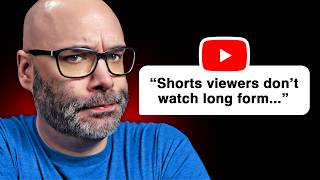
"The title promises a comparison of long-form vs short-form, which is delivered, but the video is padded with live stream tangents and self-promotion, making it longer than necessary."
This video compares long-form and short-form content on YouTube, highlighting the benefits and drawbacks of each. The creator emphasizes that shorts are a significant opportunity for discovery and growth, while long-form content is better for deep engagement and monetization. The video concludes by advocating for a combined strategy to maximize reach and impact.
72% of YouTube viewers watch shorts, with over 200 billion daily views. 175 million US users watch shorts regularly, and shorts account for more than 10% of YouTube's total watch time.
Channels using both Shorts and long-form content grow 41% faster. Shorts also make more money for YouTube per watch hour than long-form content.
Shorts can be made with minimal effort, often just recording on a phone. Long-form requires more skills: topic selection, thumbnail creation, and compelling titles to attract viewers.
Shorts are great for discovery, staying top of mind, and appearing in search results. They are easier to produce and can lead to subscriptions quickly.
Shorts offer less watch time for the Partner Program (10 million views in 90 days required) and lower ad revenue per view compared to long-form content.
Long-form content allows direct linking, better monetization, and more opportunities for deep dives and community building. It also performs well in search and AI recommendations.
Shorts can be used to test hooks, intros, and topics for long-form content. They can also complement long-form by linking to it, though this requires scale.
Shorts provide quick feedback and activity, which can motivate new creators to continue while they develop long-form content skills.
Use related video links, short mentions, and Opus Clip end bumpers to encourage shorts viewers to watch long-form content. This works best at scale.
Shorts can lead to brand deals and partnerships, as demonstrated by a friend who got a substantial deal primarily from his shorts content.
Shorts are a huge opportunity for awareness and growth. Combining them with long-form content creates a comprehensive strategy for reaching audiences.
Using Opus Clip to repurpose live streams into shorts on a separate channel can generate extra views (e.g., 31,000 extra views per month) and increase visibility.
Shorts are a massive opportunity
Provides concrete statistics that highlight the scale of Shorts viewership, making a compelling case for their importance.
00:56Shorts boost channel growth
The 41% faster growth statistic is a powerful incentive for creators to adopt a dual-content strategy.
02:08Long-form requires multiple skills upfront
Clarifies the skill gap between Shorts and long-form, helping creators understand why long-form is more challenging.
07:16Shorts as a testing ground
Offers a practical technique for using Shorts to refine hooks and topics before investing in long-form production.
17:33Don't underestimate Shorts
Encourages creators to view Shorts as a legitimate part of their strategy, not just throwaway content.
31:23[00:00] Today we are going to be talking about long-form content versus short-form content, the positives and negatives of both, and pretty much everything involved in short-form content, creating short-form
[00:13] content, and creating long-form content for YouTube. So first, I want to recap some of the information that I shared in my last live stream here just to get some context on why shorts is important.
[00:27] So when it comes to YouTube, you know, we've been focused on long-form content for a really long time. And then once YouTube started publishing YouTube Shorts, then we can say, okay, well, now we have YouTube Shorts.
[00:39] And because of that, a lot of people look at YouTube Shorts like it's throwaway content or like it's content that, you know, shouldn't even be considered in a lot of cases. And I want to first talk about that and recap some important information for anybody that's going to watch this.
[00:56] So the very first thing that is important to know is that when it comes to YouTube, 72% of YouTube viewers watch shorts. So that might not sound like a lot in terms of numbers.
[01:09] However, over 200 billion daily views happen on YouTube shorts. So when it comes to YouTube shorts, the important thing to make sure that you're thinking about is that most people on YouTube are watching shorts.
[01:24] and there's a staggering amount of daily views when it comes to shorts. So because of that, it's definitely something that should be considered. In addition to that, 175 million users in the U.S. watch shorts on a regular basis.
[01:37] Shorts account for more than 10% of YouTube's total watch time. So out of all of the content that people are watching on YouTube, live streams, big, long, live, long-form videos, out of all of these,
[01:52] 10% of the total watch time that's coming in is from YouTube Shorts. So, hey, what's going on, Doug? So the next thing is that YouTube Creator Insiders,
[02:08] who is the team that works at YouTube, but they also share information about YouTube to the creator community, they mentioned that channels that use Shorts plus long-form content grow 41% faster.
[02:22] So with that in mind, it makes you think, like, okay, if we are going to be trying to grow our channels, and in that case, you know, if we're trying to do it as rapidly as possible, then shorts might be something to consider for our strategies.
[02:34] And in addition to that, shorts make more money for YouTube per watch hour than long-form content. So that's why we see YouTube shorts everywhere, because YouTube is making more money from YouTube shorts per the amount of time that people are spending interacting with the content on YouTube.
[02:51] So because of that, they're putting shorts everywhere, all over the platform, just to make sure that viewers can go into YouTube Shorts and watch shorts content. But when it comes to YouTube Shorts and YouTube Longform,
[03:06] the very first thing that I want to talk about is what's involved with both, right? So when it comes to YouTube Shorts, there are a handful of content creators that do put in tons and tons of effort when it comes to YouTube Shorts.
[03:19] And because of that, what happens is, you know, a lot of them will get a lot of great results out of it because they do put that extra effort into it. And I don't mean that they just spend a little bit more time thinking about it. I mean, some of these creators really go over the top in terms of, you know, like full-on production
[03:36] and really thinking out every second of the short, not just the hook that a lot of people recommend, but the entire thing so that they can get the most out of it. but some content creators will spend actual, you know, like real money putting Shorts content together.
[03:50] So when it comes to YouTube Shorts, most people aren't going to do that, though. You can if you want to, but generally they just take a lot less effort, right? So when it comes to YouTube Shorts, if you are publishing YouTube Shorts content,
[04:04] you know, you can just open up your phone, you know, right here, and you can just talk to your phone, just say whatever's on your mind that is related to your content type, and then right there you can have a YouTube short and that short may or may not do well
[04:16] just based on how people are going to respond to it on YouTube but the effort on your side as a creator is very minimal, okay? When it comes to long-form content, the big shift there is that there's a lot of extra things that you have to do
[04:32] because it's not just picking up the phone and talking to the camera. It is really thinking about, okay, since this is going to be showing up in YouTube's recommendation system, It's going to show up on homepages. It's going to show up in suggested videos. It's going to show up all over YouTube.
[04:46] How am I going to make this about something that a large enough amount of people are going to care about, right? And when you decide that, you're like, okay, you know, this is going to be the topic of my video,
[04:58] then just that by itself is a skill set when it comes to YouTube. It's thinking about, okay, this is the topic that I think enough people that I'm trying to reach are going to be interested in, right?
[05:10] So when it comes to YouTube Shorts, again, you can just make it on your phone and one take if you want to. Publish it. Make a title that's relevant to whatever it is. And because of the approach with YouTube Shorts that YouTube takes, that short might do okay.
[05:24] But when it comes to long-form content, the very first skill that you have to have is coming up with good ideas that are good enough for YouTube's recommendation system. So when they're showing your content to people that people are interested in the content, they'll click in and they'll come in and watch it.
[05:40] So the next thing is, of course, your titles and thumbnails. So you have your topic, and even if you have a great topic for your video, if you can't package it up right in terms of your thumbnail and title,
[05:52] then in that case, nobody's going to watch your video. However, if you also develop the skills to learn how to package your content up through a great topic and a great, or coming up with a great topic, creating an intention-grabbing thumbnail that helps the people that you're trying to reach
[06:06] identify the content about something that they might care about, and then a title that will compel them to actually click in the video or create some type of curiosity to make them want to click in the video. So as long as you do those things, then you can get people into the video.
[06:22] But like I mentioned before, coming up with the video idea by itself, that's a skill set all by itself. Creating effective thumbnails is a skill set by itself. Even people that are using AI thumbnail generators, they still have to think about, okay, now what is it that I'm going to tell
[06:36] you know, chat GPT or Gemini or whatever it is that you're making your thumbnails in or Opus Clips, you know, free thumbnail tool. You know, what is it that I'm going to tell this AI system that is going to not just make
[06:48] a thumbnail that looks pretty or that looks interesting, but something that's going to help the people that I'm trying to reach know that it's for them, right? So you still have to learn how to do that. And then when it comes to your titles, then of course, you have to learn how to write
[07:00] titles in a way that will get people to come into the video. it adds enough clarity or enough information that somebody will be like, hey, this is definitely something that I'm interested in, so let me click and watch that video. So just at the very beginning, before anybody even, you know, really clicks on anything,
[07:16] you have to have three really strong skill sets when it comes to long-form content compared to YouTube Shorts. You can just open up your phone and be like, hey, what's going on today? Just wanted to share, you know, a thought that I had on my mind, and you talk about whatever that thing is, right?
[07:31] So massive difference there in terms of what's required. And that's just to get people to click on the long-form content compared to the short video that's just going to show up in somebody's feed. And then that gives you a chance to capture their attention.
[07:43] And then, of course, when it comes to the skill set side, the next thing is just like in YouTube Shorts, you have to get good at grabbing people's attention when they come into the actual content itself. So because of that, you have to come up with good video ideas, learn how to make effective thumbnails,
[07:58] learn how to make titles that are compelling, and then, of course, be able to grab people's attention when the video first starts and let them know that the video is for them in some way. And then from there, you just kind of rinse and repeat that throughout the video
[08:10] so that people will continue watching the video for longer periods of time and so on. So there's just a ton of skills involved when it comes to long-form content, which is why a lot of content creators will say things like, hey, I'm publishing YouTube shorts and I'm publishing long-form content,
[08:24] but for whatever reason, my shorts aren't great and they're getting views, But my long-form content, like, I just can't, you know, it's just not working. And the big difference there is that when it comes to YouTube Shorts, they just show up for people where there's a lot of decisions that have to be made by the viewer in order to get a view, just one view, from a piece of long-form content.
[08:47] And then from there, you have to constantly keep somebody engaged as they're going through that long-form content. So there's just a lot involved in comparison. So in addition to that, you know, even if you remove the things about, you know,
[09:01] making sure that you're sending people to additional content and things like that in long-form content, just the process of making a long-form video, the time that it takes is more intense and the skill sets are more intense as well compared to YouTube Shorts.
[09:15] So when it comes to skill sets, I hope that explains the wild difference between the two. Now, let's talk about purposes and the different purposes for long-form content versus YouTube Shorts.
[09:27] So let's start with Shorts. So the very first with YouTube Shorts is discovery. So when it comes to discovery, what I mean by that is with YouTube Shorts, because they are claiming them, you know, all over YouTube, you can't go to any page on YouTube without seeing a YouTube Short.
[09:40] So because of that, it's easy to get your Shorts in front of people that way, but it's also easy for your Shorts just to show up, right? So in addition to YouTube recommendation system that you can also tap into with long content you also have the short speed So because of that you have that extra level of discovery to where it removes the thing
[10:02] that we were talking about earlier with the long-form, where people might click into it, to where it just happens to people. So because of that, it's great from a discovery perspective. And because you only have to hold somebody's attention for a short period of time, it's
[10:14] easier to provide satisfactory content so that YouTube will continue showing it to people. it's easy to have people subscribe in a YouTube short just because they enjoyed that short, right? And they just enjoyed it for a short enough amount of time or a short amount of time
[10:29] that was enough for them to say, yeah, you know what? I think I'll hit the subscribe button on this. Next, we have that when it comes to YouTube shorts, it's great for staying top of mind for shorts viewers. Now, for this one, one of the things that is kind of a myth when it comes to YouTube
[10:45] is that, you know, short viewers don't watch long-form content and long-form viewers don't watch short content. And I don't know why people think that because if you look at the screen right here and you go look on your YouTube channel,
[10:58] you'll see that almost everybody that's watching long content, they're also watching short-form content as well. Now, there's been a handful of channels that I've looked at that does not have that on short
[11:13] to where it'll be down a bar. There's also been a few to where the long form will be down a bar and then shorts will be completely full. But having shorts viewers also watching long form content
[11:25] is very common on YouTube. And you can see this for yourself. If you go into your stats, go into your audience tab on YouTube and just scroll down, then you'll see, hey, are my viewers watching YouTube shorts or not? And that gives you the insight on that.
[11:39] But if you find that they are, then the advantage of shorts there is that you get to stay top of mind. It's like, oh, hey, there they are again. Hey, there they are again, right? In addition to that, when it comes to YouTube Shorts, you can, just like with Longform,
[11:52] you can show up in all of the places for search. So if somebody searches for something on YouTube, you can show up there. If somebody searches for something on Google, sometimes Shorts will show up on the main page, the first page that you see. Other times, people have to click
[12:04] into the short videos section and then see the short over there. But it also gives you the opportunity to show up in those places also where, you know, if you're trying to spread awareness about something, you can make a bunch of shorts about it. And then if you get those shorts in a good position in search,
[12:19] then that can also bring additional attention to you and your YouTube channel. Now when it comes to long-form content, oh, and let's talk about a downside when it comes to the purposes of shorts.
[12:31] So a downside is that when it comes to YouTube shorts, you don't get a lot of buy time. So if you're somebody that is trying to get into the YouTube Partner Program and you're trying to use shorts for that, watch time-wise is not the best.
[12:44] And the view count requirement is a lot, 10 million views in a 90-day period. And because of that, a lot of people just struggle to reach that milestone compared to just grinding it out on long-form content where it's easier to get the watch time
[12:57] and then converting subscribers from that. Now, in addition to that, just getting watch time in general to make sure that you stay in the partner program is good for long-form content.
[13:09] and long-form content is worth more per view when it comes to ad revenue. So, you know, if you're making shorts, you have to get a lot of views in YouTube shorts in order for the ad revenue to add up to anything substantial compared to long-form content.
[13:25] So because of that, when you are publishing long-form content on YouTube, you can pretty much count on, if you're in the partner program already, you can pretty much count on that content making some type of money. where with YouTube Shorts, when you publish that,
[13:39] you're getting hardly anything from YouTube Shorts unless you get lots and lots and lots of views on those YouTube Shorts. Now, when it comes to long-form content, you can also directly link things.
[13:53] So in YouTube Shorts, you cannot do that. So when it comes to YouTube Shorts, they've stripped away the ability to link anything in YouTube Shorts in favor of YouTube Shopping, which is another advantage when it comes to YouTube Shorts,
[14:06] is that you can, if you're in the partner program, you can use the YouTube Shopping Affiliate program in order to make additional money off of the shorts that you're publishing. But when it comes to view per view,
[14:19] long-form content just completely smokes YouTube shorts. And then the direct link clicks, like I was talking about before, and long-form content, you can have a bunch of links in your video description that people can click on.
[14:31] Send them to other videos real easily. Send them to anything else. You can have pinned comments where you send people to, you know, a thing that you're trying to bring attention to or into additional videos or playlists. Like, you just have all of these different options that you can send people into.
[14:45] Even on the video watch page, you have in-screen, so where you can send people to different things, which is additional clicks that people can take. And you also have the info cards as well, which is a little card that just slides out over the top of the video up in the top corner.
[14:58] And then, you know, you use that as a way to recommend additional content to people. or depending on, you know, your account, you can also send them to, you know, your company website and things like that. So when it comes to long-form content, there's a lot more opportunity there to take really, you know, full advantage of the viewership there.
[15:17] Now, when it comes to long-form content, in addition to if you make good long-form content, it's getting views over time in YouTube's recommendation system. In addition to that, you know, you can also do really well when it comes to YouTube search with long-form content as well
[15:31] because one of the things that YouTube looks for when it comes to search queries is if it's not a short, then they are looking for the watch time per impression. So when it comes to long-form content, if people are watching your videos for longer periods of time consistently
[15:44] than the other videos that are there in the search results, then that gives you the opportunity to move up through the ranks in search where you can also continue to get views. Same with Google because if you search for something on Google, you'll see that there are video results there.
[15:57] and also when it comes to the AI tools, ChatGPT and Gemini, I haven't tried this in cloud yet, but when it comes to ChatGPT and Gemini, you also have the way you can ask it for videos about stuff.
[16:09] And if you ask it for videos about things and you'll notice it gives you long form content. I haven't yet. It might recommend shorts, but I have never been recommended a YouTube short when it comes to the AI systems recommending a video to me.
[16:21] It's always long form content. From my experience, your experience on that might be different, but it gives you the opportunity to tap into all of these different things compared to YouTube Shorts. And in addition to that, since we are talking about the purposes for YouTube Shorts and for long-form content,
[16:37] so when it comes to long-form content, an advantage of that is you can use Opus Clip to take that long-form content, cut it up into a bunch of shorts that you can publish on YouTube, on your main channel, additional channels.
[16:49] You can publish it to other social media accounts if you want. Some people will create entirely new social media accounts just for their clips that they get from Opus Clips so that they can just, you know, stay at top of mind of people and keep showing up.
[17:02] In addition to that, when it comes to short-form content, you can also record one video. If you make unique short-form content, you can record one video,
[17:16] and you can publish that video across all of the platforms, which is great. Now, when it comes to using YouTube long-form content and YouTube Shorts together, then in that case, you can use them to kind of complement each other.
[17:33] So let's move on to that conversation. So when it comes to YouTube Shorts, you can use them for testing. So you can test them for your intros, for your hooks, you know, the ways that you're capturing people's attention at the beginning of your videos. You can practice that in YouTube Shorts.
[17:46] And when you find things that work over in YouTube Shorts, then you can say, okay, since those are easy to make, let me keep making those and see if people continue to respond to that way of doing it. And if they do, then let me try it on my long-form content.
[17:58] So it's a good testing ground. Some people will use YouTube Shorts to test topically for long-form content to where they'll say, hey, let me make a YouTube Short about this. And, you know, because it's a little bit outside maybe of what I might normally make, so let me make a YouTube Short about this and see if my viewers will enjoy this over there.
[18:16] And if they do, then they will chase that with a long-form video as well. In terms of how they can complement each other, Shorts, of course, has the direct link that you can take to long-form content.
[18:29] So with that, if you are making a YouTube short to where you have a long-form video that's relevant to that, then in that case, you can link them directly. And the downside of that is there's not a gigantic crossover there.
[18:42] You have to think at scale. So your shorts have to get a lot of views on them in order to get, you know, a substantial amount, a meaningful amount of people to head over to watch the long-form video. But when it comes to the YouTube Shorts, you do have that option, though, right?
[18:56] So because of that, it's definitely something you can do. Long-form content is great for deep dives. It's great for community building. So you can, like, there's a thing you'll hear a lot on YouTube where people say you can't build community on YouTube Shorts.
[19:10] So if you look at like Jenny Hoyas, for example, you know, she's done that with primarily YouTube shorts. You can build a community with YouTube shorts, which is more challenging. So, you know, like right now, for example, I would love for you to just think about, okay, if I think of five, you know, with one hand,
[19:27] if I think of five long-form content creators to where I met them through their long-form content, and I think of their names, just right off the top of my head, how fast do you come up with those compared to five shorts creators, right, It's where you know their name, you know who they are, you know what they're about and all that.
[19:42] Like, how fast can you do it with short creators compared to long-form creators, right? So the long just gives you more time with people So it gives you the opportunity to create those deeper connections parasocial relationships or what they call to create those deeper parasocial relationships with the people that
[19:58] are interacting with your content. In addition to that, long form, of course, is great for, you know, deep dives. It's great for, you know, really explaining things out. It's great for, you know, just telling long, interesting stories.
[20:10] When it comes to long form content, you know, it's great for YouTube TV, for, you know, their influx of TV viewership that they had over the last, you know, couple of years. And it gives you the opportunity to really tap into that side of things as
[20:25] well. So thinking more like, you know, hey, my long form is going to be, you know, the longer, more entertaining storytelling stuff. And then my shorts are also, you know, I can do storytelling and all that there too, but these are just going to be the quick bites I'm going to give people.
[20:38] And the way to think about that is like, I'm respecting the viewer experience in both of these scenarios. So, for example, you know, if I'm in the short shelf and I'm, you know, if I'm waiting for somebody, right?
[20:52] Let's say I go to pick up my brother, right? Because we have a live stream tomorrow. So if I go to pick him up tomorrow and I'm waiting for him, you know, to come out, then, you know, I might pop over my phone and sit there and just watch some YouTube shorts because that's the time that I have. I don't have the time while I'm waiting to get invested into, you know, a long form video.
[21:08] By the time I get through somebody's intro, then D will probably already be, you know, already be coming down and getting in the car. So because of that, you know, it's thinking about being able to reach your viewers based on their habits.
[21:21] Hey, Dish, being able to reach your viewers based on their habits and how they prefer to watch content in that moment in time, right? So it's great for that. So basically shorts for quick bites and quick, you know, stories, quick entertainment, quick, you know, tips.
[21:37] you know, if you're an educational channel, that type of thing. And then when it comes to long form, deeper dives, more relationship building, more, you know, just deeper. Everything is deeper and longer and more when it comes to the long form content.
[21:54] And then when it comes to discovery, of course, you know, YouTube recommendations is great for long form content because when you open up YouTube's homepage, even though they do show shorts all over the place, They also do focus it, you know, usually on long-form content.
[22:07] So because of that, as you are, you know, scrolling through everything, you know, that's usually the first thing that you see. When you look at channel pages, that's usually the first thing that you see. It gets a little polluted sometimes because they're testing all the time.
[22:19] So, you know, shorts do, hey, go. So shorts do, you know, show up in those places a lot. But if you just sit there and scroll and scroll and scroll and scroll on a homepage, you know, you'll see it's mostly, you know, long-form content. You can tap into that.
[22:31] But long form is great for recommendations, and shorts is great for shorts, the short speed, and you can also get recommendation traffic. Let me show you this. This is an interesting screenshot that I took, and this is across channels.
[22:45] And I wanted to share this with you because I know not a lot of people have access to a lot of channels and stuff. So the one up in the top right, the mix of channels here, I think one of these has right around 2,000 subscribers.
[23:00] There's some in here. Like my channels in here, I've got almost a million. There are other channels in here with over 100,000. I think there's another one in here that has maybe 200,000 on it. I can't remember.
[23:12] But basically the idea here is that if you are looking at this, you'll see that it's mostly dominant of the YouTube Shorts feed and YouTube Search. But the ones where YouTube Search is the winner,
[23:25] you can see there's like half of the Shorts traffic is coming from YouTube Shorts. Like if you look at the one in the top middle, then that one is half of the Shorts traffic is coming from YouTube search. If you look down at the two on the bottom, both of those, a majority of their traffic is coming from YouTube Shorts.
[23:42] So the Shorts feed on the smaller channel up in the top right-hand side, and they're not getting a lot of views. I just want to be transparent about that. So that one's not getting a lot of views on it. And you can actually see right here that they're actually getting, you know, a percentage, a bigger percentage coming from channel pages than they are from YouTube search.
[23:57] So that's some perspective there, too. And then if we look at the other ones, though, they all go back and forth between YouTube search and YouTube, you know, short feed. And when it comes to browse features, which is YouTube's general recommendations, homepages, you know, recommended videos, then you can see here, at least in these examples, that even though views come in for those, you know, like 19 percent on this one, you know, that's a substantial amount of views on this particular channel.
[24:25] but uh and that's the one down the bottom right hand side but with this particular one you know you can see they have 19 in browse and i think that that's the best one out of all of the ones
[24:38] that i had looked at to take this screenshot um so when it comes to youtube's general recommendation features you can get views there but almost everything is coming from either youtube search or the the short feed so when you are thinking about the content that you're going to publish
[24:53] how you're going to be getting attention to your videos and you're putting your strategy together for that, it's important to consider that type of information, right? Because it's like, hey, if everybody's finding YouTube Shorts through search and through the Shorts feed,
[25:10] then in that case, you know, should I spend a ton of time on my, you know, selecting that perfect screenshot that might get me some attention in, you know, on YouTube homepage or not, right? to kind of help you, you know, prioritize the right things to do there.
[25:25] But when it comes to YouTube Shorts and Longform, one of the things that I didn't mention earlier, and I just mentioned the thing about YouTube Shorts,
[25:37] which made me think about this, is when it comes to YouTube Shorts also, in terms of a comparison and the skill sets involved, you know, with that, you just have to pick a good screenshot, which can also take a little bit of time. But when it comes to Longform content,
[25:49] you have to create like an actual thumbnail. Like, yes, you can use screenshots, but most content creators, they take time making thumbnails. And because you take time making thumbnails, you know, that's time away from doing, you know,
[26:02] everything else around your content or your life or whatever. And that's one of the additional things when it comes to long form that is just challenging for people because a lot of people don't have a lot of time and things like that, which is why people, you know, will lean on shorts.
[26:14] But another big compliment for using long-form content and short-form together, especially for somebody that's getting new or somebody that's new and you're just getting started, is while you're working on your long-form content, because one thing I can tell you,
[26:29] because I've been helping content creators, like new and small content creators, I've been helping them for a decade. So when it comes to motivation to continue making content, short-form is great because you see activity.
[26:44] you see views coming in. And because of that, that can be the difference of, yeah, you know what, I'm going to persevere here because I'm getting some type of activity in my YouTube shorts. And since I'm getting activity in my shorts, then that's inspiring to me. And that shows me that
[26:59] if I can, you know, learn how to do this better, then maybe I'll be able to get that activity up. And then with that mindset, then the approach that you can take to your long form content, You might take more, like when you publish videos and they don't do well, you're more likely to just take more of that because you're still getting activity in YouTube Shorts, right?
[27:23] So you have Shorts to keep you going while you're working on the long-form content and learning how to do that in a way that's competitive for YouTube. So both of those things are extremely helpful when it comes to using those two together.
[27:38] Now, when it comes to YouTube features for leading viewers into long-form content, so we know that YouTube does have the related video feature, you know, right there on YouTube Shorts.
[27:51] And because of that, it's great for scale. If you're getting like a handful of viewers, you know, people say, I'm having trouble getting my Shorts viewers to watch my long-form content. And the thing is, is, you know, if you're tracking it through that related video link on YouTube,
[28:07] or on your YouTube Shorts, then in that case, you have to be getting a lot of views there for that number to be anything meaningful, right? So because of that, one thing that's really important to think about is the,
[28:20] if somebody really enjoys your Shorts content, then they are likely to get recommended your long-form content on YouTube as well. And because of that, if you give them a great experience in YouTube Shorts, and then they also see your long-form content being recommended to them in both of them,
[28:35] because we're talking about using them together, right? and both of them are targeted towards the same type of viewer, then in that case you might also capture them in long form that way where the view might not necessarily come directly through that related video link.
[28:49] It might come from YouTube recommending one of your videos to them on their homepage because their system has noted that that person, when they show your shorts to them, that they typically respond to your shorts.
[29:01] So then when you publish your long form content, then they can recommend your content to them there too. So other things that you can do is, of course, that related video link like we were just talking about. And then also you can make little short mentions.
[29:14] You know, if you are getting views, focus on the views first and getting the activity first. And then once you're getting the activity, then you can start doing things like this to where when you publish a short, if you're trying to get people over to the long-form content, you can say things like this.
[29:27] And if you're using Opus Clip, you can add this clip to the very end of your shorts as well to where you say things like, I have a longer video about this on my channel, click in the related link to check it out. Or check out the longer version of this on my YouTube channel.
[29:40] Or if you want more details, check out the long version. And the cool thing about that is again this has to be happening at scale for this to be anything meaningful But inside of your Opus Clip account they have the option and I just want to make sure you know about this in case you don
[29:55] to where you can add something at the beginning. You can add a video clip at the beginning of your clip. You can add clips just kind of randomly, and you can also add one at the end. So because of that, when you have your clip that Opus Clip has processed,
[30:07] you can add just a little quick bumper at the end that encourages people to check out the long-form content on your channel as well. So you can use Shorts in that way in order to try to get people over to the long-form content as well.
[30:26] But at the end of the day, when it comes to, you know, using YouTube Shorts and, you know, long-form content, another thing is that a lot of people will discount YouTube Shorts when it comes to, like, partnerships and things like that.
[30:41] But I have a friend who actually got a pretty substantial deal just off of his YouTube shorts content. There was some crossover into the long form, but it was the shorts content that actually brought him to attention to people.
[30:56] And because of that, it allowed him to get like a substantial partnership or brand deal through that, where typically people think more about that through long form content. But you can also have those types of experiences through the Shorts content as well.
[31:23] I was playing that and it didn't even come through. That's great. Someone said you have to hear me slurping my coffee. All right. So the big idea is when it comes to YouTube, don't underestimate shorts.
[31:37] You know, some content creators, they only publish shorts. And, you know, and because of that, I think that, you know, they're missing a huge opportunity because long-form content is amazing for just, you know, getting attention, for getting people
[31:50] to take action on things, for, you know, developing, you know, the relationships with the people that are watching your videos. And when it comes to short-form content, it's just not the same for a lot of people. But, you know, those relationships can be had.
[32:02] You just have to be in front of people a lot when it comes to that. So for the people that watch this, so one of the things that I do on my YouTube channel is I have my main content that I make,
[32:15] and then I have my live streams that I do. I have a live stream I do every Saturday with my brother, Dave, called Them and Live. And during that live stream, we answer questions for about three hours straight. and one of the awesome things that Opus Clips has allowed me to do is I take those live streams
[32:29] and then Opus Clips will automatically pull them in after my live stream is done. I don't have to do anything. And then they pull them in, they get everything clipped, and then we can go in there and we can look to see like, okay, hey, this clip is something we can use, this clip is something we can use.
[32:41] Maybe we need to modify this one a little bit and then we can use it. But we can go in and we can select all these different clips and then I have a completely different YouTube channel that I publish those shorts to every single day. and that allows me to just keep getting in front of people there,
[32:56] just keep showing up over there as well. So in addition to what it is that I publish on my main channel, it gives me the opportunity to also do that. And I'm in the process right now, and actually in conversations with Opus Grip,
[33:08] about also setting some of that stuff through their scheduling system and all that to start publishing some of that out onto TikTok as well. And one of the advantages I see with that is if you're making good long-form content
[33:21] and you're adding value to people in some way, you're entertaining them, you're motivating them, you are inspiring people, you're, you know, you're teaching them stuff, whatever the thing is, then in that case, you know, your long-form content might be, like, the important stuff that you do
[33:36] in terms of, like, that's where people get the most value. But what you can do is you can create all of these additional assets around it. Some people even go as far as to, you know, like, in addition to making shorts that they're publishing all over the place,
[33:48] They'll also create, like, blog posts around their content and, you know, they'll have, like, image posts that will have different things they say in their videos and stuff like that that they'll post on Instagram and all that. But, like, when it comes to all this stuff, if you think my long-form content, and what we're talking about, if you just joined, is using long-form content and short-form content together.
[34:07] is if you have your long-form content that you're posting, be it live streams or regular 16 by 9 aspect ratio videos, then in that case, you can create all of these additional assets, all these different shorts that just spread awareness about you
[34:20] and what it is that you're doing. If you wanted to, you can also create text-based content that can do the same exact thing. But the whole end goal is to just keep you in front of people.
[34:32] So if people are reading it, you got them there. If people are watching it in shorts, you got them there. if people are doing it in, or they're watching long-form content, you got them there. If you're live streaming, if you're somebody that live streams, then you got them there, right? So it just gives you the opportunity to just keep showing up to people.
[34:46] And for me, you know, having that other channel where I share those clips every single day, that's a really good use case for that. And really, it puts me in front of, I think, let me see if I can log in here real quick,
[34:59] But I think I'm floating somewhere around like 15,000 or 17,000 just extra viewers per month on that channel.
[35:11] I'm going to check here really quick, and I'll confirm this. I'm going to hit this button now.
[35:23] If you're enjoying the show, remember to give it a thumbs up and share it with a friend right now. Okay, so it's actually 31,000 views. So I thought it was less than it is.
[35:39] But yeah, so basically an extra 31,000 views. And here, I'll share that to you real quick in case anybody wants to see it. Let's see. So it would be this one.
[35:54] Yeah, so you can see right here, we have... Let me... I wonder if I can... Nope. let me stretch this out this way actually you can see right here so yeah so if you look over here you can see an extra 31,000 views and this is all on
[36:08] just repurpose content so yeah I didn't have to do anything extra in order to you know in order for this to happen right here an extra 31,000 views and with
[36:20] the exception of I think one upload missed you know this has been your just daily uploads just from Opus Clips. So the subscriber count is actually increasing, which is good. That one normally is a little bit lower, but we're getting more on watch time now, and
[36:34] we're getting more on an extra 2,000 views, even within a day when it comes to YouTube Shorts. So when you are looking at that through the lens of that 31,000 people, 31,000 extra people
[36:49] that have seen me so that when they get value out of that content, because every short on that channel is just, you know, like a quick bite of something. So it's like a quick, you know, tip, a quick, you know, a quick tidbit for my live stream.
[37:04] So with that, for every person that sees that and gets value out of it, if YouTube, because again, it's a completely different channel. So if YouTube shows them one of my videos for my main channel and they see a thumbnail
[37:16] and they've never watched any of my other content before, 31,000 people, if my content gets shown to some of them, then if they make that connection between,
[37:28] oh, hey, this is that guy that I got that tip from in the, in shorts, then, I mean, they probably won't think it's in shorts, but they're like, oh, hey, I remember I got a tip from this guy, and then they see my video title, as long as it, you know, is something that they care about,
[37:40] my face might stand out to them, which might help them come into my content, right? That's the play. So, you know, if you're not taking advantage of these types of things, especially, you know, now because of, you know,
[37:54] just the opportunity that it is when it comes to, you know, content, then I think, you know, you're missing out. Because long form is great for all kinds of different things, you know,
[38:07] like we talked about. Like it's great for, you know, bringing attention to things. It's great for creating, you know, just awesome content for people. it's great for creating good experiences and making connections and selling stuff and making money through ads and all those things.
[38:22] But when it comes to shorts, if you sleep on shorts, then you're going to miss out there on additional things that can bring attention to the long form content. So, on that note, that was the content
[38:38] that I have here for this stream today. so there are a few people here so if you have any questions at all definitely go ahead and ask now but if you don't have any questions then we will close this out but if you have any questions about
[38:51] any of the stuff that I mentioned here about YouTube and shorts and using content together or anything like that definitely let me know I just want to leave this open here for a second so if anybody does have any questions I can make sure to get you taken care of in the meantime for
[39:06] that for people that, you know, have just joined. Just a reminder, 72% of YouTube viewers are watching shorts. Over 200 billion daily views happen to short shelf. So huge opportunity there.
[39:18] Okay. And no questions coming in. So on that note, for those of you that hung out here, thanks for hanging out. If you are watching this on the replay, make sure that you check out the full Opus Clip channel. So we have a bunch of helpful content over there that helps you in all
[39:31] kinds of different ways around YouTube and clipping your content and things like that. And if you haven't tried it yet, check out Opus Clip at opusclip.com. Thanks for watching. Thanks for hanging out. And I'll see you next time.
The creator immediately poses a comparison between long-form and short-form content, sparking curiosity about which is better. This engages viewers who are interested in optimizing their YouTube strategy.
Today we're comparing [TOPIC A] vs [TOPIC B]. Here's what you need to know about [KEY ASPECT] and why [SURPRISING FACT].
AI-generated clip ideas for Shorts based on the transcript
Revealing that Shorts generate more revenue per watch hour sparks curiosity and debate among creators.
▶ Play ClipDebunking a common myth about viewer behavior provides valuable insight and encourages sharing.
▶ Play ClipClear comparison of effort and skills needed for each format resonates with creators struggling to grow.
▶ Play ClipReal-world success story with tangible numbers demonstrates the power of repurposing content.
▶ Play ClipSnapshot 2026-11-18
Every observation TubeSum recorded, plotted as measured.
The vertical axis starts at 744, not zero, so later observations stay readable.
Based on 30 observations · last observed Nov 18, 2026 · solid lines connect consecutive measurements (≤2 days apart); dashed lines span days TubeSum did not measure. · vertical axis focused on the observed range (starts at 744)
Based on 30 observations · last observed Nov 18, 2026 · solid lines connect consecutive measurements (≤2 days apart); dashed lines span days TubeSum did not measure. · vertical axis from zero
Exact daily observations; gaps mean no observation was taken that day.
| Date | Views | Avg views / hour | Channel median |
|---|---|---|---|
| 2026-11-18 | 806 | 0.1 | — |
| 2026-11-17 | 803 | 0.1 | — |
| 2026-11-16 | 802 | 0.1 | — |
| 2026-11-15 | 800 | 0.1 | — |
| 2026-11-14 | 795 | 0.1 | — |
| 2026-11-13 | 793 | 0.1 | — |
| 2026-11-12 | 791 | 0.1 | — |
| 2026-11-10 | 789 | 0.1 | — |
| 2026-11-09 | 789 | 0.1 | — |
| 2026-11-08 | 788 | 0.2 | — |
| 2026-11-07 | 786 | 0.2 | — |
| 2026-11-06 | 784 | 0.2 | — |
| 2026-11-05 | 782 | 0.2 | — |
| 2026-11-04 | 779 | 0.2 | — |
| 2026-11-03 | 776 | 0.2 | — |
| 2026-11-02 | 775 | 0.2 | — |
| 2026-11-01 | 775 | 0.2 | — |
| 2026-10-31 | 774 | 0.2 | — |
| 2026-10-30 | 773 | 0.2 | — |
| 2026-10-29 | 771 | 0.2 | — |
| 2026-10-28 | 768 | 0.2 | — |
| 2026-10-27 | 764 | 0.2 | — |
| 2026-10-26 | 763 | 0.2 | — |
| 2026-10-25 | 762 | 0.2 | — |
| 2026-10-24 | 762 | 0.2 | — |
| 2026-10-23 | 760 | 0.2 | — |
| 2026-10-22 | 758 | 0.2 | — |
| 2026-10-21 | 751 | 0.2 | — |
| 2026-10-20 | 750 | 0.2 | — |
| 2026-10-19 | 747 | 0.2 | — |
Audience reaction — separate from the performance metrics above.