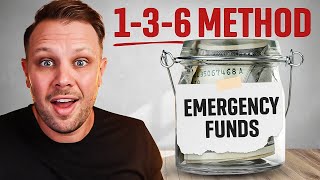

Why Cash On Hand Builds Wealth
47sChallenges viewers to rethink their financial priorities by emphasizing that cash reserves are the foundation for wealth building and stress reduction.
▶ Play Clip
[00:00] a lot of times the reason why you're
[00:01] having more urgencies than most is
[00:03] because we need to figure out a way to
[00:06] solve another side of the problem and
[00:07] it's the folks who actually have cash on
[00:10] hand are the ones that are always able
[00:11] to build wealth because they can protect
[00:13] their finances you should not be doing
[00:15] anything else until you can get to this
[00:18] one Monon expense number you may be
[00:20] starting way farther back than everybody
[00:24] else privilege is real but I know you
[00:26] can do this and I know you can make a
[00:28] change in your life and that is my goal
[00:30] for every single person listening to
[00:32] this show your finances don't have to be
[00:34] perfectly optimized for growth you want
[00:36] them to be optimized to reduce your
[00:39] stress and anxiety that's what you want
[00:41] them optimized for now today I'm going
[00:43] to be diving into a brand new framework
[00:46] for the emergency fund and I am super
[00:47] excited to to dive into this today
[00:49] because I have been spending a lot of
[00:52] time over the course of the last year
[00:53] beefing up my emergency fund we have a
[00:55] lot of Life Changes going into our lives
[00:57] at the Jin Cola household and so I have
[00:59] been spending a lot more time getting
[01:02] more comfortable with how much cash I
[01:03] want to have on hand and so because I've
[01:06] been doing this I've been working really
[01:08] hard on developing the perfect framework
[01:10] to a build your emergency fund but this
[01:13] is also the framework to help you manage
[01:15] and maintain your emergency fund because
[01:17] as we're going to talk about in this
[01:18] episode your emergency fund is something
[01:21] that needs to be used and I think a lot
[01:23] of people hoard cash and their emergency
[01:24] fund without utilizing it so we'll talk
[01:26] through how you can rebuild it if you
[01:28] have to use it we're going to go into
[01:30] how to actually build one out the proper
[01:32] way and we're going to say how much cash
[01:34] you have to have on hand based on your
[01:35] life experiences now we've talked a ton
[01:38] about emergency funds in the past this
[01:39] is going to be the main framework that
[01:41] we go by so if you ever hear me talking
[01:42] in the future about the 136 method this
[01:46] is going to be the method that we've
[01:47] developed and the one that we want to
[01:49] make sure that you are following uh
[01:51] going forward if you are interested in
[01:53] you know Building Wealth generational
[01:54] wealth and and mastering your money and
[01:56] you follow all the other stuff that we
[01:57] do so this is something I am really
[01:59] really excited about and one thing I
[02:00] alluded to is we will talk about by
[02:02] financial situation and so we're going
[02:04] to talk through if you are a 9 to-5
[02:06] worker we're going to talk through if
[02:07] you're an entrepreneur and you own your
[02:09] own business how much you should have on
[02:10] hand if you're a retiree and so it's
[02:12] really important to make sure that we
[02:13] look at these life stages in our lives
[02:15] to make sure we have enough financial
[02:16] protection going forward first I'm going
[02:18] to dive into why we need an emergency
[02:20] fund so if you know what an emergency
[02:21] fund is and you know why you need to
[02:22] have one you could skip ahead if you
[02:23] need to but I'm first going to dive into
[02:26] why we need one number one is if you
[02:27] don't know what emergency fund is it's a
[02:29] bunch of that you set aside on hand when
[02:32] emergencies happen now it's not if an
[02:35] emergency is going to happen but when
[02:37] will an emergency happen emergencies
[02:39] happen in life every single day your car
[02:40] is going to break down you may lose a
[02:43] job you may have an emergency medical
[02:45] bill a pet may get sick your kids may
[02:47] get sick there are so many different
[02:48] life scenarios on when you're going to
[02:50] need cash on hand and it's the folks who
[02:52] actually have cash on hand are the ones
[02:55] that are always able to build wealth
[02:56] because they can protect their finances
[02:58] this is why it is the number one thing
[03:00] that we want you to be doing with your
[03:01] money first is to start to build up the
[03:04] emergency fund and we'll get into that
[03:05] as we go through this so secondly it
[03:08] protects you against job loss the number
[03:09] one real reason why we build our
[03:11] emergency fund is if we get laid off or
[03:13] we lose our job we're going to be able
[03:16] to protect ourselves and protect our
[03:18] finances it's a protection plan
[03:20] surrounding your finances so that you
[03:22] don't go backwards number three is your
[03:25] emergency fund allows you to continue to
[03:27] pursue Financial Independence one of the
[03:29] most important things that you can do is
[03:31] go after Financial Independence and it
[03:33] can interrupt Financial Independence if
[03:35] you have an emergency that happens and
[03:37] you don't have the funds to take care of
[03:38] it so I want every single person
[03:40] listening to this podcast my entire goal
[03:42] for all of you is to Achieve Financial
[03:44] Independence I want you to get to a
[03:45] point in time one day where you can
[03:47] either choose to work if you want to or
[03:49] not and so Financial Independence is in
[03:51] the cards for you 100% but you need to
[03:55] ensure that you have an emergency fund
[03:56] and that's why it's one of the biggest
[03:57] steps up front number four is it gives
[04:00] you peace of mind you are going to sleep
[04:02] so much better at night knowing you have
[04:04] cash on hand in case an emergency
[04:06] happens I remember prior to having an
[04:07] emergency fund I would stress out about
[04:09] little different transactions that would
[04:11] come up or things that would just
[04:12] surprise me all the time after your boy
[04:15] sleeps like a baby when you have that
[04:17] emergency fund so really important to
[04:18] have that for Peace of Mind next you
[04:21] avoid highin debt see what a lot of
[04:23] people do is that they get themselves
[04:25] into a paycheck to paycheck situation
[04:27] which the emergency fund gets you out of
[04:29] by the way uh but they get themselves
[04:30] into a paycheck to paycheck situation
[04:32] then an emergency arises and what do
[04:34] they utilize they only have one option
[04:36] left and that's to swipe that credit
[04:37] card to fix the situation well what
[04:39] happens when you do that all of a sudden
[04:42] you go into high interest debt that's
[04:44] any debt above a 6% interest rate means
[04:47] you have high interest debt this my
[04:49] friends is a pants on fire emergency the
[04:52] last thing you want to do is go into
[04:54] high interest debt so we need to make
[04:56] sure we avoid that at all costs and
[04:57] protect ourselves with the emergency
[04:59] funds this also number six protects our
[05:01] investments because if you do not have
[05:03] an emergency fund what are you going to
[05:05] rely on you can't figure out you know
[05:06] where you're going to pull this money
[05:07] from so all of a sudden you start to
[05:09] interrupt compound interest
[05:11] unnecessarily by pulling from your 401k
[05:14] or your raw firea we want to make sure
[05:16] we are protecting our investment it is
[05:17] really powerful to allow compound
[05:19] interest to work for us so that one day
[05:21] we can become financially free and not
[05:23] have to work another day in our lives
[05:25] that's my goal for each and every single
[05:26] one of you number seven it helps you
[05:28] maintain your lifestyle if you get laid
[05:30] off or something happens in life you
[05:32] don't want your kids to feel that stress
[05:33] you don't want your family to feel that
[05:35] stress it's going to help you maintain
[05:36] your lifestyle so that you can move
[05:39] forward and figure out what the next
[05:40] action plan is also it helps you plan
[05:43] for Life Changes say for example you are
[05:46] going to have your first kid or maybe
[05:47] your second kid and daycare costs as we
[05:49] all know as parents right now are
[05:51] absolutely out of control and so maybe
[05:54] you've decided hey I'm actually going to
[05:56] be the spouse that stays home maybe it's
[05:58] the husband maybe it's the wife and you
[06:00] are going to be the spouse that stays
[06:01] home with your kids well guess what you
[06:03] can make those family decisions and
[06:05] they're a lot easier to make if you have
[06:06] an emergency fund in place maybe you
[06:08] just want to test it out for a couple of
[06:09] months to see if you can actually get by
[06:11] well the emergency fund is going to
[06:12] cover those additional expenses if you
[06:14] cannot get by and your little experiment
[06:16] fails and so this is going to be
[06:17] something I definitely would consider as
[06:19] you go through this also it helps you
[06:22] for other life changes like moving
[06:24] across the country for a better job most
[06:26] people can't take advantage of
[06:27] opportunities like that because they
[06:28] don't have cash on hand and I think it's
[06:31] really important to have this cash on
[06:32] hand it saves you and actually allows
[06:33] you to make more money in the future
[06:35] another one is health and well-being so
[06:37] Financial stress can negatively impact
[06:39] your health your well-being the
[06:41] emergency fund helps you sleep better it
[06:42] helps you reduce that stress and anxiety
[06:44] and that's what I want for each and
[06:45] every person listening to this podcast I
[06:47] get so amped up about that I'm so
[06:49] excited what money can help you do and
[06:51] so if you can figure that out it's going
[06:52] to help your health and well-being as
[06:53] well also it's going to help you against
[06:55] any economic downturns it's going to
[06:56] help you when you need emergency travel
[06:58] maybe a family member across the country
[07:00] gets sick or you have to go to a funeral
[07:02] there's so many different things that
[07:03] the emergency fund helps with I can list
[07:06] off benefits for days if you want me to
[07:08] and so the point of this is you need to
[07:10] do this first it is the most important
[07:12] thing that you should be doing outside
[07:13] of getting that 401k match because it's
[07:15] 100% rate of return it's 100% free money
[07:18] but you need to have a cushion I'm going
[07:20] to show you how to get that cushion in
[07:22] today's episode so if you're ready for
[07:24] it let's get into it all right so we are
[07:27] going to be diving into the 136 method
[07:31] when it comes to our emergency funds and
[07:33] handling and managing this cash on hand
[07:35] now this is going to come into play
[07:37] where you're going to see it across
[07:39] where you need to be utilizing and
[07:41] putting your dollars first and you're
[07:43] going to see me talk about number one in
[07:44] the 136 first number one stands for one
[07:49] month of expenses now there are some
[07:51] things that are going to be factored
[07:53] into one month of expenses here and
[07:54] there's some things you need to be doing
[07:56] and so this process is phase one is you
[07:59] want to try to get you one month of your
[08:02] monthly expenses that you spend in cash
[08:05] saved okay now the question maybe you
[08:08] know where am I going to save this money
[08:09] where am I going to put it you're going
[08:10] to put it in a high yield savings
[08:12] account we'll talk more about high yield
[08:13] savings accounts here in a second but
[08:15] you're want to put it in a high yield
[08:17] savings account because you earn a piece
[08:18] of interest when you start to do that so
[08:20] if you are on phase one you are starting
[08:22] off early here I want you to get to one
[08:25] month of expenses now what should this
[08:28] number come out to this number should
[08:30] come out to a few th000 usually for most
[08:33] people it's going to be somewhere
[08:34] around5
[08:36] 67,000 uh depending on where you live it
[08:38] might even be higher but you want to get
[08:40] to that one month of expenses but you
[08:42] know if you have a family or something
[08:43] else along those lines you're spending
[08:44] 10 15 $166,000 a month possibly
[08:47] depending on where your income is and so
[08:49] having those one Monon expenses in play
[08:51] is going to be really really important
[08:53] now there are a lot of people out there
[08:55] who have said save $11,000 in an
[08:58] emergency fund and that is where you can
[08:59] get started that'll get you to cover you
[09:01] know little expenses sure that's a great
[09:03] first phase goal but for most people the
[09:05] average emergency comes out to
[09:09] $2,500 and so that's really not going to
[09:11] cover most emergencies and you're still
[09:12] going to have to reach for that credit
[09:13] card or tap into those investment
[09:15] accounts I don't want that for you
[09:17] whatsoever so you try to get to one
[09:19] month expenses as fast as you possibly
[09:21] can is the number one thing now you
[09:24] should not be doing anything else I'm
[09:27] talking about investing I'm talking
[09:28] about doing anything else with your
[09:30] financial situation until you can get to
[09:33] this one Monon expense number really
[09:36] really important to get to this point in
[09:38] time now for those of you who are
[09:40] listening who live paycheck to paycheck
[09:42] and I know there are some folks out
[09:43] there we've done episodes and talked
[09:44] about this I've help some of you solve
[09:46] some of your paycheck to paycheck
[09:47] problems if you're living paycheck to
[09:49] paycheck and you're listening to me
[09:50] right now and you're saying I don't even
[09:52] know how I can get to that one month
[09:54] expenses every time I just start to save
[09:56] a little bit of cash it disappears
[09:59] because these emergencies do not stop
[10:01] coming up they come up all the time and
[10:04] I need cash on hand a lot of times the
[10:06] reason why you're having more urgencies
[10:08] than most is because we need to figure
[10:11] out a way to solve another side of the
[10:14] equation on this another side of the
[10:15] problem and you can only cut back if you
[10:17] don't make a lot of money you can only
[10:18] cut back on so much expenses now if you
[10:20] make a lot of money if you're making six
[10:22] figures or more and you can't get ahead
[10:24] saving up for that emergency fund and
[10:25] you live in normal places that aren't
[10:27] like New York City or something like
[10:28] that then we need to have another
[10:30] conversation where you need to look at
[10:31] cutting back expenses but the majority
[10:33] of people who do not earn enough income
[10:36] the income side of the equation is going
[10:38] to be the biggest problem for them and
[10:40] so we need to figure out a way to
[10:42] increase your income so that you can
[10:44] start to get ahead with your money and
[10:46] save up that one month of expenses in
[10:48] phase one here and so it's really really
[10:50] important we got to get that Financial
[10:52] footing got to get that Financial
[10:54] foundation in fact I want you to spend a
[10:56] lot of time focusing on how can I set up
[10:58] myself to earn more income by developing
[11:01] specific skills getting a better job
[11:04] getting a promotion all of these are so
[11:07] important to your financial journey and
[11:09] if you can figure out how to start there
[11:12] you will I promise you be able to get
[11:15] ahead by starting to increase your
[11:17] income why because now you can take
[11:18] those income increases and put them
[11:20] towards the one month of expenses that
[11:23] you are trying to save up for here to
[11:24] getting your number one goal going there
[11:27] is power in having money saved on the
[11:29] side you know why because if your roof
[11:31] starts to leak there's money just there
[11:34] saved to take care of that if your
[11:36] spouse loses their job there's money
[11:37] just there to take care of that if you
[11:40] are worried about your car breaking down
[11:42] or you need to replace a big thing in
[11:44] your car maybe you need new brake pads
[11:46] or you need new tires the money's just
[11:48] there to take care of it stress melts
[11:50] away and if you're living paycheck to
[11:52] paycheck listen I know how you feel I
[11:54] was there I understand that feeling and
[11:57] how terrible it feels and the only thing
[12:00] I was able to do to solve that problem
[12:02] was to increase my income you're going
[12:04] to hear people left and right say oh you
[12:05] got to cut back on your expenses you can
[12:07] only cut back so much you can't cut back
[12:10] when you are barely getting by as it is
[12:12] and so you have to make sure that you
[12:14] find a way to earn more unfortunately in
[12:18] this world we all start at a different
[12:20] level some people have more privilege
[12:22] than others and so our starting line in
[12:24] this race that we call life is going to
[12:27] be in different locations you may be
[12:29] starting way farther back than everybody
[12:32] else privilege is real but I know you
[12:34] can do this and I know you can make a
[12:37] change in your life and that is my goal
[12:39] for every single person listening to
[12:41] this show is I know you can make that
[12:43] change I know you can get to that next
[12:46] level but it's up to you to make the
[12:48] decision you could be the deciding
[12:49] factor in your family's life you could
[12:51] change your family's tree but the only
[12:53] way that you can do that is by first
[12:56] learning how to earn more and so if you
[12:58] are trying to struggle to get to that
[13:00] one month expense I know you can do it
[13:02] but we got to find ways so that you can
[13:03] earn more money because once you start
[13:05] to get that one month saved we can
[13:07] really start to crank it out and now we
[13:09] can go attack other things so things
[13:11] like highin debt for example we want to
[13:13] make sure that we are starting to attack
[13:14] High interest debt once we get this one
[13:16] month saved up because we want to attack
[13:18] after that high interest debt it's
[13:20] really really important to to get one
[13:21] month first and then we can go after
[13:23] things like credit cards or student
[13:25] loans or all those different things so
[13:27] if you're asking yourself hey should I
[13:28] be paying high interest debt or should I
[13:29] get this one month saved up first one
[13:31] month should get saved up first okay so
[13:33] you have one month of expenses there why
[13:35] because otherwise you're going to try to
[13:36] pay down debt and you're going to get
[13:37] off track and then you're going to
[13:38] increase the amount that you have in
[13:39] debt and so this is just going to be a
[13:41] cycle that happens over and over and
[13:43] over again one month make the minimum
[13:45] payments okay on that high interest debt
[13:47] then what we're going to do is after we
[13:49] get that one month saved up now we're
[13:51] going to attack that high interest debt
[13:53] and we are going to get after that high
[13:54] interest debt and we want that high
[13:55] interest debt paid off as fast as we
[13:57] possibly can still starting to
[13:58] contribute a little bit to this
[14:00] emergency fund because we want this to
[14:01] grow to the next phase but we really
[14:03] want to be attacking that high interest
[14:04] Deb because that is compounding against
[14:06] you and I want to make sure that you are
[14:08] taking that down okay because you can
[14:11] get financially derailed without having
[14:13] any emergency fund whatsoever and trying
[14:15] to pay down high interest debt so you
[14:16] got to make sure that you take care of
[14:18] the one month then you go to the high
[14:19] interest debt and we're going to go to
[14:21] that next level after we start this so
[14:23] this is phase one is one month of
[14:25] expenses you heard that right if you
[14:27] can't get to one month of expenses we
[14:28] got focus on increasing our income we
[14:30] have a lot of episodes talking about
[14:31] income increases and we're going to be
[14:33] talking about a lot more because is the
[14:34] most important thing in your personal
[14:36] finance journey is to increase your
[14:37] income and then we'll learn how to keep
[14:39] that income once you start to increase
[14:41] it so developing your skills becoming a
[14:44] person of utility meaning that
[14:46] unfortunately in this life we are all
[14:48] just making whatever our utility is and
[14:51] so we got to make sure that we are
[14:52] increasing that utility by focusing on
[14:54] ourselves and learning skills to
[14:56] increase that income reading books doing
[14:58] all these different things are going
[14:59] going to help us in that process so that
[15:00] we can get better at sales and
[15:01] communicating and all these different
[15:02] things that will help us earn more money
[15:05] now let's get to the next phase which is
[15:07] three all right so now that we have our
[15:10] first one month of expenses saved up
[15:12] okay and if you have your highin debt
[15:15] paid off those are the two things I want
[15:16] you to be doing first at the first one
[15:18] Monon level is one month save first High
[15:22] interest debt paid off meaning any debt
[15:24] above a 6% interest rate outside of your
[15:25] mortgage or maybe some you know other
[15:27] outside of your mortgage or any of those
[15:29] loans then what we want to do is we want
[15:30] to go to three and three is three months
[15:33] expenses now at three months expenses
[15:36] this is the phase that you want to get
[15:38] to at a minimum it is there to protect
[15:41] you against anything in life that
[15:43] especially as you are starting to build
[15:45] wealth three months get you part of the
[15:48] way safe and this is going to be
[15:50] something that a lot of people will
[15:51] argue with me with I don't think three
[15:54] months is enough to just stop at I don't
[15:56] ever think it will be and I'll explain
[15:57] exactly why uh later but 3 months will
[16:00] help give you some flexibility here
[16:02] it'll give you way more flexibility in
[16:03] life than one month will and it'll start
[16:06] to be something that you can really
[16:07] really take to start to build wealth now
[16:10] once you hit this three-month level I
[16:12] also want you to start investing this is
[16:14] the point in time where you definitely
[16:15] want to start investing so that you can
[16:17] get your money to start working for you
[16:18] in compounding really really important
[16:21] now I know how difficult this can be it
[16:23] is not an easy thing to just save up 3
[16:25] months of expenses it's a lot easier to
[16:27] say than it is to put in to practice
[16:29] because if you're spending 5 10 15 grand
[16:31] a month all of a sudden now you have to
[16:33] say 15 30$
[16:36] 45,000 in cash before you can start to
[16:39] get to the next level but you got to
[16:40] have three months of expenses in place
[16:42] otherwise you could go backwards
[16:44] financially and I don't want that for
[16:46] you so we got to make sure that we are
[16:48] getting to the three-month point in time
[16:50] then we start investing and once you hit
[16:52] this level when you start investing you
[16:54] can start investing in a your HSA is
[16:56] what I would look at first B your Roth
[16:58] IRA or your raw 401K as well those post
[17:01] tax accounts because they grow taxfree
[17:02] and I absolutely love them for that and
[17:04] then your 401k or your pre-tax accounts
[17:06] also so those three are the ones that I
[17:08] would look at past once you get to this
[17:10] level and if you are have questions
[17:11] about those we have tons of episodes on
[17:14] the HSA the Roth IRA the 401K so we
[17:17] won't dive into that on this episode but
[17:19] this is something I think that you
[17:20] definitely want to make sure that you
[17:21] are looking into more so as you start to
[17:24] develop this and so you want to start
[17:26] working towards the next phase but also
[17:28] you I want you start investing because
[17:29] you can't wait too long before you start
[17:31] to allow your money to compound you
[17:32] can't get those years back in the Roth
[17:33] IRA or the 401K so I really want you to
[17:36] get those dollars working at the
[17:38] three-month level before you actually
[17:39] complete your final emergency fund which
[17:41] we're going to be talking about here as
[17:42] we go through this so let's review here
[17:45] each section I'm going to be reviewing
[17:47] you want to get your one month of
[17:50] emergency fund expenses saved up boom
[17:52] that is the first thing then you want to
[17:54] pay off high interest debt once you have
[17:56] that one month saved up in addition to
[17:58] continuing you know small amounts of
[18:00] money towards your emergency fund to
[18:02] continue to build towards 3 months once
[18:04] you hit 3 months of expenses in your
[18:06] emergency fund now we are going to be
[18:08] putting dollars and allocating dollars
[18:09] towards Investments you can go 50/50 if
[18:11] you want you're trying to think through
[18:13] percentages I want you to take a
[18:15] percentage of your income and start to
[18:16] invest those dollars in these accounts
[18:18] and I want you to plan it out and make
[18:20] sure you understand that you are now
[18:21] working towards that retirement number
[18:23] so put as much money as you possibly can
[18:26] working towards that retirement number
[18:27] while still continuously saving and
[18:28] trying to grow this emergency fund over
[18:30] time now listen I'm saying this you know
[18:33] put some in this emergency fund put some
[18:35] in this investment account and a lot of
[18:36] you are probably looking at yourselves
[18:37] or thinking to yourselves oh that's a
[18:39] lot of money I got to be saving up here
[18:41] well I want you to allocate percentages
[18:43] so when you think about you know how
[18:44] much you should be saving when I say you
[18:46] need to be saving 20% of your income I
[18:48] mean emergency funded Investments that's
[18:50] the two things I'm talking about when I
[18:51] say that and so I want you as a minimum
[18:53] to be saving 20% of your income and
[18:55] moving to 25 30% if you can and then
[18:58] growing it from there as your income
[19:00] starts to increase the beautiful thing
[19:02] about increasing your income is that all
[19:03] of a sudden you can increase the amount
[19:05] that you're putting towards these things
[19:06] and you're going to hit those goals so
[19:07] much faster that's why we increase our
[19:09] income in order to put them towards
[19:10] wealth building activities and putting
[19:12] them towards our money value so between
[19:14] those two things you can allocate some
[19:16] of these dollars you know if you need to
[19:17] put 15% towards Investments and 5%
[19:20] towards your emergency fund after you
[19:21] hit three months because that's the the
[19:23] executive decision that you as a family
[19:24] or you as your individual is are making
[19:27] that is more power to you but but making
[19:29] sure you're contributing to each one so
[19:30] that you can start to grow each one is
[19:32] going to be really really important and
[19:34] you also got to make sure that you run
[19:36] your Investments through something like
[19:38] a compound interest calculator there's a
[19:39] bunch of them out there and those are
[19:41] going to help tell you hey by the time I
[19:43] if I just keep contributing this amount
[19:44] of money this 15% or 20% whatever it is
[19:47] if I continue to contribute this amount
[19:50] I will have X amount of dollars by the
[19:52] time I want to retire you need to run
[19:53] those simulations if you want a full
[19:55] episode on that please email me uh and I
[19:57] will do that to show you exactly how
[19:59] that works but this is something where
[20:01] as you start to progress you want to
[20:02] make sure that you're planning this out
[20:05] now let's get to the next level which is
[20:06] six all right so the next level is going
[20:09] to be six months of expenses now getting
[20:11] to six months of expenses Savings in
[20:14] your savings account in your high yield
[20:15] savings account at that is the goal
[20:18] that's goals right there is we want to
[20:20] get to six months of expenses I do not
[20:22] think whatsoever that saving up 3 months
[20:24] of expenses will protect you against
[20:25] life in the long run and I'm going to
[20:27] explain exactly why in an example here
[20:30] because I think it's really important
[20:31] for a lot of people to think through
[20:32] this because most people actually
[20:33] haven't thought through the entire
[20:35] process of why it's three or six months
[20:37] of expenses most Financial gurus out
[20:39] there will say three months is fine
[20:41] that's the minimum that's how much you
[20:42] can have I could not agree less I do not
[20:47] agree with that notion whatsoever what I
[20:49] think is that I'm going to give you an
[20:51] example and this is why I think this way
[20:54] so let's say for example that you are
[20:55] laid off unexpectedly from a job life
[20:58] just Smacks you right smack in the face
[21:00] and now you're trying to think through
[21:02] well I got to take a couple of days to
[21:04] assess what I need to do next sometimes
[21:06] that choice is super easy you go through
[21:08] this process and you're like hey I know
[21:09] exactly what I want to do next in fact
[21:11] I've been networking for a long time let
[21:12] me go talk to a few individuals that
[21:14] I've been networking with but other
[21:15] times what to do next after you get laid
[21:17] off is a much more difficult process do
[21:19] you want to make a career change do you
[21:21] need to go out and start finding and
[21:23] sending out your resumes you never
[21:24] thought this day was coming and so now
[21:26] you have to think through what am I
[21:27] going to do next so you start to begin
[21:30] to polish off your resume and you start
[21:32] to update your LinkedIn profile and do
[21:34] whatever else you need to be doing to
[21:35] start your job hunt and before you know
[21:38] it you're doing all these things you're
[21:39] updating these forms you're just getting
[21:41] over the fact that you just got laid off
[21:42] unexpectedly all of a sudden like 10
[21:45] days have passed and so now you're
[21:46] sitting at this point in time where
[21:48] you're doing this all this setup work
[21:50] but in addition 10 days have passed
[21:52] since you've been laid off and you are
[21:54] starting to have to utilize some of your
[21:56] emergency fund cash now maybe you got
[21:57] lucky maybe you got a severance maybe
[21:59] they gave you some cash when you left
[22:01] that is absolutely amazing that is not
[22:03] guaranteed and we need to focus on the
[22:04] things that we can control and so you've
[22:06] started to get everything set up but you
[22:08] really haven't made any progress towards
[22:10] actually finding your next place of
[22:13] employment and so it's really important
[22:15] to do that now if you're someone like a
[22:16] server or you're a bartender and you're
[22:18] in the or you know one of those
[22:19] Industries it may be a little easier to
[22:21] get back up on your feet and go find
[22:22] another job because there's a lot of
[22:23] those jobs available out there but if
[22:25] you're someone who's working in the
[22:26] corporate world or maybe you're an
[22:27] executive or you're a high level person
[22:29] this is going to take some time to find
[22:31] your next job because you got to find
[22:32] the right fit for your lifestyle and so
[22:34] now 10 days of pass a little Panic might
[22:37] have set in and so you start your job
[22:38] search and now let's do a little math
[22:40] here let's say for example you send out
[22:42] One resume and one cover letter you know
[22:45] every single hour so that's about five
[22:47] to eight that you're sending out every
[22:48] single day cover letters take some time
[22:50] to get right and so it's really not
[22:52] realistic to be sending out a ton of
[22:53] different resumés unless you are just
[22:55] tweaking some of them now ai is helping
[22:57] with a lot of people write their cover
[22:58] letters where they can do it much faster
[22:59] so I would look into that if you are
[23:01] doing a high volume of sending out some
[23:03] of these resumés but you need to spend
[23:04] the rest of your day trying to network
[23:06] as well so you need to spend some time
[23:08] applying for jobs and some time
[23:09] networking for some of these jobs and so
[23:11] one of the things I really want you to
[23:12] think about here is yeah you can try to
[23:15] apply to a small pool but if you haven't
[23:16] done the networking work up front you're
[23:18] going to have to cast a wide net first
[23:20] and then once you land your next job
[23:22] then you're going to be able to go back
[23:23] and start to really tailor down your
[23:25] pool for the next time if this ever
[23:26] happened again and so you're starting to
[23:28] send your resumés out you're spending
[23:30] time networking with people and this
[23:31] process alone can take months before you
[23:33] actually land an interview and the
[23:35] higher level the job the longer this can
[23:37] actually take all while not getting paid
[23:39] and so we have all this time coming and
[23:42] we have not gotten paid yet and now we
[23:44] could be months into this without
[23:46] getting paid do you think three months
[23:48] is still enough let's keep going once
[23:49] you start to do this then you land
[23:51] interviews now interviews are not the
[23:53] thing where you walk into somebody's
[23:54] office anymore and you have an interview
[23:56] for 10 minutes unless you have a
[23:57] non-corporate job corporate jobs for the
[23:59] most part are going to take you a couple
[24:01] rounds of interviews before you even get
[24:03] through the entire process and then you
[24:04] could get to the end and have no idea
[24:06] you didn't get there once you start
[24:07] Landing interviews you have to go
[24:09] through multiple rounds of interviews
[24:10] and this can take days this can take
[24:12] weeks and then all while prepping and
[24:14] sending out more resumés and trying to
[24:16] network network in case this doesn't
[24:18] land because it would be a Fool's errand
[24:20] to go through an entire interview
[24:21] process and not continue to send out
[24:23] your resume other places just crossing
[24:25] your fingers and hoping you land this
[24:26] job because that would take even more
[24:28] time this is a Race Against Time a lot
[24:30] of times but also trying to find the
[24:32] right fit and so you want to make sure
[24:34] that you are working this process over
[24:36] and over and over again and this is why
[24:40] once this process goes through here
[24:42] maybe you land an interview and you
[24:44] finally land your job four to five to
[24:46] six months in this is why I'm not
[24:47] comfortable with three months because it
[24:49] can put you in a very risky situation
[24:53] once you start to go through interview
[24:55] process and try to land your next job
[24:56] now you be may be in an industry with
[24:58] Fair very high demand we've talked about
[24:59] this in the past if you know your
[25:01] industry is in very high demand what
[25:02] happens when that demand shifts in one
[25:04] day that demand can shift overnight and
[25:07] so I think you just need that added
[25:08] protection so that you can have the
[25:10] additional months in place in order to
[25:13] figure out what the heck you're going to
[25:14] do next so it's very important to think
[25:15] that through what if you get laid off in
[25:17] a recession what if your car breaks down
[25:19] while you're job hunting or additional
[25:20] emergencies in life happen while you're
[25:22] job hunting and trying to live off this
[25:24] money 3 months is just not enough I do
[25:26] not believe it's enough I don't think
[25:28] you can get there because there are so
[25:29] many things that we have no control over
[25:31] what we do have control over is having
[25:33] cash on hand in fact my emergency fund
[25:35] is much more than 6 months now and I'll
[25:37] even talk more about that here in a
[25:38] second because that's my next point is
[25:40] so you get from one month you get to
[25:41] three month you get to six months okay
[25:43] six months is the ultimate goal but now
[25:45] it's going to come down to each
[25:46] individual once you achieve six months
[25:48] and Beyond you're going to save until
[25:50] you're slightly uncomfortable as one of
[25:51] my favorite quotes because you want to
[25:53] figure out how much cash do I need on
[25:55] hand to really be able to have my my
[25:58] Swan number now what is the swan number
[26:01] the swan number is a number that I like
[26:03] to call the Sleep well at night number
[26:06] and I want you to think about this I
[26:07] want you to ingrain this in your brain
[26:09] what is my Swan number is it six months
[26:11] expenses is it eight months expenses to
[26:14] have a little extra cushion is it 9
[26:16] months expenses is it 10 months expenses
[26:19] you need to figure out what you want to
[26:20] save going forward and most people who
[26:22] want to drisk their lives have more cash
[26:25] on hand RIT Sati who is the author of I
[26:27] will teach you to be Rich he keeps at
[26:29] least one year of expenses on hand at
[26:31] all times Alex horos who's an individual
[26:33] who teaches a bunch of people about
[26:35] business he keeps millions and millions
[26:36] of dollars on hand just because that's
[26:38] what makes them comfortable and so for a
[26:39] lot of people just making sure you
[26:42] figure out what your number is is going
[26:43] to be really really important your
[26:45] finances I want you to hear this your
[26:47] finances don't have to be perfectly
[26:49] optimized for growth they don't they
[26:51] don't have to be perfectly optimized for
[26:53] what the math said you want them to be
[26:55] optimized to reduce your stress and anx
[26:58] xiety that's what you want them
[26:59] optimized for you need to save until you
[27:01] can sleep well at night which is why we
[27:03] call it the swan number sleep well at
[27:06] night now here's one other thing to to
[27:08] notice as well is that your Swan number
[27:10] may change over time so for example I
[27:12] was much more comfortable with less cash
[27:13] on hand uh before I was married once I
[27:16] got married I wanted more cash on hand
[27:18] because now I have two people to take
[27:19] care of once I had kids I wanted more
[27:21] cash on hand because now I have three
[27:23] people to take take care of now four
[27:24] people to take care of and now we have
[27:26] another one on the way so five people to
[27:27] take care care of and so my number
[27:29] changes all the time you may start at 6
[27:31] months and all all of a sudden as life
[27:33] progresses you want 16 months doesn't
[27:35] matter where you want to be this is
[27:36] really important to make sure that you
[27:38] just understand that this number can
[27:40] change over time and it is okay for that
[27:42] goalpost to continue to change figure
[27:43] out what your Swan number is and go from
[27:46] there I want everybody to remember that
[27:47] next we're going to dive into what you
[27:49] should do if you are self-employed or an
[27:50] entrepreneur and then we're also going
[27:52] to talk about as you approach retirement
[27:54] all right so next we're going to be
[27:54] talking about a business owner and if
[27:56] you are a business owner you know for a
[27:58] fact that sometimes you need some cash
[28:00] on hand to take care of business matters
[28:02] and so if you're self-employed or you're
[28:04] an entrepreneur you need to have even
[28:06] more money saved than just a regular
[28:07] person why because if something happens
[28:09] in your business you want that business
[28:10] to continue you need to have cash on
[28:13] hand in order to take care of situations
[28:15] and so the more cash you have saved up
[28:18] the longer you can keep a business alive
[28:20] especially if it's struggling and so 9
[28:22] months is the minimum for me for people
[28:24] who are self-employed or if you are an
[28:26] entrepreneur you need to at least have 9
[28:28] n months of cash on hand to take care of
[28:29] a lot of different situations and also
[28:31] if you're a business owner it may take
[28:32] you a little longer to find a job if you
[28:34] decide you're going to shut down the
[28:35] business and you're going to go out and
[28:37] find a job and so making sure you at
[28:38] least have nine months at minimum saved
[28:42] would be a the amount that I would have
[28:44] to open a business and be the amount I
[28:46] would have if I'm a business owner and I
[28:48] didn't think through this already and so
[28:50] making sure you have nine months at a
[28:51] minimum I would much rather have 12
[28:53] months or more um but at least nine
[28:55] months at a minimum because I know how
[28:56] difficult that can be to save up now if
[28:58] you're a person who is going to start a
[28:59] business I want you to have 9 months
[29:01] saved up before you start that business
[29:03] and I want you to make sure that that
[29:04] business is already earning money before
[29:06] you just jump into this next thing do
[29:09] not start a business and go directly
[29:11] into that business without it earning
[29:13] any income taking care of your income in
[29:16] fact I would not ever jump into a
[29:17] business until it is matching the amount
[29:20] of money that I am making at my day job
[29:22] and or you can see a direct correlation
[29:25] between you not having enough time
[29:27] because of your day job and the amount
[29:28] of money that you can be making those
[29:30] are the only two ways that I would do
[29:31] this and I like to think of this as
[29:33] walking into the ocean okay maybe your
[29:35] goal is to go underwater into the ocean
[29:38] but you want to progressively which is
[29:40] you going full-time but you want to
[29:42] progressively start walking into the
[29:43] ocean slowly over time okay because as
[29:47] you start to walk into the ocean now you
[29:48] get your feet in then you get your knees
[29:50] in then you get your waist in then you
[29:52] slowly get your stomach and you start to
[29:53] progress towards actually diving into
[29:56] your new business endeavor and your
[29:58] income is the representation of the
[30:00] water and so as you start to get closer
[30:02] and closer to diving fully in all of a
[30:04] sudden your income is also progressing
[30:06] with you and this makes a very safe way
[30:09] to actually get into that water and and
[30:11] Go full on out so I would have nine
[30:12] months of expenses and I would make sure
[30:13] the the business is making enough money
[30:15] to cover my expenses uh month in and
[30:17] month out before I even take that dive
[30:19] Warren Buffett has a quote for investors
[30:21] who did not do their due diligence and
[30:22] there's a lot of things that you know
[30:23] that go into this quote but he said when
[30:25] the tide rolls back we see who's
[30:27] swimming naked and it is one of my
[30:29] favorite quotes because if you do not
[30:31] have that Financial Foundation you don't
[30:33] have cash saved on hand that is that
[30:35] quote also coincides with something like
[30:37] that and that's why I love using that
[30:38] water analogy take your time and leave
[30:40] working in your business full-time when
[30:42] you're 100% ready you got to be safe
[30:43] when it comes to that all right and then
[30:45] now let's talk about retirees for
[30:46] retirees I am of the opinion that
[30:48] retirees should have at least one year
[30:50] of cash on hand but really two to three
[30:52] years of cash on hand now a lot of you
[30:53] may be saying to yourself that is way
[30:55] too much cash on hand and sure if you
[30:58] are someone who hates having cash and it
[30:59] drives you crazy and it actually
[31:01] stresses you out to have too much cash
[31:02] on hand I don't really have an issue
[31:04] with you having a little less cash on
[31:06] hand when you're retired but for me
[31:07] personally I'm going to have multi-
[31:09] years of cash on hand here's why
[31:11] especially if interest rates are like
[31:13] you know 5% right now I have no problem
[31:15] doing that whatsoever but here's the
[31:16] real reason why is because say for
[31:19] example we have a year like the Great
[31:20] Recession you go through retirement and
[31:22] you're three months into retirement and
[31:24] you're playing golf or pickle ball or
[31:26] you've going full on into your hobbies
[31:28] you're fishing every single day you're
[31:29] having a grand old time you're traveling
[31:32] with your spouse you're going all over
[31:33] the world and you're doing all this fun
[31:34] stuff let's say 3 months into your
[31:36] retirement though all of the sudden an
[31:38] event happens like the Great Recession
[31:39] and the Great Recession happens and
[31:41] takes your Investments and wipes them
[31:43] down to 50% of their value now as we
[31:46] know as long-term investors these
[31:47] investments will go back up in value
[31:49] they will correct themselves at least
[31:50] historically they have and so we weren't
[31:52] going to really stress out about that as
[31:53] much but we will if we just retired and
[31:56] so one of the things we want to think
[31:57] through is well if I have a couple of
[31:58] years cash on hand I can utilize that
[32:01] cash while my investments are knocked
[32:02] down to live off of and then as my
[32:06] investments start to recover over the
[32:07] next couple of years then I'll be able
[32:09] to start to draw down on my investments
[32:11] so for me it is just a way to drisk my
[32:15] retirement and ensure that my retirement
[32:18] is going to be successful because you
[32:19] can increase the probability of success
[32:22] by having more cash on hand now it is
[32:23] very difficult to save multi-e of cash
[32:25] on hand especially if you started
[32:27] investing and you're just trying to get
[32:28] to retirement to have enough money I get
[32:30] it so that's not something I think every
[32:32] single person should have but having at
[32:34] least one year of cash on hand I think
[32:35] is pretty important so that you can
[32:37] protect your retirement going forward in
[32:38] the future and then also just thinking
[32:40] through some of the additional bonuses
[32:42] that you can have now I would utilize
[32:44] something like Social Security as a
[32:45] forced additional cash on hand so I
[32:48] would save enough to cover my living
[32:49] expenses in my investment accounts
[32:51] Social Security is going to be that
[32:53] added bonus that's going to allow you to
[32:54] have extra cash on hand and then you
[32:56] also have your emergency fund that to me
[32:58] is a fortified retirement that gives you
[33:00] three different angles for you to have
[33:02] income coming in so that you can protect
[33:03] your finances in retirement that's the
[33:05] number one thing you want to do is just
[33:06] drisk everything and protect your
[33:08] finances and so retirees I would rather
[33:11] have uh way more cash on hand I would
[33:13] not take the risk of having you know
[33:15] just a couple of months uh uh in your
[33:17] emergency fund so I think you need to
[33:18] have one year or more but you also need
[33:20] to make sure you don't have too much
[33:21] cash on hand so for a lot of people like
[33:23] I was alluding to earlier if it stresses
[33:25] you out you definitely want to make sure
[33:26] that you do not have too much cash on
[33:28] hand why because your money can work way
[33:29] harder than you can in Investments and
[33:31] so to optimize the amount of money that
[33:33] your money can make you don't want to
[33:34] have too much of cash on hand I
[33:36] increased my emergency fund amounts past
[33:38] six months once I started to really hit
[33:41] my investment account numbers and so
[33:43] once I started to allocate enough money
[33:45] towards my investment accounts my income
[33:46] started to increase then I would take my
[33:48] extra income and start to beef up my
[33:50] emergency fund more see how this cycle
[33:51] is starting to work and so I don't want
[33:53] you to have too much cash on hand early
[33:55] on like you're saving for a year
[33:56] emergency fund before you even start to
[33:58] invest your dollars no I want you start
[33:59] to investing at that three-month level
[34:02] and then after that as you start to
[34:04] progress then you'll be able to uh see a
[34:06] big big difference there then you'll be
[34:08] able to see a big big difference and you
[34:09] can increase your income take those
[34:11] extra dollars put them towards the
[34:12] emergency fund because your your money
[34:13] can work way harder than you can you
[34:15] need to a also outpace inflation if
[34:17] inflation is going to erode away at your
[34:19] money if you're not investing your
[34:20] dollars and you will never get ahead so
[34:22] you have to make sure that you're
[34:23] investing to to outpace inflation and
[34:26] then lastly you'll never be able to hire
[34:28] without investing so you have to invest
[34:29] those dollars over time now where do you
[34:32] save this money number one is a high
[34:34] yield savings account always put your
[34:35] emergency fund if you don't know where
[34:37] in a high yield savings account is the
[34:38] easiest place I would recommend anybody
[34:40] go look I keep mine an ally uh there's a
[34:42] bunch of great ones out there though
[34:43] there's some with higher interest rates
[34:45] betterment uh all of those I'm not
[34:46] associated with any of them so um
[34:49] there's a bunch of great high yield
[34:50] savings count just pick one that is you
[34:52] know reputable uh that you like you like
[34:54] some of the benefits in there and
[34:55] utilize that one number two is you can
[34:57] use something like a CD ladder and we've
[34:58] done episodes in the past on a CD ladder
[35:01] if you see that CDs have way higher
[35:03] interest rates than a high yield savings
[35:04] account and it's worth it for you to do
[35:06] a CD ladder then you can go do that or
[35:08] you can also utilize something like a
[35:10] lowcost bond fund um for a portion of
[35:13] your emergency fund I would not really
[35:14] make it that complicated though honestly
[35:16] I would just use the high yield savings
[35:17] account that's the route that I like uh
[35:19] and I like to simplify simplify simplify
[35:22] as much as possible if you wonder why I
[35:23] use Ally the only reason why I use Ally
[35:25] is because you can actually budget and
[35:27] what they call savings buckets inside of
[35:29] Ally and so when you're in there you can
[35:32] utilize this this budging system
[35:34] essentially that says hey this portion
[35:35] of my emergency fund is Sav for car
[35:36] repairs this portion is Sav for home
[35:38] repairs and you could do some cool stuff
[35:40] like that so that's why I use it but
[35:41] there's other other uh bank accounts out
[35:43] there that can also do that now too so
[35:45] um check out the one that you think
[35:47] might work best all right so the last
[35:49] section here I want to talk through is
[35:51] how to maintain that emergency fund and
[35:53] this is one that I think most people
[35:54] don't talk about but I know for a fact
[35:57] and I've talk to people who have an
[35:59] issue with this and how they don't know
[36:01] exactly how to maintain or how to refund
[36:04] their emergency fund and so we're going
[36:05] to talk about that today and that's why
[36:06] the 136 method was actually developed it
[36:08] also helps you refund your emergency
[36:10] fund as well um so that you can get back
[36:12] to exactly where you wanted to go and so
[36:14] you may have never been told this before
[36:16] or it might be something that you just
[36:18] like to have this prize on the Shelf but
[36:19] your emergency fund is there to be used
[36:21] and I want you to use your emergency
[36:23] fund for actual emergencies what a lot
[36:25] of people do is they like to look at
[36:27] their emergency fund like a you know a
[36:29] trophy on the mantle and they they don't
[36:31] really like to actually use their
[36:32] emergency fund and they try to find
[36:34] other ways to take care of emergencies
[36:35] instead of using the money as it was
[36:37] intended and so this is something I
[36:40] think that is very important for all of
[36:42] us to really really look at uh as we
[36:44] start to progress is that you need to
[36:46] make sure that you're using your
[36:47] emergency fund and so you know when
[36:49] emergencies come up your car breaks down
[36:51] you don't have the cash on hand already
[36:52] then you can use it now if you're
[36:54] someone who is really trying to build it
[36:55] up to like that one year mark and you
[36:57] want to earmark a couple of extra then I
[36:59] would just add additional cash to it and
[37:02] so that you can you know if emergencies
[37:04] come up then you have cash on hand to to
[37:06] actually have that going but don't keep
[37:07] your emergency fund looking pretty on
[37:09] the mantle use it when you need it now
[37:11] the 136 method was developed and the
[37:14] reason why I like to talk about this for
[37:16] refunding it as well so say for example
[37:17] you need to use your emergency funding
[37:18] you had a big big uh emergency come up
[37:21] maybe you had a big medical bill that
[37:22] wiped out you know one or two months of
[37:24] your emergency fund I would follow the
[37:26] same process meaning I would get to one
[37:28] month refunded in your emergency fund
[37:31] okay and if you need to write refund
[37:32] three months then I would go one month
[37:35] refunded I would try to get back to
[37:36] three months again before I started to
[37:39] invest so I take my investing dollars
[37:40] and attack towards getting to three
[37:42] months get it built back up and then you
[37:44] can start investing again and so I just
[37:46] continue following the same process and
[37:48] I would follow that same process if
[37:50] you're really trying to build it towards
[37:51] 12 months or even larger amounts um you
[37:54] can also follow that same process but
[37:55] it's meant to be utilized over and over
[37:58] and over again in this cycle over and
[38:00] over and over again as you start to want
[38:01] to build it more and more and more so as
[38:04] you want to start to build this
[38:05] emergency fund more and more you want to
[38:07] just continue the cycle over and over
[38:09] again for the 136 method really
[38:11] important to to think through this
[38:14] process so that you can get to the point
[38:15] in time where you are achieving your
[38:17] financial goals and listen emergency
[38:19] fund is there for you to use it's there
[38:22] to protect you against life and it is
[38:23] one of the most important things in
[38:25] personal finance that you need to
[38:26] understand cannot thank you guys enough
[38:29] for listening to this episode I truly
[38:31] hope you got value out of this episode
[38:33] we are trying as hard as we possibly can
[38:35] to bring you as much value as possible
[38:37] so that you can build generational
[38:38] wealth for you and your family and be
[38:40] that first person in your family to have
[38:42] that generational wealth cannot thank
[38:44] you guys enough for listening to this
[38:45] episode I truly appreciate each and
[38:47] every single one of you and we will see
[38:49] you on the next episode thank you again
⚡ Saved you 0h 38m reading this? Transcribe any YouTube video for free — no signup needed.