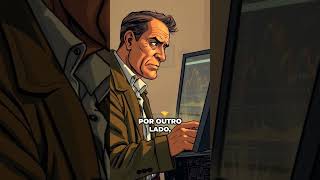

Amateur vs Professional Trader: The Real Difference
44sHigh-contrast comparison taps into the universal trader struggle with emotion and discipline, sparking self-reflection.
▶ Play Clip"Delivers exactly what the title promises — a clear, concise breakdown of the amateur vs. professional trader mindset."
This short video contrasts the mindset of amateur and professional traders. It argues that the real difference isn't in setups or indicators but in psychology and discipline, and offers a simple self-check question to ask before entering any trade.
The biggest difference between amateur and professional traders is not the setup or indicator, but the trader's mindset.
Amateurs treat the market like a game of chance: they act on impulse, increase risk after losses, and try to recover lost money, driven by emotion.
Professionals play with strategy, wait for the right trigger and context, and accept that losing is part of the process.
Amateurs seek excitement and quick wins, while professionals seek consistent results.
Before buying or selling, ask yourself: 'Am I entering because the market has confirmed it, or because I want to prove I'm right?' This separates excitement-seekers from consistency-seekers.
The key to consistent trading is discipline and self-awareness: ask yourself whether you're trading on market confirmation or on ego before every entry.
What is the real difference between an amateur and a professional trader according to the video?
It's not in the setup or indicator, but in the trader's head (mindset).
00:01
How does an amateur trader behave after a loss?
They increase risk and try to recover what they lost, acting on impulse and emotion.
00:17
What does a professional trader know about losing?
That losing is part of the process.
00:31
What do amateurs and professionals respectively seek?
Amateurs seek excitement and quick wins; professionals seek results and consistent wins.
00:46
What question should you ask yourself before clicking buy or sell?
'Am I entering because the market has confirmed it, or because I want to prove I'm right?'
01:03
The difference is in the head
Shifts the focus from technical analysis to trading psychology as the true edge.
00:01Amateur behavior patterns
Identifies common self-destructive behaviors like revenge trading that the market exploits.
00:17Professional strategy and patience
Emphasizes waiting for the right trigger and accepting losses as part of the process.
00:31The self-check question
Provides a practical, actionable question to filter emotional trades before entering.
01:03[00:00] Você sabia que existe uma diferença brutal entre o trader amador e o trader profissional? E ela não está no setup, nem no indicador. Tá na cabeça. O trader amador entra no mercado como se fosse um jogo de sorte.
[00:15] Opera no impulso, aumenta o risco depois de perder e tenta recuperar o que perdeu. É movido pela emoção. E o mercado adora quem age assim. Porque cedo ou tarde, ele toma tudo de volta.
[00:28] O trader profissional, por outro lado, joga com estratégia. Ele espera o gatilho certo, o contexto certo e sabe que perder faz parte do processo. Enquanto o amador busca emoção, o profissional busca resultado.
[00:44] O amador quer ganhar rápido. O profissional quer ganhar sempre. A diferença real entre os dois está na disciplina. O profissional segue plano, controla risco e não deixa o emocional mandar.
[00:56] O amador reage. O profissional executa. E sabe qual é o segredo? Antes de clicar em comprar ou vender, pergunta para si mesmo.
[01:08] Estou entrando porque o mercado confirmou? Ou porque eu quero provar que estou certo? Essa simples pergunta separa quem busca emoção de quem busca constância. Então me diz.
[01:20] Você é qual deles?
⚡ Saved you 0h 01m reading this? Transcribe any YouTube video for free — no signup needed.