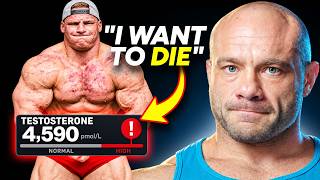
Beer Belly = Death? Science Says Yes
43sThe hook directly confronts a common insecurity with a shocking health claim, immediately grabbing attention.
▶ Play Clip
"The title is dramatic but the content delivers a thorough, science-based explanation of visceral fat and its health risks, exceeding expectations."
Dr. Mike from RP Strength explains that a 'beer belly' is primarily caused by visceral adipose tissue (VAT), which is metabolically active fat stored around internal organs. He details the factors that influence fat storage location, including genetics, hormones, activity level, and diet, and emphasizes the significant health risks associated with high VAT. The video concludes with practical strategies for reducing visceral fat, including caloric deficit, exercise, and emerging medications.
VAT is fat stored between organs, acting like an active organ that increases health risks, including stroke.
A beer belly consists of subcutaneous fat, loose abdominal wall (genetic), and visceral fat, with temporary factors like bloating and constipation.
Fat gain occurs from a caloric surplus, but where fat is stored is determined by genetics, hormones, and lifestyle.
Rapid weight regain after dieting tends to store more fat viscerally, leading to a 'messier' storage pattern.
Higher activity levels (8-12k steps/day) during weight loss preferentially burn visceral fat, while sedentary dieting loses more subcutaneous fat.
Highly processed foods, alcohol, poor sleep, and chronic stress increase visceral fat storage through inflammation and hormonal changes.
Chronic sleep restriction, high stress, sedentary lifestyle, high alcohol intake, and certain medications all increase VAT.
High VAT is linked to higher fasting blood sugar, insulin resistance, type 2 diabetes, high blood pressure, fatty liver, and cardiovascular disease.
A caloric deficit is key, but slow dieting, high protein, strength training, and regular exercise preferentially reduce VAT.
Tirzepatide and retatrutide (GLP-1 drugs) mechanistically target visceral fat more than subcutaneous fat, offering a new approach.
Visceral fat is a serious health risk, but it can be reduced through a combination of caloric deficit, exercise, and lifestyle changes. New medications offer additional options, but all approaches should be done under medical supervision.
VAT: The Hidden Fat
Explains that visceral fat is not just stored calories but an active organ that increases health risks.
07:20Rapid Regain = Visceral Fat
Highlights a practical, actionable insight that rapid weight regain leads to more visceral fat storage.
13:30Activity Level Matters
Shows that exercise preferentially burns visceral fat, offering a clear strategy for targeting belly fat.
14:42Health Risks of VAT
Lists the serious health consequences of high visceral fat, reinforcing the importance of managing it.
31:14New Medications for VAT
Introduces a novel approach to reducing visceral fat with GLP-1 drugs, which may be a game-changer.
44:32[00:02] gut, specifically in a beer belly, is something called VAT. Visceral atapost tissue absolutely acts like a loud annoying organ in your body. It lies nothing you can pinch and you don't like it cuz you used to have big juicy
[00:17] buttocks, but now you have a big juicy gut. It can also lead to increased blood clot and it floats to the wrong part of your brain, you have a stroke. Absolutely a cause of concern [music] because it can literally kill you.
[00:30] Hey folks, Dr. Mike here for RP Strength. Today's topic is a question. Strength. Today's topic is a question. Is your beer gut killing you? Literally. [groaning] Insert horror movie preview noises.
[00:45] The horror movie, they have the preview and then you get the noise, but like watch that. >> Something happened. >> That's right. That's right. Was the log cabin actually abandoned or will you
[01:00] cabin actually abandoned or will you have to see this July 25th in theaters now? But a much scarier thing and much more realistic is having a beer belly. more realistic is having a beer belly. But why, Mike? Let me tell you guys
[01:14] what actually makes a beer belly. Like what's it made of? Why do you have a poochie gut? Not you. You of course don't. You're flawless. I of course actually do as evidenced by is the following pictures somewhere on the
[01:28] screen. Couple of things. One is subcutaneous fat. Subcutaneous fat is the fat under your skin. It's the fat you have all pinch, but that stuff looks like it folds and
[01:43] wrinkles and all this other stuff. You can grab it and you can move it. And that's a big part of what people talk about when they say, "Oh, belly fat. How can contribute to the be or gut look, but it's not the only part. The other
[01:57] big part is potentially having a loose abdominal wall. That's what I have actually, a loose abdominal wall. It's almost always genetic. And that just look where you have a little belly even though you're not fat and you take a dex
[02:10] poochy just because all your normal pressure of your organs just pushes on has a lot of laxity, it's just loose genetically, then it just kind of sits loose abdominal wall is if when you suck in and pull a vacuum, you can actually
[02:24] you relax, it goes back to normal. If there's actually stuff in there, you amount of stuff, you just have a lot of extra space, you can do your super waist put up one of those videos where I'm sucking in my gut and then it's super
[02:37] >> Mhm. >> Somewhere here that will be demonstrated. That's how you know it's loose abdominal wall. It's not very common, but it does happen. God chose to give it to me. Thanks mom and dad.
[02:51] Resentment of your parents is not healthy. So we'll stop there. Now there are some other factors. Some of them are temporary. You can have bloating uh temporary belly. Eat a big meal and just more volume in your stomach and and
[03:05] intestines for a few hours. That's definitely a thing. Carbonated drinks. cokes in a row and you're like h so [snorts] bloated? My gut. That's volume and fluid volume. All these are transient. They don't make your gut big
[03:18] over time. No problem. Some foods ferment more in the gut for some pe some people's gut m microbiotaa are different. And when you eat some foods, you might get more bloated. Nothing that will surprise many of you, but sugar
[03:32] people. Certain high-fiber foods, some sensitive. Give them a big gut temporarily. And of course, general food sensitivities can also contribute to the problem. Sometimes it's constipation and
[03:45] kind of slow digestion. If you just eat a crapload of fat, fiber, and protein, "Cuz there's stuff in it." No big deal. Um, low daily movement can contribute to Um, low daily movement can contribute to slow gut movement. So, if you want to
[03:59] not have a big belly temporarily, moving the day before plenty and then waking up gastric motility has done its thing is a really good thing. So, that means that shoot or for some kind of outdoor event that you want to like impress some
[04:13] people the day before, get your 10,000 steps in, wake up early in the morning, I'm kidding about the cigarettes, not about the coffee. Get you that bowel movement, and you're probably going to have a real good time.
[04:27] your whole body and your gut. In addition to that, high salt meals with lots of fluids can temporarily pull water in, and that's definitely a thing. This happens with big carb days as well. Again, very temporary and it's going to
[04:40] all over. So, it can help expand that as well. And inflammation is another one, and we'll talk about this one later. If you have high total body inflammation from stress, poor sleep, alcohol, and even hard training without enough
[04:55] recovery, that can make you look puffier all over and in your belly as well. That's for most of the normal causes. There can be a type of inflammation you systemic inflammation which is real bad
[05:10] term bad time rather chronic long-term haha redundancy there. When your gut is swelling plus slower digestion. So inflammation can do a bad bad thing there. Some people get a notably distended abdomen during periods of poor
[05:26] trigger foods. That doesn't mean it's fat gain. It's temporary. But look, you kind of always have a bigger gut than you need to. There's another thing one gets a lot of love. The problem is that fixing, you know, many people have
[05:40] how your gut looks. It's not actually changing anything structurally. It's tilt and your ribs are flared. You're just like, it's like the making yourself look pregnant look little kids do. And that's cool and all, but your posture is
[05:56] way that you're going to be walking and chatting is going to be kind of the default genetic state. And so if you always have to suck in your gut, it kind of gets really super annoying and you
[06:08] you can work on your posture, but it is by no means clear from most literature that can be meaningfully improved when you're not paying attention to it. At improvements will be small. So when people say like, "Oh, the reason you
[06:21] like that's cool. Pretty sure that when I relax and my posture is normal, I just kind of stand like genetics designed me. It's not really much of a fix. Now, the following is more rare, but I have to mention so
[06:35] that you guys are safe and taking care of yourselves. You can get organ/tissue stuffing. Some serious medical conditions can cause abdominal swelling, fluid buildup, tumors, etc. Your digestion can stop. You can get into
[06:49] If your belly size changes rapidly, like you don't normally have a gut, and then bigger gut and you have pain. see a doctor 100% because there's a one in a happens to you but if it does it's not like oh I'm bloated and you go look up
[07:04] like how to fix my gut bacteria and then you like end up passing out going to the your guts and pull something out of there but lastly and the best for last which the rest of this situation in this video is about is the number one cause
[07:20] other than the genetic laxity of the abdomen of having a big gut specifically in a beer belly is something called VAT, which stands for visceral atapost which stands for visceral atapost tissue, which is the fat that is lying
[07:34] in between your organs of your gut, between your folds of your intestines, around your liver, even around your heart, etc., etc., etc. It lies under the abdominal muscles, so it's nothing you can pinch. There are plenty of
[07:50] probably show them where I have a six-pack, but I have a protruding belly almost no fat there, but like, well, there's clearly something inside there. Even when I tuck in, I'm not super lean. I can't suck in my gut too much. There's
[08:05] something in there. That fat is packed around the organs. And it's not one everywhere. But since it's everywhere, it blobs out and pushes out your space.
[08:17] It's uh going to result in that look where you don't have a ton of folding fat around your waist from behind can look from the front looks really trim, but then you turn to the side and it's
[08:33] belly. There's a decent chance that visceral atapost tissue is contributing visceral atapost tissue is contributing to that. That's the first problem because it got bigger somehow. You probably didn't have
[08:49] a lot when you were a little kid. Now, like almost any other fat, it is going to happen in most cases through a caloric surplus. Just eating more calories than you're burning. But there are more details because when you have a
[09:04] different areas. First of all, it can go to building muscle. Small part, but can if you're training hard and eating well. It also usually goes to subcutaneous fat. It can grow to brown fat deposits which just kind of burn themselves off
[09:19] or it can go to visceral atapost tissue. What decides where when you gain weight, where that fat goes. There are multiple deciding variables. Number one is your
[09:31] genetics by a long shot. Your fat storage map. Some people when they gain fat, it just goes all to their butt and their and their hips and their waist stays small up through the 20s and 30s% body fat. I'm very jealous of those
[09:46] prep and you need dry glutes, I'm not jealous of those people anymore. It can go to your arms. It can go to underneath your chest. It can go all over. For almost everyone, everyone. It goes everywhere. But some fat will go more to
[10:00] some places than others. And for some people, way more fat goes into their gut, visceral atapost issue. I had um an uncle, quote unquote, a hu super close uncle, quote unquote, a hu super close friend of the family growing up. And he
[10:12] was like my parents age or whatever. And he was probably about 50 lb overweight, but maybe 10 lbs of those were anywhere in his body, including right under the
[10:25] skin of his gut. Probably 40 lb, no joke, were inside of his belly. It was the most intense visceral atapost tissue deposit I have ever seen in my life. That's just how he was built. Like if you told him, hey, you got to get fat
[10:39] and really have big thighs and big legs and a big butt from fat, it just was never going to happen for him. He would have to be like 900 lb to get anything. explode or some like that. So when you store calories just
[10:53] atapost tissue, some of it goes to subcutaneous under the skin fat. And really that's a big deal. Genetics interacts with the following, but it's hormonal environment, which is to ask, are you having sex and are you on
[11:07] steroids while you're having it? I'm kidding. Uh, though, yeah, and all the jokes are inappropriate, so I'll just shut the up. High estrogen levels favor more lower body storage. One of the reasons that many men find a thick butt
[11:24] was trying not to say the a word and thick thighs really attractive is that it indicates high estrogen which is a very uh fertile environment for babies to grow up in. And so when she got that
[11:39] bang you don't know how to act. Uh she probably has a high estrogen environment and that is why that is attractive. When you have lower estrogen, like after menopause, some of that fat shifts towards your trunk, much of that goes
[11:54] into subcutaneous tissue around the trunk and that not an attractive look, atapost tissue more so than it would if you had high estrogen. Lower testosterone in men is also associated more central fat gain and
[12:10] if you are taking testosterone it can help you in this regard. But if you have normally low testosterone after whatever age, yeah, that's not going to be a super awesome deal for you.
[12:24] Another thing which is super genetic is how expandable your under the skin fat storage is. If you don't have a ton of fat cells under the skin because you've a phase where you're eating way too much food and not exercising enough, your
[12:39] fill up and then your body goes chit chit chit. We have a ton of calories fat, what are you up to? Visceral fat's like nothing. I was just kind of sitting around being not really significant. And the body's like you eat some fat. Get in
[12:51] here. And visceral fat's like okay. And so it starts growing. And I have more to say about this later, but the pace of your weight increase absolutely matters. So if you gain weight rapidly after a fat loss phase, a higher fraction of it
[13:05] will go to visceral fat versus under the skin fat. Now, if you've had a lot of weight slowly, much of that doesn't go to visceral fat as much as you would subcutaneous under the skin fat and it just like that just kind of look like
[13:18] skin being much looser, now it's much tighter. So that is definitely a factor.
[13:30] this again. This is super super important, practical, very very actionable thing for you guys. Rapid weight regain tends to cause quoteunquote messier storage. It's more likely to end up in less ideal places,
[13:44] including visceral atapost tissue. So if you are dieting and you get really lean, Baka, all you can eat buffet, cruise ship, cruise ship, hotel. You start it's just really the downward spiral. Some of us have been there after dieting
[13:59] before. That is going to be a real bad time because your weight regain is going to be more visceral than usual. I've experienced this myself numerous times. ever done this? Like you do a diet and you lose some fat, a lot of fat, and
[14:14] >> Every time. >> Every time. [laughter] Excellent. Uh, okay. And you you for a few weeks after your scale weight is up, but like you and lots of good shape, but your belly is bigger.
[14:28] >> Yes. >> Like, oh, I'm sort of still lean. No, place that's way less healthy for your body and arguably even less aesthetic. So, that's a big deal. And you have a huge, huge, huge deciding factor in how
[14:42] fast you regain your fat. So, that's huge. Here's another one. This one is huge. Here's another one. This one is big. Activity level. If you have a high to visceral atapost tissue storage. If you're gaining fat, more of it goes to
[14:54] subcutaneous. If you're bulking and you're getting your 8 to 10,000 steps a subcutaneous under the skin fat, less to visceral atapost tissue. And when you're losing weight, there are two extremes of weight loss.
[15:09] The old school extreme is you just eat way less. you work at, you know, you're a secretary, you work at an office, you don't move, you just like go on the you lose a crapload of weight, much of that weight will come from subcutaneous
[15:22] tissue, the stuff that gives you the gut, just won't really budge. But if you increase your activity, just 8 10 12,000 steps a day and any kind of cardio and for sure lifting, that is a mechanism that burns preferentially visceral
[15:37] amount of weight, but if you do it through a good deal of physical activity, which can include exercise or just daily steps, versus if you lose the eat way less and just kind of sit there at work, you will lose the same amount
[15:51] of weight and the same amount of actual total fat in most cases, but your fat will come mostly from under the skin if you lose it with low activity, and much gut if you lose it with high activity. That's a huge deal. How many of you guys
[16:05] have seen runners like endurance runners with big guts? It just almost never think of anyone who runs regularly and has like a big poochie belly? I can't. It's like not a thing, right? But I know plenty of people that yo-yo diet and
[16:17] have poochie bellies no matter what. >> Diet composition and behavior factors in as well. A calorie surplus is the driver, but how you get there matters. And it matters through a couple of pathways. So, first of all, highly
[16:31] easier, which increases how quickly you gain weight, which makes more of your belly fat get stored in that visceral atapost tissue deposit, and it increases the size of your beer gut. It can also worsen blood sugar control and lead to
[16:45] acute and or even chronic increases inflammation. Chronically, higher inflamed individuals store more fat in their visceral atapost tissue. So if you eat a lot of junk, that is multiple ways for you to get to more visceral atapost
[16:59] for you to get to more visceral atapost tissue. High alcohol intake often couples surplus calories with worse sleep and more liver stress. And if your liver is under stress, you store more liver fat and that is a component of
[17:12] visceral atapost tissue. So that's really bad news. Even alcohol aside, and by the way guys, that's why they call it a beer belly. Like the beer belly is a like well-earned name because if people who drink a lot are they're providing
[17:25] screwing up their sleep, they're screwing up their liver, they're make screwing up their liver, they're make radical huge uh systemic uh inflammatory problem. And that's all like four vectors by which the visceral atapost
[17:37] issue was like, "Yeah, hell yeah. I'll take all the fat." That's how my uncle from back in the day who liked to drink a lot constantly got his big beer gun. Genetics was a big part of it. The rest he earned. Sleep
[17:53] and stress. Alcohol aside, poor sleep and chronic stress can shift your appetite upwards and worsen how your body handles incoming calories less to muscle, more to fat, and less to subcutaneous fat a little bit and more
[18:06] to your internal visceral atapost tissue that makes your gut bigger. Here's one, Scott. I actually uh realized this during research for this video. Nicotine consumption through smoking or other means can suppress appetite, but is
[18:20] associated with more central fat patterning in people. Oh, weird. So, something to watch. Nicotine is generally pretty safe and makes you feel like nicotine does. I've smoked a cigar once and then threw up. So, that was my
[18:34] only experience of nicotine. But, um, that is a concern. Now, the probability this is a real thing in the real world isn't 100%. More research is still required, but there is a suspicion that just ingesting nicotine biases more of
[18:47] your excess fat stores to visceral atapost tissue. And if you lose weight losing less weight from your visceral atapost tissue and more from your subcutaneous fat. Maybe not ideal. Something to look into, something to
[19:01] think about. The other one is drugs. Some medications nutrients are handled, increasing the odds that you get more central visceral atapost tissue fat gain. Steroid medications specifically, and I don't
[19:14] change the favor usually in the other direction. I'm talking about the catabolic steroids, uh, prennazone, cortisone stuff like if you have to go on a week of, uh, treatment for the the
[19:28] prennazone, etc. type of steroids cuz something is inflamed, a lot of times it atapost tissue even during that time. If you're chronically taking those kinds of to manage some kind of disease condition, like a known problem with
[19:43] you get the moon face look, big old fat face, which I've had my whole life without steroids. And uh, they do increase by a long shot how much Unfortunately, some psychiatric medications, especially for uh,
[19:59] conditions like uh, bipolar disorder and especially schizophrenia. Um, the cool literally just pull you out of insanity, which is like amazing. The bad news is they have like unfortunately as of recording this video in late 2025, early
[20:14] 26, um, they have some real gnarly side effects. And one of them is that they increase fat gain, decrease muscle gain, and increase visceral atapost tissue beer gut size. Real bad news. Sometimes worth it, but again, real real big
[20:28] worth it, but again, real real big thing. Now when you are in a higher calorie state what factors because you let's say you know people bulk we bulk right you want to gain 10 pounds over 6 months time
[20:42] much of that is muscle but some will be fat ideally you don't want that fat to describe later because the health repercussions of having more gut fat are just really really bad so how do you get more of it to go in your gut and what's
[20:57] factors can further increase visceral atapost tissue deposition? One, chronic sleep restriction. Scott, if if you watch this channel semi-regularly, what do you think is the importance of sleep at this point in your in your situation?
[21:12] >> Uh, a thousand out of 10. >> A thousand out of 10. Like, and I got I got to be honest, guys. Like I come from, you know, um experience of talking to many bodybuilders, many fitness people, lots of social media, and this
[21:24] sleep was kind of considered like a weren't getting sleep. That was okay. Yeah. Like I remember social media sleeping. I'm going to get mine." Like, nope, that's wrong. You're an idiot, JK.
[21:39] All love and respect. But that's stupid. Sleep is a health elixir and body composition elixir. like nothing we've ever made in a drug lab. There is no replacement for good sleep. And good sleep, high quality, hydration is just
[21:55] going to hook you up like wild. Sleep messes you up in a bunch of different ways for fat deposition, makes you hungrier, less satisfied after meals. If you're not getting enough sleep, more snack prone, it worsens blood sugar
[22:07] control acutely for people, which can bias towards midsection storage over time. So sleep is if you're getting enough of it and you're gaining the visceral atapost tissue falls substantially. If you are bulking and
[22:20] of all, your muscle growth is going to suck. And second of all, you're getting that fat than usual is going to be visceral atapost tissue, which is a really bad deal. Next, high chronic stress. This is a huge one. I harp on
[22:36] this all the time because it's really important. People will do great diets, great training, great supplementation. Hey, they'll even get good sleep. But their lives are full of insane chronic stress outside of that. And
[22:49] they're like, "Yeah, you know, that's life." True. But high chronic stress means you gain less muscle and you lose it faster. You gain less uh you gain it faster. You gain less uh you gain more fat and you gain more of that fat
[23:01] inside of your gut. A lot of that comes from comfort eating and craving increase. But stress hormones like cortisol, which is a corticosteroid, absolutely on a low-key effect, have the
[23:14] same kind of intraabdominal fat storage increase that taking them for medical reasons does. For medical reasons, you get way higher doses. But look, a year gaining a bit of weight, that is a recipe for having a beer gut 100%.
[23:29] Next is a sedentary lifestyle, which means low daily movement. That doesn't means you sit more often than not and stand more often than not, but you don't do a lot of walking. We talked about
[23:42] this earlier. Exercise, which means just human movement, it burns fat in order to fuel the exercise. And it burns it preferentially in many cases from visceral atapost tissue versus subcutaneous tissue. Which means that if
[23:55] do a lot of sitting, even if you're cutting your calories, you're going to lose weight from kind of all over but less from your gut than you would think. Next one, high alcohol intake. I mean, I already talked about this. I'm not going
[24:08] intake is bad for you in almost every way that we can measure and does earn you a beer gut. Exactly. True to form. High alcohol also builds up fat around the liver specifically, which not only is a thing that increases directly your
[24:21] visceral atapost tissue because your liver fat's part of that, but it also reduces your total body health and um substrate handling. And then that even more contributes to visceral atapost tissue. It's like a one-two punch.
[24:34] Another one, ultra tasty, highly processed foods. Nothing wrong with them specifically except for two things. One, some of them are more pro-inflammatory, time, your constant chronic inflammation, and thus your visceral
[24:48] atapost tissue grows when you have a caloric excess. But the big killer with super processed foods is you can just eat a lot of them shits, man. I like to have people over for parties and give them broccoli to eat. Uh broccoli and
[25:00] eat up, fellas." And everyone's like, "You [clears throat] eat one, it's people pop chips or something, Scott? You know about Pop Chips? >> they're delish. >> How many Pop Chips can you eat and then
[25:15] >> You just keep going. And they're kind of healthy macros wise, pretty good. tasty and you can overeat a bunch of stuff. >> Low protein diets. Real bad news for hunger control. I won't belabor the
[25:29] point. Many of you guys already know that. That's not good. Low fiber, universally bad for your health, can reduce fullness, making you hungry, making you eat more, and again, popping up in weight really fast. And the next
[25:41] up in weight really fast. And the next one's a real big deal. Weight cycling, repeated loss and regain, especially through the aging process, especially if when you lose weight, you do it mostly through caloric restriction and not
[25:53] somewhat at least, plus restricting calories. What you end up having is when you gain weight, more of it goes to your visceral atapost tissue than otherwise would because you are typically doing all
[26:07] sorts of stupid stuff like not being active and being unhealthy. And even if atapost tissue, no big deal, right? Check this out. Then when you lose weight by being not active enough and just
[26:20] cutting calories, your visceral atapost tissue does reduce in size, but your subcutaneous reduces more in size when you regain weight again. So your subcutaneous was up here or your visceral atapost tissue was up here.
[26:34] one of these where both go down the same. You get subcutaneous goes down a lot. Visceral atapost tissue goes down a a little bit, quite a bit. When you regain the weight, you fill back up. And then you lose the weight again, you fill
[26:48] fill back up. You lose weight. You guys see here, hopefully you're watching the video with my hands. But at some point, you just have a crapload of atapost restriction alone, without a lot of exercise and a lot of unhealthy habits,
[27:02] people cycle their weight, not on purpose. We're not talking about bodybuilding stuff. That is a big deal. And remember, a almost always people diet hard, they lose a lot of weight hard, and then they regain hard,
[27:17] the weight they were, and then slowly gain 5 10 lbs over that and then cut again. Those rapid regains and those descents with very little activity and just kind of starving yourself, you know, like the sorority girl diet, which
[27:32] is um cotton balls and lines of coke and um cotton balls and lines of coke and cigarettes. Oh, and lattes, you need sugar. That kind of stuff is exactly the formula to chronically increase the size
[27:46] formula to chronically increase the size of your gut and it's a real bad time. medications are in there. We are to cover that. Untreated sleep apnea. If
[28:01] you snore a ton, you should go get a sleep study because if you have untreated sleep apnea, then your probability of having a high stress choking to death when you sleep. Your cortisol goes up. All of that stuff
[28:15] increases the probability that you gain visceral atapost tissue. Visceral atapost tissue also increases with age. It tends to do this even if your scale weight isn't going up much. People
[28:29] mostly up until their 60s when metabolisms really kind of go to hell, relatively speaking, just lose muscle and gain fat over time because they're just not super active and don't lift weights. And so slowly they gain fat and
[28:45] they lose muscle. But because of that chronic stress, chronic inflammatory state, and the effects of aging independently, you can see increases more in the intraabdominal space, which is one of the ways that you
[28:58] old someone is. You have a silhouette of they're like, "Was this person 17 years old or 47 years old?" You're going to be like, "47." You're going to be right almost every single time.
[29:10] That's a big part of aging is that it increases your probability of increasing visceral abdominal. Good god. Visceral atapost tissue. [sighs] the limbs and more in the trunk altogether. So not only with aging does
[29:26] your visceral atapost tissue go up, the gut gets bigger, but the fat storage under the skin around your belly also goes up, which again is evidence of how older people actually look compared to younger people. Younger people kind of
[29:38] over their bodies. Older people tend to store it more centrally. also shifts fat storage towards the abdomen. It's a part of change uh for
[29:53] aging, lower testosterone levels in men, etc. These things many times are fixable you just kind of yolo your aging process, you might have a time that's incrementally over time. And then you have this really trippy situation where
[30:09] body weight pretty well. You were 130 lbs in high school. age 47, you're also 130 lbs, but it doesn't look the same and it's not nearly as aesthetically pleasing and you don't like it cuz you used to have big juicy buttocks, but now
[30:23] you have a big juicy gut and that hits different. through the course of life do that increases the probability of visceral
[30:35] atapost tissue addition. Um, definitely poor sleep and high stress is a thing. And remember, there is a huge group of adults that just assume poor sleep and high stress is what adulthood is all about.
[30:49] And that is not true. Sometimes it's true for short periods of time, but your dictation of how you live your life, how you structure your life is a big big many people when they lose weight when they're older will regain it really
[31:02] rapidly. And we already know that causes visceral atapost tissue to go up. Now, this whole thing has been so far based mostly on aesthetics. Like having a big big gut, so you watch this video to try not to have a big gut. Totally
[31:14] understandable and completely valid. But there is another really big deal which the title of this video or whatever you clicked on was like your beer belly is literally killing you. Why? Visceral atapost tissue has a huge
[31:29] effect on your health. [sighs and gasps] So we're going to ask a question and health, fitness, and body composition markers do bigger visceral atapost tissue, bigger guts correlate with? Many of these are not just correlations.
[31:44] of these are not just correlations. They are causitive variables. They are causitive variables. One is higher fasting blood sugar.
[31:57] sugar over time. Another one is higher insulin levels over time. You basically your body has to produce more insulin because your uh cells of your body become insulin resistant which leads to more vas visceral atapost tissue and an
[32:12] increased probability of type 2 diabetes. You have more bad blood fats, higher triglycerides, higher bad cholesterol LDL, lower good cholesterol which is HDL. These are causes of visceral
[32:25] atapost tissue deposition and caused by higher levels of visceral atapost tissue. Higher blood pressure can be comorbid with this condition. Central fat and high pressure often travel together. You
[32:40] have an increase in fatty liver risk. tissue. So fatty liver is a component of visceral atapost tissue. But fatty liver your metabolism that are specific to fatty liver. Seen in non-alcoholic fatty
[32:55] liver disease which if you have your doctor says is a really bad thing. Visceral atapost tissue tends to cause and be caused by higher systemic inflammation and typically lower cardiorespiratory
[33:12] adapost tissue. Probably not because visceral atapost tissue is lowering your cardiorespiratory fitness but because the way you got to be low cardiorespiratory fit and have higher visceral atapost tissue is because you
[33:25] were largely inactive. Remember, inactivity increases visceral atapost tissue. Not good. And inactivity makes you have a really crappy V2 max and a really crappy aerobic fitness. Another thing is this
[33:39] visceral atapost tissues presence increases sleep apnea risk. Belly and neck fat can worsen breathing at night, making you have higher chance of sleep apnea, which makes you have a higher chance of putting on more belly fat.
[33:53] That ugly feedback loop is a real thing. And even if you're not over fat, leads phenomenon. And thing is to most people you look unhealthy, you just don't look you look unhealthy, you just don't look super fat.
[34:09] causitive? Like how many of these associations does visceral atapost tissue actually cause? Having more of it does it cause? Visceral atapost tissue absolutely acts like a loud annoying organ in your body
[34:24] of it. It's not just stored calories. It is not inert. And your visceral atapost tissue is substantially more active metabolically in a bad way than your individuals with the identical body fat and otherwise the same genetics whatever
[34:40] whatever one of them has more of their fat stored internally visceral abdominal uh visceral atapost tissue and the other person has mostly their subcutaneous fat. that person with higher visceral tissue, visceral fat, is going to be
[34:58] less healthy than the person who has the exact same body fat, but mostly exact same body fat, but mostly subcutaneous fat. That's a huge deal. Here's how. Visceral atapost tissue increases or
[35:12] sorry, releases chemical signals that increase whole body inflammation. And whole body inflammation is a whole body health problem on almost every measured system that increases your insulin resistance,
[35:26] meaning that your cells have to uh just need more of a signal to take up need to secrete more insulin can lead to hyperinsulinemia, the higher presence of insulin in your bloodstream chronically
[35:39] is a real real bad health problem caused in part by higher visceral atapost tissue. More belly fat often means more nutrient delivery to liver fat, which makes liver fat grow, increases your probability of
[35:51] non-alcoholic fatty liver disease, which again is a really big problem. When you have the situation with your liver, your liver often responds by increasing how many triglyceride rich particles it pumps out into your blood,
[36:04] which is really bad for your bloodstream and your cardiovascular health. Visceral atapost tissue also seems to positively increase your blood pressure. And blood pressure degrades and deteriorates all the fine parts of your
[36:17] organs, your nerves, your eyes, your kidneys, etc. And so high blood pressure your heart disease risk go up like crazy, stroke risk go up like crazy. It is a non-negotiable. It's really, really bad. [sighs]
[36:31] Visceral atapost tissue through hormonal effects can also lead to increased probability of kidney damage, increased clotting tendency, which means if you wrong part of your brain, you have a stroke.
[36:43] And that is awful. But don't worry, there's more. Visceral atapost tissue decrease your sleep quality. So, not only does your sleep quality suffer from uh sorry, not only does your sleep
[36:57] atapost tissue, more visceral atapost tissue causes your sleep quality to but through discomfort, inflammation, and poor metabolic regulation. This is
[37:09] real, real bad news. And visceral atapost tissue is one of the biggest predictors of overall cardiovascular heart disease risk. partly because it worsens classic risk factors, blood sugar, blood fats, blood
[37:22] pressure, inflammation in a big way. And those are the main drivers of cardiovascular risk. Now, if you're going to reduce your visceral atapost tissue, how much of a health
[37:36] boost and of what kind of health boost are you expected to gain? The list here is super long. I'll be really brief. You get better blood sugar control. You get lower insulin levels and improved insulin sensitivity.
[37:49] Your triglycerides come down as your uh overall lipid handling improves. You get a decrease in bad cholesterol, LDL, and an increase in good cholesterol HDL. You get a reduction of liver fat, which is a huge deal for your whole systemic
[38:03] health. Your overall total body inflammation, chronic inflammation, substantially when you lose visceral atapost tissue. Your blood pressure often is reduced. Not guaranteed and it's a small effect, but is a meaningful
[38:18] time is the difference between you being alive and you being dead of a stroke. But you had a good one. Weight loss, especially when it comes from your gut, improves breathing during sleep,
[38:33] sometimes dramatically, which increases your sleep quality, and makes you both of, more likely to be muscular, more likely to be lean, and of course, less tissue. So once you start getting into
[38:48] reducing it, it's a positive feedback loop for your health. But if you're increasing it, it's a negative feedback loop. Oh, sorry. It's also a positive Either way you go, if you increase visceral atapost tissue, it makes more
[39:01] visceral atapost tissue more likely. But as soon as you tilt your health habits down to reduce visceral atapost tissue, you're um jumping on the shoulders of your own improvements and you're getting awesome momentum.
[39:13] The good news is that a huge fraction of the risk reduction happens early in the weight loss process and doesn't require you to get ultra shredded. So you don't meaningful reductions in visceral atapost tissue. Going from high visceral
[39:27] fat to moderate visceral fat can be a massive upgrade and the health boost is usually proportional to how much you had. So if someone starts with very high visceral fats, improvements from losing half of
[39:40] has already very low visceral fat and makes it much low. But every little bit makes it much low. But every little bit probably counts. Now reducing visceral atapost tissue is tough. Why?
[39:56] Traditional dieting especially with low physical activity especially when the presence of chronic stress and low sleep can lose you a lot of subcutaneous fat but not as much visceral fat. Then when you regain some fat more is regained in
[40:10] and less in the subcutaneous. that weight cycling problem compounds over I'm dieting every twice a year. I diet for 12 weeks at a time and I lose weight, but it seems to be that it's really hard to target belly fat, which
[40:24] title of this video going to be? Target belly fat now. Classic YouTube dril. all the time, targeting belly fat, is because they do the diet, they do their calves look leaner, they have some abs going, but their gut is still a
[40:40] thing. So let's talk about how to reduce your visceral atapost tissue. First, a caloric deficit is the main engine. If you reduce how many calories you're to come from somewhere to cover the bases. It's going to come from a bunch
[40:55] of different areas, mostly subcutaneous, and a good deal of visceral atapost. So there's not a way you're going to eat some magic foods, not lose any weight in visceral atapost tissue. Calorie deficit is a huge, huge component, but it's not
[41:09] the only one. And visceral fat And visceral fat is hugely hugely uh altered if you have a small caloric deficit which means less stress and consistently employ that over
[41:25] months. Rushing to get weight off in cleanses and things like that tends to conserve your visceral atapost tissue much more. If you go the long route, 8 10 12 week diets with maybe the RP diet coach app if you'd like link in
[41:40] description somewhere, then you're much more likely to really dig into that visceral atapost tissue instead of trying to rush it off.
[41:54] Protein matters. Um, especially if you're training with weights. improves your fullness, helps quality are a big deal there. Just overall good, healthy dieting.
[42:10] Again, losing too fast can increase fatigue. So, don't do that because then the visceral atapost tissue is more resistant to loss than otherwise. Here's the big one. I already mentioned this once. Huge, huge deal. The role of hard
[42:23] exercise. Exercise helps create maintain a deficit. But a deficit. But exercise preferentially targets visceral atapost tissue more than subcutaneous. So regular brisk walking or just total
[42:39] daily steps, cycling, running, rowing is strongly associated with less visceral fat over time. And the more intense typically the better, which is why some especially if you don't care about having the biggest legs of all time, is
[42:52] a real good way to reduce visceral atapost tissue. Highintensity training can be a good part of this process. But watch that recovery. [snorts] Strength training is huge. Strength
[43:05] training is a term. I should have modified that. Uh training with weights is a big deal because it increases muscle mass and that helps you conserve your metabolic health and that metabolic health conservation because having
[43:19] your metabolism creates an environment where visceral atapost tissue isn't as where visceral atapost tissue isn't as uh encouraged to stick around. So okay, slow dieting with high protein, lots of healthy foods, and lifting weights with
[43:33] plenty of physical activity. the core key to just get in better shape, but also the stuff that hits visceral atopost tissue a ton. Again, steps are huge here. 8, 10, 12,000 steps a day, not sitting all day
[43:47] and just eating very little is a great way to target belly fat in the literal sense. And long-term exercise lowers overall stress and systemic inflammation, which is a huge deal. If you go super hard, you overtrain like
[44:00] this is not the way to do it. It is the opposite of the way to do it. belabor that point. If you get good sleep on a fat loss phase, you're going to burn way more visceral atapost tissue than if you get bad sleep.
[44:18] dieting, reducing or eliminating alcohol is a really really bad uh uh really really good idea. Lastly, this one's big. There is a new way to decrease visceral fat that has no equal
[44:32] and that is tzepatide and very likely soon to be approved retatraide. These are those GLP drugs but they're really multicomponent GLPG and with retatrite the glucagon pathway they mechanistically target visceral
[44:48] atapost tissue way more than subcutaneous fat. I just did a massive fat loss phase to get to 6% body fat and I
[45:01] have been to 6% body fat before without the use of trespatide and retatride which I used for my last fat loss phase and on a dexa scan I still had like a decent amount of visceral atapost tissue left not a ton but a bit this time using
[45:13] trappepide retatride I got down on the dexa to undetectable levels of visceral or something where the scan's like you don't really have any now of Of course, I have some, but it's just not a lot. How? These medications help you restrict
[45:27] calories for sure, but that's not the whole picture. They actually target which means you're still getting lean under the skin, but you're going to get a teeny tiny waist first, and then the rest of you will get lean a little bit
[45:39] later. Over months and years of taking these medications weekly, weight, holding weight, maybe even regaining some in a muscle gain phase, what ends up happening is earlier we talked about low activity, crash dieting
[45:55] paired with gains or even maintenance can increase your visceral atapose fraction over time and decrease your subcutaneous making your gut bigger. If you diet cycling diet, proper intelligent dieting, down maintain,
[46:07] down, maintain, up a little, down, maintain, etc., than what you have if trappepide the entire time which you probably should be. Your overall visceral atapost tissue stores go down
[46:20] chronically because they get really small when you're dieting and grow only maintaining and then really get down super small when you're dieting and only subcutaneous fat can alter a ton wildly. It's the opposite of what I was saying
[46:34] It's the opposite of what I was saying earlier. That is a huge huge deal. So in retatriide you can lose a lot of visceral atapost tissue and look for two years you take less of the drugs when you're maintaining or gaining more
[46:47] fat loss phase. What ends up happening is over the years your visceral atapost tissue and your gut shrinks like crazy while your subcutaneous is in whatever range your subcutaneous either typically in or uh roughly thereabouts.
[47:03] Obviously, right? These are medications that need to be done with doctor's prescription and supervision. So, talk to your doctor about these. And Retatrad, as of this uh current recording, is still in phase three
[47:15] trials, likely to be approved in 2026. We never can tell. Um, these are miracle drugs. They really are, you guys. And they have massive side effects if you ones if you use them properly. So, this is not just some stuff to get and just
[47:30] time. You got to think through the stuff and do it with the approval and concert and do it with the approval and concert of your doctor. Now, how do you know your VAT? How do you know your visceral atapost tissue? You typically have to
[47:43] most cases. You get a DEXA anyway for body fat and distribution, all that some VAT in there. And that's how you can keep track of yours over the years. It's probably super wise because if you're pretty lean, but your visceral
[47:57] DEXA, it's something you can read on your printout and go, "Oh, hm. I need to highlighted as like you need to think about this. about this. Now, one last final big thing to say is
[48:11] how your health because a lot of visceral atapost tissue impacts your health negatively. How is your health an important underpinning factor for folks are younger, you're uh super healthy anyway, and you don't really
[48:25] you're like, "Whatever, health, blah, blah. I just want to look sexy at the out. Poor health, systemic chronic inflammation, lots of visceralapost tissue, etc. make all of you look worse
[48:39] directly. Your skin looks worse, your hair looks worse, your posture looks worse, your demeanor and how you present looks worse, and your fat distribution with a bigger gut looks worse. So poor health literally makes you look bad.
[48:51] Fact number one. Fact number two, good health is the foundation of high recovery. If you're in bad health, you can't do a lot of exercise and you can't you can do a shitload of exercise and you can recover really well. Good health
[49:06] is the engine on top of which you make your aesthetic changes. If you have going to be like, "Oh, at least your aesthetics are going to improve and you lose weight." That's the kind of weight loss you want. So, visually, it's
[49:20] different. Good health is important to your aesthetics. It's like how important is going to work and doing a good job to how much fun you can have when you go out at night? Very. Why? Because the income you generate from going out uh
[49:34] during the day and going to work is what pays for your super fun parties at night. They're not directly related, but they're one logic step away. Just the about health? I just want to look good." Looking good not only directly makes
[49:47] your uh sorry having better health not only directly makes you look good but and train and sleep in a way that makes you look even better over time. And of course visceral atapost tissue is super unhealthy and makes you look bad at the
[50:02] same time. So the next time you get leaner, you get your body fat checked Yes. Use the RP Diet Coach app if you're interested in that sort of thing to help you organize an intelligent diet plan and update it for you. Yes, give a
[50:15] which is in all the app stores now in order to preserve your muscle and look decrease your visceral atapost tissue even more. But honestly, point number three is get you a DEXA so that you can dra uh track your visceral atapost
[50:30] tissue and get one maybe I would say every year roughly the same phase of your fat loss or weight gain cycle and aim to get it over time so that your visceral atapost tissue is as low as it can be at least in the you know very low
[50:45] risk category then you're truly winning. The rest of you is lean and muscular but tissue is absolutely a cause of concern because it can literally kill you. Things that won't kill you. The RP hypertrophy app available in the iTunes
[50:58] store. iTunes Apple store. It's got that store called app store. >> App store. Of course it is. I knew that. I'm young and hip. See you guys next I'm young and hip. See you guys next time.
The video opens with a stark warning about visceral fat being a 'loud annoying organ' that can lead to stroke, immediately agitating the viewer's concern. This creates a problem-solve dynamic that hooks the audience into seeking the solution.
Your [PROBLEM] isn't just [COMMON PERCEPTION]—it's [HIDDEN DANGER]. Here's why it's [SEVERITY] and how to [SOLUTION].
AI-generated clip ideas for Shorts based on the transcript
The hook directly confronts a common insecurity with a shocking health claim, immediately grabbing attention.
▶ Play ClipThis segment breaks down the surprising causes of a 'beer belly' (loose abdominal wall, bloating) that many can relate to, making it highly shareable.
▶ Play ClipThe explanation of genetic fat distribution and the role of hormones is intriguing and offers a scientific reason for a common frustration.
▶ Play ClipThis segment reveals visceral fat as the true culprit, providing a 'mind-blown' moment that challenges common assumptions and is highly engaging.
▶ Play ClipThis is the actionable advice viewers crave, specifically targeting visceral fat with exercise, which is highly practical and likely to be saved and shared.
▶ Play ClipSnapshot 2026-11-18
Every observation TubeSum recorded, plotted as measured.
The vertical axis starts at 123K, not zero, so later observations stay readable.
Based on 8 observations · last observed Nov 18, 2026 · solid lines connect consecutive measurements (≤2 days apart); dashed lines span days TubeSum did not measure. · vertical axis focused on the observed range (starts at 123K)
Based on 8 observations · last observed Nov 18, 2026 · solid lines connect consecutive measurements (≤2 days apart); dashed lines span days TubeSum did not measure. · vertical axis from zero
Exact daily observations; gaps mean no observation was taken that day.
| Date | Views | Avg views / hour | Channel median |
|---|---|---|---|
| 2026-11-18 | 122,775 | 18.8 | — |
| 2026-11-17 | 122,736 | 18.9 | — |
| 2026-11-16 | 122,724 | 18.9 | — |
| 2026-11-15 | 122,690 | 19.0 | — |
| 2026-11-14 | 122,643 | 19.1 | — |
| 2026-11-13 | 122,601 | 19.2 | — |
| 2026-11-12 | 122,581 | 19.2 | — |
| 2026-11-11 | 122,544 | 19.3 | — |
Audience reaction — separate from the performance metrics above.