

Bali's Healthy Food Paradise vs. Kyrgyzstan
60sContrast between unhealthy traditional food and Bali's healthy options resonates with health-conscious viewers.
▶ Play Clip"Delivers an honest, detailed review as promised, though some sections feel padded with personal anecdotes."
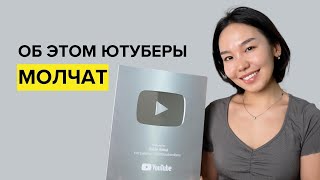
The video is a personal, honest review of living in Bali as a digital nomad, covering housing, food, gyms, pros and cons, and practical tips. The creator, Saule, shares her experience of six months on the island, highlighting the lifestyle, community, and challenges.
Saule introduces herself, a digital nomad from Kyrgyzstan who lived in Korea for 8 years, then Thailand, and now Bali. She moved to Bali for networking and to be around like-minded people in her industry.
She found her first villa via Facebook Marketplace for $1,600/month (two rooms). Later moved to a nicer villa, paying $1,200/month including utilities for a private room in a shared villa.
Bali offers abundant healthy food options, with many PP (healthy) restaurants. Prices range from $10-20 per serving. She appreciates the focus on wellness and biohacking culture.
Gyms like Nirvana and Omni offer memberships around $200-250/month, including gym access, classes, saunas, and hot tubs. These are social wellness hubs.
Bali's aesthetic beauty inspires content creation, contributing to her Instagram growth (54k followers). The island is full of beautiful Airbnbs, cafes, and retreats.
Bali is very safe, especially for women; doors are often left unlocked. Indonesians are kind, helpful, and speak English well, making communication easy.
There is a cult of gyms and beauty, motivating her to work out and adopt biohacking practices like wearing a WHOOP tracker and taking supplements.
Bali is a digital nomad hub with many entrepreneurs, bloggers, and infobusiness people. Industries include OnlyFans agencies, villa construction, infobiz, crypto, and e-commerce.
Beautiful views and sunny weather, but rainy season (Nov-Feb) causes terrible traffic. She recommends avoiding the rainy season.
Many coworking spaces, cafes, and podcast studios. Bali attracts 7 million tourists annually, leading to developed infrastructure for digital nomads.
Grab for food delivery and transport, and e-commerce platforms like Shopee, TikTok Shop, and Tokopedia for shopping. She orders everything from TikTok Shop.
Bali is not cheap; prices are similar to Korea. A villa in Canggu costs around $3,600/month total, with each roommate paying $1,200.
Heavy traffic, narrow streets, and overcrowding, especially in Canggu. A 2km drive can take 40 minutes due to lack of traffic lights.
Many holidays (200-250 per year) causing closures and parades. Service can be slow, which may frustrate those used to fast service.
Air pollution from traffic and burning trash. Masks are needed when riding bikes in traffic jams.
Constant construction of villas and buildings, leading to noise and dust, especially in Canggu.
No sidewalks or parks, making walking unsafe. The only way to get around is by bike or taxi.
Transient population makes it hard to form serious relationships. Many people are just looking for fun, and there's a party vibe in Canggu.
Working with clients in Russia/Europe means early mornings and late calls, which can be exhausting.
Overall, Saule loves living in Bali for its lifestyle, community, and opportunities, but acknowledges the downsides like traffic, cost, and transient nature. She plans to split time between Bali and other countries like Dubai.
How much did Saule pay for her first villa in Bali?
$1,600 per month for a two-room villa.
01:11
What is the price range for a meal at a restaurant in Bali?
$10-20 per serving.
03:31
What is the cost of a 4-week gym membership at Nirvana?
About $200-250, including gym, classes, and infrared sauna.
04:03
How many followers does Saule have on Instagram?
54,000 followers.
05:46
What is the approximate number of tourists visiting Bali each year?
7 million people.
18:08
What is the cost of renting a villa in Canggu per month?
About $3,600 total, with each roommate paying $1,200.
23:11
How many holidays do the Balinese have per year?
200-250 holidays.
25:43
What are the main causes of air pollution in Bali?
Traffic fumes and burning trash.
27:41
What is the time difference between Bali and Moscow?
5 hours.
33:45
Instagram Growth from Aesthetic
Shows how environment can boost content creation and social media growth.
05:46Safety for Women
Highlights a key factor for female digital nomads considering Bali.
07:22Fitness Culture Impact
Demonstrates how peer influence can lead to personal health improvements.
09:10Bali as Digital Nomad Hub
Confirms Bali's reputation as a networking hotspot for entrepreneurs.
12:56Traffic Nightmare
Provides a concrete example of the infrastructure challenges in Canggu.
23:39[00:02] at the Ball. And in this video, I want to talk about all the pros and cons of living on this island for digital nomads like me. For those who see me for the first time, my name is Saule. I am originally from Kyrgyzstan, I lived in Korea for 8 years,
[00:15] studied, and worked for hire. Then I quit my job and started developing my YouTube channel, teaching people how to make money through social media. Moved to Thailand. I lived in Thailand for a year. I have a video about life in Thailand if you want to watch it.
[00:28] Then I moved back to Kyrgyzstan months later and moved to Bali. Why did I move here? Because I wanted to network more with people in my industry, invite them to podcasts, and learn from them. In general, I want to live in
[00:44] don’t really like to travel a lot, it takes a lot of energy, but living there for a year or two in different countries is what I like. Ah, I chose Bali and came here. And let's talk
[00:59] about everything in this video. Let's start with housing. I am often asked how I find often asked how I find housing in general. And here I was looking for housing on a site like Facebook Marketplace. This is a Marketplace where there are advertisements for various
[01:11] villas. My friend and I found our first villa there. It cost $1,600. There were two rooms. Now there will be different inserts here. In general, such a villa with a pool cost $1,600, but later I realized that
[01:28] it was a bit old, there was little light, and I wanted to move. My friend just flew back to Kyrgyzstan, and one of my acquaintances wrote here that they had a room available in a very beautiful villa. And I just
[01:42] beautiful villa. And I just came here now. Now here will be inserts about came here now. Now here will be inserts about our home here, our Living Room, my room. That is to say, I really like this pitchfork. And for the room here,
[01:55] like this pitchfork. And for the room here, for this room, I pay about 1,200 dollars, including utilities, electricity, and so on. Let's now talk about food prices and food in general. The food here is very, you know, so healthy, uh,
[02:10] lots of greenery. And it's very nutritious, because in general, the people who come to the ball, we'll talk about this later, but the people who come to the ball are those who are very
[02:23] concerned about their health, about their appearance, wellness, biohacking, that whole topic. That's why there are so many of these really PP restaurants, PP restaurants, PP options, which I really love. I
[02:38] generally love food in Kyrgyzstan. There is besh parmakh, I don’t know, pilaf, shashlik. I parmakh, I don’t know, pilaf, shashlik. I love all of this. But eating this kind of food every day, uh, well, it’s bad for your health, it takes a lot of energy. And I
[02:52] had this problem in Kyrgyzstan: I wanted to eat more greens, less fatty foods, after which you don’t want to work at all, you end up in a coma. But when I went to restaurants there, everything there was
[03:06] so floury, there was very little choice of such PP salads . But at the Ball there is no such problem. I love that there is a lot of healthy
[03:19] food here and overall it is so easy to choose and eat healthy food and eat right. In general, prices here are $10-20 per serving per
[03:31] person. But, of course, if you go to some Luxurious FNS restaurant there, go to some Luxurious FNS restaurant there, the prices there, just like for the ride, can also be very expensive. Prices per room. Let's talk about the halls. There are different halls,
[03:46] but I go to those that have really cool re-arisons. There are saunas, there are hot tubs, an infrared sauna. There is a very cool Nirvana hall here. I went there. There, a 4-week membership cost about 200, 200-250 dollars, but it includes
[04:03] 200, 200-250 dollars, but it includes a gym, and various classes, like breathing exercises, bracework, that is, all of that is there. Oh, and plus there's an infrared sauna, so there are some biohacking things there. And there are a
[04:18] lot of people there, you can meet different people who live here. This is a real social Wellness Club Bale. In fact, there are many such halls. Obsidian, I haven't been there. There is Rong GM, I have n’t been there either. I was recently at Omni,
[04:32] which also recently opened. Very cool hall. There's also a lot of, uh, a gym area, really cool new equipment, a cool Recovery area. And it’s also about the
[04:45] same as in Niv, it costs about $200 for a month’s membership. We discussed the most important things. I just wanted to tell you about this right away, because I am constantly asked about prices, about some visas, in general, where I
[05:01] find my villa. In short, I told you. Let's now move on to the pluses, the pluses of living in Bali. The first plus for me, probably, is that me, probably, is that Bali has its own vibe, Bali has its own aesthetics.
[05:15] Bali is truly an aesthetic island. I live in Canggu. Yes, aesthetic island. I live in Canggu. Yes, condemn me. I live in Canggu. Ah, but I like that, well, I kind of live here, I work. That is, I need
[05:30] Starbucks to be nearby, I need a coworking space to be nearby, I need a gym to be nearby. That's why nearby, I need a gym to be nearby. That's why I can't live far from Canggu. And there is a lot of aesthetic stuff here. So, aesthetic Airbnbs are very beautiful, right?
[05:46] as soon as I moved here, I don’t probably, followers on Instagram. I currently have 54,000 followers on Instagram . And all because, as soon as
[06:00] I moved here, I was inspired by this aesthetic, the beauty in different Airbnb, in different cafes, in the halls. And I always want to take photos, shoot content, but I do n’t want to just post it. And
[06:15] I do, uh, some posts, share my thoughts. That is, I have more inspiration precisely because of this beauty. And thanks to this, I think my Instagram has grown. Partly because of this. I often went there to
[06:29] film various short videos in different Airbnbs. There are just very Airbnbs. There are just very beautiful cafes here, because they were, uh,
[06:41] beautiful cafes here, because they were, uh, built by Australians, Europeans. And that's why sometimes it feels like you're somewhere in Europe or, I do n't know, somewhere in Australia. This is such a very beautiful vibe. But you can
[06:56] very beautiful vibe. But you can enjoy, uh, the fact that there are beautiful Europe, yes, you will pay. There are all kinds of retreats here, everything you could want. In general, the community at the ball is a whole
[07:08] separate topic. Wellness centers, that is, everything is very beautiful, there is a lot of everything, something new is constantly opening, something new is constantly being built. The second plus for me is that here, uh, it’s very
[07:22] plus for me is that here, uh, it’s very safe for a girl, and super safe, again, yes, and we never, and in Thailand too, we never, I do n’t know, lock the doors. And in principle there were stories, I heard stories that
[07:39] principle there were stories, I heard stories that in general there were thieves and so on, but it seems to me that this is everywhere. But overall it’s very safe to go somewhere there at night; no one will get to you . And Indonesians are very, very
[07:56] kind, sweet, the kindest people. They will never be rude. This, by the way, is the next plus. I love Indonesians. This is probably my Indonesians. This is probably my favorite nation, because they
[08:09] really say that Thailand, the Thais are the nicest, and it’s like a country of smiles. But in fact, having lived in both places, I can say that the Thais, they still kind of smile in your face, but for them you will always be like a
[08:26] foreigner, and they see you as a bag of money. In Indonesia, everything is different. there is some deeper connection with them. And it's probably because they speak English very, almost all of them very well. And here I
[08:40] feel at home. That is, I have no problems with communications anywhere, neither in no problems with communications anywhere, neither in hospitals nor anywhere else. That is to say, it is very convenient that the native population here speaks English, and they are very
[08:55] cool, nice, kind, responsive people who just want to help you. without expecting anything in return. This is the vibe I got. Ah, about the Indonesians. I got. Ah, about the Indonesians. Come on, uh, this plus should have been
[09:10] Come on, uh, this plus should have been put higher, but overall the ball was very, said this when I was talking about food, but I’ll repeat once again that here, I don’t know, there’s some kind of cult of
[09:24] know, there’s some kind of cult of gyms, a cult of beauty, a cult of looking beautiful physically. So you go to a ball here, and everywhere, damn, there are you go to a ball here, and everywhere, damn, there are beautiful people with pumped-up bodies. Uh,
[09:38] and that really affected me. I also started going to the gym and working out. And I can really see changes in my body. For the first time in my life I see such changes in the body. I eat well, I started drinking creatine, I started drinking protein. And I have a
[09:55] bunch of different dietary supplements there, it’s like biohacking, that’s the topic. I've always been interested in this . But this is where I wear this watch, by the way. Not a watch, but a [ __ ] tracker. And when I wore them in Kyrgyzstan, well, no one wore them in Kyrgyzstan
[10:09] . They asked me, "What kind of watch is this? It's just, well, a bracelet that tracks some of your data. And here in Bale, it's just, well, it's a biohacking thing, and every second person here wears this bracelet. This
[10:22] means that in Bale, basically, everyone is into self-improvement, self-development, health, and so on. Again, a lot of the infrastructure is simply designed for this. Here, you know, in general, the life of
[10:37] the average foreigner, like me, is like, wake up, go to the gym, there's a sauna, I don't know, a hot tub, oh, go to a coworking space or come home, work, eat delicious food, go to the ocean. Well, in general, it's a very
[10:53] general, it's a very routine, healthy, super-healthy life. A routine, healthy, super-healthy life. A very healthy lifestyle. And the entire infrastructure, it feeds this lifestyle, which, uh, well, is how
[11:09] most of the foreigners who are drawn here live. I also started doing breathing practices here. Hotropic breath, uh, it's when you breathe really hard and
[11:23] cause hypoxia in the brain, and some kind of realization comes. That is, a very cool topic, uh, very useful for your mental health, as well as for your physical health. Anyway, I won't
[11:37] go into detail. It's a very Balinese topic, I guess. But breathing practices, meditation, all that stuff, I started
[11:49] doing all of this right here, because here, again, it's all open, easily accessible. The next, probably, plus, I already mentioned this, but there are a lot of beautiful people here, a lot of beautiful people come here.
[12:04] lot of beautiful people come here. Ah, but then again, there's the Balinese aesthetic, and everyone looks the same. And I think I'm starting to look like think I'm starting to look like them too. That is, everyone wears these Foxy,
[12:22] from the audience, like that. And here, too, there are a lot of that. And here, too, there are a lot of Australians, and Middle Eastern people, a
[12:39] lot of Russians, a lot of Europeans from England. In short, that's it. These are the statistics I noticed. The next advantage is networking. Bali is a real digital hub. It's a hub for digital nomads. There are a lot of
[12:56] hub. It's a hub for digital nomads. There are a lot of remotely, uh, a lot of entrepreneurs, bloggers, people in the infobusiness. If you look at industries, I
[13:11] wrote down some here, that is, there are a lot of , again, uh, people who work with Fends agencies. That is, I introduce, well, when I meet people,
[13:23] I started to notice a lot, and the men and women who are involved, manage Only Fans agencies and make a lot of money from it. make a lot of money from it. The second thing is that they build villas here. I
[13:37] thought, damn, they build a villa, probably make a lot of money, but in fact, it turns out that here you can just buy land, and finance it, buy, that is, build a villa, that is, sell the villa before you build it. That's why
[13:51] villas are simply being built everywhere here and a lot of people who are involved villa construction, resale or rental, that is, they rent, yes, villas, because, of course, everyone wants to go to Bali now. Bali is very populated. There is
[14:07] Bali now. Bali is very populated. There is huge demand here, so, well, this industry is developing. There are a lot of infobiz here, a lot of infobiz here, a lot of business coaches, uh, bloggers, uh, both
[14:20] English-speaking and Russian-speaking. We know that from Dubai in the summer, as a matter of fact, I noticed that a lot of people who live in Dubai, Bali, Bali, Dubai, that is, they live in Bali when it's very hot in Dubai in the summer and then, when it
[14:36] rains here, they return to Dubai again. Crypto, of course, there are a lot of crypto-maniacs, and e-commerce, like dropshipping, those involved in, uh, there are also a lot of people. And, of course, there are different professions there, like DJs. A
[14:52] different professions there, like DJs. A lot. Date coaches are those who teach dating and romantic relationships in general . I don't know, pickup Pickup masters, there are a lot of those too. There are those who take photos for, I don't
[15:06] know, Tinder, for Bumble, there are a lot of those people too. So, you can find all sorts of different professions here . Let's now move on to the . Let's now move on to the next plus. It's the weather. Let's,
[15:18] next plus. It's the weather. Let's, well, the weather, the nature, you get it, right? It's very beautiful here, very beautiful views. It's constantly sunny, by the way, not constantly. Here, since November, after I moved here in
[15:32] I moved here in November. Since November, so, November, December, November. Since November, so, November, December, January, to February, it rained. And in Canggu, when it rains, it
[15:47] 's impossible, well, the traffic is just terrible. That is, everything comes to a standstill. We'll is, everything comes to a standstill. We'll talk about the streets here later, but the streets are very, um, narrow, and
[15:59] when it rains, people start calling cars, taxis, and they just don't fit. And the whole road ends up being blocked . And in fact, during the rainy season, I hardly went anywhere. I almost sang
[16:13] depression. Getting from one point to another was very difficult. So, I really don't recommend coming here during the rainy season, and I myself am planning, when it rains, to go somewhere like Dubai or spend the winter somewhere in another
[16:28] Dubai or spend the winter somewhere in another country. So, starting now in May, um, country. So, starting now in May, um, April, May, the weather is really great now , no rain, very, um, sunny every day.
[16:43] I really like the weather. And in the evenings it's even a little cool. And many people, it come to winter in Bali, like it's winter in Bali, and they say that it really gets
[16:57] cool and the weather is really great. So, I'll probably be here again in the summer . But in general, you have to understand that this is how the weather works in Bali. The next plus, a huge plus for me, is the working
[17:11] infrastructure for digital nomads, again, yes, there are a lot of coworking spaces, cowworking zones. There is a Starbucks, cafes. In general, everything is
[17:23] equipped so that you can comfortably, well to work. I go to Starbucks there almost every day, I work in coworking spaces, and I go to some places. Oh, and it's
[17:35] really, really convenient. There are also a lot of different podcast studios here. When I was in Thailand, I only found one podcast studio. But here there are a lot of great podcast studios where you can film content. Again,
[17:52] yes, the population here is much larger , and there are a lot of tourists. I don't know the exact statistics, but recently a friend of mine told me that 7 million people come here every year for a ball . That is, 7 million, can you imagine? And
[18:08] the infrastructure for all of this is much more developed. Here, compared to Thailand , it's much more interesting to live and there's a lot more of everything: podcast studios, coworking spaces, cool venues, and, well, everything
[18:24] cool venues, and, well, everything is made for this segment of digital nomads. When I lived in Korea, I quit my job and generally I felt a little out of place because, well, Korea is
[18:38] such a corporate country, there are very few people there who do something for themselves. few people there who do something for themselves. 90% of the population actually works for some company. That's just how the country and the system are structured. And that's why I
[18:53] felt out of place there after I quit. Overall, that mindset doesn't suit me. What I really like about Bali is that there are I really like about Bali is that there are n't a lot of people like me here, but there are
[19:07] a lot more of them than in Korea. Of course, there are remote workers who also work for hire, but there are a lot of entrepreneurs like me here who are doing their own thing, developing their own businesses, that is, they don't
[19:21] work for hire. And I feel right at home . And that's why it's so great when you see people like you, and it reinforces your belief system. You do n't feel like a black sheep, and
[19:37] you have more faith in what you're doing, more energy, more strength. And, of course, it's good for your business. The good for your business. The next huge plus for me is that there's
[19:50] Grab here. How would I live without Grab? I order food from there every day Grab? I order food from there every day . Uh, I don't ride a bike because I'm really afraid of getting into an accident or something,
[20:02] because, well, I'm really afraid of that. And, uh, I always order a bike from Grab. It arrives there, I don't know, in 2-3 minutes It arrives there, I don't know, in 2-3 minutes and takes you there very quickly. And
[20:16] and takes you there very quickly. And I really like the shopi here. Well, I'm more used to the fact that there's kupang in Korea . Well, nothing compares to kupang, of course . You order there, they have everything you could want, uh,
[20:30] some goods of the best quality. You order in one click and they deliver it to you in the morning. Rocket delivery. That's how it was in Korea . I got used to it, came back to Kyrgyzstan, and for me it was, well, like, the biggest The downside is that there aren't any
[20:43] marketplaces or fast delivery. It turns out, I don't like going to stores to buy things. Well, it's more convenient for me to order and have them deliver. This
[20:55] problem doesn't exist at the ball, thank God. There's Shopee, there's TikTok Shop, Tokopedia, yes, I think it's called. And when I need to order something, I just go to TikTok. By the way, TikTok is really trending right now
[21:10] and everyone's ordering. So, there's a TikTok store here. livestreams, so you can order everything. I just go and order
[21:25] absolutely everything for myself here. I ordered this table, I also ordered a monitor, it's coming, there are, I don't know, light bulbs, in short, I order everything from TikTok, and it's very convenient for me. Then there are livestreams. I also buy from livestreams , because they They
[21:40] directly demonstrate the products. And in general, I wo n't go into detail about this topic now , but I think Shop and buying from lifestreams is really the future of e-commerce. And I feel it, how it's really developing
[21:56] in, uh, Indonesia. It's really cool. In America, I don't TikTok Shop is also working and developing there. Very cool. Very cool. It's very convenient for me to order from TikTok Shop
[22:11] Shopee Tkoopedia - that's TikTok, I think. Tokopeedia is TikTok Shop. Now let's talk about the downsides. Firstly, many people think that at Bale, well, like Bale, it's cheap, right? If you live somewhere in the States, in Europe, I don't know,
[22:27] in Switzerland, yes, it's cheaper here. But if you're from Kyrgyzstan, I wouldn't say it's exactly cheap here. I mean, I lived in Korea, uh exactly cheap here. I mean, I lived in Korea, uh , it's a developed country, but in Basically, the
[22:42] prices are the same as in Korea here. That is, going to a restaurant, it's 30-50 dollars, oh, I don't know, some procedures. That is, uh, the establishments here are
[22:56] really cool, and the prices, I wouldn't say that it's exactly cheap here. At a ball, in fact, it's not exactly cheap to rent a villa like this. Well cheap to rent a villa like this. Well , let's say it costs 50 million, about
[23:11] 50 million rupiah. In general, there are three rooms, and each girl pays 1,200 dollars, that is, 3,600 dollars, yes, a villa like this is in the center of Canggu. Uh, renting a villa like this costs. Well,
[23:26] renting a villa like this costs. Well, this is a great price for Bali, but in Kyrgyzstan for that price you can, of course, rent a mansion. Although, I don't know, this is also a very, very beautiful villa. Well, in general, decide for yourself. These are the
[23:39] prices here. The second main drawback for me, no, this is probably the is the traffic. That is, when I I came from Kyrgyzstan to Bale. Kyrgyzstan has a very small population of 6 million people, while
[23:55] Bishkek has about a million people. And I lived there for seven months. I'm used to going to restaurants and there being very few people there, and going somewhere, well, there are n't that many people everywhere. When I arrived at Bale, I was shocked
[24:11] by the city, by the number of people per square meter. Yes, there really are a lot of people everywhere here , especially in Canggu. Whatever restaurant you go to, whatever coworking space, whatever lounge, wherever you go, there are a
[24:27] lot of people everywhere. There are a lot of Indonesians themselves , and a lot of foreigners who come here. And there are a lot of expats, but the infrastructure, especially in Canggu, and in Ubud in general, the infrastructure there, it's not designed for
[24:42] such a large number of people. The streets here are very narrow, they're only for motorbikes, and you're constantly, well, I mean, you're constantly in a traffic jam, like, constantly. There are such days when there was Christmas or just a couple of days ago it
[24:58] was also kind of crazy. Oh, I guess it's because it's like high season now, the weather is really great, and there, I don't know, it's literally a 2 km drive, there, I don't know, a 10 minute drive. We were stuck in a traffic jam for
[25:15] 40 minutes because there are no traffic lights, there are no traffic controllers, everyone just drives like that. And it's terrible, and there are no rules. Overall, I said that I really love Indonesians and their
[25:31] culture. Overall, for me, it's a plus. I adore their culture. But, um, for some, it'll probably be a minus, and I can understand why. They have, like, 250
[25:43] Balinese. I'm not sure about the Indonesians, but the Balinese, I think, have Indonesians, but the Balinese, I think, have 200 or 250 holidays a year. So, more than half the days of the year they celebrate. And everything is closed here. And they They
[25:59] also have some kind of parades, which causes traffic jams. I was recently talking to a friend, and he said to me, "You live poorly, why do you have so many holidays?" I said, "Well, we live poorly in Kyrgyzstan too , but we spend a lot of money
[26:13] on toi, on all sorts of celebrations, and we even take out loans." So, in this regard, the culture is a bit similar. They are very slow. When I came here, Korea, of course, spoiled me in this regard . In Korea, the service is very fast. They,
[26:30] Koreans, think very quickly in their heads. They quickly find solutions to heads. They quickly find solutions to problems. But in Indonesia, you go to a store, and there, I don't know, they will be so slow, they will beg all your
[26:43] items, then incorrectly there, I don't know, I say, I should pay the boudoirs, they there, I don't know, will think it's cash. So, a lot of people, you know, lot of people, you know, think very slowly. And it sometimes gets
[26:58] annoying when you're in a hurry. It's really It's annoying. You Sometimes I want to snatch it out of my hands. I also have a little ADHD , I'm really impatient. And I want to snatch it out of my hands and just scan everything myself, do everything myself. But
[27:12] scan everything myself, do everything myself. But overall, I like it. I think they're right. It's me who's wrong that I'm in a hurry. I mean, why am I in a hurry anyway, right? I mean, basically, you need to live slowly, enjoy life,
[27:26] live slowly, enjoy life, enjoy the present moment. And the smiles on their faces, on the faces of Indonesians show, yes, that in fact, their approach to life is more correct than mine. The next downside
[27:41] correct than mine. The next downside is the air pollution. And the air here is very dirty, because, firstly, you constantly, when you have to wear masks, if you drive on
[27:56] the roads of Bali, and you'll be driving, of course, on a bike, you need to constantly of course, on a bike, you need to constantly wear this little mask, because you'll be stuck in these traffic jams, and this gas, like Oil, I don't know, that's it.
[28:10] this gas, like Oil, I don't know, that's it. you'll be stuck in traffic for a long time, so you need to wear masks.
[28:23] Air pollution also happens because people here simply burn trash. That's how they get rid of it. get rid of it. The only way is to simply burn
[28:36] The only way is to simply burn trash everywhere. You drive out and it always smells like burning . And I think that, like in Kyrgyzstan, we also burn like in Kyrgyzstan, we also burn trash. We also burn coal in the winter. And in
[28:50] general, people don't yet have the understanding or, perhaps, the infrastructure to perhaps, the infrastructure to get rid of it by burning it. And they also haven't realized that it's very harmful to
[29:06] you. The next downside for me is construction. There's always construction everywhere where I live, maybe less in the whole country, but in general, there's construction going on everywhere because, uh, there are a lot of tourists, the
[29:24] country in general is developing a lot, Indonesia is developing, Bali is developing, the market, uh, the market real estate and, well, they're just building villas everywhere because tourism is developed here, and it's only growing. They're constantly
[29:41] building villas and new places everywhere, and you hear this noise everywhere. I mean, at first I was looking for all sorts of Airbnbs to shoot my videos. Now I've just
[29:54] resigned myself to it. Well, they stopped hammering an hour ago. Maybe they'll start again now. I've just gotten used to it, that everywhere, no matter what area you're in, especially in Canggu, there's
[30:07] construction going on everywhere. And the rice fields are construction going on everywhere. And the rice fields are here too, they're getting rid of them and building some new buildings, new villas, because the
[30:20] tourism market is really developing. The next downside is the same as in Thailand. There are no sidewalks where you could walk. There are no could walk. There are no parks here. Uh, I loved just walking along the ravine in Bishkek
[30:34] parks here. Uh, I loved just walking along the ravine in Bishkek . These just to walk along the ravine, just to walk along the ravine here. Uh, well, unless
[30:49] on the beach. You can walk on the beach , but there are basically no sidewalks here. You'll get hit if you walk. And that's why the only way to get around here is by bike. The only way to
[31:14] necessarily have to call a bike or take a taxi. You can just walk. I walked a lot in Bishkek. Here I don't walk at all. It was the same in Thailand. There's simply no infrastructure here where you could walk a lot
[31:29] . The next downside is, probably, uh, the dating market. Well, I don't know, for uh, the dating market. Well, I don't know, for me, uh, I'm single, and I realized that
[31:41] here it's more, you know, firstly, people come and go, they come and go. people come and go, they come and go. There are a lot of tourists, aa, or people there live here for 3-4 months, then go somewhere. So, in general, it's hard to make a connection
[31:55] Some kind of quality connections, making friends or like a relationship or building a serious relationship in general because everyone comes and goes. because everyone comes and goes. And I also noticed here that Bali,
[32:10] you know, Canggu especially, is such a party area. There are all sorts of different parties here, and people come here who want to party.
[32:22] Overall, this is not my vibe, and so in general, it’s hard to find someone for a serious relationship, as if. Well, in general, I haven’t found anyone because,
[32:35] probably, I work too much and do n’t go out anywhere. And I also heard from friends that here, very much because there are so many beautiful people in general,
[32:48] many beautiful people in general, no one wants some kind of comtta. That is, if something goes wrong, something doesn’t work out, then they immediately jump, jump to another relationship, to another person, because in general, there are a lot of both
[33:04] guys and girls ready to have fun. So girls ready to have fun. So , well, here I also feel this vibe , as if no one and not interested in any
[33:18] serious relationships. Everyone just wants to have fun. And the last minus for wants to have fun. And the last minus for today is the time zones. And I'm at the ball. My team is partially in Kyrgyzstan, in Russia, in Europe. And when
[33:33] I work, I wake up early, work, and when I'm already tired, they start answering, uh, asking to go on a call. Oh, and calls with my students. I have
[33:45] students at the YouTube Academy, 50% of us are always from Russia, the rest are from Europe, and with Russia, with Moscow, we have a Europe, and with Russia, with Moscow, we have a 5:00 hour difference. And the calls, well,
[33:58] our calls are really long, you have to sort out the channels there. And in general, we set calls there that last 2, 3 hours sometimes even. And I just have a call at 7:00
[34:11] . How much is that? 2 hours Moscow time. And at 10:00 I'm just lying there, so exhausted. Anyway, that was the last minus. Overall, Anyway, that was the last minus. Overall, I really like living at the ball. And I
[34:24] I really like living at the ball. And I want to live somewhere in Dubai for six months. want to live somewhere in Dubai for six months. Maybe live here for six months. I'm here, and so far I really like it. But I miss home, I miss Kyrgyzstan. I
[34:36] want to go there too. I'm also considering Kazakhstan, I'm considering Singapore. In general, I'm considering a lot of countries, including New York, and even the states of Texas New York, and even the states of Texas . There you go. And, guys,
[34:48] please write in the comments what country you're watching me from, and whether you recommend moving there, uh, to a digital nomad like like me. Uh, I'd really love to read your
[35:01] I actually have one of my sections, probably on my channel, about the pros and cons of living in different countries. There you go. Oh, and if you want the
[35:13] same lifestyle as me, traveling a lot, living in different countries, being financially, territorially orally independent, but I, uh, am territorially orally independent, but I, uh, am busy monetizing my
[35:28] social networks. That is, I generate traffic and monetize it by selling digital products, and my YouTube Academy course. By the way, it
[35:40] turns out that 150 people have already graduated from the YouTube Academy. So I 150 people have already graduated from the YouTube Academy. So I teach, uh, how to grow in social networks, how to make money in social networks, how to monetize your knowledge, how to find your
[35:54] expertise. If you're interested in this topic, I recorded a free, awesome, hour-and-a-half webinar that you can watch at the link below. And it will be posted on our
[36:08] Telegram channel. And watch the webinar. And for those who watch the webinar to the end, we have a gift. If you already have your own YouTube channel, or even if you don't have one but are determined to start one
[36:24] or a blog on social media, you can get a free analysis from our top producer on Instagram. Typically their analyses and consultations cost $230. But for those who watch the webinar to the end and
[36:39] come with a firm intention to develop, uh, start a YouTube channel or, uh, further develop the channel, we will give you a free high-quality analysis. We'll analyze your covers and headlines, highlight any issues
[36:55] that are holding you back, help you choose the right niche, format, and video topics, and give you a precise diagnosis of why your channel isn't growing, if you already have one. You can also read real cases of our students by following
[37:09] the link, which I will also leave below. There they collected all the cases, results, real cases, real results of those who graduated from the YouTube Academy. Follow the links below to watch the webinar and sign up for a discussion about your
[37:25] YouTube channel and your situation with our top YouTube Academy experts. Guys, that's all for now. I hope you enjoyed this video. Don't forget to write in the comments what country you're from , what you like there, and
[37:39] whether you recommend moving there. And if you're living it up , follow me on Instagram, write me a direct message, I read it, write to me if you're here. I'd be very happy to meet you in person, and, in general,
[37:54] in person, and, in general, expand our community of, uh, YouTubers, bloggers, digital nomads. Well, guys, that's all for now digital nomads. Well, guys, that's all for now . I hope you enjoyed this video.



⚡ Saved you 0h 38m reading this? Transcribe any YouTube video for free — no signup needed.