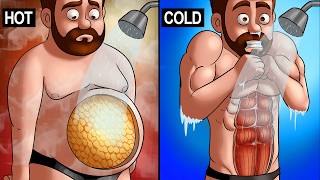
Your body decides to burn fat or store it post-workout
36sThe visceral visualization of fatty acids drifting and the immediate choice to burn or store grabs attention and reframes the workout outcome.
▶ Play Clip Gravity Transformation - Fat Loss Experts
"The title accurately reflects the content: the video lists exactly 8 post-workout actions for belly fat loss."
The video explains that the post-workout period is critical for fat loss, as the body decides whether to burn stored fat or store it. It outlines eight actionable steps to optimize recovery and fat burning after exercise, emphasizing that the workout itself is only part of the story.
Finish with a 5-15 minute high-intensity finisher (e.g., sled pushes, kettlebell swings, jump squats) to boost calorie burn and metabolic stress while glycogen is low.
Log your sets, reps, and weights immediately after the workout to enable progressive overload, which builds muscle and increases resting calorie burn.
Plan a balanced post-workout meal with protein, vegetables, and quality carbs to prevent impulsive eating and support recovery.
Take a contrast shower (30 sec cold, 60 sec hot, repeat 3-5 times) to reduce inflammation, improve mood, and aid recovery.
Drink plenty of water; even 1-2% dehydration impairs strength and fat oxidation. Check urine color (pale yellow) for hydration status.
Consume 0.7-1 gram of protein per pound of body weight daily to preserve muscle during a calorie deficit and increase satiety.
Take a 20-30 minute brisk walk to boost NEAT (non-exercise activity thermogenesis) and burn extra calories without joint stress.
Get 7-9 hours of sleep; sleep deprivation (5.5 hrs vs 8.5 hrs) led to 55% less fat loss and 60% more muscle loss in a study.
What is the recommended duration and type of post-workout finisher?
5 to 15 minutes of high-intensity exercise using large muscle groups (e.g., sled pushes, kettlebell swings, jump squats).
00:39
What does EPOC stand for and what does it describe?
EPOC (Excess Post-Exercise Oxygen Consumption) – the increased calorie burn after exercise.
01:14
What is the principle behind tracking sets, reps, and weights?
Progressive overload – gradually increasing stress on muscles over time to build muscle.
02:09
Why does building muscle help with losing belly fat?
Muscle tissue is metabolically active; more muscle increases resting calorie burn and improves blood sugar handling.
02:19
Is it necessary to consume protein within 30 minutes post-workout (the anabolic window)?
No, muscle protein synthesis stays elevated for hours; hitting daily protein and calorie goals is sufficient.
03:19
What are the two main benefits of cold and hot water in a contrast shower?
Cold water reduces inflammation and improves mood via norepinephrine; heat relaxes muscles and improves circulation.
05:57
How can you quickly check your hydration status?
Pale yellow urine indicates proper hydration; dark urine means dehydration, completely clear may mean overhydration.
07:25
What is the recommended daily protein intake range for active individuals?
0.7 to 1 gram per pound of body weight for active people.
07:55
What does NEAT stand for and why is it important for fat loss?
NEAT (Non-Exercise Activity Thermogenesis) – calories burned from daily movement like walking and chores.
09:00
What were the fat and muscle loss differences between dieters sleeping 5.5 vs 8.5 hours per night?
55% less fat loss and 60% more muscle loss compared to those sleeping 8.5 hours.
09:44
High-Intensity Finisher
A short, intense burst after the main workout boosts calorie burn and metabolic stress without exhausting recovery.
00:39Progressive Overload via Tracking
Logging sets, reps, and weights ensures gradual muscle stress increase, which is proven to build muscle and raise resting metabolism.
02:09Anabolic Window Myth
Muscle protein synthesis stays elevated for hours, so immediate post-workout protein is not critical; daily totals matter more.
03:19Sleep's Impact on Fat Loss
Sleep deprivation (5.5 hrs vs 8.5 hrs) caused 55% less fat loss and 60% more muscle loss, even with identical calorie intake.
09:44[00:00] Picture finishing your last set and
[00:01] seeing what's happening under your skin.
[00:04] Blood driving into muscle. Microscopic
[00:06] tears covering the muscles you trained.
[00:08] Free fatty acids leaving your fat cells
[00:10] and drifting through your bloodstream
[00:12] looking for somewhere to go. If you
[00:14] could animate it, you'd watch the
[00:16] decision get made right then and there.
[00:18] Do those fatty acids get burned or do
[00:20] they boomerang back into storage when
[00:22] appetite spikes and you decide to have
[00:24] Cheetos instead of a healthy meal? Most
[00:27] people think the workout is the whole
[00:28] story. It isn't. The hours after is
[00:31] where your body chooses whether it keeps
[00:32] pulling from stored fat or whether it
[00:34] hands your progress right back. To start
[00:37] before you leave the gym, finish with a
[00:39] short, highintensity finisher. This
[00:41] isn't a second workout. It's a 5 to 15
[00:43] minute burst of effort that uses large
[00:45] muscle groups and gets your heart rate
[00:47] up quickly. Think of sled pushes, kettle
[00:49] bell swings, jump squats, medicine ball
[00:51] slams, or a quick bodyweight circuit
[00:53] like push-ups, mountain climbers, and
[00:55] ply lunges. The goal isn't to exhaust
[00:57] yourself, but to squeeze in a little
[00:59] extra calorie burn and metabolic stress
[01:01] while your body is already drained of
[01:03] glycogen and ready to tap into burning
[01:05] some fat. Research on HIT shows it can
[01:08] improve both aerobic and anorobic
[01:10] fitness, increase insulin sensitivity,
[01:12] and boost calorie expenditure after
[01:14] exercise through excess post exercise
[01:17] oxygen consumption, also known as epoch.
[01:20] But don't overthink about this magical
[01:22] overhyped afterburn effect. The bigger
[01:24] win is that you're adding more total
[01:26] work in less time. For someone trying to
[01:28] lose belly fat, that can be all the
[01:30] difference between maintaining a deficit
[01:32] and erasing it. And because this comes
[01:34] after your main workout, your muscles
[01:36] are already warm and firing, which
[01:38] reduces injury risk and helps maximize
[01:40] performance. Keep it short, intense, and
[01:43] intentional, and it won't interfere with
[01:45] your recovery. A simple way to set this
[01:47] up is to perform an exercise that's
[01:48] really challenging for your heart, like
[01:50] burpees or kettle bell long cycles for a
[01:53] minute on, then 30 seconds off, back and
[01:55] forth for 10 to 15 minutes. Right after
[01:58] that, grab your notebook or phone and
[02:00] write down exactly what you just did.
[02:02] I'm talking about the weight you lifted,
[02:03] the number of sets, the number of reps,
[02:05] and maybe even a quick note about how
[02:07] you felt. This is the foundation of
[02:09] progressive overload, which is the
[02:10] gradual increase of stress placed on
[02:13] your muscles over time. And it's one of
[02:15] the most proven ways to build muscle. So
[02:17] why does this matter for losing belly
[02:19] fat? Well, because muscle tissue is
[02:21] metabolically active. The more lean mass
[02:24] you carry, the more calories you burn at
[02:26] rest and the better your body handles
[02:27] carbs and blood sugar. There's also a
[02:30] behavioral reason that tracking works so
[02:32] well. Without data, you're guessing. And
[02:34] guessing often leads to doing the same
[02:36] weights, the same reps, the same sets
[02:38] week after week. Meanwhile, changing any
[02:41] one of those variables would have
[02:42] changed your body. That's being stuck in
[02:45] maintenance, not progress. Studies have
[02:47] shown that lifters who keep detailed
[02:49] records make noticeably greater strength
[02:50] and size gains than those who don't. And
[02:53] when you're stronger and carrying more
[02:55] muscle, you burn more calories during
[02:57] the day without even trying, which
[02:59] really is the key. Think of your
[03:01] training log as a map. It tells you
[03:02] where you've been, where you are, and
[03:04] where you need to go next to keep belly
[03:06] fat moving in the right direction, which
[03:09] is off your body. So, write down at
[03:11] least your sets, reps, and the weight
[03:13] loss you used before you leave the gym
[03:15] and forget. The third thing is to plan
[03:17] your first meal after your workout to be
[03:19] a healthy one. The old anabolic window
[03:21] myth says that you have to slam a shake
[03:23] within 30 minutes or your workout is
[03:26] wasted. But in reality, muscle protein
[03:28] synthesis stays elevated for hours after
[03:30] training. And as long as you hit your
[03:32] daily protein and calorie goals, you'll
[03:34] recover even if you're having that meal
[03:36] later on in the day. But here's why. The
[03:38] content of your next meal still matters
[03:40] for fat loss. Workouts, especially
[03:43] intense ones, are very likely to crank
[03:45] up your appetite. If you don't have
[03:46] something healthy lined up, you're much
[03:48] more likely to grab what's convenient.
[03:50] And convenience often means calorie
[03:53] dense, low in protein, highly processed
[03:55] food, usually with extra sugar added.
[03:57] Instead, aim for a balanced plate,
[04:00] protein to support recovery and satiety,
[04:02] vegetables for micronutrients and fiber,
[04:05] and high quality carbs to restore
[04:06] glycogen stores. Protein sources could
[04:09] be chicken breast, turkey, white fish,
[04:11] salmon, tuna, eggs, or Greek yogurt if
[04:13] you eat animal products. If you're
[04:15] plant-based lentils chickpeas black
[04:17] beans, tofu, tempeh, and edamame will do
[04:20] the job. Preferably, a mix of more than
[04:22] one of these would get you the full
[04:24] range of amino acids that you need. Now,
[04:26] for vegetables, think variety and color.
[04:28] Spinach kale broccoli Brussels
[04:30] sprouts, asparagus, bell pepper,
[04:31] zucchini, and cauliflower. Not only are
[04:34] they low in calories and filling, but
[04:36] they also provide antioxidants and many
[04:38] other micronutrients like vitamins and
[04:40] minerals. On the carb side, go for
[04:42] nutrient-dense options that replenish
[04:44] glycogen without spiking your blood
[04:46] sugar too sharply. Quinoa, brown rice,
[04:48] sweet potatoes, oats, yams, or even
[04:51] fruit like bananas and berries. For
[04:53] example, a post-workout lunch might be
[04:54] grilled salmon with roasted Brussels
[04:56] sprouts and sweet potato wedges. or a
[04:59] lentil salad with kale, cherry,
[05:00] tomatoes, and olive oil paired with a
[05:02] side of quinoa. The point is to set
[05:05] yourself up so that the first thing you
[05:06] eat after training reinforces your fat
[05:09] loss goals instead of derailing them.
[05:11] When you fill your stomach with protein
[05:12] and fiber, you're far less likely to
[05:14] find yourself raiding the pantry for
[05:16] chips or cookies later. The fourth tip,
[05:19] maybe after you're done eating, or if
[05:21] you're planning your meal if you happen
[05:22] to be fasting, is to consider taking a
[05:25] contrast shower. Now, no, this isn't a
[05:27] magic fix that'll burn belly fat on its
[05:29] own. If you're eating a box of Oreos
[05:31] after your contrast shower, you can bet
[05:33] you're still going to struggle with your
[05:35] belly fat, but it can be a very good
[05:37] routine to practice after your workouts.
[05:39] It means alternating between hot and
[05:42] cold water for short bursts. For
[05:44] example, 30 seconds of cold, 60 seconds
[05:46] of hot. Repeat it three to five times.
[05:48] Ignore the exaggerated claims about
[05:50] shocking fat off your body. That's not
[05:52] how this works. The benefits here are
[05:54] much more in tune with recovery and how
[05:57] you feel afterwards. Cold water exposure
[05:59] has been shown to lower markers of
[06:01] inflammation and can improve mood by
[06:03] increasing norepinephrine levels in the
[06:05] brain. The heat, on the other hand,
[06:07] relaxes your muscles and improves
[06:08] circulation, delivering nutrients to the
[06:11] damaged tissues. When you combine them,
[06:13] you get a pump and flush effect on your
[06:15] circulatory system, which many athletes
[06:18] report helps reduce soreness and
[06:20] stiffness. And while this doesn't
[06:22] directly burn fat, it keeps you training
[06:24] hard and consistently, which is what
[06:26] drives fat loss over the long term.
[06:28] Plus, the mental reset from a contrast
[06:30] shower can be huge. You leave feeling
[06:32] energized, and the norepinephrine
[06:34] release can help you associate those
[06:36] good feelings with your workout routine,
[06:38] which can help you stay active and
[06:40] productive for the rest of the day
[06:41] instead of collapsing on the couch.
[06:44] Number five is to drink plenty of water
[06:46] after your workout and throughout the
[06:47] day in general. Hydration plays two big
[06:49] roles here, performance and appetite
[06:52] regulation. Your stomach contains
[06:54] stretch receptors that send fullness
[06:55] signals to your brain when activated.
[06:57] Drinking water between meals can help
[06:59] you feel fuller and reduce the
[07:01] likelihood of overeating. This isn't a
[07:03] magic trick. It's basic physiology, but
[07:05] it works surprisingly well when combined
[07:07] with high-fiber, high protein meals.
[07:10] From a performance and recovery
[07:11] standpoint, even mild dehydration, as
[07:13] little as 1 to 2% of your body weight
[07:15] lost in water, can impair strength,
[07:17] endurance, and fat oxidation during
[07:19] exercise. So, how do you know if you're
[07:21] hydrated or if you need to replenish
[07:23] with water? The quick check is simple.
[07:25] Your urine should be a pale yellow most
[07:27] of the day. If it's dark, you're behind.
[07:29] If it's completely clear all day, you
[07:31] might be overdoing it. along with
[07:33] hydration is to make sure you get enough
[07:35] protein across your entire day, which
[07:37] very likely means you'll need to focus
[07:39] on consuming more protein after your
[07:41] workout. This is arguably the most
[07:43] important nutrition habit for fat loss
[07:45] that preserves muscle. When you're in a
[07:47] calorie deficit, your body will use both
[07:49] fat and muscle tissue for energy unless
[07:52] you give it a reason to spare that
[07:53] muscle. Adequate protein intake falls
[07:55] within the range of.7 to one gram of
[07:58] protein per pound of body weight for
[07:59] most active people. And it gives your
[08:01] body the amino acids it needs to
[08:03] maintain muscle tissue. Protein also has
[08:06] the highest thermic effect of any
[08:08] macronutrient, meaning it takes more
[08:10] energy to digest and metabolize compared
[08:13] to carbs or fats. That's a small daily
[08:16] calorie burn bonus that adds up over
[08:18] time. More importantly, protein is
[08:20] extremely satiating. Multiple studies
[08:22] have shown that higher protein intake
[08:23] helps reduce overall calorie consumption
[08:26] without the need for strict calorie
[08:27] counting. Even if you're fasting, it's
[08:30] important to provide your body with some
[08:32] protein at some point after your workout
[08:34] to help repair the damage to your
[08:36] muscles. Another very powerful and
[08:38] overlooked tip is to take a brisk walk
[08:41] at some point after your workout, either
[08:43] directly afterwards or later in the day.
[08:45] This isn't about turning your training
[08:47] day into a marathon of exercise. It's
[08:49] about keeping your total daily movement
[08:51] high. Walking is low impact, easy to
[08:54] recover from, and burns calories at a
[08:56] pace you can sustain day after day. More
[08:58] importantly, it boosts your NEAT levels,
[09:00] also known as non exercise activity
[09:02] thermogenesis, which can vary by
[09:04] hundreds of calories per day between
[09:06] individuals. Neat includes everything
[09:09] from walking to the store to doing
[09:11] chores, and research shows it plays a
[09:13] huge role in why some people maintain a
[09:16] leaner physique with less apparent
[09:17] effort. A 20 to 30 minute walk after
[09:19] dinner can also help regulate blood
[09:21] sugar, aid digestion, and give you a
[09:23] mental wind down before bed. Over weeks,
[09:26] these small bouts of extra activity add
[09:28] up to significant additional calorie
[09:30] burn without the fatigue or joint stress
[09:32] from more intense training. Finally,
[09:34] number eight, get to bed on time that
[09:37] night. I say this often, but there's no
[09:39] denying that sleep is one of the most
[09:41] overlooked and most powerful tools for
[09:43] fat loss. When comparing dieters who
[09:45] slept five and a half hours per night to
[09:47] dieters that slept eight and a half
[09:48] hours per night, the less sleep group
[09:50] lost 55% less fat and 60% more muscle.
[09:55] They performed that much worse than the
[09:56] group that got 8 and 1/2 hours of sleep,
[09:58] even when their calorie intake was
[10:00] identical. Sleep deprivation elevates
[10:02] cortisol, which promotes fat storage in
[10:04] the abdominal area and disrupts leptin
[10:06] and ghrein, the hormones that regulate
[10:08] hunger and fullness. From a recovery
[10:10] standpoint, deep sleep is when your body
[10:12] releases the most growth hormone,
[10:14] repairs muscle fibers, and replenishes
[10:16] glycogen. Skipping this step is like
[10:19] forgetting to plug in your phone
[10:20] overnight. You're going to start your
[10:23] next day on low battery. Make your room
[10:25] cool and dark. Avoid screens for at
[10:27] least 30 minutes before bed and aim for
[10:29] 7 to 9 hours. Treat this like the last
[10:32] set of your workout because it's
[10:34] essential for results, not optional. So,
[10:36] that about wraps it up. I really hope
[10:37] this video has helped you understand
[10:39] more about some of the things you can do
[10:41] after your workout to improve recovery
[10:43] and boost fat loss. Of course, as you
[10:45] know, your diet is number one. If you're
[10:47] consuming calories in excess, tracking
[10:50] your sets and reps won't magically help
[10:52] you lose your belly fat. If this video
[10:54] has helped you, make sure you subscribe.
[10:56] Also, if you want to learn how to lose a
[10:57] substantial amount of body fat, or you
[10:59] want to build muscle faster without all
[11:01] the typical trial and error that most
[11:03] people go through, you can try my free 6
[11:05] week shred. You'll get a workout plan, a
[11:07] sixeek meal plan that'll come with a 42
[11:09] recipe cookbook and will be entirely
[11:11] based on your preferences. And you'll
[11:13] also get a coach to guide you through
[11:15] the entire process and answer any
[11:17] questions that might come up. To find
[11:18] out more, you can click the link below
[11:20] in the description or you can head
[11:21] straight on over to my website at
[11:23] gravitytrformation.com.
[11:25] I'll see you guys soon.
[11:31] Heat. Heat.
⚡ Saved you 0h 11m reading this? Transcribe any YouTube video for free — no signup needed.