
缠论唯一真神:中枢是什么?
39sThis is the core concept of a legendary but controversial A-share theory, explained in a relatable analogy, making a previously confusing term instantly understandable.
▶ Play Clip"Delivers a clear, actionable explanation of a complex concept, but the title's promise of '5 minutes' is slightly oversold with a mid-video promotion."
This video explains the foundational concept of 'Zhongshu' (中枢), or 'pivot zone,' in the Chinese stock market theory known as 'Chan Theory' (缠论). It simplifies the complex terminology into a single, actionable idea: a pivot zone is a price range where bulls and bears fight without a clear winner, and traders should avoid trading inside it. The video provides a practical three-step method for identifying and trading around these zones, emphasizing patience and confirmation.
Chan Theory is a mysterious A-share market theory by an anonymous author '缠中说禅'. It's known for complex terms like 'bi' (笔), 'xian duan' (线段), and 'fractals', but the foundation is the single concept of 'Zhongshu' (pivot zone).
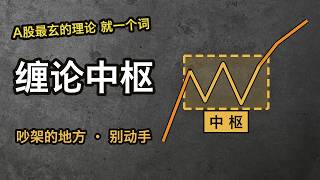
Zhongshu is defined as a price range where bulls and bears fight without a decisive outcome. It's visualized as price moving back and forth at least three times, creating an overlapping zone. This zone is a 'rest stop' where traders exchange positions, building consensus.
After a pivot zone, the price usually continues in the same direction as the prior trend (continuation pattern). Confirmation comes from a strong, high-volume breakout. If the new pivot zone is higher than the previous one, it's an uptrend; if lower, a downtrend.
By simplifying K-lines into 'rest stops' (pivot zones) and 'roads' (trends), you can quickly identify where the market is consolidating (range-bound) versus trending. Finding the pivot zone reveals the market's structure.
The creator mentions a self-built quantitative system that integrates K-lines, indicators, capital flow, and backtesting. It's offered for download via a pinned video, but the core lesson continues.
Avoid trading inside the pivot zone—it's a 'meat grinder' where you get whipsawed. Price above the zone is strong, below is weak, inside is 'watch only'. Trade at the boundaries: wait for a breakout or breakdown.
A real breakout is characterized by high volume and a successful pullback that doesn't re-enter the zone. A fake breakout quickly falls back inside. The cleanest entry point is the pullback that holds above the zone.
Use larger timeframes (daily, weekly) to determine the overall direction, and smaller timeframes (minute) to find entry points. Avoid the common mistake of using small timeframes to override the larger trend.
Pitfall 1: Trading within the pivot zone on small timeframes leads to losses. Pitfall 2: Getting lost in the complex terminology (bi, segments, fractals) and missing the trade. Tools are for reading the market, not for academic study.
Zhongshu is a consensus zone built by real money. The core principle: don't trade where there's a fight; wait for the exit and then follow. This is the most valuable takeaway from Chan Theory.
1) Position: Is price above, inside, or below the pivot zone? 2) Movement: Is the new pivot zone higher or lower than the previous? 3) Exit: Is the breakout on high volume (real) or a probe (fake)?
Step 1: Find the pivot zone (overlap of at least three swings). Step 2: Determine direction (up or down shift of zones). Step 3: Wait for the exit (real breakout + pullback confirmation). Never trade inside the zone.
Zhongshu is the foundation of Chan Theory. Remember: don't trade where there's a fight; wait for the exit. Check position, movement, and exit. The video ends with a reminder to like, subscribe, and download the quantitative system.
Zhongshu as the Foundation
Establishes the single most important concept in a complex theory, making it accessible.
00:25Continuation Bias
Provides a statistical edge by noting that pivot zones usually act as continuation patterns, not reversals.
01:25Real vs. Fake Breakout
Offers a clear, actionable rule for distinguishing genuine breakouts from traps.
03:10The Core Principle
Condenses the entire theory into a memorable, practical trading rule.
04:04[00:00] 走江湖的飙队 在急的路也得进客栈歇脚 没有一口气走到头的行情 A股最神秘的本土理论 禅论 作者只留了个网名 叫禅中说禅 文章又狂又密
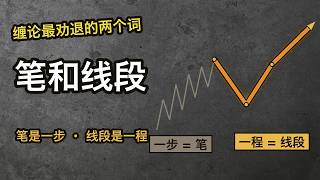
[00:13] 吵架从没输过 笔 线段 分形 一堆术语劝退了无数人 但今天只讲一个词 中书 这一个词是整套禅论的地基 一句话讲懂
[00:25] 五分钟够用 先交代背景 半分钟 2006年起 有人在博客上连载讲股票 笔名缠中说缠 后来这套东西被整理成了缠论 它是A股散户圈流传最广
[00:39] 争议也最大的本土技术体系 信的人奉为圣经 不信的人嗤之以鼻 术语劝退归劝退 地基其实就一个词 中枢 把它拿走整栋楼塌 把它学会够用很久
[00:51] 一句话 中枢就是多空炒价 炒不出结果的价格区间 像赶路的标队进了客栈 一波人要走 一波人要留 在店里来回拉扯 画出来就是
[01:03] 价格来回至少三趟 重叠出来的那块区间 被反复踩过的平地 官方定义很拗口 寄人画板就行 来回三趟 踩出一块公共地盘 那就是中书各站里不是浪费时间是换人换马嫌慢的下车走了看好的上车进来炒的越久筹码换的越干净所以中枢是蓄力
[01:25] 炒完价 共识才扎实 客栈越大 歇的越久 出门之后 往往走的越远 关键问题来了 歇完脚往哪走 从山下来的标队 歇完接着往上走
[01:37] 是常态 中枢多数是中继 不是掉头 咱们确认看出门那一下 放量 干脆不回头 是真走 探个头又缩回来 是还在炒 再看一条 新客栈比旧客栈高
[01:49] 是上坡路 一个比一个低 是下坡路 中枢上移下移 趋势一目了然 学会数客栈 行情结构瞬间清爽 价格一直在一个客栈里磨
[02:02] 就是盘整 走出去又盖了一个更高的客栈 趋势才算成立 把K线简化成客栈家路 哪里在吵架 哪里在赶路 一张图就分清 满屏K线看花眼的时候 先找客栈
[02:14] 找到了就找到了行情的股价 讲到这儿 可能有人想问 这些区间和量能平时拿什么看 其实我自己搭了一套量化系统在辅助 K线 指标 行情都在一个界面里
[02:27] 该看的一眼扫到位 资金流向 龙虎榜 回测引擎 策略库 一个想法靠不靠谱 让回测拿历史数据跑一遍胜率直接摆给你看想自己上手完整量化回测系统下载和安装请看置顶视频回正题中枢里面能不能动手
[02:45] 答案先给 中枢里面少动手 里面是绞肉机 涨两天跌两天 追涨杀跌 来回挨耳光 位置感这么贱 价格在中枢上方 强
[02:57] 在下方 弱 在里面 看戏 交易价值在边界 要么等它出门 要么等它跌破 中间那摊吵架 不参与 出门 也分真假 真离开 放量走出区间
[03:10] 回头踩一脚 不再进店 这一脚踩稳 是最干净的跟进点 假离开 冲出去两天 又灰溜溜缩回客栈 白激动一场 接着吵 分辨口诀 回踩不进店门
[03:22] 才算真的上路 一头扎回店里 就当他没出过门 客栈 也分大小 中东线的小客栈 歇一脚 日线周线的大客栈 定方向 看大做小
[03:34] 先看大客栈判断这条路往哪去 再用小客栈找上车的位置 最忌讳的是反着来 拿分钟线的小炒价 去推翻日线的大方向 讲两个最常见的坑
[03:46] 第一个 在中枢里做短叉 看着波动大 坐起来两边挨打 绞肉机里抢肉 手快也不行第二个坑掉进树椅堆里出不来树笔树段争分形行情都走完了还没数明白工具是拿来看行情的不是拿来考据的
[04:04] 说到本质 中枢就是市场用真金白银 投出来的共识区 禅论千言万语 地基就一句 吵架的地方别动手 出了门再跟上 记住这句
[04:16] 你已经拿走了禅论最值钱的那块砖 不然怎么快速上手 记住三看 一看位置 价格在中枢上方 里面 还是下方 二看移动 新客栈比旧客栈高 还是低
[04:28] 三看离开 放量真突破 还是探头假突破 三条都清楚了 再动手 那个正确姿势 用中枢 记住三步 第一步 找客栈 圈出来回至少三趟的重叠区间
[04:42] 第二步 看方向 标对从哪来 客栈是上移还是下移 第三步 等出门 真离开加回踩确认 再跟中枢里面永远不抢跑
[04:55] 这就是禅论的地基 中枢多空吵架的客栈 记住 吵架的地方别动手 出了门再跟上 一看位置 二看一动 三看离开 客栈找对
[05:07] 行情的股价就在手里 想泡你自己的回测 完整量化回测系统下载和安装 置顶视频里有 点赞收藏 关注小宇量化 全网同名
⚡ Saved you 0h 05m reading this? Transcribe any YouTube video for free — no signup needed.