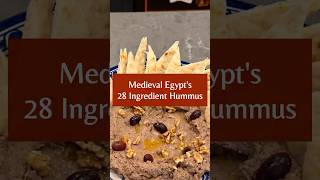

The 30-Ingredient Medieval Hummus
45sThe sheer complexity and historical context of a 30-ingredient hummus recipe from 14th-century Egypt sparks curiosity and challenges modern perceptions of hummus.
▶ Play Clip"The title accurately describes the content; the video delivers exactly what it promises."
This video explores a 700-year-old hummus recipe from a 14th-century Egyptian cookbook, highlighting its complex spice blend and unique ingredients. The host demonstrates the cooking process and shares historical kitchen tips, culminating in a taste test of the final dish.
The recipe, called hummus kassa, comes from a 14th-century Egyptian cookbook with over 800 recipes and contains nearly 30 ingredients.
The dish uses a special 11-spice blend called atraf tib, including bay leaf, dried rosebuds, spikenard, cardamom, nutmeg, and long pepper.
The cookbook also offers kitchen organization tips, such as adding dried watermelon rind to the pot to help the dish cook properly.
The hummus includes tahini, olive oil, vinegar, olives, walnuts, almonds, pistachios, hazelnuts, pickled lemon, rue, cinnamon, cumin, coriander, and atraf tib.
The final taste is a balanced blend where no single ingredient stands out, creating a unique and delicious flavor.
What is the name of the 14th-century Egyptian hummus dish?
Hummus Kassa
00:02
What is the name of the 11-spice blend used in the recipe?
Atraf Tib
00:16
Why did the cookbook recommend adding dried watermelon rind to the pot?
To help the dish cook properly
00:41
List the ingredients in the 14th-century hummus recipe.
Tahini, olive oil, vinegar, olives, walnuts, almonds, pistachios, hazelnuts, pickled lemon, rue, cinnamon, cumin, coriander, and atraf tib
01:06
Ancient Egyptian Cookbook
The recipe comes from a 14th-century Egyptian cookbook containing over 800 recipes.
00:02Complex Spice Blend
The dish uses a unique 11-spice blend called atraf tib, including rosebuds and cardamom.
00:16Historical Kitchen Tips
The cookbook offers practical advice, such as adding dried watermelon rind to aid cooking.
00:41Balanced Flavor Profile
The final taste is a harmonious blend where no single ingredient dominates.
01:19[00:02] сложных, поскольку содержит почти 30 ингредиентов. Это блюдо называется хумус касса, и его рецепт взят из египетской кулинарной книги XIV века, в которой содержится более 800 Хотя во всех этих вариантах больше ингредиентов, чем в обычном хумусе сегодня,
[00:16] этот, безусловно, самый сложный по составу. Начинается все со смеси специй под названием «атраф тиб», которая состоит из 11 различных специй, включая лавровый лист, сушеные бутоны розы, нард, кардамон, мускатный орех и длинный перец. Всё это,
[00:28] . Кстати, в этой кулинарной книге также даются советы о том, как организовать кухню в стиле XIV века в Египте. Некоторые советы действительно имеют смысл, например, тот, который все сладости, которые могли упасть на пол в том месте, где вы храните
[00:41] банки. Но другие советы требуют более подробного объяснения, например, совет добавить в кастрюлю измельченную сушеную арбузную корку, чтобы блюдо приготовилось работает? Однажды мне довелось это попробовать. Но на самом деле эта книга посвящена таким рецептам, как
[00:54] этот рецепт хумуса. Сначала я отварила нут для этого хумуса на медленном огне, просто смешала все ингредиенты в блендере. И хотя в этом рецепте присутствуют некоторые из наиболее известных ингредиентов хумуса, такие как тахини и оливковое масло, он также включает
[01:06] уксус, оливки, грецкие орехи, миндаль, фисташки, фундук, маринованный лимон, руту, корицу, тмин, кориандр и, конечно же, ту самую смесь специй атраф тиб. немного странный, но вкус не похож ни на что, что
[01:19] ингредиент не выделяется, вместо этого ощущается прекрасный баланс, словно все вкусы объединились, чтобы создать новый, уникальный вкус, и он delicious recipes that you will find in the Tasting History cookbook.

⚡ Saved you 0h 01m reading this? Transcribe any YouTube video for free — no signup needed.