
AI Summary
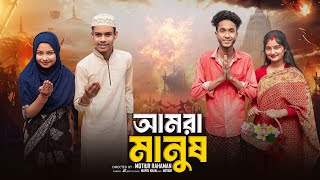
The transcript is a chaotic, emotional monologue that appears to be a dramatic narrative or social commentary. It involves characters dealing with conflict, violence, and political intrigue, ultimately delivering a message about unity and the dangers of division. The speaker recounts a series of events, including a police shooting, and reflects on the role of religion and politics in creating strife.
Chapters
The speaker opens with a series of exclamations and questions, setting a frantic tone and introducing a sense of urgency.
A reference to a 'house' and 'going to the market' suggests a domestic or community setting, possibly indicating a personal story.
Mentions of 'Hindu' and 'Muslim' indicate a religious or communal conflict is central to the narrative.
The speaker discusses a 'decision' and 'politics', hinting at a political angle to the conflict.
A man is killed by police after going to the station with a gun, revealing a violent escalation.
The speaker identifies a 'culprit' and a 'beneficiary', suggesting a conspiracy or manipulation behind the events.
The speaker concludes that despite religious differences, people are fundamentally human and should live in peace.
Mentioned in this Video
Study Flashcards (4)
What is the central message of the transcript?
medium
Click to reveal answer
What is the central message of the transcript?
The speaker emphasizes that despite religious differences, people are fundamentally human and should live in peace.
17:35
Who were the individuals involved in the conflict, and who was the beneficiary?
hard
Click to reveal answer
Who were the individuals involved in the conflict, and who was the beneficiary?
The speaker mentions that a Hindu brother and a Muslim brother were involved, but the real beneficiary was 'Rajinikin' (likely a metaphor for a political figure or divisive force).
16:53
What does the speaker say about ordinary people's role in the conflict?
medium
Click to reveal answer
What does the speaker say about ordinary people's role in the conflict?
The speaker says that ordinary people will not be able to keep them (the divisive forces) alive if they don't let them live in peace.
17:05
What happened to the man who went to the police station?
easy
Click to reveal answer
What happened to the man who went to the police station?
The speaker mentions that a man went to the police station with a gun and was killed by the police.
14:58
💡 Key Takeaways
Police Shooting Incident
Reveals a violent event that drives the narrative, showing the consequences of the conflict.
14:58Beneficiary of Conflict
Highlights that while individuals suffer, a third party (Rajinikin) benefits from the division.
16:53Unity Beyond Religion
Stresses the core message that humanity transcends religious labels, promoting peace and unity.
17:35Full Transcript
[00:00] এক কি হলা রে? ওই দুজুয় সমতে ধমে লাবে দিকিতে কো কি হলা উন্দে মত্তা
[00:30] নাম, নাম, তুববদি, হোকো থাই?
[00:42] হোছ একটো বাজারে গেতে? তে আকো দেখি, আজ দেডি হোয়ে গালো একটো বাসা, তো আয় আখা নিকলাইজি? আয় বাসা, দোজ দোজ আয় বাসা দোজ, দুডিতা
[00:54] আয় নানো বুদি, এমাত্রি কে আসলাম আছিনতো তমার পতন্ন শুনিষ করেছি কিখো জেগুন পাটনা বা, তালো তো কেছে কেছে হয়
[01:07] তে আলা, ইতি কেছে কেছে কেছে কেছে
[01:24] তো সাথিনে কি? হোজুদি এথে? না, ও কিকি পলেতি, আমা ধায়ত্রেকি পতো মন্তেক সুনা কোই, আমা সাবারতে দা
[01:38] আয়ত্রেকি?
[01:53] নানা নানতো হয়ি মানসের কাতা নাকে বলেছন? হাঁ, পাছ্যমতো বলেছন কিন? পাছ্যমন্সয?
[02:07] ও তাও মারিয় হবে না? দেশি বারে মান্সনে দেই, লেলে, করেলে হেজাবে, শালা পেটু খাছেরে কিতু বজেনা, বদি, এতি চিমিতি খাছেরে আছেটে কি বলোতো?
[02:19] আরে সাই তোরকো আতা
[02:54] দোখাদ সহদি, দ্রেকা আছি। পোবার ছানপো নরক ছমাকি, আছমিংষি ে ক্ষে আর্ঞের কোরে নারাতেন কোড়া তধে।
[03:10] আহাহায়া আহাহায়া
[03:40] একটা হাজেরি তলু, কোথাই, সুল আম্দে বাবা মারা একছে। ওপছে, পিকিপোল সিক্কে।
[04:39] হায়ান তুই দালা আমে আস্ছে
[04:51] হায়ান তুই দালা আমে আস্ছে
[05:09] না না, এলকি মকা কি তু বলতা হয়না এলি না রাখো, জাজে লাগে কিনি নিভা
[05:39] উত্যার পারা খবোর্টা কি? দাদা উখান কর অবত্য কুক করাব করতে উখানে হিন্দু মস্লিম সবান নজের উত্য সবায় একসামগে দলবতে ভাবে জানে উখানে কিতু করা জা
[06:16] হিহিহম হিহম হইহমংআ হিহম হিহম হিহম হুছে বন পিন কাঁব-কাঁব
[06:30] কর্কা-কহা-কাঁরতু যেনগে কোড়াকে নাই করতে, সুনেও. তাকা ভেরকো তাকা
[07:08] পোতো কিকে ওন্ছে, এই মন্দের তাকে তাসান জাইগা, পোতো যাতো জাইগা সাকে, এই মন্দের তাই আকা খানা, পোতো মুস্লিন কা দেখতি, ম
[07:38] দাদা
[07:55] বোল দাদা উত্যপাড়া জেরোদি পাটি পাস্টিসি লক্ষন করদি কাকে দাদা রামকে
[08:08] হেহেহহেহেহ। সুলামার এস্তা মুস্লে বন্দ সিলওয়ান। তি জানু নান। দাদা রহিন। খেলাতা চিন্তো দাবন জাওন দেয়। এহে রেগে লাকিন তু
[08:27] পাডি পে আছেই শ্রাম
[09:17] কেনো দাজা? তুমাকে নিয় দল একটা ডিজিশান নিয়ে তো হিন? কে দাজা? তোমাকে অ্ত্রপলাসাছে আমাতে তোমকো তোমাকে পার্থি ভশনা পারায়েছে নানা দাদা আমাদার এসো রাজনিত হাবেনা
[09:31] তাছের আমলে কিটি খাও মান্দ। ওসো রাজনিতিন মধ্যা আমলে দরাতে চাইনা। আমিতা বেজাচ্ছানাম তুম খুব কানান, কিন তুমতা খুব বোখা। আরে, অধিকে মস্লিমতার হয়ে রহিম বকতে তারে গালো, আজ তুমি?
[09:46] নানা, আমলো ভাইবায় সবায় একছন নিক থাকি ভাই? কিছে ভাই? পোতমার মাইরি পোতে ভাই?
[10:02] একটা কোথা তুনি ভুলে জাছো, কোন হিন্দু কোন মস্লিলে ভায় উতে পারে না, তুনি একটা জনিন ভুলে জাছো, কোন হিন্দু, কোন মস্লিল
[10:32] শেশ্নোছন্ন এ দিসাই মা করানি এ লইখো চোলি
[11:02] তাওলে লামকাথে কের আগন কে কেলেক্ষন পডা হলো পুম
[11:16] ইপাক তাওলে হনোমানে লিজে আগন তা ধরিয়ে দাও পুরনো, সাঁডিশি নিজে সেল্যাতি করছে, হেটান চি বা করার?
[11:28] এসা জাগনিতি করতি কিয় কোতা কিতে করতি হয়ান?
[11:52] তুমি যামা সে ভুযামা করে দিও
[12:22] দাদা, সন্তুকে রহিমে লক মেরসে, ওলা মার ভাইকে মেরসে, ওই শলাকে আমি ছাড়ো না পুযাত তুনামর বুন জুপ্ত দিখিছে, ইবনামান আকোই নুক দেখিছে, এ রুন্দেতে লক্ত পাইছে, আমি হাতের মুঝনেতে লক্তের পন্ন ভিজা
[12:59] হামে লোকের আমাদে মাড্তে আস্ছে সি পরিয়াক্তু পণ শোস জেয়াল
[13:29] Thank you
[13:58] Oh, Donna!
[14:18] Donna, my love! Oh, Donna! I'm sorry.
[14:58] I was killed by the fire, but you guys understood me. Your husband went to the police station to kill you, and you were killed by the police.
[15:12] If you go to the police station with a gun, what will you do? Your husband went to the police station, and he was killed.
[15:25] Your mother? How did she get to your house? Go home. I can't go home. I can't go home. I can't go home.
[15:38] I don't want to go home. Hey! Get out of here. I can't go home. Oh, my God!
[16:17] I was a little bit scared. And now, all the politics are gone. All the politics are gone. All the politics are gone. All the politics are gone.
[16:29] All the politics are gone.
[16:41] What happened? Did you get the idea? But when he took his hand, it was Rajinikin.
[16:53] Who was the culprit? Who was it? My Hindu brother Ram and my Muslim brother Rohit. But who was the beneficiary?
[17:05] Rajinikin. They won't let us live in peace. So ordinary people like us will not be able to keep them alive.
[17:19] We have to keep one thing in mind. Two pieces of the dead in the grave, Hindu and Muslim. The Muslim is his new monk, the Hindu is his new song.
[17:35] We have no caste, no religion. We are only one living human. We are human.
[17:49] We are human.