
Dairy Isn't Inflammatory?!
43sDebunks a widespread social media myth about dairy causing inflammation, backed by scientific evidence, making it controversial and shareable.
▶ Play Clip"Delivers a thorough list of science-backed anti-inflammatory foods, but the title's 'Eat THIS' overpromises a single miracle food."
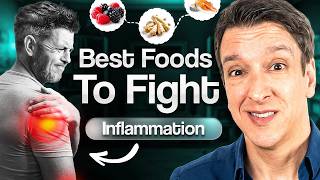
This video presents a science-backed overview of foods and nutrients that help reduce inflammation, including tocopherols, oleocanthal, potassium, probiotics, prebiotics, omega-3s, catechins, and supplements like curcumin and propolis. It also debunks common myths about inflammatory foods and emphasizes that whole dietary patterns matter more than individual superfoods.
Tocopherols are potent antioxidants that neutralize free radicals, reducing inflammation. Rich sources include nuts (cashews, almonds, walnuts, pistachios) and seeds. A meta-analysis found chia seeds lower C-reactive protein.
Oleocanthal, found in high-quality olive oil, acts like ibuprofen by inhibiting pro-inflammatory enzymes. It is not present in refined olive oil. A meta-analysis showed olive oil reduces C-reactive protein and interleukin-6.
Potassium improves nitric oxide signaling, endothelial function, and calms immune cell hyperactivity, lowering inflammatory markers like interleukin-8. Good sources: sweet potatoes, bananas, avocados, tomatoes, spinach, lentils, beans.
Fat cells secrete inflammatory mediators, so obesity increases inflammation. Weight loss consistently reduces inflammatory markers, regardless of specific foods.
Gut bacteria produce butyrate, which strengthens gut barrier and promotes anti-inflammatory cells. Fermented foods like probiotic yogurt (≥8 weeks) reduce C-reactive protein. Kefir also shows anti-inflammatory effects in IBD patients.
Common claims that dairy, grains, and seed oils are inflammatory are not supported by evidence. Fermented dairy actually has anti-inflammatory effects.
Prebiotics like oats, barley, rye, and legumes feed gut bacteria to produce butyrate, an anti-inflammatory compound.
Resolvins and protectins are omega-3-derived compounds that regulate inflammatory cells and promote resolution of inflammation. Sources: oily fish (salmon, sardines, anchovies), seaweed, seafood.
Catechins (flavonoids) block key inflammatory pathways like NF-κB. Found in green tea, cherries, cocoa, and berries. Trials show berries lower tumor necrosis factor alpha.
Randomized trials show curcumin, aged garlic extract (2-2.4 g/day), and propolis (bee resin) significantly reduce inflammatory markers like IL-6, CRP, and TNF-alpha.
Incorporating a variety of anti-inflammatory foods—such as nuts, olive oil, potassium-rich produce, fermented dairy, prebiotics, omega-3s, and catechins—along with supplements like curcumin and propolis, can help lower inflammation. However, these foods work best as part of an overall healthy diet and lifestyle, including weight management.
What is the anti-inflammatory compound in high-quality olive oil that mimics ibuprofen?
Oleocanthal.
00:50
Name three anti-inflammatory nutrients discussed in the video.
Tocopherols (vitamin E), oleocanthal, potassium, catechins (any three).
00:12
What inflammatory marker did chia seeds lower in a meta-analysis?
C-reactive protein (CRP).
00:25
How does oleocanthal work in the body?
It inhibits enzymes that produce pro-inflammatory prostaglandins, similar to ibuprofen.
01:02
What is the effect of weight loss on inflammatory markers?
Weight loss consistently reduces inflammatory markers.
02:42
Which fermented dairy product reduced inflammatory markers in IBD patients?
Kefir.
03:49
Name two prebiotic foods that promote butyrate production.
Oats and barley (or rye, legumes).
04:44
What are resolvins and protectins made from?
Omega-3 fatty acids (EPA and DHA).
05:11
What inflammatory pathway do catechins block?
NF-κB pathway.
06:32
What daily dose of aged garlic extract (AGE) showed strongest anti-inflammatory results?
2 to 2.4 grams per day.
07:02
Nature's Ibuprofen
Oleocanthal in olive oil works exactly like ibuprofen, offering a natural alternative.
01:02Fat Tissue Fuels Inflammation
Explains why weight loss directly reduces inflammation, independent of diet.
02:42Social Media Myths Debunked
Contradicts popular claims that dairy, grains, and seed oils are inflammatory.
04:15Resolvins End Inflammation
Omega-3s produce compounds that actively resolve inflammation, not just reduce it.
05:11Propolis Supplements Show Strong Results
Meta-analyses show propolis significantly lowers multiple inflammatory markers.
07:16[00:00] These are the best foods to reduce inflammation based on science. One food component with a powerful anti-inflammatory effect is tocopherol also known as vitamin E. Tocopherols are potent
[00:12] antioxidants. So they neutralize free radicals that can trigger inflammation. One rich source of tocopherol are nuts like cashews, almonds, walnuts, pistachios are also good sources and
[00:25] different types of seeds have a lot of tocopherols as well. One meta analysis of randomized controlled trials found that chia seeds help lower the inflammatory marker C reactive
[00:37] protein. Another anti-inflammatory powerhouse is called oleocanthal. Oleocanthal is a fascinating compound. It's mainly formed when olives are crushed and it's responsible for that peppery
[00:50] sensation when you eat really high quality olive oil. That pungency in the back of your throat. That's oleocanthal. And oleocanthal is not present in refined olive oil. The refining process
[01:02] gets rid of it. Oleocanthal works in our body exactly like ibuprofen. It's nature's ibuprofen. It inhibits enzymes that produce prostaglandins which are pro-inflammatory molecules. Those are exactly the same enzymes targeted by ibuprofen. In a meta analysis of randomized controlled trials,
[01:20] olive oil helped reduce inflammatory markers like C reactive protein and interleukin 6. Now, as we're going through this list of foods, remember there's no such thing as a superfood. That's not really a scientific concept. Everything works in the context of a whole dietary pattern.
[01:37] But it's true that some foods have better evidence than others. Okay. Another great nutrient to fight inflammation is potassium. Potassium improves nitric oxide signaling and it also enhances endothelial function. It's also effective in toning down immune cell hyperactivity and the
[01:54] result is that the level of some inflammatory markers like interleukin-8 is lowered. Good sources of potassium include sweet potatoes, some fruits like bananas and avocados and tomatoes.
[02:07] Spinach has a lot of potassium as well. Lentils and beans are also good sources. A systematic review found improvement in inflammatory markers with consumption of pulses like beans and lentils. And a 2015 randomized controlled trial found a diet emphasizing lentils, chickpeas,
[02:25] peas, and beans for 3 days a week lowered high sensitivity C reactive protein, interleukin 6, and tumor necrosis factor alpha in overweight diabetic patients. And speaking of overweight, one thing that's important to understand is that fat tissue itself is pro-inflammatory. And that's because fat
[02:42] cells, adipocytes, secrete inflammatory mediators like adipokines. So people with obesity tend to have higher inflammatory markers and when we lose weight our inflammatory markers come down
[02:54] consistently. So that's another way to reduce inflammation. Weight loss irrespective of the specific foods. Okay. Another crucial player when it comes to fighting inflammation is our microbiome. The bugs in our gut produce compounds like butyrate which strengthen the gut barrier and
[03:11] also promote anti-inflammatory cells. One way to boost our microbiome is to consume fermented probiotic foods. One meta analysis of randomized controlled trials found that daily intake of
[03:24] probiotic yogurt for more than 8 weeks reduced some inflammatory markers like C reactive protein in overweight individuals. Other inflammatory markers like interleukin 6 and TNF alpha were
[03:37] not significantly changed. Another probiotic is kefir which is a form of fermented milk and kefir has also shown some anti-inflammatory effect. In one trial patients with inflammatory bowel given
[03:49] kefir showed a decrease in inflammatory markers. They also experienced reduced bloating which is typical in inflammatory bowel and they reported a subjective improvement in their well-being. These
[04:01] results are really interesting because it's a common idea on social media that dairy is inflammatory. And if you have a specific condition like an allergy or some forms of intolerance, sure. Otherwise, we don't see that. And particularly with fermented dairy, we even
[04:15] see the opposite, an anti-inflammatory effect. And this is a pattern. Foods that influencers insist on social media are inflammatory almost never are when you look at the actual scientific evidence. Other common ones are all grains are inflammatory and seed oils are inflammatory and
[04:32] none of it is factual. Inflammatory has really become a buzzword on social media to scare people away from eating a certain food. Okay. Another way to harness the power of our microbiome is
[04:44] to feed it. So this is where prebiotics come in. Prebiotics are foods that feed the microbiome, and oats and barley are two examples that lead to the production of butyrate by our gut bugs. Rye
[04:58] is another example and legumes which we already talked about also have this function. Another powerful anti-inflammatory player are resolvins. Resolvins are lipid mediators that regulate the
[05:11] function of inflammatory cells like neutrophils and macrophages. And resolvins also promote the resolution of inflammation, they end it. And protectins are another important player. They
[05:24] help the body repair damaged tissue. They clear away inflammatory debris and they also help the body fight infections. Protectins and resolvins are made in our body from omega-3s like EPA and
[05:37] DHA. Good sources of these fats include oily fish like salmon, sardines, anchovies. Seaweed is also a good source. In fact, that's where the fish get it, and also seafood like muscles or shrimp.
[05:52] A 2021 randomized clinical trial published in Italy found that a diet rich in oily fish improved subclinical inflammation including lowering the inflammatory markers high sensitivity C reactive
[06:05] protein, IL6 and IL17. Okay, we're going to look at some great natural supplements in a second, but one last nutrient that's really potent at fighting inflammation are catechins. Catechins are a type
[06:18] of flavonoid with potent antioxidant effect. And catechins can be found in green tea leaves, cherries, cocoa has catechins as well. And berries are another good source. And the way catechins
[06:32] fight inflammation is by blocking key inflammatory pathways like NfkB that normally inhibit antioxidant enzymes and stimulate inflammatory cytokines. Several trials have shown that eating
[06:46] berries helps lower some inflammatory markers like tumor necrosis factor alpha. And finally, if you need an extra boost, here's a couple of natural supplements that show a really promising effect. Curcumin supplements have been shown in randomized trials to help lower inflammation.
[07:02] Garlic supplements like AGE, aged garlic extract, have been shown in randomized trial to lower inflammatory markers as well, with the best doses being between two and 2.4. four grams a day of AGE
[07:16] and some of the strongest results interestingly are for something called propolis supplements. So propolis is a resin produced by honeybees and meta analyses of trials have shown substantial
[07:29] reductions of interleukin 6, C reactive protein and tumor necrosis factor alpha with propolis supplements. Inflammation contributes to plaque buildup in our arteries. And we covered the
[07:42] best foods to shrink plaque size in this previous video. So check it out and I'll see you in there.


⚡ Saved you 0h 07m reading this? Transcribe any YouTube video for free — no signup needed.