
The Gap Filling Strategy That Catches Both Moves
43sReveals a simple yet powerful trading concept that appeals to both beginners and experienced traders, with clear visual and logical explanation.
▶ Play Clip"The title promises a specific strategy on Exness, and the video delivers a concise explanation with a practical example, though it lacks depth and additional details."
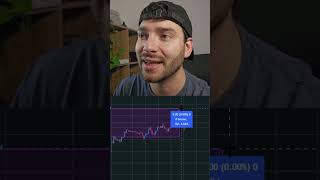
This video explains the 'gap filling' trading strategy, focusing on how price gaps between consecutive candles create opportunities to profit from price returning to fill the empty space. The presenter demonstrates the concept using an SP500 trade example and highlights how traders can profit from both upward and downward movements.
A gap is the difference between the closing price of the previous candle and the opening price of the next candle, where no trading occurred. This creates an area with many pending orders.
The price tends to return to fill the empty space to take liquidity. When the price reaches the ceiling of the gap area, a rejection often occurs as vendors re-enter the market.
Traders can open a long position at the bottom of the gap once it is filled, and also aim to go short at the top of the unfilled area, allowing profits from both price increases and decreases.
The strategy is demonstrated with a single-day trade on the SP500. The presenter mentions a linked video explaining how to operate different strategies on the Exness platform.
The gap filling strategy offers a clear, rule-based approach to trading price gaps, providing opportunities to profit from both directions. The example on SP500 illustrates its practical application, with further resources available on the Exness platform.
What is a gap in trading?
The difference between the closing price of the previous candle and the opening price of the next candle, where no trading occurred.
00:02
Why does the price tend to return to fill a gap?
To take liquidity from the many pending orders in that empty space.
00:15
What happens when the price reaches the ceiling of the gap area?
A rejection often occurs as vendors re-enter the market.
00:29
What are the two trading opportunities in a gap filling strategy?
Open a long position at the bottom of the gap and go short at the top of the unfilled area.
00:29
Gap Definition
Provides a clear, foundational definition of a trading gap, essential for understanding the strategy.
00:02Liquidity Seeking
Explains the underlying market mechanism that drives price to fill gaps, a key principle for traders.
00:15Dual Opportunity
Highlights the strategy's ability to profit from both upward and downward movements, increasing its appeal.
00:29[00:02] called a gap. It is the difference between the closing price of the previous candle and the opening price of the next candle. Basically, the price wasn't quoted there, so there are a lot of pending orders. Generally, the price seeks
[00:15] to fill that empty space again to take that liquidity. And then we can see one thing, when we finally reach the ceiling of that area that was basically left hanging, we can see a rejection of the price. That's when
[00:29] vendors started coming back in. So, we not only have a buying opportunity here, where we could open a long position at the bottom and empty space is filled, but we could also later aim to go
[00:44] we could also later aim to go short, that is, sell at the top of that area that remained unfilled. There we can see that we have two possibilities. We can win when the price goes up and we can win when the
[00:56] price goes down. And we have everything here. This is something that basically came up in a single day, in a trade on the SP500, and we can trade a lot more things. Below I've included a video explaining how to operate different
[01:09] strategies and everything on the Exnes platform.




⚡ Saved you 0h 01m reading this? Transcribe any YouTube video for free — no signup needed.