
My Cart Had 104,564 Items?!
45sThe absurdly large cart number and the implication that the cart itself is more valuable than the items is a shocking and humorous hook that grabs attention.
▶ Play Clip"Delivers a decent explanation of Temu's pricing model, though it lacks depth and specific data."
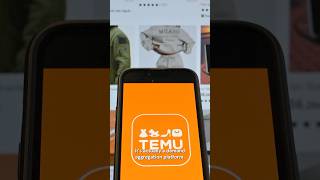
The video explores the business model behind Temu's remarkably low prices, examining how the platform leverages Chinese manufacturing, gamification, and aggressive pricing strategies to capture Western consumers. It also touches on similar platforms like Shein and the broader implications for global trade.
Temu offers items at prices so low that the platform's value exceeds the cost of the items themselves, leveraging Chinese factories to produce familiar goods at scale.
Chinese factories produce goods that are familiar to Western consumers, but the key is that these are not branded items like Nike or Adidas, allowing for lower costs.
Temu works directly with factories, ensuring manufacturing lines are running, and uses gamification to incentivize production and sales.
Temu prices items based on marginal cost, accepting losses on some products to gain market share, as long as they can make a dollar per widget.
Temu constantly changes what it offers, pricing items dynamically to maximize volume and demand, even if it means selling at a loss.
Temu has locked onto the Western consumer, replicating what China would have achieved if it had focused on Western markets from the start.
Shein is another example of a Chinese platform using similar strategies, vying for demand and volume, and the name of the game is to ensure survival.
Temu and similar platforms will do almost anything to keep running and stay afloat, prioritizing volume and market capture over immediate profitability.
Temu's low prices stem from a combination of direct factory sourcing, gamified engagement, and a willingness to operate at thin margins to capture market share, a model also seen in Shein, highlighting a broader trend in e-commerce.
What is the core reason Temu can offer such low prices?
Temu leverages Chinese factories and direct sourcing, pricing items at marginal cost to gain market share.
00:43
How does Temu use gamification?
Temu uses gamification to incentivize production and sales, keeping manufacturing lines running.
00:29
What is the 'name of the game' for Temu and Shein?
The name of the game is to ensure survival by vying for demand and volume, even if it means doing almost anything to stay afloat.
01:40
Value Beyond Cost
Highlights the extreme price competitiveness of Temu, setting the stage for the analysis.
Marginal Cost Pricing
Explains the economic strategy behind selling at a loss to capture market share.
00:43Survival Over Profit
Reveals the aggressive business mindset of these platforms, prioritizing volume over profitability.
01:40[00:00] every break when my cart of 104,564 items, more valuable than the items." and Chinese factories would produce everything,
[00:15] something that was familiar to them. produced in China, if it had Nike or Adidas it's not really a marketplace.
[00:29] They're going to these factories that your manufacturing lines are running." and they have gamification where they're able
[00:43] if I was gonna lose money anyways if I can make a dollar by selling a widget, what they offer changes from time to time.
[00:56] "Hey, I can make a car charger," and then Temu goes through and prices And Temu is a fascinating case study in just
[01:12] has really locked onto the Western consumer that China would've had if they had only been And so when I'm buying a pair
[01:25] had the best labor laws, the best outputs, is probably not a 100%. And you look at Shein as another one
[01:40] vying for demand and volume and things like that and so the name of the game is to make sure then they run into an issue
[01:54] And so they will do next to anything can running, that they can stay afloat.
⚡ Saved you 0h 02m reading this? Transcribe any YouTube video for free — no signup needed.