

Monetize YouTube in 30 Days?
47sChallenges the common belief that monetization takes years, offering a fast-track strategy.
▶ Play Clip"Title promises a 2026 guide; video delivers actionable steps and realistic timelines, though some content is evergreen."
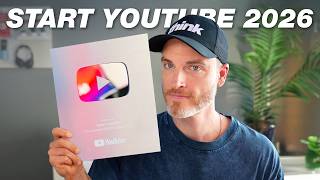
This video outlines a strategic approach to YouTube monetization, debunking the myth that it takes years. The presenter shares four key steps: creating intent-based search content, adding broad appeal videos, optimizing for longer watch time, and doubling down on what works. Realistic timelines range from 30 days to 2 years.
Two routes: 1,000 subscribers + 4,000 public watch hours (recommended for beginners), or 10 million shorts views in 90 days.
Posting random content, chasing trends, and relying solely on shorts without a cohesive strategy.
Create content people are actively searching for (e.g., 'best cameras for YouTube'). Use ASQ (Answer Specific Questions) or RSP (Review Specific Products) methods.
After ranking search videos, add content that reaches wider audiences (e.g., 'how to start a YouTube channel' or reaction videos).
Use VidIQ's outlier tool to find videos performing significantly better than a channel's average, helping verify viral ideas.
Target videos 8+ minutes (ideally 8-15) to accumulate watch hours faster and enable mid-roll ads for future monetization.
Analyze click-through rates and retention graphs. Make part twos, spin-offs, or series of successful videos.
Fast: 30-90 days. Normal: 6-12 months (consistent weekly uploads). Slow: 1-2 years. One viral video can accelerate the process.
Lock in niche, make 4 videos/month (3 search-based, 1 broad appeal), review analytics monthly, double down on what works.
Monetization is achievable with a strategic, consistent approach. Focus on search intent, optimize for watch time, and iterate based on data. One viral video can change everything.
What are the two routes to join the YouTube Partner Program?
Route 1: 1,000 subscribers + 4,000 public watch hours in 12 months. Route 2: 10 million shorts views in 90 days.
00:17
What does ASQ stand for in the video's strategy?
Answering Specific Questions.
02:15
What is the recommended minimum video length for faster monetization?
8 minutes, because YouTube can run mid-roll ads on videos over 8 minutes.
06:20
What tool does the presenter recommend for finding outlier videos?
VidIQ's outlier tool.
04:58
What is the fast timeline for monetization according to the video?
30 to 90 days.
08:52
What is the normal timeline for monetization with consistent weekly uploads?
6 to 12 months.
09:01
What is the RSP method?
Reviewing Specific Products.
02:27
What is the recommended monthly upload ratio for search vs. broad appeal videos?
3 search-based videos and 1 broad appeal video per month.
10:19
Monetization in 30 days is possible
Challenges the common belief that YouTube monetization takes years.
00:04Intent-based content strategy
Core principle: create videos people are already searching for to guarantee demand.
01:34VidIQ outlier tool
Practical tool to validate video ideas by analyzing channel performance patterns.
04:58Double down on what works
Emphasizes data-driven iteration rather than random content creation.
07:34One video away from monetization
Encouraging insight that a single viral video can achieve all requirements.
09:43[00:00] A lot of people think that getting
[00:01] monetized on YouTube takes years, but
[00:04] we've actually seen channels do it in as
[00:05] little as 30 days. And the difference is
[00:08] not luck, it's actually strategy. So, in
[00:11] this video, I'm breaking down exactly
[00:12] how to get monetized step by step in
[00:15] 2026. So, let's start with the basic
[00:17] requirements for enrolling in the
[00:19] YouTube partner program. Well, there's
[00:20] really two routes you can go with this.
[00:22] Route one is getting 1,000 subscribers
[00:25] and 4,000 public watch hours on your
[00:28] content in the last 12 months. And
[00:29] typically, this is the route that we
[00:31] recommend beginners strive for achieving
[00:33] because it's a lot more attainable than
[00:35] route two, which is getting 10 million
[00:38] shorts views in the last 90 days. That's
[00:40] usually a little bit too high of a
[00:42] barrier for most channels. So, we
[00:43] recommend focusing on getting your
[00:44] first,000 subs and 4,000 public watch
[00:47] hours. Now, right away, a lot of
[00:49] mistakes we see beginners making at the
[00:50] beginning is they start posting random
[00:52] content and their content doesn't feel
[00:54] cohesive and they have no real strategy
[00:57] or direction for their channel. Also, we
[00:59] see creators try to chase a bunch of
[01:01] trends and try viral reaction formats
[01:03] that don't actually end up landing with
[01:05] anybody because competition is so high
[01:07] for those kinds of viral videos. where
[01:09] creators go allin on short strategy and
[01:12] have a hard time breaking through the
[01:13] algorithm and their shorts will just
[01:15] kind of peter off after 24 hours and
[01:17] only do a couple hundred views. Now, if
[01:19] you want a super difficult path for
[01:21] getting monetized years down the road,
[01:23] then you could try that strategy out and
[01:24] see how it works. Instead, I actually
[01:26] recommend following these four simple
[01:28] steps that I'll outline in this video to
[01:30] set you up for success in getting
[01:31] monetized as quickly as possible. So,
[01:34] step one to getting monetized quicker is
[01:36] to start producing intentbased videos.
[01:38] And sometimes we call these high intent
[01:40] videos or searchbased content. And
[01:43] really these are just producing pieces
[01:44] of content that people are already
[01:46] searching for and have verifiable demand
[01:49] for. So for us at Think Media, it could
[01:50] be a video like best cameras for
[01:52] YouTube. Or if you're in a real estate
[01:54] niche, it could be how to buy your first
[01:56] home as a first-time home buyer. Or if
[01:58] you like give tours of Las Vegas, it
[02:00] could be best restaurants in the Las
[02:02] Vegas area. All of these kinds of videos
[02:04] have what we call high search intent
[02:06] where a viewer is coming to the platform
[02:08] to solve a specific question in their
[02:10] life and you can meet them with a
[02:12] specific answer to their specific
[02:13] question. One of the tactics we teach
[02:15] inside of our online course called video
[02:17] ranking academy is the tactic called ASQ
[02:20] or answering specific questions. And
[02:22] that's exactly what the strategy is that
[02:24] we're talking about. And a similar
[02:25] strategy to the ASQ method is what we
[02:27] call RSP which is reviewing specific
[02:30] products. So, no matter what kind of
[02:32] niche your channel is in, you probably
[02:34] have specific products that you use on a
[02:36] daily basis or even software that you
[02:38] might use that you'd be able to do
[02:40] reviews on to meet buyers or viewers who
[02:43] have a high intent to learn more about
[02:44] that product. You can meet them with
[02:46] specific answers to the questions they
[02:48] might have. And really, this kind of
[02:50] strategy, trying to reach people who are
[02:52] searching for content, is the best way
[02:54] to start getting your first views, first
[02:56] subscribers, and building real momentum.
[02:59] And we actually literally believe in
[03:00] this method so much that we have an
[03:02] online course called video ranking
[03:03] academy where we teach you how to rank
[03:05] videos in search results on YouTube. And
[03:07] we have thousands of students who are
[03:09] adopting these same principles every
[03:11] single week. So if you want to get
[03:12] monetized quicker, start producing
[03:14] content that has really high search
[03:16] traffic with high viewer intent. Now the
[03:18] second thing I would do is add a layer
[03:20] of broad appeal videos into my content
[03:23] strategy. So after I already have ranked
[03:25] some videos and are ranking in search
[03:26] results, I do want to add some content
[03:29] that can reach a wider audience. So an
[03:31] example for us would be how to start a
[03:33] YouTube channel in 2026 because this
[03:36] literally applies to any single person
[03:38] on the YouTube platform who is wanting
[03:40] to create a channel. Not just people
[03:41] interested in YouTube strategy or
[03:43] growth, but literally anyone at all. If
[03:45] you want a YouTube channel, you could
[03:46] watch this video. Another great example
[03:48] is from Dr. Mike. He makes a ton of
[03:51] great videos, but this one right here is
[03:52] specifically targeting broad appeal.
[03:54] This is doctor reacts to Family Guy
[03:57] medical scenes. So, you don't even know
[03:58] who this doctor is or what he's doing.
[04:00] But if you have any interest in Family
[04:02] Guy or just comedy television shows,
[04:04] then you would have a wide interest for
[04:06] this kind of content and you're kind of
[04:08] curious like what is actually the
[04:10] medical advice that Family Guy is
[04:12] giving. And you could watch Dr. Mike's
[04:14] video to get that kind of reaction style
[04:15] format. So, when you make these sorts of
[04:17] broad appeal videos, you're really
[04:18] trying to increase your impressions by
[04:21] reaching more and more people. So, when
[04:23] you increase your impressions, you'll
[04:25] end up getting more clicks on your
[04:26] video, and more clicks equal more views.
[04:29] And we really need to increase our views
[04:31] and our watch time if we want to hit
[04:33] that 1,000 subscriber mark and 4,000
[04:35] watch hours. And if you're not sure how
[04:37] to come up with these viral video ideas,
[04:39] a tool that I use all of the time and
[04:41] really wish I started using a lot sooner
[04:43] in my YouTube career is Vid IQ. Vid IQ
[04:46] is a software that you can actually add
[04:48] to your YouTube studio if you want to
[04:50] manage your channel a little bit better
[04:51] and have better analytics and insights,
[04:54] but it's also a great research tool for
[04:56] finding great video ideas. My favorite
[04:58] tool from Vid IQ is their outlier tool.
[05:01] And an outlier is essentially a video
[05:03] that performs significantly better than
[05:06] a channel's average performance. And by
[05:08] studying those patterns, you can
[05:09] actually completely revolutionize the
[05:12] kinds of videos that you're targeting
[05:13] and creating by studying what is
[05:15] actually working on the platform. So, we
[05:17] can see I just searched right here for
[05:19] best camera for YouTube. And I can see
[05:21] all of these different videos that have
[05:23] outlier. Like this one right here is a
[05:25] 61x outlier on this person's channel. or
[05:27] this one right here by PSS Creative Mind
[05:30] with 100,000 subscribers. This video is
[05:33] doing a 7.3x outlier. That means it's
[05:36] performing seven times better than this
[05:38] person typically would perform on any
[05:40] given video. You can use an outlier tool
[05:42] to verify interest before you just come
[05:44] up with an idea and think, "Hey, I think
[05:46] this is a really viral idea that's going
[05:48] to get a ton of views." You can verify
[05:50] ideas by looking for outliers that
[05:52] actually are getting real-time views.
[05:54] This is truly a tool I wish I would have
[05:56] started using from day one. And if you
[05:58] want to try out Vid IQ for as little as
[06:00] $1, I'll link it down in the description
[06:02] below. So, step number three is you need
[06:04] to optimize your content for longer
[06:06] watch time. So, to get monetized, you
[06:08] don't just need views, you also need
[06:11] really long watch time. You've got to
[06:12] reach that 4,000 hours of watch time.
[06:14] So, producing longer videos will help
[06:16] you hit that watchtime goal a lot
[06:18] quicker. So, I like to tell creators to
[06:20] target creating videos that are a
[06:22] minimum of 8 minutes in length, upwards
[06:25] of like 15 minutes or even like 30 plus
[06:27] minutes if you think you can swing it.
[06:29] And why we say 8 minutes minimum is
[06:31] because YouTube really loves videos that
[06:33] are over 8 minutes in length because you
[06:35] can actually run multiple ad spots on
[06:37] videos that are longer than 8 minutes.
[06:40] This is especially important if you
[06:41] unlock monetization later and you have
[06:43] videos that are longer than 8 minutes.
[06:45] YouTube can then run midroll ads in the
[06:48] video, which is how YouTube makes money.
[06:50] They love serving ads on content, and
[06:51] the longer the content is, the more ads
[06:54] they can run. I know us as viewers and
[06:55] creators, it's kind of annoying to deal
[06:57] with ads, but that's just the reality of
[06:58] the YouTube platform and how YouTube
[07:00] makes money. And if you want to start
[07:01] making money from the YouTube partner
[07:03] program, you make money from ads being
[07:05] served on your videos. When your videos
[07:07] are only a couple minutes in length,
[07:08] it's going to take you much longer to
[07:10] get monetized, to rack up those
[07:12] watchtime hours. So just ask yourself,
[07:14] how could I go deeper on this topic and
[07:17] explain it more thoroughly without
[07:19] though leading to a drop in retention?
[07:21] You don't want to add just a bunch of
[07:22] meaningless filler. You do want to
[07:24] prioritize having a lot of value in your
[07:26] content. But if you can get it to that 8
[07:28] to 15 minute target length, that's
[07:30] really going to speed up your path
[07:32] towards monetization. Now, step four is
[07:34] easy. It's just to double down on what's
[07:36] working as you're running these
[07:37] experiments. And we often say here at
[07:39] Think Media, success leaves clues. Make
[07:41] part twos. If you have content that's
[07:43] performed really well and has been
[07:45] successful for you, you're going to
[07:47] start to notice those trends as you post
[07:49] more and more videos and you can always
[07:51] make a part two to a video that
[07:52] performed well. Make a spin-off or even
[07:55] a series of videos that relate to each
[07:57] other is way better than just a one-off
[07:59] piece of content. What's better than one
[08:01] video? A full series of five videos that
[08:03] relate to each other and somebody could
[08:04] binge in a longer viewing session. Those
[08:07] kinds of ideas are great for views and
[08:09] watch time. So, if you're somebody who
[08:11] really wants to grow on YouTube and
[08:12] leverage monetization, you're going to
[08:14] have to get good about learning how
[08:16] viewers are interacting with your
[08:18] content. What are your click-through
[08:20] rates? How many people are clicking on
[08:21] your video and at what percentage? Also,
[08:24] looking at your retention graphs, where
[08:25] are viewers dropping off? Are your
[08:27] hooks, like your first 30 seconds of
[08:29] your video, is that retaining viewers or
[08:31] are people leaving early? These are all
[08:33] things you'll eventually want to study
[08:35] and understand so you can learn how to
[08:37] double down on what is actually working
[08:39] in your videos. So, those are really the
[08:41] four main steps that I would apply to my
[08:43] channel if I was trying to get monetized
[08:44] as quickly as possible. But what about
[08:46] like timeline for this? How long is all
[08:48] of this going to take to reach
[08:50] monetization? Well, a fast timeline for
[08:52] a creator would be anything around 30 to
[08:55] 90 days. So, 1 to 3 months to reach
[08:57] monetization is actually super fast. But
[08:59] a more normal rate would be about 6 to
[09:02] 12 months. And this is for creators who
[09:04] are really consistent with their
[09:05] uploads. You're uploading one piece of
[09:08] content per week. And then a slower pace
[09:10] would be anything between like 1 and 2
[09:12] years. And if this has taken you
[09:14] multiple years to get monetized on
[09:16] YouTube, I think your strategy really
[09:18] needs some adjustments. And something
[09:20] you can do is actually visit this link
[09:21] right here, mycreatorquiz.com,
[09:24] where you can take a free two-minute
[09:26] assessment about what kind of creator
[09:28] you are, what stage of your YouTube
[09:29] journey you're in, and get some
[09:31] practical next steps from our team of
[09:33] how to approach your YouTube journey.
[09:34] So, I'll link my creator quiz down in
[09:36] the description below, which could
[09:37] really help you out. A key encouragement
[09:39] though to you creators out there who are
[09:41] struggling to reach monetization is that
[09:43] you truly are only one video away from
[09:46] reaching monetization. I made one random
[09:48] reaction video to an NF music video that
[09:51] actually took off, did tens of thousands
[09:53] of views, and that one video got me all
[09:54] of the watch time and subscribers needed
[09:56] to monetize my channel in about 48
[09:58] hours. So, it's really just about
[10:00] consistency and waiting for that one
[10:02] video that really resonates with a lot
[10:04] of people so you can reach monetization.
[10:06] So, if I started today, like what is my
[10:08] six-month plan? The first thing I'm
[10:10] doing on day one is I'm locking in my
[10:11] niche. I'm getting laser focused and
[10:13] sharp about who I am speaking to, what
[10:15] is my channel topic, and what kinds of
[10:17] videos am I going to make? Then I'm
[10:19] making four videos per month, and I
[10:21] would target three of those being
[10:23] searchbased or viewer intent type videos
[10:25] where I'm answering specific questions
[10:27] or reviewing specific products. And then
[10:29] one of those would be a more
[10:31] experimental, broad appeal video, trying
[10:33] to reach a wider population of
[10:35] listeners. After those four uploads, I
[10:37] would review the month's worth of
[10:38] content and start measuring analytics
[10:40] and seeing what's actually working. And
[10:42] then I would double down on what works.
[10:44] And then I would do this for 6 months
[10:46] straight. And at the end of 6 months,
[10:47] you have about 30 long form videos that
[10:49] are all working for you. And I bet if
[10:51] you do this, you'll be so close to
[10:53] monetization, if not already there. And
[10:55] if you're serious about growing on
[10:56] YouTube this year and making money
[10:58] online, you've got to check out our free
[11:00] 2minute assessment at mycreatorquiz.com.
[11:03] I'll link it right here in this end
[11:04] card, as well as another strategy video
[11:07] that you can check out right here on
[11:08] screen.



⚡ Saved you 0h 11m reading this? Transcribe any YouTube video for free — no signup needed.