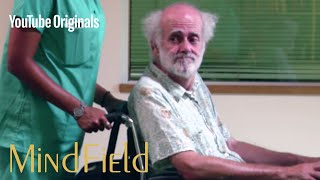

Stanford Prison Experiment Goes Dark
50sThe shocking details of the infamous Stanford Prison Experiment and its abrupt end hook viewers with dark psychology and moral dilemmas.
▶ Play Clip"Title accurately reflects the content: the video investigates how heroism works and whether it can be taught."
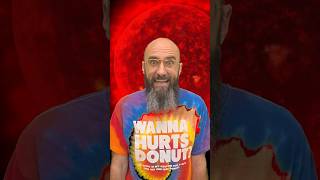
This video explores the psychology of heroism, examining why some people act heroically while others remain bystanders. Through reenactments of classic experiments like the Stanford Prison Experiment and a modern whistleblower test, it investigates whether heroic behavior can be taught.
Professor Philip Zimbardo's study where student volunteers role-played as guards and inmates spiraled out of control, ending after six days due to ethical concerns.
Christine Maslach's objection to the experiment's ethics prompted Zimbardo to end it, highlighting the power of a single voice against wrongdoing.
Daniel Ellsberg (Pentagon Papers) and Edward Snowden risked reputations and safety to expose wrongdoing, exemplifying heroic acts.
Dr. Piero Bocchiaro set up a realistic test where temporary employees were asked to recruit participants for a fake unethical isolation study.
Not one of the subjects blew the whistle on the unethical study, despite knowing it was not approved.
One participant, Sherry, eventually blew the whistle, saying, 'He can't get away with this.'
Georgetown University found that kidney donors have a larger amygdala, which processes emotions, suggesting a biological basis for heroism.
Zimbardo's nonprofit HIP teaches people to become everyday heroes by overcoming the bystander effect.
Six weeks after HIP training, participants were placed in a staged crisis where an actor denied water to an elderly person.
A HIP-trained student, Courtney, intervened by offering her own water, demonstrating the training's effectiveness.
Ruben, a non-HIP participant, also helped, citing his background and personal values as reasons.
The video concludes that heroic behavior can be learned through practice and small steps, though individual backgrounds matter.
Heroism can be cultivated through education and practice, as demonstrated by the HIP program's success in encouraging intervention. While some individuals are naturally predisposed to help, training can empower more people to act heroically.
What was the Stanford Prison Experiment?
A study where student volunteers role-played as guards and inmates, which spiraled out of control and was stopped after six days.
00:05
Who convinced Zimbardo to end the Stanford Prison Experiment?
Christine Maslach, his wife.
03:28
What did Daniel Ellsberg and Edward Snowden have in common?
They both risked their reputations and safety to expose wrongdoing (Pentagon Papers and classified government information).
04:16
In the whistleblower experiment, how many subjects blew the whistle?
Only one out of all subjects.
13:50
What brain structure was found to be larger in kidney donors?
The amygdala.
16:11
What does HIP stand for?
Heroic Imagination Project.
17:07
What is the bystander effect?
The more people present in an emergency, the less likelihood of receiving help.
17:47
What percentage of HIP graduates said they would be the first to respond in an emergency?
The video states that past HIP graduates reported being more likely to respond, but no exact percentage is given.
18:45
How did Courtney, a HIP student, help in the staged crisis?
She offered her own water to the elderly person being denied water.
23:18
What did Ruben cite as his reason for helping?
His background and personal values.
27:46
Wake-Up Call
Christine Maslach's objection ended the unethical experiment, showing the power of a single voice.
03:28No Whistleblowers
Despite knowing the study was unethical, no subjects blew the whistle, illustrating the power of authority and conformity.
13:50Brain Scans of Heroes
Kidney donors have a larger amygdala, suggesting a biological basis for heroic behavior.
16:11Bystander Effect
The more people present, the less likely help is given; HIP training aims to counteract this.
17:47Heroism Can Be Taught
The video concludes that heroic behavior can be learned through practice and small steps.
28:18[00:05] Professor Philip Zimbardo conducts in the history of psychology. this dark study of human behavior had student volunteers
[00:19] But the role-playing soon became all too real. Subjects in the role of prison guards [participants shouting]
[00:37] Those in the role of inmates felt humiliation and fear. but after spiraling out of control,
[00:50] was abruptly stopped after just six days. to stand up against what they thought was wrong. That person convinced Zimbardo to end the experiment.
[01:05] that he has since turned his energy and onto the study of heroism. you have to rescue someone from a burning building.
[01:19] A hero is just someone who acts selflessly, and without the expectation of reward. in the Stanford Prison Experiment
[01:34] But where do heroes like that come from? or can you be taught to be a hero? [theme music playing]
[02:06] and his wife, Christine Maslach, and how it brought them together as a couple. and we had to terminate it early
[02:20] because of some unexpected turbulence in the study. I was just really upset at what I was seeing, and-and people are watching,
[02:32] And it wasn't just Phil, it was everybody else. "Hey, you just got your PhD in Psychology. But it's upsetting in two ways:
[02:46] This is so mean. But also-- to just watch it and not intervene? No, but when you're in it, you're part of the evil.
[03:02] "Wow, this is really interesting." and she's just saying... [sharp whistle] I could not understand
[03:15] how we were not seeing things in the same way. about our relationship is... This is over."
[03:28] That was the wakeup call. "Hello. Wake up." my relationship with you," and that's-that's heroic. which involves a personal risk.
[03:41] and, parentheses, "Make the right decision. Did you make the decision to end the experiment that night? -Oh, sure. -Yeah.
[03:59] means putting yourself on the line to help others. and those who are celebrated as heroes by some In 1971, former military analyst Daniel Ellsberg
[04:16] The so-called Pentagon Papers was lying to both the media and Congress Ellsberg faced 115 years in prison for espionage,
[04:32] of evidence on the part of the government. and Edward Snowden released classified government information. and traitors by others.
[04:48] is that they all risked their reputations and safety to expose what they saw as wrongdoing. your friends, your reputation,
[05:01] Well, to find out, let's observe in their natural habitat.
[05:14] and Dr. Piero Bocchiaro, if they were put into an unethical situation at work. and blow the whistle.
[05:27] and another thing to actually do it. we set up a realistic whistleblower test Our subjects were temporary employees
[05:42] a simple psychological experiment. so, from the very moment our participants arrive,
[05:54] they will believe that our scientific experiment is real. and everyone they're about to meet is an actor. Psychology professor Ron Mossler
[06:08] while I play the role of a researcher, First up is Sherry... posing as another temp worker.
[06:22] I call it groundbreaking because it's... The study is a study on isolation -Sensory deprivation? -Correct.
[06:36] for ten days. nothing to read, nothing to write on. and there won't be anything in there
[06:49] we know that anxiety but no one's ever tried ten days. There's a lot of stress on the individual,
[07:05] When will you tell them about the risks? -After the experiment? -Yes.
[07:18] I-I understand. So, you'll just be manning phones, and for every person you're able to confirm today,
[07:31] At this point, Sherry looks skeptical. are going along with the assignment. However, the stakes are about to get higher.
[07:43] [telephone rings] Hi, Michael, this is Tryn. Well, unfortunately, I have some bad news.
[07:56] The ethics review board has reviewed your isolation study, and we have decided to reject it. um, and potentially
[08:09] we can't approve it. Correct. -All right, take care. Bye. -Bye-bye.
[08:23] [laughter] but we're going ten days. You call the numbers on this list and get them confirmed.
[08:36] about the negative side effects they could encounter, okay? the possible dangerous side effects of the study But more importantly,
[08:52] by the academic review board. lie, or blow the whistle? Hello.
[09:04] and I am calling from the Psych Dynamics Research Lab. in an upcoming experiment on isolation. in isolation for ten days.
[09:17] You get your own personal room, -She's really selling this. -Yeah. She was not fazed by the ethical problems.
[09:31] Nnn...no, it's like your own little mini vacation of being in a box without a bed for ten days? You'd be helping us discover that.
[09:47] They haven't done it yet in California. Oh, well, all right, I like making history. No.
[10:01] no fear dynamic, They're on a piece of paper right in front of him. he labels other dangers that won't be there.
[10:15] There'll be no one in the room with you. [chuckles] "Is it safe?" "Yes, it's not illegal!" At the moment, it is approved, yeah.
[10:27] Is this approved by the FDA? They are aware of the study, yes. Despite knowing the experiment has been deemed
[10:42] or outright lie. This is, like, you know, really crucial that they're trying to embark upon.
[10:58] This is not, you know, -So, the answer is no. -All right, thanks anyway. -[knock on door] -Come in!
[11:12] to see how the other subjects felt about the job. [sighs] I've gotten two yeses. Thanks. I just-- I feel weird
[11:26] in risking damaging people in any way, "nervous breakdowns, mental regression, anxiety." That's what it is.
[11:40] [actor] I'm gonna be honest with you-- I mean, how do you feel about it? then they get them here,
[11:53] I don't think he's gonna get anybody, personally. "Yeah, nobody's gonna sign up anyway." I guess,
[12:07] [speaking indistinctly] The participants seemed to have but they all continued to make calls anyway.
[12:21] ...it was time to give them -I'm Tryn Allen. -Nice to meet you. Kristin. Do you mind if I just ask you
[12:34] seeing people who are interested Are you telling them about any potential side effects? to some very severe depression and anxiety
[12:51] It can be linked to that, you know, why am I anxious, so, some folks like to face all that.
[13:05] What have you been telling them about the study? Does it seem like it's an ethical experiment? Um, I'm just wondering if there's any concerns you've had
[13:22] -Oh, no. No, no, no. -Yeah. Okay. Yes. Yes, he does. -He's covering for me. -Yeah.
[13:35] -No. -That's a pretty clear violation. [softly] Mmmm... It's totally up to you.
[13:50] Not one of these subjects blew the whistle, Have you had any concerns so far I mean, he's having us call on something
[14:04] but then he's saying that, no, approval to move forward on this, And how did you feel about being told to
[14:18] Well, what-what I thought about, upfront with revealing the side effects. If you're from the ethic board, then you need to know.
[14:34] Why not? What do I have to lose? Great. I appreciate that you care about that. Good for her. Good for her.
[14:49] It was time to blow the whistle There is no isolation study. You-- oh, Jesus, have mercy.
[15:03] What was going on in your head when you were and what I told you to do versus... that's when I said, "Oh, heck no."
[15:19] He can't get away with this." So, why did you not spill all the beans?
[15:32] and I'm here to work for you, Did you feel like you shouldn't be doing this? I've done sales before, so, I mean, like,
[15:45] We had Tryn come in to see if you would tell on me. -Why? -Hmm.
[15:58] than I guess maybe what my conscience fully tells me. but when we're in the actual situation,
[16:11] [sirens wail] Georgetown University scanned the brains of kidney donors,
[16:23] with little perceived personal benefit. who willingly give up a kidney for a stranger a part of the brain that deals with a range of emotions,
[16:37] The researchers also found that the amygdala responded more strongly than average But if you weren't blessed with a larger amygdala,
[16:51] Nearly half a century after the Stanford Prison Experiment, is to turn everyday people into heroes. I started a nonprofit foundation
[17:07] The acronym is HIP. and we've created a series of lessons of social psychology.
[17:19] into active heroes, to stand up, speak out, in their family and their life? That's the goal of the seminars
[17:33] Zimbardo's staff is conducting all around the world. and what we're going to do today how you can become an everyday hero.
[17:47] is this idea of the Bystander Effect, the less likelihood you have of actually receiving help.
[17:59] But if you see an emergency, to actually be the first. so many others will help.
[18:13] to demonstrate how to overcome the obstacles What research shows to offer help.
[18:29] are also two times more likely to offer help. like, to be a hero, you really had to be someone with a calling, you definitely can be normal and be a hero.
[18:45] the first person to respond In written surveys, past HIP graduates but they haven't been put to the test...
[18:58] We waited six weeks, and then recruited which seemingly had nothing to do We set our event at a local church,
[19:12] and hired actors to play all the other participants. who did not take the HIP class. and what makes a hero.
[19:29] our crew will be able to watch everything going on, through earpieces they have hidden inside their ears. actors who will be creating today's crisis.
[19:44] I will be observing from inside this room -Ready? -Let's go. who did not take the HIP class.
[19:57] that's gonna be on the market. So, it's just gonna be, like, another ten or 15 minutes. I will need to collect your phones.
[20:11] and to avoid the chance of one of them Okay, Lisa, Barry, you guys ready? It was time to create our crisis...
[20:23] Barry, enough with the cake. who could use some help from a hero on a hot day in July. I need you to shut up about the water.
[20:38] -Always, always-- -I need water. Can I just take some water? Now she's looking away.
[20:52] I need a little bit of water. Just shut up about the water. So she can look and not be seen to be looking.
[21:05] but none of our actors made a move to help, We gave her several more minutes, So, you've just participated in a psychological experiment.
[21:20] -[laughing] -And something has gone wrong. Were you watching Barry and Lisa? Did you feel like it was bad enough
[21:36] I kind of trusted that the people around me they would say something. as, you know, "Why isn't anyone else doing something?
[21:51] pretty much showing the power of that situation. It was time to test a HIP student. I would definitely be the first person to respond
[22:07] [man] What is your tattoo? -[man] Oh, wow. -[laughter] Lisa, please, a little bit of water.
[22:21] Why won't you give me water? Every time you drink water, you have to go to the restroom.
[22:38] He's being his regular rambunctious self. -Wow. Awkward. -That's hard to ignore.
[22:50] -Oh, she's getting up! -Yes! Yeah, for sure. I told you, whenever I'm on the phone,
[23:03] You have totally lost your water privileges for the rest of the day. Why are you not letting me have water? Would you like some of my water, sir?
[23:18] [Courtney] I will make sure I find a supervisor That's alright, thank you. My name's Elle.
[23:32] a few things from your lessons. You shouldn't be a bystander, you know? It affected me 'cause I made sure
[23:47] if I didn't learn from that project before. Good work. to relate to her HIP training.
[24:00] If a situation arose, Or at least I would find someone who could But would Elija live up to his prediction?
[24:12] I need water! How many times I have to tell you something like that? No, you weren't quiet, and because of that,
[24:27] you're not going to have any water, okay? He's our first person to recruit confederates.
[24:41] Utilizing the "be the first" -That's fine. -Thank you. Next, we tested a HIP student and a non-HIP student
[24:57] He's complaining about water, as usual. After taking this class, if I find myself in a situation to definitely step in and step up.
[25:13] Stop complaining right now. Really? Wow. I need some water.
[25:26] while the HIP student, Jessica, remained seated. And why didn't the HIP student get up to help?
[25:43] I'm Greek and Italian, so... No, not at all. Yes.
[25:55] I have really pretty bad anxiety. Clearly the hero training class We ran the test several more times
[26:09] HIP students who helped... HIP students who did nothing... I'm going to just ask him if he wants some water.
[26:22] -What's he doing here? -He's moving. All right. Our last subject of the day, Ruben, as difficult for him as possible.
[26:38] not to react to the elder abuse [Barry] I didn't have enough water. Just stop complaining.
[26:53] [Michael] He's got this piercing look. He's clearly paying attention, but there's just no emotion there. [Lisa] You're making a scene for no reason.
[27:06] I just want some water. I just want a little bit of water. of getting up in such a disaffected group of people,
[27:18] I can give him my water. That's fine. Personally, if you were taking care of my parent like that, there would be definitely some lawsuits 'cause that's not the way you treat somebody.
[27:32] Ruben chose to be a hero. Why? And I was like, I wish I would have stood up sooner. I wouldn't even think twice.
[27:46] ...and one thing they have found Makes sense. Maybe because of the background And I think it's a subconscious thing that we do.
[28:01] Thank you. could only help to a certain extent, So, can heroic behavior be taught,
[28:18] Ideally, an educational program like ours But practice makes perfect. The key to heroism is starting with very little steps,
[28:32] and be willing to make a bigger step. but we found that people of color If you're a minority person,
[28:46] so you can't say, Well, the police will help, so it's me or no one. Mmm.
[29:02] won't be the same for any two people, to be compassionate, all available options can be learned.
[29:16] by repetition. but if you want to... that's okay.
[29:31] And, as always... ...thanks for watching! [theme music playing]
⚡ Saved you 0h 30m reading this? Transcribe any YouTube video for free — no signup needed.