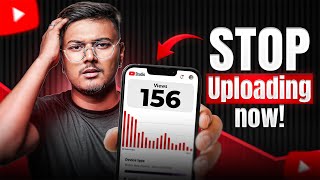

The Dangerous Thinking That Kills YouTube Channels
60sDirectly challenges a common belief (algorithm is against you) and offers a mindset shift that resonates with struggling creators.
▶ Play Clip"Delivers solid, actionable advice on reaching 500 views, though it includes some repetitive self-promotion."
This video addresses the common frustration of new YouTubers whose videos fail to reach 500 views. The creator argues that the YouTube algorithm is not biased against new channels, but rather that success depends on clear audience targeting, consistent niche, and strong titles and thumbnails. The video provides a step-by-step guide to improving these elements to achieve consistent growth.
Videos not reaching 500 views after 2-3 weeks indicate the audience hasn't found you or YouTube hasn't delivered the video. 500 views should be the baseline for every video.
Believing the algorithm is against you is dangerous; it leads to blaming YouTube instead of improving. The algorithm is a system that promotes videos based on data: clicks, watch time, and engagement, regardless of channel age or size.
The real problem is often that the audience hasn't found you because you haven't defined them. Create a detailed persona: age, gender, struggles, and what solutions they seek on YouTube. This helps YouTube understand who to show your videos to.
YouTube needs signals to deliver your videos. When you start a new channel, it tests your videos on random audiences. Consistent videos on the same topic help YouTube recognize a pattern and show your videos to the right audience, leading to compounding growth.
Switching topics confuses both YouTube and your audience. If you post weight loss then gaming, existing subscribers won't click, and new audiences won't engage. Consistency in niche is crucial for stable views and growth.
A video that stops getting views isn't dead. When you upload new videos, YouTube may recommend old videos to new viewers. If old videos are relevant and valuable, they can revive and bring more views, building a foundation for your channel.
The title and thumbnail together create a story that determines if people click. If CTR is low, the video dies. Aim for a high CTR by designing thumbnails that complement the title and testing different variations.
You have only 30 seconds to keep the viewer. Avoid boring intros like 'Hi guys, welcome back.' Check analytics: if more than 50% drop within 30 seconds, fix the intro. Hit the core point directly or tease a highlight from the middle.
Don't unnecessarily extend videos. Every second should provide information or emotion. If you repeat points, go deeper. Filler content breaks trust and reduces retention, signaling failure to YouTube.
When average view duration (AVD) exceeds 50%, YouTube's trust in your channel increases, leading to more recommendations. YouTube wants people to stay on the platform, so it promotes videos that keep viewers engaged.
To consistently get over 500 views, you must understand and work with YouTube's system: define your audience, stay niche consistent, create compelling titles and thumbnails, hook viewers early, and respect their time. By sending the right signals, you can achieve sustainable growth.
What is the baseline number of views every video should aim for according to the video?
500 views
00:17
What does the YouTube algorithm primarily look at to decide whether to promote a video?
Data: clicks, watch time, and engagement
01:41
Why is it important to define your target audience?
So YouTube can understand who to show your videos to, leading to better targeting and growth.
03:03
What happens if you switch topics frequently on your channel?
YouTube gets confused about your audience, and existing subscribers may not click, weakening signals.
06:05
What is the recommended average CTR for a video?
The video does not specify an exact number, but emphasizes that a high CTR is crucial.
09:29
What should you do if more than 50% of viewers drop within the first 30 seconds?
Fix the intro by hitting the core point directly or teasing a highlight from the middle.
11:03
What is the 'secret pattern recognition' of YouTube's algorithm?
YouTube shows your next video to the same audience that engaged with your previous videos if you stay consistent.
04:47
Algorithm is not against you
Challenges a common misconception and shifts responsibility to the creator.
00:47Define your audience
Provides a concrete method for audience targeting, a core principle for growth.
03:03Pattern recognition
Explains how YouTube's algorithm works in a way that empowers creators to work with it.
04:47Titles and thumbnails as a story
Emphasizes the importance of CTR and the combined power of title and thumbnail.
08:46AVD above 50% builds trust
Gives a specific metric to aim for, making the advice actionable.
13:31[00:02] videos are not reaching 500 views even after two-three weeks, then this video is just for you. Look, the number of 500 views is not a small thing. Not a small thing at all. Especially if you have just started a channel, but the matter is very simple. That
[00:17] number of 500 views should become a baseline for you that at least every video should get 500 views. And if this is not happening yet, it simply means that your audience has not found you or YouTube has
[00:32] not yet delivered your video to your audience. So in this video I am going to break down each and every thing in detail in an easy way. I am going to explain. Titles, thumbnails, retention, everything so that your views don't stop at just 20 or 50. Cross 500 straight away.
[00:47] Cross in every video, not just one. First of all, it in the mind of every new YouTuber that the YouTube algorithm is working against them. Look, this thinking is very dangerous, to be honest, because as long as you keep
[01:02] believing that YouTube is not pushing you, you will keep blaming YouTube and will never look at yourself. You will not improve yourself. The whole blame game will continue. And by the way, YouTube's algorithm is not a human being who is
[01:15] ignoring you. It's just a system that's created for one thing, to that's created for one thing, to pushes anyone. It doesn't matter whether it is new or old, the only condition is that the
[01:28] video should be good and the audience should engage with that video. Who are you to the YouTube algorithm? How popular are you? How many subscribers do you have? It does n't matter. The YouTube algorithm only looks at data. Are people clicking
[01:41] ? Are people watching? How long are you looking after clicking? And after watching one video, he is also watching other videos of that channel. Just on the basis of this data, YouTube decides whether your video should be shown to more people
[01:53] or not. So if till now you thought that the algorithm is against you then forget this thing first of all. Anyone can win this game of YouTube. YouTube only wants one thing from you. People should stay on its platform. And if
[02:08] your video is able to stop people then your turn will definitely come. And if it does n't come then I will bring it and in the upcoming videos I will teach you a lot about YouTube growth and how you can make better videos. So please subscribe to this channel
[02:21] so that you get the first update of upcoming videos. Now let's assume that YouTube's algorithm is fair. I consider everyone equal but still I am not getting views. So what is the real problem? The real problem is that your audience has
[02:35] n't found you yet. And it is possible that you too have not properly defined your audience. You're just uploading videos that you like. Without thinking about what the audience likes. Let me explain. So look, if you
[02:48] want to grow on YouTube, you will have to make videos for your audience and not just for yourself. Because this is YouTube, channels are not made from people's views at home. Here everything runs on data and correct targeting. So first of all define your audience.
[03:03] Think about who your audience could be ? Is it male or female? Which age group are you in ? 18 to 24, 25 to 34 are which age groups ? Is there any struggle going on in his life ? What solution have they come to YouTube to find? I have
[03:17] created my own audience in this way. He looks something like this. He is a boy who is a student in his 20s in college or school and he is fond of social media and he wants to grow on YouTube and also wants to earn money. His budget is small but his dreams
[03:31] are big. So I have properly defined it like this. I have done this But if you want, you can write it in a very short way. You can write a small paragraph and if not the rest then keep it in your mind. Create an image that
[03:44] my my perfect viewer would be something that I'm making this video for. Whatever video you make, make it with the thought in mind that unless you define it clearly, you will keep making videos for random people and YouTube will not understand to
[03:57] whom this video should be shown. But once you define your exact audience, And YouTube's algorithm finally seems to understand. Okay, I want to show this content,
[04:09] this video to these types of people. They like it and that's where your real growth starts. So if your videos haven't reached people yet, the problem may not be YouTube, but your targeting. Now
[04:21] suppose you have defined your audience. Will YouTube automatically deliver your video to them YouTube needs signals and it gets those signals from your videos. Watch when you start a new channel. YouTube does not have any pass data.
[04:35] So what does YouTube do? It takes a few videos from your channel and shows them on random people's home pages. He suggests them and then tests them. And if you make consistent videos on the same topic every time, then
[04:47] YouTube understands a pattern that it makes these types of videos and I have to show them here. And then when you upload your next video, YouTube shows it to the same audience that engaged with your previous video. The audience that had
[04:59] previously clicked and watched the video. This is the secret pattern recognition of YouTube's algorithm and if you are making videos on a different topic every time, then YouTube gets confused as to who this channel is for, so if you want
[05:13] YouTube to take your videos to the right audience and consistently, you will have to give it data. Signals will have to be given. Videos will have to be made again and again on the same news so that YouTube understands that this video has to be shown to this specific type of people.
[05:26] And then your video will also be recommended to similar people within that audience. And this is what real growth is and comes with a compounding effect. And without it, YouTube will just keep showing your videos to random people.
[05:38] And your views will always remain low. And by the way, how many average views do you get at the moment ? 50 views, 100 views, 200 views or more? Please let me know by commenting below. Let's see who is getting how many views at the moment. Now the biggest
[05:51] confusion is whether I have to stay in the same niche? Do I have to make videos in the same category? Because I want to try everything. So look here, technically you can make whatever you want. YouTube isn't stopping you.
[06:05] But if your goal is to really grow on YouTube, then you will have to understand one reality. Every time you switch topics, you switch topics, you
[06:17] travel vlog. The third video is your gaming. So YouTube gets confused as to which audience to target and the audience that you had built earlier also gets confused whether this channel is for me or not. I
[06:30] subscribed to this channel after watching weight loss videos and this guy is now playing games. Then Even existing subscribers do not click. New audiences do not engage. The signals to YouTube become weaker and then YouTube does
[06:44] not push your video further. That's why be niche consistent in your starting fuzz. YouTube understands who to show your videos to and the audience understands what this channel is about and if they subscribe, they will get this type
[06:59] of videos in future also and on the basis of this clarity, the views start becoming stable. Whether you are stuck at 500 or want to go up to 5000, the one whose message and niche are consistent will win this game. Right now, a big
[07:13] misunderstanding is that if a video gets 50 or 100 views and then stops, then that video is a failure, it is dead. But YouTube's system doesn't think so. We think so. Every video is an asset on YouTube. And when you
[07:26] create new videos, YouTube takes those new videos not only to new people but also to old viewers. What does this thing mean? With the good signal of a new video, your old videos will also start getting views. And if that old video
[07:39] is relevant and valuable then it comes alive once again. But if you have made old videos without following your niche, without clarity, without targeting, then they may get recommended but will not bring clicks and then the
[07:52] signal will start breaking again. That's why every video is available. Whether it's your first Each video creates a foundation for your video content. Because the video that you are uploading now will not only get views now but will also be
[08:06] recommended in the future. And then it will get the rest of the videos recommended even more. So finally, when YouTube looks at your video library, all the videos give the same type of strong signals. Only then can he confidently recommend the entire channel to new viewers.
[08:19] So next time you make a video, don't make it with the thought that this is just another try. Make this video keeping in mind that it can bring 10 times more audience in the future and convert millions of viewers into subscribers.
[08:33] And you can also become my viewer subscriber. 90% of the people watch my videos but do not subscribe and then keep searching for the channel. So that you do n't have to search for this channel again, subscribe now and become a part of 10% instead of 90%.
[08:46] So subscribe and be a little unique. Now suppose YouTube Now the next question comes whether that person will click or not? This is the game that is won or lost and it all depends on just two things. Titles and thumbnails. The
[09:03] title and thumbnail together create a story, and on YouTube, people click only after watching the story. If that combination or story is weak or confusing, they wo n't click. No matter how world class or good the video is, it will
[09:16] not get clicks and if people are not clicking then YouTube will say that this video is of no use and that video will stop there. If you say this, she will die. So the CTR (Click Through Rate) of the video is your first metric which is very
[09:29] important to crack. If the CTR is low then the video is dead. If the CTR is high then YouTube will make that video reach more people and you average your CTR should be this much. If it is less than this, then the story that your title and
[09:44] thumbnail are creating is not being liked by the people and is not getting clicks, so whenever you sit down to make a video, first think of the title and design the thumbnail accordingly. It's as if both of you are completing a sentence together. If the title is How to Get
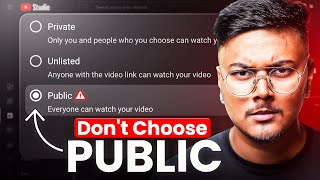
[09:57] More Views on YouTube then don't choose thumbnail public sentence completion and test it then test this thing with face test it without face put thumbnail text on left put it on right put bold fonts or add emojis the
[10:09] whole game is that your video will play only when it is clicked first and for it to get clicked marketer thinks, like an advertiser thinks because every video on YouTube is like a mini ad. Okay, let's say people saw your thumbnail,
[10:23] liked the title, and even clicked. Now you only have 30 seconds. In those 30 seconds, the viewer either stays with you or skips. And if it goes away, then YouTube gets a signal that the title thumbnail is good. But CTR
[10:37] is good overall everything. But if people are not watching then the video is weak. Now the problem here is that the intro of Maximum Urs is very boring. Some people start talking about unnecessary things. Someone's 20 second Hi Guys Welcome Back to My Channel keeps going on.
[10:51] Nowadays the patience of the viewers is not that much. That time of 2020 is gone. So first of all go to YouTube Analytics and check if more than 50% of the people are dropping within 30 seconds, then you will have to fix this first.
[11:03] Because if you are not able to hold the viewer in the intro itself then the entire video will be wasted. So what to do? Stop talking nonsense. Hit the core point directly or the main transformation. Whatever you
[11:16] give a clear promise again. Tell me again what the viewer is going to get? If he watches this video completely. Ok? And then when you are editing the video that the intro seems a bit weak to me, then edit it in such a way that if
[11:31] not because of the words, then at least the person stops after seeing what is visible on the screen and if this is not possible then shoot the intro again or pick up some highlights from the middle of the video, pick up some you can make a 510 second tease and put in the beginning of the video
[11:46] big youtubers already do this and vloggers mostly do it. This thing becomes a hook. Remember what your main goal is? Got the viewer's attention. I got retention. And if you get retention, YouTube will say show it to more people
[11:59] and then more people will watch it. And if you are watching this video till here then let me tell you that it takes a lot of time and energy to make such videos for you which also helps you a lot. So if you
[12:11] like the video then subscribe to the channel so that you keep getting such videos in future also. Now let's say your hook, your intro, everything was great. You are stopped so now the test starts. Are you respecting his time or are you just
[12:25] talking without any point? Look, the most common mistake is unnecessarily extending the video. You have turned a 4 minute video into 10 minutes of content. Just so that the duration of the video increases and maybe some benefit can be gained. It may benefit from increased watch time
[12:37] or it may bring more views. But to tell you the truth, the real audience understands all these things that their time is being wasted and as soon as their trust is broken, they immediately leave the video and then YouTube sees that the retention of the video is
[12:49] decreasing. People are skipping the video or closing it after some time. But what are you doing after that? Let's go and watch another video on the same topic. CTR is coming good but average deviation is also down. So now understand that
[13:03] after seeing all these things, your video has failed in the eyes of YouTube. Now what is its solution? Every second should either give information or emotion. Every scene should have one purpose: either explain or excite. If you are repeating a point then
[13:16] either take it to a deeper level and make more twists. Do n't be a filler, be a killer. And when your video is perfect like this then the audience watches the entire video and if the average viewing AVD goes above 50% then YouTube's
[13:31] trust level on you also goes up a lot. The longer the audience stays, the more Because at the end of the day, what YouTube wants is that people stay on its platform and I keep showing them ads, keep earning money and also share that money with my users
[13:47] listened carefully till here then it is a simple thing that 500 views on every video is not a distant dream. You just need to understand the system and play accordingly. And if you keep repeating the same mistakes over and over again – random videos, zero audience clarity, boring
[14:01] intros, weak thumbnails – then no strategy will work. YouTube only pushes [music] to users who consistently send it signals. But there's another signal that either boosts or slows down the reach of each of your videos.
[14:14] But this is a small setting that you find hidden in our YouTube Studio already made this video in full detail about this setting. Click on this video. In this I have told you about a setting which when turned on, YouTube will
[14:27] start recommending all your videos. Click and fix.

⚡ Saved you 0h 14m reading this? Transcribe any YouTube video for free — no signup needed.