
The Soviet Submarine Officer Who Saved the World
60sA single man's refusal prevented nuclear war, a dramatic and little-known story that resonates with audiences.
▶ Play Clip"The title promises a comprehensive history and the documentary delivers exactly that, covering all major events in detail."
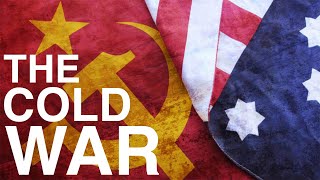
This documentary provides a comprehensive overview of the Cold War, from its ideological origins to its conclusion with the dissolution of the Soviet Union. It covers key events, crises, and figures, explaining how the world was shaped by this decades-long standoff.
The Cold War was an ideological battle between communism and capitalism, fought through proxy wars, propaganda, and espionage, not direct military conflict.
Karl Marx's theories on inequality and revolution laid the groundwork for communism, which was later implemented in Russia after the 1917 Bolshevik Revolution.
The US and USSR had vastly different wartime experiences, leading to contrasting security needs and laying the foundations for future conflict.
The Truman Doctrine established the policy of containment, aiming to prevent the spread of communism, marking the beginning of the Cold War.
The Marshall Plan provided $13 billion in aid to rebuild Europe, countering the appeal of communism and fostering economic integration.
The Berlin Blockade and subsequent Airlift demonstrated the resolve of the Western powers and solidified the division of Germany.
The Korean War proved that communism could be contained and established the precedent that nuclear weapons would not be used in proxy conflicts.
The Soviet Union tested its first atomic bomb in 1949, ending the US nuclear monopoly and escalating the arms race.
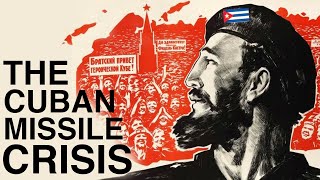
The Cuban Missile Crisis in 1962 was the closest the world came to nuclear war, resolved through negotiation and leading to the installation of a hotline.
The Vietnam War was a major failure for the US, leading to widespread protests and a credibility gap, and demonstrating the limits of containment.
The Sino-Soviet split and Mao's disastrous policies, including the Great Leap Forward, led to a famine that killed tens of millions.
Détente in the 1970s led to arms control agreements like SALT I and II, but was ultimately undermined by the Soviet invasion of Afghanistan.
Reagan's 'peace through strength' policy, including the Strategic Defense Initiative, pressured the Soviet Union economically and militarily.
Gorbachev's reforms of perestroika and glasnost, combined with economic stagnation, led to the dissolution of the Soviet Union in 1991.
Truman Doctrine
service
Marshall Plan
service
NATO
service
Warsaw Pact
service
CIA
service
KGB
service
NASA
service
Karl Marx
person
Vladimir Lenin
person
Joseph Stalin
person
Harry S. Truman
person
Dwight D. Eisenhower
person
John F. Kennedy
person
Nikita Khrushchev
person
Mikhail Gorbachev
person
Ronald Reagan
person
Mao Zedong
person
Richard Nixon
person
Leonid Brezhnev
person
The Cold War
book
What event is considered the closest the world came to nuclear war?
The Cuban Missile Crisis in 1962
01:45:42
What policy was based on the idea of containing Soviet expansionism?
The Truman Doctrine
12:09
What was the first major crisis of the Cold War in Europe?
The Berlin Blockade and Airlift
17:21
What event on August 29, 1949, ended the US nuclear monopoly?
The Soviet Union tested its first atomic bomb
24:45
What was the name of the doctrine that aimed to prevent nuclear war by ensuring both sides would be destroyed?
The policy of Mutually Assured Destruction (MAD)
46:10
What physical barrier was built in 1961 to stop East Germans from fleeing to the West?
The Berlin Wall
40:39
What crisis led to the installation of a hotline between the White House and the Kremlin?
The Cuban Missile Crisis
45:55
Which superpower launched Sputnik, the first artificial satellite?
The Soviet Union
29:57
What was the name of Reagan's proposed missile defense system?
The Strategic Defense Initiative (SDI), nicknamed 'Star Wars'
14:33
Who introduced the policies of perestroika and glasnost?
Mikhail Gorbachev
18:14
Truman Doctrine
Established the policy of containment that guided US foreign policy for decades.
12:09Soviet Atomic Bomb
Ended the US nuclear monopoly and escalated the arms race.
24:45Cuban Missile Crisis
The closest the world came to nuclear war, highlighting the dangers of brinkmanship.
45:42Mutually Assured Destruction
A doctrine that paradoxically aimed to prevent war by ensuring mutual annihilation.
46:10INF Treaty
First treaty to eliminate an entire class of nuclear weapons, a major step in de-escalation.
01:21:15[00:11] at the end of the second world war the cold war had begun the worldly divided between two great superpowers the united states and the soviet union it would not be a conventional war with the two sides never directly fighting
[00:26] instead it would be an ideological battle between communism and capitalism the east versus the west and the resulting struggle for ideological influence and power this struggle would be seen
[00:39] with small regional conflicts being turned into proxy wars where the two sides would back opposing groups to advance their own agendas both sides would stockpile nuclear weapons with questions over how to use
[00:52] control and eliminate them becoming central to the conflict propaganda espionage and psychological warfare would become the norm with a rivalry for technological superiority culminating in the space
[01:05] race from stalin to reagan from the cia to the kgb from the berlin wall to hiroshima and chernobyl this is the story of the cold war
[01:57] revolution had swept over the world introducing machine tools steam power and new manufacturing processes that would transform western nations into the most powerful on earth for those able to control these
[02:10] technological breakthroughs wealth and prosperity awaited but it workers who faced poor health terrible working conditions and poverty taking note of the growing divide
[02:23] between rich and poor was german-born philosopher karl marx inequality could only lead to revolution the long exploited by the rich would rise up to replace capitalism with communism
[02:38] would be commonly owned and the extremes of wealth and poverty would disappear his theories would become known as marxism [Music]
[02:55] communism would eventually appear in russia where decades of discontent and war would lead to the bolshevik revolution of 1917 led by vladimir lenin the bolsheviks
[03:08] would establish a one-party state or dictatorship of the proletariat with this dictatorship would safeguard the revolution with any means possible including propaganda military action and terror
[03:23] the economy was nationalized political opponents were outlawed and the communist party soon had absolute control over the country in 1922 the union of soviet socialist republics was created from the remnants
[03:37] of the russian empire and would be commonly known as the ussr or soviet union communism would find an ideological where capitalism was still the dominant system
[03:50] but capitalism was failing markets were hindered by price fixing and great empires were denying their subjects political freedom ever experienced the great war had just been fought
[04:04] amongst the world's leading capitalist powers american president woodrow wilson would see these flaws and attempt to fix them encouraging political self-determination economic liberalization
[04:17] and creating a collective security organization the league of nations that could deter aggressors and prevent the outbreak of another war but wilson's grand vision would soon fall to ruin
[04:29] with his own nation the united states refusing to join the league colonial empires continued undeterred the world economy fell into turmoil and the league of nations failed to stop the aggression of fascist regimes in
[04:43] italy germany and japan with the second world war breaking out with the second world war breaking out in 1939 goals lenin's successor joseph stalin had
[04:59] rivals and had successfully transformed the society into a modern industrial superpower the human cost of this was great with a massive expansion of the gulag
[05:13] labor camps the use of slave labor the murder of and a largely man-made famine that would kill over 10 million people outside world what was seen was a state that had
[05:28] the great depression industrialized quickly enough to push back against a nazi invasion and end the second world war with control over almost half of europe communist support was growing
[05:42] throughout the western world and to many a future built on democracy and capitalism was anything but certain
[06:01] the british and the americans during the second world war to fight against the axis powers but as the war progressed highly different wartime experiences would lay the foundations of future
[06:14] conflict the ussr would fight a largely defensive with a brutal nazi invasion wiping out entire villages infrastructure and industry were destroyed vast portions of agricultural
[06:27] land were ravaged and soviet casualties amounted to almost 27 million stalin would press his british and in europe but they would continually delay doing
[06:41] so leaving the red army to hold down up to 80 of germany's divisions until the invasion of normandy in 1944 for stalin it was evidence that the west cared little for soviet lives the united states would have a very
[06:56] different experience of the war only four hundred thousand americans soviet losses with the only major attack on u.s territory being the japanese assault on pearl harbor
[07:09] the us economy would thrive during the war with unemployment dropping to two percent and gdp nearly doubling but the attack on pearl harbor had caused a significant shift in the american psyche
[07:21] as a traditionally isolationist nation the attack had shown that they were no longer safe from hostile states armed with modern technology a greater international presence was therefore needed to protect america
[07:34] therefore needed to protect america and her interests as the war drew to a close both powers would seek to increase their own
[07:48] security against future attacks for the united states this meant organization the united nations to deter future aggressors the revival of the global economy was
[08:02] future with the world bank and international monetary fund being established president franklin d roosevelt would organizations but the soviet leader would only accept
[08:16] membership to the united nations seeing the other two as attempts to preserve and promote capitalism for the soviet union post-war security could only be gained by installing pro-soviet governments across eastern
[08:30] europe creating a buffer zone against the west it also required stripping germany of its military and autonomy as well as forcing it to pay massive reparations so they would be too weak to
[08:42] start another war but when roosevelt died on april 12 1945 president harry s truman who was far less willing to give in to soviet demands stalin's actions in europe had shown him
[08:58] to be a tyrant particularly his occupation of poland he had encouraged the polish home army a potential rival to rise up in warsaw against the nazis only to sit by
[09:10] and watch them be slaughtered only then did he allow the red army to attack ensuring there was little political opposition left
[09:24] of occupation with the capital berlin being divided in each occupier would be entitled to reparations from their own zone giving stalin the funds he needed while protecting the valuable
[09:39] industrial areas of western germany but in resorting to such a blatant division of the country instead of agreeing on one unified approach the allies had ensured the future division of europe itself as
[09:53] would state an iron curtain has descended across the [Music] continent continent [Music]
[10:11] received word that american scientists working on the manhattan project had been able to carry out the first successful test of a nuclear bomb truman revealed the news to stalin attempting to intimidate him
[10:24] into giving further concessions but the soviet dictator was undeterred unknown to truman stalin had known about the manhattan project since the early 1940s thanks to an extensive spy network within the united
[10:38] states still the bomb presented truman with a he could now bring the war with japan to a quick end denying stalin the opportunity to expand his influence in the east
[10:51] the decision was made to bomb the japanese cities of hiroshima and with the japanese surrendering shortly afterwards while stalin made some gains in east asia he was denied any role in the
[11:04] occupation of japan unlike germany this meant japan's future would be exclusively shaped by the united states communism had been stopped in asia
[11:26] after the war ended attempt at cooperation would quickly stop stalin had tried to secure his southern border by delaying the removal of soviet and pressuring turkey into giving him control over the turkish straits
[11:40] but with the war over truman had no reason to give in to soviet demands the united nations were called in to deal with the crisis and truman sent the american sixth fleet to the eastern mediterranean as a warning
[11:54] stalin backed down but truman was now keen to take pre-emptive action against future soviet expansionism he would announce the truman doctrine turkey it was based on the policy of
[12:09] containment the idea that if soviet expansionism could be contained for long then the inherent flaws of the soviet system would cause it to fall apart system would cause it to fall apart the cold war had begun
[12:30] communist ideology had gained millions of supporters in the western world in britain communists had won two seats in the 1945 general election and the italian communist party reached 2.3 million members
[12:44] 2.3 million members in 1947. even the american communist party saw success boasting 32 000 members in 1950 communism was seen as posing a very credible threat to the western world
[12:58] could win control through popular support alone paranoia began to spread in the united states especially after several high-profile soviet spies were uncovered in the west wisconsin senator joseph mccarthy would
[13:14] 1950s claiming that there were spies and traitors within the us government itself in the trials that followed hundreds weak evidence with the accused often losing their jobs
[13:29] with the accused often losing their jobs and blacklisted from future employment along with mccarthy many would use anti-communist crusades to launch their political careers including future president richard nixon
[13:42] phenomenon with american institutions including hollywood blacklisting suspected communists it was here that another future president ronald reagan would take a leading role
[13:56] providing names of potential communists as an fbi as an fbi informant
[14:10] to help stop the spread of communism the cia was set up in september 1947 deniability this meant operations could be carried out in a way in which top officials could deny all involvement
[14:23] allowing the us to carry out actions abroad that would be deemed unacceptable at home one of the cia's first missions was to prevent the election of the highly popular italian communist party
[14:36] in 1948 they would secretly fund the christian democrats and other non-communist parties while also organizing a massive anti-communist propaganda campaign involving 10 million letters books and
[14:49] radio broadcasts the communists were wiped out at the influence italian politics for the next 24 years italian politics for the next 24 years [Music]
[15:06] to address the growth of communism in europe the marshall plan was introduced in 1948 sending financial aid to help post-war it was thought that by improving the economic situation in europe
[15:20] communism the plan provided almost 13 billion dollars of financial aid the equivalent of 130 billion dollars encouraging economic integration and the promotion
[15:34] promotion of free markets stalin fearful that the eastern europe forbid his satellite states from taking part american policymakers quickly realized
[15:47] that the revival of germany was key to sustaining economic growth in but this directly contrasted with soviet goals as they had made it clear that germany was to be kept weak and divided so that it could never pose another
[16:00] threat knowing that the soviets would never allow german rehabilitation in early 1948 the us uk and france began making plans for an independent west german state
[16:23] control in eastern europe an area soon to be known as the eastern bloc he would set up the communist information bureau or common form in september 1947 this organization
[16:39] satellite states as well as the ability to enforce compliance and uniformity within the international communist movement in february 1948 stalin would also
[16:52] czechoslovakia eliminating the last non-communist government in eastern europe it was the first of many times the soviet union would resort to force in order to maintain control over
[17:06] the eastern bloc retaliating against western plans to create an independent west german state stalin would begin the berlin blockade on june 24 1948 stopping all ground access to the
[17:21] in an attempt to drive out to the americans british and french but truman quickly responded beginning the berlin airlift delivering supplies to the city for 15 months and forcing stalin to end the
[17:34] blockade with tensions high the us and its allies state soviets responding
[17:46] german democratic republic in the east to create a united front against soviet expansionism nato the north atlantic treaty organization was created in 1949 bringing together
[18:01] canada and most of western europe in a defensive pact against the soviet union
[18:14] defensive pact against the soviet union [Music] the second world war had fundamentally changed the power dynamics in asia the european colonial powers economically exhausted and militarily
[18:27] by the japanese had lost all prestige and credibility in the region movements japan itself underwent drastic changes occupation under the supervision of general douglas
[18:43] a new japanese constitution was made that formally renounced forces and lay the foundations of parliamentary democracy the economy was put under a programme of
[18:57] in the hopes that it would reduce the appeal of communism granted equal rights and labor laws were enacted all stimulating economic growth in the region
[19:11] but the situation would change drastically when chinese communist revolutionary mao zedong took power in 1949 china mao would soon sign a defensive pact
[19:25] with stalin the sino-soviet treaty the communist to both superpowers and would quickly bring the cold war to southeast asia with various post-colonial independence
[19:39] movements soon to feel the consequences initially truman had worked to support these movements self-determination truman had granted independence to the
[19:52] united states own colonial possession the philippines in 1946 truman would encourage his european allies to do the same with britain granting independence to india pakistan
[20:05] burma and salon modern-day sri lanka in the late 1940s although reluctant the dutch would also bow to american pressure granting independence to indonesia in 1949
[20:19] but the french colony of indochina would be a problem for the united states the french refused to surrender the colony and the leader of the vietnamese one of the principal regions of indochina was a communist veteran
[20:33] named ho chi minh after attempts at neutrality truman would pledge military aid to the french puppet regime in vietnam hoping that this would allow france to spend more on their domestic post-war
[20:47] faced with the daunting prospect of american military intervention ho chi minh traveled to beijing and moscow and received recognition from both communist powers mao had been especially keen to help
[21:00] sending weapons and providing advice so that he could be seen taking a struggle [Music]
[21:18] been divided along the 38th parallel since the end of the second world war with the soviets occupying the north and the americans occupying the south toward an independent unified career any attempt at
[21:33] cooperation had been stopped once the cold war had begun to escalate power kim il sung to the north and singman re both of whom were desperate for korean reunification
[21:49] but korea was simply too strategically unimportant for either side to devote significant attention on resources with the u.s withdrawing their forces in the late 1940s to reinforce their position in japan and
[22:02] the philippines but things would suddenly change in january 1950 when stalin encouraged by the victory of the chinese communists gave his approval for kim il-sung to
[22:14] the attack was taken as a major challenge to u.s authority it completely disregarded the 38th parallel a boundary established by the united nations and it was correctly suspected
[22:27] that the soviets were behind the attack and while the term domino theory would not be popularized for another few years american politicians were already worried that asia would experience a string of communist revolutions if they
[22:40] failed to halt the spread of communism in korea after initial defeats for the south koreans a united nations task force led by american general douglas macarthur managed to push the north koreans all
[22:54] the way back to the chinese border but this would draw a response from mao who sent 300 000 chinese troops to assist the north driving macarthur's forces back and leading to a stalemate that would last
[23:07] for the rest of the war the conflict would drag on for three years with the armistice of july 1953 leaving it so that there was no clear victory for either side the border between the two koreas had
[23:21] hardly shifted at all with the loss of life totaling over two million but importantly the korean war would prove that communism could be contained the thinking behind future conflicts
[23:34] especially vietnam it also established an important precedent that no matter how bad proxy conflicts became the use of nuclear weapons would never be justified
[23:47] despite pressure from the army truman refused to consider their use and when it became apparent that general mcarthur had different ideas truman fired him this precedent would become especially important as the size
[24:01] grow [Music]
[24:17] sides possessed the destructive power to wipe out humanity with a nuclear monopoly and harry truman remains to this day the only man to have ever ordered a nuclear attack
[24:32] despite this truman was keen to regulate the use of nuclear weapons and in 1946 he would propose that all such weapons should be turned over to the united nations
[24:45] but this plan soon fell through and on august 29 1949 the soviet union managed to test its own atomic bomb using research stolen from the west truman responded by accelerating the
[24:59] production of atomic weapons as letting the soviet nuclear program catch up would be a massive psychological blow on january 31st 1950 he announced the development of a super bomb
[25:13] hydrogen bomb it would theoretically be a thousand times more powerful than those dropped on hiroshima and but it would soon become obvious that
[25:26] such weapons this was made clear on march 1 1954 device ever tested codenamed castle bravo was detonated in
[25:39] the pacific the yield of the blast was 15 megatons triple what was predicted with radioactive fallout spreading for hundreds of miles contaminating 23 members of a japanese
[25:52] the blast set off radiation detectors raising serious questions over the ecological impact of a nuclear war all over the world the new american president war hero
[26:07] dwight d eisenhower was keen to make good use of the american nuclear arsenal unlike truman he had looked for ways to use nuclear weapons during the final months of the korean war
[26:20] and when mao began attacking the islands of kamoy and matsu in 1954 eisenhower used nuclear threats to end the conflict in 1955 he would state in any combat when these things can be used on
[26:34] strictly military targets for strictly military purposes be used just exactly as you would use a bullet or anything throughout his presidency eisenhower would insist on preparing only for
[26:48] all-out nuclear war as for him this was the best way to occur limited wars could escalate but no rational person would ever initiate total destruction
[27:01] but it was a disturbing view to many including his successor john f kennedy who was shocked to discover that the only war plan eisenhower had left him consisted of the simultaneous use of over 3
[27:15] 000 nuclear weapons against all communist countries
[27:30] nikita khrushchev the new soviet leader who had gained the new soviet leader who had gained power after stalin's death in 1953 he soon created the warsaw pact to counter the growing power of nato
[27:42] an alliance between the ussr and its eastern european satellites organized thugs were brought under the control of a new and professional intelligence agency the kgb whose role it was to manage
[27:57] internal security as well as conduct espionage abroad but it soon appeared as if khrushchev would be a more progressive leader than his predecessor in february 1956 he made a revolutionary
[28:10] speech at the 20th party congress in which he revealed and denounced stalin's crimes he would implement a policy of destalinization in which he vowed to decentralize power
[28:22] and reduce the use of terror statues of stalin were torn down across giving hope to reformers in eastern europe who believed that their voices would finally be heard nationalist riots would break out in
[28:36] gamulka a victim of stalin's purges to return to and would grant the polish government greater autonomy inspired by this success riots soon broke out in hungary
[28:50] with their prime minister announcing hungary's plans to leave the warsaw pact the united nations for help but this was too much for khrushchev who would prove he was not as
[29:02] as he appeared sending the red army to crush the rebels wounded or killed with the prime minister and other rebel leaders arrested and then executed khrushchev would soon prove to be a
[29:17] provocative and unpredictable leader he would claim that the ussr were turning out missiles like sausages and he was known for his emotional a table
[29:30] during the 1960 united nations general assembly his reign would see continued advancement of the soviet nuclear despite being far behind the united states in military technology
[29:42] the ussr would manage to launch the world's first intercontinental ballistic missile or icbm on august 21 1957 later that year on october 4th they would use a modified icbm to launch
[29:57] sputnik the world's first artificial satellite it was a massive psychological victory and would cause a panic in the united states leading to the creation of nasa the following year and kick-starting a
[30:10] decade-long space race to land a man on the moon feeling khrushchev would attempt to resolve the problem of berlin soviet territory was a significant issue as the highest
[30:25] standards of living it was showcasing was causing discontent in the east in khrushchev would issue an ultimatum to demanding that they withdraw their forces from west berlin
[30:38] allowing the german capital to become a demilitarized free city if they failed to do so within six months he would allow the east german government to control access to the city potentially forcing
[30:51] the americans out completely khrushchev was certain that would not risk nuclear war over the city and neither did many of america's nato with british prime minister harold macmillan warning that the british were
[31:05] not prepared to face obliteration for the sake of two million berlin germans but the city had great symbolic importance and eisenhower was prepared to fight for it
[31:17] be attacked khrushchev saw no option but to let his but in the negotiations that followed he managed to win a personal victory
[31:29] an invitation to visit the united states in september 1959 the trip was a bizarre spectacle with khrushchev flying in on his massive new aircraft the tu-114 in an attempt to impress and
[31:44] intimidate the americans he would visit hollywood marilyn monroe discuss politics with eisenhower argue with hecklers on the street and sulk when his trip to disneyland was
[31:58] cancelled while no substantial agreements came out of the visit it did give hope of a future of cooperation last on may 1st 1960 russian air defenses
[32:14] shot down an american u2 spy plane flying over soviet territory the u.s tried to cover up the incident claiming that the plane had been on a nasa weather research mission but the lie would be embarrassingly
[32:27] exposed when khrushchev revealed that he had captured the pilot alive along with surveillance equipment and photographs of soviet military bases involvement leading khrushchev to dramatically
[32:42] year where the two leaders had been scheduled to discuss berlin when eisenhower left office the following year soviet american relations had reached an
[32:54] soviet american relations had reached an all-time low
[33:06] starting in the 1950s western observers would begin to categorize the world into three groups the united states and its allies would comprise the first world with the soviet union china and their
[33:19] allies making up the second world the third world would refer to non-aligned countries although it quickly became a catch-all term for any country that was poor undeveloped or a former colony with the
[33:33] cold war reaching a stalemate in europe both powers would look to the third power often with disastrous results for those caught in the crossfire for america it was important to keep
[33:48] their resources especially in the middle east where oil was needed to fuel economic and military needs to deny america these resources khrushchev began campaigns of diplomacy
[34:01] developing world and to make matters worse for the united he would be helped by a deep-seated hatred of the west in many countries which had been subject to centuries of western colonialism
[34:16] the cia would play a significant role in aligning these countries with american interests the organization had grown rapidly after its establishment from 1949 to 1952 cia personnel had
[34:30] increased tenfold their overseas bases from 7 to 47 and their annual budget from 4.7 million to 82 million dollars they would often be used to depose or kill left-leaning leaders
[34:44] who threatened american interests or looked like they could fall under soviet influence in 1953 the cia would orchestrate a coup had nationalized the british-owned anglo-iranian oil company
[35:00] a pro-western autocrat shah mohamed reza pallavi would be installed in his place with the prime minister imprisoned for three years and then put under house arrest until his death being buried in his living room to avoid
[35:13] but this would come back to haunt the united states as their continued support would enforce anti-western sentiment in the region the shah would be overthrown in 1979 and replaced with a radical islamic
[35:28] anti-western government with 52 american hostages being taken during the chaos a similar story would play out in guatemala where president jacob arbenz had attempted to nationalize the
[35:41] u.s owned united fruit company the cia would initiate a coup in 1954 toppling our benz from power and installing a highly unpopular military dictatorship in his place the cia were so paranoid that they would
[35:57] sometimes target leaders who pose no threat to american interests in the republic of congo a former belgian colony prime minister patrice lumumba would be targeted for assassination in 1960
[36:10] suppressing a mutiny while the assassination would fail murder a mumba in 1961 installing a pro-western military dictator in his place despite the obvious
[36:26] contradiction with american ideals of democracy and self-determination the cia would continue to support pro-western dictators around the world for u.s officials the containment of communism was important enough to
[36:39] these ideals with the cia continuing to operate with an almost complete lack of congressional oversight until the 1970s
[36:54] [Music] but despite the overwhelming power of the two cold war giants some third world leaders found ways to profit by playing the first and second worlds against each other
[37:07] egypt's president gamal abdel nasser was able to do this in the mid-1950s convincing the americans to fund the construction of the aswan high dam while also buying weapons from pro-soviet czechoslovakia but the
[37:22] czechoslovakian arms deal would trigger american anxieties as did nasser's recognition of the people's republic of china with the u.s deciding to cease funding the dam entirely
[37:34] but nasser was quickly able to secure funding from the soviet union with him retaliating against the west by nationalizing the suez canal an internationally owned waterway that allowed travel from the mediterranean to
[37:48] fearful that they would lose access to the middle east britain and france invasion of egypt but much to their surprise eisenhower would condemn the attack and threaten economic sanctions as he
[38:03] had not been consulted and the attack risked offending the entire arab world khrushchev also condemned the invasion threatening the invaders with rocket weapons under pressure from both sides britain
[38:17] embarrassing retreat bringing an end to their roles as major [Music] in the end the only winner was nasser he managed to keep the canal protect his country from the colonial powers
[38:32] nationalism all while having both superpowers fight for his approval the suez crisis would spur america to with the eisenhower doctrine being established the following year
[38:47] it would formalize what had already been happening for years promising military and economic aid to anti-communist regimes in the middle it legitimized the dispatch of u.s troops to lebanon in 1958
[39:01] with both powers continuing to interfere around the world
[39:19] would come to power wanting to take advantage of kennedy's khrushchev would meet him in vienna that same year and yet another same year and yet another attempt to gain control of berlin he
[39:31] reissued his 1958 ultimatum giving the president six months to vacate the city but just like his predecessor kennedy credibility be challenged he refused the demands asking congress
[39:46] to increase the defense budget by 3.2 billion dollars and for a further 207 million dollars to create fallout shelters in preparation for a nuclear attack but the meeting with khrushchev would be
[39:58] tough for the new president with him later recalling that it was the worst thing in my life he savaged me but khrushchev's provado was masking his own insecurities there had been a staggering
[40:12] number of defections from east germany since 1949 around 2.7 million most of which had escaped through west berlin securing the city was therefore vital to the survival of the german democratic
[40:26] with defections usually of the highly trained and educated growing by the day with the americans unwilling to budge khrushchev saw no option but to authorize the construction of the berlin
[40:39] wall on august 12 1961 creating a physical barrier between east and west berlin starting as a barbed wire fence it soon wall 12 feet high and nearly 100 miles long
[40:56] minefields it was an embarrassment for communists everywhere as kennedy would state in 1963 as kennedy would state in 1963 freedom has many difficulties
[41:10] freedom has many difficulties and democracy is not perfect but we have never had to put a wall up to keep our people in to keep our people in to prevent them from leaving us
[41:29] his own cuba had been taken over by communist revolutionaries in 1959 began to free cuba of its economic and political reliance on the us nationalizing american-owned banks oil
[41:45] refineries as well as coffee and sugar plantations but they would eventually turn to the soviet union for help khrushchev was quick to offer his assistance much to the distress of the
[41:57] then president eisenhower who placed a trade embargo on cuba set up cia plots to kill castro and began training a group of cuban exiles to use as an invasion force the cia-trained exiles would be used by
[42:12] kennedy in the bay of pigs invasion which aimed at toppling castro from power but it would turn out to be a disaster just three days it was an embarrassment for kennedy and
[42:26] protect castro with him sending nuclear missiles to the island in 1962 khrushchev thought the americans would have little ground to oppose him as they had sent jupiter missiles to
[42:39] italy and turkey in the late 1950s all of which were aimed at the soviet union they would learn khrushchev stated just missiles pointing at you we'd be doing nothing more than giving
[42:53] them a little taste of their own medicine but to kennedy unacceptable provocation it at least doubled the number of soviet missiles able to hit the united states and were estimated to be able to cause
[43:08] 80 million u.s casualties when american reconnaissance aircraft spotted the missiles in october 1962 kennedy was quick to respond setting up a special security council x-com to deal with the crisis there were
[43:23] calls for an immediate invasion of cuba but kennedy was reluctant to do so it was later discovered that khrushchev had covertly stationed 42 000 soviet troops equipped with short-range nuclear weapons to use in the event of a u.s
[43:39] invasion if kennedy had invaded a full-scale nuclear war would have almost certainly followed the president instead authorized a naval blockade of cuba to prevent any further soviet shipments
[43:53] from arriving two days later on october 24th soviet turn back the first sign that kennedy's plan had paid off but the crisis would continue as the
[44:07] missile sites neared completion 140 000 u.s invasion troops were stationed in florida and for the first time in history the us alert system was raised to defcon 2 preparation for nuclear war u.s bombers
[44:22] were put on continuous high alert and almost 150 intercontinental ballistic missiles were prepped to fire 23 nuclear armed b-52 bombers were deployed from where they could strike the soviet
[44:35] with the threat of utter destruction hanging over the ussr kennedy began to gain the upper hand in negotiations with the help of his brother robert f kennedy the president was able to come
[44:49] up with an offer for khrushchev if the soviet missiles were removed the us would pledge not to invade cuba with the jupiter missiles in italy and turkey being voluntarily removed afterwards
[45:02] but later that same day a confrontation in the atlantic almost kick-started nuclear war u.s ships had used signaling depth charges to alert a soviet submarine that had it strayed too close to the blockade
[45:16] thinking they were under attack the submarine's captain ordered nuclear torpedoes to be launched but the decision required the approval of all three onboard officers one of the
[45:28] vasily arkipov refused to go through with the launch single-handedly preventing the outbreak of nuclear war the very next day on october 28th khrushchev accepted kennedy's terms
[45:42] bringing an end to the crisis it was the closest the world has ever come to and it significantly impacted the outlook of both powers with a hotline being installed between the white house and the kremlin
[45:55] to provide better communication if another crisis occurred having come so close to nuclear war secretary of defense robert mcnamara eisenhower had planning only for total war was the
[46:10] safest way to ensure that no war broke out at all mcnamara would destruction or mad each side would ignore the targeting of military facilities instead planning to cause the maximum
[46:25] number of casualties possible by targeting enemy cities directly missile defenses so that each were equally as vulnerable
[46:37] to this and in 1972 both powers would sign the anti-ballistic missile treaty banning defenses against long-range missiles although the united states had pledged
[46:51] not to invade cuba the cia would continue to try and topple fidel castro launching over 600 assassination with the last taking place in the year 2000
[47:03] the plots would become more ridiculous as time went on using exploding cigars a tuberculosis infected scuba diving suit and numerous attempts at poisoning one plot even attempted to destroy castro's
[47:18] public image by using thallium to destroy his beard assassination attempts were an olympic event castro once said event castro once said i would win the gold medal
[47:38] the next major crisis would occur in vietnam south in their struggle against the communist north for almost a decade the country had been divided along the 17th parallel
[47:52] after the french had surrendered in 1954 with the u.s sending increasing amounts of aid to the southern regime of president aseam but ziem would quickly become an embarrassment for the united states he
[48:05] dictator with a north vietnamese-backed insurgency soon emerging the cia would arrange the removal of zm in 1963 an operation that ended with his
[48:19] assassination kennedy himself would be assassinated three weeks later leaving his vice president lyndon b johnson to deal with the rapidly declining situation in vietnam
[48:31] domino theory was now an accepted fact for american politicians with johnson choosing to rapidly increase u.s military involvement but still the americans failed to crush the insurgency
[48:44] as the war began to drag on its critics grew in number both in the u.s and abroad the tet offensive of 1968 was a particularly low point during which over a hundred south vietnamese
[48:57] towns and cities were attacked as well as the u.s embassy in saigon showing that the north vietnamese were much stronger than the american public had been led to believe the vietnam war was the first television
[49:10] front lines was brought into the american living room the public had been told up to the tet offensive the war was nearly over the north vietnamese were so ground
[49:22] down that victory was in sight so when the offensive was launched had been told and it broke their trust in the government the term credibility gap soon developed
[49:35] going on and what the government told the public in 1968 protests would break out across the western world the largest would be seen in america where a politicized youth demonstrated
[49:48] against a war they thought unjust and unwinnable for johnson who decided not to seek re-election but the political situation would continue to decline
[50:02] assassinated and protesters again took to the streets the nation hadn't been this divided since the civil war to make matters worse as robert kennedy ran for president and campaigned to
[50:16] bring the war to an end he too just like his brother was assassinated the nation was torn apart johnson's successor richard nixon came into power facing an
[50:28] and his government's authority was being challenged at every turn desperate to make advances in vietnam nixon would announce the invasion of nixon would announce the invasion of neighbouring cambodia on april 30th 1970
[50:41] but this would spark a new wave of protests and on may 4th guardsmen shot and killed four students at kent state university nixon would eventually decide to
[50:55] withdraw u.s forces with the last leaving the country in 1973 but the conflict soon resumed and within just two years the communist north had taken over the
[51:07] south by the end of the war more than 58 000 americans had died as well as 250 000 south vietnamese soldiers over one million north vietnamese
[51:19] perished as well as over 2 million civilians from both the north and the south while containment had worked in korea it had proven ineffective in vietnam neighbouring laos and
[51:34] communists with thousands dying in the conflict pol the communist leader of cambodia would carry out numerous atrocities over the next four years a period known as the cambodian genocide
[51:50] pot would force hundreds of thousands into prisons and labor camps where they would be tortured experimented on and executed up to two million people are thought to have died in the genocide
[52:02] almost a quarter of cambodia's population
[52:15] khrushchev's policy of destalinization had severely strained relations with mao had been appalled by khrushchev's revisionism the chinese dictator was modeled in his
[52:29] own rule after stalin's carrying out industrialization and collectivization drives purging political opponents and creating a cult of personality centered around himself mao would
[52:43] continue on his stalin path launching the hundred flowers campaign in 1957 to purge intellectuals let a hundred flowers bloom he said let a hundred schools of thought contend
[52:57] but in reality anyone who dared to speak their mind was mao's attempts to rush the process of industrialization and collectivization would produce disastrous results he had
[53:10] techniques and relied heavily on the ideas of the expert trophy lysenko he would announce the four pests campaign in 1958 which encouraged
[53:24] other wild birds while the campaign saw it led to the rapid growth of fermin who ate through much of the crop mao also launched the backyard furnace
[53:38] which encouraged citizens to melt down their possessions to create as much steel as possible the campaign was extremely popular campaign was extremely popular and by october 1958 nearly a quarter of
[53:51] to take part but the steel produced was often of an unusable quality and it put unsustainable strain on food production with many fields being left untended
[54:04] these policies combined with a period of drought and flooding history with deaths estimated between 30 and 50 million people lasting between 1958 and 1962
[54:21] mao only made the situation worse by continuing to requisition grain from the starving peasants during this period he would deliberately make the situation whose cultural identity he had been trying to destroy since 1950
[54:37] leading to the death of a quarter of the tibetan population the famine was kept hidden from the outside world only acknowledged by the chinese government in 1980 but relations with the soviet
[54:50] union had continued to deteriorate and would reach a low point in march 1969 when a massive border conflict broke out amongst the two lasting seven months it looked possible
[55:02] that the two communist superpowers might actually go to war with each other seeing an opportunity to gain leverage over the soviet union over the soviet union nixon would visit china in february 1972
[55:15] cooperation the united states and china would slowly stabilize relations with the soviet union as predicted with the soviet union as predicted becoming deeply unsettled
[55:39] through several internal difficulties khrushchev had been deposed and replaced by leonard brezhnev who immediately began reversing the more radical aspects of destalinization power was recentralized and khrushchev's
[55:53] limits on tenure of office were dropped the bureaucracy grew substantially as did corruption and nepotism party members were kept in their posts indefinitely with many dying of old age while in
[56:07] brezhnev's 18 year old rule became known as the era of stagnation with the economy suffering under a complete lack of innovation in eastern europe the soviet command economies were failing to fulfill some
[56:21] of the basic needs of its citizens living standards were deteriorating with system were spied on by the kgb with house frequent when attempts at reform did come they
[56:37] military in czechoslovakia a brief period in 1968 known as the prague spring saw a series of liberal reforms take place under the leadership of alexander dubachek but brezhnev was fearful of
[56:53] change and would respond by sending 250 000 reforms he would announce the brezhnev doctrine socialist country believed to be falling to capitalism
[57:08] gone poorly with it taking the red army eight months to break the czech resistance the invasion had also received international condemnation even from communist countries including
[57:21] yugoslavia romania and china discontent was so demonstration in front of lenin's tomb the cold war society europe had experienced an unprecedented
[57:37] time of peace and prosperity thanks to the marshall plan the revitalization of west germany and continued economic integration the european coal and steel community had been formed in 1951
[57:51] bringing together france italy belgium the netherlands luxembourg and west germany in an economic alliance economic boom which saw higher wages better education
[58:05] improved health care and low levels of unemployment with the alliance becoming the foundation of the european union the difference in living standards between the east and the west became increasingly obvious
[58:18] and unlike the start of the cold war support for western europe's communist was almost non-existent many began a threat that needed containing and began considering the morality of
[58:31] proxy conflicts leading to the anti-war protests of 1968 facing these protests a severely overstretched defence budget and the seemingly unwinnable vietnam war president nixon would look for a more
[58:45] stable soviet american relationship in 1969 he would begin talks with brezhnev about a strategic arms limitation treaty idea as he believed that the easing of cold
[58:59] could allow him to focus on the numerous issues in the eastern bloc the salt 1 treaty would be signed in may 1972 freezing the existing number of intercontinental and submarine-launched
[59:12] ballistic missiles on both sides a basic agreement would also be reached forward both promised to show restraint and agreed to do their utmost to avoid military confrontations
[59:27] and to prevent the outbreak of nuclear war it was the beginning of a period of detente a french term that refers to the easing of tensions between nations
[59:47] would lead to some of the 20th century's most important technological the space race would begin on october 4th 1957 ballistic missile the r7 to launch sputnik the world's
[1:00:02] first artificial satellite but this tiny metal ball only 23 inches in diameter would cause panic in the united states it was not sputnik itself that was worrying but rather the technology
[1:00:15] which could be used to launch nuclear missiles at targets in the united states it was also feared that a technology gap was opening between the two superpowers with america on the losing side these fears were seemingly confirmed
[1:00:29] when just one month later sputnik 2 was launched on board was a dog named leica the first animal to be sent into orbit four months after the launch of sputnik 1 america would respond by sending
[1:00:43] explorer 1 into orbit eisenhower would then pass the national aeronautics and space act creating nasa with the organization with the ussr but the soviets would win another
[1:00:58] space on the 12th of april 1961. he would become the first human to orbit the earth and was hailed as a hero in the soviet union the following month the united states
[1:01:12] space alan shepard although it would take a achieve orbit with the launch of john glenn realizing the significance of the space race kennedy would make a pledge to land
[1:01:26] decade but the soviets would continue to stay ahead on june 16 1963 valentina tereshkova would become the first woman in space
[1:01:39] and two years later alexei leonov would complete the first ever space walk but the tide would soon turn with nasa investing heavily in the apollo programme in 1968
[1:01:53] the crew of apollo 8 would become the first humans to make a lunar orbit first humans to make a lunar orbit and on july 20th 1969 neil armstrong would become the first man to step foot on the moon with the american
[1:02:06] flag planted on the moon the space race would quickly die down for lunar landing and instead focus on creating the first ever space station salute but with soviet american
[1:02:21] relations at an all-time high the two sides would decide to cooperate on the apollo soyuz test project which saw an american and soviet spacecraft docked together the crew would shake hands and exchange
[1:02:35] the ultimate symbol of de tante and a definitive end definitive end to the space race
[1:02:53] course of the cold war nixon was still acting as if communism had to be contained at all costs even though the public had begun to he would authorize the bombing of cambodia while it was still neutral in
[1:03:06] 1969 attempting to destroy north vietnamese bases and supply lines but he would hide the truth from the public by fabricating air force records
[1:03:18] in october 1970 the marxist government of salvador allende would be democratically elected in chile nixon publicly stated that he would not interfere in this free election while secretly using the cia to support
[1:03:31] allende's opponents stage a failed coup to prevent his inauguration and destabilize his government over the next three years a successful military coup would finally take place in september
[1:03:44] 1973 leaving alende dead and general augusto pinochet in power while direct cia involvement was never established an oppressive dictator who would carry out
[1:03:59] thousands of killings and numerous human rights abuses vietnam war known as the pentagon papers would be
[1:04:11] leaked to the new york times in response nixon created a group known consisting of retired detectives and former cia and fbi agents further classified information undertaking a series of
[1:04:28] illegal burglaries wiretaps and surveillance operations over the coming year but on the morning of june 17 1972 several of the plumbers would be arrested after men working for them
[1:04:41] headquarters of the democratic national committee in the watergate building nixon tried desperately to cover up his own but the truth was soon exposed and his credibility was all but destroyed
[1:04:55] facing conviction and removal from office nixon decided to resign on august 9 1974 the only president to ever do so the consequences of nixon's conduct would be significant with congress moving to reclaim its
[1:05:11] powers over national security spurred on by nixon's secret bombing of congress passed the war powers act in 1973 which imposed a 60-day limit on all military deployments enacted without
[1:05:25] congressional consent nixon's successor gerald ford would suffer the consequences being unable to act when north vietnam invaded and conquered south vietnam in 1975
[1:05:38] the cia were also brought under intense scrutiny three commissions were set up to investigate the cia's abuses with many of their secrets being exposed of these secrets
[1:05:50] chile's democratically elected government sparked the most outrage combined with the recent failure in vietnam it was have significant repercussions in angola
[1:06:03] a former portuguese colony angola had been granted independence and was in the midst of a three-way power struggle in 1975 with the united states the soviet union and china being approached for help
[1:06:16] but with the recent failure in vietnam there was no chance of congress approving american military intervention the cia wanted to secretly fund the two anti-communist parties but once this was discovered it was met
[1:06:29] with significant resistance with congress eventually voting to ban the secret use of funds in angola it was a significant shift in american cold war policy unlike earlier decades the public were
[1:06:43] contain communism with u.s officials beginning to be held with u.s officials beginning to be held [Music]
[1:07:01] accountable as the 70s went on tatant would begin to suffer in 1973 egypt and syria launched a surprise attack on israel in had previously lost the conflict soon attracted the
[1:07:16] cold war powers with the us supporting israel and the soviets supporting the arab states brezhnev would call for the deployment of a joint soviet american peacekeeping force threatening to act independently
[1:07:29] if they refused but nixon who was in the middle of the did not take the threat well stating that independent soviet action would have incalculable consequences and placing us nuclear forces on worldwide
[1:07:44] while the conflict was resolved within a month both sides began questioning the future of detente but the soviet union was still suffering from internal discontent with brezhnev keen for tatant to
[1:07:58] continue on august 1st 1975 he would sign the and 33 other nations he gained western acknowledgement of his existing european boundaries but would have to
[1:08:12] agree to respect human rights but the accords would turn out to be a brezhnev thought that he could continue but reformers within the soviet camp would not let him forget his commitment
[1:08:26] in the summer of 1976 the moscow helsinki group was established for this with several similar organizations appearing throughout eastern europe the helsinki accords had provided the platform by which soviet citizens could
[1:08:40] oppose the communist regime president ford would also be criticized as by signing the accords it was thought that he was ignoring soviet injustices the term de tante would become so unpopular that ford would ban his
[1:08:56] administration from using the word during his 1976 presidential campaign candidate jimmy carter assuming the presidency in 1977 carter would initially attempt to revive
[1:09:11] but a series of contradictory actions would confuse and alienate the soviet leadership he called for cooperation while also and suggesting that further limits should be placed on nuclear weapons
[1:09:26] but by this point brezhnev had developed serious health problems with the soviet military gaining power they would begin to jeopardize the arms control process and in 1977 would begin deploying ss-20
[1:09:39] missiles against targets in western europe this would draw a response from nato who began counter-deploying pershing 2 and cruise missiles in 1979 despite these setbacks a second soviet
[1:09:54] american arms treaty salt 2 was signed that year but the treaty's critics were widespread especially in america where it was reduce the nuclear danger and that the soviets would continue to
[1:10:08] act as they pleased but it was to be a series of events in the middle east that finally bought an end to tatant in february 1979 islamic revolutionaries took power in
[1:10:20] iran deposing long-time u.s ally mohammed reza palavi the situation would escalate when militants stormed the u.s 52 americans hostage the crisis would last
[1:10:36] for 444 days during which negotiations failed as did operation eagle claw a military rescue mission while the january 1981 the situation had hurt america's
[1:10:51] international prestige and destroyed any chances of jimmy carter's re-election meanwhile in neighbouring afghanistan a marxist coup had taken place with the ussr immediately sending aid
[1:11:05] but in march a violent rebellion would break out in herat thousands dead including 50 soviet advisers and their the pro-soviet prime minister of afghanistan was also arrested and
[1:11:19] executed with the country descending into near civil war fearing that washington would take advantage the soviets decided to launch a full-scale invasion it was the nail in the coffin for detente
[1:11:33] moscow washington hotline to tell him that the invasion quote could mark a fundamental and long lasting turning point in our relations he would back up his words with action in january 1980
[1:11:48] he would withdraw the salt 2 treaty from consideration in the senate embargo grain and technology shipments to the ussr announce a boycott of the moscow olympics and ask for a drastic increase
[1:12:00] in defense spending fearing the invasion was an attempt to cut america off from middle east oil the president would also announce the carter doctrine that would use force if necessary to prevent any
[1:12:13] from gaining control over the oil-rich persian gulf persian gulf the cold war had heated up again
[1:12:33] reagan would win in a landslide victory over jimmy carter reagan was a fierce opponent of the taunt which he saw as prolonging the cold war indefinitely to break the stalemate reagan sought to
[1:12:46] reassert american strategic dominance over the soviet union to do so reagan needed to convince the american public to keep fighting
[1:12:58] beginning a campaign of public speeches to discredit the soviet union's status as a superpower in the modern world let us be aware that while they preach the supremacy of the state declare its omnipotence over individual
[1:13:11] man and predict its eventual domination of all peoples on the earth world but despite his provocative speeches clear he wanted to see a world in which they
[1:13:27] free from the threat of total annihilation the only way he saw to achieve this was to force the soviets into a new arms pressuring them to accept an arms reduction agreement
[1:13:41] as reagan stated their choice is to break their backs to keep up or to agree to reductions this policy would be called peace through strength he would begin by increasing
[1:13:53] carter's defense spending even further with the pentagon's budget almost with the pentagon's budget almost doubling between 1980 and 1985. were made new aircraft carriers were deployed as
[1:14:07] well as new trident nuclear submarines equipped with improved missiles reagan also managed to convince saudi arabia to triple their production of oil international market as oil made up a significant amount of
[1:14:21] soviet exports they would experience a massive drop in revenue destabilizing their already fragile economy but the cornerstone of reagan's strategy would be the strategic defense
[1:14:33] initiative or sdi nicknamed star wars by the media the project aimed at creating a radical new missile defense system systems that could defend against a nuclear
[1:14:46] attack while reagan was aware that the us was possibly decades away from developing such technology he knew that the soviets were lagging far behind in computer technology and a convincing bluff could force them
[1:14:59] to the negotiating table the bluff worked but would produce some unexpected results as the soviet leadership went into a fearing that the u.s were preparing for a first strike
[1:15:11] the new soviet leader yuri andropov would begin a two-year intelligence with soviet agents across the globe looking for evidence of u.s attack preparations the ussr was on such high alert that
[1:15:25] when a south korean civilian airliner accidentally flew into soviet airspace on september 1st 1983 it would be shot down all 269 passengers were killed including 62 americans
[1:15:39] the situation was made worse by a complete lack of remorse on the soviet side with andropov first denying the incident and then claiming that the plane had been on an american spy mission
[1:15:52] negotiations were brought to a temporary halt with reagan denouncing the event as an act of barbarism an even more dangerous crisis would when nato carried out one of its regularly scheduled military exercises
[1:16:06] in western europe codenamed abel archer 83 but this time the exercise would involve several heads of government and radio silence to simulate realism still in a state of high alert these
[1:16:19] developments led andropov to believe that the us were using the exercise as a front for a nuclear attack soviet nuclear forces were prepared and air units were placed on high alert in eastern europe
[1:16:32] mistake and backed down it was one of the most dangerous situations since the cuban missile crisis but reagan's aggressive anti-soviet policies would also bring him into
[1:16:44] conflict with his nato allies tatant was still alive and well in much the two sides of the continent had benefited greatly through mutual contact with almost half a million west german jobs tied to trade with the east in the
[1:16:58] early 1980s in response to heightened tensions and the deployment of missiles by both sides large peace movements would be organized in the u.s the nuclear freeze movement was born
[1:17:11] calling for a freeze to the nuclear arsenals of both superpowers the with a million supporters gathering in central park on june 12 1982 in one of the largest political
[1:17:24] 1982 in one of the largest political demonstrations in u.s history reagan would call 1984 a year of opportunities for peace stating that he would be willing to resume negotiations with moscow
[1:17:36] after his re-election that november the soviet leadership would agree to negotiate but as the talks began in 1985 an incredibly significant change of soviet leadership would take place
[1:17:59] andropov had died in february 1984 after only 15 months in office he was replaced by constantin chinenko a 72 year old heavy smoker who had succumbed to his illnesses after just 13 months in his post
[1:18:14] change the soviet politburo would elect mikhail gorbachev as general secretary at 54 gorbachev was a fresh new face amongst the aging soviet leadership he was willing to acknowledge the failures
[1:18:29] of the soviet system embrace reform and openly negotiate with unlike his predecessors he had a high amount of personal charisma with reagan taking an immediate liking to him
[1:18:43] but after years of mismanagement discontent and economic stagnation task to make matters worse china had begun to adopt capitalist elements after mao's death in 1976
[1:18:59] deng xiaoping had emerged as leader a chinese dissident who had been purged sympathies one of these times mao even tortured and threw him out of a three-story building permanently paralyzing him
[1:19:15] but deng would get his revenge declaring that mao had been right seventy percent of the time and wrong 30 percent he criticized mao's economy and began experimenting with capitalism
[1:19:29] the introduction of these capitalist elements worked wonders for china's with per capita income tripling between 1978 and 1994 gdp would quadruple and by the time deng died in 1997
[1:19:43] the chinese economy was one of the largest in the world this would only put further pressure on the failing soviet economy which had stagnated through the 1970s and had actually shrunk
[1:19:55] and had actually shrunk during the early 1980s to revive the soviet economy gorbachev would introduce perestroika or it allowed for the introduction of limited market mechanisms
[1:20:08] with moscow's first mcdonald's opening in 1990 gorbachev also realized that the ongoing arms race was crippling the soviet and was drawing resources away from his reforms
[1:20:21] negotiation with the west was the only option gorbachev would meet with reagan five separate times between 1985 and 1988 with each meeting building a level of trust and respect between the
[1:20:34] gorbachev was more open and conciliatory willing to participate in arms agreements offer unilateral concessions armed forces and was prepared to remove soviet troops from afghanistan
[1:20:50] in the face of such a cooperative soviet leader reagan happily negotiated nuclear forces treaty on december 8 1987 banning all short and
[1:21:02] intermediate range missiles within three years the treaty had led to the destruction of over two and a half thousand nuclear weapons with each side allowing access to their nuclear sites to check compliance
[1:21:15] it was a momentous agreement being the first time both sides have pledged to first time both sides have pledged to eliminate an entire class of nuclear
[1:21:28] missile [Music] it would soon become apparent that perestroika was not working with the economy continuing to stagnate gorbachev's other main policy glasnost
[1:21:44] or openness would also cause issues the corruption of the brezhnevias and re-establish a connection between the party and the people the party would be more honest about its
[1:21:57] mistakes and encourage open debate paving the way for reform it was largely inspired by the chernobyl disaster of 1986 that april an explosion at the chernobyl nuclear power plant had released a large
[1:22:11] amount of radioactive fallout which began to drift over the ussr and the soviet government would attempt to cover up the incident delaying the evacuation of those living in toxic areas
[1:22:25] this would lead to more cases of leukemia and birth deformities disaster revealed the sickness of our system the concealing or hushing up of accidents and other bad
[1:22:39] news irresponsibility and carelessness slip shot work wholesale drunkenness chernobyl made me and my colleagues rethink a great many things but glasnost would not work as intended open debate soon turned into widespread
[1:22:55] himself with uprisings soon breaking out across with uprisings soon breaking out across eastern europe
[1:23:12] towards democratization allowing multi-candidate elections and soviet military presence in eastern europe by half a million men signaling that the brezhnev doctrine would no longer be
[1:23:24] realizing they would not be crushed by the soviet military reformers would emerge across eastern europe and in 1989 a string of democratic revolutions would break out seeing nearly every communist
[1:23:37] government ousted from power while most would happen peacefully some would be met with violence romania's leader nikolai ciao cesco demonstrators with hundreds being killed in the chaos
[1:23:52] ceausescu would soon be hunted down and executed on christmas day bringing a violent end to communism in romania on november 9th the most symbolic monument of the cold war
[1:24:04] the berlin wall would come down and germany itself would be reunited the following year gorbachev would gain admiration abroad receiving the nobel peace prize in 1990 but he would be met with a much colder
[1:24:18] reception at home despite his best efforts the soviet and his actions had led to the dissolution of all soviet power abroad in march 1990 he had also abolished article 6
[1:24:32] power allowing opposition to become formalized the ussr were ready to make their own bid for independence even russia the home of the revolution was hit by a
[1:24:48] with boris yeltsin being elected president soviet union quickly becoming gorbachev's chief rival but gorbachev would also have to face opposition from within the communist
[1:25:03] itself believing his reforms were tearing the union apart army and kgb would stage a coup in august 1991. gorbachev was placed under house arrest
[1:25:17] moscow but the coup would be widely denounced even by boris yeltsin whose opposition would help bring it to an end in just while gorbachev would return to power it was now clear that the ussr could not be
[1:25:33] saved on december 25th 1991 74 years after the bolshevik revolution gorbachev would resign and officially union that evening at 7 32 pm the soviet flag
[1:25:50] would be lowered from the kremlin for the last time the ussr would resolve independent states bringing a definitive end to the cold war international relations
[1:26:04] international relations for over 40 years
[1:29:09] [Music] you
⚡ Saved you 1h 29m reading this? Transcribe any YouTube video for free — no signup needed.