
Why Anime is Harder Than American Cartoons
42sThis comparison sparks debate among animation fans and highlights the unique challenges of anime production.
▶ Play Clip"The title accurately reflects the content, which provides a clear overview of how anime is animated."
This video explains the complex process of creating anime, from initial funding and storyboarding to key animation, coloring, and final broadcast. It highlights the immense effort and talent required, especially for smaller studios where animators often work overnight.
Anime is a genre of Japanese animation, a huge and growing industry known for its beauty.
Production companies like Viz Media or Toei Animation fund the process and handle distribution, while animation studios do the actual animating and pay staff.
Teams consist of full-time employees, freelance animators, and a few full-timers.
The first step is storyboarding, done by the director and specialists, often starting before the entire storyboard is complete due to time constraints.
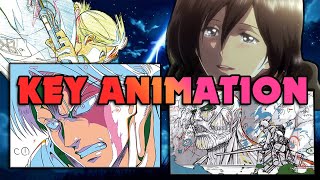
Key animators draw important frames, while younger animators fill in the gaps (inbetweening) for less critical frames.
Smaller studios often have employees sleeping over, and even larger companies face this challenge due to the difficulty of animation.
Traditionally, backgrounds were watercolor painted on paper; newer shows often use digital backgrounds.
All drawings are revised for quality and consistency, then color artists digitize, color, and clean up the animation, filling in black, skin, clothes, hair, eyes, and shading.
An effects team adds details like sword shines or smoke, then voice actors record their lines.
After multiple revisions, the anime is finalized and a broadcast or release date is set. Some anime and movies take years to make.
Creating anime is an incredibly labor-intensive process requiring immense talent and dedication, from storyboarding to final effects. The video emphasizes the hard work of animators, who produce some of the best works in history.
What are the two main types of companies involved in anime production?
Production companies (like Viz Media or Toei Animation) fund and distribute, while animation studios do the actual animating.
0:44
What is the first step in creating an anime?
Storyboarding, done by the director and specialists.
1:11
Why do studios often start animating before the storyboard is complete?
Because animation is hard and time-consuming.
1:22
What is the role of key animators versus younger animators?
Key animators draw important frames (key animation), while younger animators fill in the gaps (inbetweening) for less critical frames.
1:39
How were backgrounds traditionally painted in anime?
Special background artists would watercolor paint them on actual sheets of paper.
2:29
What is the order of coloring a character frame?
Fill in black, then skin, clothes, hair, eyes, then shade the whole character.
2:57
What does the effects team add to the anime?
Little things like the shining of a sword or smoke on a cigar.
3:11
How long can some anime or anime movies take to make?
Years, depending on the anime and the requirements for animation quality.
3:35
Anime as a Genre
Establishes the context and scale of the anime industry.
Key Animation and Inbetweening
Explains the division of labor in animation, highlighting efficiency and skill hierarchy.
1:39Long Hours for Animators
Reveals the demanding work conditions in the industry, even at larger studios.
2:12Background Art Evolution
Shows the shift from traditional watercolor to digital backgrounds, reflecting technological change.
2:29Effects and Voice Acting
Highlights the final creative steps that bring anime to life.
3:09[00:00] so anime is a genre of japanese
[00:02] animation it's an absolutely huge
[00:04] industry and it's growing larger to this
[00:06] day obviously most anime if not all
[00:08] anime is beautiful
[00:09] with some shining above some others but
[00:12] how does anime even get created
[00:14] like who draws it and how do they color
[00:16] it it seems like a really tough job
[00:17] don't worry i'll explain everything in
[00:19] this video and don't forget to subscribe
[00:21] if you enjoy
[00:22] anyways let's get into it the process of
[00:24] animating anime is definitely a process
[00:27] it's one of the harder if not hardest
[00:29] forms of animation
[00:30] in the world simply put japanese
[00:33] animators have a lot of talent
[00:35] comparing american cartoons to anime
[00:37] lets you know what i'm getting at
[00:39] the very beginning of the animation
[00:40] process starts with everything but the
[00:42] actual animating part
[00:44] the anime production company like viz
[00:46] media or touhou animation
[00:48] will put up money for the initial
[00:49] animating process they'll also take care
[00:51] of the costs that come from airing the
[00:53] show
[00:53] and distributing it to other countries
[00:55] the actual animation studio will do the
[00:57] animating
[00:57] obviously along with paying staff and
[00:59] some other requirements beforehand
[01:01] the studio and producers will assemble
[01:03] their team and get to work
[01:04] teams and anime typically consist of
[01:06] full-time employees or
[01:07] freelance animators and a few
[01:09] full-timers you've probably heard of
[01:11] storyboarding
[01:12] this is usually the first step in
[01:13] creating an anime the director and some
[01:15] other people who specialize in
[01:16] storyboarding will put it all together
[01:18] and scriptwriters will create the script
[01:20] more times than not the studio will
[01:22] start animating way before the entire
[01:23] storyboard is done for a set episode
[01:26] just because the animation is hard and
[01:27] it's time consuming there will be many
[01:29] rough sketches and other drawings before
[01:30] the animation is finalized
[01:32] that directors and other specialists
[01:34] will look over they'll decide how the
[01:35] camera moves through a given scene and
[01:37] where the characters need to be
[01:38] positioned
[01:39] once that's all said and done key
[01:40] animators will start drawing the
[01:42] characters with other younger animators
[01:44] filling in the gaps between
[01:45] keys by drawing the movement basically a
[01:47] key animation is the drawing that sits
[01:49] on the screen which
[01:50] is an important one because we take a
[01:52] lot of time looking at this the newer
[01:53] animators draw the movement because we
[01:55] see these frames for a lot less time
[01:57] so the quality doesn't really mean as
[01:59] much there are some scenes in anime that
[02:01] probably use key animators drawing
[02:03] all the sequences just because every
[02:05] frame is important the whole animating
[02:07] process is definitely the longest out of
[02:09] everything that goes into creating an
[02:11] anime
[02:12] for some smaller studios or for studios
[02:14] with newer animators they could see many
[02:16] nights where employees sleep over at the
[02:18] building
[02:18] even with larger companies that animate
[02:20] this concept is not foreign
[02:22] animating is ridiculously hard so if you
[02:24] watch a beautiful anime
[02:26] just remember how hard the animators
[02:27] worked on it back in the day special
[02:29] background artists would watercolor
[02:31] paint the backgrounds for anime
[02:32] on an actual sheet of paper but newer
[02:35] shows will usually
[02:36] digitally create their background with
[02:37] maybe a few exceptions
[02:39] all drawing in anime gets revised before
[02:41] production and color
[02:42] just to ensure quality and frame
[02:44] consistency after the drawings are
[02:46] finalized and revised
[02:47] color artists from a studio's coloring
[02:49] team digitalize color and clean up the
[02:51] animation
[02:52] the process of coloring frames and anime
[02:54] proves to be a difficult task
[02:55] much like animating the actual anime
[02:57] they'll fill in the black then skin
[02:59] clothes hair
[03:00] eyes then shade the whole character and
[03:02] this process is repeated
[03:03] a lot i'm sure they have ways to
[03:05] digitally color in an easier way that
[03:07] helps make it less monotonous
[03:09] once everything's animated and colored
[03:11] an effects team will take hold of the
[03:12] anime and add little things that make a
[03:14] lot of difference in the end
[03:15] like the shining of a sword or smoke on
[03:17] a cigar the voice actors will then do
[03:19] their work which can take a long time
[03:21] but is probably the most fun part in
[03:23] producing anime and after everything is
[03:25] revised and revised again
[03:26] and finalized they'll set up a date for
[03:28] broadcast if said anime is airing on tv
[03:31] or they'll just say a release date
[03:33] wherever it's being shown some animes
[03:35] and anime movies can take
[03:36] years to make just depending on what the
[03:38] anime is
[03:39] and the requirements for animation
[03:41] quality animators have a really tough
[03:42] job but they're creating some of the
[03:44] best works in history
[03:46] so i hope all the work is worth what
[03:47] they get thanks for watching that's a
[03:49] basic understanding of the animation
[03:50] process
[03:51] leave a comment and as always thanks for
[03:58] watching
[04:00] you
⚡ Saved you 0h 04m reading this? Transcribe any YouTube video for free — no signup needed.