
Mazda MX-5 Miata: Fun Under $31K
44sHighlights a beloved affordable sports car with emotional appeal and surprising performance, sparking debate among car enthusiasts.
▶ Play Clip"Title accurately describes the content: a list of 10 sports cars under $50k, with detailed specs and pricing."
This video presents a curated list of the top 10 sports cars available in 2026, all priced under $50,000. Each car is evaluated on performance, handling, features, and value, highlighting models from Mazda, Toyota, Volkswagen, BMW, Subaru, Hyundai, Nissan, Honda, and Ford.
2.0L engine, 181 hp, 151 lb-ft, 0-60 in mid-5 seconds, starts around $31,000. Lightweight (2,400 lbs) with precise steering, double wishbone front suspension, limited slip differential, and kinematic posture control for excellent handling.
2.4L boxer engine, 228 hp, 184 lb-ft, 0-60 in 6.1 seconds, starts around $30,800. Low-mounted engine for low center of gravity, torsion limited-slip diff, and permissive stability control for playful handling.
2.0L turbo EA888, 241 hp, 273 lb-ft, 0-60 in 5.6 seconds, starts around $34,590. Front-wheel drive with VAQ limited-slip differential and adaptive chassis control for excellent cornering.
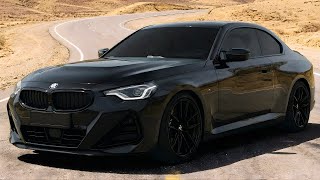
2.0L turbo, 255 hp, 295 lb-ft, 0-60 in low-5 seconds, starts around $42,900. Rear-wheel drive with near-balanced weight distribution, optional M-sport suspension, and iDrive 8 infotainment.
2.4L turbo boxer, 271 hp, 258 lb-ft, 0-60 in 5.4-5.8 seconds, starts in high $30Ks. Symmetrical all-wheel drive, active torque vectoring, and track-tuned suspension for all-weather capability.
2.0L turbo, 276 hp, 289 lb-ft, 0-60 in mid-5 seconds, starts in mid-$30Ks. Front-wheel drive with electronic limited-slip diff, N-specific suspension, and aggressive exhaust note.
1.6L turbo 3-cylinder, 300 hp, 295 lb-ft, 0-60 around 4 seconds, starts at $39,920. All-wheel drive with selectable torque split, torsen limited-slip diffs, and revised intake for high-RPM breathing.
3.0L twin-turbo V6, 400 hp, 350 lb-ft, 0-60 in 4.3-4.5 seconds, starts at $42,970. Rear-wheel drive with mechanical limited-slip diff, multi-link rear suspension, and retro-inspired interior.
2.0L turbo VTEC, 315 hp, 310 lb-ft, 0-60 in 5.3 seconds, starts around $45,900-$47,000. Front-wheel drive with dual-axis front suspension, adaptive dampers, and Brembo brakes.
5.0L Coyote V8, 480 hp, 415 lb-ft, 0-60 in low 4 seconds, starts around $48,555. Rear-wheel drive with 6-speed manual or 10-speed auto, S650 chassis, and optional performance packages.
The 2026 Ford Mustang GT tops the list as the only V8-powered sports car under $50,000, offering 480 hp and a manual transmission. For enthusiasts seeking affordable performance, this list proves that engaging driving experiences are still accessible without breaking the bank.
What is the horsepower of the 2026 Mazda MX-5 Miata?
181 hp
00:14
What is the 0-60 time of the 2026 Toyota GR86?
Approximately 6.1 seconds
02:03
What engine does the 2026 Volkswagen Golf GTI use?
2.0L turbocharged EA-888 4-cylinder
03:46
What is the starting price of the 2026 BMW 2 Series 230i Coupe?
Around $42,900
06:43
What is the horsepower and torque of the 2026 Subaru WRX?
271 hp and 258 lb-ft
07:33
What transmission options are available for the 2026 Hyundai Elantra N?
6-speed manual or 8-speed wet dual-clutch
09:27
What is the 0-60 time of the 2026 Toyota GR Corolla?
Around 4 seconds
11:29
How much horsepower does the 2026 Nissan Z produce?
400 hp
13:00
What is the starting price of the 2026 Honda Civic Type R?
Around $45,900-$47,000
15:43
What is the horsepower of the 2026 Ford Mustang GT?
Around 480 hp
16:35
Miata: Lightweight Fun
Demonstrates that low weight and precise handling can outperform raw power for driving enjoyment.
Golf GTI: Practical Performance
Combines hot hatch practicality with track-ready handling, making it a versatile daily driver.
03:32WRX: All-Weather Capability
Only car on the list with standard all-wheel drive, offering exceptional traction in adverse conditions.
07:19GR Corolla: Rally-Bred
Uses a unique 1.6L turbo 3-cylinder with 300 hp and advanced all-wheel drive, showcasing engineering innovation.
10:43Mustang GT: Last V8 Under $50k
The only naturally aspirated V8 in the list, offering a classic muscle car experience at an accessible price.
16:17[00:00] Number 10 – 2026 Mazda MX-5 Miata Mazda's MX-5 Miata proves you don't need big power to feel alive. Under the hood is a 2.0-liter, sky-active G4 cylinder,
[00:14] making about 181 horsepower and 151-pound feet. Driving the rear wheels through a slick, six-speed manual are an available automatic. The numbers look modest, but a curb weight just
[00:26] over 2,400 pounds and precise steering means zero to 60 runs in the mid-five-second range when you launch a manual heart. Right in line with recent instrumented tests of the current car.
[00:38] What makes the Miata such a performance per dollar win is how much grip and feedback you get for the money. Double wishbone front suspension, a limited slip differential on higher trims, and Mazda's kinematic posture control all work to keep the body settled in the car neutral
[00:55] when you trail brake into a corner, so you feel connected instead of corrected. Inside, it's simple, but focused, snug buckets, a compact steering wheel, and an 8.8-inch infotainment screen
[01:07] with Apple CarPlay and Android Auto integration keep things modern without distraction. Top down, it's a weekend toy. Top up, it's livable as a daily if you pack light. For 2026,
[01:19] the MX-5 Miata is expected to start around $31,000 in the US, based on early pricing reports.
[01:31] We're starting with the car that proves you don't need big numbers to feel alive, but the final pick proves something else. You can still buy real 8-cylinder power, a manual, and a rear drive without
[01:44] a cross in 50k. That's the payoff of the end. 9. 2026 Toyota GR86 The GR86 is Toyota's reminder that you don't need a turbo to have fun. A 2.4-liter boxer 4 sits low and chassis and sends 228 horsepower and 184
[02:03] pound-feet to the rear wheels through a 6-speed manual or available automatic. Launch a manual hard and you're looking at roughly 6.1 seconds to 60 miles per hour, with the auto a few tents behind. But the real payoff comes when the road starts to twist. That low mounted engine
[02:20] helps the car pivot instead of feeling nose heavy. A torsion-style limited slip-diff, rear drive, and a permissive stability control tune let you play with slip-angle and track mode without the computers instantly pulling the plug, giving budget-friendly access to real driver development.
[02:37] Choose the 2026 Yuzu Special Edition and you get the performance pack hardware, sacks dampers, brembo brakes, and 18-inch summer tires. So it feels like a showroom fresh track car
[02:50] that's happy living on the limiter inside. It's simple and focused, supportive buckets, a clear digital cluster with GR graphics, and an 8-inch touchscreen with Apple CarPlay and Android Auto
[03:03] keep daily life-covered without distracting from the next Apex. For 2026, the GR 86 starts at around $30,800 in the US, with premium trims near $33,400 and the Yuzu Special Edition in the high
[03:19] 37K range. This is the clean driver's choice option. The next on the list is the problem child
[03:32] your insurance company hopes you never discover. Number 8, 2026 Volkswagen Golf GTI Volkswagen's Golf GTI is the practical one on paper, the trouble maker on the back row. A 2.0
[03:46] liter turbocharged EA-888 4-cylinder sends 241 horsepower and 273 pound-feet to the front axle through a 7-speed DSG dual clutch in an electronically controlled VAQ limited slip differential.
[04:02] Independent testing in the current car has seen zero to 60 launches in the mid-five second range with car and driver clock in 5.6 seconds, and the 2026 model keeps the same powertrain, so
[04:15] the numbers still apply. The real story is how calmly a carry speed. The sport suspension, VAQ diff and available DCC adaptive chassis control work together to pull the nose into the apex
[04:29] instead of letting it wash wide, so you can pick up throttle earlier without roasting the front tires. Strong brakes and an auto-bond-tuned chassis keep it planted at speeds your insurance company would rather not hear about. Inside, it leans into its hot hatch heritage with plaid inspired seats,
[04:47] a thick steering wheel, and a 12.9-inch touchscreen, plus digital gauges that can put boost, temps, and drive modes right in front of you. For 2026, the Golf GTI starts at around $34,590 in the U.S.
[05:08] If you love seeing cars judged on speed, feel, and value instead of just badges, tap subscribe. This channel exists for enthusiasts who count every dollar and every 10th.
[05:20] 7. 2026 BMW 2 Series 230i Coupe BMW's 2 Series 230i is the entry-level coupe that doesn't feel like an entry at all.
[05:34] Under the hood, sits a 2.0-liter twin-power turbo-force cylinder, making 255 horsepower and up to 295 pound-feet of torque, driving the rear wheels through an 8-speed automatic, with X-Drive all-wheel-drive
[05:49] available if winters bite harder where you live. BMW lists 0-60 in the low-to-mid 5-second range. Hard driver has seen a 2.30i dip close to 5.1 seconds when launched hard,
[06:02] serious pace for the base motor. The value play is how the chassis responds when you stop near-balanced weight distribution, rigid body shell and optional M-sport suspension give it that
[06:16] keyed-in BMW feel. Turn in, lean on the front axle and it rotates without drama instead of pushing wide. Available M-sport brakes and summer tires help it scrub off speed cleanly run after run,
[06:30] so it feels just as happy on a Sunday back road as it does on the daily commute. Inside, it's junior luxury with real substance. BMW curved display with iDrive 8, supportive sport seats,
[06:43] quality materials, and a rear seat that folds to swallow tach day rubber or a weekend bag. For 2026, the 2.30i coupe starts at around $42,900 in the US, delivering genuine BMW rear-drive
[07:00] performance. That's the car you take to a nice dinner. The next one is what you take when the weather, the road, and your self-control all look terrible. Number 6, 2026 Subaru WRX.
[07:19] The WRX is the only car on this list that still feels like it came straight from a rally stage. A turbo charged 2.4 liter boxer 4 throws down 271 horsepower and 258 pound-feet.
[07:33] Feeden, Subaru's, symmetrical all-wheel drive through either a six-speed manual or Subaru performance transmission with paddle control. Independent testing of recent WRX models has seen 0-60 runs
[07:47] between 5.4 and 5.8 seconds, depending on trim and transmission. Right in the hunt with more powerful front-drive rivals. What you really buy and know is traction and toughness.
[08:01] Standard all-wheel drive active torque vectoring and a track-tune suspension let you stay on a throttle in the road turns ugly. Wet, cold, broken pavement doesn't matter. The new T-S and series
[08:14] yellow trims add adaptive dampers tuned by STI, Rambo brakes, and sticky 19-inch rubber. So body control and stopping power finally match the engine's punch. Inside you get a practical
[08:27] four-day layout, a big trunk, and a portrait style central touchscreen that handles navigation, media, and drive settings. It's easy to daily, easy to road trip, and still has enough edge
[08:39] to make a gravel side road tempting. Pricing for the 2026 WRX is expected to start around the high 30Ks in the US with most trims landing well under 45,000 before options.
[08:58] This one loves dirt, rain, and bad decisions on back roads. The next contender prefers clean tarmac and embarrassing people in cars that cost twice as much. 5. 2026 Hyundai Elantra N
[09:14] Hyundai's Elantra N looks like it should be fighting for a spot in the office parking lot, not in a pit lane. Underneath the sharp sedan body sits a 2.0-liter turbo-4 good for 276
[09:27] horsepower and 289 pound-feet, paired with either a 6-speed manual or an 8-speed wet dual clutch that snaps off gear changes like it has something to prove. The boost comes in early and hangs on,
[09:41] so rolling from 40 to 80 feels a lot more expensive than the badge suggests. What makes this car feel special is how much intent the chassis has out of the box. The end-specific suspension keeps the body tied down without feeling brittle. The electronic
[09:57] corner carving diff lets you have feet in throttle sooner without spinning away momentum. In the big front brakes, stay trustworthy after a few hot laps. Tap N mode in the exhaust wakes up with crackles and overrun that turn every on-ramp into a mini highlight reel.
[10:14] Inside, deep N bucket seats, twin 10.25 inch screens and dedicated performance pages make it feel closer to a baby touring car than a budget sedan. For 2025, in the US, pricing sits in the mid-30k
[10:29] range depending on transmission, and the 2026 model keeps that same formula. Punchy performance without a premium car payment.
[10:43] 4. 2026 Toyota GR Corolla The GR Corolla is Toyota's idea of a daily driver that accidentally wandered off a rally stage. Power comes from the wild G16e GTS 1.6 liter turbo-3 cylinder, still rated at 300 horsepower
[11:03] and 295 pound-feet, driving all four wheels through Toyota's GR 4-all-wheel drive system with selectable front rear torque splits. A six-speed manual is standard,
[11:15] an eight-speed direct automatic joins the lineup for 2026 with its own launch control logic. Independent tests of earlier GR Corollas have seen 0-60 mile per hour runs right around a 4-second
[11:29] mark, and the updated car keeps the same power train, so the thrust is very much intact. For 2026, Toyota focuses on making that performance easier to use. Extra structural adhesive in the front and rear section bumps rigidity,
[11:45] improving rear grip and steering feel when you lean on it, and both front and rear torso-limited slip-difts are standard. A revised intake duct helps the little triple breathe harder at high RPM, so it doesn't go flat when you're running it out on track days. Inside,
[12:01] Swade trim sport seats, a thick rimmed wheel, and performance pages keeps the mood serious. While the optional JBL audio and configurable synthetic engine sound let you pick how
[12:13] rowdy the cabin feels on the drive home. In the U.S. for 2026, Toyota lists the GR Corolla at $39,920, for the base manual and $41,920 for the base automatic before destination.
[12:29] With premium plus models ranging from the mid-45k bracket to just under $49,200 depending on transmission.
[12:42] Number 3. 2026 Nissan Z The modern Z sticks to a simple brief. Longhood, rear-wheel drive, and enough power to make tunnels tempting. Nissan's 3.0-liter twin-turbo 6-cylinder makes 400 horsepower and 350 pound-feet,
[13:00] paired with either a 6-speed manual with rev match or a 9-speed automatic with launch control. The chassis rides on a compact wheelbase and performance and heritage trims add a mechanical limited slip diff, so even the base sport feels tuned for drivers.
[13:16] Independent testing has put the current Z in the mid-4-second bracket to 60 miles per hour. Around 4.5 seconds with the manual and roughly 4.3 with the automatic. Puttin' it close to much more expensive coups. Strong brakes on upper trims, a multi-link
[13:33] rear suspension, and a serious summer tires let it hold that pace without feeling skittish, while the steering has enough weight to keep you involved on a daily grind. Inside, the Z mixes retro
[13:45] cues, triple auxiliary gauges, long nose profile, with a 12.3-inch digital cluster, 9-point-inch touch screen, and available Bose audio when you're not listening to turbo whistle. For 2026, the Z
[13:59] Sport starts at $42,970 in the US, making it one of the cheapest ways into a 400 horsepower rear-drive twin-turbo sports car. If that car makes you want to find dirt and snow,
[14:19] number two makes you want to find tunnels and rev it off the walls. Number two, 2026 Honda Civic Type R. The Civic Type R is proof that front-wheel drive can still
[14:31] embarrass more expensive machinery. Under the hood, sits a turbocharged 2.0-liter V-Tech 4, making 315 horsepower 310-pound feet, paired only with a 6-speed manual that loves being rung out.
[14:46] The gearing keeps the engine right in its boosty sweet spot, so third and fourth gear pulls far stronger than the spec she suggests. Independent testing peg 0-60 around 5.3 seconds.
[14:59] What sets the Type R apart in just speed? It's discipline. Dual-axis front suspension dramatically calms torque steer. The adaptive dampers keeps the body calm over bumps in plus
[15:11] and the mechanical limited slip lets you lean back into the throttle sooner without the steering wheel getting nervous in your hands. Big, brembo front calipers and 19-inch performance tires mean late braking feels natural, not brave. Inside those red bucket seats, the shift light bar and Honda's
[15:30] log R performance data turn every hard run into a mini-time attack session, then you drop it back into comfort and it becomes a calm, civic hatch again, usable rear seat, real cargo space,
[15:43] 9-inch touchscreen with wireless carplay, Android Auto, and Honda sensing. For 2025-2026, the Civic Type R starts around 45,900-47,000 in the US. It's not cheap, but for this level of chassis
[15:59] and engine, it's one of the sharpest deals left. If you're still watching, you're the kind of enthusiast this last car was built for. Someone who still wants cylinders, sound, and rear drive
[16:17] without supercoup money. Number 1, 2026 Ford Mustang GT If you want a brand new 8-cylinder sports car under $50,000 in 2026, the Mustang GT is the headline act. Ford's 5-liter Coyote 8-cylinder now
[16:35] makes around 480 horsepower and 415-pound feet in GT form, sending power to the rear wheels through either a 6-speed manual or a 10-speed automatic. With a right setup, current GTs hit 60 miles per
[16:50] hour in the low 4-second range, and pull hard well past highway speeds. All with a sound track that 4 cylinders simply can't mimic, the S650 chassis brings stiffer structure, revised suspension,
[17:05] and optional performance packages that add bigger brakes, stickier tires, and track-tune cooling. It's still a muscle car at heart, but the latest GT is precise enough to reward smooth driving
[17:17] instead of just smokey launches. Inside, the Mustang embraces its digital era with dual screens and customizable clusters, but the basic layout is still familiar. Good driving position, usable
[17:31] back seats for short runs, and a trunk that can swallow actual luggage. Kelly Blue Book lists the 2026 Mustang GT starting around $48,555 in the US, keeping a naturally aspirated 8-cylinder within reach
[17:47] while rivals either downsize or disappear. For enthusiasts who still want 8-cylinder's rear drive in a manual option without crossing 50k, this is the car to beat.
[18:02] Do you agree with number one? Thanks for watching!
⚡ Saved you 0h 18m reading this? Transcribe any YouTube video for free — no signup needed.