
Decision Velocity: High Conviction Leaders
51sActionable leadership lesson from Tesla/SpaceX on how high conviction leaders enable faster decision-making and reduce junior engineer risk.
▶ Play Clip"Substantive interview that delivers exactly on the promise of extracting repeatable lessons from Tesla and SpaceX."
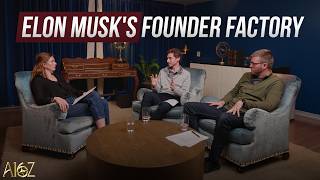
This interview features Chandler Lujitza (CEO of Galvadyne) and Turner Caldwell (CEO of Mariana Minerals), both alumni of Tesla and SpaceX. They share concrete, repeatable lessons from Elon Musk's companies on building hardware startups, covering flat organizations, decision velocity, critical path management, factory mindset, vertical integration, and hiring.
Flat orgs are critical for rapid information flow and democratizing access to information.
High conviction leadership enables quick decisions; you cannot wait for all information.
Chasing the critical path like a firefighter is essential to unlock milestones.
High-signal, low-noise email updates on critical path items keep everyone aligned.
Writing down daily achievements and next actions drives accountability and reflection.
Set a regular cadence (weekly, monthly) to measure progress and align the team.
Setting impossible deadlines forces deliberate thinking to identify and attack critical bottlenecks.
Strong mission makes hard work feel fun; churn and politics cause burnout, not long hours.
Approach every problem as a manufacturing problem; design for production from the start.
Break down every process into discrete steps with time targets to run construction like manufacturing.
Only vertically integrate into components where the company would not exist without doing so.
8-10 interview rounds with technical rigor ensure autonomous, accountable hires.
Stay at a company until you've seen projects end-to-end multiple times; be a sponge and build technical depth before starting a company.
The core takeaway is that Tesla and SpaceX's success stems from repeatable principles—flat orgs, decision velocity, critical path focus, factory mindset, and strategic vertical integration—which can be adapted to any hardware startup.
What is the primary purpose of a flat organization?
To democratize access to information and accelerate decision-making.
00:55
What is 'critical path' in hardware development?
The schedule-driving task that needs to happen to unlock the next phase or milestone.
09:23
What is the 'second grade soccer' analogy used for?
Describes a team that all chases the critical path without structure, unlike a more organized approach where some work on next decisions.
10:03
What is the rule of thumb for vertical integration according to Turner Caldwell?
Only vertically integrate into components where the company would not exist without doing so.
35:01
What is 'tact time analysis'?
Breaking down all discrete steps required to build something to set daily/hourly goals and run construction like manufacturing.
28:38
How many interview rounds do Tesla and SpaceX typically have for full-time hires?
8 to 10 conversations before an offer.
38:51
What advice does Turner give to young engineers about when to start a company?
Stay until you've seen projects end-to-end multiple times and built deep technical depth.
44:55
Flat Org for Information Flow
Clearly articulates that flat orgs are about information democratization, not just hierarchy removal.
00:55Aggressive Milestones as Forcing Function
Explains how unrealistic deadlines force teams to identify and prioritize the 100 truly critical tasks.
17:39Everything is a Factory
Core mindset shift: treat all problems as manufacturing problems to enable scale and iteration.
24:20Strategic Vertical Integration
Nuanced take: integrate only where company existence depends on it, not for cost savings alone.
32:26[00:01] couldn't leave. Like, it was the dream. I spent about a decade at Tesla and got to run around the battery supply [music] chain. Chandler Lujitza is the CEO of Galvadyne, next generation missile propulsion. Turner Caldwell is the CEO
[00:13] mineral supply chains. When you want sets like super aggressive targets, the to think really deliberately. There's a thousand things that have to happen, but months, so we have to go attack those hundred things. Being somewhat foreign
[00:26] and we can't make them fast enough. With my background being purely in liquid UCLA launching liquid rockets, there's [music] a very real way to apply this going to do it. What is the single most important thing that you learned at
[00:41] apply every single day at your companies? Um with founders building in the physical world. And one thing that keeps coming
[00:55] up is how many of them trained at Tesla and SpaceX. People talk about the mythology, the all-nighters, the flat org, the impossible deadlines, the best part is no part. Um but beyond the myths are repeatable
[01:07] and ship complex hardware. Uh Chandler Lujitza is the CEO of Galvadyne, next generation missile propulsion. And Turner Caldwell is the CEO of Mariana Minerals, critical mineral supply chains. Uh Chandler was
[01:20] Starship. Turner led battery and mineral So, it's really great to have you guys here to talk about your experiences in the school of Elon Musk. Uh maybe to just kick off, um maybe
[01:35] the origin story of your companies, uh the problems you saw, the first prototype or pilot you built, the moment you realized that this could be a real you. Yeah, I think being somewhat [clears throat] foreign
[01:47] of last year, right as I jumped into it, I realized we don't have enough, they Um and it seemed like everyone in the industry is kind of doing it the same order to get drastically different results, you have to do things
[02:00] background being purely in liquid propulsion across SpaceX and then even at UCLA launching liquid rockets, uh there's a very real way to apply this going to do it, so. Awesome. Well, what about you, Turner? Yeah, so, you know, I
[02:14] spent about a decade at at Tesla and got to run around the battery supply chain. time on the minerals and metals uh side of things. Um and, you know, a lot of our focus was trying to identify how do we
[02:27] chain and make sure that the minerals that are all that batteries need um could could keep up with with battery production. And, similar to what Chandler was saying, um you know, this is an industry that the the major
[02:40] players are 50 to 100 years old, um and that way of doing things, um you know, companies like that that are large and conservative really get set in that in that way of doing things. Um and so, as we were engaging or as I was engaging
[02:53] we were building infrastructure in that space um at Tesla, what became very apparent um is that the industry is massively software deficient. And a lot of the challenges that come out of or come up when you're trying to build this
[03:06] infrastructure is uh the coordination layer, the orchestration layer. How do you manage a large complex refinery with a talent pool that is shrinking? Um how do you how do you manage large complex mining operations again with a talent
[03:19] Um and what we've landed on is that uh you have to go full bore, kind of like leveraging the advances in autonomy um in automotive and humanoid robots to go and apply that to refineries and to to mining operations. So, there's so
[03:32] much mythology around Tesla and SpaceX culture. Maybe forgetting the buzzwords, what is the single most important thing that you learned at SpaceX or Tesla that you now apply every single day at your companies?
[03:47] Yeah, I think the flat orgs is is hypercritical, right? You need information to flow um as quickly as possible. You need to democratize access to information, and that's really the purpose of flat
[04:00] organizations. It's not cuz like if you do flat organizations wrong, it can get flat organizations is really about information flow and collaboration. Um and so, any junior engineer should be able to go to any senior uh member of of
[04:14] any executive team uh at any point in time and talk directly to folks that are collaborate with teams that are within the company, kind of without having to then back down into their teams. Um so, that's hypercritical um and is a
[04:29] Um I don't know if you want to jump in. of that, maybe a part of making that successful, at least in my from from my experience, is you need leaders across that flat org that are able to make
[04:42] decision velocity, without using a buzzword, is is very very important. With high conviction leadership who can make you you increase the pace of development, you increase the pace of
[04:54] faster. Even from a like buying people at SpaceX perspective, you know, there's having, you know, high conviction leaders who can go make really fast absolve a lot of risk from the lower level, more junior engineers. It really
[05:07] if you have a junior engineer who's just now starting at SpaceX or at Tesla, and themselves, "I'm making this crazy big decision, it's going to cost hundreds of dollars, like, what if I mess up?" If you if if the leader can come in and and
[05:20] engineer's mind by just making a decision and saying, "Go." then you go way way faster. Like, you can't wait to have all of the information available to make decisions, right? And oftentimes
[05:32] correct or not until you've made it, tried it, and then iterated really going to make the right decision, but you're always just trying to maximize your percentage that you did make the right decision. Um it's all bets. It's
[05:45] all making [laughter] bets. Um but speed speed is speed and like the two things >> I guess and you need that information in need You need to accumulate as much information as you can uh within the
[05:59] yourself to and then make the decision and then then learn from that decision. information, I guess. Um you're both pretty deep in the um now CEOs of companies. What lesson or
[06:14] experiences did you have uh in your previous roles um at Tesla and SpaceX that maybe directly changed an outcome or how you thought about things at Galvadyne and Mariana? The solving like the discrete technical problems, um
[06:28] You're solving kind of first-of-a-kind problems in many cases. Um but then together towards solving those first-of-a-kind problems actually starts appear >> Yeah. uh between teams. And and even if
[06:43] accelerated decision-making, even if you have everyone talking to each other, you aligned um and everyone is kind of the same thing. And that's a big part of why, you know, as we've been building
[06:57] how do you democratize access to information uh between teams so that you between entities. And that doesn't really happen in teams of like 10, 20, 30 people, but it does start to happen once you get into teams that are 100
[07:11] people or more. Um and seeing that like growth of teams that are trying to build large-scale infrastructure, those those pockets of information, those data silos the executive teams are saying like there should be no pockets of
[07:25] Um and so, we've tried to like embed that into like the core operating systems. Yeah, so, how how do you like how have you built kind of your product and systems around that challenge? So, everything is like web app posted. Uh
[07:38] gone, um at least internal to the company. Um when it comes to being able information, it does not live on a hard drive somewhere, it does not live in an of people and then needs to be forwarded for it to get to everyone. We've really
[07:52] focused on like building that integrated data frame um that enables anyone to access and see the context of like why a decision was made or what decision was >> Mhm. Um because as the teams get larger, the like number of connections between
[08:05] people is what actually makes uh building building like executing democratize access to that information, and so, you know, EPC, like engineering, procurement, construction, like large-scale capital
[08:17] project execution, there are insane data silos between the engineering groups and construction teams. Um and so, you have to build like a net new operating system uh that ensures that like the history of every individual decision is tracked,
[08:31] and everyone can see that history. Um and now with LLMs, you can kind of like repository um and ensure that if someone doesn't understand the folder structure, they can just query the LLM and like quickly
[08:43] navigate to to where they need to go. And then this, you know, mining is that ideally never ends. Um and so, it has a lot of the same challenges between like geology and mine planning and maintenance uh and mine operations and
[08:56] Um and again, like if if you don't give people the context of an entire operation, the entire like the all the decisions that are being made across an operation or a project, um they are going to make information like within
[09:10] them. Um so, you're trying to enable like everyone to make like globally optimal decisions without, again, while accelerating uh decision-making. What about you, Chandler? Yeah, I think I think my my answer here is is really
[09:23] think chasing critical path and being a firefighter is something that SpaceX and you Can you explain what that is? Of course. Totally can. Uh so, critical path just being, you know, the the the thing
[09:36] the schedule-driving task or or procurement activity that needs to happen in order to unlock the either the next phase or um or get you to the to And I although we are very young at Galvadyne, there's a lot of chasing
[09:49] game of whack-a-mole to to really you know, get yourself to that next phase or get yourself to that next milestone. And how how do you align a team against critical path without making the next decision that comes after the
[10:03] current critical path take longer? Does that make sense? I've I've got one if >> The um you you can't play like second grade soccer. that's like sometimes how it feels if you like are narrowly narrowly focused
[10:17] right? Um and you know, second grade soccer basically means that everyone >> field. >> Yep. Um and so you have to you have to like set up, you know, uh systems that enable you to mobilize like core groups
[10:30] of teams to go after critical paths, while also not letting the next decision kind of fall behind. Um and a lot of that is around having, you know, little independently attack things that are in parallel. Mhm. Um or attack things in
[10:43] parallel that enable you to kind of keep the thing that is not on critical path right now still moving without like diverting all resources over. Um that's who who aren't getting constantly aligned to to kind of fall into the hype
[10:56] hottest thing in town whenever that's happening cuz it's like, oh wow, you rocket launch. This is literally blocking the production line. And people you got to focus resources so that you're right, the next thing doesn't
[11:09] sooner rather rather than, you know, never, I suppose. I guess so as as like as a especially you Chandler, I mean Gallatin's still very early. So how do internally? Or are you still at the point where there really is just one
[11:23] >> I think the latter for sure. Like we we have right now our team is six people, so it's it's relatively easy to to control that game. Um you know, how how we've structured a lot of the initial team is is disciplinary
[11:36] based or or a sort of domain based. So it may not make the most sense for a a engine design problem that's literally blocking the production of of said >> [laughter] >> So for us it's a little bit easier, but
[11:50] the team really quickly to to not let it get out of control cuz it you just waste so much resources. Maybe in terms of like practical or tactical advice, like what are what is a specific process or rhythm that you've brought from Tesla
[12:04] and SpaceX into your companies? >> I can hop in on this one first. I think >> I can hop in on this one first. I think the the thing that I really like and may sound counterintuitive, potentially, is is email updates. Um I think
[12:17] high signal low noisy email updates on particularly with things related to critical path um are are extremely important. To do one, you know, give the information to a a broader set of folks. And these are email updates from you to
[12:29] the team or from the team out? >> Team out anyone. So anyone really to the usually going to be one extreme owner who is driving that problem or driving completed. And for that person to take ownership and send, you know, high high
[12:43] cadence email updates to get through the not so good parts of of said problem uh the team to see and and hear, but I think it's actually wildly important for the individual who's working that project to Recall what they what
[12:56] exactly. Writing down things is freaking massive. I've a notebook in my pocket for them to write it down, see it and be like, I don't think I made the most in this particular day. Let's fix it for the next day. Yeah. Second.
[13:13] I I think that, you know, there's a there there's like this natural thing that, you know, you don't have time to write things down and write reports. What what we've tried to do is, you know, the when you're running a
[13:25] have like uh just a day-to-day operation. You have a pass down that out every day. Um and if you want to drive uh like process development and R&D towards thinking about it as a manufacturing type process, the the best
[13:39] day you have like the equivalent of a shift pass down, which is you say, about that. things we were supposed to do. And, you know, because that does team starts to grow and as there's a lot of stuff happening. Um we've done our
[13:55] going into the same like aggregated kind of like data backbone, you can actually auto-populate the bulk of those pass downs um and it puts humans in the reviewing a pass down Editing maybe added adding commentary versus having to
[14:09] write something from scratch. The what we found even in like large are very manual. Um so but all that data an hour of their day to write down exactly what happened, we've we've put a
[14:22] ton of focus into like, how do we auto-generate all those? Um but you like they should have ownership and accountability of like what is in it. The other big thing that we've we've tried to do um it's like a balance here
[14:35] of like you need to set like a drumbeat for the company. Mhm. Um and if you people don't really know what they are moving towards necessarily. It it's how you kind of take flat organizations and enable like give them some structure and
[14:49] to roll up on some cadence and you obviously have to be flexible because decisions that have to happen the day of. Um but you also want to like give some structure and like a cadence to the company that enables everyone to kind of
[15:02] effectively. Like a sprint. [clears throat] Sprints we try to reserve for like truly critical to the company type things. And the software in two-week sprints. But if we're going to if we have like a major milestone
[15:14] that we're trying to hit like drive towards, then we'll we'll coin that a like as a whole is sprinting towards this thing. But the the drumbeat is a you're cuz you're building if you're if you're if you're building large scale
[15:26] infrastructure, the like it is a 12-month project or an 18-month project. Yeah, this isn't the same thing as, you know, shipping software to the cloud where, you know, you can do a release cadence every day if you want and yeah.
[15:40] >> that's what a a lot of folks in it's [clears throat] it who who have just software sort of it's hard to mentally imagine what it means to work period. >> It it is a long cycle. Yeah.
[15:54] the cadence is [clears throat] like give yourself time to celebrate those like intermediate wins. >> Yeah. Um because it's easy to like lose ton of progress over an 18-month period. Like you look back and you're like, oh
[16:06] Um but you have to like that cadence is also like a the it's the reward function look, okay, I'm doing the right thing. I'm driving towards the right thing. Um and you and you get that calibration on some regular basis.
[16:20] >> [laughter] >> As fast as you can make milestones. I I don't know. There's I'm sure Turner has some impact of this, but there's there's Elon time always and that's a
[16:34] usually. I think I definitely say I lean towards that in >> attest. No, know you pretty well by now. Yeah. Um
[16:47] a lot of different parts of of rockets over my short but jam-packed career so And And I have a decent gauge on on how long things should take. Um and I think
[16:59] to the effect of this drumbeat thing, but doing something sort of up front to what I this is how long I think these things are going to take. You as the reasonable? And then battle it there early and then set that schedule from
[17:14] sat down and we set this very ambitious schedule to go get a rocket in the air by June and like we broke down the the things we need to from that path, then you start to be like, what's what's what's wrong? Um I
[17:27] mean, I guess this is where having quite technical folks in leadership really >> You're you're credible. Yeah, you have to have like a core You have to have a sense of like what is actually challenging but achievable. Yeah. Um and
[17:39] aggressive milestones, which I think everyone should do, um is it's meant to paths are going back to the critical path comment of like instead of saying, okay, I I've done this before, it should take 36 months. Um like when when Elon
[17:53] goal is actually to get the team to think really deliberately and very About work in that like what actually doesn't solve for the aggressive time frame. Um and then it's gives you your priority list. It's like, okay, there's a
[18:07] we want to do it in six months, 900 of those things can be done in six months, months and so we have to go attack those 100 things. Um it's like a forcing >> [laughter] >> Exactly.
[18:24] Both Tesla and SpaceX are famous for, you know, all-nighters, like a very intense work culture, long working hours, like really these really hard deadlines where, you know, you're trying to do something in six months, which
[18:37] normally might take 36 months. How do you avoid kind of team burnout in those the to how mission aligned the company is or or how strong the mission of the It's it doesn't feel like working if it's
[18:52] fun. Um and and particularly for folks who are are so aligned with the mission of the company. Um obviously in SpaceX's case, making life multiplanetary, that's behind and work your butt off to to achieve. So it makes it makes the long
[19:05] hours, the the overnight the all-nighters, it makes it so that they don't really impact you that much. Um and I think a large like a >> very high amount of thought on my end right now is going into, you know, how
[19:17] who haven't thought about defense before to be passionate about defense. Um because the reality is is in in in my case, there's so much talent that's living at Rocket Lab, Firefly, Relativity that need to come work this
[19:29] how do you how do you build that same fiery mission alignment that that SpaceX companies have been able to achieve with their workforce now in these in these, problem sets that people just haven't been working on in a while. Um and then
[19:43] like pain. >> [laughter] definitely kind of like the core piece. I think the thing that actually causes Um and like a lack of feeling like you're making progress towards a goal.
[19:57] something and they feel like they are actually like progressing towards it. And you know, if you're mission aligned, solving hard problems um can be fun because you're as long as you are like making progress towards that goal. And
[20:10] so there's a handful of things that can make like work not fun, which is churn decision-making that kind of like moves teams in different direct and there's especially in startup companies that are moving quick and they're being very
[20:23] nimble. Um but the second is like but politics in companies creates an insane amount of churn, data silos, and kind of hoarding your Legos is what we call it can create an insane amount of churn. And when
[20:36] able to focus on like, okay, I have a problem that I have to solve, the the priorities are clear, they'll you know, they'll work their butts off to go do it. Yeah. But it but it definitely it it destroys kind of like the excitement.
[20:50] If you have things that are around the team that um are taking away from like core mission. Yeah. Um so the people can get excited about like impossible goals um because they're not going to we're going to go prove it that
[21:02] >> the only thing that people do really get excited about if it feels impossible. Chandler mentioned, which is like if as long as you're setting goals that are um aggressive but are possible. Like it has to be like it has to be in the realm of
[21:15] >> Um then you know, it doesn't like if you go super super aggressive on targets um that have no actual technical path towards towards achieving it, the like that can be demoralizing also. Um so
[21:27] it's a mix of like making sure the churn is gone uh to the extent that you can demoralizing. >> Yeah. from uh Tesla or SpaceX has not worked for
[21:40] you in your new companies or patterns It didn't apply either because of the domain or because of the size of the company or something else. I think a fun one that's it's not
[21:54] choosing not to do it, it's kind of delaying the implementation of, but um the one thing that that I definitely employed working Starship um a little bit on Dragon as well is with with the fantastic resource that
[22:07] SpaceX has behind it, you can do a lot of fantastic things. And you know, in order to fight critical path, there are ways to do that that maybe are less of efficient, I suppose, but ways that will will go achieve the goal. Parallel
[22:19] resource intensive both on a time space but also uh on on cost. And I think that's that's one thing that our size. But I think it's something that as we grow, like in order to hit
[22:32] speed, you need to do everything possible. And and you know, what what is growing very quickly, but but is a different set of possibilities than maybe what SpaceX has right now. So I think kind of uh really keeping an eye
[22:45] on on when that point is so that we can crank up the velocity even more. Um that's in my mind. Yeah, I wouldn't actually say that there's any like one >> [clears throat] >> at Tesla was, you know, a core principle
[22:59] it's more like kind of massaging the implementation of those um that is to and turnover and burnout. >> Well, I mean at at Tesla you you were there as the company grew an order of magnitude. So you saw two very different
[23:15] versions of the company. Um so I imagine, you know, some lessons from one Tesla, you know, crossed 100,000 people are less relevant crossed 100,000 people are less relevant to you. In in the early days, the like
[23:27] it it was it was flatter obviously as you would expect cuz once you get to like 130, 140,000 people, um you know, you have to start to layer in some structure. >> I mean, you have massive, you know,
[23:39] groups of people who are working on flat factory floors who are less involved in >> Yeah, and so those organizations like stayed flat and nimble and still are to but I I yeah, no, I don't I don't think there's any cuz like I I actually
[23:53] believe in a lot of in in most of kind of how Tesla was running. Um I think tweaks that you can make along the way that sustainable for the for the teams. So um maybe switching gears a little
[24:07] bit, both Tes- Tesla and SpaceX are famous for approaching every problem you know, everything is a factory, everything you you touched on it earlier, Turner, everything kind of boils down to a manufacturing problem.
[24:20] Um so I want to talk a little bit about what that means in practice. Um Chandler, maybe starting with you, can we talk about iteration on Starship? So from V1 to V2 to V3, how did you balance system complexity and production rate?
[24:34] >> What I just give some context, I whenever I started in the Starship frame. Um so a little bit of V1 play pushed all the way through the V2 development cycle and then started to
[24:47] touch V3 and then kind of lay that out before I left the company. >> I think really what a what what this trade for us came down to is is and what enabled kind of the speed and thinking with this this factory mindset is and
[25:01] it's really just production focus in general is requirements. Like from the all of the requirements, that sounds stupid, as fast as possible and then give yourself a chance to whack them out of the equation, you you now leave
[25:14] >> Give me an example. If you can. >> Yeah, there's there's one that's kind of the weeds, but um we we had the opportunity to pull some hardware from bit ahead of a ship the ship team in terms of uh their V3 design. They kind
[25:28] from V1 to V3. Um and they had some hardware design for for the V3 um vehicle that actually easily. And we had so many we had very limited engineers to go design a ton of
[25:42] prop systems hardware. And we identified that oh, we could maybe use this. And we would have been earlier than earlier implementation than booster. And one of essentially a snorkel that lives inside the fuel tank and you could condense
[25:57] liquid inside that snorkel and the valves that were, you know, effectively venting the tank there um don't like liquid. Uh fast, like, oh, sweet, we got free hardware, we can skip a whole design
[26:09] know, just jump into production sooner rather than later. We were like, oh, going to like that. And what we did is to be okay. And what that what that did was not only allow us to go roll in this
[26:22] whole hardware uh design into production sooner, but it also enabled booster once hardware. So from a company goal perspective, it was fantastic. And it was like the the perfect direction, I think. I won't even take I won't take
[26:34] Actually, another guy on the team is still there I'm like, oh man, that's freaking great. Let's do it. Let's go fast. Um but you know, staying super clear on on this intention
[26:48] what that does is it enables your requirement set whenever, you know, an hardware to be, you know, enabled to design a very simple solution. And really I think that whole part of the SpaceX mantra is very real uh and and it
[27:03] happening on on fixes on Dragon and Falcon. Like if you hadn't been focused two steps ahead about production, you would have just designed something to the set of requirements you had. >> Exactly. It's like we yeah, exactly.
[27:18] know, we we literally had a whole design for all this hardware before realizing, then we can go start figuring out how to build these, you know, somewhat complex then build a production of those very quickly. That's where information access
[27:33] really matters. Yeah. What about you, Turner? Um you know, you helped build Tesla's billion-dollar lithium refinery in Corpus Christi, which is, you know, up and running. Um what what were some of
[27:45] did you how did you approach them with this kind of factory and production mindset? Yeah, I think that so does design for uh manufacturing is kind of ensure that you can kind of scale that into something that can be produced at
[27:59] scale with, you know, very uh short tact times and all that. Yeah, but I mean, people don't really think about a refinery as a product. we spent a good amount of time thinking about uh and then obviously we thought
[28:11] about uh and then obviously we thought about uh when I was at Tesla was um when construction, basically, um the the environment is you're building a custom thing, right? And so you have to break that down into like
[28:24] modular subsets that can be manufactured offsite and brought to site. The um and then you have to think like everything should have a tact time >> analysis? >> Tact time analysis, which is basically
[28:38] um breaking down all of the discrete steps required to get to to build something effectively. Um and that needs to happen in industry term? >> that's an industry term. Um yeah, can't
[28:50] take credit for inventing tact time analysis. The the key there is that like through the whole value chain, from like R&D uh and like how your analytical labs what are the individual steps that go from a sample comes into a lab to a
[29:04] run analytical labs like little manufacturing processes. On construction, you need to boil it down into specific subsets of tasks that are, actually like welding out seams to build that up into like what is the schedule
[29:18] like top-down assessments of kind of how operations, you also need to do like super discrete tact time analyses of all of the disc- like discrete tasks that happen around a mining operation.
[29:32] and I think that the construction industry does not some folks do this, but because of the like custom nature of each individual project, um it's if you it takes time and effort and you have to allocate resources to be
[29:45] able to like build build from the ground up of like how long it actually takes to do something. And as we start to think about like how do you run construction like manufacturing operations?
[29:57] The way a construction site runs typically is superintendent, you know, month. On a daily basis they'll go out to the doing today? What are you doing today? What are you doing today? At the end of
[30:11] And there isn't a lot of like quantification that happens on a regular interval control of construction operations that is actually quantified. And so what we, you know, what we have started doing at Mariana
[30:27] is breaking that down and and this ends up being like a data management thing, optimization you have to do where you have a subset of materials and equipment people that are on site, and you have a set of tasks that need to be done. And
[30:41] today that is like humans trying to like sit between those three databases and decide like what is the task that's going to happen at the site. And we see a ton of opportunity there to do that algorithmically
[30:53] data available, you can actually set daily hourly goals. And then if you can automate the data capture that is happening at the site like Boston Dynamics has the Spot dog that works great. It can kind of roam
[31:06] around the site, take 3D scans. You have to do a lot of work on the software side to be able to reconcile the three scans that have come in to the model. And then control on construction which is effectively manufacturing is which is
[31:19] Everyone has a dashboard that tells you okay, how many parts are we trying to make today at this station and they know whether they're trending towards their goal or or exceeding their goal. And like measuring the things that
[31:32] matter in construction, in mining, in refining, like that is actually the the like cultural thing that needs to shift. >> Yeah. And then we did a good amount of tried tried to do a good amount of it at Tesla but there's the ultimately you
[31:47] backbone that enables that. For you know, few founders I've heard as often >> [laughter] >> Well, we're trying. It's about measuring and quantifying. Like I think a lot of manufacturing like
[32:01] you go really deep on understanding like because you're making thousands of parts, you know, an hour depending on the scale of manufacturing process. And that level of like measuring and
[32:13] targets just doesn't happen in this like large scale infrastructure ecosystem. Maybe talking a little bit about vertical integration. It's one of the most obvious and talked about Tesla and SpaceX principles. It's also really
[32:26] expensive, really hard. There's been, you know, various debates. TVPN had a you know, various debates. TVPN had a good session on this recently. You know, should all tech hard tech startups vertically integrate? Where and
[32:39] you guys think about it? You know, how speed with capital intensity and operational risk? I'd love to hear your Maybe Chandler, why don't you >> Yeah, I can jump in.
[32:53] this directly. >> [laughter] >> did. I was yeah, we had a good back and support of the take that was on there. I think Maybe [clears throat] for the
[33:06] was the take? >> The the the take at least my read back on it was it needs to be strategic. Like this this blank slate idealistic we're going to vertically integrate is like I think almost naive
[33:19] in a way. Like Vertical integration is not easy. >> It's very much not easy. And I think there's we we've we're coming from places that have made it look easy for sure, but
[33:31] it's it's not. It's really not easy. >> from the outside. [clears throat] Absolutely. And then I think you have a lot of people who maybe that like the the trade associated with with going
[33:45] for that strategically. So I think how how I think about it is we have to bring in the assemblies in house that that are going to bottleneck our supply chain as as fast as possible. So I think what that looks like for us is is some of the
[33:57] with that sort of thing bringing in house sooner rather than later is but is a very complex thing that has multiple steps that that if we can bring that in house we we we whack one mole on the table
[34:09] missiles per year number. Um I think there's of course many more challenges or you kind of just whenever you need to go and see what are the things that are are really hitting me on
[34:22] schedule. And for us there's probably five of those right now that are are please help. So those things are obviously going to be top of mind to what is the way we would do this? And then and then you can actually start to
[34:34] analyze the the how intense the capital is to to make it happen. How how extensive the time is required to actually go and achieve on that. Um think a lot the a lot of the takes that are
[34:48] we're fully fully integrated that is just it's going to spend a lot of money, that's for sure. vertically integrating to kind of echo what Chandler was saying
[35:01] is makes any sense. I think every vertical integration decision, which there there are thousands of them, needs to boil down to like one question companies is does the company exist or
[35:13] don't make the decision to vertically integrate. And so like if you boil it down to like a subset of problems that are binary and like does Mariana exist or does Mariana not exist? The that makes the decision easy where and and
[35:27] are the part doesn't exist, the technology doesn't exist, or the cost is like so insanely high that the company can't exist by not vertically the and I call it the thing because there's many many things.
[35:40] And and like subcomponents or parts of the software stack that, you know, if you don't go and do it yourself like the company just won't exist. And so when you boil it down to that like it ties into like that is the ultimate strategic
[35:52] vertically integrating just because you can save 5% or 10% or 20 even 50% on a subcomponent that does not kind of check the box of like does the company exist or not if we don't So it's not primarily a cost thing. It it shouldn't
[36:07] early days when you have resources that are that are slim and you have to decide like where where do I allocate this this team that, you know, needs to continue to grow like all startups or like many startups.
[36:19] constraint mode, you should only be vertically integrating into the things of like the company exists or the company doesn't exist. Then eventually team that can like go and you're and you're driving down unit cost, that's
[36:34] integration starts to become like an interesting and and much longer decision I would say because now you're now it's like on paper it can look great but the risk transfer from a supplier to yourself is like the main thing that you
[36:47] have to be thinking about, right? The like folks that do do anything in your supply chain, they are carrying risk in those activities, right? And so whether it is you're not eliminating a supply chain point, you're actually expanding
[37:00] the if you vertically integrate into something that's upstream, they have their own supply chain that you now have to absorb. We made the decision to go that builds and operates minerals infrastructure mainly because software
[37:14] have a very very hard time penetrating the sector because the issue is the like technology is actually gated by what would be the customers if you were a And so the question for us in that regard was always like does Mariana
[37:30] software company and a mining company. The answer that was no, the company >> [laughter] >> And so we had to do that. But then once question of like how much of your like part like where do you do partnerships
[37:43] ecosystem where there's enough competition to be able to have confidence that like the cost will come down on some subcomponent or the cost will come down on some some part of the software stack.
[38:00] talent that they're able to hire. And you know, part of it comes back to this mission this mission problem this mission alignment that you guys talked about before. Part of it comes down to, you know, people who people want to work
[38:12] with other smart people and learn from other smart people. But it's, you know, it's pretty remarkable how many excellent engineers and founders have come out of these companies. So how does hiring work at these companies? Like how
[38:24] do they get such excellent talent and excellent engineers in the door? And how bring that that some of those lessons into the companies that you're building today? Yeah, I think the like the the key part
[38:38] process at at at, you know, Tesla at least and I'm sure at SpaceX least and I'm sure at SpaceX is the the like technical evaluation it goes quite deep. And so there, you know, you're going to
[38:51] probably talking to six engineers before you're getting an offer. You're almost kind of shows how you think through problems and are you able to solve the able to solve. And so that level of like technical rigor that goes into assessing
[39:06] folks that are coming into the company is pretty extensive. You're going to have eight to 10 conversations before you get an offer. And we've And that's a feature. Like 100%. And like it does does it make the like hiring process a
[39:18] little bit slower? Yes. But it is really important to do your to make sure that the folks that are coming into the company are going to come in and be autonomous and able to like
[39:32] balance authority and accountability which means that they have to really going into. We've mirrored that effectively Um, ensured that uh it's hard it's harder when you don't have the brand that uh Tesla or SpaceX
[39:46] have, right? Of, you know, the folks who are trying to get a job at those tech test. Yes, I will talk to as many people as you want me to talk to." And manage that a little bit with candidates. Um, but for the folks who
[39:59] the folks who are really excited about the company, um, who are the folks that you want to bring in anyways, um, they will go through that process. Um, and we It's like, "Look, if you're going to join, you're joining a startup that has,
[40:12] you know, inherently has high risk. Um, and so you should also get to know the both directions. >> I've always found that extremely rigorous and actually hard interviewing processes positively filter for people
[40:26] who are motivated by the really hard interview process. want to work with other cracked engineers and you want to know that same process that you have. And like really hard interview process is pretty
[40:39] fun, but they're very hard to design. Um, it's not for the faint of heart on just repeat what he said to [laughter] answer the question. No, no, it's good. I'll make and I think the value I can add here is, um,
[40:55] I very true on the full-time, like say, multi-year experience person who's through four or five six screens, right? Panel interview to finish it off. Um, I here is particularly related to the internship funnel. I think given the
[41:11] brand with Tesla and SpaceX, like literally it's been quantified. These >> [laughter] >> And they've got this insane interest double-edged sword, right? It's like you you get very good, but you also get very
[41:23] however, I think looking at the the impact of of these of these internship programs on the eventual full-time candidates or the >> [clears throat]
[41:36] to these people. >> And people that crush stay >> all the time. And and I find that, myself included. I was a I couldn't leave. Like it was it was the
[41:49] >> like, "Oh, maybe I'll try something try a different internship one summer." but they said we couldn't do that anymore. It's not the old days. So, but there I think the the overwhelming population
[42:03] critical work on Starship Dragon Falcon even, um, are intern conversions. >> Mhm. And and I think that program is so freaking crucial to like the eventual engineering population because it it gives people a real chance to go and
[42:17] demonstrate that yes, I'm I'm I'm a killer, right? I am I am badass. I can you're a small team still. You're growing your team. this reason. >> you thinking about that um and and and
[42:31] designing your both internship program, but like broader interview process Yeah. to get the best quality people in the door? Yep. So, we're still very small. but I'm of course talking to every person. I I don't know if you still are.
[42:44] times coercing them over the phone, convincing >> doing both kind of the the the uh behavioral interviews and the like deep >> Yeah, I find that I get a lot out of like I I I I always start with one sort
[42:59] of broad question and dig into a lot of things, but I I I really open it up to punch and jab and and go around their problem set, but I effectively ask, solved." And whenever they walk through that problem over 20 minutes or 15
[43:12] minutes, I I know very quickly whether or not they're good or not good. Um, and what the discipline is to kind of jab and punch around that problem set a little bit to to feel it out. Um, but I I find it's pretty hard to to uh get
[43:25] past my my screen there um with people who are who are not not true. But for know, two three screens and then a panel interview. And and a large part of my introduce you to the team. Yeah. Like we have a very small team that you're going
[43:38] And we want to make sure that we're happy with you and and you're happy with us. And this gives you the perfect forum to do it. Um, so that's usually how we but but for interns, we're figuring out right now. It's a shorter process
[43:50] admittedly, but what I what I'm really looking for for this first wave of of uh of missile engineers is is is passion. Like and crush. And fortunately >> what backgrounds of interns are you are
[44:02] you hiring for? Uh project teams, doesn't matter which. So, Formula C's, the the whatever drone UAS stuff, but rocket teams too. Um, I actually found uh a specific rocket team in the country
[44:15] that that works on rockets with the same propellants that we're using, which I did not know existed cuz it's a little bit more rare, but I'm targeting that them all out to Austin. >> team. Get them on a bus and bring them
[44:27] over here. Uh maybe wrapping up um given we're talking about hiring interns and and young talent, both of you started your careers at Tesla and SpaceX, you know, relatively young. Um,
[44:40] what advice would you give to a young SpaceX or Tesla engineer or in fact just a young engineer overall who's thinking about maybe one day leaving to start a about that journey? Yeah, I would I would say, um,
[44:55] you know, if you if you're at a company that has, you know, really really high position where you feel like you're constantly learning and every day is kind of like a growth opportunity, um, and you get to see projects from like
[45:10] the messy phase the the early messy phases through the middle messy phases through the kind of deployment messy phases, um, like that experience is is through end to end. >> end end. So, I would say that I wouldn't
[45:25] go and start something until you have like been able to sit around a project that you have seen go end to end and then done that multiple how much better can you get with each iteration of um of of like from concept
[45:41] to getting to do that with like the most awesome people in the world, um, is is like a very unique experience that positions you to be able to go and wouldn't like rush to leave and go start something because one, your credibility,
[45:56] to really your credibility to attract talent cuz like the like the companies are are ultimately like this assembly of like awesome people who are driven excited about. Um, and so convincing people to join you on that mission
[46:09] to be risky, um, you have a lot more credibility if you have like been through the execution cycle multiple times, know have like the kind of embedded understanding of like how long does some part of that process
[46:22] have to take so that you can credibly set targets that the team can then rally behind and go build uh build to. And so, um, done that at you take take full
[46:34] companies where you have the ability to do that. Um, and and where, you know, they're insulating you a little bit from the risk that you have to be able to come like be comfortable taking. Um, and as long as you're getting
[46:48] the scopes that you're getting within the company and then you're getting like be an invaluable experience that that will enable to set you up to be >> I see you nodding, Chandler. Yeah, I'm I'm trying to think about again, thank
[47:01] Just he's a little bit a couple years ahead. Um, old. Like that was when I first entered the doors into the fun candy land that was SpaceX and it was the dream, [laughter] right? And I told myself from
[47:14] day one that I'm going to be a sponge. Like I I want to be the biggest sponge I information from all these amazing people as I can. that's not not an internship limited thing, that's a forever thing. I'm still
[47:26] of a lot of how I approached it and how I think people should approach it generally, not not just if they're going to a SpaceX or a Tesla, but they should this from a how can I surround myself with the best people in the world um and
[47:39] and and do those reps like the Chandler was saying. with it's it's hard, right? If if you're if you're fresh coming out of school, you may not know what that looks like. So, maybe maybe some actionable
[47:51] lean on your network, lean on people you know both in school, peers who may have environments or um if there is professors, other people in your life conversations with about perspective on on certain companies, just missions,
[48:04] products, that sort of thing, like go do that thing because it it can be hard. know because you haven't already done it. You don't know if what good looks Exactly. So, it I will, yeah, caveat with it with it's hard, but once you
[48:16] find that that sweet spot of of place to be, then just go be a sponge. Yeah. I think knowing what good looks like and being able to develop an understanding and intuition for how exceptional teams build is like a pretty
[48:31] invaluable. Yeah. I I don't think I could start Galvodyne with without having spent, you know, a handful of years doing the things I did at SpaceX. So, Yeah, I think that maybe the last thing I'll say is that you're you'll
[48:43] never actually be like fully trained to go and start a company. Right? Like the no recipe. It's not like you stay somewhere for 10 years and then you go company. The and so there's always going to be like a a
[48:57] to go and take a risk? And different people are going to have different perspectives on like when do they feel ready to go and do it? But I generally think that you want to have as strong of a technical basis before you go and have
[49:10] to learn all of the company building side of of things. And so making sure on the technical side before you go and hire and figuring out how to fund raise and figuring out how to build all the
[49:23] the infrastructure around a company that has to be built. Um, cuz you are going to keep learning as once you go and start something. But, you know, being hyper focused on building that strong technical basis is the is the key. Yeah,
[49:35] like this already having the technical basis and going and growing into the that I didn't know how to do. Like this is already hard. I could not imagine the inverse. Like going in and and being going and needing to figure out all of
[49:48] the technical chops that I have up to this point or at least enough to to be Uh it would be very very tough. >> don't don't don't try to learn how to build rockets on the job as a founder.
[50:01] >> Yep. Cool. All right, this is awesome. Thanks, guys. Yeah, thanks.
⚡ Saved you 0h 50m reading this? Transcribe any YouTube video for free — no signup needed.