
The #1 Mistake in Choosing a Mic
44sStarts with a strong hook about the first thing to upgrade, creating curiosity and relatability.
▶ Play Clip"Delivers on the promise of mic recommendations, but lacks depth and specific product names."
This video provides a practical guide to selecting the right microphone for content creation, emphasizing the importance of matching the microphone type to the recording environment. It covers lavalier, shotgun, dynamic, and condenser microphones, explaining their strengths and ideal use cases.
The first step to leveling up content is upgrading your microphone, though it's not strictly necessary.
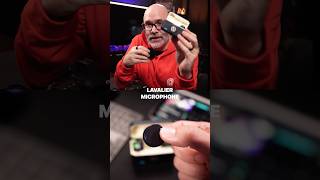
The recording environment is crucial: loud environments need microphones that isolate the voice, like a lavalier mic.
The host is using a lavalier mic, which typically picks up everything, but this particular one has a feature to filter out background noise.
For indoor controlled environments, a shotgun microphone can be placed just out of view and still capture great audio.
A windscreen (dead cat) on the shotgun mic cuts down wind noise when used outside.
Dynamic microphones are ideal for podcasting or loud rooms because they pick up sound only when close, rejecting background noise.
Condenser microphones are great for voiceovers but require a very quiet room because they pick up everything.
Choosing the right microphone depends on your recording environment and content type; matching the mic to the situation is key to achieving professional audio.
What type of microphone is best for recording in a loud environment?
A lavalier microphone with noise isolation, or a dynamic microphone.
00:15
What is the advantage of a shotgun microphone?
It can be placed out of view and still capture great audio, ideal for indoor controlled environments.
00:53
Why are dynamic microphones good for podcasting?
They pick up sound only when close, rejecting background noise, making them ideal for loud rooms.
01:19
What is a key requirement for using a condenser microphone?
A very quiet room, because it picks up everything.
01:57
Environment Dictates Mic Choice
Emphasizes that the recording environment is the primary factor in choosing a microphone.
00:15Dynamic Mics for Noisy Rooms
Explains the proximity effect of dynamic mics, making them perfect for podcasting in less-than-silent spaces.
01:19Condenser Mics Need Silence
Highlights the trade-off of condenser mics: high sensitivity requires a controlled recording space.
01:57[00:01] easiest way possible, the very first thing you should do is upgrade your it's not even necessary to do that. But if you do want to level things up, then But here's what you should think about first. What environment are you going to
[00:15] important when it comes to selecting a microphone. Because if you're going to to need something that will isolate your voice. If you're recording in a loud something that will isolate your voice. That's where something like one of these
[00:28] lav microphone. It's actually what I'm talking into right now. Typically, this wouldn't be a great microphone for recording outside because of all the you and it would pick up pretty much everything. But this particular
[00:40] of that stuff out for you if you turn that feature on. Next, if you are recording indoors in a controlled environment and you have your camera there and you want to get a microphone that you're not necessarily holding, but
[00:53] it is just out of view so that people don't see it, but you can get great here. This records me and makes everything sound great, but you can't We call that microphone a shotgun microphone. And you can use it that way
[01:05] just put it right up to you and speak into it like normal as well. And you on here. This just cuts down on any wind noise if you happen to be using it outside. If you take it off, you can see this is much smaller. Now, if you want
[01:19] to get into podcasting and you want something that will just completely you're recording in a somewhat loud environment, then you might want to use one of these. This is a dynamic microphone. And how this works is it
[01:32] picks up your voice as you're close to the microphone. But if you start moving the microphone away, then the audio is going to get quieter really fast, which going to get quieter really fast, which makes these absolutely amazing for
[01:45] podcasting and recording in rooms with air conditioners on and fans on and stuff going on in the house and so on. These are perfect for that. And then depending on what it is that you're doing, a microphone like this is great
[01:57] for doing like voiceovers and things like that. But you got to have a really, really quiet room that you're recording in in order to make this mic work the way that it's intended to because it picks up everything. So, if you want to
[02:10] microphone. Just make sure that you pick the right




⚡ Saved you 0h 02m reading this? Transcribe any YouTube video for free — no signup needed.