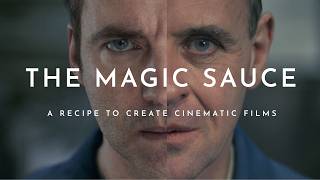

Hannibal Lecter on 'Cinematic'
38sHumorous spoof using an iconic movie character to mock the overused buzzword 'cinematic' is highly engaging and shareable.
▶ Play Clip"The title promises a deep dive into creating cinematic films, and the video delivers an exhaustive, multi-chapter masterclass covering everything from frame rate to post-production, making it highly accurate."
This video aims to deconstruct the often vague concept of 'cinematic' into a concrete, actionable recipe. It explores the various ingredients that contribute to a cinematic image, including the filmmaker's skill, fundamental technical settings like frame rate and exposure, camera and lens choices, and art direction. The video culminates in a 'shootout' comparing a high-end Alexa, a mid-range cine camera, and a consumer mirrorless camera to demonstrate that the gear is less important than the overall approach.
The filmmaker's skill and vision are the most important components; a great filmmaker can create a better image with worse gear.
24fps with a 180° shutter is the classic cinematic look. Higher frame rates (e.g., 60fps) look 'too real' and break the illusion.
A cinematic image is not overly sharp. Avoid digital sharpening and consider using softer lenses to reduce perceived resolution.
Modern sensors are surprisingly similar in performance. The camera choice matters more for workflow than for ultimate image quality.
Lenses have character, but no single lens creates a 'cinematic look'. Practical aspects like focus pulling are more important.
A shootout between an Alexa, MAVO LF, and Lumix S5IIx showed that differences are subtle, and the camera is not the primary limiting factor.
Develop a color palette, use backlighting for depth, and consider the motivated light (justification) for a cinematic look.
Composition, staging, and blocking are powerful tools for storytelling, influencing audience emotion and understanding without dialog.
Post-production grading and film emulation (like Dehancer) add the final 'poetic layer' to the image, emulating the look of analog film.
Does the speaker believe that a filmmaker's skill is the most important ingredient for a cinematic image?
Yes
9:22
What is the purpose of the 180° shutter rule?
To create the most natural-looking illusion of movement by blurring objects depending on their speed.
10:52
What is the primary aesthetic reason for avoiding high frame rates (e.g., 60fps) in narrative filmmaking?
High frame rates (like 60fps or 120fps) make the image 'too real' and break the dreamlike aesthetic associated with cinema.
11:20
According to the video, how important is the camera's sensor size (e.g., Full Frame vs. Super35) for creating a cinematic image?
Sensor size is 'largely neglectable'. You can make Micro Four Thirds, Super35, or Full Frame work.
26:04
What is the video's rating of the importance of high resolution (e.g., 6K vs. 2K) to the cinematic image?
Low. The video argues that resolution beyond 4K makes little sense for narrative contexts.
29:03
According to the video, can a specific lens make an image cinematic?
No. The speaker says, 'no lens delivers a cinematic look besides maybe anamorphic, and only in a narrow way'.
36:28
What importance does the video assign to the camera itself for the final cinematic quality of the image?
Medium.
53:57
What is the video's primary recommendation for using color to enhance storytelling in your film?
A good starting point is to use a color palette (e.g., cool blue for the criminal world, warm orange for love).
65:05
What is the Kuleshov effect, as described in the video?
It describes a mental phenomenon where the audience derives more meaning from the context (the sequence of shots) than from the acting itself.
58:41
What is the primary purpose of film emulation plugins like Dehancer, according to the tutorial?
To emulate the aesthetics of analog film, including grain, halation, and color shifts.
98:57
The Filmmaker is the Key
It identifies the filmmaker's skill, not the gear, as the single most important component of a cinematic image, which is a foundational counterpoint to gear-focused online discussions.
9:2224fps is the Sweet Spot
Provides a clear, historical and technical reason for the 24fps standard, explaining that it's not just a limitation but an aesthetic choice that allows the brain to interpret the image as a memory rather than reality.
10:20Modern Sensors are Converging
Makes a strong, evidence-backed claim that the difference in image quality between a high-end Alexa and a consumer mirrorless camera is negligible for the final cinematic look, democratizing filmmaking.
34:40Backlighting for Depth
Succinctly states a core technique: backlighting is more cinematic than flat, front light because it creates depth and shape, which is immediately actionable for any filmmaker.
83:55Perfect Can Be the Enemy of Good
A closing insight that warns against the trap of over-perfection, arguing that leaving room for spontaneity often creates the most powerful images, elevating craft to art.
121:40[00:03] How often have you read a post, asking “how can I achieve a cinematic image”… ?
[00:09] Most answers are usually that
[00:16] Lighting is certainly very important… but what
[00:26] I have never seen an attempt to capture and
[00:31] something like a recipe that might serve
[00:37] result. And that’s why we set out to create a
[00:45] See it as a very condensed curriculum of
[00:51] This will include evaluating gear as well
[00:58] Watch the screen little Starling
[01:03] If you are here, you are probably someone who
[01:07] I. Want. That.
[01:11] I want to create these stories and
[01:15] yet so poetic, and powerful… just…
[01:20] Every image from the silver screen that
[01:25] what is the “magic sauce” that makes them so
[01:30] How can I create those cinematic images
[01:35] Depending on where you are on your journey,
[01:39] camera is not… well… cinematic in the
[01:44] But why?
[01:46] those fantastic actors, sets, costumes, lighting,
[01:52] history of film that show relatively mundane
[01:56] yours look… well… they don’t look cinematic.
[02:00] of the camera or is it, what happens behind the
[02:06] is moved, and how important is the camera itself?
[02:14] maybe it about the codecs, color science,
[02:20] We are setting out to quantify the different
[02:25] something like a recipe, or even a shortcut
[02:31] We are going to evaluate all ingredients
[02:36] Did we arrive at a point where
[02:39] We are going deeper into technical
[02:44] and of course we go into the relevance of
[02:47] cheap and legendary… we are going to pitch kit
[02:51] tell the difference or is the lens choice
[02:57] This episode is kindly sponsored by Dehancer and
[03:03] can help you to create cinematic images… way
[03:09] Let’s start by meeting your “Lector”
[03:13] “breaking the silence”… don’t go near the glass
[03:43] Hi, I'm Barney. He told you,
[03:47] If you want to now how to create a
[03:51] but whatever you do, don’t use the term lightly!
[03:55] He’s past the others in cell 667…
[04:25] Good morning.
[04:27] My name is Clarice Starling. May I speak with you?
[04:29] You are into filmmaking……… aren’t you?
[04:35] I am, yes.
[04:36] You are a student seeking to
[04:43] Yes, I am a student, I am here to learn from you.
[04:48] Sit… Please
[05:04] Perhaps you care to lend us your view…
[05:07] Nothing… it means absolutely nothing!
[05:14] as having the aesthetics of a film…
[05:22] I’m only asking you to look at this
[05:27] A director once asked me to
[05:32] I ate his liver with some
[05:42] Let's try to deconstruct the meaning
[05:49] fly… fly… fly
[05:57] This spoof was filmed in my living room and it
[06:02] the Dehancer film emulation plugin and there is
[06:08] so stick around if you would like to
[06:12] Our Lynch and Kubrick members will also
[06:16] After Effect, as well as some footage
[06:25] The word “cinematic” describes
[06:29] Fashion and technology has changed so much over
[06:34] see a connecting quality in the images.
[06:40] black&white and color, a highly stylised phantasy
[06:49] Even beyond cinema the term cinematic
[06:54] to describe “Game of Thrones, Westworld, or
[07:03] High end advertising and music videos always
[07:07] fashion of cinema… many fantastic filmmakers
[07:13] Glazer, and Tarsem coming from that realm.
[07:21] A cinematic image is an image that is
[07:25] It is somebody else’s vision… and
[07:29] of that persons imagination… you could say,
[07:32] it is reality that has been pre digested…
[07:38] We take on the view of a
[07:38] We distilled that in the following mantra
[07:43] “A cinematic image is a visualised memory”.
[07:48] A cinematic image is beautiful… even if it
[07:53] it is crafted to be what it is. It is art.
[08:06] PART I: THE BASICS
[08:18] A film is made three times: First in the writing
[08:25] and finally in the editing. This quote by
[08:33] Talking to filmmakers you often hear that it is
[08:40] but paper and a pen will do in then, right?
[08:44] In a cinematic context, there is obviously
[08:51] For this episode, we will put the story out
[08:57] which is just as, and arguably more important
[09:05] While we are talking about the image here, you
[09:13] cinema is storytelling… and the
[09:19] The most important part of
[09:22] When we say “behind the camera” we
[09:26] or the crew in a larger context.
[09:31] is always the filmmakers …
[09:34] “you” when we talk about the filmmaker and
[09:36] what happens behind the camera.
[09:39] create a better image than a bad one,
[09:39] Therefore, the most important part
[09:39] improve your knowledge and skill set… and,
[09:39] It makes a lot of sense to look at simple
[09:44] to avoid those, but also to help us figuring
[09:51] let’s get those out of our way, before
[10:07] This is the first film ever shot…
[10:12] but with 16 photo cameras that where
[10:18] Since an early time in cinemas history,
[10:20] the standard frame rate in
[10:24] If we play the 16 images at 24 frames
[10:29] This is not, because there are to few frames.
[10:34] images at 12 frames per second,
[10:38] This is how it looks when we interpolate frames
[10:44] What is missing is the motion blur…
[10:46] Here we added motion blur in Post…
[10:49] When filming, every frame should be exposed halve
[10:54] the most natural looking illusion of movement
[10:59] This is called a 180° Shutter.
[11:02] Of course one can have a smoother,
[11:06] by increasing the frame rate.
[11:10] a technical issue, most cameras allow to
[11:15] but should you? There seems to be more to
[11:20] There have been experiments
[11:23] and again over the history of cinema.
[11:27] who is famous for iconic movie like Life of
[11:33] “Gemini Man” and “Billy Lynn's Long
[11:38] second during capture as well as during
[11:42] this doesn’t look bad right here it is a perfect
[11:47] What you see here is 24frames per
[11:47] – you guessed it – 24 frames per second.
[11:47] This is the scene at 24frames per second…
[11:51] a HDR version with 60fps.
[11:55] it demonstrates the problem.
[11:58] with all other factors that make an
[12:03] blocking… you name it, there is something wrong.
[12:10] to real. An aesthetic we are used to und
[12:16] While I totally get Lees approach to
[12:20] these high frame rate experiments
[12:25] When we talk about to avoiding high frame
[12:29] is displayed in cinematic context.
[12:33] acquisition of slow motion footage
[12:39] It speak s for the validity of
[12:43] not based on technical limitation in
[12:47] than just the viewing habits we mentioned.
[12:49] but about the motion blur that comes with
[12:51] that leaves our brains enough room to interpret
[12:57] The combination of 24fps with
[13:03] 25fps or 30fps will not look vastly
[13:10] watching 24fps movies on a NTSC TV at
[13:15] looking quite cinematic. When modern TVs
[13:25] rate, it ruins the cinematic look…
[13:34] Importance to cinematic image: Very high
[13:37] The further we strive from 24fps we
[13:43] If your camera can do 24fps, and it doesn’t
[13:49] it. You can use the shutter angle to compensate
[13:57] to the 180° shutter rule as possible,
[14:04] You read it a hundred times on the usual
[14:10] stay sharp wide open, is it sharp edge to edge. I
[14:19] Almost everything you every saw in
[14:24] This has a lot to do with technical limitation,
[14:30] digital acquisition and 4K projection.
[14:35] but it is not overly sharp, because it
[14:40] Many of your favourite movies were
[14:44] meaning that the digital negative was 2.8K
[14:50] Most people these days use hybrid cameras
[14:50] that means they are designed to look
[14:50] leaving away the OLPF that makes
[14:50] The result is an image that is much
[14:50] are used to in the analog realm.
[14:50] cine cam like the Alexa that has a
[14:50] With a very sharp lens designed
[14:51] this will result in an image that is unpleasantly
[14:51] With digital imagining in cinema it is a lot about
[14:51] but just using blur doesn’t look great either
[14:51] it can reduce the films resolution in the
[14:51] Importance to cinematic image: High
[14:54] In the sense that that there shouldn’t
[14:59] Always switch off all sharpness enhancing
[15:05] unless you really have a good reason to do so.
[15:12] as the chosen process doesn’t
[15:17] Consider to reduce detail and resolution by
[15:24] or detuned lenses. You can also
[15:29] without making the image look to
[15:34] Resolution in distribution is a
[15:38] not so much because of the resolution
[15:43] platforms like Netflix and YouTube allocate
[15:49] Rather than the amount of pixels the higher
[15:55] better. Upscaling to a higher resolution
[16:02] Now that we got some basic “no no”s out of our
[16:07] Let’s start with what seems to be a super
[16:13] lenses, and all the tools to put these into the
[16:24] Until the rise of digital acquisition in cinema,
[16:29] about the image. The image itself was created by
[16:35] suppliers of stock – Kodak Eastman being the major
[16:40] to color balance and various sensitivities. The
[16:45] decades, meaning that higher ISO film with less
[16:52] very detailed … 1976 Taxi Drives look considerably
[16:58] nice master, it is mostly the chemistry
[17:03] As the negative was the limiting factor,
[17:07] as possible” and not shot wide open unless
[17:14] Of course there were different film formats
[17:17] over the decades, to many to go through
[17:21] roundup in our “SCOPE Chapter One if you are
[17:29] dominant format was and is 35mm film
[17:34] Techniscope, and Super35 that simply use more
[17:41] Besides the stock, Cinematographers could create
[17:47] different lenses and filtration, and different
[17:52] Film stock is said to offer a dynamic range
[17:57] chemistry… and that is a lot. More than most
[18:03] clip late and the rolloff looks beautiful… on
[18:09] standards and under exposures quickly
[18:14] as having a resolution of about 4k, but that is
[18:20] 4K scans are more about preserving the
[18:25] perceived resolution. The resolution
[18:29] exceeds the theoretical resolution of a camera
[18:33] further degraded in a cine process requiring
[18:39] A digital 2K image has arguably enough resolution
[18:45] which is why it was the preferred resolution
[18:51] Analog TV cameras and Camcorders had
[18:56] resulting i a very different look. Emulating
[19:02] for filmmakers including things like
[19:06] very carefully to stay within the
[19:10] This brings us to to the digital
[19:11] revolution in cinema… or i it an
[19:16] Here are some important steps in the
[19:21] The first cameras that where used in cinema
[19:25] for broadcast, where Sony CineAlta cameras
[19:31] in camcorders… requiring special lenses
[19:36] Attack of the clones was pioneering here. The
[19:42] details … but the practical advantage to see
[19:47] review takes without having to wait for
[19:53] 2002 brought the Thomson Viper Camera
[19:59] This camera was David Finchers digital
[20:03] some scenes of “The Curious case
[20:10] 2003 the first cinema camera with a single CCD,
[20:17] similar to 35mm film allowed the use of regular
[20:24] score major credits in cinema except for a
[20:31] In 2005 the Panavision Genesis took the crown
[20:37] let crew review the shot material, taking
[20:42] production – According to Fincher, that was the
[20:48] The Genesis was rebranded and
[20:54] Also in 2005, Arri introduced their first shot
[21:01] few credits, but among them is Guy Richies
[21:08] 2007 was the year that red introduced the RED one.
[21:14] the Genesis made digital cinema accessible main
[21:20] probably due to reliability issues,
[21:26] 2008 brought the Silicon Imaging
[21:31] cam with detachable head. It was used
[21:36] less attention filming gorilla
[21:40] in 2010 Arris release the Alexa,
[21:45] scale. According to many working DoPs,
[21:50] quality of 35mm film - technically speaking
[22:00] Melancholia was one of the first credits of
[22:05] of this movie where shot digitally,
[22:09] camera… the VisionResearch Phantom.
[22:17] Dragon, Helium, and V-Raptor have their
[22:22] Fincher likes RED – he shot all of his films
[22:27] Still, the cinema mainstream clearly
[22:32] In 2012 the Empire tried to strike back and
[22:40] It took five more years for
[22:42] share with the 2017 release
[22:47] Arri themselves entered the 4K Full
[22:53] Since then, there where evolutionary steps
[22:58] market significantly – except maybe
[23:04] like 70mm and IMAX mostly thanks to
[23:10] Meanwhile the high end cine cameras
[23:14] end market and mirrorless cameras.
[23:18] few major player left in the competion with a
[23:24] to the majority of camera manufacturers.
[23:29] up to high end Cine Cameras… the sensors are
[23:35] Mostly Bayer CMOS technology delivering
[23:40] It is amazing how indistinguishable
[23:45] glance and in the final result.
[23:50] that even a decade old digital cinema
[23:55] There are a ton of subject that are
[23:59] Rolling shutter versus global shutter,
[24:04] mention practical aspects that can
[24:09] But we want to stay focussed on the cinematic
[24:15] aspects that are most relevant to that.
[24:21] we know this will come up… let’s start with the
[24:30] You often hear the notion of a “large
[24:35] No format has a specific look. A large format
[24:41] as long as equivalent lenses are used. Of course,
[24:48] format v or a deep DoF with a smaller one
[24:53] but in a cinematic context that hardly ever
[25:02] With analog formats, a larger negative was and
[25:09] resolution in larger projections. IMAX requires
[25:15] it is designed to fill the peripheral view of
[25:21] If you frame IMAX like a normal film, you
[25:26] you a “first row” cinema experience.
[25:31] uses large formats up to IMAX because only a
[25:37] quality to smaller digital sensors while still
[25:40] it is a good story to use IMAX and Nolan is a
[25:47] Digital formats are different as they
[25:50] smaller sensor can potentially outperform
[25:56] Sensors are bound by physics, though.
[26:00] increase the resolution without running into
[26:04] This is why a tiny sensor will never
[26:09] to a large format… unless the
[26:13] Sensor sizes are very much about
[26:18] For our use case in a cinematic
[26:22] neglectable – Micro Four Third, Super35,
[26:23] Danny Boyles upcoming “28 years later”
[26:28] that is, if you pull every trick in the
[26:33] practical… while being 15 years old, Alexas
[26:40] Importance to cinematic image: Low
[26:47] RED has been pushing the importance of
[26:52] revolution. Filmmakers like David Fincher
[26:57] their style of filmmaking, and it makes
[27:01] with a sensor that has a high resolution.
[27:07] route. The ALEV III was specifically designed
[27:08] that is not requiring very high resolutions.
[27:10] 3.4K, and it only has that when shooting
[27:16] Most things you have seen and loved
[27:20] 2K master… and it looks great.
[27:27] every bit of quality out of the ALEV III
[27:34] Looking at what the old Arri Alexa can do,
[27:37] it is very hard to argue for missing resolution…
[27:43] The Revenant mixed images shot in different
[27:48] Alexa 65 uses 3 fused ALEV III for 6.5K. The
[27:58] What you see here is a big resolution different
[28:04] you can’t identify which was which by just looking
[28:13] Our “The Killer” masterclass was shot on in 3.4K
[28:19] 8K RED V-Raptor… the crop is probably around
[28:27] The high end sector cared little about resolution
[28:32] “real” 4K acquisition for their own productions…
[28:39] Netflix movie: The Ballad of Buster Scruggs was
[28:50] Arri kind of gave in to the markets
[28:54] in 2018… two fused ALEV III sensors
[29:00] same proven colors, codecs, and workflow.
[29:03] a cinematic context, and a higher resolution on a
[29:03] sensels… that is a pixel on a sensor. That again
[29:03] It makes a lot of sense to weigh
[29:03] that come with high resolutions.
[29:05] require the ability to punch into the image a
[29:11] Of course and as always… the technology
[29:15] and there is nothing wrong with high
[29:19] Importance to cinematic image: Low
[29:26] One of the specs that is very often stated as the
[29:31] Dynamic Range. This means the difference between
[29:39] “clips” and darkest parts of the image before
[29:45] The difference in-beetween values
[29:49] doubling or halving the amount of
[29:58] The Thomson Viper used in Zodiac
[30:02] stops. That is a bad performance by today’s
[30:11] These scenes from 2014s “It follows” have
[30:16] an Arri Alexa that has over 14 stops dynamic
[30:22] the huge difference in dynamic
[30:27] Here is something in the same mood we
[30:32] This proof that dynamic range is a lot about
[30:37] great values to create a cinematic image. Still,
[30:43] off” better, so transition into the midtowns
[30:50] A larger dynamic range allows to capture images
[30:56] like with windows in a dark room, without having
[31:01] A better dynamic range can also make exposure
[31:07] exposure in post, or to create High
[31:12] Looking at an image straight out of the
[31:16] the first noticeable differences between cameras.
[31:22] the dynamic range, is to use Dual Gain Output or
[31:29] with different gains at the same time. These
[31:34] You have the expanded dynamic range of
[31:39] DGO sensors are found for
[31:43] the Ursa 4.6K, and some Canon Cine Cameras.
[31:50] they need more power to work and better cooling.
[31:55] normal sensors are good enough and even cameras
[32:00] Cameras from all classes including hybrid camera
[32:06] There haven’t been huge jumps in what dynamic
[32:12] exception of the Alexa 35 that is what happens
[32:18] As dynamic range is such a sought after spec, and
[32:22] range manufacturers can be kind of spin doctors.
[32:28] that measures Dynamic Range and Latitude
[32:32] provide numbers that make cameras comparable.
[32:37] website comparing most important camera in the
[32:44] They where so kind to allow me to use
[32:48] you so much Cine D … there is a link to their
[32:53] discussions in the description. If
[32:59] Importance to cinematic image: Medium
[33:02] Keep in mind that dynamic range is not everything…
[33:08] cinema cameras with limited dynamic range, and
[33:13] Phantom only sport about 10 stops dynamic
[33:18] a Phantom and even with the difficult lighting
[33:25] There are many other technical aspects
[33:30] Colors & Latitude, Sensitivity & Noise,
[33:36] Depth … but we want to keep such very technical
[33:41] we can do that in a sequel to this one.
[33:43] condensed practical advise.
[33:47] camera you are using is offering and a LOG
[33:55] will provide you with a digital negative that
[33:59] in post. Something that most movies do these days.
[34:06] what looks good, and what is
[34:10] This is true for exposure as well as focus.
[34:13] underexposed, expose according
[34:30] Even with different formats, variations,
[34:37] close to each other in terms of image quality.
[34:43] is a fair ask: does the camera even matter
[34:49] in expensive cameras, or is there a more
[34:56] As usual there is no short answer
[35:01] as valid as they where since the dawn of
[35:07] weight, codecs and many other aspects strongly
[35:15] To test the subject, we prepared a shootout
[35:20] before we go there, we have to
[35:23] are an important ingredient in our magic
[35:28] Cine lenses are important for filmmaking… but
[35:35] Should you invest in cine lenses… are vintage
[35:42] even use the kit lens the came with your camera.
[35:52] In our shoot out, we put that to the
[35:59] Talking about the character of lenses is
[36:05] subjective and and often depends on circumstances
[36:12] Competing manufacturers try to strengthen
[36:19] Claims that lenses “make the whole world
[36:28] Cine lenses provide practical and technical
[36:35] lenses have certain looks… but that is mostly
[36:41] delivers a “cinematic look” besides maybe
[36:50] Historically the choice to shoot
[36:54] or Angeniaux lenses had little to do with the
[37:01] Cine lenses are optically not “necessarily”
[37:09] Cine lenses have been specifically designed for
[37:14] nutshell this means that they are fully mechanical
[37:19] focus, Iris, and zoom for motorisation and the use
[37:25] much longer than on a photo lens… especially
[37:29] throws so the servo motors can focus quicker.
[37:34] not always given, depending on the specific cine
[37:40] of the gears and the same front sizes for quicker
[37:46] change their lengths which is bad for Matte Boxes,
[37:51] so the lens doesn’t have the subtile focal
[37:57] Traditionally cine lenses are build
[38:01] requirements and to allow easier servicing.
[38:06] mount systems of the cameras of their
[38:10] collimated and shimmed to have precise makings.
[38:16] wouldn’t see the image that an analog camera
[38:21] the optical viewfinder for framing, but not the
[38:27] video systems in the viewfinder wouldn’t deliver
[38:33] pullers used tapes and markings to hit the right
[38:39] is hard to do and requires a lot of experience.
[38:44] many old and even relatively modern
[38:48] out of focus… sometimes because the subject
[38:55] If the distance markings on the lens were
[39:00] shimming on the lenses as well as the cameras
[39:05] You can imagine that using normal photo
[39:11] Digital cine cameras changed that
[39:15] work visually by using monitors, focus
[39:20] This makes correct markings less critical,
[39:25] shimmed. When we change the mount on the camera
[39:31] down the drain – you just don’t really notice
[39:37] peaking. This is why cine mounts and lenses
[39:41] and tools to adjust the back focus precisely.
[39:49] the sensor to determine the focus distance,
[39:55] Today, most new cine lenses are designed
[39:59] trend to lighter designs optimised for
[40:04] For a filmmaker today, the relevance of
[40:09] aspects. Pulling focus on a shot, especially
[40:14] much easier with the right cine lens and a
[40:19] the eyes of the audience to what matters. No
[40:24] and the mood of what you are filming Of course you
[40:30] but it is cumbersome and the missing hard
[40:34] memory to where the focus distance is at what
[40:41] with hard stops and work much better with added
[40:46] this is what makes them a popular
[40:50] Most modern lenses are designed
[40:53] and clear as possible, and there is nothing
[40:58] lens, as it doesn’t add anything to the image.
[41:04] vintage and anamorphic lenses had a revival.
[41:09] and “flaws” like optical aberrations,
[41:14] and sharpness falloff lending an image a poetic
[41:20] vintage lens families. The Contax Zeiss vs
[41:27] and the Canon FD versus the K35 following
[41:34] more. Anamorphic is a whole world to explore and
[41:42] exploring the history, technology, and fashion of
[41:48] testing modern anamorphic cine lenses, check out
[41:53] Finchers The Killer using anamorphic cine
[41:57] rehousing a photo lens to a cine lens… we have
[42:03] interesting insights including, how to evaluate
[42:10] Importance to the cinematic image: Medium
[42:15] to play with all kind of lenses to get a feel for
[42:23] It may make sense to look into filtration
[42:28] While you can add a very personal note
[42:33] cinematic image with any lens.
[42:38] is more important to you, and maybe to other
[42:45] Having said that… practical aspects are
[42:51] or just to improve storytelling
[42:55] and, if you have been on this channel,
[43:10] The first contender in our shout out
[43:13] the legendary ALEV III sensor inside an ALEXA
[43:19] size Alexas are huge and heavy… but the M version
[43:25] to be tethered with a fibre cable to a full
[43:31] which was Arris denomination for their
[43:36] featuring on board RAW recording with
[43:41] allowing to record in 3.4K instead of the
[43:47] was originally intended for 3D rigs but also
[43:53] and whenever light weight cameras came in handy.
[43:59] normal Arri Alexa XT delivers… so you can
[44:04] Blade Runner 2049 to see what this camera
[44:10] XT-M a lot to be able to get the “up and
[44:15] the movie… shots that would been hard or even
[44:21] As the Alexa 65 can’t be over cranked, The Alexa
[44:29] The XT-M was also used for many scenes in
[44:34] some of the very dynamic shots in the battles
[44:40] in Skyfall for some shots… for example the
[44:45] Roger as this BTS shows… and, there is the M
[44:51] ideal camera as we didn’t have to invest
[44:56] and even Gimbals are strong enough to
[45:01] sized Alexa. Our version of the XT-M has
[45:02] helicopter gimbals and unlike the normal SMTP
[45:02] so we power the head with either a power cable or
[45:02] is super light but doesn’t have the sturdiness
[45:02] some tricks it is workable and can be a s long
[45:02] The camera has exactly two buttons… one
[45:07] to run and stop recording.
[45:10] of liberating. It reduces your process to
[45:16] A bit of rigging makes the
[45:19] the Alexa Mini camera and it has some advantages.
[45:22] It can record open gate uncompressed RAW up to
[45:30] Most Ms have been used on helicopters – like ours
[45:36] Ours came in with 500 hour which is nothing
[45:43] We added the DJI focus pro to give the head auto
[45:52] We have a whole episode about the Focus Pro
[45:52] Of course it comes with a ton of quirks you
[45:52] out on the head and especially XR cards
[45:53] record audio in RAW modes, so you have
[45:53] If you are thinking “practical” this is NOT it…
[45:57] this camera is like a classic car and as such you
[46:04] boy… if you drive it… it is something.
[46:09] Operator… this is a very affordable way to
[46:14] 6.000 USD makes the Alexa the highest end
[46:21] We decided to do a litte extra
[46:21] How we are rigging and working with it. And
[46:21] the XR cards with our own modern media. For
[46:21] tutorial on how you can do that yourself.
[46:21] episode, so, if you are interested subscribe
[46:21] ready. If it is already out… link is
[46:21] Our second contender is the Kinefinity MAVO LF
[46:28] Full Frame cine cam. The MAVO is and has been
[46:37] and boy did it have to take a beating, including
[46:43] other things that are quite dangerous. It is
[46:48] failed us… even under those circumstances. The
[46:54] delivers amazing sensitivity… using back
[46:59] with 10.000 ISO. A very practical surmount
[47:08] it comes to lenses… PL, LPL, EF, E… just go for
[47:11] internal ProRes up to 4444XQ, at about about
[47:18] options… a strong OLPF, SDI, timecode, genlock,
[47:25] work horse perfect for productions like ours.
[47:29] hasn’t really penetrated the western cine
[47:29] lists a MAVO LF mark 2 body at 9.000 USD
[47:34] Our third contender is the Panasonic LUMIX S5IIx a
[47:41] it is the the entry level full frame option in the
[47:47] features like ProRes 422 to an external SSD
[47:54] with an L mount that is very versatile.
[47:59] Panasonic has a great track record for making
[48:04] has very good PDAF auto focus and an amazing
[48:10] anamorphic modes, V-log, Full size HDMI out…
[48:13] angle option. FX3 users had to wait three years
[48:13] upgrade… Unlike the FX3 it can record video in
[48:19] glory internally in h265 420 on two SD cards
[48:27] It doesn’t have an OLPF so it is very sharp… great
[48:34] Still, If we need something that basically shoots
[48:40] S5IIx is our go to camera at the moment.
[48:45] it is the most affordable and
[48:48] The image is great for a camera in
[48:52] to see if it can compete with the over four
[48:58] A camera is nothing without a lens… In
[49:03] lenses with the DZO Arles, vintage photo
[49:10] Anamorphic lenses with the DZO PAVO,
[49:15] there is the most uncinematic lens
[49:21] We purposely chose to shoot something relatively
[49:24] mundane as we don’t want to distract
[49:28] I simply walk through the studio and different
[49:33] light, to back light to top light the camera.
[49:39] but with different cameras and lenses tossed up.
[49:42] The rules for our Shootout are as follows.
[49:44] We are shooting all cameras with the best
[49:49] That is H265 on the LUMIX,
[49:56] and uncompressed ArriRAW on the Alexa.
[49:59] that is possible. Dehancer will help us with that
[50:00] The practical light and the shadows should tell
[50:00] even that is besides the point.
[50:02] and try to guess which camera with what
[50:06] you to decide for yourself, which
[50:11] or if there is any such distinction at all.
[50:16] lens combination for the fitting
[51:29] Let’s go…
[53:24] Did you get diffrent cinematic
[53:27] And, if yes… how much of that was
[53:31] and how much was that from the lens choice.
[53:36] We will finish up with a side by side
[53:42] kit zoom next to the Arri Alexa with
[53:47] say which is which on a larger display,
[53:51] is worth it for you – and if you can’t,
[53:57] Importance to cinematic image is medium
[54:03] higher end camera, sensors, and codecs
[54:08] an image is little. Every modern camera is more
[54:17] We still voted the importance at medium, because
[54:24] process… this will include things like
[54:30] To be very clear, there are many reasons
[54:35] they are built to fit the workflows and the
[54:41] it really helps if crews and DoPs are used to work
[54:49] And, if something goes wrong, there is usually a
[54:55] For independent filmmakers these
[54:59] If you want a cinematic result, the
[55:18] It is very obvious that what happens before
[55:24] more than the camera or the lens for sure. This
[55:31] the costumes, the make up, the lighting……… and
[55:37] is what tunes you into the feel of the image.
[55:44] with a truckload of lights and a large crew, but,
[55:50] living room or backyard will always look kind of
[56:00] Let’s start with simple things every
[56:42] A charismatic face and captivating performance
[56:49] as everything else… actors allow the audience
[56:58] As a filmmaker choosing and communicating with
[57:05] are as many approaches, needs, and styles as
[57:13] difficult and – There is no lack of horror
[57:18] a movie. Tension can be the anvil on which
[57:24] many examples for difficult work relationships
[57:31] collaboration can do the same thing.
[57:36] who he is and what works best with a
[57:43] From Method acting to the Stanislavski's method…
[57:51] From a filmmakers perspective there are techniques
[57:58] In American Psycho Willem Dafoe plays
[58:02] towards the protagonist. Sometimes
[58:09] sometimes he is ambivalent, and sometimes he
[58:17] guilty prey. His attitude switches often
[58:23] shot – This leaves the protagonist as well as
[58:29] Director Mary Harron had Dafoe play each
[58:34] only one believe state… and edited the different
[58:41] If you never heard of the Kuleshov effect,
[58:42] for every filmmaker and every actor.
[58:44] phenomenon by which the audience derives
[58:49] acting itself… Alfred Hitchcock understood
[58:55] Jimmy Stewart's performance was shot without
[58:59] would look at in the movie… with the voyeuristic
[59:06] all that you read into Jimmy Stewart reactions
[59:16] Let’s reedit this to create an emotion… let’s say
[59:33] it is not really there… in the movie he looks
[59:39] The Kuleshov effect allows you to
[59:41] Some actors leave the emotional reaction
[59:47] the narrative from love to hate without any
[1:00:17] One very interesting technique could be
[1:00:21] “method acting”… let’s call it “method directing”.
[1:00:25] The idea is not to explain to
[1:00:29] but to put them into a state
[1:00:32] Here is a simple but great example:
[1:00:35] When Hans Gruber falls to his death in die
[1:00:39] do with Allan Rickman’s performance… he looks
[1:00:45] Rickman was droped from a considerable
[1:00:50] The special effect crew told Rickman that they
[1:00:52] surprise, the dropped him at the count of two…
[1:01:03] Famously, Stanley Kubrick shot the Staircase
[1:01:08] then again… and again… until Shelley Duvall
[1:01:13] what you see here is not regular acting but
[1:01:19] Effective… but … really mean.
[1:01:22] your actors for arts sake.
[1:01:30] Method Directing can do way more… it
[1:01:34] a whole movie, by sharing completely
[1:01:38] Here is a theory:
[1:01:40] written in a way that Deckard could be human or a
[1:01:47] director Ridley Scott, Deckard is a replicant.
[1:01:53] police force to hunt Nexus 6 replicants that
[1:02:01] All this is experimental and to assure his
[1:02:11] He doesn’t have obvious super human abilities as
[1:02:17] he is designed to withstand attacks from combat
[1:02:23] Harrison Ford always pushed back against the idea
[1:02:28] that Blade Runner would need a human protagonist
[1:02:34] he had discussions with Ridley Scott that ended
[1:02:40] Characters like Bryant and Gaff seam to treat
[1:02:45] lack of respect… and the famous unicorn
[1:02:50] a Replicant, but have to play along with
[1:02:54] of his fate in case of a failure.
[1:03:01] to be clear that Deckard is a replicant, or
[1:03:07] If you where the director… what would you do to
[1:03:14] If Deckard doesn’t know he is a replicant – A
[1:03:19] make him believe that he actually plays a human.
[1:03:25] might have ended in the agreement
[1:03:29] To be clear, I don’t know if Ridley
[1:03:32] be a brilliant way of guiding your
[1:03:37] Sharing alternative visions of
[1:03:41] Just imagine telling your protagonist that they
[1:03:43] are the the antagonist and the
[1:03:48] We will revisit “Method directing” in
[1:03:53] Think about how you could use things like
[1:03:53] get outstanding performances… or maybe you
[1:03:53] Good general advice is:
[1:03:59] share and enrich your vision – give the actors
[1:04:06] Be well prepared for every scene on
[1:04:11] story and character development in mind.
[1:04:18] … and always be the captain of your ship.
[1:04:27] The Next chapters will not be about fancy studios,
[1:04:33] the ability to lock down parts of a city.
[1:04:38] Sistine Chapel, or a massive studio that
[1:04:43] the Sistine Chapel… and you have the guts to
[1:04:48] This chapter is for the mortals and dreamers… and
[1:04:56] As an overarching theme, you should
[1:05:00] In movies this is part of the concept and
[1:05:05] by the art direction and costume departments.
[1:05:11] avoided. This can be extreme or very subtile.
[1:05:14] the sets, in the costumes and props, and
[1:05:19] in post. Beyond the movie itself… it can be
[1:05:25] or even merch. Just like in this example of “the
[1:05:32] Colors can be utilised to enhance
[1:05:36] and violent world of the driver is shown in
[1:05:42] and positivity is held in warm orange an brown .
[1:05:49] backgrounds in a metaphorical and literal way.
[1:05:55] he takes on her palette, when Irene is pulled
[1:06:02] The conflict of good and evil is symbolised
[1:06:07] into intro, trailers, and posters.
[1:06:12] go with a change in the location, story,
[1:06:18] If you have been around this channel you
[1:06:19] might have realised that our episodes
[1:06:24] That is true for their main parts, but
[1:06:29] and Behind the Scenes .
[1:06:35] honey golden palette of candle light.
[1:06:46] The Macro episode has muted
[1:06:55] The f03 episode the green turquoise tint
[1:07:03] This shows that you can utilise palettes even if
[1:07:08] sets and costumes. If you think of your next
[1:07:13] it flow from there. Maybe you have a theme or
[1:07:19] in cases like this, let the rest of your
[1:07:28] A very simple tip for beginners is to go
[1:07:32] mind. Look for locations and situations
[1:07:37] meaning that they are handsome and not to
[1:07:42] A back alley, a staircase, a facade
[1:07:48] look so cinematic when shot right.
[1:07:52] New York or have amazing nature like a
[1:07:57] in luck… chances are, you are not. I feel you.
[1:08:03] are for you to discover and even simple
[1:08:07] circumstances. It can be almost anything…
[1:08:19] Generally, places that have some perspective
[1:08:24] layering your composition. As a filmmaker
[1:08:29] can start by looking for a great
[1:08:33] Just filming against a wall can be very boring
[1:08:33] quality… like this wall of an arcade that we just
[1:08:34] Lighting a public space usually means
[1:08:38] and powering the lights can be difficult, too.
[1:08:43] lighting as that will mean you can work with
[1:08:49] and a decent camera can help a lot with that –
[1:08:54] Given the right context, you can even think of
[1:08:59] recreation we used an open reel recorder
[1:09:07] Maybe you have friends or family that have
[1:09:11] or special cars… pools with underwater
[1:09:16] forrest or park not to far away… it is unlikely
[1:09:24] the trick is to work the other way around.
[1:09:28] assets that are in your reach… develop
[1:09:33] give you. Be creative… Think about
[1:09:37] a scene… built a concept and a story
[1:09:42] When choosing a location you should always
[1:09:47] We like the look of the Elbtunnel in
[1:09:50] and public. Would it be much better without
[1:09:57] The Lights on the sides can be used to
[1:10:00] do is to get in the right position.
[1:10:04] that in the chapter “lighting”.
[1:10:10] it the sound. If you need to record
[1:10:14] allows you to do that as noise is virtually
[1:10:38] Costumes are an integral
[1:10:42] They sell the characters to the audience and
[1:10:46] perceived. They can be a story inside the story…
[1:10:55] they made these space guild suits out of
[1:11:00] We would dare to say that Costumes
[1:11:04] a cinematic image in low budget productions…
[1:11:09] a huge difference for a cinematic image.
[1:11:13] talent into a space suit… although you can…
[1:11:18] wears every day, but assembled in a way that
[1:11:23] If you don’t have a great idea or specific
[1:11:27] a good idea as the can cause Moire .
[1:11:31] we replicateded various costumes with very
[1:11:46] Gorman costume we used a olive overall and
[1:11:52] eBay… combining that with a vintage headset made
[1:11:58] character was that I had my hair shaved off. How
[1:12:05] For the Leon character in our Blade Runner
[1:12:10] enhanced it by removing the arms and stitching
[1:12:17] COP Derringer also know as “mother’s defender”
[1:12:22] the movie sells the character, even when the
[1:12:42] What would be the Bryant character without a
[1:12:47] look? The simple solution … grow one.
[1:12:55] pattern of Bryants shirt… and, we got a holster
[1:13:05] For this episode, It was quite a bit of effort to
[1:13:10] jumper Hannibal wears in Silence of the Lambs.
[1:13:15] like the original on camera,
[1:13:19] We ended up buying a vintage overall
[1:13:23] to short for my 6 foot 2. Thank god that
[1:13:28] Washing it with bleach a dozen times gave
[1:13:33] printed the prisoners number in with
[1:13:38] We mention all of this to encourage you
[1:13:42] into costumes and props, small things can
[1:13:48] See, if there is a company in your
[1:13:52] and if there is not, or you have very
[1:14:00] Make up falls in line with the costume… again,
[1:14:03] we are not talking about effect make up or
[1:14:08] awesome to put that into your production.
[1:14:12] just spray some easy to mix artificial
[1:14:18] If you are not familiar with make up… usually
[1:14:22] or wife can help to choose the right product for
[1:14:29] Details are important and you
[1:14:33] props, and make up in your thought process.
[1:14:39] as you possible can… and, don’t use
[1:14:49] In cinematography and Photography, the artist
[1:14:55] flat surface… your screen.
[1:14:59] for “contrast” … meaning the difference
[1:15:07] The first artist to come to mind is Rembrandt,
[1:15:11] scenes. This type of lighting is named after
[1:15:17] Italian painter Caravaggio, already
[1:15:21] and perspective in extreme and beautiful ways.
[1:15:31] Lighting it is obviously a very complex subject…
[1:15:37] as such. There are many different approaches
[1:15:44] Film lights are lights sources that are
[1:15:50] Lights that are not explicitly supplied by
[1:15:55] lights, or lamps in a public building are
[1:16:00] Lightsources that are visible in the frame –
[1:16:06] as practical lights and as far as they illuminate
[1:16:13] When we think of cinema, we often think of
[1:16:19] and many scenes, old and contemporary
[1:16:24] sometimes right out of frame – like here
[1:16:32] or here in a Clockwork Orange. Historically, the
[1:16:38] the low sensitivity of the film stock. The cast
[1:16:44] of the demanding Technicolor process, the
[1:16:50] always close to a heat stroke because the
[1:16:55] temperature. The costumes didn’t help for
[1:17:01] With technological advancements like higher
[1:17:06] and more power efficient lights like HMI and later
[1:17:12] about aesthetics than technical necessities. That
[1:17:18] they are still absolutely necessary for high speed
[1:17:24] these kinds of lighting became unfashionable
[1:17:29] Some DoPs swear on a natural look, some go
[1:17:35] and there are films that have been shot almost
[1:17:41] some scenes are shot just with candlelight …
[1:17:46] there is no right or wrong. It depends on the
[1:17:51] Let’s get some inspiration from the greatest
[1:17:56] John Alcott shot many iconic
[1:17:59] Lyndon… The Shining… Clockwork orange, and 2001.
[1:18:09] Jacket with Douglas Milsome. Milsome is on record
[1:18:16] so effectively with little or no light. Most of
[1:18:23] was a very big suitcase for 2001- Still, just
[1:18:29] Alcotts efficiency was very inspirational for
[1:18:32] Milsome and Kubrick shot most of Full metal jacket
[1:18:37] documentary look. Using super speed lenses wide
[1:18:44] possible. Something that is easily outperformed
[1:18:51] Roger Deakins is famous for complex setup
[1:18:56] dimmed like he used excessively in Blade
[1:19:01] find in many of his films like here in Skyfall.
[1:19:08] he seems to have fun with massive installations
[1:19:13] Hyote Hoytema shots on large format film a
[1:19:19] light. For this scene in Nope he used massive
[1:19:27] Robert Richardson did similar lighting for
[1:19:32] amazing that it is so obvious and is still
[1:19:37] Hoytema used another approach to light the
[1:19:43] This shot was films in daytime with a technique
[1:19:45] called “day for night”. There is
[1:19:50] Darius Khondji lit the faces in 1991
[1:20:02] For Se7en Khodji created a very
[1:20:09] Eric Messerschmid light the sniper scene in “The
[1:20:14] lights that you see in the scene and some LED
[1:20:19] those scenes for our free cinematography
[1:20:24] complex setup but with very similar results,
[1:20:30] different approaches. We used Erics work
[1:20:40] simplicity that is at the heart of this kind
[1:20:46] to beige recreated… even if you just have
[1:20:51] Ridley Scott is a Director of course but is very
[1:20:57] collaboration with Jordan Cronenweth brought
[1:21:04] They approached lighting by
[1:21:07] until they got the one light left that is
[1:21:12] from Blade Runner uses one big light from
[1:21:17] reflects the light to fill the shadows. BTW…
[1:21:25] Cronenweth… the son of Jordan Cronenweth …
[1:21:33] Of course one can rely on natural light like
[1:21:36] Emmanuel Lubezki did for The Revenant …
[1:21:41] luck… and using a lot of post to get
[1:21:46] What does this all mean for a
[1:21:46] is a recipe for your own approach.
[1:21:48] and that can be intimidating… at
[1:21:53] It is almost dangerous to give “rules of
[1:21:58] There are so many different situations and
[1:22:03] from gritty street lights and car
[1:22:07] and there are so many techniques and qualities
[1:22:13] color schemes… it is a wide field that
[1:22:18] themselves and there are many great resources
[1:22:23] But let’s give you a tiny bit to work from.
[1:22:27] Start with what emotion a light evokes
[1:22:32] How does the light look, what
[1:22:37] is it soft… or hard… from what
[1:22:42] What is the justification for a light…
[1:22:47] This is called motivated light.
[1:22:51] and blocking… will your the movement
[1:22:55] You don’t need a truckload of light for a
[1:22:59] even available light can do magic if you know
[1:23:04] out of a suitcase using film… you can… well…
[1:23:11] If you rely on available light, you are
[1:23:16] style as natural light tends to change
[1:23:21] limits the predictability of a shots look.
[1:23:28] light will add a lot of control and freedom
[1:23:36] Sometimes available light like street lights
[1:23:40] car … and just adding something very
[1:23:45] If you have a situation like a build set in a
[1:23:50] and lights can be very handsome, not
[1:23:55] Create depth and shape with lighting…
[1:23:59] cinematic than a flat light from the
[1:24:03] do it in an interview rarely looks cinematic.
[1:24:10] the simplest of setups… hazers are cheap and
[1:24:16] remove smoke detectors for your shoot, and
[1:24:21] If you look at a scene in a movie and you
[1:24:25] figure out how it was lit… or at least, how
[1:24:30] garage that will produce a similar result.
[1:24:35] of your talent… or for lack of alternatives
[1:24:40] What quality and direction has the light?
[1:24:45] a hard or a soft shadow and in what direction.
[1:24:51] the ambient light. What color does it have?
[1:24:56] a very hard light, use a point light source,
[1:25:02] and/or add a large diffusion. Use grids to
[1:25:08] the time you are already there – the eye is
[1:25:17] The first time I tried to emulate the lighting of
[1:25:27] and for a first time, I think it came out
[1:25:33] using what I had… and that should encourage
[1:25:35] to light a whole scene or group and not just a
[1:25:40] to use much more powerful lights at a larger
[1:25:49] Importance to a cinematic image is … very
[1:25:54] setup is very complex or expensive…
[1:25:59] recreations over the years proved that.
[1:26:05] serve the story that you try to tell.
[1:26:52] Having all ingredients to make a film in place,
[1:26:58] Of course you would start a film by
[1:27:02] but as we are only talking
[1:27:05] that out… and start by
[1:27:09] Just like with a painting, a composition
[1:27:17] the frame. Unlike a painting a film
[1:27:24] Composition describes your image in
[1:27:26] To create a composition you put your
[1:27:31] desired positions. This called Staging.
[1:27:37] dynamic when characters, props or the
[1:27:41] often also referred as blocking but staging
[1:27:47] The composition and staging can be used
[1:27:53] imply power relations, show alliances, help
[1:28:00] many other things without a line of dialog.
[1:28:07] position of characters to each and
[1:28:11] a character to himself. Simple body language is
[1:28:18] for example by clever placement of mirrors putting
[1:28:24] Composition can be done very formal
[1:28:29] It is the filmmaker job to tell the story
[1:28:34] certain style of composition and staging
[1:28:38] like Wes Anderson’s obsession with
[1:28:43] Staging is not only useful for
[1:28:46] but it can also be a great tool to
[1:28:51] We have spoken about “Method directing”
[1:28:56] A director can put an actor in a relaxed or
[1:29:01] a result the actor has less “acting”
[1:29:06] Practically this can mean to put
[1:29:10] him or her feel unsupported and vulnerable,
[1:29:16] behind a desk and therefor in a place of power…
[1:29:21] emphasise with the character on a basic
[1:29:28] The Silence of the Lambs is an example for this.
[1:29:33] of the time while Lecter is standing. In this
[1:29:38] position – he is the teacher… he is in charge.
[1:29:42] and ads to Starlings vulnerability. Lectors
[1:29:48] Starlings face, implying his powerful influence on
[1:29:55] the personal space of the camera and therefore
[1:30:01] realise when analysing the staging, is that the
[1:30:06] view to a first version view… but that is only
[1:30:10] the audience, are Starling and we are the
[1:30:15] This is the power of staging.
[1:30:17] this episode… when Starling is absent, I look into
[1:30:24] the close ups always look into the camera.
[1:30:31] but it is actually quite difficult
[1:30:36] It makes sense to give newcomers some
[1:30:41] A good starting point is to
[1:30:44] impact utilising design principals of visual arts.
[1:30:49] composition work.
[1:30:50] If you are a photographer,
[1:30:54] this might come very natural to you, but
[1:30:58] formalised. We encourage you to invest time
[1:31:04] to throw them out of the widow, too.
[1:31:09] One formal form of staging in a
[1:31:30] This is usually used for dialog
[1:31:34] One character always looks to the right… one
[1:31:40] the characters look at each other. This is
[1:31:45] one side of the imaginary 180° line.
[1:31:51] the eye line is broken… these
[1:31:56] The camera and characters can cross the
[1:32:01] that crossing happening. You could also break
[1:32:06] audience. The most famous example for this is
[1:32:12] that we showed in the camera comparison earlier.
[1:32:17] make the audience experience Jacks confusion. The
[1:32:24] only switching the side, but also the position
[1:32:30] Beyond dialog, the 180° rule can
[1:32:35] help with spacial orientation.
[1:32:39] fraction B shoot to the right… these characters
[1:32:45] you can instinctively tell which character
[1:32:51] The highest form of staging is to combine a
[1:32:57] Spielberg is a master of this technique. His
[1:33:04] different shots, each with their own compositions,
[1:33:09] inserts, wides, close ups, all flowing together.
[1:33:12] for your actors and your crew. Blocking,
[1:33:18] choreographed to make this work… but if it does…
[1:33:24] always shoot some alternative angles so you
[1:33:30] Generally, a good staging enhances your
[1:33:35] your audience unintentionally.
[1:33:39] and stage your scene to tell your story?
[1:33:58] A huge ingredient in the magic sauce
[1:34:03] image turns into a phantasic image.
[1:34:09] does not mean that you have to mimic the
[1:34:15] an aesthetic that works in context.
[1:34:21] of our grades using and abusing the
[1:34:27] With or without the typical artefacts,
[1:34:32] from a subtile shift in the colors up to
[1:34:40] As mentioned we will leave the edit out of the
[1:34:44] also leave out complex CGI that can basically do
[1:34:50] that is a big IF of course.
[1:34:54] Like extending you set… putting in layers…
[1:35:00] elements… our episode contain a lot of compositing
[1:35:06] some of the FX for this episode in a minute. But
[1:35:13] When you see a movie and you are
[1:35:13] Movies look different than reality…
[1:35:18] the cinematic process creates a poetic
[1:35:23] Black & white film, a technicolor color
[1:35:28] Each process and chemistry had its own look …
[1:35:32] cinema resembles what you see in your daily life.
[1:35:40] Cinematographers could change how a certain stock
[1:35:45] and many other techniques… including post
[1:35:50] process and color timing. Imagine Saving
[1:35:55] desaturates the colors and increased contrast.
[1:36:03] with computers gave filmmakers way more freedom
[1:36:08] original character of the film stock.
[1:36:13] While different sensors can
[1:36:16] this doesn’t have as much impact on the image as
[1:36:24] Most cinematic images in the digital age,
[1:36:29] specific way – this can be subtile (the
[1:36:35] process “grading”. In the professional
[1:36:40] This can lead to very unique looking images, that
[1:36:45] Still, there is often a longing for the poetry
[1:36:51] extreme grade back and apply a film emulation
[1:36:58] you can see it as the power of reality… just like
[1:37:03] to deny the emotional impact that the analog world
[1:37:09] Mad Max: beyond thunder dome now. If you didn’t
[1:37:15] Denis Villeneuves Dune was shot digital on Arri
[1:37:21] and then scanned back to digital. When you look
[1:37:27] weaving, meaning that the image jumps a tiny
[1:37:34] This process seems excessive for something that
[1:37:40] will use film emulation software like Dehancer.
[1:37:46] as it adds life to digital images…
[1:37:51] but you can see another artefact: Halation…
[1:37:57] boundaries of over-exposed areas.
[1:38:02] its magic and Dune part three will be
[1:38:07] If you are an upcoming filmmaker. chances are you
[1:38:14] to do the grading, film emulation, and compositing
[1:38:20] also fun. Everything you see on this channel is
[1:38:29] I love the look of the older movies, they
[1:38:34] want to take any frame from them and hang it on
[1:38:39] movie of even put yourself or others into them
[1:38:45] by recreating the lighting, sets costumes etc.
[1:38:52] we work with green screen, but you still need
[1:38:57] To get to the look of the
[1:39:01] It basically does what they did with Dune,
[1:39:03] printing and rescanning the film …
[1:39:08] We love Dehancer and have used it on
[1:39:12] years… so we speak with quite a bit of experience.
[1:39:15] Dehancer is a Plugin that is available for
[1:39:21] Adobe Premiere & After Effects, and Final Cut Pro
[1:39:25] There is also a stills version for
[1:39:29] Affinity Photo, and there is even a
[1:39:34] For our task it is great that we can use
[1:39:38] inside Resolve and in Aftereffect… it
[1:39:43] So, what does Dehancer do exactly?… well, it is
[1:39:50] Together these tools create a very sophisticated
[1:39:55] than 60 film profiles of different stocks
⚡ Saved you 2h 06m reading this? Transcribe any YouTube video for free — no signup needed.