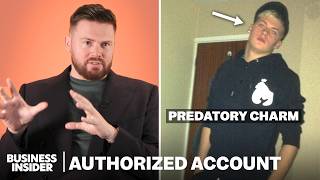

I'm a Psychopath: My Prison Story
60sThe raw confession of a diagnosed psychopath who served prison time for a violent assault is shocking and immediately captivating.
▶ Play Clip"Delivers an in-depth personal account of psychopathy, though the title oversells 'how psychopaths actually work' with a single case study."
A diagnosed psychopath, now a life coach, shares his personal journey from violent criminal to successful entrepreneur. He discusses his diagnosis of antisocial personality disorder, his lack of emotional empathy, and how he has learned to channel his psychopathic traits into positive outcomes.
The speaker was diagnosed as a psychopath and sentenced to prison for one punch that left a man in a coma. He describes his past as a 'bad kid' with a toxic relationship with his father.
He recalls a chaotic summer abroad with drinking and fighting, seeking adrenaline and feeling powerful. He engaged in risky behaviors like swinging from balconies, lacking fear.
He became an alcoholic and continued aggressive behavior. The last prison sentence was for hitting a man in a taxi queue, causing a brain hemorrhage and coma.
Looking back, he feels the same: no visceral emotion, only cognitive understanding that it was wrong. He has no idea what remorse or guilt feels like.
He describes psychopathy as experiencing the world differently, with traits like impulsiveness, manipulation, low fear tolerance, and lack of remorse or guilt.
He has love in his life but not as a felt sense; it's a cognitive bond built over time. He can detach emotions and doesn't feel happiness intensely.
He cried at the birth of his son, a rare emotional moment. He loves his son but admits it's different and less intense than a typical father's love.
He experiences love through acts of service, not physical touch or gifts. He appreciates when someone cooks for him as a sign of love.
He has cognitive empathy but not emotional empathy. He can logically understand others' feelings but doesn't feel them himself.
At 17, he felt intense emotions when his girlfriend cheated, leading to a breakdown and hospitalization. He felt loss and unlovable.
He recalls being expelled from primary and secondary school, and an incident at nursery where he sang happy birthday during quiet time.
At 7-8 years old, he decided he wanted to be famous, pursuing singing, acting, and dancing, even doing ballet and tap.
He was sexually abused by an older boy at stage school, an event he didn't remember until rehab at 24.
His family was emotionally shut down; his father was emotionally abusive, and his mother rarely showed affection. He felt it was his fault.
He involved his younger brother in selling drugs, seeing it as a trust issue rather than harmful.
He was diagnosed with antisocial personality disorder during a pre-sentence report, but initially dismissed it as a label for criminals.
He gradually accepted his diagnosis, realizing it explained his lifelong patterns. He learned to mask and adapt his behavior.
He clarifies that sociopaths and psychopaths are not inherently bad; they can choose to do good or bad. Many are unaware and uneducated about their condition.
Psychopathy is on a spectrum, from extreme violent offenders to those who are highly sensitive. The media sensationalizes the extreme end.
Psychopaths make up about 1% of the population, but many more have traits of sociopathy or narcissism without knowing it.
He uses different personas in different situations, similar to how everyone adapts. He is conscious of this masking.
He credits his success to his psychopathy, citing strategic thinking, lack of fear, and ability to take risks without emotional burden.
He runs an online coaching business, The Coaching Masters, helping people become life coaches, with 15,000 students.
He reframes manipulation as persuasion when used to help others. His impulsivity becomes risk-taking, and lack of fear becomes boldness.
He addresses critics who call him a cult leader, arguing that businesses are for personal gain and that he provides resources and support.
He compares his coaching success rates to universities, stating that if students don't succeed, it's their responsibility.
He observes that many people are held back by fear and overcomplicate life. He simply makes plans and takes steps.
Successful people like politicians, CEOs, and surgeons often detach from emotions to make tough decisions.
He admits to a dictatorial leadership style, lacking patience for emotional support, but it works for his vision.
He doesn't feel strong happiness but has a sense of satisfaction from climbing and achieving. He acknowledges it's an illusion but keeps going.
He found prison exciting at first, like an action movie, and even wished for more impressive crimes to boast about.
He took education classes for the extra pound a week, but a tutor's question 'Do you understand?' sparked a realization about his self-belief.
With the tutor's encouragement, he set a goal to go to university, believing he could despite his past.
He reflects that help came at the right time; earlier interventions might not have worked because he was dismissive.
After prison, he entered a full rehabilitation center, which was intense but helped him break down and rebuild himself.
He realized he was the problem and the solution, accepting responsibility and making changes.
His father died of pancreatic cancer, and he suppressed his emotions, taking drugs instead of dealing with the grief.
He found his father's funeral boring, lacking the emotional significance others might feel.
He has worked on his trauma through therapy and unconventional methods, and is writing a book called 'Unlimited' about turning adversity into an asset.
He has achieved success and significance, but still seeks deeper fulfillment. He is on an ever-evolving journey.
The speaker's story illustrates that psychopathy is a complex condition on a spectrum, and with self-awareness and effort, even negative traits can be channeled into positive outcomes. He emphasizes that psychopaths are not inherently bad, and that understanding and education are key to transforming one's life.
What is the prevalence of psychopathy in the general population?
1% of the world's population.
26:03
What are the main traits of psychopathy?
Impulsiveness, manipulation, low fear tolerance, lack of emotion, lack of remorse, lack of guilt, and lack of concern for others.
05:53
What is the difference between cognitive and emotional empathy?
Cognitive empathy is understanding others' feelings logically, while emotional empathy is feeling them yourself. The speaker has cognitive but not emotional empathy.
11:36
What is the speaker's leadership style?
Dictatorial, lacking patience for emotional support, but effective for his vision.
34:54
What event triggered the speaker's realization about his self-belief?
A prison tutor asked him 'Do you understand?' which made him realize he thought he was stupid due to his father's abuse.
38:35
How does the speaker experience love?
Through acts of service, not physical touch or gifts. He appreciates when someone cooks for him as a sign of love.
10:25
What is the name of the speaker's coaching business?
The Coaching Masters.
29:21
What is the title of the speaker's book?
Unlimited: How to Turn Adversity into an Asset.
45:01
What was the speaker's diagnosis?
Antisocial personality disorder (ASPD), often referred to as psychopathy.
20:33
What did the speaker feel at his father's funeral?
He found it boring, lacking emotional significance.
43:52
Diagnosed Psychopath
Opens with a shocking admission that sets the tone for the entire interview.
00:01Definition of Psychopathy
Provides a clear, personal definition of psychopathy, contrasting with common misconceptions.
05:25Crying at Son's Birth
A rare emotional moment that humanizes the speaker and challenges stereotypes.
08:18Psychopathy as Advantage
Reframes a stigmatized condition as a potential strength, offering a unique perspective.
28:52Prison Tutor's Question
A pivotal moment of self-realization that led to his transformation.
38:35[00:01] diagnosed psychopath. I was sentenced to prison for one punch that left a man in a coma. This is everything I'm authorized to tell you. feel about that?" I say, "Well, actually, I don't. I think about that."
[00:17] just every now and again I'll just get a little flicker and I'll go, "Oh, there's There I had little something there." I'm a life coach today. I would not be the a life coach today. I would not be the success I am without being a psychopath.
[00:36] bad, quote, kid and naughty, mischievous, cheeky. I also remember also having a a very toxic relationship with my dad specifically. But, in 2014, I'd got back from a extremely chaotic summer abroad where I was drinking,
[00:52] fighting every day. I was getting involved with all sorts of situations. I trouble. I wanted to feel something. And you get your adrenaline from doing bad. When I was fighting, I was fighting to to hurt, to win, to feel powerful. I
[01:07] have to drag me off. I would be punching and punching and stamping and stamping and stamping. And I go, "I'm I am And other people are very lucky that that I didn't end up killing somebody. And I got a bit of a thrill from knowing that
[01:21] people saw me in that way. And I would do it for the the attention. I was just doing anything I could to push things right to the edge. To the point where I like a silly thing, but I would literally swing from balconies. And I
[01:34] would be underneath and I'd be swinging from one arm and just hanging off. And know, look up there at Louis." And I would just That for me was more important. For getting the look at Louis, he's so crazy. Was more important
[01:47] wouldn't even think I could drop and die. It wouldn't even go through my mind. Cuz that fear response is just like numb. And I realized that I I become an alcoholic because I had no longer was doing it out of choice and I
[01:59] realized I now needed to and I was also still being aggressive. I'd already of about 13, all sorts of different ones. The last time I went to prison was a time that I hit a guy in a taxi queue and he had a brain hemorrhage and was in
[02:14] coma and then did make a full recovery but was sent to prison for 18 months for grievous bodily harm. I was out one night of a taxi queue. I don't know if I did it on purpose or I
[02:27] have you but some guy shouted, you know, shouted at me, said something. When I think about this guy that I hit, all I can see actually on this occasion is my because of my dad, he would hit me, he'd be abusive at me, call me a buffoon. But
[02:41] this particular time, cuz he was older, I was 24 by the time this happened and he was 40. Like I saw that as a as a as a as an older an old man and um
[02:53] he shouted at me and I just remembered just seeing my dad and just punching him And he hit his head head like flat on the ground. His face flat to the point where he was just stone cold knocked out.
[03:07] his head. So I thought that's it. I just looked straight to my left and I saw the at the time and I just thought that that's that's it, you know. And I'd I'd first thought was the man but it wasn't, it was it was me. It was I'm going to go
[03:21] so I put my coat over him thinking literally thinking he was dead and then police to arrive. And within short period of time they had to put me in the sent me to police station. Luckily he hadn't died
[03:34] I was sent to prison. Cuz I pleaded guilty at the scene, I got a lot of time reduced. In the UK you serve nine months in prison and then you actually only served nine months inside prison on that occasion. In probation
[03:48] a as an opportunity for restorative justice. you whether I was doing that just to you know, tick a box or whatever. did want to like see if I could contact him just to see what could happen and
[04:03] you know, but he he wasn't interested in in responding. When it happened at the time, I I don't I don't have those responses where I think about fear or happen. There is of course a inconvenience and a
[04:17] a frustration of the consequences of the inevitable prison time that I didn't there was it's not associated with fear. It's not like, "What's going to happen going to be in prison for a long time. >> And now looking back, what do you think
[04:30] about this reaction? What does it make you feel now with everything that you >> So looking back on it, and this is the most difficult thing for me to share in the in the worst light in terms of the stereotypical way of people will
[04:45] understand it. But when I look back on it now, I feel the same. Cuz I don't feel anything. I understand it shouldn't have happened. And you know, what a stupid kid I was and what an unfortunate situation that man
[04:58] happened to him. Um visceral feeling. It's it's associated to a cognitive understanding of knowing that you know, that shouldn't have happened and that's bad and wrong.
[05:12] Um but whatever remorse or guilt feels like, I just have no idea what what it like, I just have no idea what what it could feel like.
[05:25] sentence, I would personally just describe it as somebody who experiences the world and emotions differently to other people. Like so psychopathy is not in like the DSM manual. You can't be any more diagnosed with actually just
[05:39] being a psychopath. You have to have the underlying clinical condition, which is which which what I have. The main traits of psychopathy are impulsiveness, um manipulation,
[05:53] uh there's a very low risk fear tolerance, as well. It's emotional uh um or a complete lack of emotion. And things. Lack of remorse, lack of guilt, uh a lack of concern or care for other
[06:06] people, if not trained and understood. I feel almost nothing. And sometimes I'll people, and I might say the word feel, but I don't actually feel it. I understand it. I can get to emotion.
[06:19] But, I can also just take it off. Like, I could I can tell I again if I wanted to. Like, I I If I go, "That's too difficult." I can just don't think about it. Certain things like funerals, weddings, hierarchy of
[06:33] authority, they just don't really make sense or mean anything to me. It's only now that I have a social awareness around the diagnosis that I really start other people and just realize the disparity of of what I feel versus what
[06:48] time, especially from dealing with people >> [laughter] >> that was like that, or most people, anyway. And I It was me that was different, you know? It was me that was
[07:00] the question. I can say to people, you feel? What sensations are going on in your body? Do you actually have like a sinking feeling, a warm fuzzy? Does it actually feel warm
[07:13] and fuzzy?" And I can actually understand that.
[07:25] it differently. That's the thing. I know it's alien to people, but I think it. I say it's not there. For example, I have part I have partners. I have love in my life, but it's just not a felt sense love. Like, I have to be shown it. I
[07:38] have to understand it. I have to believe it, you know? And it becomes as a part of a bond over time rather than like an immediate emotional connection. But I point where I can Someone said, "Do you love them?" and I can say yes or no. And
[07:50] I don't know why, but it's just a part of my brain that's decided that now met that criteria because of things that have happened. And I know from my person. So, if I would I just going to sound extreme, but if I would like kill
[08:03] mean I love them. So, it's it's kind of just different, but I make my own map of the world based on what I have available and I relate it as close to language and and a normal human experience of a of a it's sort of
[08:18] normal neurotypical person. >> How about the birth of your son? >> Do you know what? So, when my dad died, I I cried. Um when a girlfriend cheated on me when I was younger, I cried.
[08:31] And I felt it as well. So, so I have had times where I've been like hurt. I was really worried I wasn't going to cry when my son was born I have just would have felt cold. And when I say feel, it's just I just
[08:44] would have just reinforced to myself that I'm this bad unlovable man that's going to not be able to break this pattern with my son that happened with Um I know not everybody does anyway, but I just wanted to cuz I wanted it to be
[08:57] the moment where hopefully he could, you know, bring something out of me that I'm waiting to see in myself. Um and he came out and I cried. So, I was very relieved. I And that was the first time I've ever cried out of
[09:09] that. I've never I didn't know how people could have emotions for happiness. It's not It doesn't reach that intensity for me, right? Very flat. >> Yes, I love him. >> So, that's a feeling.
[09:22] >> It's a feeling, but it's like I said, it's So, if you want me to talk about it real quickly, so I definitely love my son. This is difficult to admit because I wouldn't want anyone to I wouldn't want
[09:34] it's different. It's still different. Like I can't deny it. Like it's stronger than anything else. I'm able to be away from him and not think about him every day. Like I'm able to detach my
[09:46] emotions. I It took me a while to build that bond, that connection. Uh it still feels surreal at times. I'm probably not as loving as a normal dad say cuz uh you know, I don't wish that upon
[10:00] myself or anybody because it's a shame to be this have to say that. Uh but it's be as truthful as possible, so I love him in the ways I've explained, and he's on the highest end of the spectrum that hits above that threshold.
[10:13] Um but it's probably still less. I'm hopefully by the time he reaches sort of an an older age, I've worked on myself that I love him in every aspect that he's going to feel it and need it and
[10:25] understand it. Relationships look very different uh to me because I Love languages are different things like you experience love through physical touch or through gifts or through acts of service and present quality time and
[10:39] different things. And for me, it has to be um it has to actually be the acts of service, which sounds like a really a chauvinistic thing, but it's not. Because I really like to contribute and
[10:52] like to be the provider. And I like to know that I am, but they I just can't see it. So, I would never force that upon somebody, but I But if someone If a woman cooks me a meal, I I I would feel as close to as you would
[11:07] perceive loved because I would say they're doing that because they love me. It's not you do it because you should. It's I appreciate that, and I can now to me, I ain't I'm not going to feel it. That has to be important in a
[11:20] traditional dynamic like that. I might not have whatever I just can't whatever element of care for people, and I still want to do the the thing. If anything, I think it could be more potent coming from me because I have to
[11:36] make a logical choice to care. Now, I have what is known as cognitive uh emotions. Uh specifically, like if we talk about empathy, which is a big part uh I just don't emotionally relate to people. Somebody could tell me They
[11:49] could tell me anything, absolutely anything, and I wouldn't feel nothing. And that's not to say I don't care. Uh sometimes I really I am invested in time. You need some help. I'm someone that help you. I'm going to help you."
[12:03] And I genuinely want to. Like, I'm invested in doing that because I can see clearly and understand even more rationally maybe than some sometimes they're clouded and they're overwhelmed by emotion to the point
[12:15] themselves from that situation. Me, people. So, it's not that I don't care or want to help, it's that I just don't feel it. When I was 17, I had my first major girlfriend.
[12:29] And that's something I felt because at this point I felt very bad and unlovable because I did I either didn't feel it or wasn't get getting it or wasn't receiving it in the way that I could understand. I just felt unloved. It felt
[12:42] And when I had this girlfriend, she would invite me around to her family's Um she would uh I would talk with her sisters. And
[12:54] family's like." And I felt something. I felt like, "Ah, okay, maybe I'm actually okay because they've accepted me in and this is this is normal." she she had an argument with with me one night and she just throw threw at me,
[13:07] "Well, I cheated on you." And it just really hit me. It to this day I've had one probably is the one that I remember feeling the most cuz I felt loss, I felt unlovable. Um
[13:21] and I completely went berserk. Uh and the ambulance arrived and I was trying to fight them off and that they pinned me down and stitched me up and then I escaped from the hospital and was sectioned under the
[13:34] complete Uh and oh yeah, I was screaming telling distraught I was over that. And I think every although I've had some form of emotion and in these extreme moments it kind of
[13:46] erupts. And I think with that scenario it was it felt like loss I think if I could connect it to what I guess that would be cuz I in that moment I knew we would never be together again. I knew it confirmed to me all the things that I
[13:59] this bad and unlovable kid. I was this wouldn't have happened. And it was confirmation that I'd lost her uh and it kind of just hit me all in uh and it kind of just hit me all in that moment.
[14:16] don't know exactly where that came from if it was like inherently naughtiness part of this condition or just who I was but like um one of my earliest memories nursery uh and having to take me
[14:30] uh home straight away after because it was a come and see your everyone else was sitting quiet on the carpet and I was singing happy birthday cuz I was just in a world of my own. Yeah, I was nearly
[14:44] expelled from primary school which is very unusual cuz you get like a school but I nearly did and I was expelled from secondary school. I think my environment played a big factor in the way that I am. Um I I can't tell you
[14:56] if we wound back the clock and you know I had a different upbringing I might be really couldn't tell you. I really bounce between thinking to myself no Lewis you are so different to people that this is just you you got to accept
[15:10] it and you got to just allow that to be a part of who you are to no actually I think I could be like everyone else and there's this little tiny flicker of a that maybe I could ignite but then but then I go no I
[15:24] clicked for me and I don't remember what happened where I decided I wanted to be famous. And this is about 7 or 8 years old. And I thought okay, I'll do the famous, singing, acting, and dancing. And I happened to be actually quite
[15:37] okay. You know, I don't know if I don't know if I was a star but I was actually I could sing, I could dance, I could act. Um amateur level. So I did do plays and stage school and even ballet and tap dancing, which is crazy. So they didn't
[15:50] get it back at an hour. It was like this is psychopath kid a psychopath guy ballerina. So that's the sort of contradiction of life. At one of the stage schools I was at
[16:03] was in invited me back to his house. And he was he wasn't like an older man. He was he was just a lot older than me. Like on on reflection he was probably 18
[16:15] actually don't know. And uh invited me back to his house. I thought nothing of it. And it was And I somehow managed to And I'm just trying to think about how that even happened.
[16:28] I slept over at his house and um it started normally like watching TV and then he like held my hand and it was just the was thinking why is this guy holding my hand? But I just But then a minute like
[16:43] pulled my hand away. And I was thinking oh god. And then it classic bloody stereotypical climbing on the top bunk. where I was at. And uh
[16:58] time I didn't really know what happened cuz I was so young. I'd never even had any experiences like that. So I didn't know to happen? Did it Did I should I have said like no? Did I participate? Did I
[17:11] No idea. Um and that was something that I I don't think I even really even remembered it until I was in rehab 20 at 24. And one of the stories one of the things I do in in treatment is to get
[17:26] actually thought I don't know what that is. So I had to literally get a bit of >> [snorts] >> this happened and then there and then when I went into rehab you you go in a group and you
[17:38] And I didn't think my story was going to be that significant at the time cuz I'm in I'm in here with like heroin addicts and homeless people and I'm thinking mine's going to be nothing. And I was sharing all these things and I just see
[17:50] their jaw drop to the to ground and I just thought oh my god this is serious ever shared that. So that was that was significant. I from confusion. I don't feel anything about it now. I don't actually
[18:03] think it made any difference to me but it must have done. Like psychologically, you think of course that must have affected somebody. But I couldn't tell you oh from that day I felt so whatever cuz I haven't. Um
[18:19] I did have an emotionally shut down family which of course is going to contribute to the learned behavior. My dad was very like almost psychopathic. I think she showed emotion. I always thought my family was normal. I knew we
[18:34] didn't have the best relationship but I didn't know I couldn't compare it to oh be like that. They would provide some parental care in the way that they understood it but from an emotional support place it was just non-existent
[18:47] that in their own way. So my mom she she cuddle even to this day. She like we we've tried to make an effort now but it's still very rare and awkward
[19:01] when it happens. So so I know that it's there with her it's she wasn't able to share it I think. I remember from the age of probably 7 with myself because I thought it was my fault that this relationship um
[19:16] Every time I even went to speak to him, it somehow it would turn into a like a blazing row. He could become uh violent, but it was it wasn't often. I I can't know. He did do it. Um but it was more the the emotional abuse or um the things
[19:33] he said. My brother also actually very emotionally detached. we got on to a certain extent because we were similar in age. He was five years younger than me. And I kind of brought him into my
[19:46] lifestyle really, same sort of group of friends. I was selling drugs. I got him to sell drugs for me. That's kind of not what you would do with your family, but made it more sense actually. To me it's like if I'm going to have someone that I
[19:59] trust, like I would prefer to have my brother doing this. Most people's What if that Oh, that's bad. What is he going to But it just didn't enter my brain. It started off juvenile sort of silly and then eventually turned into
[20:12] windows and and then drink and drugs. Started quite small, sort of weed at 13, alcohol sort of 15, cocaine by the time I was 18. And at that point I was addicted to cocaine.
[20:33] antisocial personality disorder, it was a part of the system. So I had just and I was very young. And I've got a lot of trauma from my life and I think with the traits of being so impulsive and reckless and had I had absolutely no
[20:48] regard for my myself or my future. Consequences just was completely out of my head. So I hurt a lot of people. Uh not random people, of course. These were contact with out on a night of drinking and what have you. So I went to
[21:02] And they do what's called a pre-sentence report and it's where they kind of analyze you and your background and your behavior and your environment to be able to give a bit of a background package of information to the judge. I went in
[21:14] you want. Don't care." You look at this, you said, "You're looking at 8 years in care." Do you not Do you not care about the people you found? No. done? No. And I just never thought about it. I didn't think, "Oh, I'm not
[21:27] just factually answering the questions and I did actually did not care whatsoever. And she was obviously quite perplexed by psychiatric assessment. I didn't realize that was not normal. I
[21:41] thought that was just another part of this court process. Turns out it wasn't. in me that was unusual. And then I met interview. Asked me those questions. Nothing really
[21:54] stood out to me. I didn't think, "Oh, this is un- this is unusual." I just thought this is what every criminal kind of is going to be saying. And uh yeah, came back with antisocial personality disorder. And I just again,
[22:06] I just brushed it off and I thought, "Oh, he's just thinking I'm I'm mental because I've committed all these crimes and he's a goody-two-shoes and he bit of a bad lad." I didn't realize there's anything, you know, wrong with
[22:18] >> And that was the start of the diagnosis. At the time, I didn't think the diagnosed with the antisocial personality disorder, I don't honest. I remember with the second one, with the bipolar, because I'd purposely
[22:33] gone to get that evaluation. Um I shared it with I just one I can remember. I shared it with someone in the pub and they just said, lines of, "I'm glad you figured out what
[22:46] it was, mate." Like like he knew. It wasn't this one moment where I'm was like it's it's clues and signals and things throughout my entire life that looking back on it,
[22:58] they kind of all fit in and you go, "Oh, yeah, actually." So it's a it's a evolving process of coming to terms with any condition that you might have, right? Back then I had no need to mask, to display, to try and act, perform. If
[23:11] someone said, "How did you attack that man?" I would just tell you exactly how Not realizing that maybe I should probably explain this in a different way and look a little bit different in how I I show that information. And as I got
[23:25] into life coaching, I was I was coaching people and I was helping people, I would hear their reactions. I was just thinking, "Surely not. Like, you cannot feel that way or think that way and act that way and feel" and then it was a
[23:37] all They're all like this. They all care about these things. They all react about nothing, you know? It's out of To me, it was frustrating because I just didn't understand it. Sociopaths they still get a frustrated, aggressive, angry,
[23:50] irritated. The The worst feelings you can have is to have
[24:02] is that they're bad people. Um they can do bad things and it's much easier for them to do bad things. They can manipulate. They can lie. Um they can harm. But that is still a choice and that's
[24:14] largely because they're uneducated and unaware of who they are um and they haven't learned to transmute those traits into positive advantageous. They're told their whole life they're bad and they're incurable.
[24:27] almost going to go down that line myself. I was told, "Expelled from school, you're bad. Probation, pre-sentence report, you're bad. The lawyers, you're bad. The prison, you're bad." You know, it's
[24:40] Parents, you're bad. Everyone told me I was bad and I thought I was bad. And bad that's their identity. That's the person they think that they are. A lot of have done bad things and they Those are the ones you hear of. And the thing is
[24:53] that not many people want to admit to psychopathy because of the stigma that great ones out there that just don't want to tell you because they don't want this stuff, but I'm still a good person."
[25:07] world. And if we could compare the good ones and the bad ones, then we'd probably have a better understanding of the sort of spectrum that it exists on. It is only portrayed online in the most drastic form. Like I said, it's on a
[25:20] It's on a spectrum. You got psychopathy, which is on at one end of the spectrum, I can kill them and and get enjoyment out of it. And then the other end of the spectrum is someone that will, you know, cry when they hear a piece of music and
[25:32] the next 3 days because it's still choking them up every time. So, there's spectrum, but we only you know, sensationalize the the more actually, this is a neurodivergent mental health condition. You know, I'm
[25:47] not a bad person. I care about people. Um I've got a condition. I live with it. Um but it absolutely shouldn't be demonized unless you do bad things with people that do. The The population of psychopaths is 1% of of the world. And
[26:03] then how many other people are sociopaths and narcissists and have They don't even know it, maybe. Or they're hiding it or suppressing it. leaders that we don't even know about. Um It's out there. It's just
[26:17] misunderstood and they're portrayed in a very negative light. I got a bit of a thrill out of the violence when I was younger because it was It was um power. >> [snorts] >> Um and I could see how that could have
[26:29] progressed potentially as I got older and maybe more aggressive and you know, edged it closer and closer that maybe that could have, you know, know. But I never have any thoughts of harming
[26:43] people for the sake of harming people. It's just stigmatized because it's You psychopaths. I'm a diagnosed psychopath. I do not get a thrill out of hurting or doing anything bad. I could I could do it
[26:56] but I wouldn't want to. Like it's stupid. It doesn't make sense why I'd evolved myself to the point where I understand that.
[27:12] masking and and putting on personas. I think we all do it. Like you step into a meeting and you take the the confident woman with you if that's if that's who you need to be. You know, you you go on a date, you take the
[27:25] joyful, flirtatious person with you. You say this you learn say, "Oh, no, I don't do everything I'm doing is completely genuine." No, there's no smile there. You know, sometimes I do like have a connect like
[27:40] somebody because it makes them feel more comfortable but I don't don't care to meet them more. Potentially, I may be more skilled in certain areas of doing it or it's it's more conscious than it is
[27:53] subconscious where people are doing it. But yeah, different scenarios, different different groups, different outcomes that I'm looking for. I don't think I'm hiding this monster within.
[28:06] Uh there's definitely times where I'm you know is something cuz in business sometimes there is something you want from other people. You know, sometimes you are in a meeting and you couldn't care less about
[28:19] nice that tie is. Not that I make comments on things like that but the point I'm making is sometimes I couldn't care less and I don't like that person but I might pretend that I do. Um but yeah, there's no monster waiting to
[28:32] different version of me. There is a different version of me but it's not a monster. It's a quieter it's more introverted. It's a more dull it's a more baseline version of me.
[28:52] the success I am without being a psychopath because it's been my massive advantage. I have a ability to strategically think because I have to overcompensate for the lack of feeling. So, I can create a plan and I can see
[29:05] Sometimes people have like a goal and they don't they they can't visualize how some people are. I seem to be very methodical and strategic in my way of kind of taking very simple steps one after another with no emotional burden
[29:21] called The Coaching Masters. And right before the pandemic. It was all online. We knew that it had to be online from the start. The main thing we do is we help people become life coaches.
[29:34] Those 15,000 students, they're people that have wanted to become a coach and That's the main part of our business now. You see a psychopath as manipulative and I am very manipulative but to help someone. I will persuade you
[29:49] your life beyond your wildest dreams. It's just categorized as bad if you're that's harmful for them or beneficial for you. So, manipulation can become for you. So, manipulation can become persuasion. My uh impulsivity can be
[30:04] seen as being able to take risks. My lack of fear enables me to not be lack of fear enables me to not be burdened by it. Um my emotional decisions rather than being influenced by emotion and fear and ridicule and
[30:20] embarrassment or those things that might happen to people. It's like every single negative trait has a positive and it's about trying to integrate them and allow dismiss it cuz some people might have think, "Oh, I'm quite manipulative
[30:33] sometimes. I'm going to bury that." But actually, why not try and accept that as make sure that you're doing it constructively. So, I'm able to those negative aspects of myself, but use them for good.
[30:46] >> How do you feel about people who might think, "Okay, this is not real then?" >> Mhm, loads of people do. I've been called a cult leader, and there's an Because when people say, "You're exploiting people for personal gain."
[31:00] I think, "Well, yeah, a business is for personal gain, of course." Like, I'm not just doing this because I want to help everyone. I want to build a business. I than any other leader of an organization. Now, I'd be lying if I
[31:13] it's impossible to get everyone results. They need to want it. I can coach, I can want a real transformation, it's self-led. So, the ones that don't win, I And I'll tell you why. Not my fault.
[31:29] I will give you all the resources, all the skills, all the support, and I go everything. But, if you don't make it work, it's down to you. Do you think that universities are upset because they have a 3% success rate of people that
[31:42] actually get jobs in their their field of They're educators. They can provide to the person. I know it works. I've a a like a a one-off scenario where it only works for me, and everyone else it
[31:55] how to be psychopaths, of course that wouldn't be fair. But, I'm not. I've educated myself. I know what it works, and I've proven it. people from different countries and different walks of life and different
[32:07] demographics. So, I know it works. So, if it doesn't work for you, that's down the person that doesn't work for, probably nothing's working for them. A lot of people have over complicated the world. They worry about things that are
[32:20] at these people, and I just think, "Your life is just running out." Like, your you're doing is stressing yourself out and worrying and scared about things that must That's not how it's supposed to be." So, there's obviously that part
[32:35] have to be wrapped up in. There's a lot of ambitious people that want to achieve things to do but they don't do them cuz they're held back by that fear, the fear of their own insecurities and doubts and what might happen or won't happen and
[32:49] how I'm successful and I just say, "Well, I figure out what I want to do and then I make like a plan of one, two, three and then I take steps one, two, I'm not some crazy genius with these mad plans. I just actually do all the things
[33:03] the exact same things but they're just held back by those emotional There's a lot of successful people that will detach themselves from their emotions purposefully, you know, because it's helpful in situations. You know,
[33:16] politicians, CEOs, surgeons, these people may actually be on this, you they weren't, they would have to make a conscious choice to distance themself what about if I clip that? What about what their
[33:29] their daughter going to I can't operate. I'm going to have to let them just bleed Dead. You know, they're dead. Or what about if you're going to war? It's like, "Can I kill 100,000 people with that decision or
[33:42] 800,000 people with that decision? I can't kill those 100,000 people so have to go, "100,000 people just makes more sense." You know what I mean? So, some people have the ability to either
[33:55] anyway but of course can be helpful. From a corporate sort of point of view, I wouldn't say I'm the best leader in in in in in business. I I I definitely see it having flaws. I find it very difficult to
[34:12] to people. I I I assume they think how I think a And, um, I get very frustrated when they right way because I I don't know how they wouldn't be able to do it cuz to
[34:25] um, simple. And not in arrogant way but I just I see I find it frustrating to communicate that sometimes to to staff. And um I don't have much of a tolerance to support them emotionally from that
[34:40] know that's the right thing to do. Nurture staff, employees, build them up. I really don't have the tolerance or the time or the patience uh in in that. So, um [snorts] sort of more of a dictator sort of ship
[34:54] uh kind of leadership style. And it works to a certain extent, but um I be honest. I think when you you're changing things so fast and you're build something and you've got a vision for it, sometimes you don't have the
[35:06] creative freedom to do their own thing because I've got my vision and I don't just barking orders and telling people what to do and sometimes it works, fast enough, we still end up building quite well. I'm very happy that my life
[35:20] happy's an interesting one for me because I don't feel a strong happiness. I I have a flatness, but I do have a a sense of being say. I'm on a climb. I know I'm on a climb. I I have this
[35:35] illusion that the higher I climb, the the more complete and fulfilled I'm educated enough to know that that's not going to happen, but I allow myself to carry that climb because it gives me the satisfaction of knowing that I'm working
[35:49] might hit a peak. Call me a psychopath, call me a manipulator, call me a grandiose. I call that confidence. Call me, you know, whatever you might you okay with myself and who I am and I'm
[36:02] know I'm not making any negative uh impact on anybody else. me actually liked the idea of it because I always
[36:18] significant with my life. When I went to prison the first time as a young institution, it was chaotic, but I like I I like kind of like the excitement of It's fun in a way. It was like a just different adventure because it's new,
[36:32] new people. It's just like being in an action movie in a way. So, it's part of it is fun. And everyone was asking me kind of what you're in for, what you're in for, and I always had to respond with these very like menial crimes at the
[36:44] wish that I could say something a bit more impressive. And that's like how you more bad it is, like the higher you rank, really. So, I I remember thinking
[36:57] next time. So, if anything, I was kind of waiting the first and the second time I went prison, 18 and 19. It wasn't until I was 24 in the end that I was I got went back. I wasn't in the young offenders
[37:11] anymore. I was in the the adult prison. And a bit more mature. It still had the you're in for still happens. And like I was able to say grievous bodily harm. It's just enough to say, "Okay, he's just a standard offense and also, you
[37:25] So, that was I always remember thinking this is a perfect. I didn't have any opportunity to connect with people in prison cuz it's just very transactional. different prisons, in and out, getting released, coming in. So, you know, you
[37:39] you you form people that you get acquainted with and you you know, you talk to, but it's just, you know, so surface level, you know, so I decided to there. And the only reason I did that was because they pay you.
[37:52] You can only spend £15.50 a week maximum even if you're a multimillionaire cuz everyone's got to be the same on your toiletries, your stamps, your um your food, your snacks, everything. Um but I didn't even have that. So, I
[38:06] needed to get paid and they pay you £10 to work, like cleaning the wing, or £11 pound. So, that's why I went to education, to be honest, for the extra pound a week. I was 24 at this point, but I was acting
[38:21] paper up, throw it around, you know, and not doing this. And the prison tutor, lovely lady, and she just came and sat down next to matter?" And I actually don't think anyone had asked me that before.
[38:35] And I said, "I don't understand." And that was really confusing because subconscious thoughts that I'd never even really explored, just from simple And I And I thought, "How do I How do I not even know I understand cuz I'm not
[38:49] don't even know what you're teaching me. But how do I say I understand?" And then, kind of for a few different, you know, thoughts and questions and chats, I realized it was kind of more of a not wanting my dad to be right because
[39:01] he would call me a buffoon and stupid. Uh so, I thought I was. I I I was convinced I was stupid and, you know, incapable of learning. So, I wouldn't confusion thing that I wasn't even aware of. That's how
[39:13] crazy it is. It just happens. And through understanding it a little bit, I started to learn maths and English, and pick it up quickly, of course, cuz it point where I was like, "Maybe I could"
[39:25] Susie, I said, "Do you think I could go to university?" And I was I was almost stupid. Of course, you can't." You know, cuz that's That's what I thought. I left school, was expelled at 15, but we could leave at 16 back then. And she just
[39:37] looked at me, and she just said, "Of course, you can." And it I I believed her, actually. I believe I can." So, that that gave me a goal. I said, "Right, I'm going to get
[39:50] I'm going to go to university." >> Do you think that had she come 10 years earlier, it would have had the same impact on you? in my life sooner. I think that would have been
[40:03] knows, you know? They say you you can take a horse to water, but you can't perfect time in my life where she needed to intervene and and give me that be To be I was dismissive of help. Like it would have probably been presented
[40:17] when I had this breakthrough moment inside prison uh where I realized that I change, everything started becoming different. I see signs on the wall for therapy and AA meetings and stuff that I didn't see
[40:31] before. It's like my brain was actually like in NLP, we talk about it, deleting, distorting, generalizing information through our filters. And it's a real perspective of the world. My world was physically different from changing my my
[40:45] thoughts. And so, the moment I decided I wanted to opportunities and all these people that wanted to help. And when they did engage with it and I would realize that they were very helpful. But before, I'd
[40:58] just brushing off, brushing off, ignoring it, ignoring it. So, come into my life earlier and it could have helped. Or maybe it wouldn't have have helped. Or maybe it wouldn't have been the right time.
[41:15] And that was a game-changer, that was. It was so basic but enough to give me a glimpse of what I could learn. When I was about to be released after 9 months, intensive rehabilitation treatment center in Portsmouth, right on the south
[41:30] I'm from. And you can go to this full rehab and then you can like resettle there and get housing allowance and start a new life. I got released from prison, they picked me up, they escorted me right down to to
[41:43] And that was worse than prison because it was not the lovely retreat with yoga and mindfulness that I was sort of thinking in my head. It was this break you down, this get all the trauma out, this
[41:56] rebuild you, this tell you how bad this is, let's get you out of denial, let's focus on is my recovery cuz I knew that was the first thing I needed to fix. If I can't fix the drug and alcohol, that's going to let me clear like think clearly
[42:08] else. So, that That my number one priority. I can't tell you exactly how think sometimes they did say they happen out of nowhere. It's just like a moment break me down and build me back up. I've gone from
[42:21] a violent criminal drug addict to being a volunteer in Portsmouth going to AA meetings on a Friday night and having a milkshake after for the enjoyment after the meeting and I'm thinking I need I can see the progress now. When I looked
[42:34] in the mirror and and saw myself, it was just a truthful reflection. It was the version of me that's not blaming and not looking for a way out and not being in denial and just an honest representation of
[42:47] we are where we are, Lewis, and you are the problem. You have to accept that, once you realize you're the problem, you're also the solution. We can make you're also the solution. We can make changes.
[43:05] he was an alcoholic, by the way, and he got pancreatic cancer from that. the time, but he lost all of his weight and become very old very quickly and he distanced myself from it cuz I didn't know how to deal with it. So, he went to
[43:18] went to visit him and the nurse hadn't let me know that he'd died. So, I walked saw him dead and and that was just a very very shocking But then I just suppressed everything and I just went out and took drugs and
[43:32] suppressed all of that. Cuz there was emotion from those things, but >> Did you go to the funeral? >> Yeah. Yeah. >> How was the funeral?
[43:52] I thought it was a funeral. I really I I don't know. Worst I don't know. That I'll be honest. I The first thought that came to my mind was boring. But that's they? I don't cuz again I don't really get the concept of things
[44:07] like that. My dad's my biggest trauma. I I did say like the girlfriend hit me the biggest trauma. Like I know that his words affected me the most, and there's I've done a lot of work on it. I think there's more to do. I wouldn't say it's
[44:22] chapter closed. I'd say it's it's put neatly, nicely in a box at the point where it's at a good position now. Uh and it felt good to to work on it, sorts of therapy, psych- psychotherapy, the rehab, the
[44:34] you know, all sorts of things from a mindset perspective, and I came became But there was still a lot of healing and a lot of emotional work that I wanted to do. So I did try all sorts of different uh unconventional things like plant
[44:49] Um Like all sorts of different things like somatic work and energy healing. And the Maybe the last 5 years I've been writing a book.
[45:01] And it's called Unlimited. How to turn adversity into an asset. And that's the that's ever happened to you or any negative trait or flaw thing you've done, and how to use that for positive. And how to use that as something that
[45:15] you can actually be grateful for. Not only to relieve that mental burden, the resources that are available to you because you don't realize that they are in disguise some of your best traits.
[45:28] psychopathic traits would help me become a millionaire. Like but they are there. aren't often shared because they're controversial. There are many successful people who have become success in a certain way, but then teach it in a
[45:42] different way because they can't really share what they've actually done. But this is how this is how it is. I'm maturing. I'm learning new things. perspectives that I have. And or I'm remembering other things. Or I get
[45:57] different questions that trigger different things in my mind. For now, I'm being successful, I have the significance that I've been craving all my life in a positive way that is sustainable. Like if anyone ever told me
[46:10] sustainable. Like if anyone ever told me that I'd be on TV, doctor, millionaire, all these crazy things, I would think you are crazy cuz I just I would have taking drugs. So of course I'm happy about it. Does it give me that real deep
[46:24] that yeah, I've made it and I'm who I am? No. yet? Not sure. But I'm on an ever-evolving quest. Like I'm 10 years into this journey, but I'm 36 years old. I've got another, you know, hopefully
[46:38] another 50, 60, 70, 100 years, who knows, um, to keep on evolving. >> Hi, I'm a producer and authorized account. If you enjoyed this video, then topics that you'd like us to cover in this series.

⚡ Saved you 0h 46m reading this? Transcribe any YouTube video for free — no signup needed.