
SAS Insider Reveals Secrets
44sRare insider perspective from an ex-SAS Gurkha immediately grabs attention.
▶ Play Clip"Delivers a genuine insider perspective on SAS selection and operations, though the title promises a broad overview and the content is more personal narrative."
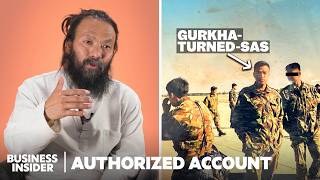
Krishna Thapa, an ex-Gurkha and 20-year SAS veteran, provides an authorized insider account of the SAS selection process, operational ethos, and his personal journey from Nepal to the UK's elite special forces. He details the grueling phases of selection, the psychological tricks of escape and evasion training, and the cultural and personal challenges he faced, offering a rare glimpse into the mindset required to pass.
Krishna Thapa introduces himself as an ex-Gurkha, mountaineer, and 20-year SAS veteran. He claims the SAS is the only unit in the world capable of operating in desert, jungle, mountain, sky, and water, and highlights the motto 'Who Dares Wins'.
The selection starts with an aptitude test and basic navigation. The hill phase lasts four weeks, focusing on physical endurance and navigation, with daily increasing distances (starting at 8 miles, ending at 16km) while carrying 20-25kg of kit and a weapon. In 2004, 375 applicants started, and only 80 passed this phase.
During the second week in the Brecon Beacons, Thapa's knee cracked, but he continued. The next morning, his leg was frozen, but he refused to quit, representing the Gurkhas. He limped through 16 miles with 20kg and a weapon, eventually collapsing from exhaustion.
While resting, he saw a vision of his deceased grandmother, which gave him the strength to get up and finish the course. He notes this is the first time he's shared this story publicly.
The second phase is the jungle phase in Borneo, lasting 4-5 weeks, testing survival skills in hot, humid conditions. Despite being born in a jungle region, Thapa found it challenging, especially the initial landing with no brief and immediate physical demands in 40°C heat.
Thapa emphasizes the importance of willpower: 'If you can run, run. If you can't run, walk. If you can't walk, crawl.' He notes that the DS (Directing Staff) never shout, contrary to TV portrayals, and that the selection is about inner courage, not just physical ability.
Out of 375 initial applicants, 80 passed the first phase, and only 30 made it through the final line, with 20 passing when they returned to the UK. The selection involves constant observation, with cameras and staff monitoring minor mistakes like improper lacing or cammo cream application.
A fundamental rule is that both hands must be on the weapon at all times. One major mistake (both hands off) results in failure, while one hand off is a minor. Accumulating minors can lead to failure.
The E&E phase tests sleep deprivation and physical fatigue. Candidates are subjected to harsh conditions, including being put in sandbags and submerged in freezing water, then placed in stressful positions all night. They are also subjected to psychological tricks, including threats and temptations.
During E&E, candidates are allowed to share only their name, rank, number, and specific mission details. Giving any more information results in failure. The test involves creating a normal environment and then using aggressive, passive, or active approaches to extract information.
One trick involves placing tired and hungry candidates in a comfortable hotel with food and a beautiful woman offering coffee and biscuits. The test is to maintain awareness and not sign any documents. Some candidates failed by signing documents, thinking they were genuine.
Another trick uses genuine solicitors who appear to help with real-life matters like house purchases, but they ask for signatures on documents. One or two candidates failed by signing, and they had to restart the entire selection process.
Thapa reflects on joining the Gurkhas to fulfill his parents' dream, but passing SAS selection was about finding his own path. He evolved from living his parents' dream to living his own dream.
Thapa is from the Annapurna region of Nepal. His grandfather was a Gurkha, and his father was a failed Gurkha. He joined the Gurkhas in 1995 after failing his first attempt in 1995, then succeeding in 1996.
Gurkha is a Sanskrit word: 'Go' means sense, 'ka' means protector. As the first son, Thapa was a leader of about 100 people in his tribe. He notes that Gurkhas are now increasingly entering special forces selection.
When Thapa joined the SAS in 2004, his family in Nepal was confused and asked why he didn't stay with the Gurkhas. They had no understanding of the SAS, as they only knew the Gurkhas as the best.
Moving from Nepal to the UK and joining the SAS was a huge cultural shock, including language, food, and humor. He initially couldn't believe people lived on sausage and beans, but now can't live without them.
Thapa's comrades and commander helped him adapt by encouraging him to go to the pub and gym. His commander instructed others to hang out with him, fostering teamwork and understanding.
Thapa cannot share names, missions, or tactics. He describes the 'on the spot debriefing' ritual, where after any mission, they discuss key points and times to stick in memory, then later go through the process over tea and coffee.
Thapa operated in the UK, Bosnia, Central Asia, and Italy. His first mission was in Afghanistan in 2004, where he led local ANSF forces, using his ability to speak nine languages to guide navigation and help capture targets.
His biggest moments include summiting Everest and K2, and jumping in the Arctic at -40°C at night. These jumps required tactical silence and finding backpacks in the dark, testing survival skills.
The most profound danger was seeing colleagues die, realizing 'why them, not me.' Physically, the most dangerous was night jumps with a 100m landing zone in pitch black, where senses lie and trust in the team is essential.
SAS missions are specified and implied, requiring the team to come up with 3-4 courses of action. Everyone, regardless of rank, must contribute. This is a key difference from other units.
Each member has a team skill (e.g., medical, language, cyber) and an infill skill (e.g., skydiving, driving, diving). Thapa's infill skill is mountain warfare, involving ropes, heights, and climbing.
Training is repetitive, and candidates are trained to operate blindfolded. Those who pass are highly sensitive and can perceive situations quickly. Thapa still maintains close friendships with serving members.
Thapa reached the rank of Warrant Officer Class 2, serving as head of mountain warfare in 22 SAS. Upon joining, everyone starts as a trooper, regardless of previous rank. Promotion is based on experience and commitment, not traditional rank.
Thapa was promoted to lance corporal after two years, then to full corporal, and eventually to sergeant and warrant officer. He was fortunate to be promoted faster due to being in the right place at the right time.
Thapa wears a mala (prayer beads) for cultural significance. He also explains the Kukri knife, given to Gurkhas for day-to-day use and ceremonial purposes. It has immense ancestral value, and a piece of the mala is used for identification in mass casualties.
In the SAS, Thapa used the M4 rifle, Glock 17 pistol, and shotgun, along with various body armor and communication gear. Kit is tailored to specific missions, and they often carry local weapons like AK-47s.
Thapa notes the world is evolving, with changes in kit, missions, and culture. He emphasizes the need to adapt to cyber and AI, and sees a future with more humanitarian aid and climate change work.
Thapa left in 2022, wanting to work outside and help disabled veterans and disadvantaged kids in Nepal. He is involved with charities like Pilgrim Band of Limbless and Climb 2 Recovery, and runs mindful retreats in the UK and Nepal.
Thapa describes the Nepalese tradition of isolation after a parent's death and the need to touch five elements before re-entering the home. He shares a poignant story of refusing to hug his young daughter after a mission, and later asking for forgiveness when she turned 16, realizing that everyone matters and it's about the situation, not the person.
Thapa's account reveals that SAS selection is as much a mental and psychological challenge as a physical one, with a focus on willpower, attention to detail, and the ability to withstand extreme stress. His personal journey underscores the importance of cultural adaptation, teamwork, and finding one's own path, while his post-service work highlights the value of applying these lessons to help others.
What is the SAS motto?
Who Dares Wins
00:44
How many applicants started SAS selection in 2004, and how many passed the first phase?
375 applicants started, and 80 passed the first phase.
02:19
What is the 'infill skill' in SAS?
A specific skill like skydiving, driving, or diving that each member must master and practice in all conditions.
26:04
What information are SAS candidates allowed to share during Escape and Evasion?
Name, rank, number, and specific mission details.
10:15
What is the meaning of 'Gurkha' in Sanskrit?
'Go' means sense, 'ka' means protector, so Gurkha means 'those who protect'.
14:43
What is the 'on the spot debriefing'?
A 5-minute discussion after any mission to point out key places and times that must stick in memory.
19:16
What is the Kukri?
A special knife carried by Gurkhas, used for day-to-day tasks and ceremonial purposes, with ancestral value.
33:32
What is the rule about hands on the weapon during SAS selection?
Both hands must be on the weapon at all times; one hand off is a minor, both hands off is a major and results in failure.
08:30
What is the 'five-star hotel trick' in E&E?
Candidates are placed in a comfortable hotel with food and a woman offering coffee, testing their awareness and resistance to signing documents.
11:14
What is the 'genuine solicitor trick'?
Genuine solicitors appear to help with real-life matters but ask for signatures on documents, which can cause candidates to fail if they sign.
11:44
Willpower Mantra
A powerful principle: 'If you can run, run. If you can't run, walk. If you can't walk, crawl.'
06:42Facing Mortality
Thapa's reflection on seeing colleagues die and the question 'why them, not me' is a profound insight into the psychological toll of special forces.
22:43Cultural Conflict and Forgiveness
The story of refusing to hug his daughter due to cultural beliefs and later asking for forgiveness highlights the personal sacrifices and cultural complexities.
41:40Team Decision-Making
The SAS approach of involving all team members in mission planning regardless of rank is a key differentiator and leadership principle.
24:33Gurkha Etymology
Explaining the Sanskrit roots of 'Gurkha' provides cultural and historical context.
14:43[00:00] I'm a Krishna Thapa. I am an ex-Gurkha, mountaineer and served for almost 20 years with the SAS. And this is everything I'm authorized to tell you.
[00:13] Over my career I managed to work with Delta Force, SEAL team and units around the world you know, Norwegian, Canadian, Australian... but you know SAS, we are the only unit in
[00:28] the world who can operate from desert to jungle to mountain and sky or water.
[00:44] The motto of SAS is Who Dares Wins. It embodies the courage, commitment and dedication. So my SAS career began from '03. This is where the moment actually I wanted to dedicate it to my officer
[01:03] So he called me one day and said Kris we're going to send the first Gurka trials from the Royal Gurkha rifles for the SAS selection. And you are one of them and we've been sent
[01:16] uh maybe about 30 or 40 of us from there. Two of us managed to pass in the first time. The first stage is what we call is the aptitude uh selection. The you know basic test of your
[01:31] mental and your basic navigation. And once you have that aptitude and document everything pass then this is where the real selection start is the what we call is the hill phase or you know the first
[01:45] uh four weeks of uh mainly focusing on physical and navigation. Normally in the wider army we work in a team we work in a purely chain of command and someone told you someone guide you but this is the
[02:00] first time you have on your own start with the 8 mile and tomorrow is 9 mile. Every day longer distance longer route last test is uh which is 16km but you have the full kit about 20-25 kg
[02:19] with the weapon. In my time in '04 when it started in January, 375 applicant and only 80 were passed. When I going through we call the very famous uh VW valley in the Brecon Beacons you go down and you go
[02:37] up and down and maybe second week what happened was my uh knee crack and it's like and next thing you feel your leg is heavy and still you don't it's like you don't stop, you keep going.
[02:51] And in the morning I wake up and then I couldn't straighten my leg. My leg is frozen like like this and I like I got 20 minutes I need to I can't move. So I have to like rub you around, and I
[03:05] start speaking with the you know like colleagues like and they were like now Kris you need to go to the medic you know it's my... you're going to lost your leg now. You know it's all this your mind is gone crazy and like oh my I'm representing the Gurkhas cuz I'm here cuz I'm my officer my
[03:19] commander told me you know I I don't want to let down you know and I'm like okay let's I will go today anyway somehow I'll you know like limping but still like 16 miles with you know, like 20kg
[03:31] and weapon in certain time it's not complete you have to complete in time but the problem is I don't know how am I going to lost my leg or am I going uh be okay or I'm still damaged then I
[03:47] uh try to move physically lifting with the hands one up and then keep going and look around no one's there I drop my backpack and then you know sat down look up and it's like is this it
[04:02] you know is that what is your legacy of Gurkhas and dream you feel the fresh breeze and you see the cloud and you... I must have fell, you know, like flat out sleep. And I see the vision of my dead
[04:17] grandmother. I see my grandmother looking at me and then I open my eyes and I'm like, "Oh my god." And I just wake up, grab my backpack and then run again, run and still manage to get in
[04:33] the finishing line. It's probably the first time I'm sharing this story. There you go.
[04:45] From there what we call second phase is the uh jungle. We flew to the Borneo and then this is about four to five weeks and this is where they looking at the uh survival skill in jungle and hot and humid
[05:04] and also we focus on the you know safety on the weapon system how under the high pressure under the high demanding environment in the jungle can we put our focus and attention what is need
[05:19] to be done to be honest this is where one of the profound moment for me in my selection because I was born in jungle and I am from pretty much hilly region and be being a Gurkha cuz we are renowned for the
[05:32] you know like jungle soldier or the warriors you know who can live outside nomadic way. I said like okay I go to jungle and trees then I'll be fine. Mmmm- That was the biggest mistake.
[05:47] What makes the hardest thing is when we land about uh 4 or 5 a.m. in the morning, flew from here overnight, There will be no brief. They will give you timing. That's it. When we land about three or four of our guys already
[06:00] hands up like it's 40°. And then everyone's like, "Oh, never been here. It's hard to breathe." And four guys are like, "Oh, it's not for me." Then we land and like, "Okay, drop your bag. You
[06:14] got two hours. Put on your gear." And then outside in the beach you got 40 people here running on the group session and we are keep running you know like remember we have not slept and suddenly you
[06:29] know one or two people drop, you know, because of the heat and then the DS will stand up and goes and like how many how many finger, that's like two, it's like "oh he's fine, he's still alive." Then we
[06:42] start lifting our leg with our own hand and this is where I realize you know if If you can run, run. If you can't still run, still walk, still you can walk. And if you can't still walk,
[06:54] you can crawl. A lot of us will give up. But the the the willpower has to be there. But the then when you come to the finishing line and we never know whose pass and who will fail. But the
[07:06] important is, they never shout at you. You know that's probably one of the misconceptions you know of TV and videos. They will say "middle" and and this group will go this side, this group in
[07:20] this. It's not the line you are looking for. It's the willpower, the you know, like the courage, the bravery within you. But I came with my own ego. Everything collapsed on day one.
[07:34] I think 80 of us went from 375, and then out of uh 80 I think it's about uh 30 pass, make through the final line. But out of 30, 20 of them pass when you come to UK.
[07:53] They will call to the room and they will say okay you pass or you make it to the next stage or not. There is a lot of character building there is a lot of Psychology, a lot of you know the observation behind
[08:05] the scene. They have the cameras everywhere. They have the you know day and night observation. Basis on that they constantly observing behind the scene. They will give you oh one minor mistake you
[08:17] haven't done your lace properly. You haven't put the cammo cream on properly, and you haven't held the weapon properly. So all the time one of the basic fundamental is our hands has to both hand
[08:30] to be on the weapon throughout. But the measure is both hands off. If there's no hand on the weapon, that's a major, you fail. One major, you fail. And then if there's one hand that mistakenly comes off,
[08:44] sees or this is found out, that's a minor. So all this you know over the course of the weeks and you know roughly "Oh I'm in the 10-11 minor, you know, I did one" you know, like then in your
[08:57] mind is already know. What I mean is you already when they say oh on the final day even though you completed, come back, you didn't make it because ABCDE... and then you're like, "yeah, I got it."
[09:16] One of the last stages is what we call the Escape and Evasion, which is E and E. But that's where we test sleep deprivation and also the physically fatigue you know, the whole night. One of the examples is they
[09:30] will put you into the sandbag, and then you know a tractor comes and grab you, in the January deep into the cold water not knowing how long when you're in that for. Freezing cold. Come out and then they will put into
[09:44] the stress high stress intensity position all night. Then that creates this special environment for example uh you know monotonous, put the lights on, put the candle on, is shivering not knowing
[10:00] what's going on. One of the guys and a girl come up and try to threaten you, you know with the life and but obviously we've been given uh information that can be shared. On that note, so
[10:15] this is what you know one of the key information we can give: your name, rank, number, and you know uh the specific mission. So if you give anything more than that, we fail. So that is the criteria
[10:31] we've been already briefed. And then the test or the examination is to come create the environment smooth and very normal, and then they come with an aggressive way or a passive way,
[10:46] or an active way. So this is one of the tricks they do. And other one is they what they create... you are hungry, you are tired and you know, like waiting, and they put you inside, drag you inside
[10:59] this you know room and come to the beautiful hotel. You know like, five star you know like swimming pool and cafe and biscuits. And then a beautiful you know woman come and then like "oh
[11:14] do you want a coffee do you want biscuits?" And you know you are in a dilemma, not able to sleep not able to eat last couple of days, as long as you are not saying and changing any or signing any documents, you'll be fine. And you keep eating then they're like "oh do you need all this beautiful food
[11:30] and fruits you're eating?" And suddenly they will ask a question, and so basically test your awareness. still one of these uh tricks is that they will come with the genuine, the uh genuine
[11:44] solicitors or genuine people. They will go through your paperwork and like "Oh, you are about to move your house, we know you're going to buy a house." And actually, oh yeah
[11:56] you know you are. You are in your real life. And how the hell do they know? Anyway they will find out. And that's like, it's genuine, you know. It's your solicitor from the safe field you know "Come here, you are looking to buy this house, look at this," and then they were like, "but you have to
[12:12] sign this one so that your family will start get into whatever business" or house or whatever or day-to-day, you know, medical whatever that could be. Actually I think one or two guys have failed
[12:24] in this one because they signed the document and unfortunately they have to go back again and and start whole process, next time. uh they will not reduce the standard. You know, they will just maintain cuz it's been
[12:44] going for you know like almost 100 years and then they will just maintain. I think that standard is the truly character building, character choosing. Joining the Gurkhas from Nepal is the most happiest and also I realized that I have made my parents happy. But I think
[13:03] passing the SAS section is truly that is where the moment I realize find my own path. You know I able to evolve from my parents' dream to my ancestor dream than I am living my own dream.
[13:24] I am from obviously from the land of the Himalayas and from nearby mountain called Annapurna which is far west of Nepal uh geographically. And historically, my grandfather was a Gurkha. My father was a failed Gurkha
[13:42] and they had a dream for me to join before I was even born, to be the Gurkha. I was living my parents' dream when I was actually joining the Gurkhas, and that was in uh 1995. I tried the first time, I failed. I had
[13:59] to pack my bag and walk back to the mountain, and almost devastated that I wasn't able to achieve my ancestral dream. You know, then I realized I'm going to prepare more so that I'm going to guarantee next
[14:13] time, which is in 1996. Nepal is one country in the world still the 90% population goes towards the temple, goes towards the worship. As a first son from my family, I was born into this. To carry on
[14:28] the ritual, carry on the traditions. And then I became a leader of my whole tribe from my area, about a hundred people. Gurkhas are from the Himalayas of Nepal. Gurkha is a Sanskrit word. The 'Go' is a
[14:43] sense, and 'ka' is a protective, Protector. Those who protect. Whatever information come from outside and able to master from within ourselves is 'Gurkha'. There was one or two Gurkhas before me from other
[15:00] Gurkha units. Maybe less than 20-30 years now Gurkas are starting to come to the SF selection. There's quite a lot of interest from the young generation too. And if they are, especially you know have a
[15:17] little bit of established education and system. And then, because theyare already quite fit in terms of physically. But just have the mental ability and then, education you know, intellectual education
[15:29] to adopt the information and pass through. That's what the hardest part is. The first thing I said joined the Gurkhas, cuz in 1996 my parents parents and everyone, evenmy grandmother, you know
[15:44] you know everyone is like so happy and joyful. And then you know, uh in uh '04 when I said I joined SAS, and they are in Nepal, I called them and they said like "why you go to the
[15:58] why you went to the SAS? Go back to Gurkhas." And it's just because you know that's probably that's what I said you know if you don't know you don't know you know, they have no idea
[16:10] about the SAS. You know, they live in the mountains. They only knew was the Gurkhas is the best from where they are. And that's their values. But then that's what I realized, you know this is the time to
[16:22] find my own dream. And this is the time to make my own path. But the hardest thing for me is compared to that is passing the selection and move from the community the Gurkhas and Nepalese
[16:34] culture, the brotherhood, to completely shift to the new place. It is lot of shock in a way for being a boy from Nepal coming to UK and going to the SF. It's just one extreme to extreme.
[16:49] It is challenging, you know. Including like cultural shock, to language, to the food and keep understanding everything like British sense of humor. No Nepalese food, no Nepalese speaking
[17:02] community. No culture. And when you come to the UK, the first thing you go to the cook house and you know you you see the knife and knife and fork and also uh bakes beans and sausage and bread. And truly I
[17:18] couldn't believe people live daily their life with the sausage and beans. You know I asked "how can I survive with this?" You know day one, week one. But the interesting thing is now I can't live without it.
[17:31] You know I think that's the story of our life isn't it. I'm very fortunate I had the best comrade and commander in in SAS. They recognized that, and they uh they found that I have I'm struggling and
[17:47] they helped me you know to burden. And one of my uh good friends from the regiment they took me under their wings, and like "Kris, you need to go start drinking, go to the pub, you need to go to the gym." I said like, oh wow never done that never drunk before. By that time commander who
[18:04] understood and he told rather than he telling me to adopt. He told the guys to go and hang around with me and then that's how helped me to you know make them aware as a teamwork and understanding more
[18:19] and create that space for me. Rather than I create this space for them. I think that's what truly ingenuity and I truly have the honor and serve with the special guys in the world who is able to
[18:32] sense the community and also the valued welcome in the culture. Once you serve in the uh British army so many years I think then we are not entitled to get to British citizenship
[18:48] until you retire. But once you retire, then you can apply to be a British citizen, yes.
[19:00] I'm not allowed to give any names, any specific mission name and then specific place or any you know uh tactics or way of conducting drills. Legally, you know I can't share that.
[19:16] One of the key uh, you know rituals in a way or we we go through is what we call is the On the spot uh debriefing. Which is any uh attacks or any mission what we call is 5 minute on the spot talking
[19:33] about the key... pointing out the places and times that has to stick with the memories. Then we go back when we have a tea and coffee, and then we go through the process
[19:48] You know, I have operated, you know, pretty much quite around the world over the years. Definitely in the UK and then also Bosnia and also in you know central Asia
[20:01] and one of them is in Italy and then that was to teach again the local and SF forces and how to encounter the undercover uh terrorism and then how they influencing the you know
[20:16] uh uh locals community. And you know business so that to cope with that. One of my first uh you know mission is in uh Afghanistan, and in it was in 2004. So we call it threat-specific
[20:31] mission. And you have to be very experienced and knowledgeable about what you are doing. But I was a very young guy. However I think I have had the ability to speak and to you know translate
[20:43] the you know because I used to speak 9 languages before. Obviously we were, you know, monitoring where a lot of weapons and ammunition were crossing the border from the other side
[20:55] of the uh country to Afghanistan. So one of this mission I've been uh I have to lead was the local um ANSF, which is the Afghanistan Special Forces. So my job is to uh to guide uh navigation
[21:12] to bring you know with the with the uh aeroplane and land in safely and to help the local forces how to uh capture, how to find information, and how to you know bringing uh and
[21:28] then make them you know, detentions. My biggest moment is obviously summiting Everest and also summiting K2 in Pakistan. And also jumping in Arctic, you know, in the minus 40° in nighttime. Not
[21:46] only jumping but also we had to survive in night time then everything is tactical. Tactical means no lights, no speaking. Everything quiet. Jumping out from plane in the night freezing when you open the
[22:02] uh goggles, jumping out and all the eyelids are frozen and then still you know close eyes and rub it off. And then at night time, no lights. And we have to find our backpack because all the
[22:17] bags and everything will drop by the parachute before. And we have to escape and evade in night time in the snow. Then we have to find the target, we have to establish the communication. And it's
[22:29] pretty tough. I think the most dangerous situation for me is that, you know, I can answer in couple of ways. But I think most profound way is when you see some you know your own friend
[22:43] colleagues you know in front of you dying. You know, that's probably the most profound moment of life. And not about death, but realizing why them? Why not me? I think those are the most
[22:57] uh life-changing moment for me. But physically you know sensorily, I think maybe jumping in nighttime from aeroplane when we have been told that you have to land in 100m in nighttime, pitch black
[23:12] from thousand of feet above the sky. In pitch black with the full gear, and then if you uh if you miss the landing zone by 100 meter then you'll be gone. In that moment in time, our own senses will lie
[23:28] to us. We have to have have a faith and a trust in the team we I have behind me. And also the love and compassion we left behind in the house, you know, closed door with our families. That's probably the uh I
[23:44] I found very you know moment of realization what what value it is to be alive. You know when you see your own colleagues and also the other people in front of you dying and gasp for the last breath
[23:58] And yet again you need to stand up, dust off, and then you know carry on your duty and responsibility... uh then we carried a lot upon our shoulders. I think those are the moment and time uh the reason has to
[24:13] be more deeper and darker and more profound than truly who we are. We have to accept we, at the end of day we are just living human. We are not super human. You know who was still made up from the elements.
[24:33] So SAS is completely what we call specified mission and an implied mission. So what that mean is you will be given the tasks and it's you is up to you, but you still have to show the plan and process and
[24:50] it's a deliberate movement. And also we has to come up with the minimum uh three to four course of action, and then we sit down on the team and what is the mission. Like, we sit down round
[25:02] table and go through the mission and tasks and responsibility and kit and equipment what we need. So it's actually uh decided by the whole team, but normally when we
[25:15] have a smaller team let's say four-man, six-man team then everyone has to be involved you know regardless of whatever your knowledge, you not knowledge. Regardless of your rank. I think that's what actually the great difference between the other unit and SAS units, you have to share and you
[25:34] have to put input. So basically for me is over my 20 career, pretty much we had the same team. 'Cause we join in the pretty much same time. We have the, what we call is a team skill... communication
[25:48] or medical of first aid on the ground. You should able to choose some language and you should you should master the you know like cyber. So these are the side jobs
[26:04] we have to choose. Everyone has to have an infill skill. Infill skill is you need to specify, demonstrate and test and practice both day and night, all conditions for either skydiving either
[26:22] the driving on the ground, diving. So we have to choose one of these specific skills when you pass. My infinite skill is obviously mountain. The way I use and have been used is any area specific
[26:38] which involve the mountain and climbing and rope and height, including the you know, like building or underground or the shopping center. Anyway, we involve the rope, harness, helmet or the mountain,
[26:54] ice, snow. So that I then will be kind of you know, in leading on this one. During the selection process you got a choice. You got have a choice to which group and you can apply for oh I want to go
[27:06] this group or uh mountain or the boat or skydive group whatever you prefer but it's not guaranteed you're going to get that. It's a training, repetitive training, training and training.
[27:21] You can put the blindfold, everyone can try. In fact, you know, whatever you do um in the daytime, put the blindfold and then try to operate the system how hard it's going to be. One thing I can guarantee
[27:34] is the guys who pass the selection, they are uber, you know, sensitive. If you have any of the guys walking into the building... guaranteed those who pass they they could detect a single thing here.
[27:48] They can understand and perceive the situation very faster. I still got one of my best friends you know, I'm out, some of them are still serving. You know, head of a department, and they
[28:00] still you know are my closest friends one of them I still regularly visit and share and the stories.
[28:12] I am one of the highest non-commission warrant officer. Class 2, My last post was head of the mountain warfare in the 22 SAS. When you join, regardless of whatever rank you
[28:29] are come from uh before in the British army or armed services, RAF, marines... any rank. But when you join the SAS you became trooper, we call the trooper or the rifleman. You start from a zero level. The ranking
[28:44] system is doesn't uh really work like a normal army, but it works on experience and commitment and what post you got. That comes from the judgment of the commander and the leadership.
[28:58] I think that's the beauty of of the SAS unit, is that a lot of people don't know we specialize and hone in from the day one week one. I was very lucky if I'm honest with you. I've been promoted
[29:10] very in faster than lot of them. Because I happened to be in the right place right time. And I had a great support from my my commander. So basis on that uh then you know um I was very fortunate
[29:27] and I promoted to lance coral only one only after two years and then and then after the two after two years then what we call is we do the like I say I'm a mountain you know specialist. I join the
[29:40] mountain troop and then when you do the mountain course when you do good the how the system work is you go outside the world, and work as a civilian mountain guides around the world. You gather
[29:55] the kind of knowledge and information how the environment not only with the area and atmosphere but also understanding the geologic geography and the way the rock in everything more detailed.
[30:08] And then second is obviously full corporal. Full corporal is that we wear the two stripe but in regimen we don't wear any uh dress and insigna. We don't wear any ranks, and normally we wear you know
[30:23] like normal, we call the working dress. Fit for the purpose and mission and task wherever we going. And then normally if you do you know the job well and no warning and no signing
[30:38] any any difficulties, then every 2-3 years, you just promoted you know behind the scenes. But because no one wear it and no one you know we don't salute, we don't, we aren't aware the responsibility.
[30:52] We go by what is, you know, who is what. Basically we just go by the experience, and knowledge what they going to give us. And that's what we respect for them. The third one is the sergeant
[31:04] uh which is a three stripe and which is then from sergeant onwards then you you have pretty much given the responsibility of either second in command, or sometimes you end up leading
[31:17] the smaller team. Then once you uh be the staff sergeant which is warrant officer which is the last rank. It has to be pretty much a dedicated position permanently more than two years so that
[31:32] you're going to get that job and it come with a huge responsibility both you know like morale and understanding the mental health understanding the whole situational awareness understanding
[31:44] the kit and equipment and you are chief of the department that is the highest rank you reach uh, before if you decided to commission officer. I was given to this role after that is to be head
[31:58] of the mountain troop in the in the whole you know regiment, so that's that's why I've been you know given this post and that was my highest ranking and that was my I think 13 or 14 years point.
[32:16] I have got these two, um uh we call mala in Sanskrit in Nepalese and uh and obviously this is uh one is my own cultural signifies the Buddhist and Hindus or the you know ancient wisdom
[32:34] and this one is what we call is uh given before we when we join the soldier and then we need to have to have with us when we deploying, especially in the war And his uh we have two when you are
[32:50] have a biggest uh casualty of mass death in the battlefield then one piece will stay with us on the ground with the body, and other will come and get given to the family or the headquarters. So that
[33:06] signifies 100% that's you because what happened is when the chaos of the you know like bomb and bullet and mass casualty messed up face messed up body it's hard to define and find the identified
[33:20] person. So that's the reason if it is stay with you then that's you. So it's it's a proven with the Gurkha we have called the very special knife which called the pride of the Gurkhas. uh it's
[33:32] been carried in Nepal we call Kukri. Kukri is a bespoke design. When you join the Gurkhas we given two uh different Kukri, one is the day-to-day working uh you know Kukri which
[33:46] is designed to chop and you know and then the cut and whatever day-to-day operation, and then other one is what we call is the ceremonial. Normal to wear when dressed, and then you know the specific dress
[34:00] and occasion. But it has got this immense value because of our ancestor from the First World War, Second World War. Maybe a lot of people don't know whenever we go to the operation we do do given the special knife you know uh which is you know fundamentally you know is part of our kit is
[34:18] a knife stay with you. But also not for the fight but also survive, you know you know day-to-day life when you go survival situation. I think kukri will be great to have with us the you know ancestral
[34:31] and DNA came with the Gurkhas a thousand years, but however I think into this modern world you know into this more technosavvy. You know we need to have an equally you know more demanding and more
[34:46] sophisticated weapon, and but when I when I was uh you know in in the SAS we got the M4 and then the Glock 17 This is the pistol and you got the shotgun and and different shape and size of the
[35:02] body armor. And then you know also the you know vest and then the you know west and but also these everything including kit and communication you know helmet to the body armor to the weapon to
[35:16] the knee to the you know hair and ear protection that can be uh safe and that can be designed as it you know specifically mission because whenever we go for let's say urban or climbing in the
[35:32] urban building uh in a multiple building or the cave or on the ground or the you know uh uh that that has a specific uh needs of the kit and equipment. Obviously we can't go on the
[35:46] full kit you know when you're doing little bit technical and you know more uh you know um undercover stuff but whenever you go full you know kind of assault or the full combat mode then
[36:01] you go with a different setup according to the threat and then the assessment we can change the kit and equipment and way we dressed and then we carry the uh kit and equipment as well I I think
[36:15] what is this important is uh every caliber has a different range and and you know like smaller the caliber smaller the range but the whole aim is to you have to still cover
[36:28] the certain distance you know from A to B to C and C to D. The commander will come up "I want this to be this many seven point or this weapon and I want this this weapon." And but you know then we'll sit
[36:44] down, then "who's going to carry what?" And some of them you might choose "Oh I'll carry this one." Often we carry the local, you know weapon or you know whatever that place has the local uh weapon
[36:58] like AK-47 or the equivalent of you know any other old which is used by the local people and local force. And we yeah that is the little bit odd but you know it's still the weapon.
[37:14] Yeah, I think the world is changing, ever evolving. I think to be honest even my my my career over the more than decades, I have seen evolving so much everything from to kit and equipment, to whole mission, you know culture, everything they have to learn
[37:32] and you know accept the you know cyber and what you know cyber and you know the AI how to integrate with that but also adaptability and the you know with environment we we we are
[37:46] going through and the maybe a lot more working with the you know like kind of uh humanitarian aid and then the weather and climate change and definitely um that is a future.
[38:06] I left in uh uh 2022 you know I enjoyed every moment but also I think what I realized is once you uh you know pick the certain can post and rank and you you your position is you know
[38:21] just you know sitting down and just like a desktop and managing things and but I think for me it's I still wanted to go outside you know thrive outside the outside in the world. And also slowly I was involving quite a lot with the climbing with especially disabilities
[38:40] then you know the uh amputees and all the veterans. And so that's what made me is realizes I might able to give more you know working outside. And also the more time with living
[38:53] time with the families my parents in Nepal my families in Nepal. if I'm honest with you about still 90% of those ex-regimen who veterans are still serving in the private sector there is a
[39:06] lot to you know share you know what you learn over the experience and leadership and how to deal with high threat high stress and yet again uh being able to see the danger or being able to assess
[39:22] the situation. I think they definitely got the special values and the experience on on that situation. Last year involved military charity, especially helping the disabled
[39:35] uh soldiers and also the disadvantage kids in Nepal. Some of the charities are pilgrim band of charities which is limbless and Climb 2 Recovery and other veteran charities in climbing
[39:47] for all the veterans. Gurkha Trust you know, Gurkha Museum. Those are very close to my heart. I end up running the you know like a mindful retreat two places. One is in London Surrey Hills, and other one is
[40:00] the Lake District, uh three to four days retreat. And once a year in Nepal, we go through the you know the uh psychology the way of the you know life in Nepal in Himalayas, the cultural and also the you
[40:15] know Gurkhas and mindset in Nepal. The culture we grown up is, whenever someone parents died the culture that the son has to go two weeks uh isolation. Then when we come back home, we are not
[40:30] allowed to touch our kids or the youngest children in our family. Before we come, then we have to touch these five elements. We have to connect with the fire, the water or the or the space and or the
[40:45] some sort of natural elements. Then we go inside the house. Every time I come back home from the overseas conflict and you know the deployment man I used to come home and I call call my wife I say
[40:57] like "Oh can you tell my daughter because she's very young by that time not to come to the door." Can you create that environment because I didn't want to hug her straight away because I
[41:10] come from the you know different energy different over the month, sometime 9, one years of you know this energy and the blood. But this is once uh happened. I think I came back from a mission. I told
[41:25] her but however she just the young kids I think she's mostly two or three, and open the door. She just through the inside the door open her arms and like "Oh daddy welcome." I said "Oh I can't hug her."
[41:40] You know this is my culture and I refused to hug her, and this moment has been uh in my heart for many years. Then I realized when she became 16 I will ask to forgive and last year she became
[41:59] 16 I sat down on her sofa. I I would sit down on the floor and I asked for forgiveness because when she was three four years old I couldn't hug her and it's not the reason is is not that I
[42:14] don't want it to but reason is that to protect her this is what the reason is our culture is teaching us and to be honest I think in hindsight I probably the right thing you know because if I
[42:26] had have hugged her I must have passed her some energy or some you what I resist you with this you know fighting and then the energy I going through day-to-day survival day-to-day survival
[42:39] death and death and that but my whole brain my whole energy is in a defensive mode whole my uh survival mode I think that's what important for us to take away is that sometime we misunderstood
[42:53] uh whatever job or duty or to care but actually this important is that everyone matter you know everyone matter and everyone is have the uh, able to let it go and accept and that's probably the
[43:07] biggest lesson I have learned and maybe you know it's could be helpful for people who listening as well you know you know it's the reason is not you or them you know it's just the situation we going through. Hi I'm a producer on authorized account if you like this episode then you should check
[43:23] out our new podcast and comment below with the names of people you'd love to hear us interview.


⚡ Saved you 0h 43m reading this? Transcribe any YouTube video for free — no signup needed.