
AI Summary
This video is a DIY tutorial on building a raised garden bed using redwood lumber. The creator, Jerry, explains the material choices, construction steps, and the final result, emphasizing durability and accessibility.
Jerry compares redwood to pine, noting redwood lasts about 30 years while pine only lasts about 5. He prefers redwood over Douglas fir or treated wood because it lasts three times longer without needing chemical treatment, which is safer for growing food.
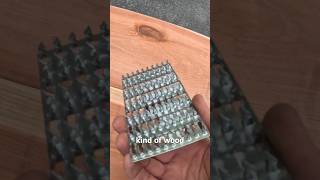
Mending plates are used to join two boards together, preventing warping and flexing over time when the bed is filled with dirt. This step is important for structural integrity.
4x4 redwood posts serve as the main structural support, with long boards screwed into them. Outdoor deck screws are recommended, though lag screws offer more holding power.
The four sides are set into place and screwed into the center post. A 2x6 board in the middle helps pull the sides in as dirt is added. The bed will weigh about 9,000 pounds when filled. Topsoil was sourced free from a local construction site, mixed with compost and fertilizer in the upper half.
The garden bed is designed to be accessible from all sides, allowing easy reach. The planter will be used for popcorn corn, carrots, tomatoes, and pumpkins.
The video provides a clear, practical guide to building a durable and accessible raised garden bed, with thoughtful material choices for longevity and food safety.
Mentioned in this Video
Tutorial Checklist
Study Flashcards (5)
How long does redwood last compared to pine?
easy
Click to reveal answer
How long does redwood last compared to pine?
Redwood lasts about 30 years, while pine lasts only about 5 years.
Why does Jerry prefer redwood over treated wood?
medium
Click to reveal answer
Why does Jerry prefer redwood over treated wood?
Redwood lasts three times longer without needing chemical treatment, avoiding extra chemicals near food.
00:28
What is the purpose of a mending plate?
easy
Click to reveal answer
What is the purpose of a mending plate?
It joins two boards together and prevents warping or flexing over time.
00:42
What is the estimated weight of the garden bed when filled with dirt?
medium
Click to reveal answer
What is the estimated weight of the garden bed when filled with dirt?
About 9,000 pounds.
01:27
What materials were used to fill the upper half of the planter box?
easy
Click to reveal answer
What materials were used to fill the upper half of the planter box?
Topsoil mixed with compost and fertilizer.
01:41
💡 Key Takeaways
Redwood vs. Pine Durability
Provides a clear comparison that helps viewers choose the right wood for longevity.
Avoiding Chemicals Near Food
Highlights a health consideration that many DIY gardeners overlook.
00:28Mending Plates for Stability
A practical technique to prevent warping, extending the bed's life.
00:42Weight and Soil Mix
Gives a concrete sense of scale and shows how to source free soil.
01:27Full Transcript
[00:00] Before you get started, I want to point out the difference in the color of wood. So they're both redwood, but this is newer and this is obviously six years older. But it does hold up better than pine. This should last 30 years and pine is only five.
[00:13] And you might be like, hey Jerry, why are you using redwood over Douglas fir or treated wood? And I'm so glad you asked. For one, redwood looks pretty awesome, but it does cost about three times as much as Douglas fir or treated wood. But it also lasts three times as long,
[00:28] without needing any treatment. Treated wood, you know the wood with those textured holes in it, also has extra chemicals and stuff which I would prefer not to have near the food we're going to be eating. But it is all personal preference though. Nailed it. I think any kind of wood
[00:42] would work for a garden bed. Just stay away from railroad ties. The piece of metal I'm using to join two boards together is called a mending plate, and this will help keep the wood from warping or flexing over the next decades when it's filled up with dirt. The little teeth are vicious,
[00:56] but it's a pretty important step since the wood does want to warp and separate over time. Then we can use the 4x4 redwood posts as the main structural piece that the long boards are going to be screwed into Outdoor deck screws work great but lag screws probably have a bit more holding power
[01:14] With all four sides of our accessible garden box complete, we can get them set into place and screwed into the center post. There we go. Old flower beds, new vegetable garden, and then we have a 2x6 right there in
[01:27] the middle which is screwed in on either side to help pull the sides in as we add dirt. Once it's filled up with dirt it'll weigh about 9,000 pounds. I got a lot of this topsoil for free from a local construction site and then we mixed in some nice compost and fertilizer
[01:41] with just the upper half of the planter box where the plants are going to be. Alright Cambry, what do you think of your new garden? I love it and it's still very accessible. I can reach halfway on this side and go around the other side and reach the other side. Like I can just reach everything. So that's really
[01:57] exciting. And so you have all of this space. What are you going to plant in this bed? I'm going to plant plant popcorn in here. So like corn that we can then turn into popcorn. And then I'm going to do carrots over here, tomatoes
[02:11] and then pumpkins in the last one.