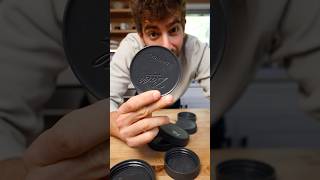

The Mason Jar Lid Trick You Need to Know
45sThe hook directly addresses a common pain point and promises a simple solution, making viewers curious to learn the trick.
▶ Play Clip"The title promises a revelation, but the content is a basic, common-sense tip that most mason jar users already know."
The video is a short personal tip from a home gardener and meal prepper who uses mason jars daily. It explains the practical difference between traditional two-piece metal canning lids and one-piece plastic storage lids, and why the latter are better for everyday, non-canning use.
The creator uses mason jars daily for preserving food and as non-toxic meal prep storage because they are glass and handle higher heat.
The classic metal lid and screw ring seal are primarily for creating a shelf-stable seal during high-temperature canning.
Once opened, metal lids exposed to moisture, salt, and acidic foods break down, rust, and become unpleasant.
Plastic lids come in small and wide mouth sizes, create a leak-proof seal, and never need to be heated or touch the food directly.
The creator always switches from two-piece metal lids to plastic lids for meal prep or after opening a preserved item for a better experience.
The video is a simple, practical tip: use plastic lids for everyday mason jar storage to avoid rust and improve convenience, while reserving metal lids for actual canning.
What is the primary use of the classic metal lid and screw ring seal?
To create a proper shelf-stable seal when using high temperatures to can food.
00:12
Why do metal lids break down and rust?
Because they are exposed to moisture, salt, and acidic foods after being opened.
00:26
What are the two sizes of plastic lids mentioned?
Small mouth and wide mouth sizes.
00:40
Why are plastic lids considered better for meal prep?
They create a leak-proof seal, are one piece, and never need to be heated or touch the food.
00:40
Mason jars as non-toxic storage
Highlights the practical benefit of glass jars for meal prep due to heat resistance.
Metal lids are for canning only
Clarifies the intended use of metal lids, which is a key distinction for home canners.
00:12Metal lids degrade with acidic foods
Explains the chemical reason why metal lids are not ideal for long-term storage of certain foods.
00:26Plastic lids are a practical alternative
Offers a simple, actionable solution for everyday jar use.
00:40[00:00] Why did none of you ever tell me about these lids? So I use mason jars almost every single day of my life. Not only do we preserve hundreds of pounds of fresh food from my garden, but since they're glass and can handle higher heat,
[00:12] they work great as non-toxic meal prep storage containers. For the last decade of my life, I've been sealing them up with the classic metal lid and screw ring seal. But the primary use for these metal lids is to create a proper shelf-stable seal when you're using high temps to can food.
[00:26] But when you pop open that metal lid and it's exposed to moisture, salt, and acidic foods, the lids start to break down, they rust, and they just get super nasty. Which brings me to these nifty little plastic lids that both come in small mouth and wide mouth sizes
[00:40] to create the perfect leak-proof seal. Now they are plastic, which isn't the best, but they never actually have to get heated up or touch the food. And since they're only one piece, they're much more convenient to use. So whether I'm just meal prepping or I popped open a preserve item to consume,
[00:53] I always switch over from the two-piece metal lids to these plastic lids for a much better experience. I really wish one of you would have told me about these earlier, but at least we all know now.



⚡ Saved you 0h 01m reading this? Transcribe any YouTube video for free — no signup needed.