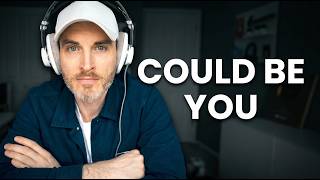

Emergency Surgery Cost This Client $100k
52sPersonal emergency story combined with a six-figure financial loss creates high emotional stakes and relatability for business owners.
▶ Play Clip"Title implies a personal $100k mistake, but the episode is a general legal interview — moderate value with some actionable tips."
In this episode of the Think Media podcast, host Sean Cannell shares a personal story of an emergency surgery that derailed a live event, sparking a conversation with attorney Autumn Witt Boyd about legal risks for online businesses. They discuss common mistakes like weak contracts, lack of IP protection, and mismanaged refund policies, offering actionable advice to safeguard creators from costly disputes.
Sean had emergency surgery during a two-day event with 81 paid attendees, highlighting the need for contingency plans and legal protections.
Autumn's client had a mastermind without a contract for events; when they got sick, refunds and reputation damage cost over six figures.
A client with a five-figure mastermind had no contract addressing illness; unhappy clients led to massive refunds and public backlash.
A solid contract, clear refund policy, and proper expectation-setting during onboarding prevent most disputes.
New entrepreneurs should start with a simple Google Doc checklist of deliverables to avoid overcomplicating their offerings.
Lawsuits are uncommon; most issues come from unhappy customers that could have been resolved with better communication.
Trademark problems often start with a cease and desist letter; lawsuits come after repeated infringement or ignoring warnings.
Do a free trademark search before picking a name to avoid costly rebranding later. The USPTO website is a good starting point.
Rules vary by state. If you control a contractor's schedule, tools, and methods, they may legally be an employee, risking back taxes.
In the US, contractors own what they create unless a contract explicitly transfers ownership to you. This includes videos, designs, etc.
Weak contracts, no payment clause, no IP protection, and missing privacy policy are common fatal mistakes.
Most disputes trace back to poor contracts. Avoid copying templates or using ChatGPT; get a properly drafted agreement.
If your marketing promises differ from your contract terms (e.g., satisfaction guarantee), refund fights become messy.
Copyright protects creative works (videos, courses); trademarks protect brand names and logos. Both have automatic protections but registration adds power.
Register copyright when a product makes six figures or more, as the filing effort is justified by the revenue at risk.
A privacy policy tells visitors how you handle their data. Required in all US states (due to California laws) and EU/UK. Easy to implement with a template.
Copying someone else's contract from Google or a website is copyright infringement and likely misses terms specific to your business.
Rewriting viral scripts with AI is still copyright violation. Fair use does not apply to commercial copying. Platforms are cracking down.
AI-generated contracts often include irrelevant clauses or miss crucial protections, costing more time to fix than starting from a good template.
To win a chargeback dispute, you need a signed contract and evidence of delivery (e.g., login logs, call recordings). Act within 30 days.
Termination clauses must state whether a client owes the full amount if they quit early. Unclear terms can make debts unenforceable.
Claims under a few thousand dollars are rarely worth legal fees. Use internal follow-up systems before resorting to collections (which take half).
Start with a polite letter, then a firmer one, then a lawyer's letter on letterhead. DMCA notices are for copyright only; last step is a lawsuit.
File a DMCA notice with the platform (e.g., YouTube). They take it down; the uploader can counter. If countered, only a lawsuit can restore removal.
1) Review/obtain a solid contract that matches your business. 2) Check your main brand name for prior trademark use (USPTO search). 3) Add a privacy policy to your website.
Protecting your online business doesn't require an overwhelming legal overhaul; start with a strong contract, clear policies, and basic IP checks. These three steps can prevent six-figure disasters and give you peace of mind.
What is the biggest legal mistake online business owners make?
Not having a contract that protects them.
03:11
What is the default ownership rule for contractor work in the US?
The contractor owns the work unless the contract specifies otherwise.
14:10
What is a chargeback?
A chargeback is when a customer disputes a charge with their credit card company instead of requesting a refund directly from the business.
30:06
Name three elements of a revenue protection system.
A solid contract, a clear refund policy, and setting client expectations during onboarding.
04:36
What is the difference between copyright and trademark?
Copyright protects creative works (videos, courses), while trademark protects brand names and logos.
20:43
What is the first step when you find someone copying your content?
Send a polite letter assuming best intent, then escalate to a firmer letter if needed.
36:51
At what revenue level should you consider registering a copyright?
When a product or program is making six figures or more in annual revenue.
22:06
What is a DMCA notice?
A legal notice that requires platforms like YouTube to take down copyright-infringing content.
38:37
What is the risk of using ChatGPT to create a contract?
It may include irrelevant clauses or miss important protections because it lacks judgment and understanding of your specific business.
29:11
What is the main reason for unhappy clients leading to chargebacks?
Unmet expectations due to lack of clear communication or mismatch between marketing promises and contract terms.
05:04
Personal Crisis Sparks Legal Awareness
Shows how unexpected emergencies can threaten business operations and why contracts need contingency clauses.
00:01Six-Figure Loss Due to No Contract
Concrete example of how lacking a proper contract can lead to massive financial and reputational damage.
03:26Revenue Protection System Framework
Provides a actionable three-part system (contract, policy, expectations) to prevent disputes.
04:36Default Ownership Rule for Contractors
Many creators assume they own contractor work; this clarifies the legal default and need for written transfer.
14:10Winning Chargeback Disputes
Practical advice on evidence needed (contract + delivery proof) to successfully challenge chargebacks.
29:54[00:01] protected? Is your online business at legal risk right now? Because a week happened to me that made this conversation very real and why I think it's relevant that everybody learns this information right now. I actually ended
[00:15] up in the hospital for an emergency surgery and the timing could not have been worse because I was hosting a two-day event in Vegas. 81 people had purchased tickets to be a part of the event. Money was on the line and the
[00:29] stakes were really high. So there I was, lying in a hospital bed, missing my event in Vegas, and actually thinking about a conversation that I had just had with Autumn, who's today's podcast guest. She's an attorney that's trusted
[00:42] by seven and eight-figure entrepreneurs and she had recently worked with a client who sold a similar event, a business mastermind, and had sold tickets to it. It was on the calendar, but then that person got sick and
[00:54] the results that followed were disastrous. People started to ask for refunds, they were super disappointed, and it not only hurt her reputation, but it ultimately cost her over six figures
[01:07] of revenue in her business. So if you can imagine the catastrophizing that was happening in my mind as I'm laying in that hospital bed having just been told were still able to deliver on the event
[01:20] with all of our AI tools, frameworks, coaches. We got great feedback and I was able to do a bonus virtual session after the event. But that leads me to why today's conversation is so important because it's really covering things that
[01:32] most business owners and creators don't think about and things that you could include into your contracts and service agreements. And you know, you might not even have those yet, but if you are building an online course or you're
[01:44] promising to fulfill on a membership or you're doing virtual events or in-person events, what happens if an emergency happens? What happens if the unexpected happens? Well, the good news is today you're getting the playbook. Autumn is
[01:57] the expert and she's covering a ton of topics in this episode so you can be safe and prepared for the unexpected. The truth is there are legal mistakes channel, they could wipe out your online business, but they are fixable,
[02:13] information. So lock in to today's conversation with Autumn Witt Boyd, attorney and legal expert that's going to help you answer some questions you didn't even know to ask by the end of today's episode. Let's dive in.
[02:28] Access to a lawyer at her level costs hundreds of dollars per hour, but you can get this wisdom today in this episode for free. So stick around until the end. This is going to be a good episode to take notes and to not have
[02:42] anxiety about this stuff, but you need to be aware because you do not want to be surprised by a lawsuit or something that could cost your business hundreds if not thousands of dollars. Autumn, what's the fastest way an online
[02:57] business owner or a content creator accidentally blows up their business? Not having a contract that protects them. What's a story of what has of coaches, digital entrepreneurs. I'm very familiar with the YouTube space.
[03:11] practice? Yeah, I'll give a a good example and this is fictionalized, but I won't give away any client secrets. Uh but we had a client who had a big mastermind. It was expensive, uh you know, five-figure price point and um
[03:26] know, five-figure price point and um they had an several live events as part of kind of the package that you got with the mastermind and they got sick and couldn't come to one of the mastermind events. And just because they didn't
[03:38] really have the infrastructure, the the clients met, but they weren't there. They they weren't really supporting anyone and they had a lot of very unhappy clients. And their contract didn't really address what would happen
[03:53] in that scenario. So, they were just kind of fighting fires here and there. complaint as they could. Um the clients were not satisfied with how they were being I guess not helped. Um you know, they had some customer
[04:07] service challenges as well. Uh so, there were kind of problems on multiple ton of refund requests. They had to do a lot of refunds. They chose to do a lot of refunds. But, it kind of spread like wildfire. Mhm. And so, they they did end
[04:21] up it was a you know, a a six-figure hit to their business when a reputation hit. There was a lot of public discourse about what happened. Uh it was pretty ugly. So, that's kind of worst-case scenario. And so, what could
[04:36] Yeah. So, this is actually what we teach in our Find Print Academy, which we'll talk about more in a minute. We we have this revenue protection system, which starts with a solid contract. So, making sure that your contract actually matches
[04:48] how you're working with clients. You've got a super solid refund policy, and you you onboard your clients and you really set expectations the right way. So, you're getting that contract signed, and then you are telling people what to
[05:04] expect so we don't have these unsaid, unmet expectations. We find that almost all of the unhappy client, you know, chargebacks, refund requests are when thing. It may have been something you never talked about, but they just
[05:17] thought they were getting something, and you delivered something different. And you've got good customer service, sometimes you can bridge that gap even when you have, you know, different expectations on the front end. Uh so,
[05:31] through that client delivery that you're taking really good care of people. This could be very overwhelming and is overwhelming to someone that's wanting to jump into the creator economy, into the coaching space. And there's this
[05:44] opportunity to eventually create like a membership or a coaching program with membership or a coaching program with popular platforms like School or Kajabi, Teachable, and you start uploading things to it. If you're at that level
[05:57] though, there could be that fear of oh, you know, if I misdelivery of something or like what would be the advice and risks for that solo creator that is
[06:09] excited to expand their business offerings, create maybe some type of channel. Yet, also listens to this and is like, "Man, why do I even want to try if there's a downside, you know, to me getting sued or having a crazy refunds
[06:25] >> Yeah. Well, I will encourage everyone to take a deep breath. happens early on. This is a kind of mo money, mo problems type of scenario. disclaimer, this is not legal advice. I'm just one lawyer with one opinion,
[06:41] you're just getting started, the good news is you don't have a lot of clients, you don't have a lot of money coming in the door. So, you have a lot know, make you know, earning seven figures, has a really expensive
[06:55] moving parts that are hard to keep track of. So, I think if you are thinking about launching a coaching program or a membership, just keep it simple so that you're not having to keep track of a bunch of things you don't have a lot of
[07:08] help. It It can be as simple as, you know, a Google Doc with a checklist of talked about during my launch that people were going to get and just make you're finished. And then as your
[07:21] more protection and the risk grows. So, if we dive into some of the legal fears podcast is about solutions and positives, you know, we want to think about what we can do and take action, but um in this space, if you're starting
[07:37] an online business of any kind, like there's always a danger of getting sued. You can never prevent that entirely cuz anybody could sue anybody for anything. it's could be scary cuz it could be costly, waste time and energy. What are
[07:51] the types of things that you typically see if actual lawsuits happen in this industry? Yeah. Well, I will give all of your listeners and viewers, again, another sigh of relief. Lawsuits are very, very rare, knocking on wood.
[08:06] Uh in in this industry, uh the lawsuits are very, very rare. Um the most that we see are the unhappy customers. But like I said, often the business had a chance to fix things and didn't. It's very rare that you really took great care of
[08:22] suing you. Um you do have those occasional odd ducks that you just cannot make happy. Um but it's very expensive to bring a we're talking five to ten thousand dollars to hire a lawyer, pay the court
[08:36] fees, do all of that. So, it's pretty business gets, the more of a target you area where we're seeing these lawsuits, um not related to customers, and again,
[08:50] clients. So, I do not want to worry our newbies about this, but you can just be Um are things like um if they're sending rules, there's really strict rules around text message marketing. There's
[09:04] some new rules around um if you do have a membership that auto renews, so like Netflix, like you just stay in it until you cancel, you can cancel anytime. Um there's some new requirements around that that we're seeing some lawsuits
[09:18] that that we're seeing some lawsuits around. Um but again, the the scenario where most people are being sued is there's a law that has really strict what's called plaintiff's lawyers who are looking for victims. Um and so,
[09:32] they're looking for victims with enough money to pay a settlement. So, they are not looking at tiny microbusinesses. They're looking at the larger businesses target. If I go after them, I'm more
[09:44] likely to get a good result." Um so, be aware, but we are really not seeing lawsuits with even up to half a million dollar annual revenue clients. what about trademark issues? Does that come up very often? Yes, for sure. But,
[09:59] almost all of those are they start with either a letter, some sort of notice. It usually kind of I think of it like a ladder. It's like an escalation. Um so, usually I I my trademark has been infringed
[10:14] recently. So, I'm now like the client, and that's been kind of interesting. Uh we sent a cease and desist letter. I got no response. I sent a follow-up. I have didn't want to read before I hop on with you cuz I'm pretty sure it's going to
[10:27] make me mad. But, the lawsuit comes usually after someone's been ignored or Things like that. Yeah, that's an interesting one. One of our um students in our one-on-one coaching program um was creating content, wanting to, you
[10:43] know, start building their personal brand, had picked out a name, hadn't done the research, and eventually learned somebody else had that name, like basically brand name, and then as a result, it wasn't a lawsuit, it was a
[10:56] branding. They had to change their name. Do you have advice for someone doing research? And again, if you're small, you you the you probably would never hit your radar, but the thing is, what foundation are you building on? Cuz you
[11:10] road with your name and be like, "Oh, shoot, I didn't realize there's some other company, and now I have to make a pivot in my name and my branding." Yeah, exactly. This is one of the things we recommend. We a lot of times we say,
[11:23] "You can DIY a lot. You may not need an LLC right away." You know, there's some building your business, but doing a trademark search as you're picking out a And you can do it yourself. Doesn't have to You don't have to hire a lawyer. But
[11:38] to make sure that you're not accidentally stepping on someone else's stick with that brand for a while. You're going to build on it. You're not going to be on anyone's radars. You're just getting started. What happens is 3
[11:51] years later, 4 years later, once you've put a lot of effort, time, money into building that brand that and you know, your visibility grows. Now you're on you get the cease and desist. And then re-branding is painful and expensive.
[12:04] many people already listening to this, we have do some people starting out and they haven't hired anyone yet, but what are some of the issues and legal challenges of having contractor disputes and people that make mistakes with that?
[12:18] Yeah, so the biggest mistake we see there is folks not realizing that there are rules around who can be a contractor and who has to be paid and treated as an employee. And those rules are different in every state in the United States.
[12:32] So if you you know, I think a lot of us operate in You can hire someone from anywhere. You can get really good help. You're not just stuck in your own local community, but that adds cost and it adds risk. So
[12:46] contractor, you really need to be looking at their state law and the state law where you sit. You have to look at both and see what are the requirements. both and see what are the requirements. Kind of general rules for any state is
[13:01] you want to make sure that they a contractor should be operating as their own little business. So you really should watch how much control you have over them, the more it really looks like an employee. So I'll give you an
[13:14] example. So let's say you hire someone to do social media marketing for you. If you say I want you to log on at 8:00 a.m. and I want you to follow this checklist as you do all of your work. I want you to use our guidelines. I want
[13:27] Um I'm going to send you a computer to use. You can only use our software. You know, you're really micromanaging them. That starts to look a lot like an employee, even if you're calling them a contractor. The way this goes wrong is,
[13:42] let's say you fire them and they're unhappy. They could report you to the contractor, they should have been paying me as an employee. That can trigger an audit, it can trigger back taxes, be very, very expensive. So, it it is a big
[13:57] for you or designing social media stuff for you, could they claim as a contractor that they own what they edited and what they've designed? Yes. So, you also need to make sure you have in your contracts
[14:10] really clear language around who owns what because in the United States, the default rule is that the contractor owns it. And no one wants that to be the Even if you've given it, you know, that you've given them the raw footage and
[14:23] that. >> And you're in it. Yes. And it's you. So, so but if your contract is locked down, then you'd be in writing, it can't just be a conversation, it can't just be an email.
[14:37] Okay, and you know, I would ask about using AI, but what I want to do is point did to listen to after this one. That'll be linked up in the show notes. We went deep into all things AI, protecting yourself, copyright. There's a lot of
[14:53] yourself, copyright. There's a lot of things that go deeper there. Um but as we summarize or kind of move into this next section, let me know if you have any thoughts on this. I wrote down kind of a list of the ways that a YouTube
[15:06] creator online business owner could blow up their business, weak contracts, page, >> Yeah. no enforceable payment clause, >> Yeah. no enforceable payment clause, no IP protection, Yes. no privacy policy
[15:20] or hiring contractors without ownership terms. Do you want to expand on any of those? Yes, all of them. If you're an entrepreneur or a creator that wants to scale their online business, that's why we created the Think Media Mastermind.
[15:33] >> I have so much more clarity as to my ideal target audience now, which means my content is about to be so much better and more targeted towards the exact person I'm trying to reach. >> Super intimate, high-level strategy. I
[15:46] had the skills that I already knew sharpened. I feel like I went to my next level. For entrepreneurs and creators that want to scale with YouTube. This was the first time that I was able to get in a room with a lot of other
[16:00] serious YouTubers and talk with other people who love creating content and love YouTube. Usually I don't get to do that, so this is really special. You can thinkmediamastermind.com. The The contract I really think is the
[16:14] foundational protection because almost all of the disputes that we end up handling, it comes back to that contract and it's usually an unhappy customer or unhappy client. So, if you do nothing else, making sure that that is really
[16:27] business and has everything in it that it needs, um I would I'm not just giving myself a plug, but I would caution you from borrowing your coach's terms or going into chat GPT, um you just don't know what's missing. Um and so, if you I
[16:43] whether you get them from us or someone else, but from someone who understands they know what are the problems that come up and they make sure that your contract actually addresses that. Like we have a
[16:56] um like a creative services template that's totally different from the totally different kinds of relationships. And so, you could, you know, ask chat GPT or borrow a template and it just doesn't make sense for what
[17:09] it actually tracks the kinds of problems that you want to avoid. So, to be clear, ways that people blow up their businesses in two areas. Clients
[17:21] contracts. I would consider those the same thing >> and customers and then the other one would be clients and customers and then the other one would be team which would be like
[17:36] So even if you don't have employees making sure any interaction you have making sure any interaction you have with a contractor also has a good contract. Yes, and even if you hire them from Fiverr even if you're you know
[17:49] using these marketplaces take a look at the terms they're not always really what you want. So you may be able to you know message on things that you ask them to agree to. >> we get started can I'm going to send you
[18:01] over like a DocuSign or something and here's what we do before we work with somebody. Exactly, yep. That's really good. Now again um you said you you know plug your stuff because this is incredibly powerful and if you want help
[18:16] with that you do have a program called Fine Print Academy and it walks you through locking all this stuff down step-by-step with actual attorney guidance. That'll be linked in the show notes so that it's a whole proprietary
[18:29] process, right? What do you what do you do inside of Fine Print Academy? Yeah, so we have two major things that we help you put in place but it's super easy. This is not another thing on your to-do list. We make it really easy and quick.
[18:41] protection system. So that's all the things around your contract, your refund policy, making sure your payment plans hold up so that you know the longer you're in business it's not if it's when you have that unhappy customer. That you
[18:54] put yourself in the best place to protect that revenue that you've already part after we've got your revenue really well protected we protect the business. So do you need an LLC? What do you need to do with insurance? How can you
[19:08] protect your intellectual property? And then team is a big part of it and we've all of that. >> And I would encourage listeners. I mean, that's not for everybody, but if you're listening to Think Media podcast right
[19:20] listening to Think Media podcast right now and you have any contractors, you have any clients or customers, I want to encourage you to check out that actually basically get your program for the cost of hiring you for 1 hour cuz
[19:34] hiring you is so It's not far off. Yes. Yeah, and and so expensive for just 1 hour as opposed to having you have a a team, there's a you're also not the big mistake, you're not relying on chat GPT, which is
[19:48] not relying on chat GPT, which is generative and can hallucinate. Um but you are in a program that's being updated in real time as things change. Yeah. Yeah, if the laws change, we're updating everything. Yeah, I I love
[20:00] Fine Print Academy, there is a link in the description um on either the audio podcast or on video. So you said I mean you you you could contracts, refund terms that don't match the sales page. Yes. Any additional
[20:16] thoughts there? Uh this actually came up just this week. I was looking at um a colleague of ours and they had kind of a satisfaction guarantee in the marketing guarantee it was not on purpose. I guarantee they just decided to change it
[20:31] on their sales page and they forgot to update the terms. Um so if there was a mismatch, it just didn't make sense. And so if you do get a refund request now, it's like which one is right? It becomes very messy. So making sure that that's
[20:43] all really clear. Okay. And then what about IP protection? Yeah, so cut when we think of IP, two main types of IP with an online business, copyrights videos, any course materials, if you've got
[20:59] curriculum or frameworks, things like that. Could even be your internal like with clients internally that they don't even ever see, but it's how you do protected by copyright. Also things like books, music, things like that. Um and
[21:15] your brand. So, think about the name of your channel, the name of a podcast, could be a social media handle, your you know, name of a program, things like that. Um trademarks protect your brand. You do have in the United States you
[21:28] have some automatic protections for both, but you get additional protections if you register those. So, we walk through kind of pros and cons, when does it make sense to register versus just relying on those automatic protections
[21:40] um in the academy. So, it might not be um like day one, you say, when you're you might not need to stress out about that. However, there's a large percentage of listeners that are maybe far along on their journey enough to
[21:53] worried about that a little while ago." What do you think is kind of like a milestone in, let's say, annual revenue or, let's say, audience size or email list size? If you were to give a general approximation, like you've got some
[22:06] about this. >> Yeah, so for copyrights, I typically if you've got a something you're selling, like a product or a program, and it's making six figures or more in
[22:18] the time, because you have to send a copy of it to the copyright office, you have to upload, it's like millions of videos and files, usually. It's a whole time. So, we want to make sure you're not still fiddling around the edges,
[22:32] that it's pretty set. Okay. We'll register it at that point. Uh but business that it's worth spending, you know, for a copyright, a thousand, two the right way. You've got filing fees with the copyright office. Um so, I
[22:47] doing things to do them. I want you to get an ROI. Yeah. >> Um but if it is, you know, a significant revenue generator in your business, I think it makes sense to register the copyright. And so, trademarks, you
[23:00] should do a trademark search so you start something that's not trademarked when you actually build your whole business. But then at what stage do you actually think about filing a trademark for aspects of your business? Yeah, so I
[23:12] kind of use the same thoughts. So usually it's going to be either the name of your business, the name of a key asset, the name of a channel or Um sometimes people will come with us and they're like, "I have six
[23:24] catchphrases or they're things that are not really mission critical in the business." So we'll typically prioritize them honestly in order of revenue generation because we'd like to think about what is the threat if it if if you
[23:36] about what is the threat if it if if you get copied. So with a with your course, people are confused. They go buy somebody else's course instead of yours cuz it has similar content. With the trademarks, it could be that someone
[23:48] goes to your competitor instead of you because it's a similar name, you know, name brand. So I care most about the things that are going to have a revenue impact if something goes wrong. Um so again, I use that kind of six-figure as
[24:00] just a back-of-the-napkin. Um but then we also think about would you be willing to spend time, money, energy to enforce your rights? So with trademarks, you have to monitor the marketplace and you're actually required to send cease
[24:14] and desist letters to enforce your rights or you will lose them. copyrights. But so that's an important thing to think about trademarks like, do that? Or am I willing to do that? Or would I hire a lawyer to do that?" Cuz
[24:27] >> You have to do that. So You have to do that or you'll lose your rights. >> it is your responsibility to monitor the marketplace. Correct. Yeah. If you want So what what we see happen is, you know, there you get a trademark registration
[24:41] but they're small and you don't really care. It's not really a problem. And then a big fish, you know, you have a big problem and now the small fish and say, "Well, there's a lot of us using this mark and they
[24:54] didn't have a problem with it, so it's become generic." And that is a situation able to enforce your rights when it counts. What is a privacy policy? It is usually on your website, linked in the footer, and it's just a document that
[25:09] basically tells anyone who comes to your website what you're going to do with any data or any information they share with you. So, if you have a lead magnet on your or freebie and opt-in on your website, uh if they give you their name
[25:22] that? Are you going to sell it to Think Media? Or are you going to just use it Media? Or are you going to just use it for your own internal um purposes? Um it is the privacy policy is really all about disclosure, so just telling people
[25:35] what they can expect. Um it is required in all 50 states cuz there's California all the places. Uh there's stricter rules in the European Union and the UK. So, we write our privacy policy to comply with all of
[25:50] that, so you just kind of don't have to worry about figuring that out. Okay. Um there's more mistakes, and I kind of want to go into sometimes maybe kind of want to go into sometimes maybe kind of a lightning round of mistakes many
[26:03] online business owners and content creators don't even realize they're making. Um what about copying templates from Google? Like a contract or a Yeah, copying
[26:15] anything from just a Google search or from somebody else's website. Is there danger in doing that? Yes, for sure. Copyright infringement. Okay. So, it even copying somebody else's privacy policy? I mean, no one's going
[26:28] content. >> Their content, okay. copying someone else's privacy policy is they've customized it and you don't know what decisions they made or how they customize it. You don't know what they
[26:41] chose to leave out. So, it could be missing some things that you might need. And I guess when you when I say Google, you also might say AI. There's this this world where people are just quickly
[26:53] creating content that is generated generated by AI or or plagiarism, but trying to spin it a little bit. I mean, if we zoom out a YouTube. It's called YouTube AI automation.
[27:07] And this is what's taught. They say, go find viral content, download the script, tweak it just enough and then re-upload it. And so, when it comes to that
[27:19] mean, that's clear copyright >> Okay. But does that work? Like does that trick the YouTube algorithm? >> number one, it's being cracked down on right now because AI
[27:32] very very egregious AI channels are being demonetized or deleted. But the I guess the reason it does work is the case study is case study is 10 silliest animals in the world and you
[27:45] you go find a video that has already gotten millions of views. And so, you make a video about the same 10 animals, but maybe you reorder them and you basically you use the same script, but um on you know, whether it's people that
[27:59] on camera. They could be taking business frameworks, taking I mean, theft and just the AI acceleration of of the big topic. >> Yeah, for sure. So, in the United States
[28:14] um copyright is what we call a strict liability problem, which means whether you knew you were doing it or not, there's no defense most of the time. Fair use is basically the the only
[28:27] defense and that is not going to apply in what we're talking about here. Um and um then the question is there's no copyright police. Like YouTube, you said lot of this lands in the content creators lands at their feet to enforce
[28:43] their own rights. So, I I think that's, you know, clear copyright infringement, but it's probably now a whole second job to try and hunt that down and find it and shut it down. What about using AI to edit contracts? Yeah, so I think
[28:58] edit contracts? Yeah, so I think with with contracts, AI is a good tool to help you understand something that you've been sent to sign. Um I think the trick is it's only as good as what you feed into it. So, what where you found
[29:11] don't know what it includes or doesn't include. Um so, I'm I'm hesitant. We are now seeing a lot of our clients are bringing to us uh AI contracts that they created
[29:24] thinking that it will shortcut our hourly fees, and it almost always takes us twice as long because the the AI um doesn't have judgment and important and what's not. So, we'll get like a 20-page contract for a one-on-one
[29:39] bunch of stuff in there that doesn't make any sense. Um or that has stuff left out that we think is really important. One thing anything and probably especially if they are selling high ticket is this idea of
[29:54] chargebacks. And what is your what is maybe the risks or challenges or protection? Um you know, you could define it better Um you know, you could define it better than me, but one you would hope hey,
[30:06] you've got a good refund policy and that anyone who does business with you reaches out and then you give them a refund. That is drama-free, there's no impact, but of course a chargeback is them going straight to their credit card
[30:19] and canceling clawback, chargeback of the actual fee, but also can hurt you with your payment processor, etc. Any advice here? Yeah, so step one is to make sure that your contract is really clear and that
[30:34] evidence that they signed it or that they checked the box as kind of like an audit trail. Um if you get a chargeback, you do have a chance to dispute it with your with the credit card processor. They're going
[30:46] you do have a chance to try and argue your case, kind of like going in front of Judge Judy. So, you're going to need to have all of your evidence, to have the contract that shows they agreed to pay whatever the amount was.
[30:58] Um, you ideally want to have some sort of evidence that you provided whatever you promised. So, that might be showing that they logged into your Kajabi, or that they accessed, you know, a certain number of modules in your course, or you
[31:12] might have recordings of coaching calls to say, you know, I delivered six dates, and here's proof. Um, so, just think about as you are delivering whatever you promised, how are you kind of tracking that and
[31:26] keeping at least basic, I mean, it does not have to be super fancy. Um, but just like basic record keeping will really be on your side, because other person, or they've had something come up and they just wish they had the
[31:39] mean, a charge back is basically a breach of contract. If you've done what are not paying for whatever they received. Um, the credit card processors customer. So, if you want to win, and especially if
[31:55] um, you really need to have good evidence, be organized, cuz the time to respond is fairly short, also. I think it's usually 30 days or something. So, you don't have a lot of time to waste. And then, I mean, is it true that
[32:08] somebody could owe you $2,000 and you can't legally enforce it because your >> Uh, potentially, yes. Yeah, if your payment plan is not clear, there's a part at the end called termination,
[32:22] um, you know, some people in that part, it's not clear what happens if someone quits early, if they still have to pay the rest of the contract, or if they just get to be finished. So, yeah, for sure. So, clear in the contract, what
[32:34] um, because I think also too, as a business owner, I mean, like our ethos at at our company too is is we have incredibly low refund rate, incredibly because we're real humans that are also
[32:49] something comes up and it's, you know, it's reasonable, of course, in that moment you're like, "Okay, maybe, you know, we just stop payments or we do whatever." Like, we understand there's been a life change or a life shift. Uh,
[33:01] somebody that very much is being, you know, abusive or whatever. They've program. Um, they are, you know, causing issues. The whole this whole spirit of it isn't right and it's in breach of contract. At
[33:16] what dollar amount though is it even worth dealing with as far as the cost of worth dealing with as far as the cost of following up if somebody is, um, listeners here too run all kinds of businesses. So, they're building their
[33:28] what it's like. Like, this is My parents, you know, have a they're always business owners and entrepreneurs and have dealt with, "Oh, yeah, that client didn't pay. That client delayed in paying. That client
[33:41] like any any uh, I'm sure lots of listeners can relate to that. You know, what do you have Where does it go next? of a thing? Yeah. Well, I think the first thing to think about like before
[33:56] you bring the client on as you're structuring your program and structuring whether it's a payment plan or just how people pay you, is trying not to get too far ahead of what you've provided versus what you've been paid. Because I think
[34:10] where you really get into trouble is where you've provided a ton of value and You know, they still owe me $50,000 and I built them a whole website and Mhm. get really messy. If you're trying to
[34:23] I've done 25% of the work and I've been paid for 15% of the project." Like, we're not super far off. Yeah. Um, so I keep that in mind. It's not a dollar anything under a few thousand dollars is probably not worth pursuing legally
[34:38] because your legal fees are going to be be higher. Yeah. But, I think for every business, it's good to at least have some internal systems for just like follow-up on unpaid invoices. I think sometimes also, if we're not reminding,
[34:52] you know, people get busy. They It's not always that they're being through the cracks. I mean, we definitely have emails that go to the spam folder. You know, sometimes those are invoices. Um so, we have a person on
[35:04] our team and she follows up and um our accounts receivable is really low because she is very persistent. Um and you know, every now and then we look at if you're sending someone a collections, they're going to be a very
[35:17] aggressive. So, that can be a reputational hit for your company, as you know, had that had a good relationship and now someone is upset because collections is coming after them. And they felt like they should
[35:30] have been treated differently. So, Yeah, I learned that lesson early on when I called ClearVision Media. Uh instead of waiting until I had fully delivered every edit, every video, the wedding video, to get paid. And then,
[35:43] there was times when I just didn't get paid. I at least half down or stages and there because like you said, you still might not collect that last piece.
[35:55] Frustrating. Um but, if you got that far into it without getting paid, you made a mistake early on with exactly how you set it. paid. >> Yeah. And also, collections agencies
[36:10] >> Yeah. And also, collections agencies take a cut of whatever they collect. So, you, it is very hard to get them to pay any more. Yeah. Um going to collect a small percentage of whatever you're owed and then they're
[36:24] going to take probably half of that. So, the effort and energy is not always well spent in my opinion. Yeah. Okay, if someone actually like you catch a someone copy your course or your sales page or something like that,
[36:38] uh is there a time and place to do cease and desist, DMCA's? Is there a cost in an action, documentation, break this down? Yeah, absolutely. So, we take kind of a lettered approach. Um I don't always
[36:51] come out guns blazing in the very beginning. Um especially often it's somebody you were in a mastermind with or somebody who was on your team Mhm. or a student of yours. It's often not a stranger on the internet. True.
[37:04] let's assume best intent in the beginning. You know, I saw this, it looks awfully similar to mine. I'm sure it was an oversight. I'd appreciate it whatever. Okay. And then depending on how they respond, you know, you just you
[37:17] make every decision is kind of amping it up. But you're in a negotiation. Um so, you have things you can threaten or things you can offer. Um you know, you can kind of play good guy, bad guy. Um but you know, usually
[37:30] we'll ramp it up after the first one the the nice letter if they either don't respond or they respond flippantly. You know, the next one is more firm, then maybe the next one they hire you hire a lawyer and you
[37:42] letter on letterhead. Uh but that's going to be a few thousand dollars. So, important is this, how much damage is it doing? it's something where you feel like they're taking your students, um people
[37:57] that you feel like are really proprietary to you, it can absolutely be worth going after them. Obviously, the last step is a lawsuit. Um that is like What exactly is a cease and desist? Yeah, it's just a letter that tells
[38:12] someone to please stop. That's what it means, cease and desist. And usually you ask them maybe to take things down. Sometimes you ask for payment. Honestly, in a lot of these you just really want them to stop. Yeah. It's so cease and
[38:24] desist is sort of that first step. What is a DMCA? Yeah, so we that's a kind of another tool in your tool belt only with copyright. So, trademark does not have although a lot of people use it that way incorrectly.
[38:37] Uh but so DMCA is a law in the United States that basically was intended to insulate to protect YouTube, Facebook, uh X, all the big social media platforms that host a lot of user-generated
[38:49] >> Mhm. Because YouTube does not want to have to worry about taking down every, you know, copyright violation that comes across it. So, we have this procedure where if I think someone has violated my copyright, I can file this notice. Um
[39:03] YouTube will take it down if I file the the notice properly, but then it gives the other person the chance to respond. So, if they think that it was incorrect, that they didn't really copy my stuff, then basically YouTube will put it back
[39:16] up. And YouTube does not want to be the decision-maker. It's like, I'm not following the process. Um so, if the person responds and YouTube puts it back up, the only way to get it down is to file a lawsuit.
[39:29] So, it's great. It's not perfect. And does documentation matter here? Yes. Like, I mean, documentation like what you actually do. Do you How do you prove it or what How do you measure uh going through a process like this? I
[39:44] mean, screenshots, like I guess you're just asking them first, but like what are the uh the organization system in this case for you? have to send a letter. They've got a form on the website where they'll ask
[39:58] they'll want to see where is your original content and they'll want to see where is the infringing content, and they'll kind of compare them. And then in the first instance. Which can be frustrating because people
[40:12] can use DMCAs in bad faith um to attack competitors. It's not great. >> So, I have one final question for you and um to kind of give us some next steps. Like if we kind of have a checklist, our big idea today was
[40:25] really protecting our business. So, it could be just one fixable thing that because of avoiding this stressful topic, we just want to make content, we want to serve clients, we want to build our brands, we want to have fun, we want
[40:38] is kind of like that stuff that keeps us safe. So, I always want to turn this and some action items that we'll hit in just a second. But if people want to connect with you and follow you or check out your website
[40:51] it's linked up in the show notes. Where can they connect with you? Yeah, so we're AWBFirms, just my initials, awbfirm, on all the social platforms, on YouTube, on Instagram, and that's our website as
[41:03] well. Amazing. And then if you're also listening to this and realizing that you've been guessing on some of this stuff when it comes to contracts or your intellectual pri- privacy, protecting your revenue,
[41:15] have a program called The Fine Print Academy that walks you through locking everything down step-by-step with actual attorney guidance. We'll make sure thing about it is the investment into that program is basically what it would
[41:29] cost to just get 1 hour with an attorney. But now you have access to resources, her team, and so it's so cool that you've put that together and really a smart move. I mean, who's that for for? If someone's listening to this and
[41:42] is like, is that right for me? Am I at the right season? Who Who is Fine Print anywhere from someone just getting started, don't have your first client million in annual revenue is what we've designed it for to be really everything
[41:57] you need to help you get your contracts in place, and then you know, when those someone to lean on to help you walk through it. >> Amazing. And then I want to hit this final section, which would just be,
[42:09] okay, we've covered a lot, maybe increased our cortisol levels a little bit cuz we're like man >> Yeah, there's there's things to do or am I protected? Practical next steps, like what can we do after this episode
[42:22] besides side note is make sure to watch the AI episode. That's even more that's linked up in the show notes. The other conversation I had with Autumn. AI is so huge, so that's a resource for you
[42:34] step, check out Fine Print Academy. But let's do some action steps. If all we do is take a few steps to think about protecting my online business, my online brand, what should I do next? Yeah, I'll give you three. So it's a short list.
[42:48] Number one, read your contract with your client or If you don't, go get one. Uh make sure it matches how you're actually doing business. Uh number two is check the name of your main money
[43:02] maker. So whether that's your YouTube channel name, if you've got a program, the name of a podcast, your business name. Check and see if someone else might have been using it before you were. That may be a kind of red flag. In
[43:15] the United States, trademark rights um go to the person who uses a name first. So you want to make sure you were the first. And then number three is check your website if you have one for a privacy policy. Um that is required by
[43:28] law. It's very easy. That's like almost set it and forget it. It doesn't change very often. That'll take you maybe 20 minutes with a template. And we'll go ahead and link up the United States Patent and Trademark Office link in the
[43:40] trademarks there. >> And that's free to do. But it was interesting what you just said. Maybe nobody has filed a trademark. Here's a weird exercise. You go to YouTube and you type in a brand name. Um you know,
[43:54] digital entrepreneur accelerator. And you might actually see name. You might see or you go to websites. And so would the action item be like go look for your actual name on YouTube, on
[44:08] Google, on social media. But what I'm hearing you say, if somebody just got that on the internet first and there's no actual trademark, trademark rights could go to that first person? Correct. In the
[44:23] United States, other countries have different systems. Yeah. But yes. something. You have to be using it in commerce. So, just having a Instagram account with nothing really happening is probably not to worry about. But you do
[44:37] little bit and kind of dig. Um but a deep Google is usually what I recommend. lot of people will do there too though, or what you'll see, is you'll actually see a lot of orphaned accounts. You'll see like some dead channel. You'll see
[44:51] like some random social media account or an outdated website. So, that's not as much of a red flag when it's like they're not active. Correct. Yeah, Um >> Right.
[45:03] it they lose those rights. And the hope would be like is frustrating as that oh no, like this brand I already put my logo on a t-shirt and you you actually find something, I mean, that information is good because better
[45:17] to know now and perhaps make a pivot. Yes, exactly. Well, really good advice Yes, exactly. Well, really good advice Autumn, incredible episode today and you want to kind of basically just get the full checklist and have a whole
[45:31] Autumn's Find Print Academy, which we'll link up. But really good next steps. This is the Think Media podcast. Autumn, thanks for being on the show. My name is profitable YouTube channel and I will connect with you in a future episode.
⚡ Saved you 0h 45m reading this? Transcribe any YouTube video for free — no signup needed.